History History 7 min read

The history before the history

Before North and South Carolina there was just Carolina
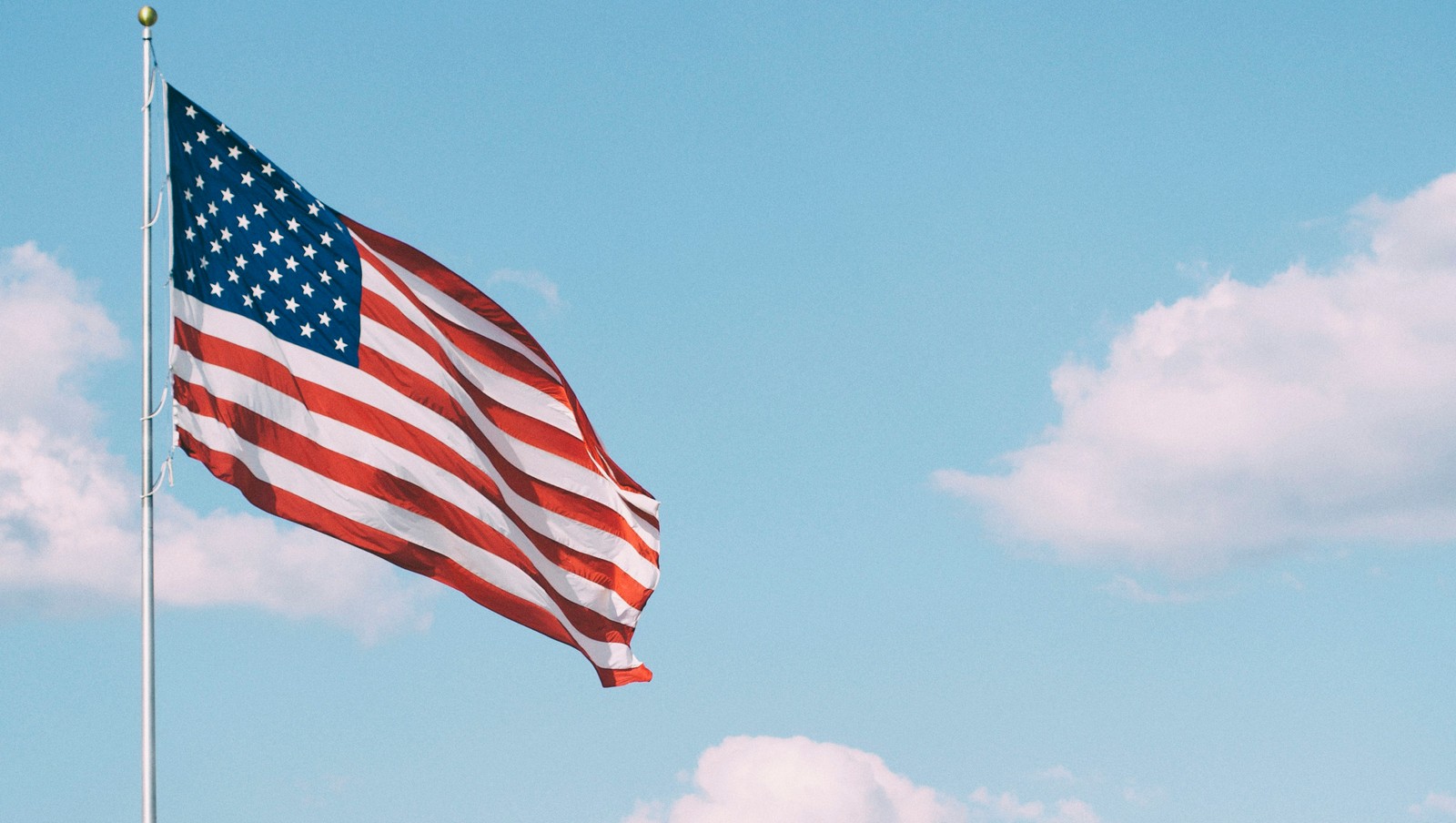
Image: Aaron Burden

The thirteen original colonies are the birthplace of America as a free country, but their history started way before 1776 . Did you know that there were actually only twelve proper colonies? Or that not all colonies were originally settled by the British? How did they come to be? What is the origin of their names? Let’s explore all these questions and more!

1
Virginia (1607)
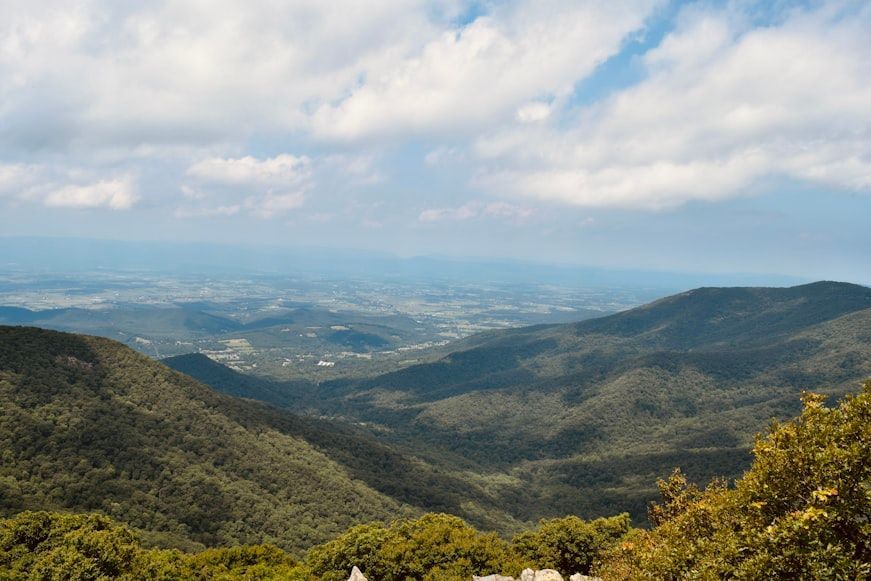
Image: Praswin Prakashan

Before being an established colony, the entirety of England’s territories in North America was referred to as Virginia. While it is commonly accepted that Sir Walter Raleigh named it after Elizabeth I, the Virgin Queen , some historians have suggested that it is the European rendering of Wingina , the name of that region’s native ruler.

The first two English settlements (in modern-day Newfoundland and North Carolina) were not successful. The third one, Jamestown, was settled by the Virginia Company as a charter (a sovereign’s permission to establish a colony). Eventually returned to the crown’s authority, it was officially known as the Virginia Colony. After the English Civil War, Charles II conferred on it the title of "Old Dominion" as a token of gratitude, a name that survives as the state’s current nickname.

2
Massachusetts (1620)
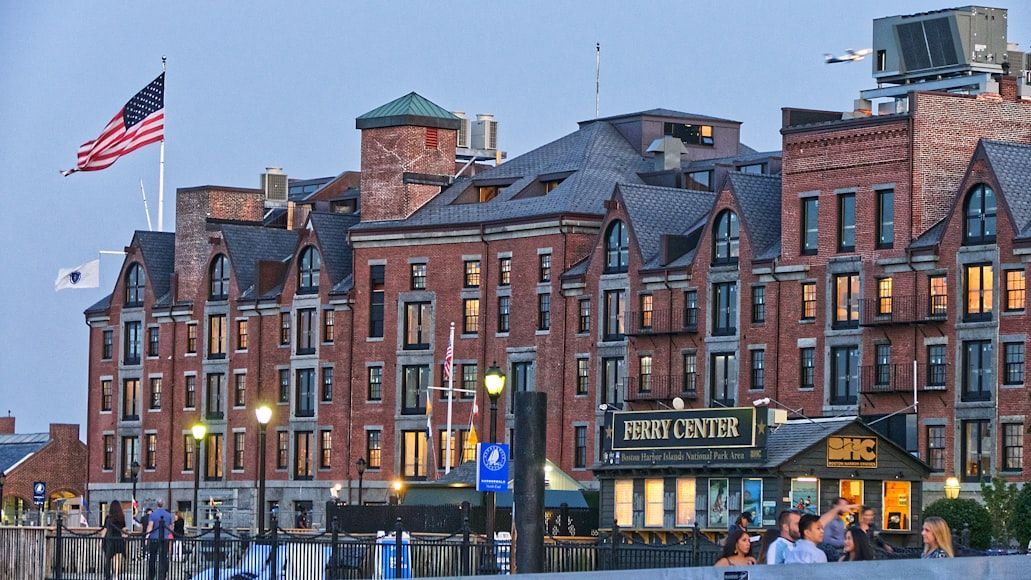
Image: Pascal Bernardon

Also established by charter, the Massachusetts Bay Colony was not only created for trading purposes, like other settlements. It was also intended as a safe haven for English Puritans who desired to escape persecution . Its charter and name changed several times due to the Civil War and political unrest. Eventually, several colonies were merged into the Dominion of New England and later into the Province of Massachusetts Bay.

The name Massachusetts was taken from the indigenous population of the region, an Algonquian tribe called the Massachusett or Muhsachuweesut . It is believed that the name means ‘by the great hills’ or ' at the range of hills’, in reference to the Blue Hills.

3
New Hampshire (1623)
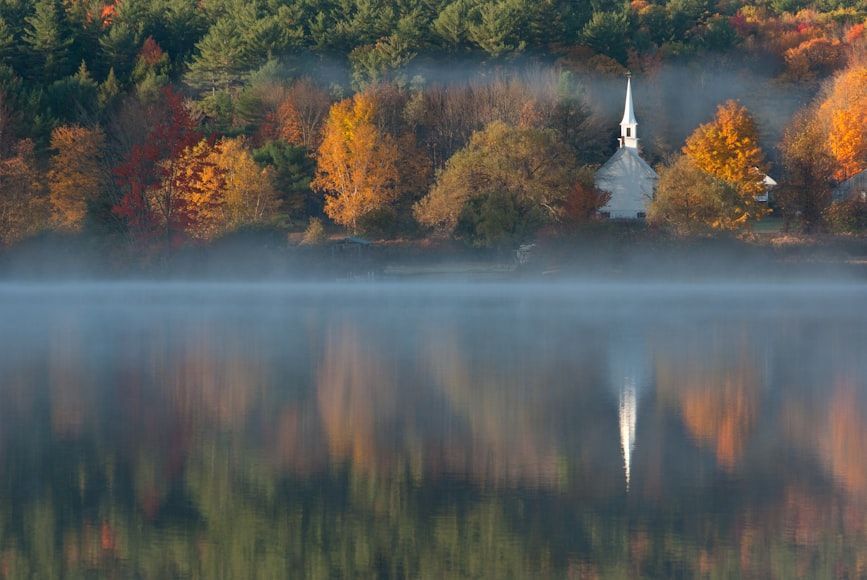
Image: Peter Lewis

The first settlements in New Hampshire were the result of land being granted to John Mason and Sir Ferdinando Gorges , neither of whom ever traveled to the region. Additional settlements in the area were established by colonists from Massachusetts Bay, who were unhappy with the strict Puritan rule of the colony.

Although John Mason had been born in Norfolk, he had ties to Hampshire County in South East England, after whom he decided to name his newly granted land . After Mason’s death, the region lacked a proper authority, and the settlers voted to be part of the Massachusetts Bay Colony. After the Civil War, the Province of New Hampshire was established by Charles II.

4
Maryland (1634)
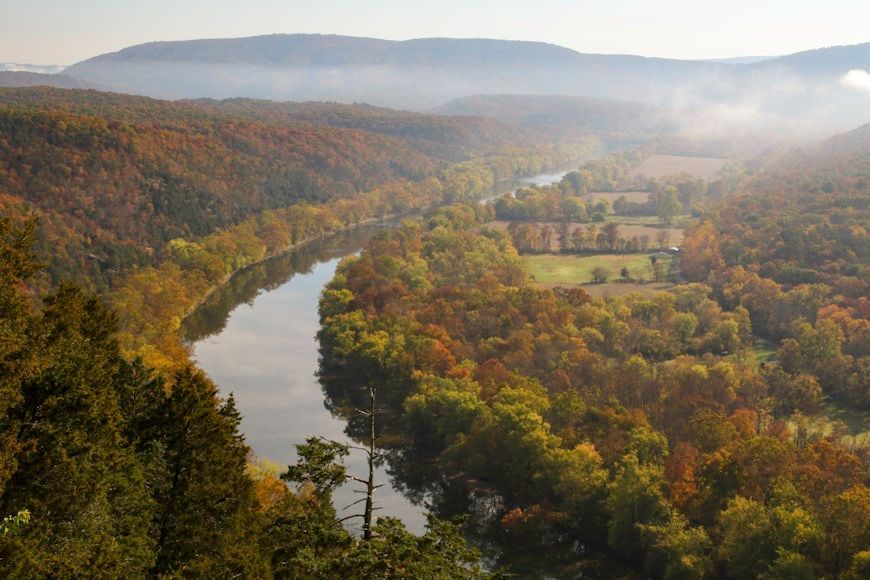
Image: Liz Guertin

A similar situation to the Massachusetts colony, Maryland was also established as a refuge from religious persecution, this time for Roman Catholics . With this purpose in mind, George Calvert, 1st Baron Baltimore, secured a land grant from Charles I. Despite several religious conflicts, Maryland remained one of the most tolerant colonies.

Maryland was named after Charles I’s wife, Henrietta Maria , who was a devout Catholic. Lord Baltimore had initially intended to use the name Crescentia (or ‘the land of growth’), but he decided to let the King choose the name. Charles named it Terra Mariae (Maria’s land), although the English version quickly became more widely used.

5
Connecticut (1636)
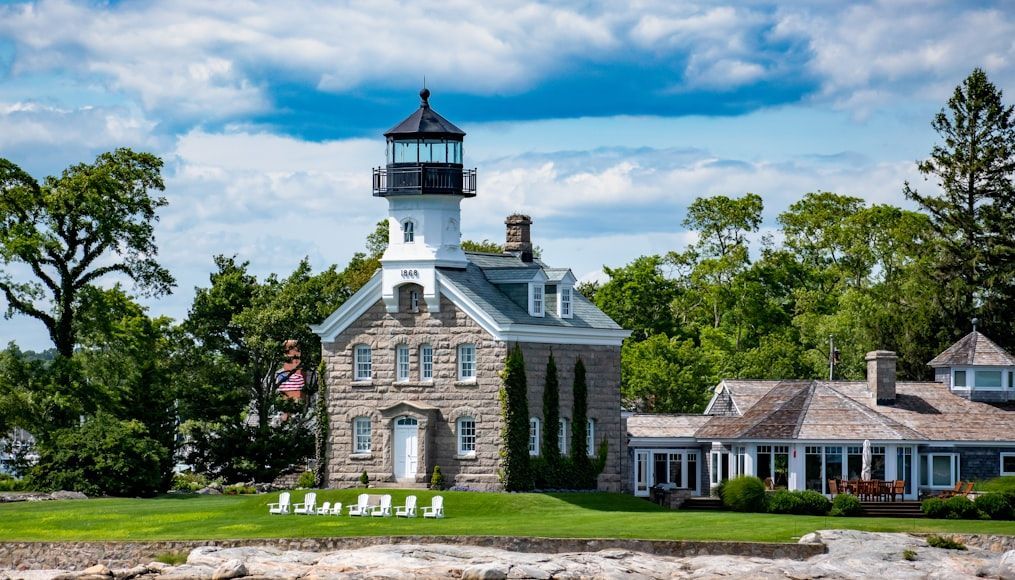
Image: Rusty Watson

The first settlements in the area were established by Dutch explorers, but English settlers soon arrived from the Plymouth colony in Massachusetts. The colony took its name from the Connecticut River , a corrupted form of the native words quinetucket and kwinitekw , meaning ‘beside the long, tidal river’.

Connecticut's current nickname, ‘the Constitution State’, is a reference to the Colony’s constitution, the Fundamental Orders of Connecticut , one of the earliest constitutions in modern history.

6
Rhode Island (1636)
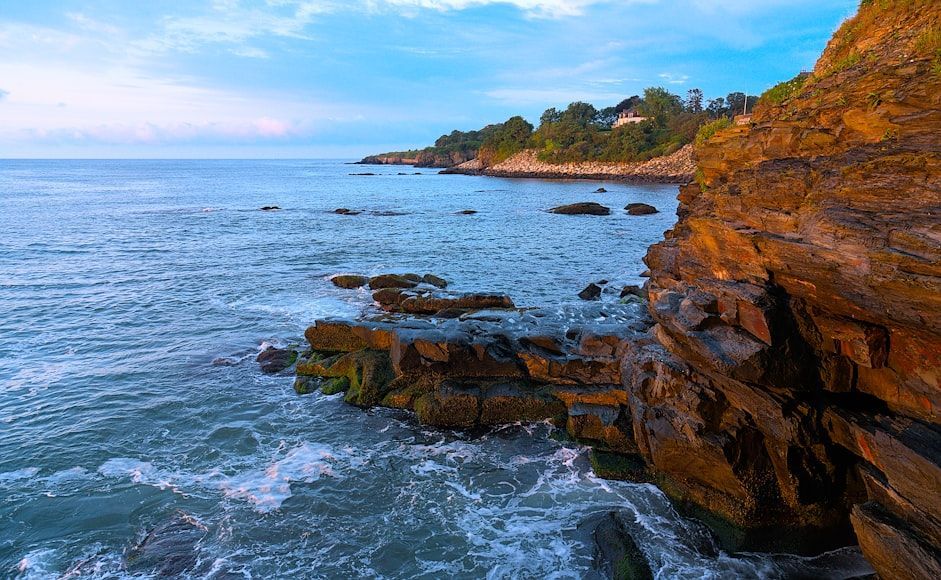
Image: Steve Anton

Founded by a Puritan minister who had been expelled from the Massachusetts Colony, Rhode Island was initially named Providence Plantations . Committed to ensuring religious freedom, it became a refuge for religious dissenters who found it difficult to live in the strict Puritan colonies. Later on, it merged with several other settlements —among them, Aquidneck Island, also known as Rhode Island— and took the name of the Colony of Rhode Island and Providence Plantations.

It’s uncertain where the name Rhode Island came from, but the two most likely theories cite either a connection with the Greek island of Rhodes or the Dutch phrase "een rodlich eylande" (‘a reddish island’) . All three names (Rhode Island, Island of Rhodes, and Red Island) are used in 17th-century documents.

7
North and South Carolina (1663)
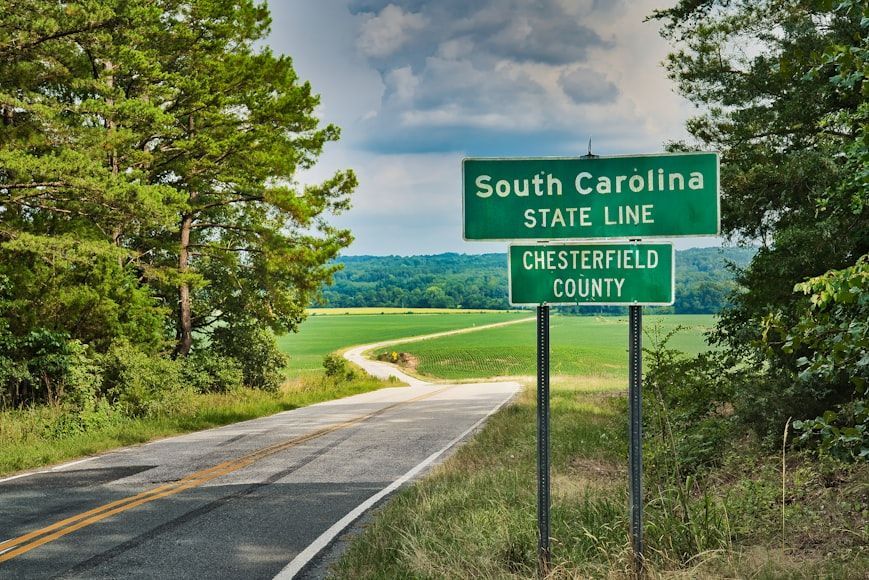
Image: Clint Patterson

Before there was a North and a South Carolina, there was just Carolina . The land of both colonies had been granted to various nobles as a reward for their role in the restoration of the monarchy. The charter granting the lands —which included areas from present-day North Carolina, Tennessee, South Carolina, Georgia, Alabama, Mississippi, and Florida— named them Carolina (from the Latin Carolus ) after King Charles I .

The area covered by the province of Carolina was divided into two distinct parts, and communication and transportation between the two proved difficult. A deputy governor for the northern region was initially appointed, but the noble proprietors eventually decided to divide the province into two , North Carolina and South Carolina.

8
New York (1664)
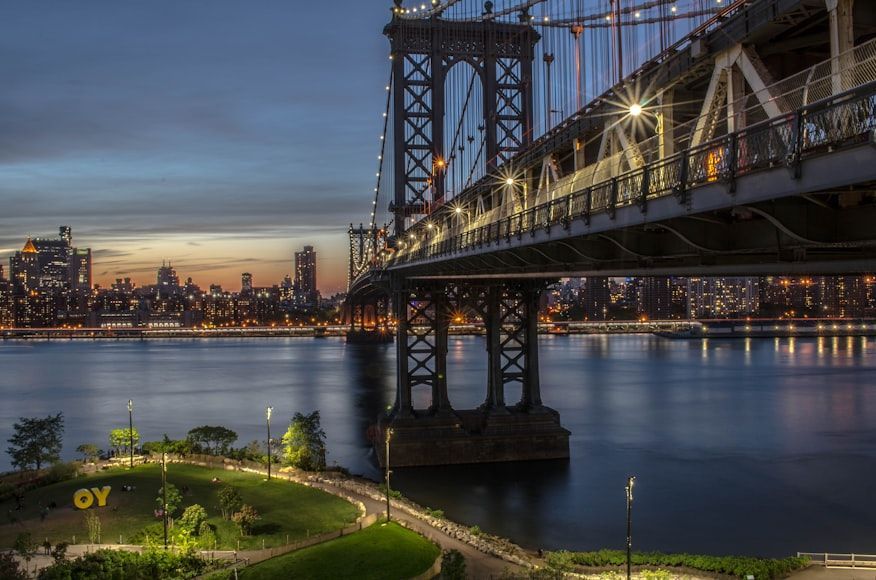
Image: Matthias Kinsella

It is a widely known fact that modern-day New York was initially colonized by Dutch settlers under the name ‘New Netherland’, with ‘New Amsterdam’ as its capital city . In 1664, King Charles II and his brother, the Duke of York, gathered a fleet to seize the New Netherland territories, a conquest disputed by the Dutch West India Company, the colony administrator.

The Duke of York was made proprietor of the territory, now renamed ‘New York’. In the following decade, the ownership of the territory was disputed, and the Dutch made several attempts to recover it. Eventually, the Treaty of Westminster was signed in 1674, where the Dutch forfeited the New York territories in exchange for the Suriname colony in South America.

9
Delaware (1664)
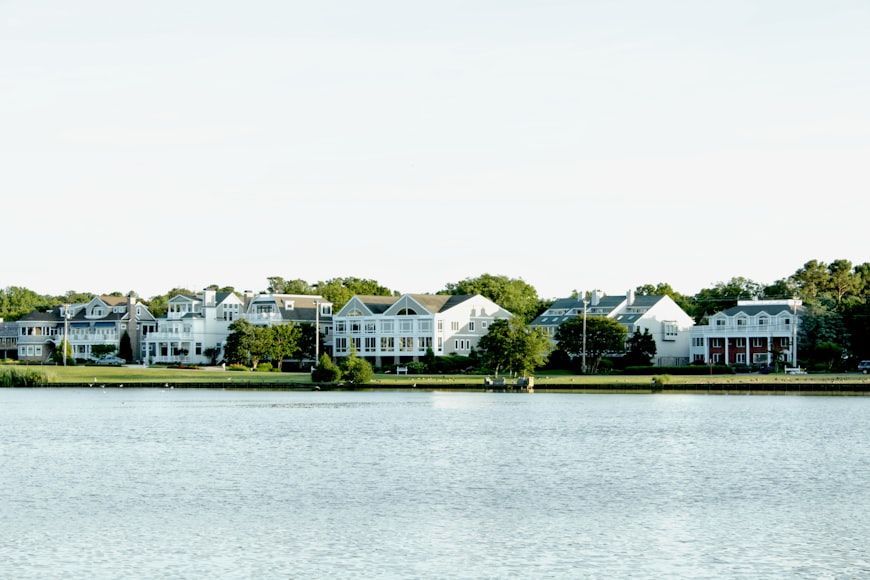
Image: Gökhan Kara

The territory of Delaware was originally part of New Netherland, which made it part of the New York Province after British conquest, but it was never effectively controlled by the New York government. These counties had taken their name from the neighboring Delaware River , which in turn had been named after Thomas West, 3rd Baron De La Warr, governor of Virginia at the time the English gained control of that territory.

While they were never a colony of their own, the Delaware counties had an independent legislature and functioned as a de facto colony. Later included in the land granted to William Penn, they refused to merge with the Pennsylvania government and were eventually granted their own assembly. At the start of the Revolutionary War, the Delaware assembly voted for separation from Britain, thus creating the state of Delaware.

10
New Jersey (1665)
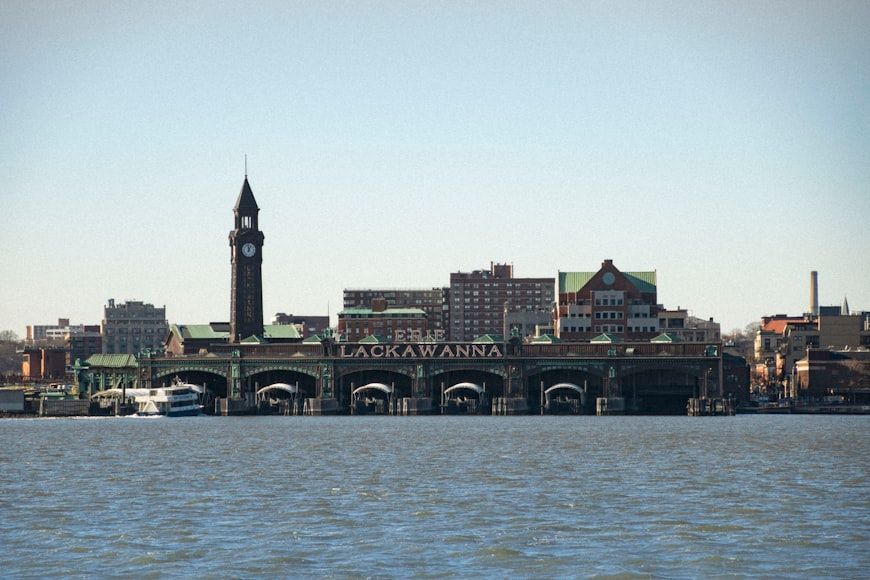
Image: R

Originally part of the New Netherland territory, half of the New Jersey territory was conferred by the Duke of York to Sir George Carteret as a reward, while the other half was sold to Lord Berkeley of Stratton. The territory was named after Carteret’s homeland, the island of Jersey .

A few years later, New Jersey was divided into two provinces, East and West Jersey , with their respective governors and constitutions, which were eventually incorporated into the New England Dominion, alongside the province of New York. However, the Dominion was dissolved after a few years, and the East and West Jersey territories were unified as the Province of New Jersey.

11
Pennsylvania (1681)
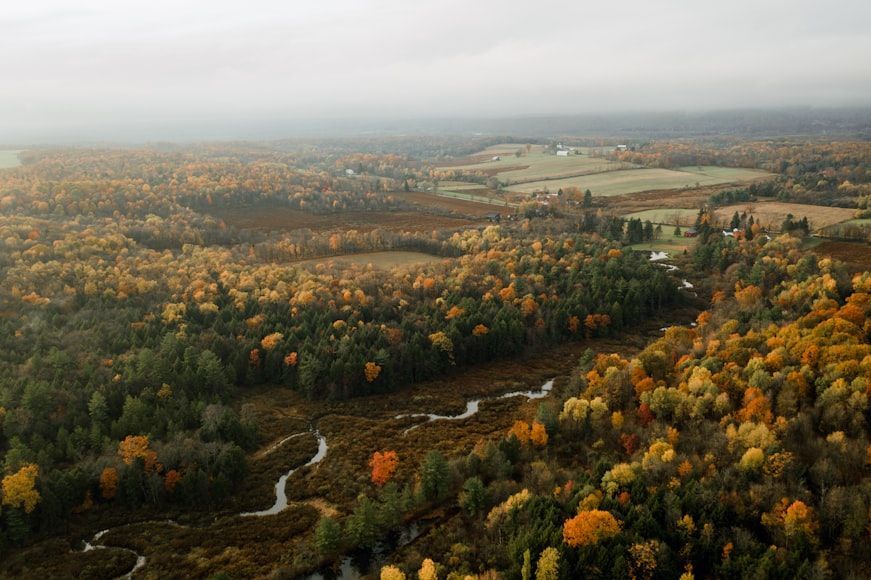
Image: Donnie Rosie

Pennsylvania, alongside Carolina, is one of the two major Restoration colonies, chartered by Charles II to reward loyal subjects after the war. In this case, it was conferred on William Penn, an influential Quaker thinker, to settle a debt owed to his father. Penn and his associates had already purchased most of the New Jersey territory to establish a Quaker haven, but religious tensions in England made him propose a mass emigration of Quakers to the King.

The king conferred Penn a large territory —which made him the largest private non-royal landowner— with almost absolute rights. While Penn intended to name the colony either ‘New Wales’ or ‘Sylvania’ (Latin for ‘forests’), the king named it Pennsylvania after Penn’s father . Penn personally travelled to the territory to establish the first settlements, signed treaties with the Lenape tribes of the area, and established a proto-constitution which guaranteed freedom of religion, elections, and trials by jury.

12
Georgia (1732)
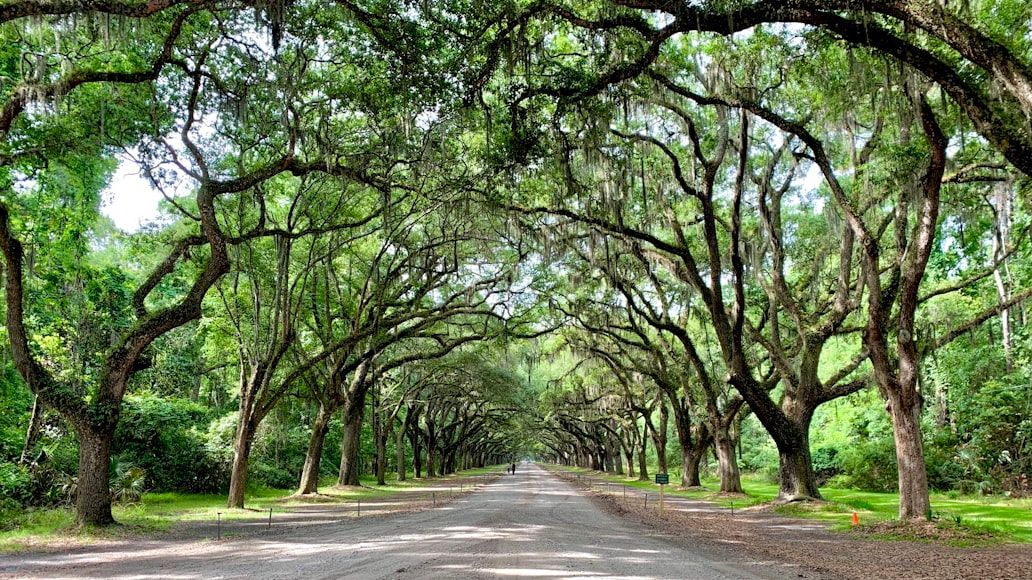
Image: Jacob Mathers

The last colony to be established, Georgia was chartered to James Oglethorpe by King George II, after whom it was named . A social reformer, Oglethorpe, wanted to establish the territory as a haven for debtors and poor people, and implemented measures such as the banning of alcohol and slavery. He also disliked the large plantation system, favoring smallholdings.

The colony was also intended to be a ‘buffer’ between the British colonies and the Spanish territories in Florida. Despite Oglethorpe’s well-intentioned designs, the colony was difficult to manage, and it was returned to the crown two decades later. Upon becoming a royal colony, Oglethorpe’s measures against slavery and the plantation system were overturned.
Culture Culture 7 min read

Celebrating Dolly

When Dolly Parton turned down Elvis: 10 incredible facts about her life

Image: Bart Sherkow

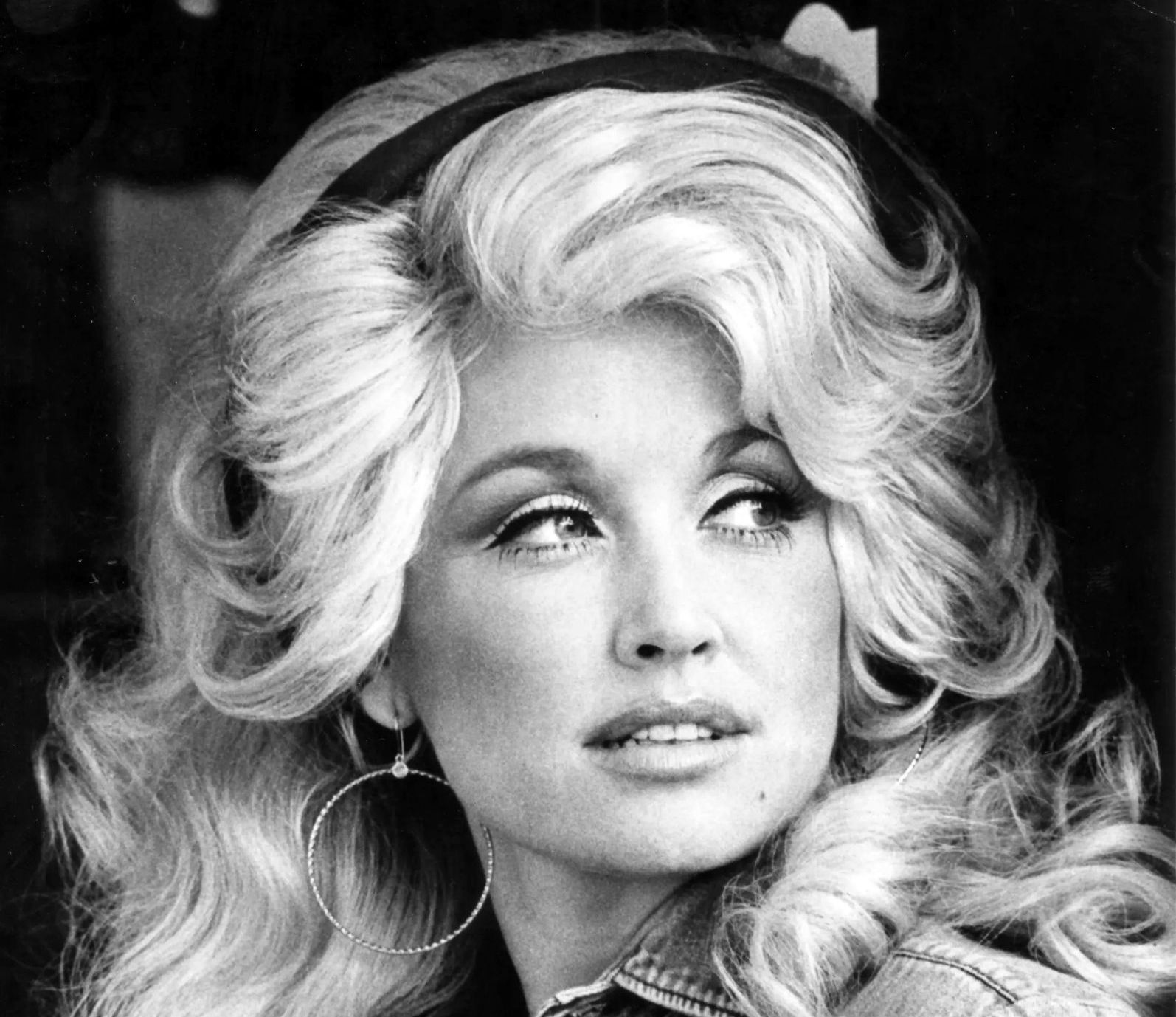
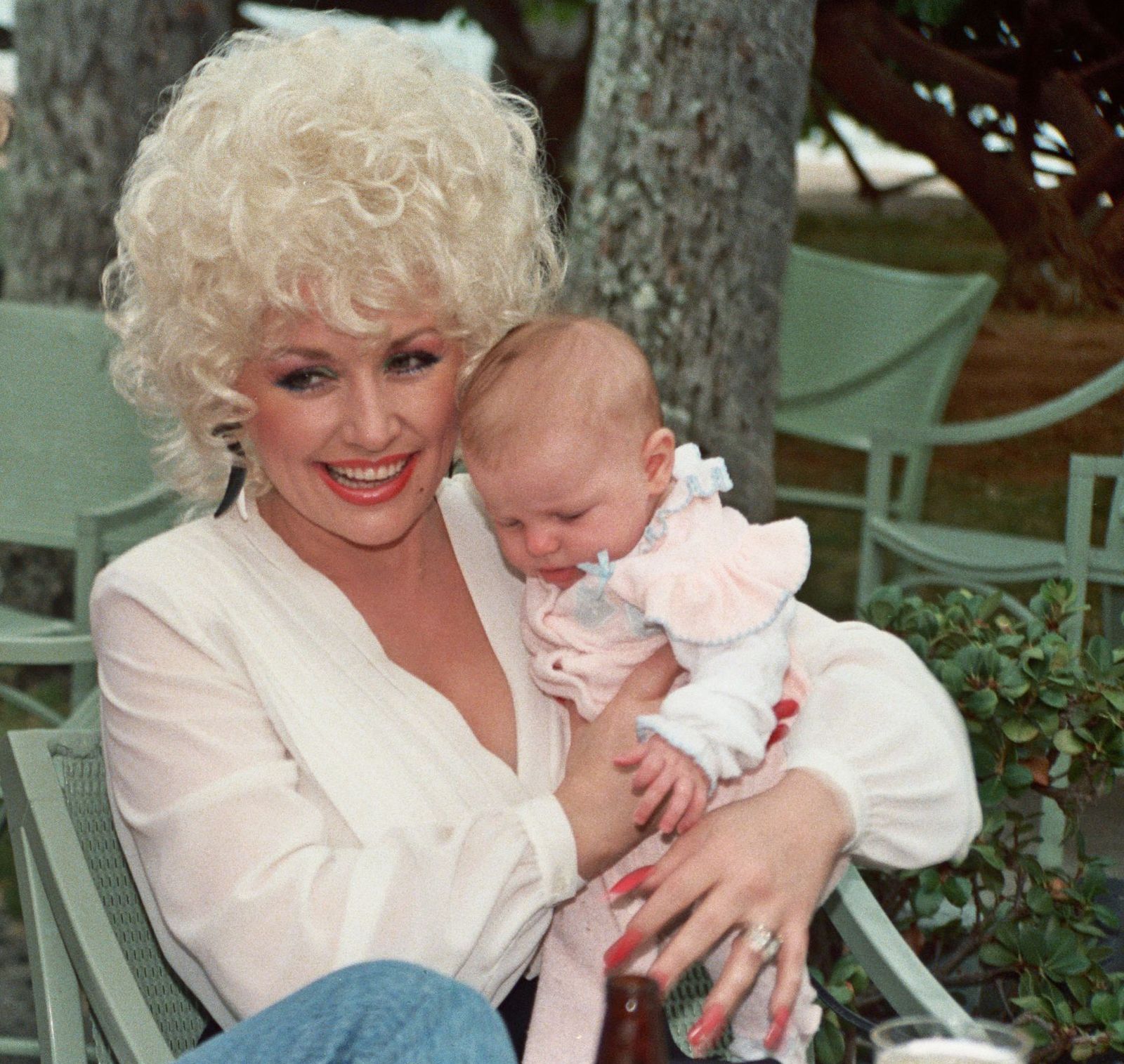
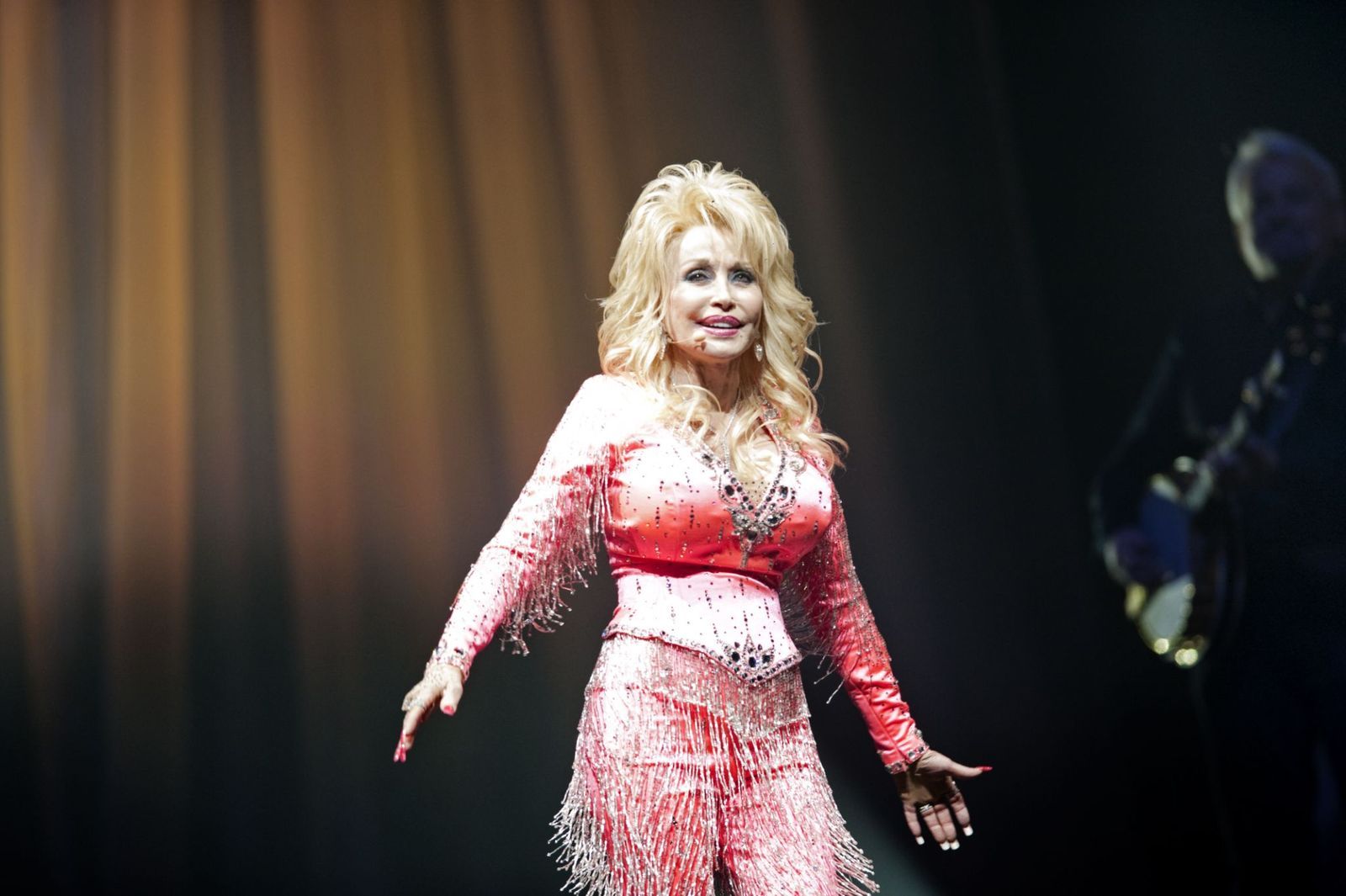
Song by indelible song, Dolly Parton wrote and recorded the soundtrack of America for many generations — but there was far more to Dolly’s story than her music. From turning down Elvis Presley to a six-decade marriage to the resolutely private man she loved, her life was filled with stories that are just as fascinating as her catalog. Here are 10 surprising facts and unforgettable moments from the life of Dolly Parton.

1
Her parents paid for her birth with cornmeal

Image: Vinicius Benedit

Dolly Parton’s life has been filled with talent, music, art, and an adoring audience, but it wasn’t always easy for her or her family.

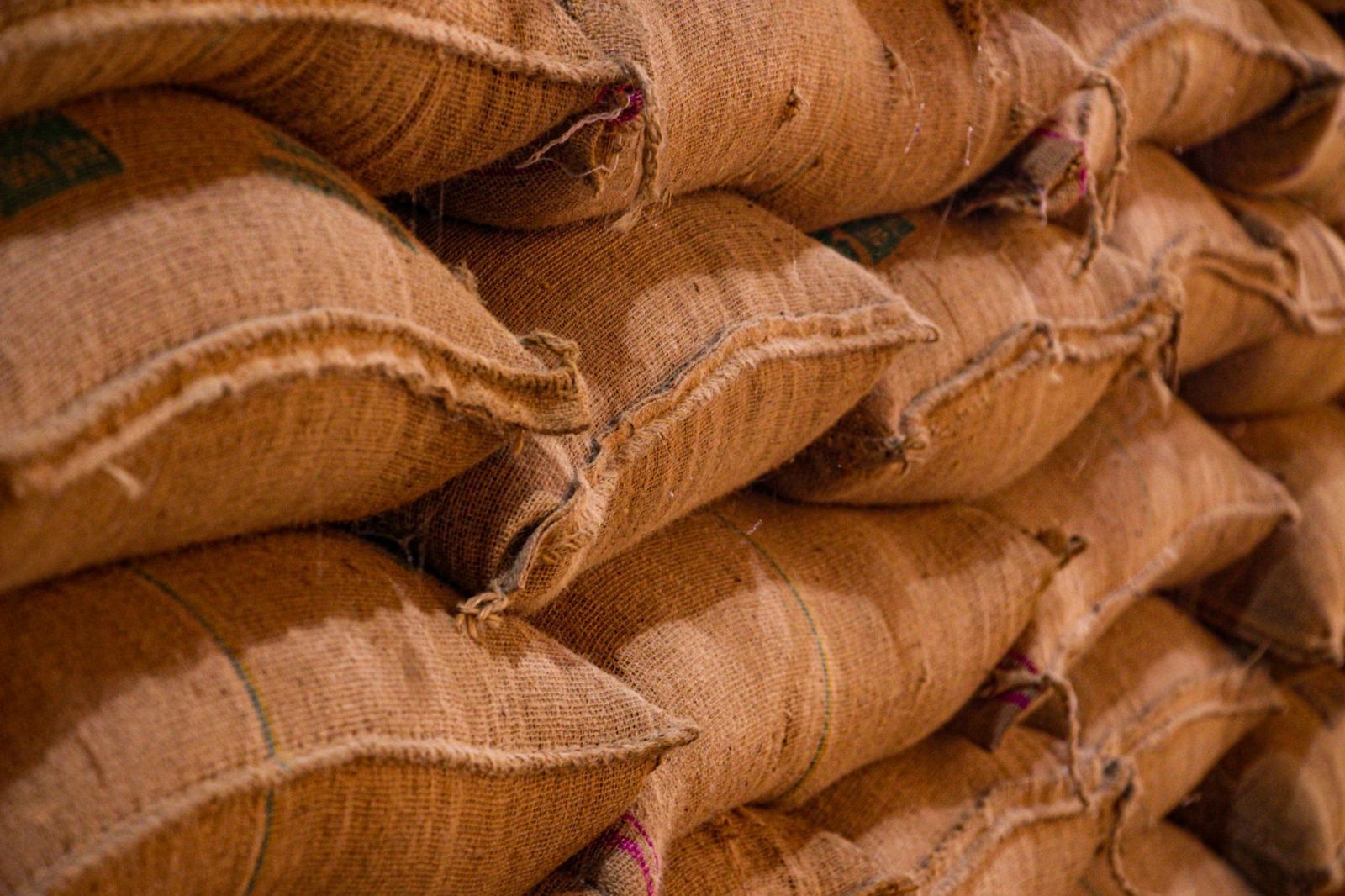
She was born on January 19, 1946, in a one-room log cabin in the Great Smoky Mountains of Tennessee, during a snowstorm. The fourth of 12 children, Dolly was born to Robert Lee Parton Sr. and Avie Lee Owens Parton, who were far from wealthy. According to Dolly, her parents paid the doctor who delivered her, Dr. Robert F. Thomas, with a sack of cornmeal because they couldn't afford to pay him in cash. Dolly later honored him in the song "Dr. Robert F. Thomas," which appeared on her 1973 solo studio album, My Tennessee Mountain Home.

2
She made her first guitar from an old mandolin

Image: VladKK

From a young age, Dolly showed that hard times wouldn’t stop her.

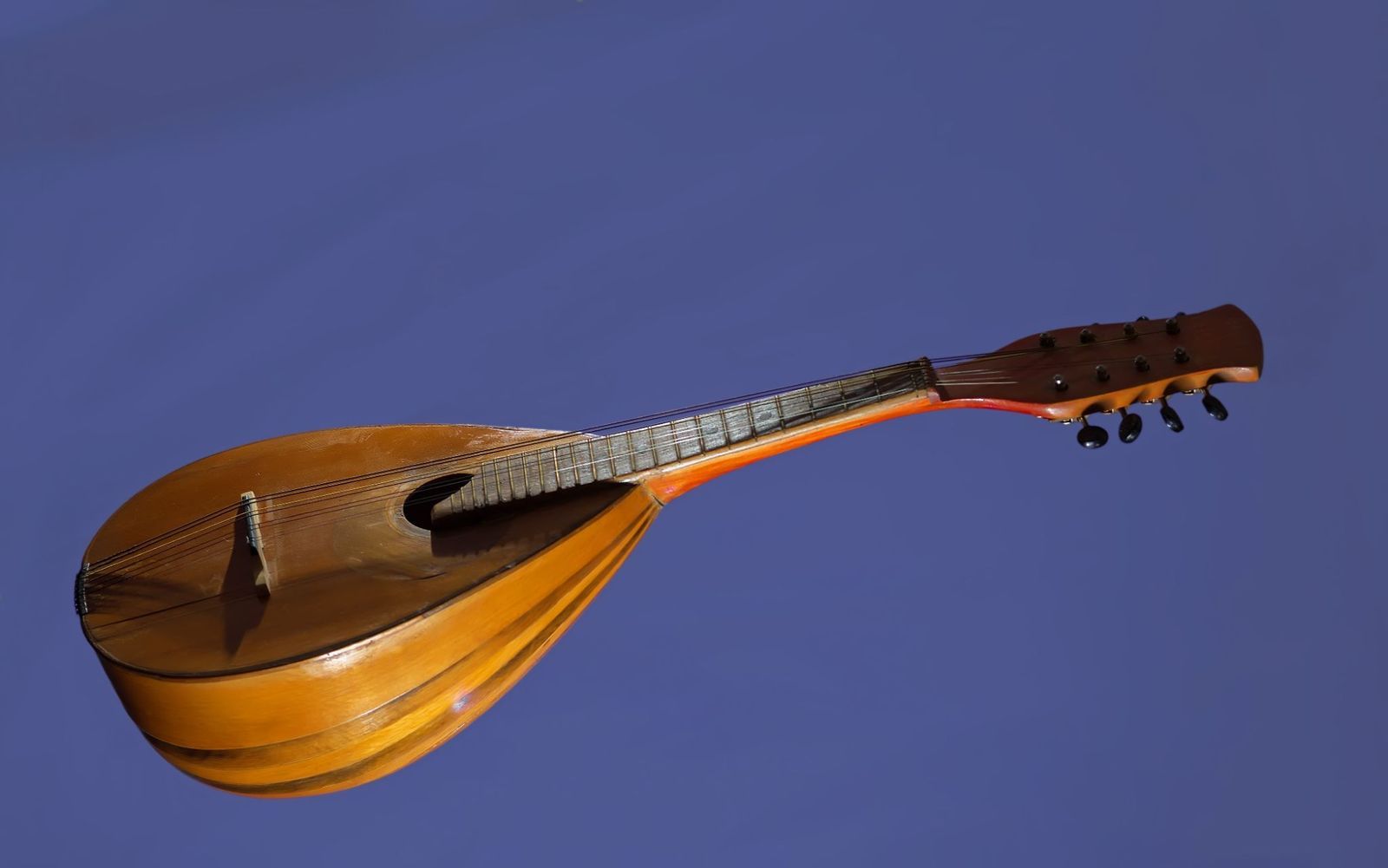
Around 1951, when she was about five years old, she wrote her first song, titled "Little Tiny Tasseltop," about a doll with corn-silk hair that her mother made for her. A couple of years later, Dolly got her first guitar, or rather, she made one herself. Growing up poor, buying a new instrument was impossible for her family. So she decided to turn a broken old mandolin into a makeshift guitar by adding two bass guitar strings. Not long afterward, an uncle gave her a small, proper acoustic guitar, an instrument that helped a young Dolly take her first steps toward performing professionally on local radio and television.

3
She was married to the same man for nearly 60 years

Image: RCA Records, Public domain, via Wikimedia Commons

Although they were rarely seen together in public, Dolly Parton married at 20 and spent nearly six decades with the same man.

Dolly was 18 when she arrived in Nashville in 1964, and the city had quite a surprise waiting for her. On her very first day, she went to do laundry at the Wishy Washy Laundromat, where she met Carl Dean, then 21. He spotted her outside, stopped his pickup truck, and struck up a conversation. According to Carl, his first thought was, "I’m gonna marry that girl." Dolly and Carl wed on May 30, 1966, in Ringgold, Georgia, in a small private ceremony. They remained together until Carl’s death on March 3, 2025, just shy of their 60th wedding anniversary.

4
She wrote "Jolene" and "I Will Always Love You" to launch her solo career

Image: Moeller Talent, Inc. Nashville (management), Public domain, via Wikimedia Commons

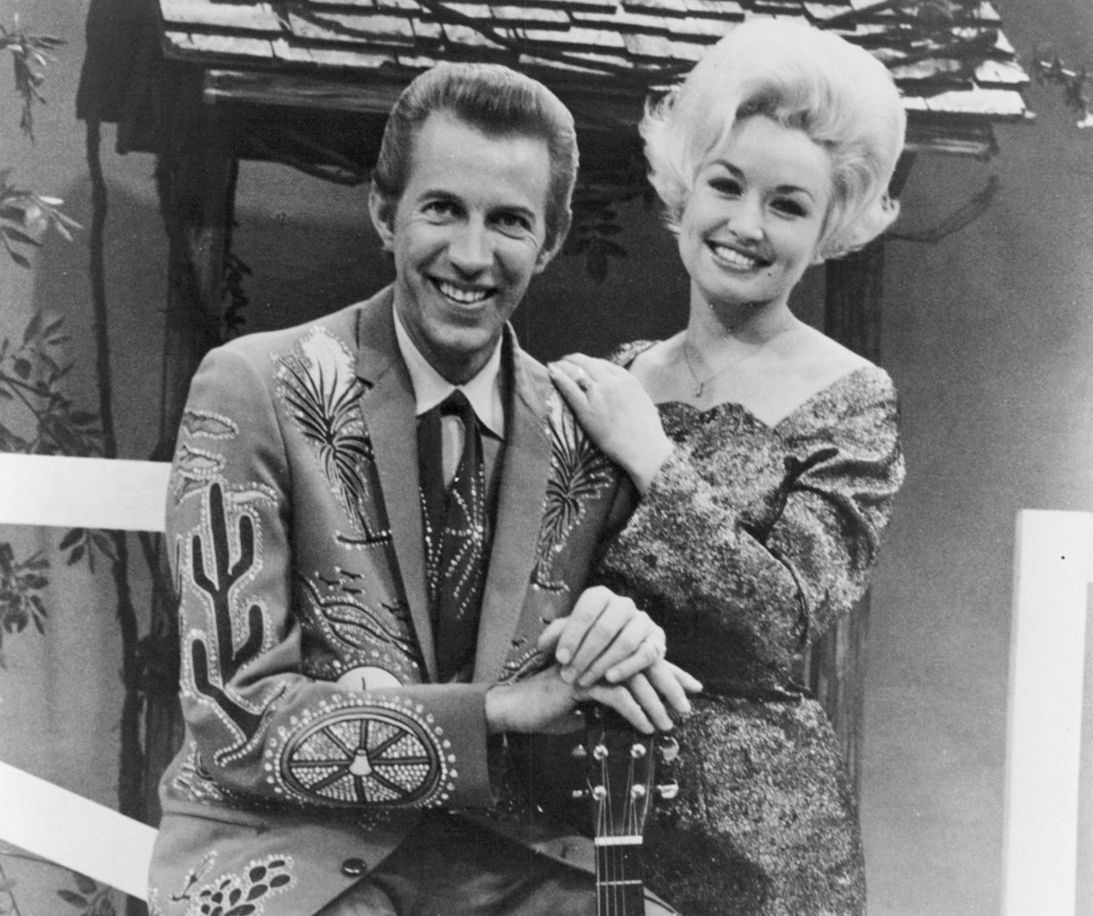
During the 1970s, Dolly decided to leave the famous Porter Wagoner Show and strike out on her own as a solo artist. To do it, she turned to what she did best: writing songs.

But she didn’t write just any songs; she wrote two of the most famous hits of the 20th century: "I Will Always Love You" and "Jolene." The first was an emotional farewell to her mentor and duet partner, Porter Wagoner. The other was inspired by a red-haired bank teller who caught Dolly’s attention by openly flirting with her husband at his local bank during the early years of their marriage. Some accounts say she wrote them during the same intense songwriting session in 1973, and there’s even a story that she wrote both on the same day, but Dolly herself has stated she wasn’t 100% sure about that. What is known is that the two songs appeared back-to-back on the same album, 1974’s Jolene .

5
She turned down Elvis

Image: eBay, Public domain, via Wikimedia Commons

In 1973, Dolly Parton was at a turning point in her career, working hard to establish herself as a solo artist and prove she could make it on her own. That process resulted in one of the most famous and beautiful songs ever recorded: "I Will Always Love You." But she had no idea what would happen just about one year later.

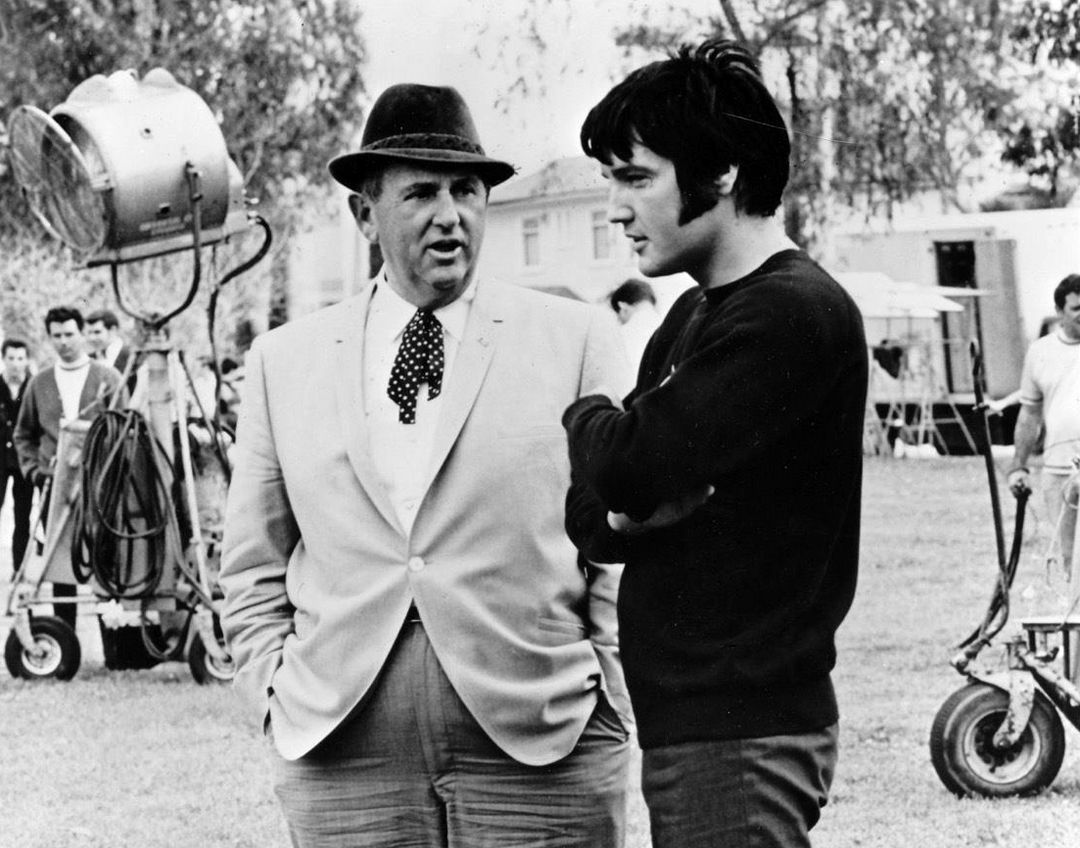
Someone heard the song and immediately wanted to record a cover, and it wasn’t just anyone; it was Elvis Presley himself. Dolly was thrilled by the offer, but eventually had to say no after Presley’s manager, Colonel Tom Parker, demanded that she give up 50% of the song’s publishing rights. Parton refused because she wanted to keep the publishing income for her family, but in later interviews, she openly admitted she cried all night after turning down the King.

6
She created "9 to 5" using her fingernails

Image: Alan Light, CC BY 2.0, via Wikimedia Commons

Everything about Dolly was big: her talent, her creativity, her heart, and also her hair, makeup, and acrylic fingernails. As it turned out, those famous nails even played a part in creating the sound of one of her biggest hits.

Dolly used her nails as a percussion instrument while working on "9 to 5," the theme song for the 1980 movie of the same name. While on the set without a guitar handy, she clacked her long acrylic nails together to create the typical sound of a typewriter, giving the song its memorable rhythm. She even recreated that sound during the recording, earning an unusual credit on the album: "Nails by Dolly."

7
She entered a Dolly Parton lookalike contest... and lost

Image: Jack Fordyce

Dolly Parton always knew how to have a good time, and this story is a perfect example.

As she recalled in her 2012 memoir, Dream More: Celebrate the Dreamer in You , Dolly was in Los Angeles during Halloween when she heard about a look-alike contest at a gay bar on Santa Monica Boulevard, featuring drag queens dressed as her. She couldn’t resist, so she went all out with her hair and makeup, arrived with friends, and entered the contest without revealing who she was. The funniest part? Nobody recognized her; the judges reportedly thought she was a "cheap imitation" of the real thing. As she has said in several interviews, she didn’t win, but she definitely had a good laugh.

8
She had her own theme park

Image: Joseph Hendrickson

Music wasn’t the only thing that came out of Dolly’s imagination; she also dreamed up another ambitious project: a theme park that would bear her name.

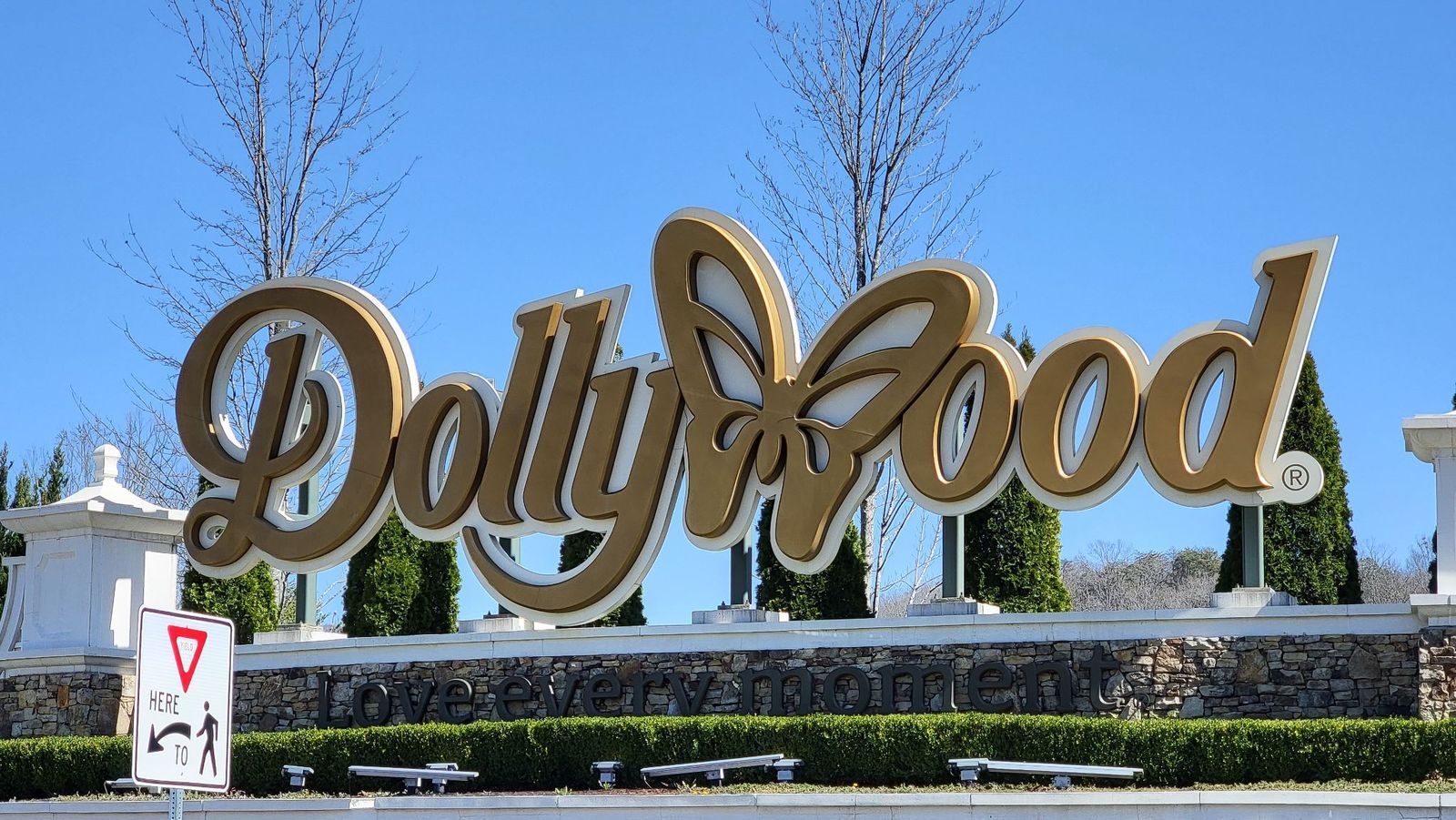
In September 1985, Dolly announced plans to build a "fantasy mountain park" in Pigeon Forge, Tennessee, hoping to bring jobs and economic growth to her native region. Rather than competing with others or starting from scratch, her team partnered with the Herschend family, owners of Silver Dollar City park in Pigeon Forge. After a $5 million expansion, the park reopened as Dollywood on May 3, 1986. Attendance more than doubled in its first season, and the park became a major Smoky Mountains attraction. After Dolly’s passing, park officials said keeping Dollywood open had been her wish, reflecting her belief that "the show must go on."

9
The Imagination Library

Image: Shawn Miller., Public domain, via Wikimedia Commons

In addition to thousands of songs and a successful amusement park, Dolly created something else filled with love: a program that put books into children’s hands.

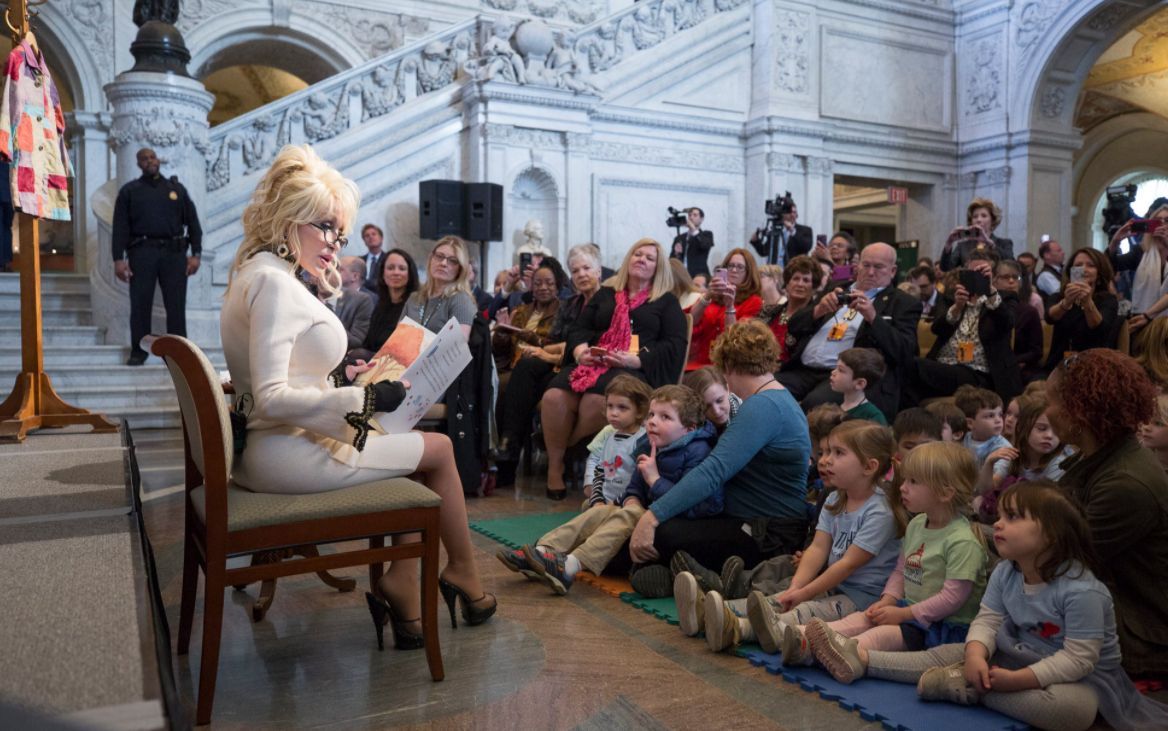
Dolly Parton established the Dollywood Foundation in 1988 and launched Dolly Parton’s Imagination Library in 1995 . The program sends free books each month to children from birth until age five. It eventually expanded beyond the United States to Canada, the United Kingdom, Australia, and the Republic of Ireland, reaching millions of children, but the idea was deeply personal. Dolly often called her father, Robert Lee Parton, who she said was the smartest man she had ever known, while noting that his limited literacy had kept him from pursuing some of his dreams. She created the Imagination Library in large part to honor her father and provide children with the opportunities he never had.

10
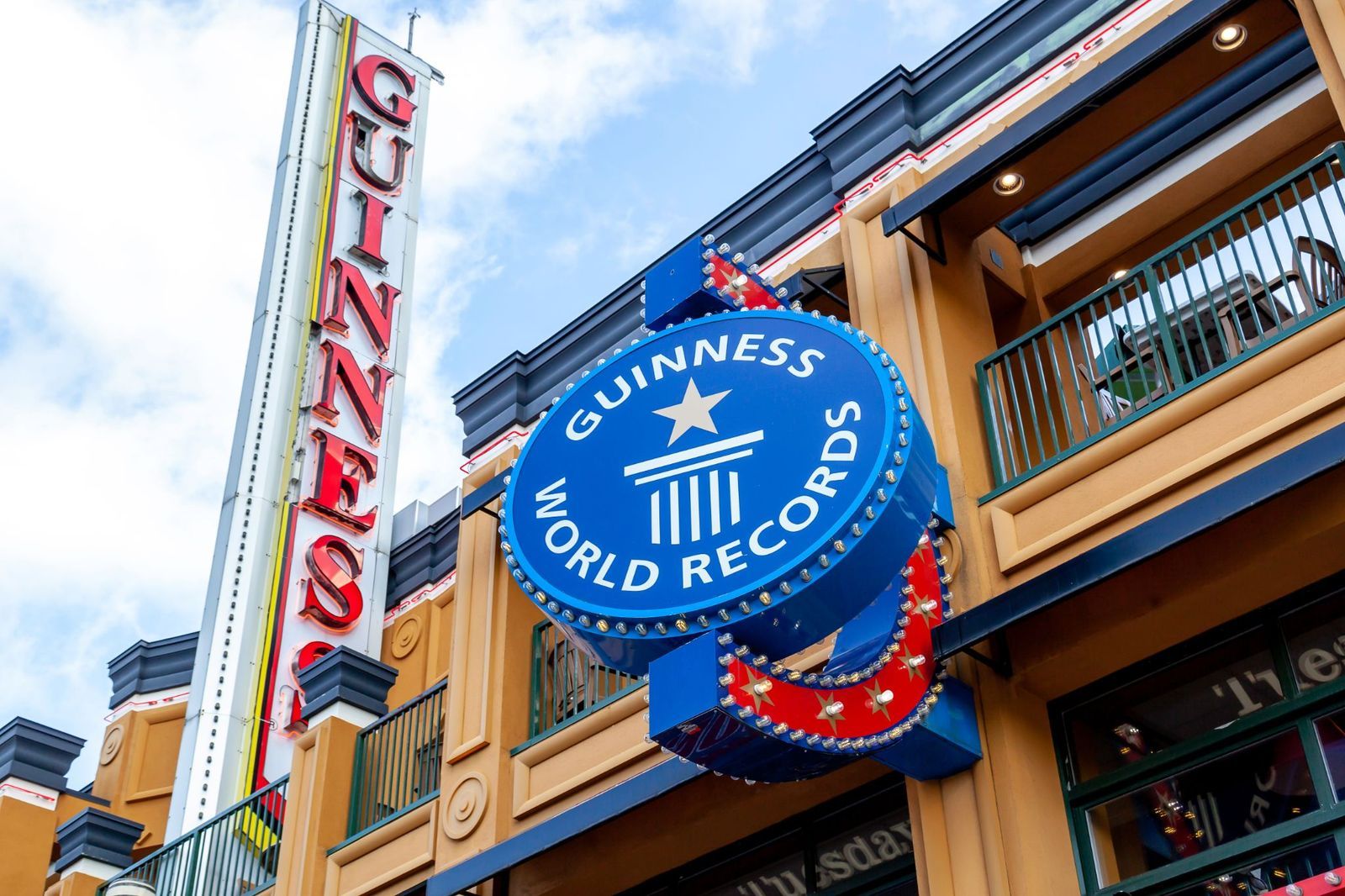
She was a Guinness World Record holder

Image: JHVEPhoto

We all know how talented and prolific Dolly Parton was, so it’s no surprise that she has earned an impressive number of awards. But Dolly has done more than fill trophy cases; she’s also filled the record books.

Besides her 10 competitive GRAMMY Awards from 55 nominations, along with the GRAMMY Lifetime Achievement Award that she received in 2011, Dolly also holds 11 Guinness World Records titles, many of them recognizing the extraordinary longevity and success of her career on the country charts. Among them are the record for the longest span of No. 1 hits on the U.S. Top Country Albums chart by a female artist (46 years and 197 days) and the record for the most No. 1 hits on the U.S. Hot Country Songs chart by a female artist, with 25.

Culture Culture 6 min read

The Five-Sided Puzzle Palace

A man lived there secretly? Stunning facts about the Pentagon

Image: Touch Of Light, CC BY-SA 4.0, via Wikimedia Commons

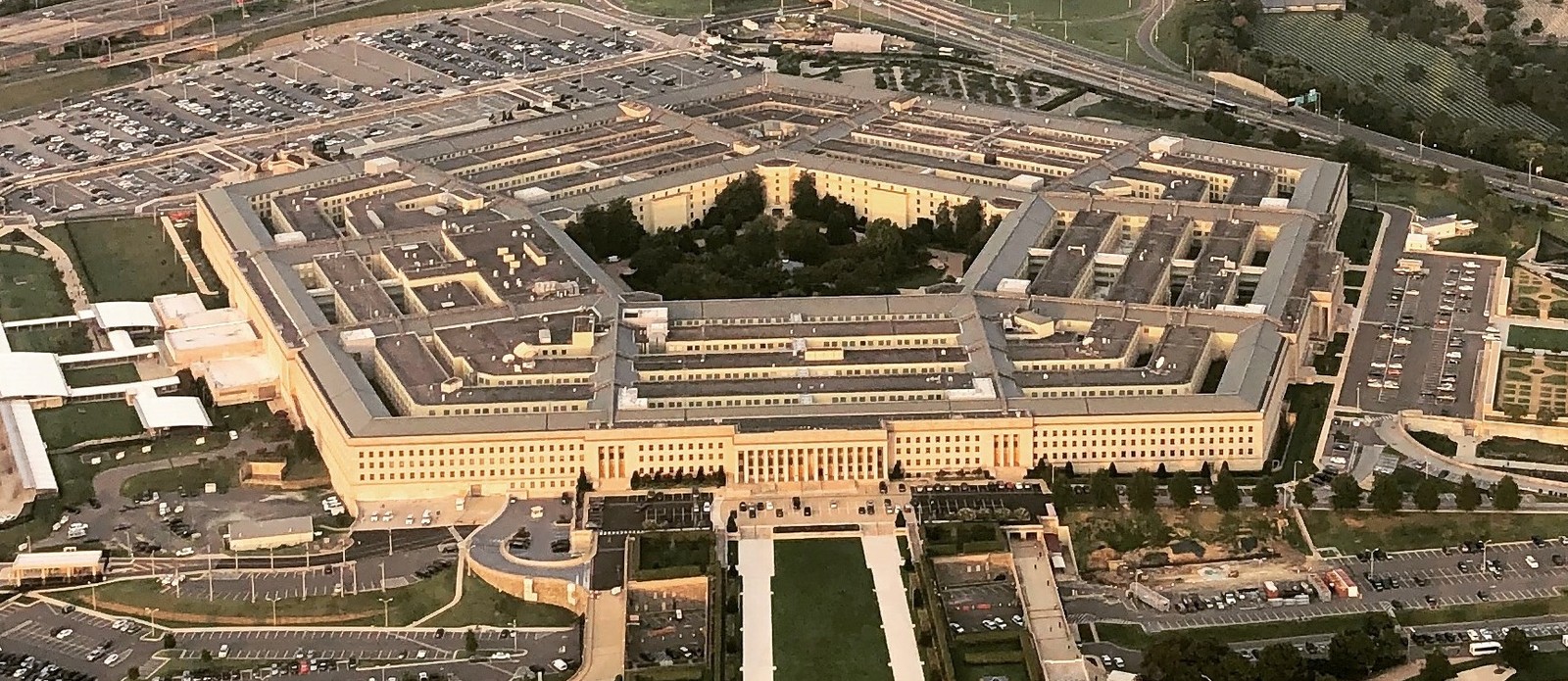
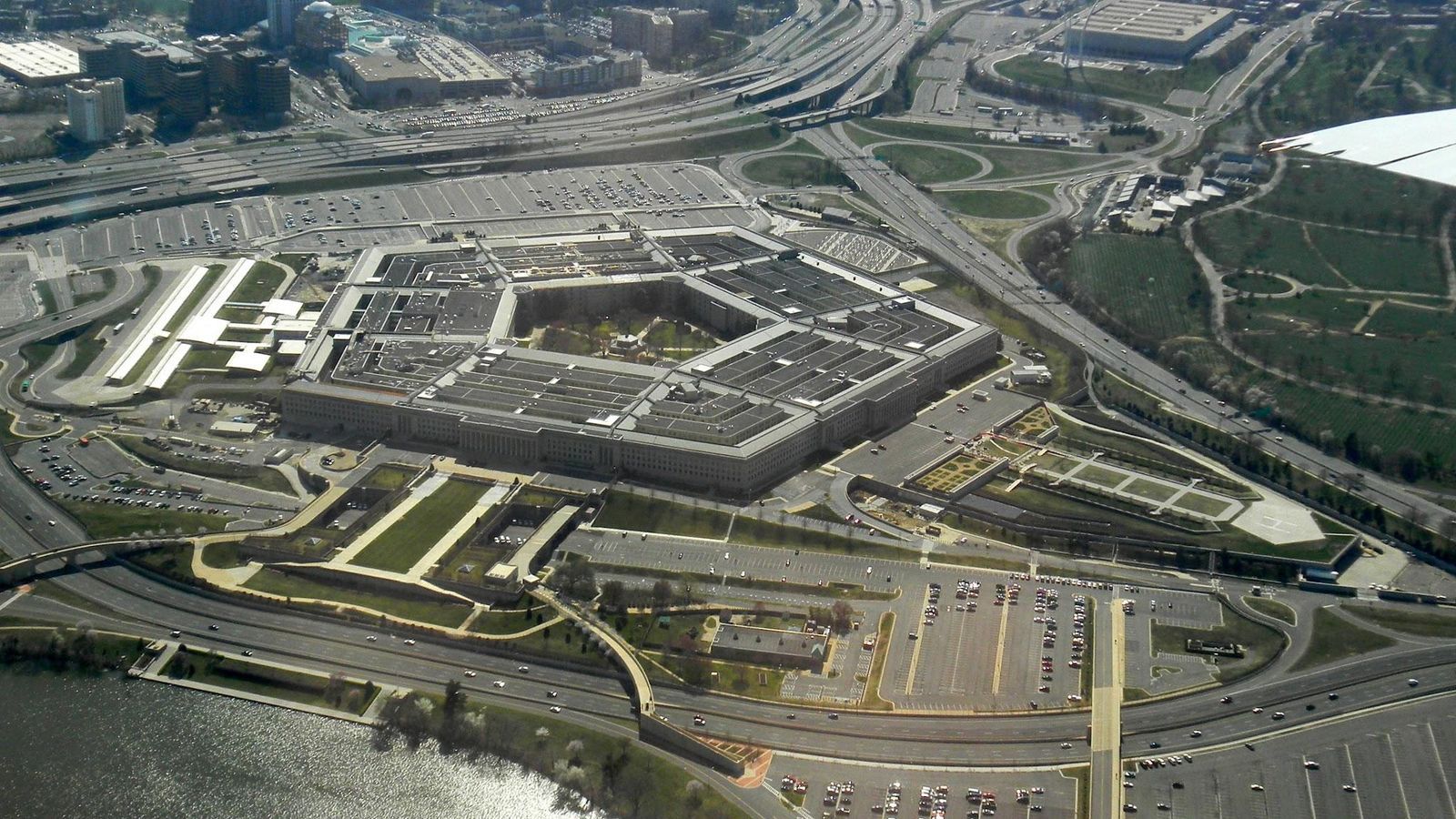
Did you know that construction on the Pentagon building began on September 11, 1941, exactly 60 years before it was attacked? The home of the US Department of Defense has stood for more than 80 years. Although its iconic shape is intriguing in itself, it hides deeper secrets that many Americans have never heard of. Did you know it feeds 26,000 people a day—at a McDonald's, a Five Guys, a Taco Bell, and over 30 other restaurants? Or that a man secretly lived inside its walls for years? Let’s dive into the Pentagon building’s secrets.

1
A renovation project saved thousands of lives on 9/11

Image: Office of the Secretary of Defense - Public Affair, Public domain, via Wikimedia Commons

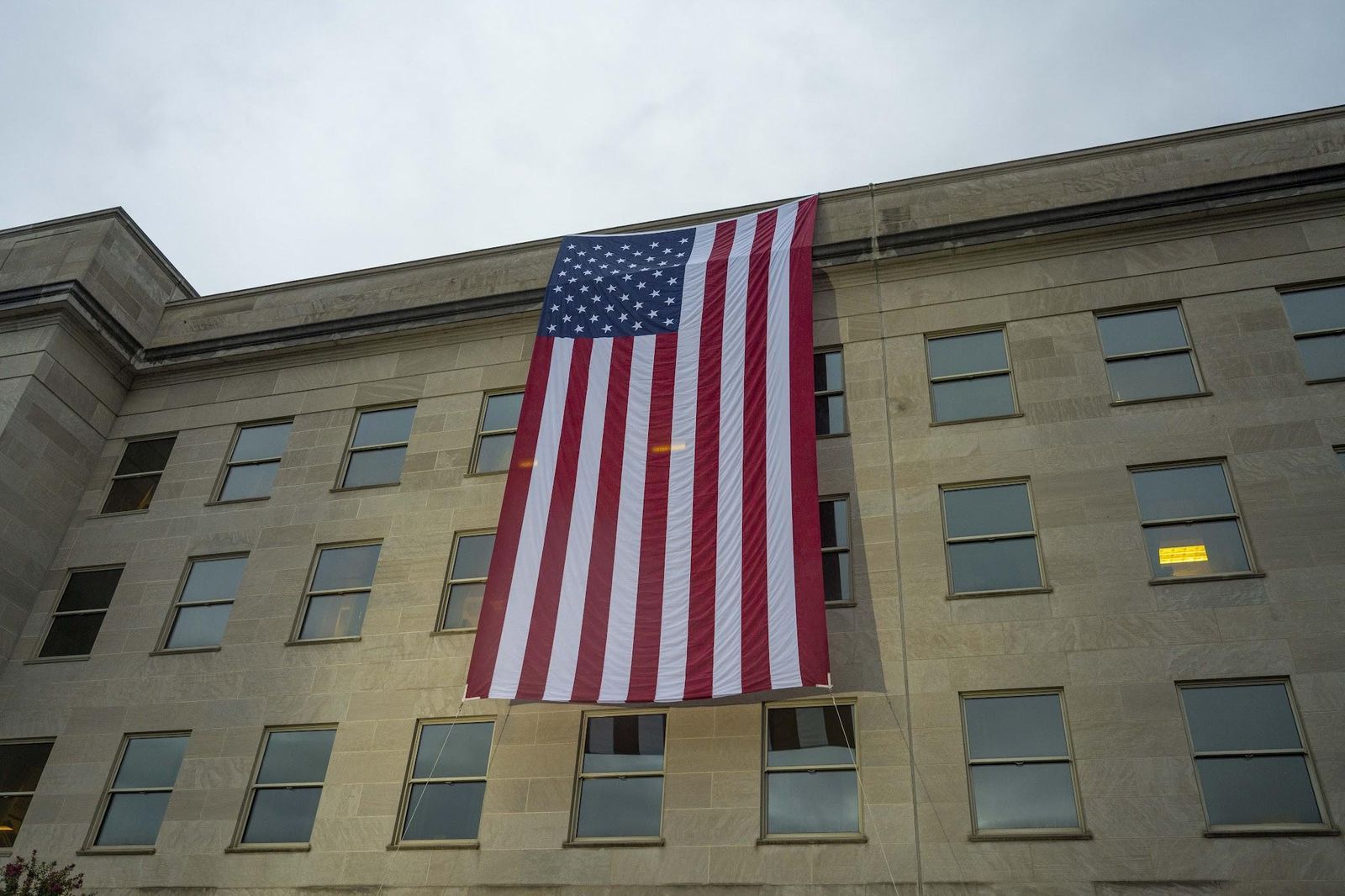
On September 11, 2001, American Airlines Flight 77 struck the Pentagon at 9:37 a.m., killing 189 people. Few people know this part: the death toll could have been much higher. But there was a renovation project underway at the time of the attacks.

The Pentagon’s five-sided structure is divided into five "wedges," and workers had been renovating them one at a time. Flight 77 struck the wedge that had just been completed. Of the 4,500 people who normally worked in that section, only about 800 had moved back in. Without the reinforced construction and the incomplete occupancy, experts believe the casualties would have been catastrophically higher.

2
The Cold War and the hot dog stand

Image: Anete Lusina

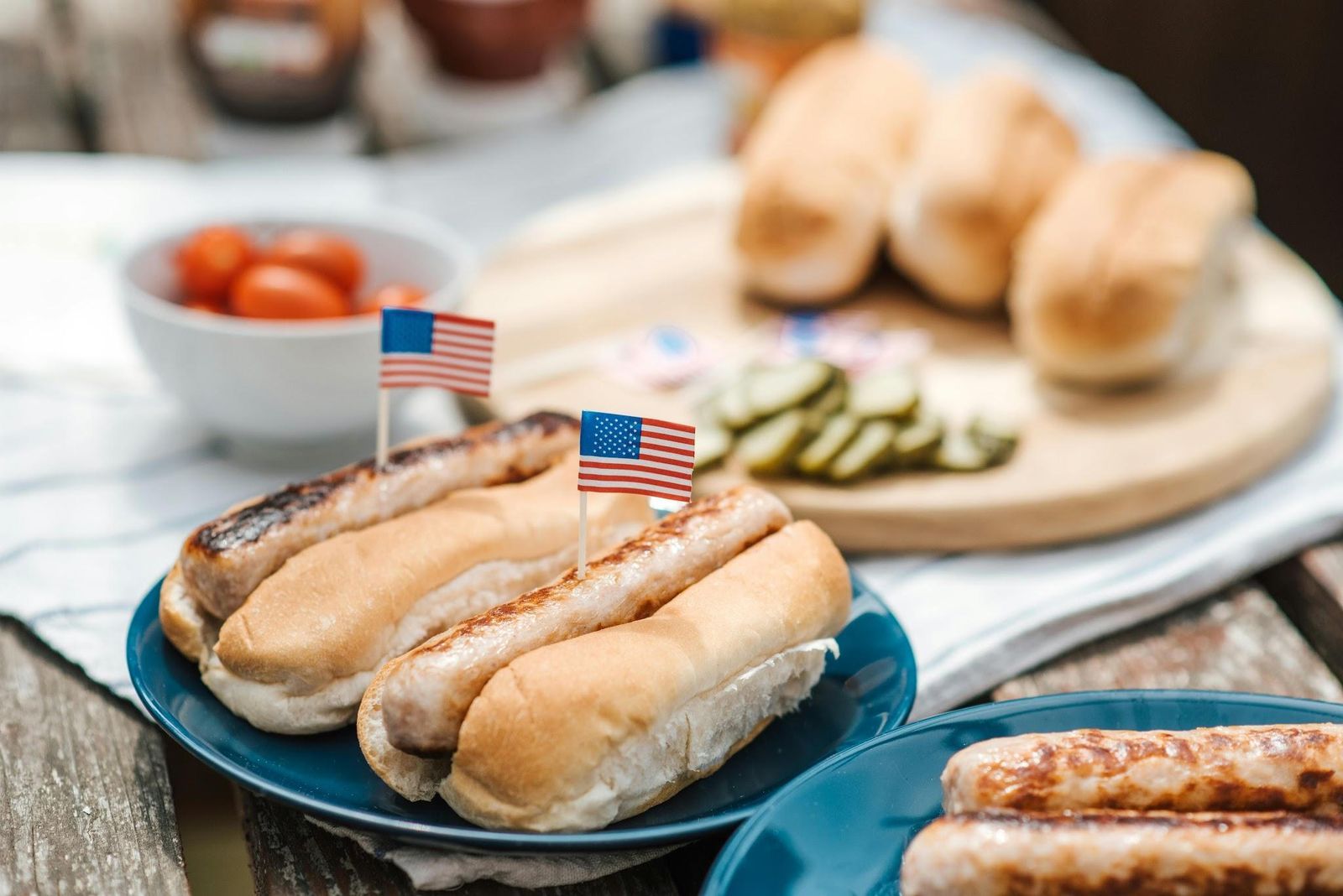
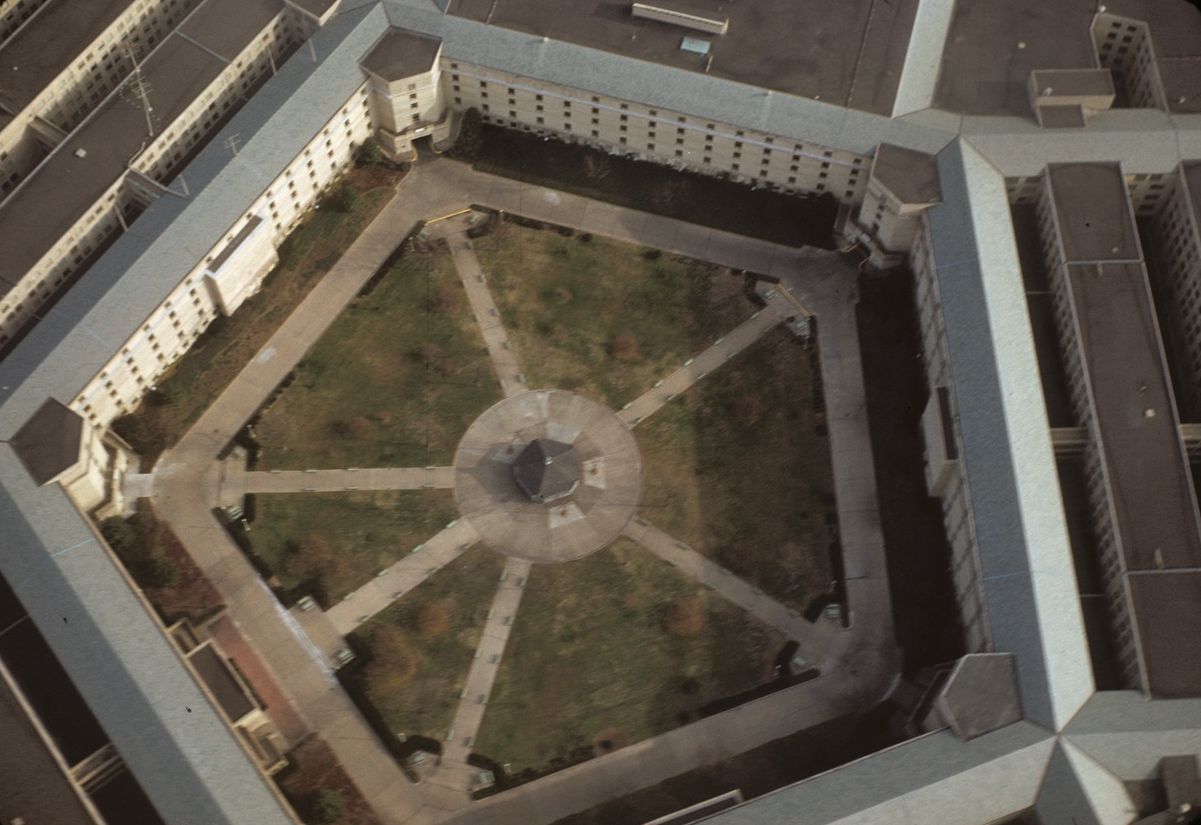
In the middle of the Pentagon’s five-acre center courtyard once stood a modest hot dog stand. According to a Cold War legend (one still retold by official Pentagon tour guides on every public tour), between the 60s and the 80s, Soviet satellite images tracked large groups of high-ranking military officials converging on that small building at the same time every day.

Soviet intelligence reportedly concluded the structure must be the entrance to some underground bunker in America. In reality, all it did was sell lunch. In 2006, the original stand was torn down, and a sandwich shop was built in its place.

3
Its construction began on September 11th, exactly 60 years before the attack

Image: Aber, Marilyn K., Public domain, via Wikimedia Commons

Builders broke ground on the Pentagon on September 11, 1941. That was exactly 60 years to the day before the September 11, 2001, terrorist attacks that would strike the same building.

Construction had been ordered by Army Brigadier General Brehon Somervell, who wanted a permanent headquarters for the Defense Department to replace its then-17 scattered offices across Washington, D.C.

The project was extraordinarily ambitious: plans called for the world’s largest office building to be completed in just 16 months. In the end, the conception, design, and construction of the entire Pentagon building took a total of 15 months.

4
The same person oversaw its construction and the Manhattan Project

Image: U.S. Army, Public domain, via Wikimedia Commons

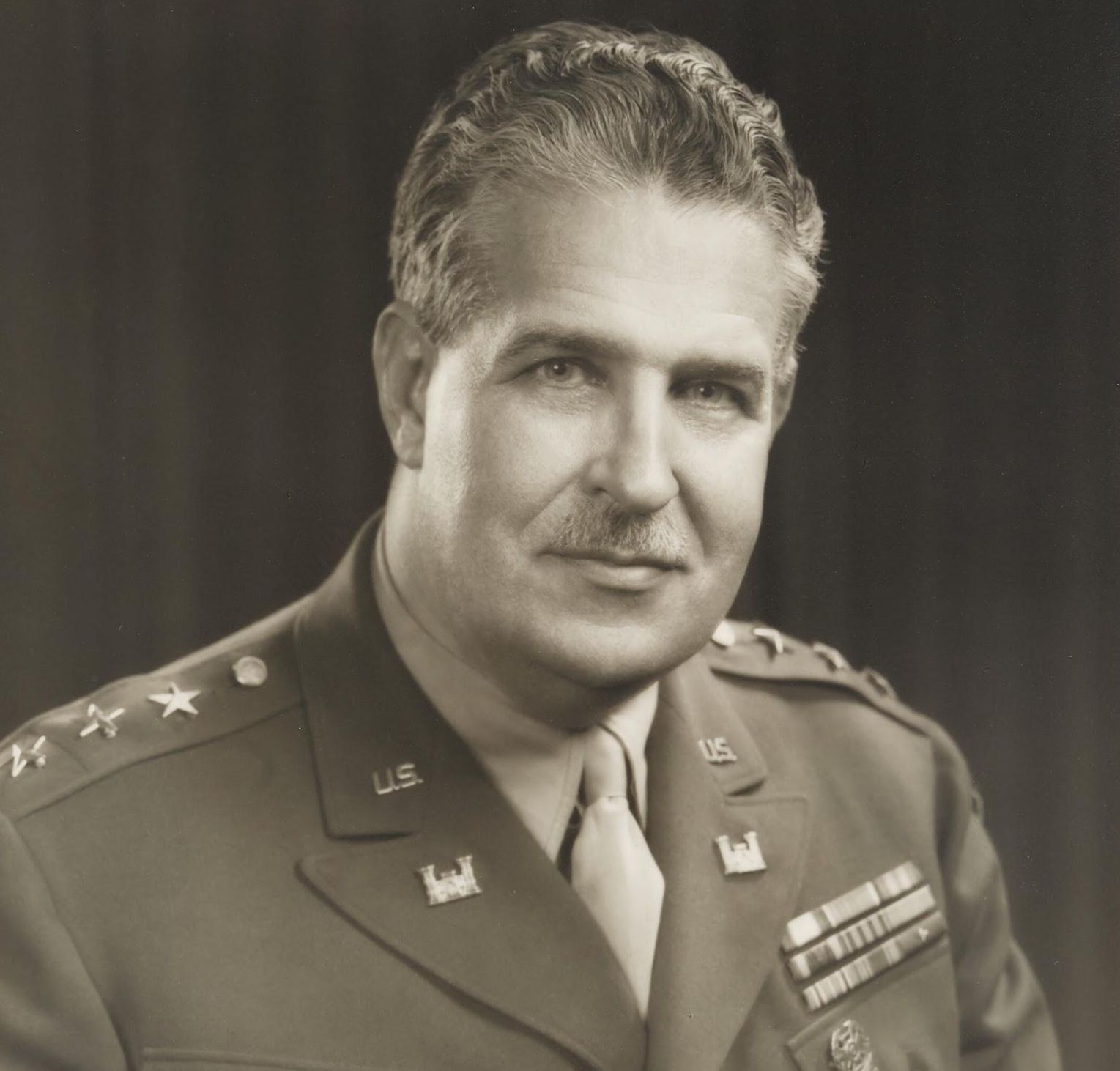
Colonel Leslie Groves of the Army Corps of Engineers took charge of Pentagon construction in August 1941. He worked six days a week and drove his team relentlessly, at one point employing more than 15,000 workers around the clock.

When the Pentagon was finished in January 1943, Groves was assigned to lead the Manhattan Project, America’s secret program to build the atomic bomb . His deputy, Captain Robert Furman, followed him into the Manhattan Project as chief of foreign intelligence. Together, the men who built the world’s largest office building went on to produce the weapon that ended World War II.

5
Why is it shaped like that?

Image: Boston Public Library, CC BY 2.0, via Wikimedia Commons

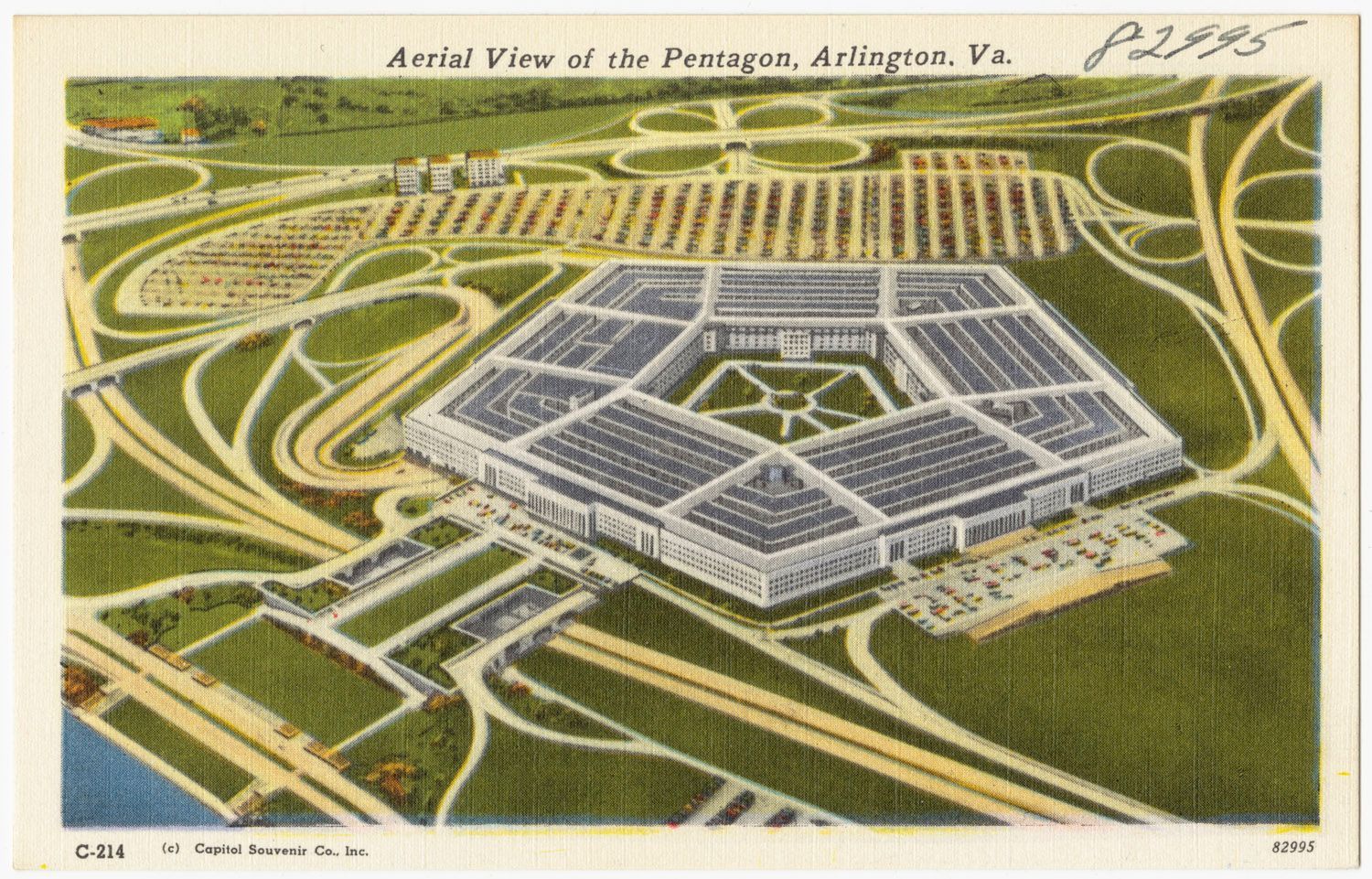
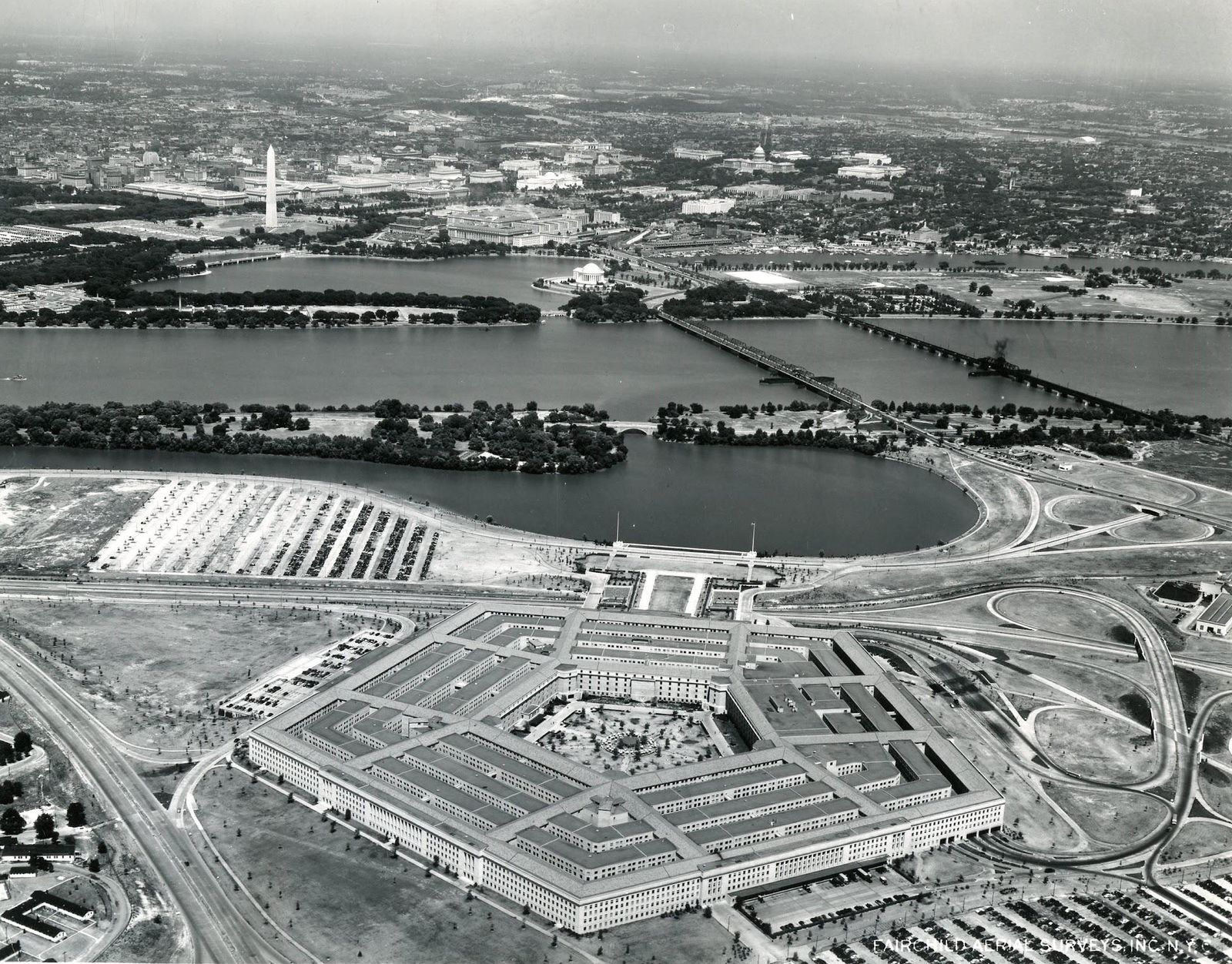
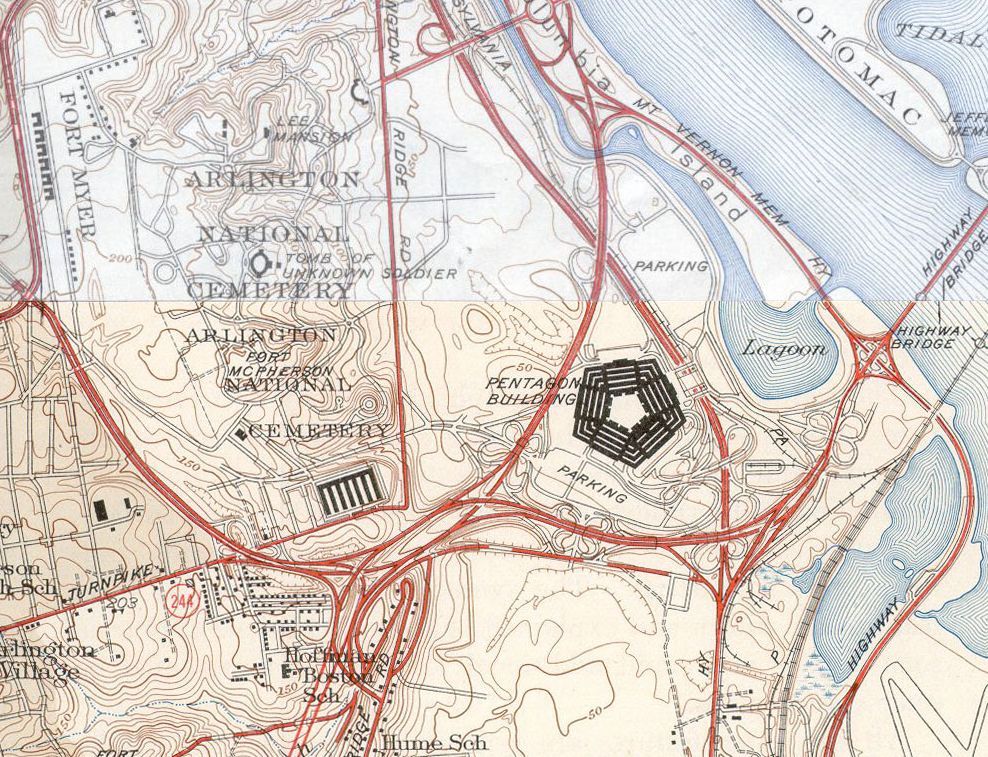
The Pentagon’s iconic five-sided shape was the consequence of a geographic accident. The original site selected for the building, near Arlington Cemetery, **happened to be bordered on five sides by roads. **Architects designed the structure to fit those boundaries, producing a pentagonal floor plan. Then President Franklin D. Roosevelt intervened: worried the massive building would obstruct the view of Washington, D.C. from Arlington, he ordered the site moved to its current location along the Potomac River. But the five-sided design had already been drawn up, and nobody changed it.

6
It was the first desegregated building in Virginia

Image: https://ddotlibrary.omeka.net/items/show/100, Public domain, via Wikimedia Commons

When the Pentagon was designed in 1941, segregation was the law in Virginia. Original plans called for doubled bathroom facilities: separate ones for Black and white employees, as required by Virginia statute. But President Roosevelt had signed Executive Order 8802 in June 1941, prohibiting racial discrimination in federal employment and government contracting.

As a federal building, the Pentagon was exempt from Virginia law. It became the only building in the state where segregation was not enforced. A fully desegregated federal workplace that opened in 1943. The doubled bathrooms were built anyway, as the plans were too far along to revise, but were never used as separately designated spaces.

7
Its construction was surprisingly frugal and incredibly fast

Image: See page for author, Public domain, via Wikimedia Commons

Ground broke on September 11, 1941, and construction finished on January 15, 1943, just 16 months later. More than 15,000 workers were on site around the clock. Wartime office shortages were so severe that employees moved into completed wings before the rest of the building was finished. Steel was too scarce to use extensively, so builders relied almost entirely on reinforced concrete. The 689,000 tons of sand and gravel required came directly from the nearby Potomac River, cutting transportation costs. The project was budgeted at $35 million, but the final bill was $63 million, which would translate to over $900 million in today’s dollars.

8
You can walk between its farthest points in only 7 minutes

Image: Bea A Carson, CC0, via Wikimedia Commons

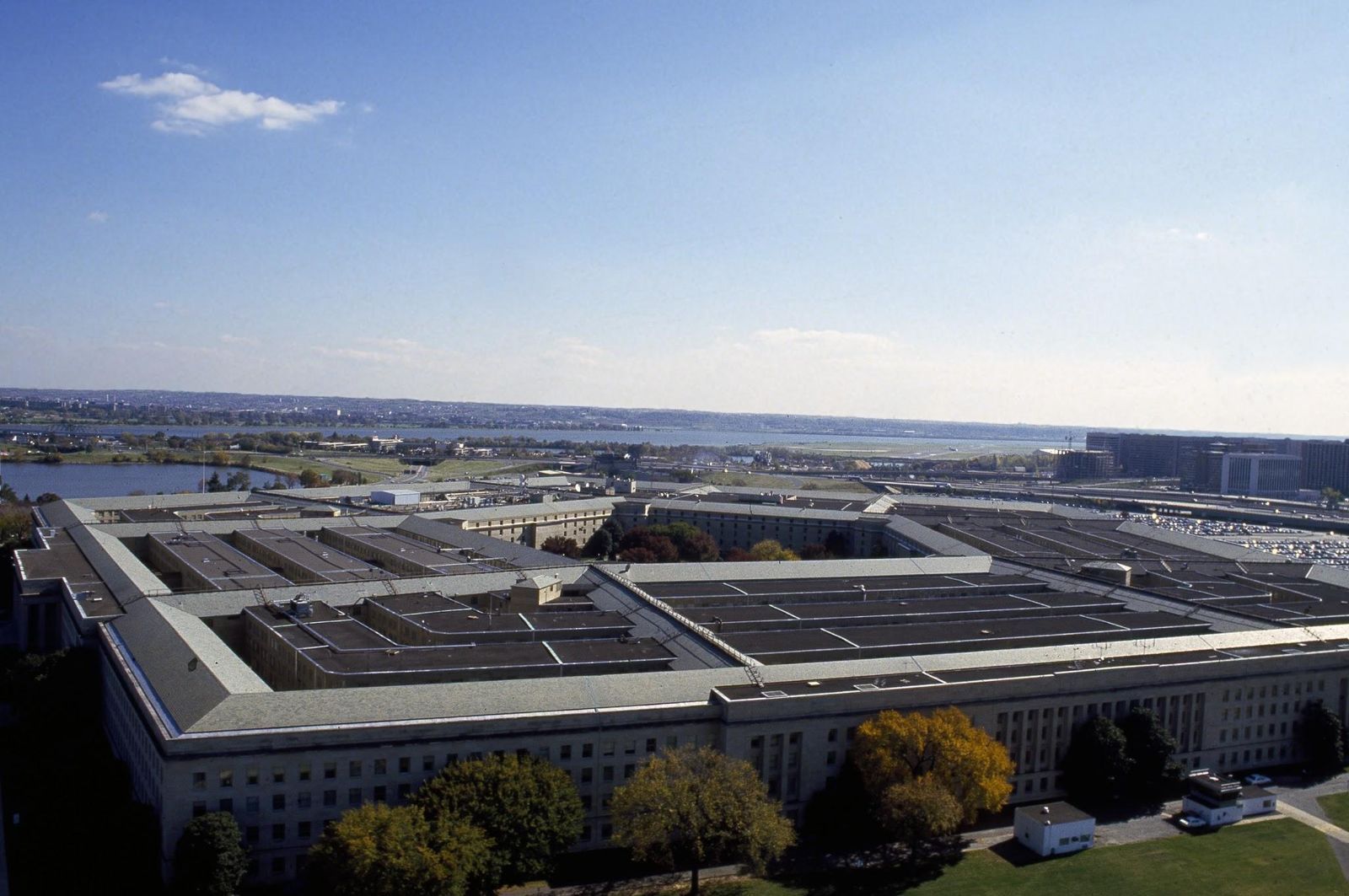
The Pentagon is the world’s largest low-rise office building: 6.5 million square feet of space, which is three times the total floor area of the Empire State Building. Each of its five outer walls is 921 feet long. It has 7,754 windows and 17.5 miles of corridors. Approximately 26,000 military and civilian employees report for work there every day.

Despite that scale, the building’s concentric ring design is so efficient that it takes only about seven minutes to walk between its two farthest points.

9
The man who secretly lived inside its walls

Image: Carol M. Highsmith, Public domain, via Wikimedia Commons

During construction, Colonel Groves drove his deputy, Captain Robert Furman, so relentlessly that Furman rarely left the building. To cope, Furman had contractors build him a small, windowless apartment hidden inside the walls of the Army’s Ordnance Division. In this private room, he could sleep and shower without leaving the premises.

When construction ended and personnel dispersed, knowledge of the hidden room was never passed on to building management. Months later, when Furman returned to Washington on Manhattan Project intelligence business, he found the apartment undiscovered and exactly as he’d left it.

For over a year, he would slip back to the Pentagon, pop open a wall panel, spend the night, and emerge in the morning with his suitcase. He was finally caught in 1943 and forced to surrender the keys. It was never disclosed whether the secret apartment was maintained or eventually absorbed back into the official floor plans.

10
It houses over 30 restaurants, including everyone's favorite chains

Image: Harrison Keely, CC BY 4.0, via Wikimedia Commons

The Pentagon feeds roughly 26,000 people a day, and its dining options read less like a military headquarters and more like a mall food court. The main Concourse Food Court, which opened in September 2009 and seats 875 people, is the largest of several dining areas.

Confirmed chains currently inside the building include McDonald’s, Five Guys, Subway, Popeyes, Starbucks (multiple locations), Dunkin’ (two locations), Panera Bread, Taco Bell, Panda Express, Baskin-Robbins, Potbelly, Jamba Juice, and Moe’s Southwest Grill, among others. The building also houses a CVS pharmacy, a florist, a jeweler, and a dry cleaner. In the summer of 2024, Potbelly became the first restaurant to open in the center courtyard. Yes, the very spot where the legendary Cold War hot dog stand once stood.

Explore more American facts

Choose your favorite category!

General
General

As American as apple pie—the very best America has to offer!

Culture
Culture

Delve into the astounding richness of American lore.

Geography
Geography

Hop in and explore vast and diverse American landscapes.

History
History

Discover the key moments that shaped the United States.