Culture Culture 4 min read

Ominous Hollywood

Is your favorite on this list? 10 iconic apocalyptic movies
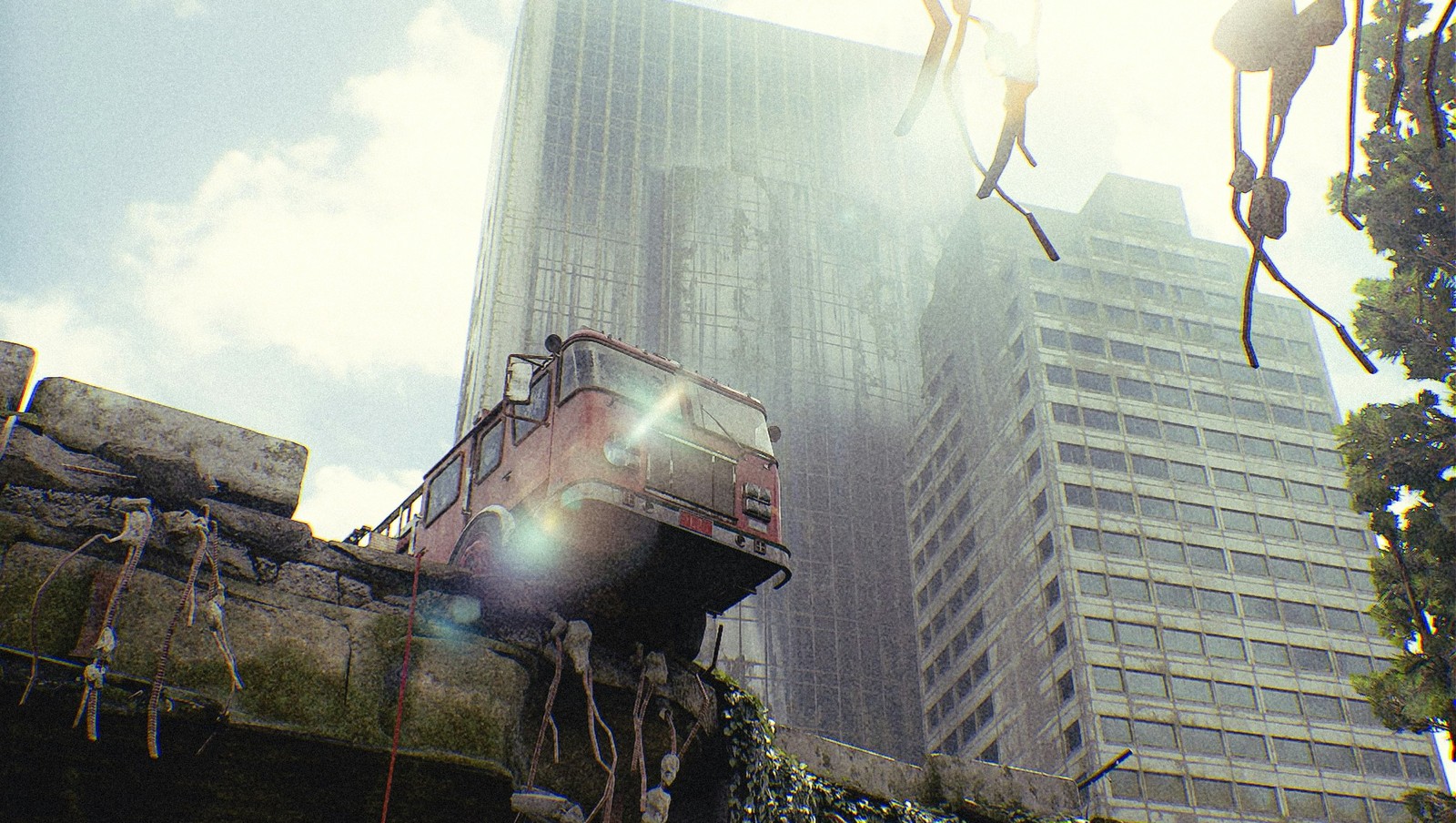
Image: Max Ovcharenko

Alien invasions, nuclear accidents, or major natural disasters… The end of the world has been depicted countless times in cinema. Whether for their spectacular visuals or their realistic portrayal of humanity’s demise, some of these films have become icons that most of us have likely seen and remember vividly. Join us as we explore the most popular American apocalyptic films.

1
Independence Day

Image: Jason W

Nothing beats a classic apocalyptic alien invasion, where extraterrestrials arrive to destroy the planet, but encounter a group of humans willing to give everything to save humanity. This is the premise of Independence Day (1996), one of the most famous disaster films. Starring Will Smith, the movie marked a turning point in science fiction, showcasing visual effects that, although they may not be as surprising today, set a new standard at the time.

2
Armageddon
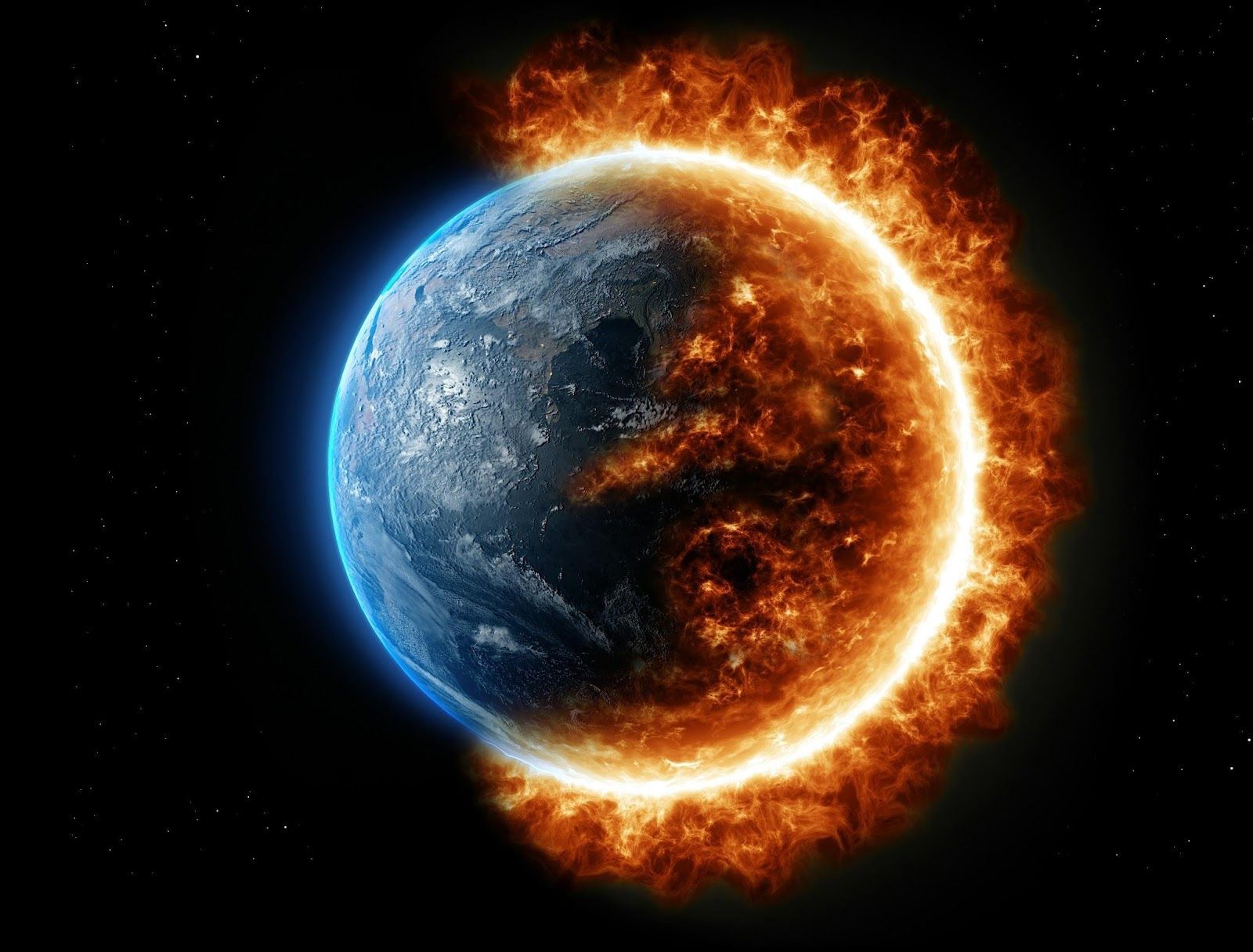
Image: Javier Miranda

It’s hard to keep track of how many explosions light up the screen in Armageddon (1998), but rest assured, there are a lot of them. This film follows the classic natural disaster formula: a massive asteroid threatens Earth, and the only hope for survival is to destroy it. When the planet’s at risk, who better to call than Bruce Willis? Alongside Ben Affleck, he steps up to risk everything in a race against time.

Do you also remember this movie every time you hear Aerosmith's "I Don't Wanna Miss a Thing"? You are one of us!

3
The Day After Tomorrow

Image: Mason Mulcahy

A new Ice Age threatens humanity after a series of devastating storms strike the planet in The Day After Tomorrow (2004), a film that takes climate change and pushes its possible consequences to the extreme. With spectacular disaster sequences and visuals, the movie became a total box office success worldwide.

4
I Am Legend

Image: Natalya Letunova

Imagine waking up one day and realizing that you are, as far as you can tell, the last survivor in the city. This is what happens to scientist Robert Neville, played by Will Smith, in I Am Legend (2007). The now-classic apocalyptic theme is a deadly virus that has devastated humanity, and it is Dr. Robert Neville who appears to be the only one capable of doing something to reverse the effects of this.

5
Interstellar
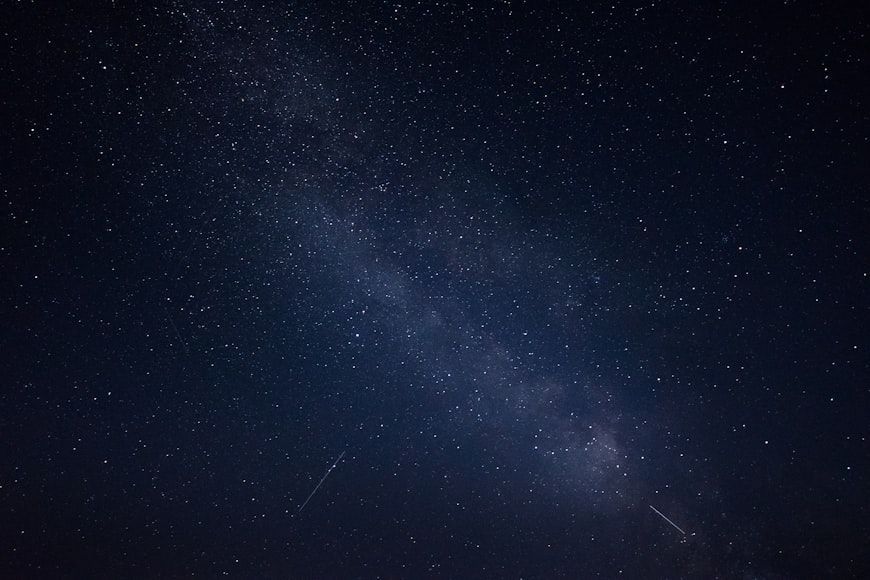
Image: Guillaume Le Louarn

In 2014, we saw one of the most exciting movies to hit the big screen: Christopher Nolan's Interstellar . Acclaimed by audiences and critics alike for its visual effects and its complex and thrilling plot, this film is one of those you’ll find hard to forget. Set on an Earth that is becoming uninhabitable, Matthew McConaughey plays Cooper, a former NASA pilot who joins a mission to travel through a wormhole near Saturn in search of a new place for humanity.

Fun fact: It’s not surprising that it has been well received even by the scientific community, since a Nobel Prize–winning physicist collaborated on the script.

6
Planet of the Apes
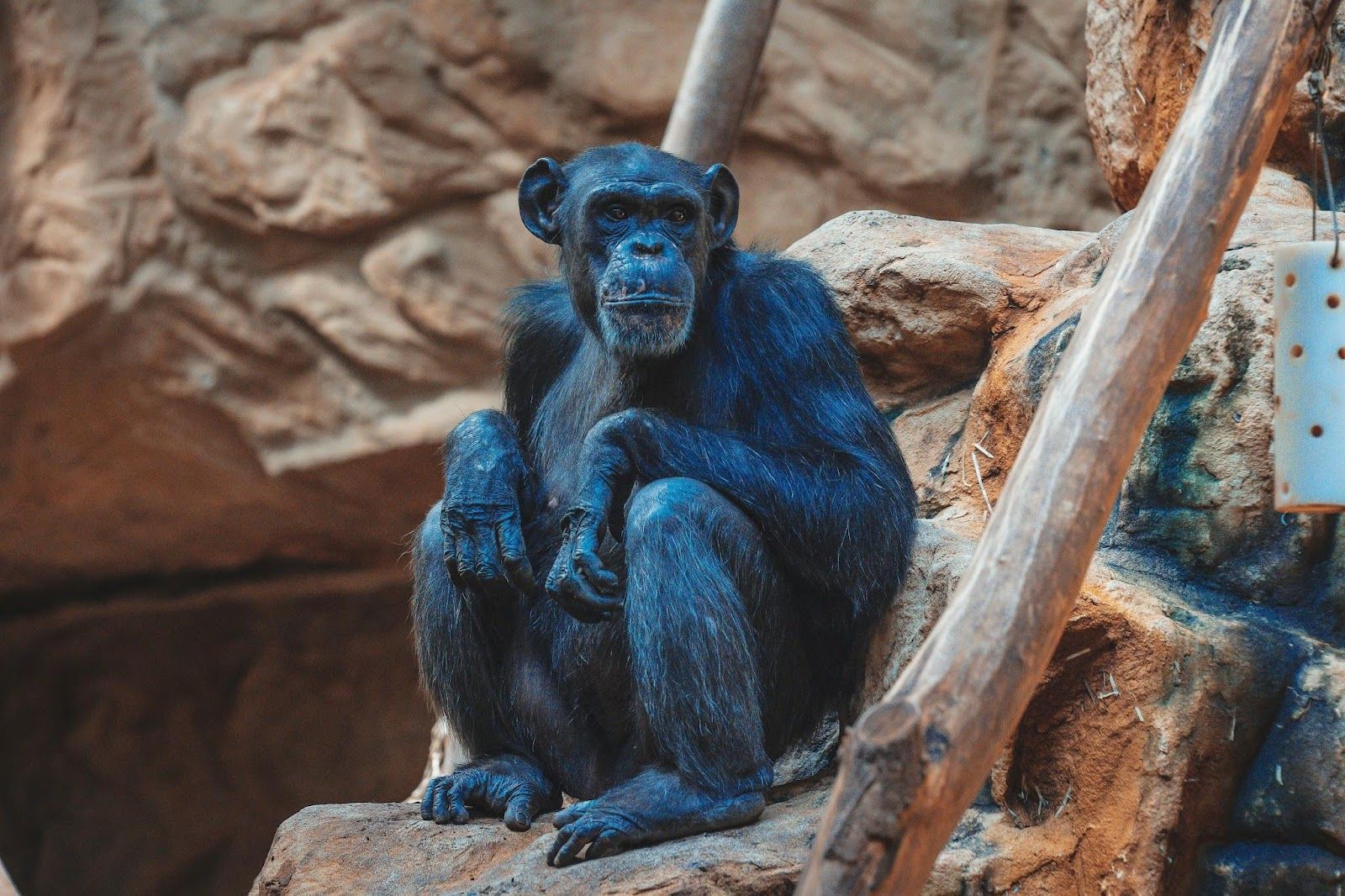
Image: Mateusz Suski

In the original Planet of the Apes (1968), the story takes us to a distant future planet where chimpanzees, gorillas, and orangutans have evolved to possess human-like intelligence and social structures, dominating that world while humans are reduced to an oppressed species. Featuring one of the most shocking and unforgettable plot twists in cinema history, the film stands as an essential classic of dystopian science fiction.

7
Night of the Living Dead

Image: Daniel Jensen

We couldn’t leave Night of the Living Dead off this list, the 1968 film that changed cinema forever. While the concept of "zombies" may feel familiar today, this George A. Romero’s film was the first to present the idea of the dead rising again and becoming a real threat to the living.

8
12 Monkeys

Image: Liam Andrew

Bruce Willis is once again called upon to help humanity (or what remains of it) in the 1995 film 12 Monkeys , this time alongside none other than Brad Pitt, who earned an Oscar nomination for this role. Set in a dark future, most of humanity has been wiped out by a deadly virus, and Willis’s character must travel back in time to gather information about its origins and help find a way to stop it.

9
Dawn of the Dead

Image: airci K

Of course, George A. Romero wasn’t going to appear just once on this list. In 1978, Dawn of the Dead was released, once again portraying the end of the world brought on by the return of the undead. A group of survivors takes refuge in a shopping mall, but human conflicts soon emerge as a threat equal to, or even greater than, that posed by the zombies themselves.

10
The Day the Earth Stood Still
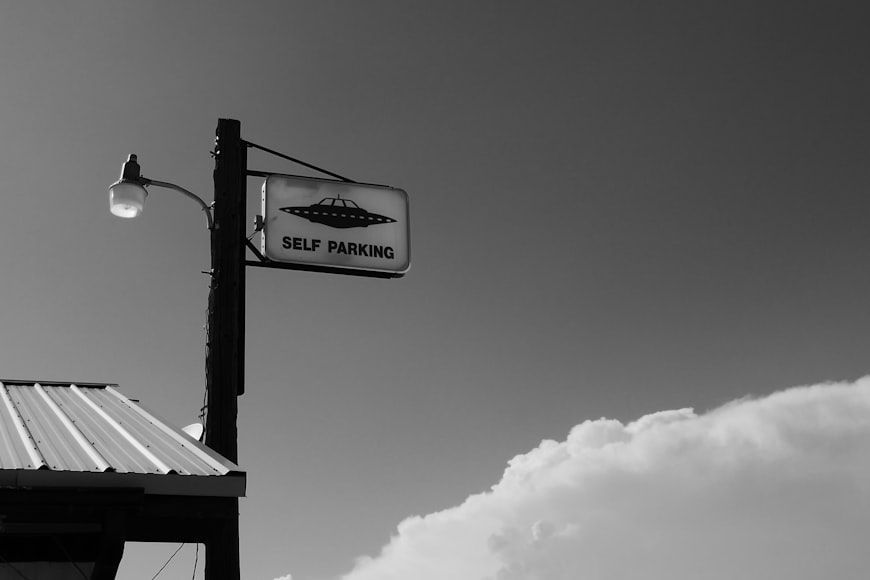
Image: Michael Herren

The Day the Earth Stood Still (1951) is definitely a science fiction classic. Unlike the other films on this list, its catastrophe is not inevitable; disaster can still be avoided. Rather than centering on spectacular destruction, the film delivers a philosophical warning to humanity. An alien visitor arrives on Earth to deliver a stark message: abandon nuclear violence, or face devastating consequences.


History History 3 min read

Test your memory

From flappers to disco: Which decade fits the clue?

Image: Roman Kraft

Every generation has its soundtrack, its fashions, and the major cultural shifts that define an era. Some decades are remembered for their music, others for technology, and some for both. But do you think you can place these moments in time ? We’ve put together six sets of clues about American life across the last century. First, try your hand at guessing the decade, and then scroll down to see the answers!

1
Clue #1

Image: Hybrid Storytellers

A nationwide ban on alcohol gave rise to speakeasies and bootlegging . Dance halls were alive with new rhythms, and women in shorter skirts shocked traditional society. Cities buzzed with fresh art, literature, and music. Affordable cars began filling the streets, changing how people lived and traveled.

2
Clue #2

Image: Tim Mossholder

The sound of distorted guitars and flannel shirts became the uniform of youth culture. At the same time, toy shops were filled with collectible plush animals and tiny digital pets. Computers were shrinking, and the world was just learning what "online" really meant. Sitcoms about groups of friends or quirky families topped the TV charts, while early cell phones were starting to appear in everyday life.

3
Clue #3

Image: Dominik Mecko

This period glittered with light-up dance floors and pulsing rhythms. Movie theaters drew crowds to see epic space battles and summer blockbusters . Fads like mood rings and quirky pet rocks had their moment in the spotlight. On the flip side, fuel shortages tested patience, and quick-service burger joints began appearing on more street corners.

4
Clue #4

Image: Cesira Alvarado

Families grew larger, and shiny new suburbs began to sprawl outside cities. Teenagers tuned in to a fresh sound that worried parents but captivated youth. Cars rolled into drive-ins for movies or burgers, while living rooms glowed with the latest entertainment gadget: the television set.

5
Clue #5

Image: Mitchell Orr

Television expanded with channels devoted to sports and 24-hour news. Music fans were glued to screens watching flashy new music videos . Young professionals embraced big paychecks, bold fashion, and an appetite for luxury. Arcades buzzed with electronic sounds, and living rooms welcomed the first home gaming systems.

6
Answer #1: The 1920s

Image: Marvin Meyer

Known as the Roaring Twenties, this decade was defined by Prohibition, flappers, and the Harlem Renaissance . Jazz poured out of clubs, while the Model T made road trips possible for everyday families. It was a time of innovation, rebellion, and cultural change.

7
Answer #2: The 1990s

Image: Dasha Zhytanska

The internet emerged, fueling the dot-com boom. Grunge bands from Seattle reshaped the music scene, while sitcoms like Friends and Seinfeld ruled TV. Kids collected Beanie Babies and fed Tamagotchis, while cell phones gradually became a part of daily life.

8
Answer #3: The 1970s

Image: Matthew LeJune

Disco fever ruled the nightclubs, and blockbusters like Star Wars rewrote movie history. Quirky fads, such as Pet Rocks, had short but memorable lifespans. Rising gas prices caused long lines at fuel stations, while fast food giants spread across the country.

9
Answer #4: The 1950s

Image: Elizabeth Smith

Suburbs such as Levittown expanded rapidly as families grew during the Baby Boom. Rock ‘n’ roll stars like Elvis lit up radios . TV ownership soared, transforming family routines, while drive-ins and diners became favorite hangouts for teenagers.

10
Answer #5: The 1980s

Image: National Cancer Institute

The launch of MTV sparked the music video explosion , while arcades buzzed with hits like Pac-Man and Donkey Kong . Yuppies pursued ambitious careers and embraced neon fashion. Cable television expanded viewing options, and home consoles like the Nintendo Entertainment System brought gaming into millions of households.

General General 3 min read

What’s in a nickname?

Did you know the stories behind the nicknames of these Americans?

Image: Capitol Records (File No. 3860-25)

Nicknames can be affectionate, teasing, intriguing—or all of these at once. Who comes up with the labels that remarkable people end up carrying forever, and what makes them stick? Here, we explore a list of quirky stories behind some of the most colorful nicknames in American history.

1
"The Chairman of the Board" – Frank Sinatra

Image: Ethan Rougon

Frank Sinatra co-founded Reprise Records in 1960, giving him full creative control over his music. The nickname "Chairman of the Board" was first used by radio host William B. Williams and quickly caught on. Although Sinatra didn’t particularly love it, the nickname came to symbolize his power and influence in the music industry.

2
"His Accidency" – John Tyler

Image: Library of Congress

The 10th U.S. president earned this snarky nickname after unexpectedly taking office in 1841, when William Henry Harrison died just one month into his term.

It was the first time a vice president had assumed the presidency due to a president’s death, and many questioned the legitimacy of his authority. His critics called him "His Accidency," a somewhat unfriendly pun that stuck.

3
"The Sphinx of the Potomac" – Calvin Coolidge

Image: Lea Kobal

President from 1923 to 1929, Coolidge was notoriously silent and stoic. His reluctance to speak in public and his poker-faced demeanor earned him the nickname "The Sphinx of the Potomac," a nod to the famous Egyptian statue and his Washington, D.C. post. One oft-repeated anecdote claims he once remarked, "I have nothing to say."

4
"The Boss" – Bruce Springsteen

Image: Jose Antonio Gallego Vázquez

Bruce Springsteen earned this nickname in the early days of playing Jersey Shore clubs, where he was responsible for collecting and distributing gig money to his band. Originally an internal nickname within the group, it quickly caught on with the media. Ironically, Springsteen has admitted that he’s never really liked being called "The Boss."

5
"The Mad Stork" – Ted Hendricks

Image: Wynand Uys

This Hall of Fame linebacker for the Raiders stood 6’7" and had a long, lanky build. His towering figure and unpredictable style of play earned him the nickname "The Mad Stork." Despite the unusual moniker, he was a feared and legendary player in the NFL.

6
"The Snake" – Ken Stabler

Image: Timothy Dykes

Another Raiders legend, quarterback Ken Stabler, earned the nickname "The Snake" from his college coach after a long, twisting touchdown run. The name stuck because he became known for his slippery, cool-headed play under pressure.

7
"Jane the Grabber" – Hester Jane Haskins

Image: sombre

A dark figure in 19th-century New York, Hester Jane Haskins was a "procuress," luring women with promises of work and then forcing them into brothels. Her nickname, "Jane the Grabber," became infamous in the press.

8
"The Black Swallow of Death" – Eugene Bullard

Image: Heather Wilde

Born in Georgia and later a French WWI pilot, Eugene Bullard was the first African American military pilot. He earned the nickname "The Black Swallow of Death" for his fearless flying and deadly accuracy. Despite his heroism, he still faced racial discrimination upon returning to the U.S.

9
"Little Miss Sure Shot" – Annie Oakley

Image: Jp Valery

Annie Oakley was a folk heroine and a famed sharpshooter from an early age. She earned the nickname "Little Miss Sure Shot" from the Native American leader Sitting Bull, who bestowed it after watching her flawless shooting in Buffalo Bill’s Wild West show.

10
"Kid Gloves" – Benjamin Harrison

Image: Aaron Lefler

Benjamin Harrison, the 23rd president, frequently wore soft kid-leather gloves in public due to hand ailments. Political opponents seized the opportunity to mock his stiff demeanor and perceived elitism, dubbing him "Kid Gloves." The nickname pointed not only to his physical appearance but also to his aloof attitude.

Explore more American facts

Choose your favorite category!

General
General

As American as apple pie—the very best America has to offer!

Culture
Culture

Delve into the astounding richness of American lore.

Geography
Geography

Hop in and explore vast and diverse American landscapes.

History
History

Discover the key moments that shaped the United States.