Awe-inspiring facts
The First Influencer: 10 times Eleanor Roosevelt was groundbreaking
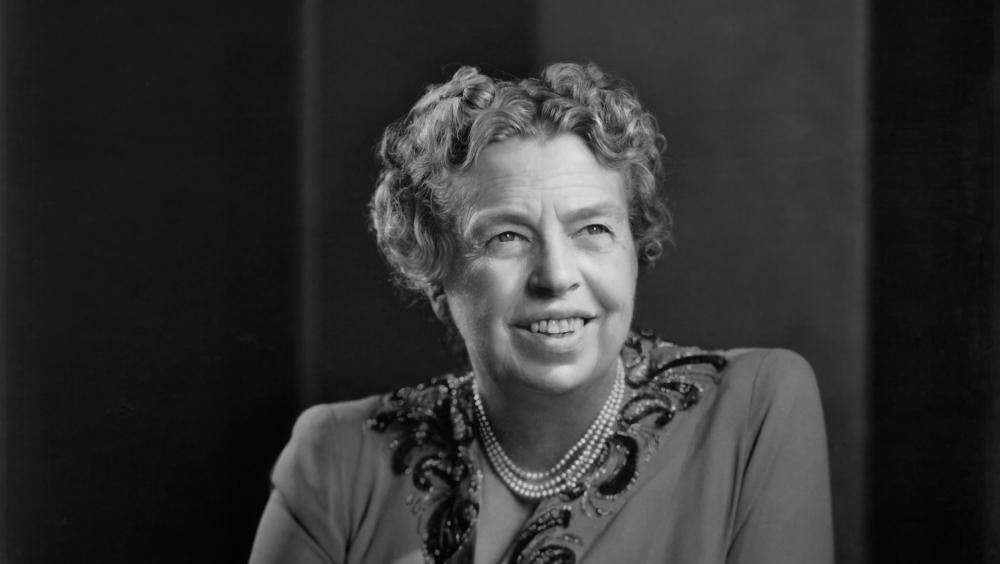
Image: Yousuf Karsh, Public domain, via Wikimedia Commons
Eleanor Roosevelt led an exciting life and was a groundbreaking figure in many ways. She redefined the role of First Lady and went on to become the U.S. delegate to the newly created United Nations. Her lifetime achievements are almost too numerous to list, yet these 10 facts serve as a reminder of why she's still celebrated as one of America's most influential First Ladies and diplomats. Keep reading to learn more!
1
Early childhood
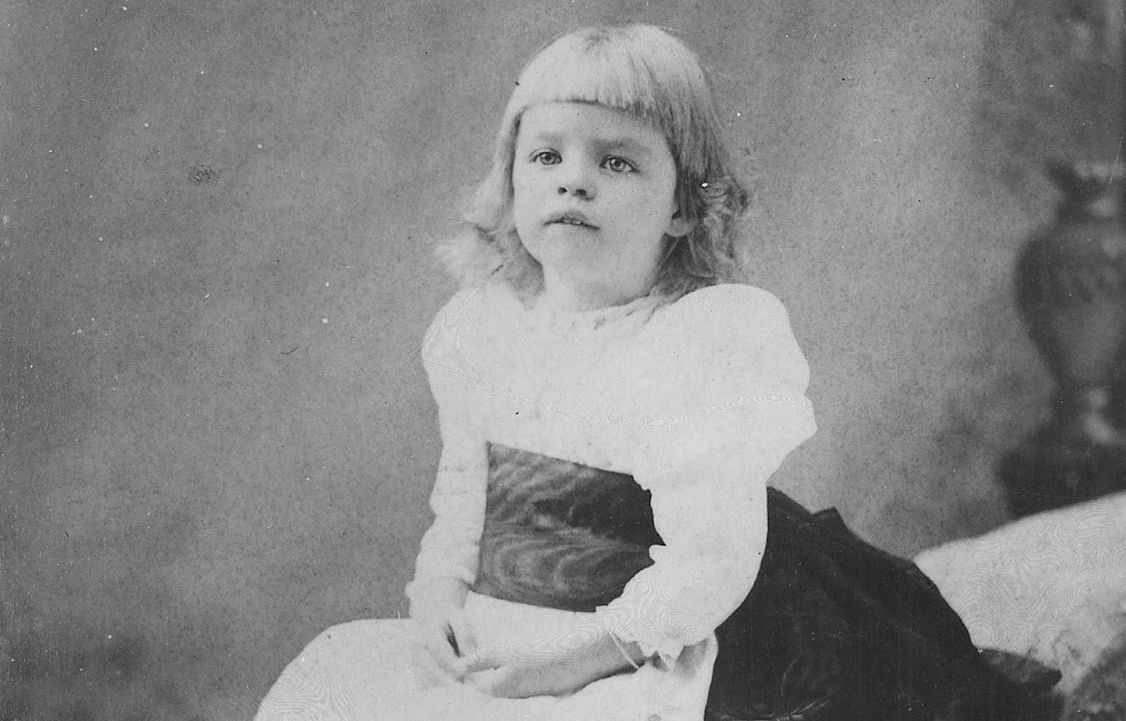
Image: National Archives and Records Administration, Public domain, via Wikimedia Commons
Despite being born into a prominent family, Eleanor Roosevelt’s childhood was not easy. She became an orphan when she was still very young. Her mother, Anna Hall, passed away in 1892, and her father died in 1894 from injuries sustained during a suicide attempt.
Following these tragic events, young Eleanor was left in the care of her maternal grandmother, Valentine Hall, before she was sent to a school for girls in England at the age of 15.
2
Family ties
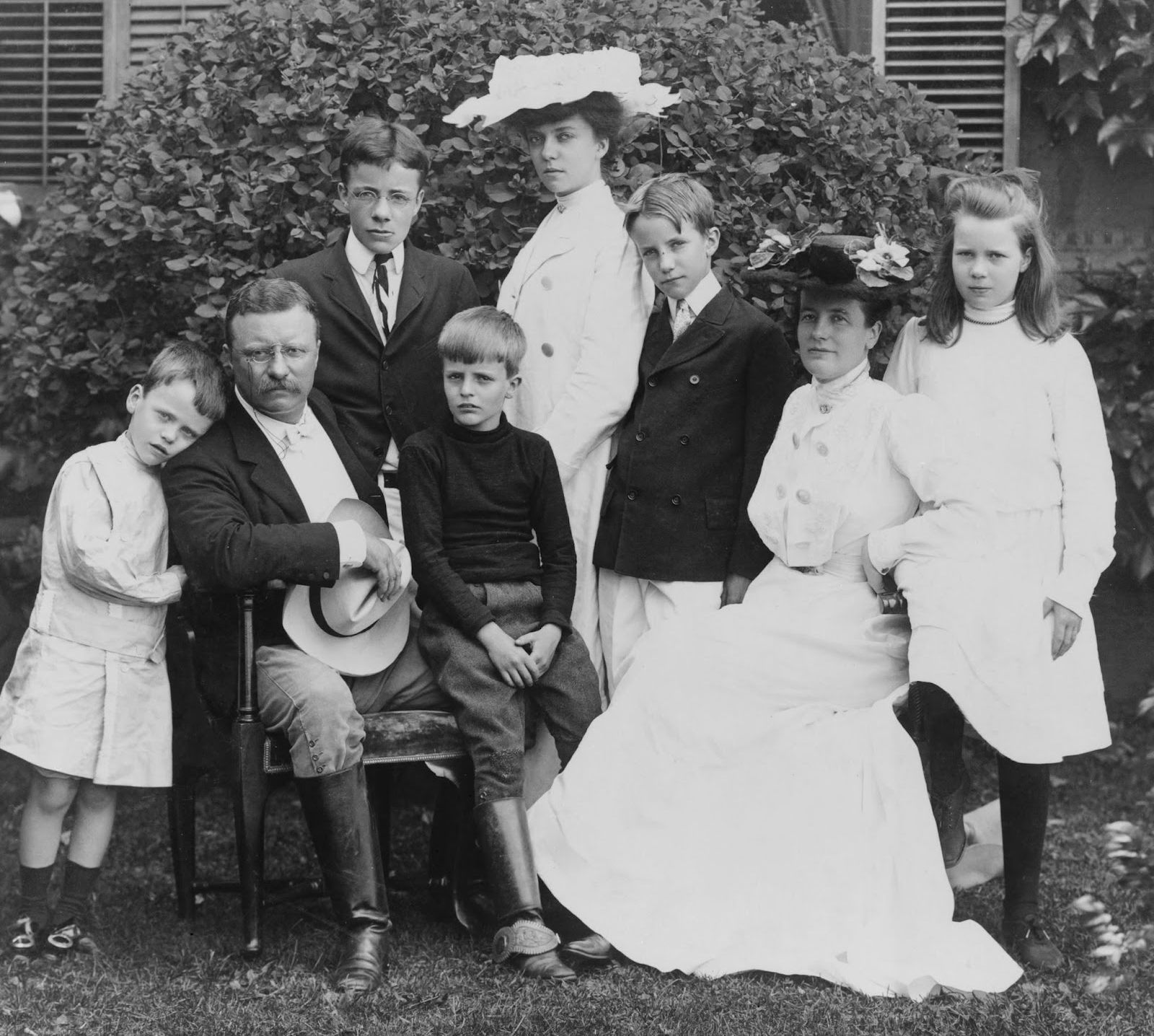
Image: Public domain, via Wikimedia Commons
Eleanor had presidential connections way before her marriage to FDR. Her father was Elliott Roosevelt, the younger brother of former President Theodore Roosevelt. Franklin D. Roosevelt, in turn, comes from a different branch of the Roosevelt family. The family was divided into two distinct clans, both based in New York, each with its own unique culture. Franklin belonged to the Hyde Park Roosevelts and was Theodore Roosevelt’s fifth cousin, while Eleanor was Theodore’s fifth cousin once removed .
Theodore was very fond of his niece and treated Eleanor like a daughter. In fact, in 1905, just a few months into his second term, the president gave her away at her wedding to Franklin D. Roosevelt. There’s nothing like keeping the name in the family!
3
American Red Cross volunteer
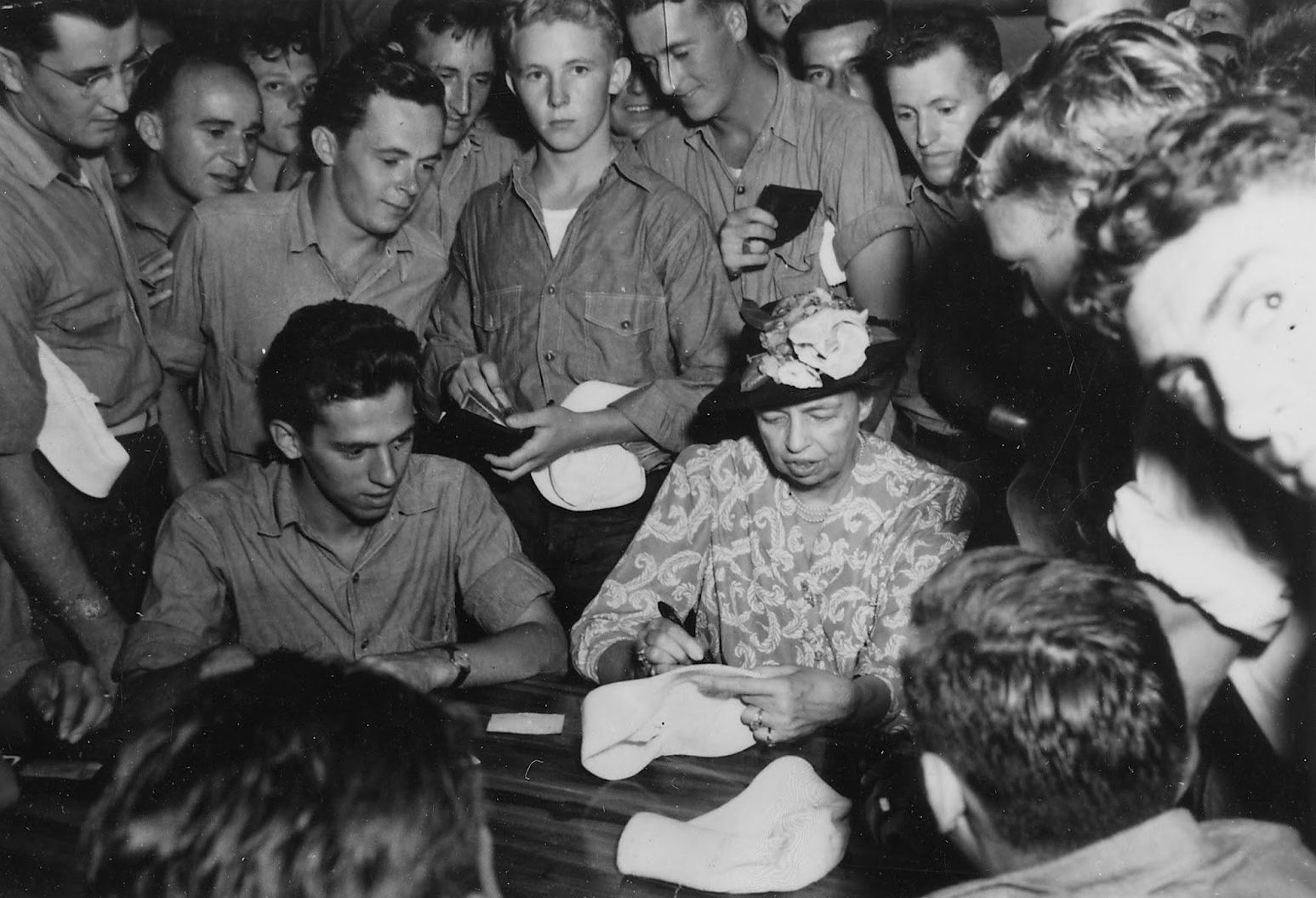
Image: National Archives and Records Administration, Public domain, via Wikimedia Commons
From a young age, Eleanor Roosevelt was actively involved in volunteer work. In 1917, when the United States entered World War I, women’s roles shifted dramatically. For Eleanor, this meant volunteering with the Red Cross and visiting wounded naval soldiers.
During her husband’s presidency, in the midst of World War II, Eleanor would inspire others to join the Red Cross and help raise funds to improve care and assistance for soldiers and their families. In August 1943, she even embarked on a month-long journey through the South Pacific to visit hospitals and infirmaries on military bases and ships.
4
An adventurous First Lady
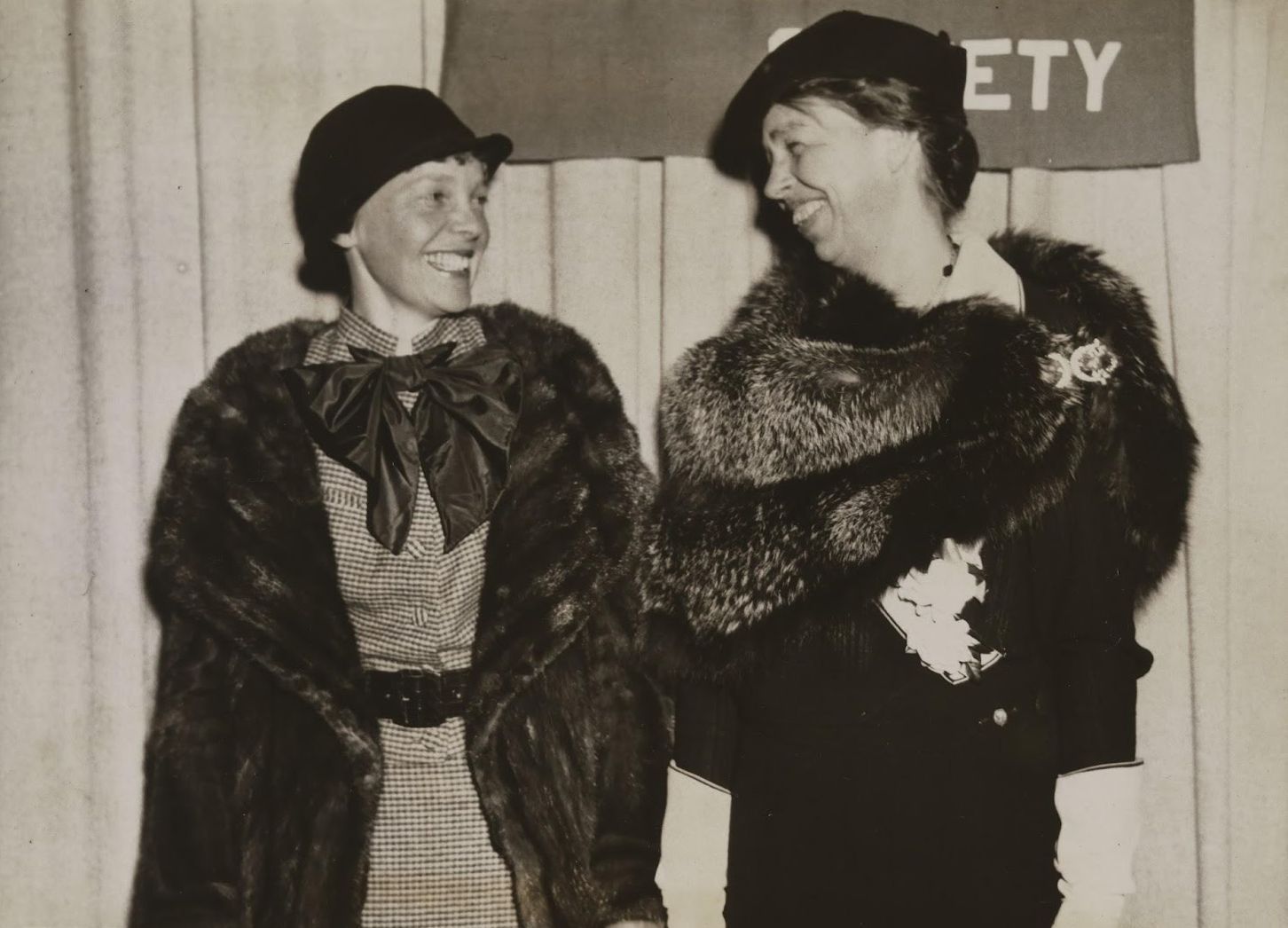
Image: National Portrait Gallery, CC0, via Wikimedia Commons
Despite being an introvert, Eleanor Roosevelt was an adventurer at heart. She liked to travel and throughout her life practiced different sports. What did Eleanor consider the happiest day of her life? The day she made the field hockey team at her private school!
During the 1930s, she became close to American aviator Amelia Earhart . The pilot took the First Lady on a flight from Washington, D.C., to Baltimore in 1933 and even inspired Eleanor to apply for her own pilot’s license. After Earhart vanished during her attempt to fly around the world, Roosevelt told reporters, "I am sure Amelia’s last words were ‘I have no regrets.’"
5
Women's advocate
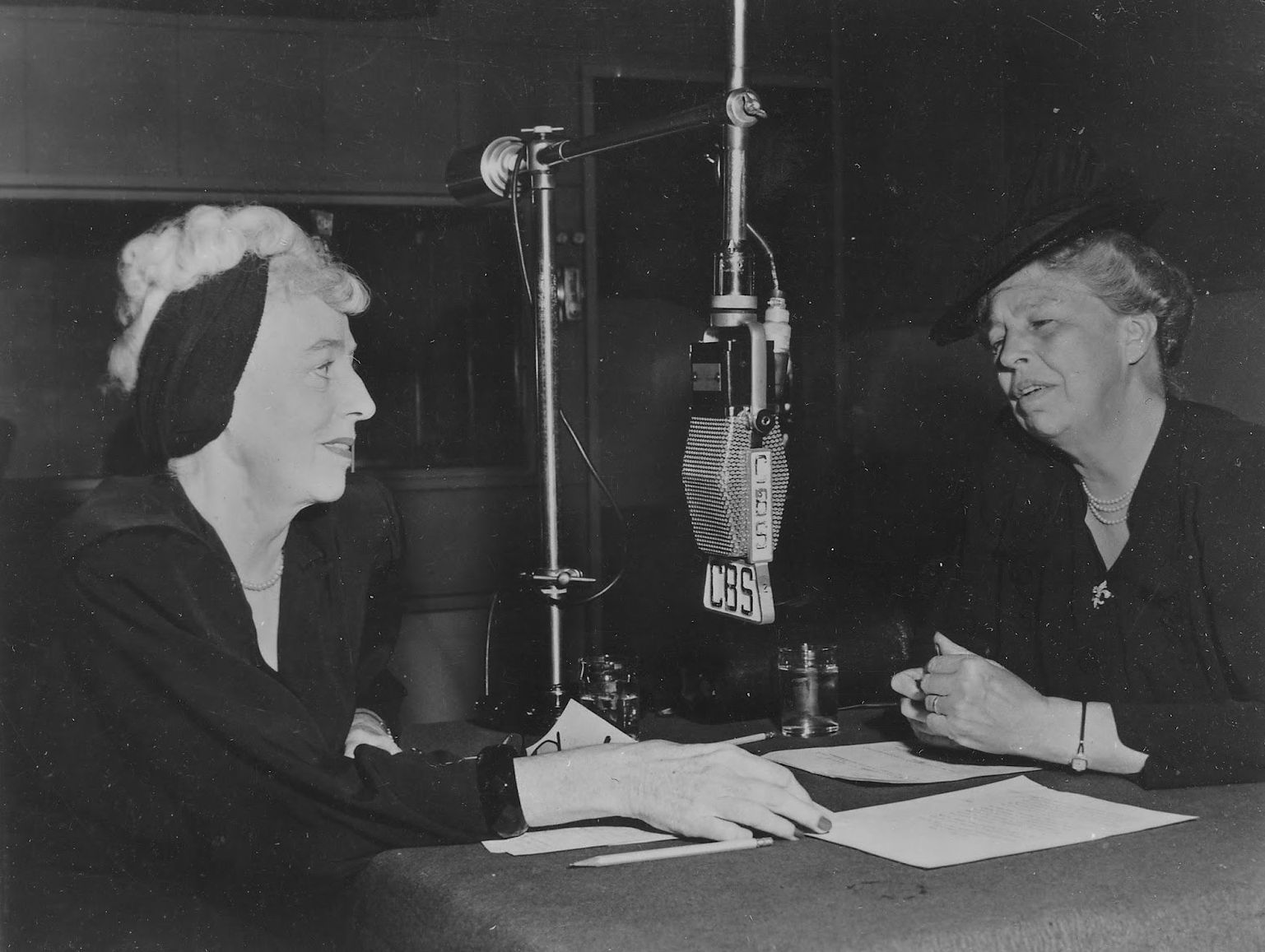
Image: National Archives and Records Administration, Public domain, via Wikimedia Commons
When Franklin D. Roosevelt was elected President of the United States, Eleanor redefined the role of the First Lady. Unlike her predecessors, she led a very active political life, participating in a multitude of events advocating for women's rights.
For example, before FDR’s presidency, female journalists were often excluded from media events at the White House. Eleanor helped reverse this injustice by hosting a series of women-only press conferences . This courageous and revolutionary act eventually pressured newspapers to hire more female reporters and helped Eleanor win over female voters on behalf of her husband.
6
Newspaper columnist
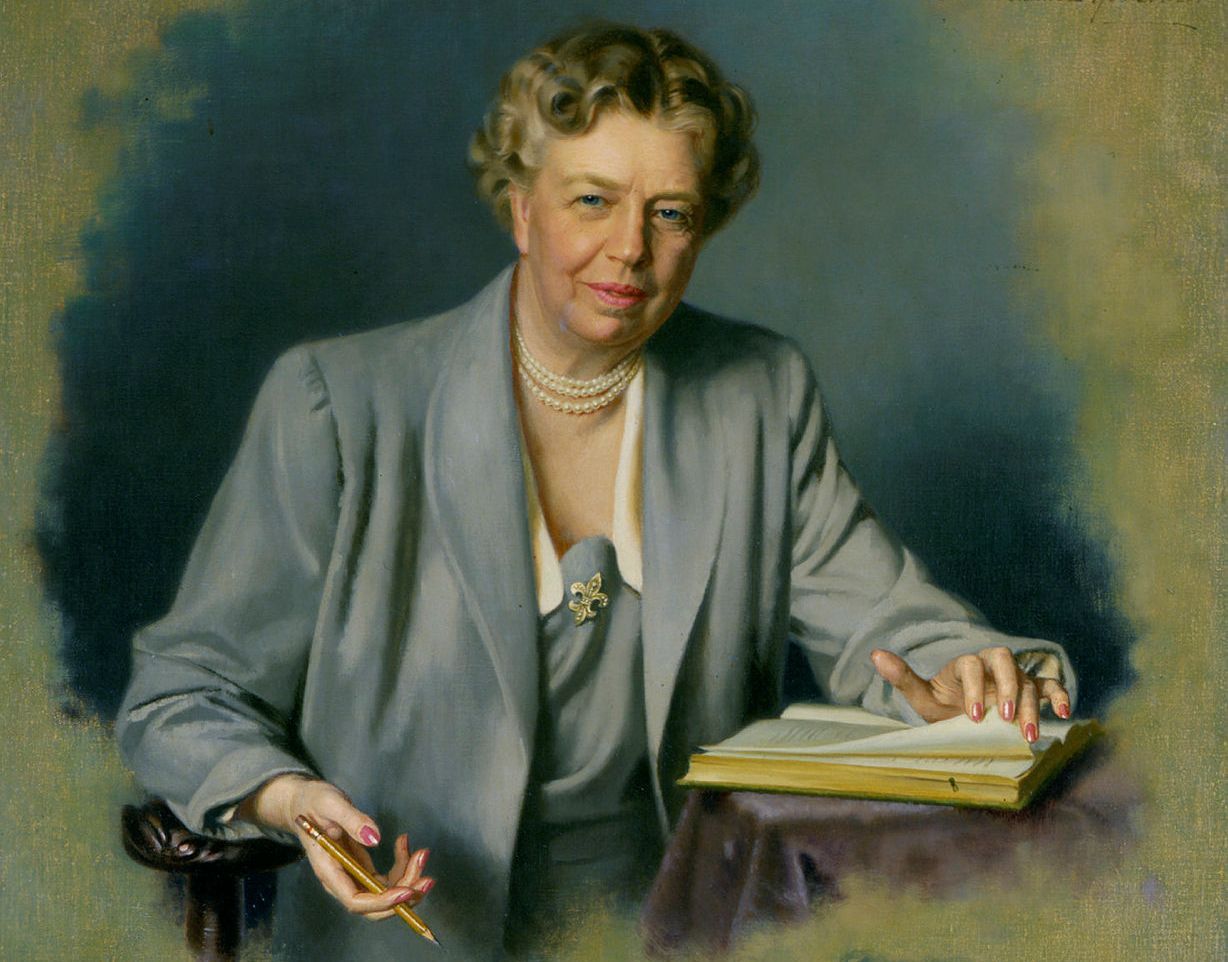
Image: Douglas Chandor, Public domain, via Wikimedia Commons
Did you know Eleanor Roosevelt wrote a syndicated newspaper column for 27 years? From 1935 until her death in 1962, Roosevelt penned six articles a week about her political views and personal life.
Simply titled "My Day," the column featured her thoughts on hot topics such as prohibition, Pearl Harbor, and Joseph McCarthy’s communist witch hunt. In all that time, Eleanor missed only a single week's worth of deadlines after her husband died in 1945.
7
Civil rights activist
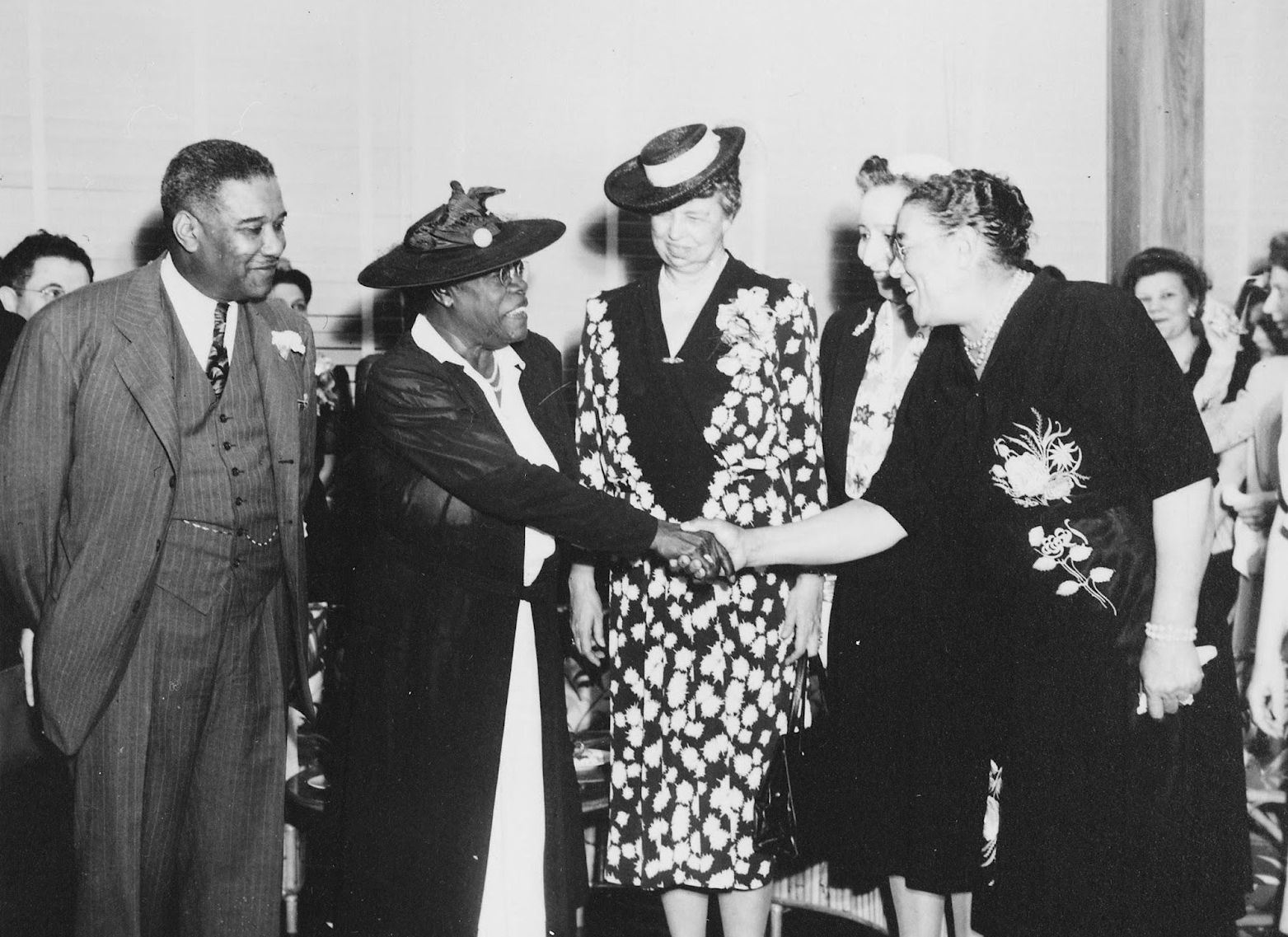
Image: National Archives at College Park, Public domain, via Wikimedia Commons
Eleanor Roosevelt was notably more progressive on civil rights than her husband. During the era of segregation, the First Lady became a crucial ally to the African-American community .
For example, she regularly invited African-American guests to the White House, breaking established protocols. In 1938, she even attended the inaugural meeting of the Southern Conference for Human Welfare in Birmingham, Alabama. On that occasion, after learning that segregationist policies prohibited white and African-Americans from sitting together at public functions, Eleanor protested. "They were afraid to arrest her," one witness recalled.
8
J. Edgar Hoover's public enemy
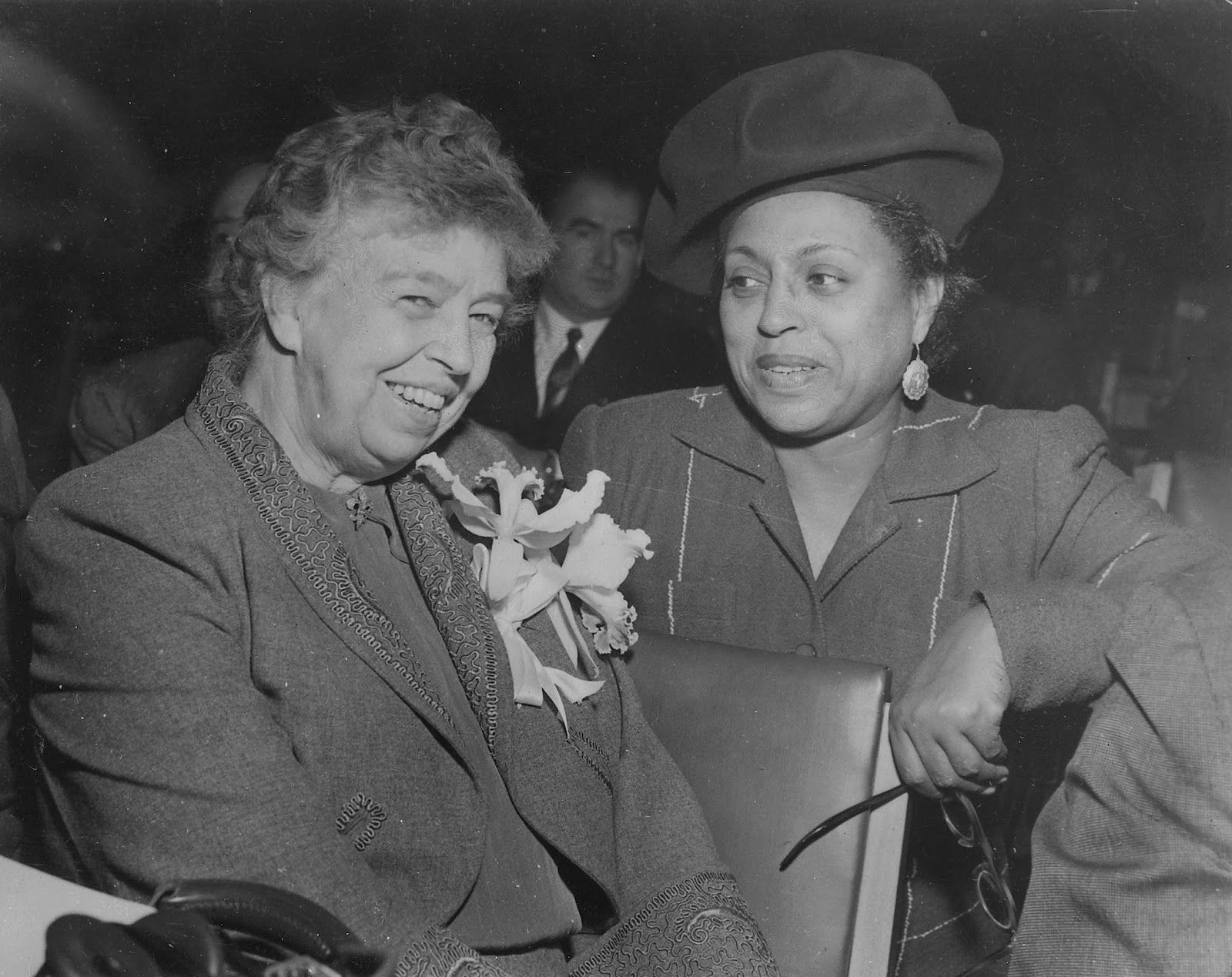
Image: National Archives and Records Administration, Public domain, via Wikimedia Commons
Because of her support for civil liberties and promotion of social programs, Eleanor Roosevelt was labeled a communist by the most conservative wing of American society. She was especially unpopular with J. Edgar Hoover’s FBI, which viewed her as a threat to the status quo.
In fact, the First Lady was the subject of one of the largest single FBI files, totaling around 3,000 pages . She publicly criticized Hoover’s abusive tactics, calling them "Gestapo-ish."
9
The first influencer
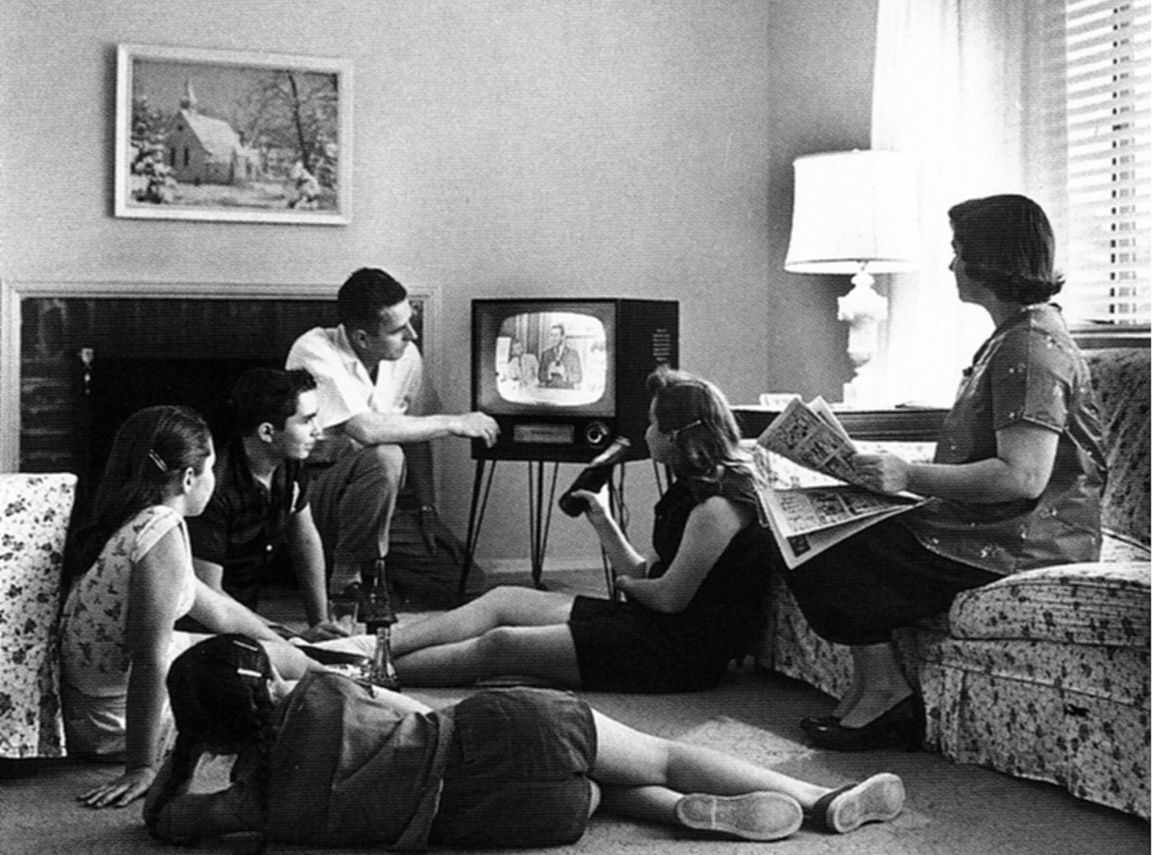
Image: Evert F. Baumgardner, Public domain, via Wikimedia Commons
In 1959, Eleanor Roosevelt made a surprising appearance in a TV commercial that helped popularize margarine as a preferred spread in America.
Her endorsement of the product not only had a significant impact on consumer choices but also earned her a substantial income of $35,000. As evidence of her commitment to social causes, Eleanor used the earnings to purchase 6,000 care packages for families in need , providing critical support and assistance.
10
Universal Declaration of Human Rights
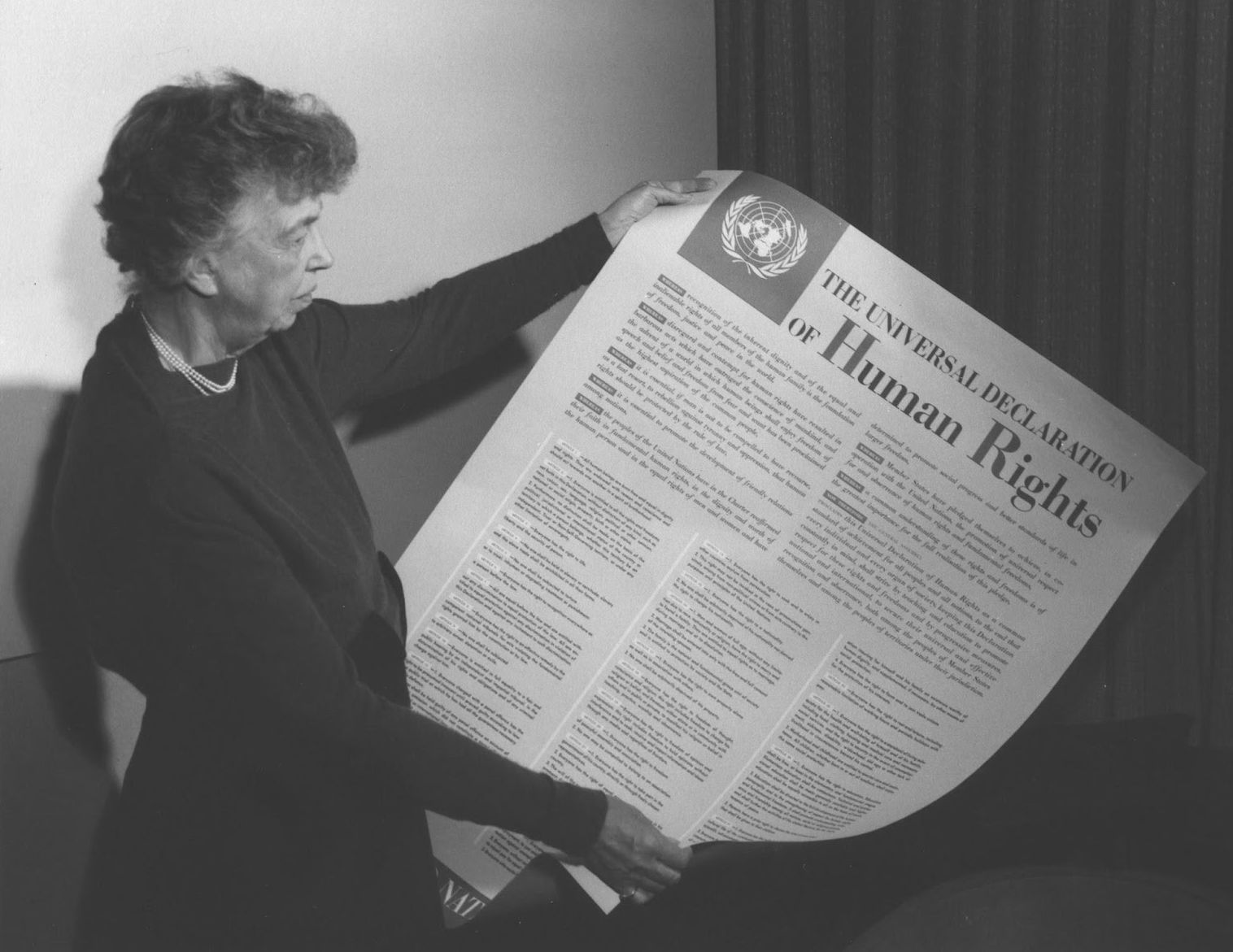
Image: Franklin D. Roosevelt Presidential Library and Museum, Public domain, via Wikimedia Commons
In 1946, President Harry S Truman appointed Eleanor Roosevelt as the U.S. representative to the United Nations Human Rights Council. In this influential role, she played a key part in shaping the Universal Declaration of Human Rights.
Along with 50 other members, Eleanor worked tirelessly to establish a comprehensive framework that protected and upheld the fundamental rights and dignity of individuals worldwide. Her dedication to this important endeavor marked a significant milestone in the advancement of human rights on a global scale. The Universal Declaration of Human Rights remains, without a doubt, one of Eleanor Roosevelt’s greatest legacies.