Geography Geography 4 min read

The best is always inside

10 amazing spots to visit in the Midwest (if you haven’t already)

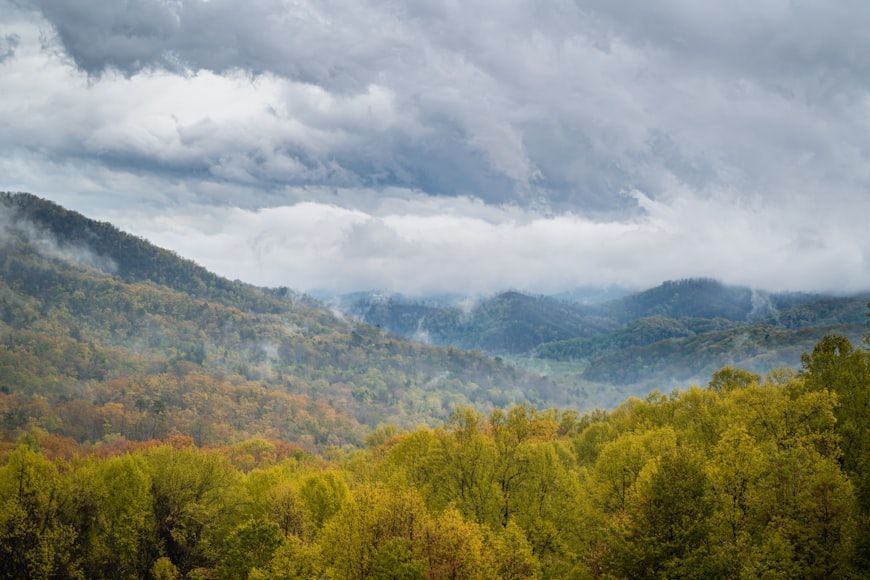
Image: Konrad Burdyn

The United States of America is such a huge country, with so many different regions, that it might sometimes feel overwhelming to choose one vacation spot beyond the usual favorites. Midwesterners know better and are savvy about the infinite possibilities offered by the region where they reside. But the rest of us could probably use a bit of guidance in this area. The following ten range from huge cities to small car-less spots, all equally fun. Have you ever been to any of these?

1
Waterpark Capital of the World, Wisconsin Dells

Image: Kenny Eliason

Waterparks are a funny thing. Adults go there almost exclusively to take their kids, but end up enjoying themselves, sometimes even more than the younger ones. Self-proclaimed as the " Waterpark Capital of the World ," Wisconsin Dells offers fun and adventure for kids and the aforementioned kids at heart.

Its multiple resorts include Noah’s Ark, the largest outdoor waterpark in the world, The Wilderness Resort, which has the largest indoor-outdoor combination, Bigfoot Ziplining, The Original Wisconsin Ducks, Devil’s Lake State Park, boat tours, spas, golf courses, casinos and much more.

2
City of Big Shoulders, Chicago

Image: Sawyer Bengtson

The Windy City needs no introduction but no Midwestern treasures list would be complete without mentioning it. As the Midwest's largest metropolitan area, Chicago is a popular option for a weekend getaway. It houses numerous parks, including ones with lakefront beaches, or iconic sculptures like "The Bean."

Its incredible architecture is best viewed from the water during a river cruise or while boating on Lake Michigan. Its virtually i nfinite food options , ranging from Greek to Mexican to Polish, and its world-class museums , make for a must-visit.

3
Museum City, Kansas City

Image: gilber franco

Sitting on the state line between Missouri and Kansas, the City of Fountains has a vast assembly of museums ready to be discovered by visitors from all over the world.

From local landmarks like the Nelson-Atkins Museum of Art, boasting an impressive collection of over 34,000 pieces and 5,000 years , the National WWI Museum and Memorial, The Negro Leagues Baseball Museum, to the newly renovated Harry S. Truman Presidential Library and Museum, this city has it all.

4
Ozarks Lake, Missouri

Image: K. Mitch Hodge

Long before the TV series of the same name, the Ozarks was a region famous for its natural beauties, entertainment opportunities, and multiple cuisine options. This expansive reservoir with more than 1,100 miles of shoreline has spots like Lake of the Ozarks State Park, Bridal Cave, and various restaurants and resorts.

And if the water activities are not your thing, you can visit the links at one of several golf courses or enjoy a day of wine tasting on the Lake of the Ozarks Wine Trail.

5
Wining and dining, Traverse City

Image: Pablo Merchán Montes

Traverse City may be famous for its slices of pie and tart cherries, which can be found at farm stands across the Up North region through late summer. But it has much more to offer its visitors.

Acres of wineries and orchards all along the Leelanau and Old Mission peninsulas' rolling hills are complimented by the Lake Michigan scenery and the nearby Sleeping Bear Dunes National Lakeshore. And, when the summer season is over, the Traverse City area also boasts enviable skiing terrain, fat-tire bike trails, and snowmobile routes , making it an attractive destination for winter recreation.

6
Hiking paradise, Duluth

Image: Tom Gainor

This Minnesotan city located on the shores of Lake Superior is an ideal spot for a weekend getaway. Visitors of the Canal Park area can bike or walk along the Lakeway , a nearly 8-mile path that follows the shoreline, take pictures of the Aerial Lift Bridge , and explore local art galleries .

Travelers can also tour all 39 rooms at Glensheen, a historic estate built in the early 1900s, or book a first-class ticket in a domed train car on the North Shore Scenic Railroad. And, when hunger strikes, Duluth boasts a generous selection of lakeside eateries and breweries.

7
Family trip favorite, Omaha

Image: Andrew Seaman

Whether you are into history, nature, arts, or the food scene, Omaha has it all. And, with attractions like the Omaha Children's Museum and the Henry Doorly Zoo and Aquarium , this city is a great choice for a family trip.

The Durham Museum is a great place for history buffs, the Lauritzen Gardens Botanical Center has an impressive collection of plants flowers, and trees, and its noteworthy restaurants and bars attract culinary visitors from around the world.

8
Black Hills National Forest, South Dakota

Image: Frank Thiemonge

The amazing Black Hills National Forest can be found at the western edge of South Dakota, where a small mountain range is surrounded by 1.2 million acres of protected wilderness, making it a haven for outdoor activities.

Visitors of the Black Hills can hike, bike, ride horses, rock climb, and visit the Mount Rushmore National Memorial , which features giant mountainside busts of four American presidents.

9
Small-town charm, Mackinac Island

Image: leah hetteberg

If you are looking for a holiday destination with no cars or chain hotels and, instead, horse-drawn carriages and bed and breakfast accommodations in family-owned hotels , Mackinac Island might be the place you are looking for. Located between Michigan's Upper and Lower peninsulas, this Lake Huron island beckons to visitors who want to relax and unwind.

Mackinac Island State Park occupies most of the island, providing visitors with countless opportunities to enjoy outdoor activities like hiking, biking, horseback riding , and a variety of eateries serving everything from American classics to its famous fudge.

10
Prince’s legendary Paisley Park Studios, Minneapolis

Image: DJ Johnson

The former home and recording studio of the "Purple Rain" composer is located outside of Minneapolis in Chanhassen, Minnesota. Prince built Paisley Park back in 1987 and lived here until he died in 2016.

His Royal Badness himself requested that his home be open to the public after his death and now fans can tour the complex and see the studio where he recorded some of his biggest hits and the soundstage where he rehearsed for tours.

History History 3 min read

I want to believe

Beware! 12 everyday superstitions you probably follow without knowing

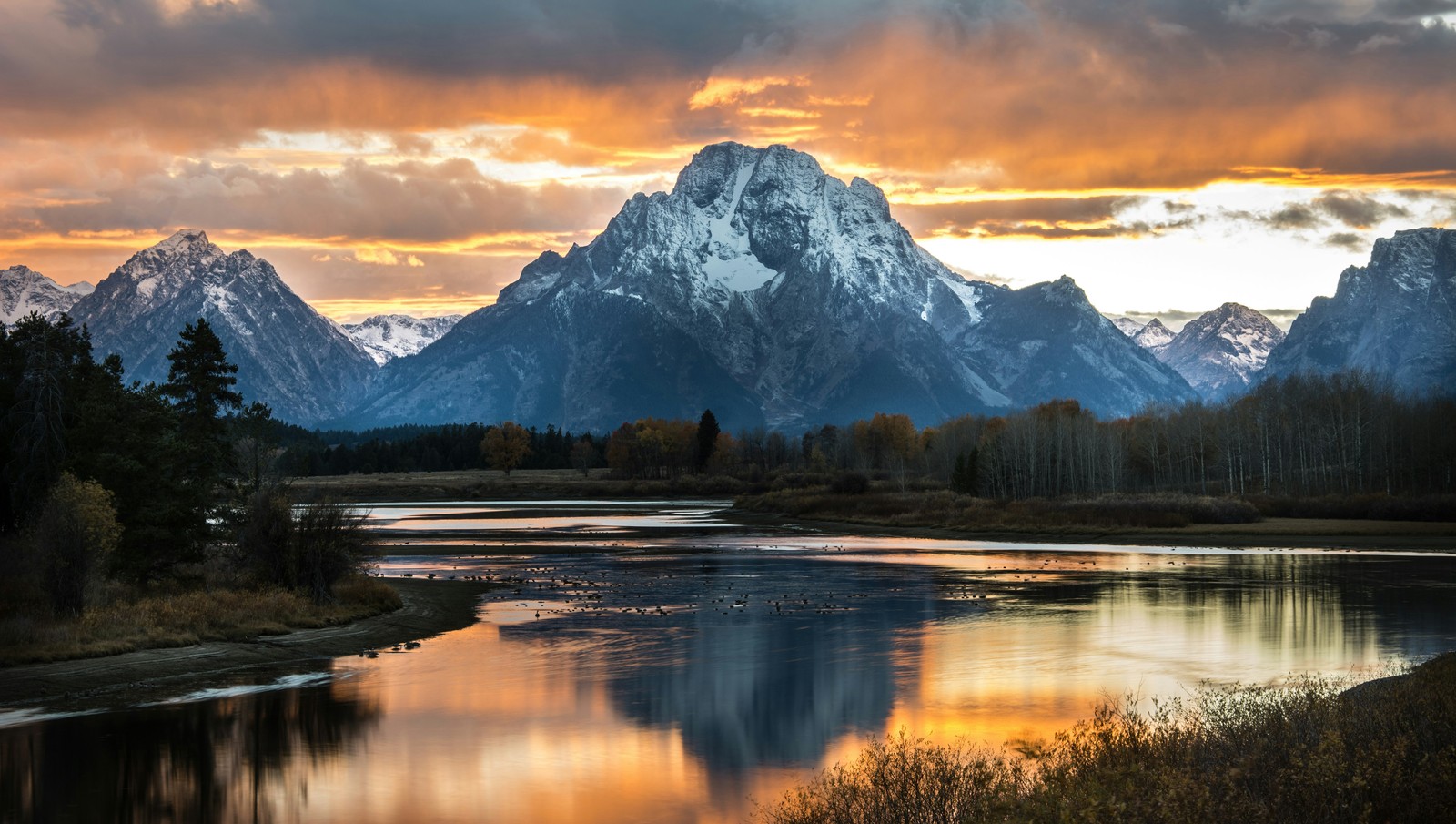
Image: Susannehs

We’ve all heard about the seven years of bad luck that are said to follow if we break a mirror, or why tossing salt over one’s shoulder is supposed to keep misfortune away. Superstitions have been a part of everyday life in the U.S., often passed down through generations without much thought to their origins. Let’s take a look at the origins of 12 common superstitions that continue to influence how people think and act today.

1
Breaking a mirror

Image: Savannah B.

As we’ve all heard, breaking a mirror is said to bring seven years of bad luck— a belief that dates back to the Romans . They thought a mirror didn’t just reflect your face, but also your soul.

Because the Romans also believed that life renewed itself every seven years, the curse was thought to last exactly that long.

2
Walking under a ladder

Image: Nick Fewings

This superstition has its roots in medieval Europe, where ladders leaning against walls formed a triangle, a shape that symbolized the Holy Trinity .

Walking through it was seen as breaking the sacred shape and inviting misfortune. Today, most people avoid it not only out of superstition but also for simple safety.

3
A black cat in your path

Image: Emmeli M

In the Middle Ages, black cats were linked to witchcraft and were thought to be witches’ companions—or even witches in disguise. Crossing paths with one was considered dangerous .

Though many cultures view black cats as lucky, in the U.S., the old stigma has persisted.

4
Knocking on wood

Image: Glen Carrie

The habit of knocking on wood to ward off bad luck likely comes from ancient pagan traditions. Trees—especially oaks—were believed to house protective spirits .

Touching or knocking on wood was a way to call on those spirits for protection. The phrase and the action traveled across centuries, and now it’s a common phrase in everyday conversations.

5
Opening an umbrella indoors

Image: Kato Blackmore 🇺🇦

The superstition that opening an umbrella indoors brings bad luck originates from 18th-century England. Early umbrellas were large, stiff, and often had metal spokes.

Opening one indoors could cause injury or break household items , so the "bad luck" warning worked as a practical safety rule.

6
Friday the 13th

Image: Nik

Friday has long been considered unlucky in Christian tradition because it was said to be the day of the Crucifixion. The number thirteen was also viewed as ominous, connected to the Last Supper .

When the two were combined, Friday the 13th gained its spooky reputation. Despite rational explanations, some hotels skip floor 13, and many people still avoid major plans on that date.

7
Spilling salt

Image: ekaterina shishina

Salt was once precious and expensive, symbolizing purity and friendship. Spilling it was considered wasteful and unlucky in ancient times.

The practice of tossing a pinch over your left shoulder comes from folklore, supposedly to blind the devil lurking there . It’s a tiny gesture that still lingers on dinner tables today.

8
Four-leaf clover

Image: Barbara Krysztofiak

The four-leaf clover is a symbol of good fortune dating back to the Celts, who believed the rare leaves provided protection against evil spirits .

Since clovers typically have only three leaves, the fourth leaf came to symbolize rarity and luck.

9
Rabbit’s foot

Image: Timofei Adrian

Carrying a rabbit’s foot for luck traces back to African and European folklore, where rabbits were seen as fertile, magical creatures .

The superstition spread through American culture in the 19th century, especially in the South. Even though it might seem unusual—and potentially unsanitary—the lucky rabbit’s foot remains a well-known charm today.

10
Wishbone

Image: Museum of New Zealand Te Papa Tongarewa

The tradition of making a wish on a wishbone originates with the Romans, who, in turn, borrowed it from the Etruscans. They believed that birds held divine powers .

Breaking the bone with someone else was thought to transfer luck to the person who ended up with the larger piece .

11
Coin in a fountain

Image: Lila Mitchell

Tossing a coin into water to make a wish has its roots in ancient Europe. Wells and springs were considered sacred, often associated with gods or spirits.

People dropped coins as offerings for health or good fortune . Today, fountains across the U.S. and around the world collect millions of coins.

12
Wishing upon a star

Image: Ali

The superstition of wishing upon a star comes from ancient Greece and Rome, where falling stars were believed to carry messages from the gods .

Even today, looking up at the night sky and spotting a shooting star inspires many people to make a wish.

Culture Culture 5 min read

Even show business had to start somewhere

From Rudy Vallee to Screamin’ Jay Hawkins: 10 Early American pop stars

Image: Papa Yaw

Colorful singers who stand out from the rest of the music band have been around for a long time, but it wasn’t until the arrival of live microphones that their contributions could be recognized for more than just a powerful voice; their nuances could play a bigger role in their live acts. The list of these sonic pioneers is very long, and for the sake of brevity, we are narrowing it down to ten entries. If some of these names pique your curiosity, we encourage you to give them a listen. After all, they didn’t get this big for nothing!

1
Josephine Baker

Image: Richie Lugo

Josephine Baker was the first Black woman to star in a major motion picture , the 1927 French silent film Siren of the Tropics . During her early career, Baker was among the most celebrated performers to headline the revues of the Folies Bergère in Paris. Her performance in the 1927 revue Un vent de Folie caused a sensation in the city. Her costume, consisting only of a short skirt made of artificial bananas and a beaded necklace, became an iconic image and a symbol both of the Jazz Age and the Roaring Twenties.

Baker was celebrated by artists and intellectuals of the era, who variously dubbed her the "Black Venus," the "Black Pearl," the "Bronze Venus," and the "Creole Goddess." She aided the French Resistance during World War II, and after the war, she was awarded the Resistance Medal by the French Committee of National Liberation, the Croix de Guerre by the French military, and was named a Chevalier of the Legion of Honour by General Charles de Gaulle.

2
Rudy Vallée

Image: Matt Botsford

Rudy Vallée was the first male singer to rise from local radio broadcasts in New York City to national popularity as a "crooner." He had a thin, wavering tenor voice and seemed more at home singing sweet ballads than jazz songs. But his singing, saxophone playing, and the innovative arrangements he wrote for his band attracted the attention of a rapidly increasing number of listeners, especially young women.

Singers needed strong voices to fill theaters in the days before microphones. Crooners had soft voices that were suited to the intimacy of radio; the microphones, in this case, promoted direct access to "a vulnerable and sensuous interior," or, in other words, "a conjured intimacy." Vallée was one of the first celebrity radio vocalists.

3
Bobby Darin

Image: Jack Sharp

Bobby Darin was an American teen idol and, later, an adult crooner who, in 1958, co-wrote and recorded his first million-selling single, "Splish Splash," followed by "Dream Lover" and his covers of "Mack the Knife" and "Beyond the Sea," which brought him worldwide fame.

In the early 1970s, his health was beginning to fail due to a weak heart. The knowledge of Darin's vulnerability had always spurred him on to use his musical talent while still young. Darin died in 1973 at the age of 37 in a hospital recovery room after having open-heart surgery in Los Angeles.

4
Keely Smith

Image: Harry Shelton

American jazz and popular music singer Keely Smith performed and recorded extensively in the 1950s with her then-husband Louis Prima , and throughout the 1960s as a solo artist. The couple were stars in the entertainment business, including stage, television, motion pictures, hit records, and cabaret acts.

They won a Grammy in 1959, its inaugural year, for their smash hit, "That Old Black Magic," which remained on the charts for 18 weeks.

5
The Ink Spots

Image: Jorge Flores

The first band on the list, the Ink Spots was an American vocal pop group who gained international fame in the 1930s and 1940s due to their unique musical style, which predated rhythm and blues and doo-wop .

On January 12, 1939, the Ink Spots recorded "If I Didn't Care," one of their biggest hits, selling over 19 million copies and becoming the 8th-best-selling single of all time. Since they disbanded in 1954, there have been well over a hundred vocal groups calling themselves "The Ink Spots," with and without any original members of the group.

6
Ella Fitzgerald

Image: zachrie friesen

A frequent collaborator of the Ink Spots, Ella Fitzgerald was a singer, songwriter, and composer, sometimes referred to as the "First Lady of Song," the "Queen of Jazz," and "Lady Ella." She was noted for her purity of tone, impeccable diction, phrasing, timing, intonation, absolute pitch, and a "horn-like" improvisational ability, particularly in her scat singing.

Outside her solo career, she recorded music with Louis Armstrong, Duke Ellington, and the aforementioned Ink Spots. These partnerships produced songs such as "Dream a Little Dream of Me," "Cheek to Cheek," "Into Each Life Some Rain Must Fall," and "It Don't Mean a Thing (If It Ain't Got That Swing)."

7
Bing Crosby

Image: Alexander Wark Feeney

A one-man orchestra, Bing Crosby was a singer, actor, television producer, radio personality, and businessman. The first multimedia star , he was one of the most popular and influential musical artists of the 20th century worldwide.

In 1948, American polls declared him the "most admired man alive," ahead of Jackie Robinson and Pope Pius XII. That same year, Music Digest estimated that Crosby's recordings filled more than half of the 80,000 weekly hours allocated to recorded radio music in America.

Crosby is one of 33 people to have three stars on the Hollywood Walk of Fame , in the categories of motion pictures, radio, and audio recording.

8
Perry Como

Image: Oscar Sutton

Perry Como was an American singer, actor, and television personality who sold over 100 million records worldwide and pioneered a weekly musical variety television show. His weekly television shows and seasonal specials were broadcast around the world. He recorded primarily vocal pop and was renowned for his recordings in the intimate, easy-listening genre pioneered by our newly acquainted friend, Bing Crosby.

In the official RCA Records memorial in Billboard magazine, his life was summed up in these few words: "50 years of music and a life well lived. An example to all."

9
Nina Simone

Image: Artem Bryzgalov

A bigger-than-life figure, Nina Simone was a singer, songwriter, pianist, composer, arranger, and civil rights activist whose piano playing was strongly influenced by baroque and classical music, and accompanied by expressive, jazz-like singing in her contralto voice .

Early in her career, Simone played piano at a nightclub in Atlantic City, where she was told that she would have to sing to her accompaniment. This effectively launched her career as a jazz vocalist. Simone also became known for her work in the civil rights movement during the 1950s and 1960s, and she later fled the United States and settled in France following the assassination of her friend Martin Luther King Jr. in 1968.

10
Screamin’ Jay Hawkins

Image: Music HQ

The closer of this list is one of the most colorful characters in American music. "Screamin' Jay" Hawkins was a singer-songwriter, musician, actor, film producer, and boxer, best known for his powerful, shouting vocal delivery and wildly theatrical performances with macabre props onstage, making him an early pioneer of shock rock.

Screamin’ Jay’s most successful recording, "I Put a Spell on You," was created when the entire band was intoxicated during a recording session where "Hawkins screamed, grunted, and gurgled his way through the tune with utter drunken abandon." The resulting performance became his greatest commercial success and reportedly surpassed a million copies in sales.

Explore more American facts

Choose your favorite category!

General
General

As American as apple pie—the very best America has to offer!

Culture
Culture

Delve into the astounding richness of American lore.

Geography
Geography

Hop in and explore vast and diverse American landscapes.

History
History

Discover the key moments that shaped the United States.