Culture Culture 6 min read

Bad blood

Did you know these celebrities were declared rivals?
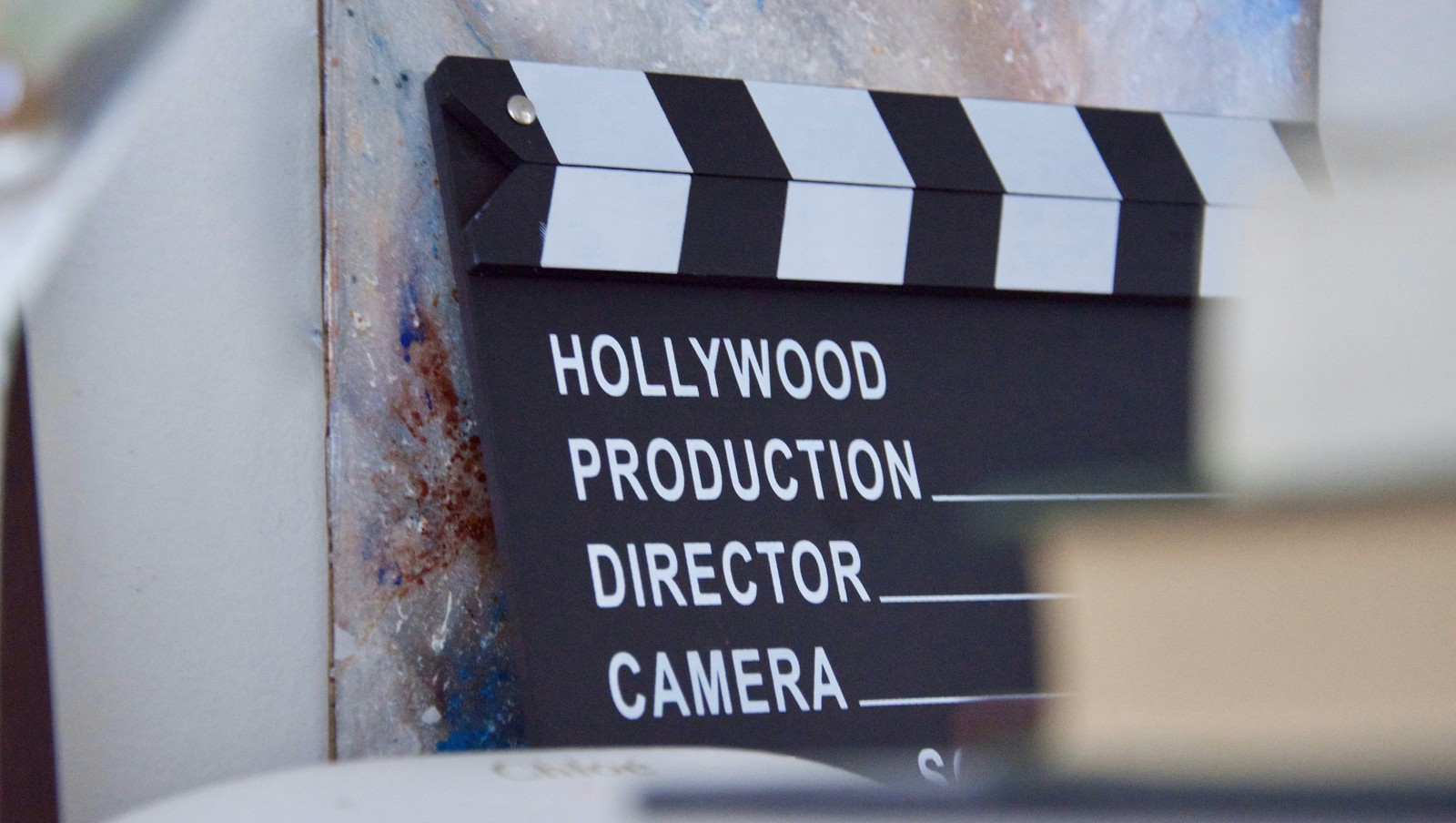
Image: Thea Hdc

Hollywood is not just about glitz and glamour. Sometimes, behind the cameras, famous stars clash in ways that are mysterious, amusing, or simply unforgettable. From bitter arguments on set to long-lasting rivalries, these legendary feuds tend to leave a mark on pop culture history. Here are 12 famous celebrity disputes fans can’t stop talking about.

1
Robert De Niro vs Mickey Rourke
Image: Vitruvian Badr

At first glance, it was the typical 1980s film set. But when Robert De Niro and Mickey Rourke worked together in Angel Heart , their differences in style weren’t just noticeable; they were combustible. De Niro, famous for disappearing into his roles with a strict Method approach, didn’t always mesh well with Rourke’s more unpredictable, improvisational take.

According to lore, all hell broke loose when Rourke decided to ignore De Niro’s suggestions for a scene. What was supposed to be a straightforward shoot turned into multiple takes, frustrating not just the two stars but the entire crew. The altercation quickly became Hollywood gossip, with insiders saying it was a classic case of two strong personalities refusing to give in.

2
David Letterman vs Jay Leno

Image: John-Mark Smith

Who deserved the late-night crown , Letterman or Leno? For years, Americans were unable to settle the debate. On screen, both comedians exchanged polite words and even jokes, but behind the curtain, the situation was a little more complicated.

Reporters loved to stir the pot, writing headline after headline about which funnyman truly deserved the throne. Viewers, meanwhile, treated it almost like a sporting match, tuning in to see who would come out on top. In truth, much of the "feud" was blown out of proportion, yet the friendly jabs and constant comparisons managed to keep audiences entertained.

3
Dean Martin vs Jerry Lewis
Image: anncapictures

On stage, there were only gags, music, and applause. But behind the scenes, Dean Martin and Jerry Lewis were falling apart. Martin often felt stuck playing the calm, serious foil while Lewis stole all the laughs with his wild, over-the-top routines.

Over time, that imbalance created real tension. After starring in 16 hit films together, the famous duo finally called it quits. Their split was so final that they didn’t exchange a word for two full decades. Fans were stunned when they eventually patched things up later in life, a reminder that even the biggest comedy legends aren’t immune to bruised egos and long silences.

4
Olivia de Havilland vs Joan Fontaine
Image: cottonbro studio

Few family feuds reached the heights of Olivia de Havilland and Joan Fontaine’s legendary rivalry. The sisters were competitive long before the bright lights of Hollywood, each vying for their mother’s attention. Once both became movie stars, the bad blood only grew stronger.

In 1942, the two actresses were even nominated for Academy Awards in the same category. Fontaine ended up winning and later claimed her older sister pulled her hair during the ceremony. That incident became one of Hollywood’s most talked-about snubs. Their quarrel stretched on for decades, marked by jealousy, pride, and the kind of family drama that the public can’t get enough of.

5
Elton John vs Madonna
Image: HubertPhotographer

It may sound like sensational news, but Elton John once declared Madonna’s Bond theme "the worst ever." From that point on, the two megastars exchanged sharp words through the press, with Elton poking fun at her performances and Madonna brushing off the criticism with icy charm.

Reporters loved every jab, turning their spat into tabloid gold. Though they occasionally patched things up, the rivalry lingered. Even music royalty can squabble just like the rest of us!

6
Marilyn Monroe vs Jayne Mansfield
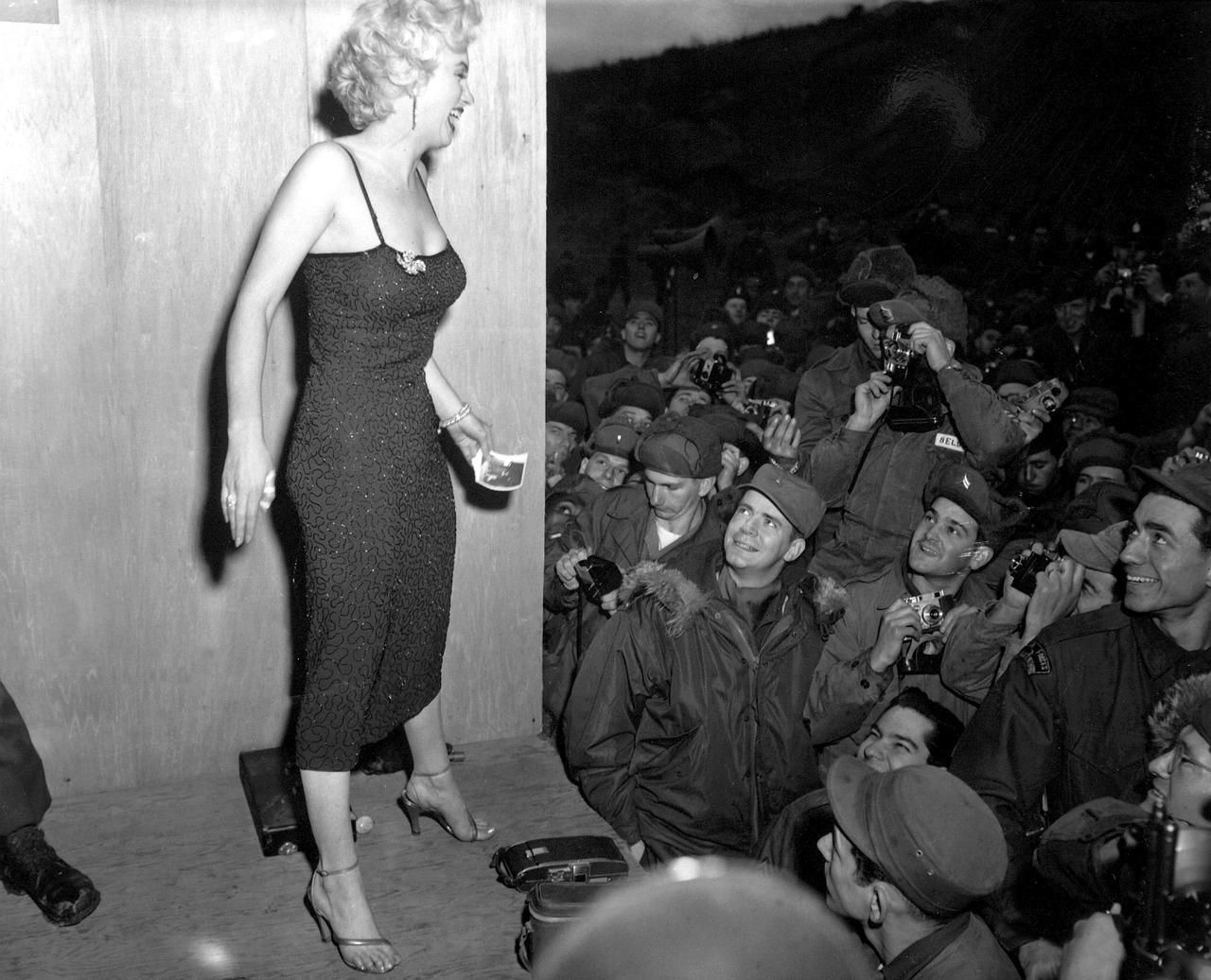
Image: WikiImages

In the 1950s, Hollywood had room for only so many platinum blondes, and Marilyn Monroe was already the reigning queen. When Jayne Mansfield came to light with her hourglass figure and playful charm, the press quickly dubbed her "the next Monroe."

Marilyn, who guarded her image carefully, bristled at the idea of a copycat stealing her thunder. Meanwhile, Mansfield leaned into the comparisons, showing up at events in daring outfits and orchestrating photo ops that guaranteed headlines. The result was a highly public rivalry that fascinated fans, turning every red carpet into a showdown.

7
Johnny Carson vs Joan Rivers
Image: Debby Hudson

One phone call never answered, one friendship lost forever. Joan Rivers owed much of her early success to Johnny Carson, who gave her a career-changing boost as a regular guest on The Tonight Show . For years, she was seen as his comic protégé, someone he personally championed. But when Rivers accepted an offer to host her own late-night program, Carson viewed it as a betrayal.

He cut off contact immediately, refusing to take her calls, and the friendship that once seemed unbreakable collapsed overnight. Fans were stunned to see the bitter end of what had appeared to be a classic mentor-and-student bond. The silence lasted all their lives.

8
Debbie Reynolds vs Gene Kelly
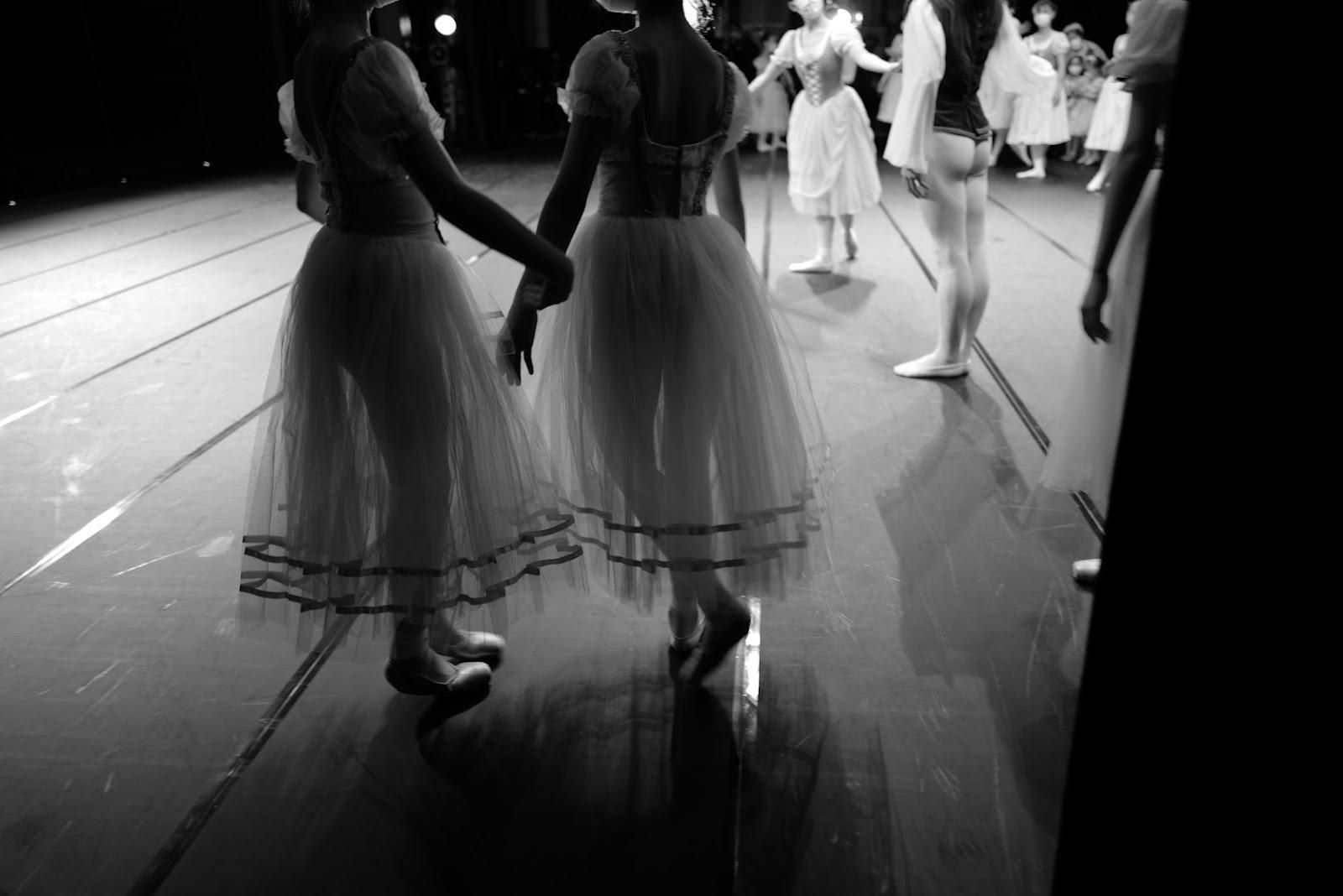
Image: Kazuo ota

When Debbie Reynolds starred in Singin’ in the Rain , she was a 19-year-old performer stepping into a major role for the first time. Gene Kelly, already an established star, demanded flawless performances and wasn’t known for his patience. Reynolds later recalled long hours of grueling rehearsals, where Kelly frequently criticized her every move, reducing her to tears.

Though their discord was rooted more in his high standards than personal dislike, the experience marked a harsh introduction to Hollywood for the young actress. Today, their behind-the-scenes tension is remembered as both a glimpse into Kelly’s tough reputation and a reminder of the enormous pressures that came with working alongside legends.

9
Orson Welles vs William Randolph Hearst

Image: William Warby

When Citizen Kane hit the screens, it wasn’t just a film debut; it was the spark of one of Hollywood’s fiercest battles. William Randolph Hearst, the media tycoon who saw too much of himself in the story, launched an all-out war against Orson Welles.

He tried to bury the film before it could reach audiences, banning ads in his papers and fueling smear campaigns. What began as a clash of egos grew into a cultural showdown, forever linking their names to both scandal and cinematic history.

10
Frank Sinatra vs Marlon Brando
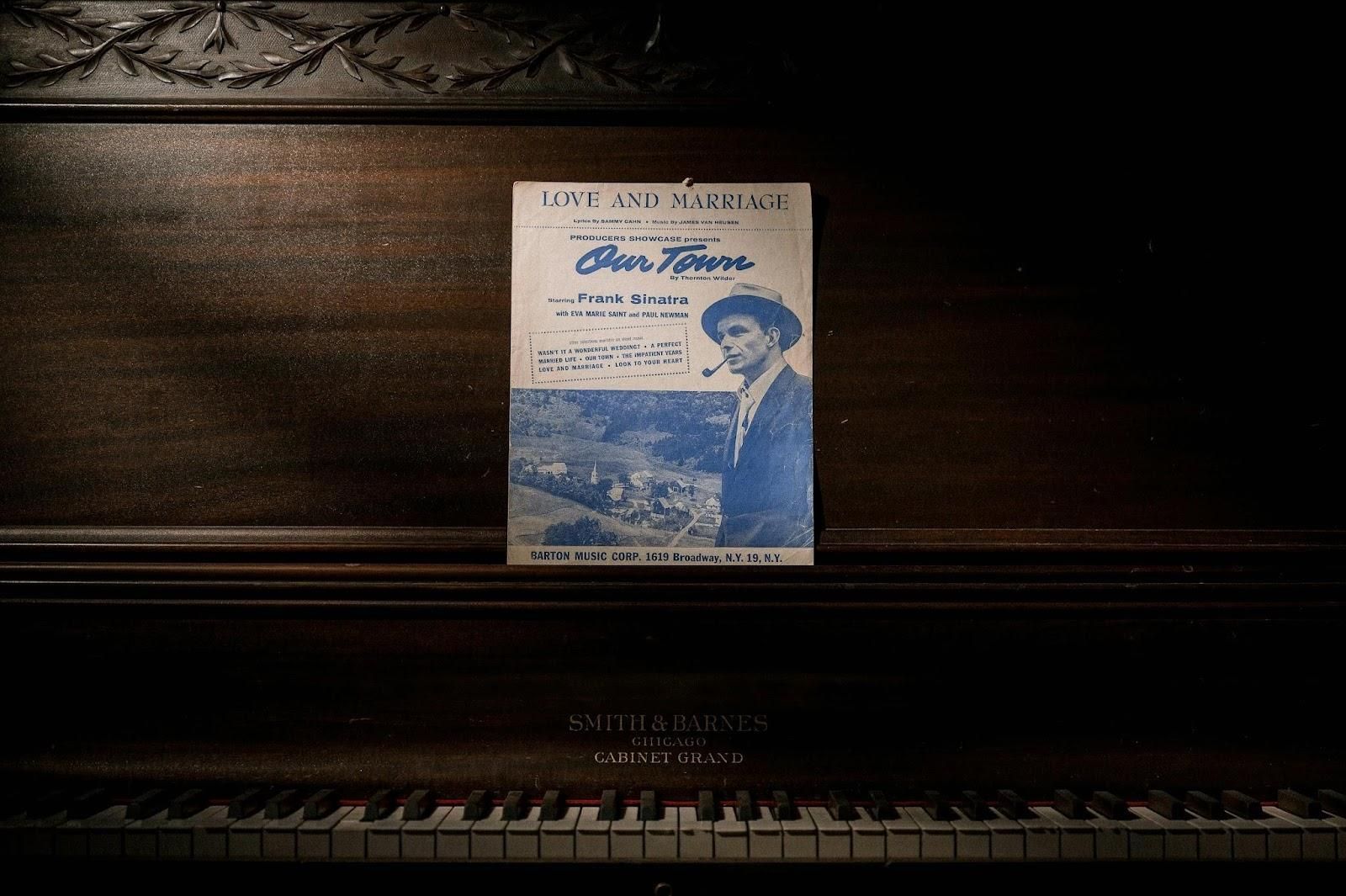
Image: Brett Sayles

If you watch Guys and Dolls today, all you’ll see is glamour. In reality, the shooting was pretty stressful: Sinatra craved efficiency, Brando thrived on slow-burning performance. Brando’s Method acting tested Sinatra’s patience, as Ol’ Blue Eyes favored efficiency and clean, polished takes.

Rumors of heated exchanges and icy silences hit the media, and by the final days of filming, the pair were barely speaking. What should have been a classy production became notorious for its behind-the-scenes tension, adding an extra layer of drama to the musical classic.

11
Bette Davis vs Joan Crawford
Image: Nathan DeFiesta

So iconic was their hatred that it later inspired documentaries and TV series. Davis and Crawford didn’t just feud; they redefined what a Hollywood rivalry is. For decades, the two icons sparred over leading roles, critical acclaim, and public adoration.

Gossip included backhanded insults, stolen lovers, and outright sabotage during productions. When they finally shared the screen in 1962’s What Ever Happened to Baby Jane? , the film’s unsettling tension was magnified by their very real animosity.

12
Chevy Chase vs Bill Murray

Image: Aleks Dorohovich

In the early days of Saturday Night Live , Chevy Chase and Bill Murray were usually at each other’s throats. Chase’s sharp, polished delivery often clashed with Murray’s more offbeat, improvisational style, and the tension spilled offstage.

Reports of heated arguments (and even a near brawl backstage) turned their working relationship into one of the show’s most notorious conflicts. Though both later moved on, their rocky career start stands as a reminder of how fragile chemistry can be in comedy’s spotlight.

General General 5 min read

The Soundtrack of Our Lives

Plop, plop, fizz, fizz! Remember these 10 catchy jingles?

Every brand aims to create a logo, slogan, or jingle that is instantly recognizable and remains iconic over time. But the truth is, not all of them succeed. However, some brands have developed jingles so catchy that, from the moment you hear them, you can't help but sing along. We're talking about those ads that we can still easily remember, even though they were created years ago. Do any come to mind? So, get ready to relive 10 of these unforgettable jingles that stuck in our minds!

1
"I don't want to grow up"- Toys 'R' Us

Image: Liao Je Wei

No kid on Earth doesn't love toys, and Toys 'R' Us knew this too well. Their unforgettable commercial, "I Don't Want to Grow Up, I'm a Toys 'R' Us Kid," is proof of that. Remember it? Of course, you do!

Launched in the 1980s, this ad was a hit. The kids' voices repeatedly stating, "I don't want to grow up," immediately brings the brand's name to mind. In addition to the catchy line, the commercial also showcased a wide variety of toys available in stores, which are—of course—the reason why kids never want to grow up!

2
"Give me a break"- Kit Kat

Image: Abi Schreider

Kit Kat has successfully tied itself to the joy of taking a break , thanks in large part to its iconic jingle: "Give me a break, give me a break, break me off a piece of that Kit Kat bar!" Feeling like dancing?

We're sure you've caught yourself singing this line more than once in everyday life. The infectious tune has lived rent-free in our minds since the ‘80s when the commercial first debuted. In it, chefs, firefighters, builders, office workers, and people from all walks of life—including children—hold up a Kit Kat bar, smiling and dancing as they politely ask for their well-deserved break.

3
"Plop plop fizz fizz"- Alka-Seltzer

Image: Ksenia

For a jingle to stand out, it needs to be both consistent and effective . And Alka-Seltzer's most famous jingle nailed it perfectly.

"Plop, plop, fizz, fizz, oh what a relief it is!" is the catchy jingle that hit the radio in 1953. With two simple words, it shows us how to use the product: "Plop" (drop the tablet into a glass of water), "fizz" (watch it dissolve), and then, relief!

Later adapted for TV, the commercial featured Alka-Seltzer's mascot, Speedy , who explained the product's benefit: "Those speedy bubbles relieve your upset stomach and headache fast! For acid indigestion alone, Alka-Seltzer Gold."

4
"Sometimes you feel like a nut"- Almond Joy and Mounds

Image: Jessica Loaiza

As brands offer a variety of products, they often look for unique ways to differentiate each one, creating distinct commercials to highlight the essence of each product. But Almond Joy and Mounds, produced by the same company, did the opposite: they were united in the same commercial.

"Sometimes you feel like a nut, sometimes you don't. Almond Joy's got nuts, Mounds don't." Not only is it funny and catchy, but it's also crystal clear: although the bars look similar, there’s one key difference. Yep, the nuts ! So, which one is your favorite?

5
"Mmm Mmm Good" – Campbell's Soup

Image: Kelly Common

Sometimes, the simplest approach is the most effective, right? And that was demonstrated by Campbell's when it launched its famous jingle "Mmm Mmm Good." You've probably heard it!

What's the expression you use when you taste something that's delicious? That's right: Mmm! The canned soup brand exploited this universal expression to the fullest by adding it to its commercials and consistently evoking a cozy, homey vibe. By doing so, they connected the product with the kind of food we all prefer: homemade .

6
"My Bologna Has a First Name"- Oscar Mayer

Image: Aneta Voborilova

Almost everyone knows how to spell " bologna ," and that's largely thanks to Oscar Mayer's catchy 1973 jingle. Remember that one?

In the famous commercial, a young boy sings, "My bologna has a first name, it's O-S-C-A-R/ My bologna has a second name, it's M-A-Y-E-R/ Oh, I love to eat it every day, and if you ask me why, I'll say/ 'Cause Oscar Mayer has a way with B-O-L-O-G-N-A." The catchy tune and playful lyrics became a cultural phenomenon, making the brand name synonymous with the product. It was a highly effective marketing tactic!

Kids and adults alike couldn't stop spelling out this fun jingle, which still plays in our minds to this day.

7
"Meow, meow, meow, meow…"- Meow Mix

Image: Matheus Queiroz

Sometimes, we wish our pets could talk to us. It's a fantasy explored by many cartoons and some famous movies. But if your cat could talk, what would it ask for as its favorite meal? Hard to guess, right? Meow Mix, the cat food company, decided to give us an answer.

In its 1970s commercial, a kitten "sings" the catchy jingle, "Meow, Meow, Meow, Meow, Meow, Meow, Meow," while the visuals clearly show that the cat is asking for Meow Mix's delicious food. Associating the very sound of the animal with the brand name was a very clever move!

8
"Like a Good Neighbor"- State Farm

Image: Tierra Mallorca

You know a jingle is good when it's been around for decades , and that's the case with the iconic "Like a good neighbor, State Farm is there" from the well-known insurance company.

The jingle was written in 1971, and since then, it has become one of the most recognized jingles in commercial history.

Sung warmly and softly, the jingle conveys the idea that the insurance company will always be there for the customers, whatever they need, providing a sense of security and reliability.

9
"I'm A Big Kid Now"- Huggies Pull-Ups

Image: Jimmy Conover

Cuteness is a great way to connect with an audience, and Huggies, the famous diaper and pull-up brand, understands this perfectly.

And the proof of this is its iconic jingle, "I'm a big kid now!" This line represents the transition from diapers to training pants and the start of the potty training process.

The commercial, which debuted in 1992, features a young child proudly telling his parents about all the things he can do now that he's a "big kid." It highlights the joy and pride of this milestone for both toddlers and their parents. The jingle was a big hit and became one of the brand's most famous.

10
"I'm Lovin' It" - McDonald's

Image: Road Ahead

When you think of McDonald's advertisements, it's impossible not to remember the legendary "I'm Lovin' It."

Although it's newer than some other jingles on this list, "I'm Lovin' It" debuted in 2003 and quickly became an iconic part of the McDonald's brand. Along with the catchy "pa ra pa pa pa" hum, the jingle successfully linked the brand with the pleasure of enjoying a delicious burger.

Thanks to its simplicity and positive vibes, the jingle became a crucial part of the brand's identity and is etched in the memory of many Americans.

History History 5 min read

CHEERS TO ALL

Sipping through history: 10 cocktails from the Prohibition Era

Image: Frames For Your Heart

Isn’t it crazy to think there was a time when alcohol was prohibited? Now, some things simply can’t be taken from society. It’s only logical that as liquor was prohibited, the ways to disguise it flourished across the country. After all, crises do create opportunities! That is what bartenders thought anyway, and that is how many of the best cocktails came to be during the dry years. From Ward 8 to the classic Old Fashioned, the drinks we love today have been around for a long time, and we’ll tell you all about them in this article.

1
Ward 8

Image: Alex Kubsch

The Ward 8 is a cocktail with a bit of political history . Created in 1898, it is believed to have been made in Boston to celebrate a victory: Martin M. Lomasney’s seat at the state’s legislature. This mix of rye whiskey, lemon juice, orange juice, and grenadine offers a sweet and slightly tart taste that was a hit in the speakeasies.

The drink’s vibrant color and balanced flavor made it a favorite during Prohibition. It’s a bit more complex than some of the other cocktails of the time, but it’s worth every sip. Shake with ice, strain, and serve in a chilled glass for a sip of political history. Or to celebrate a victory of your own!

2
The South Side

Image: Bri Tucker

This refreshing drink's origin is a matter of speculation. The main theories suggest that it was either created after the South Side district of Chicago , Illinois, or the Southside Sportsmen’s Club on Long Island. Whichever the origin, the popularity of the drink is connected to Al Capone’s preference for it.

It’s a blend of gin, fresh mint, lime juice, and simple syrup, making it crisp and revitalizing. The mint and lime give it a fresh, lively flavor that’s perfect for any occasion. Shake with ice, strain into a chilled glass, and garnish with a mint sprig for a touch of elegance.

3
Sidecar

Image: Jia Jia Shum

The drinks were quite inventive, but the names? We’ll have to see about that. The Sidecar cocktail is believed to have been named after the motorcycle attachment in London or Paris around the 1920s. Nevertheless, the drink found it’s way across the Atlantic and into every bartender’s guide during the Prohibition.

Made with cognac, orange liqueur, and lemon juice, it’s a smooth, tangy cocktail that packs a punch. Its balanced flavor profile made it a favorite among those who sought both style and substance in their drinks. Shake it with ice, strain it into a sugar-rimmed glass, and you’ve got yourself a ride worth taking.

4
Highball

Image: Timothé Durand

If a cocktail’s name comes from a phrase that means "you’re good to go," you simply have to drink it, don’t you think? Well, that’s the case with the Highball cocktail. This drink’s name may come from railroad signs, where a raised globe meant that the track ahead was clear.

Now, as for the ingredients, the drink has several variations, but the classic ones are scotch and soda. The Highball is a simple yet elegant cocktail that has stood the test of time. It’s made by mixing whiskey (or gin) with a generous amount of ginger ale or soda water, served over ice in a tall glass. Garnish a Collin-type glass with a lemon or lime wedge, and you’ve got a drink that’s both easygoing and refreshing.

5
Old Fashioned

Image: Johann Trasch

If we’re discussing the classics, we can’t ignore the Old Fashioned, the number one drink of all time . Do you need any proof? Ask as many bartenders as you like, and they’ll each give you a different recipe. That’s because, as old as the drink is, it is also highly popular and has been the subject of countless versions ever since it was created.

The Old Fashioned dates back to the early 19th century, but it truly came into its own during Prohibition. This classic drink combines whiskey, a sugar cube, bitters, and a twist of citrus. The simplicity of the recipe made it a reliable choice when quality ingredients were hard to come by.

6
Corpse Reviver

Image: Timothé Durand

Mornings after can be quite tough, and these names aren’t making them any easier! The Corpse Reviver was so named because it was intended as a "hair of the dog" remedy to revive the drinker from a hangover . This cocktail is a complex mix of gin, lemon juice, Cointreau, Lillet Blanc, and a dash of absinthe. It’s a drink that packs a punch but is also surprisingly smooth and balanced.

The Corpse Reviver No. 2, in particular, became popular during the Prohibition era for its bold flavor and reputed restorative properties. Have you ever tried this one?

7
Mary Pickford

Image: Kurt Liebhaeuser

Named after the silent film star Mary Pickford, this cocktail is as glamorous as its namesake . It’s a fruity blend of white rum, pineapple juice, grenadine, and maraschino liqueur. The drink is sweet and vibrant, with a striking pink color that was as eye-catching in the 1920s as it is today.

Created in Havana, Cuba, it quickly became popular among Hollywood’s elite during the Prohibition era. Shake all the ingredients with ice, strain into a chilled glass, and then garnish with a cherry for a touch of old Hollywood glamour.

8
Gin Rickey

Image: Rajasekhar R

The Gin Rickey was a Prohibition favorite for its simple ingredients and refreshing taste. Made with gin, fresh lime juice, and soda water, it’s light, crisp, and perfect for warm summer nights. This drink was named after Colonel Joe Rickey, a lobbyist known for his love of mixing bourbon with sparkling water.

During Prohibition, gin replaced bourbon as the spirit of choice due to its easy availability. It’s a low-calorie, no-sugar-added option that was as much a hit then as it is now. Simply pour over ice and garnish with a lime wedge for a zesty kick.

9
Bee’s Knees

Image: Ash Edmonds

The Bee’s Knees is a classic example of how Prohibition-era bartenders used sweeteners to mask the harsh taste of homemade gin. You may think using honey for a cocktail is quite ordinary, but back in the day, this was quite an innovation. This delightful cocktail mixes gin, fresh lemon juice, and honey for a sweet and tangy flavor.

The name itself is a slang term from the 1920s, meaning "the best," and this drink certainly lives up to it. It’s refreshing and light, perfect for sipping on a sunny afternoon. Shake with ice and serve in a chilled glass for a taste of history’s sweeter side.

10
French 75

Image: Stephen Harlan

The French 75 is as powerful as the artillery piece it’s named after. This cocktail combines gin, lemon juice, sugar, and a bubbly splash of champagne, making it both elegant and dangerously easy to drink.

Legend has it that the drink was invented in Paris and quickly became popular in American speakeasies. The effervescence of champagne made it a celebratory favorite, while the gin added just the right amount of kick. Serve it in a champagne flute with a lemon twist, and you’ll feel like you’re celebrating in style.

Explore more American facts

Choose your favorite category!

General
General

As American as apple pie—the very best America has to offer!

Culture
Culture

Delve into the astounding richness of American lore.

Geography
Geography

Hop in and explore vast and diverse American landscapes.

History
History

Discover the key moments that shaped the United States.