Geography Geography 4 min read

Call them by their names!

If Chicagoans are from Chicago, where are Nutmeggers from?

Image: Pixabay

Have you ever wondered what to call someone from a different state or city? While some state or city names naturally lend themselves to demonyms (for example, someone from Chicago is called a Chicagoan ), others have taken more creative or unexpected routes. Some demonyms are historic, while others are quirky and worth a second look. So, here are some of the most interesting official (and unofficial) demonyms from across the country!

1
Connecticut - The Land of the Nutmeggers

Image: Rusty Watson

While "Connecticuter" might be the official term, most people in Connecticut prefer the more charming nickname: Nutmegger. The name dates back to colonial times, when Connecticut traders were said to sell wooden nutmegs to unsuspecting buyers.

Maybe this is just a myth, but the nickname stuck, and today, Nutmeggers wear it with pride.

2
Kansas - Jayhawkers and Kansans

Image: madeleine craine

Kansas residents have two names to choose from: the straightforward "Kansan" and the more colorful "Jayhawker."

The latter has roots in the Civil War era, when it was the term used to describe anti-slavery guerrilla fighters. Over time, it evolved into a general nickname for Kansans and is now especially associated with the University of Kansas and its sports teams.

3
Massachusetts - Bay Staters Unite

Image: Venti Views

Many state-based nicknames trace their roots to official state monikers. For example, residents of Massachusetts proudly call themselves Bay Staters, a nod to the state’s nickname, "The Bay State."

Massachusetts has a long colonial history defined by its coastal economy, from fishing to trade. So, while "Massachusettsan" technically works, you’ll rarely hear anyone use it. Bay Staters take pride in their rich Revolutionary War history, world-class universities, and, of course, their love of sports (go Sox!).

4
New Hampshire - The Granite Staters

Image: Suraj Gattani

If you’re from New Hampshire, you’re a Granite Stater—a name that reflects the state’s rugged and independent spirit. But do you know where the term comes from?

It originates from the state’s vast granite formations and quarries, which were once a major industry. But the nickname represents more than just rock; it’s a metaphor for the residents’ resilience and toughness. No wonder the state’s motto is "Live Free or Die"!

5
Ohio - The Buckeye State’s Buckeyes

Image: Matthew Bornhorst

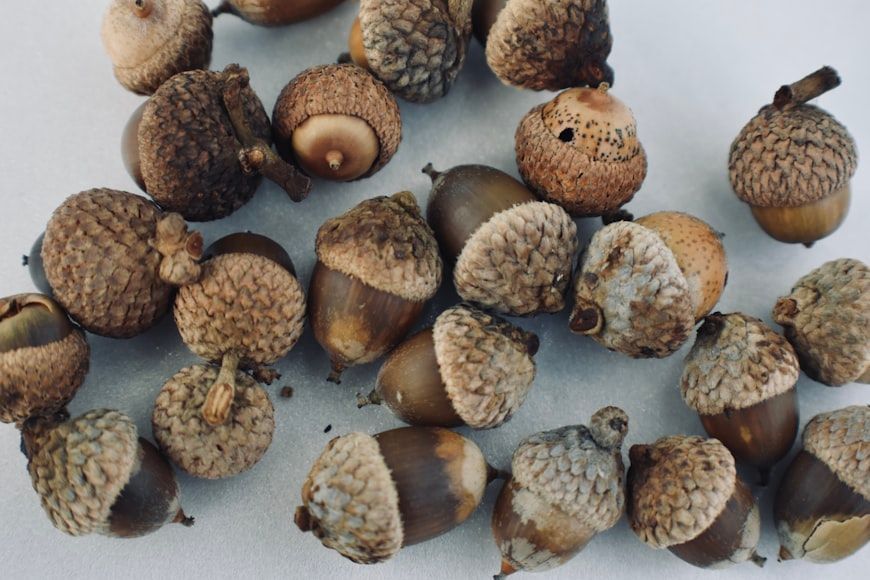
Ohioans have an official demonym, but most people prefer Buckeye. The nickname comes from the state tree, the buckeye, whose nut resembles the eye of a deer.

It gained popularity during the 1840 presidential campaign of Ohioan William Henry Harrison, who was nicknamed the "Log Cabin and Hard Cider Candidate." Today, Buckeye is more than a demonym—it’s the name of a sports team, a state candy, and a symbol of Ohio pride!

6
Indiana - Hoosier Mysteries

Image: Ryan De Hamer

No one knows exactly where the term Hoosier comes from, but that hasn’t stopped Indiana residents from embracing it enthusiastically.

Some theories suggest it originated as an old frontier greeting ("Who’s here?"), while others trace it to hardworking laborers called "hoosiers" in the 1800s. In any case, Hoosiers are fiercely proud of their basketball legacy, farming roots, and the legendary Indy 500.

7
New Jersey - New Jerseyans or New Jerseyites?

Image: Manisha Raghunath

New Jersey residents can choose between New Jerseyan and New Jerseyite, though the former is much more common.

While the rest of the country might associate New Jersey with diners, boardwalks, and The Sopranos , New Jerseyans know their state is about much more. With its mix of beaches, suburbs, cities, and farmland, they've earned the right to choose their own demonym!

8
Hawaii - Kama‘āina, Malihini, and More

Image: Luke McKeown

In Hawaii, what you call someone often depends on how long they’ve been there. Does that make sense? It does to them!

A kama‘āina is a longtime resident, regardless of ethnicity, while a malihini is a newcomer. Yes, "Hawaii resident" is perfectly acceptable, but the island terms carry deeper meaning. Kama‘āina reflects a strong connection to the islands, traditions, and way of life, while malihini refers to those still learning and adapting. No matter whether you're kama‘āina or malihini , the aloha spirit welcomes all.

9
Michigan - Michiganians, Michiganders, or Michiganites?

Image: Brad Switzer

Michigan residents have a lot of options: Michiganians, Michiganders, or Michiganites. Let’s set the record straight: Michiganian is the official term, but Michigander is by far the most popular, thanks in part to Abraham Lincoln, who supposedly coined it to tease a political opponent from Michigan.

Some people even prefer Michiganite , though it sounds more like a type of rock than a person, right? No matter the term, they’re all part of the same mitten-shaped home.

10
Colorado - Coloradan or Coloradoan?

Image: Rich Martello

The great and final debate: Coloradan or Coloradoan? Actually, both are used, but Coloradan is the more common choice. The extra "o" in Coloradoan might seem unnecessary, but some argue it better reflects the state’s Spanish origins.

Either way, residents of Colorado are known for their love of the outdoors, craft beer, and breathtaking mountain landscapes. So, if you’re wondering what to call them, just don’t call them flatlanders!

General General 4 min read

Cash curiosities

What would you do with a $10,000 bill? 10 rare facts about US money!

Image: Photo By: Kaboompics.com

While cash is becoming less common, there's no denying the economic and historical value of banknotes and coins. That's why so many people collect them! You might think you know a lot about the money we use every day, but there are plenty of hidden details and surprising facts that most people don't realize. From a $10,000 bill featuring Salmon P. Chase to coins with unexpected features, join us as we uncover 10 fun facts about US currency that just might surprise you!

1
$10,000!

Image: Eyestetix Studio

Did you know that, for a time, there was a $10,000 bill? That's right! The bill featured the portrait of Salmon P. Chase, President Lincoln's Secretary of the Treasury, and it was the highest denomination of US currency ever to be publicly circulated! While there was also a $100,000 bill, the latter was only used for large transactions between Federal Reserve Banks.

2
The first President on a coin

Image: Sebastian Enrique

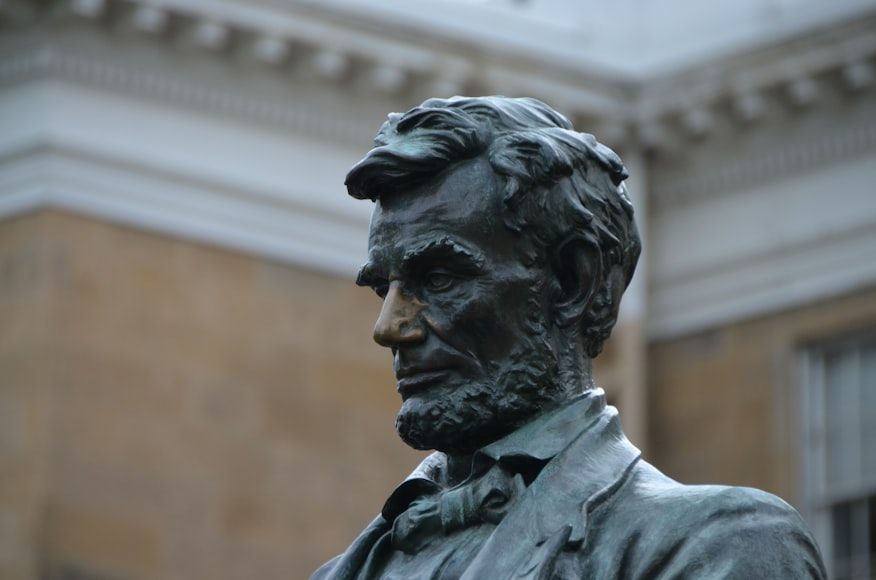
We're totally used to seeing Abraham Lincoln's face on a penny, but that wasn't always the case.

Lincoln's image first appeared on the penny in 1909 to commemorate the 100th anniversary of his birth, making him the first US president to appear on a coin, an honor befitting our great Honest Abe! More than 115 years have passed since that addition, and his face is still featured on the iconic penny.

3
Silver pennies

Image: Josh Appel

In addition to featuring Abraham Lincoln's face, pennies are famous for their classic copper color. However, there was one year when the penny took on a different hue.

During WWII, a copper shortage occurred, hindering the usual production of pennies. For that reason, in 1943, pennies were made of steel coated in zinc, giving them a silver color and making them closely resemble dimes.

4
2 and 3 cents?

Image: Towfiqu barbhuiya

Did you know that, in the 19th century, the US had 2- and 3-cent coins? That's right! The 2-cent coin was minted from 1864 to 1873. On the front, it featured a shield symbolizing the Union during the Civil War . On the reverse, it bore the phrase "In God We Trust," making it the first coin to use the motto . The 3-cent coin had two versions: the silver 3-cent coin (1851–1873) and the nickel 3-cent coin (1865–1889).

5
Long lifespan

Image: Shot by Cerqueira

While each coin is used with a different frequency, the average lifespan of a coin can be as long as 40 years ! Just think about all the places and situations it might pass through during that time. Of course, the more a coin circulates, the quicker it will wear down. That’s why the penny has the shortest lifespan , lasting about 25 years on average.

6
In God We Trust

Image: Kelly Sikkema

"In God We Trust" is not only the official motto of the United States (and the state of Florida), but also the phrase that appears on all US currency currently in circulation. But how long has this phrase been there?

"In God We Trust" first appeared on some coins during the Civil War, starting with the aforementioned 2-cent piece. By 1938, the motto appeared on all US coins, but it wasn't until 1955 that President Eisenhower signed a law requiring "In God We Trust" to be included on all US coins and paper money.

7
Precious metals

Image: Jingming Pan

Today, US coins are primarily made of zinc, copper, and nickel. However, back in the early days of the US Mint, things were quite different. In the past, US coins were made not just of copper, but also of silver and even gold!

Over time, using those materials for coins became too expensive, and production shifted to more affordable metals such as zinc and nickel.

8
Safety edges

Image: Joshua Hoehne

When coins were made of precious metals like gold and silver , there was always the risk that someone might tamper with or shave the edges to extract the valuable material. Fortunately, the brilliant Isaac Newton came to the rescue. He introduced the clever idea of adding reeded edges to coins, which helped protect them from opportunistic tampering. With these marked edges, any shaving of the coin would be immediately noticeable. Pretty smart, right?

9
The most coins in the world

Image: Sarbasri Bhaumik

The US Mint manufactures billions of coins each year for circulation, and while that’s nothing new, there’s something about it that might surprise you: the United States is actually the world’s largest producer of coins . No other country makes more!

Pennies, nickels, dimes, and quarters are produced in large quantities every day. But that’s not all—dollar coins and special collectors’ coins are also minted, though in much smaller amounts.

10
"Paper" currency

Image: Adam Nir

Our paper money isn’t actually made of paper . It’s composed of 25% linen and 75% cotton. This blend gives US bills greater strength and flexibility, making them not only more durable but also more difficult to counterfeit. Plus, if you accidentally toss a buck in the washing machine, there’s a good chance it’ll come out just fine!

History History 3 min read

Have you experienced any coincidences?

12 incredible coincidences in American history

Image: Library of Congress

A coincidence is a remarkable concurrence of events or circumstances without an apparent causal connection. Most of us experience coincidences regularly, but they tend to be more ordinary—like discovering you’re wearing the same sweater as someone else in the room. The following 12 examples are much more extreme, and some even seem unbelievable, even though they are true. Read on and prepare to be amazed!

1
A Presidential curse

Image: David Everett Strickler

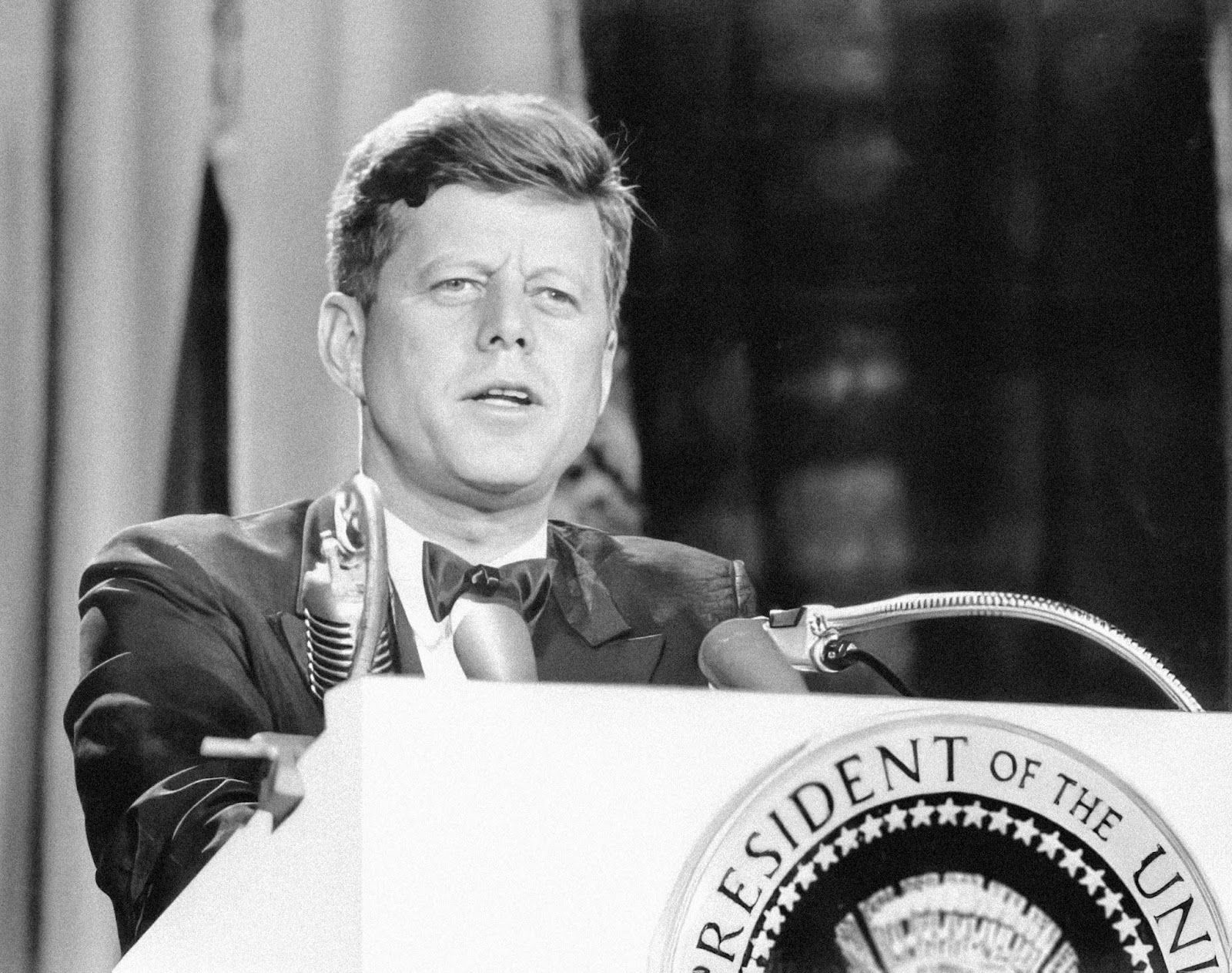
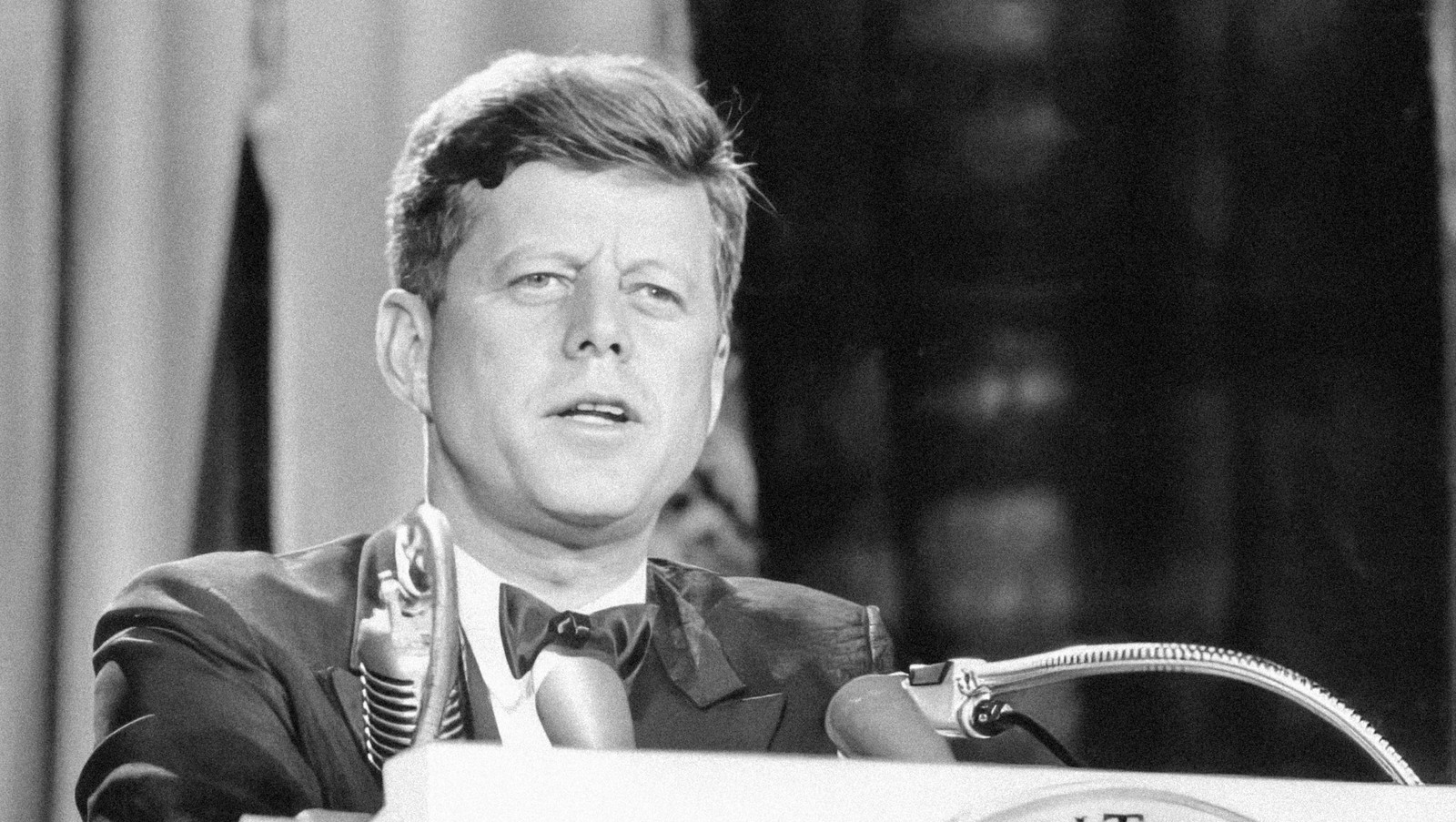
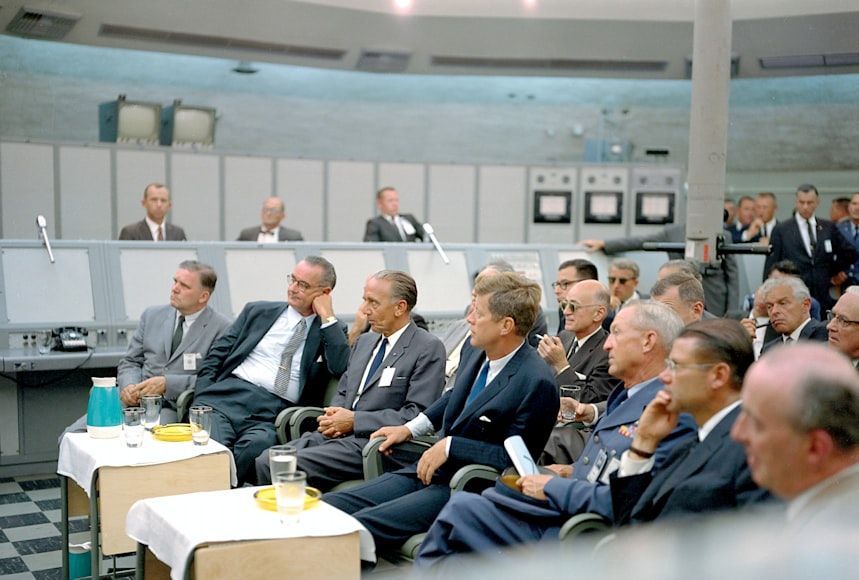
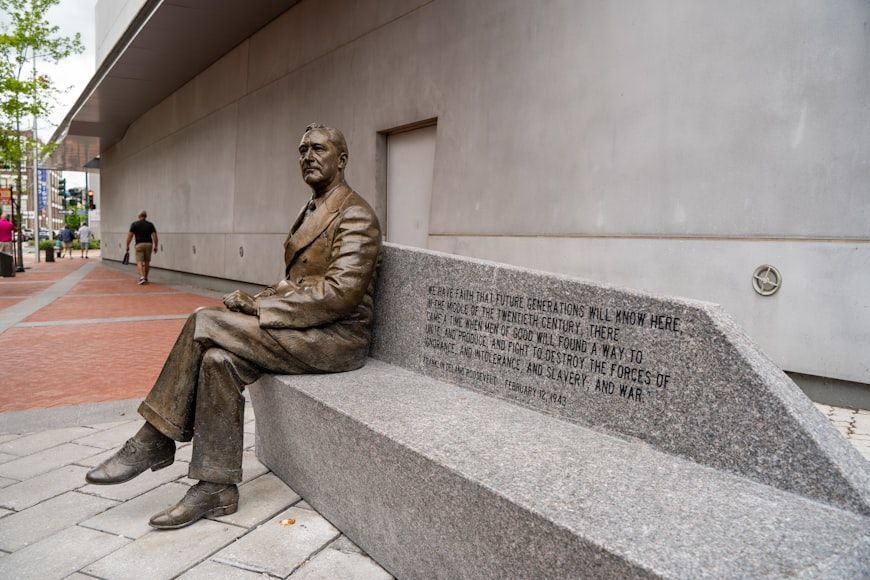
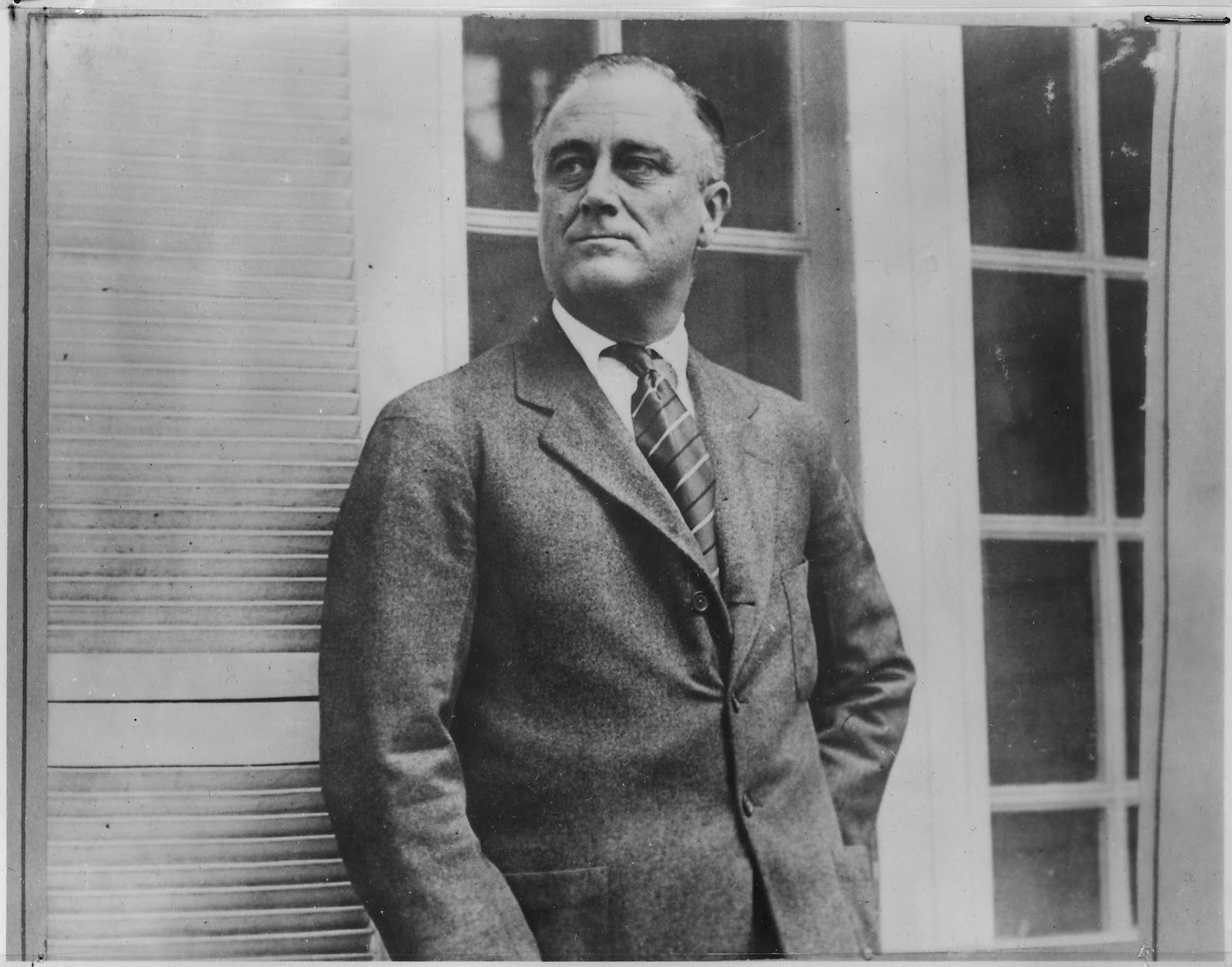
For almost 140 years, U.S. presidents elected in years ending in zero died while in office. It happened to William Henry Harrison (1840), Abraham Lincoln (1860), James A. Garfield (1880), William McKinley (1900), Warren G. Harding (1920), Franklin D. Roosevelt (1940), and John F. Kennedy in 1960 . Ronald Reagan, elected in 1980 , broke the curse by surviving an assassination attempt.

2
Mark Twain and Halley’s Comet

Image: Justin Wolff

In the year Mark Twain was born, 1835, Halley’s Comet passed by Earth. The great writer famously predicted he’d "go out with it" as well . Indeed, he passed away in 1910, the next time the comet appeared.

3
Jefferson and Adams

Image: iStrfry , Marcus

A patriotic yet somber coincidence, indeed. John Adams and Thomas Jefferson, the second and third U.S. presidents, both died on July 4, 1826 —exactly 50 years after the signing of the Declaration of Independence.

4
Hoover Dam’s first and last casualties

Image: Ryan Thorpe

The construction of the Hoover Dam was a long and difficult process, claiming over 100 lives. The first person to die was J.G. Tierney , and the last recorded death was his son , Patrick Tierney.

5
Lincoln and Kennedy

Image: Kelli Dougal

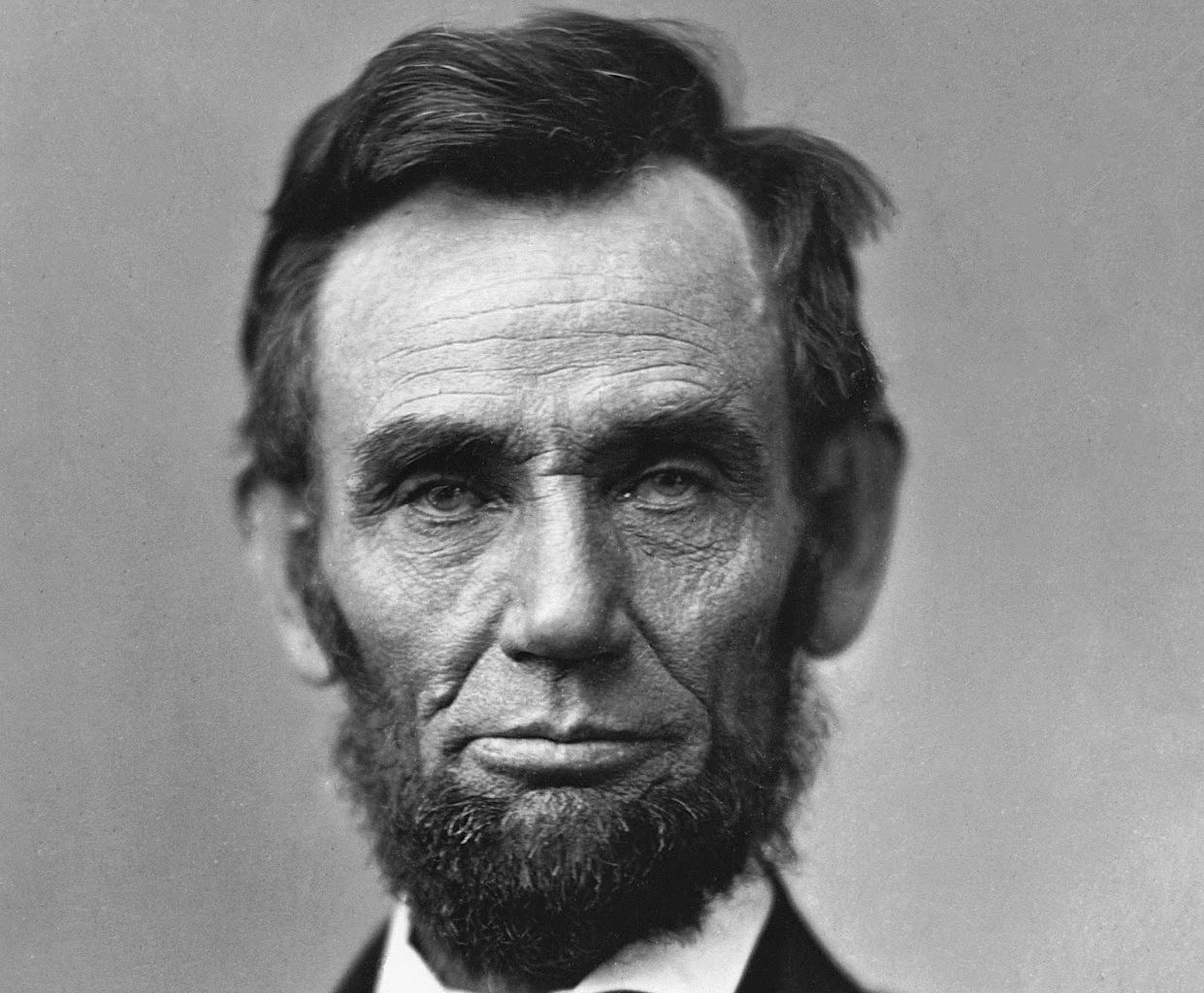
Abraham Lincoln and John F. Kennedy were elected 100 years apart (1860 and 1960). Both were shot in the head and succeeded by men named Johnson . Their assassins each had three names: John Wilkes Booth and Lee Harvey Oswald. Both were assassinated on a Friday while sitting next to their wives at the time that it happened.

6
Charles Francis Coghlan’s last journey

Image: Rhodi Lopez

Actor Charles Francis Coghlan died in Texas in 1899. But his casket was lost at sea during a hurricane. Eight years later, his coffin washed ashore near his birthplace in Prince Edward Island, Canada, more than 3,000 miles away.

7
The Titanic coincidence

Image: K. Mitch Hodge

A few years before the Titanic sank, Morgan Robertson wrote a short book called Futility , about a massive "unsinkable" ship called the Titan that hit an iceberg and sank. The tale describes a ship with a similar size and a similar lack of lifeboats to the famous vessel.

8
Dennis the Menace

Image: Mitch Rosen

Two comic strips featuring a character named Dennis the Menace debuted in British and American outlets, respectively, on March 12, 1961—only a few hours apart. However, the two creators did not know each other and had no idea of the other’s work.

9
Jim Lewis and Jim Springer

Image: Vidar Nordli-Mathisen

Identical twin brothers separated at birth , Jim Lewis and Jim Springer, were reunited at age 39 and discovered many coincidences: both married women named Linda , divorced, and then remarried women named Betty. Both had dogs named Toy and drove the same model of car. Both grew up with an adopted brother named Larry and had sons whom they named James Allan.

10
Disney magic

Image: PAN XIAOZHEN

A soon-to-be-married couple, Alex and Donna , were looking through old photos to include in their wedding video. They found one photo of Donna posing on a childhood trip to Disney World in 1980. And in the background, they spotted Alex being pushed in a stroller by his father.

11
Moped meets taxi, twice

Image: Ruslan Bardash

In 1975, 17-year-old Erskine Lawrence Ebbin was struck by a taxi in Bermuda while riding his moped. A year later, his brother Neville , also 17 at the time, was riding the same moped when he was struck by the same taxi —with the same passenger—on the same street.

12
Lightning strike survivor

Image: Felix Mittermeier

Being hit by lightning is an extremely rare occurrence. Park ranger Roy Sullivan was struck not once, but seven times between 1942 and 1977 —and survived them all. The strikes hit him in a fire tower, in his truck, in his yard, while patrolling, and more. His unusual record earned him the nickname "Human Lightning Rod."

Explore more American facts

Choose your favorite category!

General
General

As American as apple pie—the very best America has to offer!

Culture
Culture

Delve into the astounding richness of American lore.

Geography
Geography

Hop in and explore vast and diverse American landscapes.

History
History

Discover the key moments that shaped the United States.