General General 4 min read

Bizarre legal disputes that reached the United States Supreme Court

America's weirdest Supreme Court cases: When justice gets strange

Image: Tim Mossholder

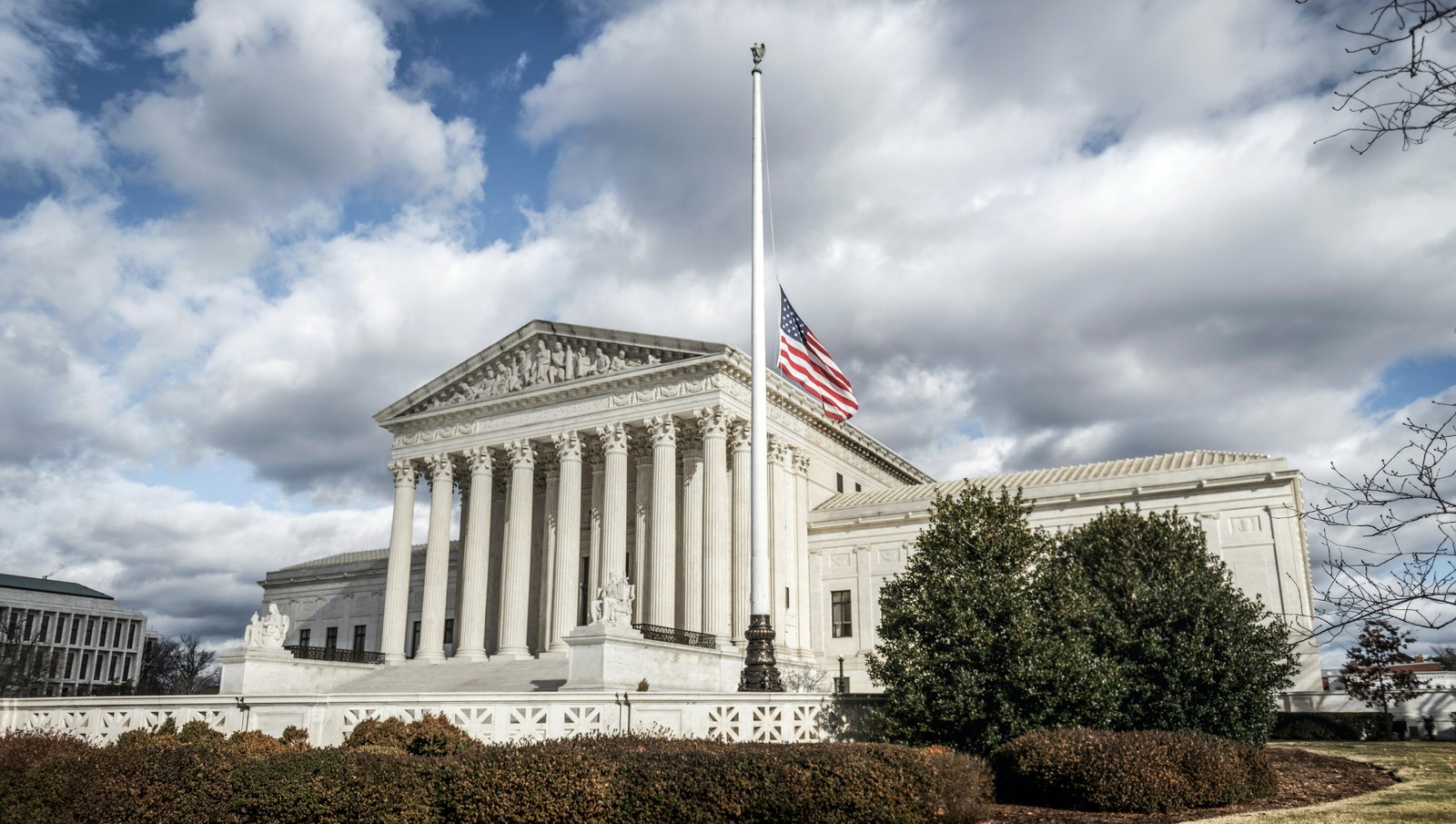
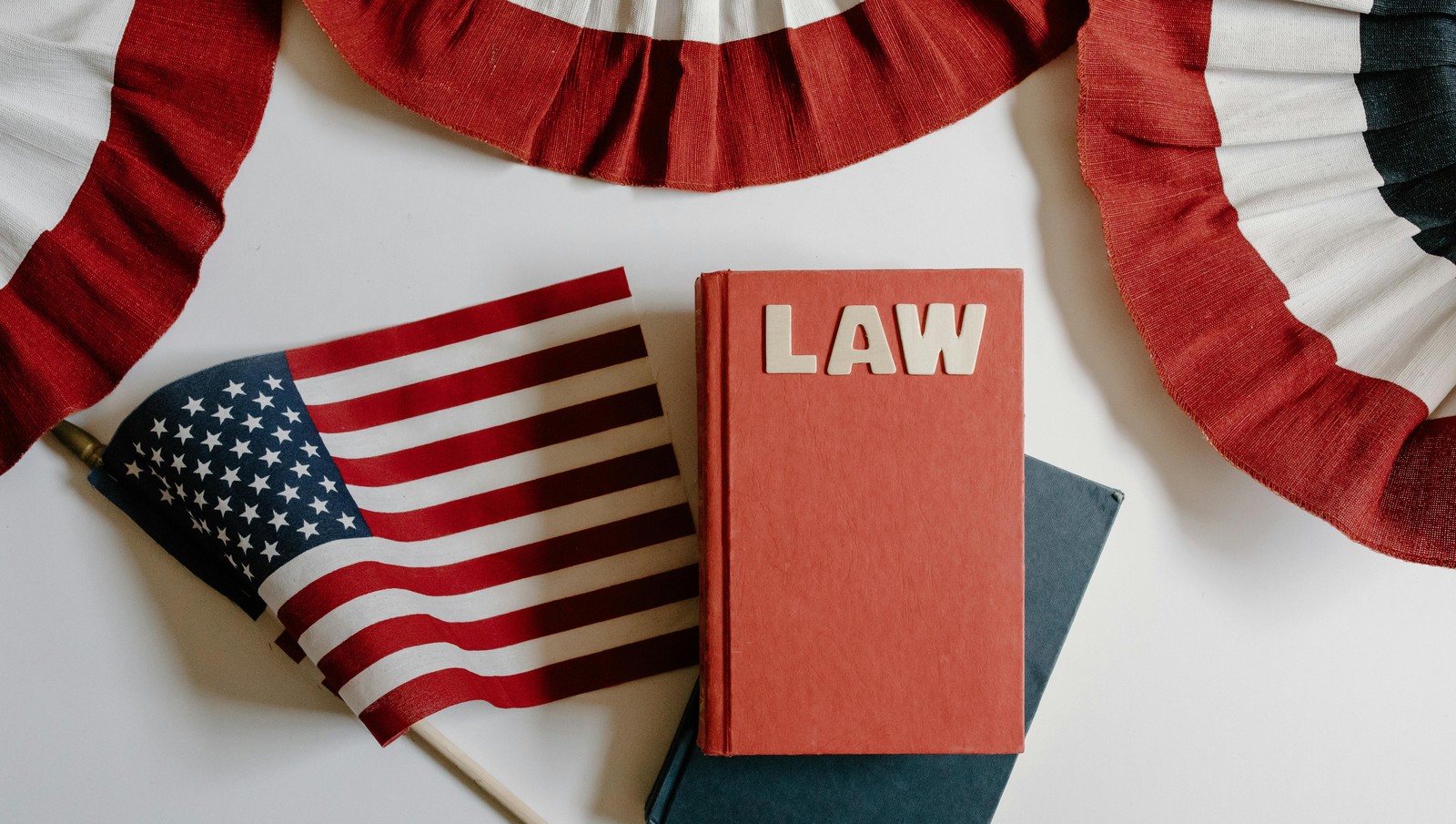
The Supreme Court typically handles weighty constitutional matters, but sometimes the cases that reach our highest court are just plain bizarre . From flying chickens to psychic predictions, these ten real cases prove that truth is definitely stranger than legal fiction. Let's dive into some of the oddest disputes that actually made it all the way to the Supreme Court.

1
The case of the suicidal chickens (1932)
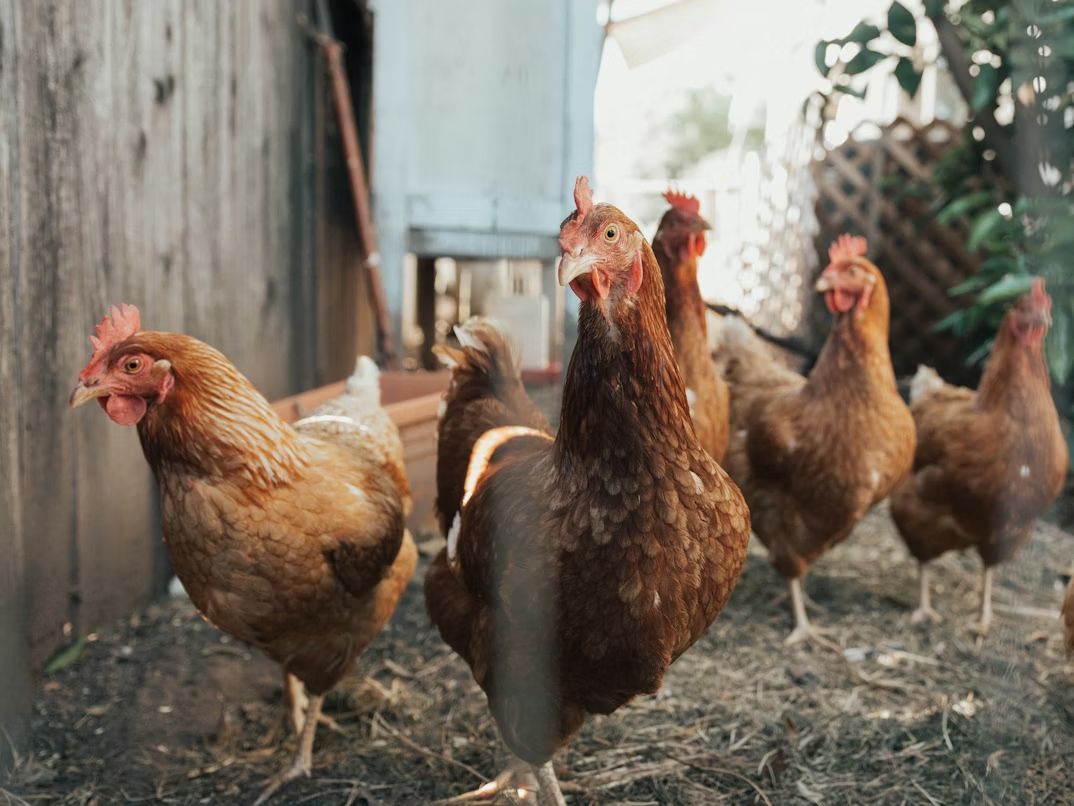
Image: Ben Moreland

In A.L.A. Schechter Poultry Corp. v. United States, a Brooklyn, New York poultry dealer found himself in hot water for selling "unfit chickens" and violating New Deal regulations. The case became known as "the sick chicken case" because Schechter was accused of selling diseased birds that should have been condemned .

The Supreme Court ultimately ruled in favor of the chicken seller, striking down key portions of FDR's National Industrial Recovery Act. The justices decided the federal government had overstepped its authority in regulating local businesses.

2
The tomato identity crisis (1893)

Image: Avin CP

Nix v. Hedden asked the Supreme Court to settle a burning question: Is a tomato a fruit or a vegetable? This wasn't just philosophical pondering—tariff laws taxed vegetables but not fruits, so there was serious money at stake for New York importers bringing tomatoes into the country.

The Court unanimously decided that tomatoes are vegetables for legal purposes, even though botanically they're fruits.

3
The stripper and the sales tax (1991)
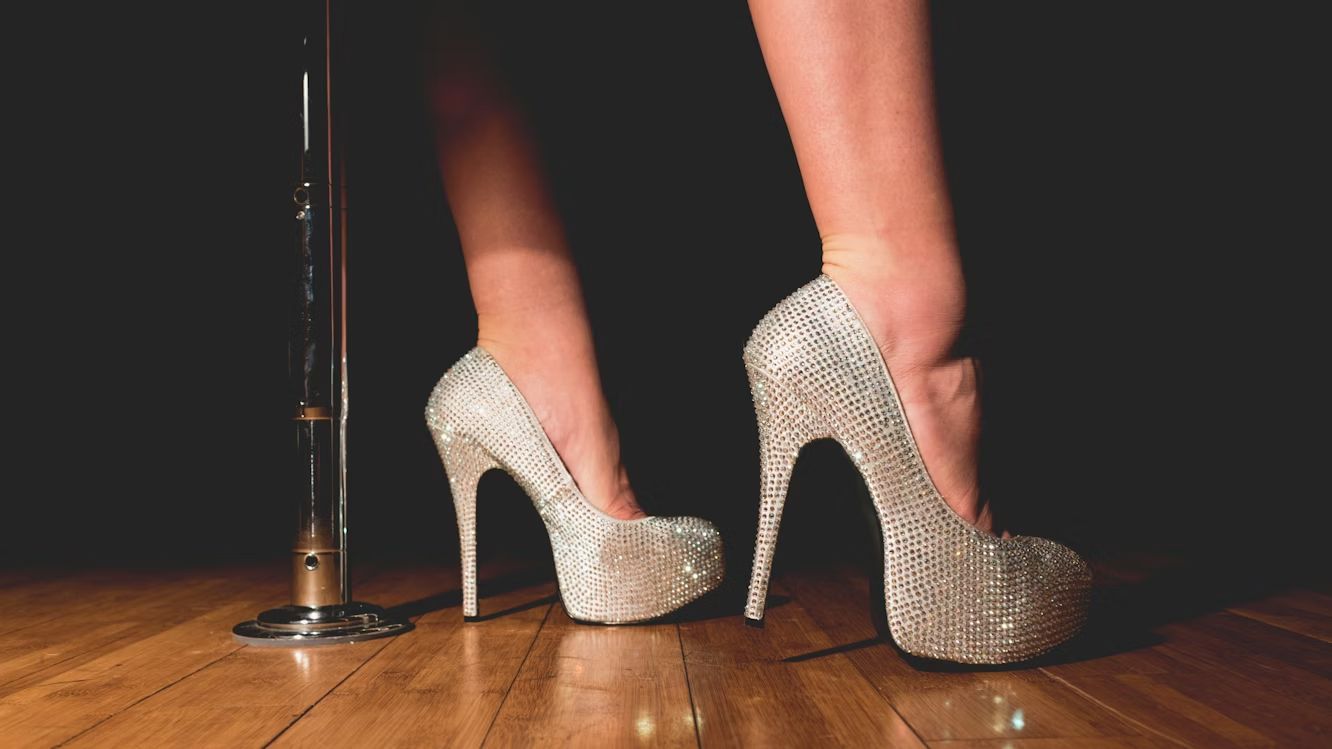
Image: Eric Nopanen

In Barnes v. Glen Theatre, Inc., the Supreme Court had to decide whether nude dancing qualified as protected expression under the First Amendment . An Indiana law required dancers to wear at least pasties and a G-string, and adult entertainment establishments in South Bend challenged this as censorship.

The Court ruled 5-4 that states could require minimal clothing without violating free speech rights. Chief Justice Rehnquist argued that the law wasn't targeting expression but public nudity itself. The dissenting justices felt this was government overreach into artistic expression, making this one deeply divided decision about very little clothing.

4
The prisoner who sued over chunky peanut butter (2011)
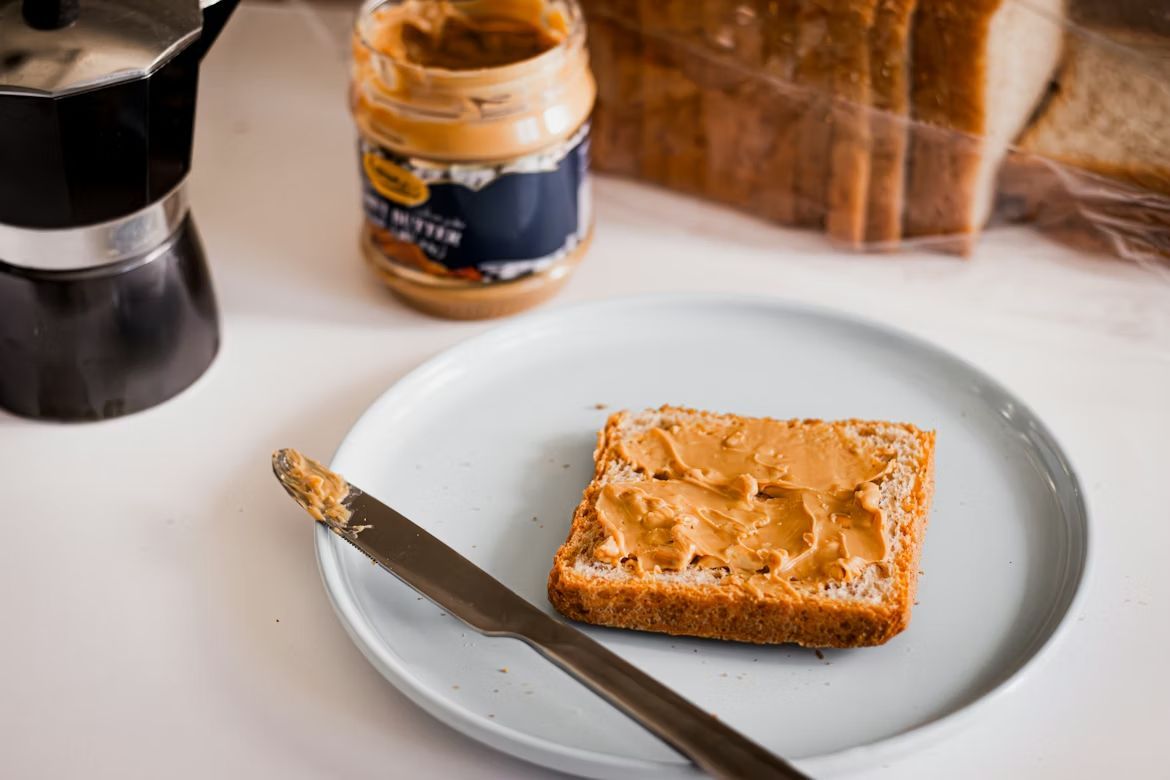
Image: The Design Lady

Michigan inmate Robert Procup filed a lawsuit that eventually reached consideration by the Supreme Court, claiming that being served chunky peanut butter instead of smooth violated his rights . He argued this constituted cruel and unusual punishment because he had digestive issues and his religious beliefs required smooth spreads.

The Court declined to hear the case, letting lower court rulings stand that dismissed his claims. While prisoners do have constitutional rights, the justices apparently felt that peanut butter texture preferences didn't rise to that level.

5
The monkey selfie dispute (2018)
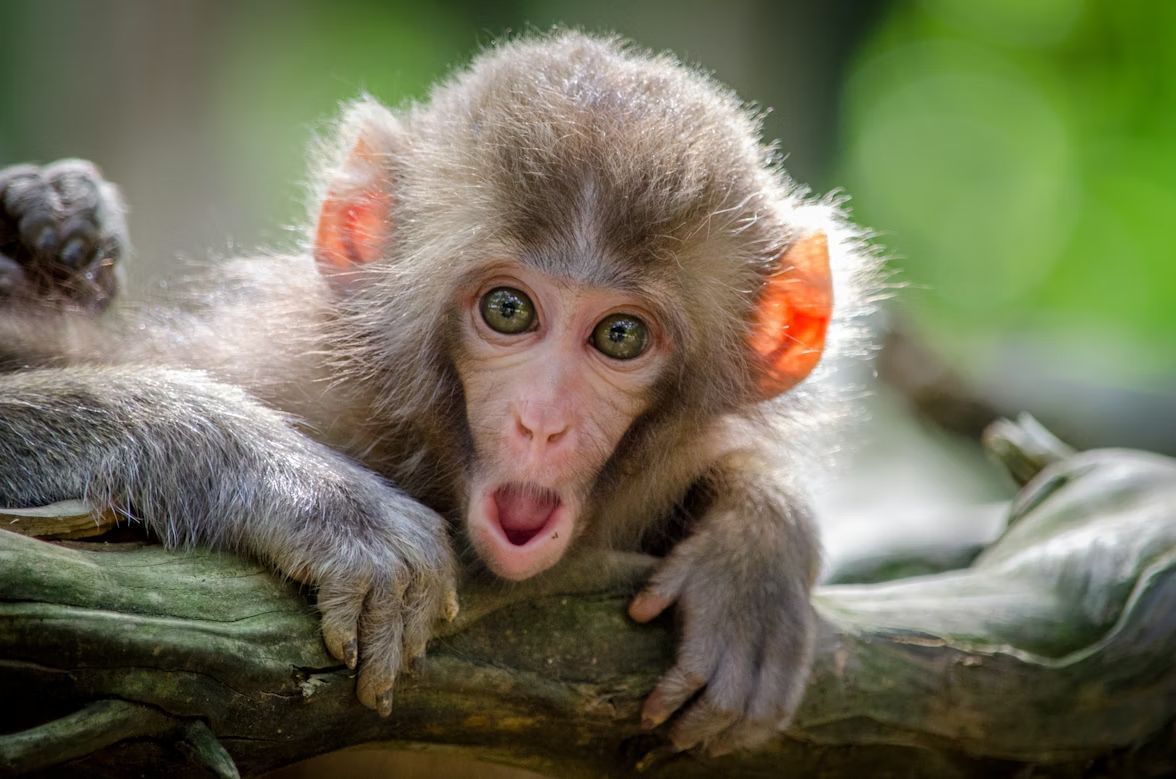
Image: Jamie Haughton

In Naruto v. Slater, a macaque monkey in Indonesia took selfies with a photographer's camera, sparking a bizarre copyright battle that reached federal courts. PETA sued on behalf of the monkey, arguing that Naruto owned the copyright to his own selfies, while California photographer David Slater claimed ownership.

The Supreme Court declined to hear the appeal, letting stand the lower court's ruling that animals cannot own copyrights under U.S. law. The case was eventually settled, but it raised fascinating questions about who owns creative works when the "creator" isn't human.

6
The psychic and the IRS (1986)

Image: Ksenia Yakovleva

In United States v. Zolin, the case involved a psychic in California who claimed the Church of Scientology had tampered with evidence. But the real weird twist was that it raised questions about attorney-client privilege when the communication involved potential criminal activity —in this case, schemes discussed during what were supposedly confidential legal meetings.

The Court established the "crime-fraud exception" to attorney-client privilege, ruling that lawyers can't help clients plan crimes and then hide behind confidentiality.

7
The case of the stubborn mule (1842)
Image: Jeff King

Swift v. Tyson didn't actually involve a mule, but it dealt with commercial disputes in New York that were about as exciting as watching one stand still. A man bought some land using a promissory note, but the land deal turned out to be fraudulent, and he didn't want to pay.

The Supreme Court created the "Swift doctrine," which allowed federal courts to ignore state court decisions in certain commercial cases. This ruling stood for almost 100 years before being overturned .

8
The singing telegram drama (1988)

Image: Vitaly Gariev

Hustler Magazine v. Falwell stemmed from a parody ad suggesting Virginia televangelist Jerry Falwell's "first time" was with his mother in an outhouse . Falwell sued for emotional distress, arguing the fake interview was defamatory and intentionally hurtful, seeking millions in damages.

The Court ruled 8-0 that parody and satire about public figures are protected speech, even when offensive and outrageous. Chief Justice Rehnquist wrote that public figures can't recover damages for emotional distress without proving actual malice.

9
The hotel that discriminated against dogs (1964)

Image: fatty corgi

In Heart of Atlanta Motel v. United States, a Georgia motel owner challenged the Civil Rights Act, claiming the government couldn't force him to rent rooms to Black customers. While the racial discrimination was a serious issue, the owner's backup argument was truly bizarre: he claimed interstate commerce laws didn't apply because his guests' dogs didn't cross state lines .

The Supreme Court unanimously upheld the Civil Rights Act, rejecting all the motel's arguments, including the dog defense. This landmark case confirmed that businesses serving interstate travelers couldn't discriminate, regardless of where anyone's pets came from.

10
The battle over raisins (2015)

Image: Karyna Panchenko

Horne v. Department of Agriculture involved California raisin farmers who refused to surrender part of their crop to a government "raisin reserve" designed to stabilize prices . The farmers argued this was an unconstitutional taking of private property without just compensation, turning dried grapes into a constitutional matter.

The Court ruled 8-1 in favor of the raisin farmers, saying the government can't just seize personal property without paying for it, even if the goal is market stabilization. This case about wrinkled grapes actually reinforced important Fifth Amendment protections. Sometimes defending your raisins means defending everyone's property rights.
Geography Geography 6 min read

Sub-America

Did you know there are hidden underground cities in the US?

Image: Harrison Haines

Some cities are so top secret they can’t even be found on a map. Subterranean cities have existed throughout human history, and in the United States, we have a few amazing examples. Some are bunkers built during the Cold War to survive nuclear attacks, others were born as ingenious alternatives to escape extreme weather conditions. Whether they are hidden inside a mountain or buried deep underground, here are 12 subterranean places in America that are hidden in plain sight.

1
Raven Rock Mountain Complex

Image: Ilagam

Did you know that in the 1950s, the US government carved out a secret underground city that could survive a nuclear attack? It’s called an "underground Pentagon", and very much like Area 51, it is one of the government's most classified projects.

This military complex and nuclear bunker is located near Blue Ridge Summit, Pennsylvania, 768 feet below the ground. It’s protected by 23.5 ft thick 30-ton doors built on top of springs to survive the shock from a blast. Raven Rock has five buildings with 15 floors big enough to live and work. The base has everything it needs to keep running, like a cafeteria, a barbershop, water generators, and even a medical center.

2
SubTropolis

Image: mwewering

Below Kansas City, Missouri, lies the world's largest underground business complex. SubTropolis is a structure located inside a mine north of the Missouri River. It was carved out of limestone some 135 to 185 feet underground and covers a total of 55 million square feet.

Kansas City Chiefs founder Lamar Hunt built this subterranean city in the 1960s. It has offices, storage space, and even factories. Over 1,600 people work here every day, largely because SubTropolis remains cool all year, making it an ideal location for businesses. Fun fact: some of Hollywood’s most beloved masterpieces are kept here, including the original film reels of Gone with the Wind and The Wizard of Oz.

3
Underground Atlanta

Image: Ronny Sison

Underground Atlanta is a historic spot in downtown Atlanta, Georgia. It was built in the late 1800s, right after the Civil War, as a commercial district centered around the railroad. In the 1920s, viaducts were built and the streets were raised, creating a second level of streets, buildings, and shops.

During Prohibition, the abandoned underground space served as the best spot for speakeasies and juke joints. For decades, people forgot about the hidden city, but in the 1960s, it was brought back to life as a fun place for music bars and nightlife.

4
New York City Subterranean World

Image: Photographer: unknown, Public domain, via Wikimedia Commons

Under America’s most populous city, there's a whole hidden world. For example, beneath Little Italy and the Public Library, there are secret vaults. Beyond the subway millions of people use daily, there is City Hall station, opened in 1904 and closed in 1945. It's a hidden gem with stained glass and mosaics that you can still visit by staying on the 6 train past the last stop.

But that’s not all! There are trading tunnels in SoHo and old cattle tunnels in the Meatpacking District. Also, in 1897, there were mail tubes built around the city to send letters between post offices that operated until the 1950s. Some of these underground spaces go as deep as 800 feet!

5
Permafrost Tunnel Research Facility

Image: Paxson Woelber

A large part of the land in the northern hemisphere is Permafrost, so it makes sense that there is a research facility specially built to study it. The Permafrost Tunnel in Alaska is the best place to learn about frozen soil that's over 40,000 years old.

The long tunnel was dug from 1963 to 1969 to study how to build and mine in frozen environments. Inside the facility, scientists study ice, ancient plants, and even bones from animals like mammoths. The tunnel shows different layers of earth, uncovering frozen ground from different time periods that help scientists anticipate what might happen as the world gets warmer.

6
The Greenbrier Bunker

Image: Alex Holzreiter

The Greenbrier Bunker in White Sulphur Springs, West Virginia, is a secret underground facility beneath a luxury hotel that has hosted numerous US presidents and famous guests. It was built during the Cold War to protect the US Congress in the event of a nuclear attack. The bunker was designed to house all 535 members of Congress and their staff for a long time.

This classified underground facility remained a secret until 1992, when a Washington Post article exposed it. Today, visitors can take tours to see special rooms, blast doors, and decontamination areas.

7
The Caverns

Image: jymy duhomme

Would you attend a concert underground? If you travel to Tennessee is totally possible! The Caverns, formerly known as Bluegrass Underground, is a very cool spot in Grundy County, Tennessee. Lying deep in a cave 333 feet underground, this concert venue with natural acoustics is the perfect place for live music.

People come from all over to hear a variety of performances, especially Bluegrass music. The Caverns can accommodate up to 1,200 people standing up and are equipped with state-of-the-art sound and lights. The cave's cool and quiet atmosphere makes the experience extra special!

8
Crystal City Underground

Image: Gustavo Alejandro Espinosa Reyes

Beneath the neighborhood of Crystal City, near Washington, DC, lies a network of shops, restaurants, and offices. It opened in 1976 and was designed to feel like an old shopping village with cobblestone streets and antique glass windows.

The underground space covers 150,000 square feet and connects several buildings. It's a popular spot for office workers and visitors, especially when the weather is bad. Unfortunately, in 2024, the shops closed, ending their retail era. Yet, the underground walkways and connections to the Metro remain open for pedestrians.

9
Los Angeles Prohibition Tunnels

Image: Alpha Perspective

In the 1920s, during Prohibition, people had to find ingenious ways around the restrictions on selling and consuming alcohol. That's why they built about 11 miles of underground tunnels right under Los Angeles.

Many of these subterranean sites are now closed, but you can still find a few hidden entrances around the city. You can even go on a tour to explore the tunnels and learn about their secret history.

10
Havre Beneath the Streets

Image: Đào Việt Hoàng

After a big fire in 1904 destroyed Havre’s business district in Montana, many shops moved underground. They used the old steam tunnels to stay safe from fires and bad weather. For years, the tunnels were busy with people and stores, such as saloons, drugstores, laundromats, and even a brothel. But today it is completely silent.

Fortunately, you can still visit what is left of this hidden city to see old shops and learn how people stayed safe and worked over 100 years ago. It's like going back in time!

11
Cheyenne Mountain Complex

Image: See page for author, Public domain, via Wikimedia Commons

One of the safest places in the world is right here in America, more specifically in El Paso County, Colorado. Hidden inside a mountain, Cheyenne Mountain Complex was built in the 1960s to protect the US military from nuclear attacks.

The bunker stands under 2,000 feet of solid Granite, making it super strong and safe. It was once the command center for NORAD (North American Aerospace Defense Command). The complex has blast doors that weigh 25 tons each and can withstand a nuclear blast. It also has its own power, water, and food supply. People could survive there for months!

12
Forestiere Underground Gardens

Image: Levi Clancy, CC0, via Wikimedia Commons

A Sicilian immigrant called Baldassare Forestiere spent 40 years digging and building a series of subterranean structures by hand in Fresno, California. Inspired by Roman catacombs and old wine cellars, he created around 65 rooms, tunnels, and courtyards to escape the hot summer sun.

The Gardens have fruit trees, grapevines, fishponds, and even a chapel. Some of the trees are more than 90 years old! Today, Forestiere Underground Gardens is a Historical Landmark you can visit if you want to discover a true underground paradise.

Geography Geography 4 min read

Behind tall faces

Mount Rushmore hides many secrets. Did you know all of these?

Image: Jake Leonard

What famous woman’s face almost became the fifth face on Mount Rushmore? Did the sculptor Gutzon Borglum really intend to just carve out the heads? Why is the mount named that, and not Borglum? The answers to these questions are some lesser-known facts about one of the most famous landmarks and sights in our country. Let’s dive into these stories!

1
The original plan included full-body figures

Image: Thomas Shockey

Mount Rushmore was supposed to be even more colossal than it already is. Sculptor Gutzon Borglum envisioned the four presidents carved from the waist up .

He even made plaster models showing Abraham Lincoln's coat folds and Teddy Roosevelt’s hand clutching his lapel. But as costs went up, Congress said: "heads only, please."

2
Charles Rushmore was just a curious New Yorker

Image: Maarten van den Heuvel

Back in 1925, when the mount was about to be carved into a monument, Charles Rushmore wrote a letter explaining why the peak bore his name. He recalled that in the 1880s he was a young New Yorker working in the area, and fell fond of that particular granite peak .

When he asked the locals about it, they informed him that it had no name, but that if he wished so, they would just start calling it Rushmore Peak, or Mount Rushmore, or the likes. Years later, that very name had been inscribed in the public domain to designate the peak.

3
Yes, there’s a hidden room behind Lincoln’s head

Image: Laura Nyhuis

Behind Abraham Lincoln’s hairline lies a hidden chamber, part of Borglum’s lofty idea for a "Hall of Records." This room was meant to house foundational American documents like the Constitution or the Declaration of Independence.

Instead of that, in 1998, a titanium box was placed inside, filled with copies of important documents and biographies, as a time capsule to preserve the treasure of knowledge for future generations.

4
Thomas Jefferson was moved

Image: Dave Baraloto

Jefferson was originally supposed to go to Washington’s right, but after 18 months of chiseling , the granite betrayed them. Cracks and flaws made the site unworkable.

Borglum made the painful decision to blast Jefferson’s half-formed face clean off and start anew on Washington’s left.

5
The mountain was almost a monument to western heroes

Image: Timberly Hawkins

Before presidents took over, the mountain was pitched as a giant tribute to the Wild West . South Dakota historian Doane Robinson wanted to see frontier legends like Lewis & Clark carved into the Black Hills.

But when Borglum came aboard, he had a grander (and more politically bankable) idea: four presidents to symbolize national unity and expansion.

6
A woman’s face was almost added

Image: Tom Fournier

In the 1930s, there was serious talk of honoring Susan B. Anthony alongside the Founding Fathers, as a nod to the women’s suffrage movement.

Borglum wasn’t opposed to the idea, but Congress quickly nixed it, stating that only U.S. presidents could be included.

7
The workers were mostly local miners and loggers

Image: Pixabay

They were neither sculptors nor artists. Most of the workforce came from nearby Keystone, South Dakota: miners, loggers, and hard-up laborers looking for work during the Great Depression.

Borglum trained them himself. There were no safety harnesses, and yet, remarkably, no one died on the job.

8
Dynamite did 90% of the work

Image: Alexander Paramonov

To carve the faces of Washington, Jefferson, Roosevelt, and Lincoln, workers used carefully timed dynamite blasts to remove over 450,000 tons of rock. They got so precise, they could blast within inches of where the final surface would be.

The last details, like wrinkles, pupils, or Roosevelt’s glasses, were done with jackhammers and chisels.

9
The noses are disproportionate

Image: Dudubangbang Travel

Standing in front of the mountain, the faces seem alright. But that’s a trick of perspective. Each presidential nose is a whopping 20 feet long .

If the sculptures had included full bodies as planned, each figure would have stood 465 feet tall. That’s taller than the Statue of Liberty and most downtown skyscrapers.

10
Teddy Roosevelt was the most controversial pick

Image: Dudubangbang Travel

Washington, of course. Jefferson, made sense. Lincoln, sure. And Teddy? Some critics raised their eyebrows at Borglum’s fourth choice. Roosevelt had only recently passed away in 1919, and many questioned whether he'd stood the test of time.

But Borglum defended the decision Roosevelt’s role in breaking up monopolies, conserving national parks, and engineering the Panama Canal. Plus, Borglum had met him personally and was a fan.

11
It was supposed to have inscriptions

Image: Dan Pick

Borglum had grander plans than just four giant heads. He wanted to carve a massive inscription next to them, a timeline of America’s most important milestones , chiseled straight into the mountain. In time, the idea was scrapped for practical and aesthetic reasons.

12
The visionary died before completion

Image: Lisa Reichenstein

Gutzon Borglum, the visionary behind it all, didn’t live to see his masterpiece finished. He died in March 1941, just as the construction was reaching its end. His son, Lincoln Borglum (yes, named after that Lincoln), took over the project.

Still, with WWII drawing resources elsewhere, funding was slashed, and Lincoln had to wrap things up quickly . Some features, like Lincoln’s ear, were never fully detailed.

Explore more American facts

Choose your favorite category!

General
General

As American as apple pie—the very best America has to offer!

Culture
Culture

Delve into the astounding richness of American lore.

Geography
Geography

Hop in and explore vast and diverse American landscapes.

History
History

Discover the key moments that shaped the United States.