General General 3 min read

What’s your dog of choice?

NYC, Sonoran, Italian, and more: 10 regional hot dogs
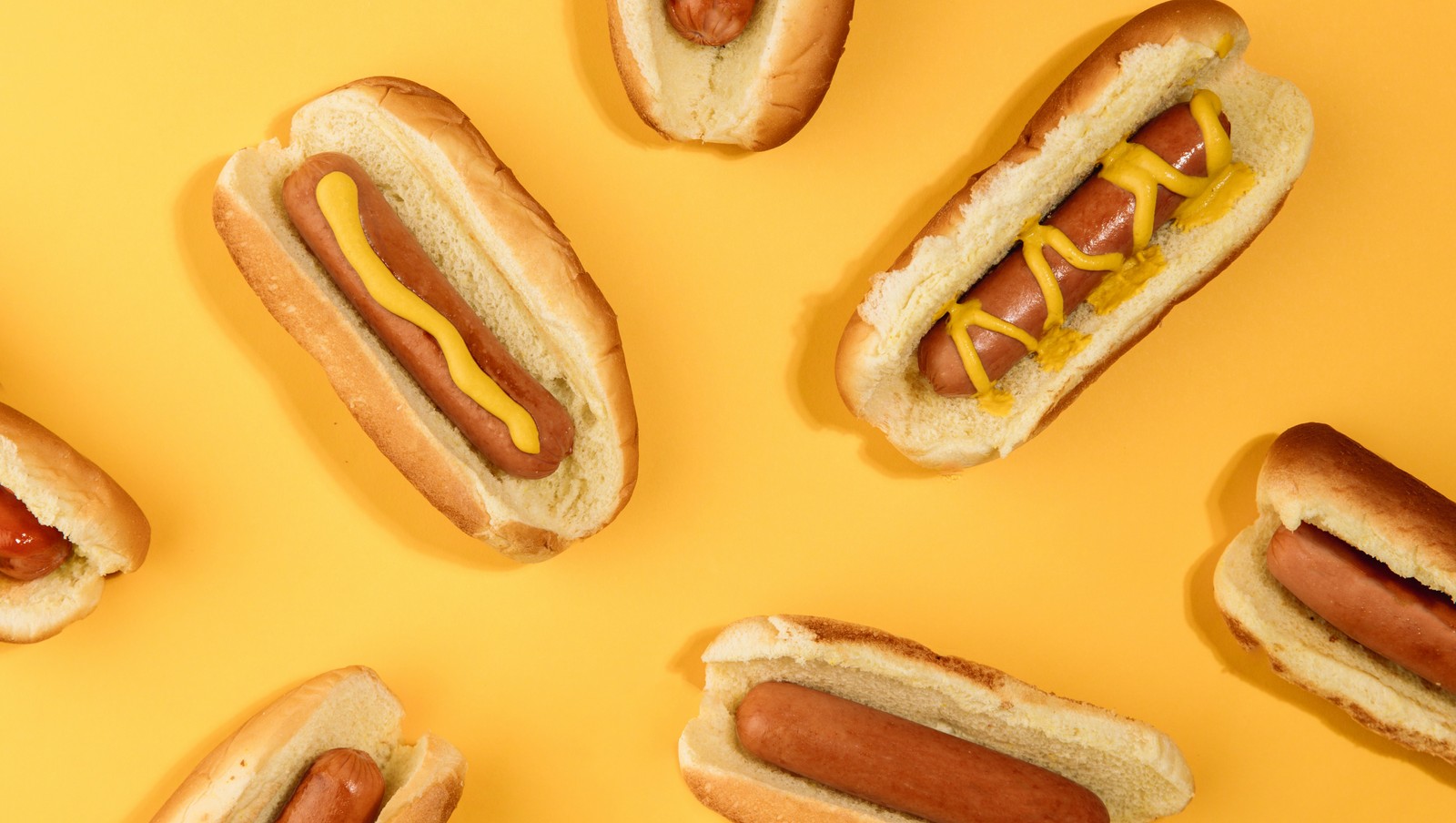
Image: Ball Park Brand

Hot dogs are not merely food, but an American institution in and of themselves. But what constitutes a proper hot dog? Residents of various states can only agree on two elements, a sausage and a bun, but even those elements can create controversy. And if we go into toppings, condiments, and cooking methods, well, we could be here all day. Let’s have a look at some of the most popular hot dog variants!

1
NYC
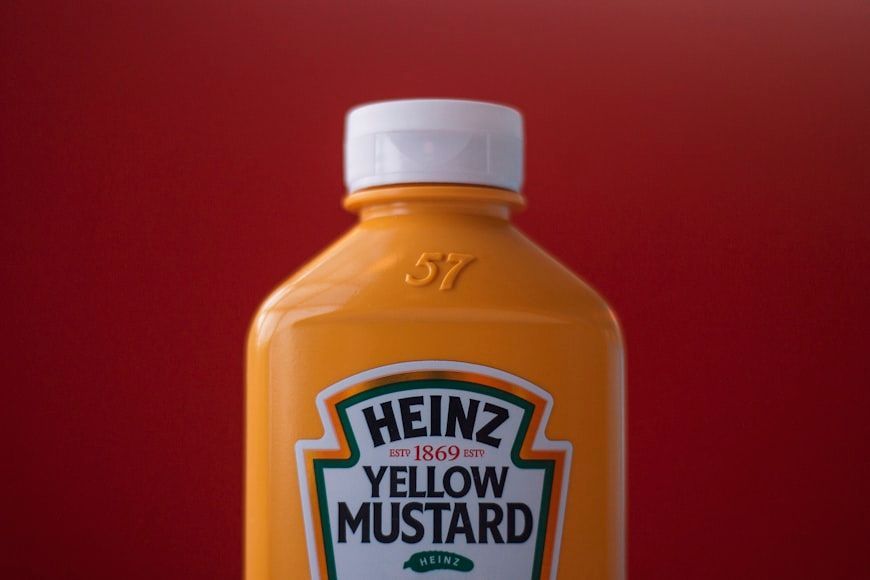
Image: Pedro Durigan

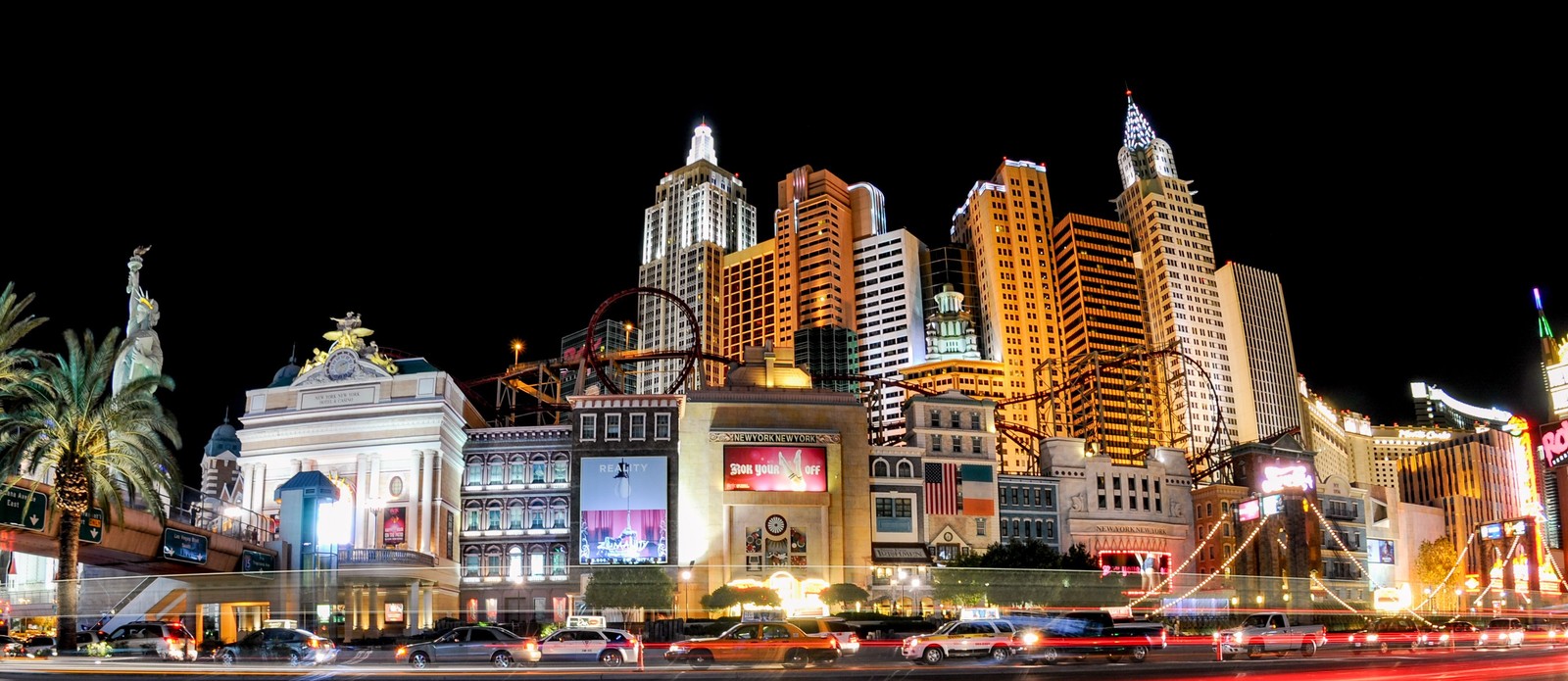
Buying a hot dog in New York City is as easy as breathing. Just get out on the street, and you will find a hot dog cart. The key components are simple, but tried and true. A beef frankfurter (usually boiled) on a hot dog bun, onions, and sauerkraut. For the condiments, mustard does the trick. Decades of New Yorkers repeating the recipe tell us that it works.

2
Chicago

Image: SuckerPunch Gourmet

Chicagoans do not share the New Yorkers' simple approach to hot dogs. They are all about the accoutrements. On a poppy-seed bun, a beef frankfurter is loaded with seven specific toppings: yellow mustard, white onions, sweet pickle relish, dill pickle, tomatoes, pickled peppers, and celery salt. Not for the faint of heart.

3
Cincinnati Coney

Image: Anju Ravindranath

One of the most famous coneys —or hot dogs topped with meat sauce—a Cincinnati-style hot dog takes toppings in a totally different direction. The usual frankfurter and bun (toasted, obviously) are now the vehicle for a spread of mustard, a generous scoop of Cincinnati chili —much more spiced than your regular chili con carne, with cinnamon, allspice, cumin, and cloves—, and a helping of finely-diced yellow onions. If you are in the mood for a cheese coney, you can add shredded cheddar cheese to your heart's desire.

4
Sonoran

Image: Jenna E.

Popular in Arizona but with roots in the Mexican state of Sonora, this hot dog proudly displays its ancestry. The typical bun is replaced by a Mexican-style bolillo bun, with a crunchy crust but a soft interior. The sausage is wrapped in bacon, grilled, and topped with onions, tomatoes, and pinto beans. Popular condiments include mustard, mayonnaise, and jalapeño salsa.

5
Kansas City

Image: Kelsey Todd

Kansas City deviates from the usual all-beef frankfurter. Instead, a pork sausage(grilled or steamed) is served on a sesame bun and topped with mustard, sauerkraut, and melted Swiss cheese. Another popular variant replaces these toppings with brisket burnt ends and barbecue sauce.

6
Michigan Coney
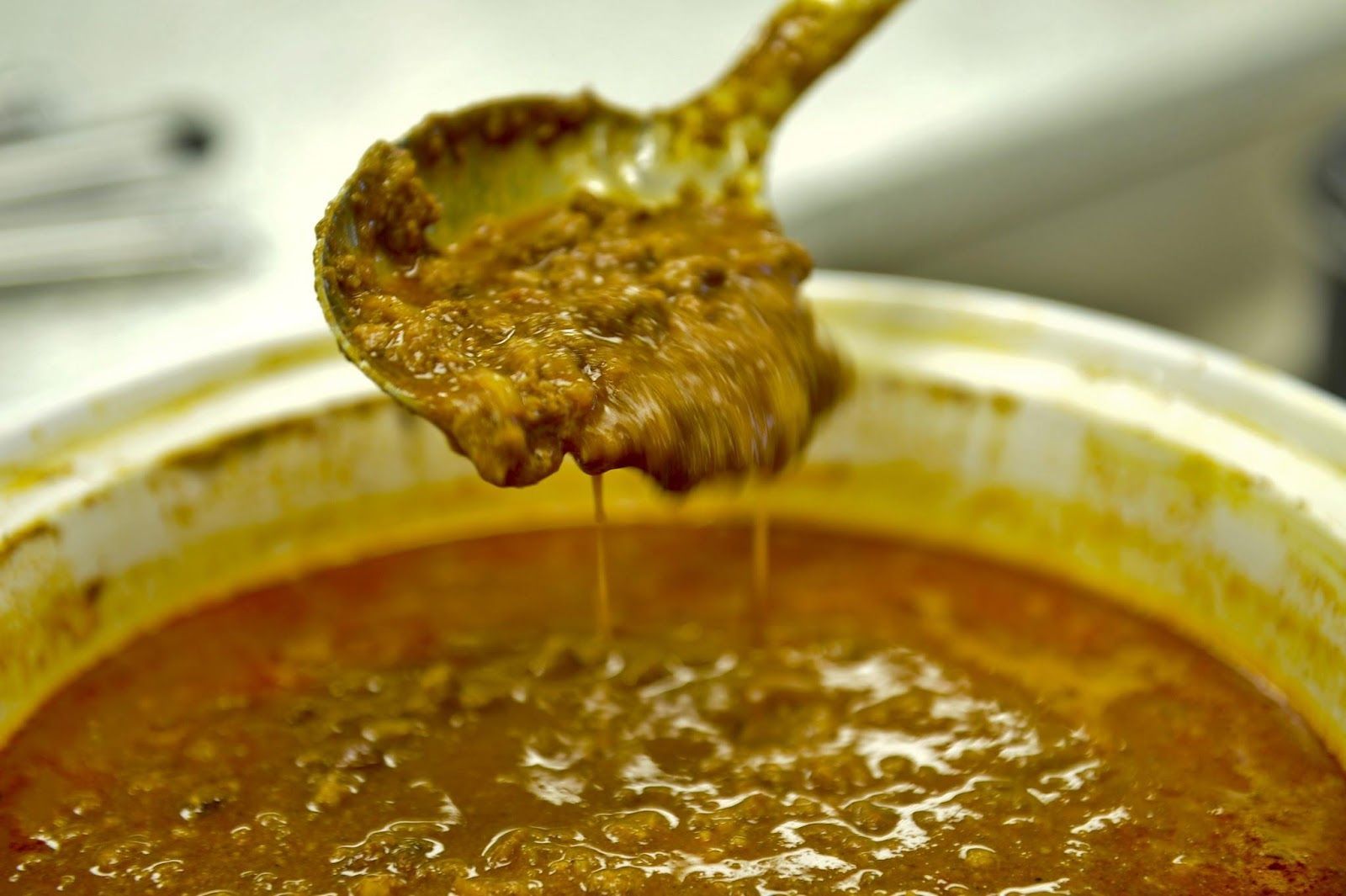
Image: U.S. Air Force photo by Airman 1st Class Riley Johnson, Public domain, via Wikimedia Commons

Allegedly born among Greek immigrants, the Michigan coney is much more straightforward than its Cincinnati counterpart. While the key elements are the same —an all-beef frankfurter on a steamed bun, topped with chili, mustard, and onions— they are set apart by the meat sauce. Where Cincinnati’s flavors rely on a multitude of spices, Michigan’s chili is beanless, meat-forward, and savory. Different, but not less comforting.

7
Italian Dog
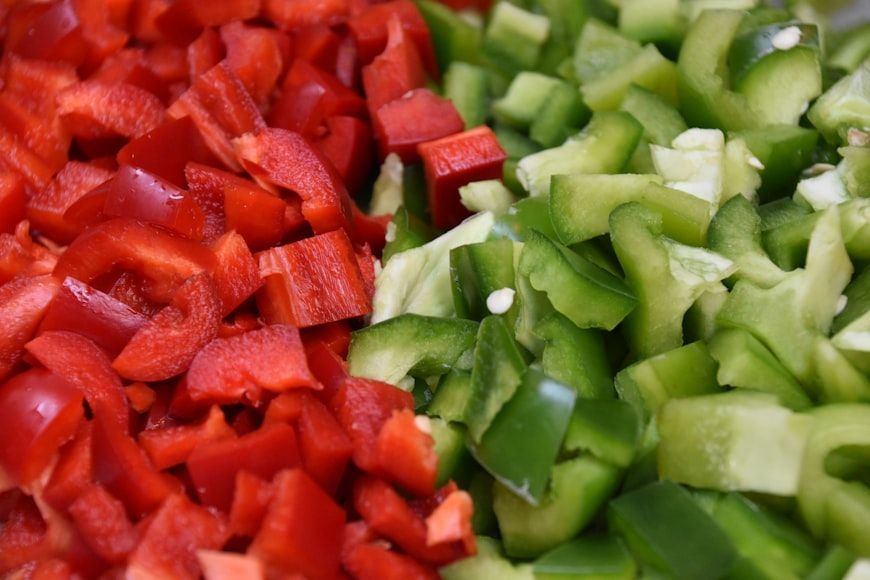
Image: Sergio Contreras

A New Jersey delicacy, the Italian dog has multiple versions. The og recipe features a deep-fried sausage on an Italian roll, mustard, and a combination of fried peppers, onions, and potatoes. Variations include swapping the traditional hot dog for a different protein or replacing the potatoes with French fries. The addition of ketchup is a point of contention for locals.

8
Seattle

Image: Megumi Nachev

Seattle-style hot dogs feature an unlikely choice as their star ingredient: cream cheese. Created by a former bagel vendor, the original buns were also bagel-style; however, standard hot dog buns or hogies are now the norm. The buns are toasted and slathered with cream cheese, topped with a grilled sausage and caramelized onions. Jalapeños are also a common addition, and vendors might offer different types of cream cheese.

9
Cleveland Polish Boy

Image: Allen Rad

The star element of a Polish boy is, no doubt, the sausage. In this case, the choice is kielbasa, a smoked meat sausage, either grilled or fried. The typical toppings are barbecue sauce, French fries, and coleslaw. Fun fact: the Polish boy is the center of an ongoing discussion. While it has all the components of a hot dog, many consider it a sandwich.

10
Texas Tommy
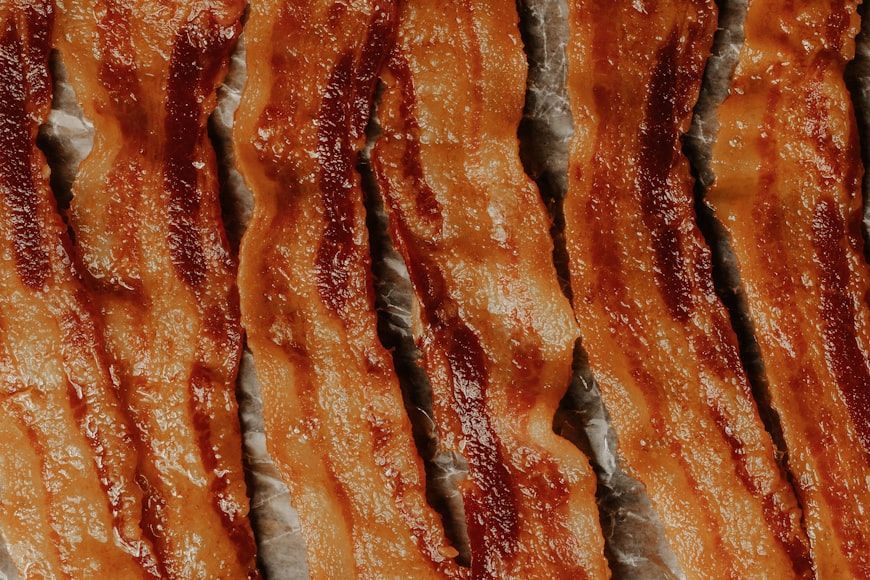
Image: Wright Brand Bacon

Don’t be fooled by the name; this hot dog comes from Philadelphia. Some say that ‘Texan’ was a common way to refer to all hot dogs, and it caught on. What makes a Texas Tommy different? The sausage is opened lengthwise, stuffed with cheese, wrapped with bacon, and then grilled or fried until the bacon is crispy. Considering all that’s going on with the sausage, toppings are left to the consumer’s discretion, although mustard, onions, chili, or extra cheese are popular choices.
Culture Culture 3 min read

Powerful styles

How can a beard change history? 10 US presidents with iconic facial hair!

Image: Library of Congress

Can you guess how many US presidents have had beards? And how many grew a mustache? Which one comes to mind first? For some, it's Lincoln's unmistakable beard; for others, Roosevelt's distinguished mustache; and some will remember John Quincy Adams' sideburns. From the most classic mustaches to eccentric beards, today, we're taking a look at 10 unforgettable presidential styles!

1
Abraham Lincoln

Image: Library of Congress

Probably one of the most remembered presidential beards is that of the 16th US President and author of the unforgettable Gettysburg Address, Abraham Lincoln. But, while his image is forever linked to his top hat and distinctive, mustache-free beard, he actually didn't always have it.

Before he was elected president, an 11-year-old girl wrote him a letter suggesting he grow a beard. Fortunately, Lincoln took her advice! Thus, he became the first president to grow a beard while in office.

2
Theodore Roosevelt

Image: Library of Congress

Another iconic style was that of Teddy Roosevelt. His handlebar mustache is not only seen in photos and portraits from his time in office but is also forever etched on the imposing Mount Rushmore. Many men of his era imitated his dramatic, thick, and bushy mustache, which perfectly matched the vigor and toughness that defined the 26th US president.

3
Ulysses S. Grant

Image: Sergei Starostin

Beard? Yes! Sideburns? Of course. Mustache? That too! That is the case with Ulysses S. Grant, a president with a full look, fitting for a Civil War hero.

Grant's beard and mustache were thick -though not long- covering his jawline and also much of his cheeks. Thus, the 18th US president set a fashion trend that would be followed by several other presidents of the 19th century.

4
Grover Cleveland

Image: Dave Sherrill

Another president with a well-remembered mustache was Grover Cleveland, the first US president to serve two non-consecutive terms.

Cleveland's mustache was fluffy and extended just past the edges of his mouth. Although this might have been a problem when dining with guests, his mustache always looked neatly trimmed.

5
William Howard Taft

Image: Ronaldo Guiraldelli

Now, it's time to talk about the only person in the history of the US to have served as both President and Chief Justice of the Supreme Court: William Howard Taft.

Taft sported a bushy mustache, like Teddy Roosevelt, who served right before him. But, unlike his predecessor, the tips of Taft's mustache didn't point downward; instead, they bent upward, making it much more theatrical.

6
John Quincy Adams

Image: Library of Congress

John Quincy Adams didn't need a mustache to stand out with his style. His hallmark was something quite original: sideburns.

Remembered for being bushy and always well and neatly groomed, the 6th president's memorable sideburns extended down the sides of his face, even connecting beneath his chin!

7
Rutherford B. Hayes

Image: Nikolaos Dimou

Rutherford B. Hayes was another 19th-century president known for sporting a full beard. In addition to being thick, his beard and mustache were quite long and even joined together, fully covering his lips, as seen in portraits from the time. While the 19th President looked really distinguished, we can't help but wonder how he handled summer with that style!

8
James A. Garfield

Image: Sean Foster

James A. Garfield had a look strikingly similar to that of his predecessor, Rutherford B. Hayes.

Also sporting a thick, long, full beard, Garfield's mustache was slightly shorter than Hayes', and his beard extended further onto his cheeks. It seems that you had to put some serious effort into perfecting your facial hair to be trendy in the late 19th century!

9
Martin Van Buren

Image: Jack Bulmer

"Mutton chops" is the term for the thick, bushy sideburns worn by Martin Van Buren, the 8th president of the United States, a style known more for its volume than its tidiness.

As seen in portraits from different moments of his life, Van Buren had sideburns from a young age, but they definitely stood out during his presidency. In fact, political cartoons of his time often emphasized that very feature, making his sideburns exaggeratedly large.

10
Zachary Taylor

Image: Josh Sorenson

Before Lincoln, the dominant fashion was a clean-shaven look. But Zachary Taylor -just like John Quincy Adams and Martin Van Buren- came to revolutionize things with his sideburns.

We have to admit Taylor's sideburns were far more modest than those of his predecessors, but he remains one of the few presidents to have worn any facial hair before Honest Abe made it a trend!

Geography Geography 5 min read

American landmarks

The sky is the limit: Do you know these 10 breathtaking skyscrapers?

Image: Frederik Sørensen

The noun "skyscraper" has a fantastical side to it, doesn’t it? It directly speaks to mankind’s eternal dream to touch the sky, to be able to reach previously insurmountable heights. Ever since the first skyscraper was built in Chicago, America has been synonymous with these breathtaking and humongous buildings. With that in mind, we have selected 10 of the most iconic buildings in American history. Celebrate these architectural wonders and how they represent everything that makes us so proud to be American. Enjoy!

1
Empire State Building

Image: Afif Ramdhasuma

We’ll begin with what’s perhaps the most famous skyscraper in "The City That Never Sleeps". The Empire State Building speaks to the magnificence and grandeur of New York City: After all, it is named after the State of New York’s official nickname, "The Empire State".

At the time of its construction, the Empire State Building was the tallest building in the world, a title held for almost 40 years. Its exquisite Art Deco design and innovative architecture have turned it into an instantly recognizable icon. Perhaps more famously, it has been featured in unforgettable pictures like "Sleepless in Seattle" and "King Kong". Be honest: Whenever you see a picture of this building, can’t you almost see a humongous ape perched atop its antenna?

2
Flatiron Building

Image: Vidar Nordli-Mathisen

For many, the most remarkable feature of this iconic building is its unusual name, which comes from its also rather unusual shape. The Flatiron is considered a New York City institution, and its history is almost as inspiring as its groundbreaking design.

In its early years, the Flatiron was known by the derisive nickname "Burnham's Folly", since detractors believed that architect Daniel Burnham’s design was a laughable idea. History would prove Burnham right though, since the Flatiron is still one of the most instantly recognizable skyscrapers in the world.

3
Willis Tower

Image: Gardhy Granados

For any Chicagoan who might be reading this, we know that you probably still call this building the "Sears Tower", but we thought it would be appropriate to include the official new name of this iconic skyscraper. Located in the heart of the "Loop", the Willis Tower is a 110-story, 1,451-foot building that has truly earned its place in Chicago’s skyline.

Since its opening in 1973, Willis Tower has proudly held the title of the world’s tallest building for close to 25 years. Regardless, this juggernaut is still an American landmark and one of Chicago’s most visited tourist attractions.

4
Transamerica Pyramid

Image: Chris Leipelt

While most pictures of San Francisco’s skyline are usually dominated by the Golden Gate Bridge, visitors of "The City by the Bay" are frequently dazzled by this unusual yet breathtaking building. Completed in 1972, the Transamerica Pyramid was San Francisco’s tallest building until 2018, when it was surpassed by the Salesforce Tower.

Without a doubt, the most striking aspect of this building is its groundbreaking design: Just like San Francisco’s carefree spirit of independence, this building seems effortlessly innovative. It has been compared to other revolutionary designs, most notably to "the Shard" building in London.

5
Columbia Center

Image: Anthony Alexander

Formerly known as "the Bank of America Tower" (or BOAT for short), the Columbia Center was constructed in downtown Seattle in the early ‘80s: At the time, this imposing black skyscraper was the highest building on the West Coast. While most of this skyscraper is leased for private usage, it does house the highest public viewing area west of the Mississippi River.

The Columbia Center’s design produces a rather interesting effect: Since the building is composed of 3 separate segments joined by 2 setbacks, viewers from the street might believe the Columbia Center is made from 3 different towers set side to side.

6
The Chrysler Building

Image: Anthony Fomin

As you probably expected, many iconic skyscrapers from "The City That Never Sleeps" will be featured in this article. The Chrysler Building is an art-deco masterpiece located at the intersection of 42nd Street and Lexington Avenue, which holds the distinction of being the world’s very first supertall skyscraper.

This building was commissioned by (and named after) Walter Chrysler, head of the Chrysler Corporation, and its construction was marked by a friendly competition with the Empire State Building for the title of the world’s tallest building. In that sense, the Chrysler Building’s remarkable 1,046 feet height gave it this impressive title, albeit only for 11 months.

7
Wells Fargo Plaza

Image: Franky Magana

If you ever find yourself taking a stroll through Downtown Houston, you’ll definitely come across a gorgeous all-glass skyscraper. You can’t miss it: After all, the Wells Fargo Plaza is the tallest all-glass building in the entire Western Hemisphere, standing at an impressive 992 feet.

This skyscraper was formerly known as the Allied Bank Plaza and in, 1988, it was renamed to the First Interstate Bank Plaza. However, when in 1996 First Interstate Bancorp was bought by Wells Fargo, this skyscraper changed its name once again to the Wells Fargo Plaza we all know.

8
John Hancock Center

Image: Jonathan J. Castellon

Founding Father John Hancock truly deserves all the praise it can receive from the American people, so it stands to reason that he should have his name honored by a 1,128-foot supertall skyscraper. Located in the iconic "Magnificent Mile", the John Hancock Center was for a while the tallest building in Chicago, surpassed by the previously mentioned Willis Tower.

This skyscraper was completed in 1969 and it has remained a Chicago staple ever since. It houses several restaurants and offices, as well as approximately 700 condominiums. Interestingly, the John Hancock Center is the background on which the 1988 horror film "Poltergeist III" takes place: Posters for this film featured this skyscraper, with a menacing lighting bolt crossing the night sky behind it.

9
Bank of America Plaza

Image: Luis Negron

Just like the Empire State and the Chrysler buildings, the Bank of America Plaza is another wonderful example of Art Deco architecture located between Midtown and Downtown Atlanta. This gorgeous skyscraper is instantly recognizable thanks to its unusual color palette, and it holds the distinction of being the tallest building of any U.S. state capital.

If you are lucky enough to visit "the City in a Forest", try to visit the Bank of America Plaza at night. You’ll quickly notice that the stunning golden spire at the top of the building (which is actually shaped like the Plaza itself) glows alongside a gorgeous pyramid of girders, in a lovely orange hue that tries to resemble old street lights.

10
Home Insurance Building

Image: Александр Македонский

We’ll end this article by honoring an iconic skyscraper that, while it is not still standing, lives on in the proud history of our country. Standing at 138 feet, the Home Insurance Building might not seem remarkably tall by today's standards but, at the time of its construction in 1885, this Chicago historical landmark became the world’s very first skyscraper.

Due to a decrease in its occupancy, the Home Insurance Building was demolished in 1931, alongside 5 other buildings, to make way for the site on which the Field Building now stands. However, this landmark’s legacy still stands, earning its well-deserved place in history as the father of the skyscraper.

Explore more American facts

Choose your favorite category!

General
General

As American as apple pie—the very best America has to offer!

Culture
Culture

Delve into the astounding richness of American lore.

Geography
Geography

Hop in and explore vast and diverse American landscapes.

History
History

Discover the key moments that shaped the United States.