Facts to make up your mind
Data centers in America: what are the pros and cons of living near one?
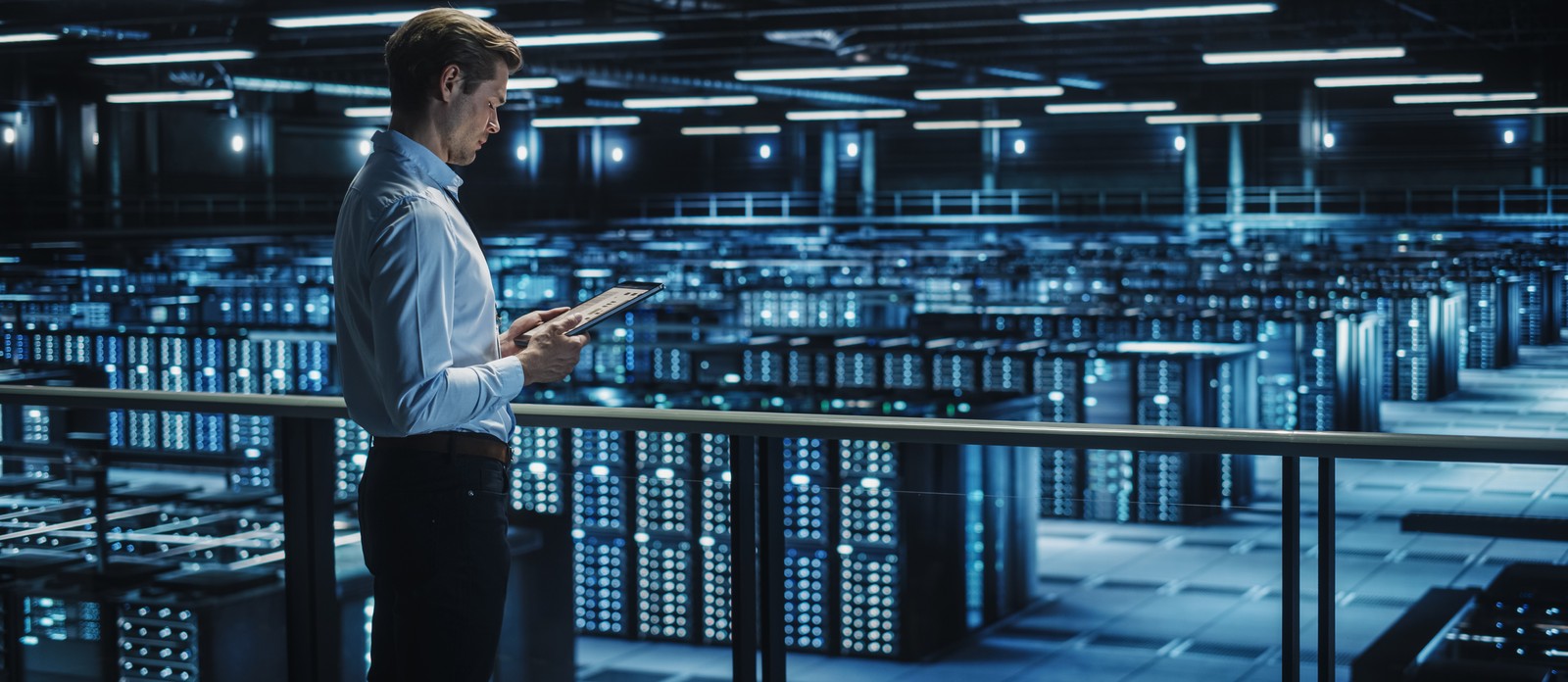
Image: Gorodenkoff
Nearly everything you do online depends on data centers. Let that sink in, because it’s true. They power cloud storage, streaming, banking, shopping, artificial intelligence, and much more. As these facilities spread across the country, more people are finding themselves living nearby. Perhaps you do too. While these centers can bring economic benefits, they also raise concerns about noise, energy, and community impact. Whether you like this or not, we are not here to change your mind. But we can present six advantages and six drawbacks worth knowing about.
1
Pro: More local tax revenue

Data centers generate unusually large property-tax bills because they house millions of dollars' worth of servers and specialized equipment. That often makes them among the largest taxpayers in a county .
In Northern Virginia, tax revenue from data centers helps fund schools, roads, parks, libraries, and emergency services. Some counties report receiving far more in taxes than they spend on providing public services to these facilities.
2
Con: Constant noise
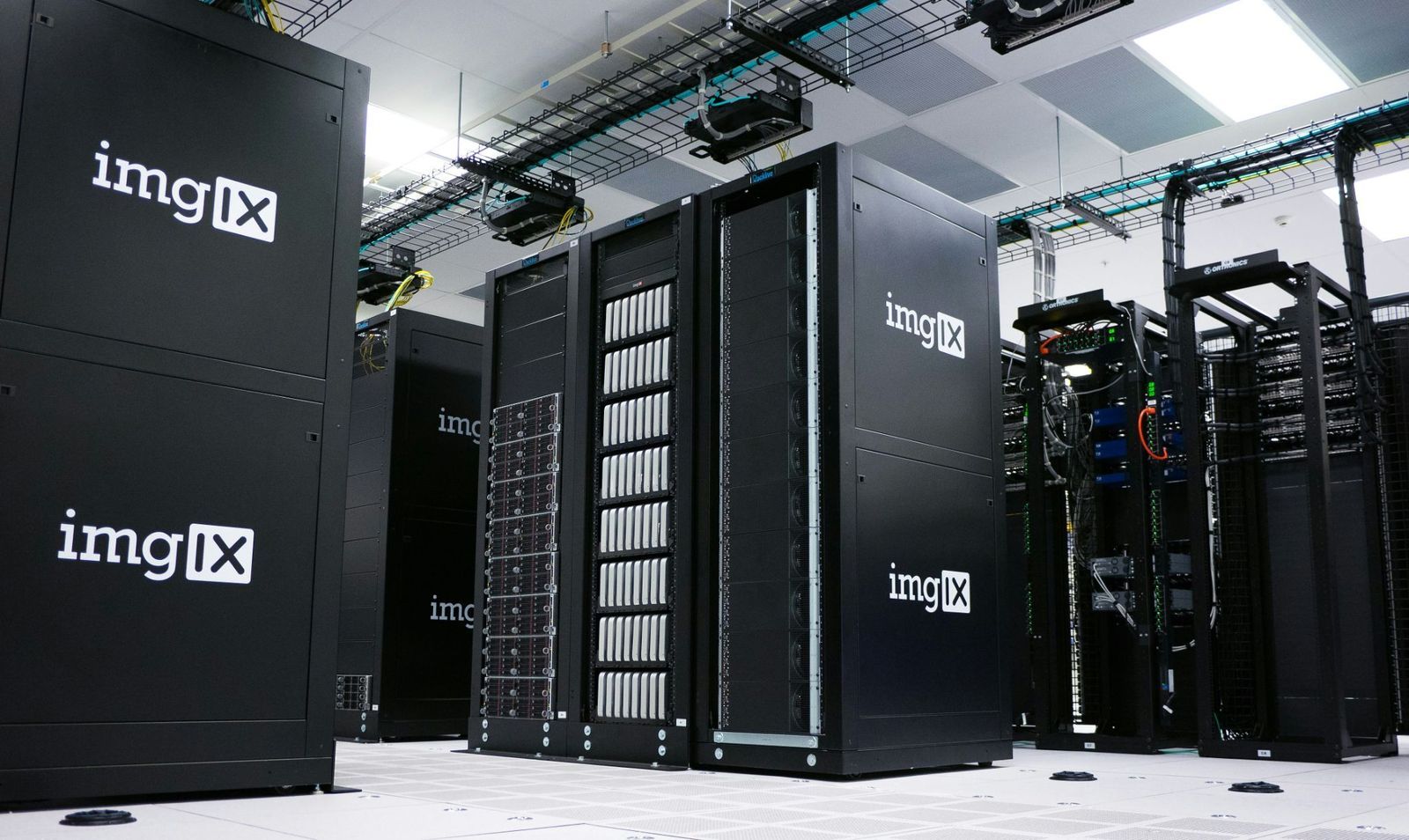
Cooling equipment, ventilation systems, and electrical infrastructure operate continuously to keep thousands of servers from overheating. Together, they can produce a steady mechanical hum day and night.
Residents living closest to certain facilities have complained that low-frequency noise is noticeable even indoors , especially during quiet nighttime hours when background noise is minimal.
3
Pro: Better infrastructure investment
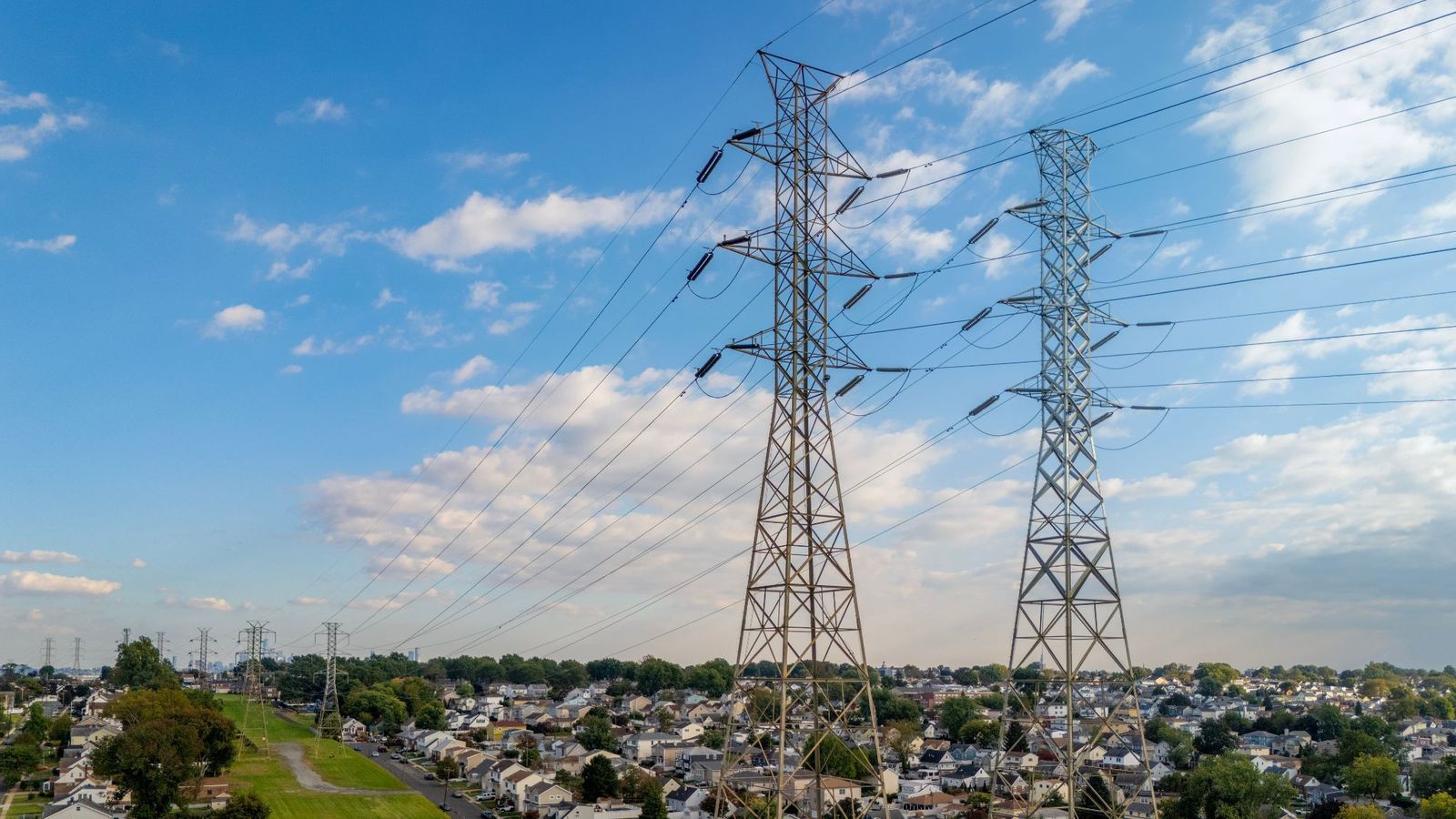
Building a major data center often requires improvements to nearby infrastructure. Utilities may expand electrical capacity, while roads, substations, and water systems are upgraded before the facility opens .
Although these improvements primarily support the project itself, neighboring communities frequently benefit from stronger infrastructure that might otherwise have taken many years to receive through normal public investment.
4
Con: Massive electric consumption
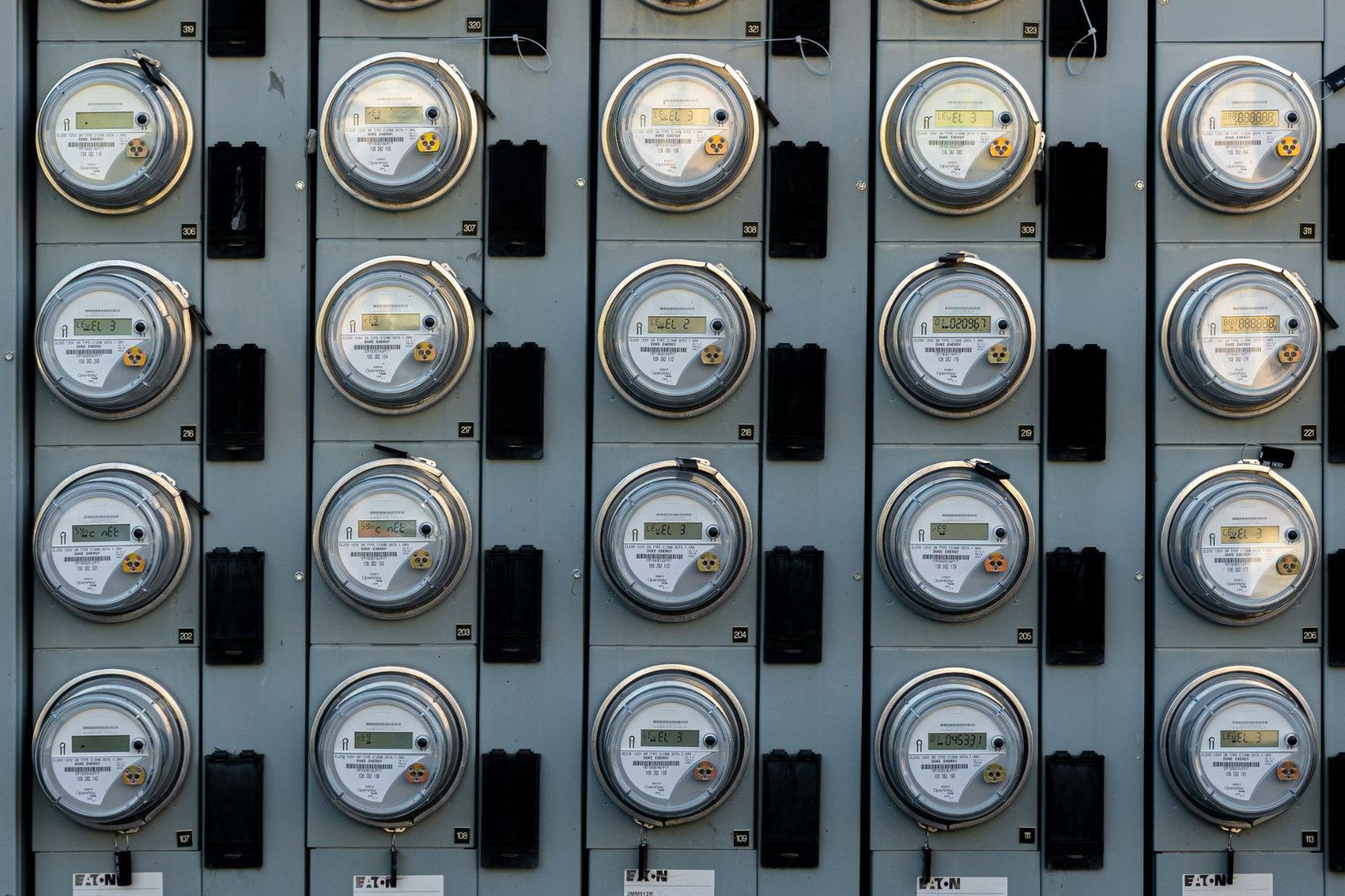
Modern data centers consume enormous amounts of electricity because servers run continuously while powerful cooling systems remove the heat they generate around the clock .
As cloud computing and artificial intelligence continue expanding, experts expect electricity demand from American data centers to grow rapidly, requiring utilities to build additional generating and transmission capacity.
5
Pro: Construction jobs and economic activity
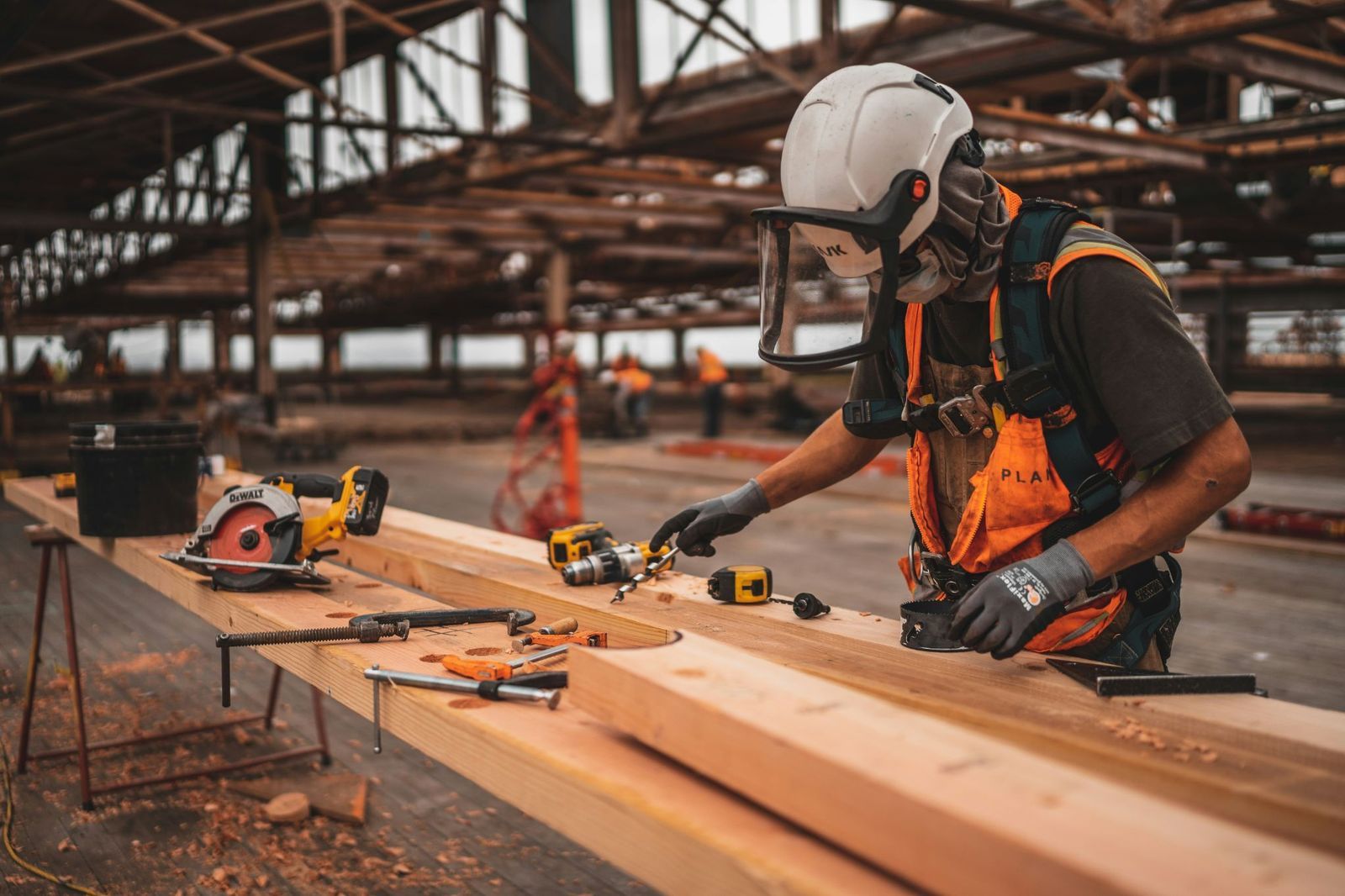
Constructing a hyperscale data center is a massive undertaking that can last several years. Hundreds of construction workers, electricians, engineers, truck drivers, and contractors may be involved during the building phase .
The project also boosts nearby hotels, restaurants, equipment suppliers, and local businesses serving the temporary workforce. Much of this economic activity occurs before the facility even begins operating.
6
Con: High water use

Many facilities use water-based cooling systems to improve efficiency, particularly during hot weather. Depending on the technology used, consumption can be significant throughout the year .
This has become a growing concern in drought-prone regions, where residents and local officials debate whether expanding technology campuses should compete with other important community water needs.
7
Pro: Some permanent high-paying jobs

Once completed, data centers require technicians, network specialists, electricians, maintenance engineers, and security staff to keep operations running around the clock without interruption.
Although permanent staffing is relatively small, many of these technical positions pay well above average local wages and can help attract additional technology companies to the surrounding area.
8
Con: Large, industrial-looking buildings
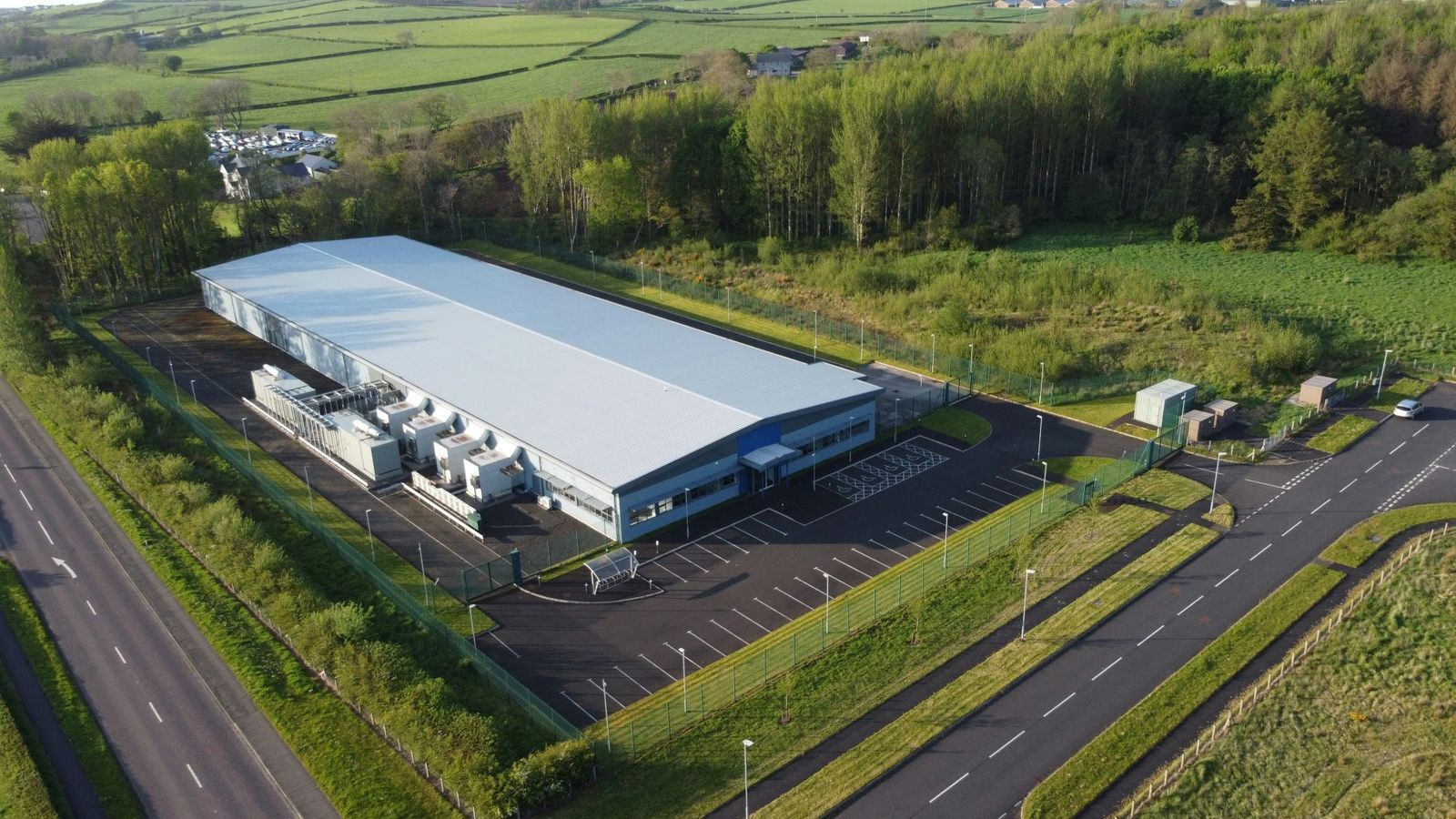
Most data centers are designed for function rather than appearance. They are typically large, windowless buildings surrounded by fences, cooling equipment, substations, and security systems.
Even with landscaping, these facilities often resemble industrial warehouses . Some residents worry they will permanently change the character of suburban neighborhoods or previously rural communities.
9
Pro: potential property-value gains in some markets

The effect on nearby home values varies from one community to another. In some growing technology regions, new investment has coincided with rising demand for housing and stable property prices .
Researchers caution that there is no universal rule. Local planning, neighborhood design, and overall economic growth all influence whether nearby homeowners ultimately benefit from higher property values.
10
Con: Limited long-term employment relative to their size
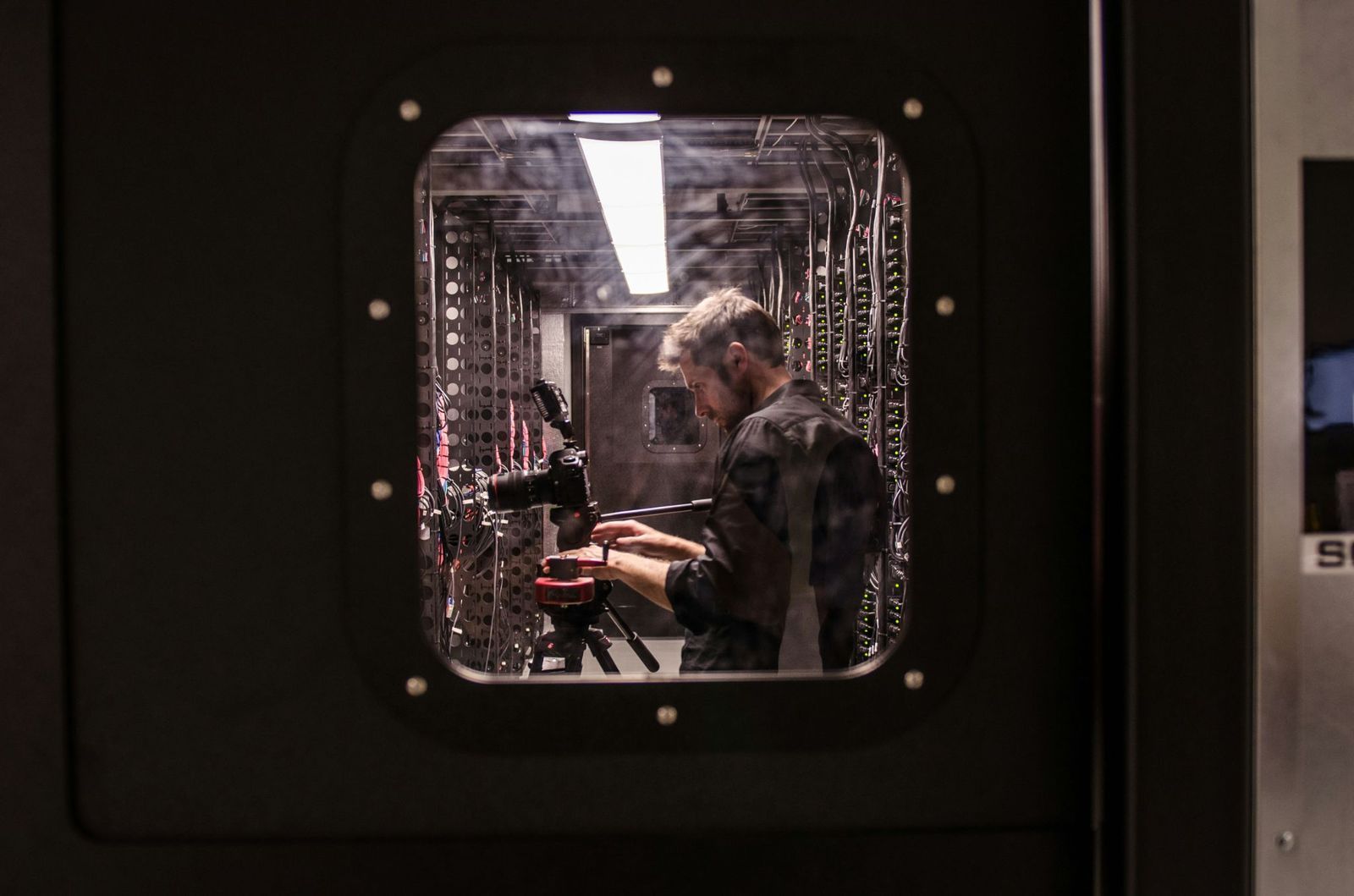
Construction creates hundreds of temporary jobs, but the finished facility usually requires only a relatively small permanent workforce to operate and maintain its systems .
Critics argue that billion-dollar campuses occupying vast amounts of land often provide far fewer long-term jobs than factories, manufacturing plants, or large distribution centers of similar size.
11
Pro: Very little traffic after construction
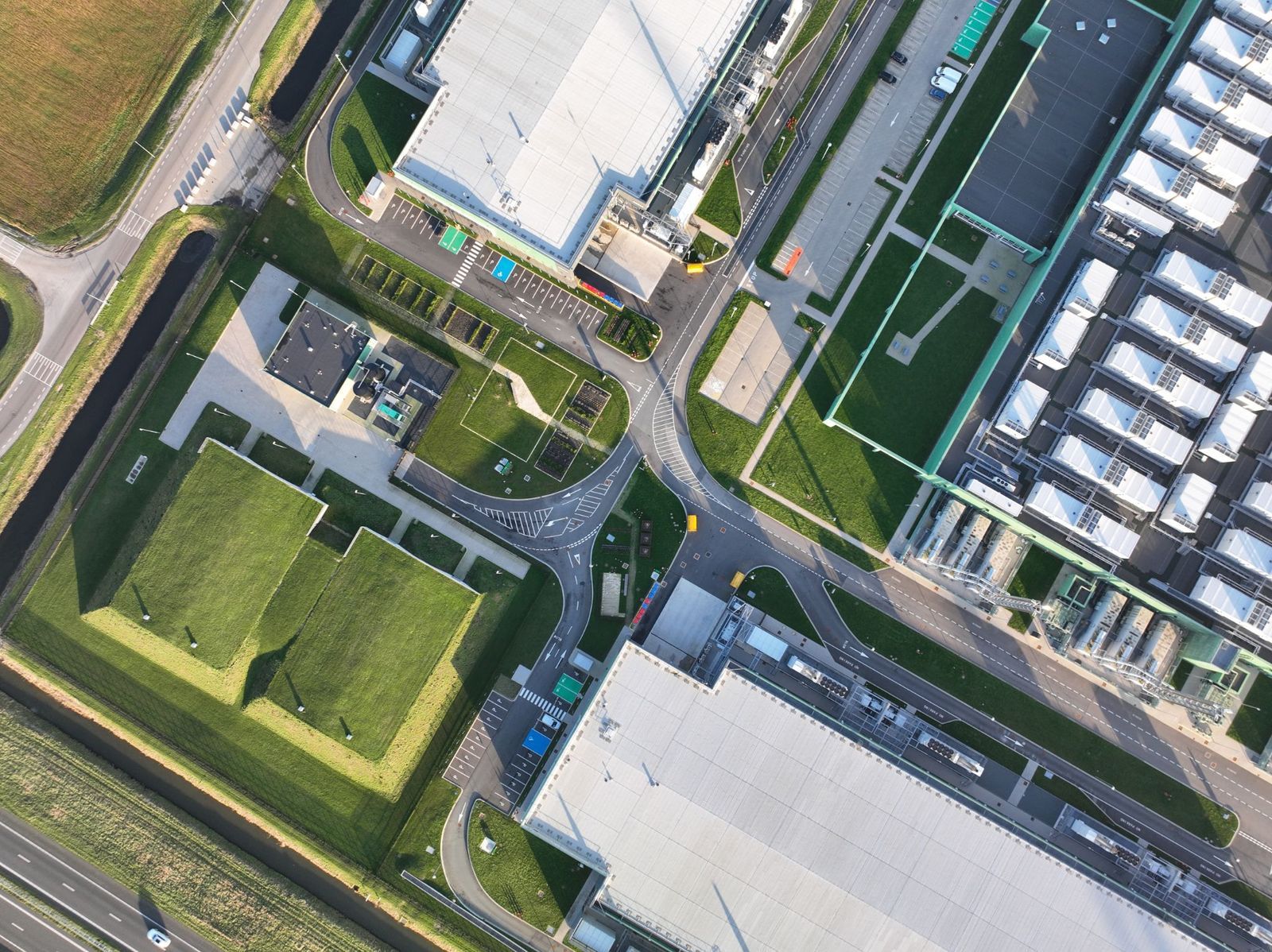
Construction brings heavy equipment, delivery trucks, and hundreds of workers. Once the building is finished, however, daily traffic usually drops dramatically compared with many other industrial sites .
Unlike warehouses or factories, operational data centers employ relatively few people. Most days, only technicians, maintenance crews, security personnel, and occasional service vehicles enter the property.
12
Con: Backup generator emissions and air quality concerns
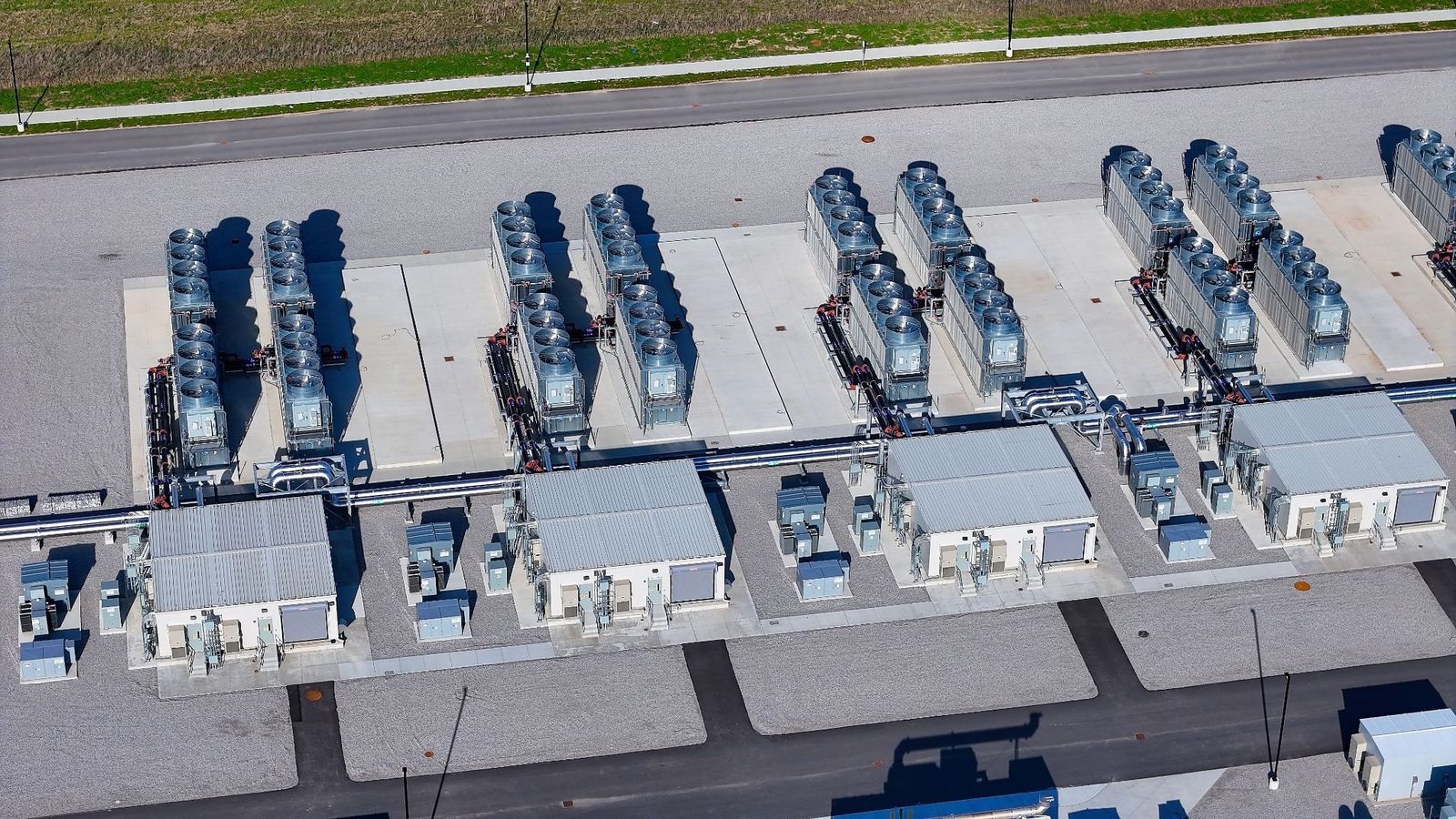
Nearly every data center maintains large diesel backup generators that automatically provide power during electrical outages. They are also tested periodically to ensure reliable operation.
Although these engines are regulated under environmental laws, nearby residents sometimes express concerns about exhaust emissions, air quality, and the cumulative effects as more facilities are built .