Culture Culture 6 min read

Monopoly helped soldiers escape, and 9 other toys with double lives
Image: LungLee

When we think of iconic toys like the Slinky or LEGOs, we usually picture kids killing time on a rainy afternoon. But look a little closer, and you’ll find that some of the most famous playthings have double lives. From saving soldiers on the front lines to helping astronauts in lunar orbit, these gadgets have stepped out of the toy chest and straight into national service. Here is a look at 10 classic toys that did much more than entertain and amuse.

1
Monopoly
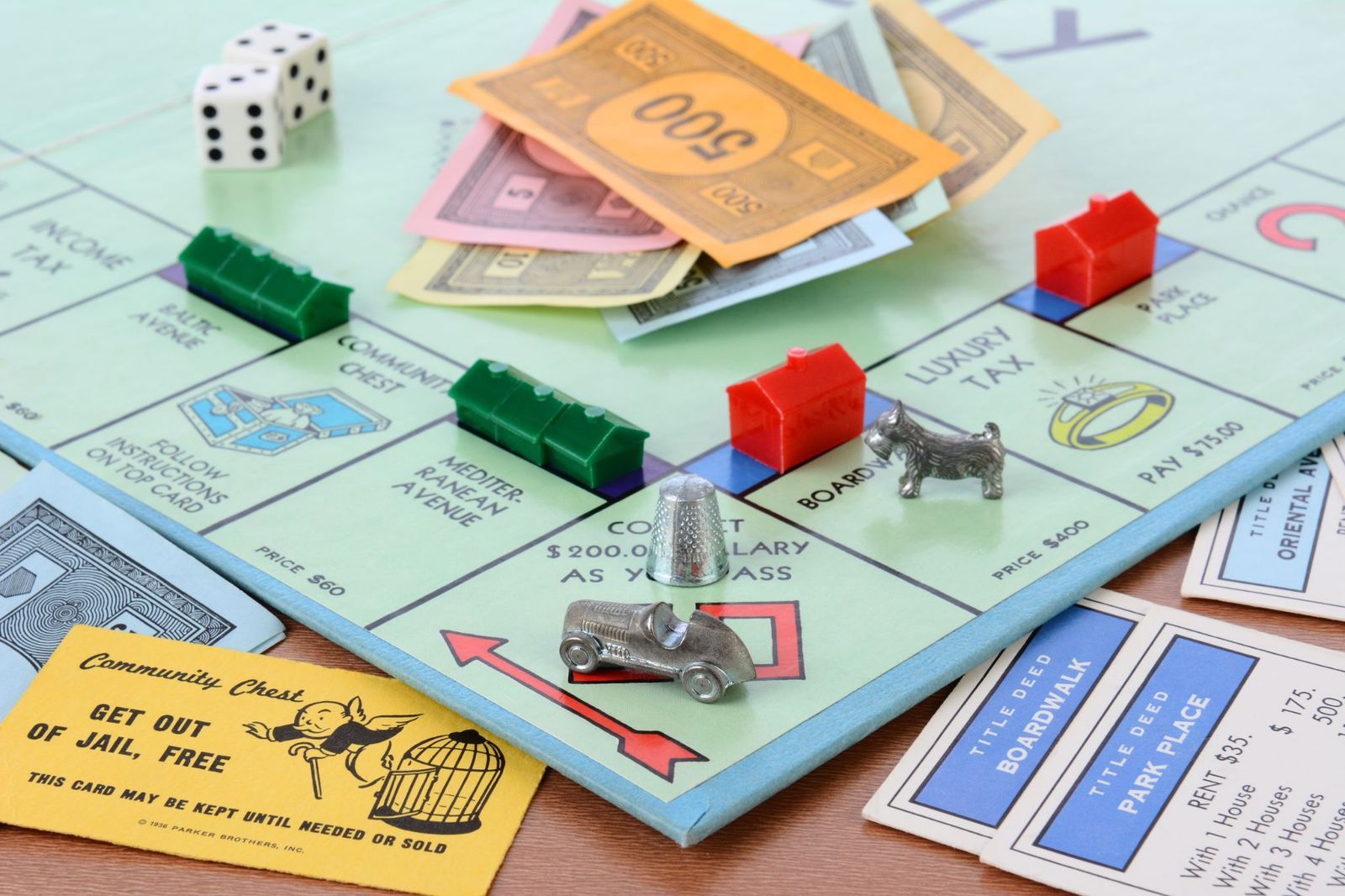
Image: Steve Cukrov

Did you know that Monopoly played a key role in the European theater of World War II? Originally conceived in 1903 by Elizabeth Magie Phillips as The Landlord's Game to highlight the inequities of capitalism, the board game was later rebranded by Parker Brothers in 1934.

When thousands of Allied soldiers, including Americans, were captured by German forces during WWII, the British Secret Service began manufacturing specialized editions to be smuggled into prisoner camps inside Red Cross packages. The German guards welcomed the games as harmless ways for prisoners to pass the time. Little did they know, these boxes contained customized silk maps, real local currency, and precise escape routes hidden within the board and game pieces. Intelligence experts estimate that up to 10,000 Allied soldiers successfully escaped enemy capture because of these rigged board games.

2
Silly String

Image: sonya etchison

In the early 1970s, inventors Leonard A. Fish and Robert P. Cox were working on an aerosol spray-on cast for broken limbs. Although they failed spectacularly, they patented the sticky mess as "foamable resinous composition." Eventually, American toy company Wham-O picked it up and re-labeled it as Silly String.

Decades later, this joke device went to war. In 2006, while stationed in Iraq, Specialist Todd Shriver and his unit found themselves lacking official gear to safely detect the invisible tripwires used to detonate explosives. Because the spray of Silly String could shoot more than 10 feet away and was very light, it became an unlikely but useful tactical tool.

3
Slinky

Image: VanoVasaio

In 1943, naval engineer Richard James was attempting to design a spring system for naval battleships. When he accidentally knocked one of his prototypes off a shelf, he watched in fascination as it walked down a stack of books, onto his desk, and onto the floor. The Navy never bought his invention, but the world got the Slinky, selling over 100 million units in its first two years alone.

Years later, the toy’s military purpose came into fruition during the Vietnam War. U.S. communications troops operating in dense jungles frequently struggled with terrible radio reception. They quickly discovered that a standard steel Slinky could be stretched out and tossed over high tree branches to serve as an effective improvised antenna.

4
View-master

Image: I'm Conqueror

When the View-Master made its grand debut at the 1939 New York World’s Fair, it was marketed as an alternative to scenic postcards. Co-inventors Wilhelm Gruber and Harold Graves paired standard stereoscopes with circular cardboard reels containing seven 3D color film images, which allowed people to marvel at the Grand Canyon from the comfort of their homes.

By 1942, the United States military realized that this photographic novelty could become a useful tool. In the midst of WWII, the U.S. Armed Forces purchased more than 100,000 View-Master viewers and commissioned thousands of custom-made reels. Instead of tourist images, these reels featured detailed, three-dimensional models of enemy aircraft, naval vessels, and artillery. It allowed troops to practice identification, making it a critical asset for gunners and pilots.

5
Silly Putty
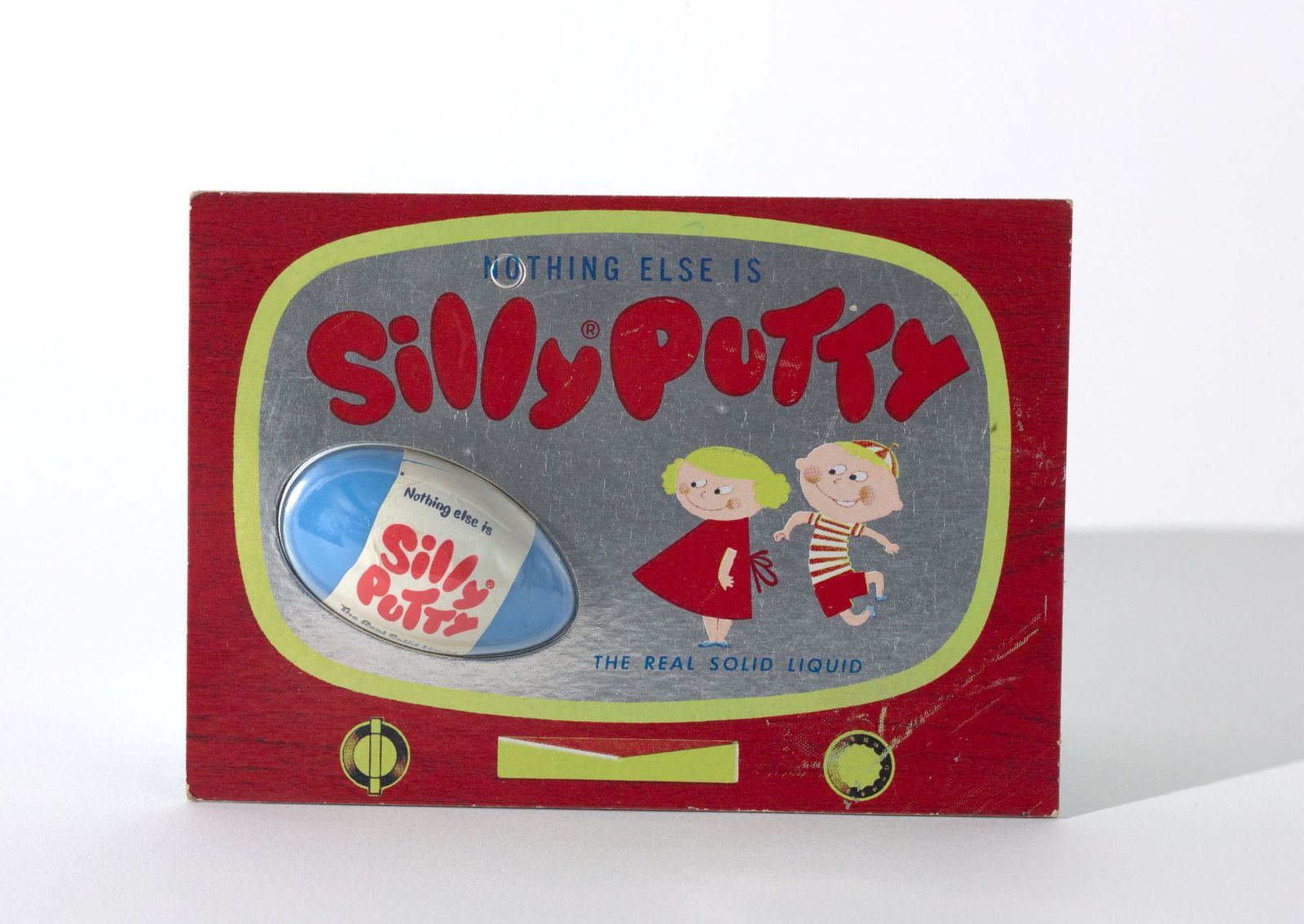
Image: Science History Institute, CC BY 4.0, via Wikimedia Commons

Silly Putty is another marvel of accidental wartime engineering. During WWII, the United States faced shortages of natural rubber due to several blockades. In an attempt to create a cheaper alternative, General Electric engineer James Wright mixed silicone oil with boric acid. The result didn’t work for tires, but it became a hit when packaged inside plastic eggs.

Eventually, this gooey and bouncy material caught the attention of NASA. In 1968, the crew of Apollo 8 packed Silly Putty into their spacecraft. In the zero-gravity environment, the astronauts used the sticky compound to secure their gear to the walls to prevent it from floating away around the cabin.

6
Buzz Lightyear
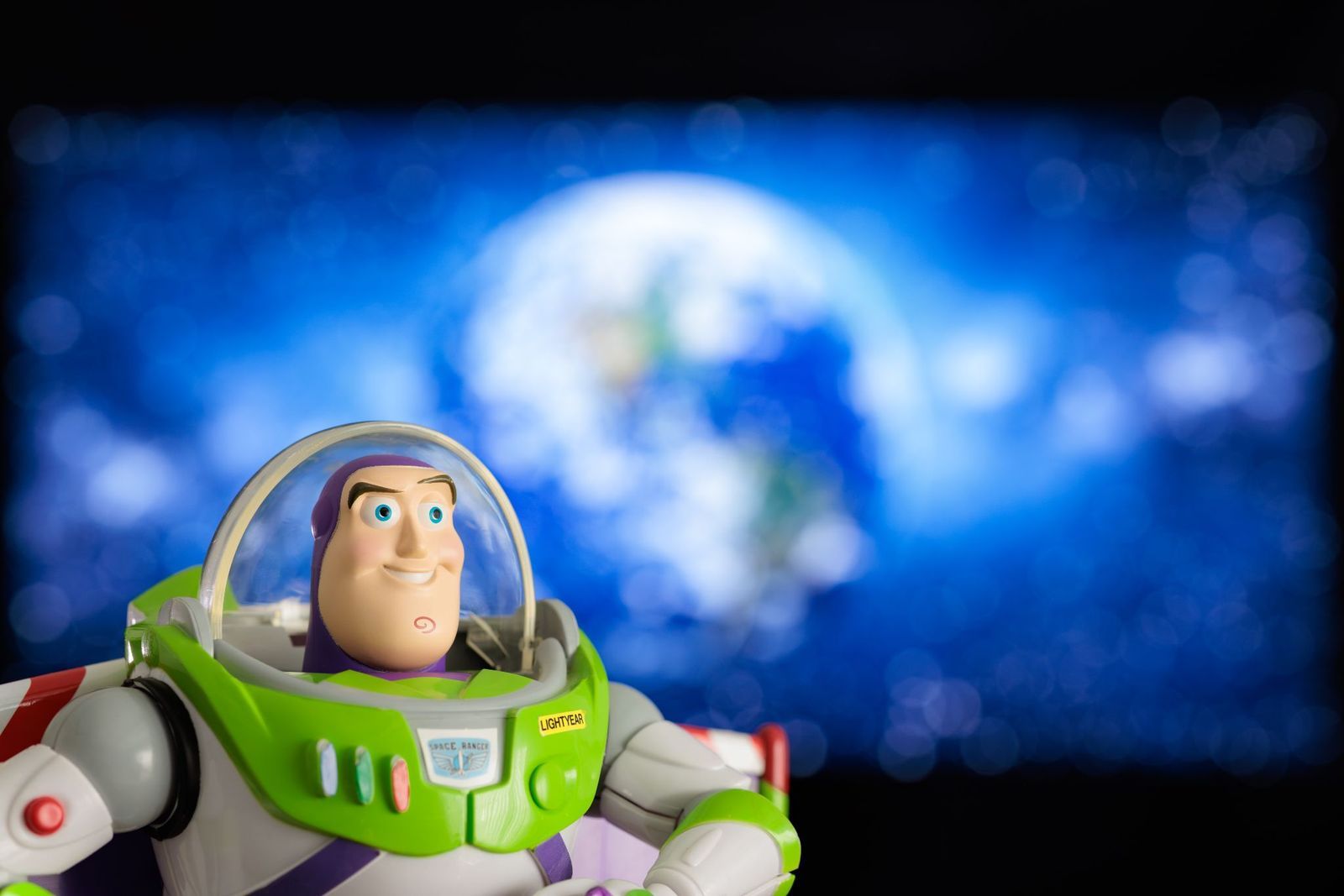
Image: Sunny studio

While Buzz Lightyear began his life as a fictional space ranger in Pixar’s 1995 hit Toy Story, the physical action figure manufactured by Thinkway Toys achieved a few real-world milestones that would make Andy proud.

In 2008, NASA launched an authentic Buzz Lightyear action figure into space aboard the Space Shuttle Discovery. Buzz spent a staggering 15 months living aboard the International Space Station. There, he worked alongside astronauts to film educational videos designed to teach school children across America about weightlessness, orbital mechanics, and microgravity physics.

7
LEGO
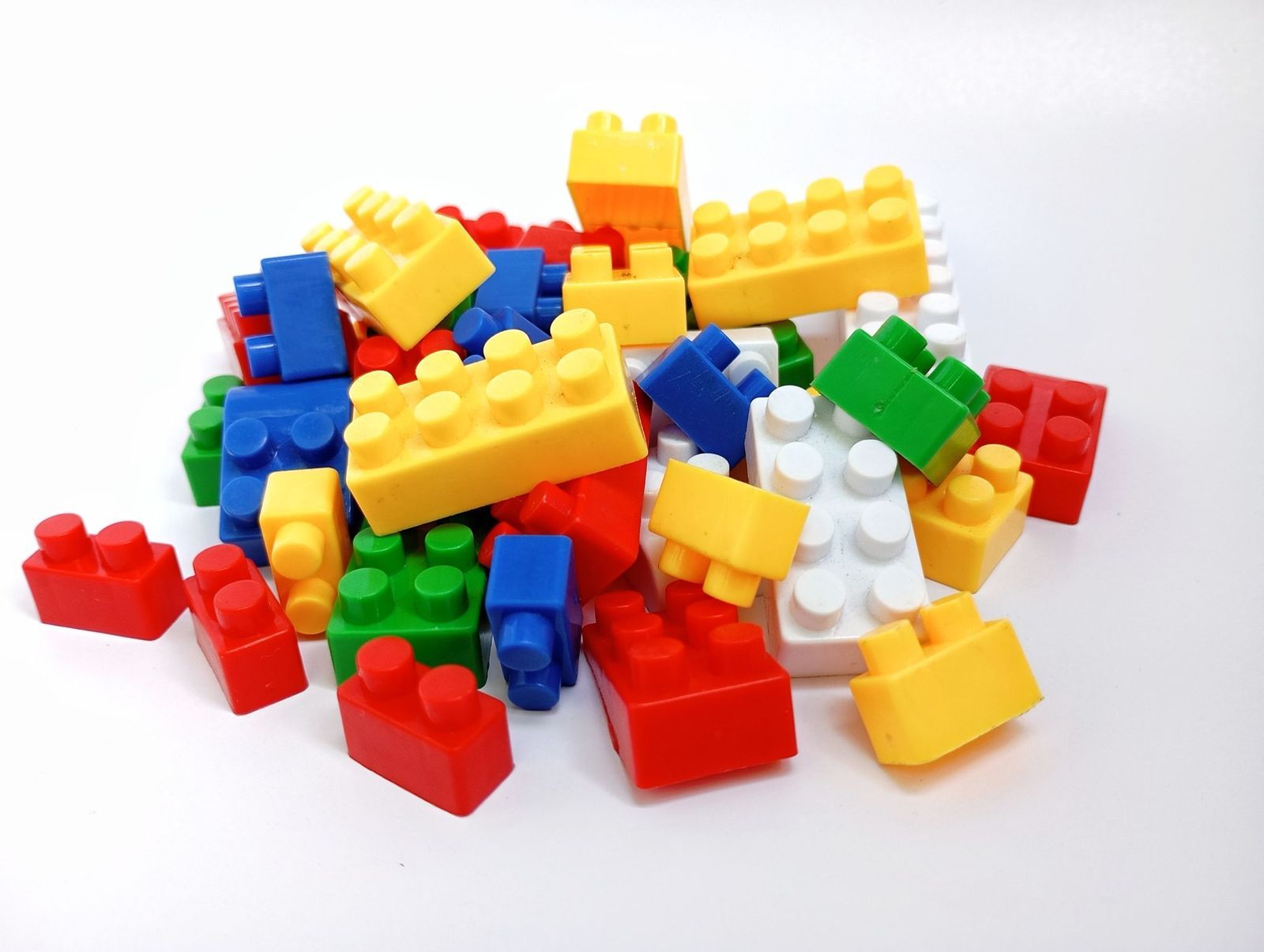
Image: Rahmazudi_zudi23

The famous toy company was founded by Danish carpenter Ole Kirk Christiansen in 1949. While LEGO first reached the US in the early 1960s, the plastic interlocking bricks didn’t become massively popular until the 1970s. Once American children adopted the new toy, it completely reshaped modern STEM education.

Although schools had experimented with bricks for decades, LEGO allowed teachers to develop structured curricula designed to teach kindergarteners fine motor skills and spatial mathematics. By the time those students reached high school, LEGO’s advanced kits were serving as the backbone for introductory robotics, engineering, and programming courses nationwide.

8
Mr. Potato Head
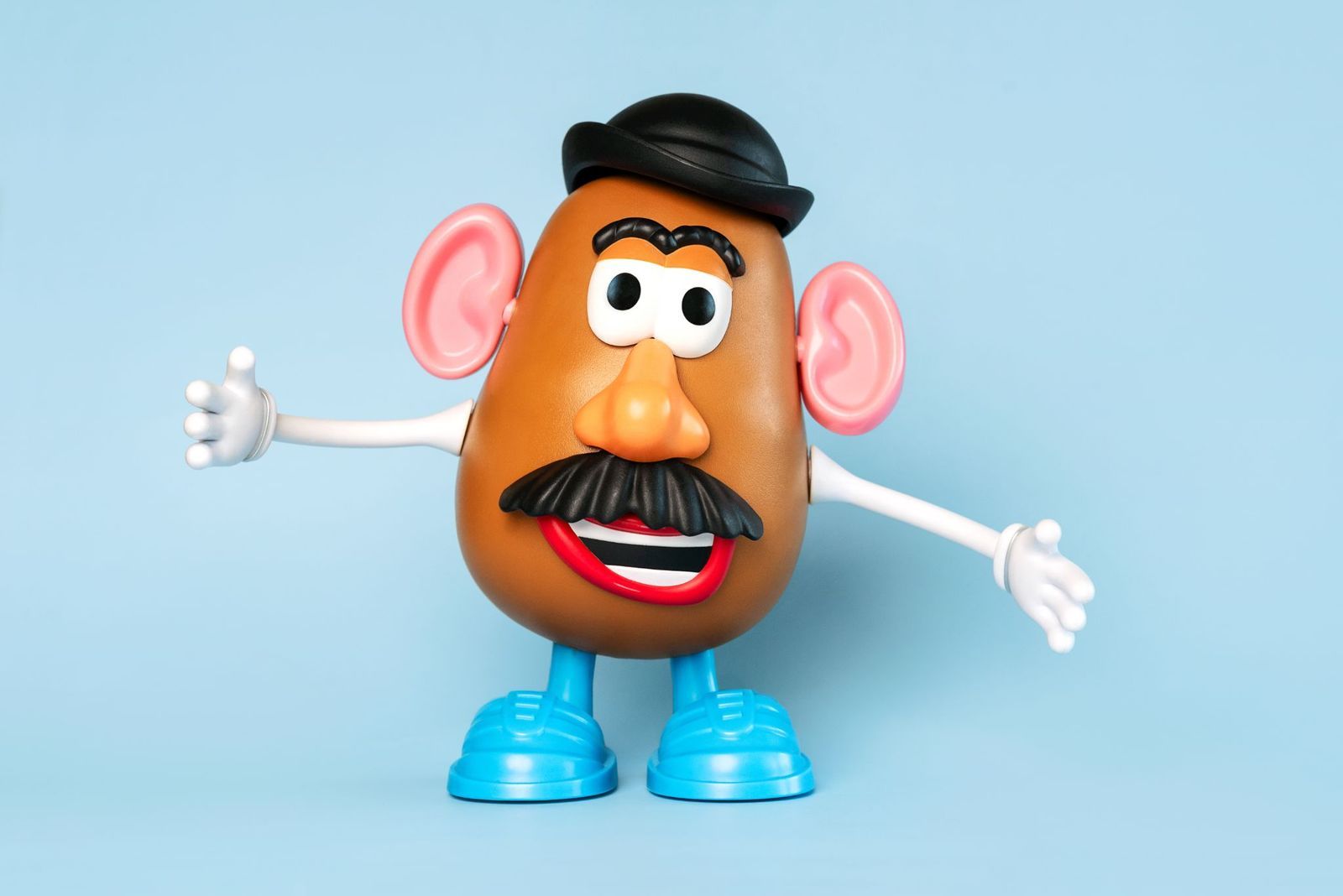
Image: esthermm

Created by American inventor George Lerner in 1951 and distributed by Hasbro, the original Mr. Potato Head didn’t include a plastic body, just sharp metal pins attached to plastic facial features. Despite the risk of children stabbing themselves, the toy made history as the very first toy ever advertised on television.

From there, Mr. Potato Head had a surprising career as a public servant. In 1985, he received four legitimate votes during the mayoral election in Boise, Idaho. In 1987, he officially dropped his plastic pipe to become the face of the American Cancer Society's "Great American Smokeout" anti-smoking campaign. He later joined forces with the League of Women Voters to boost voter turnout and today acts as an official travel ambassador for the state of Rhode Island.

9
Cabbage Patch Kids
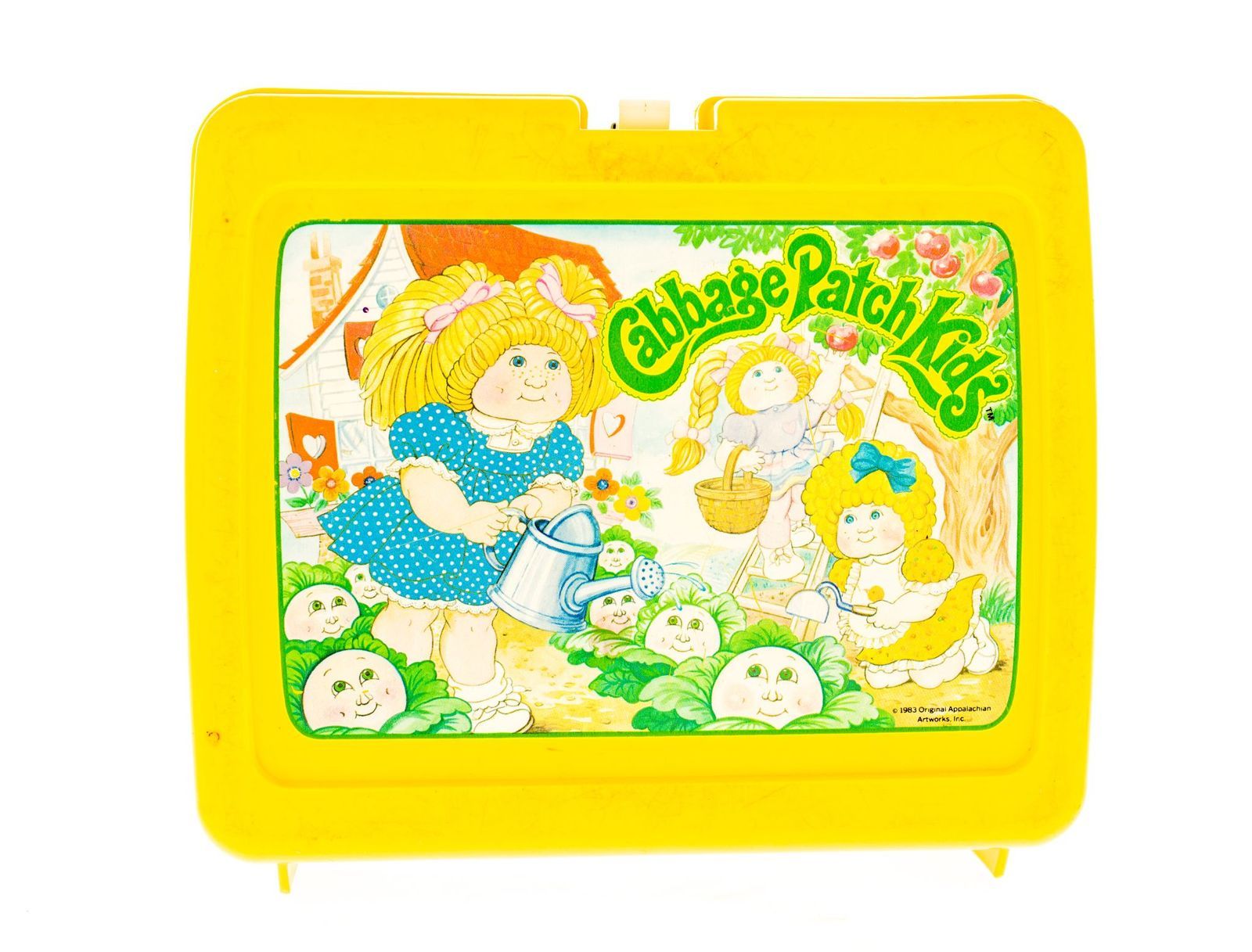
Image: Keith Homan

When American businessman Xavier Roberts first created his "Little People" in 1978, nobody could have predicted that they would spark Black Friday riots by 1983. But beyond the hysteria, Cabbage Patch Kids went on to become national ambassadors.

In 1992 and 1996, the United States Olympic Committee selected the dolls as the first-ever official mascot of the US Olympic Team, traveling with the athletes to Barcelona and Atlanta. In 1999, the U.S. Postal Service immortalized them on a stamp celebrating the icons of 1980s American culture. Over the years, the franchise has collaborated with NASA on science education and raised thousands of dollars for disaster relief efforts.

10
Teddy Bear
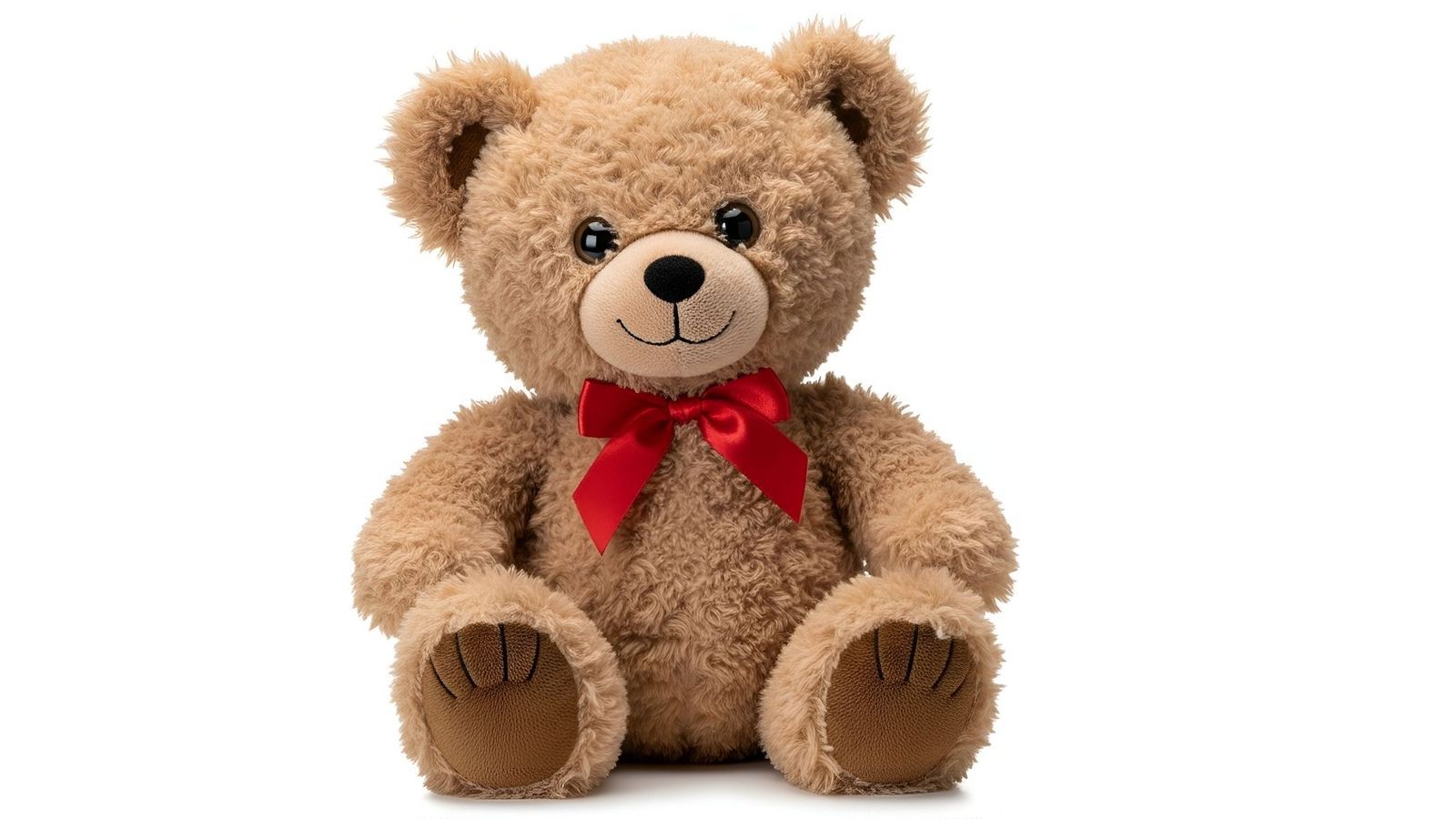
Image: Abstract Art Background

Did you know Teddy Bears were born in the United States? In 1902, a Russian-born businessman and inventor named Morris Michtom was inspired by a cartoon published in The Washington Post to create what would become the most beloved toy in America. The cartoon depicted President Theodore Roosevelt showing compassion for a bear on a hunting trip in Mississippi.

Morris Michtom made a small plush bear cub, sent it to Roosevelt, and asked for permission to use his nickname, Teddy. After the president’s blessing, Mitchom placed the doll in the window of his Brooklyn store with the caption "Teddy’s bear." The success was so great that he began mass- producing them, and within a few years, he founded the Ideal Novelty and Toy Company, which would become the largest doll-making firm in the United States.

Culture Culture 7 min read

Celebrating Dolly

When Dolly Parton turned down Elvis: 10 incredible facts about her life

Image: Bart Sherkow

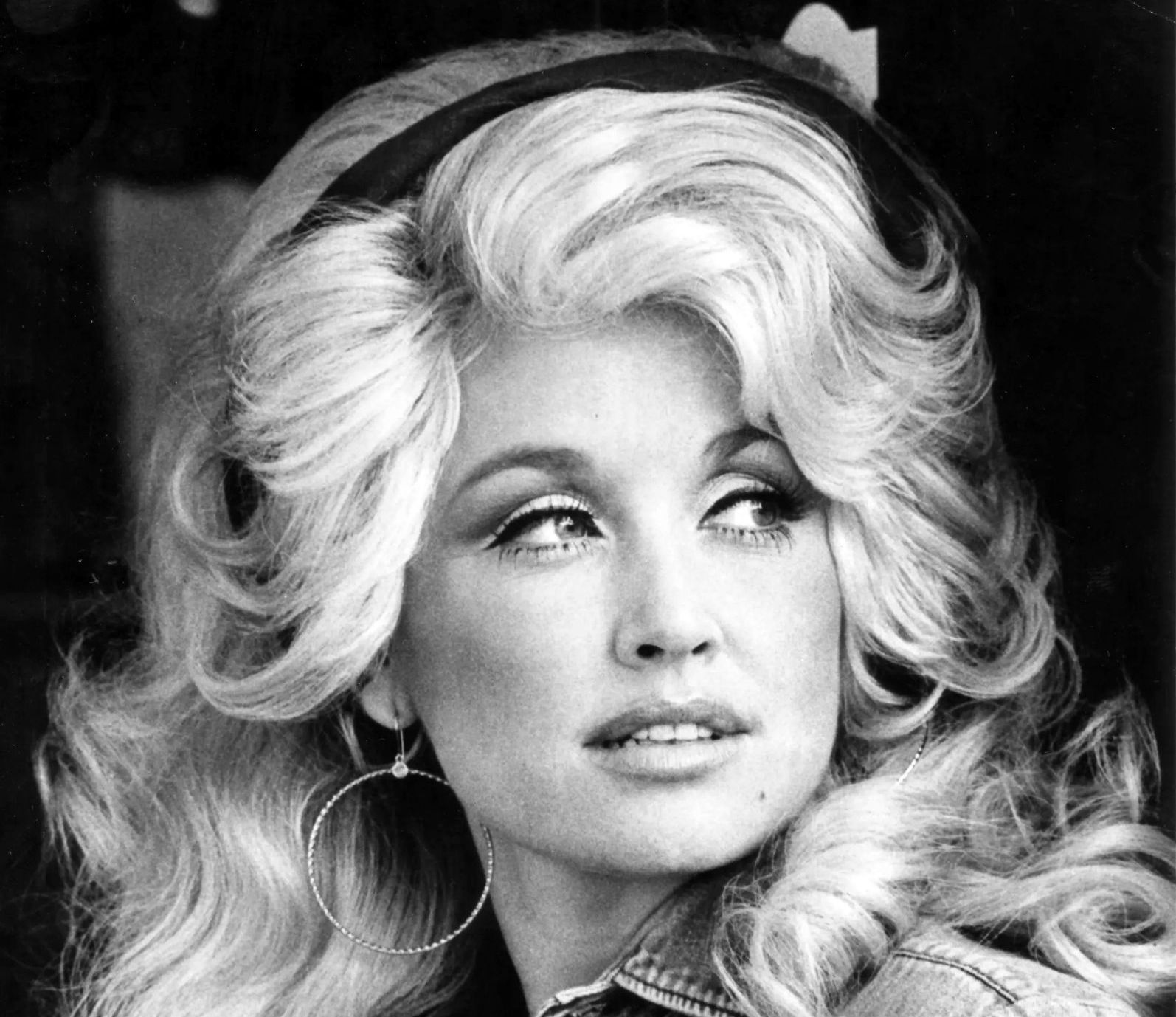
Song by indelible song, Dolly Parton wrote and recorded the soundtrack of America for many generations — but there was far more to Dolly’s story than her music. From turning down Elvis Presley to a six-decade marriage to the resolutely private man she loved, her life was filled with stories that are just as fascinating as her catalog. Here are 10 surprising facts and unforgettable moments from the life of Dolly Parton.

1
Her parents paid for her birth with cornmeal

Image: Vinicius Benedit

Dolly Parton’s life has been filled with talent, music, art, and an adoring audience, but it wasn’t always easy for her or her family.

She was born on January 19, 1946, in a one-room log cabin in the Great Smoky Mountains of Tennessee, during a snowstorm. The fourth of 12 children, Dolly was born to Robert Lee Parton Sr. and Avie Lee Owens Parton, who were far from wealthy. According to Dolly, her parents paid the doctor who delivered her, Dr. Robert F. Thomas, with a sack of cornmeal because they couldn't afford to pay him in cash. Dolly later honored him in the song "Dr. Robert F. Thomas," which appeared on her 1973 solo studio album, My Tennessee Mountain Home.

2
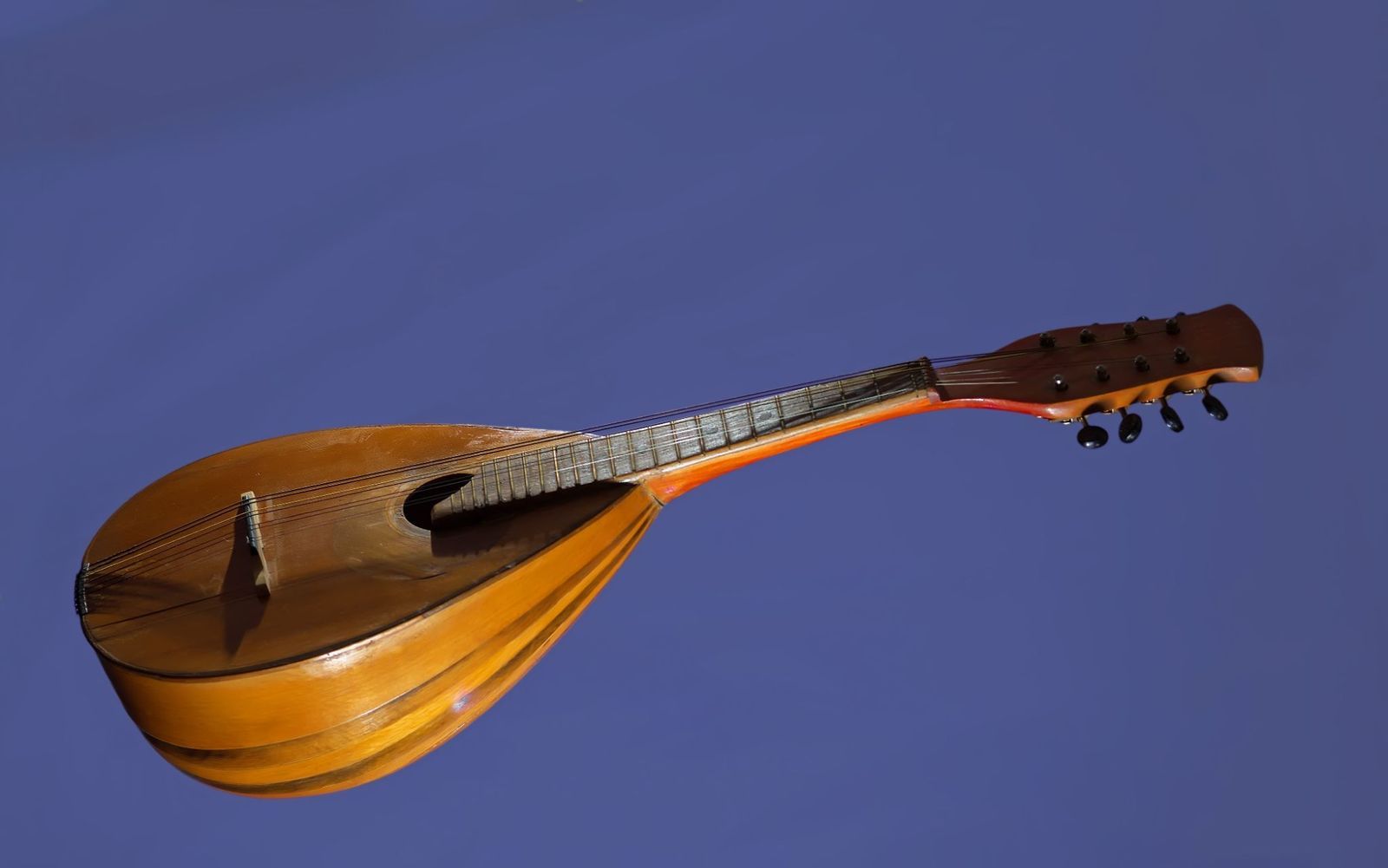
She made her first guitar from an old mandolin

Image: VladKK

From a young age, Dolly showed that hard times wouldn’t stop her.

Around 1951, when she was about five years old, she wrote her first song, titled "Little Tiny Tasseltop," about a doll with corn-silk hair that her mother made for her. A couple of years later, Dolly got her first guitar, or rather, she made one herself. Growing up poor, buying a new instrument was impossible for her family. So she decided to turn a broken old mandolin into a makeshift guitar by adding two bass guitar strings. Not long afterward, an uncle gave her a small, proper acoustic guitar, an instrument that helped a young Dolly take her first steps toward performing professionally on local radio and television.

3
She was married to the same man for nearly 60 years

Image: RCA Records, Public domain, via Wikimedia Commons

Although they were rarely seen together in public, Dolly Parton married at 20 and spent nearly six decades with the same man.

Dolly was 18 when she arrived in Nashville in 1964, and the city had quite a surprise waiting for her. On her very first day, she went to do laundry at the Wishy Washy Laundromat, where she met Carl Dean, then 21. He spotted her outside, stopped his pickup truck, and struck up a conversation. According to Carl, his first thought was, "I’m gonna marry that girl." Dolly and Carl wed on May 30, 1966, in Ringgold, Georgia, in a small private ceremony. They remained together until Carl’s death on March 3, 2025, just shy of their 60th wedding anniversary.

4
She wrote "Jolene" and "I Will Always Love You" to launch her solo career

Image: Moeller Talent, Inc. Nashville (management), Public domain, via Wikimedia Commons

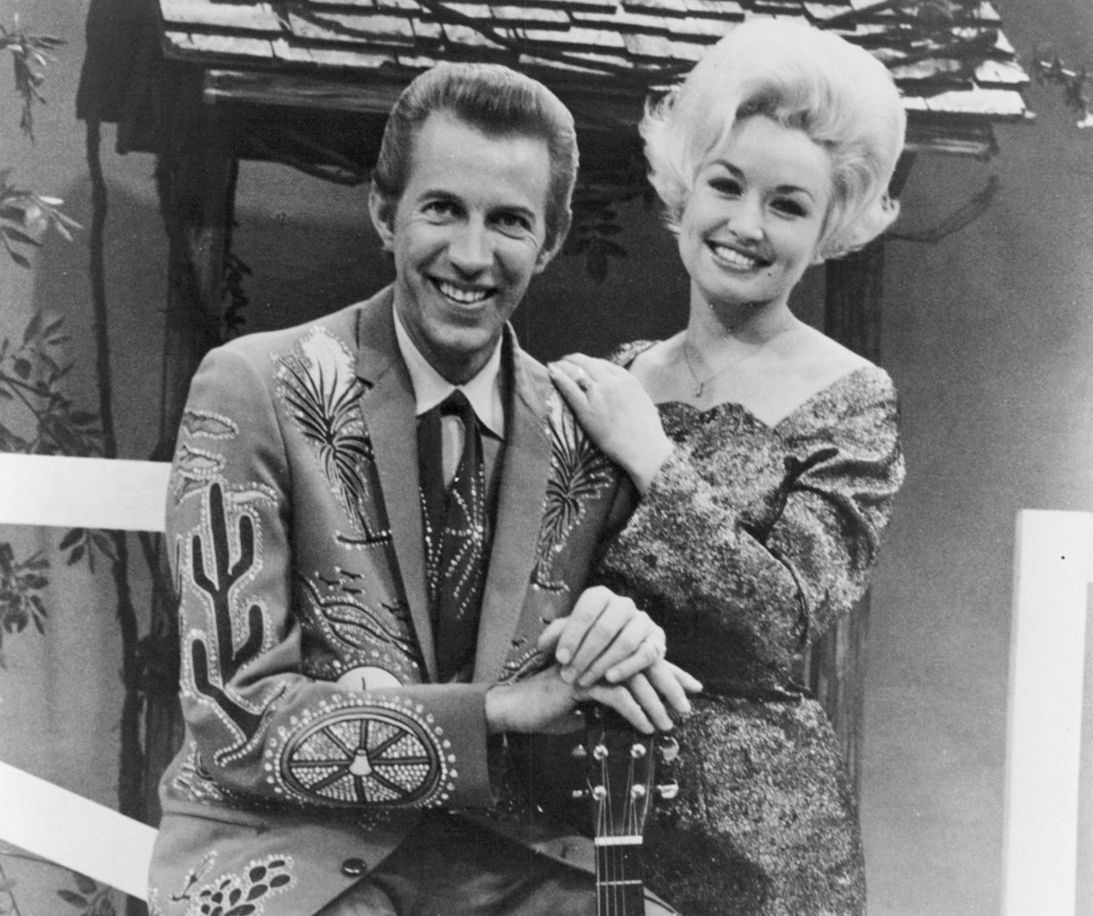
During the 1970s, Dolly decided to leave the famous Porter Wagoner Show and strike out on her own as a solo artist. To do it, she turned to what she did best: writing songs.

But she didn’t write just any songs; she wrote two of the most famous hits of the 20th century: "I Will Always Love You" and "Jolene." The first was an emotional farewell to her mentor and duet partner, Porter Wagoner. The other was inspired by a red-haired bank teller who caught Dolly’s attention by openly flirting with her husband at his local bank during the early years of their marriage. Some accounts say she wrote them during the same intense songwriting session in 1973, and there’s even a story that she wrote both on the same day, but Dolly herself has stated she wasn’t 100% sure about that. What is known is that the two songs appeared back-to-back on the same album, 1974’s Jolene .

5
She turned down Elvis

Image: eBay, Public domain, via Wikimedia Commons

In 1973, Dolly Parton was at a turning point in her career, working hard to establish herself as a solo artist and prove she could make it on her own. That process resulted in one of the most famous and beautiful songs ever recorded: "I Will Always Love You." But she had no idea what would happen just about one year later.

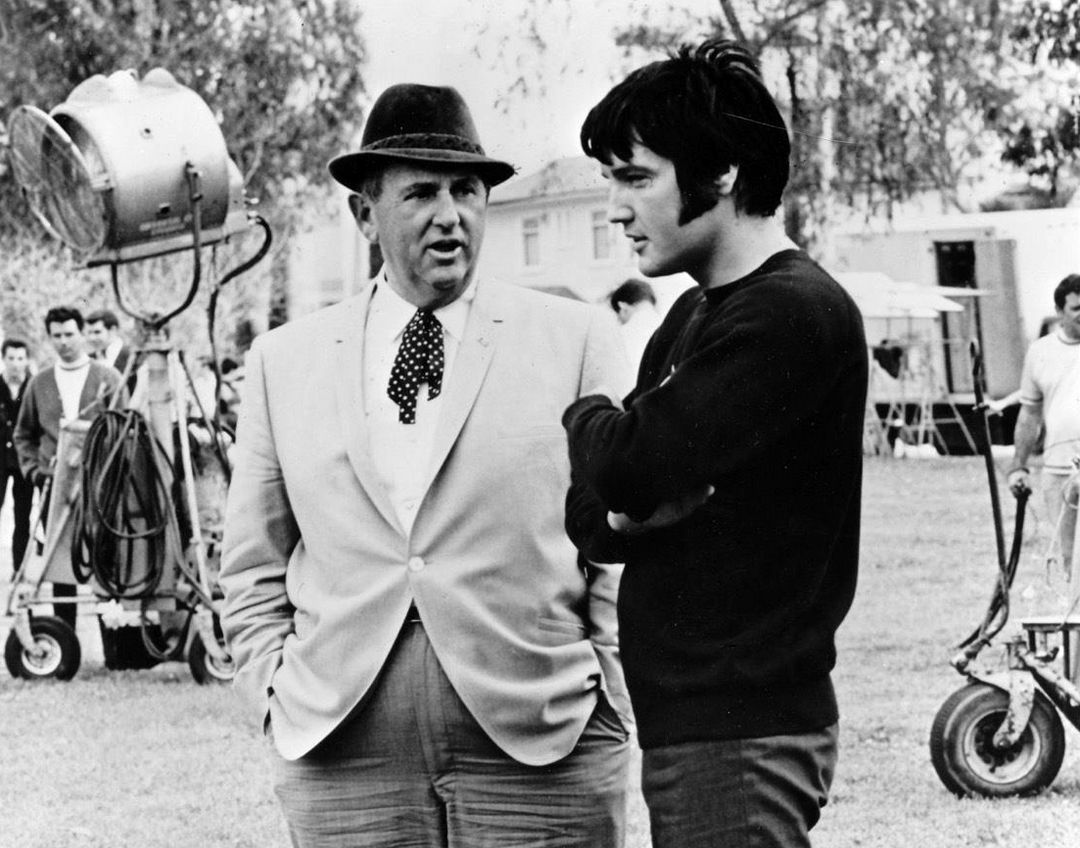
Someone heard the song and immediately wanted to record a cover, and it wasn’t just anyone; it was Elvis Presley himself. Dolly was thrilled by the offer, but eventually had to say no after Presley’s manager, Colonel Tom Parker, demanded that she give up 50% of the song’s publishing rights. Parton refused because she wanted to keep the publishing income for her family, but in later interviews, she openly admitted she cried all night after turning down the King.

6
She created "9 to 5" using her fingernails

Image: Alan Light, CC BY 2.0, via Wikimedia Commons

Everything about Dolly was big: her talent, her creativity, her heart, and also her hair, makeup, and acrylic fingernails. As it turned out, those famous nails even played a part in creating the sound of one of her biggest hits.

Dolly used her nails as a percussion instrument while working on "9 to 5," the theme song for the 1980 movie of the same name. While on the set without a guitar handy, she clacked her long acrylic nails together to create the typical sound of a typewriter, giving the song its memorable rhythm. She even recreated that sound during the recording, earning an unusual credit on the album: "Nails by Dolly."

7
She entered a Dolly Parton lookalike contest... and lost

Image: Jack Fordyce

Dolly Parton always knew how to have a good time, and this story is a perfect example.

As she recalled in her 2012 memoir, Dream More: Celebrate the Dreamer in You , Dolly was in Los Angeles during Halloween when she heard about a look-alike contest at a gay bar on Santa Monica Boulevard, featuring drag queens dressed as her. She couldn’t resist, so she went all out with her hair and makeup, arrived with friends, and entered the contest without revealing who she was. The funniest part? Nobody recognized her; the judges reportedly thought she was a "cheap imitation" of the real thing. As she has said in several interviews, she didn’t win, but she definitely had a good laugh.

8
She had her own theme park

Image: Joseph Hendrickson

Music wasn’t the only thing that came out of Dolly’s imagination; she also dreamed up another ambitious project: a theme park that would bear her name.

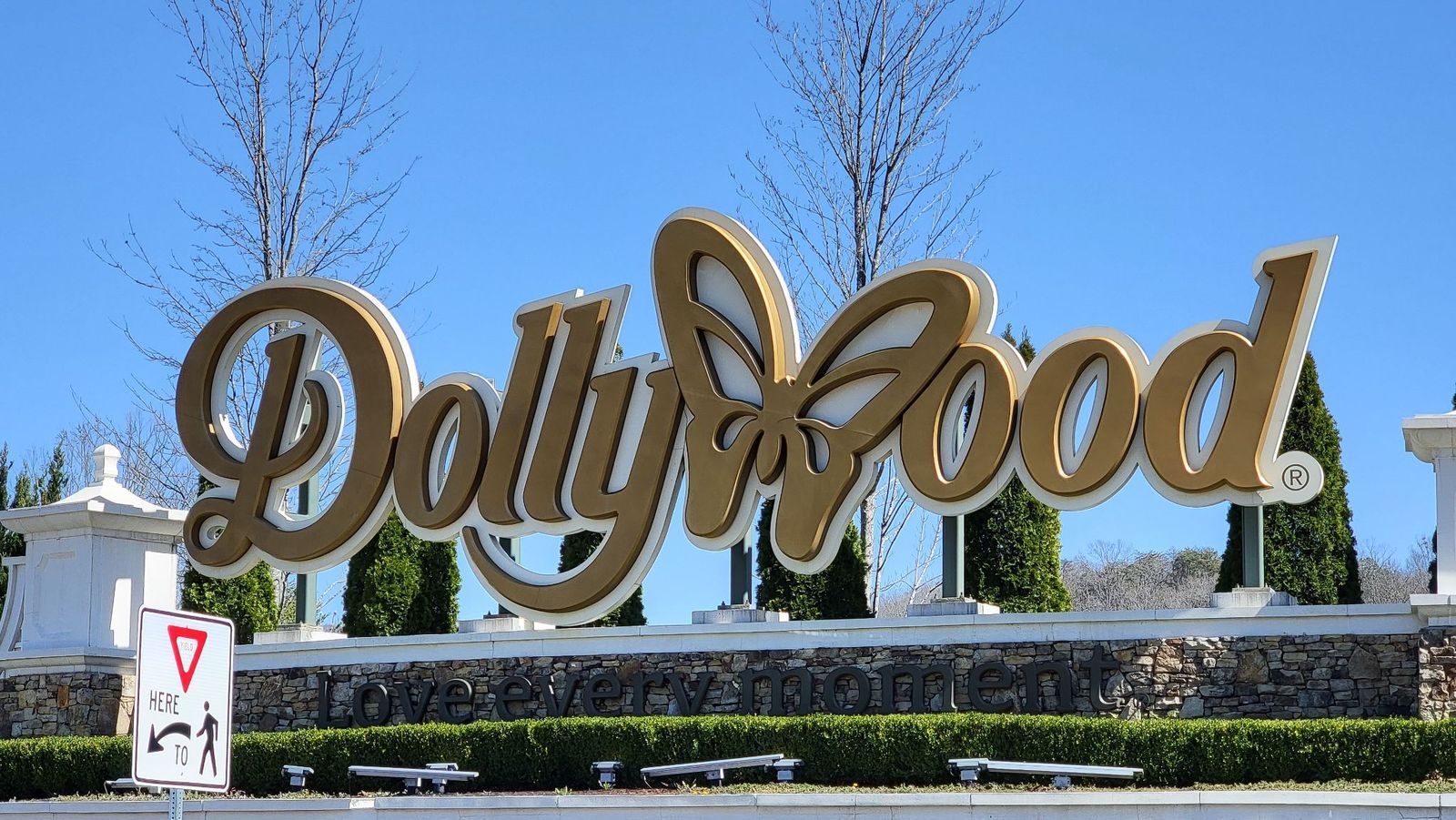
In September 1985, Dolly announced plans to build a "fantasy mountain park" in Pigeon Forge, Tennessee, hoping to bring jobs and economic growth to her native region. Rather than competing with others or starting from scratch, her team partnered with the Herschend family, owners of Silver Dollar City park in Pigeon Forge. After a $5 million expansion, the park reopened as Dollywood on May 3, 1986. Attendance more than doubled in its first season, and the park became a major Smoky Mountains attraction. After Dolly’s passing, park officials said keeping Dollywood open had been her wish, reflecting her belief that "the show must go on."

9
The Imagination Library

Image: Shawn Miller., Public domain, via Wikimedia Commons

In addition to thousands of songs and a successful amusement park, Dolly created something else filled with love: a program that put books into children’s hands.

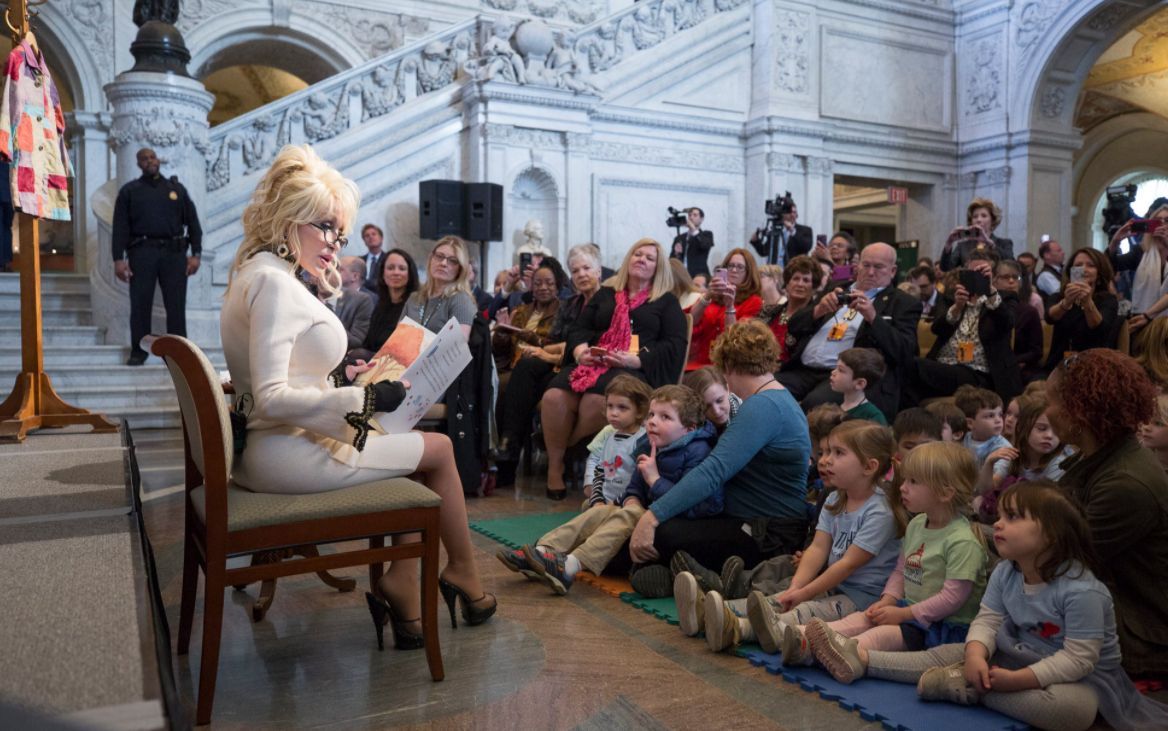
Dolly Parton established the Dollywood Foundation in 1988 and launched Dolly Parton’s Imagination Library in 1995 . The program sends free books each month to children from birth until age five. It eventually expanded beyond the United States to Canada, the United Kingdom, Australia, and the Republic of Ireland, reaching millions of children, but the idea was deeply personal. Dolly often called her father, Robert Lee Parton, who she said was the smartest man she had ever known, while noting that his limited literacy had kept him from pursuing some of his dreams. She created the Imagination Library in large part to honor her father and provide children with the opportunities he never had.

10
She was a Guinness World Record holder

Image: JHVEPhoto

We all know how talented and prolific Dolly Parton was, so it’s no surprise that she has earned an impressive number of awards. But Dolly has done more than fill trophy cases; she’s also filled the record books.

Besides her 10 competitive GRAMMY Awards from 55 nominations, along with the GRAMMY Lifetime Achievement Award that she received in 2011, Dolly also holds 11 Guinness World Records titles, many of them recognizing the extraordinary longevity and success of her career on the country charts. Among them are the record for the longest span of No. 1 hits on the U.S. Top Country Albums chart by a female artist (46 years and 197 days) and the record for the most No. 1 hits on the U.S. Hot Country Songs chart by a female artist, with 25.

Culture Culture 6 min read

The Five-Sided Puzzle Palace

A man lived there secretly? Stunning facts about the Pentagon

Image: Touch Of Light, CC BY-SA 4.0, via Wikimedia Commons

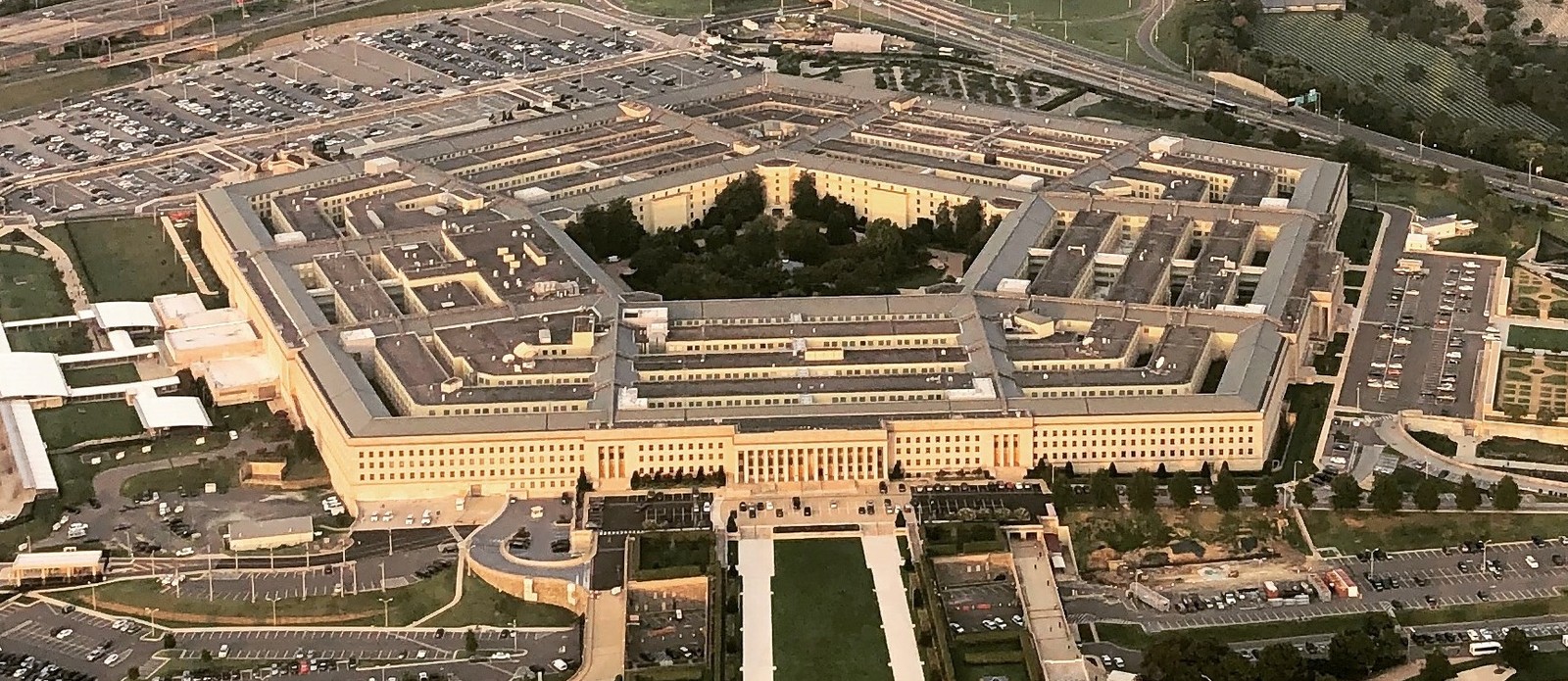
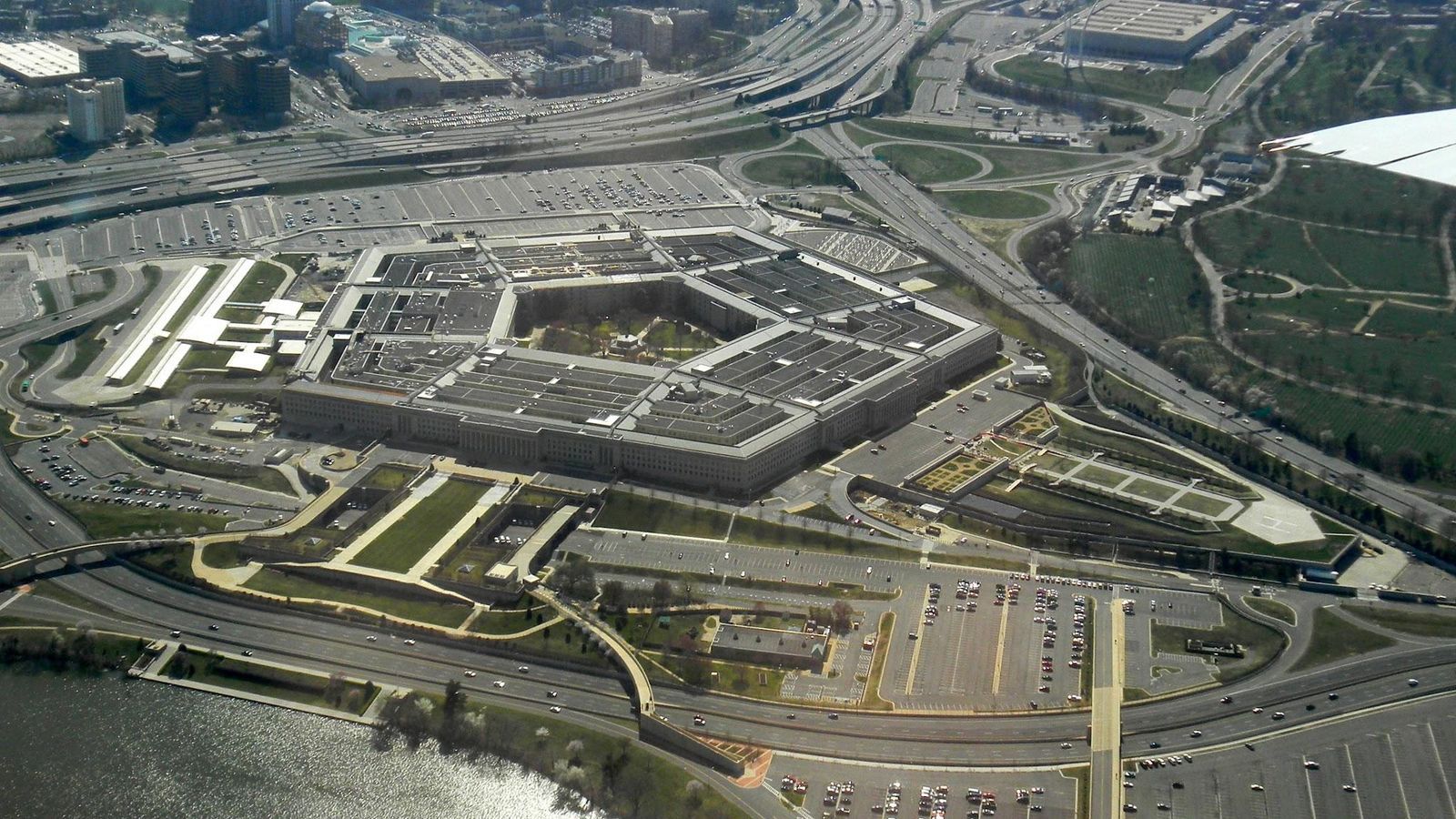
Did you know that construction on the Pentagon building began on September 11, 1941, exactly 60 years before it was attacked? The home of the US Department of Defense has stood for more than 80 years. Although its iconic shape is intriguing in itself, it hides deeper secrets that many Americans have never heard of. Did you know it feeds 26,000 people a day—at a McDonald's, a Five Guys, a Taco Bell, and over 30 other restaurants? Or that a man secretly lived inside its walls for years? Let’s dive into the Pentagon building’s secrets.

1
A renovation project saved thousands of lives on 9/11

Image: Office of the Secretary of Defense - Public Affair, Public domain, via Wikimedia Commons

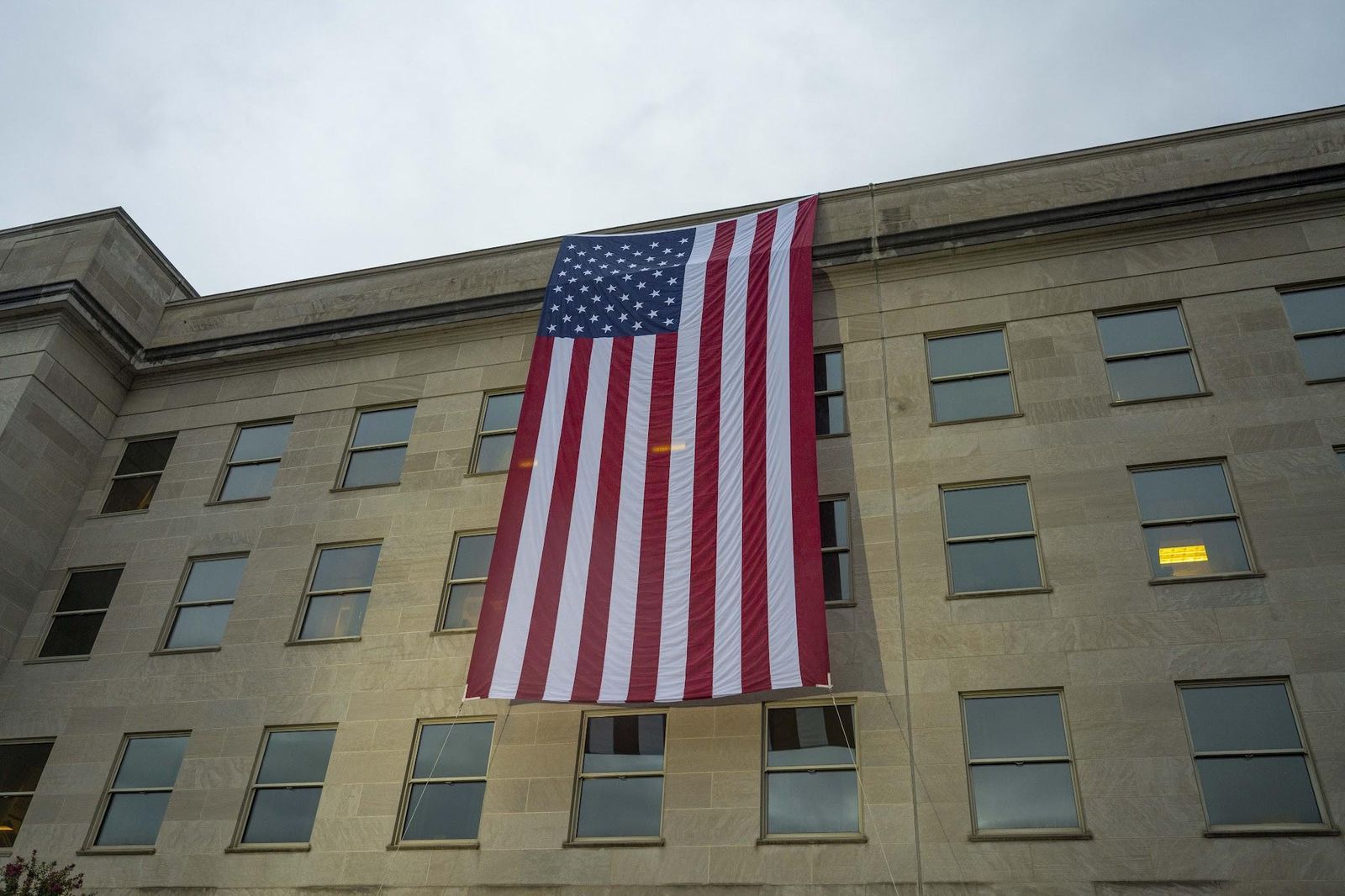
On September 11, 2001, American Airlines Flight 77 struck the Pentagon at 9:37 a.m., killing 189 people. Few people know this part: the death toll could have been much higher. But there was a renovation project underway at the time of the attacks.

The Pentagon’s five-sided structure is divided into five "wedges," and workers had been renovating them one at a time. Flight 77 struck the wedge that had just been completed. Of the 4,500 people who normally worked in that section, only about 800 had moved back in. Without the reinforced construction and the incomplete occupancy, experts believe the casualties would have been catastrophically higher.

2
The Cold War and the hot dog stand

Image: Anete Lusina

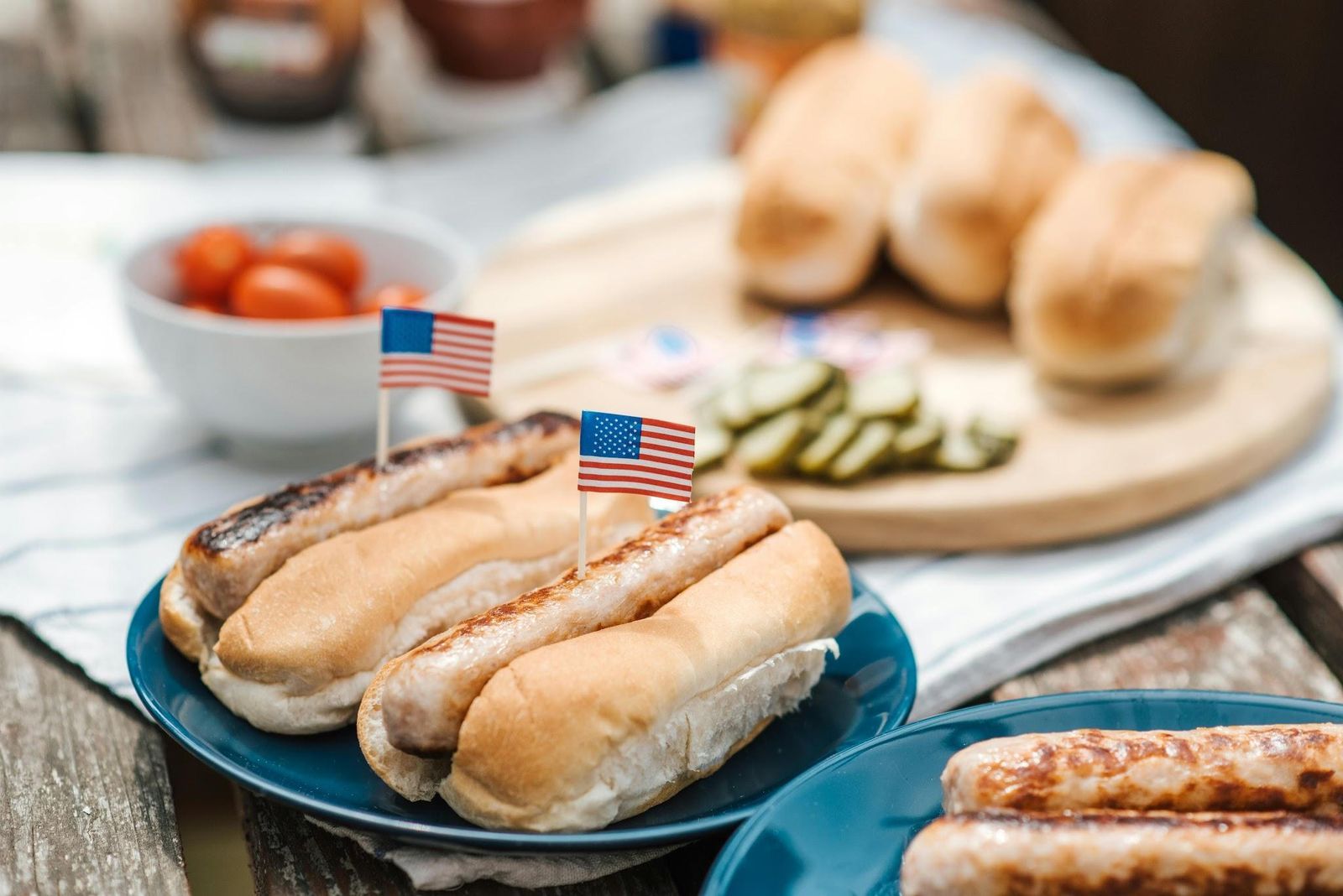
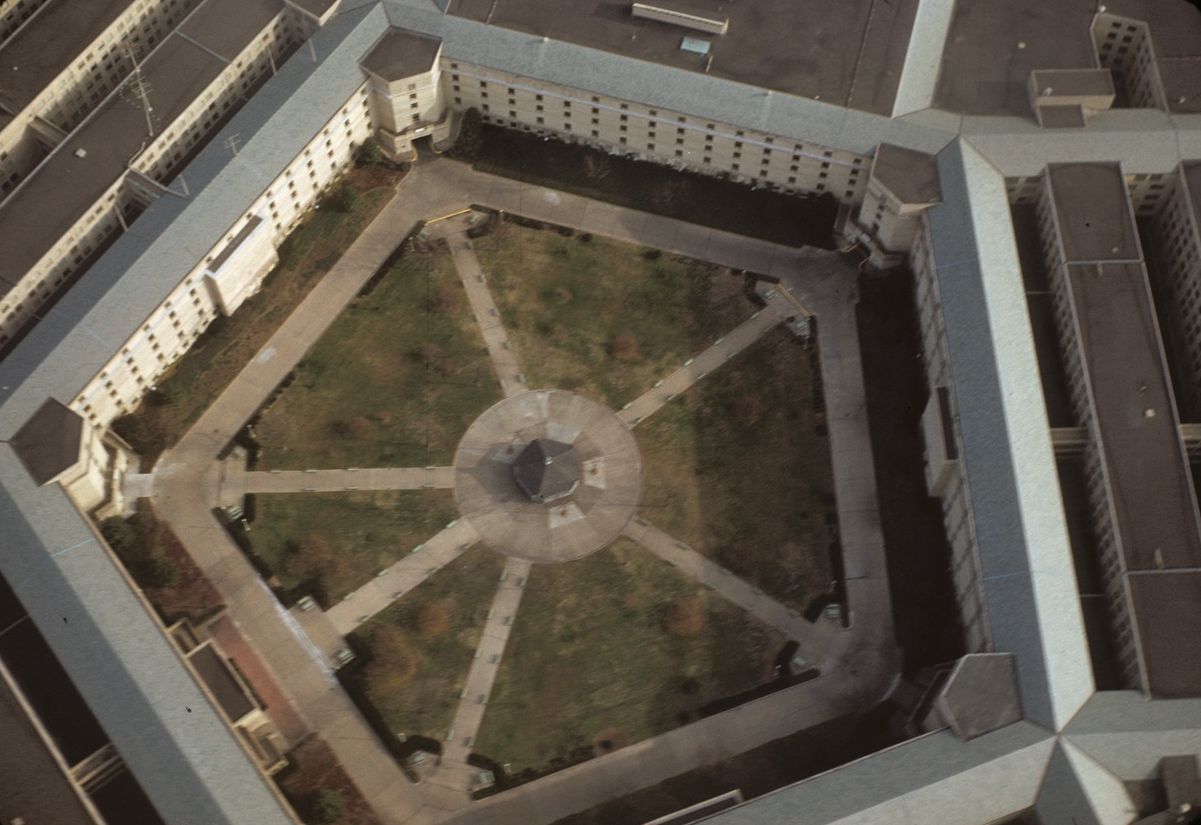
In the middle of the Pentagon’s five-acre center courtyard once stood a modest hot dog stand. According to a Cold War legend (one still retold by official Pentagon tour guides on every public tour), between the 60s and the 80s, Soviet satellite images tracked large groups of high-ranking military officials converging on that small building at the same time every day.

Soviet intelligence reportedly concluded the structure must be the entrance to some underground bunker in America. In reality, all it did was sell lunch. In 2006, the original stand was torn down, and a sandwich shop was built in its place.

3
Its construction began on September 11th, exactly 60 years before the attack

Image: Aber, Marilyn K., Public domain, via Wikimedia Commons

Builders broke ground on the Pentagon on September 11, 1941. That was exactly 60 years to the day before the September 11, 2001, terrorist attacks that would strike the same building.

Construction had been ordered by Army Brigadier General Brehon Somervell, who wanted a permanent headquarters for the Defense Department to replace its then-17 scattered offices across Washington, D.C.

The project was extraordinarily ambitious: plans called for the world’s largest office building to be completed in just 16 months. In the end, the conception, design, and construction of the entire Pentagon building took a total of 15 months.

4
The same person oversaw its construction and the Manhattan Project

Image: U.S. Army, Public domain, via Wikimedia Commons

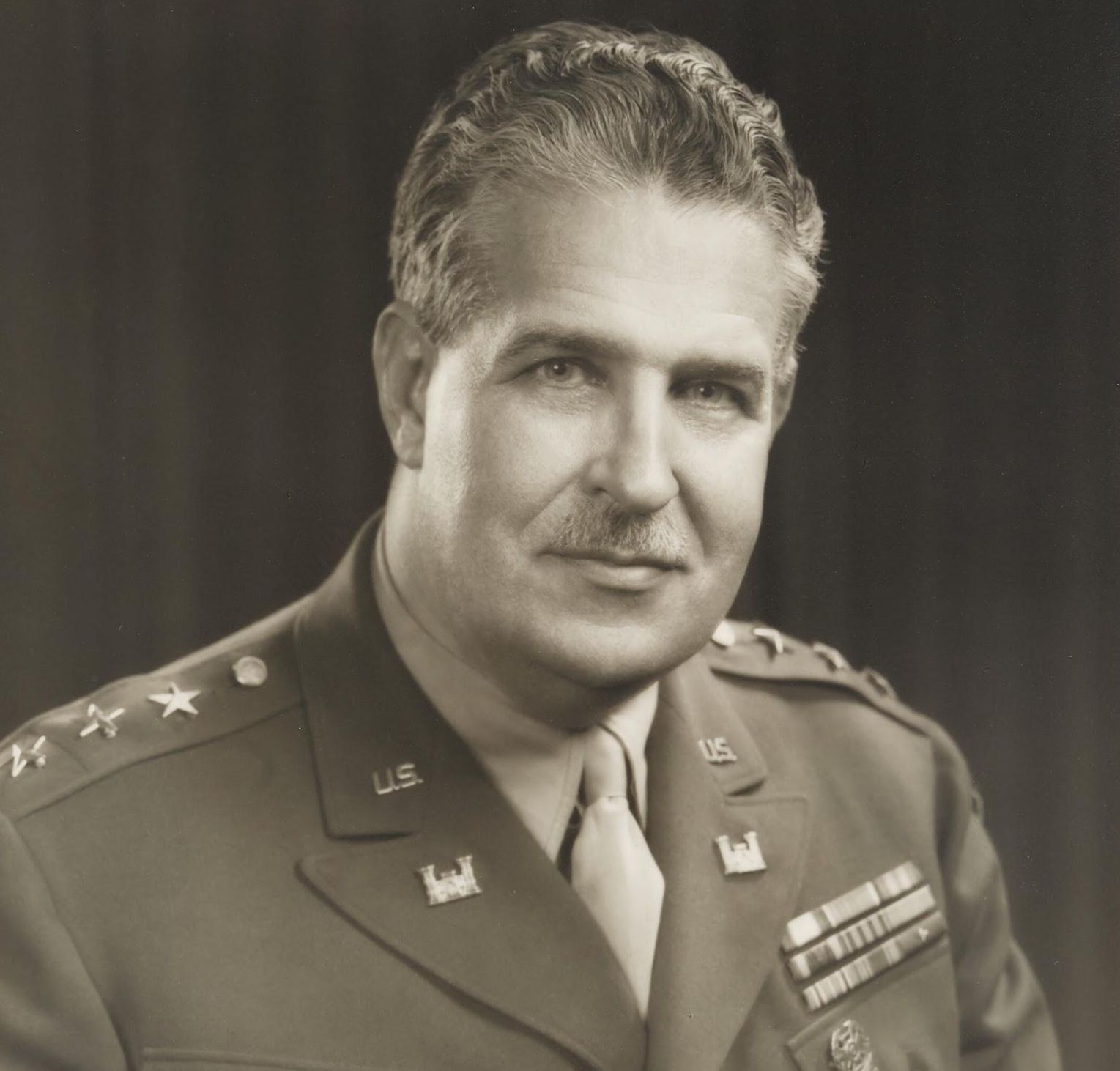
Colonel Leslie Groves of the Army Corps of Engineers took charge of Pentagon construction in August 1941. He worked six days a week and drove his team relentlessly, at one point employing more than 15,000 workers around the clock.

When the Pentagon was finished in January 1943, Groves was assigned to lead the Manhattan Project, America’s secret program to build the atomic bomb . His deputy, Captain Robert Furman, followed him into the Manhattan Project as chief of foreign intelligence. Together, the men who built the world’s largest office building went on to produce the weapon that ended World War II.

5
Why is it shaped like that?

Image: Boston Public Library, CC BY 2.0, via Wikimedia Commons

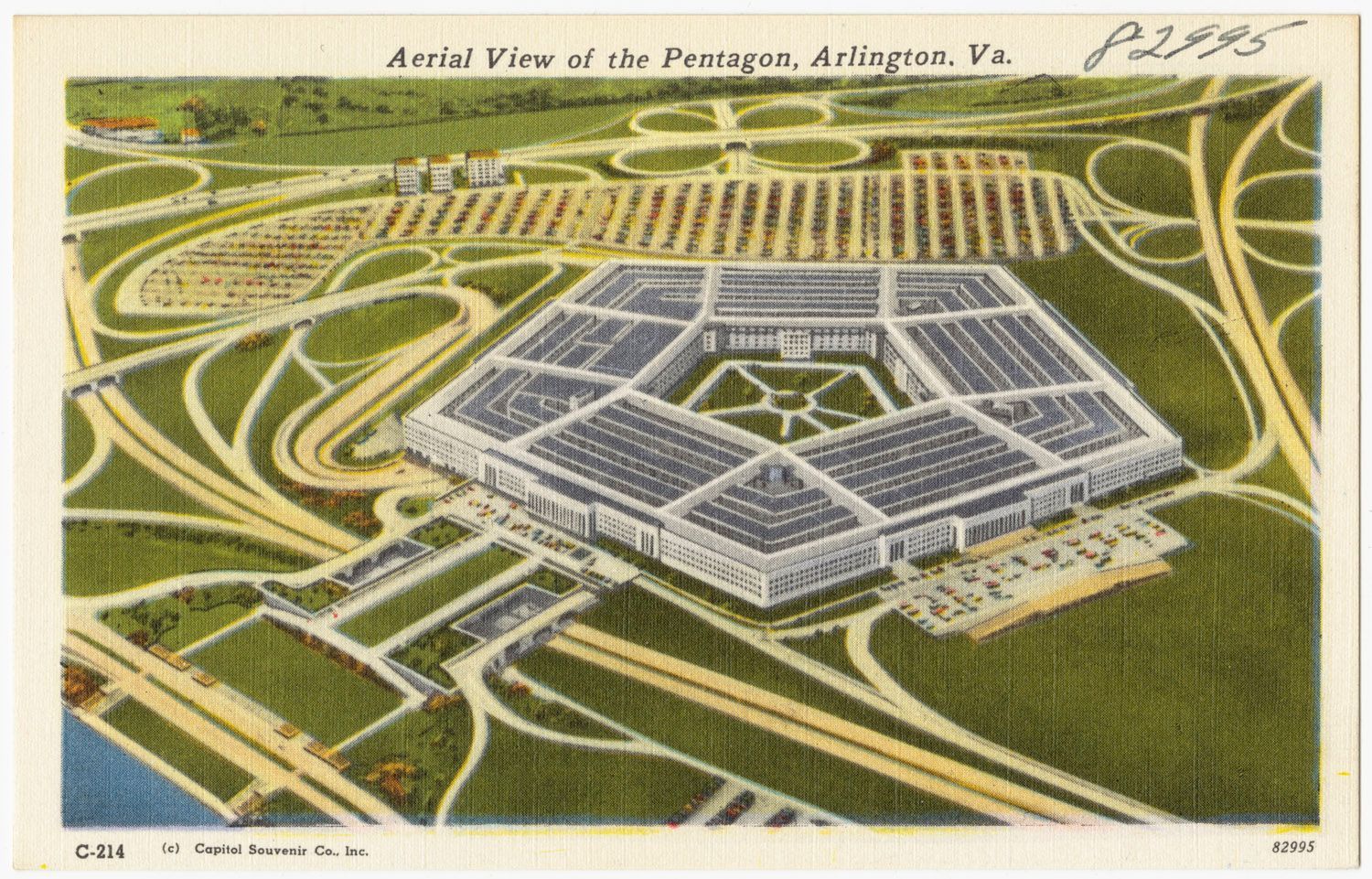
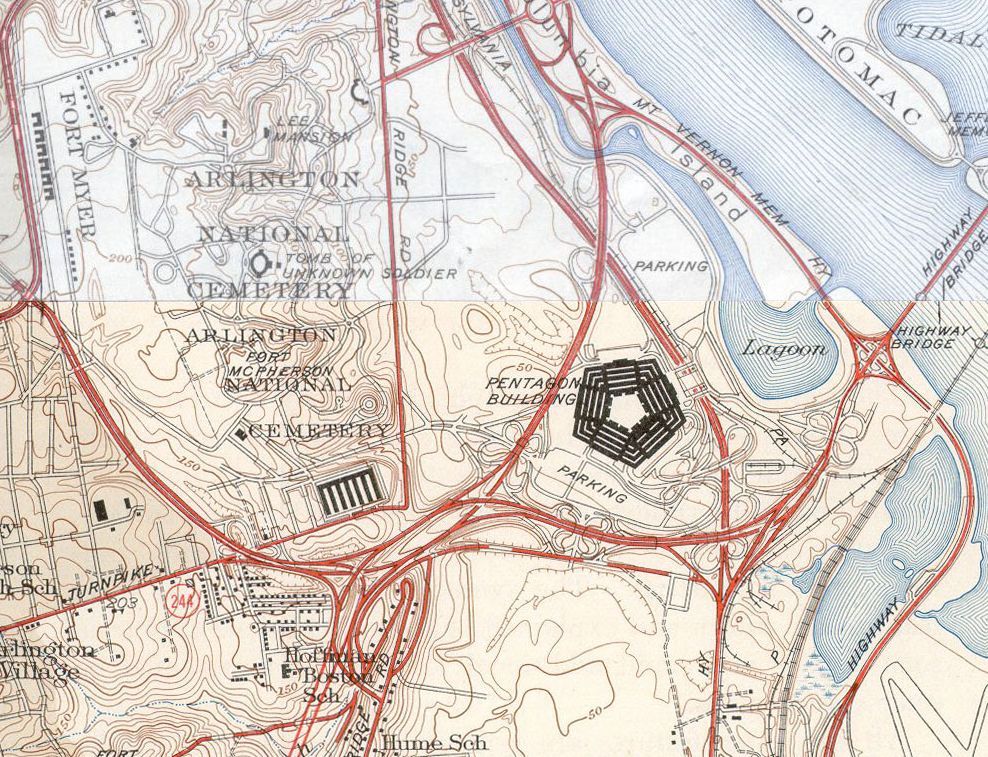
The Pentagon’s iconic five-sided shape was the consequence of a geographic accident. The original site selected for the building, near Arlington Cemetery, **happened to be bordered on five sides by roads. **Architects designed the structure to fit those boundaries, producing a pentagonal floor plan. Then President Franklin D. Roosevelt intervened: worried the massive building would obstruct the view of Washington, D.C. from Arlington, he ordered the site moved to its current location along the Potomac River. But the five-sided design had already been drawn up, and nobody changed it.

6
It was the first desegregated building in Virginia

Image: https://ddotlibrary.omeka.net/items/show/100, Public domain, via Wikimedia Commons

When the Pentagon was designed in 1941, segregation was the law in Virginia. Original plans called for doubled bathroom facilities: separate ones for Black and white employees, as required by Virginia statute. But President Roosevelt had signed Executive Order 8802 in June 1941, prohibiting racial discrimination in federal employment and government contracting.

As a federal building, the Pentagon was exempt from Virginia law. It became the only building in the state where segregation was not enforced. A fully desegregated federal workplace that opened in 1943. The doubled bathrooms were built anyway, as the plans were too far along to revise, but were never used as separately designated spaces.

7
Its construction was surprisingly frugal and incredibly fast

Image: See page for author, Public domain, via Wikimedia Commons

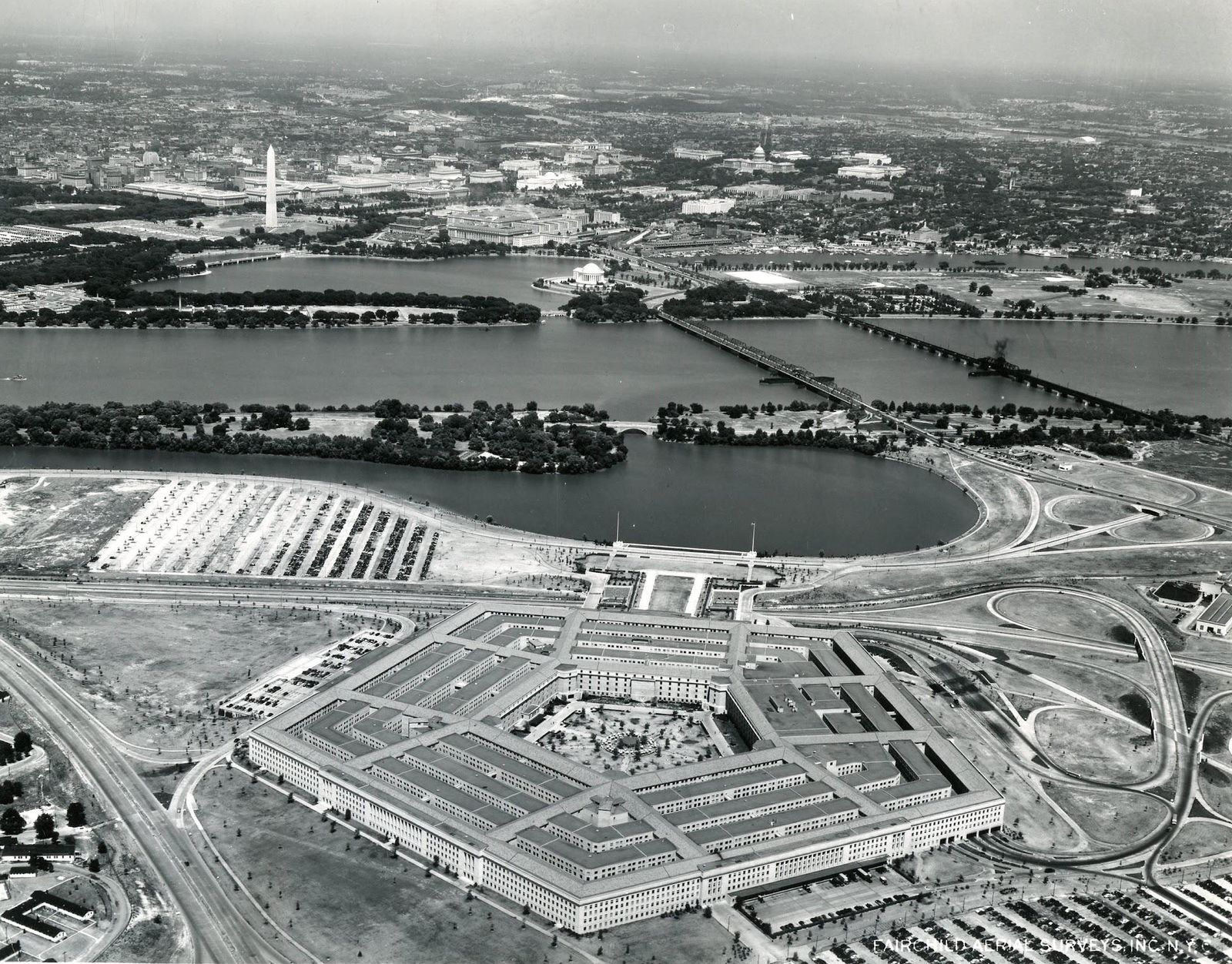
Ground broke on September 11, 1941, and construction finished on January 15, 1943, just 16 months later. More than 15,000 workers were on site around the clock. Wartime office shortages were so severe that employees moved into completed wings before the rest of the building was finished. Steel was too scarce to use extensively, so builders relied almost entirely on reinforced concrete. The 689,000 tons of sand and gravel required came directly from the nearby Potomac River, cutting transportation costs. The project was budgeted at $35 million, but the final bill was $63 million, which would translate to over $900 million in today’s dollars.

8
You can walk between its farthest points in only 7 minutes

Image: Bea A Carson, CC0, via Wikimedia Commons

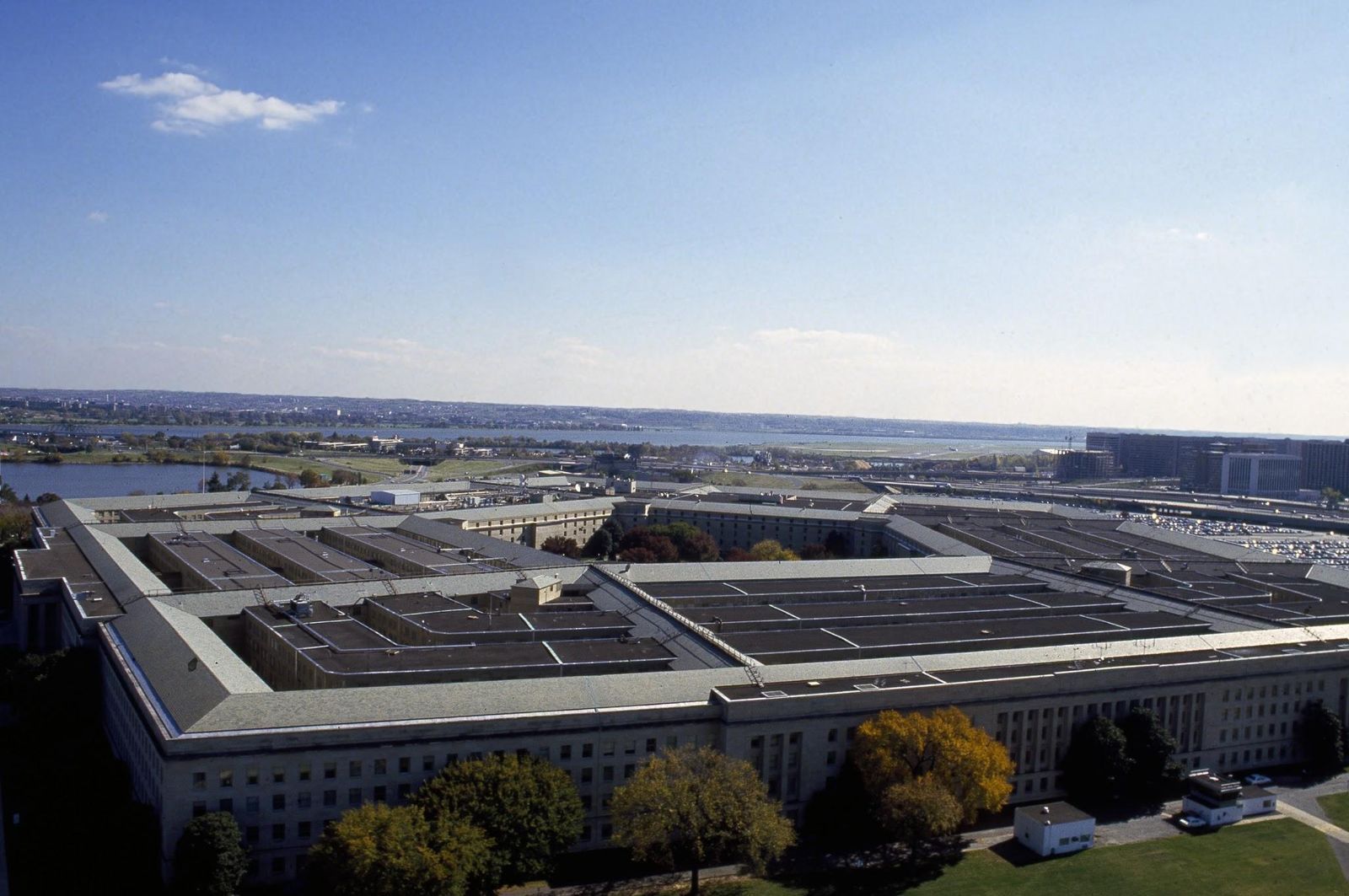
The Pentagon is the world’s largest low-rise office building: 6.5 million square feet of space, which is three times the total floor area of the Empire State Building. Each of its five outer walls is 921 feet long. It has 7,754 windows and 17.5 miles of corridors. Approximately 26,000 military and civilian employees report for work there every day.

Despite that scale, the building’s concentric ring design is so efficient that it takes only about seven minutes to walk between its two farthest points.

9
The man who secretly lived inside its walls

Image: Carol M. Highsmith, Public domain, via Wikimedia Commons

During construction, Colonel Groves drove his deputy, Captain Robert Furman, so relentlessly that Furman rarely left the building. To cope, Furman had contractors build him a small, windowless apartment hidden inside the walls of the Army’s Ordnance Division. In this private room, he could sleep and shower without leaving the premises.

When construction ended and personnel dispersed, knowledge of the hidden room was never passed on to building management. Months later, when Furman returned to Washington on Manhattan Project intelligence business, he found the apartment undiscovered and exactly as he’d left it.

For over a year, he would slip back to the Pentagon, pop open a wall panel, spend the night, and emerge in the morning with his suitcase. He was finally caught in 1943 and forced to surrender the keys. It was never disclosed whether the secret apartment was maintained or eventually absorbed back into the official floor plans.

10
It houses over 30 restaurants, including everyone's favorite chains

Image: Harrison Keely, CC BY 4.0, via Wikimedia Commons

The Pentagon feeds roughly 26,000 people a day, and its dining options read less like a military headquarters and more like a mall food court. The main Concourse Food Court, which opened in September 2009 and seats 875 people, is the largest of several dining areas.

Confirmed chains currently inside the building include McDonald’s, Five Guys, Subway, Popeyes, Starbucks (multiple locations), Dunkin’ (two locations), Panera Bread, Taco Bell, Panda Express, Baskin-Robbins, Potbelly, Jamba Juice, and Moe’s Southwest Grill, among others. The building also houses a CVS pharmacy, a florist, a jeweler, and a dry cleaner. In the summer of 2024, Potbelly became the first restaurant to open in the center courtyard. Yes, the very spot where the legendary Cold War hot dog stand once stood.

Explore more American facts

Choose your favorite category!

General
General

As American as apple pie—the very best America has to offer!

Culture
Culture

Delve into the astounding richness of American lore.

Geography
Geography

Hop in and explore vast and diverse American landscapes.

History
History

Discover the key moments that shaped the United States.