History History 4 min read

Wild wild country

Remember the Storm of the Century? 10 storms that reshaped the U.S.
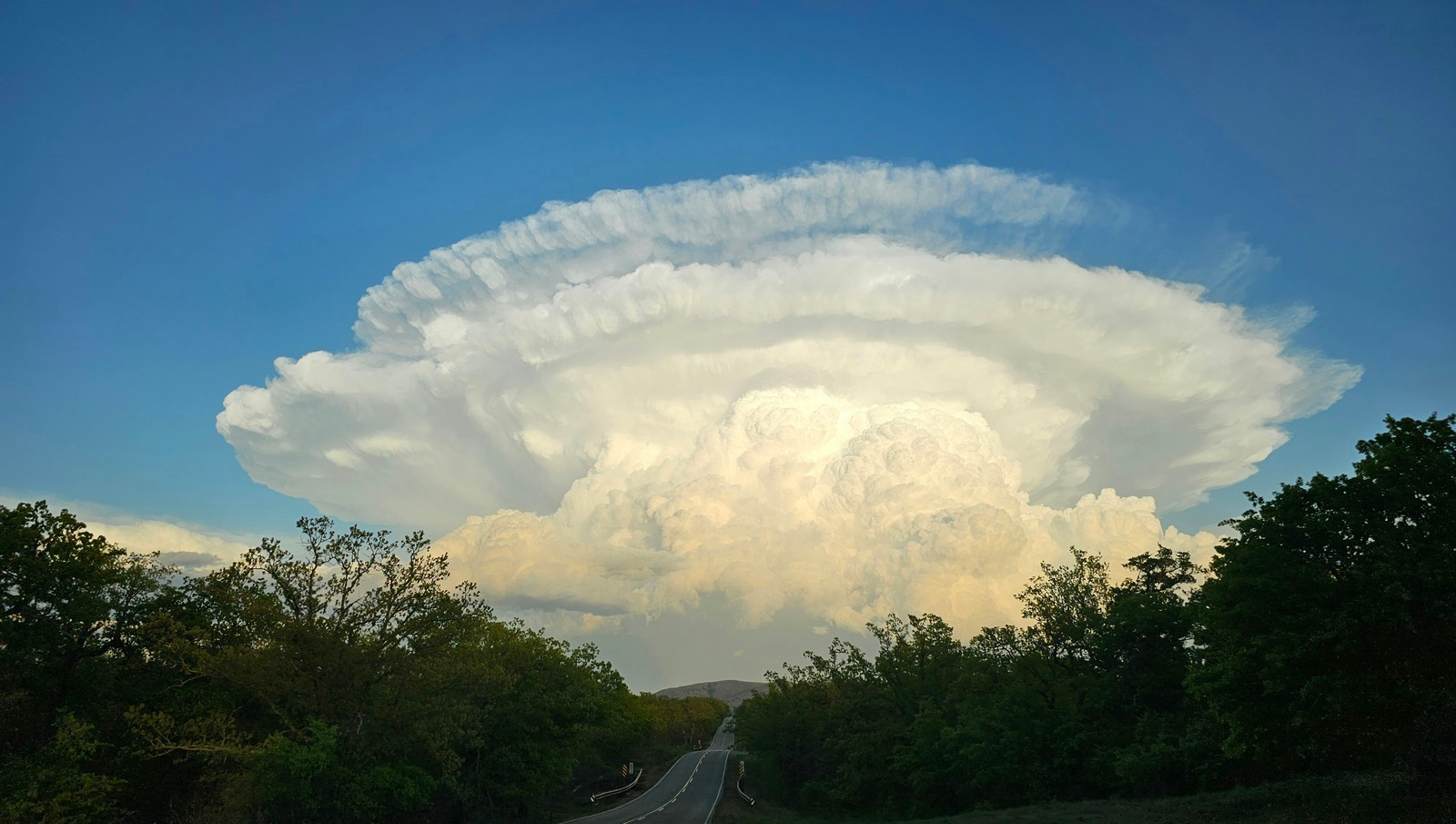
Image: Lillian Fisher

America has experienced weather events so violent and bizarre that they rewrote the record books, reshaped entire regions, and left scientists stunned. From blizzards that prompted urban reforms to heat waves that buckled rail lines, these 10 moments remind us that nature has a habit of pushing boundaries without warning.

1
A searing summer
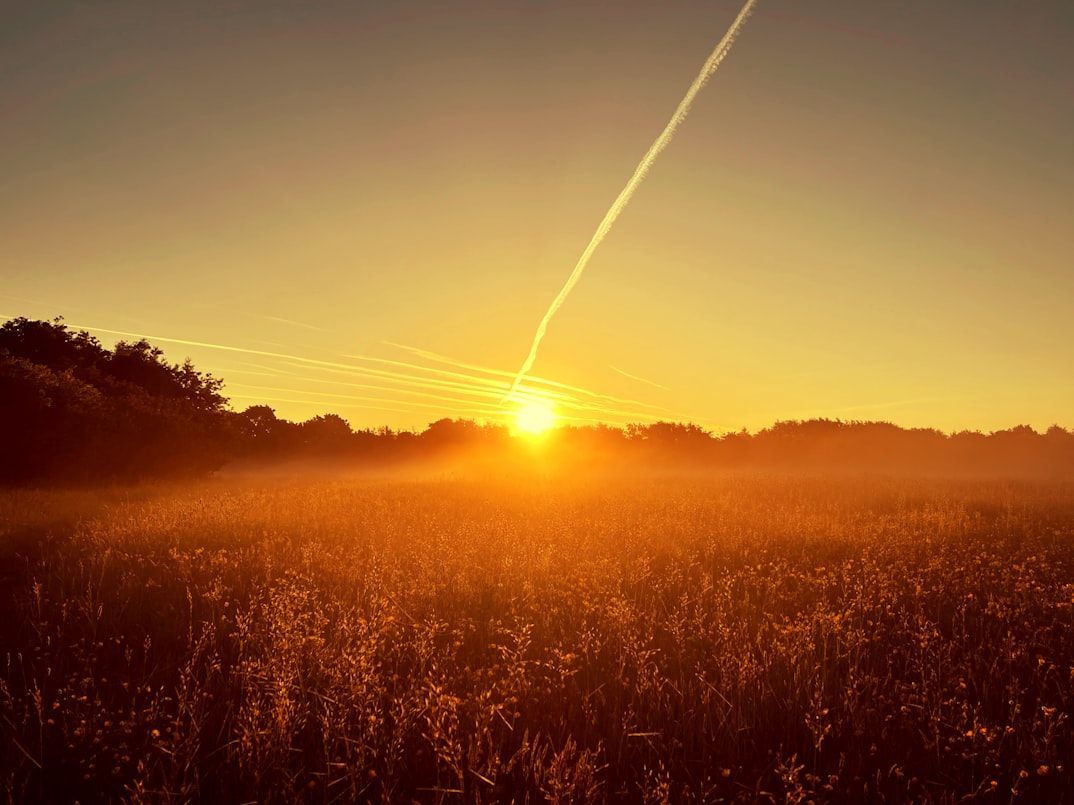
Image: Stacey Martin

1936 North American Heat Wave (July 4, 1936)

During one of the worst periods in American history, the Great Depression, a relentless heat wave scorched much of the country, pushing temperatures to unprecedented highs that still haven’t been surpassed in many places.

The heat wave is blamed for more than 5,000 deaths, widespread crop failures, and worsening the environmental disaster already unfolding in the Dust Bowl.

2
Dust blizzard
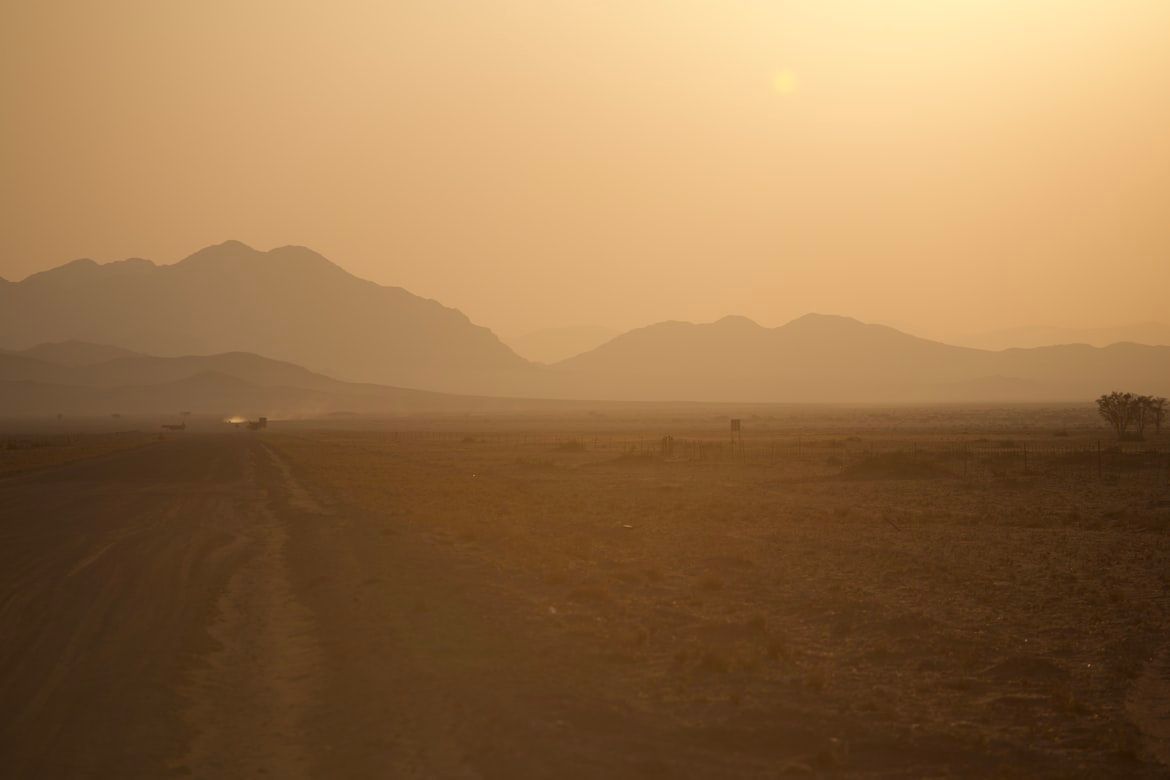
Image: Bernd Dittrich

Black Sunday Dust Storm (April 14, 1935)

One of the most extreme dust storms in U.S. history, Black Sunday was emblematic of the Dust Bowl era. In April 1935, a massive "blizzard" of dust struck the Oklahoma and Texas panhandles and beyond, displacing an estimated 300,000 tons of topsoil and blackening the sky for miles.

The event devastated agriculture, displaced entire communities, and became a defining symbol of the environmental collapse that had been unfolding across the Great Plains for years.

3
The king of tornadoes
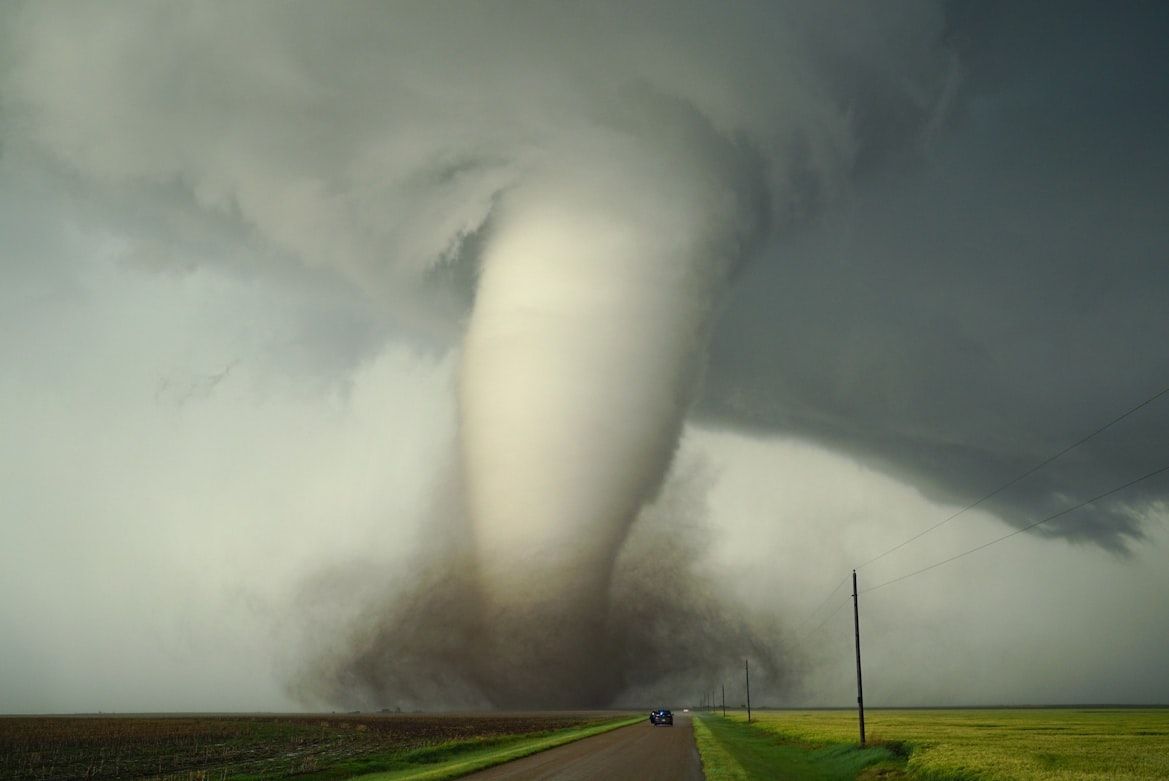
Image: Greg Johnson

2013 El Reno tornado (May 31, 2013)

This tornado set a record for width, possibly the widest ever documented in the U.S . On May 31, 2013, it expanded to a staggering 2.6 miles wide as it barreled south of El Reno, Oklahoma.

Doppler radar recorded sub‑vortices with wind speeds near 295 mph—among the highest ever observed—though damage assessments limited its official rating to EF‑3.

4
Straight‑line fury
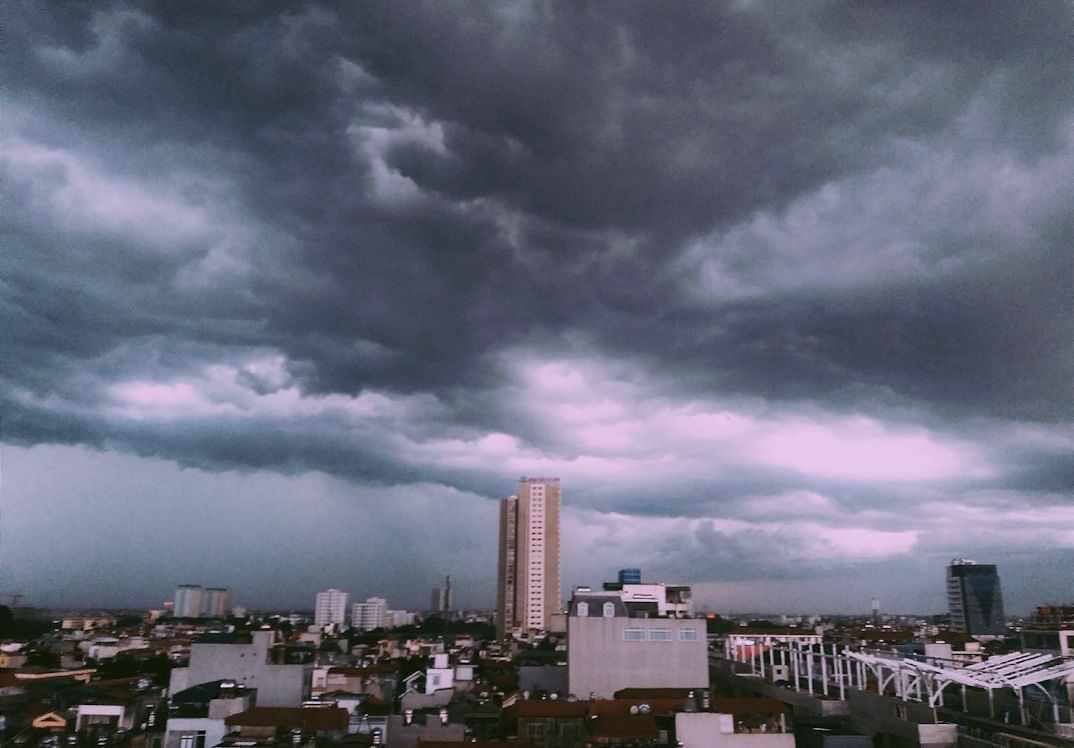
Image: Moody Potato

2020 Midwest Derecho (Aug 10, 2020)

Beyond the challenges of COVID‑19, the 2020s were marked by an unusually destructive inland windstorm in the Midwest—rare for both its intensity and impact.

This derecho raced 770 miles across multiple states with wind gusts up to 140 mph, causing widespread structural and agricultural damage. To date, it remains the costliest thunderstorm event in U.S. history, with damages totaling more than US $11 billion.

5
Tornado armageddon
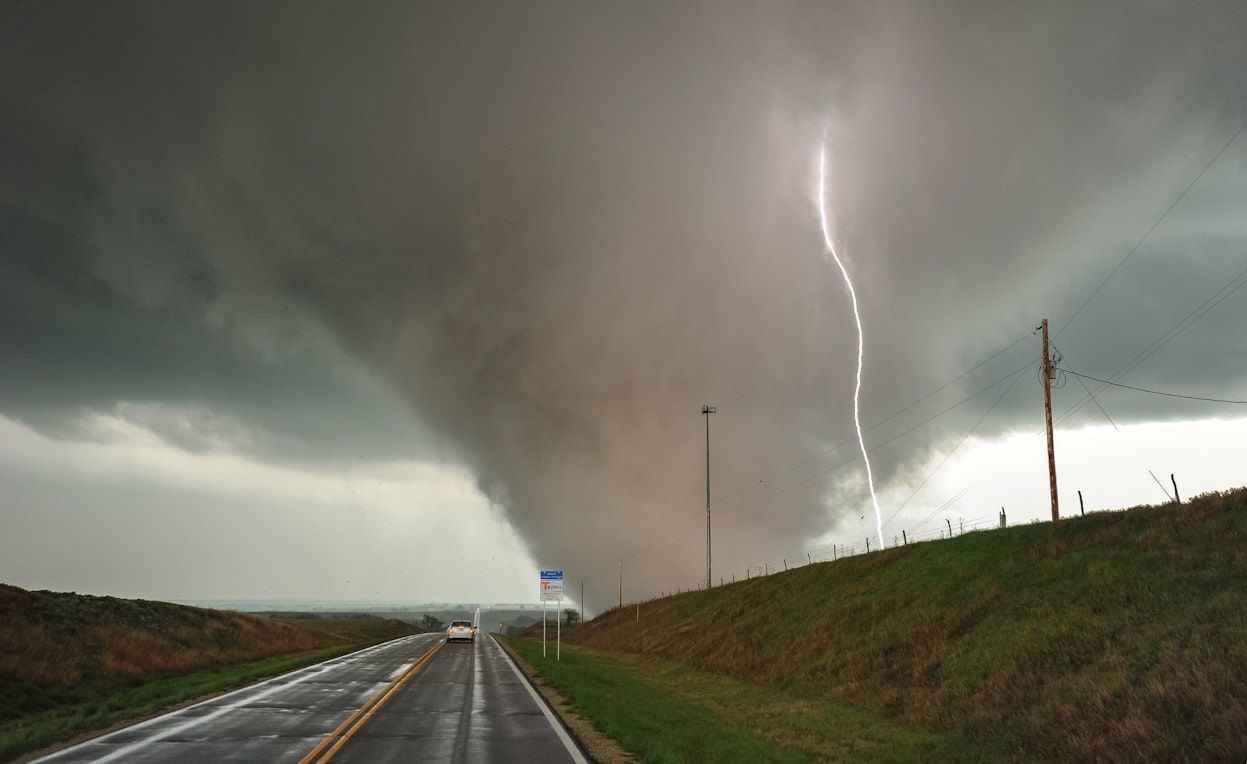
Image: Greg Johnson

2011 Super Outbreak (April 25, 2011)

The 2011 Super Outbreak—ominously nicknamed "Tornado Armageddon"—stands as one of the deadliest and most widespread multi-tornado events in U.S. history.

Over four relentless days, nearly 500 tornadoes tore through dozens of states ; April 27 alone claimed 316 lives. Overall damage surpassed $10.2 billion, cementing it as the costliest tornado outbreak ever recorded in the United States.

6
A storm to remember
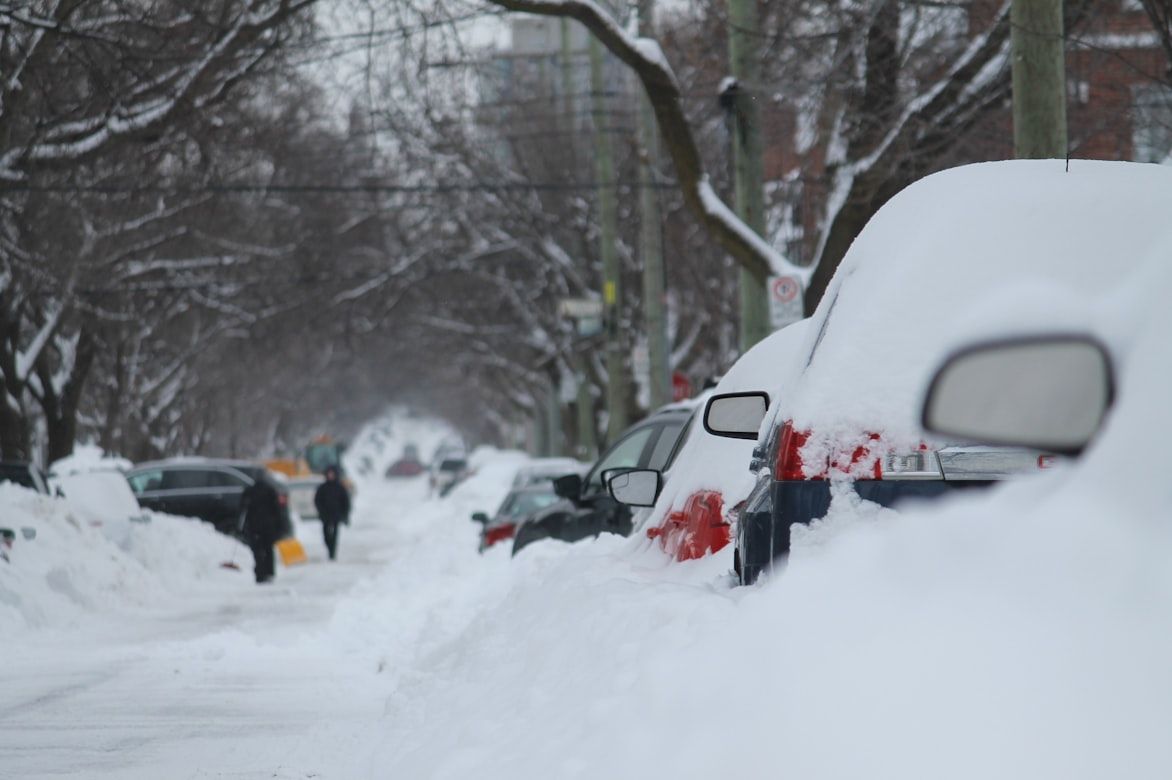
Image: Patino Jhon

1993 Storm of the Century (March 12, 1993)

The massive nor’easter known as the Storm of the Century blanketed the eastern U.S. from March 12–14, 1993, permanently reshaping how winter storms are understood.

It delivered record snowfall—up to 56 inches in some areas—hurricane‑force winds, and sub‑zero temperatures, an entire arsenal packed into one deadly system. The destruction stretched from Canada to the Caribbean, causing $5.5 billion in damages and cutting power to more than 10 million households.

7
Wrath of the Mississippi
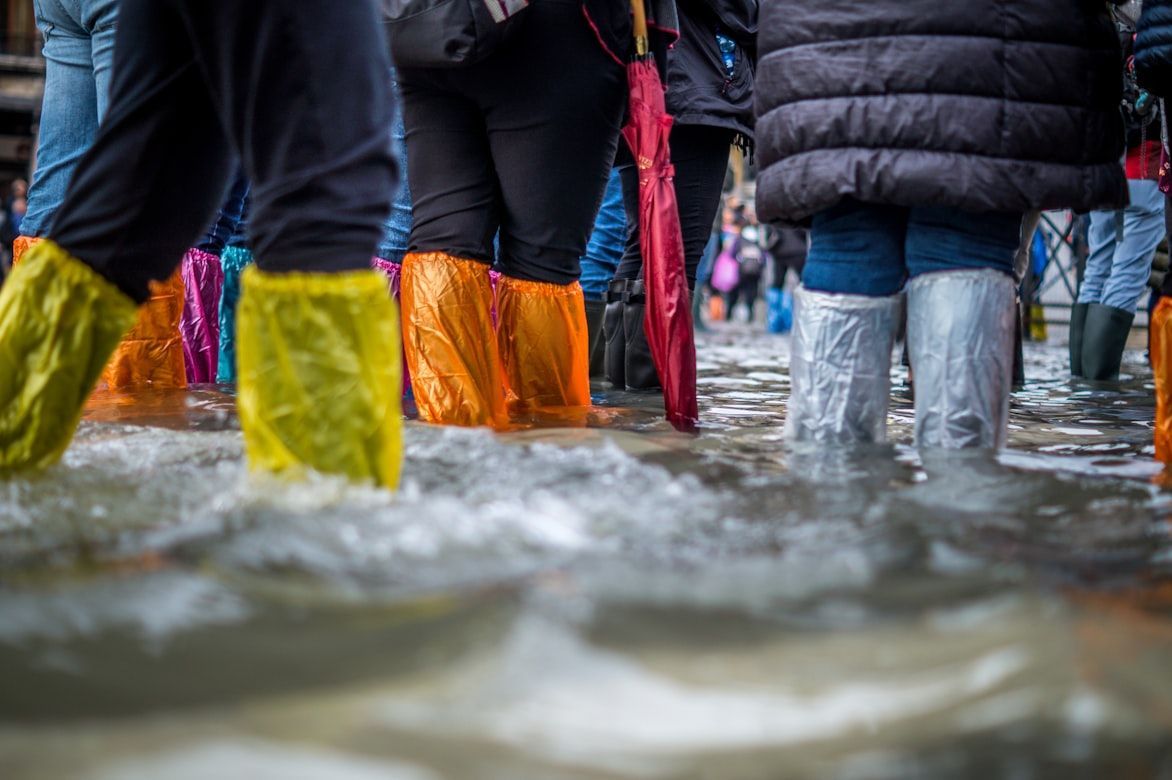
Image: Jonathan Ford

Great Flood of 1993 (April – October, 1993)

One of the most prolonged and costly inland floods in U.S. history, the Great Flood of 1993 resulted from record rainfall—over 40 inches in some areas—falling on already saturated soils from a wet fall and heavy snowmelt, overwhelming the Mississippi and Missouri River basins.

Between April and October, roughly 30,000 square miles were inundated across multiple states . At least 38–50 people died, damages reached $12–16 billion, and entire towns were submerged as levees failed and transportation networks collapsed.

8
Superstorm devastation
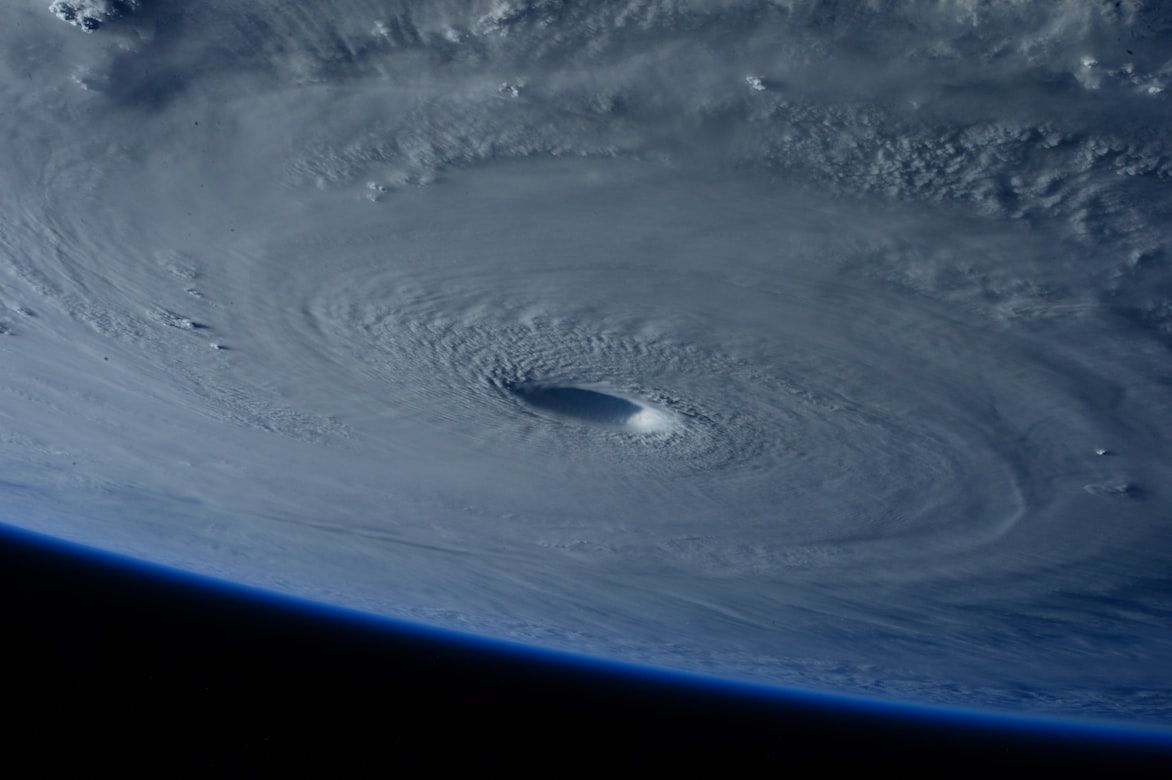
Image: NASA

Hurricane Sandy (October 22, 2012)

Also known as "Superstorm Sandy," this vast hybrid hurricane–extratropical storm struck the U.S. East Coast in October 2012, impacting 24 states. Its massive wind field— spanning nearly 1,000 miles —drove catastrophic storm surge into New Jersey and New York, while heavy rain, coastal flooding, and even blizzard conditions affected regions as far inland as the Appalachians.

Sandy claimed 160 lives, left over 8 million customers without power, and destroyed or damaged tens of thousands of homes and businesses. It was one of the costliest storms in American history and prompted major reforms in coastal preparedness and infrastructure.

9
Freshwater fury
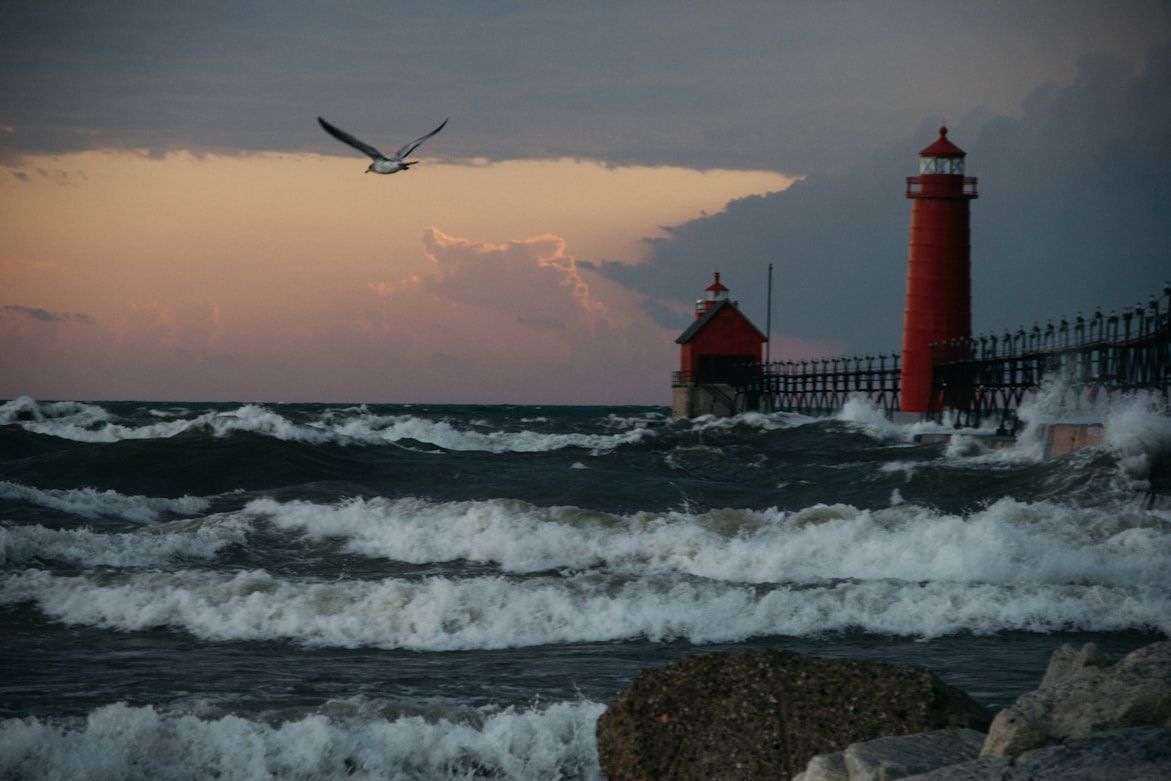
Image: Matthew Rumph

Great Lakes Storm of 1913 (November 6, 1913)

From November 6–10, 1913, a massive winter storm swept across the Great Lakes region, bringing hurricane‑force winds and blizzard conditions . Ships capsized and sank, coastal towns were battered, and waves overwhelmed harbors across the lakes.

It remains the deadliest and most destructive natural disaster to strike the Great Lakes, with over 250 fatalities and catastrophic damage to maritime traffic and shoreline communities.

10
Whiteout chaos
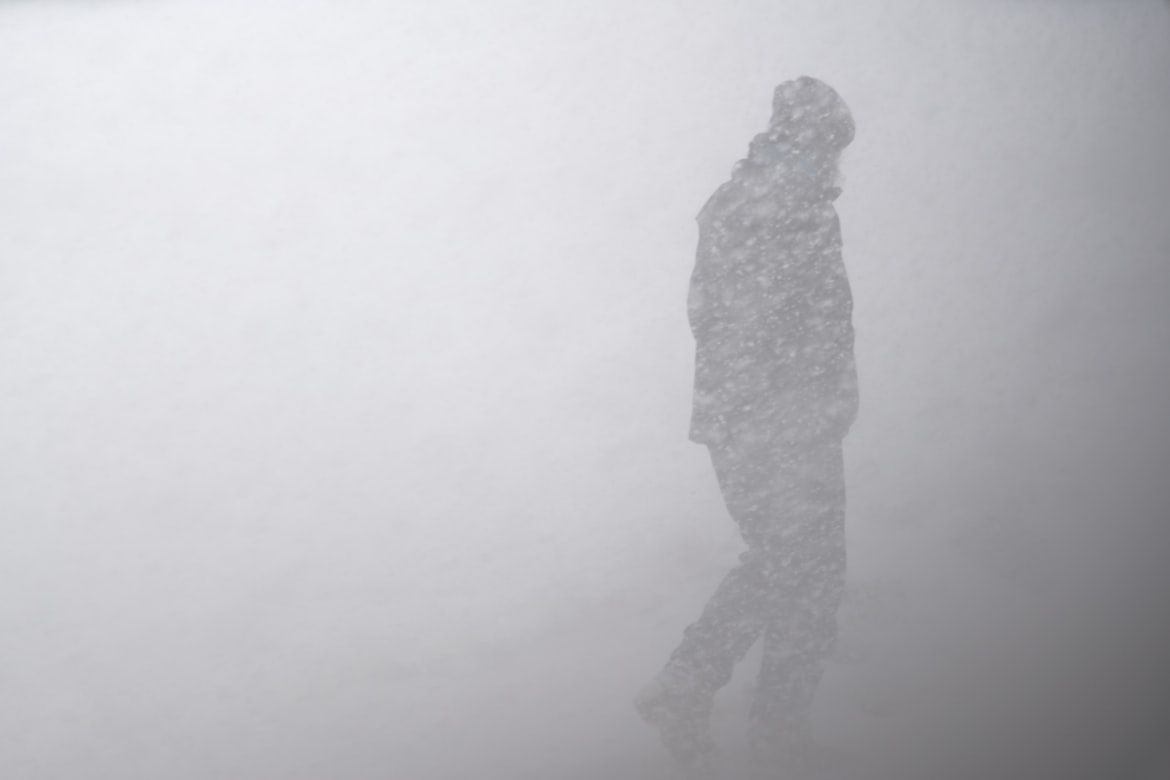
Image: Zac Durant

The Great Blizzard of 1888 (March 11, 1888)

One of the most legendary winter storms in U.S. history, the Great Blizzard of 1888 struck the Northeast from March 11–14, dumping up to 55 inches of snow in parts of New York, Connecticut, and New Jersey . Snowdrifts buried homes, streets, and rail lines for days.

The storm killed more than 400 people and brought major cities like New York and Boston to a standstill. Telegraph lines collapsed, rail travel ground to a halt, and entire neighborhoods were cut off, prompting a long-term shift toward underground utilities and the expansion of subway systems in the decades that followed.
Geography Geography 4 min read

Discovering America

What's the easternmost point of the US? If you say Maine, think again!

Image: Jon Sailer

We’ve all picked up "facts" about the fifty states somewhere along the way, but not all of them hold up. Some are half-truths passed around for generations , others are just plain wrong. So, in an attempt to set the record straight once and for all, we’ve gathered some fun truths that clear up the biggest mix-ups about our states.

1
Arizona skips Daylight Saving Time

Image: Christoph von Gellhorn

This is partly true because most of the state doesn’t bother with Daylight Saving Time . They stopped changing the clocks back in 1967. The exception is the Navajo Nation, which stretches into Utah and New Mexico and keeps DST so all its communities stay on the same schedule. Now, as for the smaller Hopi reservation, inside the Navajo Nation, it sticks with Arizona time… Yes, quite confusing if you’re not a local.

2
Georgia isn’t really the Peach State

Image: Jessica Furtney

Georgia loves its peaches, sure, but the state’s top fruit money-maker is actually blueberries . In recent years, blueberries have brought in several times more cash for farmers than peaches. Meanwhile, California grows far more peaches than Georgia ever has. The nickname stuck from the old days when Georgia peaches were famous for their flavor, not their volume. So while the pride is real, the peaches aren’t quite the powerhouse people may think.

3
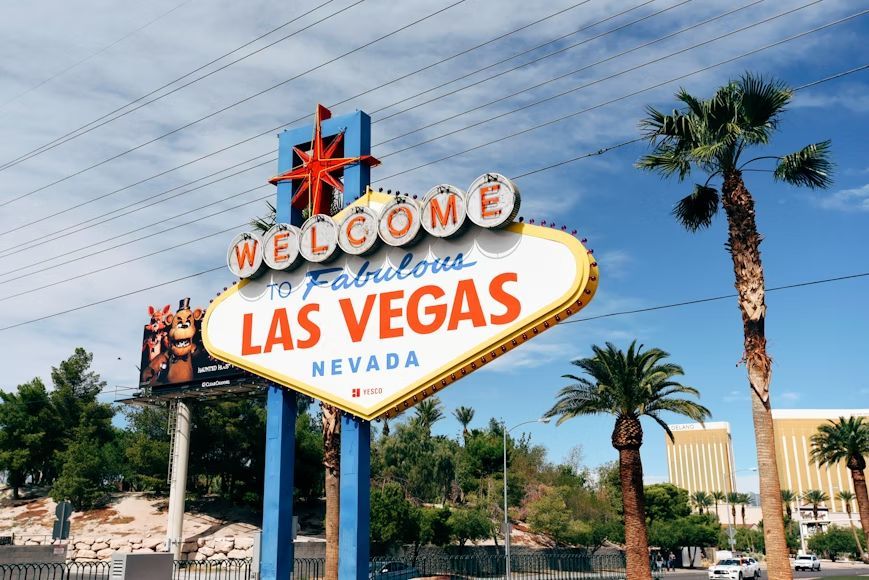
Nevada didn’t record the hottest US temperature

Image: tommao wang

You probably think of Nevada’s desert heat as unmatched, but the all-time record belongs to California’s Death Valley . In July 1913, it hit a mind-melting 134 degrees Fahrenheit, the hottest temperature not only in America but the hottest ever recorded on Earth!

4
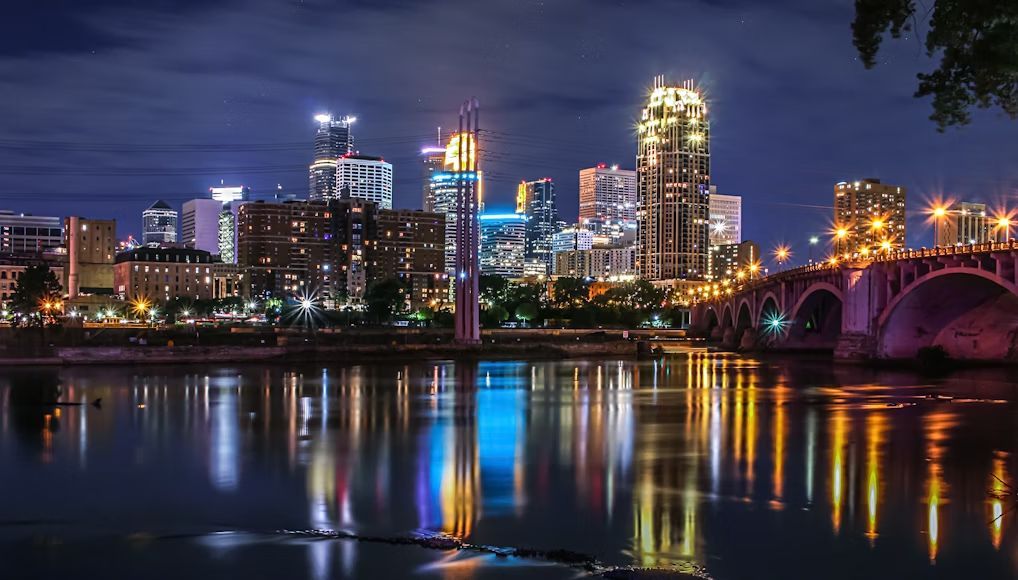
Minnesota doesn’t have the most lakes

Image: Tom Conway

Minnesota proudly calls itself the "Land of 10,000 Lakes," but that’s selling itself short… The real number is closer to 12,000. However, Alaska wins this battle . The state has more than 3 million lakes over five acres in size. In fact, Alaska contains over 40 percent of the nation’s surface water. If you love fishing, kayaking, or just staring at a quiet stretch of water, the true lake capital of America is far up north.

5
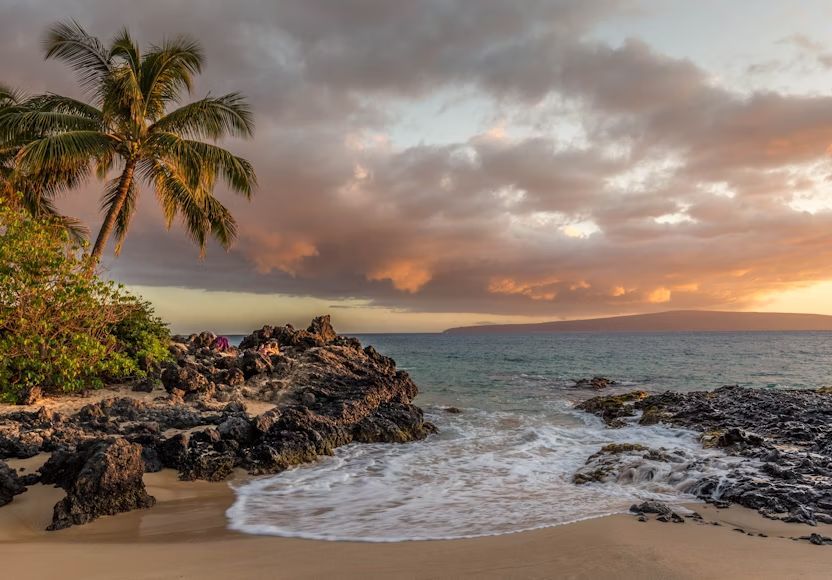
Pineapples aren’t native to Hawaii

Image: Christian Joudrey

Pineapples are everywhere in Hawaiian imagery, but the plant actually comes from South America , mainly Paraguay and southern Brazil. Spanish explorers likely brought them to Hawaii in the 1500s after spreading them across the Pacific to places like the Philippines and Guam. Hawaii’s climate turned out to be perfect for growing them and by the 1900s, the islands were producing so many pineapples that the fruit became a symbol of Hawaii itself.

6
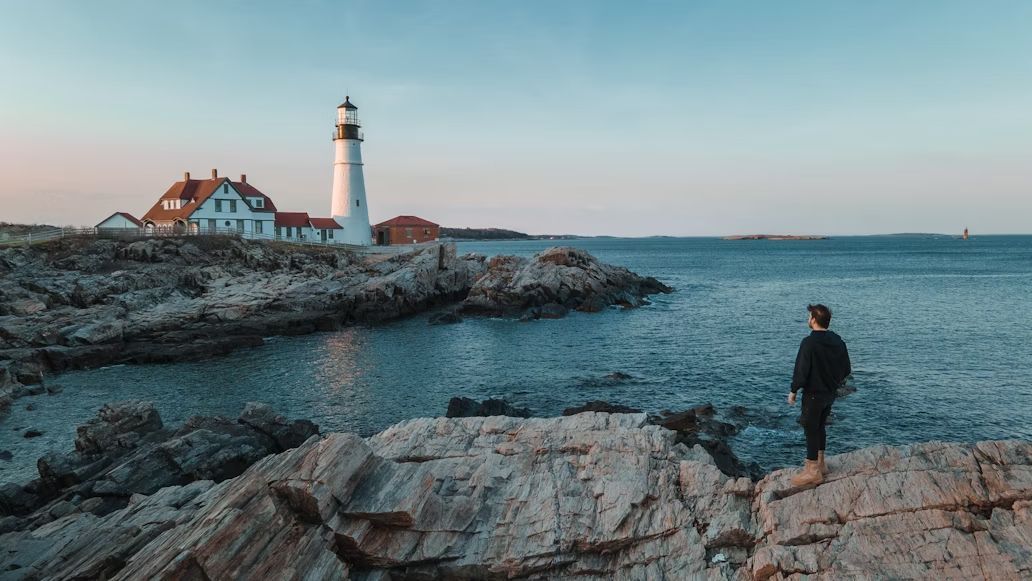
Maine isn’t the country’s easternmost point

Image: Chris Henry

If you’re a Geography geek, you’ll love this one. You might picture Maine’s rocky coast as the eastern tip of America, but the actual easternmost point is thousands of miles away, on Alaska’s Semisopochnoi Island in the Aleutians. How is that possible? Well, that’s because it crosses the 180th meridian, putting it in the Eastern Hemisphere. That means part of Alaska technically sits farther east than anywhere in Maine.

7
The biggest US earthquake didn’t happen in California

Image: Lala Miklós

California has suffered some big earthquakes in its history, but the most powerful earthquake in America struck Alaska in 1964 . It hit Prince William Sound with a magnitude of 9.2. It was so strong it shook the ground for four and a half minutes and triggered massive tsunamis. In today’s dollars, the damage would total more than $2 billion. Alaska sits on a collision zone of tectonic plates, making it one of the world’s most seismically active regions.

8
The Everglades isn’t America’s biggest swamp

Image: Joshua J. Cotten

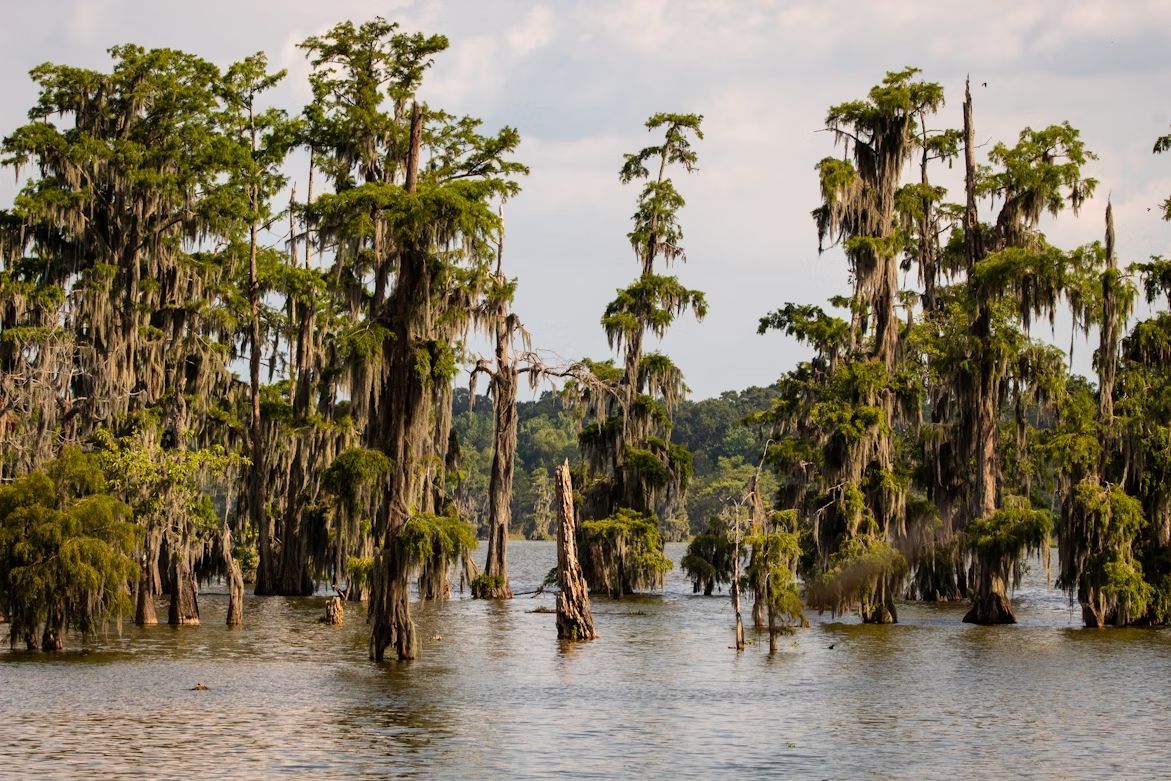
A lot of people picture the Florida Everglades when they think of swamps, but technically, the Everglades isn’t a swamp at all. The real title of the largest swamp in the United States goes to Louisiana’s Atchafalaya Basin , which spans about 1.4 million acres. This swamp has a vast mix of cypress forests, bayous, and marshes, and it’s more than twice as productive as the Everglades when it comes to wildlife and plant life.

9
Big cities aren’t always capitals

Image: Mackenzie Cruz

It surprises people how often the biggest city isn’t the state capital . New York City? Not the capital… Albany is. Chicago? Nope, that honor goes to Springfield. Pennsylvania’s capital isn’t Philly or Pittsburgh, it’s Harrisburg. Even California’s capital isn’t L.A. or San Francisco, it’s actually Sacramento. Out of fifty states, only seventeen have their most populous city as the capital.

10
Alaska isn’t divided into counties

Image: Rod Long

Alaska likes to do things its own way. Instead of counties, it’s split into boroughs , and a massive area known as the Unorganized Borough has no local government at all. People out there don’t pay property taxes, but that freedom comes with challenges, limited services, fewer job options, and tough living conditions.

General General 4 min read

Embracing our multilingual nation

Do you know what is the second most spoken language in the United States?

Image: Houcine Ncib

In the United States, the number of people who speak a language other than English at home has nearly tripled over the last three decades, increasing from 23.1 million to 67.8 million. According to the 2019 American Community Survey by the Census Bureau, more than 350 languages are spoken across the country , making it one of the world's most linguistically diverse nations. In this article, we’ll explore the 12 most spoken languages in the United States. Can you guess how the rankings go?

1
12. Portuguese

Image: Etienne Girardet

Today, there are over 845,000 Portuguese speakers in the United States, making it the 12th most spoken language after English.

The Portuguese-speaking community is composed of immigrants from both Portugal and Brazil. Since the 1960s, many Portuguese immigrants have settled along the coast of Massachusetts, where they could continue their traditional fishing activities. Besides Massachusetts, Portuguese is most commonly spoken in Connecticut, Rhode Island, and Utah.

2
11. Hindi

Image: Rohan Solankurkar

Hindi is the most widely spoken Indian language in the United States, with more than 890,000 people speaking it . Hindi belongs to the Indo-European language family and has been included on the U.S. State Department's list of critical languages due to strategic commercial interests in South Asia.

Hindi-speaking Indians began immigrating to North America in the early 19th century. The community has primarily settled in large cities such as New York City, Washington D.C., San Francisco, Los Angeles, and Chicago.

3
10. Russian

Image: Tessakay

There are currently almost 950,000 Russian speakers in the United States. Did you know that Russian is one of the two official languages aboard the International Space Station? NASA astronauts typically take Russian language courses to communicate with their Russian counterparts.

Another well-known Russian-speaking community is in New York's Brighton Beach neighborhood, often referred to as "Little Odessa." Cultural events, festivals, and markets featuring traditional Russian foods, music, and crafts are common sights here. Los Angeles is another city where Russian is regularly used.

4
9. Korean

Image: 昆 阿

Over the past few decades, the number of Korean speakers in the United States has grown significantly, with nearly 1,100,000 people now speaking Korean .

Los Angeles is home to the largest Koreatown in the country, and many residents in other major cities speak Korean at home, helping to maintain and promote the heritage of this Asian culture in the United States.

5
8. Arabic

Image: Rawan Yasser

With more than 1.2 million speakers, Arabic is the eighth most spoken language in our country.

Arabic is spoken in immigrant communities from countries such as Egypt, Lebanon, Syria, Iraq, and Yemen. These communities are most prominent in states like California, New York, and Michigan, where Arabic is commonly heard in homes and community centers.

6
7. German

Image: FotosFuerBlogger

German is widely spoken in states with high populations of German ancestry, such as Pennsylvania, Wisconsin, and Texas. When including Yiddish, Pennsylvania Dutch, and other West Germanic languages, there are over 1,450,000 German speakers in the United States.

Cities like Fredericksburg and New Braunfels, Texas, were founded by German immigrants and continue to celebrate their heritage with festivals such as Oktoberfest. In Pennsylvania, a large number of Pennsylvania Dutch speakers—predominantly among the Amish and Mennonite communities—speak this German dialect, which is not, as one might expect, Dutch.

7
6. Vietnamese

Image: Huynh Van

The number of Vietnamese speakers in the United States is similar to that of the previous language on this list, with more than 1.5 million people speaking the language of this Southeast Asian country.

In recent decades, the number of Vietnamese immigrants has been increasing exponentially. Most have settled in California, followed by Texas, Florida, Washington, and Georgia.

8
5. Tagalog

Image: Emmanuel Nicolas Jr.

Despite being the fifth most spoken language in the United States, Tagalog is often overlooked. For those who have never heard of it, Tagalog is one of the official languages of the Philippines.

A significant number of Filipino immigrants have settled in the United States since the early 19th century. According to the U.S. Census Bureau, there are currently more than 1.7 million Tagalog speakers . Thirty-eight percent of Filipinos in the United States live in California, with relatively large concentrations also in Hawaii and Texas.

9
4. French

Image: Erik Mclean

If we include Patois, Cajun, Haitian, and Louisiana Creole—a hybrid of French and various African languages—French is the fourth most widely spoken language in the United States.

The French influence, which dates back to the 17th century, is evident in a wide variety of American English words and phrases. Today, there are nearly 2.1 million French speakers in the country.

10
3. Chinese

Image: 五玄土 ORIENTO

The Chinese language, including its different variants such as Mandarin, Cantonese, and Hokkien, contributes significantly to the cultural diversity of the United States. Although the gap between the second and third most spoken languages in the country is considerable, the number of people who speak Chinese is still representative.

With approximately 3.5 million Chinese speakers across the country, the greatest influence of this culture can be found in states with the highest concentrations of Chinese immigrants, such as New York and California.

11
2. Spanish

Image: Leeloo The First

Spanish is the second most spoken language in the United States and one of the fastest-growing languages in the country. This is no surprise, as approximately 19% of the total population is of Hispanic origin.

According to the U.S. Census Bureau, more than 40 million people speak Spanish in addition to English in the United States. Hispanic communities are found throughout the nation, with the largest concentrations in California, Texas, Florida, and New York.

12
1. English

Image: Wilhelm Gunkel

Although it is not surprising that English is the most widely spoken language in the United States, it is still not recognized as an official language. However, more than half of the 50 states have passed laws granting it official language status.

English speakers make up a large percentage of the U.S. population, with approximately 78 percent speaking only English . American English is also incredibly rich, composed of dozens of regional dialects with distinct grammar, vocabulary, and pronunciation.

Explore more American facts

Choose your favorite category!

General
General

As American as apple pie—the very best America has to offer!

Culture
Culture

Delve into the astounding richness of American lore.

Geography
Geography

Hop in and explore vast and diverse American landscapes.

History
History

Discover the key moments that shaped the United States.