General General 3 min read

Monikers of all sorts

Your favorite city has a nickname, but do you know its origin?
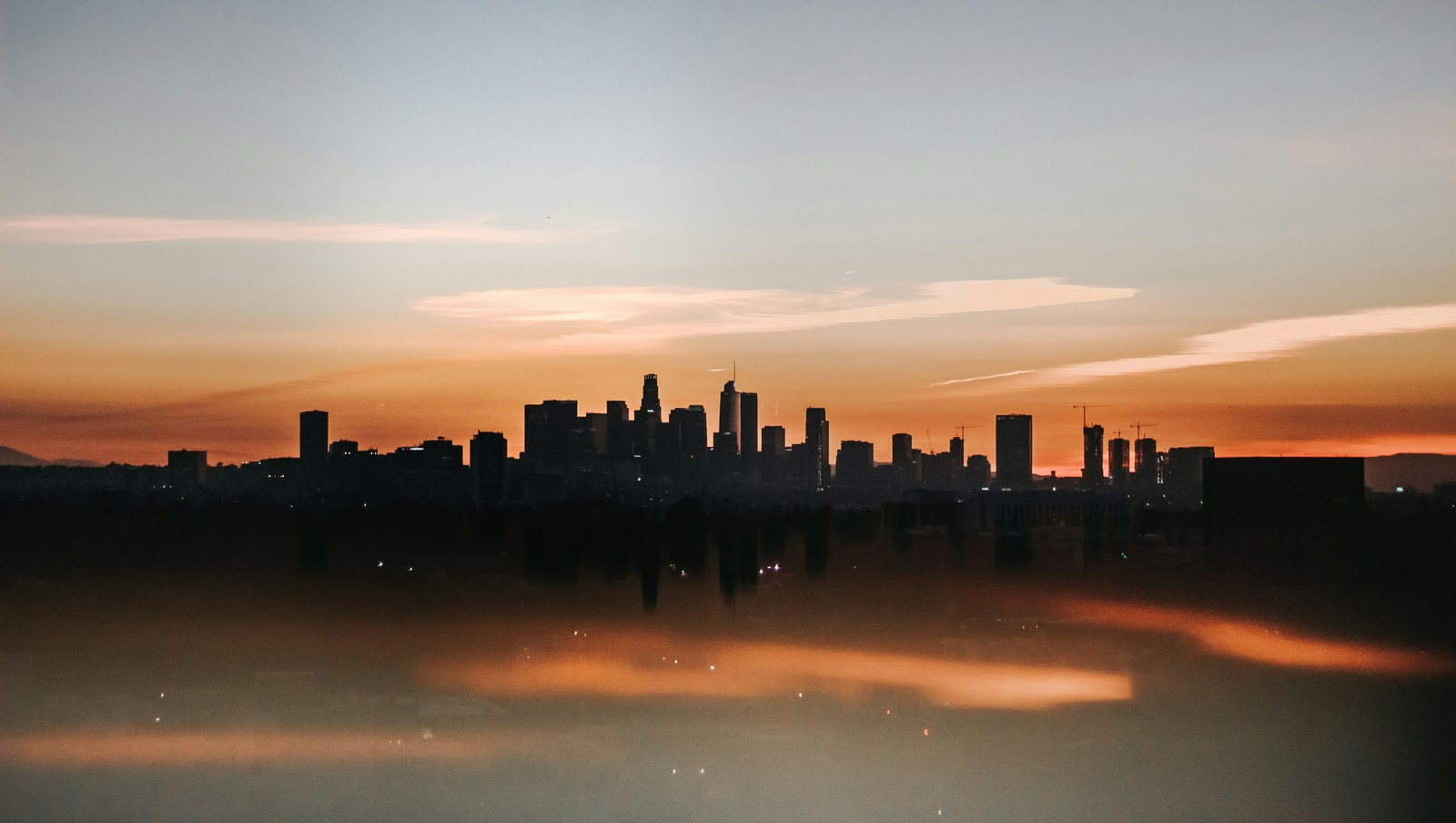
Image: Henning Witzel

New York is the Big Apple, Chicago is the Windy City, and New Orleans is the Big Easy. They feel so natural that most of us never stop to ask, "Why that name?" Every one of these labels has a story, some funny, some serious, and some a bit mysterious. Let’s take a fun tour through ten well-known city nicknames.

1
The Big Apple, New York City
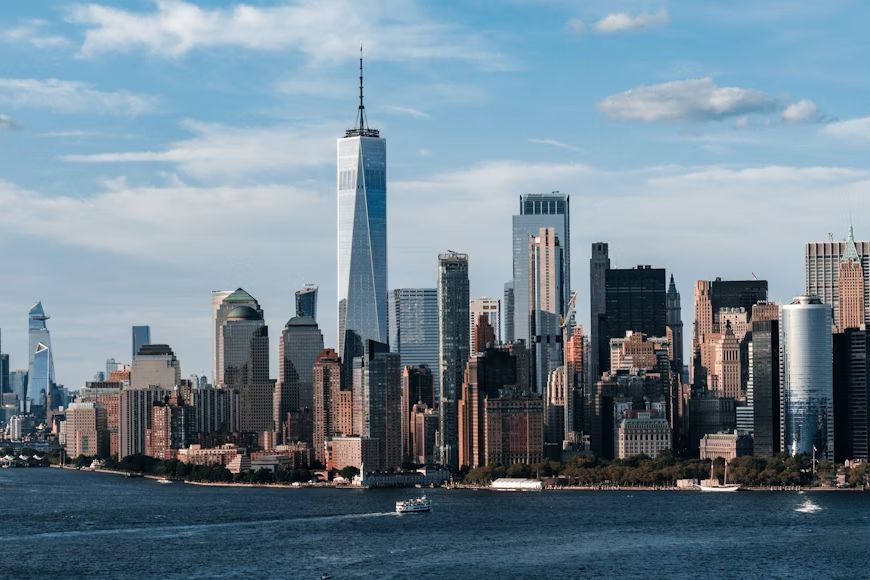
Image: Jermaine Ee

New York may be famous for bagels, pizza, and hot dogs , but its nickname has nothing to do with fruit. The term "Big Apple" started popping up in horse racing circles in the 1920s, when jockeys and trainers used it as shorthand for the city’s top racetracks. A sportswriter named John Fitz Gerald picked it up and popularized it in his columns. Decades later, the city even used it in tourism ads, and the rest is history!

2
The Windy City, Chicago
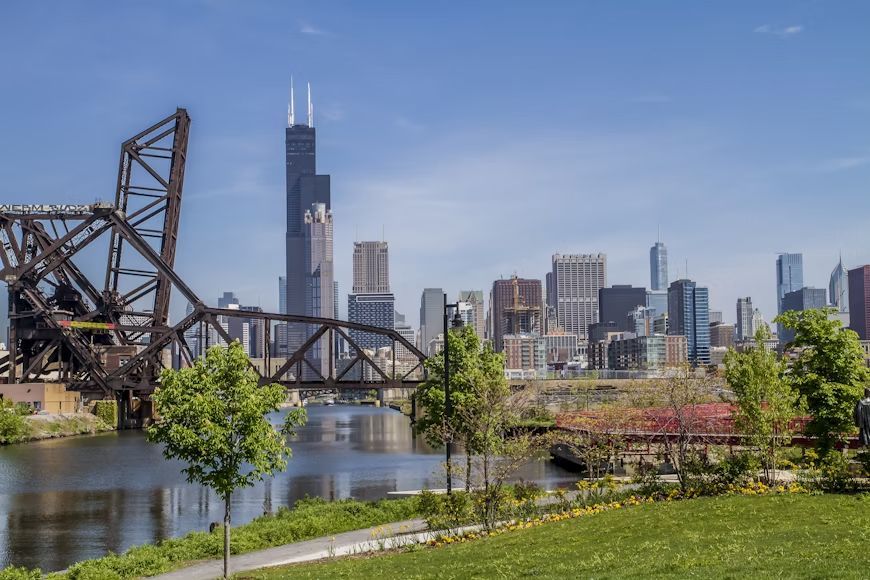
Image: Dulcey Lima

Chicago’s nickname might sound like a weather forecast, but the truth is more colorful. Newspapers in the late 1800s used "Windy City" to poke fun at local politicians , suggesting they were full of hot air. Sure, Lake Michigan’s winds played a part, but it was really the dig at the city’s bragging that made the phrase hit home!

3
The City of Brotherly Love, Philadelphia
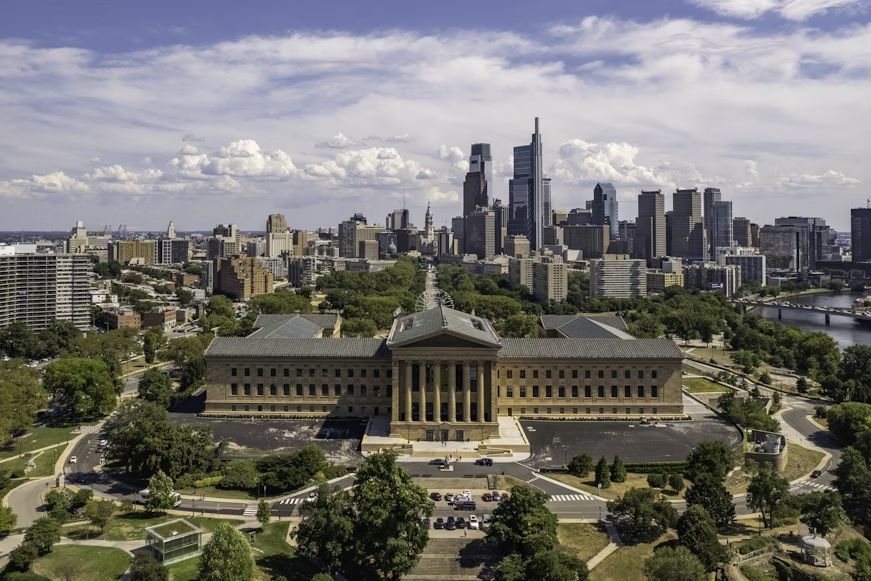
Image: Catherine Kerr

This one is actually quite simple, actually. Philadelphia’s name comes from the Greek words for love, phileo, and brother, adelphos . The city’s founder, William Penn, wanted it to be a place of religious freedom and fair treatment, even making agreements with Native Americans over land. In short, the nickname reflects the city’s values. Beautiful, isn't it?

4
Sin City, Las Vegas
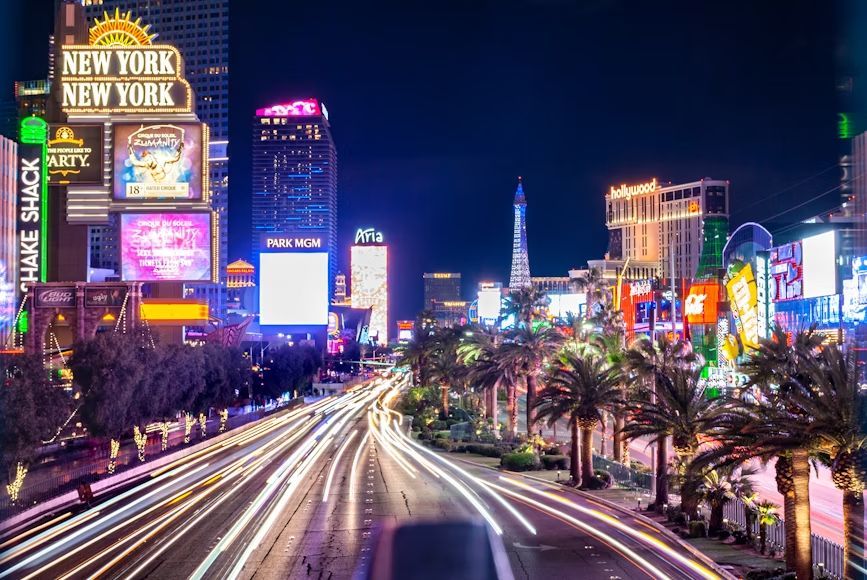
Image: David Vives

We don’t really need to explain why Las Vegas is called Sin City: casinos, nightlife, and more than a little temptation . You know how the saying goes, what happens in Vegas… But the roots go deeper. In the early 1900s, Block 16 downtown had a reputation linked to illegal businesses, and the label stuck. Nevada later legalized gambling in 1931, and that sealed Las Vegas’ image as the country’s playground of vice.

5
The Big Easy, New Orleans
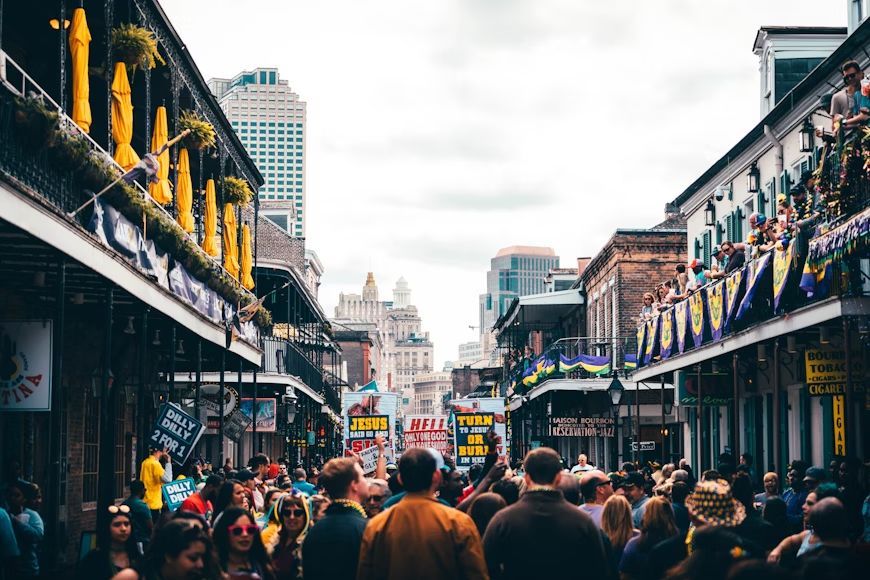
Image: Harold Wainwright

New Orleans picked up the nickname "The Big Easy" in the 1970s as a playful contrast to New York’s "Big Apple." The first to use it was a columnist, and later a novel and film with the same title helped spread it. The name suits the city well because its music, food, and culture have an effortless, laid-back feel that still defines New Orleans today.

6
Beantown, Boston
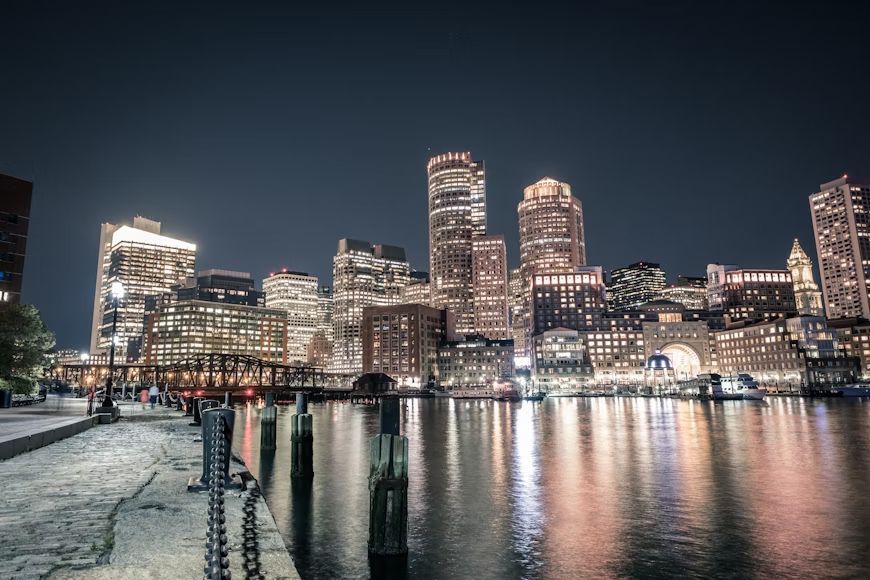
Image: Lance Anderson

Boston baked beans are behind this nickname , but you probably already figured that out. Now, let’s look at the deeper layer here: during the colonial era, molasses poured into the city as part of the triangular trade, and it flavored both rum and beans. Traders nicknamed Boston "Beantown" back then, though today it is mostly tourists who still use the term.

7
The Emerald City, Seattle
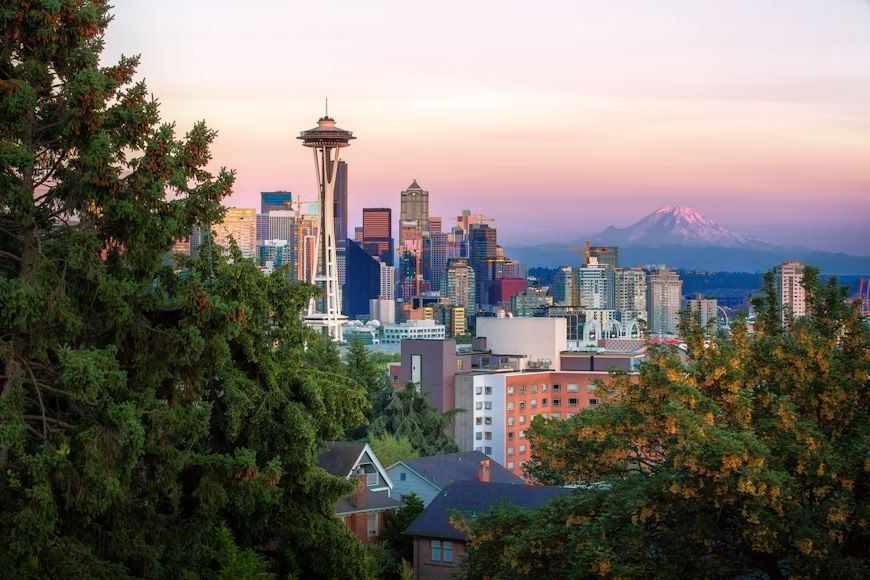
Image: Luca Micheli

Seattle’s leafy scenery gave it the name Emerald City. Surrounded by water, rain, and forests, the city is filled with parks like Discovery Park and the Arboretum, which keep it vibrant throughout the year. The nickname highlights Seattle’s natural beauty, providing a refreshing contrast to its reputation for gray skies.

8
The Mile High City, Denver
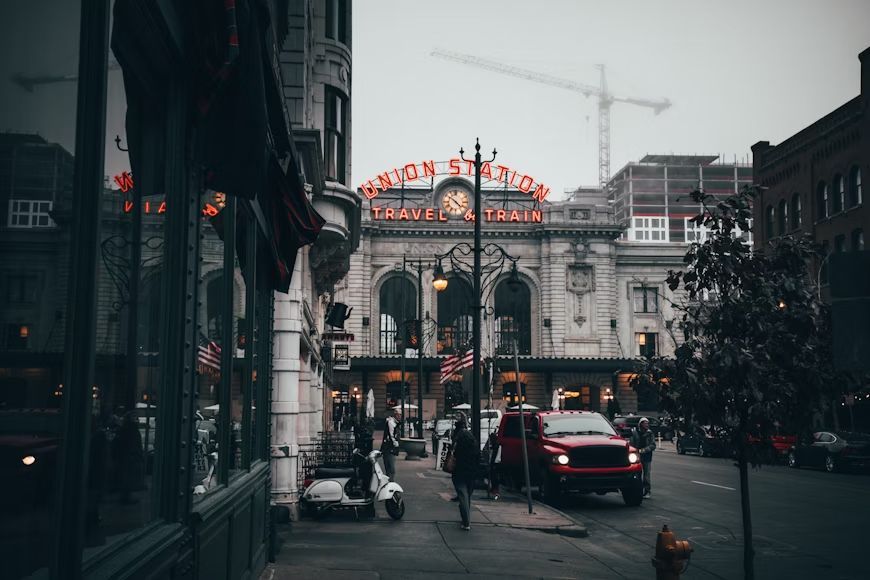
Image: Owen Lystrup

Denver sits at an exact elevation of 5,280 feet above sea level, which is why it’s called the Mile High City. Fun fact about this: at Coors Field, the local baseball stadium, a row of purple seats marks the one-mile line . Visitors often notice the altitude the first time they climb a hill or sip a beer, so the nickname is more than just clever branding. Do you like this city?

9
The Magic City, Miami
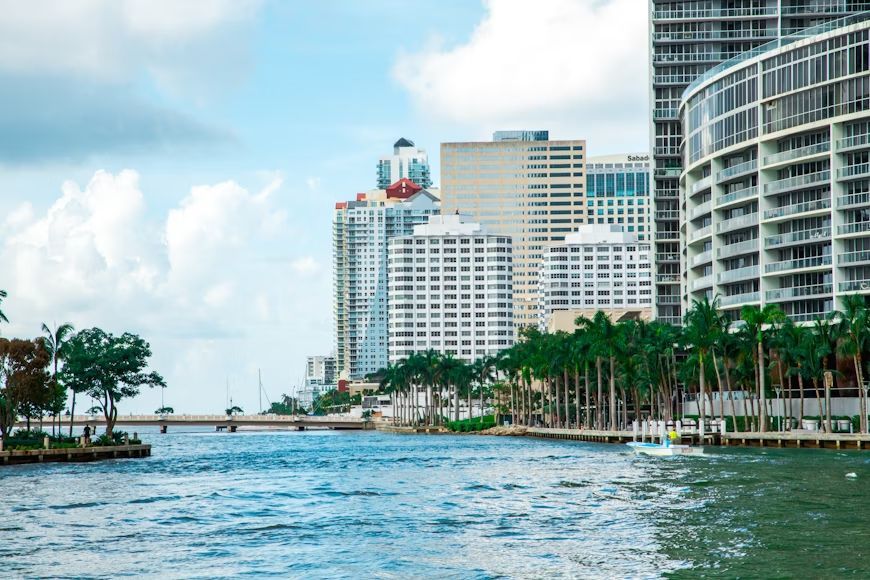
Image: Pontus Wellgraf

Miami earned the nickname Magic City not for magicians (that would’ve been a fun story, right?), but for how quickly it grew . In the late 1800s, Julia Tuttle, a local landowner, helped bring the railroad and development to the area. In no time, Miami transformed from farmland into a bustling hub. We could say it was magic, don’t you think?

10
The City of Angels, Los Angeles
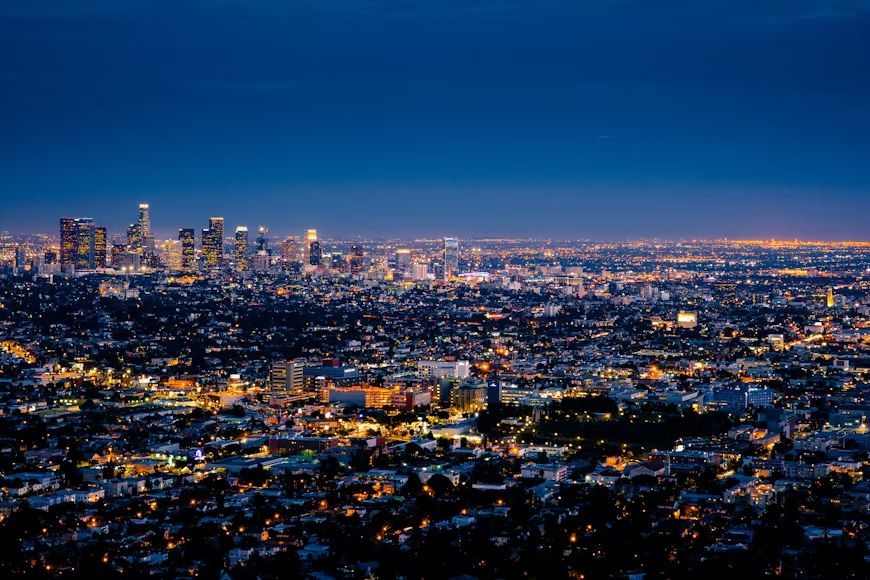
Image: Henning Witzel

Some nicknames have more intriguing stories, but that’s not the case for LA. Los Angeles’ nickname is about as straightforward as they come. "Los Angeles" translates directly from Spanish as "The Angels." In short, this elegant nickname mirrors the city’s name itself, one that’s full of angels, apparently!


Geography Geography 4 min read

Prehistoric life

10 top U.S. spots to find fossils and see prehistoric life

Image: Marcio Skull

Did you ever dream of being a Paleontologist? Maybe it's not too late! In the United States, there are many places you can visit to go fossil hunting. In fact, according to the National Park Service, more than 320 species of dinosaurs have been named in our country, and most states have produced at least one fossil. But the prehistoric world was inhabited by many other species. In addition to dinosaurs, there were other animals —and plants!— that are also worth knowing about. Without further ado, here are 10 incredible destinations for fossil sightings in America.

1
Dinosaur State Park

Image: Steppinstars

The Northeast is not particularly known for its fossil sites, as most dinosaur bones are found in the West. However, Dinosaur State Park in Connecticut Valley is a singular exception.

Dinosaur State Park is a 200-million-year-old fossil trackway containing more than 2,600 dinosaur footprints. Although most have been reburied for preservation, this park is worth a visit to see the tracks that have been left on display. In addition to experiencing the Mesozoic era, you can also enjoy nature trails, an interactive museum, an arboretum, and picnic areas.

2
Badlands National Park

Image: kkorvin

South Dakota is home to some of the most remarkable fossils ever discovered, and Badlands National Park, in particular, has been a fossil-rich reservoir for centuries. In fact, the Oglala Lakota people had been finding prehistoric remains long before paleontology was a formal discipline.

The park protects an exposed area of thousands of ancient fossil specimens. From large mammalian brontotheres to reptilian mosasaurs that swam in the ancient seas that gave way to the Badlands, there is a lot to explore here.

3
Cleveland Lloyd Dinosaur Quarry

Image: Danny Grizzle

A site with more than 12,000 bones from at least 70 different ancient animals, including lots of carnivorous dinosaurs? Sign me up!

But that's not all the Cleveland Lloyd Dinosaur Quarry in Utah has to offer. For freshwater animal enthusiasts, there are also fossilized clam beds to discover. If you want to visit, just keep in mind this park is open seasonally, April through October.

4
La Brea Tar Pits

Image: Brian Wangenheim

Los Angeles is much more than just Hollywood. La Brea Tar Pits is located right in the heart of the most populous city in California, yet it remains one of the most important fossil sites in the country.

Hours of scientific work and hundreds of excavations have yielded millions of Pleistocene fossils that are now open to the public. From mammoths, saber-toothed cats, and giant mastodons to the tiny feet of Ice Age woodpeckers, you can learn a lot about prehistoric life at La Brea Tar Pits. Not bad, don't you think?

5
Petrified Forest National Park

Image: Joseph Corl

If you ever visit Arizona, Petrified Forest National Park is worth a detour. Known for its Triassic fossils, this park seems to be frozen in time, as the world was more than 200 million years ago.

In addition to petrified trees and ancient fossilized plants and animals spread in an area of about 346 square miles, Petrified Forest National Park is also home to some interesting living inhabitants that today must survive in the harsh desert climate.

6
Dinosaur National Monument

Image: Zachary

Dinosaur National Monument on the border between Colorado and Utah houses about 1,500 dinosaur bones from some of the most iconic species. Remains of Allosaurus, Apatosaurus, Diplodocus, and Stegosaurus are included among the residents of the 150-million-year-old site.

Originally preserved in 1915, in this famous dinosaur quarry, you can also see several petroglyphs and pictograph panels made by the Fremont people who lived in the area from approximately 300-1300 Common Era (CE).

7
Florissant Fossil Beds National Monument

Image: Michael Dziedzic

The prehistoric world is much more than just mammoths and dinosaurs. 14-foot-wide petrified sequoias and thousands of insect and plant fossils await you at Florissant Fossil Beds National Monument near Colorado Springs.

These tiny organisms, approximately 34 million years old, are just as important as the enormous Tyrannosaurus rex. Although this is a lesser-known park, it is totally worth visiting. Pro tip: In the summer, you can explore the site that serves as a fossil laboratory.

8
Dinosaur Valley State Park

Image: adolfo-atm

Did you know that the area near Dallas and Fort Worth in Texas was once an ancient ocean? Around 113 million years ago, dinosaurs, such as theropods and sauropods, walked their shores.

Set astride the Paluxy River, today this area is protected by the Dinosaur Valley State Park. The fossil traces here are sometimes submerged, but on dry days they can be clearly seen and are an impressive testimony of what the Earth was like in prehistoric times.

9
The Mammoth Site

Image: Jonathan Cooper

The Mammoth Site was established in the mid-1970s after a construction worker had unearthed rare bones in Hot Springs, South Dakota. The remains found turned out to be a mammoth tooth, which was soon followed by other fossils.

Today, the site serves as a museum and active paleontological excavation site. So far, a total of 61 North American Columbian and woolly mammoths have been found here.

10
Fossil Butte National Monument

Image: Jacqueline Martinez

In the ridges of southwest Wyoming is Fossil Butte National Monument, a park that preserves the best paleontological record of Cenozoic aquatic communities. This sort of aquarium, carved in stone, has more than 2000 fossils of thousands of species of plants and animals, such as fish, insects, reptiles, birds, bats, and even tiny horses that lived around a freshwater lake millions of years ago.

With plenty of hiking trails, wildlife, and scenery, this unique park is definitely worth visiting.

General General 3 min read

Would you pardon a turkey? In America, you can!

Image: Rafael Guajardo

The United States is a true melting pot of cultures, and from it have evolved countless traditions that are uniquely American. From quirky local festivities to nationally celebrated events, these customs are proof of the creativity and rich history that define our nation. Take a journey with us through 12 of the most distinctive traditions that make America truly one of a kind.

1
Super Bowl Sunday

Image: Caleb Woods

More than just a football game, the Super Bowl is a cultural phenomenon combining sports, entertainment, and food. Since its debut in 1967, the event has grown into a day-long spectacle featuring extravagant halftime shows, iconic commercials, and gatherings filled with buffalo wings and nachos, offering something for both diehard football fans and casual viewers alike.

2
Black Friday shopping

Image: freestocks

The day after Thanksgiving, shoppers race for deals in a retail frenzy, marking the traditional start of the Christmas shopping season. The busiest shopping day of the year in the United States, Black Friday originated in the 1950s when stores began slashing prices to kick off the holiday season, but it has since evolved into a major economic and cultural phenomenon.

3
Presidential Turkey Pardon

Image: Tyler Donaghy

Each Thanksgiving, the President pardons a turkey, sparing it from becoming dinner. This whimsical tradition began informally with Abraham Lincoln in 1863 and was made official by George H.W. Bush in 1989. It’s a lighthearted custom that adds a touch of humor to the holiday—and is certainly life-changing for the lucky turkey!

4
Groundhog Day

Image: Camerauthor Photos

Celebrated each February 2, Groundhog Day began in Pennsylvania in 1887 and is rooted in German folklore. Punxsutawney Phil, arguably the world's most famous groundhog, "predicts" an early spring or six more weeks of winter based on whether he sees his shadow upon emerging from his burrow.

5
New Year’s Eve Ball Drop

Image: James Genchi

Every December 31, Times Square in New York City transforms into the epicenter of New Year’s celebrations. A specially designed time ball descends a flagpole at the stroke of midnight, marking the start of the new year. This tradition, celebrated since 1907, draws thousands of revelers who come together to ring in the year with a shared sense of hope and renewal.

6
State Fairs

Image: Matthew Miner

State fairs originated in the 1800s to showcase various advancements in farming and agriculture. Today, they have evolved into family-friendly celebrations featuring fried foods, roller coasters, and livestock competitions. The Iowa State Fair, for example, is renowned for its intricate butter sculptures.

7
Mardi Gras in New Orleans

Image: Thomas Park

A blend of French, Spanish, and Creole traditions has created this vibrant celebration that attracts millions of visitors to New Orleans. Mardi Gras, meaning "Fat Tuesday," marks the final day of indulgence before Lent. Parades, masks, and beads are central to this centuries-old tradition, which has been embraced in Louisiana since the 18th century.

8
Alaska’s Iditarod

Image: Ugur Arpaci

A 1,000-mile sled dog race through the frosty landscapes of Alaska, the Iditarod is a grueling journey through one of America’s harshest regions. According to some sources, the race honors the 1925 serum run to Nome, when dog sled teams transported diphtheria medication that helped save lives. However, sled dog races have been held in the area since at least 1908.

9
Hometown parades

Image: Gene Gallin

Small towns across the U.S. host parades for nearly every holiday, from St. Patrick’s Day to Christmas. These events bring communities together with floats, marching bands, and festive pageantry. However, the Macy’s Thanksgiving Day Parade stands out as one of the largest and most iconic parades in the country.

10
The Kentucky Derby "Run for the Roses"

Image: Pietro Mattia

Held annually in Louisville, Kentucky, the Kentucky Derby is a long-standing tradition known for its pageantry. The "Run for the Roses" began in 1875, and it's not just about the race but the elaborate hats, luxury, and the signature mint julep cocktails. The event unites horse racing enthusiasts and Southern culture in an exciting spectacle.

11
Maine’s Lobster Festival

Image: April Walker

The Maine Lobster Festival, held annually in Rockland, is a seaside celebration of all things lobster. Honoring the state’s lobster industry, the festival features an all-you-can-eat feast, cooking contests, and live music. It serves as both a tribute to Maine’s maritime heritage and a recognition of the vital role lobster fishing plays in the local economy.

12
The Great Mississippi River Balloon Race

Image: Oleksii S

Every October in Natchez, Mississippi, a colorful spectacle unfolds as hot air balloons take to the skies above the Mississippi River. Known as the Great Mississippi River Balloon Race, this event has been a beloved state tradition since 1972. In addition to the breathtaking balloon displays, the festivities include live music, delicious local food, and a variety of family-friendly activities, making it a fun celebration for both locals and visitors.

Explore more American facts

Choose your favorite category!

General
General

As American as apple pie—the very best America has to offer!

Culture
Culture

Delve into the astounding richness of American lore.

Geography
Geography

Hop in and explore vast and diverse American landscapes.

History
History

Discover the key moments that shaped the United States.