History History 4 min read

What’s in a name?

Would you have used "BackRub" daily? The original names of popular brands
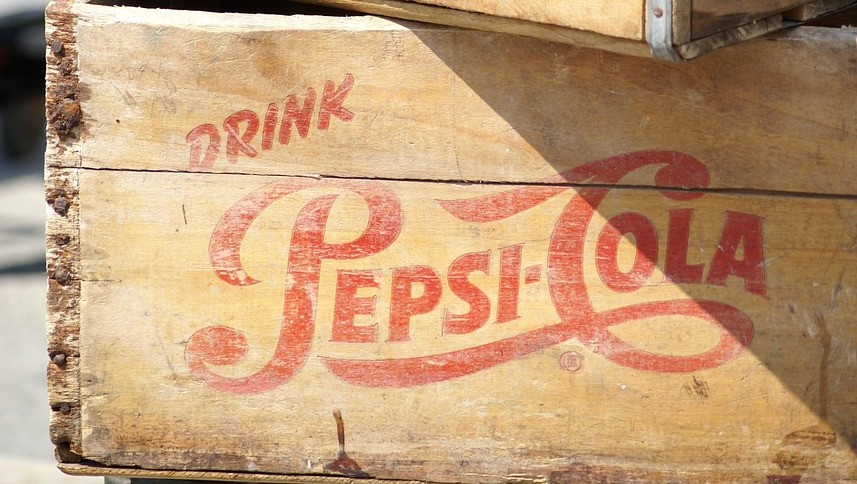
Image: Iulia Buta

Which name do you like better for the world’s biggest search engine: Google or BackRub? Believe it or not, a lot of people were supporting the latter at some point. It’s hard to imagine a world where "BackRubbing" information is a daily habit! Here, we go over the original names of very famous brands and explore why they didn't stick. Do you wish any of them had been used?

1
BackRub
Image: Deepanker Verma

Before it became the verb we all use today, Google was known as BackRub. The name referred to the search engine’s ability to analyze backlinks (links from one webpage to another) as a way to rank search results.

But it sounded more like a massage parlor than a tech startup. In 1997, they wisely rebranded to Google, a twist on "googol," the term for the number 1 followed by 100 zeros.

2
Brad’s Drink
Image: NIKHIL

It was going to carry around the nickname of its creator forever. Caleb Bradham was a pharmacist in New Bern, North Carolina. He invented a drink back in 1893 as a refreshing, energizing tonic for digestion, which included pepsin , a digestive enzyme.

A few years later, Brad decided on a more marketable name than his own : Pepsi-Cola.

3
Taco-Tia
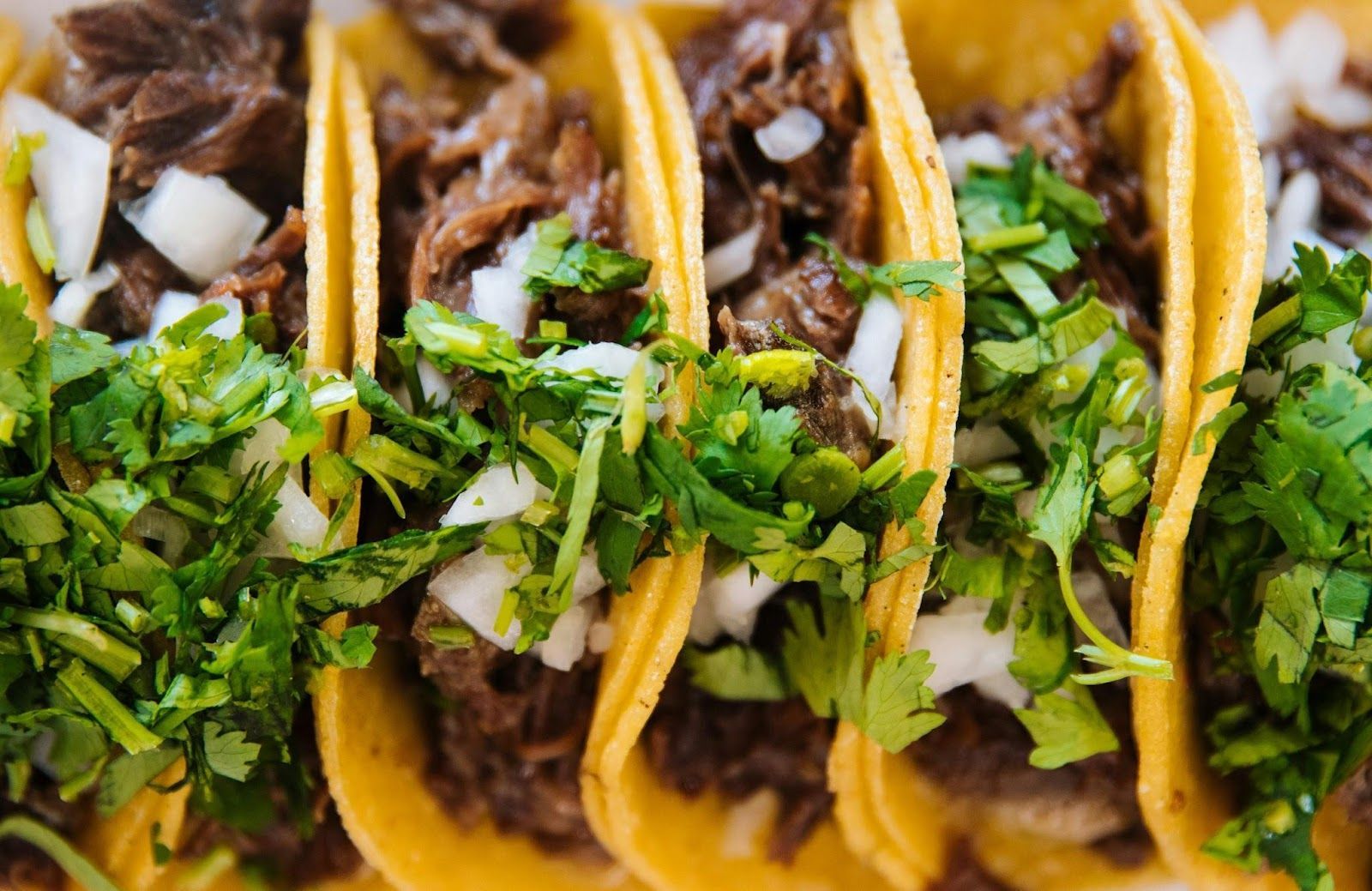
Image: Jeswin Thomas

Glen Bell owned Bell’s Drive-In, a stand selling hot dogs, when he noticed long lines outside a Mexican restaurant. He decided he needed to learn how to make tacos.

Over a few years, he refined his concept and opened a new chain selling Mexican food, which received several names over time, including Taco-Tia. Eventually, he landed on Taco Bell. It was conveniently Americanized , easy for mainstream customers to remember and pronounce, and suggested a memorable logo.

4
Sound of Music

Image: Josip Ivankovic

At first, this mega-electronics retailer was all about stereos. Founded in the 60s, Sound of Music specialized in home audio equipment. But after a tornado wrecked their main store in the 80s, they ran a massive clearance sale and told people they would get their "best buy" there.

By the end of the day, they had pretty much sold out. The sale was such a hit that, in 1983, they decided to rebrand entirely as "Best Buy".

5
Tote’m Stores
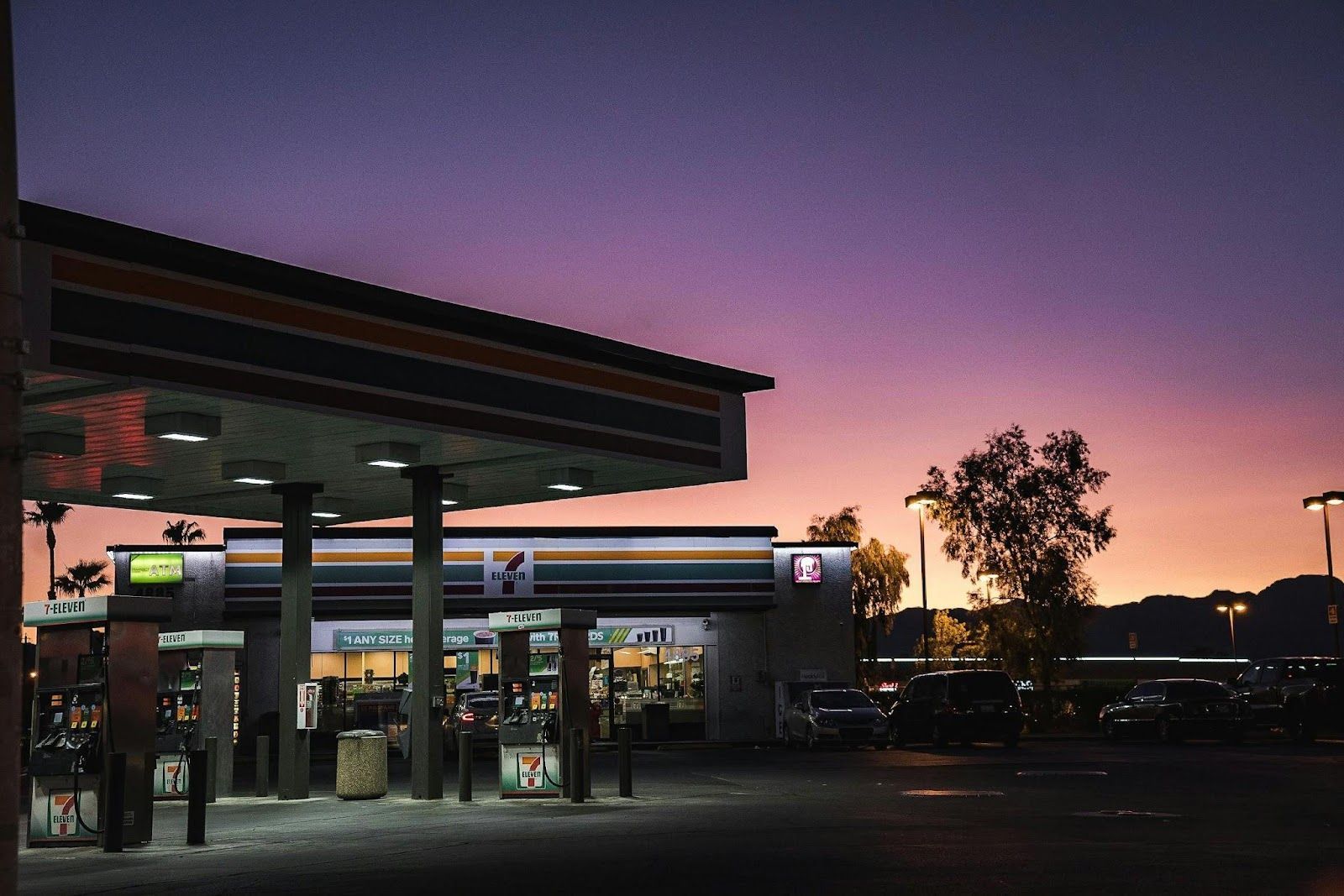
Image: Piccinng

Once upon a time, you didn’t pop into a 7-Eleven—you got your goods home from Tote’m Stores. The chain got its original name because customers "toted" their purchases.

In 1946, to highlight their revolutionary new hours (7 a.m. to 11 p.m.—wild for the time), they wisely rebranded as "7-Eleven."

6
Blue Ribbon Sports
Image: NEXT Distro

If it had been called "Blue Ribbon Sports," there would probably not be a swoosh . This company began as a distributor for Japan’s Onitsuka Tiger running shoes.

But in the 70s, as they launched their own footwear line, they realized they needed a brand with more bite. They chose "Nike," after the Greek goddess of victory. The swoosh logo was designed that same year for just $35.

7
AuctionWeb
Image: appshunter.io

The original name was straightforward, but also boring. eBay's original incarnation was AuctionWeb, launched in 1995 by Pierre Omidyar as a side project under his larger personal domain, eBay.com (which stood for his consulting firm Echo Bay Technology Group ). When he found that the domain echobay.com was already taken by a mining company, he settled on ebay.com. Later, as the online auction section became wildly successful, Omidyar dropped AuctionWeb entirely and adopted eBay as the company name.

8
Pequod
Image: Gema Saputera

The founders of this coffee shop were inspired by Herman Melville’s Moby-Dick. They wanted the quality of the coffee to be connected with seafaring and adventure . So, their first choice was "Pequod," the name of Captain Ahab’s doomed whaling ship.

That name didn’t have enough of a punch, however, so they decided to go for a wink at another character in the same book, with a much more marketable sound: Starbucks.

9
Pete’s Super Submarines

Image: Mustafa Fatemi

It was the 60s when 17-year-old Fred DeLuca opened a sandwich shop in Connecticut with financial help from a family friend: Dr. Peter Buck. In his honor, DeLuca named it "Pete’s Super Submarines."

The business grew, however, and the name was a bit of a mouthful. They needed a name that was shorter, catchier, and easier to advertise on the radio. They rebranded as "Subway," winking both at their food (subs) and the fast, urban lifestyle they hoped to serve.

10
Cadabra
Image: ANIRUDH

Too spooky, right? Amazon nearly had a name that conjured magic tricks. In 1994, Jeff Bezos registered the name "Cadabra," short for abracadabra . That lasted until someone pointed out how much like "cadaver" the name sounded.

Bezos then considered "Amazon," the name of the immense river. Not only did it suggest something vast, exotic, and full of potential, but it also placed the brand at the top of alphabetical listings —an old-school SEO move.

General General 6 min read

12 American inventions that shaped modern life

Image: National Gallery of Art, CC0, via Wikimedia Commons

From life-saving medical developments to groundbreaking technologies, American inventors have transformed how we live, work, and communicate. These innovations not only transformed everyday life but also ignited the flame of progress across the globe. Let’s dive into our selection of the 12 inventions that best reflect American creativity and ingenuity.

1
The light bulb

Image: Zach Lucero

Delivering electricity to the masses was one of the greatest technological advances in human history. The mid-1800s saw great competition in this area, as inventors around the world raced to invent their own electric light. The first filament bulb was developed by British inventor Warren de la Rue in 1840, but his use of a platinum filament made it expensive and impractical.

A few years later, Joseph Swan in the UK and Thomas Edison in the US each independently invented bulbs using cheaper elements. However, Edison received a patent on his bulb in early 1880, slightly before Swan. The light bulb, an invention that quickly reached every home, revolutionized life around the world, led to the development of the electrical grid, and set the stage for our modern electricity-dependent society.

2
The telephone

Image: viarami

In this modern era of emails and text messages, it can be hard to appreciate that the telephone was once revolutionary. The telegraph, the phone’s predecessor, only transmitted brief written messages. The telephone, however, allowed people to speak with one another in real time over long distances.

Inventor, scientist, and engineer Alexander Graham Bell invented the electric telephone in 1876. Although Bell was Scottish-born and also lived in Canada, he patented his invention in the US . The telephone was a game-changing technology that improved business efficiency, enabled instant global connections, and allowed emergencies to be reported as they occurred. It effectively made the world more connected and faster-paced.

3
The fire escape

Image: Lewis J Goetz

When we think of US inventions, the first things that come to mind are usually the light bulb or the telephone. But did you know that the modern fire escape was also a US innovation? Designed in 1887, this simple yet life-saving invention changed building safety forever.

In the late 1800s, fires were devastating cities across America. One woman, Anna Connelly, saw this horror up close and decided to do something about it. She designed an external iron staircase system, and in 1887, she patented it. At a time when women couldn’t even vote, Anna’s invention became a safety standard in most major cities, saving thousands of lives. Today her name is barely known, but next time you see a fire escape, remember the woman who made them possible.

4
The cash register

Image: Di Du

The first mechanical cash register for calculating and recording sales transactions was invented by saloonkeeper James Ritty following the American Civil War. He was looking for a way to stop cashiers from stealing, and finally patented his novel invention in 1879.

When a transaction was completed, Ritty's Incorruptible Cashier made a bell sound, and the amount was displayed on a large dial on the front of the machine. During each sale, a paper tape was hole-punched so the vendor could keep track of sales. Pretty ingenious, don’t you think?

5
Interchangeable parts

Image: gayulo

Standardized interchangeable parts for machines are now a staple of modern manufacturing, but it’s not a new idea. There’s evidence that thousands of years ago, ancient Carthage used them to build warships, and ancient China applied the idea to crossbows. Many centuries later, French experimentation with interchangeable musket parts inspired Thomas Jefferson.

In 1798, President George Washington and his Congress finally agreed to Jefferson’s idea of implementing the technology in America. They awarded a contract to Eli Whitney—the inventor of the cotton gin—to supply the government with 20,000 muskets. Whitney recognized the potential of developing firearms with identical parts and mechanisms. His advancements in interchangeable parts laid the foundation for modern manufacturing, enabling improved quality control, reduced costs, and faster production of goods.

6
The assembly line

Image: Public domain, via Wikimedia Commons

For most of human history, manufactured goods were custom-made. Every model of a machine, piece of clothing, or tool was unique. The development of interchangeable parts was a huge advancement, but automobile manufacturer Ransom Olds took it a step further with the assembly line in 1901. By standardizing and automating many aspects of manufacturing, uniform goods could be created faster and at lower costs.

Olds’ vehicle, the Oldsmobile Curved Dash, became the first mass-produced car . His method was later adopted and perfected by Henry Ford, whose moving assembly line for the Model T in 1913 revolutionized manufacturing. Today, the assembly line combines human labor and automation to produce nearly every mass-market product on Earth. Many experts agree it was one of the most significant technological developments of the 20th century.

7
The airplane

Image: Wright Brothers, Public domain, via Wikimedia Commons

People have always observed birds and insects and dreamed of flying. The Greeks told the story of Icarus and Daedalus, who crafted wings of wax and feathers; Leonardo da Vinci sketched and theorized flying machines, but it wasn’t until 1903 that the airplane became a reality in Kitty Hawk, North Carolina.

Wilbur and Orville Wright experimented with aeronautics for several years before achieving their successful first flight. A few years later, airplanes were first used in warfare. Within seven decades, their technology evolved and took us to the Moon. Today, the airplane is an indispensable technology that allows us to transport goods and people around the world in no time.

8
GPS

Image: Stanislav Kondratiev

It’s hard to imagine life without GPS—but do you know how it began? When the Soviet Union launched Sputnik in 1957, American physicists realized they could track the satellite’s radio transmissions using the Doppler effect.

Soon after, the U.S. military began testing and launching the Navstar Global Positioning System satellites. In 1983, President Ronald Reagan approved GPS for civilian use, and by the start of the 21st century, GPS devices were widely available in vehicles and mobile phones . Today, GPS is an essential technology for business, travel, and military operations.

9
Personal computers

Image: Unidentified U.S. Army photographer, Public domain, via Wikimedia Commons

The first electronic general-purpose computer, ENIAC, was built in 1946 at the University of Pennsylvania. It occupied 1,800 square feet of floor space and weighed 30 tons. At the time, imagining a consumer-grade computer small enough to fit in every home would have seemed impossible. Yet, just one generation later, the impossible became reality.

Over the years, computers became smaller, cheaper, and more powerful than the ENIAC’s creators could have imagined. In 1971, John Blankenbaker developed the first PC, the Kenbak-1. Fifty years later, it is clear that personal computing has fundamentally shaped the modern world.

10
The internet

Image: Lorenzo Herrera

Revolutionary technologies such as the wheel, the internal combustion engine, the telephone, and the airplane have forever changed the way we travel and communicate. The internet is no exception; it gives people access to the entirety of human existence with just a few clicks.

In 1969, computer scientists at the Advanced Research Projects Agency (ARPA) created the first network connecting labs at UCLA and Stanford. Over time, their network expanded, connecting anyone with a device. Since then, the internet has revolutionized the way human beings access resources and share information.

11
E-mail

Image: Brett Jordan

After the personal computer and the Internet, we only needed to invent a modern method of sending messages and letters to each other. The Advanced Research Projects Agency Network, known as ARPANET, sent the first email in 1971. Within five years, the majority of exchanges within the ARPANET community were via email.

With the introduction of attachments in the early 1990s, electronic mail became the fastest and easiest way to send information from point to point. By the start of the 21st century, email enabled people around the world to communicate quickly and inexpensively, and the technology quickly became one of the primary tools for global communications.

12
Magnetic resonance imaging

Image: MART PRODUCTION

The impact of the MRI machine on medicine is invaluable. The principles behind nuclear magnetic resonance (NMR) have been known since at least the end of World War II. Yet, two researchers in the late 1960s and early 1970s recognized the potential of this technology to revolutionize medicine forever.

American chemist Paul Lauterbur and physician Raymond Damadian separately experimented with NMR in scanning for cancer cells. After publishing the promising results of their experiments, a patent was filed. By 1977, the first full-body scanner was developed. Since then, millions of lives have been saved by the MRI machine. For his contributions, Lauterbur was awarded the Nobel Prize in Physiology or Medicine in 2003.

General General 5 min read

DON’T DISTURB THE ANIMALS

Beware Of These 10 Dangerous American Species

Image: Timothy Dykes

Getting stung by a bug is never fun, but it's rarely dangerous—unless you get bitten by one of these insects. There are far more hazardous countries than the United States of America when it comes to poisonous creatures (I’m looking at you, Australia). But, still, there are several species that you should keep an eye out for. From venomous snakes to spiders, centipedes, ants, and even, yes, monsters, America has it all. Some of these creatures are more dangerous than others but getting stung by any one of them is, at the very least, a very unpleasant and painful experience.

1
Venomous Snakes

Image: Dan LeFebvre

You have heard of the rattlesnake , right? There are 16 members of this family of venomous snakes alone in the United States. That is one dangerous family if you ask me. Aside from those, you can also bump into a coral , a cottonmouth , and a copperhead snake, all in the same country, all venomous too.

Unfortunately, snakebite victims often don’t know a snake has bitten them until it is too late. The best strategy is to not get bitten in the first place but, if you are bitten, you should get to an emergency room as soon as possible. Try not to move the bitten limb as this increases blood flow and spreads the venom faster throughout your body.

2
Black Widow and Recluse Spiders

Image: Lena Taranenko

Lucky for us, out of the 3,000 plus species of spiders that can be found in the United States, only 2 are known to be venomous. Those are the Recluse Spider and the infamous Black Widow .

If not treated in due time, Black Widows and recluse spiders are especially dangerous and even deadly to children, the elderly, and the sick. Luckily, these spiders are mostly rare to encounter. Nonetheless, you should always remain vigilant, particularly when it comes to Black Widows. These dangerous creatures tend to live in closer proximity to humans and their bites are extremely painful and can have long-lasting consequences.

3
Hornets, Bees, and Wasps

Image: Mohsen Bagherzadeh

What is worse than a venomous creature? A venomous creature that flies! Hornets, wasps, and bees kill far more Americans each year than any other animal. Understandably, most of these deaths are due to allergies, but this shouldn’t diminish the risk, as the majority of victims likely did not know they were allergic in the first place.

One of the most dangerous species, killer bees , also known as Africanized Bees, attack in swarms, often with devastating results. Upon any detection of a threat to their hive, an individual can be chased for up to a quarter of a mile. Although the venom from an individual sting is not considered to be particularly potent, simultaneous stings can lead to excess swelling, pain, and potential death if the recipient is allergic to bee stings.

4
Scorpions

Image: Leon Pauleikhoff

One of the most menacing-looking creatures around, the scorpion is an arachnid with a venomous sting. Its weapon of choice is its stinger on the end of its tail, used to inject venom into un-expecting enemies or predators.

Moreover, scorpions are also equipped with pincers, though these cannot cause substantial damage to a human; it is considered to be the case that the smaller the pincers, the stronger the venom, so watch out for miniature claws in the summer. When it comes to particular members of the species, the Arizona Bark Scorpion is the most potent one in the USA and carries a potentially lethal sting.

5
Gila Monster

Image: David Clode

A creature with an epic name if we ever saw one, the Gila Monster is the only venomous lizard in the United States. And, even though they are venomous, Gila Monsters rely more on their powerful crushing jaws to subdue their prey.

If you happen to find a Gila Monster, observe this dangerous animal from a safe distance.

Though it isn’t fatal, the Gila Monster’s bite is excruciatingly painful. These lizards have small, razor-sharp teeth that dig into the skin and inject their venom. The effects can last for hours or days, depending on how much venom someone is exposed to.

6
Colorado River Toad

Image: Jaunathan Gagnon

A toad with a psychedelic reputation, the Colorado River Toad releases a venom that is illegally harvested and used as a hallucinogenic drug, and it is even classified as a controlled substance.

It is also dangerous to most animals and large dogs who accidentally eat them have been known to be paralyzed or even die from the poison. Never handle this toad with your bare hands, and keep your pets away from them as well.

7
Ticks

Image: Adrian Siaril

A nasty little creature, the tick is one of the most dangerous animals in the United States. While ticks sometimes live indoors, they’re most commonly found in grassy or wooded areas with water nearby. They wait on tall grasses for a host to pass, then jump onto the living creature and attach to start feeding.

These insects are considered dangerous because they can spread disease when they pierce the skin. Although there isn’t a hard and fast rule, it’s accepted that the longer a tick is attached, the higher the risk of infection. If you notice a tick on your skin, you should remove it with a tick key, wash the area with soap and water, and contact your doctor.

8
Kissing Bugs

Image: James Wainscoat

Don’t be fooled by their colorful appearance, there is nothing nice about these insects. Kissing Bugs gets its name from the habit of biting near their victims’ mouths. These insects carry a parasite that causes Chagas disease. Although it’s treatable in its early stages, if an infection is left untreated, it can cause a chronic, lifelong illness.

Initial symptoms of this disease include fever, fatigue, body aches, headache, rash, loss of appetite, diarrhea, and vomiting. One of the easiest ways to prevent Kissing Bug bites is to use mosquito netting and insect repellent while you’re in areas where these insects live. Also, make sure to follow up with a doctor if you notice bites or sores around your mouth and nose.

9
Common Desert Centipede

Image: Viktor Talashuk

Centipedes are one of the strangest-looking insects and many people fear them because of their aspect. The Common Desert Centipede is a pale orangey-brown color with lateral black stripes. It’s best to avoid this centipede in the United States.

The bite of the Common Desert Centipede is one of the most painful bites possible from an arthropod. Much worse than a wasp sting, it has been compared to the Bullet Ant Sting and will almost certainly send you to the emergency room. The venom spreads after the initial bite, and the pain worsens until you seek treatment.

10
Fire Ants

Image: oktavianus mulyadi

The name itself is not the most reassuring one. Fire ants are a group of stinging ants made up of over 200 individual species, all of which sting, with varying levels of pain. Additionally, they’re more aggressive than other ant species.

These insects form large colonies and usually eat insects, plants, and flowers. However, if their nests are disturbed, they won’t hesitate to swarm and sting large animals, including humans. Unfortunately, their stings are quite painful and are often compared to the feeling of being burned by an open flame.

Explore more American facts

Choose your favorite category!

General
General

As American as apple pie—the very best America has to offer!

Culture
Culture

Delve into the astounding richness of American lore.

Geography
Geography

Hop in and explore vast and diverse American landscapes.

History
History

Discover the key moments that shaped the United States.