History History 6 min read

Game-changing inventions

Why were the digits 9-1-1 chosen? Inventions that changed everything
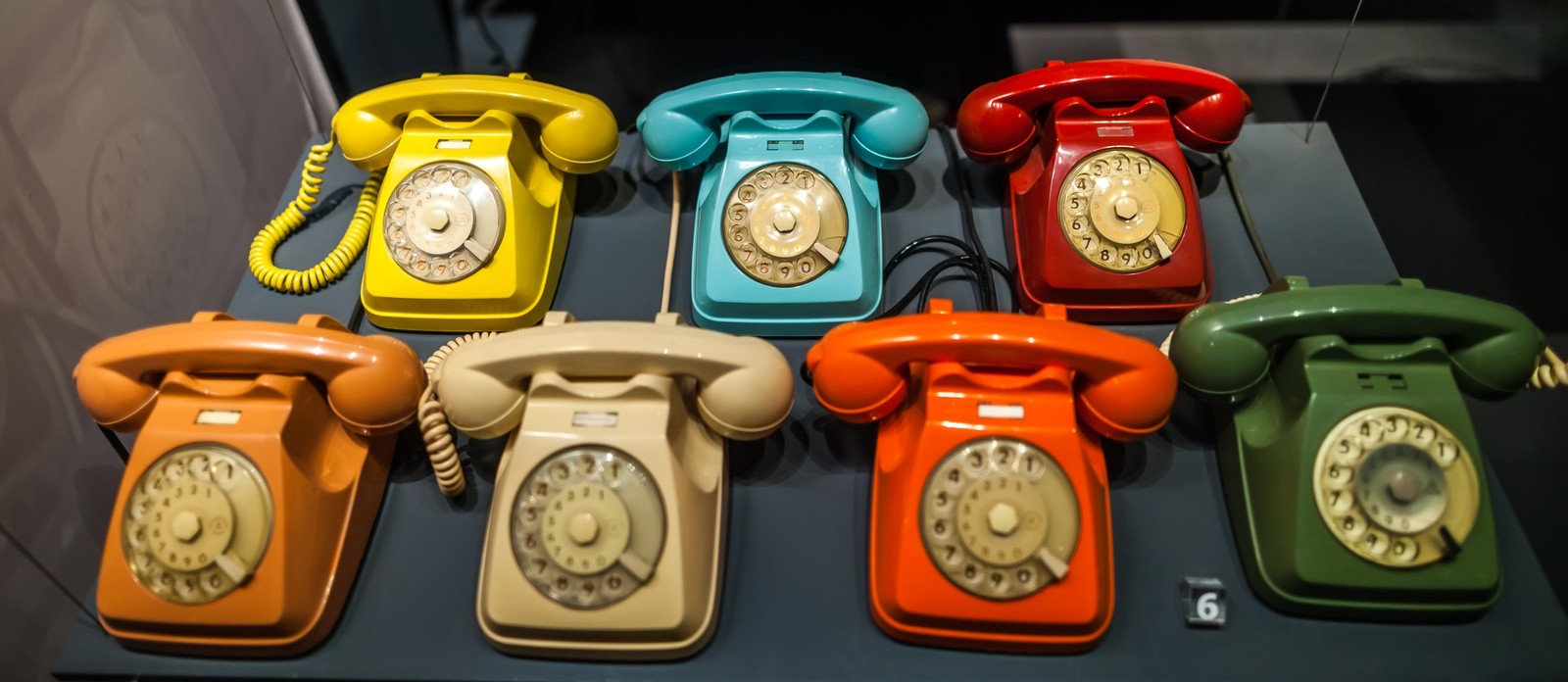
Image: Viktor Gladkov

We once lived in a world where banks closed by mid-afternoon, summer heat emptied entire cities, and no one quite knew how to call for help during emergencies. That was everyday reality for much of the 20th century, until a wave of practical inventions rewrote the rules. Breakthroughs like air-conditioning, ZIP codes, and barcodes started chain reactions that eventually reshaped our homes, habits, and economy. Here are ten inventions that changed ordinary life for good.

1
Credit cards
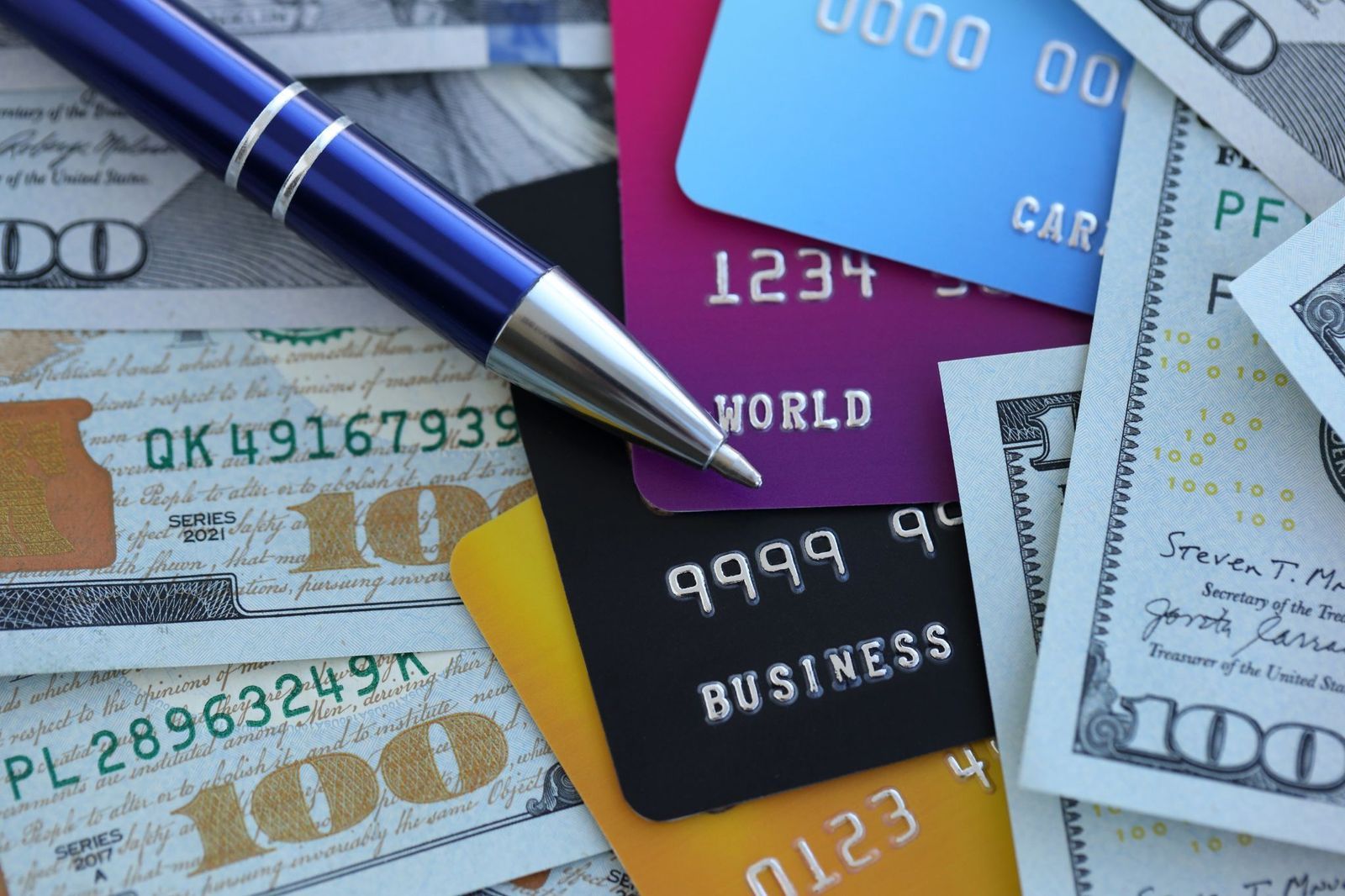
Image: Mehaniq

Before universal payment cards existed, some department stores and oil companies issued "charge plates" or "metal coins" to trusted customers. That was until 1949, when entrepreneur Frank McNamara forgot his wallet and couldn’t pay at a New York restaurant—inspiring him to create Diners Club, a paper charge card that required full settlements each month.

In 1958, Bank of America launched BankAmericard (now Visa), which introduced revolving credit that allowed balances to carry month-to-month. Credit cards cut the link between everyday purchasing and cash on hand , making people more likely to use their money. It changed social taboos around personal debt, and helped the post-WWII suburban boom by allowing families to finance home goods and travel. Credit cards established the consumer habits and financial networks that eventually led to modern e-commerce.

2
The 9-1-1 emergency number
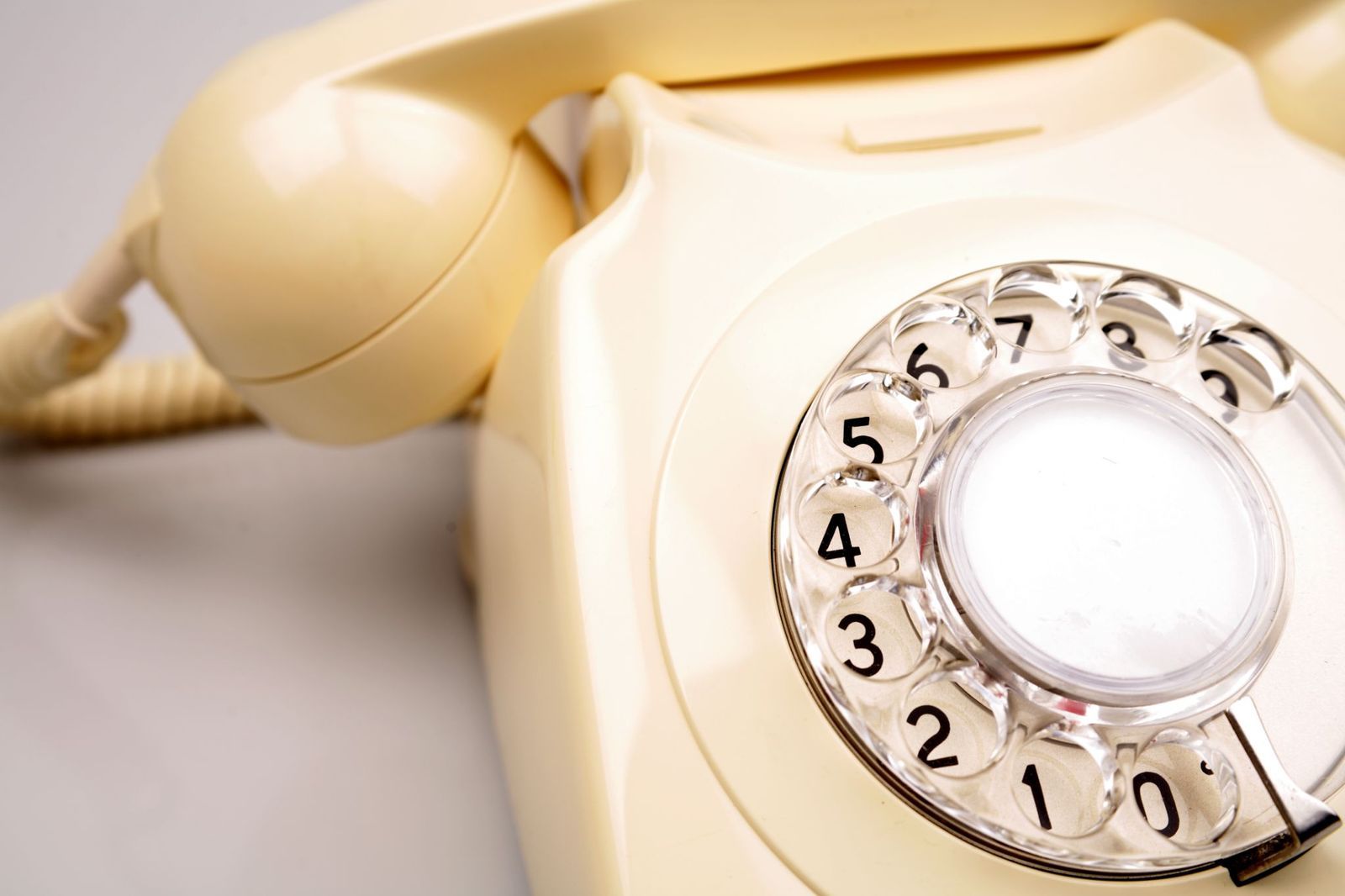
Image: STILLFX

Before a centralized emergency number existed, Americans in crisis had to dial zero for a telephone operator or look up and dial the local 10-digit phone number for their specific police precinct, fire department, or ambulance corps. In 1967, the President’s Commission on Law Enforcement recommended creating a single, easy-to-remember number for reporting emergencies nationwide.

In January 1968, AT&T announced it would reserve the digits 9-1-1 for emergency services. The number was chosen because it was short, easy to dial on rotary phones, and had never been used as an area code. The system drastically reduced response times and forced disparate public services to organize their dispatch centers. It also ingrained a safety standard that could be easily taught to children and save lives.

3
Air conditioning

Image: moo photograph

Heat in the city was once a huge problem. Before modern climate control, intense summer heat crippled industrial output and emptied cities, dictating migration patterns during the season. In 1902, Willis Carrier designed the first electrical air conditioning system to control humidity for a Brooklyn printing plant. By the 1920s, movie theaters adopted climate control to attract summer crowds, and by 1947, mass-produced window units brought affordable cooling into people’s homes.

Air conditioning made hot southern climates livable year-round. This drove a massive demographic shift, with millions migrating toward the Sun Belt . It transformed housing architecture; social life moved indoors and away from traditional porches. Beyond home comfort, ACs expanded the production possibilities for industrial manufacturing and, more recently, for modern server farms.

4
Barcode checkout
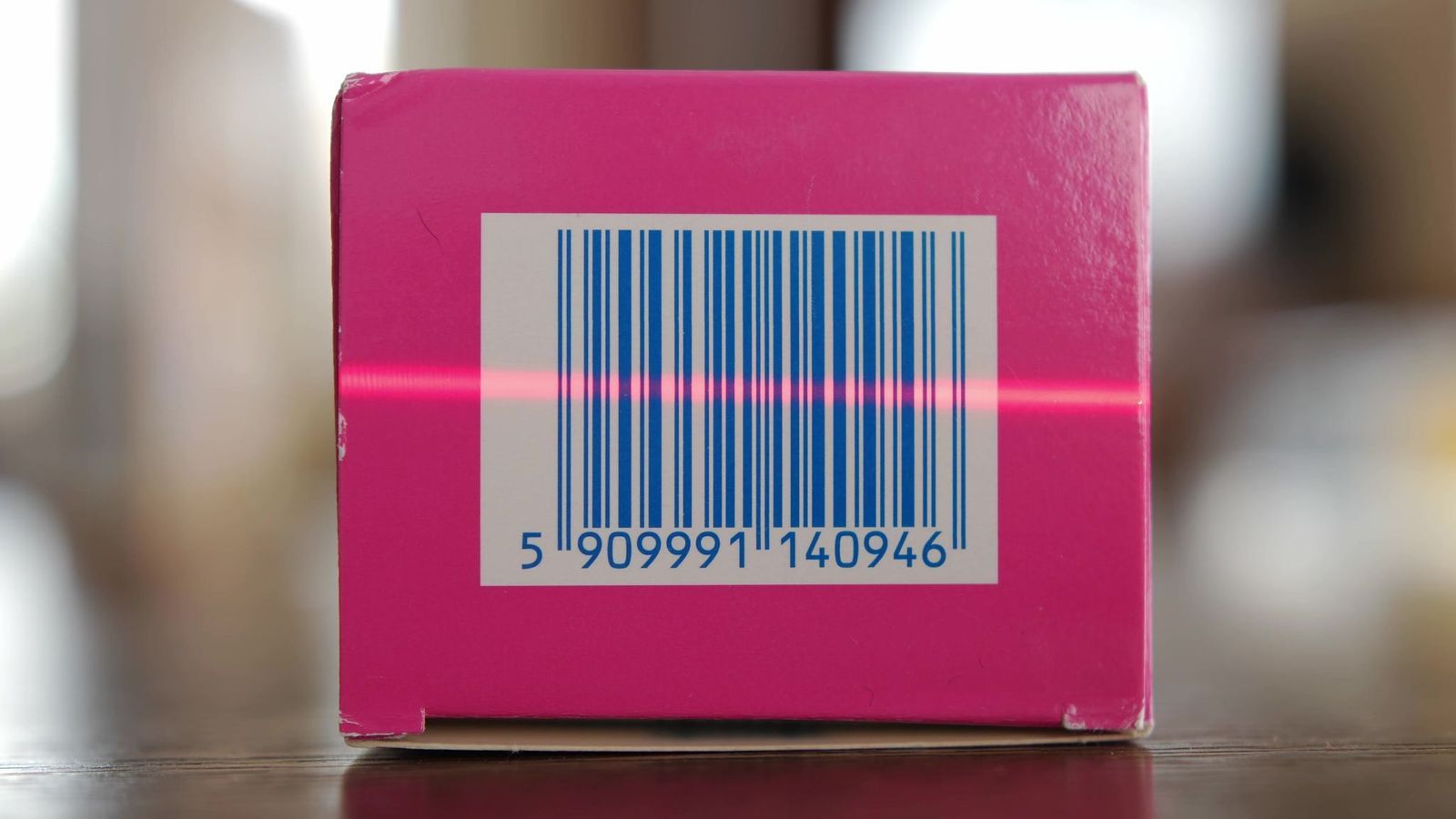
Image: maradek

The concept of the barcode was patented in 1952 by the pair of engineers Norman Joseph Woodland and Bernard Silver. Woodland observed that the dots and dashes used in Morse code could be elongated to form lines and bars; from this, they created a new system to graph a code. But the technology to scan these patterns affordably didn’t exist yet.

The breakthrough came in the early 1970s when the grocery industry adopted the rectangular Universal Product Code (UPC) format and combined it with new laser scanning technology. Fast checkouts and real-time stock tracking revolutionized retailers; codes easily registered what was selling, enabled automated reorders, and so helped the growth of modern big-box retail giants like Walmart.

The first barcode scanned on a commercial product, in 1974, was on the back of a 10-pack of Wrigley’s Juicy Fruit chewing gum, now preserved at the Smithsonian.

5
ZIP codes
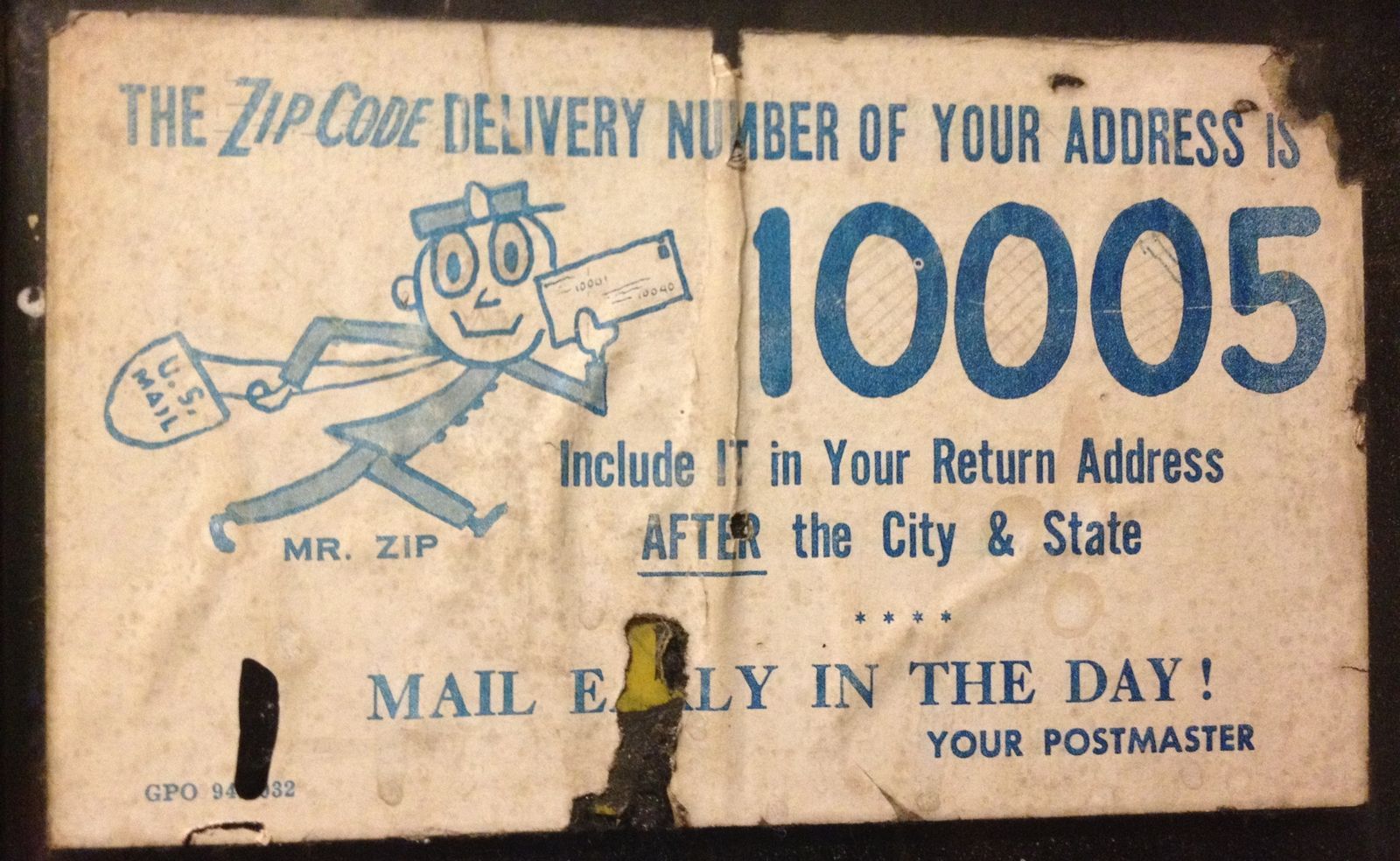
Image: Brianga, CC BY-SA 3.0, via Wikimedia Commons

By 1960, skyrocketing post-war mail volume overwhelmed manual sorting systems in post offices. To eliminate severe delays, the U.S. Post Office introduced the five-digit ZIP (Zone Improvement Plan) Code on July 1, 1963. The numerical sequence organized the country into clear regions, sorting hubs, and local delivery zones. To promote it, they used the cartoon mascot Mr. ZIP.

ZIP codes transformed postal sorting into an automated, machine-readable system that accelerated package and letter delivery. The codes redefined social and geographic identity. Eventually, codes started shaping real estate values and school districts. The same framework was ultimately used for targeted direct-mail marketing and modern e-commerce delivery networks.

6
Interstate highways
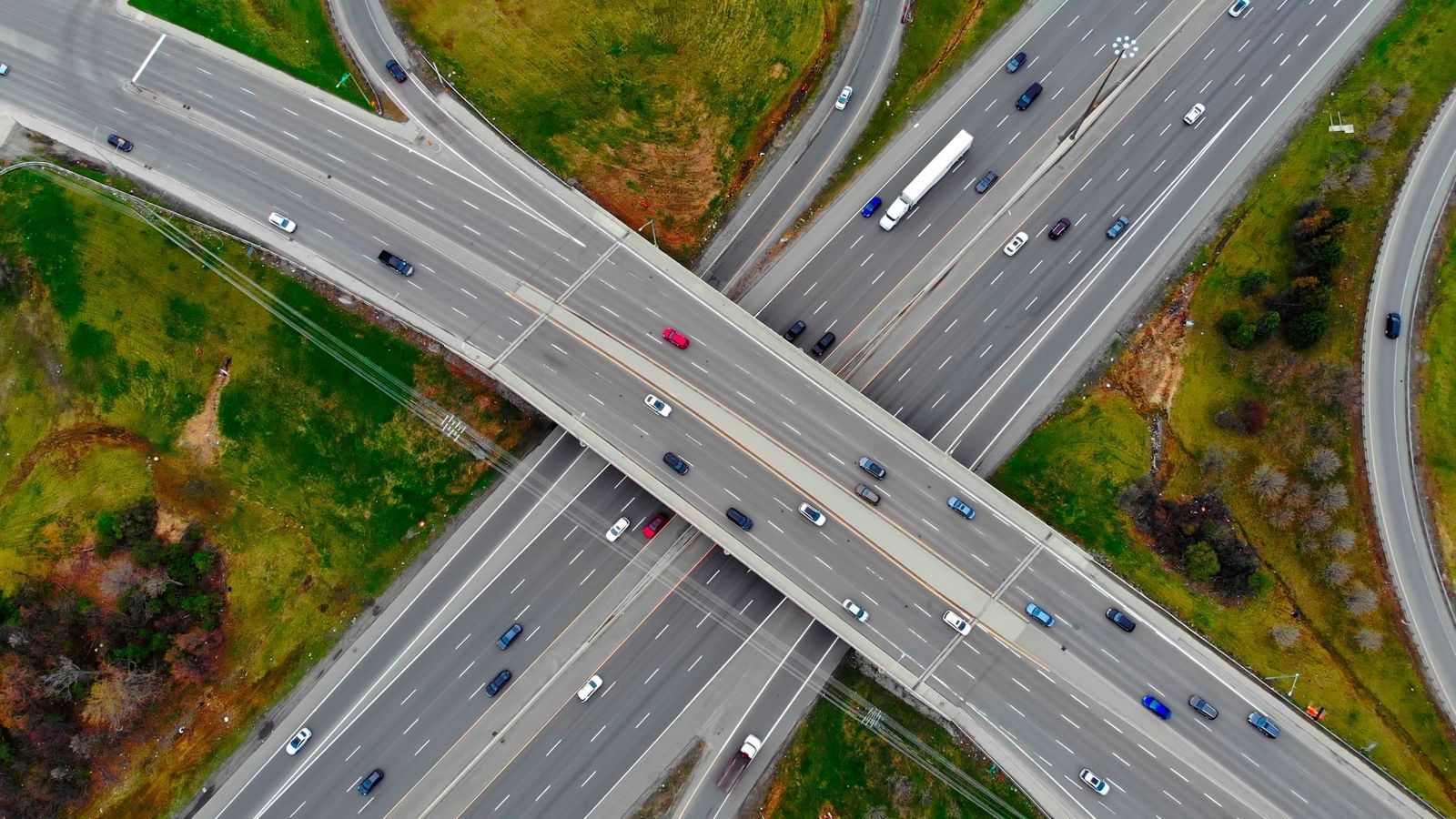
Image: I.K.Media

Before the 1950s, cross-country driving meant navigating slow, two-lane roads and town traffic. That changed when President Dwight D. Eisenhower signed the Federal-Aid Highway Act of 1956. This launched the construction of a 41,000-mile high-speed highway network designed for efficient commercial transport and national defense.

The Interstate Highway System slashed travel times. Long-distance trucking was transformed, and supply chains expanded. It also helped accelerate the mass migration to the suburbs, since workers could commute easily into city centers. The system also gave birth to car culture, roadside motel chains, gas station spots, and fast-food empires.

7
Microwave ovens
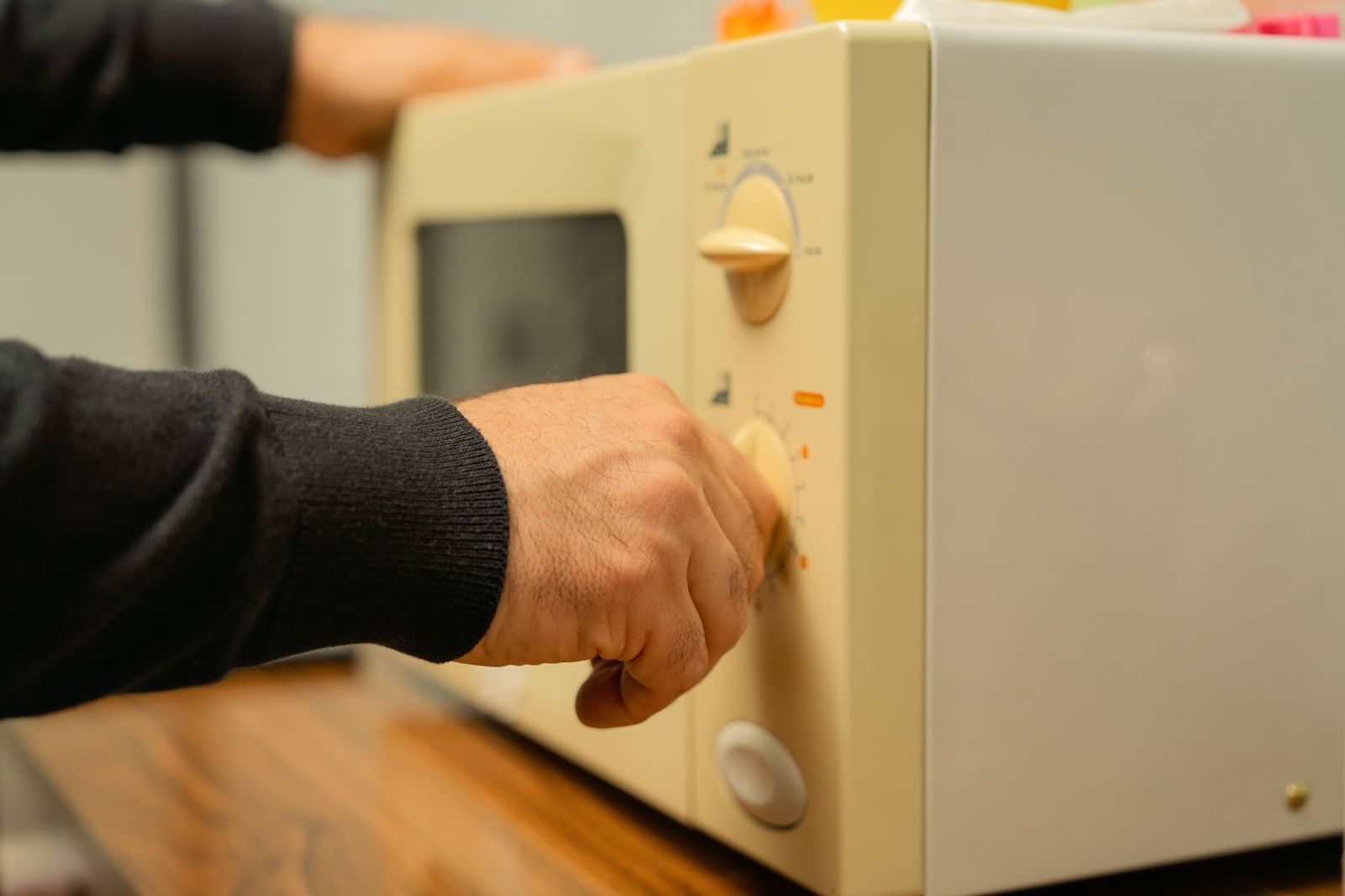
Image: edualonso

The technology behind the microwave was discovered by accident in 1945 by Raytheon engineer Percy Spencer. While working on active radar sets, Spencer noticed that micro electromagnetic waves had melted a candy bar in his pocket. After testing popcorn and an egg, Spencer filed the patent for microwave cooking.

Raytheon introduced the first commercial microwave oven in 1947, called the Radarange, but it was massive and cost $5,000 (around $60,000 today). In the 60s, countertop models were made affordable and revolutionized home cooking, allowing meal preparation and popularizing "TV dinners". This crucial boon in household efficiency coincided with the massive influx of women into the full-time workforce in the 70s and 80s.

8
ATMs
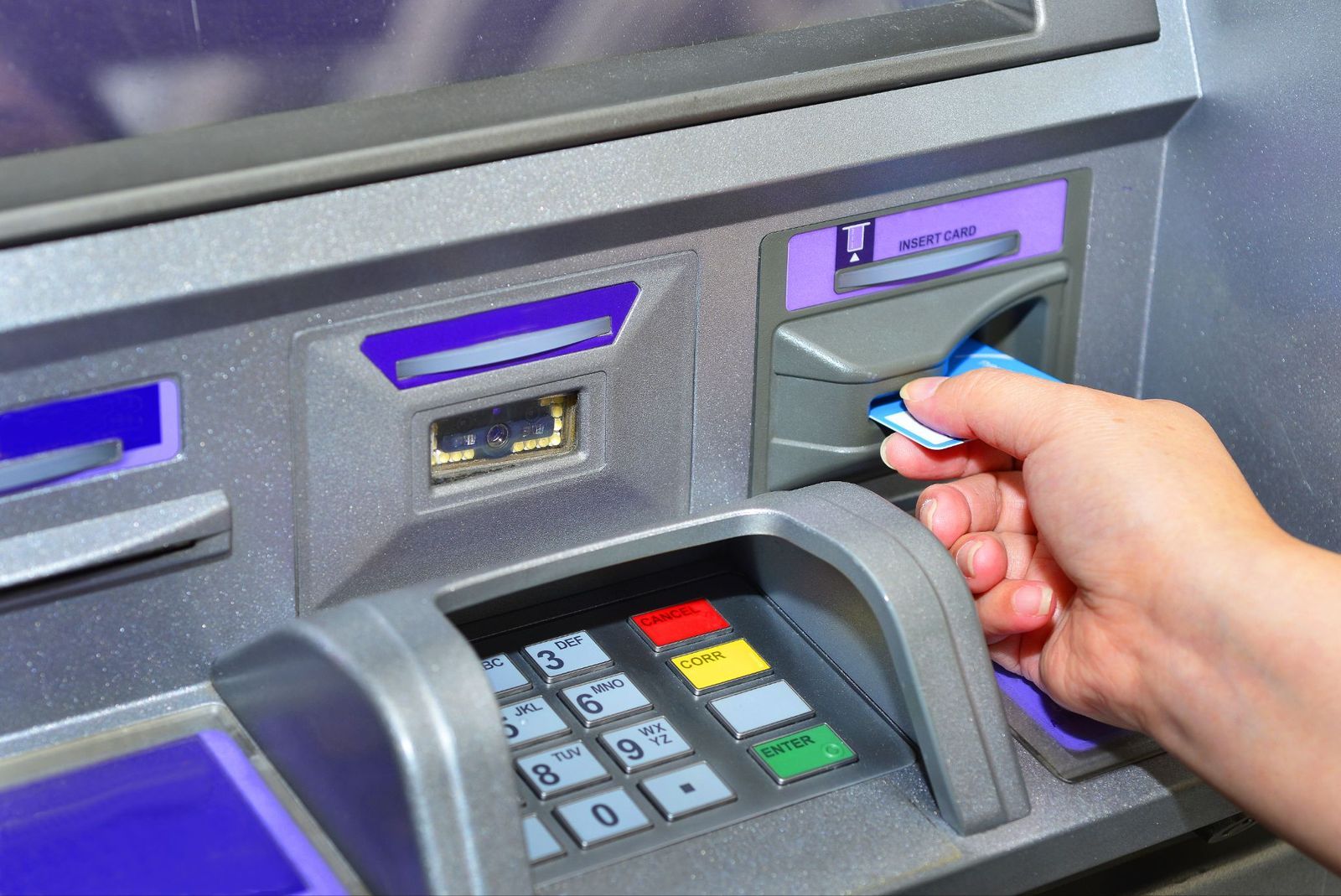
Image: i viewfinder

Until the late 60s, people could only access cash within strict "bankers' hours." This sometimes meant standing in long lines before mid-afternoon branch closures. That changed in 1969, when Chemical Bank installed the first U.S. Automated Teller Machine (ATM) in Rockville Centre, New York.

Once they spread around the country, ATMs granted 24/7 access to personal finances. Interbank networks allowed consumers to withdraw funds nationwide, which propelled retail spending. ATMs also reduced branch operating costs for banks, prompting them to expand locations; many original tellers shifted to customer service and became financial advisors.

9
Restaurant drive-throughs
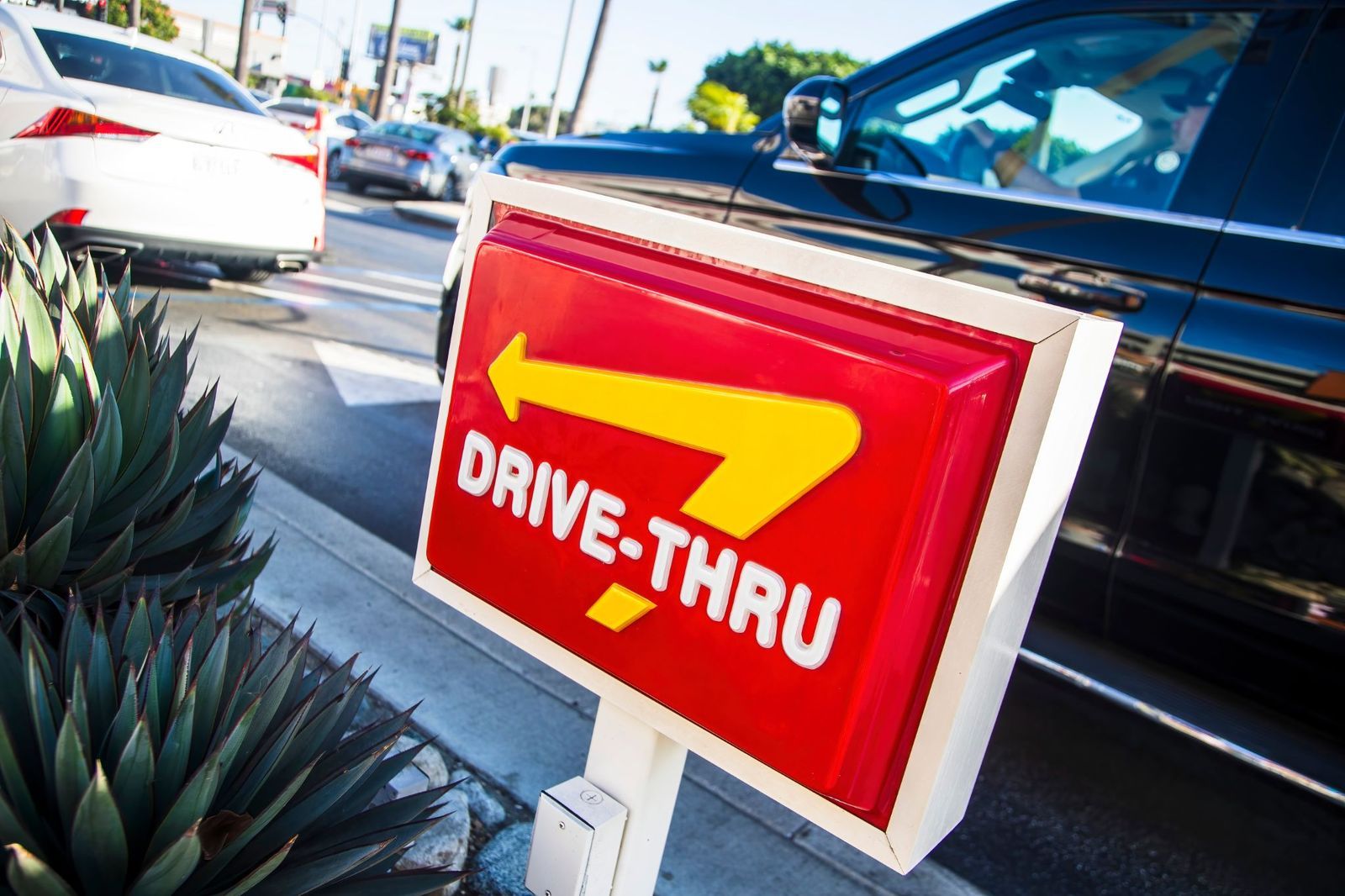
Image: Karolis Kavolelis

In 1948, Harry and Esther Snyder opened the first In-N-Out Burger in California, equipped with a two-way speaker system, a pioneering technology that allowed drivers to order, pick up food, and leave without exiting their vehicles. Before this, many restaurants had relied on carhops at drive-in restaurants, where waiters walked orders to parked cars.

While In-N-Out introduced the speaker system, Jack in the Box commercialized the pure drive-through format in 1951, operating locations without dine-in seating. Other chains, like McDonald’s, later adopted the same system. Drive-thrus went hand-in-hand with the required fast pace of the venues, and became an example of architecture and layout being adapted to prioritize vehicles. Today, drive-throughs account for roughly 70% of total sales for major fast-food chains in the country.

10
Portable cell phones
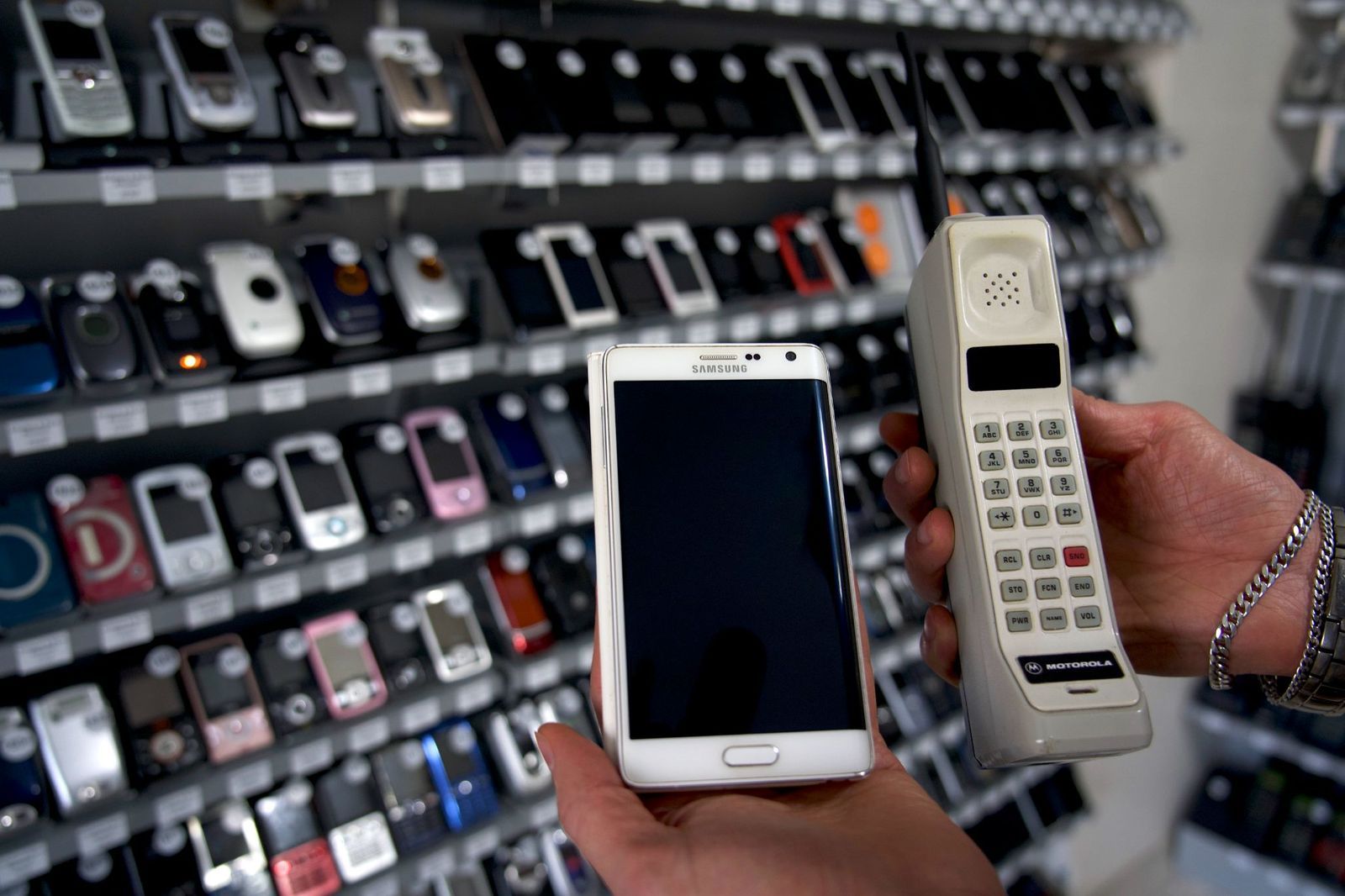
Image: Umut Çolak, Public domain, via Wikimedia Commons

Portable phones already existed by the 50s, but were so heavy and expensive that they could only be housed in car trunks; only government or emergency services had access to this tech for mobile communication. On April 3, 1973, Motorola engineer Martin Cooper made the first public handheld mobile call on a Manhattan street corner. He called his rival at AT&T’s Bell Labs to announce that Motorola had beaten them to personal portability.

Another decade of developments later, in 1983, Motorola commercially released the DynaTAC 8000X, nicknamed "The Brick." During the 1990s, smaller flip phones and affordable prepaid plans allowed millions of people to carry phones in their pockets. By the end of the decade, the culture of constant reachability was setting in. Boundaries between professional and personal hours dissolved. Phones went from location-based landlines to devices for individual users, which established the networks and daily habits that gave way to today's smartphone-driven world.
History History 5 min read

Do you believe?

Extraterrestrial America: 10 famous unexplained incidents

Image: Albert Antony

Humans have long wondered about the existence of beings from other worlds and civilizations more advanced than ours. While no conclusive evidence has been presented, strange sightings have always sparked our collective curiosity. The U.S. is no stranger to these mysterious incidents, and government interference has done little to theories and conspiracies, fueling the rumors instead. Here are 10 famous sightings.

1
Roswell Incident

Image: Bruce Warrington

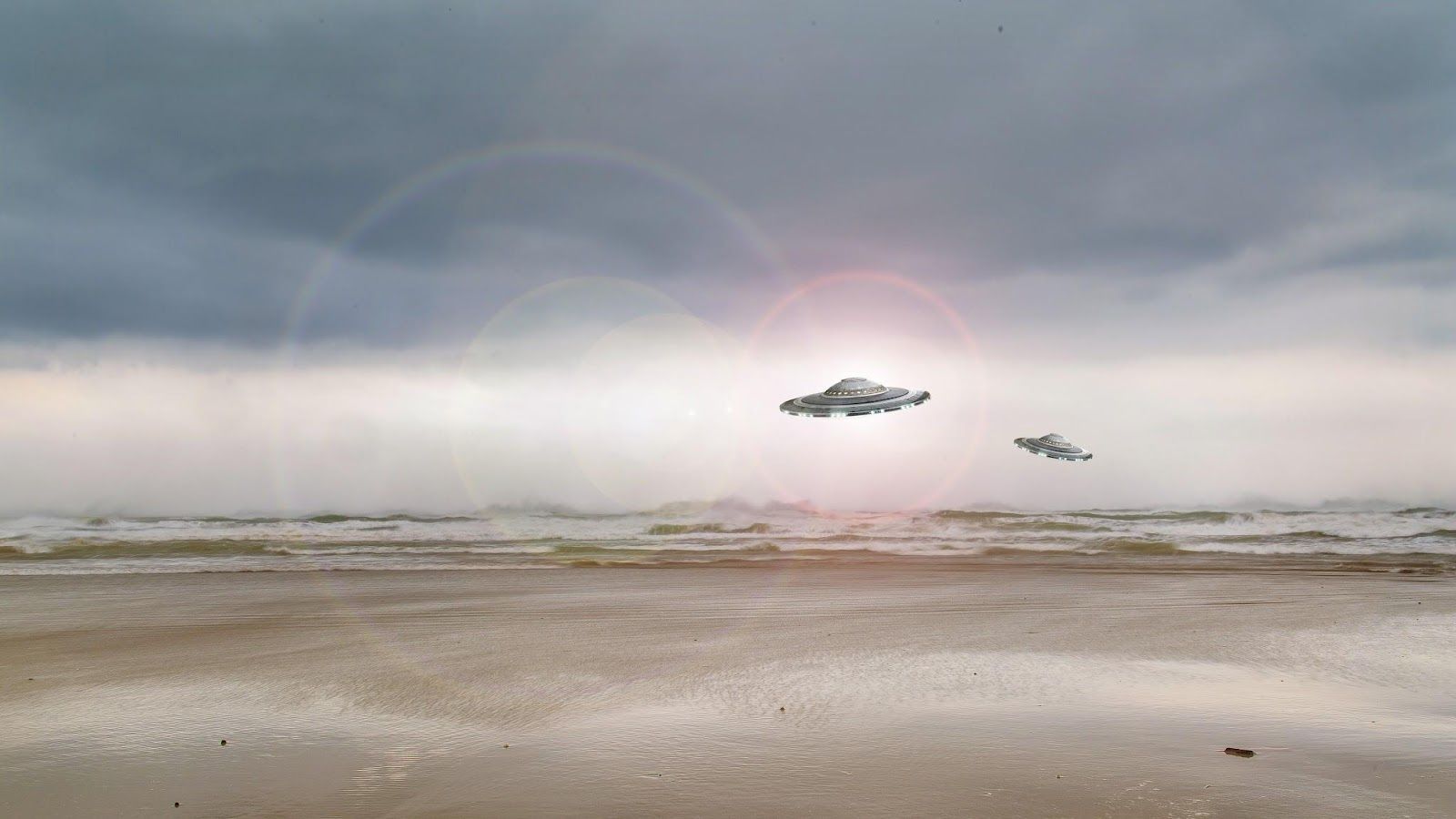
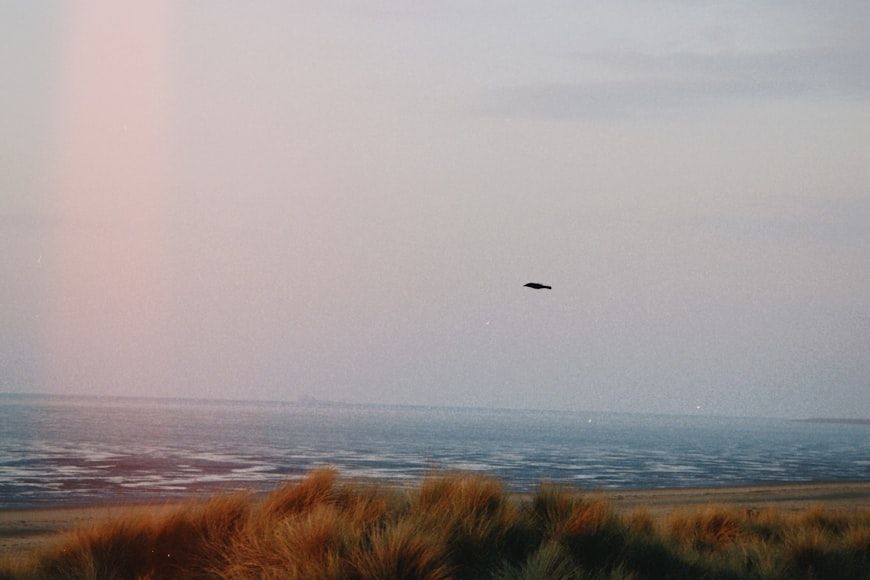
In June 1947, a rancher in Roswell, New Mexico, found strange metallic debris in a field. Soon after, military personnel from a neighboring air base gathered all the evidence and announced they had recovered a flying disc . The following day, however, they retracted their statement, claiming instead that the debris was part of a weather balloon — and suspicions of a conspiracy were born

Years later, government officials stated that the balloon story had been a cover, but there are still disputes about what actually happened. Military sources have since said the balloon was part of a program to detect Soviet nuclear weapons , but the contradicting stories have led many to believe that we don’t know the whole truth about the incident.

2
Washington, D.C. UFO Incident

Image: Louis Velazquez

In July 1952, a series of UFO sightings in Washington, D.C., was reported over two consecutive weekends near the White House and the Capitol. These objects were seen visually by pilots and air traffic controllers, and they were also tracked by radar.

Though the air force deployed jets to intercept the UFOs, the pilots reported that these objects had incredible speed and that they were easily outmaneuvered. The incident sparked attention from the media, which led President Truman to create the Robertson Panel, a scientific committee dedicated to investigating UFO sighting reports.

3
Cash–Landrum incident

Image: Noah Silliman

In December 1980, Betty Cash and Vickie Landrum, alongside Landrum’s grandson, spotted what they initially thought was an airplane near Dayton, Texas, but was actually a diamond-shaped object, emitting a bright light and hovering near the ground . After getting out of their vehicle to inspect the object, they returned to the car to find it was extremely hot to the touch.

After the alleged UFO left, Cash and Landrum claimed to have seen a military aircraft following it. The three of them experienced burns, nausea, and other symptoms similar to those of radiation sickness , and Cash spent a month hospitalized. The government denied any involvement in the situation, but many investigators and researchers believe this could have been a secret military experiment.

4
The Westchester Boomerang

Image: USDAgov, Public domain, via Wikimedia Commons

From 1983 to 1984, residents of Hudson Valley in New York and Fairfield County in Connecticut reported the appearance of large objects that emitted bright lights , flying in a circle or V-shaped formation.

The police later claimed that these were actually a group of Cessna 152s from a neighboring town , and the alleged pilots expressed their amusement at the confusion. However, witnesses claimed that the flying objects could not have been small aircraft, as they made no sound and were able to hover in one spot for extended periods of time.

5
Travis Walton incident

Image: Sebastian Unrau

On November 5, 1975, Travis Walton, a logger working in Heber, Arizona, was reported missing by his crew. They claimed that, returning from work, they had stopped because they saw an unusual light. Walton had walked into the forest following it and had been struck by a beam . Afraid that he had died, his companions fled and alerted the police, but Walton was not found despite intense searches.

Five days later, Walton appeared in Heber, confused and disoriented. He claimed to have been abducted by humanoid aliens, who kept them in their aircraft . He and other witnesses passed the lie detector test, but many people believed the incident was an elaborate hoax.

6
Kenneth Arnold UFO sighting

Image: Wei Zeng

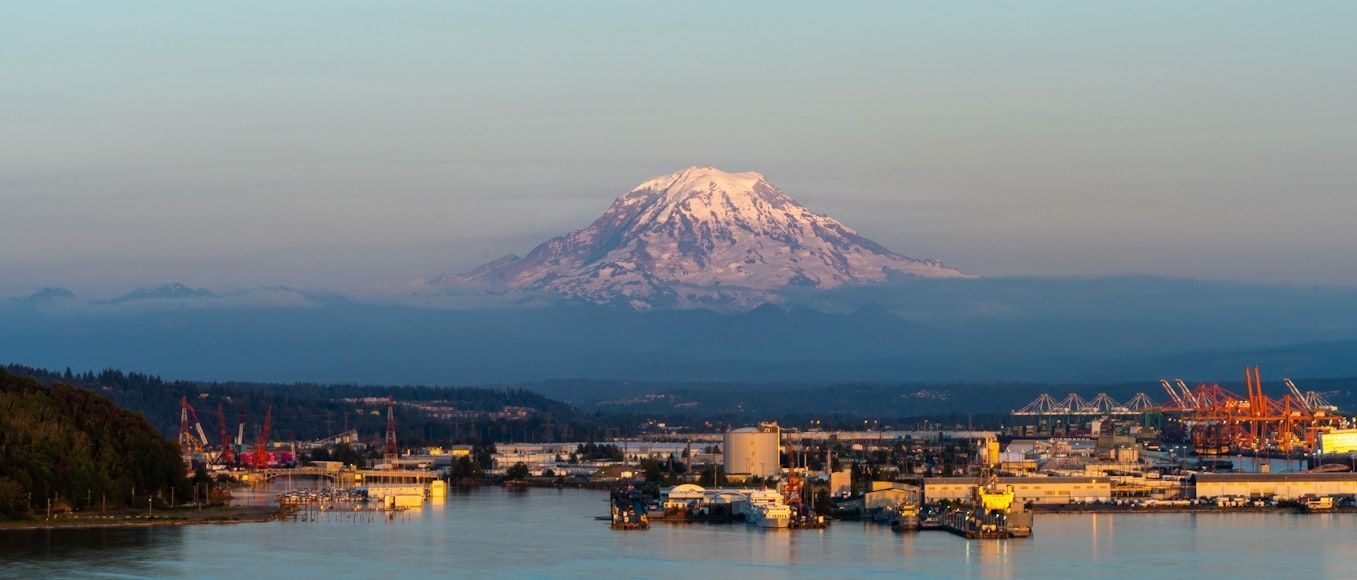
In June 1947, Kenneth Arnold, a pilot flying near Mount Rainier in Washington State, reported sighting of several flying objects, which he believed were experimental military aircraft. After an investigation by military officials, they found several witnesses who reported sightings at a similar time and location to Arnold.

Arnold described these aircraft as round objects that moved as a "saucer would if you skipped it across the water". The popularity of the story, the first UFO sighting after World War II, first popularized the term "flying saucer."

7
Stephenville, Texas sighting

Image: Dynamic Wang

Residents of Stephenville, Texas, reported in January 2008 that they had seen a massive flying object, moving at high speed and emitting lights. The witnesses, including a pilot and a police officer, claimed the object was up to a mile long and made no sound.

Though the U.S. Air Force initially denied having planes in the area , they later explained that training maneuvers for 10 F-16 jets had been conducted; this contradiction sparked rumors of a classified military aircraft.

8
Marfa Lights, Texas

Image: Osman Rana

One of the oldest alleged sightings in America, the first record of the Marfa lights dates back to 1883. These light orbs appear sporadically on the horizon, and their color varies between blue, red, and white. Appearing around 30 times a year, the Marfa lights can still be seen to this day.

Scientists have tried to explain these appearances as an atmospheric phenomenon similar to a mirage, or the reflection of car lights from a highway, but they have failed to reach a definite conclusion. Marfa has become a popular destination for UFO aficionados , which has led the Texas Department of Transportation to build a dedicated viewing area.

9
Japan Airlines Cargo Flight 1628

Image: maxime raynal from France, CC BY 2.0, via Wikimedia Commons

On November 17, 1986, the crew of a Japanese cargo plane claimed to have been followed by three flying objects —one massive and two smaller ones— as they flew over Anchorage, Alaska. Media outlets reported that these objects had been captured on a military radar, but government officials later discredited the claims.

After landing in Anchorage, the crew was interviewed by the FBI and the CIA, who allegedly confirmed a radar sighting. However, the agencies have since denied that the meeting ever took place.

10
USS Nimitz "Tic Tac" incident

Image: Tanya Barrow

In November 2004, jet pilots from the USS Nimitz aircraft carrier reported encountering a ‘tic tac-shaped’ object with remarkable flying capabilities. Besides the eyewitnesses, the object was captured by the jets’ cameras and tracked by the radar of another aircraft carrier for two weeks.

The videos were classified until 2020, when they were released by the Pentagon after a series of reports by the New York Times . Though several theories have been postulated, there is no official explanation for this incident.

General General 5 min read

WHAT ARE WE ORDERING TONIGHT?

10 Foreign Foods That America Embraced

Image: Önder Örtel

There are many ways of exploring the world and food is a great way to do it. While it would be great to experience each dish in its place of origin, these days it is possible to take a culinary trip around the world without ever leaving your home town.

America is a nation of immigrants and, as such, it has embraced many different types of food from all over the globe. Some of these dishes have proven to be quite popular and widespread, while others have remained within their own communities. Which of these have you tried?

1
Pizza (Italy)

Image: Kelvin T

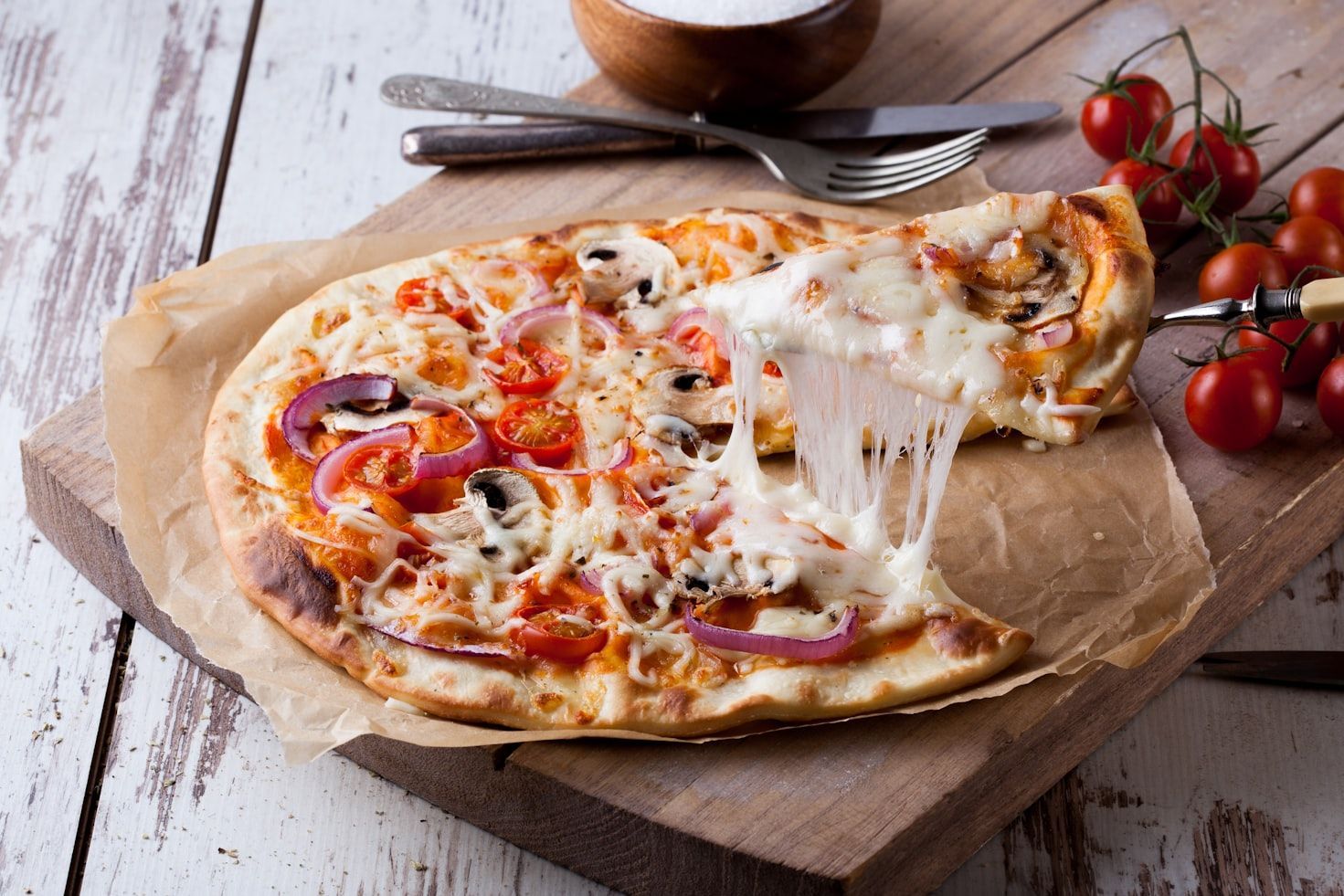
Let us get the obvious out of the way first. Pizza and America were a love at first bite. This delicious food was brought to America by Italian immigrants in the late 19th century. In 1905, Gennaro Lombardi applied to the New York City government for the first license to make and sell pizza in this country, at his grocery store on Spring Street in what was then a thriving Italian-American neighborhood.

These days, from New York to Chicago to California, Americans consume more than three billion pizzas a year.

2
Sushi (Japan)

Image: Vinicius Benedit

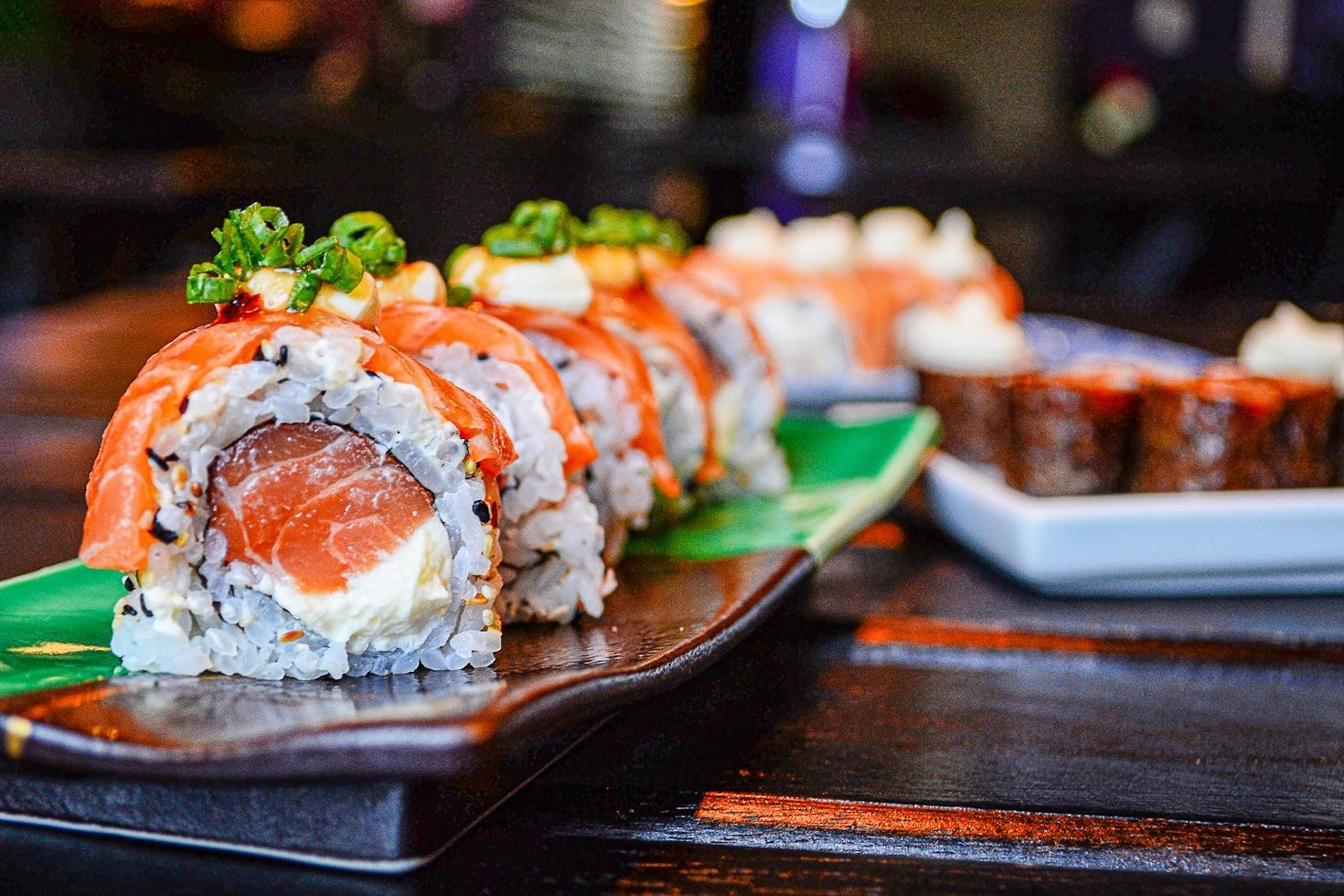
A Japanese dish that has been a hit for a couple of decades now is, of course, sushi . This elaborate meal arrived in the U.S. somewhere between the 1950s and 1960s, and it was popularized with the opening of Kawafuku Restaurant in Los Angeles’ Little Tokyo.

Sushi restaurants began to open outside the confines of Little Tokyo, and the cuisine gained popularity, especially with Hollywood celebrities. Cosmopolitan cities like New York and Chicago soon followed suit with sushi restaurants of their own, and by the late 1980s, sushi was a full-on craze.

3
Burritos (Mexico)

Image: Kashish Lamba

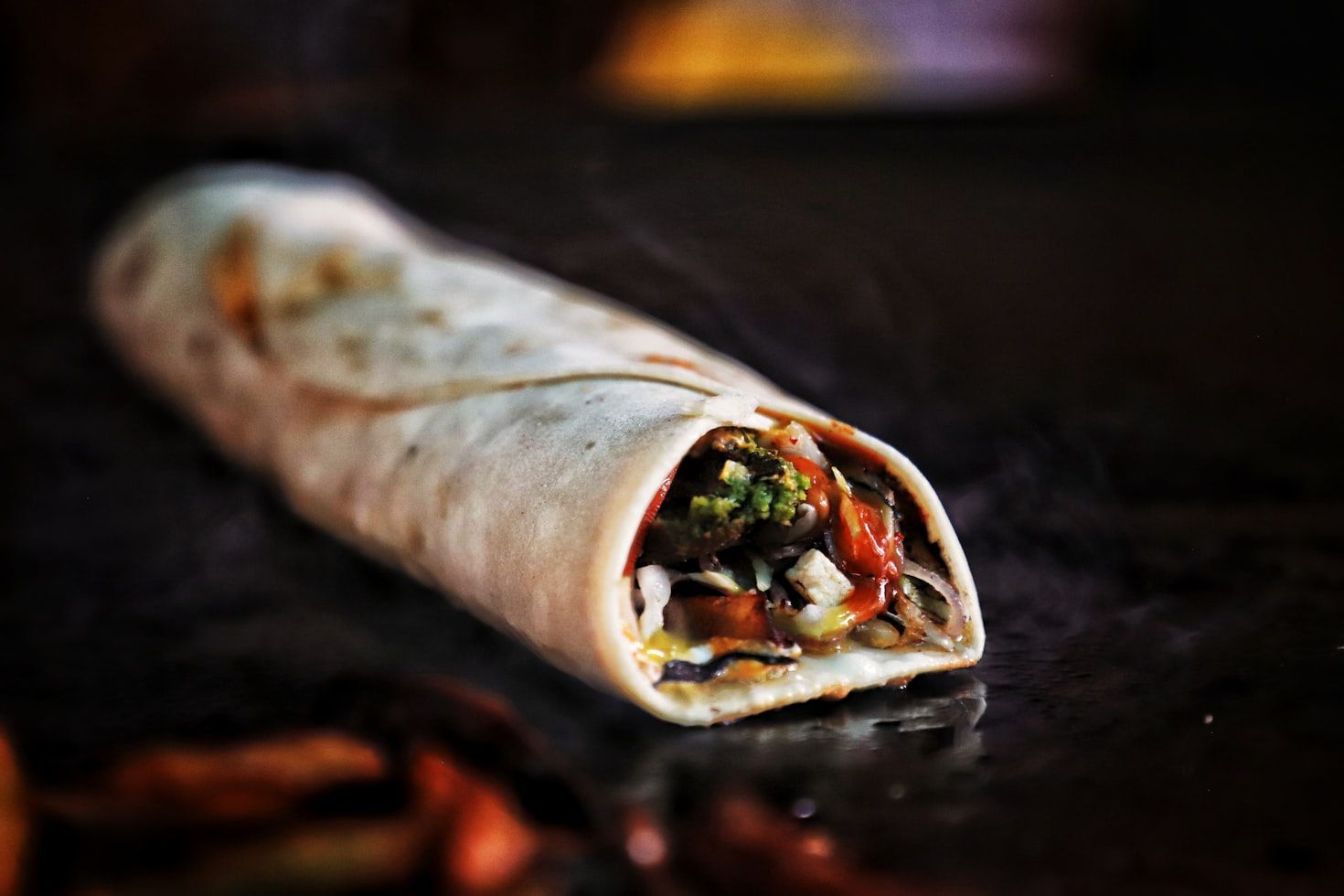
Being a traditional dish from a neighboring country, it is no wonder that burritos are such a popular food in the United States. These Mexican delicacies first appeared on American restaurant menus at the El Cholo Spanish Cafe in Los Angeles during the 1930s.

North of the border, the burrito evolved to include a wider variety of fillings, such as rice, cheese, sour cream, and salsa, and it became a popular and customizable fast-food item.

4
General Tso’s Chicken (China)

Image: Sunday 133

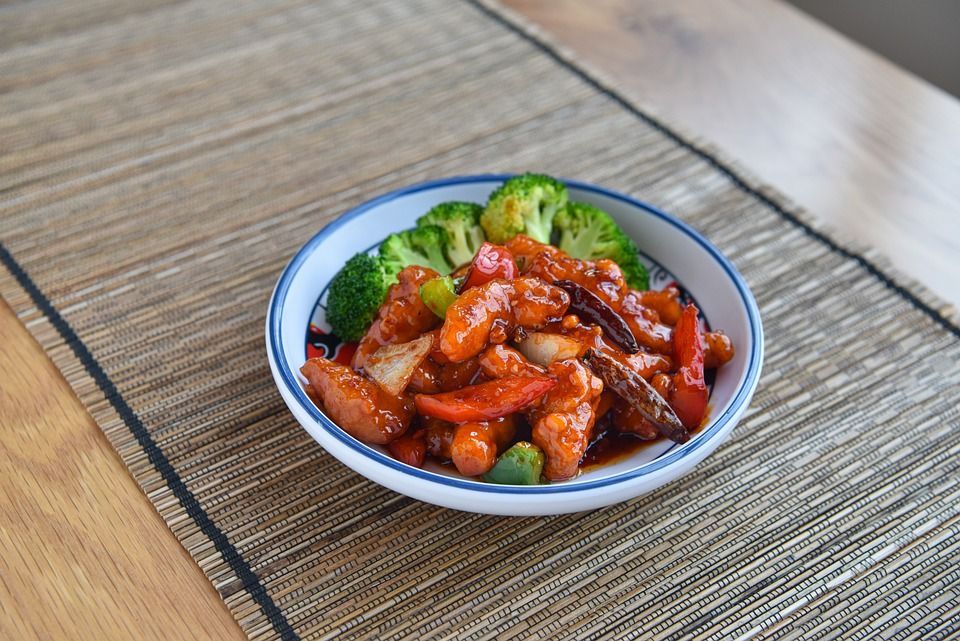
As ubiquitous as Chinese food is in America, General Tso’s Chicken is an ubiquitous item in its menus. The dish as most Americans know it today was invented by Peng Chang-kuei, a chef from the Hunan province.

During the 1950s, Taiwan became a haven for classical Chinese cuisine. Peng opened a restaurant in the capital of Taipei and for years served food inspired by traditional Hunanese cooking, including the now-famous General Tso’s Chicken.

5
Gyros (Greece)

Image: irws

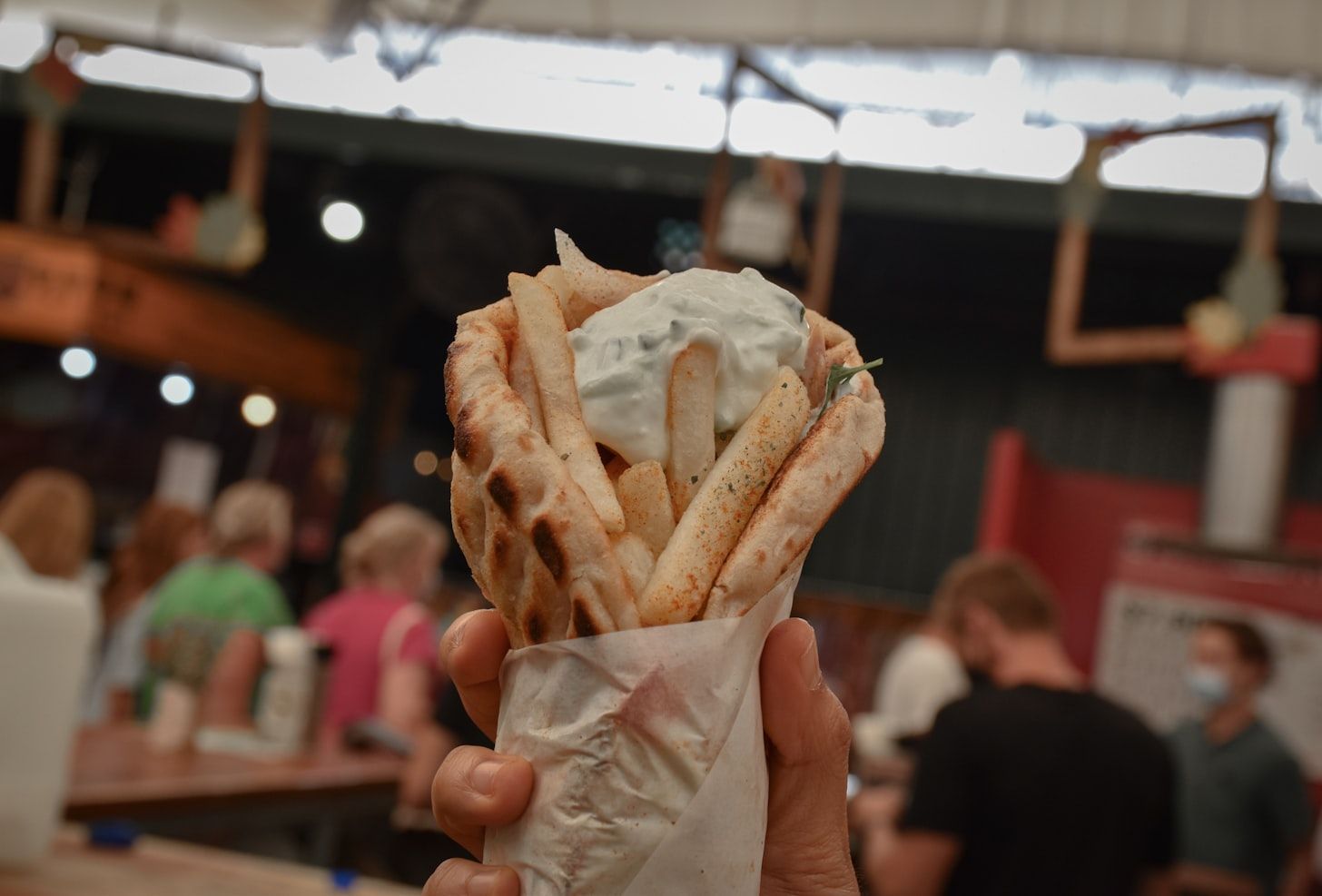
A beloved street food, Greek gyros have always been popular in the Mediterranean countries but gained popularity in the United States in the early 20th century when Greek immigrants began emigrating to the U.S. shortly after World War II.

A traditional Greek gyro is a dish made from thinly sliced meat baked on a vertical spit and served with a tangy sauce called tzatziki. It is most commonly made with lamb, but beef and pork are also available. In Greece, gyros are a popular meal choice.

6
Pad Thai (Thailand)

Image: Alyssa Kowalski

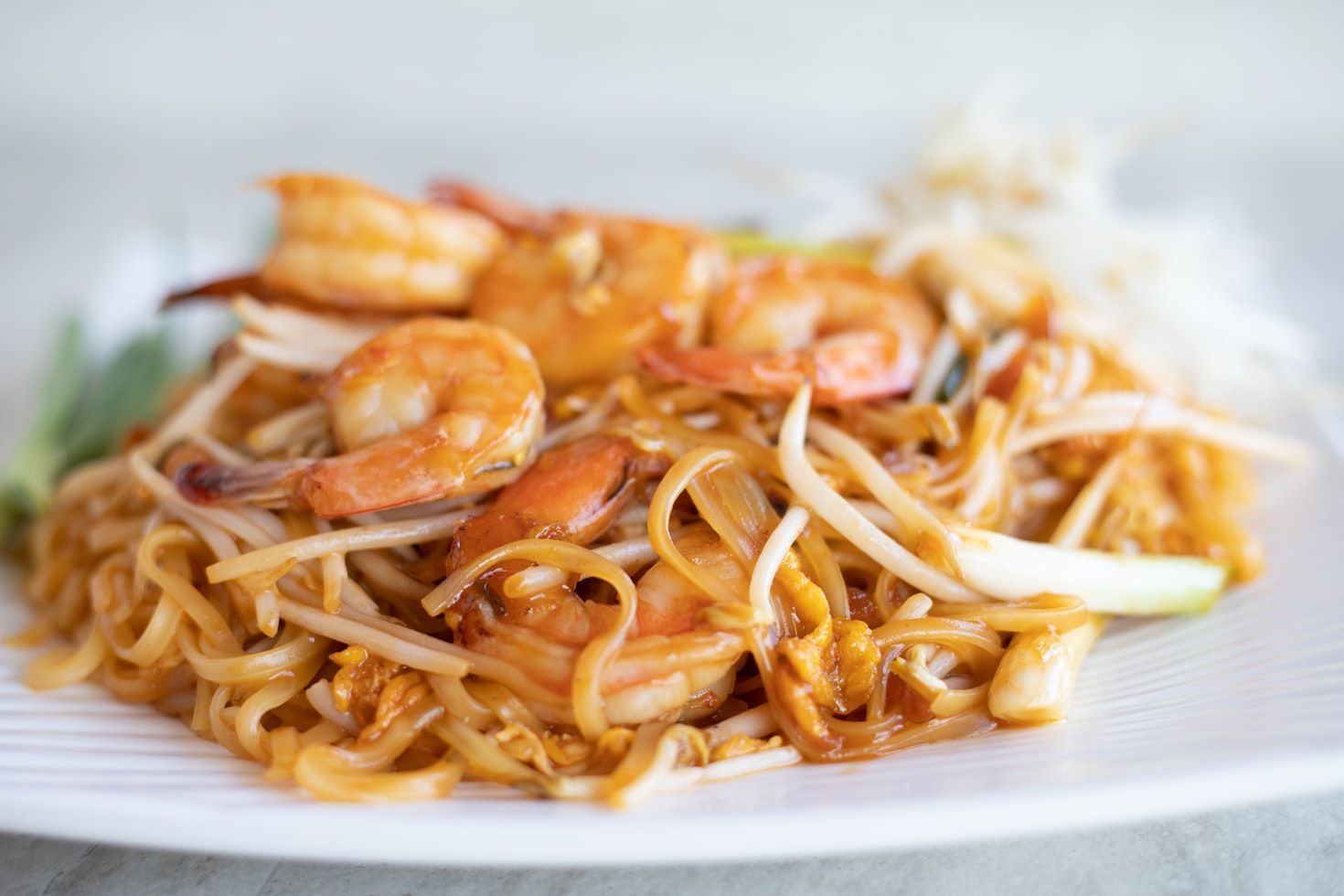
Pad Thai was born in Thailand during the time of World War II. The Prime Minister made this popular dish at the time because he was concerned about the country’s high rice consumption. So, to lower rice consumption, he encouraged citizens to eat more noodles—which Chinese merchants were selling at the time. The combination of Chinese rice noodles and native Thai flavors used for this dish eventually paved the way to creating what we call Pad Thai these days.

However, the delicious Pad Thai you might be familiar with from Thai restaurants in the U.S. is not a traditional Thai dish. Instead, it’s a nod to the American palate, introduced to the United States by Chinese immigrants who used "pad" as a catch-all term for any stir-fried noodle dish.

7
Coq Au Vin (France)

Image: Katherine Chase

Always associated with high cuisine, the iconic coq au vin was featured by Julia Child in her breakthrough 1961 cookbook Mastering the Art of French Cooking. And she must have liked it because it was a recurrent dish on her PBS cooking show The French Chef.

This media exposure helped increase the visibility and popularity of the dish in the United States, and coq au vin was seen as one of Child’s signature dishes.

8
Ceviche (Peru)

Image: Pirata Studio Film

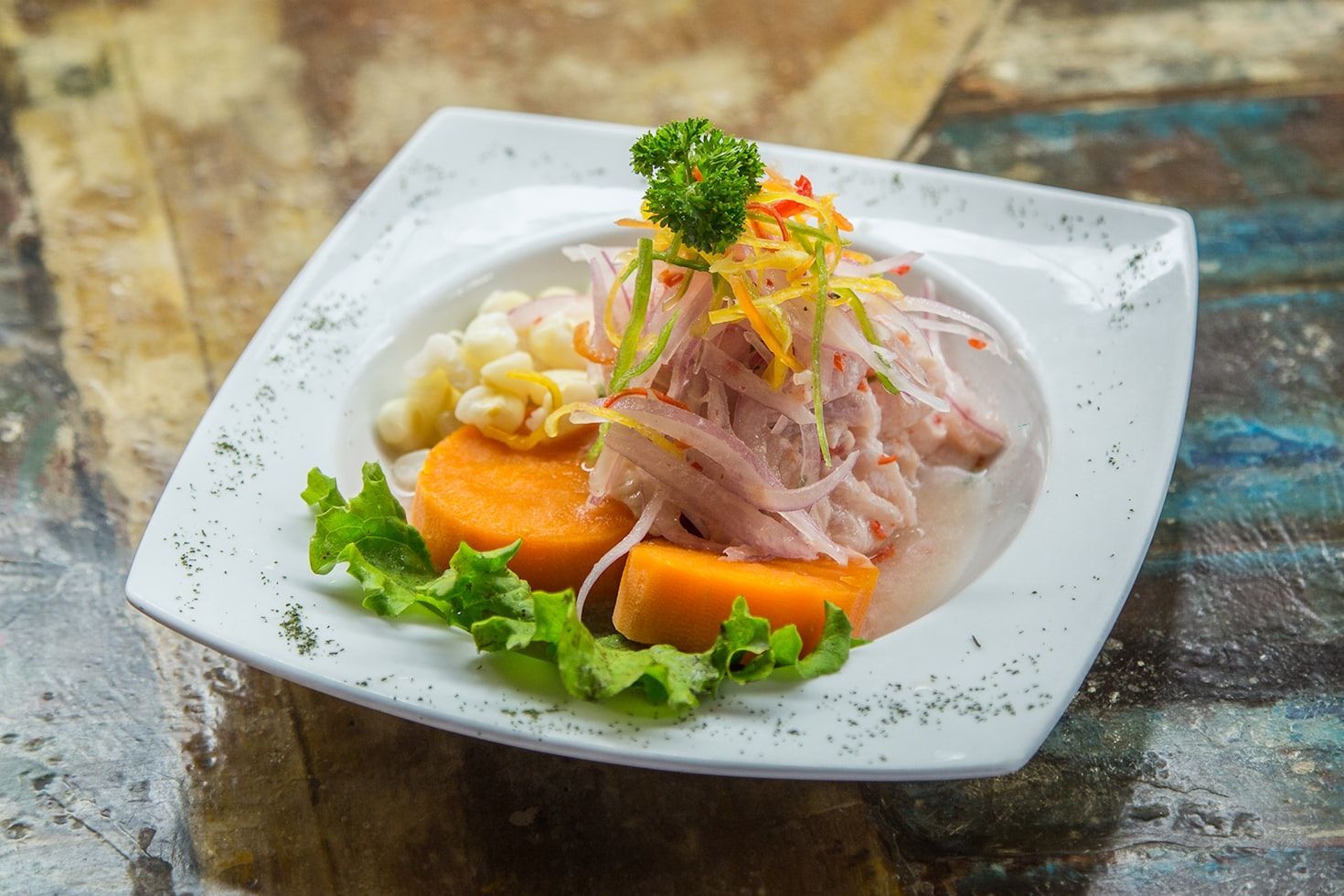
Ceviche is a Peruvian seafood dish that made its way onto American plates in the 1980s when Caribbean flavors came from Florida. In its classic form iced cubes of raw fish, marinated in a lemon or lime juice mixture, react with the citrus juices to cure the fish protein and cause it to become opaque and firm while absorbing flavor.

The essential ingredients of any ceviche are raw fish, citrus juices, and seasonings. So, it could be said that, while not a deal-breaker, being a fish enthusiast will definitely help you enjoy this delicious meal.

9
K-BBQ (Korea)

Image: Daniel Lee

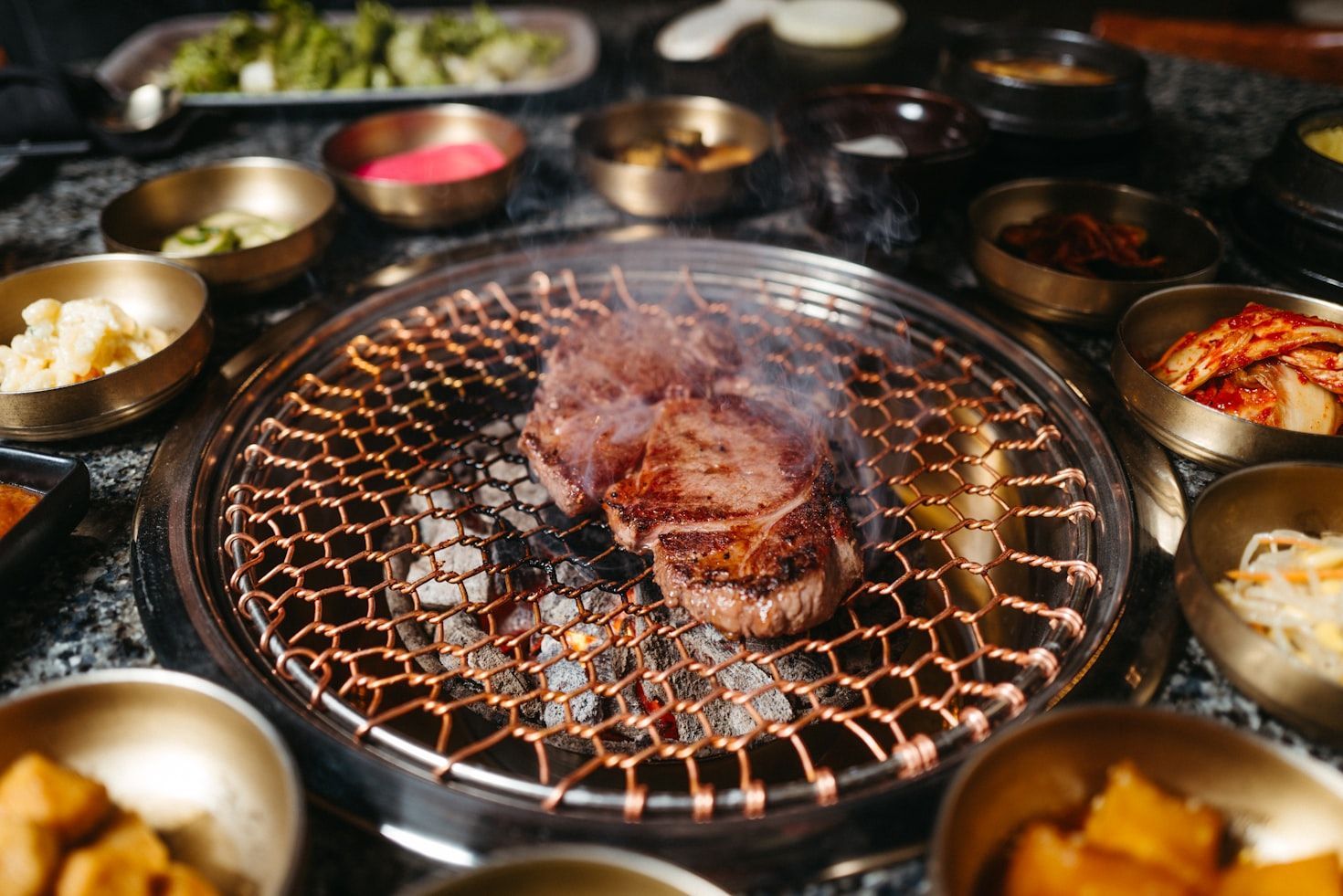
Korean BBQ as we know it today began to develop in the 1940s and 1950s, following the Korean War when the US military introduced new grilling techniques and equipment to Korean food culture. In the following decades, Korean BBQ spread throughout Korea and eventually around the world.

During the past decades, Korean BBQ went from being something consumed by Korean immigrants and their descendants exclusively to something that can be found and is beloved in nearly all American cities.

10
Ropa Vieja (Spain)

Image: Medamedia

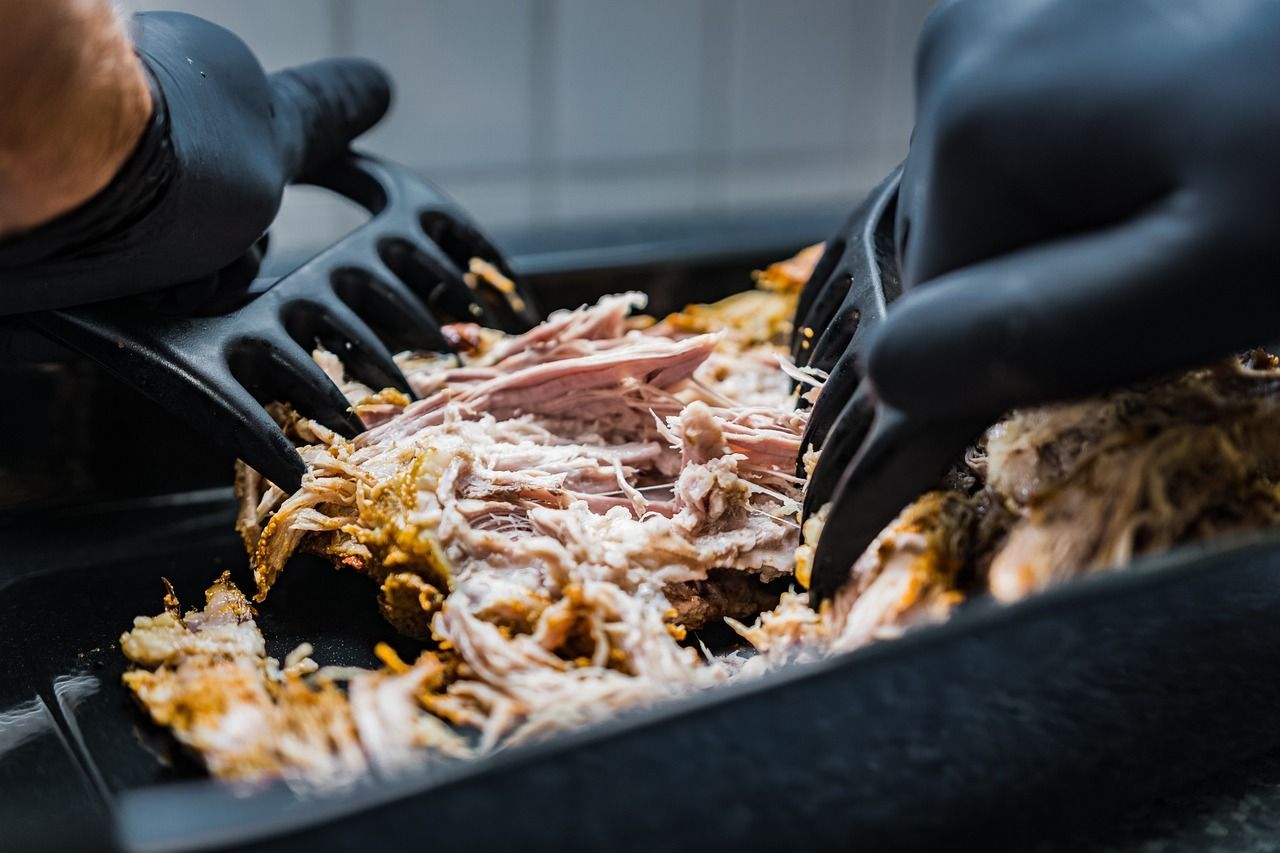
A strange name for such a tasty meal, Ropa Vieja is Spanish for "old clothes". The origin of the name comes from the legend of a poor man who shredded his clothes to feed his family, magically transforming the rags into a slice of beef and vegetables. Legends aside, this is a delicious meal that became famous in Cuba but can be traced back to Spain.

Cooking the meat is a labor-intensive process, but it’s very rewarding when done right. The dish is made the night before so the juices really seep into the beef, giving it an amazing flavor and texture. Ropa Vieja made its way through Florida and into the country.

Explore more American facts

Choose your favorite category!

General
General

As American as apple pie—the very best America has to offer!

Culture
Culture

Delve into the astounding richness of American lore.

Geography
Geography

Hop in and explore vast and diverse American landscapes.

History
History

Discover the key moments that shaped the United States.