General General 7 min read

Fly Me to the Moon

Why was Howard Hughes so rich? Behind the country's most eccentric man
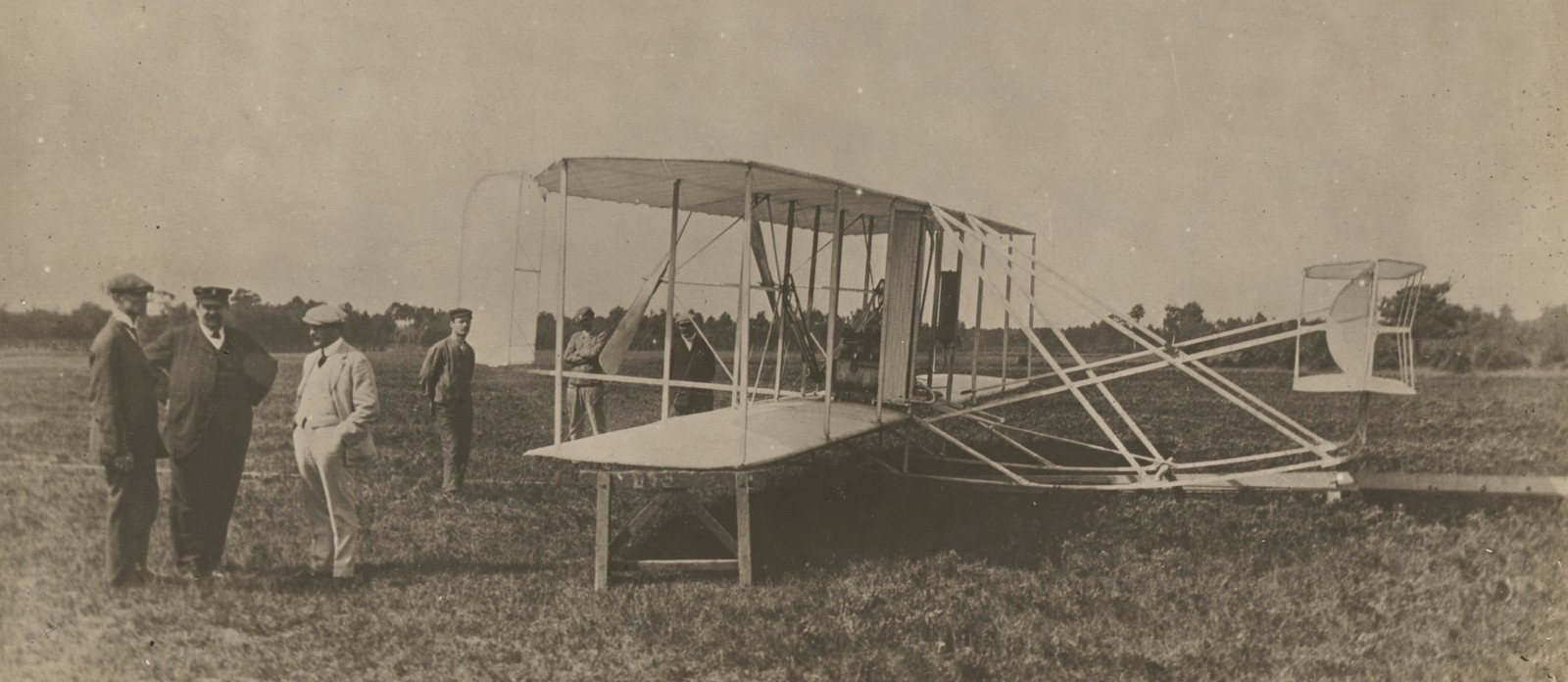
Image: Shutterstock

Today, we board a plane without thinking twice. But over 120 years ago, no one had ever flown a powered airplane. Then the Wright brothers got off the ground, and others soon followed. Charles Lindbergh and Amelia Earhart crossed the Atlantic, and a few astronauts went all the way to the Moon. Here are 10 Americans who reached new heights, and the stories behind their famous flights.

1
Howard Hughes
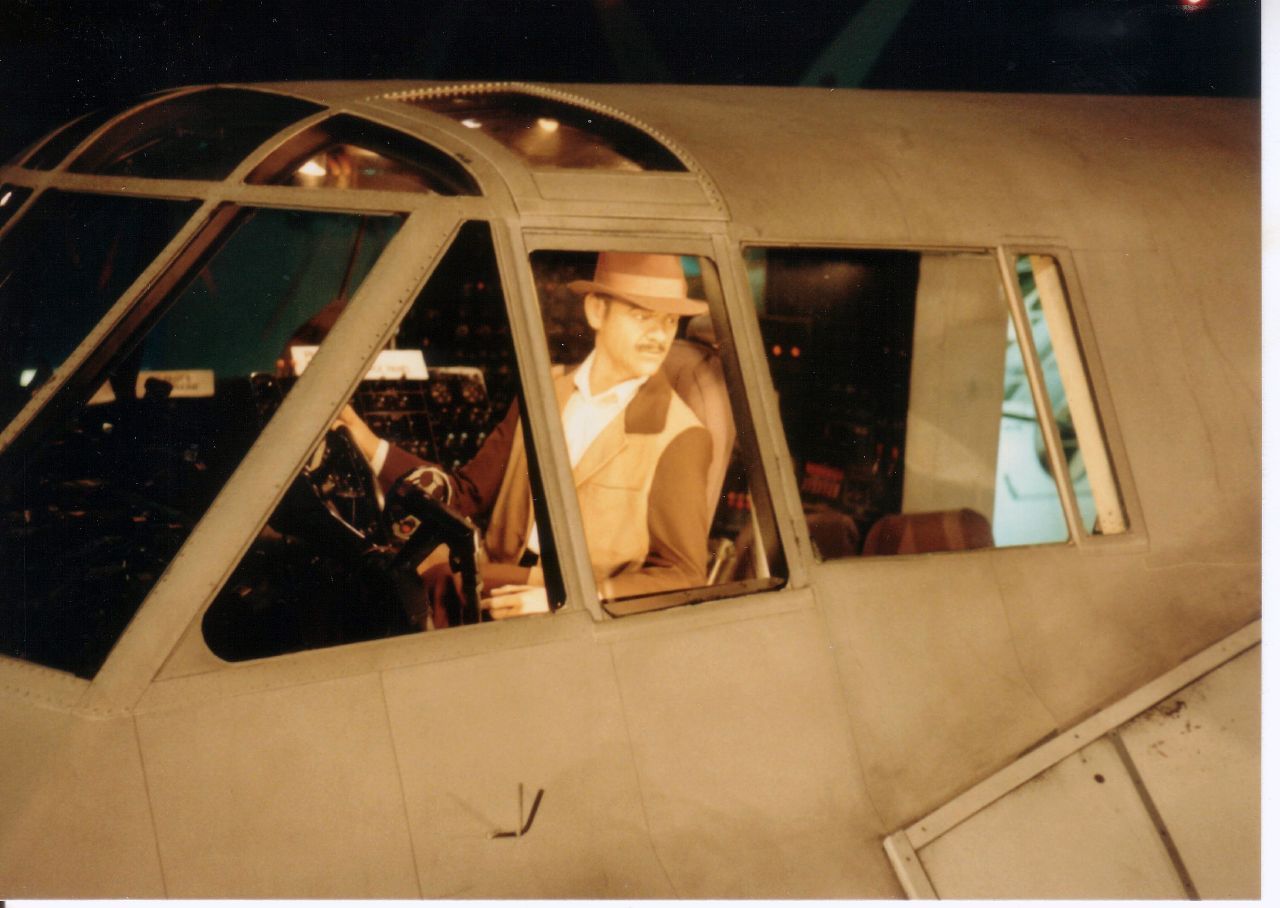
Image: Bruce Tuten, CC BY 2.0, via Wikimedia Commons

Howard Hughes was a lot of things: a businessman, a movie director/producer, and a record-breaking pilot. Born in Houston, Texas, he inherited his father’s tool company as a teenager and later moved to Hollywood. His World War I flying movie, Hell’s Angels (1930), used dozens of real planes and became a classic. In 1938, he flew around the world in about 91 hours, setting a new record.

During World War II, Hughes was hired to build a giant flying boat that could carry 750 soldiers. Since metal was needed for the war, he built it mostly of wood. The press called it the "Spruce Goose," a nickname Hughes hated. The war ended before it was ready, and critics said it would never fly. So in 1947, Hughes flew it himself for about a mile over Long Beach Harbor. It never flew again, and today it sits in a museum in McMinnville, Oregon.

2
Neil Armstrong
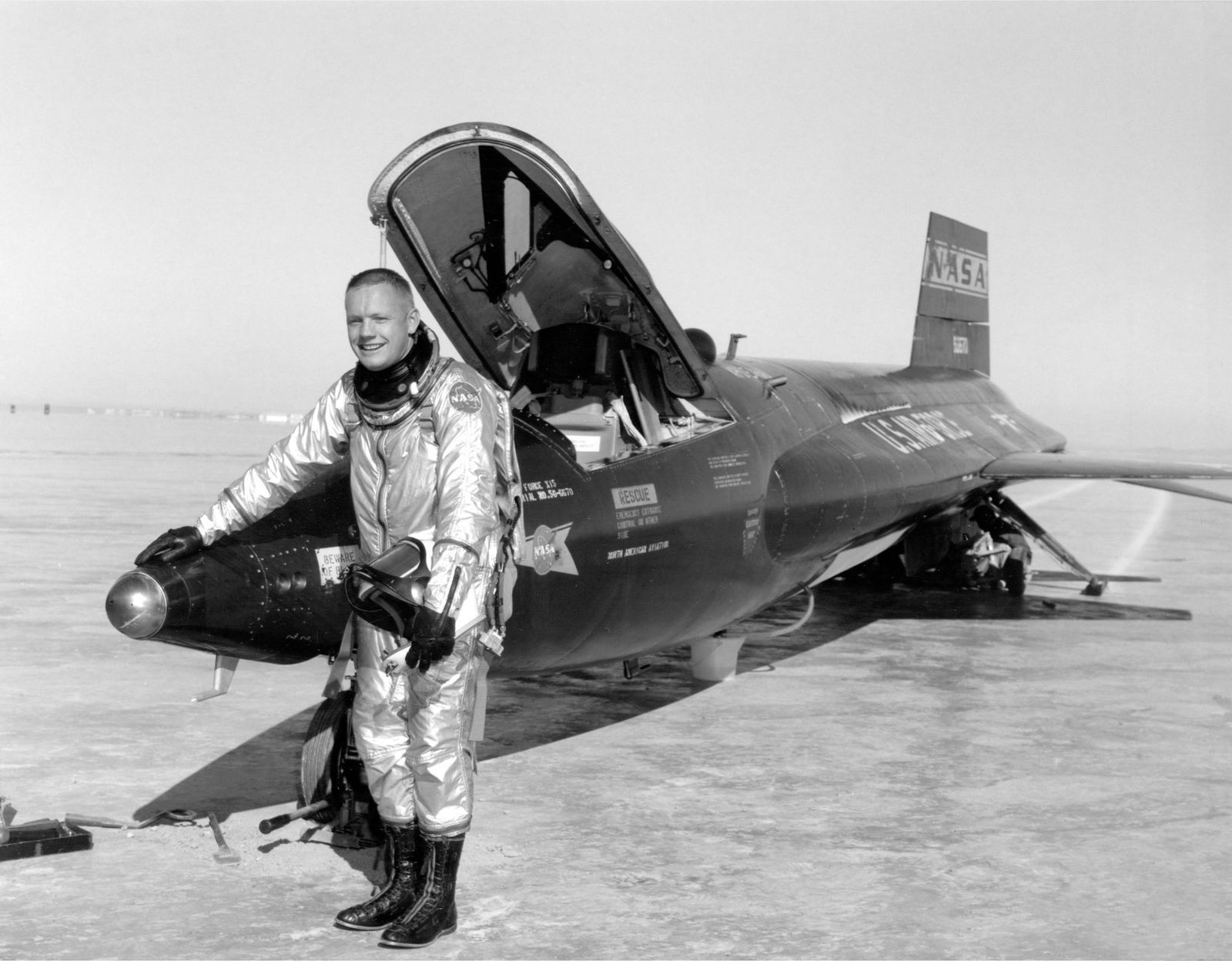
Image: NASA, Public domain, via Wikimedia Commons

"That's one small step for man, one giant leap for mankind." Neil Armstrong said those words on July 20, 1969, when he became the first person to walk on the Moon, and the phrase became one of the most famous ever spoken. Being the first man on the Moon was monumental enough for a lifetime, but it wasn't his only achievement.

A native of Wapakoneta, Ohio, Armstrong served as a Navy pilot during the Korean War, and later became a test pilot. After joining NASA, he flew the Gemini 8 mission in 1966, where, with David Scott, they became the first to connect two spacecraft in orbit, a skill the Moon missions would later depend on.

3
Buzz Aldrin
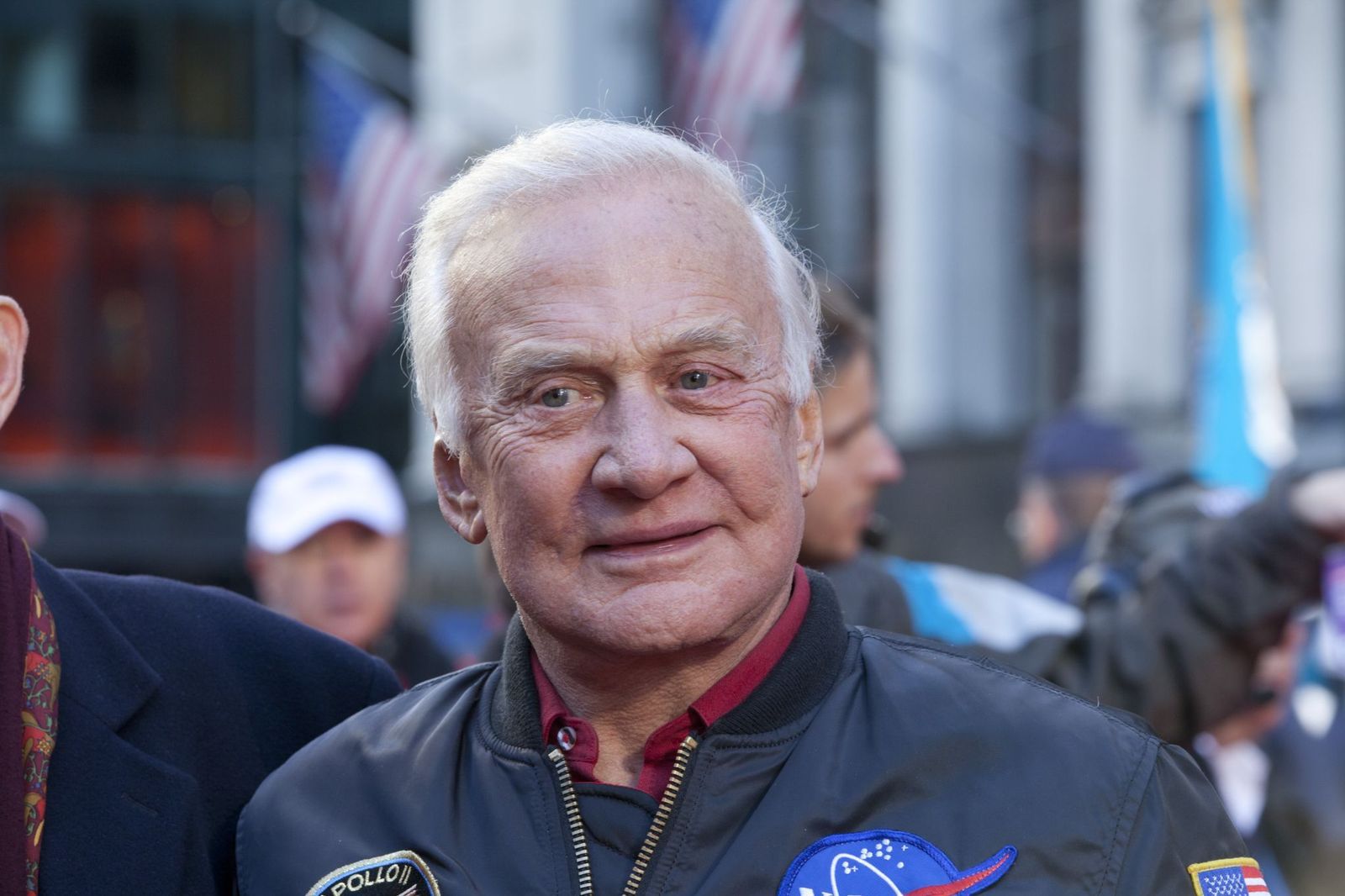
Image: Shutterstock

Second, but no less important, Buzz Aldrin followed Neil Armstrong onto the Moon about 20 minutes later. Before stepping outside, he quietly took communion inside the lunar module, which made it the first religious ceremony ever held on the Moon .

During the Korean War, Aldrin was an Air Force fighter pilot and flew 66 missions. His spacecraft research was so useful that other astronauts nicknamed him "Dr. Rendezvous." In 1966, on the Gemini 12 mission, he made three spacewalks and proved that astronauts could do real work outside a spacecraft. After retiring from NASA and the Air Force, he spent decades pushing for new space missions, including sending humans to Mars. And yes, Toy Story 's Buzz Lightyear was named after him.

4
Chuck Yeager
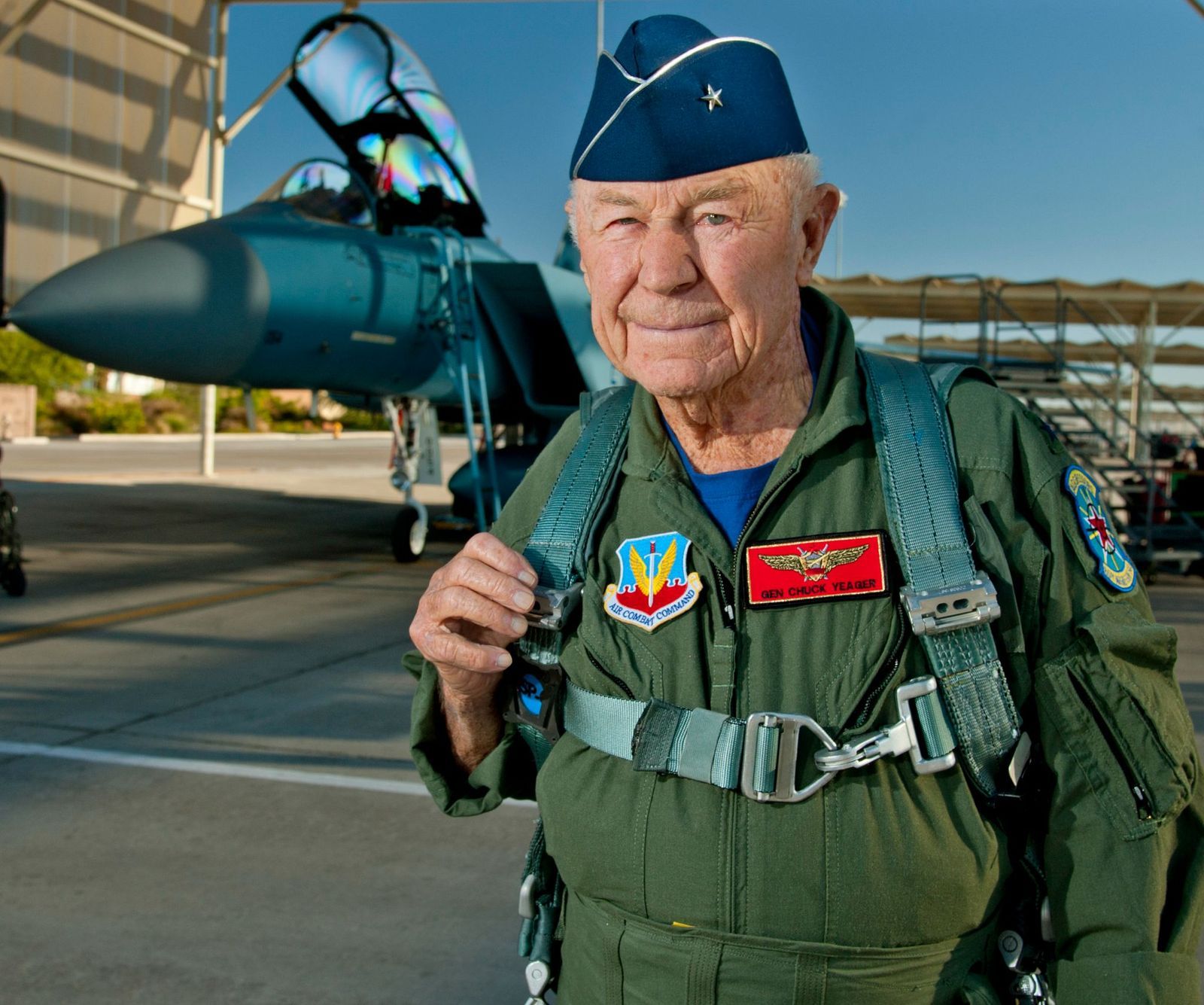
Image: DVIDSHUB, CC BY 2.0, via Wikimedia Commons

When Chuck Yeager joined the Air Force in 1941, he started as a mechanic, but quickly became a pilot because of his good eyesight. After his good performance in World War II, he was assigned a mission: to fly faster than the speed of sound, something many experts feared could tear a plane apart. In 1947, Yeager was chosen to fly the Bell X-1 and try to break the sound barrier. Two nights before the flight, he fell off a horse and broke two ribs, but he kept it quiet so he wouldn’t lose his spot.

Once in the air, and with a friend’s help, Yeager climbed down into the small plane and locked the door from inside. Then the plane X-1, named Glamorous Glennis after his wife, was dropped from the bomber; Yeager fired the rockets, and minutes later he became the first pilot to fly faster than the speed of sound. The 1983 movie The Right Stuff tells this story, and Sam Shepard plays him.

5
Orville and Wilbur Wright
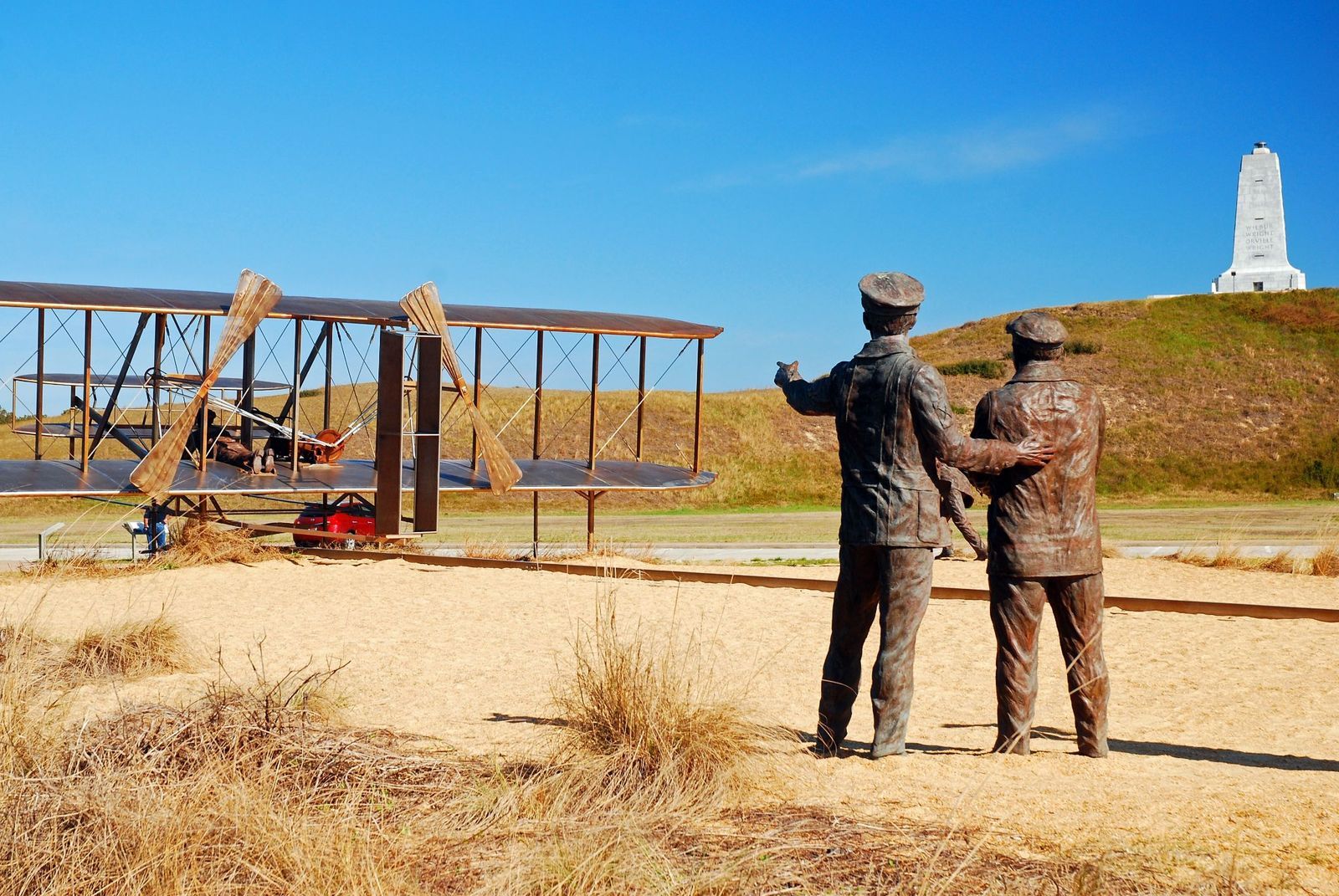
Image: Shutterstock

Before they created the first plane, the Wright brothers were bicycle mechanics in Ohio. The story goes that when they were kids, their father brought home a toy helicopter made of cork, bamboo, and a rubber band. They played with it until it broke, and then they built their own.

Flying and inventing were their obsessions: they observed birds, tested gliders, and learned about balance, chains, and making machines by hand. In 1903, when they built their own wind tunnel, they went to the dunes near Kitty Hawk in North Carolina to test their flyer. Orville took off and stayed in the air for 12 seconds. He covered 120 feet, becoming the first powered airplane flight in history, and the world was never the same.

6
Charles Lindbergh
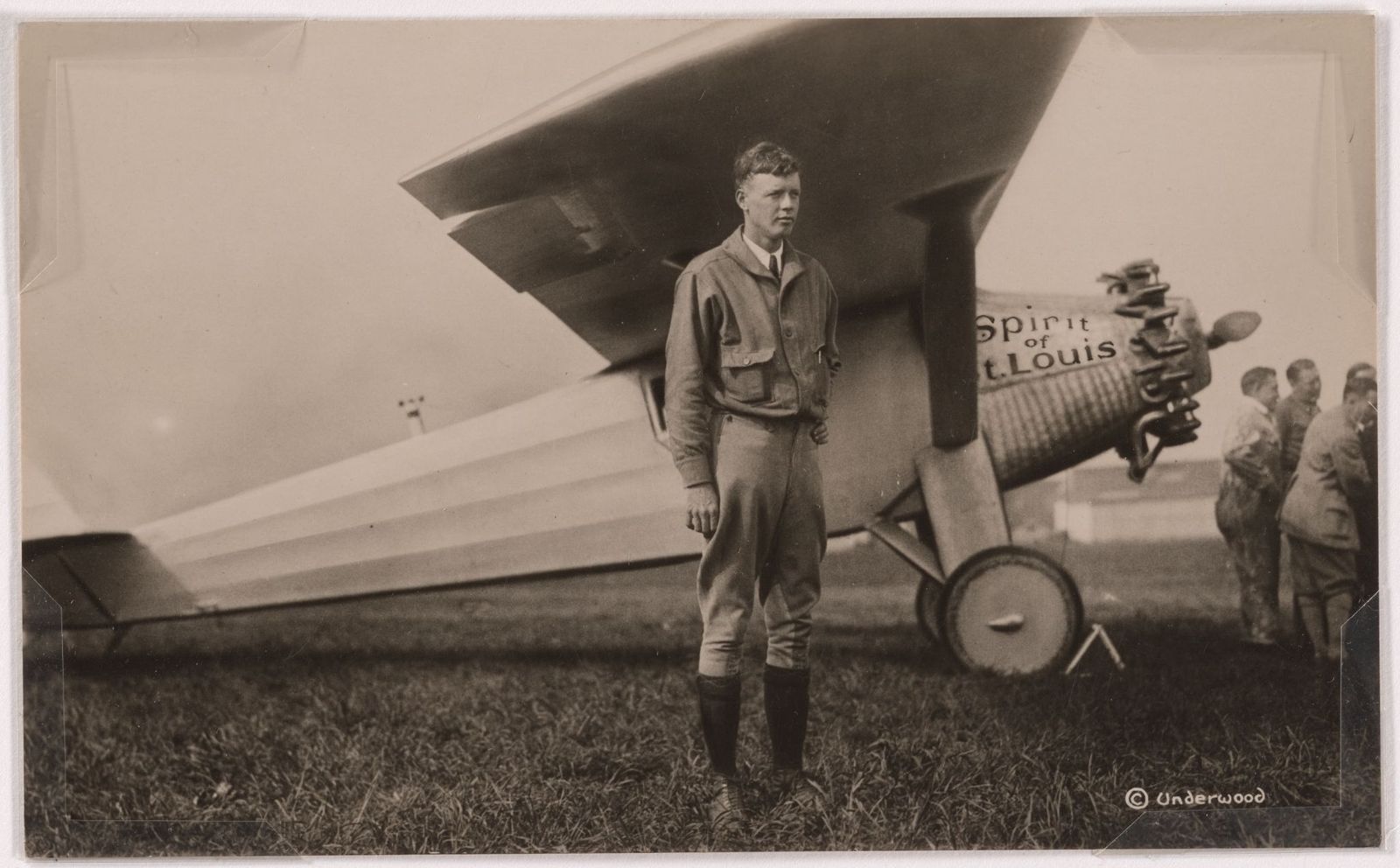
Image: Shutterstock

Charles Lindbergh started studying engineering in college but left after two years to learn to fly. For a while, he worked as a stunt pilot at county fairs, walking on wings and jumping with a parachute, until he trained with the Army and got a job flying the mail between St. Louis and Chicago.

On those mail runs, he heard about a $25,000 prize for anyone who could pull off the first nonstop flight between New York and Paris. Renowned pilots were already trying, and some had died in the attempt. After Lindbergh convinced businessmen in St. Louis to back him, he prepped for the adventure. Flying the Spirit of St. Louis, Lindbergh left Long Island on May 20, 1927, and landed in Paris about 33 and a half hours later. A huge crowd ran onto the field to greet him, and newspapers started calling him "Lucky Lindy."

7
Amelia Earhart
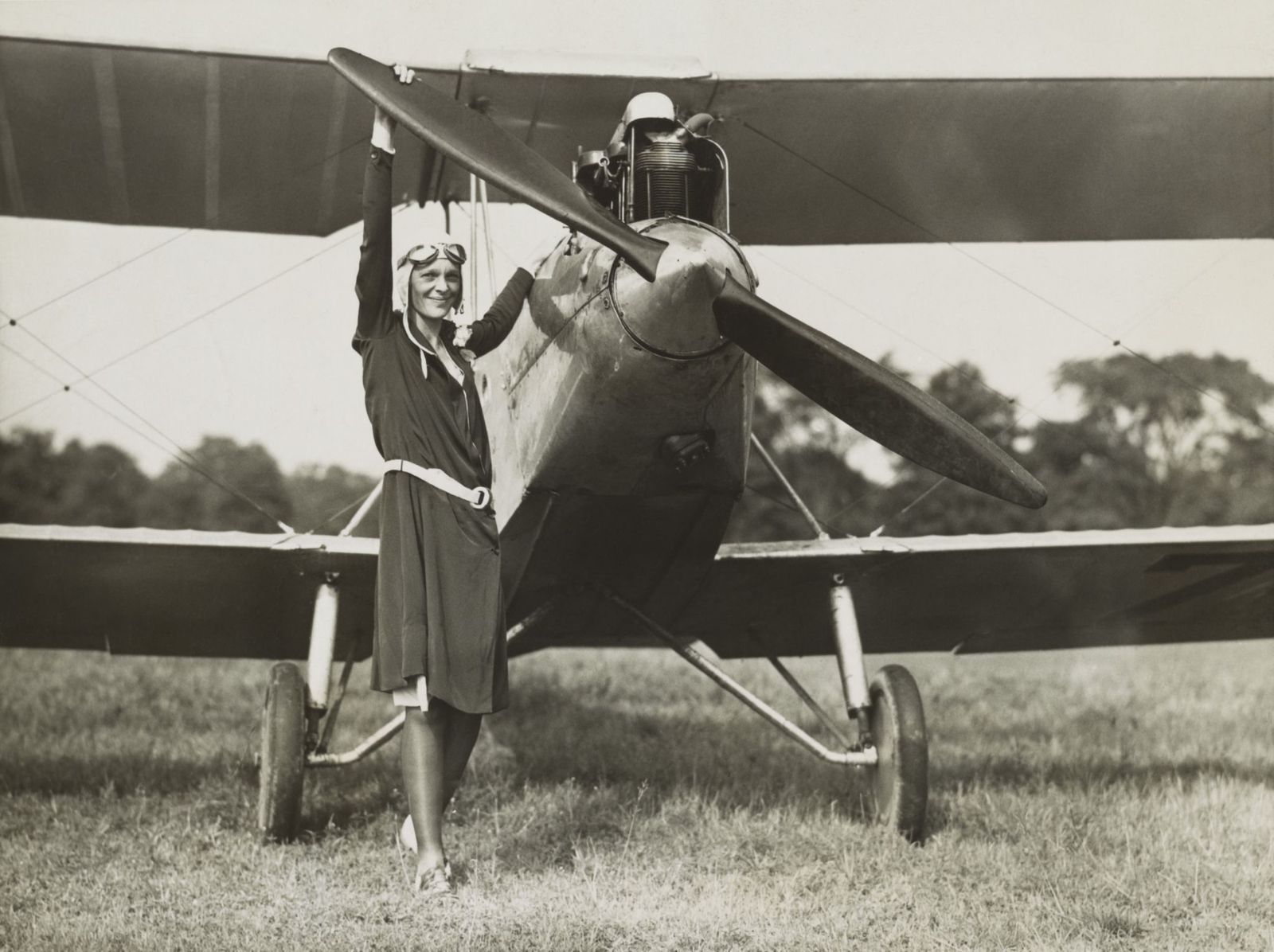
Image: Shutterstock

Amelia Earhart worked as a nurse in Toronto during World War I. Once in 1920, she paid for a 10-minute flight in Long Beach, California, and that was the moment she knew she had to become a pilot. Earhart then took a job at the telephone company to pay for air lessons until she bought a used yellow plane nicknamed "The Canary." In 1922, she flew it to 14,000 feet, a new record for women pilots.

On May 20, 1932, five years after Lindbergh's flight, she became the first woman to fly solo across the Atlantic . The trip was rough: she took off from Harbour Grace, Newfoundland, while ice formed on the wings, and a fuel leak forced her to land in Paris. Then, about 15 hours later, she landed in a cow pasture in Northern Ireland.

8
Alan Shepard
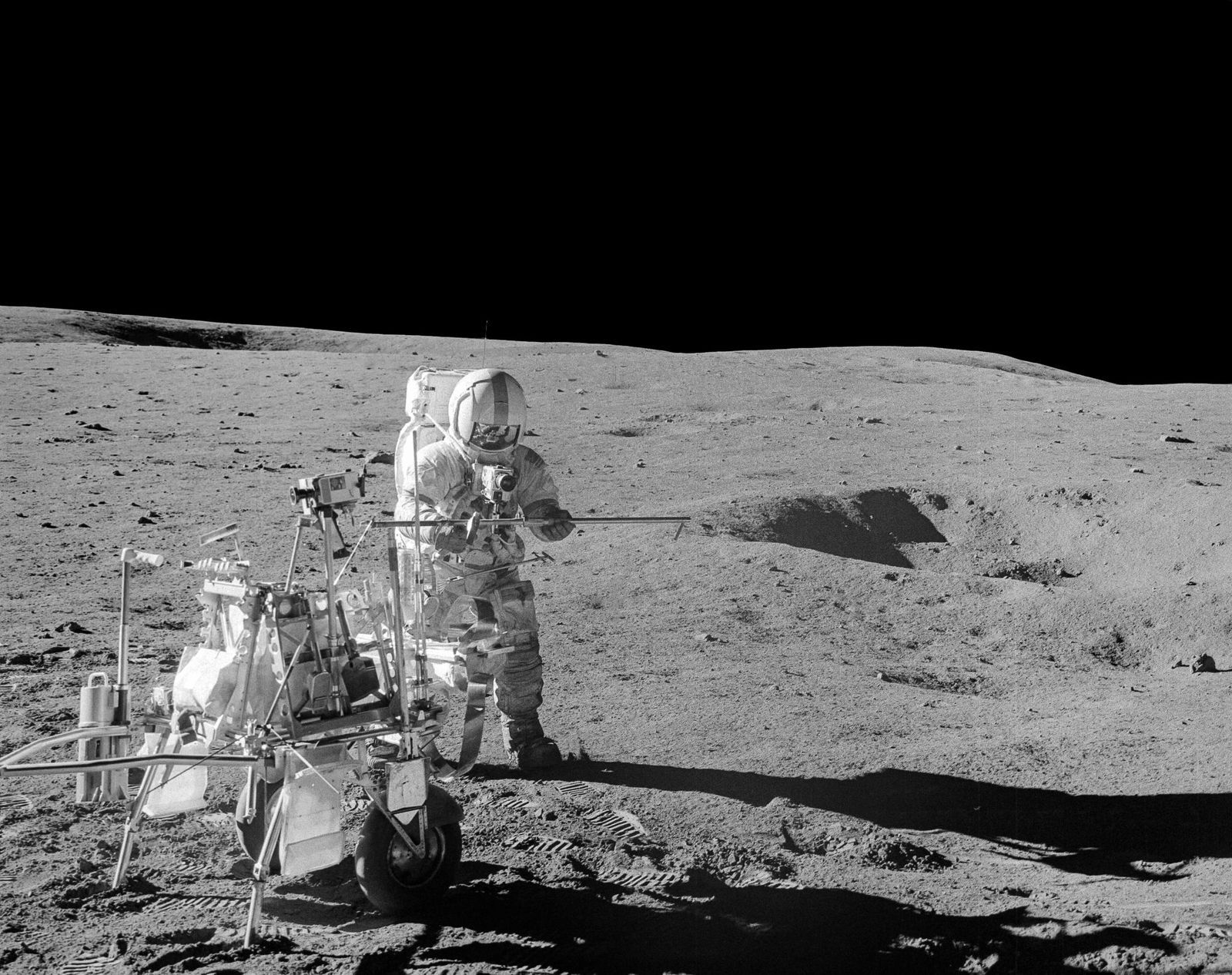
Image: Kevin M. Gill, CC BY 2.0, via Wikimedia Commons

You probably remember Alan Shepard as the man who played golf on the Moon. He went to the U.S. Naval Academy and later became a Navy test pilot. In 1959, NASA chose him as one of its first astronauts, "the Mercury Seven" (selected for Project Mercury). On May 5, 1961, he became the first American in space.

Two years later, an inner-ear condition called Ménière’s disease started making him dizzy, and NASA wouldn’t let him fly. Shepard spent years working on the ground until he had an operation and was ready to fly again. In 1971, he finally flew to the Moon as commander of Apollo 14. He became the fifth man to walk on the Moon and, at 47, the oldest. Before leaving the lunar surface, he pulled out a golf club head he had attached to a tool handle and hit two balls.

9
John Glenn
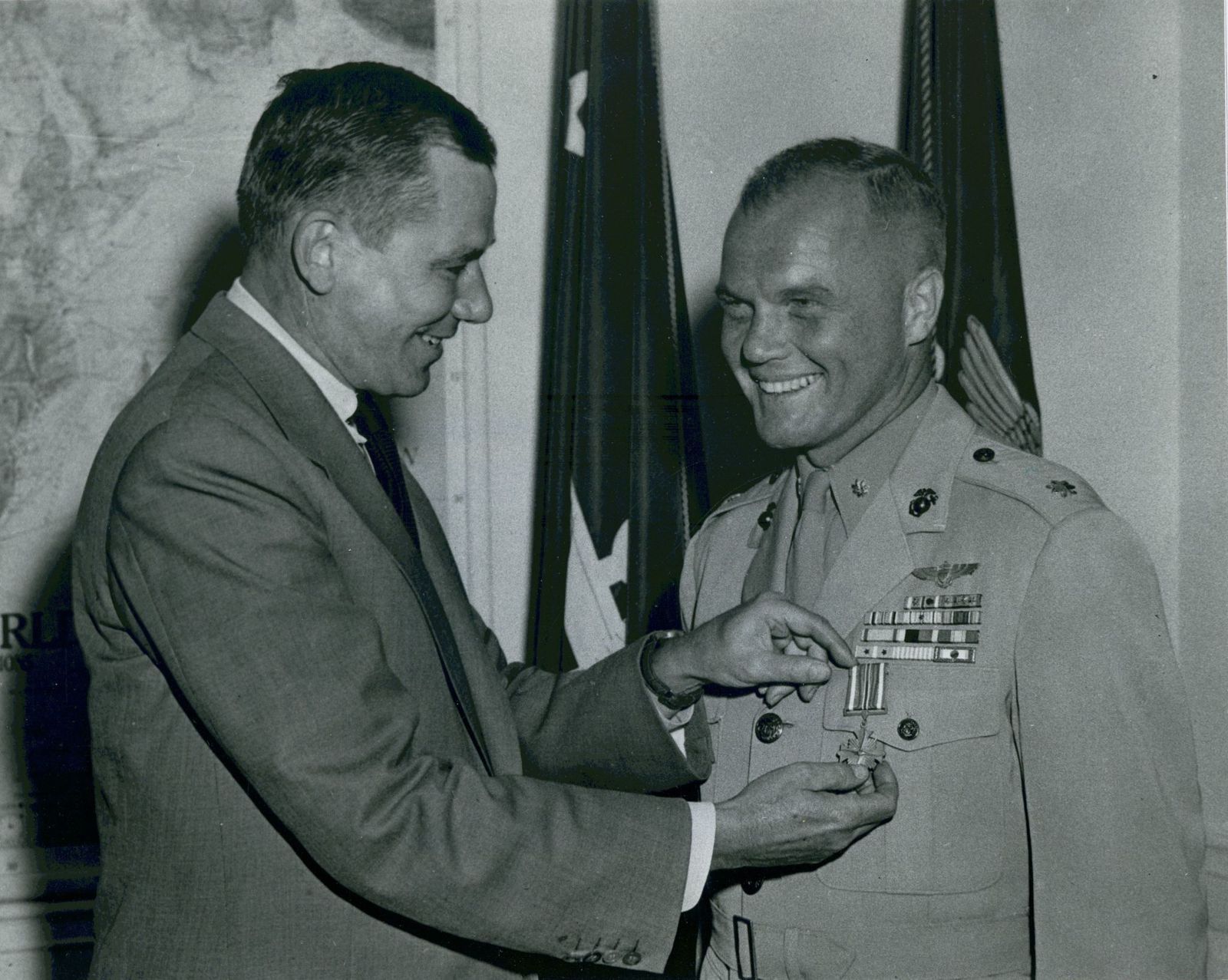
Image: Shutterstock

In December 1941, John Glenn was in college when Pearl Harbor was attacked, and he left to become a pilot. He flew combat missions for the Marines in World War II and again in Korea. In 1957, he made headlines by flying faster than the speed of sound from Los Angeles to New York in three hours and 23 minutes.

But that wasn’t all. NASA selected him to join the "Mercury Seven." In 1962, piloting the Friendship 7, he became the first man to orbit Earth, circling it three times. Glenn later returned to space in 1998 at age 77 aboard the Space Shuttle Discovery (STS-95), becoming the oldest person to travel into space while participating in aging and microgravity studies.

10
Sally Ride
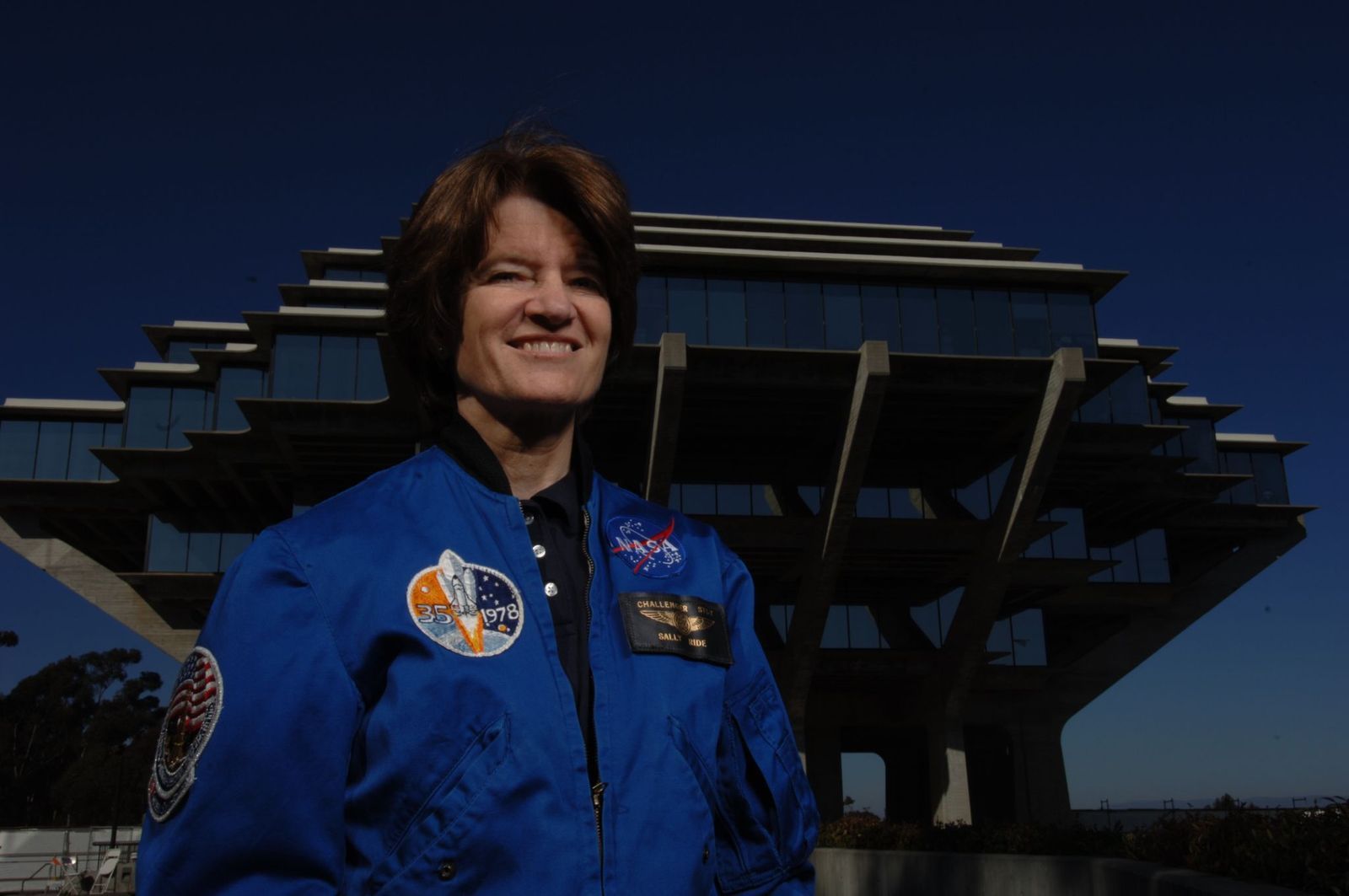
Image: Shutterstock

Los Angeles native Sally Ride first entered the public eye as one of the country’s best junior tennis players. However, she continued studying physics and English at Stanford University, and while working on her physics PhD, she saw a NASA ad in the student newspaper. For the first time, NASA was looking for women astronauts.

About 8,000 women applied, and in 1978 she was one of 35 selected. She helped develop the shuttle's robot arm and also talked to crews from Mission Control on early flights. On June 18, 1983, she flew on Challenger and became the first American woman in space, at age 32.
General General 4 min read

The trains that changed what time it was & more incredible true stories

Image: Erman Gunes

Did you play with toy trains when you were little? Do you love a good scenic train ride? If either is the case, you’re in luck: get ready to uncover 10 surprising train stories that shaped the country . From wartime transportation to presidential campaigns, these moments in train-related history changed America forever.

1
The trains that changed what time it was

Image: Sergii Figurnyi

The railroads helped establish standardized time zones, ending the mayhem of thousands of local times. On November 18, 1883 (dubbed "The Day of Two Noons" ), U.S. and Canadian railroads adopted a system of standard time zones to coordinate railroad schedules.

This private initiative greatly reduced the chaos caused by hundreds of local, sun-based times and helped make railroad travel safer. Congress would not formally establish standard time nationwide until 1918.

2
The mailmen who sorted letters at full speed

Image: Ritu Manoj Jethani

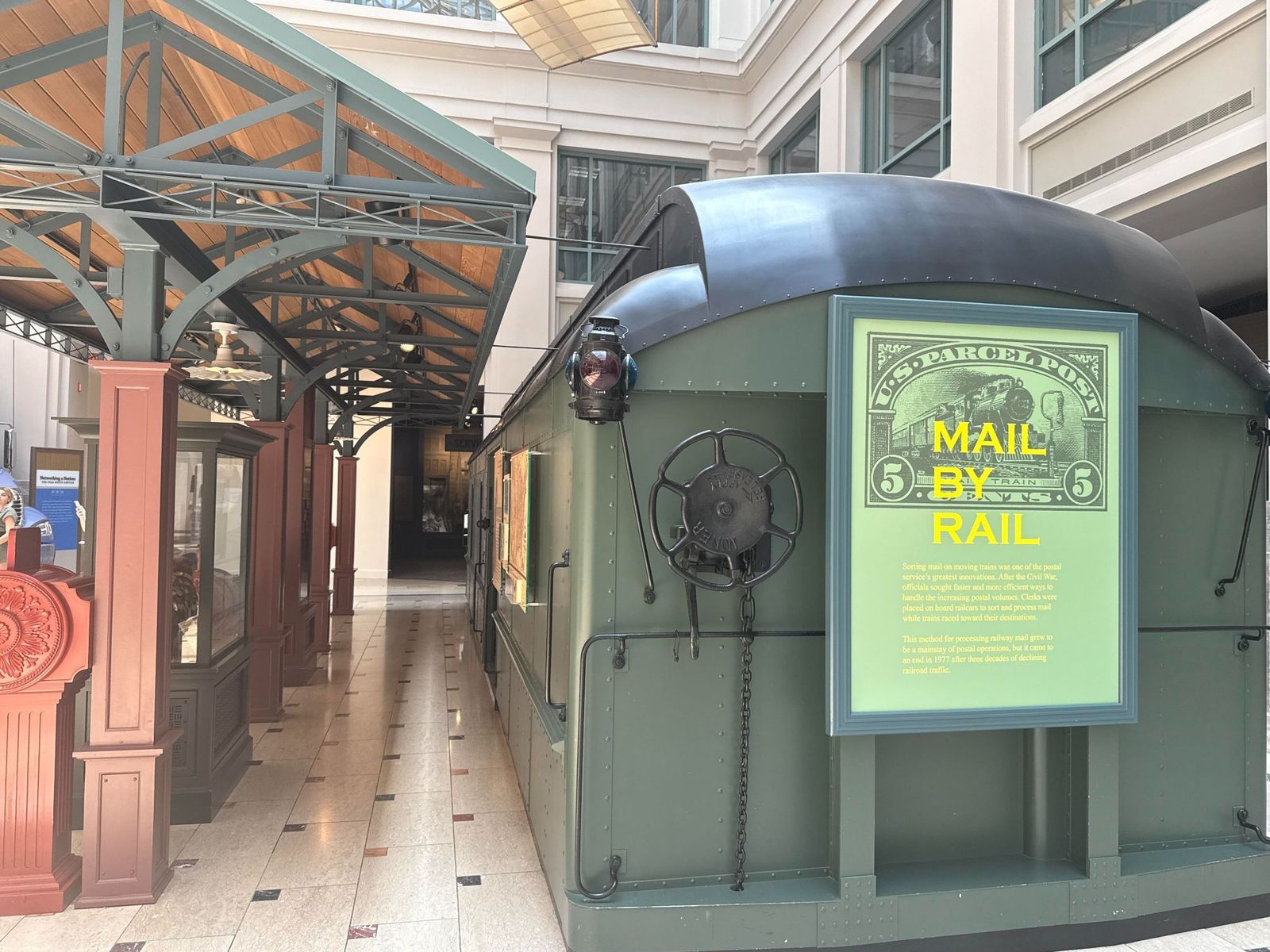
The U.S. Railway Mail Service (1860s—1970s) operated Railway Post Office (RPO) cars, where specially trained clerks sorted non-local mail on moving trains. Using a system called "mail on the fly" , clerks sometimes exchanged mail pouches without the train stopping. At its peak, the service handled 93% of the nation's non-local mail.

They would memorize complex routing diagrams to toss letters into narrow pigeonholes while on the move. A trackside crane held an incoming pouch while a steel catcher arm on the moving train snatched it in milliseconds. This continued until June 30, 1977, when the service finally ended.

3
The train that became Truman's campaign headquarters

Image: Primakov

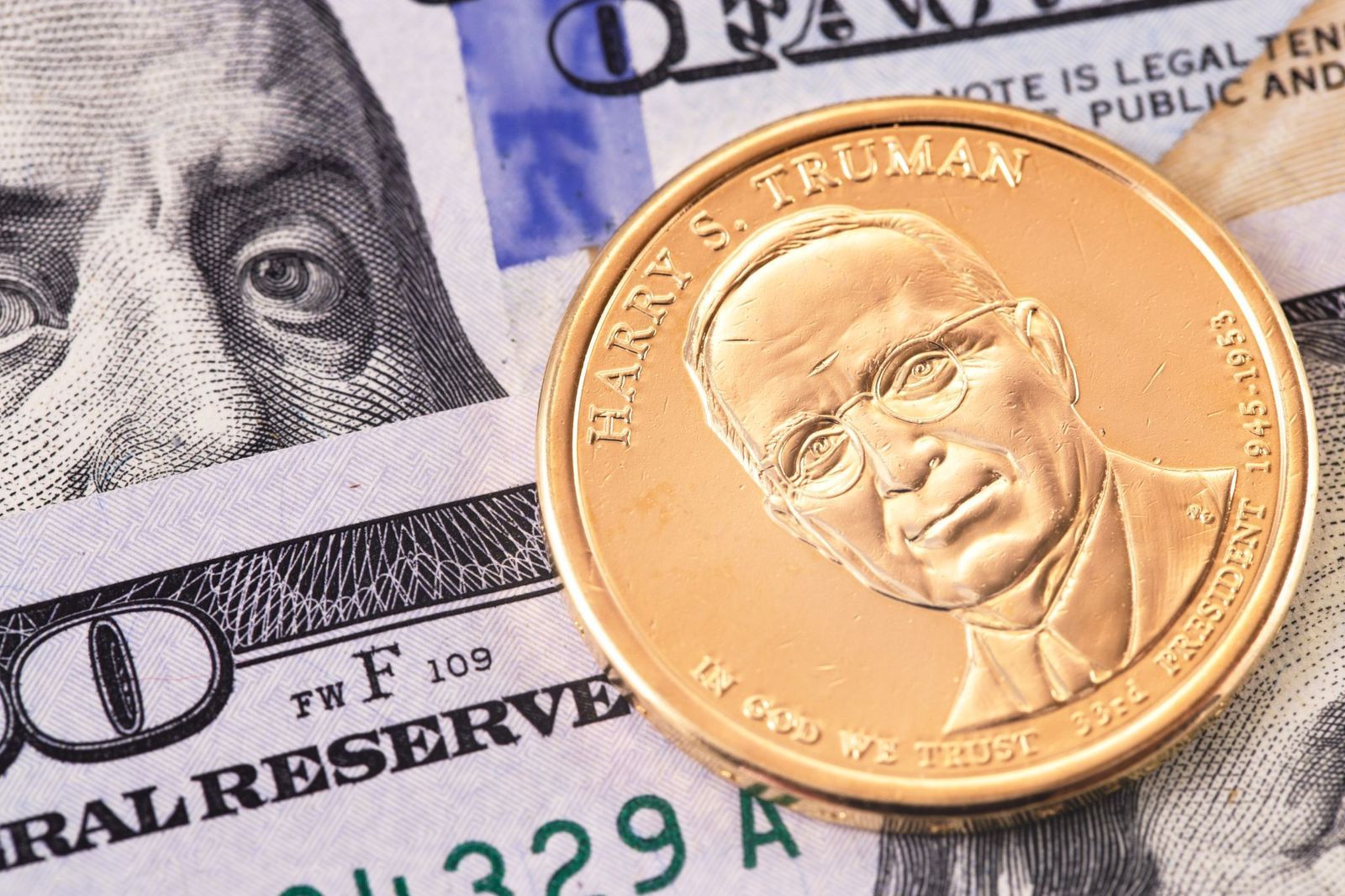
Harry Truman’s 1948 whistle-stop presidential campaign was a massive train journey that helped produce one of the most shocking results in U.S. election history. It included thousands of miles of travel across the country, during which Truman gave hundreds of fiery speeches from the rear platform of the Ferdinand Magellan, a heavily armored presidential railcar originally built in 1928. It is said he delivered 356 speeches during the 35-day tour .

4
The four-minute mistake that changed railroad watches

Image: Everett Collection

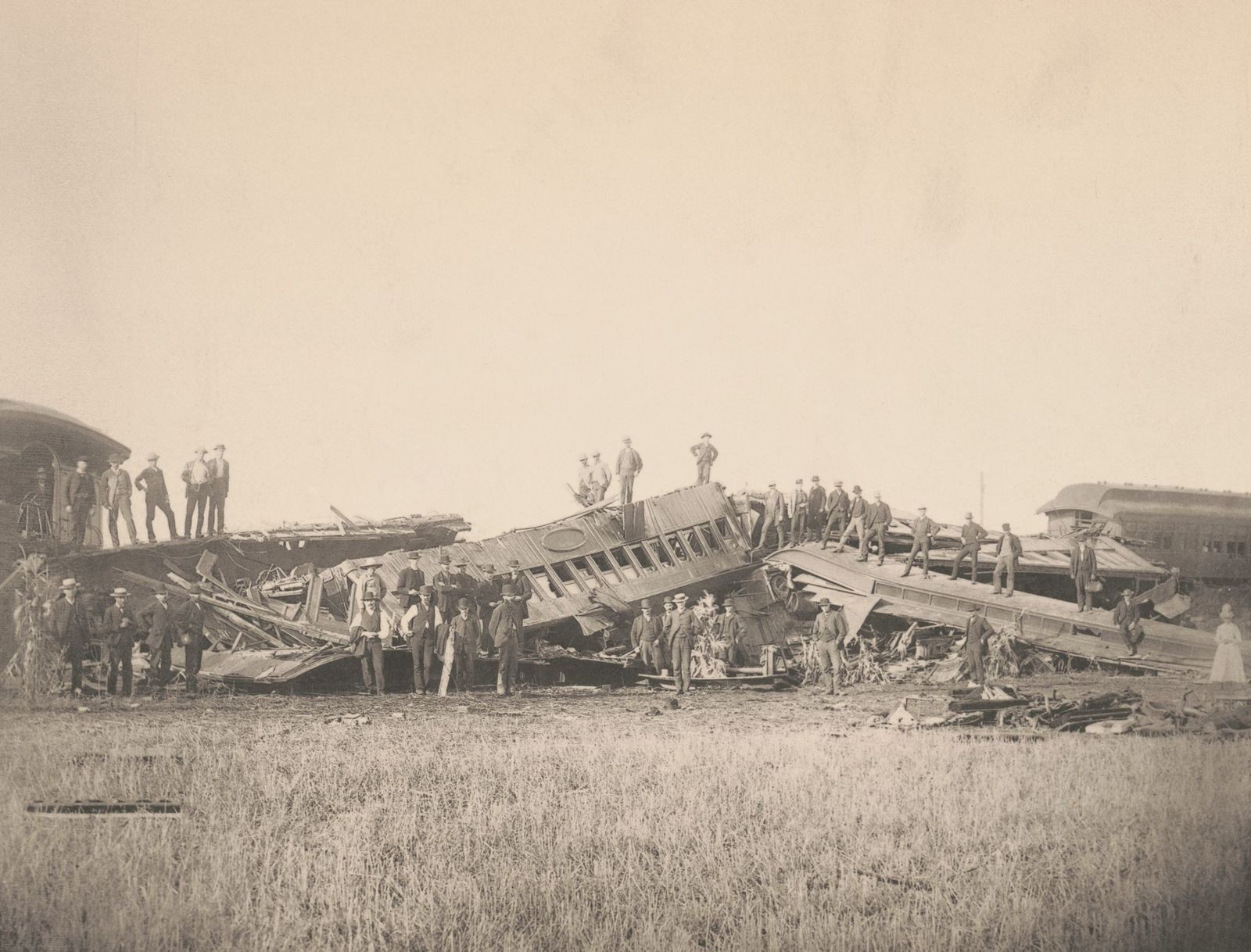
What’s generally known as the 1893 Great Kipton Train Wreck actually occurred in 1891 and led to stricter timekeeping rules, including standardized railroad watches to prevent collisions.

Here’s what happened: a conductor’s pocket watch stopped for four minutes and restarted, contributing to a fatal head-on collision between two trains. This disaster led to the appointment of jeweler Webb C. Ball as Chief Time Inspector. He subsequently developed strict standards for railroad watches and regular inspections.

5
The sleeper cars that changed travel forever

Image: Heather Shimmin

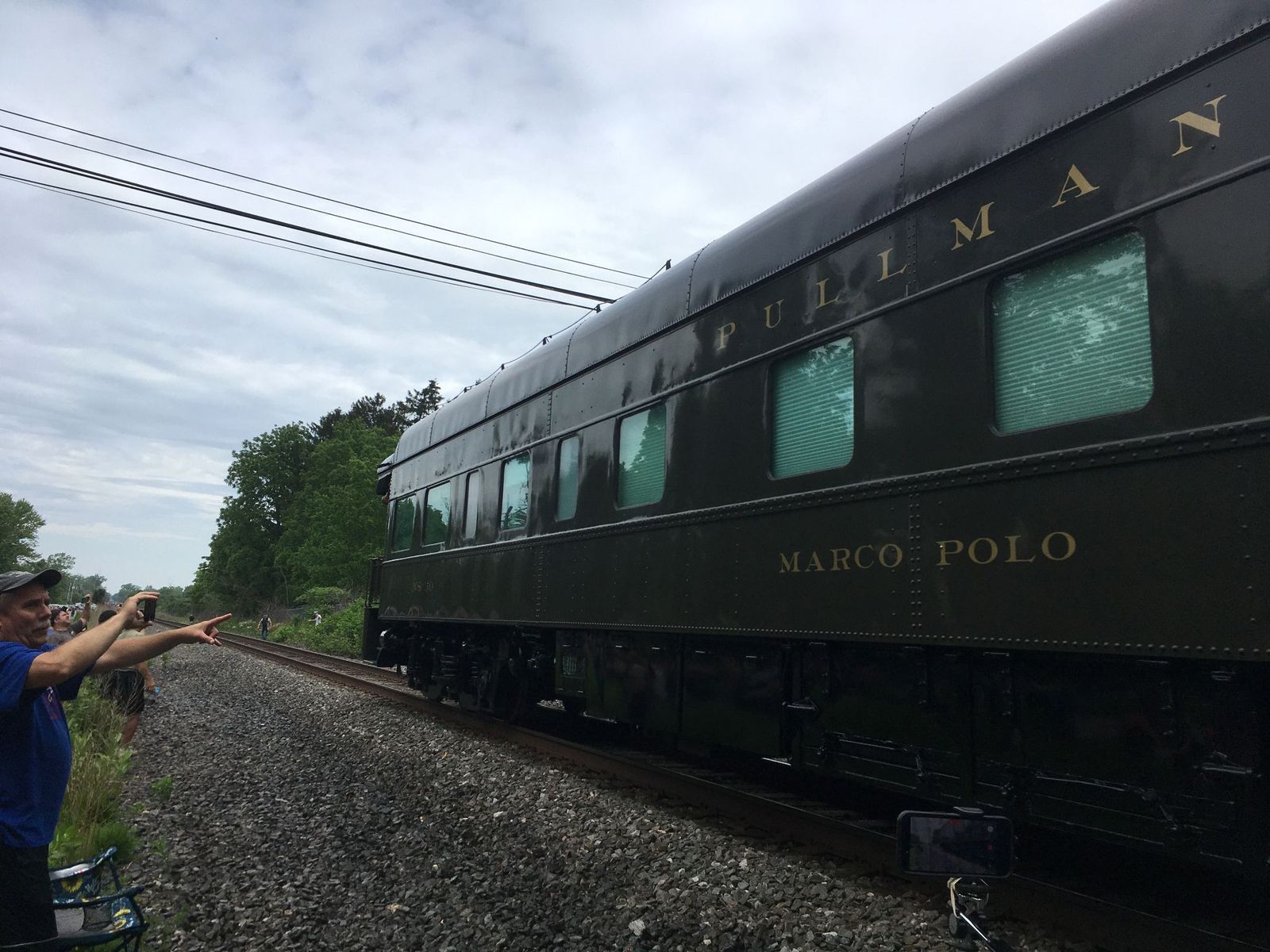
Pullman sleeper cars were created by George Pullman in the 1860s, revolutionizing long-distance travel with onboard beds and luxury service , including his first model, the 1864 Pioneer.

This comfort fueled rapid national expansion, but also sparked major labor and social shifts across the United States.

6
The railroad that turned America into one nation

Image: Lefteris Papaulakis

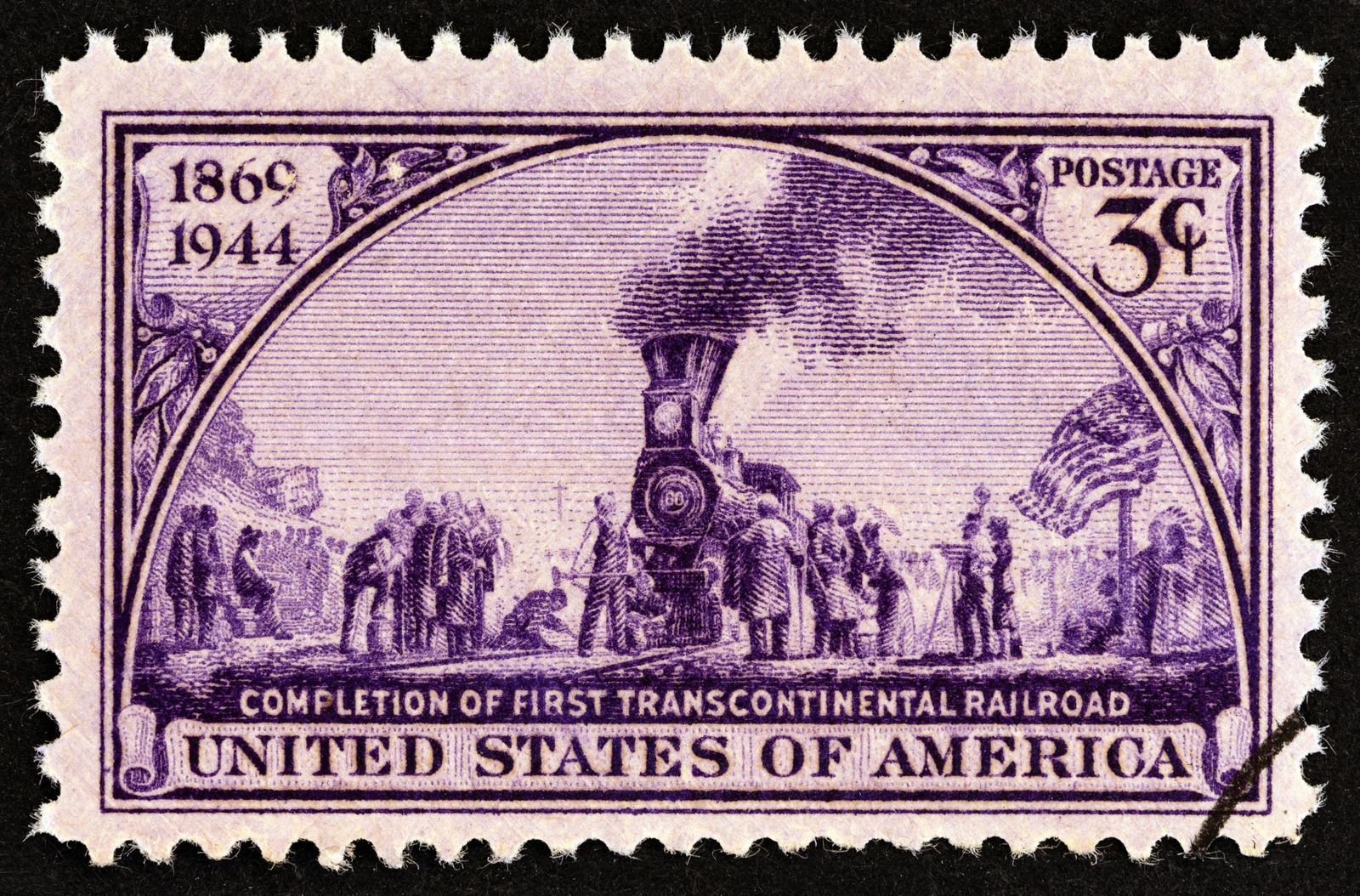
The Transcontinental Railroad was completed in 1869 and relied heavily on Chinese and Irish immigrant labor, which often involved dangerous working conditions. Workers blasted through rocks and mountainsides , carved paths across difficult terrain, and endured brutal weather as they laid tracks across the country.

This massive project changed travel and trade forever, cutting cross-country travel to roughly a week and helping transform the nation’s economy by connecting the Atlantic and Pacific coasts.

7
The Civil War trains that carried wounded soldiers to safety

Image: Khairil Azhar Junos

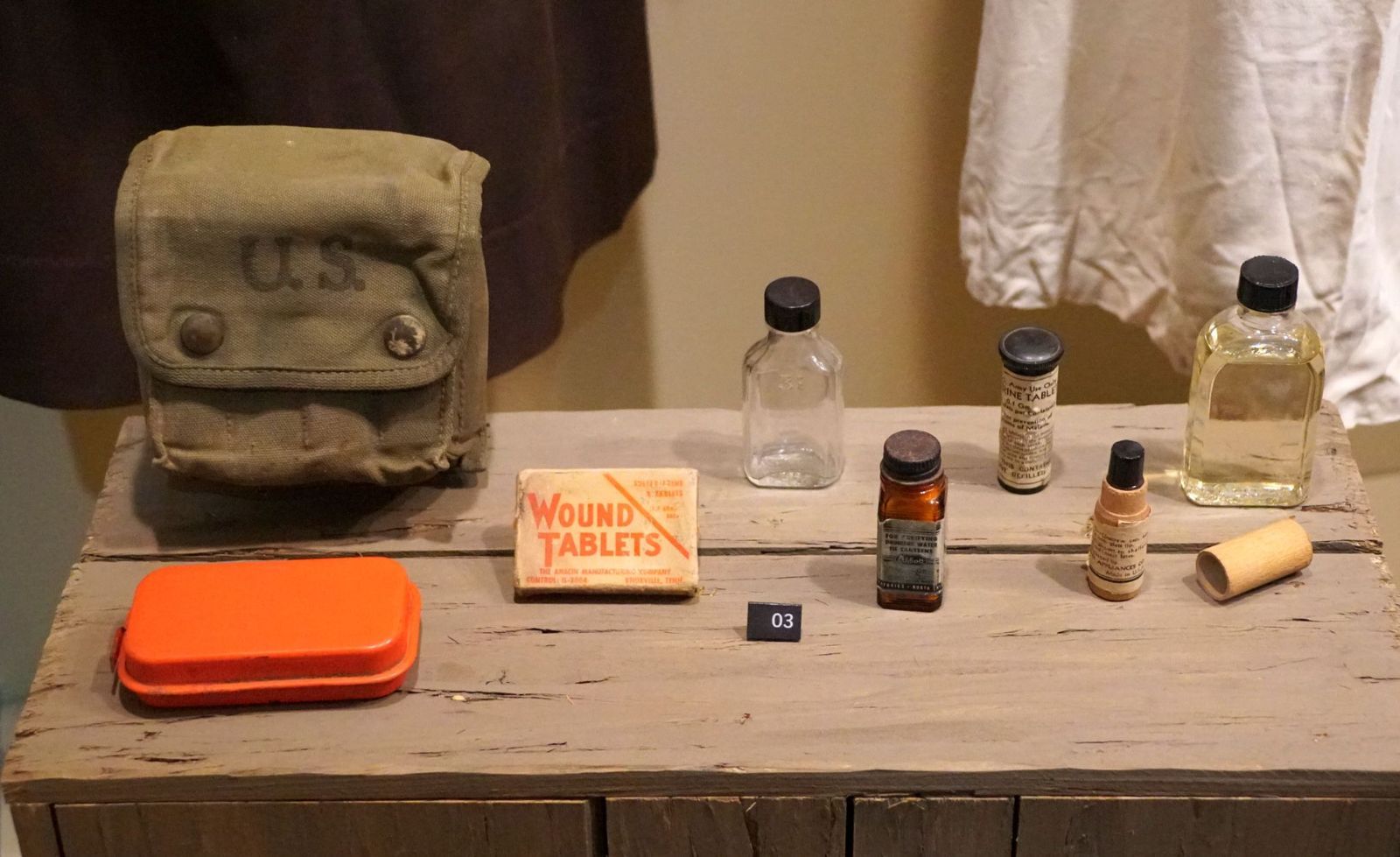
Civil War hospital trains helped transform how wounded soldiers were evacuated and treated . Early hospital trains were often converted freight or passenger cars, but they gradually became specially outfitted with stretcher racks, medical personnel, kitchens, and other equipment.

By 1864, purpose-designed hospital cars were being used by Union forces to transport wounded soldiers from battlefields to larger hospitals.

8
The trains that kept America’s war effort moving

Image: Shiva Photo

During World War II, the U.S. railroads played a crucial role. They carried vast quantities of military freight and personnel, making the railroads a crucial lifeline of the domestic war effort .

Gasoline and rubber shortages at the time also forced more of the car-driving public onto trains, pushing passenger traffic to historic peaks. Unlike in World War I, the federal government left daily operations under private rail control while coordinating closely through the Association of American Railroads.

9
The women who kept America’s railroads running

Image: Everett Collection

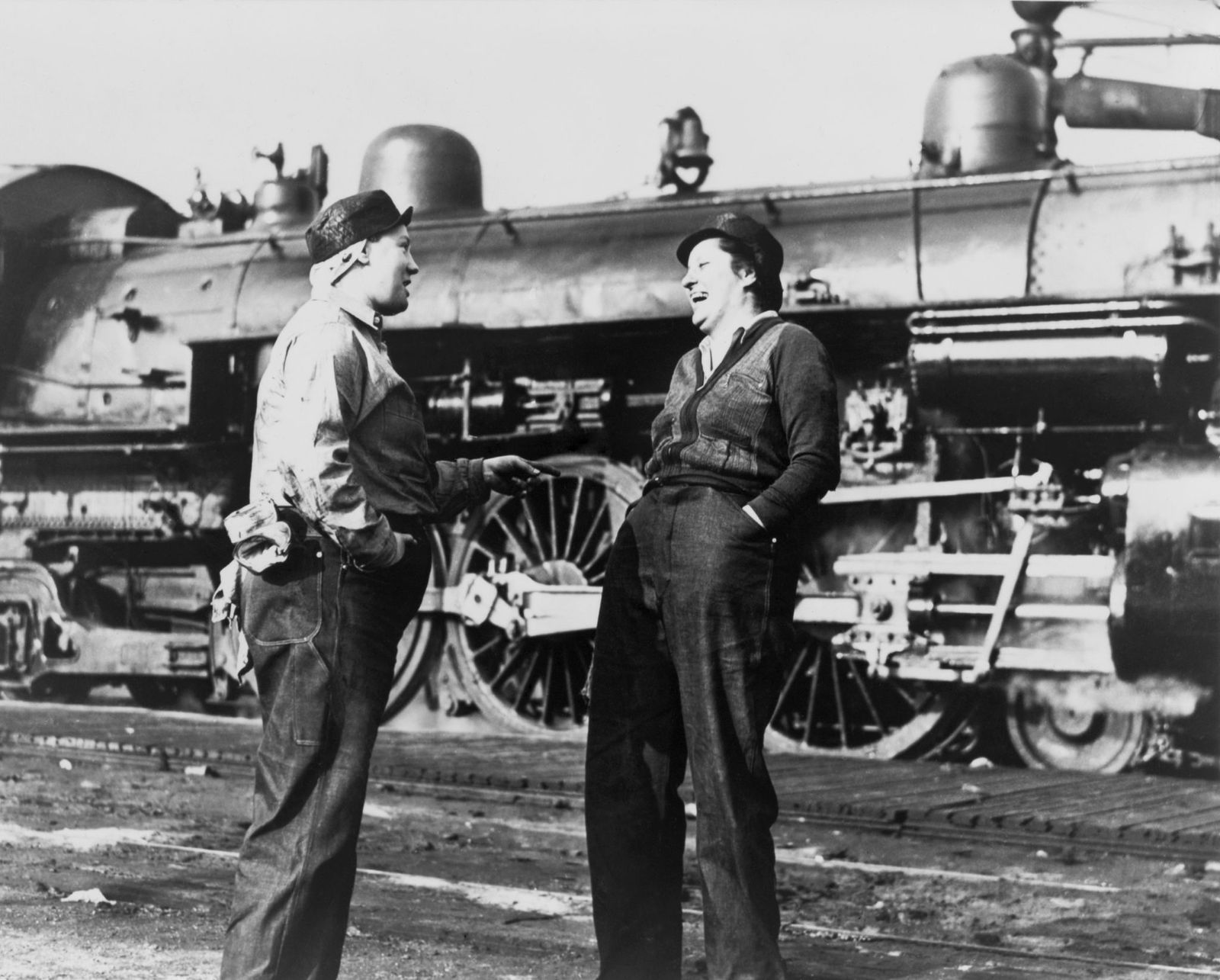
During World War II, women took on a much greater role in railroad work across the country, covering diverse occupations such as telegraphers, station agents, and workers who maintained and cleaned massive steel locomotives.

They replaced men who had entered the military service and helped keep the nation’s rail system running.

10
The Gold Rush that helped put the West on the rails

Image: telesniuk

The California Gold Rush of 1849 ignited a massive, never-before-seen western migration, but coast-to-coast travel still took months via dangerous sea routes or wagon trains.

That changed dramatically on May 10, 1869, when the previously mentioned First Transcontinental Railroad was completed at Promontory Summit in Utah. The railroad made it far easier to move people, goods, and valuable cargo between the coasts, although the Gold Rush itself had begun long before the railroad existed.

Culture Culture 3 min read

Talent has no age

From Drew Barrymore to Kurt Russell: 11 stars who started young

Image: Annie Spratt

Some of Hollywood’s biggest names got their start long before they could drive. From intense early roles to chart-topping hits, stars like Christian Bale, Stevie Wonder, and Jodie Foster grew up in the spotlight. Here’s a look at how these famous faces leapt from child prodigies to enduring icons.

1
Christian Bale

Image: Avel Chuklanov

Christian Bale began acting at a young age, landing a role in a TV miniseries when he was ten. This led to his big break at age 13, starring in Steven Spielberg’s Empire of the Sun .

Known for his intense dedication, Bale earned critical praise early on and later won an Academy Award in 2011 for his performance in The Fighter , solidifying his status as one of the top actors of his generation.

2
Michael Jackson

Image: Mathew Browne

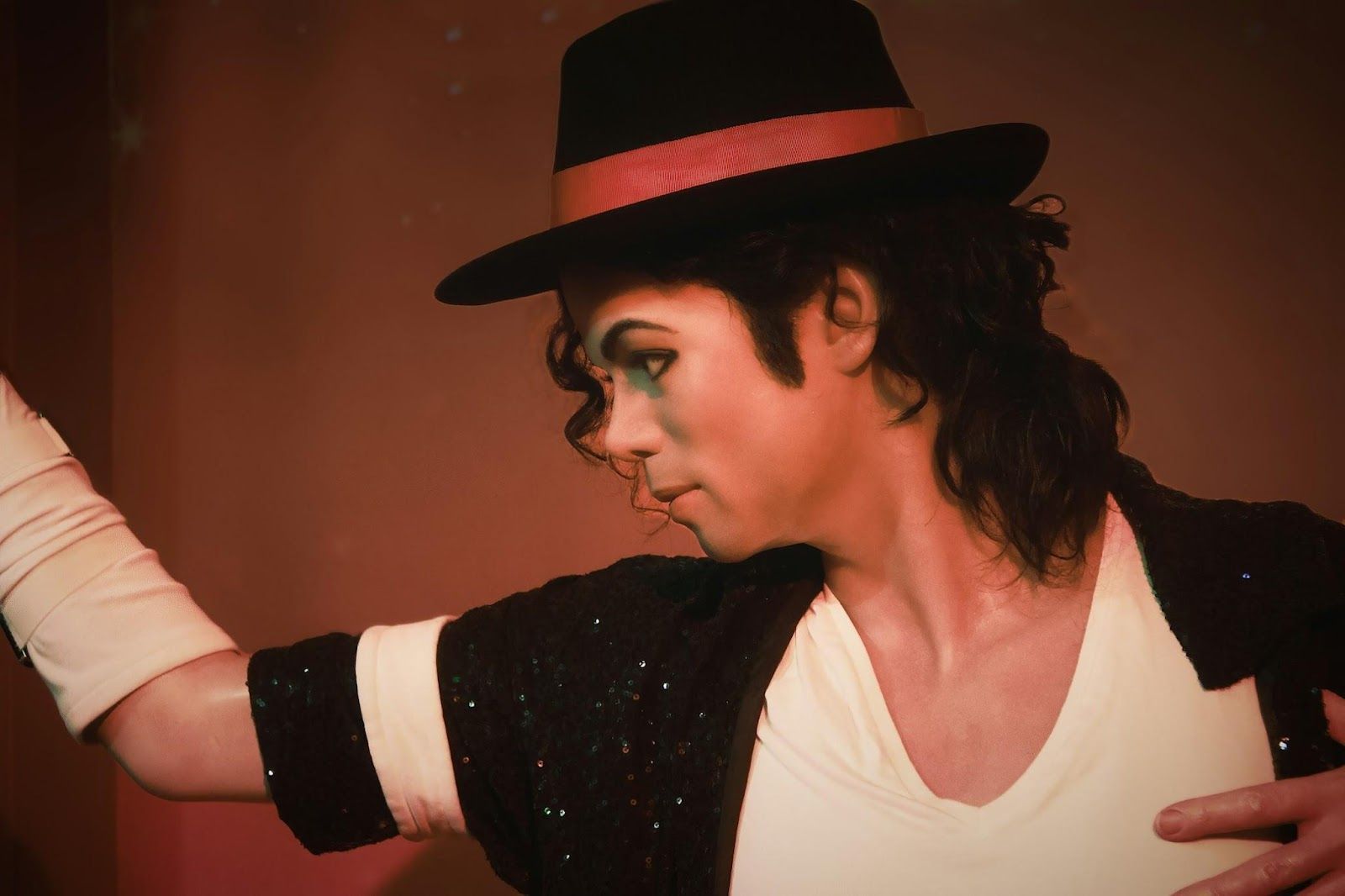
Michael Jackson rose to fame in the 1960s as the lead singer of the Jackson 5 , performing with his brothers and gaining significant TV exposure by the age of 11 .

By the age of 14, he had launched a solo career, and his talent and charisma quickly made him a global icon, leaving a lasting impact that extended far beyond his childhood success.

3
Drew Barrymore

Image: Rick L

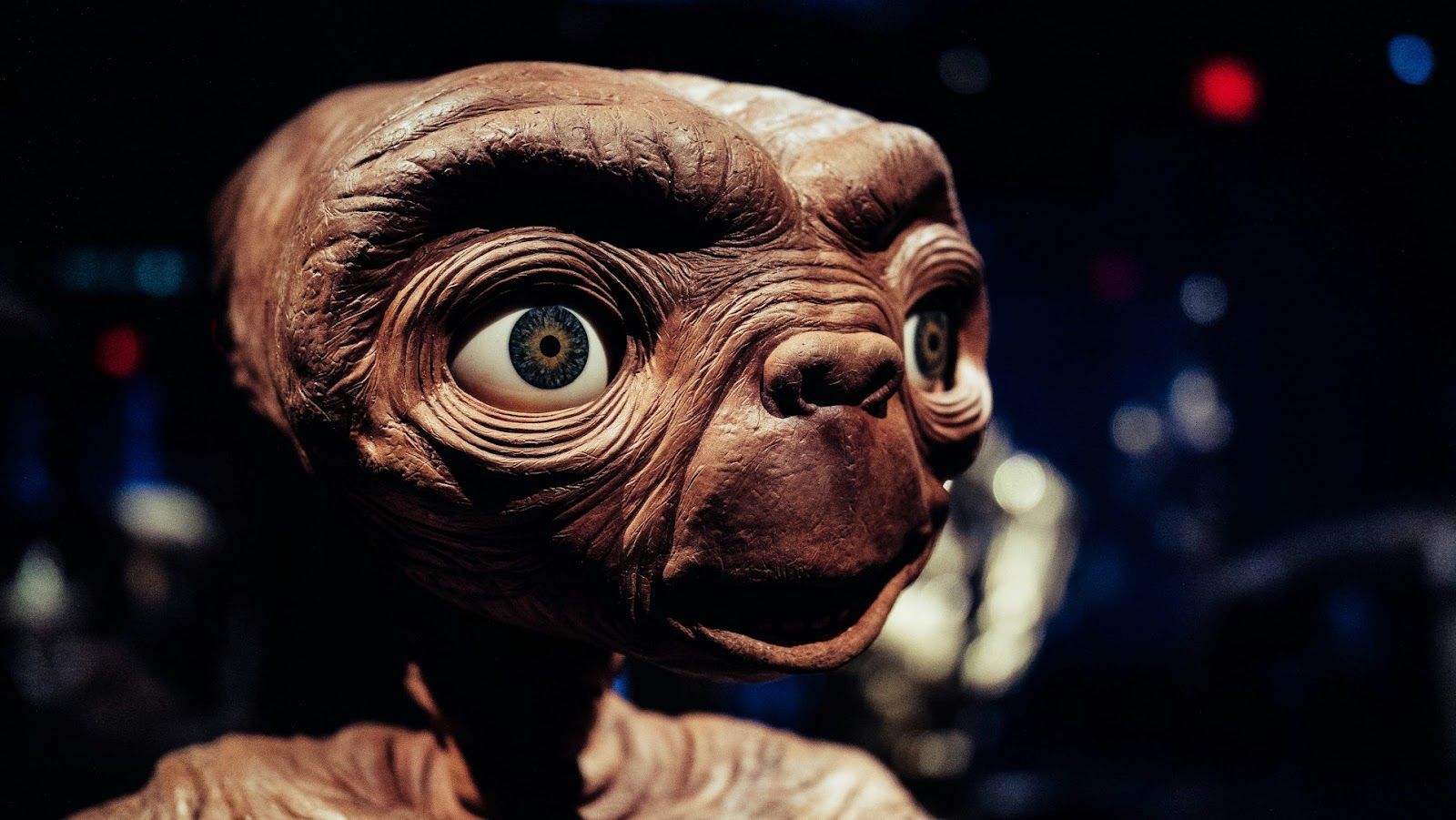
Drew Barrymore rose to fame as a child star in E.T. the Extra-Terrestrial in 1982 . As a member of the legendary Barrymore acting family, she quickly became a household name.

Over the years, she has earned a Golden Globe, received multiple Emmy nominations, and in 2023, was named one of TIME ’s 100 most influential people.

4
Britney Spears

Image: Mathew Browne

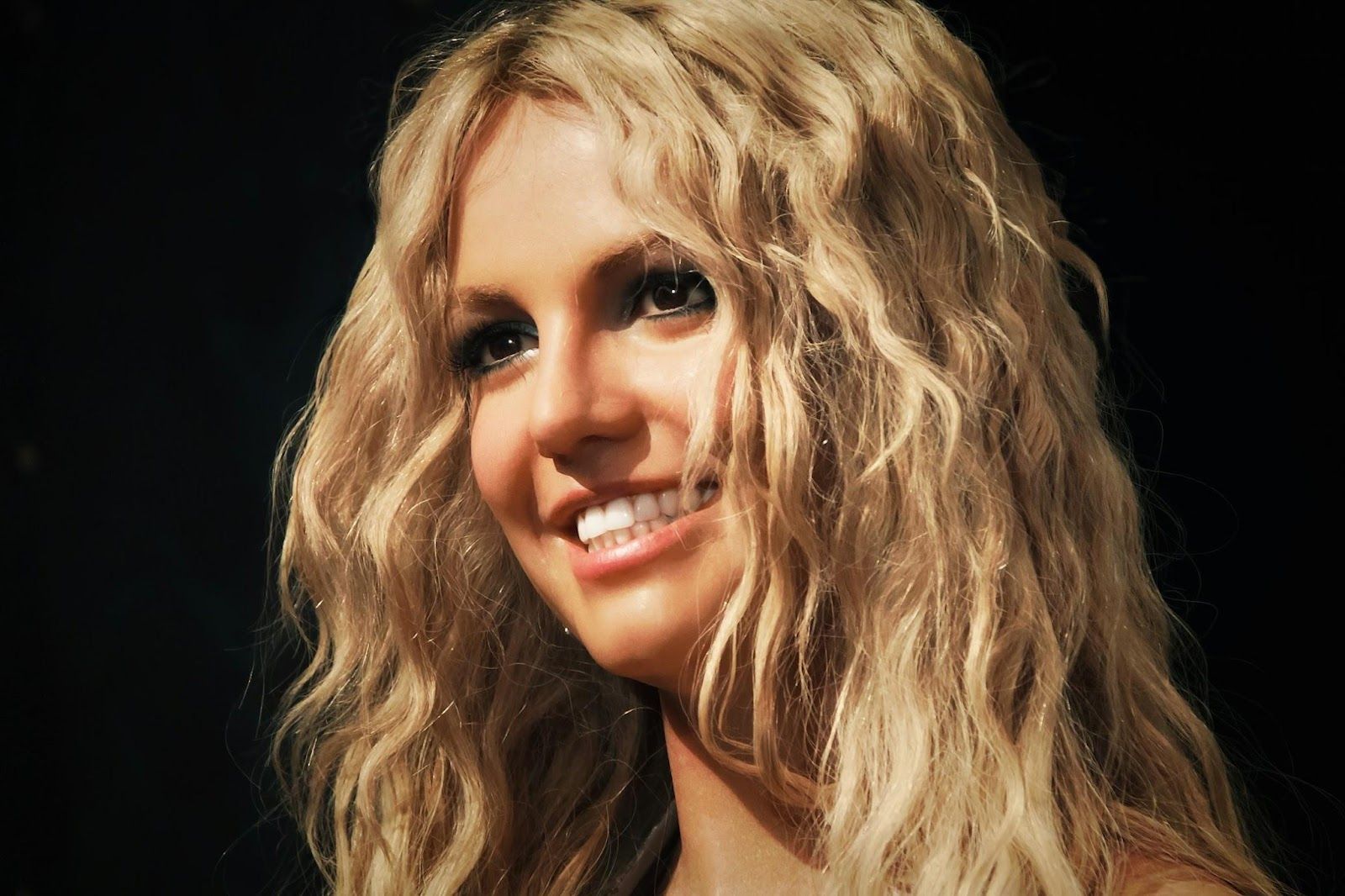
Before topping charts at 17 with ...Baby One More Time , Britney Spears had already starred on The All-New Mickey Mouse Club at age 11 .

After the show ended, she signed with Jive Records and quickly rose to fame, winning big at the 1999 Billboard Music Awards, where she claimed multiple honors, including Top New Artist and Top Female Artist. She became a defining figure in the teen-pop wave, alongside fellow MMC alumni.

5
Elijah Wood

Image: Thomas Schweighofer

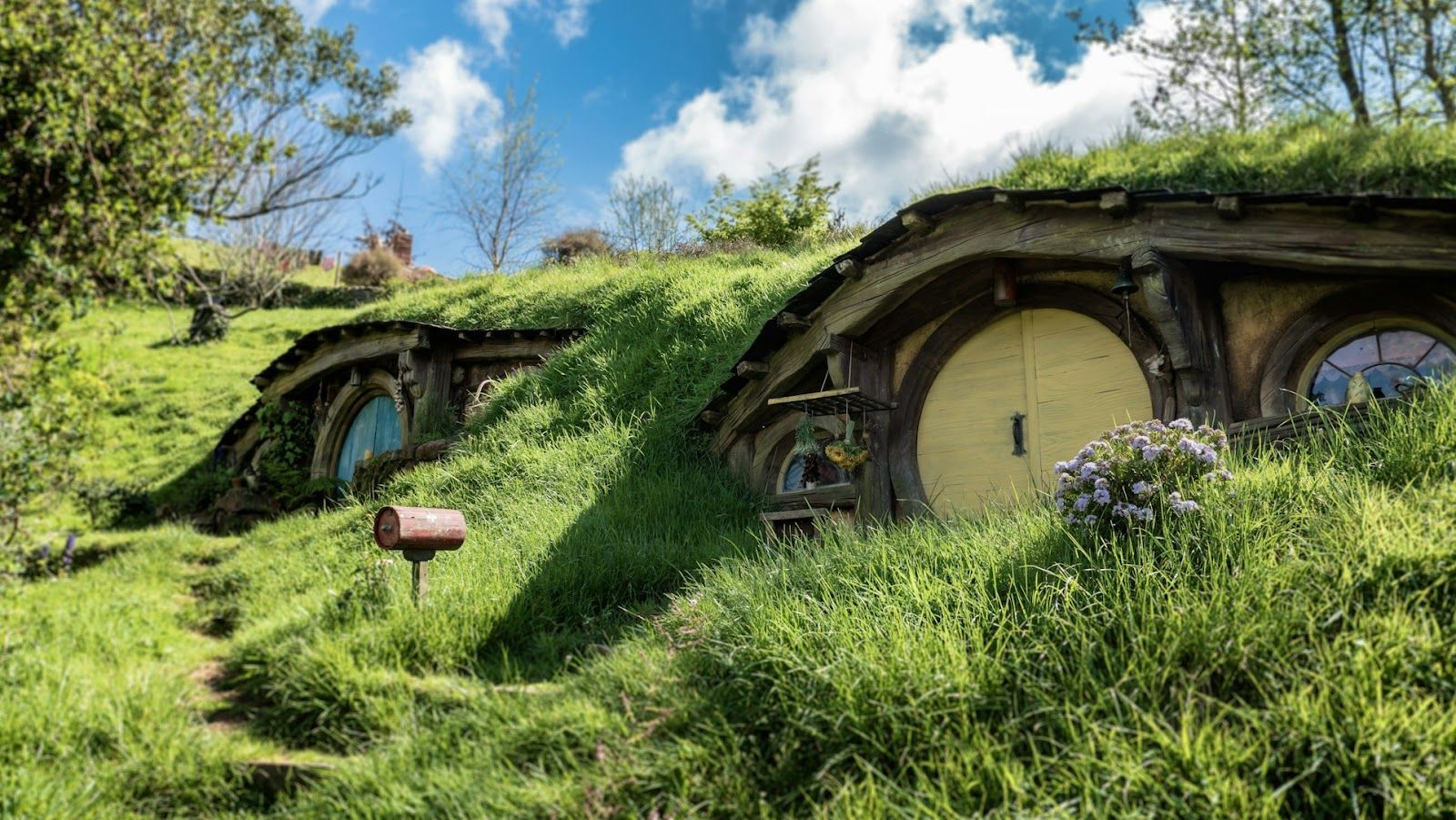
Elijah Wood got his start in film with a small part in Back to the Future Part II and became a familiar face in ‘90s films like The Good Son and Flipper .

His biggest role came when he portrayed Frodo Baggins in The Lord of the Rings trilogy. Since then, he has taken on a variety of unique roles, particularly in horror and indie films.

6
Miley Cyrus

Image: Masoud Razeghi

Miley Cyrus shot to fame as Hannah Montana from 2006 to 2011 , becoming a teen favorite on the Disney Channel.

She later broke out of her Disney image and built a music career following in her father’s footsteps, Billy Ray Cyrus. In 2024, she won her first Grammy Award for her hit song "Flowers."

7
Jodie Foster

Image: Jakob Owens

Jodie Foster began acting at age 3 , first in commercials and then on television shows such as Mayberry R.F.D.

She rose to fame with standout roles in Taxi Driver and Bugsy Malone , both released in 1976. Foster later built a long and successful career in both film and television.

8
Kirsten Dunst

Image: William Bayreuther

Kirsten Dunst landed her first film role in Bonfire of the Vanities at just 8 years old . Before she even finished high school, she had already built an impressive résumé with standout roles in films like Little Women , Jumanji , The Virgin Suicides , and Bring It On .

9
Stevie Wonder

Image: Gabriel Gurrola

Born in 1950 in Michigan, Stevie Wonder was blind from infancy and showed remarkable musical talent early on, joining a church choir in Detroit.

By age 11, he’d mastered several instruments and signed with Motown as "Little Stevie Wonder." He went on to become one of the most celebrated musicians in history, earning 25 Grammy Awards over his career.

10
Christina Ricci

Image: JOHN BEARBY IMAGES

Christina Ricci made her film debut at age 9 in Mermaids , but it was her role as Wednesday Addams in The Addams Family that made her a star.

She continued her success with family favorites like Casper and Now and Then before transitioning into acclaimed mature roles in films such as Buffalo ’66 and The Opposite of Sex .

11
Kurt Russell

Image: Julia Vivcharyk

Kurt Russell began acting in the early 1960s , with roles in Dennis the Menace and It Happened at the World’s Fair . By the mid-1960s, he was a Disney star under a ten-year contract.

After a brief baseball stint, he returned to acting, landing major roles in films such as The Thing , Escape from New York , and Overboard . He has appeared in over 100 films and TV shows, including Guardians of the Galaxy Vol. 2 .

Explore more American facts

Choose your favorite category!

General
General

As American as apple pie—the very best America has to offer!

Culture
Culture

Delve into the astounding richness of American lore.

Geography
Geography

Hop in and explore vast and diverse American landscapes.

History
History

Discover the key moments that shaped the United States.