General General 7 min read

State your colors

Why is there a bleeding animal on this state flag? Read all about it
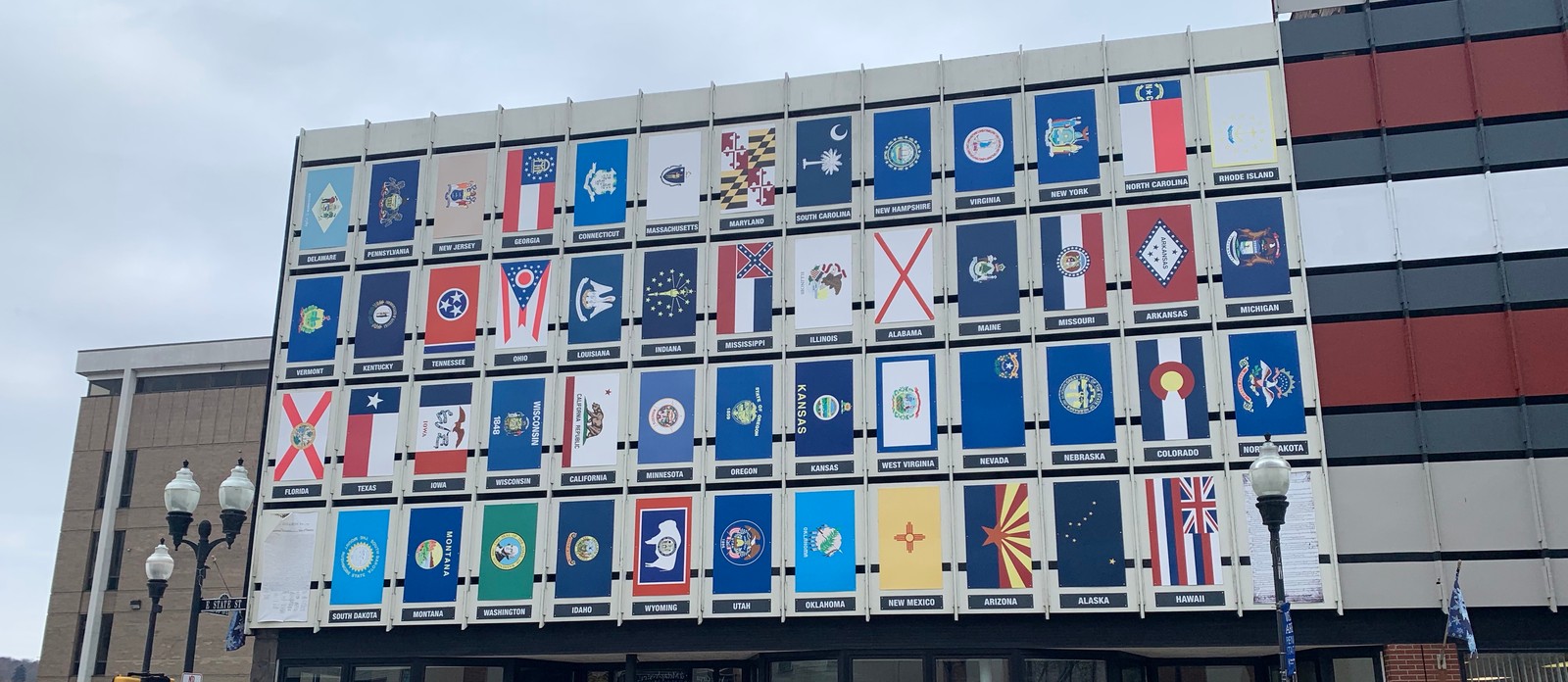
Image: Dreajc10, CC BY-SA 4.0, via Wikimedia Commons

How much do you know about state flags? We see them flying at schools, post offices, and parades, but we rarely stop to think about where they come from. All of them have backstories that are worth learning about. From strange animal motifs to presidential portraits, here's a quick tour of some of the most unique state flags that you may find while touring America.

1
A 13-year-old designed Alaska’s flag

Image: Aerra Carnicom, CC BY-SA 4.0, via Wikimedia Commons

In 1927, while Alaska was still a U.S. territory, officials launched a contest inviting school kids to design territorial flags. Among the 140 entries that arrived in Juneau containing polar bears, mining scenes, or territorial seals, was the design of 13-year-old Benny Benson , an Alaskan Native Aleut.

The design featured eight gold stars against a deep blue field. Seven stars formed the Big Dipper, symbolizing strength through the Great Bear constellation, while the North Star represented Alaska’s future as the northernmost state in the Union. Benson also explained that the blue background honored both the sky and the state flower, the forget-me-not. His design was unanimously selected and officially adopted by the territorial legislature in May 1927, and Benson received a gold watch engraved with the flag and a $1,000 scholarship award.

2
Washington went green and presidential
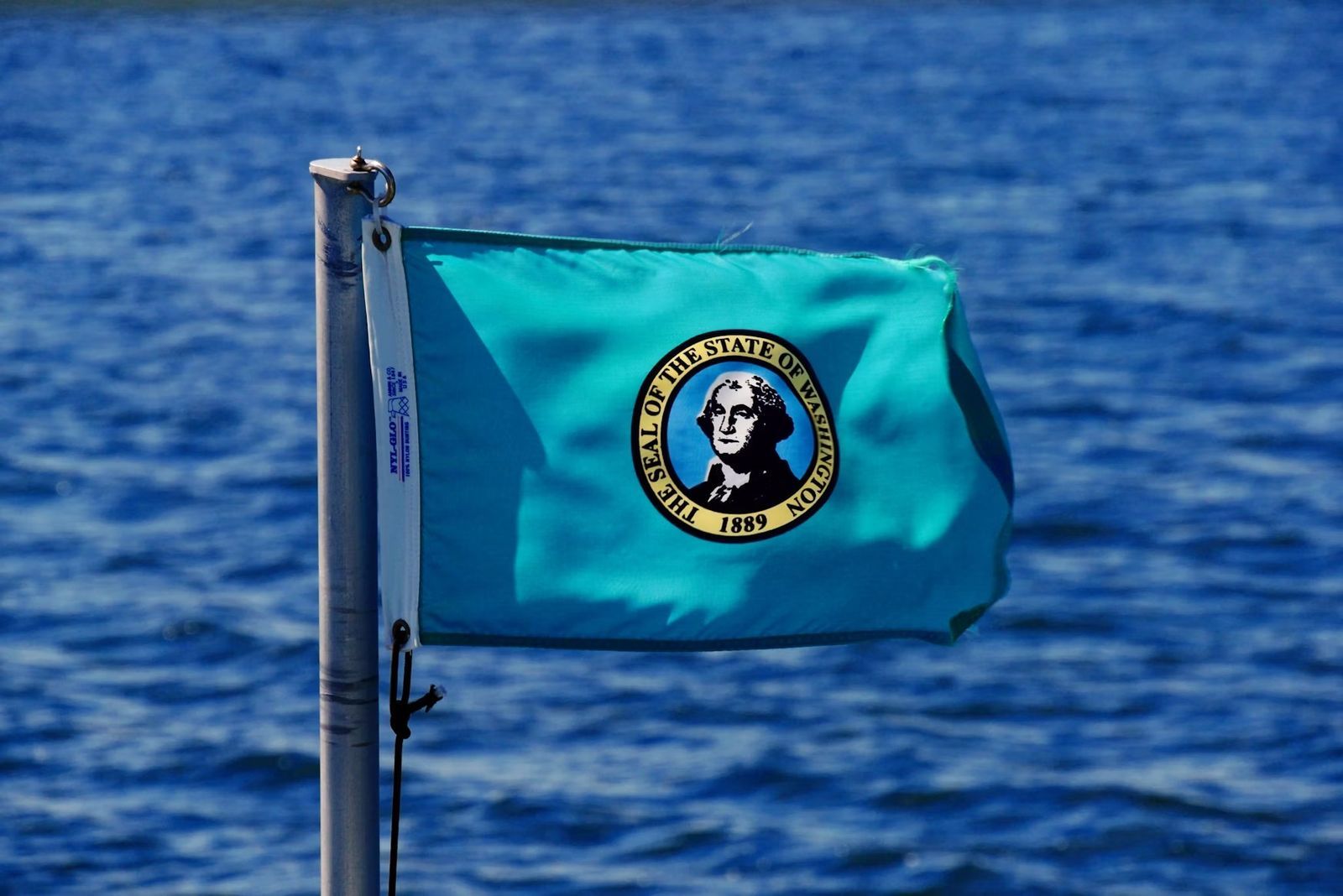
Image: Malachi Brooks

When Washington officially adopted its state flag in 1923, the Legislature made a choice unlike any other state in the country. Instead of following the usual red, white, and blue pattern, they chose a deep green background to reflect the state’s nickname , "The Evergreen State," a reference to its dense forests and year-round greenery. At the center, they placed the state seal featuring George Washington, the first president of the U.S.

The portrait itself was based on a famous painting by Gilbert Stuart, an American artist known for some of the best images of Washington. The portrait represents patriotism and identity. To this day, Washington remains the only U.S. state flag with a green field and the only one to feature an American president’s face.

3
Ohio ditched the rectangle
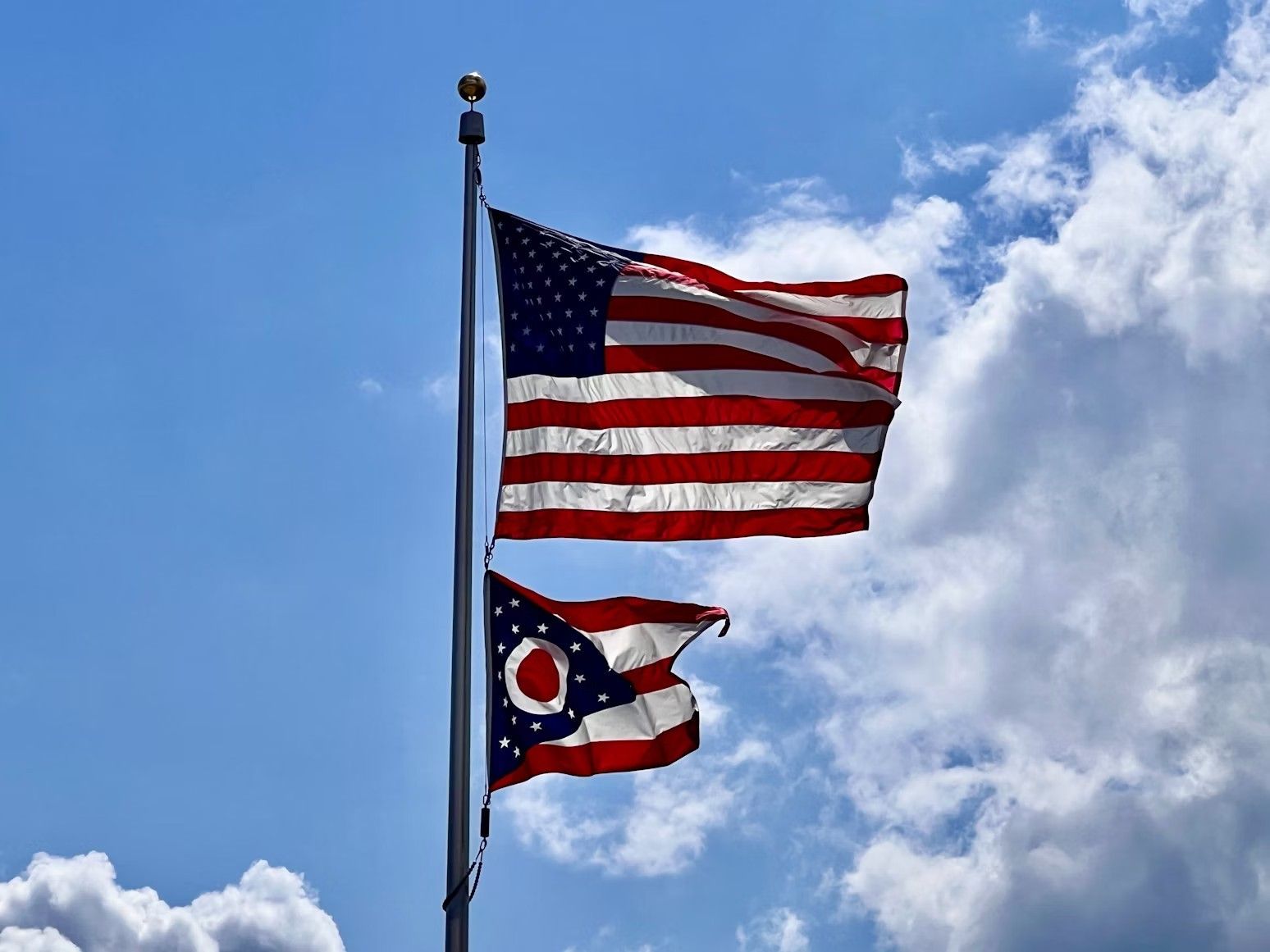
Image: Hannah Wernecke

Ohio may have joined the Union in 1803, but for nearly a century, the state had no official flag of its own. But it began turning heads the moment it was introduced in 1902.

Designed by architect John Eisenmann for the Pan-American Exposition in Buffalo, New York, the flag broke one of the oldest traditions in vexillology. Instead of a rectangle, Eisenmann created a burgee, a swallowtail pennant shape more commonly used by naval organizations and cavalry units. Its red and white stripes represent roads and waterways, while the blue triangular field symbolizes Ohio’s hills and valleys. The white "O" stands for both Ohio and the buckeye nut, and the 17 stars honor Ohio as the seventeenth state admitted to the Union.

4
Maryland flew in from the Middle Ages
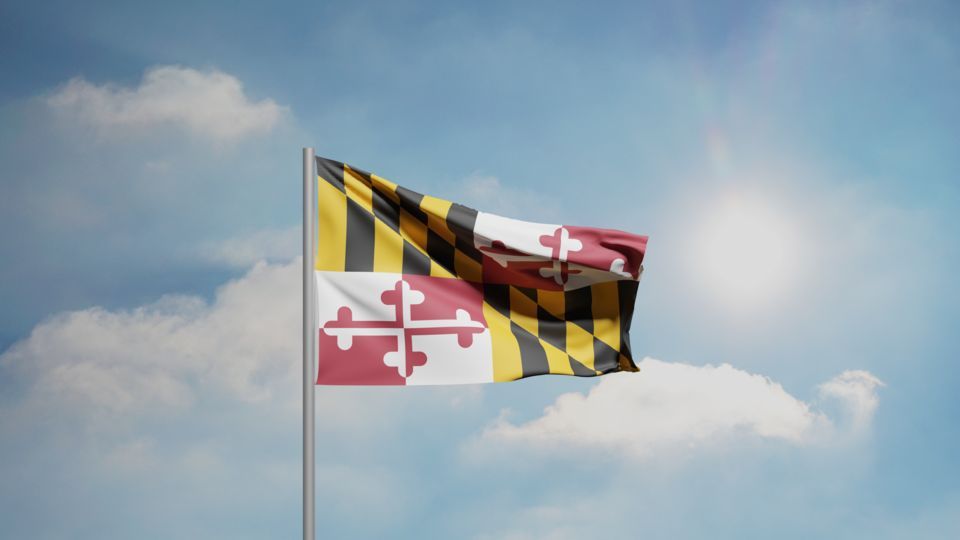
Image: Aerra Carnicom, CC BY-SA 4.0, via Wikimedia Commons

The story behind Maryland’s flag reaches back to English nobility, long before the U.S. existed. Its design comes from the coats of arms of the Calvert and Crossland families , connected to George Calvert, the first Lord Baltimore, whose family founded the Maryland colony in 1632 under a charter granted by King Charles I. The black and gold pattern belonged to the Calvert family, while the red and white cross belonged to the Crossland family through Calvert’s mother, Alicia Crossland.

During the Civil War, the colors gained powerful political meaning. Union supporters in Maryland often displayed the Calvert colors, while Confederate sympathizers adopted the Crossland pattern. Following the war, state leaders sought unity during Reconstruction, and by the 1880s, the two designs were combined into one banner. Maryland officially adopted the flag in 1904, turning former symbols of division into a lasting emblem of reconciliation.

5
California’s bear has a revolutionary past
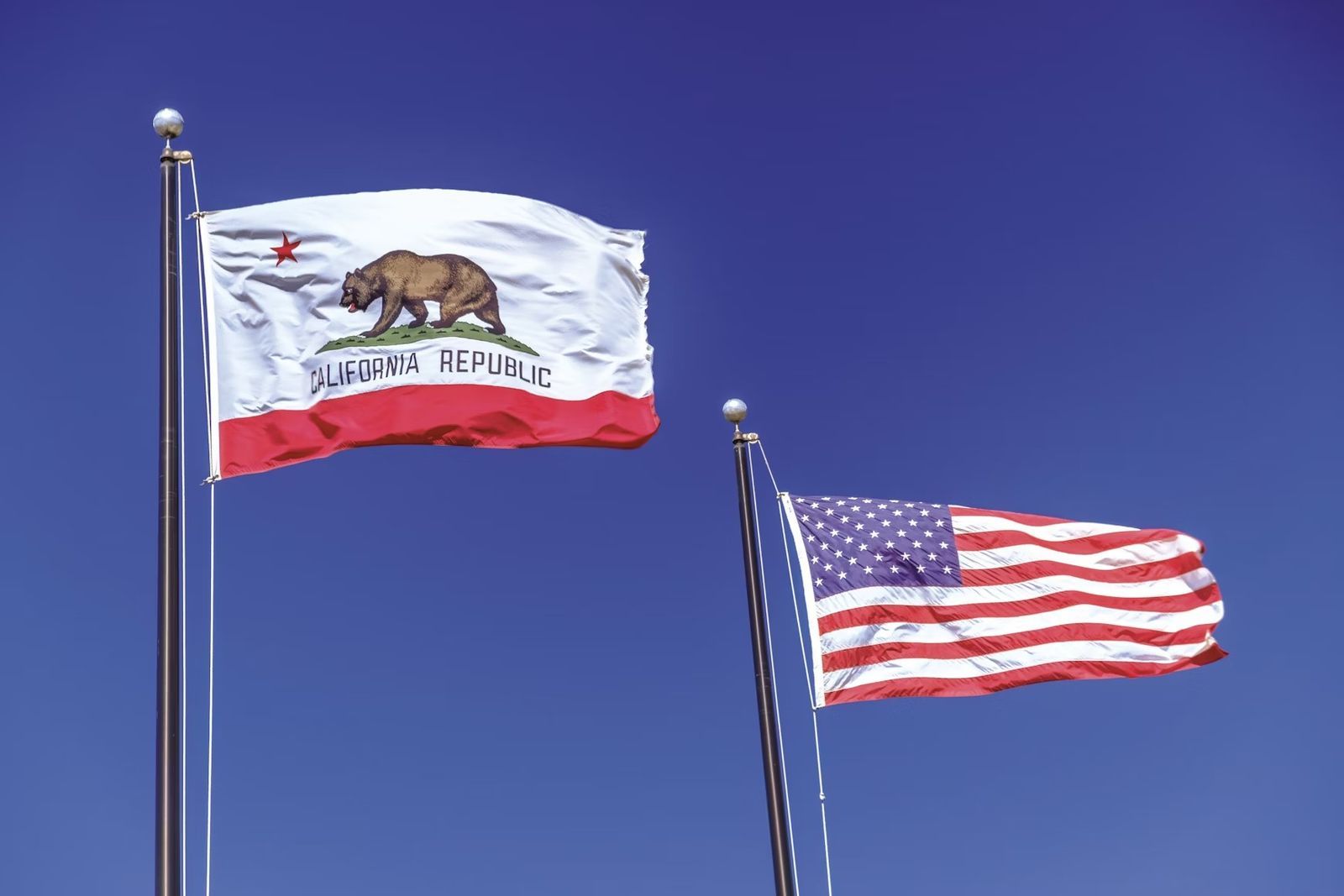
Image: Drei Kubik

California’s famous Bear Flag began during the Bear Flag Revolt of 1846, when American settlers in Sonoma rebelled against Mexican rule and declared California an independent republic. Their handmade banner featured a grizzly bear, a red star, and the words "California Republic."

The rebellion ended in less than a month after the U.S. forces took control during the American-Mexican War between 1846 and 1848, but the image remained a symbol of independence. The original flag was later destroyed in 1906 in the San Francisco earthquake, though copies had been preserved. It wasn’t until 1911 that lobbying from the historical society, Native Sons of the Golden West, made the legislature adopt the design as the official state flag.

6
Oregon’s two sides
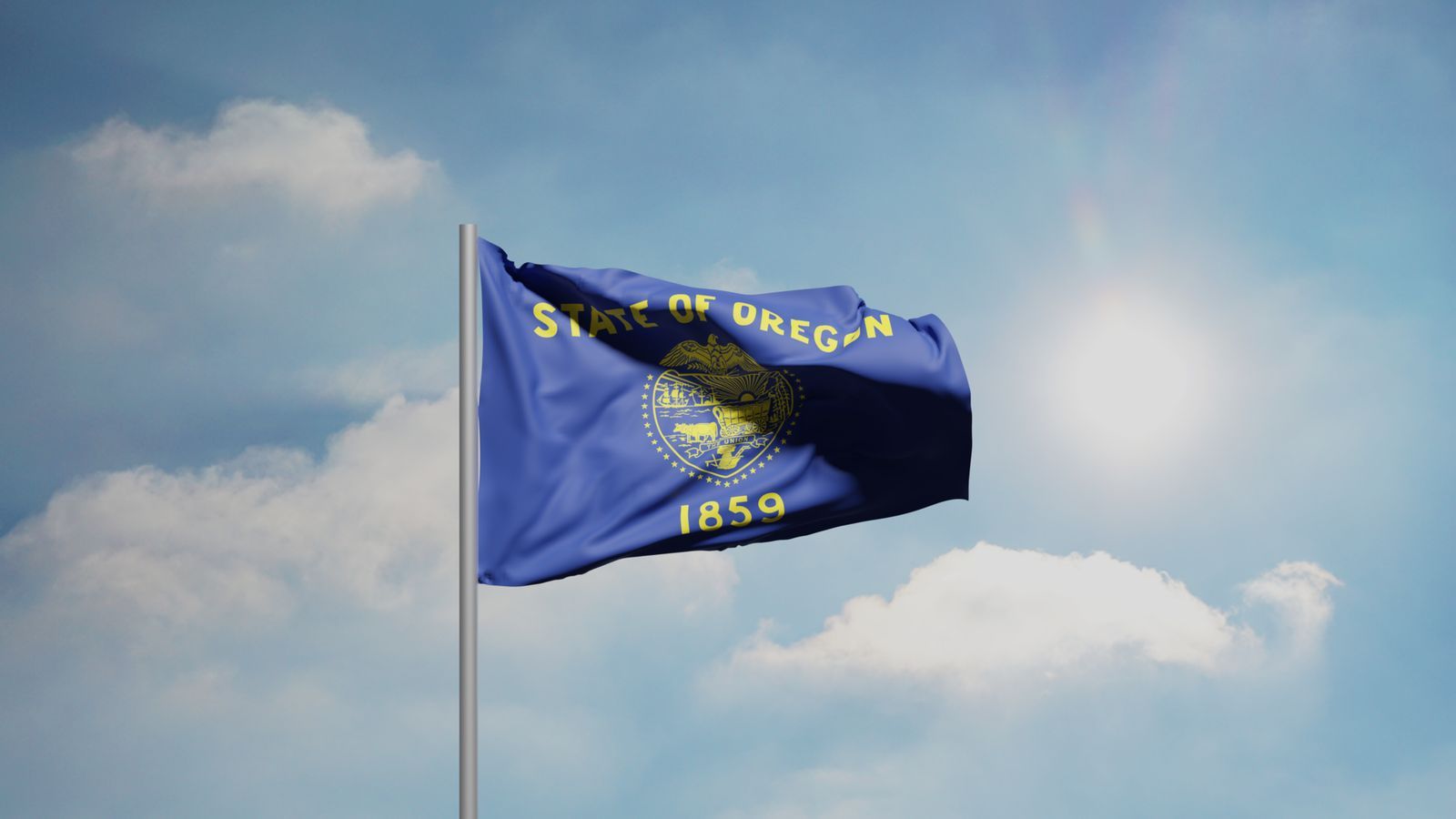
Image: Aerra Carnicom, CC BY-SA 4.0, via Wikimedia Commons

When Oregon adopted its official state flag in 1925, it quietly created one of the rarest flags in the world. Unlike nearly every other state banner, Oregon’s flag features two completely different designs, one on each side.

The front displays the state seal in gold against a navy-blue background, surrounded by 33 stars representing Oregon’s admission as the thirty-third state in 1859. Beneath the shield appears the year of statehood, while symbols such as a covered wagon and an eagle reflect Oregon’s frontier history and connection to the United States. The reverse side tells a simpler story. There, a single gold beaver appears alone on the blue field. The beaver became Oregon’s state animal because the fur trade played a major role in the region’s early economy during the 1800s.

7
Hawaii still nods to the British
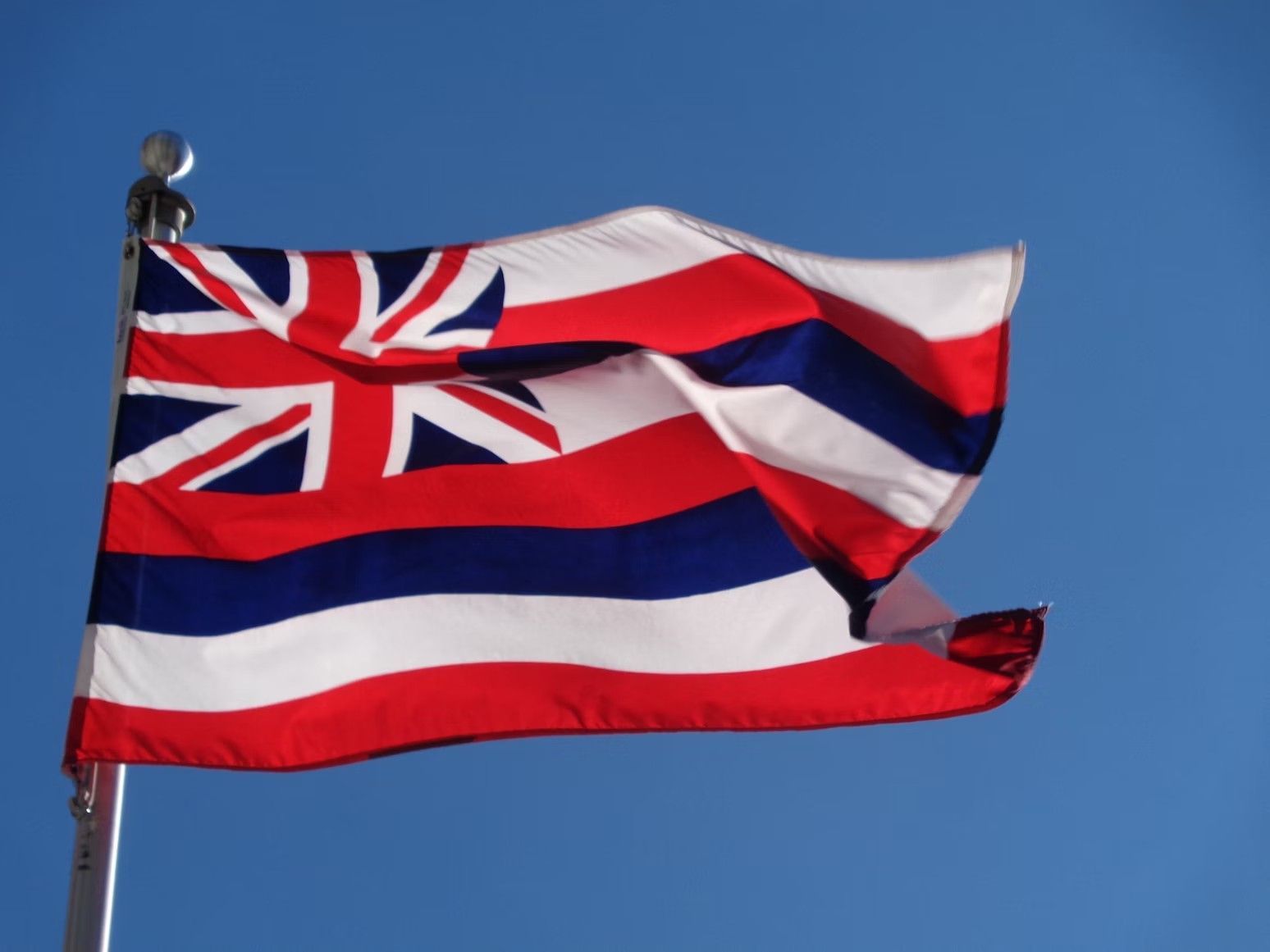
Image: little plant

Hawaii’s state flag tells the story of a kingdom caught between powerful nations during the early 1800s. The British Union Jack placed in the corner dates back to the reign of King Kamehameha I, the ruler who united the Hawaiian Islands into a single kingdom.

Ever since the first British flag was raised in that territory in 1794, Hawaii used several variations of flags that blended British and American influences , partly to maintain good relations with both nations during the War of 1812. A combined design was created using the Union Jack alongside horizontal stripes inspired by the American flag. By 1845, the current design with eight stripes, representing the major islands, had been established. When Hawaii became a state in 1959, the historic flag remained unchanged.

8
Louisiana’s bleeding pelican
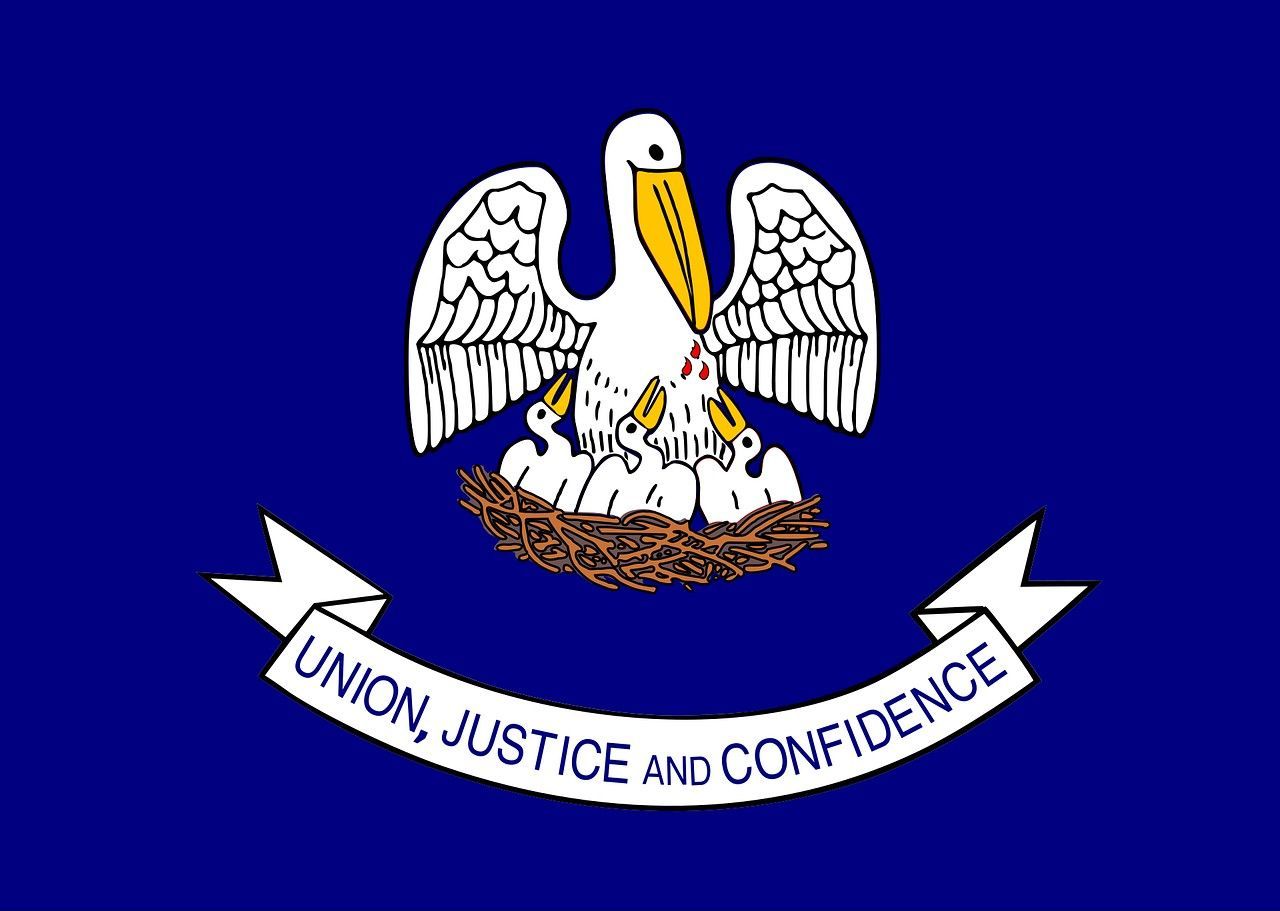
Image: Clker-Free-Vector-Images

At first sight, Louisiana's choice of flag might seem a bit odd, but the meaning of its symbols carries centuries of meaning. The flag was adopted in 1912 and, at the center, stands a mother pelican feeding her chicks with drops of her own blood, an image taken from Christian traditions. According to legend, pelicans wound themselves during times of famine to keep their young alive. And even though the story is not scientifically accurate, the symbol stands for sacrifice, compassion, and protection. It also represents the bird-filled wetlands and Gulf Coast landscape that shaped the state’s identity.

Over time, different versions of the flag softened the dramatic image and even removed the drops of blood completely, but in 2010, Louisiana officially restored the traditional design and brought it back.

9
South Carolina’s flag is not standardized
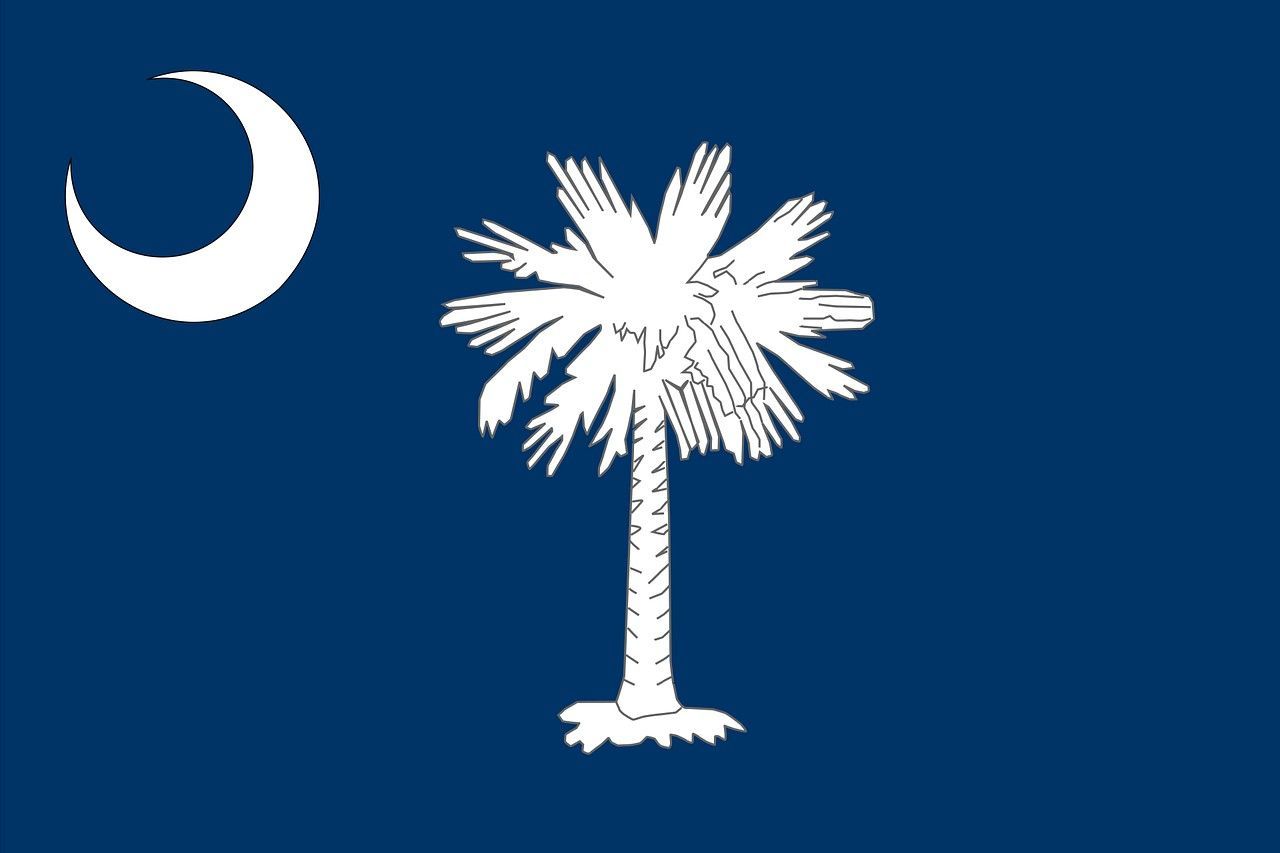
Image: Clker-Free-Vector-Images

South Carolina’s flag shows a white crescent shape above a palmetto tree, and its design was born during the first days of the American Revolution. In 1775, Colonel William Moultrie designed a simple blue banner with a white crescent based on the uniforms worn by local patriot soldiers defending Charleston Harbor. A year later, the fort’s walls of palmetto logs absorbed British cannon fire instead of shattering. The Unexpected victory turned the palmetto tree into a symbol of South Carolina’s resistance, and it was added to the flag.

As the years passed, different versions appeared across the state, especially during the Civil War, when many were painted by hand. South Carolina officially adopted the familiar flag in 1861, but there were never defined exact shapes or proportions. That is why even today, no two South Carolina flags look exactly alike.

10
New Mexico went bold and beautiful
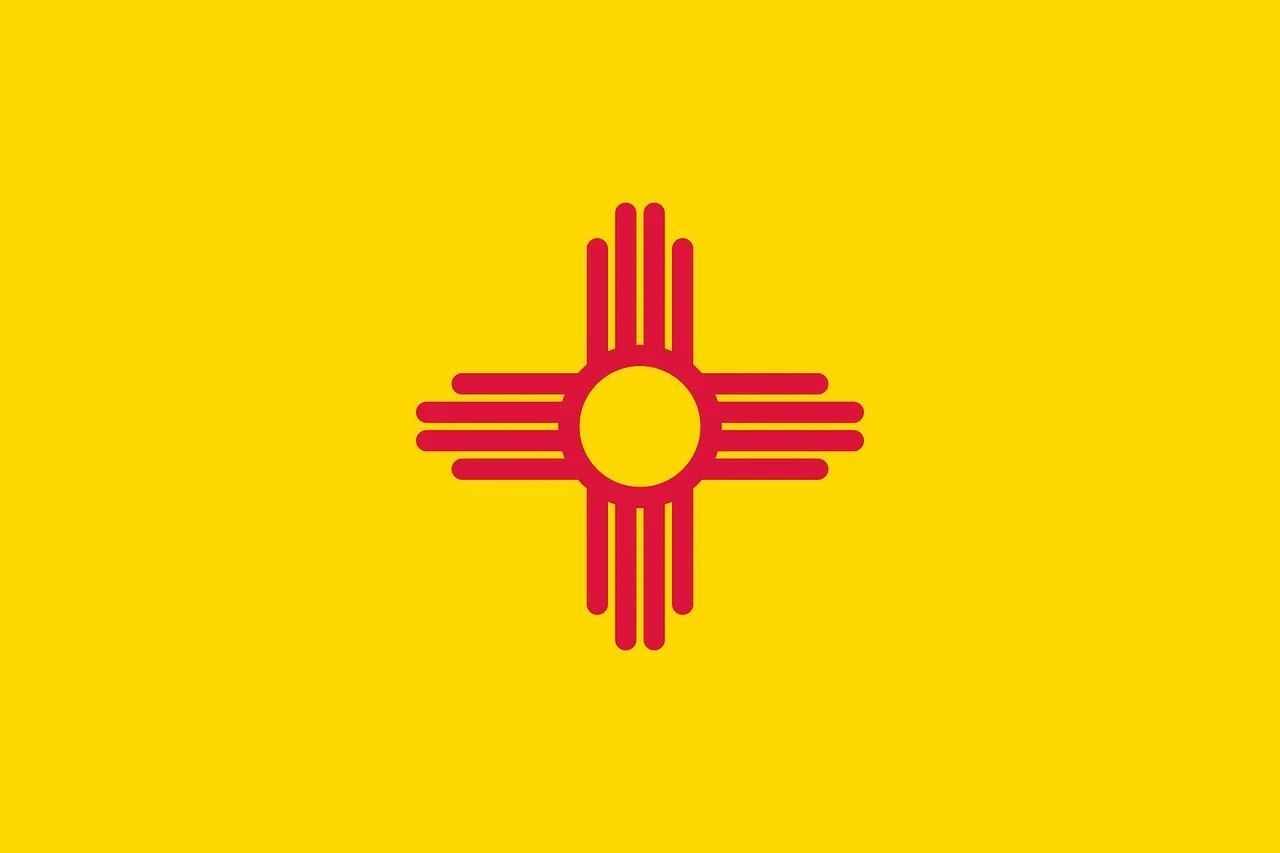
Image: Clker-Free-Vector-Images

New Mexico’s first flag looked much like many others of the time. Designed by historian Ralph Emerson Twitchell, it included the American flag, the state seal, and the words "New Mexico" stitched across a blue field. But in 1920, the Daughters of the American Revolution began pushing for a design that truly represented the Southwestern identity.

After winning a statewide contest, Dr. Harry Mera, a Santa Fe physician and archaeologist, and his wife, Reba Mera, presented a design that replaced crowded symbols with something simpler : a red Zia sun symbol centered on a yellow field inspired by the colors carried by Spanish explorers centuries earlier. The sacred Zia symbol represented harmony through the number four, reflected in the seasons, directions, stages of life, and times of day. Adopted in 1925, the design became one of the boldest and most admired flags in America.

Culture Culture 5 min read

It’s called popular wisdom for a reason

Light blue paint, mirrors, and cow tails: Superstition across America

Image: Peter Burdon

The United States of America is a melting pot of cultures and traditions, which means many superstitious beliefs can be traced back to other places. Think, for example, of beliefs around black cats or cemeteries. But some superstitions were born here, out of the unique idiosyncrasies of each American region. Why is the color of a porch such a big deal? Why are the woods dangerous? Is it crucial where I place my hat? Popular wisdom has an answer for all these questions, and more.

1
The cowboy hat on the bed

Image: Olivier Piquer

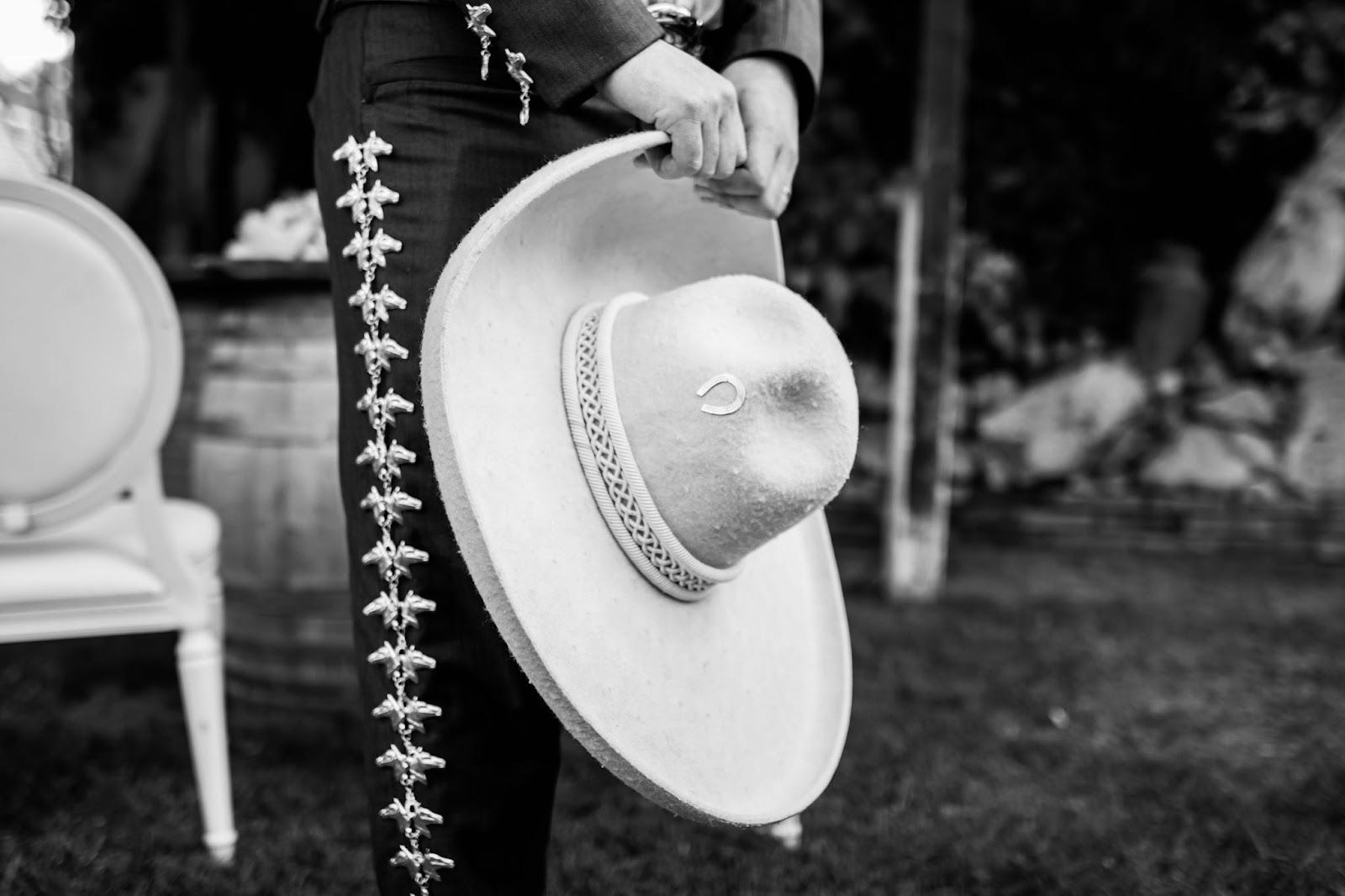
For a proper cowboy, a hat is as important as their horse or saddle. This means that there’s a protocol around this garment that needs to be followed, one important rule being that a hat should never be placed on top of a bed.

Why? There are several explanations, including the idea of bad spirits living in your hair, the old custom of placing a deceased person’s hat on top of their coffin, or the more practical reasoning of wanting to avoid lice. No matter the origin, no respectable cowboy would place his hat on the bed unless he wanted to attract misfortune his way.

2
The Appalachian woods

Image: Elijah Mears

The Appalachian Mountains are filled with myths and legends, and certain rules are passed down and followed by nearly everyone, even those most skeptical about the supernatural. Many of these rules concern the woods and how one should behave in them : don’t go into the woods from dusk till dawn, don’t leave the marked trail, ignore any unknown voice calling you, and don’t look too closely into the trees.

While these rules could be explained by the simple reason of the woods being the hiding place of bandits in the past, and a difficult place to navigate in the dark, they have also been regarded as a place filled with spirits and supernatural beings, which no one wants to come across.

3
Seeing Mothman

Image: James Wainscoat

A local cryptid celebrity in Point Pleasant, West Virginia, the Mothman has allegedly been sighted several times since the 1960s. Many legends and beliefs have formed around his figure, one of them being that coming across the Mothman is a sign of an impending tragedy .

This belief gained strength after several reported sightings occurred just before the collapse of the Silver Bridge in 1967. Since then, the Mothman has been considered a harbinger of doom and a bad omen.

4
A mirror to ward off the devil

Image: Denny Müller

Louisianans have many myths and beliefs, especially those rooted in Cajun culture. Influences from French Acadia, Spain, and Western Africa have been incorporated into popular wisdom in a distinctly unique way.

One Cajun custom advises the use of a mirror to repel M’su Diable or "Mr. Devil." M’su Diable is known for being very vain, so he will never waste the opportunity to admire himself. If you hang a mirror in the porch, next to the door, he will stay there all night instead of entering the house, and the sunrise will scare him off.

5
Eating black-eyed peas on New Year’s Eve

Image: Nguyen Dang Hoang Nhu

Each holiday has certain foods associated with it, many of which are considered non-negotiable. For many Southern households, New Year’s Eve is synonymous with black-eyed peas, which are said to attract good luck and prosperity for the coming year.

While it’s a popular belief, this custom has distinctly historical origins. After the Civil War, black-eyed peas became a staple food across the South and saved more than one family from starvation. Today, they are often paired with collard greens, which are said to represent dollar bills.

6
Rocking an empty chair

Image: Robin Jonathan Deutsch

Irish and Scottish settlers brought with them a deeply rooted belief: you shouldn’t rock an empty cradle, cause you might wake the spirits. Across the South and the Appalachians, this belief transformed over time and became attached to another object: the rocking chair.

Often placed on porches or near the fire, a rocking chair moving on its own was believed to be occupied by a supernatural being . If someone rocked an empty chair, the spirits might consider this an invitation into the house.

7
The color of the porch

Image: Thomas Park

If you like the look of Southern front porches, you may have noticed that they often feature a pale blue ceiling. The use of haint blue—a collection of pale blue-green shades —is not an aesthetic choice, but a spirit-warding custom stemming from the enslaved Gullah Geechee people.

By painting the ceiling (and sometimes doors, windows, and shutters) blue, spirits might confuse it with the sky and pass through it, or with water, and avoid it. Over time, the tradition of haint blue— haint being an alternative spelling of _haunt_—spread throughout the South.

8
Bananas on a boat

Image: Ian Talmacs

Bananas are a pretty convenient fruit: they’re tasty, nutritious, and come naturally prepackaged. But don’t try saying that to Alaskan fishermen. They’ll tell you that bananas should never be brought on a boat, or no fish will be caught.

There are two possible origins of this belief. Some say the aversion to bananas stems from the old ships that carried this fruit—they sailed as fast as possible to prevent the cargo from spoiling, which disturbed the water and scared away fish. Others say that overripe bananas attract fruit flies and were believed to cause other food to spoil.

9
The tail of the cow

Image: Screenroad

Florida has historically been the state most prone to hurricanes, which has led to the development of superstitions and beliefs around the subject. A common belief involves cows, or more specifically, their tails.

If a cow holds its tail straight up, many Floridians say it means a hurricane is on the way . There are many scientific reasons for cows to hold their tail upright, and none have to do with weather prediction, but as far as we know, Floridians have not been proven wrong yet.

10
Whistling at night

Image: Lukas Robertson

Many cultures across the world refrain from whistling at night to avoid attracting spirits and malevolent beings. For Hawaiians, it is not just any spirit**. A whistle after dark might attract the** Huakaʻi pō or Nightmarchers , the ghosts of ancient Hawaiian warriors.

If you happen to come across them, your only hope is to lie on your stomach and avoid looking at them as a sign of respect. If you are lucky enough to be a descendant of a warrior, they will recognize you and protect you. But just to be on the safe side, it’s best to leave the whistling for daytime.

History History 3 min read

I want to believe

Why do we knock on wood for good luck? 12 common superstitions explained

Image: Susannehs

We’ve all heard about the seven years of bad luck that are said to follow if we break a mirror, or why tossing salt over one’s shoulder is supposed to keep misfortune away. Superstitions have been a part of everyday life in the U.S., often passed down through generations without much thought to their origins. Let’s take a look at the origins of 12 common superstitions that continue to influence how people think and act today.

1
Breaking a mirror

Image: Savannah B.

As we’ve all heard, breaking a mirror is said to bring seven years of bad luck— a belief that dates back to the Romans . They thought a mirror didn’t just reflect your face, but also your soul.

Because the Romans also believed that life renewed itself every seven years, the curse was thought to last exactly that long.

2
Walking under a ladder

Image: Nick Fewings

This superstition has its roots in medieval Europe, where ladders leaning against walls formed a triangle, a shape that symbolized the Holy Trinity .

Walking through it was seen as breaking the sacred shape and inviting misfortune. Today, most people avoid it not only out of superstition but also for simple safety.

3
A black cat in your path

Image: Emmeli M

In the Middle Ages, black cats were linked to witchcraft and were thought to be witches’ companions—or even witches in disguise. Crossing paths with one was considered dangerous .

Though many cultures view black cats as lucky, in the U.S., the old stigma has persisted.

4
Knocking on wood

Image: Glen Carrie

The habit of knocking on wood to ward off bad luck likely comes from ancient pagan traditions. Trees—especially oaks—were believed to house protective spirits .

Touching or knocking on wood was a way to call on those spirits for protection. The phrase and the action traveled across centuries, and now it’s a common phrase in everyday conversations.

5
Opening an umbrella indoors

Image: Kato Blackmore 🇺🇦

The superstition that opening an umbrella indoors brings bad luck originates from 18th-century England. Early umbrellas were large, stiff, and often had metal spokes.

Opening one indoors could cause injury or break household items , so the "bad luck" warning worked as a practical safety rule.

6
Friday the 13th

Image: Nik

Friday has long been considered unlucky in Christian tradition because it was said to be the day of the Crucifixion. The number thirteen was also viewed as ominous, connected to the Last Supper .

When the two were combined, Friday the 13th gained its spooky reputation. Despite rational explanations, some hotels skip floor 13, and many people still avoid major plans on that date.

7
Spilling salt

Image: ekaterina shishina

Salt was once precious and expensive, symbolizing purity and friendship. Spilling it was considered wasteful and unlucky in ancient times.

The practice of tossing a pinch over your left shoulder comes from folklore, supposedly to blind the devil lurking there . It’s a tiny gesture that still lingers on dinner tables today.

8
Four-leaf clover

Image: Barbara Krysztofiak

The four-leaf clover is a symbol of good fortune dating back to the Celts, who believed the rare leaves provided protection against evil spirits .

Since clovers typically have only three leaves, the fourth leaf came to symbolize rarity and luck.

9
Rabbit’s foot

Image: Timofei Adrian

Carrying a rabbit’s foot for luck traces back to African and European folklore, where rabbits were seen as fertile, magical creatures .

The superstition spread through American culture in the 19th century, especially in the South. Even though it might seem unusual—and potentially unsanitary—the lucky rabbit’s foot remains a well-known charm today.

10
Wishbone

Image: Museum of New Zealand Te Papa Tongarewa

The tradition of making a wish on a wishbone originates with the Romans, who, in turn, borrowed it from the Etruscans. They believed that birds held divine powers .

Breaking the bone with someone else was thought to transfer luck to the person who ended up with the larger piece .

11
Coin in a fountain

Image: Lila Mitchell

Tossing a coin into water to make a wish has its roots in ancient Europe. Wells and springs were considered sacred, often associated with gods or spirits.

People dropped coins as offerings for health or good fortune . Today, fountains across the U.S. and around the world collect millions of coins.

12
Wishing upon a star

Image: Ali

The superstition of wishing upon a star comes from ancient Greece and Rome, where falling stars were believed to carry messages from the gods .

Even today, looking up at the night sky and spotting a shooting star inspires many people to make a wish.

Explore more American facts

Choose your favorite category!

General
General

As American as apple pie—the very best America has to offer!

Culture
Culture

Delve into the astounding richness of American lore.

Geography
Geography

Hop in and explore vast and diverse American landscapes.

History
History

Discover the key moments that shaped the United States.