General General 3 min read

Do you have a landline?

Can you tell what this was for? 12 items we no longer use!
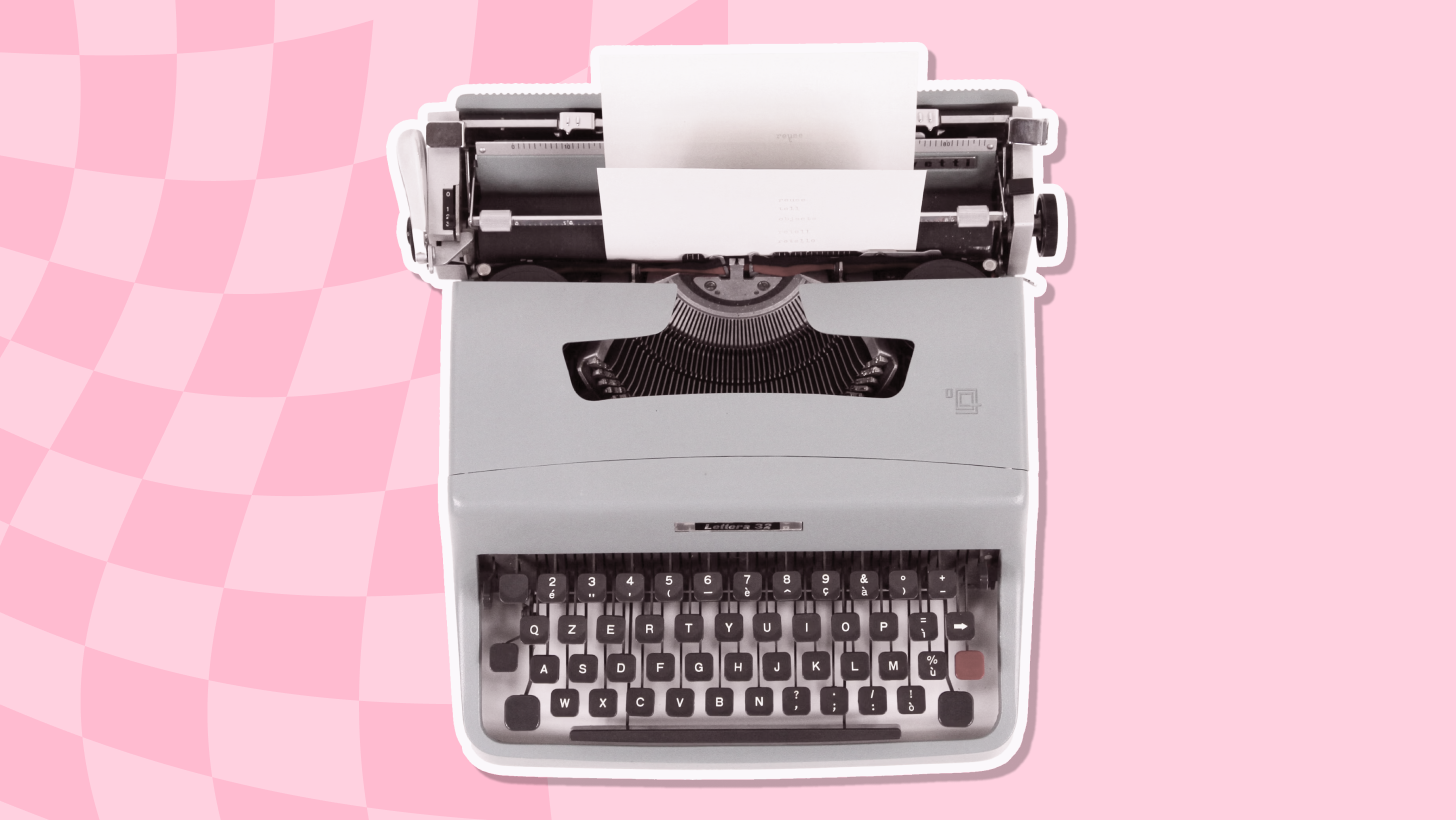
Image: Luca Onniboni

Little by little, many of the things we used just a few decades ago have been phased out by newer technologies and changing habits. Your relatives no longer invite you over for a family viewing of holiday photos on a slide projector—they share them in the family WhatsApp group. Hardly anyone calls you on a landline anymore—they call your smartphone instead. Take a look at the following 12 things we no longer use. Do you miss any of them?

1
Paper road maps

Image: Sylwia Bartyzel

Paper maps—atlases, or topographic maps—are beautiful and there is always room for those as home decorations or teaching geography in schools. But as far as bulky roadmaps on your back pocket go, smartphones with GPS capabilities have made them obsolete.

2
Bathing machine

Image: Uta Scholl

Back in the day, modesty was far more strictly enforced than it is today. Forget about simply wearing your beach clothes to the shore—the bathing machine was a device, popular from the 18th century to the early 20th century, that allowed beachgoers to change out of their regular clothes , put on swimwear, and wade into the ocean.

3
Public telephones

Image: Pedram Farjam

Before cell phones existed, coin-operated pay phones were the go-to option for contacting someone or leaving a message. Pay phones were everywhere—on street corners, in malls, restaurants, airports, train stations, and hotels, allowing people to make calls in public places.

4
Teleseme

Image: Zoshua Colah

In the late 19th and early 20th centuries, luxury hotels featured an electric signaling device in each room , allowing guests to request goods or services from over 100 options. An attendant in the hotel office would receive the request via a corresponding teleseme and ensure the order was fulfilled.

These devices were eventually replaced by private branch exchange (PBX) telephone systems.

5
Slide projectors

Image: Nathan Anderson

As mentioned earlier, slide projectors were once a common household appliance in many homes and a popular form of entertainment . However, they became obsolete as video projectors became more affordable and accessible.

6
Phonebooks

Image: Brittany Colette

Imagine a book containing the home phone numbers of everyone in your city . It once existed and was delivered annually to every household with a landline by the telephone company. These hefty directories became obsolete with the rise of online listings and the death of landlines in favor of cell phones.

7
Typewriters

Image: Bernard Hermant

Imagine not being able to revise what you’re writing without scrapping the whole page . While that situation was a great exercise for your focusing abilities, it was phased out by home computers and word processors, which allowed for infinite rewrites in no time.

8
Photo Album

Image: Laura Fuhrman

Smartphones have made photography more accessible than ever, yet we print fewer photos than before. When photography wasn’t digital, people took their film rolls to be developed , returning with 36 crisp pictures—some of which, if deemed worthy, were carefully placed in photo albums .

9
Cassette tape players

Image: Dave Weatherall

If you're over 40, you’ve probably owned a cassette player—whether a Walkman, a boombox, or any other model. Cassettes were sturdy, reliable, and easy to use . However, with the arrival of CDs, which offered superior sound quality and the ability to skip tracks at the press of a button, cassettes and their players quickly faded into obscurity.

10
Encyclopedias

Image: James

Before the internet, encyclopedias were the primary source of knowledge. These extensive book collections adorned bookshelves in homes and public libraries, offering detailed descriptions of almost any subject imaginable , all listed in alphabetical order .

11
Fax machines

Image: alecale35

By today’s standards, sending and receiving faxes wasn’t particularly fast, but at the time, it was a game-changer. The fax machine digitized documents with a scanner and transmitted printed pages over telephone lines . However, it became obsolete with the rise of email, scanners, and smartphones.

12
VHS tapes and VCRs

Image: Leonard Reese

Being able to see any movie you want at home feels ordinary today, but, in the early 80s, it was a dream come true. And this dream was made possible by VCRs and VHS tapes. These bulky devices were eventually replaced by DVD players, which offered superior image quality and eliminated the need to rewind the tape.


Culture Culture 5 min read

Let’s hit the road: The 12 most iconic cars in film history

Image: dhans360

In the world of movies, a car can be much more than just a ride: it can be a star in its own right. Some roll onto the screen with such style and personality that they become as memorable as the actors behind the wheel. From gleaming convertibles to rumbling muscle cars, these unforgettable machines have carved out their well-deserved place in film history. Buckle up—here are 12 cars that earned both a standing ovation and a friendly honk.

1
Goldfinger: Aston Martin DB5

Image: Ulf Meyer

The ultimate Bond ride came dressed in silver-gray elegance, blending timeless style with secret-agent swagger. Beneath its polished curves, it packed a clever arsenal—hidden machine guns, retractable defenses, and even an ejector seat! Tipping the scales at roughly 3,300 pounds, it could push up to 145 miles per hour, a thrill worthy of 007 himself. And while that famous red eject button looked ready for action, it was all Hollywood magic—no villains actually took flight.

2
Ferris Bueller’s Day Off: Ferrari 250 GT California

Image: Joshua Koblin

Even though the Ferrari in John Hughes’ popular teen comedy, Ferris Bueller’s Day Off, was actually a replica —made to protect the real $250,000 classic from any on-set mishaps—it looked every bit as stunning as the genuine Italian beauty. With its smooth, elegant curves and that unmistakable engine roar, it captured the hearts of viewers and brought pure charm to the big screen. The Ferrari 250 GT California is as much a star as Ferris himself.

3
The Love Bug: Volkswagen Beetle

Image: kampfmonchichi

"Herbie" wasn’t just a car—he was a character with personality, spunk, and a soft spot for underdogs. Painted bright white with bold racing stripes and the unmistakable number 53, this little Volkswagen Beetle won hearts on and off the track. And here’s the charming part: no fancy computer wizardry brought him to life. Every wink, bounce, and "expression" you saw was pulled off with clever mechanics and old-school camera magic.

4
The Graduate: Alfa Romeo 1600 Duetto Spider

Image: emkanicepic

This bright red convertible became nearly as iconic as the tune "Mrs. Robinson" itself. Sleek, nimble, and full of charm, it could glide along the road at around 118 mph, turning heads wherever it went. More than just a prop, it became part of the film’s personality. And here’s a little nugget of trivia: before filming began, Dustin Hoffman had never driven a stick shift. Once he got the role, he had to master the art of shifting gears in record time, adding a dash of real-life nerves to those on-screen drives.

5
Bullitt: 1968 Ford Mustang GT 390

Image: Zhiqiang Wang

Steve McQueen and this dark green Mustang delivered pure cinematic thrills on the steep streets of San Francisco. The chase ran close to 10 full minutes—a rumbling, tire-squealing ballet that filmmakers have tried to imitate ever since. Under the hood, a growling V8 provided the muscle, while McQueen himself slid behind the wheel for many of the hair-raising maneuvers. Every jump, skid, and sharp corner helped cement it as one of cinema’s all-time great rides.

6
Ghostbusters: 1959 Cadillac Miller-Meteor

Image: voltamax

The Ghostbusters’ unforgettable Ecto-1 was based on a 1959 Cadillac Miller-Meteor ambulance/hearse. For the movie, it was transformed into a quirky, gadget-covered ghost-chasing machine, complete with flashing lights, sirens, and a roof stacked with mysterious equipment. This Cadillac became as much a character as the crew itself. Its over-the-top look made it instantly recognizable and turned it into a pop culture legend.

7
Back to the Future: DeLorean DMC-12

Image: Joel Muniz

With its brushed stainless steel body and those dramatic gull-wing doors that unfolded like a bird in flight, the DeLorean already looked futuristic before the time-travel magic began. On screen, it came equipped with the now-legendary "flux capacitor," a gizmo that, sadly, was pure movie magic. Even so, the rules of the story were clear; if you wanted to bend the laws of time, you had to floor it to exactly 88 mph. And yes, fans still quote that number like gospel.

8
Smokey and the Bandit: 1977 Pontiac Trans Am

Image: Photogon (Warren Valentine)

Burt Reynolds and that sleek black Trans Am—complete with the glittering golden firebird splashed across its hood—were a match made in movie heaven. With a top speed around 110 mph, it wasn’t just for show; this car had the muscle to back up its attitude. The stunt work was just as daring as it looked, with jaw-dropping jumps that thrilled audiences. Of course, the landings weren’t always smooth—more than a few Trans Ams met their end for the sake of those unforgettable scenes!

9
The Spy Who Loved Me : Lotus Esprit Series I

Image: Andras Stefuca

In the 1970s, more sleek, wedge-shaped sports cars replaced the curvy styles of earlier years. Cars like the Lancia Stratos and Lamborghini Countach changed the game with their sharp, futuristic look. Following that trend, Roger Moore slid behind the wheel of a white Lotus Esprit Series I in The Spy Who Loved Me . But what people remember the most about it is when Bond drives it straight into the sea, where it morphs into a fully equipped submarine! Fins and stabilizers pop out as it glides underwater, then it drives back onto the beach, leaving onlookers truly amazed.

10
The Italian Job: Mini Cooper S 1275

Image: Alex P

Compact, nimble, and unmistakably British, the Mini Coopers in The Italian Job didn’t just drive—they darted. On screen, they bounced down staircases, squeezed through narrow alleys, and even sped through tunnels like they were built for it. The funny part? British Motor Corporation wanted nothing to do with the film, so the production had to buy 36 cars outright. And here’s a bit of trivia to impress your friends: despite being the star, Michael Caine never once drives any of the Minis in the movie .

11
Vanishing Point: 1970 Dodge Challenger R/T

Image: Jonathan Nabais

This powerful white muscle car tore through the roads from Denver to San Francisco, racing against the clock. Weighing roughly 3,800 pounds, it packed a mighty HEMI engine under the hood—enough raw power to leave most challengers in the dust. With speed, grit, and sheer determination, it pushed the limits, turning the journey into one thrilling, high-octane ride to remember.

12
Batman: Lincoln Futura

Image: Bull-Doser, Public domain, via Wikimedia Commons

Before it became the legendary Batmobile we all know, this 19-foot futuristic prototype was showing off its sleek lines at auto shows. Then, in just 15 days, American designer and builder of Hollywood custom cars, George Barris, worked his magic. He added those unforgettable fins, jet engines, and clever gadgets that turned the Lincoln Futura into a TV icon. What began as a simple concept became one of the most recognizable cars in television history.

Explore more American facts

Choose your favorite category!

General
General

As American as apple pie—the very best America has to offer!

Culture
Culture

Delve into the astounding richness of American lore.

Geography
Geography

Hop in and explore vast and diverse American landscapes.

History
History

Discover the key moments that shaped the United States.