General General 5 min read

The Big Apple

Why is New York City a "Big Apple"?
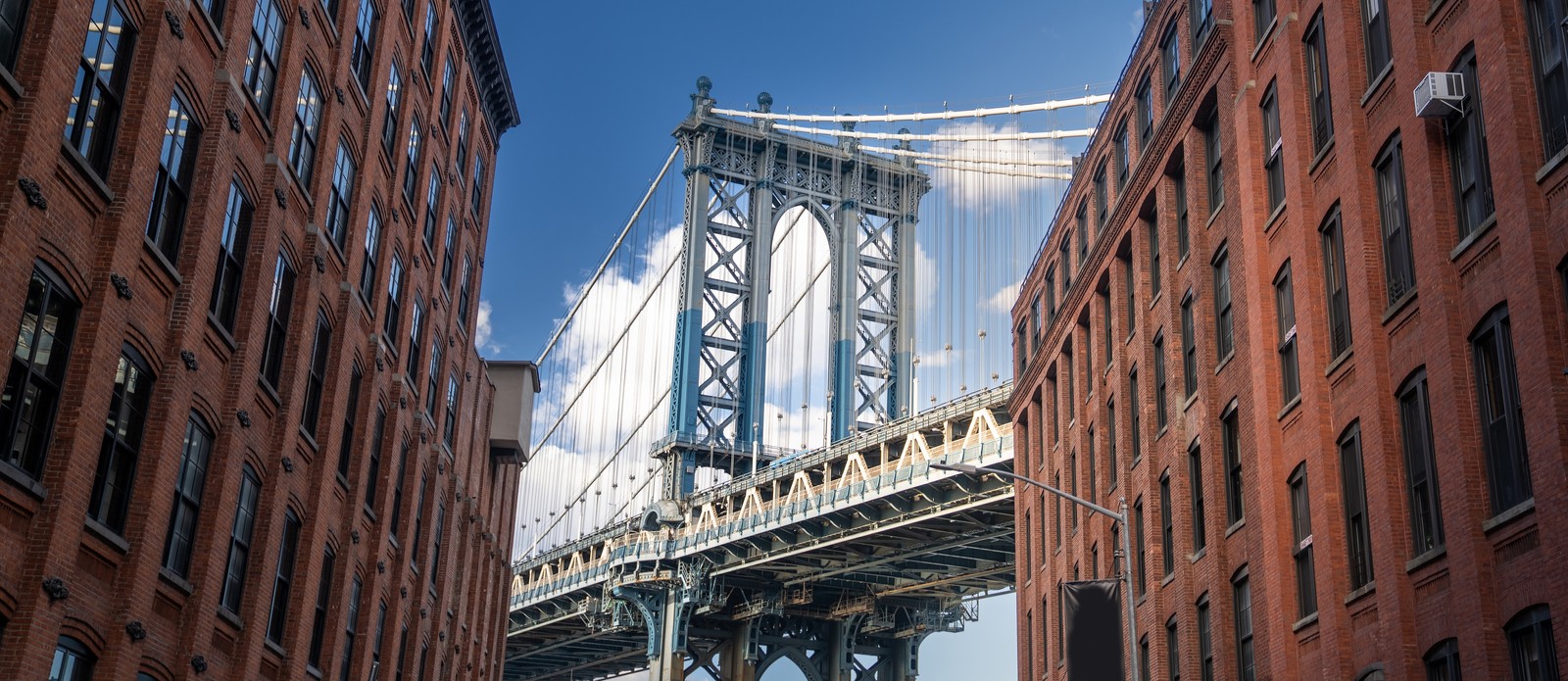
Image: eFlexion

You might think there’s nothing new to say or discover about New York City. A center of finance, arts, culture, international diplomacy, and the most populous city in America, New York is a world of its own, chaotic and ever-changing, but rooted in tradition and history . Here are 10 facts you might not know about the city that never sleeps.

1
A diverse city
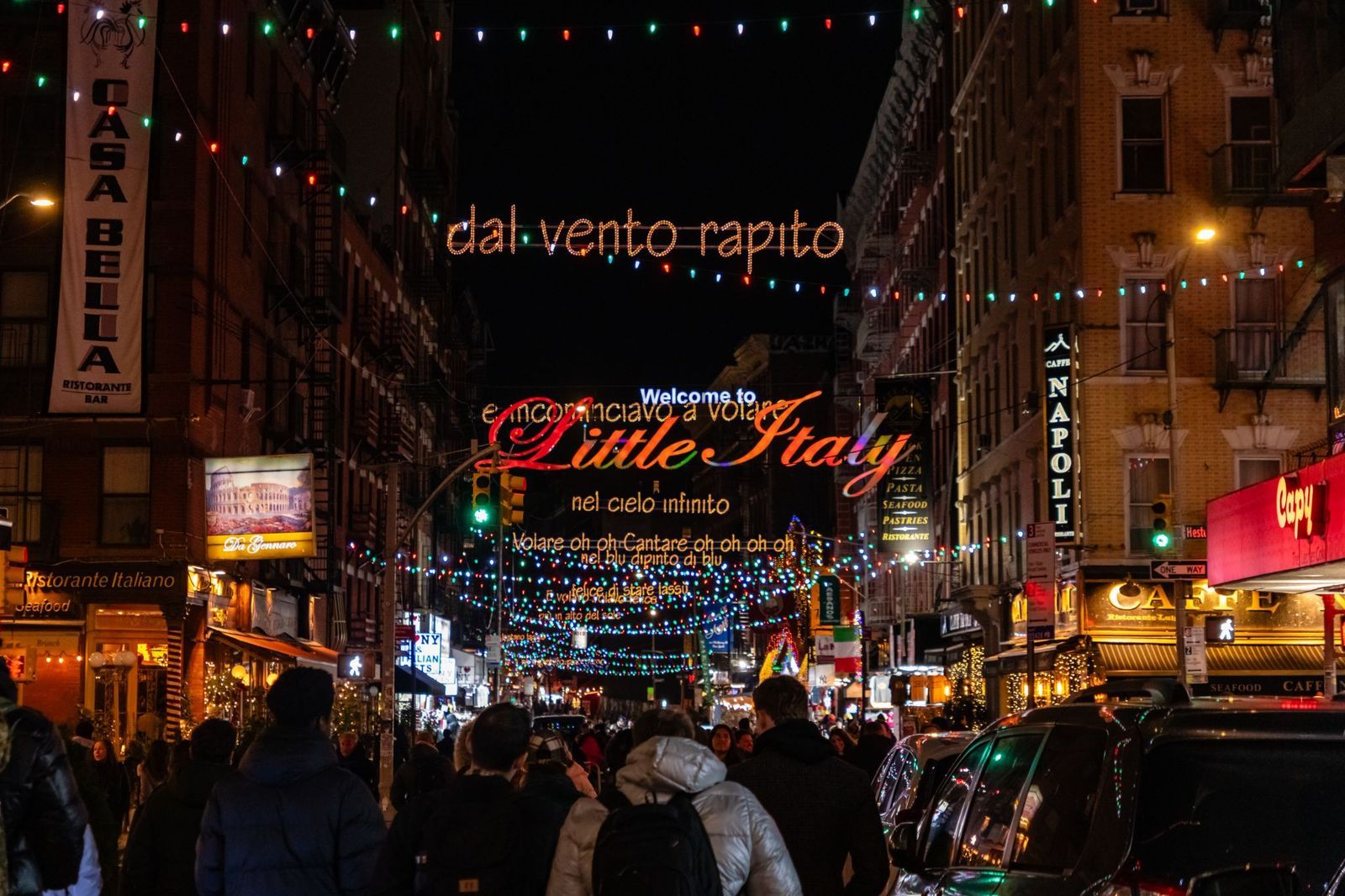
Image: Heidi Besen

Anyone who has ever set foot in New York City knows that it’s a highly diverse city, with ties to communities from all over the world. Around 35% of New Yorkers are foreign-born, and around 800 different languages are spoken every day in the city. This is not only the result of the millions of immigrants who have arrived there since the 19th century, but also the city’s status as a financial and cultural hub that attracts residents from around the globe.

2
The Big Apple’s name origins

Image: an_vision

Ever wondered why New York City is nicknamed the Big Apple? It has nothing to do with the fruit, but rather with horse racing. In the 1920s, John J. Fitz Gerald, a sports journalist, overheard a group of New Orleans stable hands call New York’s race tracks the "big apple", because they offered the biggest prizes . Fitz Gerald started a column in the New York Morning Telegraph titled "Around the Big Apple", and the nickname stuck.

3
An island city
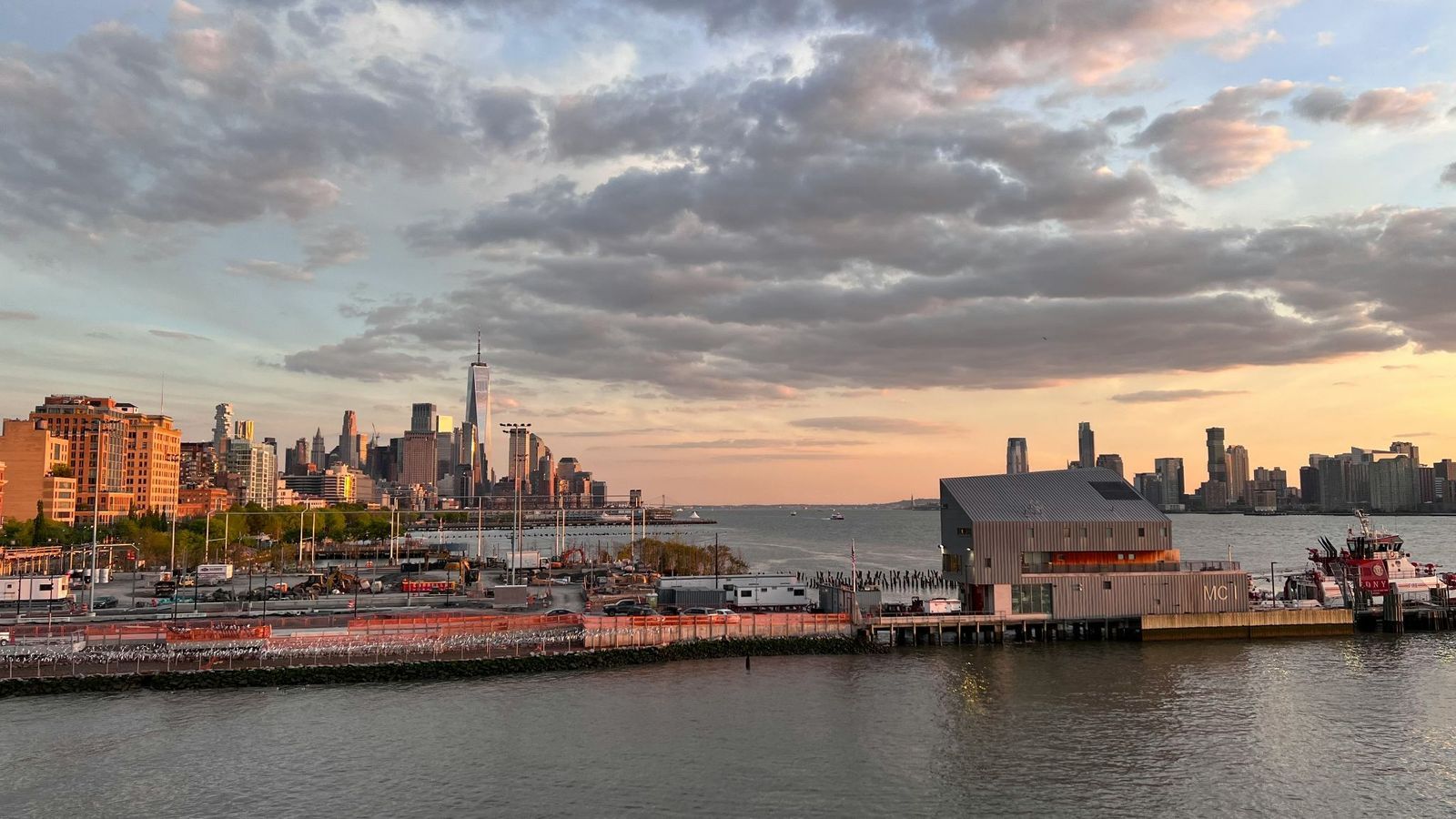
Image: SooWan Jang

Is New York City on an island or on the mainland? There is no straight answer to this question. New York comprises five boroughs —The Bronx, Brooklyn, Manhattan, Queens, and Staten Island— of which only one (The Bronx) is strictly part of the mainland. As for the rest, they are located across three different islands : Manhattan and Staten Island are islands of their own, while Brooklyn and Queens are located on Long Island, a much, much larger landmass which belongs only partially to New York City.

4
The building with its own zip code
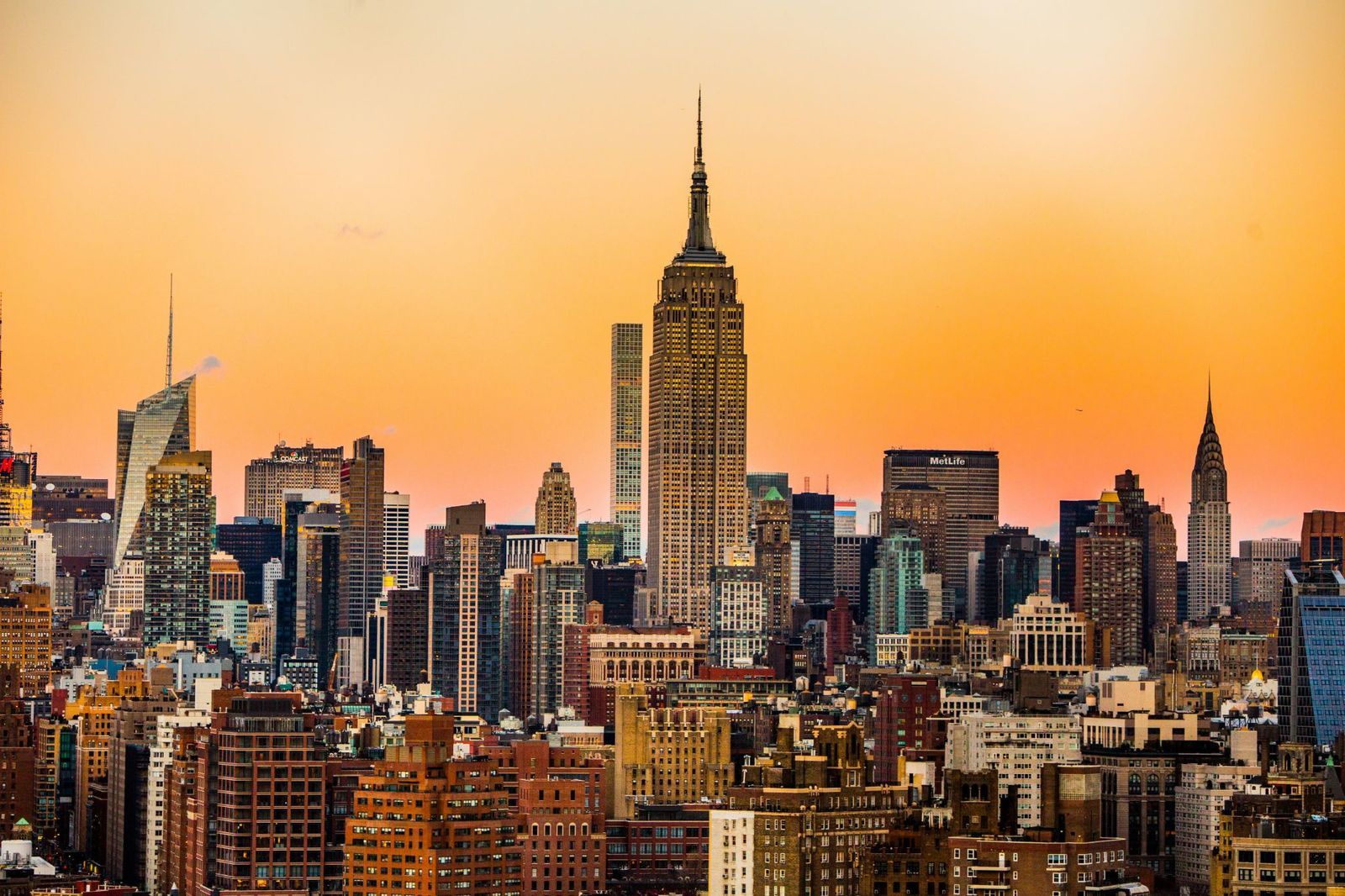
Image: Michael Discenza

Can a building have its own zip code? It sure can, if this building is a skyscraper in one of the most populous cities in the world. The Empire State Building, located at 350 Fifth Avenue (at 33rd and 34th Streets), is not only one of New York’s most famous landmarks, but it also houses dozens of businesses and offices. For this reason, the U.S. Postal Service has given the building a ZIP code of its own, NY 10118. While the Empire State Building is not the only New York building with its own code (there are 42 others), it is certainly the most famous.

5
The first pizzeria in America
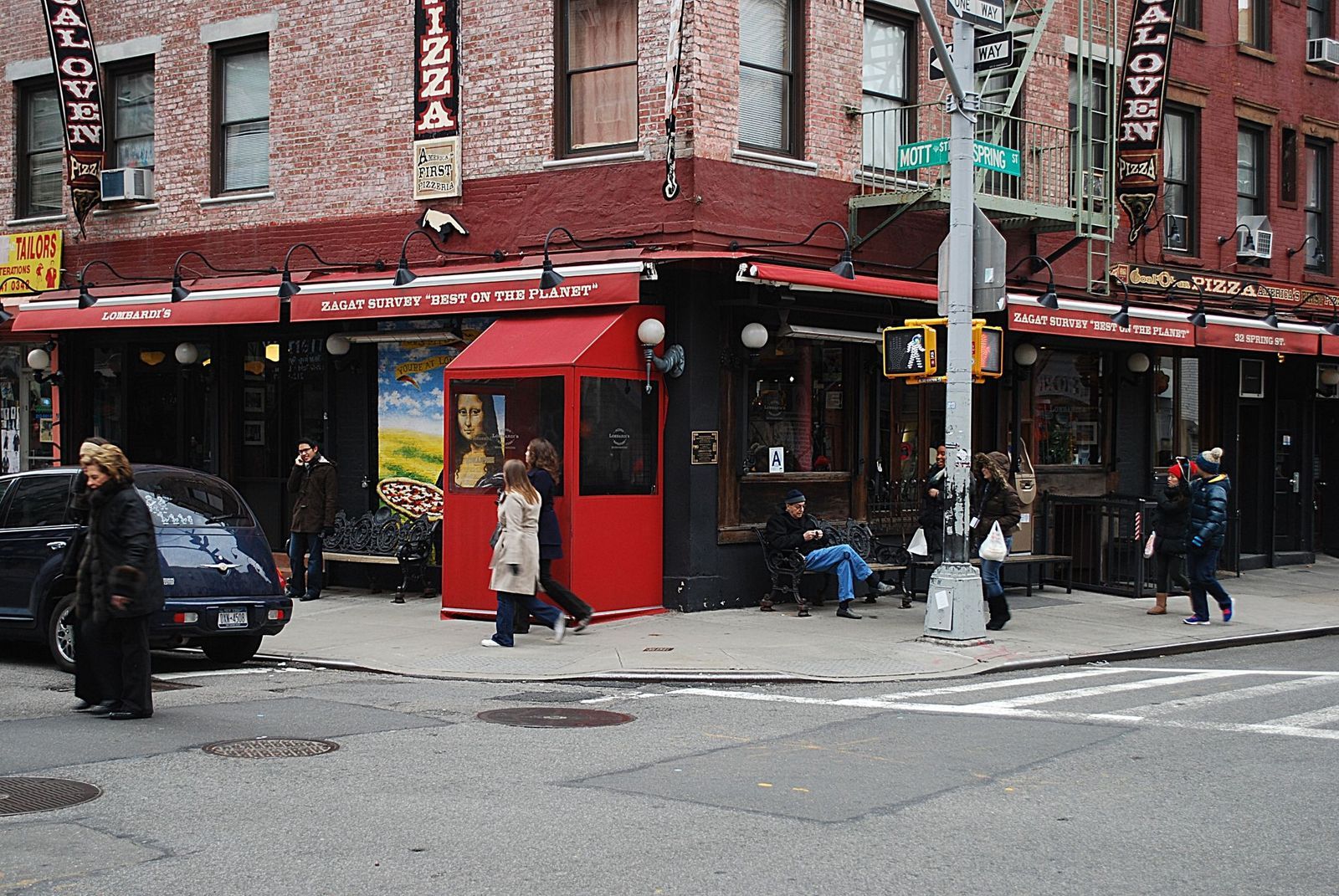
Image: Bob Rossicone

It’s impossible to imagine New York City without its pizza scene, so it’s only fitting that t he first licensed pizza place in America was founded in this city. In 1897, Italian immigrant Gennaro Lombardi opened a small grocery store in Little Italy, Manhattan, where he sold "tomato pies" (a pizza with cheese first and tomato on top). In 1905, he acquired the first official permit for a pizza place in America, which opened under the name Lombardi's Pizza.

6
The "pizza principle"
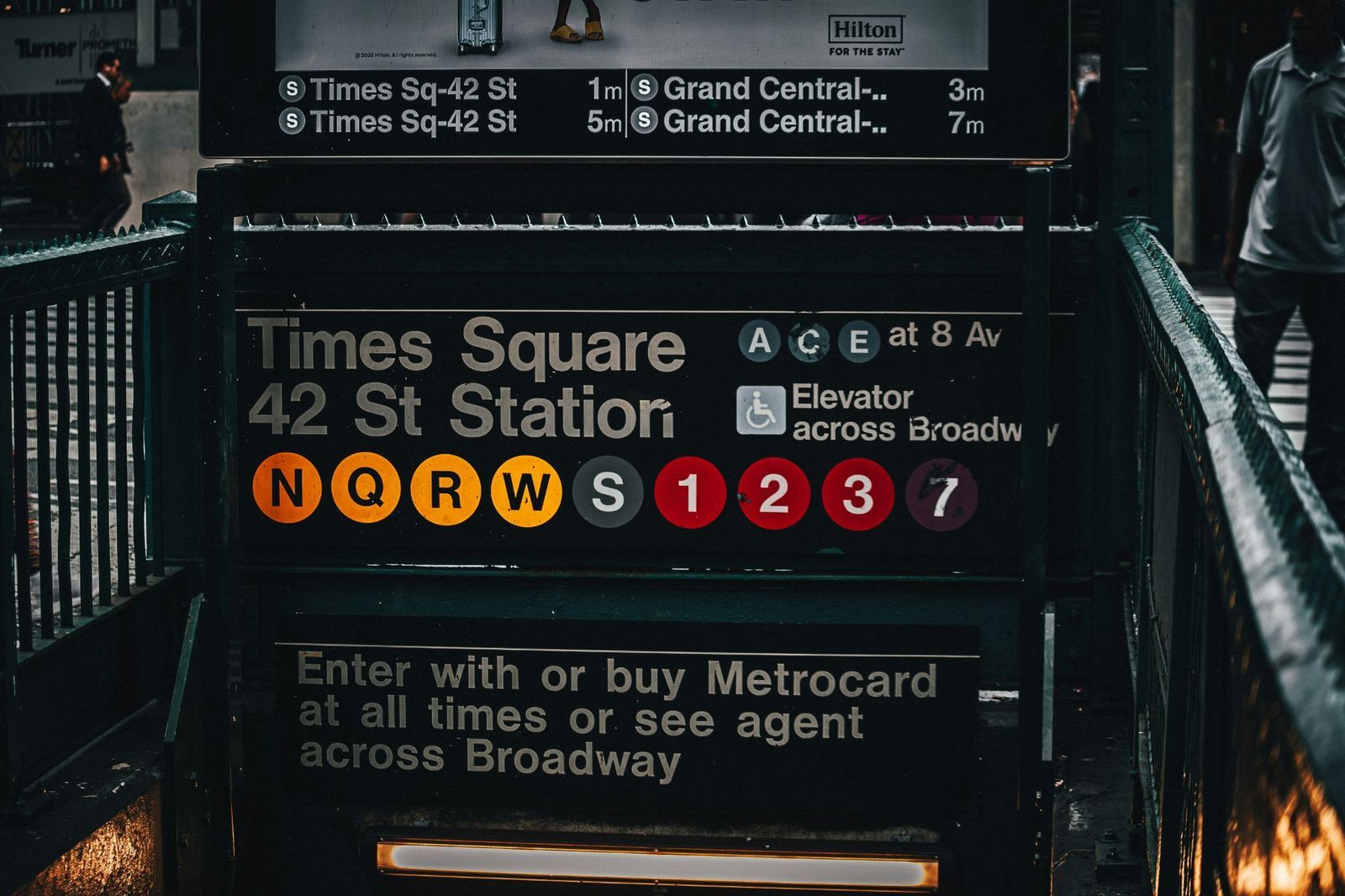
Image: Brice Cooper

The average New Yorker is used to riding the subway and buying pizza by the slice, but they might not have noticed the price similarities between these two things. First observed in the 1960s, the "pizza principle" states that the price of a plain slice of cheese pizza is roughly equal to the cost of a subway ride , and that these two prices will usually rise in tandem.

7
The "wall" in Wall Street
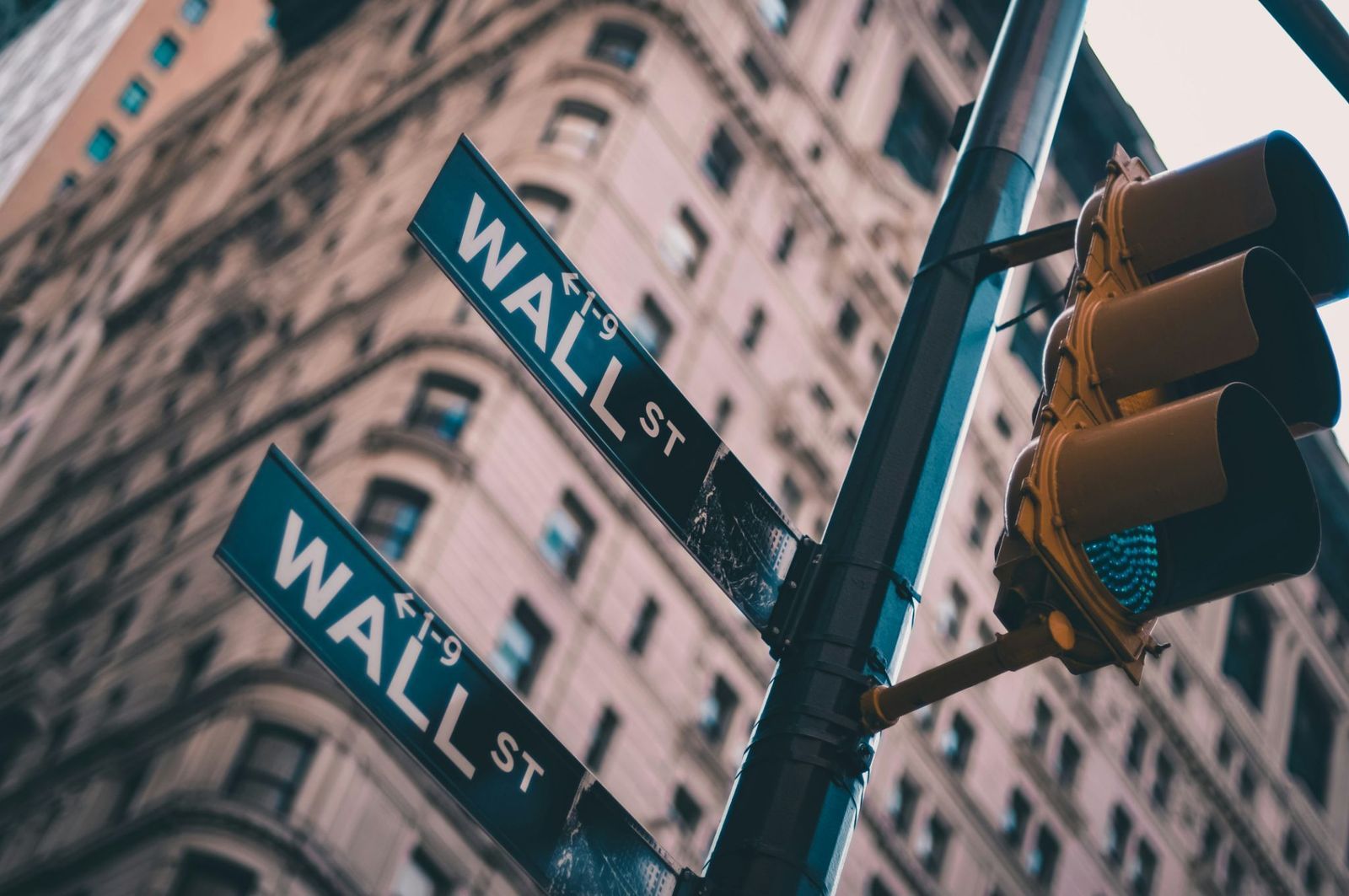
Image: Lo Lo

Most people know that the Wall Street financial district in New York City took its name from an actual street, but where did the street get its name? Well, from a wall. In 1653, when New York City was still New Amsterdam, the Dutch colonial authorities built a wooden wall along the northern border of the settlement , as protection against British and Native American attacks. After the British took control of the area in 1699, the deteriorated wall was taken down, and a road was built where the wall stood, aptly named "Wall Street".

8
Why yellow taxis?
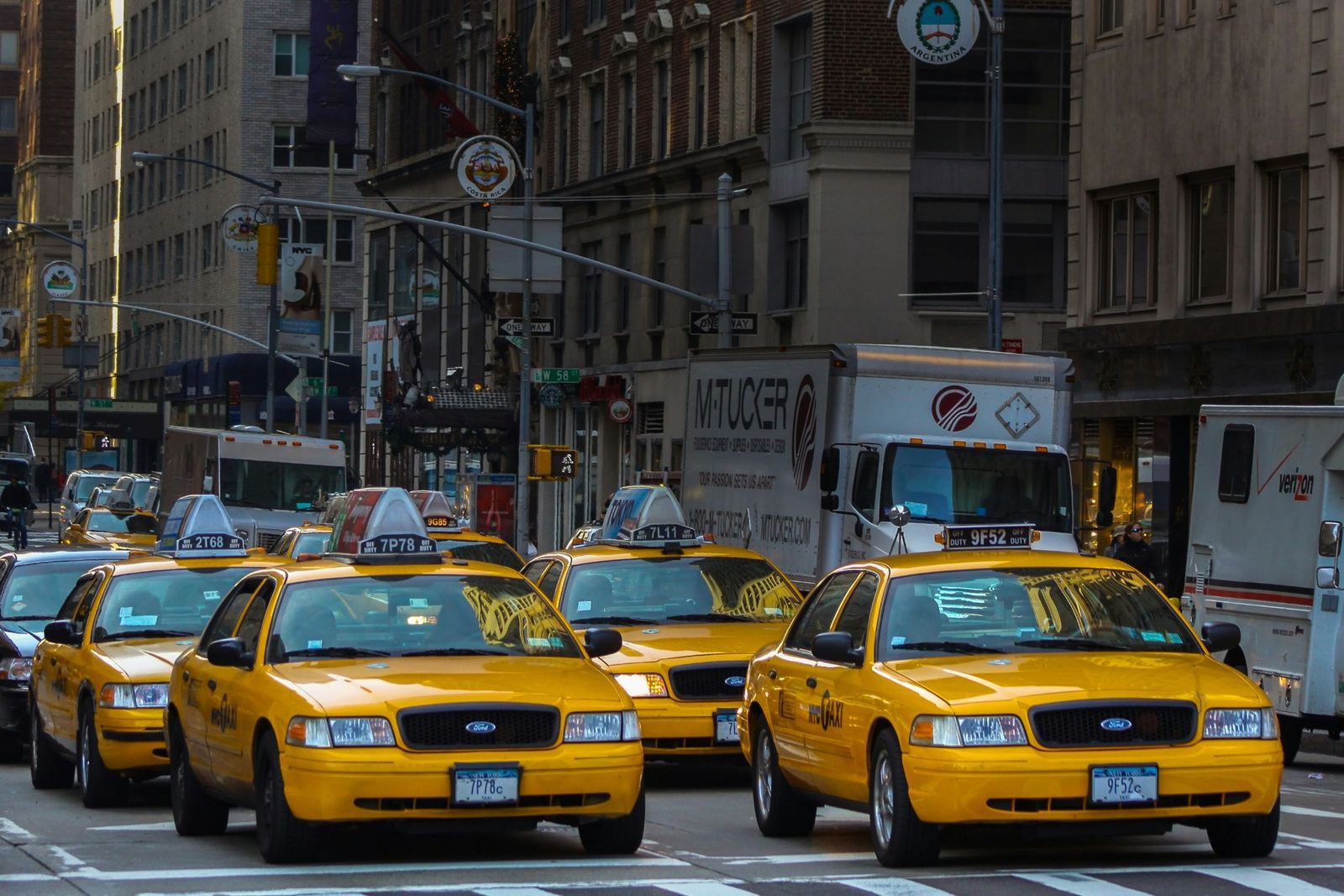
Image: Nick Fewings

To say "New York City" is synonymous with saying "yellow taxi", but taxis in the city used to be a different color. When motorized taxicabs replaced horse-drawn carriages in 1907, their official colors were red and green. In 1915, after a university study discovered that yellow was the easiest color to spot at a distance, taxi companies started painting their fleets in that color , but it wasn’t until 1967 that New York City officially required all licensed taxis to be "school bus yellow" or a similar shade. In 2013, green taxicabs (also known as "Boro taxis") were introduced to address the shortage of yellow taxis in the outer boroughs and in upper Manhattan.

9
No honking allowed
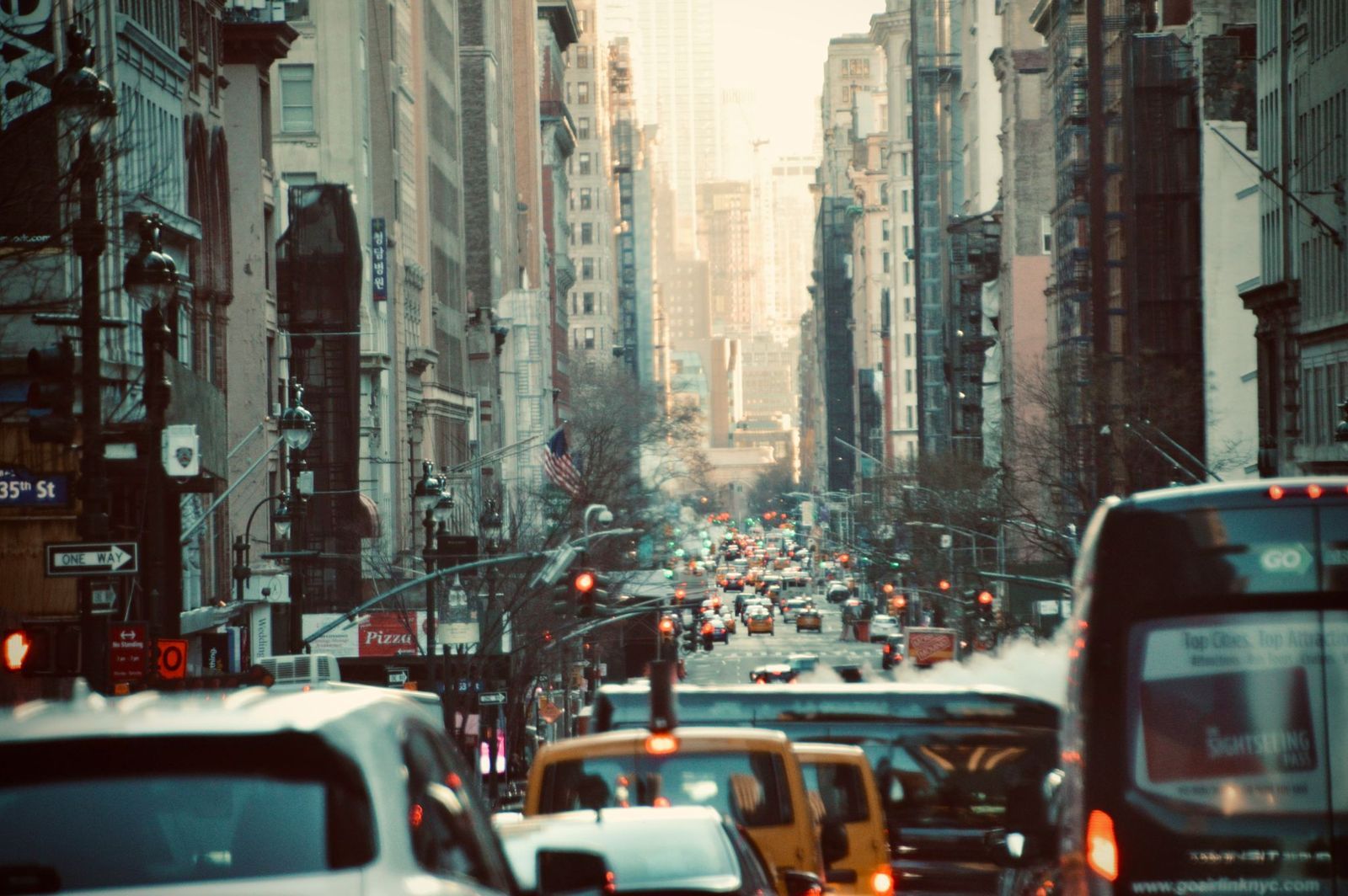
Image: Andra C Taylor Jr

Traffic noise in a city as huge and populous as New York is unavoidable, and this includes honking. But did you know that honking, unless there’s a pressing emergency, is illegal? Rules concerning honking have existed in New York since the 1930s, but this doesn’t mean they are always followed or enforced . Per the city’s code, blowing your car horn is acceptable in emergencies, but not to rush traffic along, express anger, or as a greeting, all things that might carry a fine ranging from $350 to $2,500. However, despite traffic agents, noise cameras, and fines, honking is still prevalent in New York’s daily sounds.

10
Moving day

Image: Vitaly Gariev

New York City’s housing market is cutthroat, but imagine how much worse it would be if you (and everyone else in the city) were only allowed to look for a new place to live three months out of the whole year? For a long time, this was the norm. Stemming from an old Dutch custom where all leases expired on May 1st, landlords would notify their tenants about rent increases or their lease ending on February 1st. For the next three months, tenants all across the city would look for a new place, and all moves would be done on May 1st, also known as "moving day". Down the line, an extra "moving day" was added in October to reduce the chaos caused by the tradition, which died out around WWII.

General General 3 min read

First ladies’ tales

These First Ladies saved Washington's portrait and crashed frat parties

Image: Pedro Gutierrez

Sure, we all remember the men who sat in the Oval Office. But the women at their side? They’ve been style icons, quiet influencers, behind-the-scenes bosses—and a few had quirks that might make you raise an eyebrow. Some shaped policy. Others shaped fashion. A couple even snuck into frat parties. These facts about First Ladies prove they were anything but background characters.

1
Mamie Eisenhower was all in on pink

Image: Jei Lee

Mamie loved pink—she loved it so much that she committed fully to it. Her wardrobe? Pink. Her bathroom? Pink. Her Christmas decorations? You guessed it. The obsession grew so much in the 1950s that people started calling that particular shade "Mamie Pink." Entire kitchens and bathrooms across the country followed suit. Basically, she was the original style influencer!

2
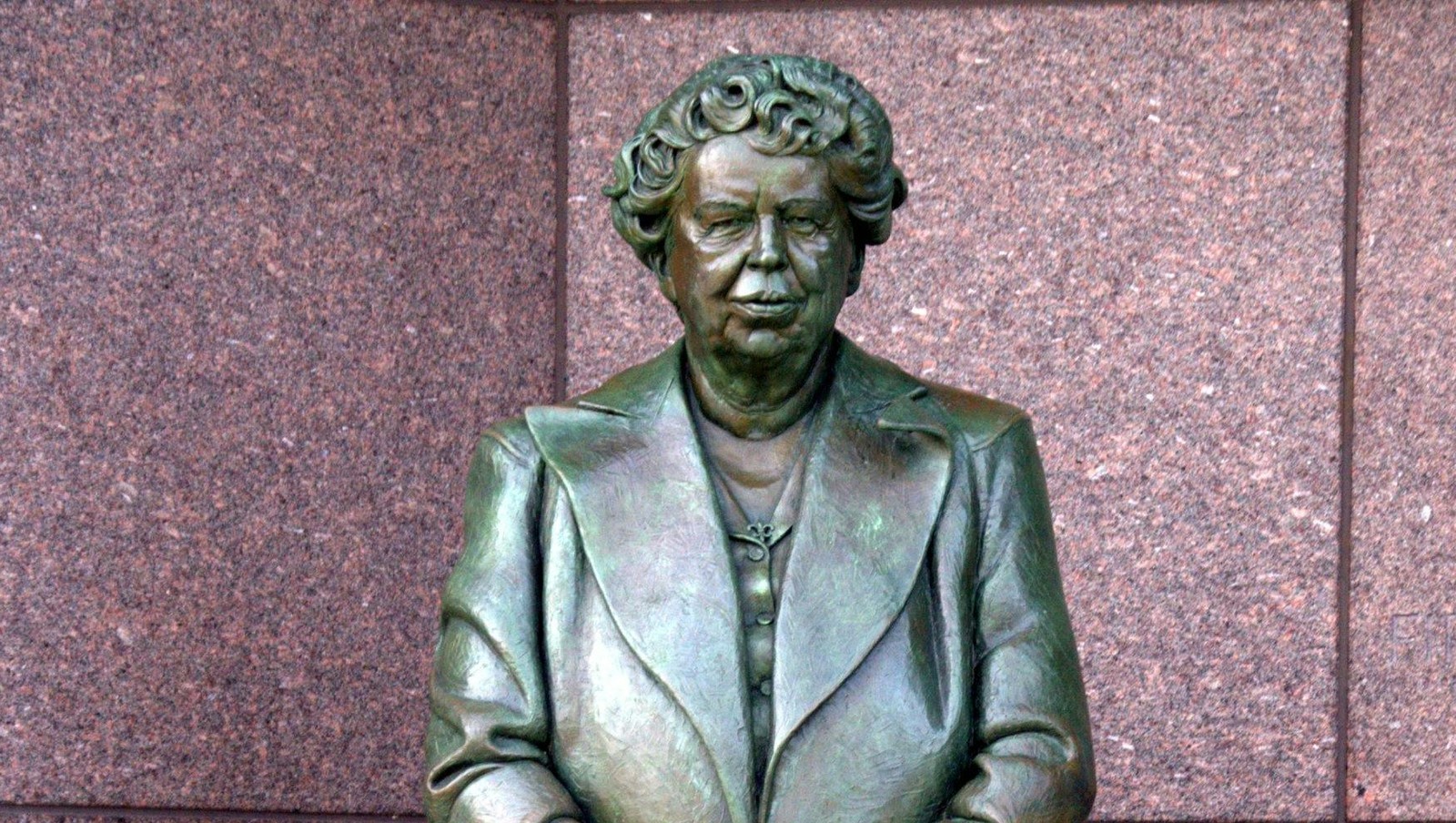
Eleanor Roosevelt had a press corps, but no men were allowed

Image: The Climate Reality Project

If we’re talking about extraordinary First Ladies, Eleanor Roosevelt takes first place. She wasn’t passive at all; she really used her power. For example, she held more than 300 press conferences as First Lady, but only invited female journalists. Why? To ensure women reporters could keep their jobs during the Great Depression. That’s how you use your platform!

3
Edith Wilson quietly took over after her husband’s stroke

Image: Amy Hirschi

When President Woodrow Wilson suffered a stroke in 1919, his wife Edith didn’t just support him—she actually stepped in. She screened his communications, reviewed paperwork, and even made some decisions on his behalf. Some historians say she was essentially running the country. No title. No credit. But she kept things going. What a loyal First Lady!

4
Michelle Obama won a Grammy for reading

Image: 2H Media

Not all Grammys go to singers, you know! Michelle Obama, for example, won one in 2020 for Best Spoken Word Album, narrating her memoir Becoming . It’s just one more thing to add to her impressive list: lawyer, mom, health advocate, style icon—and Grammy winner. Not bad, huh?

5
Dolley Madison saved a piece of American history

Image: Walter Martin

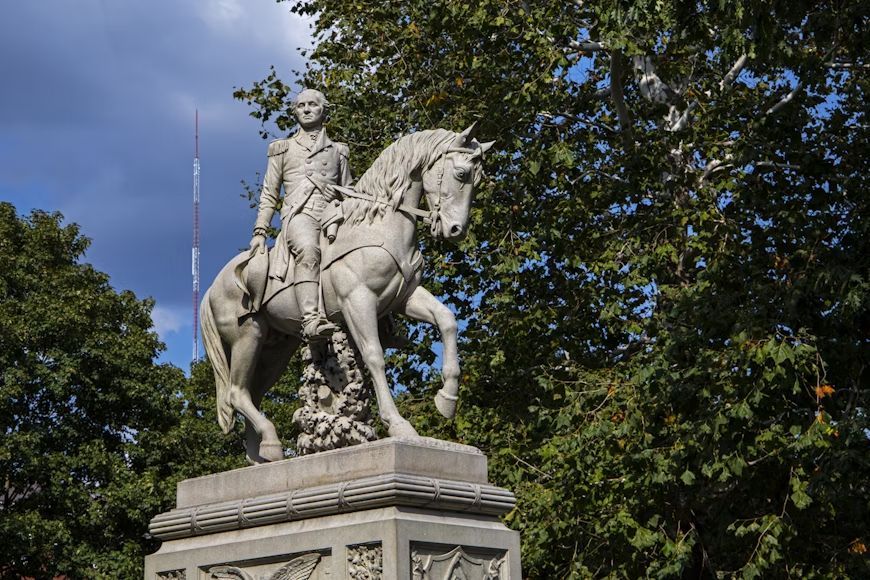
When the British were about to burn Washington in 1814, Dolley Madison didn’t just pack up the silver—she made sure George Washington’s portrait was removed from the wall and carried to safety. That same painting still hangs in the White House today. Remarkably, Dolley hosted elegant tea parties even while preserving national artifacts.

6
Pat Nixon was the first to rock pants in public

Image: BBiDDac

In the early 1970s, it was a big deal when Pat Nixon wore trousers to a public event. Up until that point, First Ladies stuck to dresses. Well, women in general, right? Her choice stirred up headlines, but let’s be real: it was a practical move. Sometimes comfort is the statement.

7
Lou Hoover could speak fluent Chinese

Image: Cherry Lin

Lou Hoover was no ordinary First Lady. She spoke Mandarin Chinese fluently, and she and her husband Herbert used it to have private conversations in public—pretty genius, honestly. She also held a degree in geology and could out-hike most people in D.C. Did you know any of this?

8
Jackie Kennedy smoked a lot in private

Image: Daniele Levis Pelusi

To the public, Jackie Kennedy was a fashion icon: pillbox hats, white gloves, and perfect posture. Behind the scenes, however, she was a heavy smoker. The public didn’t find out until much later. She wasn’t any less of a lady because of this—but you know, they show us whatever they want, right?

9
Melania Trump was a model and a polyglot

Image: Clarissa Watson

Melania Trump brought something completely different to the East Wing. She’s the only First Lady who worked as a professional fashion model and the only one whose first language wasn’t English. She speaks five languages. Say what you want—in whatever language—she’ll probably understand it.

10
Rosalynn Carter sat in on cabinet meetings

Image: Hoàng Ngọc Huy

Rosalynn Carter wasn’t content to just host luncheons—she sat in on Cabinet meetings, the first First Lady to do so since Eleanor Roosevelt. Why? Because she wanted to be fully informed when supporting her husband’s decisions.

11
Barbara Bush once crashed a frat party

Image: Richard Liu

Long before she became America’s grandma, Barbara Bush had a fun, mischievous side. While visiting George at Yale, she once showed up at a frat party in costume—and blended right in. There goes the stereotype that First Ladies are all etiquette and pearls.

History History 3 min read

Who would you write it for?

Mark Twain said what? Remarkable book dedications and their stories

Image: Hưng Lê

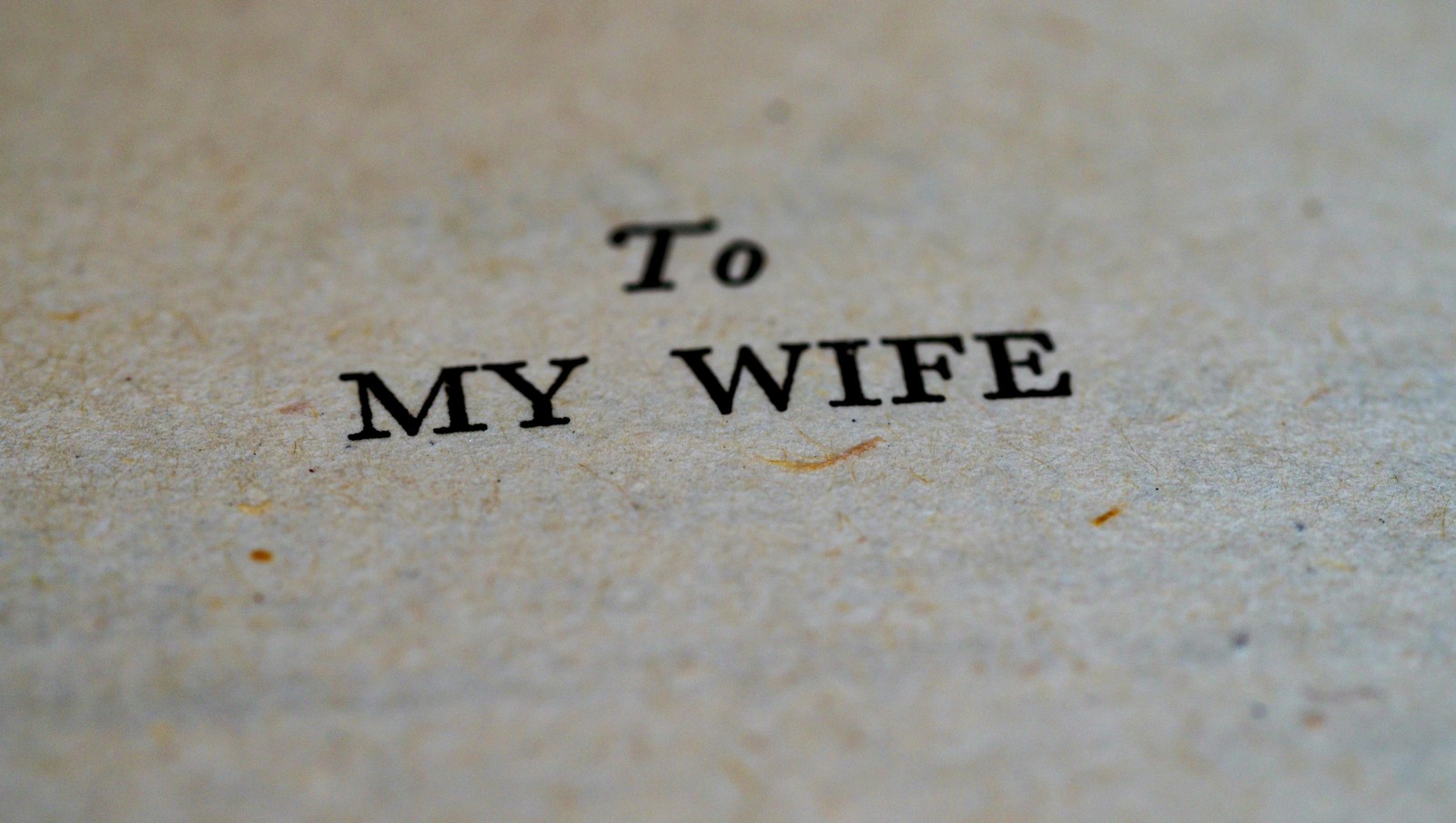
These might be memorable titles written by renowned authors, but sometimes the dedications are just as remarkable as the rest of the volume. Have you ever read the lines tucked into the opening pages of famous books? Some are chilling, some funny, some thought-provoking—and we’ve gathered a list of particularly interesting ones!

1
Don’t question the author

Image: Amaan Ali

In his usual sarcastic style, Mark Twain wrote in the opening "Notice" of The Adventures of Huckleberry Finn : "Persons attempting to find a motive in this narrative will be prosecuted; persons attempting to find a moral in it will be banished; persons attempting to find a plot in it will be shot." It’s an unforgettable way to open a classic.

2
What you don’t know…

Image: Markus Spiske

In the book This Boy’s Life, Tobias Wolff wrote: "My first stepfather used to say that what I didn’t know would fill a book. Well, here it is."

It’s a dark but funny recounting of his turbulent youth in this memoir, so the line is a perfect setup for what’s to come.

3
About loyalty

Image: Niranjan V S

In her book Dark Places , thriller writer Gillian Flynn wrote: "What can I say about a man who knows how I think and still sleeps next to me with the lights off?"

The author of Gone Girl tipped her hat to her husband, Brett Nolan, here. Who doesn’t want a partner who accepts us fully—even if we spend our days writing about murky crimes?

4
Cosmic love

Image: Jayshree Sharma

If you’re a romantic, try not to swoon over Carl Sagan’s dedication in Cosmos : "In the vastness of space and the immensity of time, it is my joy to share a planet and an epoch with Annie."

This beautiful line of cosmic love was dedicated to his wife and collaborator, Ann Druyan. And the book that follows is a science classic.

5
A touch of fantasy

Image: Ali Müftüoğulları

Ken Kesey’s famous book One Flew Over the Cuckoo’s Nest , set in a psychiatric ward, wouldn’t be cataloged as fantasy at all. And yet, its memorable dedication reads: "To Vik Lovell, who told me dragons did not exist, then led me to their lairs."

6
The inclusive take

Image: Andrew Neel

John Cheever had a good idea in his dedication of The Wapshot Chronicle : "To M with love, and with best wishes to practically everybody else I know." A playful and inclusive way to make sure you leave out no one who matters! It was his debut novel, and it won the National Book Award.

7
The vengeful one

Image: Gaspar Uhas

This one is dark but packs a memorable punch. The dedication of No Thanks , by E. E. Cummings, is simply a list of names—the 14 publishers who turned his work down. But here’s the unforgettable bit: the words are arranged on the page in the shape of an urn.

8
Thanking the parents

Image: Lucas George Wendt

Comedian Judd Apatow dedicated his book Sick in the Head to his loving parents: "For Mom and Dad. Your support—and the mental health issues you gave me—made all of this possible." Tongue in cheek, just as fans would expect from him.

9
Chilling and sobering

Image: Isaac N.

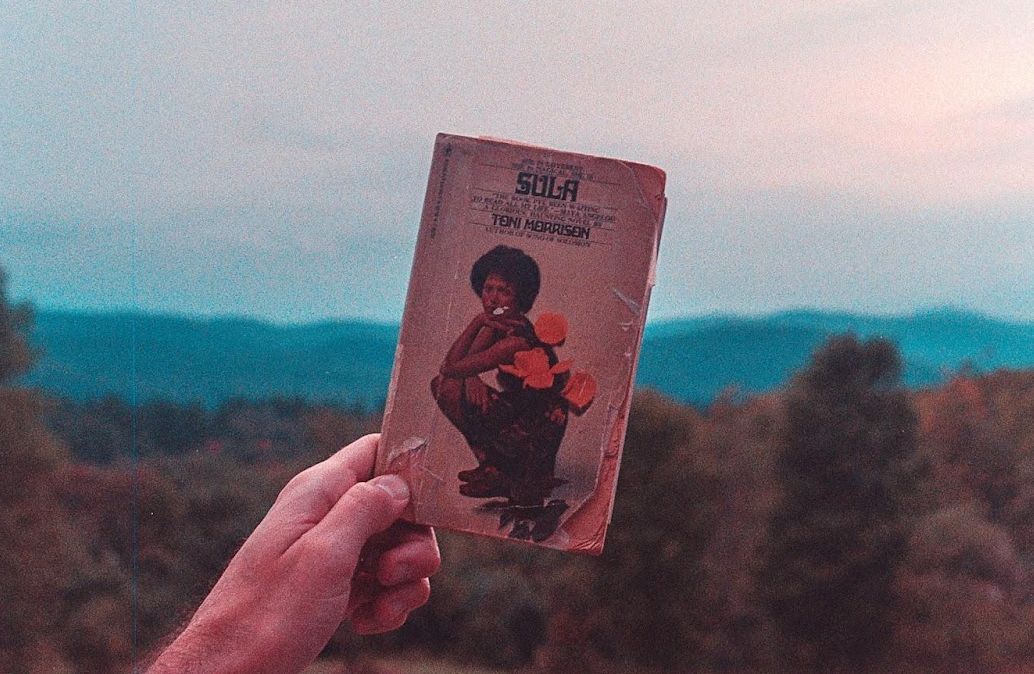
Powerful: Toni Morrison’s dedication in Beloved is simply the phrase "Sixty million and more," referring to the victims of the transatlantic slave trade. No verbs, no explanations—just five heavy, sobering words to leave readers thinking.

10
About undying love

Image: Girl with red hat

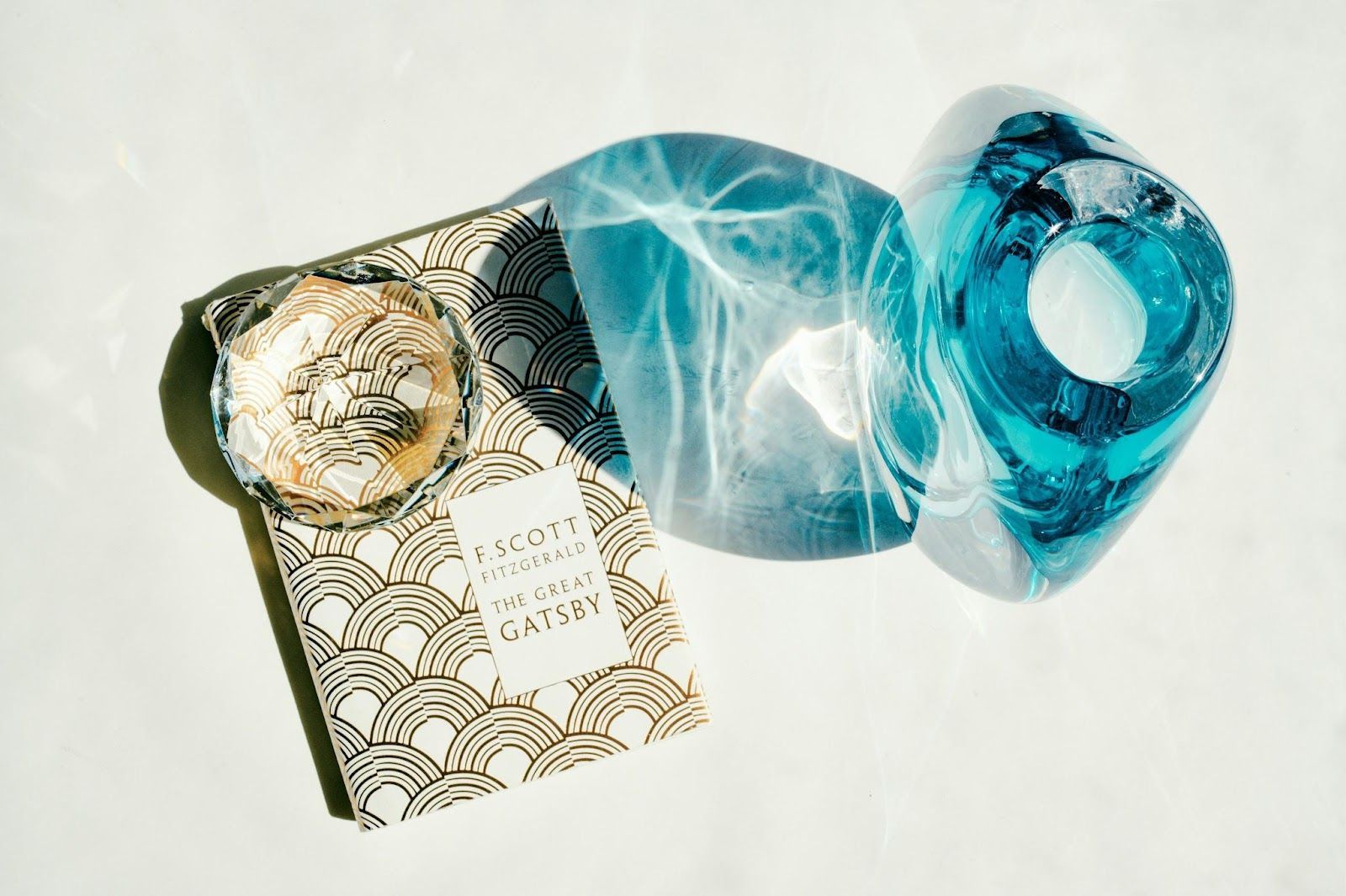
F. Scott Fitzgerald’s The Great Gatsby is, after all, a story steeped in undying love. His dedication was fitting: "Once again, to Zelda." It’s a brief but heartfelt nod to his wife and muse.

11
An offering

Image: Jouwen Wang

John Steinbeck’s East of Eden opens with a sort of letter. It’s longer than this, but it begins with an anecdote in which "Pat" asked him to give him a box to fill with things. The dedication reads:

"Dear Pat… Well, here’s your box… Nearly everything I have is in it… all the gratitude and love I have for you. And still the box is not full. JOHN."

Explore more American facts

Choose your favorite category!

General
General

As American as apple pie—the very best America has to offer!

Culture
Culture

Delve into the astounding richness of American lore.

Geography
Geography

Hop in and explore vast and diverse American landscapes.

History
History

Discover the key moments that shaped the United States.