Geography Geography 4 min read

Behind tall faces

Why is Mount Rushmore named after a New York lawyer?
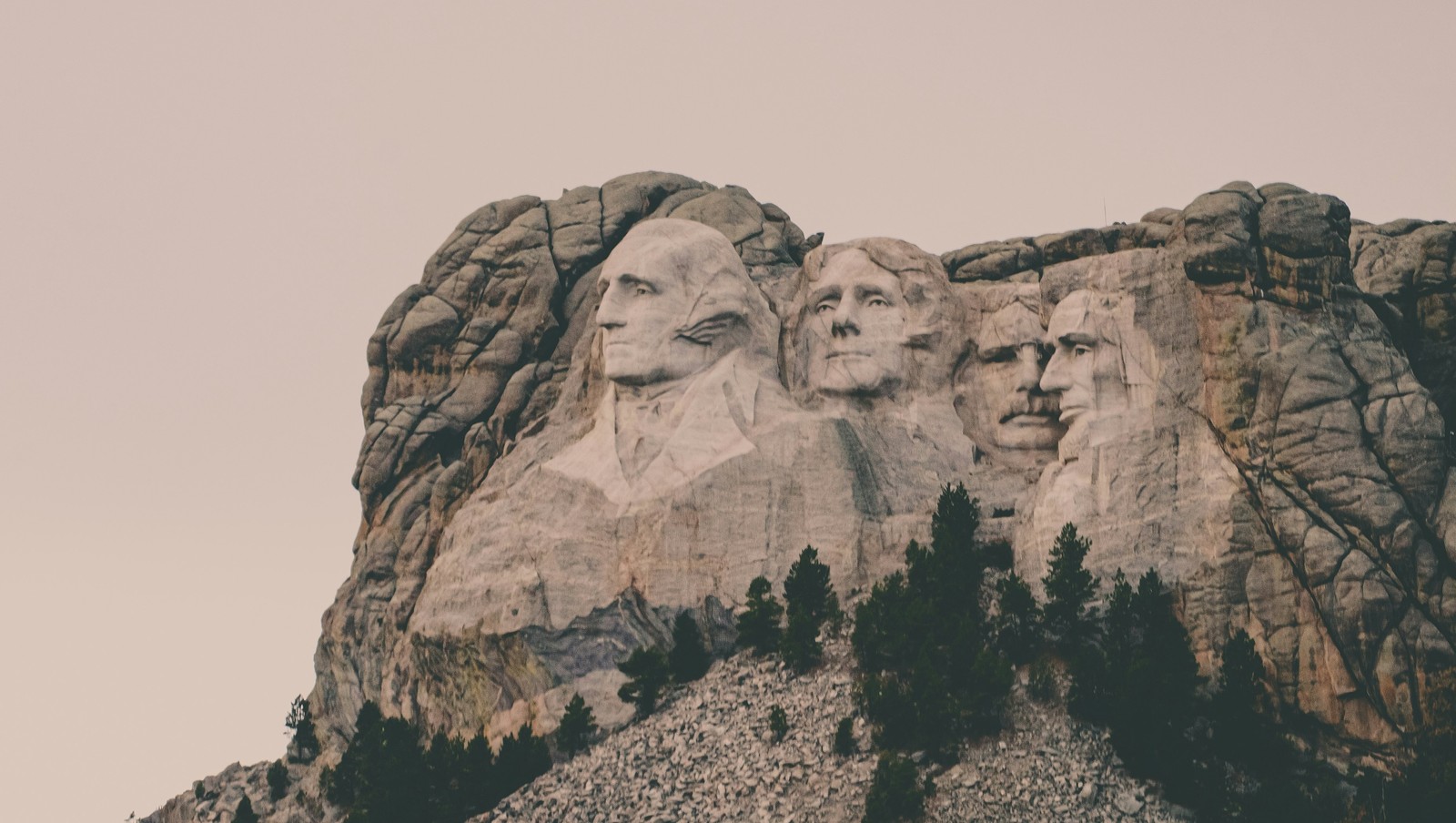
Image: Jake Leonard

What famous woman’s face almost became the fifth face on Mount Rushmore? Did the sculptor Gutzon Borglum really intend to just carve out the heads? Why is the mount named that, and not Borglum? The answers to these questions are some lesser-known facts about one of the most famous landmarks and sights in our country. Let’s dive into these stories!

1
The original plan included full-body figures
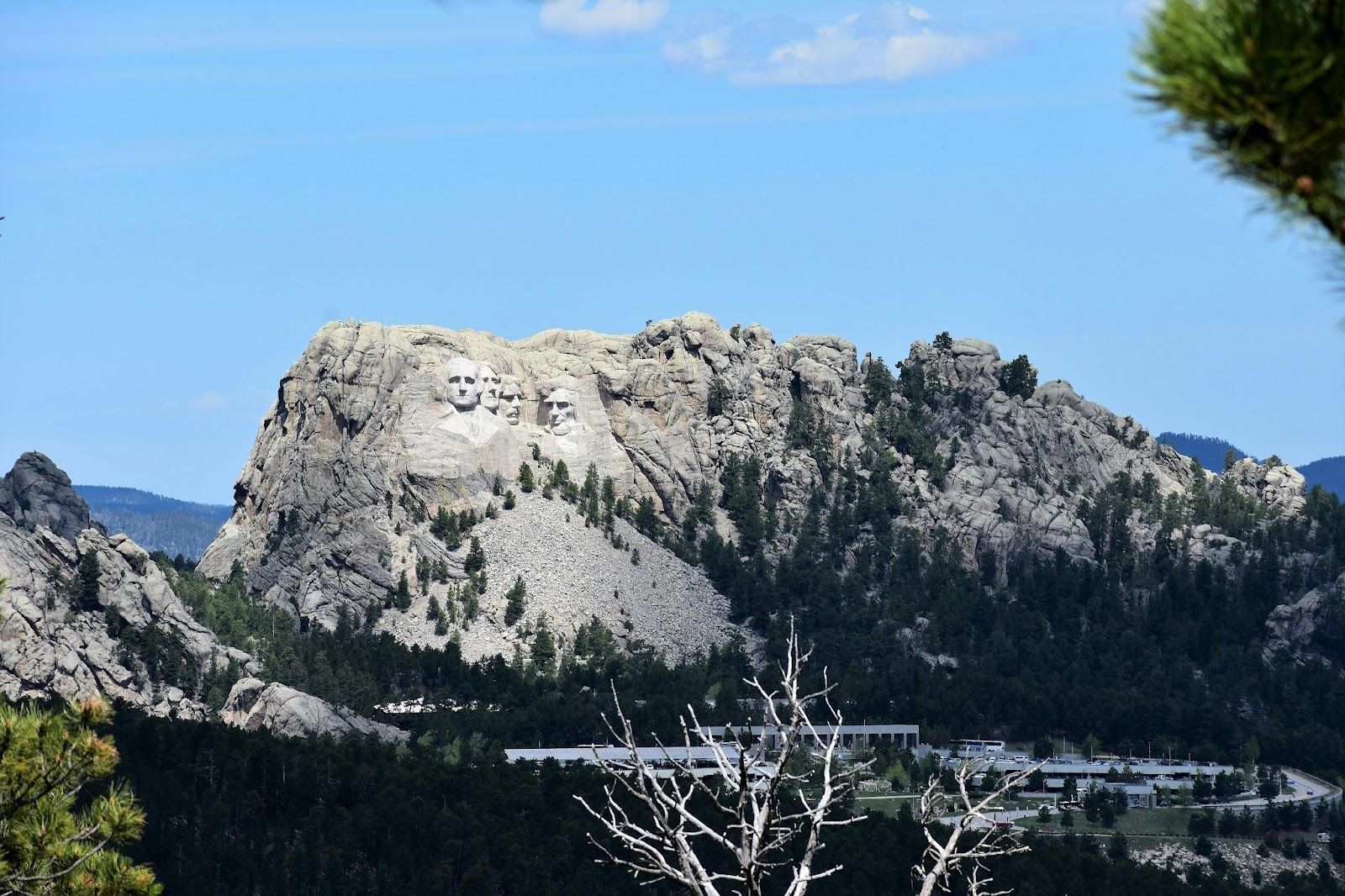
Image: Thomas Shockey

Mount Rushmore was supposed to be even more colossal than it already is. Sculptor Gutzon Borglum envisioned the four presidents carved from the waist up .

He even made plaster models showing Abraham Lincoln's coat folds and Teddy Roosevelt’s hand clutching his lapel. But as costs went up, Congress said: "heads only, please."

2
Charles Rushmore was just a curious New Yorker
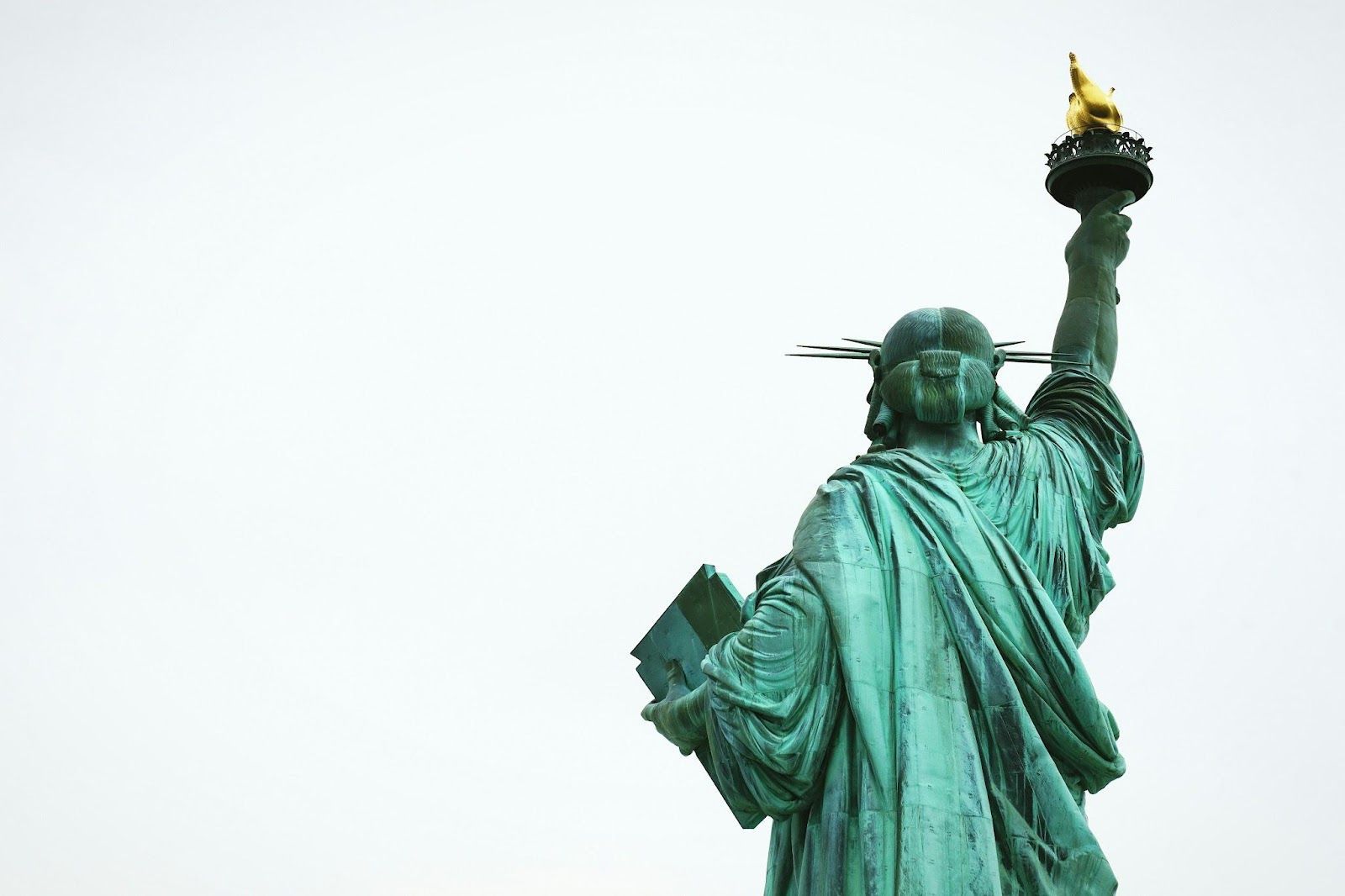
Image: Maarten van den Heuvel

Back in 1925, when the mount was about to be carved into a monument, Charles Rushmore wrote a letter explaining why the peak bore his name. He recalled that in the 1880s he was a young New Yorker working in the area, and fell fond of that particular granite peak .

When he asked the locals about it, they informed him that it had no name, but that if he wished so, they would just start calling it Rushmore Peak, or Mount Rushmore, or the likes. Years later, that very name had been inscribed in the public domain to designate the peak.

3
Yes, there’s a hidden room behind Lincoln’s head
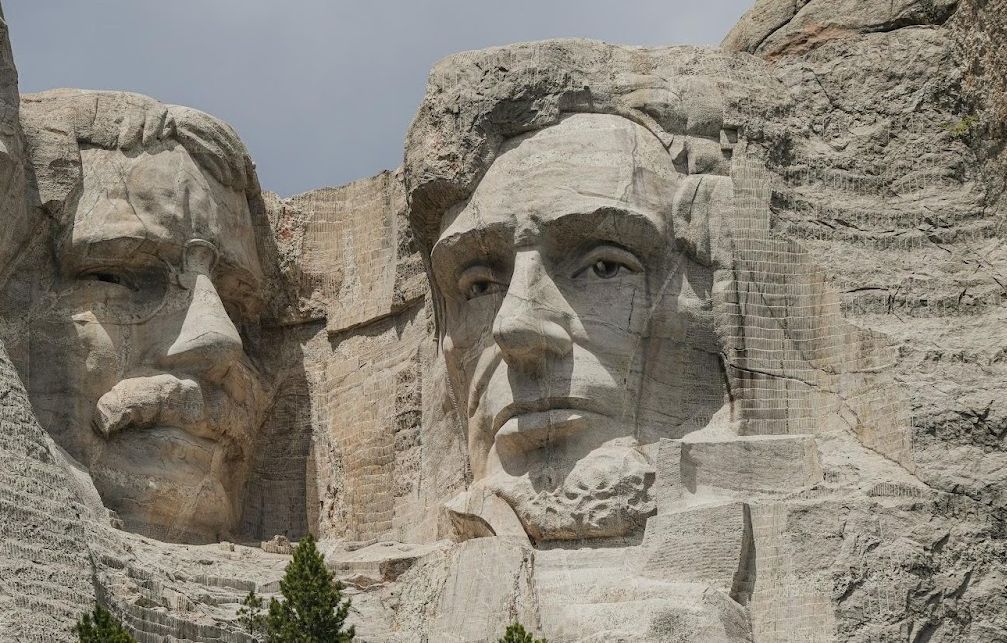
Image: Laura Nyhuis

Behind Abraham Lincoln’s hairline lies a hidden chamber, part of Borglum’s lofty idea for a "Hall of Records." This room was meant to house foundational American documents like the Constitution or the Declaration of Independence.

Instead of that, in 1998, a titanium box was placed inside, filled with copies of important documents and biographies, as a time capsule to preserve the treasure of knowledge for future generations.

4
Thomas Jefferson was moved
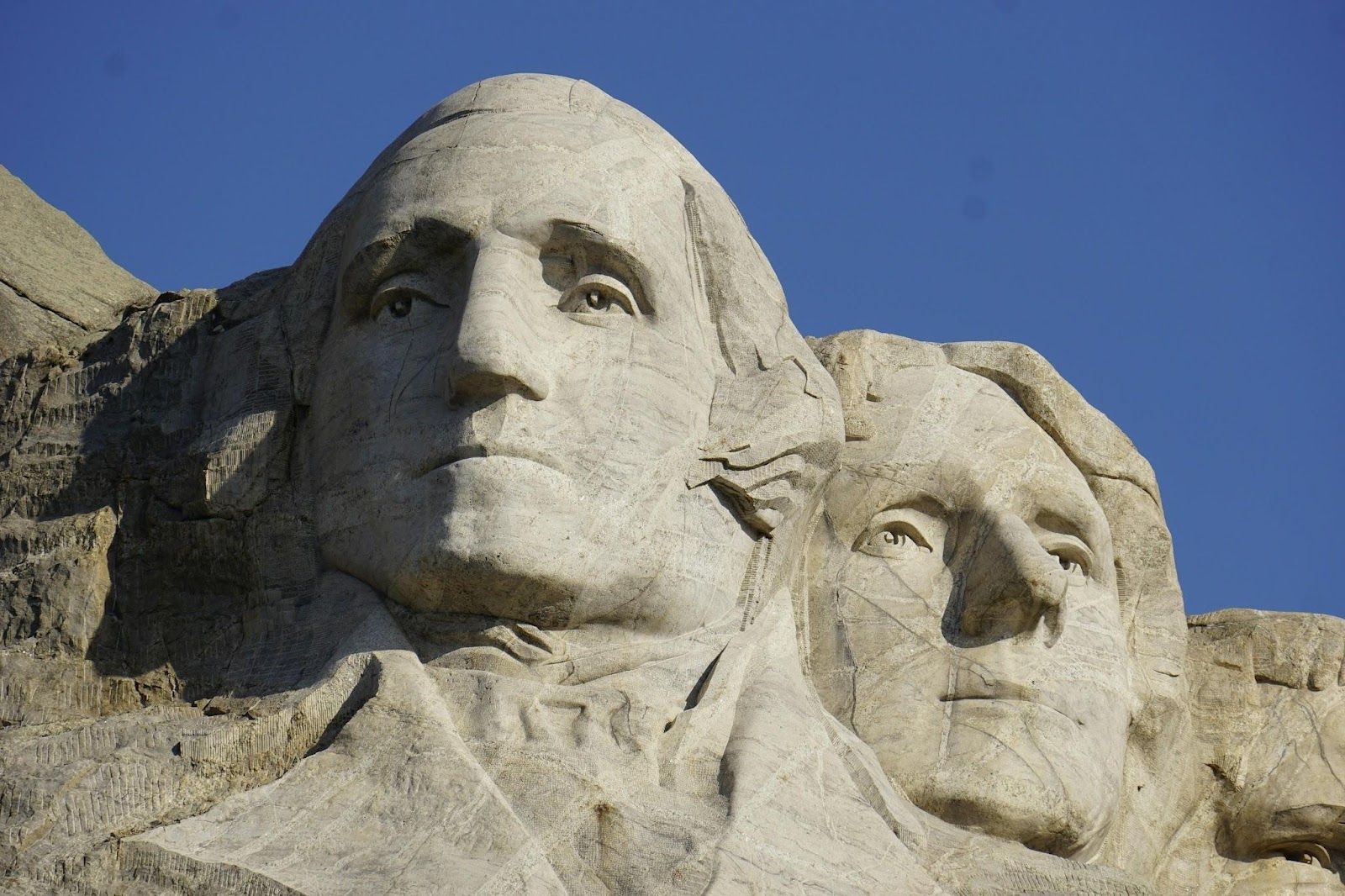
Image: Dave Baraloto

Jefferson was originally supposed to go to Washington’s right, but after 18 months of chiseling , the granite betrayed them. Cracks and flaws made the site unworkable.

Borglum made the painful decision to blast Jefferson’s half-formed face clean off and start anew on Washington’s left.

5
The mountain was almost a monument to western heroes
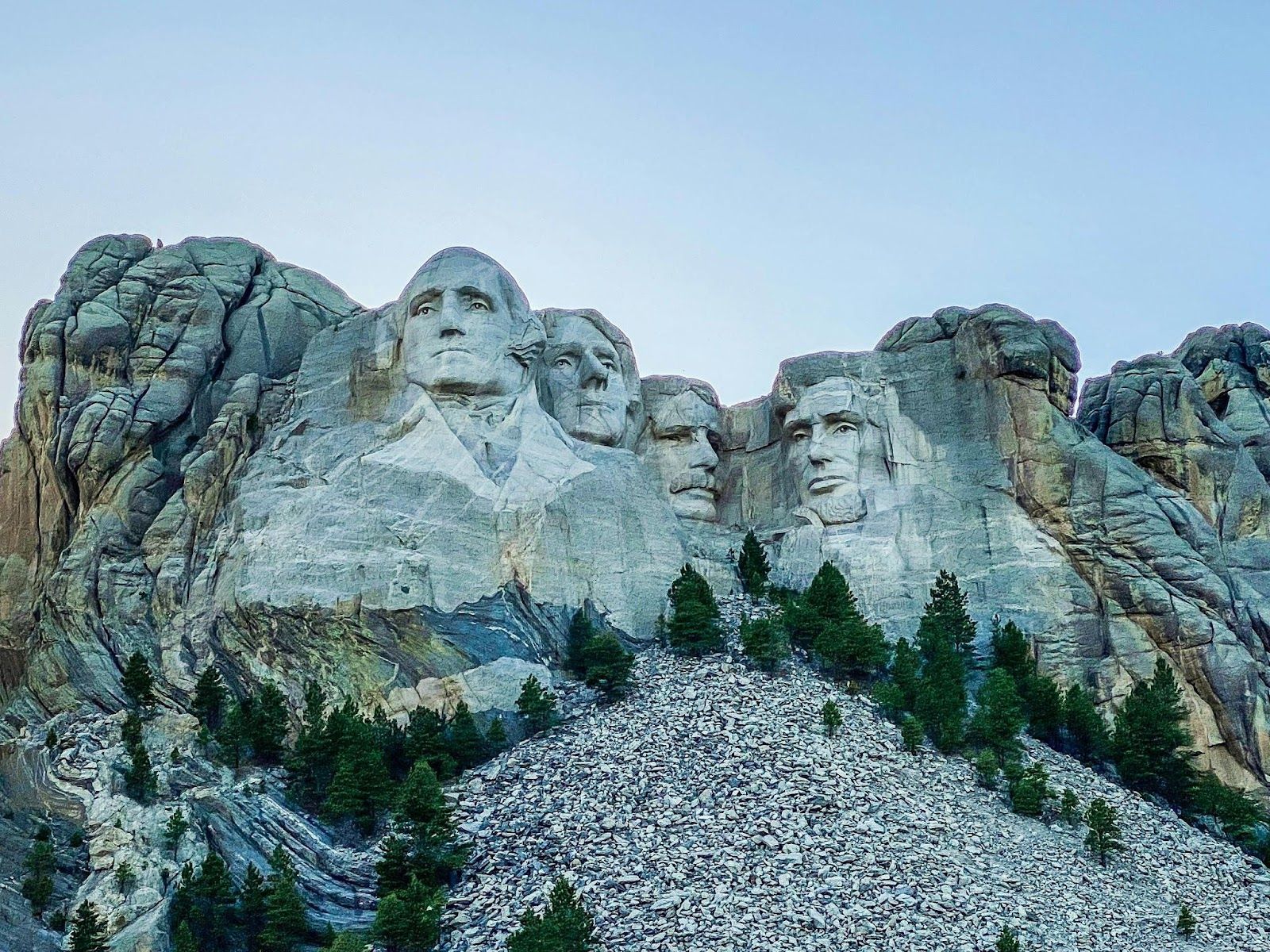
Image: Timberly Hawkins

Before presidents took over, the mountain was pitched as a giant tribute to the Wild West . South Dakota historian Doane Robinson wanted to see frontier legends like Lewis & Clark carved into the Black Hills.

But when Borglum came aboard, he had a grander (and more politically bankable) idea: four presidents to symbolize national unity and expansion.

6
A woman’s face was almost added
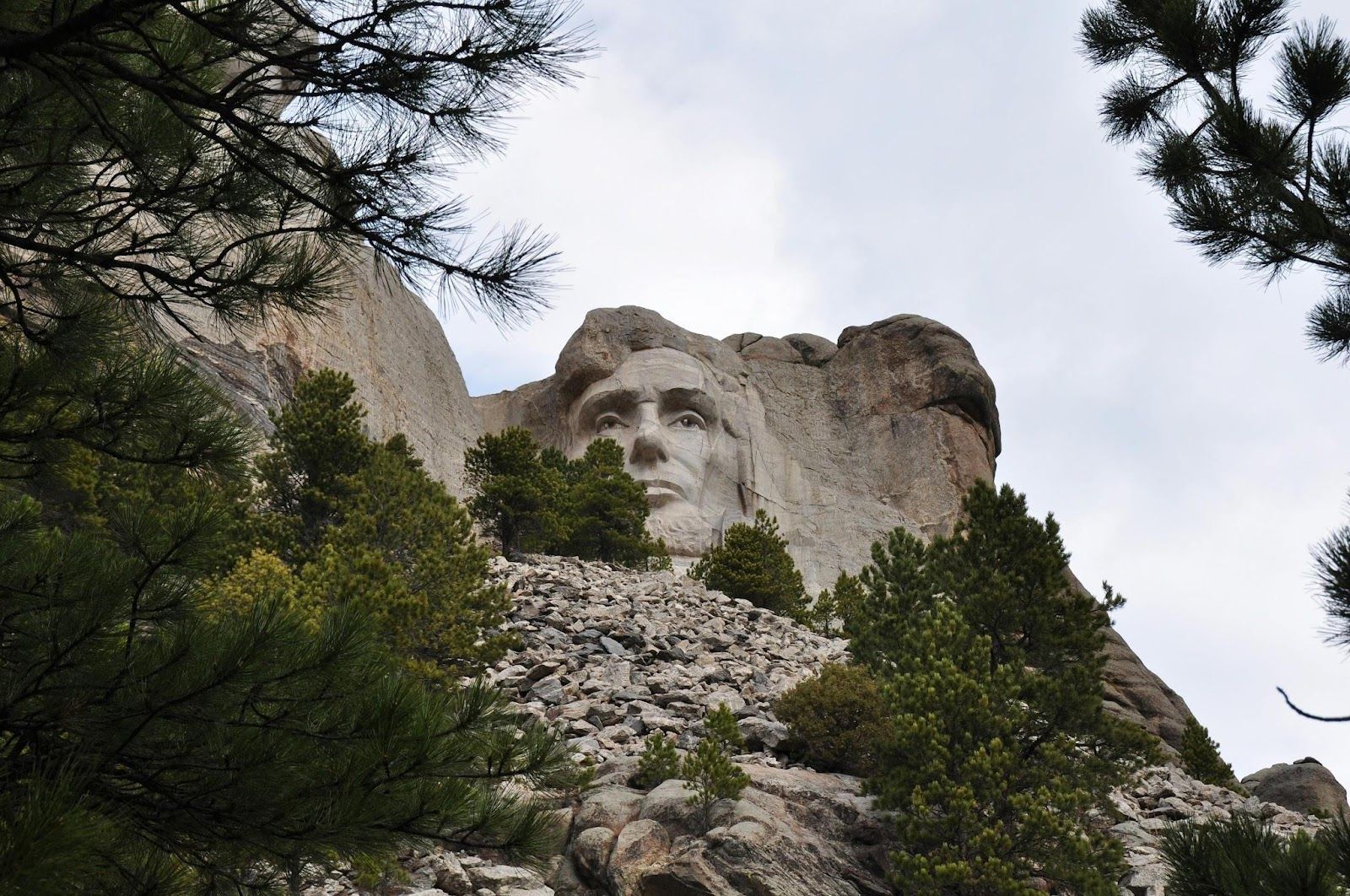
Image: Tom Fournier

In the 1930s, there was serious talk of honoring Susan B. Anthony alongside the Founding Fathers, as a nod to the women’s suffrage movement.

Borglum wasn’t opposed to the idea, but Congress quickly nixed it, stating that only U.S. presidents could be included.

7
The workers were mostly local miners and loggers
Image: Pixabay

They were neither sculptors nor artists. Most of the workforce came from nearby Keystone, South Dakota: miners, loggers, and hard-up laborers looking for work during the Great Depression.

Borglum trained them himself. There were no safety harnesses, and yet, remarkably, no one died on the job.

8
Dynamite did 90% of the work

Image: Alexander Paramonov

To carve the faces of Washington, Jefferson, Roosevelt, and Lincoln, workers used carefully timed dynamite blasts to remove over 450,000 tons of rock. They got so precise, they could blast within inches of where the final surface would be.

The last details, like wrinkles, pupils, or Roosevelt’s glasses, were done with jackhammers and chisels.

9
The noses are disproportionate
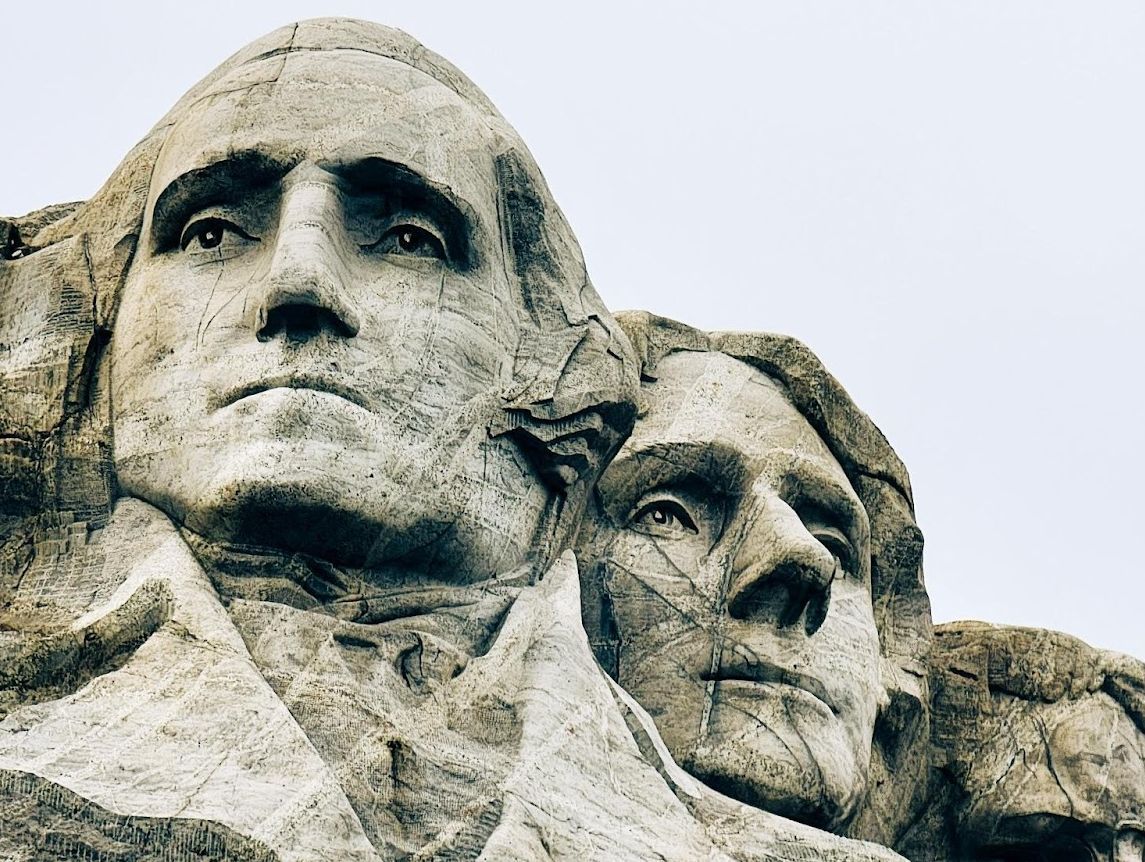
Image: Dudubangbang Travel

Standing in front of the mountain, the faces seem alright. But that’s a trick of perspective. Each presidential nose is a whopping 20 feet long .

If the sculptures had included full bodies as planned, each figure would have stood 465 feet tall. That’s taller than the Statue of Liberty and most downtown skyscrapers.

10
Teddy Roosevelt was the most controversial pick
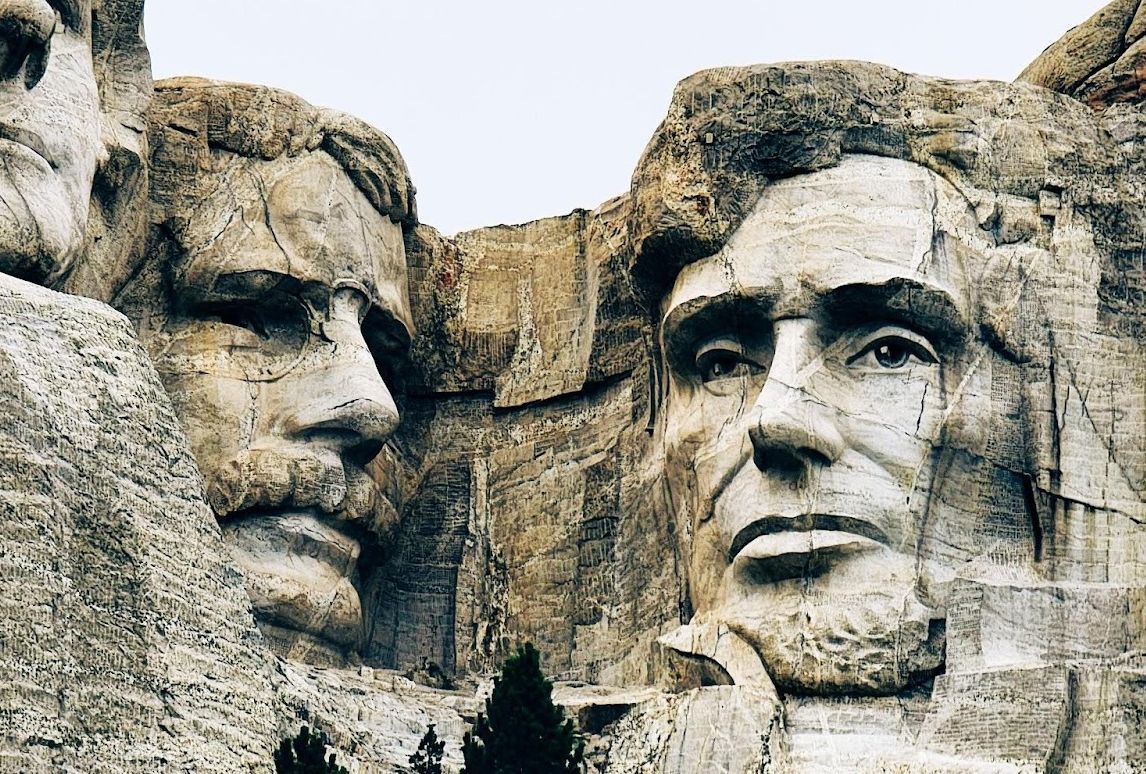
Image: Dudubangbang Travel

Washington, of course. Jefferson, made sense. Lincoln, sure. And Teddy? Some critics raised their eyebrows at Borglum’s fourth choice. Roosevelt had only recently passed away in 1919, and many questioned whether he'd stood the test of time.

But Borglum defended the decision Roosevelt’s role in breaking up monopolies, conserving national parks, and engineering the Panama Canal. Plus, Borglum had met him personally and was a fan.

11
It was supposed to have inscriptions
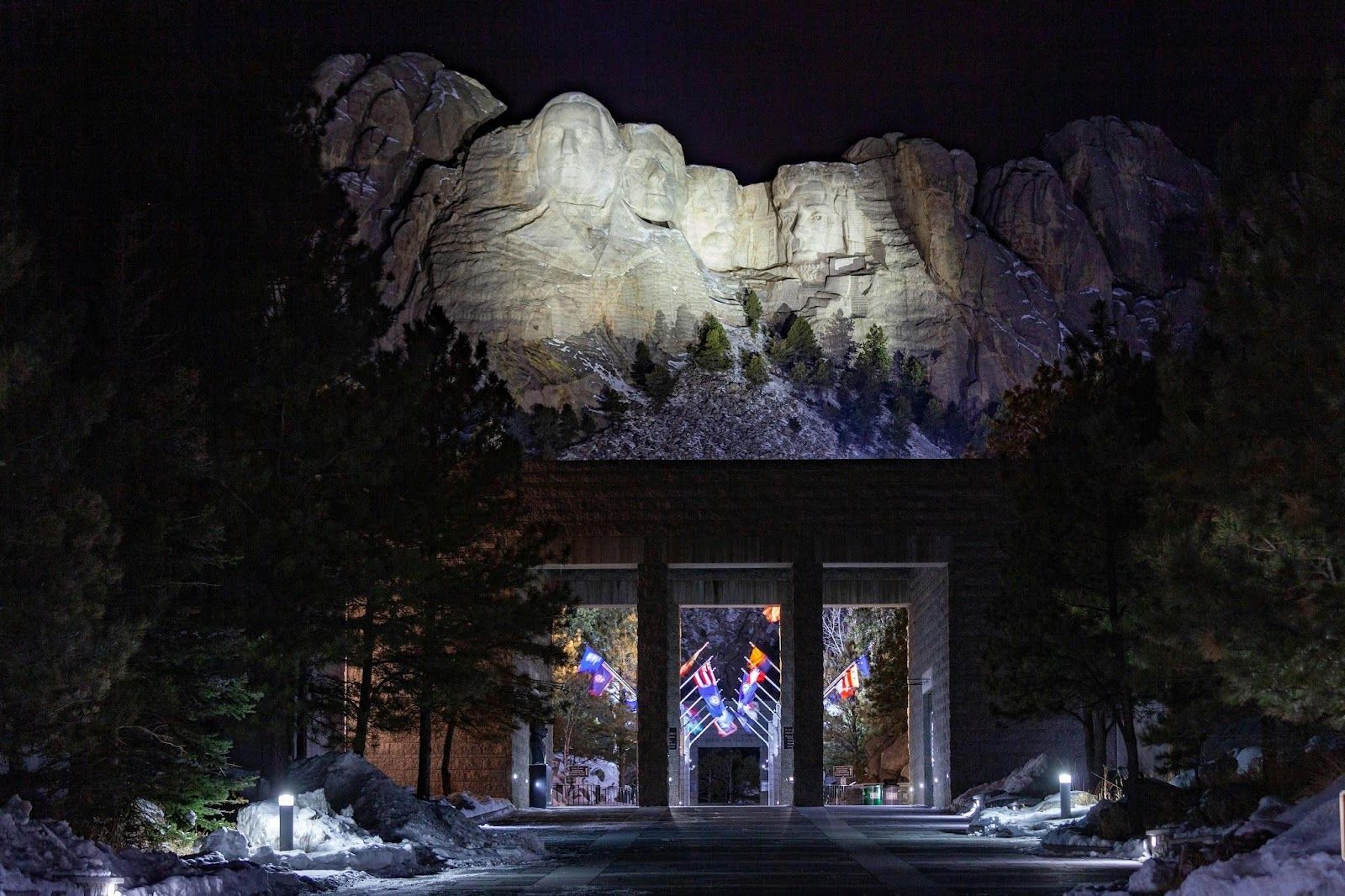
Image: Dan Pick

Borglum had grander plans than just four giant heads. He wanted to carve a massive inscription next to them, a timeline of America’s most important milestones , chiseled straight into the mountain. In time, the idea was scrapped for practical and aesthetic reasons.

12
The visionary died before completion
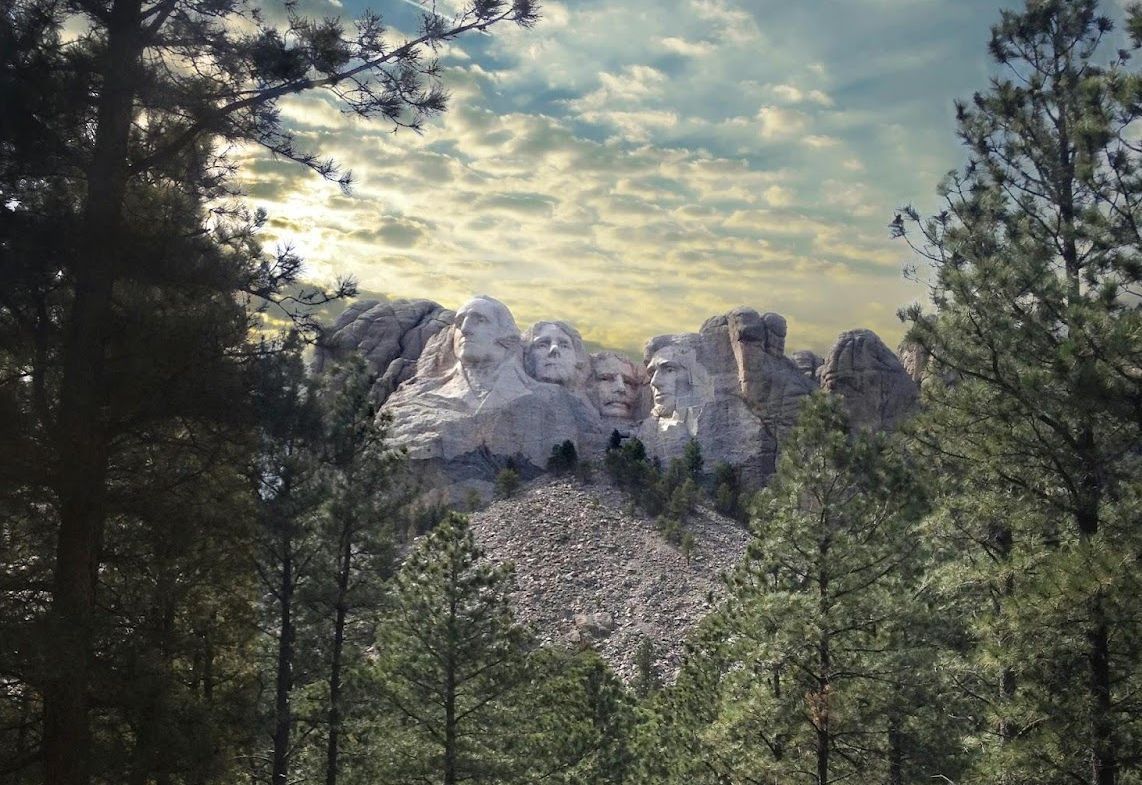
Image: Lisa Reichenstein

Gutzon Borglum, the visionary behind it all, didn’t live to see his masterpiece finished. He died in March 1941, just as the construction was reaching its end. His son, Lincoln Borglum (yes, named after that Lincoln), took over the project.

Still, with WWII drawing resources elsewhere, funding was slashed, and Lincoln had to wrap things up quickly . Some features, like Lincoln’s ear, were never fully detailed.
Geography Geography 4 min read

Around the world

A Statue of Liberty in Paris? 10 Landmarks with clones around the world!

Image: Darryl Brooks

The world is full of iconic landmarks: Mount Rushmore, the Colosseum, and the Eiffel Tower, just to name a few. These majestic monuments are rich in history and reflect the societies that built them. But what if we told you there's a Leaning Tower of Pisa in Tennessee or a Statue of Liberty in France? It may seem like the world is upside down, but they do exist! Join us as we explore 10 fascinating replicas of the world's most famous landmarks.

1
The Statue of Liberty in France

Image: Tom Corbett

Europe may seem like a different world from the United States, but surprisingly, some things bring us closer. Did you know there's a replica of the Statue of Liberty in Paris? Unveiled in 1889 —just three years after the original in New York—it was created to honor the strong ties between the US and France. It stands along the banks of the iconic Seine River . At about 37 feet tall , it’s quite a bit smaller than the original, which stands at 151 feet.

2
The Leaning Tower of Pisa in Illinois

Image: davide ragusa

Ahhh... the Leaning Tower of Pisa, one of the most famous and instantly recognizable landmarks in the world. Have you seen that classic picture of tourists "holding up" the tower? Well, you don't need to travel all the way to Italy to take one, because Illinois has its very own replica!

The Leaning Tower of Niles, Illinois, is about half the size of the original (94 feet vs. 183 feet), but it's just as fascinating. Next time you're in the Prairie State, you’ll know where to stop!

3
The White House in China

Image: Raymond M.E. Aguirre

The White House in Washington, DC, is a powerful symbol of America—but it's not the only one of its kind! Believe it or not, replicas of this iconic mansion can be found in various parts of the world, including China. In fact, China has not just one, but several replicas of the historic American building. And that’s not all—there’s also a life-size replica of the US Capitol Building in Beijing. Pretty wild, right? We'd love to visit these replicas!

4
Trevi Fountain in Nevada

Image: Michele Bitetto

Las Vegas, Nevada, is definitely one of the places in the US with the most replicas of international landmarks. One of the most celebrated is the Trevi Fountain at Caesars Palace, with its amazing resemblance to the original.

If you've been to the Trevi Fountain in Rome—or even if you've just seen pictures of it—you know that the details of its sculptures are incredibly intricate, so creating a replica is no small feat. Fortunately, Las Vegas pulled it off quite well. Although their fountain is much smaller than the original, it’s no slouch when it comes to beauty!

5
The Hollywood Sign in Ireland

Image: De'Andre Bush

The huge and famous Hollywood sign attracts millions of visitors each year. Fortunately, people living in Europe don’t need to travel all the way to California to get their own " Hollywood " photo —there’s a replica of the legendary sign in Ireland !

But here's the crazy fact: there's a city called Hollywood in Ireland, which is believed to have inspired the name of the Los Angeles film district.

6
The Eiffel Tower in Texas

Image: Malgorzata Frej

Paris isn’t just the famous city of love in France. There's another charming Paris, and it's located here in the US, more specifically, in Texas!

As a way to celebrate its name, the city of Paris, Texas, built a replica of the splendid Eiffel Tower in 1993. The Texan version stands at about 65 feet tall , compared to the original’s 1,083 feet. While it may not reach the same height, it has a unique twist that makes it special: the tower is topped with a big red cowboy hat !

7
The Mount Rushmore in China

Image: Brandon Mowinkel

Mount Rushmore is definitely one of America’s most iconic landmarks, with the faces of Lincoln, Washington, Roosevelt, and Jefferson carved into a massive granite mountainside.

Incredibly, there's a replica of this monument in China ! The Chinese version closely resembles the original, although it was created using much more modern techniques—and, of course, it’s considerably smaller in scale than the original.

8
The Parthenon in Tennessee

Image: Joshua Woods

A former temple in Greece dedicated to the goddess Athena, the Parthenon is one of the most famous monuments in the world. Although much of the original has fallen into ruins, you can still see what it looked like when it was complete right here in Tennessee!

That’s right! The city of Nashville has a full-scale replica of the incredible temple. Built in 1897, it still stands today as a stunning tribute to classical architecture.

9
The Stonehenge in Washington

Image: K. Mitch Hodge

Stonehenge is that famous prehistoric monument in England, made up of massive 25-ton stones —each standing about 13 feet tall and 7 feet wide—arranged in a mysterious circle. But here's the great news: You don't have to travel to Europe to experience it up close because we have our very own replica right here in Washington State!

Known as the Maryhill Stonehenge , this version was created as a memorial to those who died in World War I. It took 11 years to complete, from 1918 to 1929, and instead of ancient stone, it’s made entirely of concrete .

10
The Pyramid in Nevada

Image: Simon Berger

In the incredible city of Las Vegas, you also have the chance to see a replica of one of the Seven Wonders of the Ancient World ! We’re talking, of course, about the Great Pyramid of Giza—recreated at the Luxor Hotel and Casino . Built in 1993, the Las Vegas pyramid rises an impressive 30 stories high!

Culture Culture 5 min read

Winning words

Fuel your fire with these 10 inspiring quotes by American sports legends!

Some sports quotes have left an unforgettable mark on national and international sports history. Today we're taking a moment to remember those iconic words. To become a champion, you need more than just strength, agility, speed, or endurance; you also need a lot of wisdom . If you're looking for some inspiration, who better to learn from than the champions themselves? Join us to discover these 10 quotes from American sports legends!

1
Babe Ruth

Image: Jose Francisco Morales

To become one of the best in baseball history, you must not only be a talented and dedicated athlete but also a wise person. Babe Ruth was a perfect example of this. This baseball legend inspired us when he said, "Never let the fear of striking out keep you from playing the game."

Often, we let fear win out by imagining worst-case scenarios before making a decision. But as Babe Ruth taught us, we shouldn't let that fear hold us back. If you dare to play the game, you might find that things turn out even better than you expected! You know, the next time you hesitate to take a chance, give it a try!

2
Vince Lombardi

Image: Melissa McGovern

If being an excellent athlete is difficult, imagine managing a team full of them. Knowing how to lead a group of talented people to the greatest victories is not for everyone, but it is for Vince Lombardi, one of the most iconic coaches in American football history.

Lombardi shared his vision of success when he said, "Winning isn't everything, but wanting to win is." This simple but powerful phrase carries a very important message: To achieve our goals, it's vital to know what we want and how deeply we want it. Even if you don't win every game, you should always begin with a winning attitude as a guide to success!

3
Billie Jean King

Image: John Fornander

Some people say the key to being a winner is never giving up . Keep going until you make it! This is what Billie Jean King, one of the greatest players and a pioneer in women's tennis, conveyed when she said, "Champions keep playing until they get it right."

Billie Jean King never gave up, even when some people told her to. With her powerful message, BJK redefines the idea of a champion. She sees the long-awaited victory as the final step in a journey that a champion has been pursuing for a long time. Inspiring!

4
Michael Jordan

Image: Markus Spiske

The incredibly talented Michael Jordan didn't hold back when telling the secret behind his success in sports: "I've missed more than 9,000 shots in my career. I've lost almost 300 games. 26 times, I've been trusted to take the game-winning shot and missed. I've failed over and over and over and over again in my life. And that is why I succeed."

While it's true that watching these spectacular athletes may feel like witnessing magic, their excellence is actually the result of countless hours of hard work , moments of failure, and the perseverance needed to overcome all that and achieve glory.

5
Serena Williams

Image: Mario Gogh

How do you handle tough situations? Whether it's in sports or in life, it's important to get back on your feet, recover from mistakes or defeats, and keep moving forward.

But what do you do right after a setback or defeat? Well, this is precisely what Serena Williams was referring to when she said, "I really think a champion is defined not by their wins but by how they can recover when they fall." Common wisdom tells us that we can see a person's true character during hard times . According to Serena, our response to huge challenges or troubles also defines who we are.

6
Tom Brady

Image: Dave Adamson

In difficult times, the words of the wise can be incredibly helpful. And who better to inspire us than a true champion ? Someone who led his teams to win 7 Super Bowls surely knows things, right? You guessed it: we're talking about the incredible Tom Brady!

This great athlete said, "Nothing happens to you; it happens for you." At first, it might not be entirely clear, but this quote has a powerful message. Shifting our perspective to change the way we see negative events can be the key to overcoming challenges and reaching our goals. With Tom Brady's mindset, every inconvenience becomes an opportunity to be better every day. Go for it!

7
Shaquille O'Neal

Image: Patrick Fore

How we live each day, our actions, choices, the way we handle situations, and the people we interact with are the things that define us. Shaquille O'Neal, a basketball legend, once said, "Excellence is not a singular act but a habit . You are what you repeatedly do." And it's clear that Shaq embodied this excellence!

With this powerful quote, Shaquille O'Neal reminds us that reaching our goals and becoming who we aspire to be depends largely on our daily habits rather than on a unique major act. It's something to remember every day: we are what we do!

8
Magic Johnson

Image: jesse orrico

Magic Johnson is undoubtedly one of the greatest names in basketball. He's someone who achieved incredible success, not just because of his natural talent and skills but also due to his dedication and respect for every member of his team .

In this sense, Magic Johnson once said, "Ask not what your teammates can do for you. Ask what you can do for your teammates ." Echoing JFK's famous 1961 quote, "Ask not what your country can do for you; ask what you can do for your country," Magic reminds us that success often requires setting aside ego and individual interests to focus on collaboration and support for others.

9
Muhammad Ali

Image: Johann Walter Bantz

Dreaming about our goals is just the beginning; it is also necessary to work a little bit every day to achieve them. Making the most of our time to grow and improve different areas of our lives is always time well spent.

That is probably what Muhammad Ali meant when he said, "Don't count the days, make the days count." Instead of letting anxiety or worry get the better of you while waiting for something to happen, it's far better to take action and make it happen! Muhammad's words are an excellent way to encourage us to keep trying and never give up.

10
Kareem Abdul-Jabbar

Image: MontyLov

The great and successful basketball player Kareem Abdul-Jabbar is credited with the phrase, "One man can be a crucial ingredient on a team, but one man cannot make a team." A great message about collaboration and companionship.

In sports, as in life, knowing how to work as a team is critical. Where would we be without those who stand by us every day? Family , friends, coworkers, classmates, and even pets, all help us through life's challenges and joys. The same goes for every sports team, and Kareem Abdul-Jabbar understands this perfectly.

Explore more American facts

Choose your favorite category!

General
General

As American as apple pie—the very best America has to offer!

Culture
Culture

Delve into the astounding richness of American lore.

Geography
Geography

Hop in and explore vast and diverse American landscapes.

History
History

Discover the key moments that shaped the United States.