General General 4 min read

What is your city known for?

There's a Toilet Paper Capital of the World (here in the USA)?
Image: Alexas_Fotos

From toilet paper to corn cob pipes to farm toys, all across the U.S., many small towns have long taken pride in being the "world capital" of something—sometimes expected, sometimes completely surprising. Whether it’s about local history, a booming industry, or just a clever marketing move, each one has its own story. Let’s take a tour of 12 of the most memorable "capitals" around.

1
Toilet paper capital of the world

Image: Erik Mclean

It may sound like a peculiar thing to be proud of, but if the first splinter-free toilet paper in the world had been created in your town, chances are you would be just as delighted by this local achievement.

Until the early 1900s, cheap mail-order publications were the economical wipe of choice. But in 1935, a Green Bay paper producer developed a method of "linenizing" paper, which made toilet paper both softer and "splinter-free."

2
Leap year capital of the world
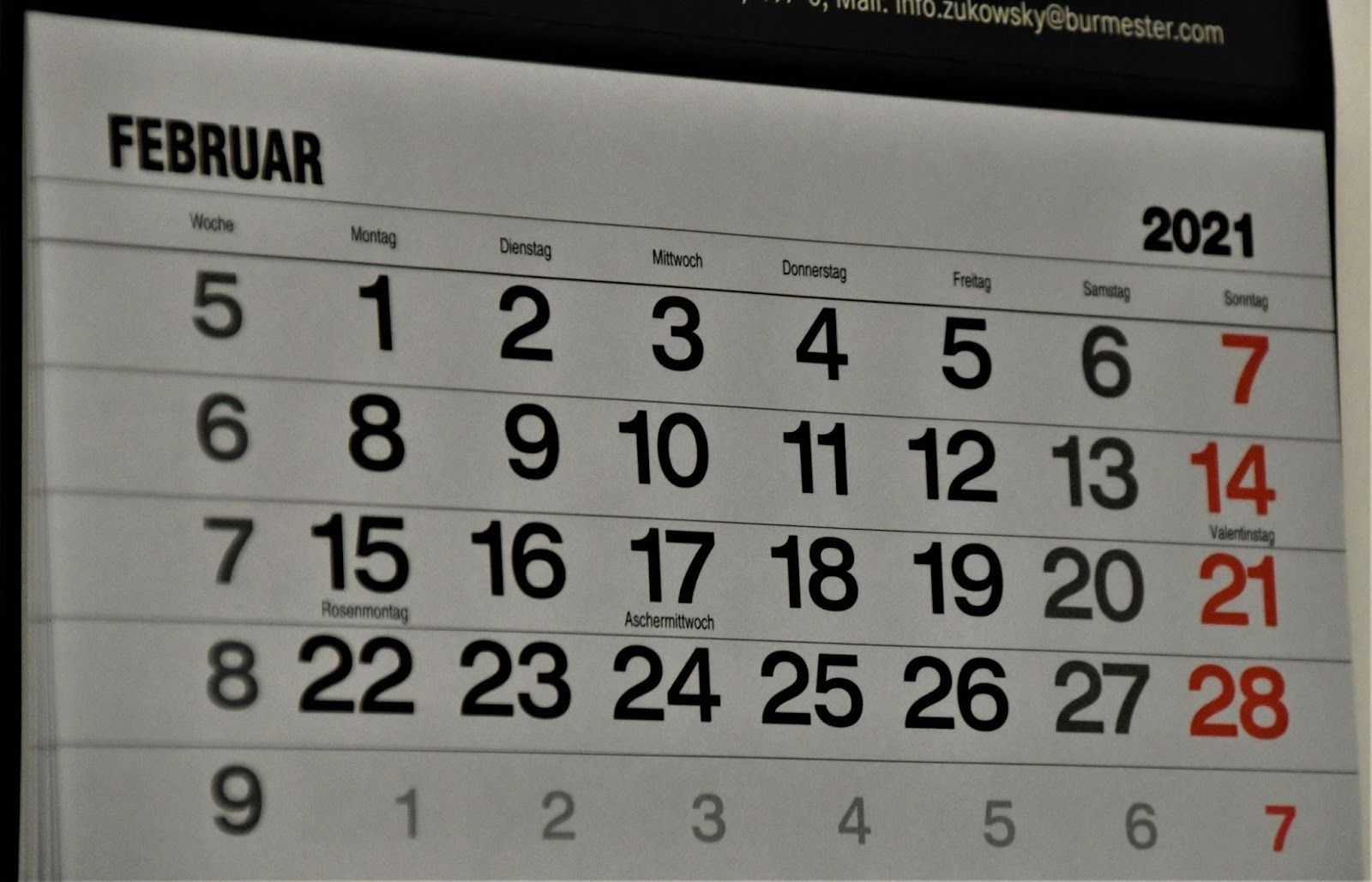
Image: Waldemar

While it might seem like a good reason, the twin towns of Anthony, New Mexico, and Anthony, Texas, were not actually founded on February 29.

In 1988, a member of the local Chamber of Commerce who had a February 29 birthday proposed a community festival on that date . Since then, the celebration has grown each year to include events and a popular parade.

3
Earmuff capital of the world

Image: Jad M.

Earmuffs are essential in cold climates, and the citizens of Farmington, Maine, are well aware of this. That’s why the town celebrates Chester Greenwood Day every first Saturday in December, honoring the local inventor of the handy device.

4
Lost luggage capital of the world
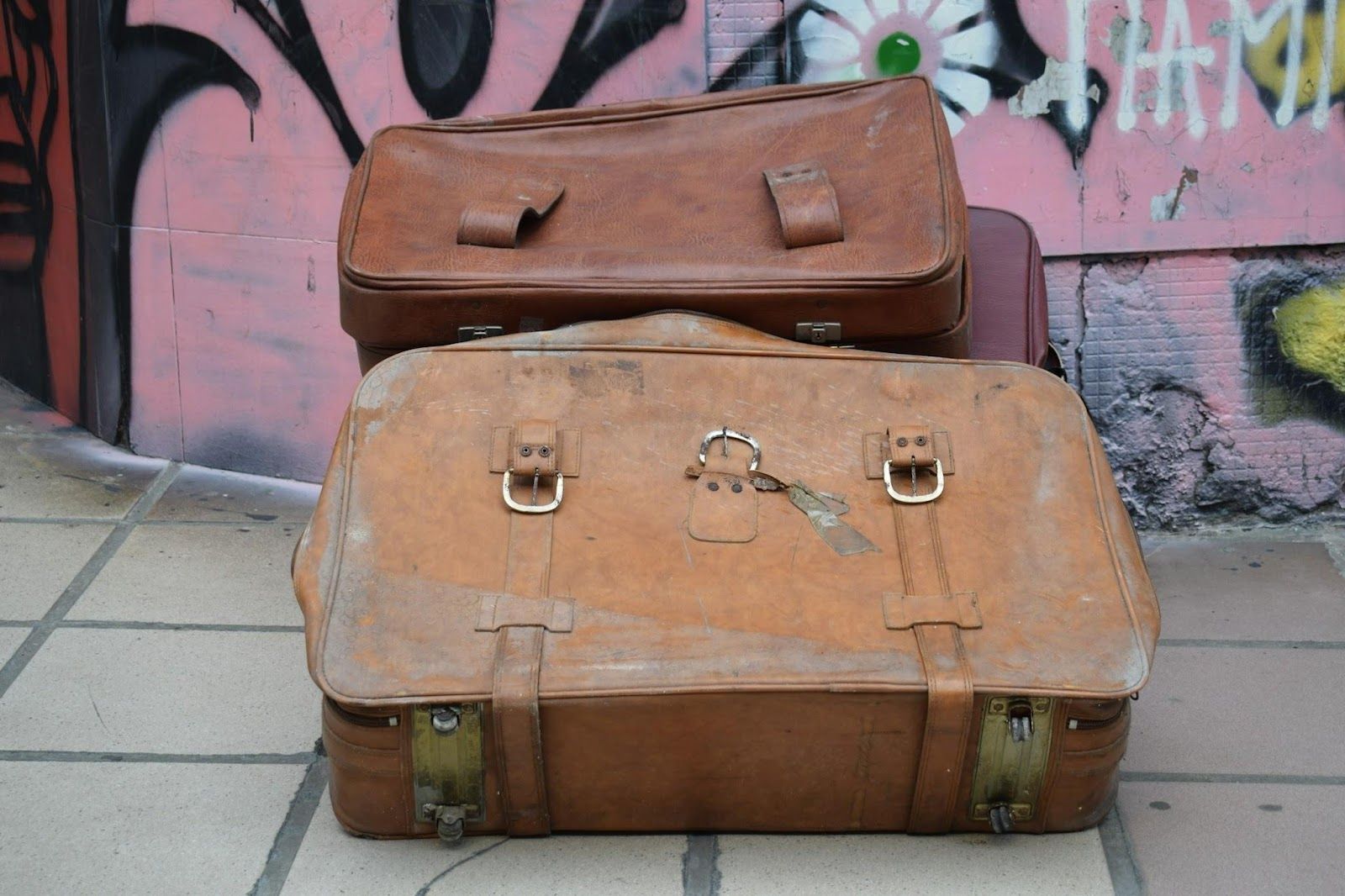
Image: Marija Zaric

Did you know that all lost and unclaimed luggage from U.S. airlines ends up in a single location? Scottsboro, Alabama, is home to the Unclaimed Baggage Center , which, since 1970, has sold, donated, or recycled these items for the public, making it the only lost-luggage retailer of its kind in the country.

5
Speed capital of the world

Image: Marc-Olivier Jodoin

If speed is the measure by which a place is judged, being called the "world capital of speed" might not be such an unreasonable claim. Northwestern Utah is home to a massive, 30,000-acre expanse of barren salt flats where the Bonneville Speedway is located.

This stretch is used for extreme motorsports, and several land speed records have been set here, earning the area its famous title.

6
Shark attack capital of the world

Image: Wai Siew

This infamous title goes to New Smyrna Beach, Florida. According to the International Shark Attack File—a scientifically verified database of global shark attacks—this town is indeed the Shark Attack Capital of the World, and anyone who has swum here has likely been within 10 feet of a shark.

Fortunately, shark attacks along this central Florida coastline rarely prove fatal, and the number of incidents has declined in recent years, likely due to changing migration patterns of the blacktip shark.

7
Barbed wire capital of the world

Image: Daniel Eledut

Barbed wire was not invented in La Crosse, Kansas, but it certainly plays a significant role in the town’s history. Much of this product passed through the midwestern town after its invention in the late 1800s, becoming an important part of La Crosse’s settlement and agricultural development.

By the 1960s, La Crosse had become a major hub for barbed wire collectors , leading to the establishment of the Kansas Barbed Wire Museum .

8
Corn cob pipe capital of the world

Image: Daniel Gregoire

While pipes may not be as ubiquitous as they once were, corn cob pipes are even rarer these days. But in Washington, Missouri, these corncob products are still a popular item.

In 1869, a local woodworker invented the pipe , and its success led to a whole roster of corn cob pipe manufacturers. Today, the only factory in the world still solely dedicated to making these pipes is located in Washington, Missouri.

9
Decoy capital of the world

Image: Susan Weber

It took a lot of wooden ducks to earn this town the title of Decoy Capital of the World. At one point, more wooden ducks and geese were carved here than anywhere else on Earth.

Originally used strictly to lure waterfowl for hunters, these decoys have since become collectors’ items and treasured works of art. In 1986, the Havre de Grace Decoy Museum opened to preserve the town’s historical and cultural legacy.

10
Carpet capital of the world
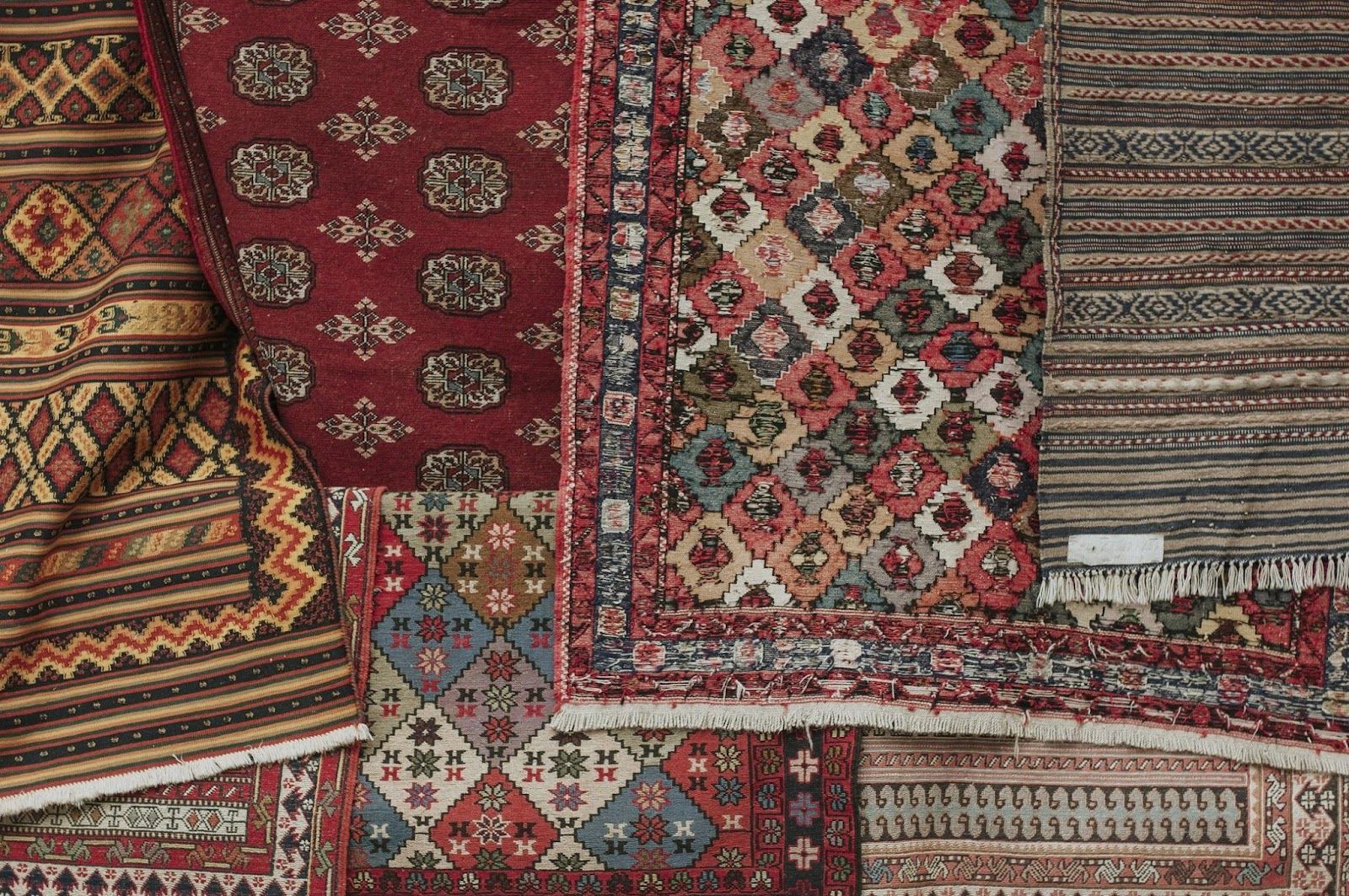
Image: Juli Kosolapova

If you think most carpets are still made in the Middle East, think again. Approximately 90% of the world’s carpet comes from the city of Dalton, Georgia . More than 30,000 people are employed in its massive carpet industry—impressive considering the city’s population is just under 35,000.

11
Cow chip throwing capital of the world
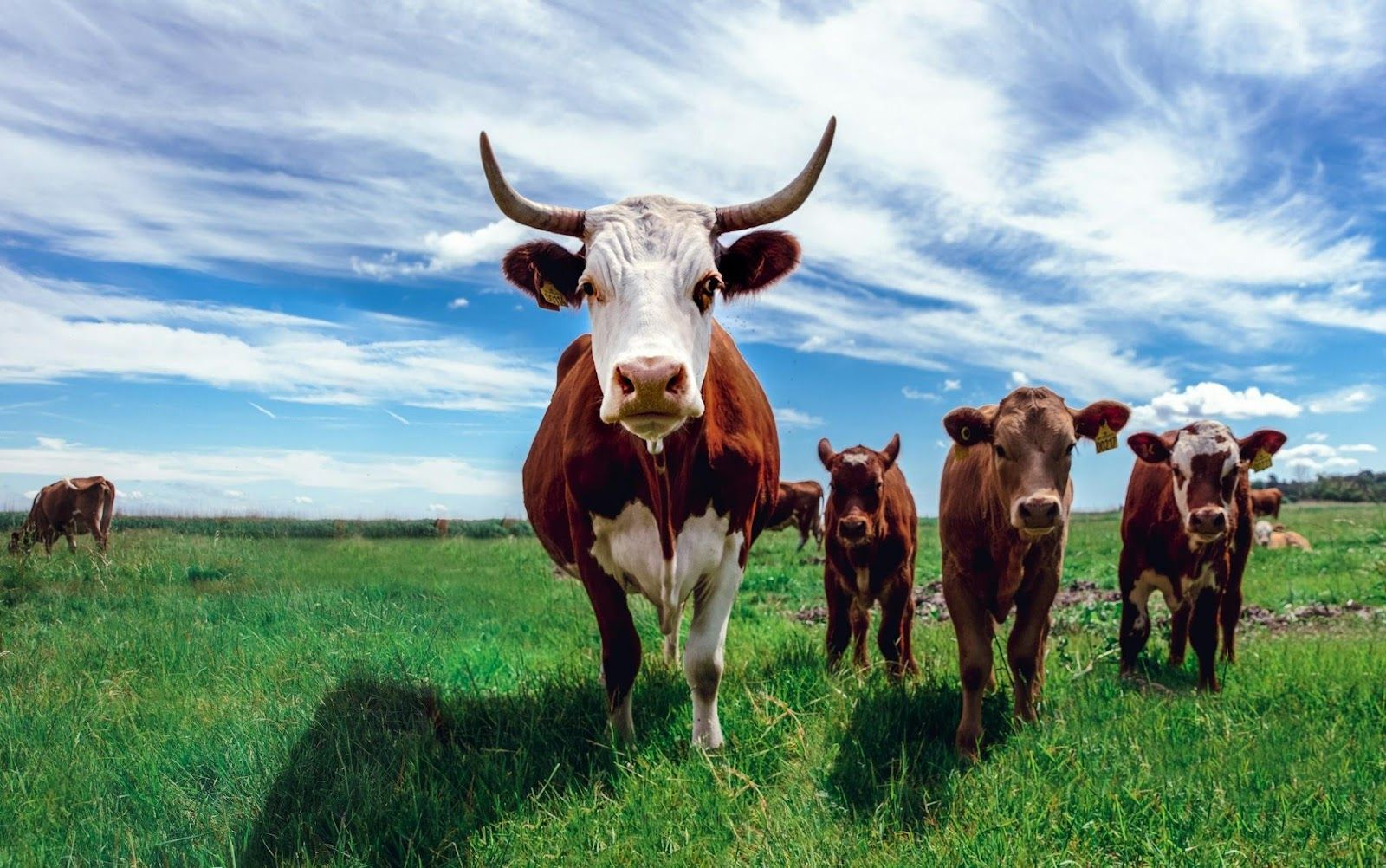
Image: Jonas Koel

If tossing a piece of dried cow manure like a Frisbee sounds like your idea of fun, Beaver, Oklahoma, is the place to be. Every April, the town hosts the world’s largest cow chip throwing competition.

12
Farm toy capital of the world

Image: tommao wang

Farm toys may disappear once there are no kids in the house—but not in Dyersville, Iowa, the Farm Toy Capital of the World. This town is home to the National Farm Toy Museum , which houses the largest collection of its kind and attracts approximately 30,000 visitors each year.
General General 5 min read

20th-century marvels

Architecture in the Jazz Age: 10 Art Deco buildings that shaped America

Image: Kit Suman

Characterized by sleek lines, geometric shapes, and luxurious materials, the Art Deco style was a favorite among American architects during the 1920s and 1930s. They designed opulent skyscrapers and glamorous buildings that celebrated progress and modernity. Join us to learn more about this Jazz Age style, explore its fascinating history, and tour 10 of the most beautiful Art Deco buildings in the United States.

1
Empire State Building, New York City

Image: William Wachter

Undoubtedly, the Empire State is the most famous building in New York City. Every year, about 2.5 million people visit it, and it has been featured in countless movies and TV shows. Designed by American architect William F. Lamb, it was inaugurated in 1931.

For forty-one years, the Empire State Building was the tallest skyscraper in the world. The symmetry, limestone façade, huge windows, and the monumental and luxurious lobby are some of its main features. The design of this Art Deco masterpiece is so spectacular and breathtaking that in 1986 it was designated a National Historic Landmark.

2
The Carlyle, Miami Beach

Image: Luis Erives

Miami has the largest concentration of Art Deco buildings in the world. The city has a remarkable collection of around 800 structures built in this style. Visiting the Art Deco district along Collins Avenue, Ocean Drive, and Washington Avenue is like traveling back in time. And perhaps the Carlyle, for its sophisticated combination of horizontals and verticals, is one of the most emblematic.

It was built in 1939 by German-American architect Richard Kiehnel, and its façade has barely changed since then. Its interior, on the other hand, went from hotel rooms to apartments.

3
Boston Avenue United Methodist Church, Tulsa

Image: Quang Vuong

The Boston Avenue United Methodist Church in Tulsa, Oklahoma, is one of the few examples of an Art Deco church. Beginning in the 1920s, little Tulsa became the oil capital of the U.S., and the sudden influx of resources encouraged investors to build increasingly grandiose buildings. Thus, this church is considered the first ecclesiastical building strictly designed for an emerging automobile culture.

Constructed from Indiana limestone, the church features a steel-frame tower topped with a copper and glass lantern. A seven-pointed star symbolizes seven virtues: patience, purity, knowledge, suffering, kindness, love, and truth. The complex also includes a sanctuary, a small chapel, and offices, while the lobby serves as a social center.

4
Union Terminal, Cincinnati

Image: Fred Copley

Cincinnati Union Terminal in Ohio is one of the finest examples of Art Deco architecture in the United States. Its green terrazzo floors, fine-grained Indiana limestone façade, and vast rotunda adorned with industrial murals by Winold Reiss make the station a true architectural masterpiece. In fact, it is considered the pinnacle work of Alfred T. Fellheimer, who had previously designed Grand Central Terminal in New York.

Unfortunately, Union Terminal began construction in 1928, during one of the worst periods in the country's economic history. The Great Depression was marked by a decline in train travel, and the opulent Union Terminal was considered a white elephant. In 1972, it was finally closed. Years later, however, the building regained its former luster. Today, it is served by Amtrak’s Cardinal line, while the rest of the complex houses several museums.

5
Carbide & Carbon Building, Chicago

Image: Anthony Fomin

The Carbide & Carbon Building, a 37-story skyscraper completed in 1929, is one of Chicago's most striking architectural achievements. A bold example of Art Deco design , the building is clad in black granite and green terra cotta, with genuine gold leaf adorning its tower.

It is so luxurious that the Burnham Brothers architectural firm is said to have designed it to resemble a champagne bottle. In 1996, it was designated a Chicago Landmark, and in 2021, it was renovated and reopened as the Pendry Chicago Hotel.

6
The Guardian Building, Detroit

Image: G + L

This 43-story Art Deco skyscraper is located in downtown Detroit, Michigan. Nicknamed the Cathedral of Finance , it was planned by architect Wirt C. Rowland and completed in 1929. Both the interior and exterior feature numerous modern decorative elements, including mosaics, murals, stained glass, and even a historic Tiffany clock.

Forty craftsmen worked on its design and construction, which required granite, stone, terra cotta, and more than two million distinctive "Union Guardian Orange" bricks. In 1989, the Guardian Building was designated a National Historic Landmark.

7
Chrysler Building, New York City

Image: William Wachter

The Chrysler Building in New York City is one of the greatest examples of the Art Deco style in the world. It was designed by architect William Van Alen at the request of industrial magnate Walter Percy Chrysler and completed in 1930.

The building exhibits great attention to detail, featuring many elements that mimic Chrysler automobile pieces, such as the ostentatious ornamentation of the tower. In the lobby, the ceiling mural—once the largest in the United States—was painted by artist Edward Trumbull. Following the building’s automotive theme, it depicts scenes of progress, transportation, and energy.

8
Eastern Columbia Building, Los Angeles

Image: Jordan Rubin

Located in downtown Los Angeles, this emblematic 1930s building features a striking turquoise terra cotta exterior. The Eastern Columbia Building was designed by renowned architect Claud Beelman, who also created several of the city’s notable Art Deco structures. At the time of its construction, the building was so unique that the city allowed it to exceed the maximum height limit.

Its unique color, majestic vertical lines, iconic clock, and golden ornamentation attracted Hollywood moguls and stars from the beginning. It was first used as office space and was later converted into luxury apartments. In 1985, the Eastern Columbia Building was declared a Historic-Cultural Monument.

9
Circle Tower, Indianapolis

Image: Alejandro, CC0, via Wikimedia Commons

The construction of a 14-story skyscraper in Indianapolis was a major news event in the early 20th century. "Circle Tower Is Rising," declared the Indianapolis Times in 1929. Circle Tower stands as a magnificent example of Art Deco architecture.

Built of ornately carved granite and limestone and decorated with Egyptian figures, Circle Tower has a unique, trapezoidal shape. This unusual silhouette was promoted as an icon of luxurious office space. The interior, on the other hand, features marble and terrazzo floors, bronze elevator doors, geometric flowers, zigzags, and concentric swirls. Details in the lavishly marble-clad lobby exude elegance.

10
Griffith Observatory, Los Angeles

Image: David Vives

The Griffith Observatory is one of Los Angeles’ most important cultural attractions. This Art Deco icon opened in 1935 and was designed with a revolutionary idea in mind: the cosmos should be accessible to everyone, not just astronomers.

Built of reinforced concrete on a 3,015-acre site donated by Colonel Griffith J. Griffith, it is a blend of modern design and Greek and Beaux-Arts influences. The building's most emblematic feature? The planetarium in the central dome!

General General 5 min read

Justice curiosities

Have you heard these 10 fun facts about the US Supreme Court?

Image: Fine Photographics

The Supreme Court of the United States, or SCOTUS for short, is the head of Federal Justice in our country. Fancy, right? Officially created in 1789, the Supreme Court is composed of 1 Chief Justice and 8 Associate Justices who are chosen by none other than the U.S. President and confirmed by the Senate. While all this information might be well-known, there are many other interesting facts about the Court that you may never have heard before. If you want to learn these colorful details, don't miss these 10 fun facts about the highest court!

1
Double title

Image: Tingey Injury Law Firm

Holding an important office is a tremendous honor, but it can also be a stressful experience, right? Well, imagine not only serving as the President of the United States but also becoming the Chief Justice of the Supreme Court! There has only been one person in the entire history of our country who has held both positions.

We are talking about William H. Taft, who was elected as Theodore Roosevelt's successor and served as President of the United States from 1909 to 1913. But another achievement awaited him a couple of years later: he served as Chief Justice from 1921 to 1930, appointed by President Warren G. Harding.

2
Bill cover

Image: Kenny Eliason

Being featured on the front of a banknote is an honor that only a few have received. Today, we can see Presidents, Founding Fathers, and other important figures from our national history on our banknotes and coins. But did you know that U.S. paper money has also featured Supreme Court Justices?

Yes, that's right! Only two Justices of the Court have had their faces on U.S. bills: John Marshall, whose picture appeared on an early version of the $500 bill, and Salmon P. Chase, who was featured on the $10,000 bill. Today, those bills are no longer in circulation.

3
Wig: yes or no?

Image: J. Amill Santiago

Towards the end of the 18th century, some judges still kept the tradition of wearing the classic white wigs. During the first session of the U.S. Supreme Court in 1790, only one Justice showed up wearing a wig: William Cushing.

Apparently, his fashion choice was not well received. In fact, one story has it that Thomas Jefferson saw him and allegedly said, "For heaven's sake, discard the monstrous wig!" Thus, Jefferson demonstrated his willingness to distance himself from certain European customs.

4
Justice and sportsman

Image: Melissa McGovern

Serving as a Supreme Court Justice is not a job for everyone, nor is being a distinguished sportsman. Surprisingly, there was one man who did both.

Justice Byron Raymond "Whizzer" White, born in Colorado in 1917, was a lawyer, jurist, professional football player, and Supreme Court Justice. Quite a resume, huh?

White became an NFL player in 1938, but his sports career ended in 1940 due to some injuries while playing for the Detroit Lions. A couple of years later, he decided to pursue a law career, and in 1962, he became an Associate Justice of the Supreme Court after being nominated by none other than John F. Kennedy.

5
Better late than never

Image: Tim Mossholder

The U.S. Supreme Court didn't have its own fully functional building until 1935. That means the Justices operated in different locations for 145 years!

The first session of the Court, in 1790, was held in New York City at the Royal Exchange Building. Later, the Court met in Philadelphia's Independence Hall until 1800, when it finally moved to Washington, D.C. However, the capital city at that time didn't have a designated building for the Highest Court, so its members met in different spaces within the Capitol Building, even in the basement!

In the early 1930s, construction on the current Supreme Court building finally began.

6
The Highest

Image: Edgar Chaparro

When someone says "The Highest Court of the Land," they're clearly referring to the Supreme Court. However, it seems there's another "Highest Court" that many of us haven't heard of before.

Located on the fifth floor of the Supreme Court building, you can find another court: a basketball court. Since it's literally on the highest floor, the Justices playfully call it "The Highest Court of the Land." Working is important, but so is exercising!

7
Many appointees

Image: Ben Noble

Among their many other tasks and duties, U.S. presidents are also responsible for nominating justices to the Supreme Court. These nominees must then undergo the Senate confirmation process before they officially become justices.

Throughout U.S. history, some presidents have appointed more justices than others. Want to know who appointed the most? That was George Washington, with a total of 11 justices! The second place goes to Franklin D. Roosevelt, with 9 justices during his time in office. In third place, though a bit further back, is Andrew Jackson, who appointed 6 justices to the Supreme Court.

8
The youngest

Image: Bermix Studio

Among the many names that have served on the Supreme Court, some have stood out for different reasons. That is the case of Joseph Story, who was officially the Court's youngest appointee, nominated by President James Madison in 1811. How old was he? Just 32! Despite his young age, Story served as a justice for 34 years and contributed to our country's justice in many ways.

Most Supreme Court justices reach their positions with a lot of experience, often between the ages of 50 and 55, around 20 years older than the young Story.

9
A long-standing tradition

Image: Constantin Wenning

Have you heard of the famous "conference handshake"? This tradition has been part of the Supreme Court for many, many years. Do you want to know its origin and what it is all about?

The conference handshake is a long-standing practice where the justices of the Court literally shake hands with each other before taking their seats.

This custom originated at the end of the 19th century, and one of its promoters was Chief Justice Melville W. Fuller. From its beginnings, the greeting was intended to demonstrate that, while they may have differences, the justices must ensure harmony and respect above everything else.

10
Quill pens

Image: Pierre Bamin

The black robes and the handshakes are not the only traditions at the Supreme Court. There is another longstanding custom that continues to this day.

Whenever an attorney presents an oral argument before the Supreme Court for the first time, they are gifted a fancy quill pen. That's a nice and thoughtful gesture, don't you think?

This gift symbolizes the importance of their role and their responsibilities. Many choose to keep the quill pen as a souvenir that reminds them of a crucial step in their careers.

Explore more American facts

Choose your favorite category!

General
General

As American as apple pie—the very best America has to offer!

Culture
Culture

Delve into the astounding richness of American lore.

Geography
Geography

Hop in and explore vast and diverse American landscapes.

History
History

Discover the key moments that shaped the United States.