General General 6 min read

Behind closed doors

Why couldn't Lucy say one little word on TV? Here's the surprising truth
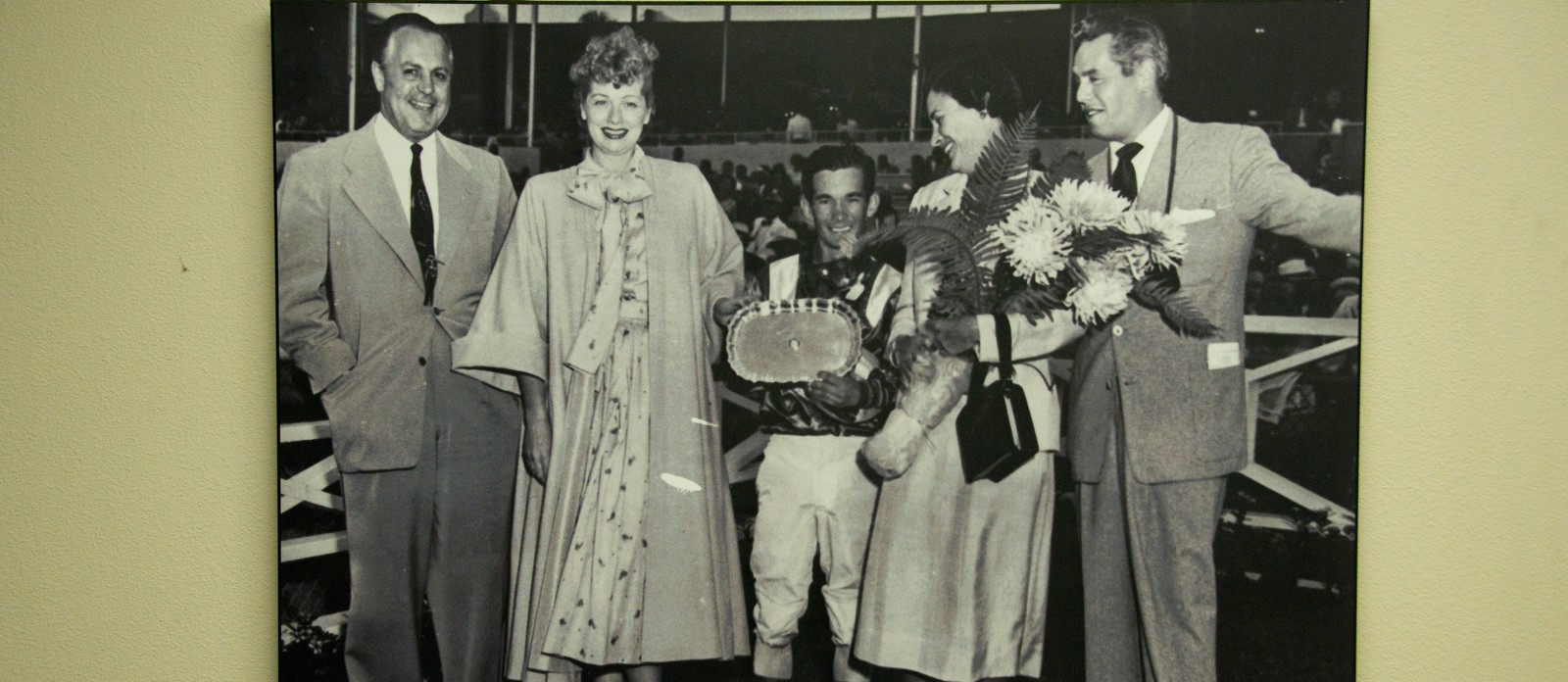
Image: PICTOR PICTURES

I Love Lucy made America laugh , but some of its most surprising stories happened behind the scenes. Did you know CBS banned a common word from the show, two of its stars reportedly couldn't stand each other in real life, and Lucy’s fictional baby arrived on the same day as Lucille Ball’s real-life son? These little-known secrets reveal a whole new side of our beloved TV classic.

1
Network executives thought Desi Arnaz was "too foreign" for TV
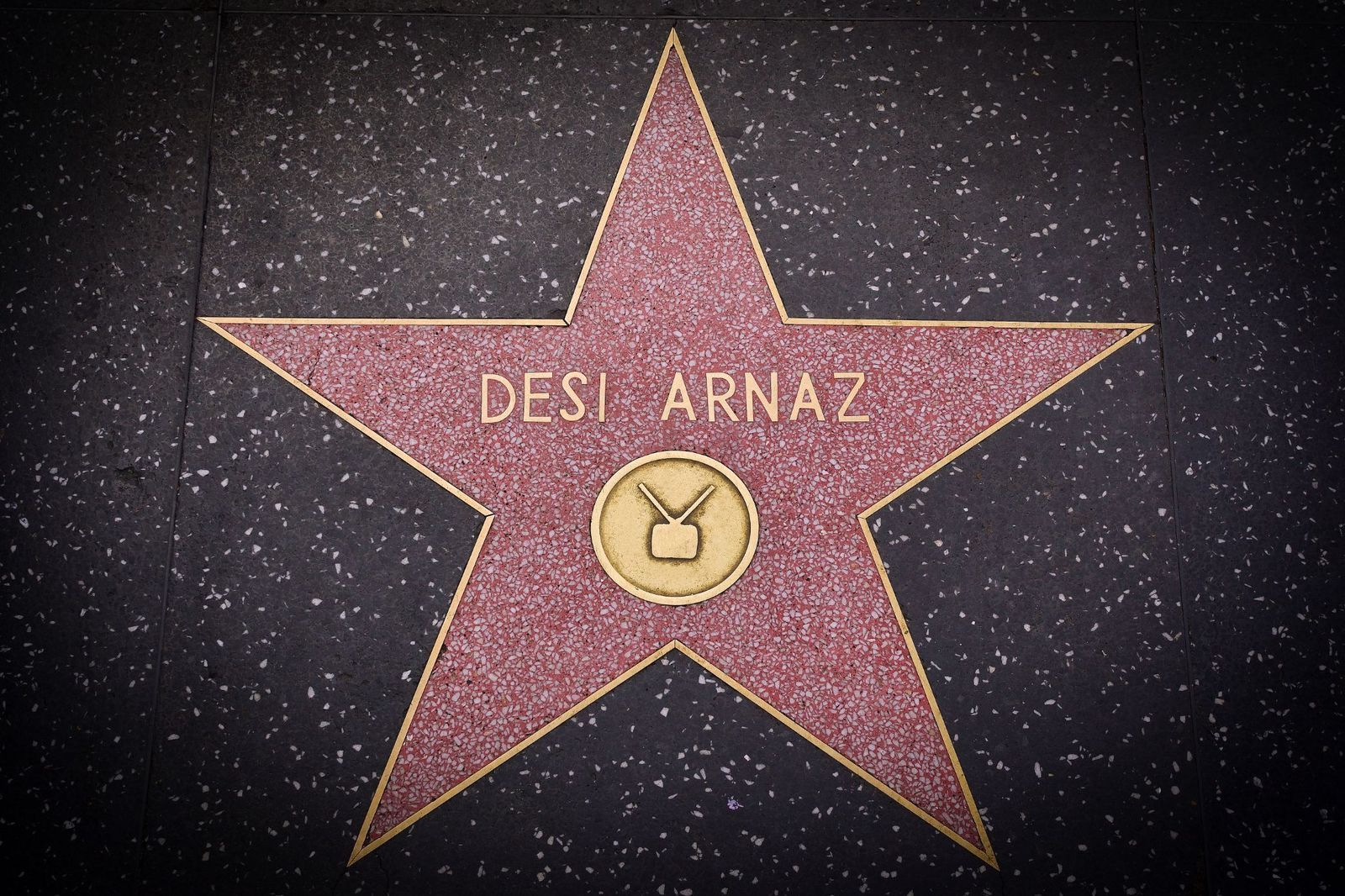
Image: Elliott Cowand Jr

Network executives initially hesitated to cast Desi Arnaz as Ricky Ricardo, Lucille Ball’s husband on I Love Lucy (which aired on CBS from 1951 to 1957) because they doubted that viewers would accept an American woman and a Cuban man as a believable suburban pair.

To prove the concept worked, Ball and Arnaz took a live vaudeville act on the road in 1951, receiving overwhelmingly positive feedback from audiences. The public's reaction helped persuade CBS to give the show a chance with Arnaz in the starring role. And as we all know, the couple was married in real life too and eventually had two children: Lucie, born in 1951, and Desi Jr., born in 1953. It doesn’t get more "real" than that.

2
The word "pregnant" was strictly forbidden on air

Image: SNeG17

On the show, CBS banned the word "pregnant" in 1952, considering it too explicit for family living rooms . Writers therefore relied on euphemisms such as "expecting," "with child," or "having a baby."

When Lucille Ball became pregnant with her second child in 1952, Desi Arnaz pushed for her pregnancy to be written into the show's storyline, despite initial resistance from CBS and its sponsors. The resulting plot became a landmark moment in television history: although the show could portray Lucy expecting a baby, its writers still couldn't use the forbidden word. That’s why the episode in which she breaks the news to Ricky was titled "Lucy Is Enceinte," using the French word for pregnant.

3
More people watched Lucy give birth than the president’s inauguration
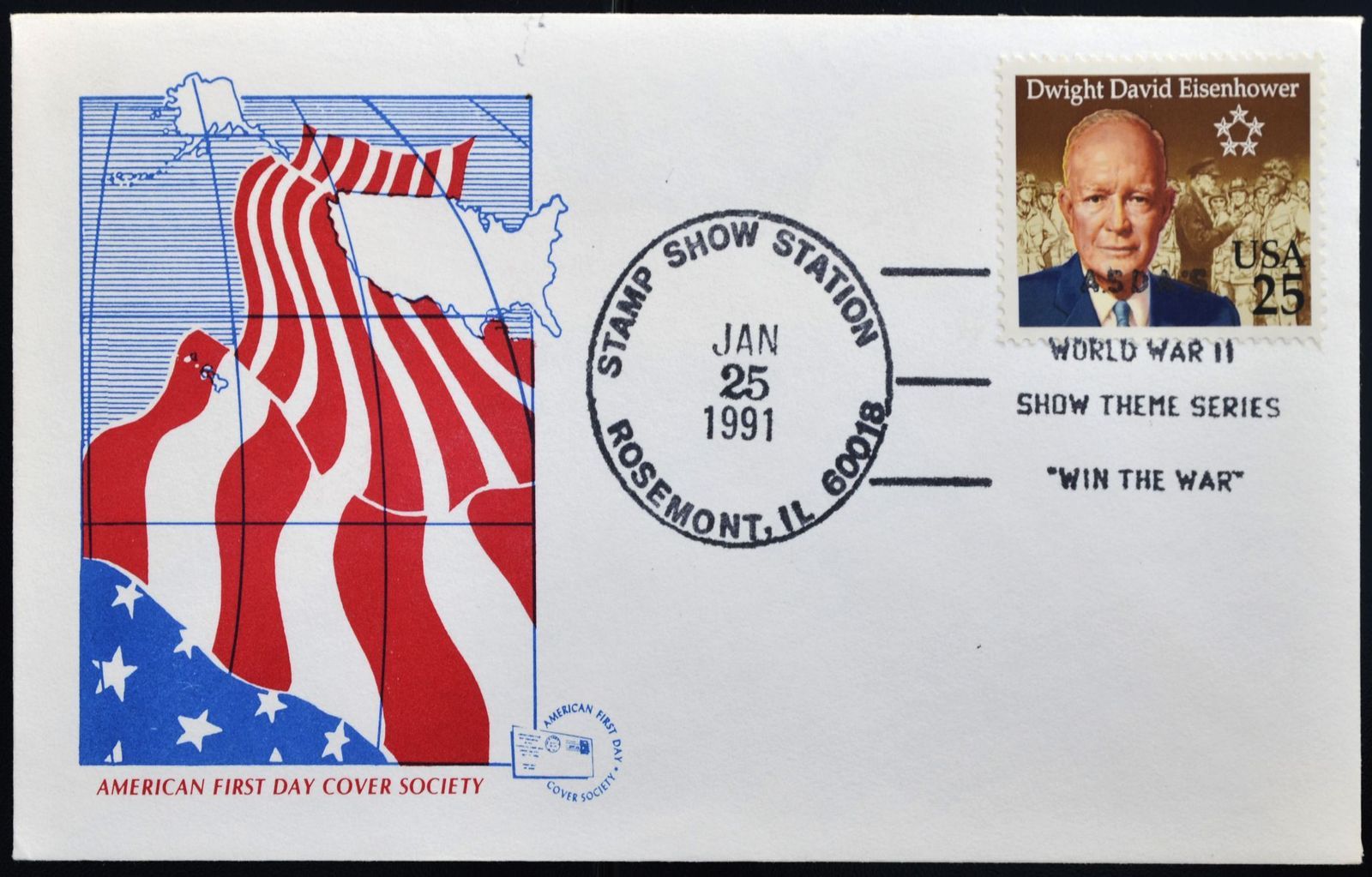
Image: neftali

On January 19, 1953, the episode "Lucy Goes to the Hospital", in which she gives birth to Little Ricky, drew an estimated 44 million viewers (about 72% of U.S. television households). In an extraordinary coincidence, Ball gave birth to her real-life son, Desi Arnaz Jr., by scheduled cesarean section on the same day.

The next day, President Dwight D. Eisenhower’s inaugural address drew an estimated 29 million viewers. That means the episode attracted roughly 15 million more viewers than the president's address, according to the commonly cited estimates.

4
The candy factory episode had a real-life expert in it
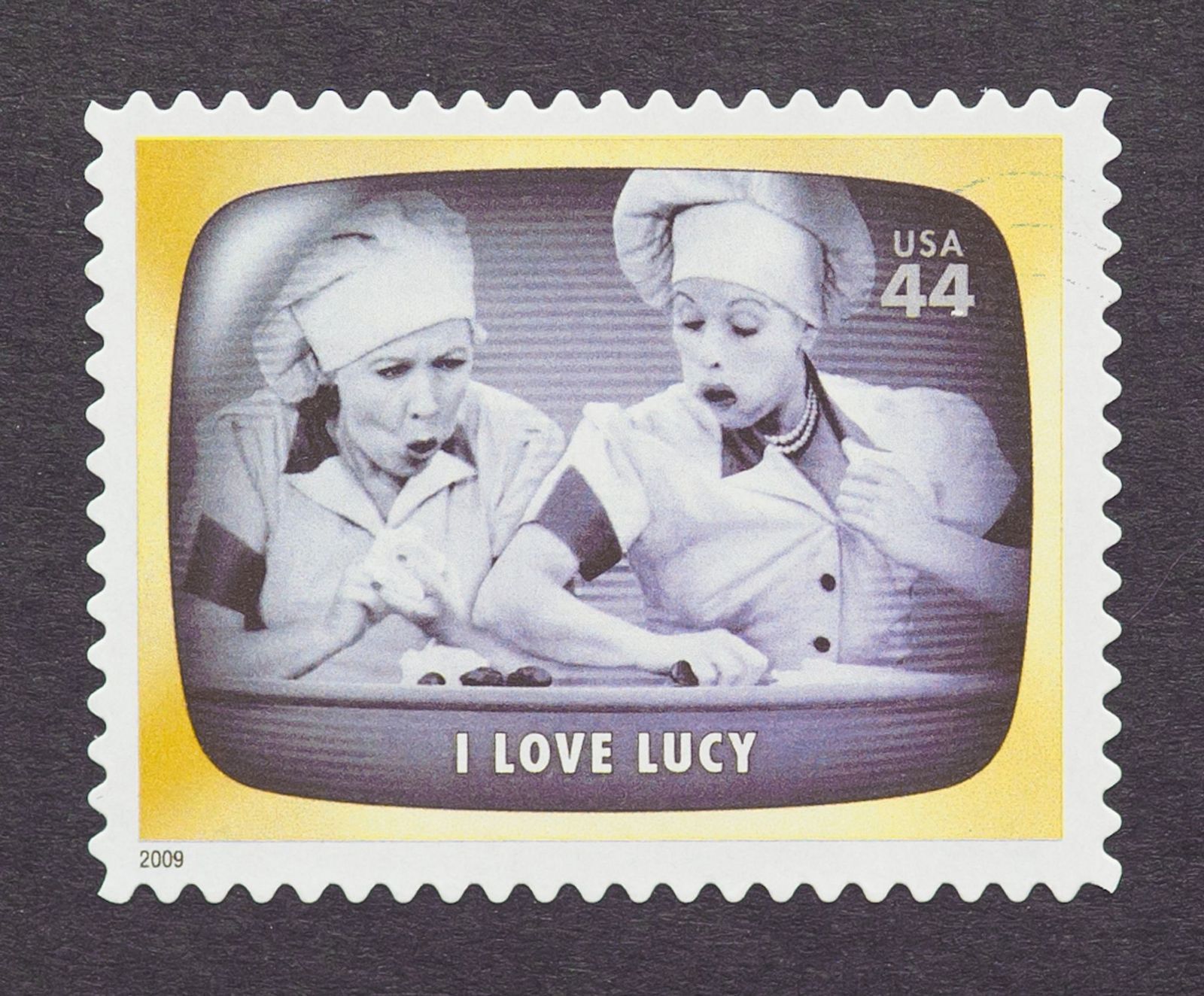
Image: catwalker

In the beloved "Job Switching" episode, the Season 2 premiere which aired on September 15, 1952, Lucy and Ethel (Vivian Vance) take jobs at Kramer’s Kandy Kitchen to prove to their husbands, Ricky and Fred (William Frawley), that they can handle the demands of working outside the home.

Assigned to wrap and dip chocolates on an assembly line, the pair fall hopelessly behind as the conveyor belt speeds up. Desperate to avoid letting any unwrapped candy pass by, they begin stuffing chocolates into their mouths, hats, and blouses. The resulting chaos became one of television's most beloved comedy scenes. But here's a fun backstage detail: to prepare for the sequence, Ball and Vance spent half a day learning to dip chocolates and work on the production line at a real See's Candies location in Los Angeles. Even more interesting, the woman working alongside Lucy in the scene was an actual See's Candies candy maker, Hazel Pierce .

5
Fred and Ethel viscerally despised each other in real life

Image: Runawayphill

Playing married couple Fred and Ethel onscreen, Frawley and Vance clashed throughout the show's six-season run. Vance was 42 and Frawley was 64 when the show started. She reportedly resented being cast opposite a man 22 years older and famously complained: "How will anyone believe I’m married to that old man?" Frawley overheard her complaints and was reportedly offended. He later made this pointed remark about Vance, "She's one of the finest girls to come out of Kansas, but I often wish she'd go back there."

Despite their bitter off-screen feud, both remained professional on set and delivered the comedic chemistry that made Fred and Ethel such a memorable couple. Vance later reportedly turned down a lucrative spin-off featuring the pair, along with a $50,000 bonus, because she didn't want to work with Frawley again.

6
Desi Arnaz’s deal that changed TV reruns forever
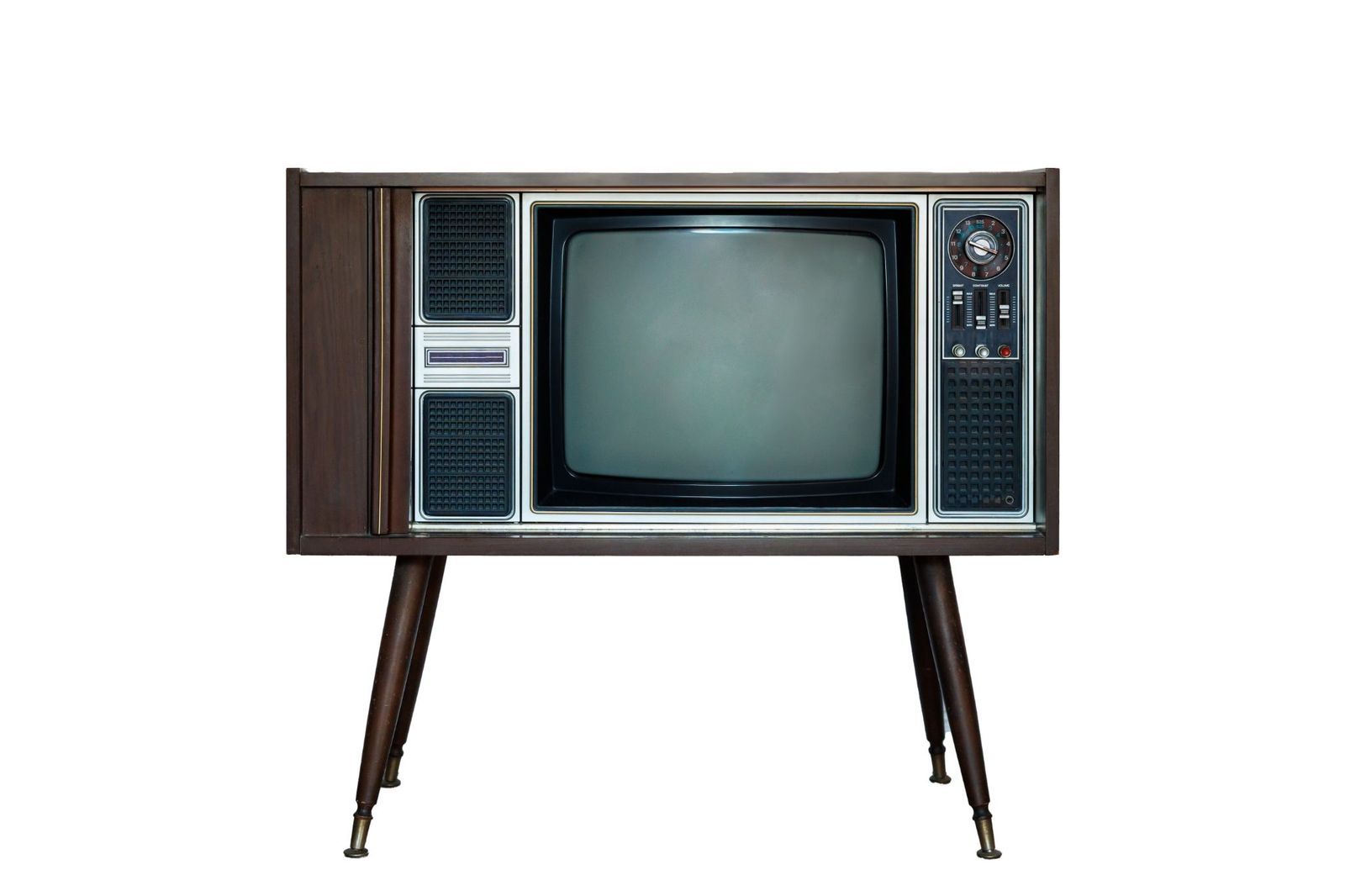
Image: ltdedigos

Desi Arnaz’s production decisions helped establish reruns as a profitable part of the industry. He insisted that I Love Lucy be filmed rather than broadcast live, helping shape the modern sitcom format. In the early 1950s, television shows were preserved only as low-quality kinescopes, recordings made by filming television screens.

Ball and Arnaz wanted high-quality recordings, so they were shot on 35mm film using a three-camera setup in front of a live studio audience. As part of their landmark deal with CBS, their production company, Desilu Productions, retained ownership of the film negatives, allowing the episodes to be rebroadcast. By 1955, I Love Lucy had become the first television series to be broadcast as reruns , helping pave the way for modern syndication.

7
Ricky Ricardo was almost named "Larry Lopez"

Image: MAFPHOTOART8

During the development of I Love Lucy, Ricky Ricardo was initially called Larry Lopez, but the name was changed for two main reasons.

First, the producers wanted to avoid confusion with Vincent Lopez, a well-known bandleader of the era. Second, they reportedly preferred the sound of "Lucy and Ricky" to "Lucy and Larry," since it sounded overly alliterative.

8
Lucy was not a natural redhead
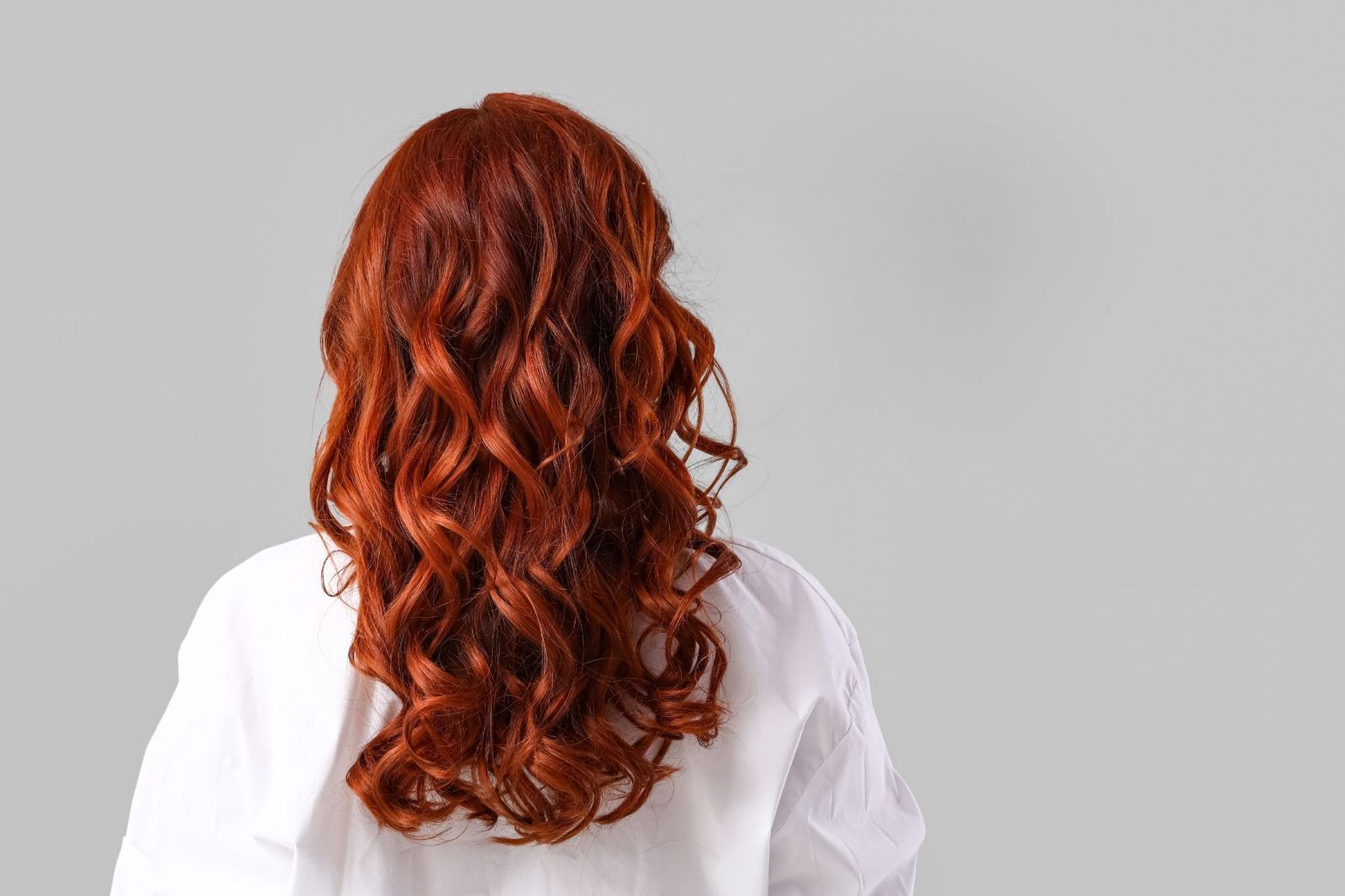
Image: Pixel-Shot

Lucille Ball wasn't a natural redhead. Instead, she was a brunette who kept her brown hair during her early career, and also experimented with blonde shades before adopting the fiery red look that became her trademark.

Around 1943, she famously went red for her role in the Technicolor musical Du Barry Was a Lady. MGM hairstylist Sydney Guilaroff helped create the look , which Ball later maintained with a custom blend of henna and dye. Ultimately, her signature color was a carefully crafted Hollywood style, not her natural shade. And it worked.

9
Desi Arnaz used cushions to appear taller than Lucy
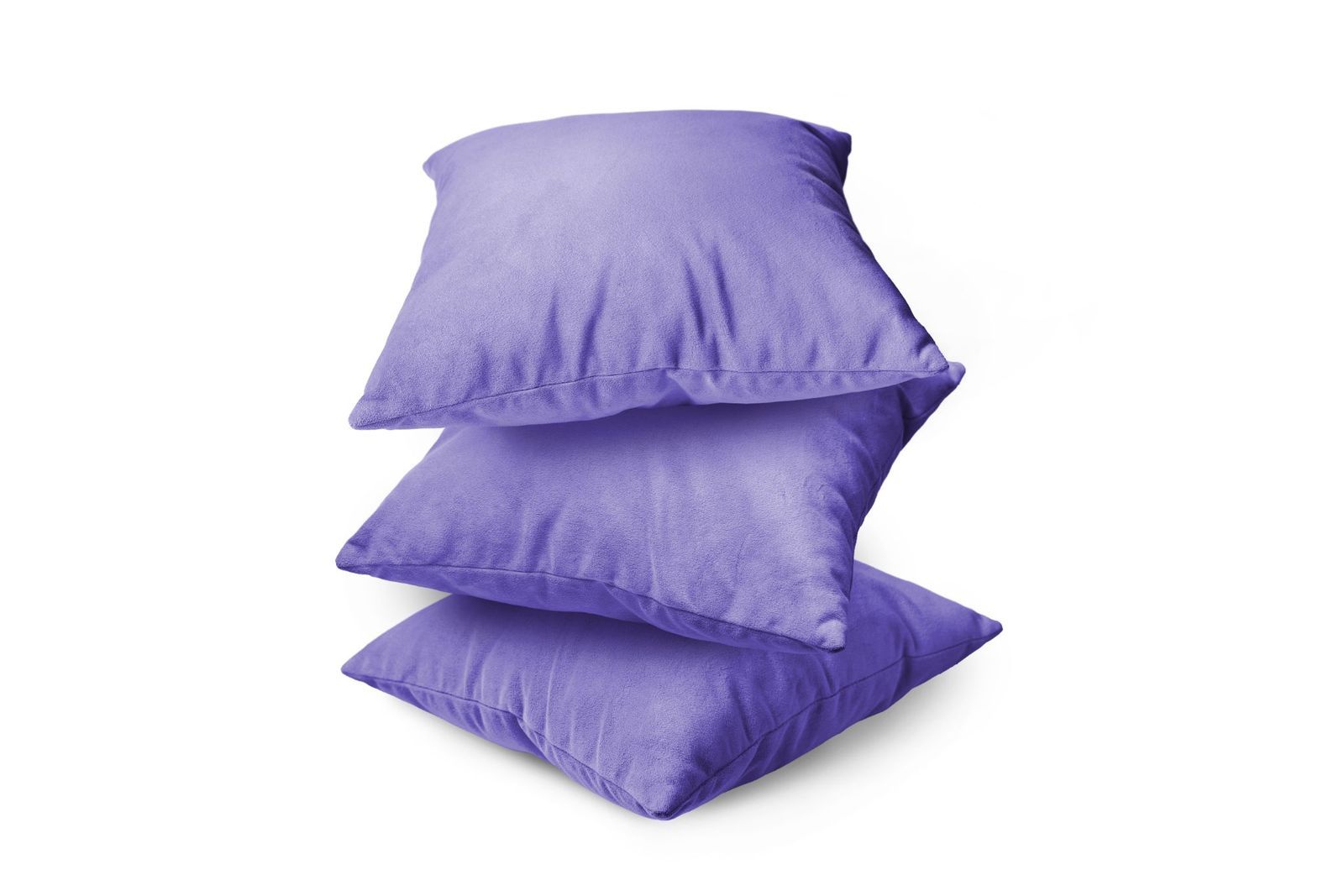
Image: Katerina Maksymenko

Desi Arnaz reportedly wore Cuban heels or other elevated footwear to help him appear taller alongside Lucille Ball. Although he stood around 5 feet 9 inches tall and Ball about 5 feet 7 inches in her stocking feet, her high heels could make her look taller than him.

The production team reportedly used another trick when the couple sat down : specially arranged cushions on the Ricardos’ couch and chairs helped maintain the desired height difference on screen and made it easier for Arnaz to stand up.

10
Lucy’s mother left her mark on the show’s soundtrack
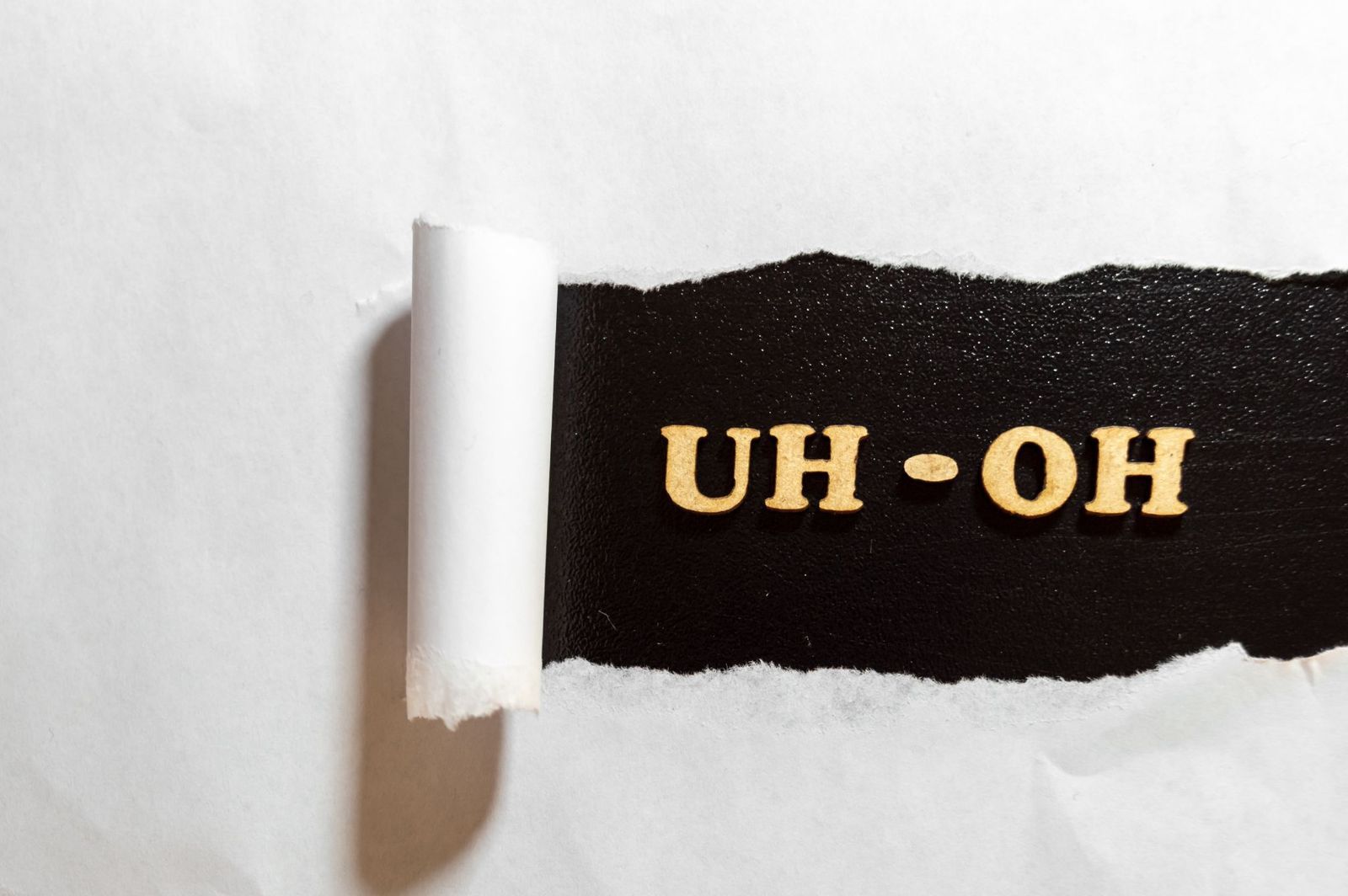
Image: gurezende

Lucille Ball's mother, DeDe Ball, was a devoted supporter who reportedly attended the filming of almost every episode. Whenever her daughter landed in a comically awkward situation, DeDe would let out a distinctive "Uh-oh!" from her seat in the studio audience.

Sound engineer Glen Glenn reportedly liked the exclamation so much that he recorded it and incorporated it into the show's laughter track . Because the same recording was reused, DeDe's distinctive voice became part of the show's familiar soundtrack. The story even suggests that her "Uh-oh!" may have made its way into the soundtracks of other classic sitcoms over the years.
Culture Culture 3 min read

Tom Waits approves

Did you know about these 12 bizarre American musical moments?

Image: Peter Herrmann

Music in America has never been afraid to get weird. From homemade instruments and oddball inventions to accidental hits and cosmic jazz, our country’s history is full of unexpected sound. These 12 examples prove that when it comes to music, sometimes stranger is better.

1
Singing Tesla coils

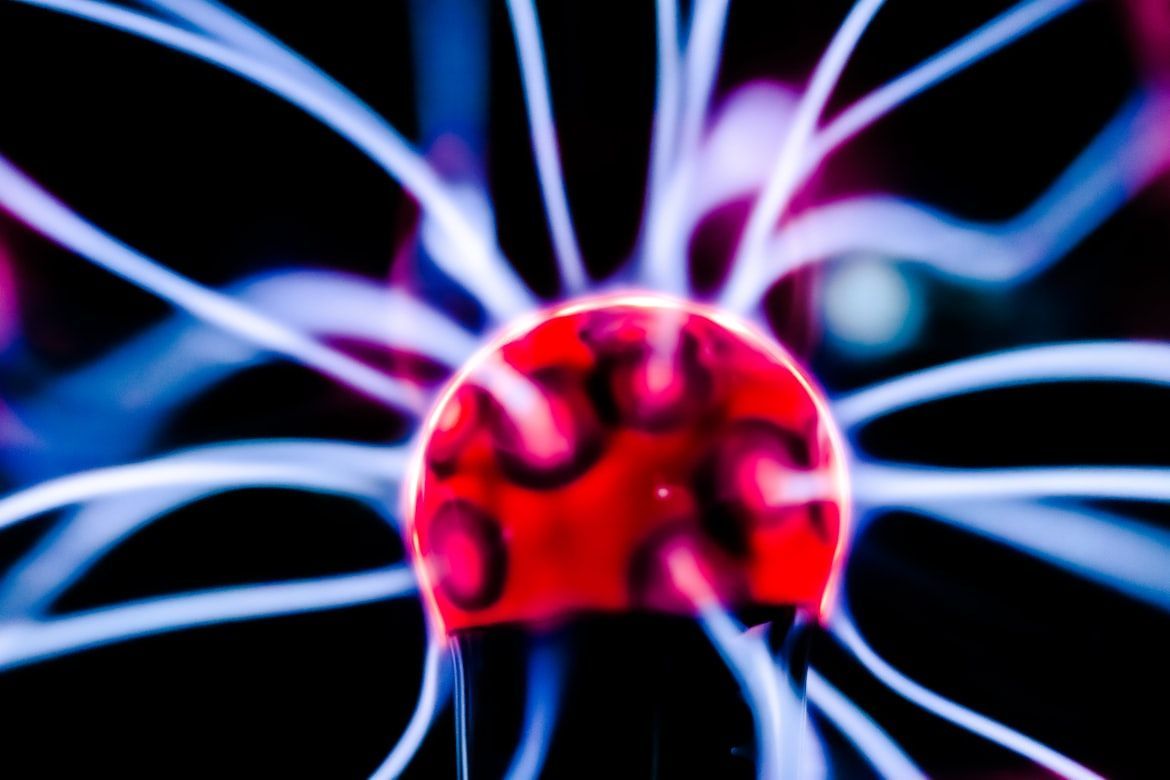
In the early 2000s, engineers discovered that Tesla coils could emit tones by modulating the sparks themselves. When programmed, they could play songs using bursts of lightning as notes.

Audiences watched and listened as glowing bolts of electricity "sang" familiar tunes like movie themes. These displays, part science and part spectacle, were a short-lived trend, but they were interesting while they lasted.

Image: Brett Wharton

2
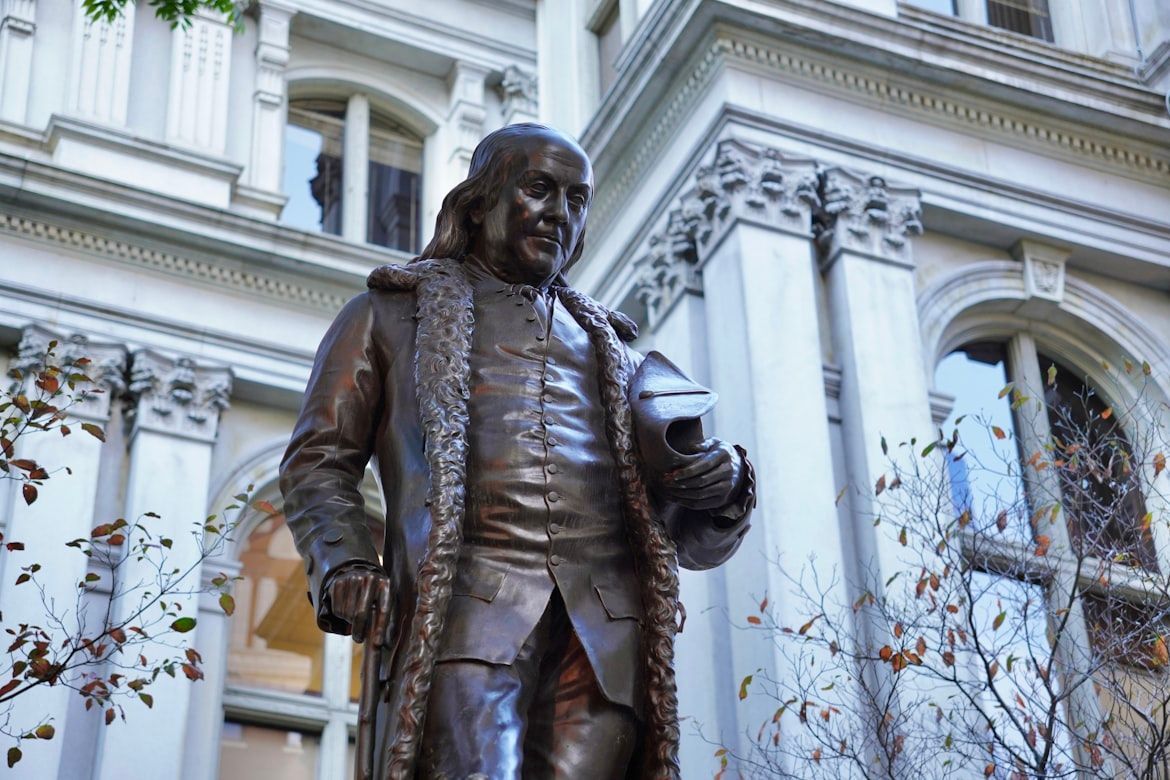
Franklin’s glass armonica

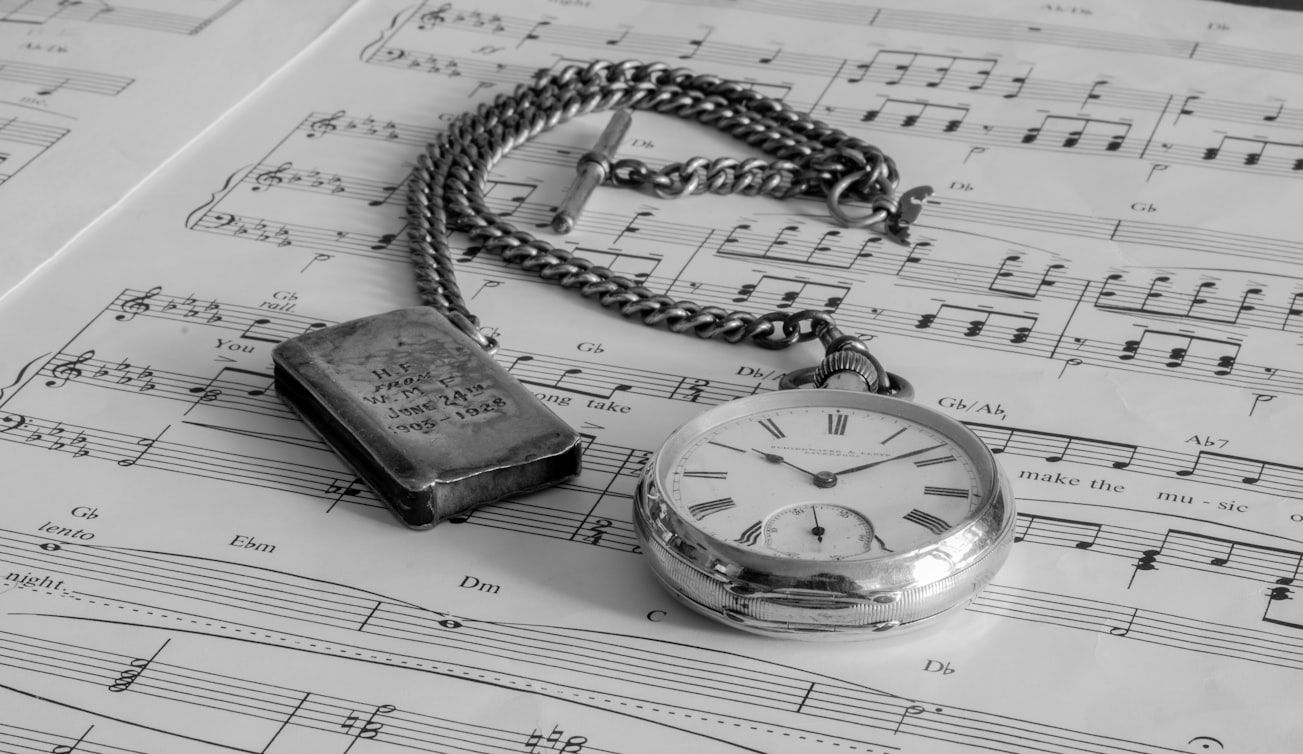
Benjamin Franklin invented many things. Among them, a glass armonica, using spinning glass bowls tuned by size . Players touched the rims with wet fingers to produce pure, haunting tones that seemed to shimmer in midair.

Its ghostly beauty amazed 18th-century audiences. Yet rumors spread that the vibrations could cause fainting or madness, making the momentum of the instrument short-lived.

Image: Karim MANJRA

3
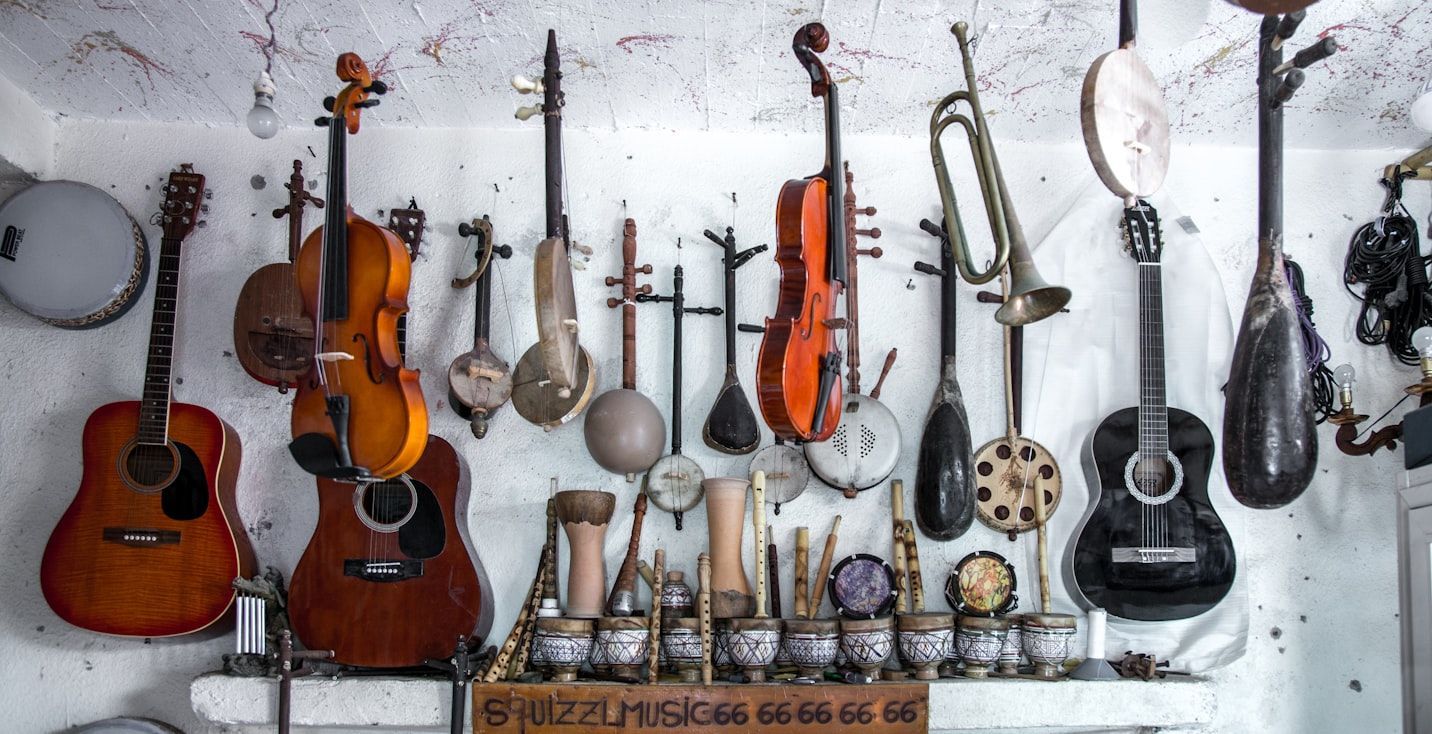
Harry Partch’s microtonal instruments

Frustrated with the limits of Western scales, composer Harry Partch built a system using forty-three tones per octave . He crafted odd instruments from glass, bamboo, and metal to play them.

Performers had to relearn music from scratch, producing sounds that felt alien and ancient at once. His homemade orchestra became a true milestone in America’s experimental environment.

4
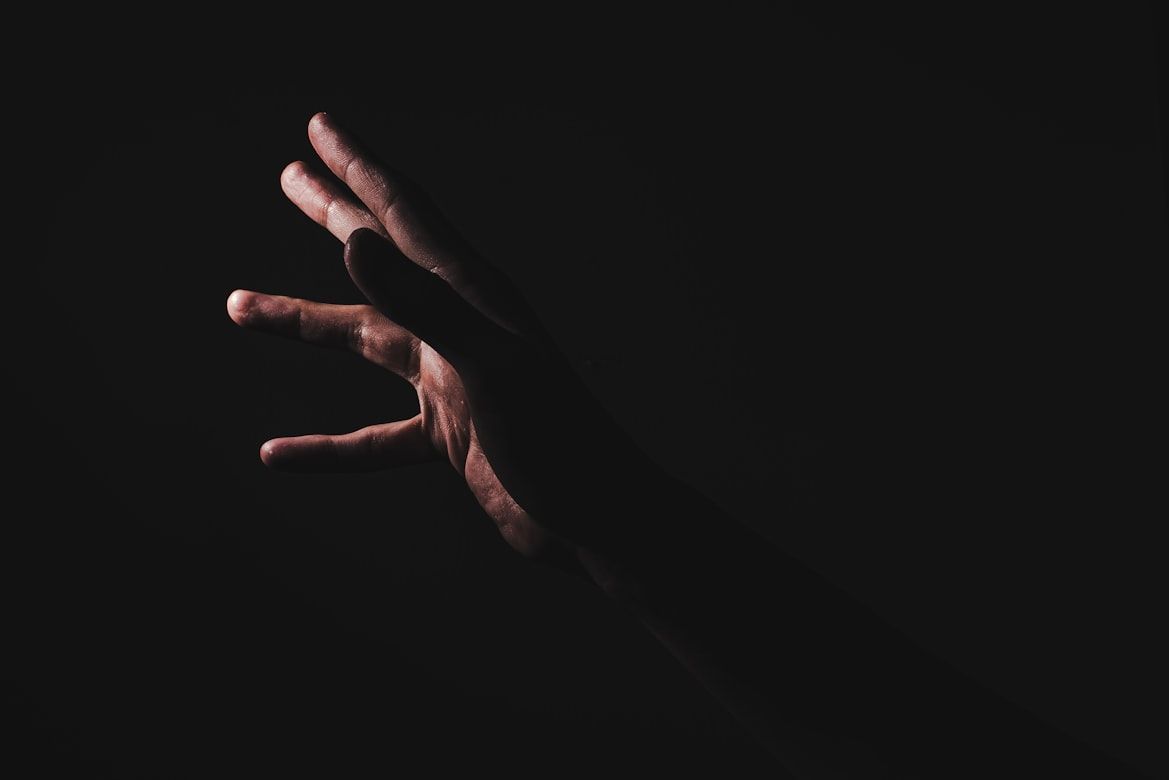
The theremin craze

Image: Ryunosuke Kikuno

Invented in the 1920s, the theremin created sound from invisible electromagnetic fields, played by moving hands through the air . It was one of the world’s first electronic instruments.

By the 1950s, its eerie wails filled American sci-fi movies and radio shows. Home versions soon appeared, letting living rooms buzz with strange, ghostlike melodies.

5
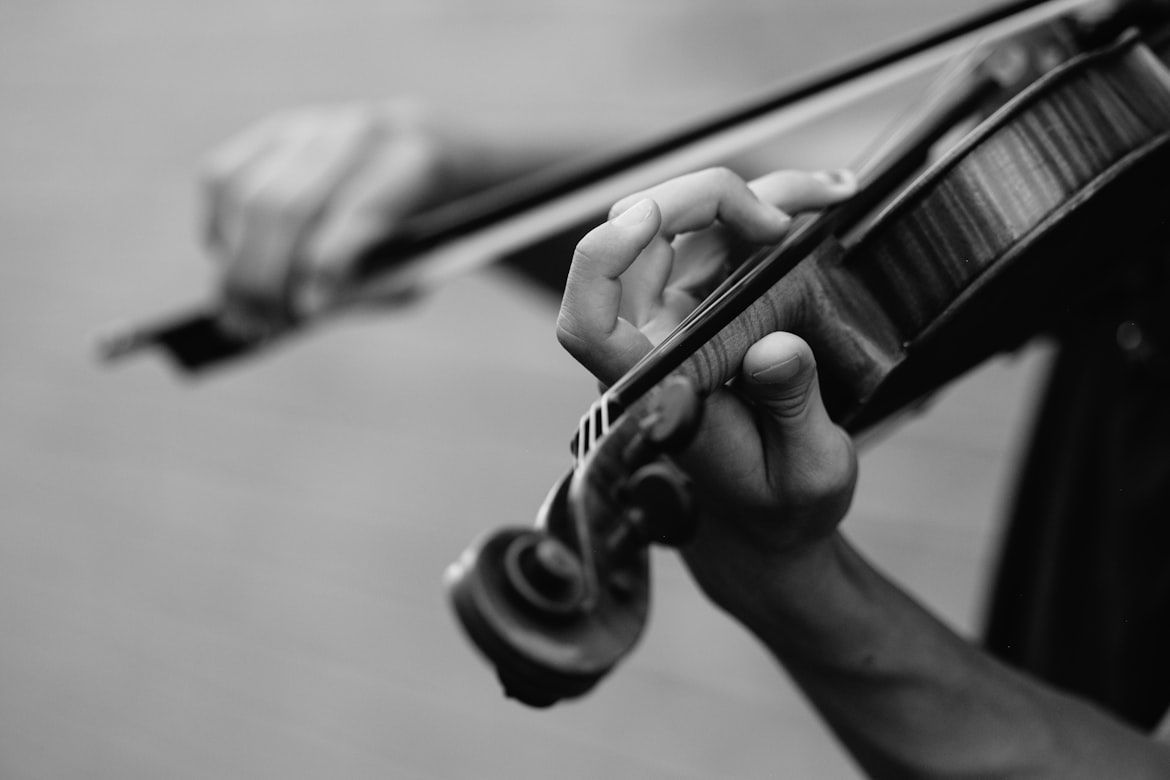
The Stroh violin

Back in the days when microphones were not so great at picking up sounds, early studios struggled to capture soft instruments. The Stroh violin solved that by replacing the wooden body with a brass horn that amplified sound directly .

Its brassy, nasal tone worked perfectly for primitive recording gear. Once technology advanced, the mechanical violin faded for good.

Image: Mick Haupt

6
Sun Ra’s cosmic jazz

Jazz mad scientist Sun Ra claimed he was born on Saturn and sent to Earth to spread peace through sound. His Arkestra mixed free jazz, chants, and futuristic costumes into wild multimedia performances .

Audiences never knew what to expect: space helmets, electronic keyboards, or cosmic sermons. His blend of myth, science, and swing launched Afrofuturism, a style of his own.

Image: Matt Artz

7
Singing saw

Rural American musicians once discovered that a regular handsaw could "sing" when bent and bowed like a violin . The flexible steel vibrated with a haunting, "human-like" voice.

The sound carried through old-time folk, gospel, and early film scores. Even today, the singing saw appears in grassroots festivals and soundtracks.

8
Prepared piano

Image: Andrew Petrischev

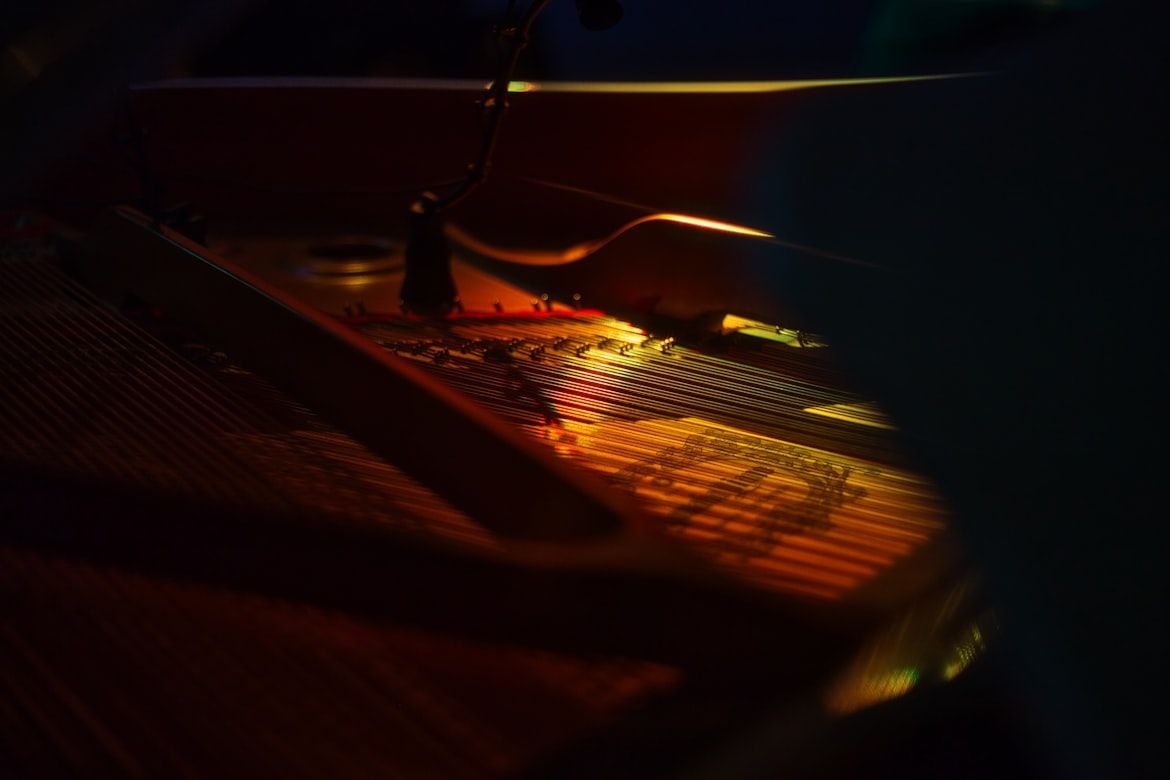
Avant-garde composer John Cage inserted screws, bolts, and rubber between piano strings, turning each key into a new percussive sound . The result was bizarre but original.

He called it the "prepared piano." Audiences heard rhythms that clanged, thumped, and chimed like a whole percussion ensemble.

9
Moog synthesizer

Image: Adi Goldstein

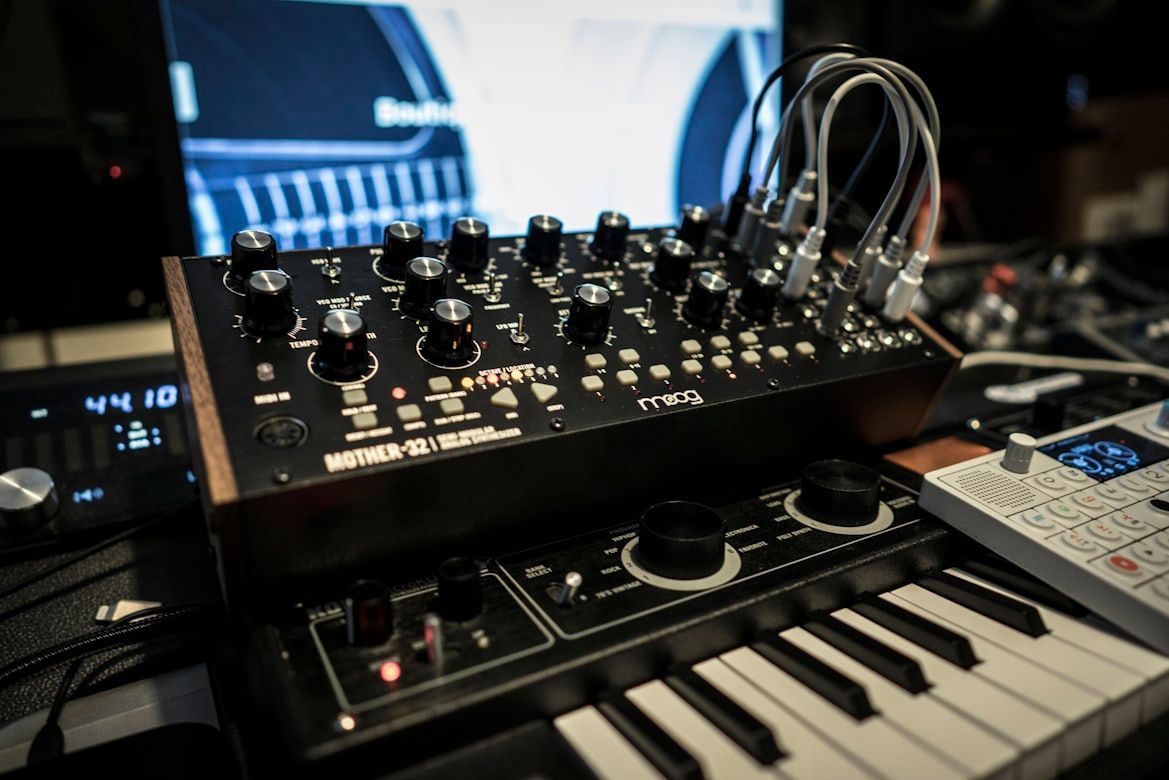
The Moog was born in the late 1960s with its maze of knobs and wires , and it caused a sensation among musicians. Those who experimented found endless possibilities in its electronic tones .

From the Monterey Pop Festival to Wendy Carlos’s soundtracks for The Shining and A Clockwork Orange , the Moog’s strange bleeps reshaped American pop.

10
The Singing Nun

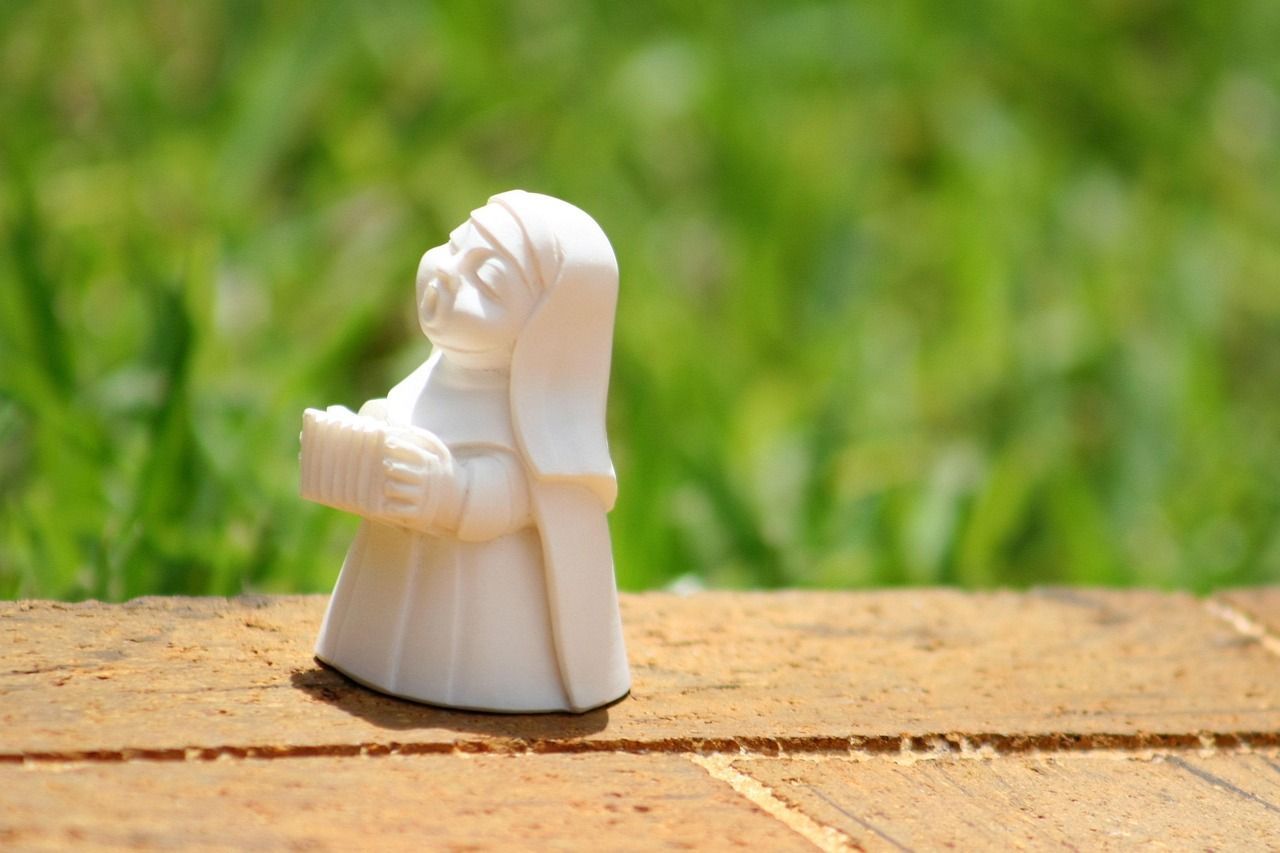
In 1963, a Belgian nun named Sister Luc-Gabrielle unexpectedly topped U.S. charts with "Dominique," sung in gentle French. Her purity and optimism charmed listeners across the country.

Her hit briefly outshone even the Beatles. Though her fame faded quickly, the story of a shy nun reaching number one remains a sweet oddity, for sure.

Image: Pete F

11
The "Longplayer" experiment

Launched in 1999, "Longplayer" is a music piece designed to play continuously for one thousand years without repeating . It was created by American artists who joined the project to maintain its endless cycle.

The music changes subtly with time, echoing life’s slow rhythm. Its creators call it "a conversation between centuries".

12
Hard-drive symphonies

Image: Borja Verbena

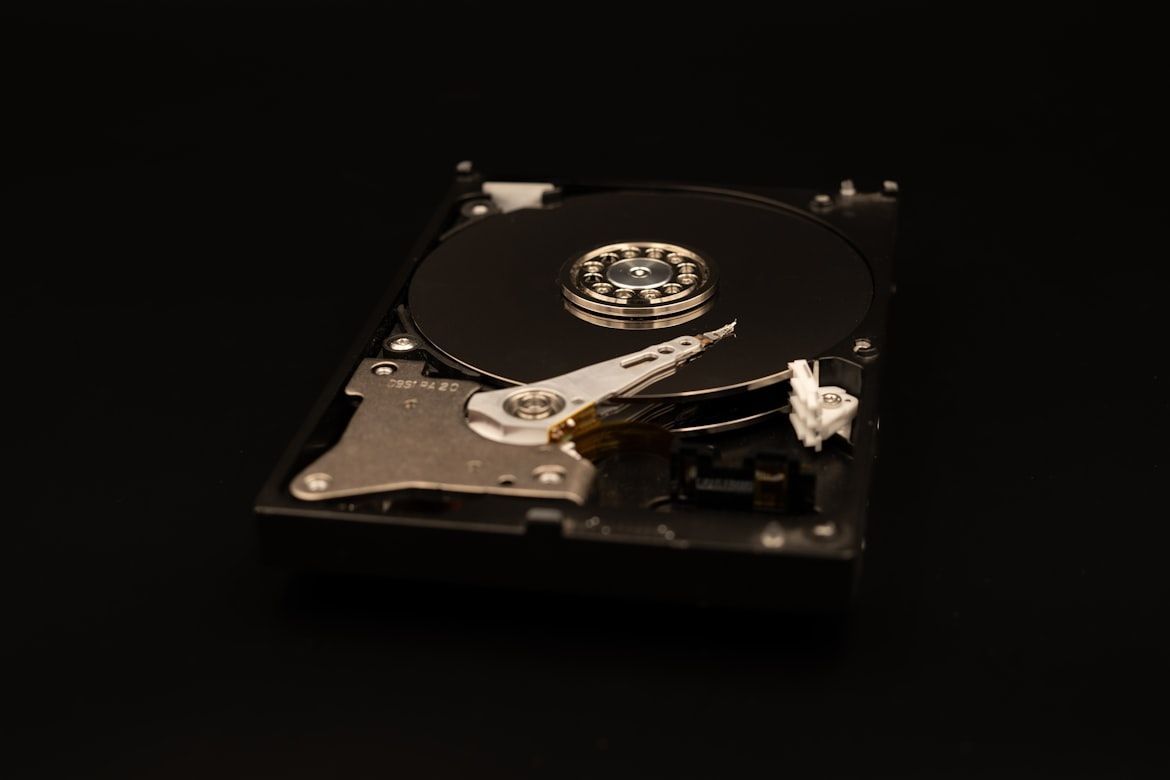
In the 2010s, hobbyists reprogrammed old computer drives to "play" songs by spinning and clicking at different speeds . Each tone came from mechanical motion, not speakers.

Videos of clattering machines performing pop hits can still be found all over YouTube. These homemade orchestras turned computer nostalgia into an art.

Geography Geography 4 min read

Did you know these beloved sitcom sets are real places you can visit?

Image: Haberdoedas II

We’ve laughed, cried, and binge-watched our way through some unforgettable sitcoms over the decades. But did you know some of those iconic TV locations aren’t just set pieces? They’re real places you can visit. If you’re a sitcom lover, they should get a special place in your bucket list, or become a unique road trip. What’s certain is that this list will take you on a coast-to-coast tour of sitcom spots that live outside the screen.

1
The Friends apartment building in NYC

Image: Chalo Gallardo

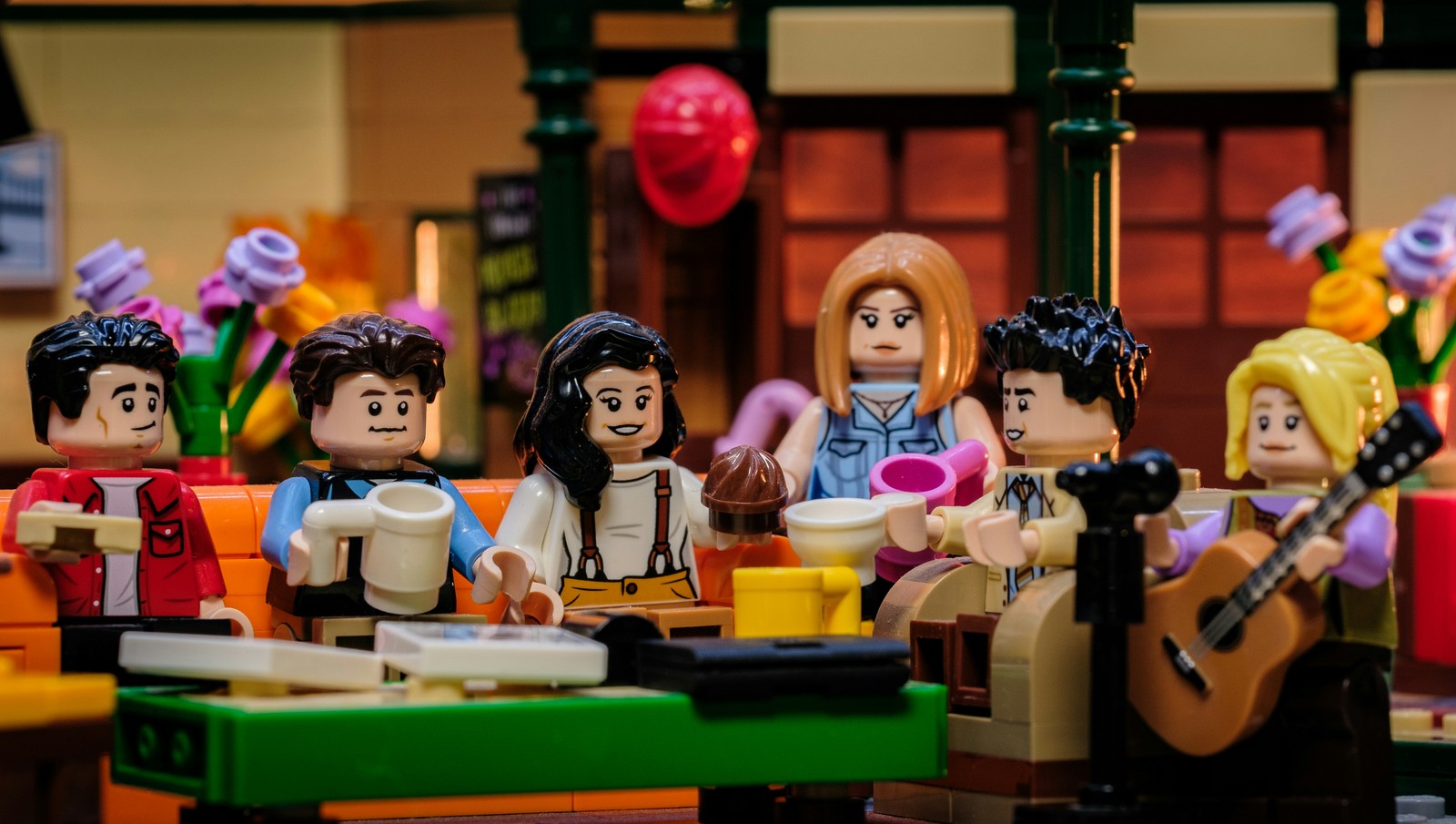
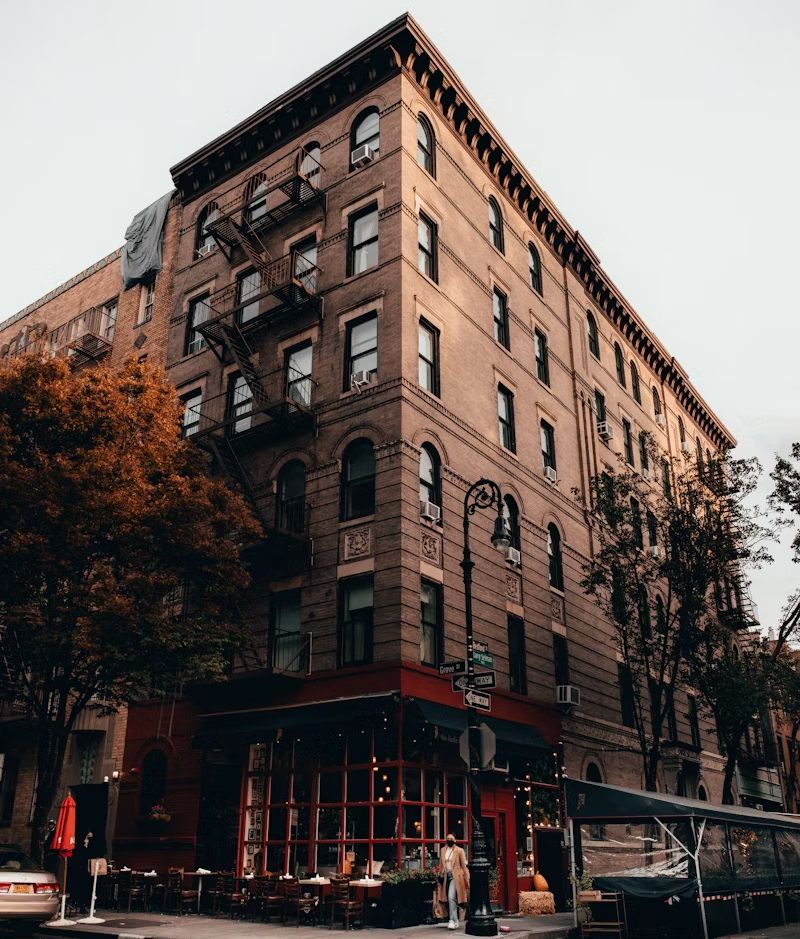
In the heart of Greenwich Village sits a corner that any Friends fan would spot in a heartbeat. The building where Monica, Rachel, Joey, and Chandler "lived" is at 90 Bedford Street, right above a real restaurant called The Little Owl . While the inside scenes were shot in a studio, this exterior became one of the most recognizable TV landmarks ever.

2
Tom’s Restaurant from Seinfeld, New York City

Image: Albert Stoynov

If you’ve ever watched Seinfeld , chances are you’ve seen the bright sign of Tom’s Restaurant flash across your screen. Known in the show as "Monk’s Café", it’s located at the corner of 112th and Broadway in Manhattan. The indoor scenes were filmed elsewhere, but the real diner is still serving up burgers, fries, and some nostalgia on the side.

3
The Brady house on Dilling Street, Studio City

Image: Patrick Bohn

The exterior of the Brady Bunch home is as iconic as Alice’s blue uniform. Found on Dilling Street in California, the house was used for exterior shots, though the interior was all Hollywood magic. HGTV renovated it to match the show's set for a special series, making it even more of a shrine for longtime fans. It’s not open for tours, but you can still walk by and hum that catchy theme song. Wouldn’t you just love that?

4
Cheers bar on Beacon Street, Boston

Image: Chris Hardy

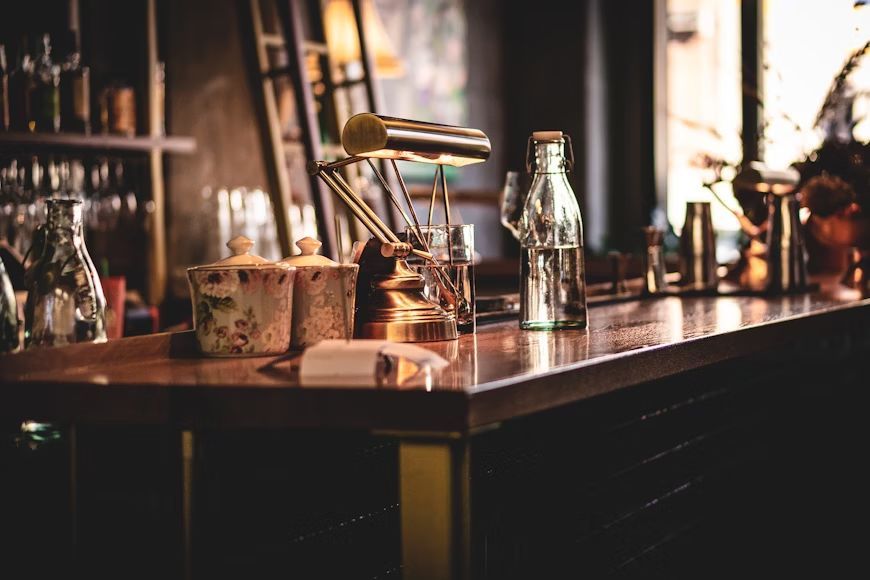
Where everybody knows your name... is actually at 84 Beacon Street in Boston. This classic pub was used for exterior scenes in Cheers, and still operates as a real bar today! Inside, it’s filled with memorabilia and a whole lot of warm nostalgia. Stop by, order a pint, and pretend you’re chatting with Norm and Cliff at the end of the bar.

5
M A S H filming site in Malibu Creek State Park, California

Image: Robert Ruggiero

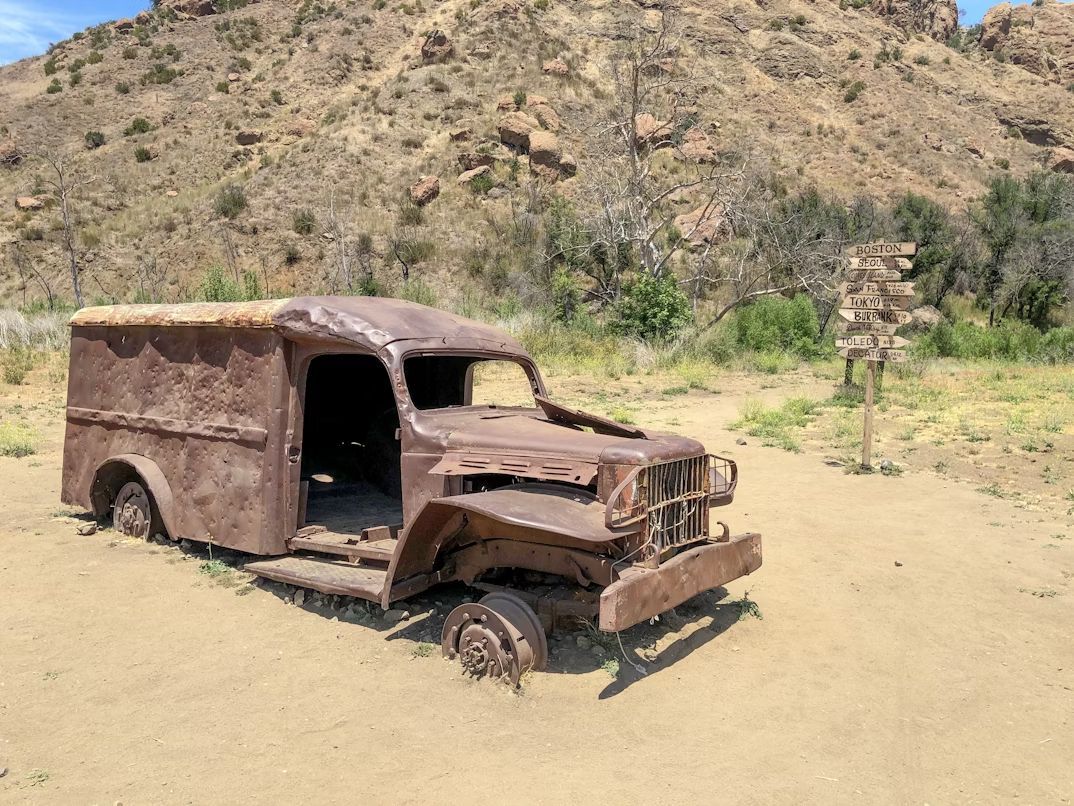
The rugged Korean War setting of M A S H was actually a lot closer to home. All those outdoor camp scenes were in fact filmed in the scenic Malibu Creek State Park. Hike the trail and you’ll stumble across the old site, complete with rusted props and a replica of the famous signpost.

6
Painted Ladies from Full House, San Francisco

Image: Joshua Sortino

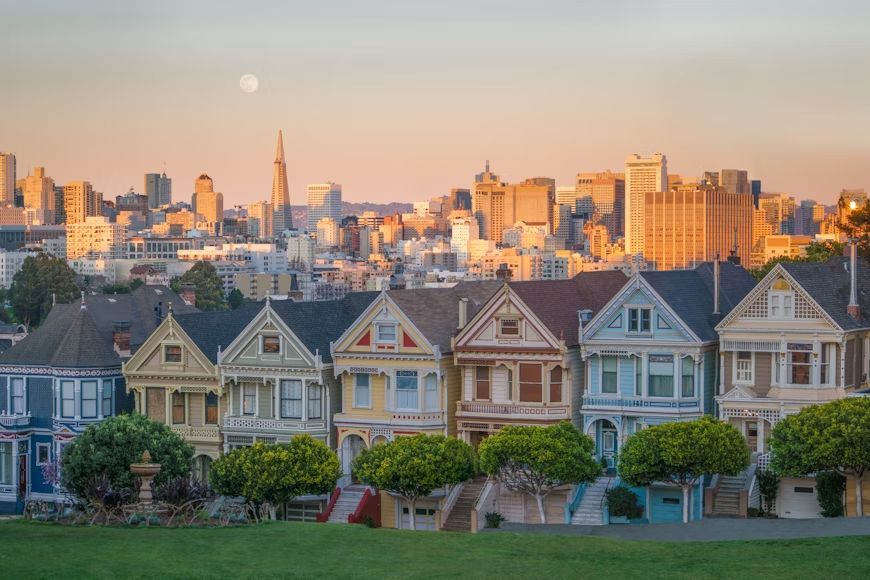
That sweeping shot of San Francisco and a picnic in the park? That’s Alamo Square Park, facing the famous Painted Ladies, the colorful Victorian homes seen in Full House . Funny enough, the Tanner family house is actually elsewhere, but fans still visit this spot for a taste of that opening credits magic. It's a great place to take in the skyline and maybe even sing a little "Everywhere you look."

7
Stately Pasadena City Hall from Parks and Rec

Image: Igor Shalyminov

The city of Pawnee may be fictional, but its town hall isn’t. The elegant building you see in Parks and Recreation is in fact Pasadena City Hall. Its beautiful arches and fountain-filled courtyard served as the setting for plenty of Leslie Knope’s proudest moments. And yes, the red tiles on the roof were digitally changed to green to give it a more "Midwestern" look!

8
The Dunphy house from Modern Family, Culver City

Image: Doug Bagg

Claire and Phil Dunphy’s cozy suburban home sits quietly on Dunleer Drive in the Cheviot Hills neighborhood of LA. It was used for the show’s exterior shots and became an instant fan favorite. When the home went up for sale, it drew curious buyers and lookie-loos alike. While you can’t go inside, the outside looks just like it did when Luke crashed his bike in the driveway.

9
The Puck Building from Will & Grace, NYC

Image: Udara

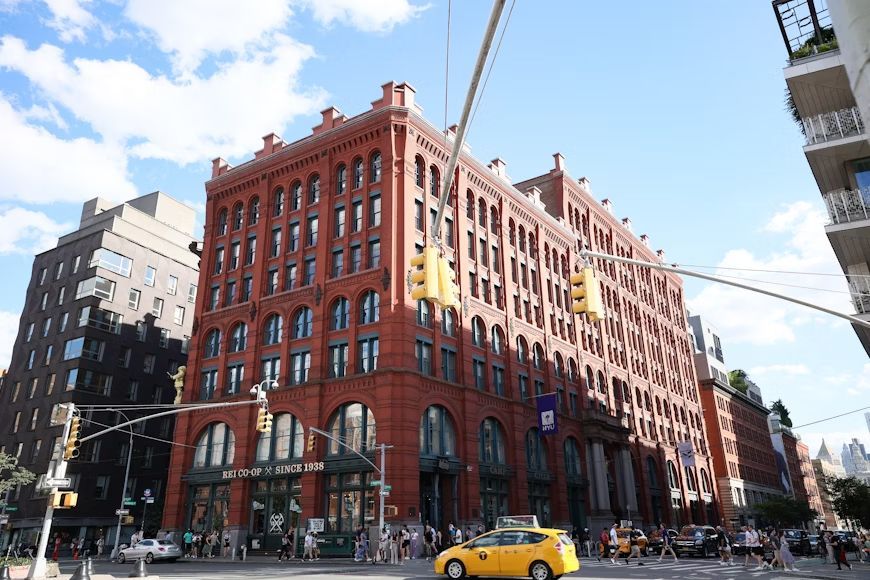
Located in SoHo, the Puck Building is a real-life landmark that served as the fictional office of Grace Adler Designs. This towering red-brick beauty stands at Lafayette and Houston Streets. If you're a fan of the show, you’ll instantly recognize those massive arched windows from the opening credits. You can’t miss it!

10
The Electric City sign from The Office, Scranton

Image: Kelly Sikkema

"The Electric City" isn’t just part of a cringey rap from The Office ; it’s a real nickname for the Pennsylvania city. The sign featured in the show is perched on a building in downtown Scranton and makes a fun photo-op for any Dunder Mifflin devotee. Most of the show was filmed in California, but a few Scranton landmarks made it into the mix.

11
The Prince bar from New Girl, Los Angeles

Image: q u i n g u y e n

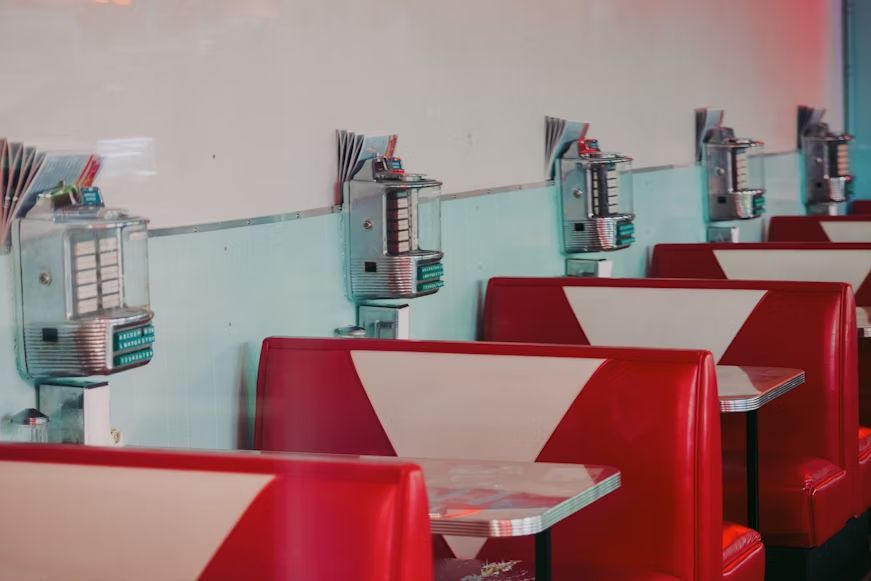
The gang of New Girl frequently hangs out at a bar called The Griffin , which in real life is "The Prince," a moody Koreatown spot with red leather booths and vintage charm. It's a favorite filming location, appearing also in shows like Mad Men and The Defenders . On which series did you see it first?

Explore more American facts

Choose your favorite category!

General
General

As American as apple pie—the very best America has to offer!

Culture
Culture

Delve into the astounding richness of American lore.

Geography
Geography

Hop in and explore vast and diverse American landscapes.

History
History

Discover the key moments that shaped the United States.