General General 3 min read

Organized living is always better

Most Americans store these 10 items incorrectly. How about you?

Image: Alicia Christin Gerald

Most Americans store household items wherever they seem convenient. Of course they do, why wouldn’t they, right? But as it turns out, over time, heat, humidity, and clutter can quietly shorten an object’s lifespan or make it harder to use. Organizing experts say many common habits are actually working against us. The good news is that small storage changes can make everyday items last longer. Here are some of the most commonly misplaced ones.

1
Books

Image: Ed Robertson

Many of us stash books in closets or basements to save space , but these areas often trap moisture. Over time, humidity can warp covers, yellow pages, and encourage mold growth, especially in older homes.

A better option is open shelving in a living area where air can circulate freely. Keeping books visible not only helps protect them but also encourages reading and makes it easier to enjoy them regularly.

2
Medicine

Image: Joanna Stołowicz

Bathrooms are the most common place Americans store medication, yet heat and steam can reduce a drug’s effectiveness over time . Moisture can also cause pills to break down faster or labels to peel off.

A cool, dry place like a bedroom drawer or hallway cabinet is generally safer. Keeping medication out of the bathroom helps preserve its potency and makes expiration dates easier to track.

3
Important documents

Image: Sear Greyson

Birth certificates, insurance policies, and property deeds are frequently scattered across drawers or stacked in filing piles . This makes them hard to find during emergencies and leaves them vulnerable to damage.

Experts suggest using a dedicated fire-resistant file or document box kept in a consistent location. Centralizing paperwork saves time and reduces stress when documents are suddenly needed.

4
Photo albums and loose photographs

Image: Roman Kraft

Many families store photos in garages or basements, where temperature swings and moisture can cause fading and curling . Once damaged, photographs are often difficult or impossible to restore.

Photos last longest when stored in acid-free boxes kept in interior closets. Proper storage preserves memories and ensures future generations can enjoy family history without deteriorating.

5
Olive oil

Image: Dimitri Karastelev

Many Americans keep olive oil next to the stove for convenience. Unfortunately, exposure to heat, light, and air causes oil to turn rancid faster , affecting flavor and nutritional value.

A cool, dark cabinet away from appliances is ideal. Storing olive oil in a tightly sealed, opaque container further slows degradation. Proper storage helps olive oil retain its taste longer and prevents waste caused by premature spoilage.

6
Coffee
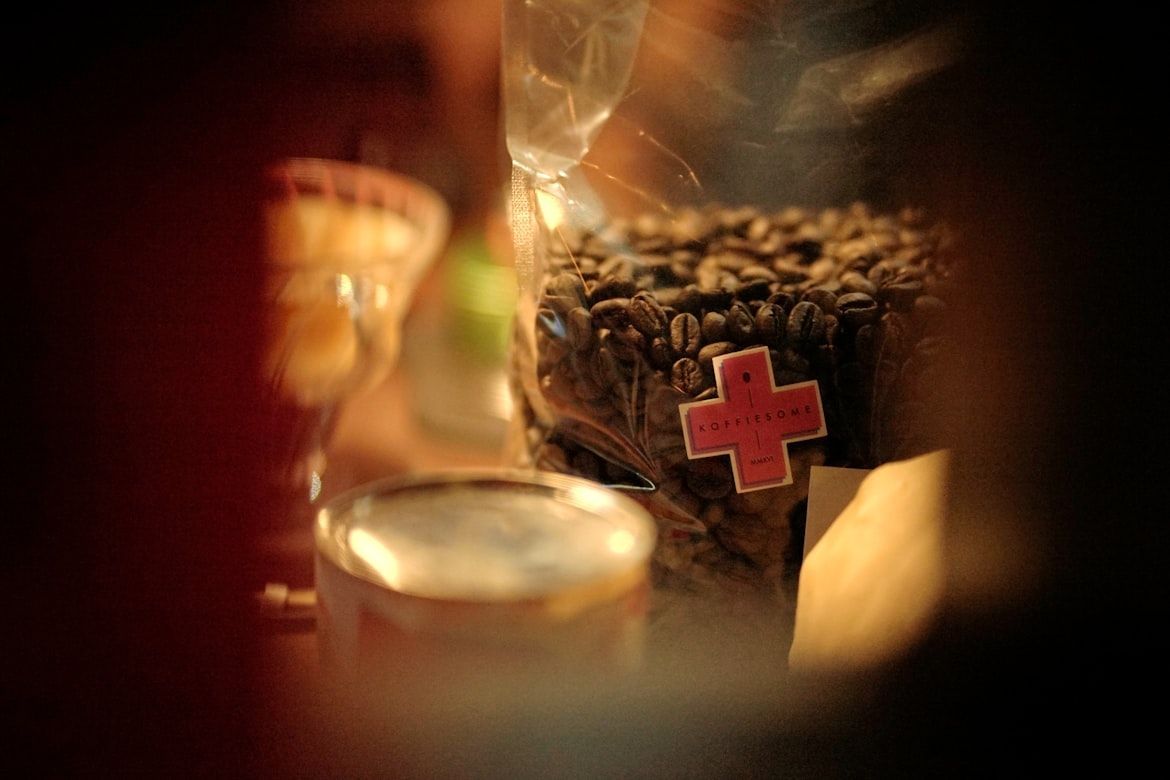
Image: Aldino Hartan Putra

Coffee is often kept in its original bag on the counter or in the pantry. Exposure to air, light, heat, and moisture gradually degrades its aromatic compounds, dulling its flavor , even if the beans are freshly roasted.

An airtight container stored in a cool, dark place is generally best for preserving aroma and taste. This simple change keeps coffee fresher and makes each cup more enjoyable.

7
Bread
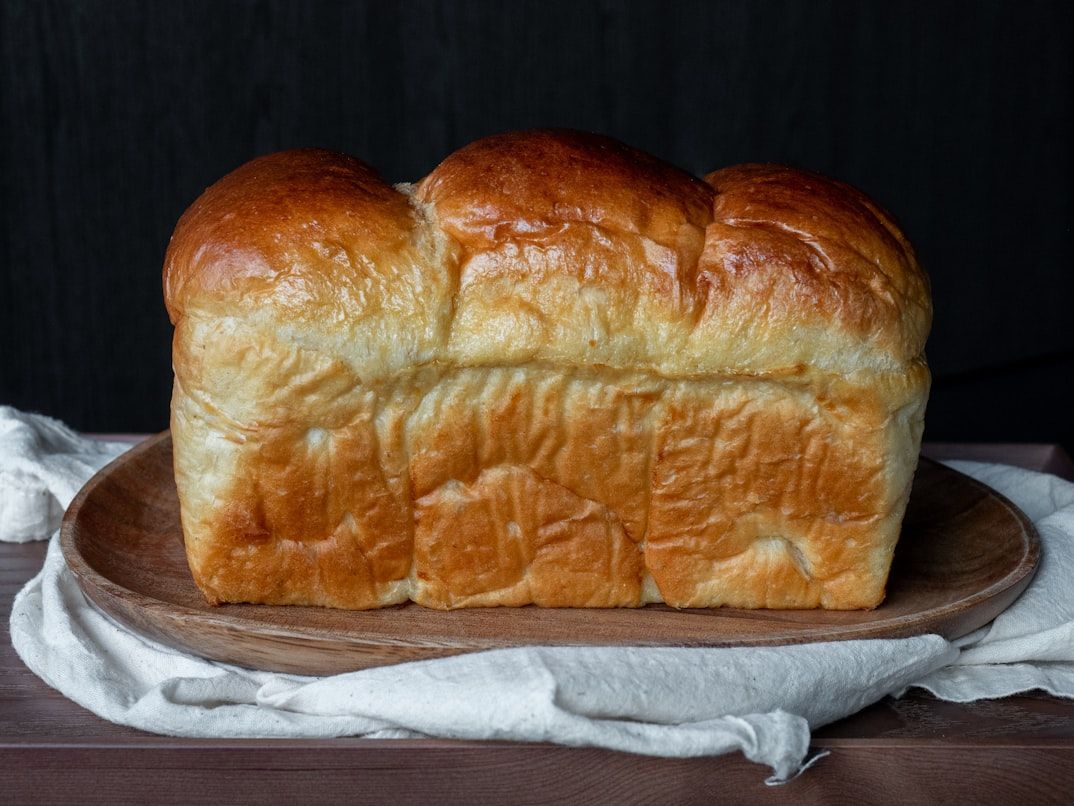
Image: Vicky Ng

Many people refrigerate bread to keep it fresh, but cold temperatures actually dry it out faster . The result is a dry, stale texture and often unnecessary food waste.

Freezing bread preserves freshness far more effectively. When wrapped tightly to prevent freezer burn, sliced loaves can be toasted straight from the freezer, extending shelf life without sacrificing quality.

8
Spices
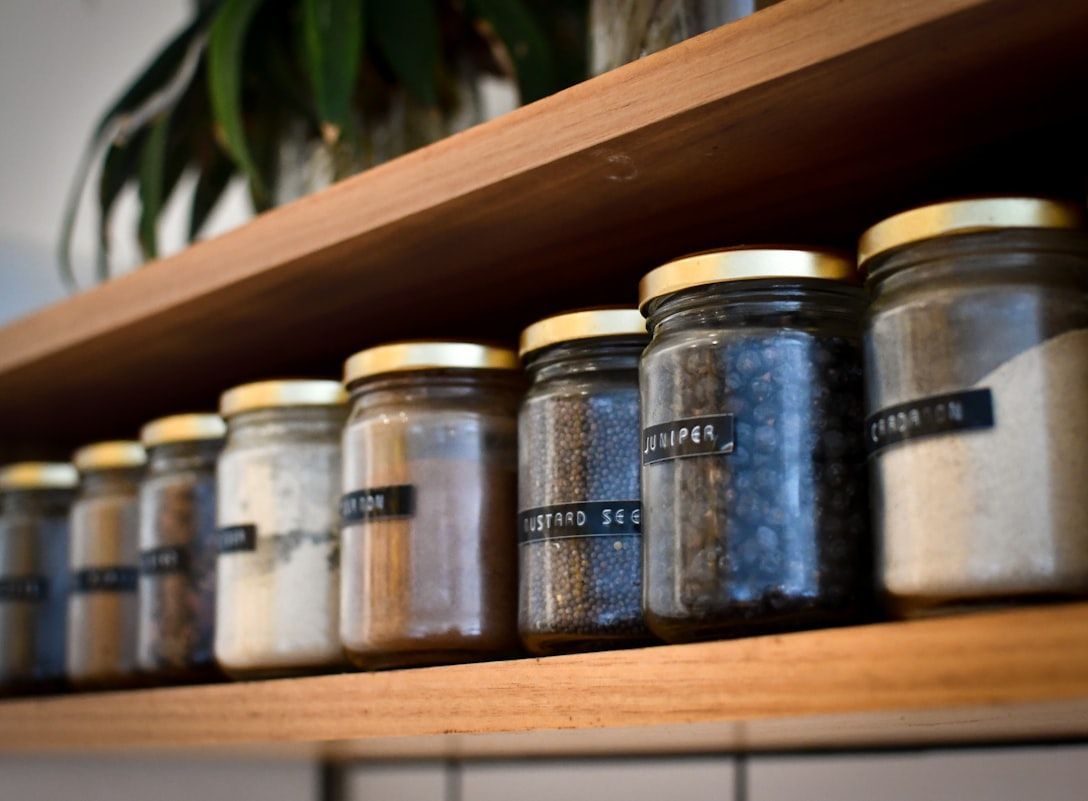
Image: Heather McKean

Spice racks near the stove are common, but heat and steam weaken flavors over time . Spices may still look fine while losing much of their potency and taste.

A drawer or cool cabinet away from heat helps spices last longer. Keeping containers tightly sealed further protects against moisture and oxidation. Better storage keeps meals flavorful and reduces how often spices need replacing.

9
Toothbrushes

Image: Peng Liu

Left uncovered near sinks or toilets, toothbrushes are exposed to moisture and airborne bacteria . This can lead to hygiene issues and faster wear.

Storing brushes upright in a well-ventilated holder that allows them to air-dry completely is generally recommended. Cleaner storage improves longevity and supports better personal hygiene.

10
Batteries
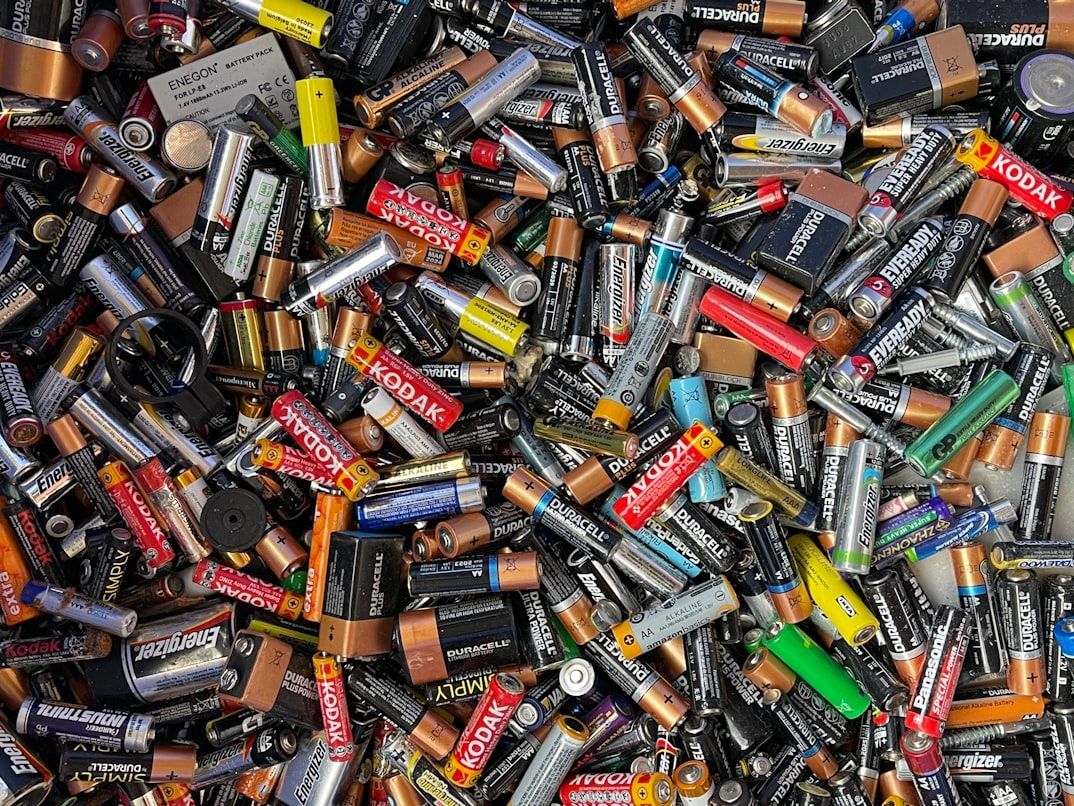
Image: John Cameron

Loose batteries tossed into junk drawers can rub against metal objects such as coins or paper clips, potentially causing short circuits, leaks, or loss of charge . Damaged batteries may ruin devices later.

Keeping batteries stored by type in a labeled container prevents contact issues. Organized storage extends battery life and makes replacements easy to find.

General General 3 min read

Golden secrets

Heard of the Half-Way-to-Hell Club? 10 hidden facts about the Golden Gate

Image: Venti Views

From its inception to its crowning as a symbol of San Francisco, the Golden Gate Bridge has become one of the most recognizable landmarks in California and the entire country. From its first toll of just 50 cents to stories of incredible luck, there are numerous secrets, untold tales, and fun facts that might surprise you. Join us as we uncover 10 shocking facts about the Golden Gate Bridge !

1
The first toll

Image: Barry A

When the bridge first opened to cars, the toll was 50 cents each way, $1 for a round trip, and an additional 5-cent charge for cars carrying more than three passengers. While this may not seem like much today, that money was crucial in covering the construction costs. In today’s terms, the toll would be equivalent to about $11 .

2
The Half-Way-to-Hell Club

Image: Rasmus Gundorff Sæderup

Building this massive suspension bridge was no easy task, and the story of the "Half-Way-to-Hell Club" members proves just how dangerous it was. These 19 workers were on the job when they slipped and fell from the bridge . But in the midst of their fall, something saved them : a safety net placed under the bridge, an ingenious and innovative safety measure for the 1930s.

3
A different picture

Image: Leo_Visions

While it's hard to imagine the Golden Gate Bridge without its iconic "International Orange" color, the original plan was actually quite different. During construction, they considered painting the bridge black and yellow to give it visibility. However, when the architects saw the beautiful reddish-orange hue of the primer, they decided to keep it. We have to say we're glad they didn't go with the original idea!

4
Good citizens

Image: Zoshua Colah

San Franciscans redefined what it meant to be good citizens when, during the Great Depression, they helped fund the Golden Gate Bridge by putting up their homes and farms as collateral to make the project a reality. This incredible show of faith during one of the nation's toughest economic times is truly inspiring.

5
Really heavy

Image: Leo_Visions

With its immense size and structure, it’s no surprise that this imposing bridge is incredibly heavy. Even so, the number might still shock you: The Golden Gate Bridge weighs around 894,000 tons! That's nearly the equivalent of 2.5 Empire State Buildings!

6
5,000 - 10,000 gallons

Image: JOSHUA COLEMAN

Its weight goes hand in hand with its size: the bridge is about 1.7 miles long from end to end, and its towers rise 746 feet above the water. This means the amount of paint required to cover it is anything but small. To repaint the bridge, between 5,000 and 10,000 gallons of its iconic color are used.

7
Dangerous challenges

Image: Anastasia R.

The completion of the Golden Gate Bridge had its challenges. In 1935, a powerful 7.8 magnitude earthquake struck the area, causing the entire San Francisco Bay Area, including the bridge under construction, to shake violently. One worker reportedly recalled that the south tower swayed 16 feet in each direction while several of his colleagues stood on it!

8
200,000 pedestrians

Image: fan yang

The grand opening of the Golden Gate Bridge on May 27, 1937, was far from low-key. Before it was opened to cars, a "Pedestrian Day" event took place, where an extraordinary 200,000 people walked across the city's brand-new bridge, each paying 25 cents to do so.

9
Once the tallest of its kind

Image: Casey Horner

As a suspension bridge, the Golden Gate Bridge is impressive not only for its size but also for its engineering. In fact, when it opened in 1937 and until 1964, this San Francisco landmark held the world record as the tallest suspension bridge in the world!

10
800,000 people

Image: Kiko Camaclang

Yes, the 200,000 people who attended the bridge's opening made for a huge crowd. But 50 years later, that number quadrupled! That's right; during the 50th anniversary of its opening, around 800,000 people walked across the iconic Golden Gate Bridge. It's hard to even imagine what such a giant crowd would look like!

General General 7 min read

SAUCY REGIONAL TRADITIONS

United States Barbecue: 10 Mouth-Watering Styles Across America

Image: Z Grills Australia

Almost every region in the United States has its own style of barbecue and all of them claim to offer the best one. Texas, North and South Carolina, Kansas City, and even Hawaii, all proudly boast of their BBQ prowess.

The term "barbecue", used to describe any slow-cooked meat, is said to derive from the Taino Indian word babracot . In fact, this practice can be traced back five centuries and originally evolved as a necessity to preserve food and, at the same time, feed many people. Nowadays, barbecue seems to be the epitome of comfort food nationwide . Keep reading to discover the best barbecue styles America has to offer!

1
Texas barbecue

Image: Andrik Langfield

Texas barbecue is heavily influenced by central European traditions . German and Czech immigrants settled in the state in the mid-nineteenth century introducing new ingredients. That is the main reason we find pork products like sausages in Texas-style barbecue, in addition to the classic beef brisket. In order to preserve fresh meat longer, they used to smoke it and cook it for a very long time. Over the years, this traditional barbecued meat, which originated in central Texas, spread throughout the state, so today we can enjoy not one but four different styles !

Central Texas BBQ is generally very straightforward, the meat is smoked over pecan, mesquite, or oak wood with just a salt and pepper dry rub. South Texas BBQ has Mexican influences and uses a molasses-based sweet sauce. East Texas BBQ is marinated in a sweet tomato-based sauce and slowly cooked via indirect heat. Finally, West Texas BBQ is prepared over an open flame using mesquite wood.

2
Memphis barbecue

Image: Philipp Kämmerer

No doubt about it, Memphis is one of the BBQ capitals of America . Unlike barbecue styles in other states, in Memphis, the meat is cooked using charcoal instead of hardwood logs. Pork ribs and pork shoulder are the signature cuts prepared with a tangy and sweet sauce based on molasses and tomato. Classic sides for the Memphis barbecue are sweet baked beans and slaw.

Barbecue originated in Memphis at the beginning of the 20th century , when African Americans began to populate the state. Often found in lunchtime pork sandwiches and late-night treats in nightclubs, Memphis BBQ style soon became a staple in the area. Many entrepreneurs opened new restaurants during this time, including John H. Mills, considered Memphis’s First Barbecue King. Rumor has it that even the great Bing Crosby was a regular at Mills’s place whenever he was in town.

3
Kansas City barbecue

Image: fstop314.com

According to the Visit KC website, "Barbecue in Kansas City is more than a menu item or a method of preparation. It’s an institution." The fact is that Kansas barbecue has a long history and is central to the city's culinary culture . Not for nothing is it called the "BBQ Capital of the World". With more than 100 restaurants, there’s even a Kansas City Barbeque Society in charge of promoting this style of cooking around the world.

Kansas City’s love for barbecue started in the early 1900s when a man called Henry Perry began selling slices of hickory smoked meat wrapped in newspaper. Soon after, others followed and started developing their own barbecue recipes. Nowadays, the Kansas City barbecue style involves grilling or smoking different kinds of meat seasoned with a dry rub, then finished with a tomato-based barbeque sauce. Sides include bread, pickles, baked beans, and slaw.

4
North Carolina barbecue

Image: Peter Bravo de los Rios

Whether at a backyard grill, or a traditional wood fire pit at a local restaurant, North Carolina has a proud barbecue tradition. This particular method of smoking and cooking meat has its roots in the emergence of hog cultivation . In the 1500s, Spanish settlers brought pigs to the region and natives on Roanoke Island contributed with their wood-fired slow-cooking method. Over the years, barbecue in North Carolina became a special feature in every celebration and special occasion.

Although recipes may vary between different regions in the state, pork is always the main ingredient . While in the East people cook the whole hog, western Carolinians prioritize the pork shoulder. The sauce is a matter of controversy too. The Eastern tradition calls for a thin vinegar and pepper sauce, whereas Western recipes add tomato or ketchup. Geographical customs aside, if you happen to visit North Carolina, order a local barbecue in one of the many great restaurants and you won’t be disappointed!

5
South Carolina barbecue

Image: @felipepelaquim

Some argue that South Carolina is "The Birthplace of Barbecue" . We won’t be able to settle this debate here and now, but what is certain is that the Palmetto State's barbecue tradition goes back at least five centuries. As with North Carolina, South Carolina barbecue also has its origins in the cultural exchange between Spanish settlers and American Indians . Europeans brought and raised pigs on the islands off the Atlantic coast and the natives knew exactly how to cook them.

The South Carolina barbecue style means cooking and smoking meat —preferably pork— low and slow over hardwood coals. Sometimes pulled from a whole hog, sometimes chopped from a shoulder or ham, South Carolina barbecue comes with a signature sauce depending on the region . You can find a blend of vinegar, salt, and some red pepper to spice things up or a yellow sauce made of cider vinegar, brown sugar or honey, and mustard. No matter which one you get, be prepared for an exceptionally tender and flavorful dish!

6
St. Louis barbecue

Image: Rachel Bramlett

Did you know St. Louis is said to consume more BBQ sauce per person than anywhere else in the country? St. Louisans are big on spare ribs, which may have been introduced in the local culinary tradition more than a century ago. As the legend goes, a steamboat cook named Henry Perry used to slow smoke discarded slabs of ribs from the Kansas City stockyards using locally harvested hardwood trees.

Nowadays, the St. Louis barbecue style includes a variety of seasonings and cooking methods . From grilling to slow smoking, ribs, pulled pork, burnt ends, and pork steaks are smeared with a sauce made from ingredients such as salt, vinegar, black pepper, brown sugar, tomato, and even apricots. Unlike other types of barbecue, St Louis style does not require a dry rub and it cooks a lot faster. White bread is the side of choice, especially if you want to make the most out of all that BBQ sauce!

7
Hawaiian barbecue

Image: Tirza van Dijk

Yes, they have barbecues in Hawaii. Although you won’t get the traditional ribs, pulled pork, and brisket, the Aloha State is home to a delicious kind of barbecue. Influenced by its many immigration waves —primarily from China, Korea, Japan, Portugal, and the Philippines—, it has labor origins dating back to the late 19th century . While modern Hawaiian barbecue includes various cooking techniques, such as roasting, smoking, and grilling, the traditional way requires an imu , an underground oven lined with hot rocks, and banana and ti leaves.

Barbecues from the Paradise of the Pacific are often sweet, tangy, and tropical . You can find chicken, beef, pork, and even seafood. Marinades and sauces incorporate Asian flavors and ingredients like soy sauce, garlic, ginger, and brown sugar. Side dishes range from sticky rice to macaroni salad, complementing and balancing the bold flavors of the meats.

8
Alabama barbecue

Image: Rachel Bramlett

In the South, barbecue is synonymous with any meat that's cooked over the fire. Although pork is often the protein of choice, some restaurants in Alabama also feature brisket, chicken, and beef ribs. Barbecue became popular in Alabama during the early 19th century when difficult economic times required a clever way for the working class to bring flavor and tenderness to cheap cuts of meat.

Sauces involved in the Alabama barbecue style are as diverse as they come . Influenced by the neighboring states of the so-called "barbecue belt", you can find variations of tomato-based sauces, spicy marinades, mustard dressings, and even a white sauce made with mayonnaise, lemon juice, apple cider vinegar, salt, and black pepper. Across Alabama, these mouth-watering smoked meats are often served on hamburger buns filled with dill pickles and topped with coleslaw.

9
Kentucky barbecue

Image: Luis Santoyo

Barbecues in Kentucky have been popular for a long time. In the Bluegrass State pork shoulders are a popular cut cooked on concrete block masonry pits for at least half a day. However, Kentucky is most famous for smoking mutton over hickory coals . Kentuckians also barbecue other meats like chicken, pork tenderloins, cured hams, and turkey breasts for sandwiches.

Kentucky is home to a diverse array of barbecue sauces with almost every county having its own take. For example, Hickman County uses mostly vinegar and cayenne pepper, while McCracken County sauces taste strongly of vinegar and chili powder. Others prefer an allspice Worcestershire-based dip. The signature sides for Kentucky barbecue are toast, vinegar slaw, and pickled eggs.

10
Florida barbecue

Image: Dim Hou

Florida may be best known for its fresh seafood but the Sunshine State also has its own barbecue style . And a soft spot for pork too! A testament to the important place pig meat has in Floridian cuisine is the Cuban twist on the classic BBQ sandwich found at many local joints.

What sets Florida barbecue apart from others is its Caribbean and Latin American influences. Florida BBQ often blends techniques of the Southern United States style barbecues —like the use of sweet tomato sauce or mustard sauce— with Caribbean flavors such as vinegar, fruits, peppers, and spices. It may not be the most traditional barbecue in the country but it is certainly worth a try!

Explore more American facts

Choose your favorite category!

General
General

As American as apple pie—the very best America has to offer!

Culture
Culture

Delve into the astounding richness of American lore.

Geography
Geography

Hop in and explore vast and diverse American landscapes.

History
History

Discover the key moments that shaped the United States.