History History 5 min read

Who was the first and only Native American Vice President?
Image: Polina Zimmerman

John Adams, the nation’s first Vice President, once famously described his role as "the most insignificant office that ever the invention of man contrived or his imagination conceived." For much of American history, the vice presidency was seen as a political graveyard or, at best, a backup role for an aging statesman. However, beneath the surface of this supposedly dull position lies a treasure trove of eccentricities, historical milestones, and bizarre anecdotes. Learn 10 things you likely never knew about American Vice Presidents.

1
Martin Van Buren
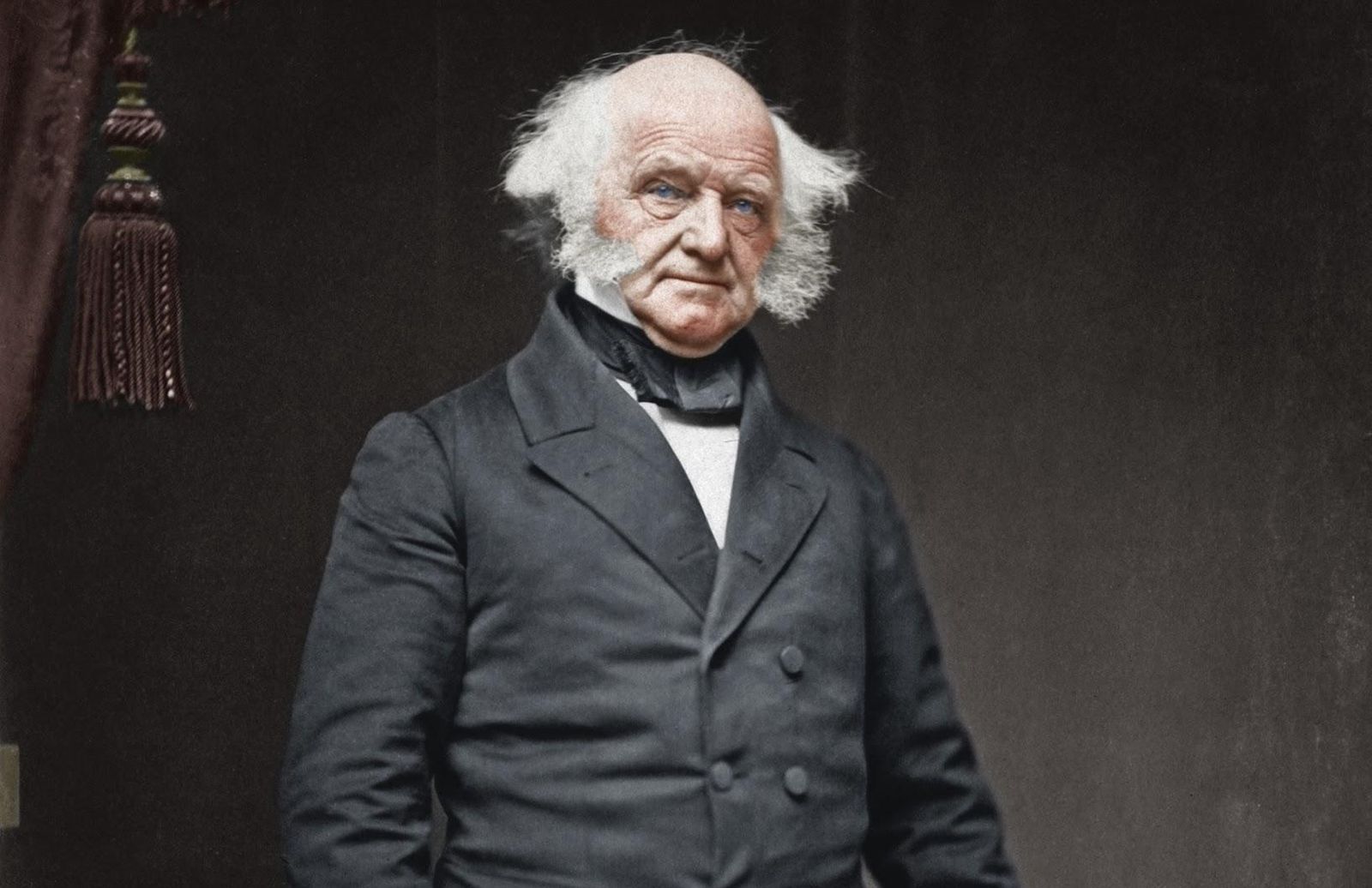
Image: Daniel Hass, CC BY-SA 4.0, via Wikimedia Commons

Before he became the eighth President in 1837, Martin Van Buren served as Andrew Jackson’s Vice President (1833-1837). Standing only five feet, six inches tall, he was a giant in the realm of political maneuvering. His colleagues nicknamed him the "Little Magician" (and sometimes the "Red Fox of Kinderhook") because of his uncanny ability to pull political victories out of thin air. Van Buren is largely credited with creating the modern organizational structure of the Democratic Party.

2
John Tyler
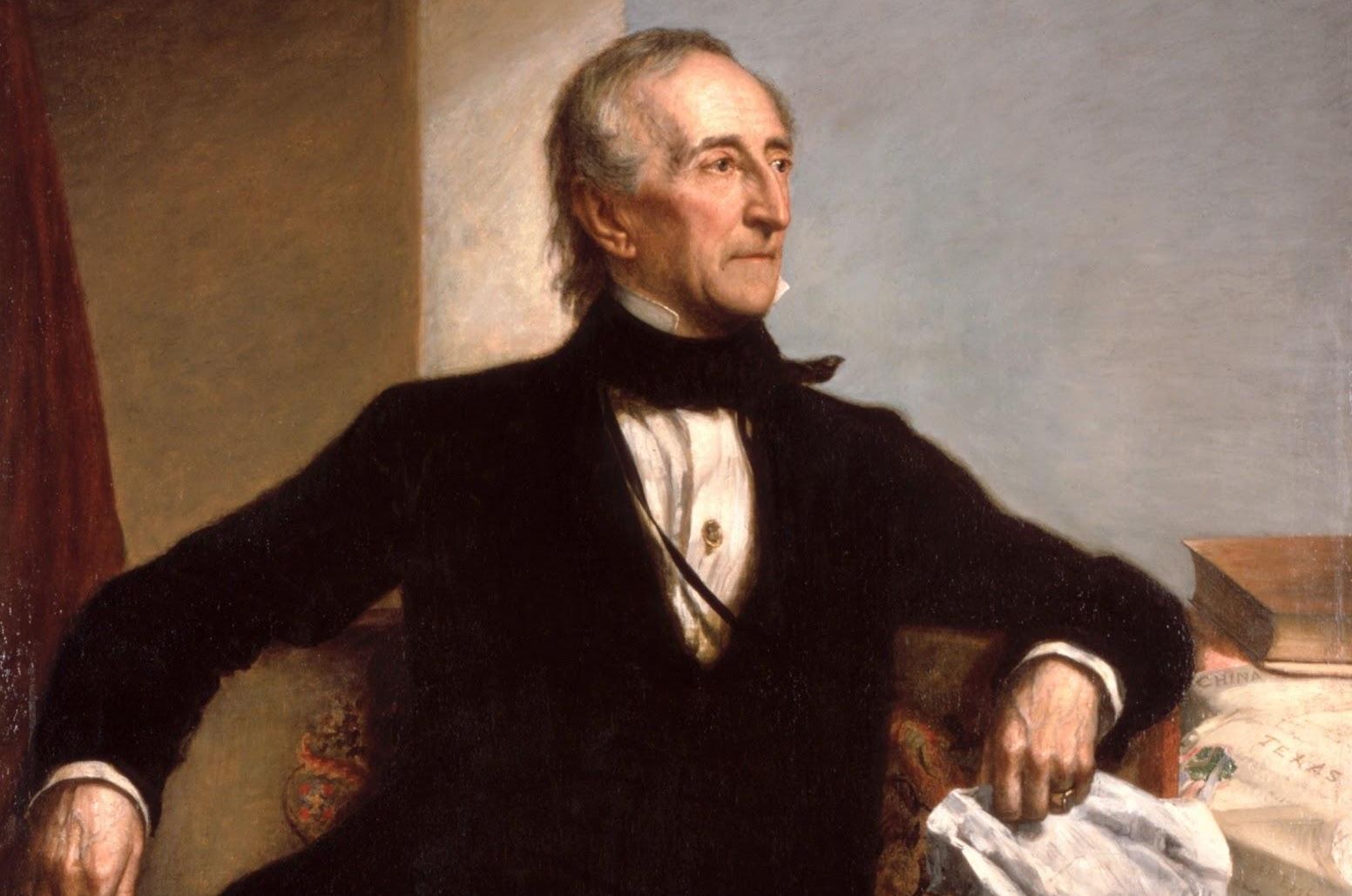
Image: George Peter Alexander Healy, Public domain, via Wikimedia Commons

John Tyler holds a unique, if somewhat accidental, place in history. He was elected on the "Tippecanoe and Tyler Too" ticket alongside William Henry Harrison in 1840. However, his tenure as Vice President lasted just one month. Harrison died of pneumonia only 32 days after his inauguration, thrusting Tyler into the presidency.

At the time, the Constitution was unclear whether the Vice President would become the actual President or merely the "Acting President." Tyler didn't wait for a debate; he took the oath of office immediately, establishing the "Tyler Precedent" that governed presidential succession until the 25th Amendment, which ensures the Vice President becomes President if the incumbent dies, resigns, or is removed, was ratified in 1967.

3
Elbridge Gerry
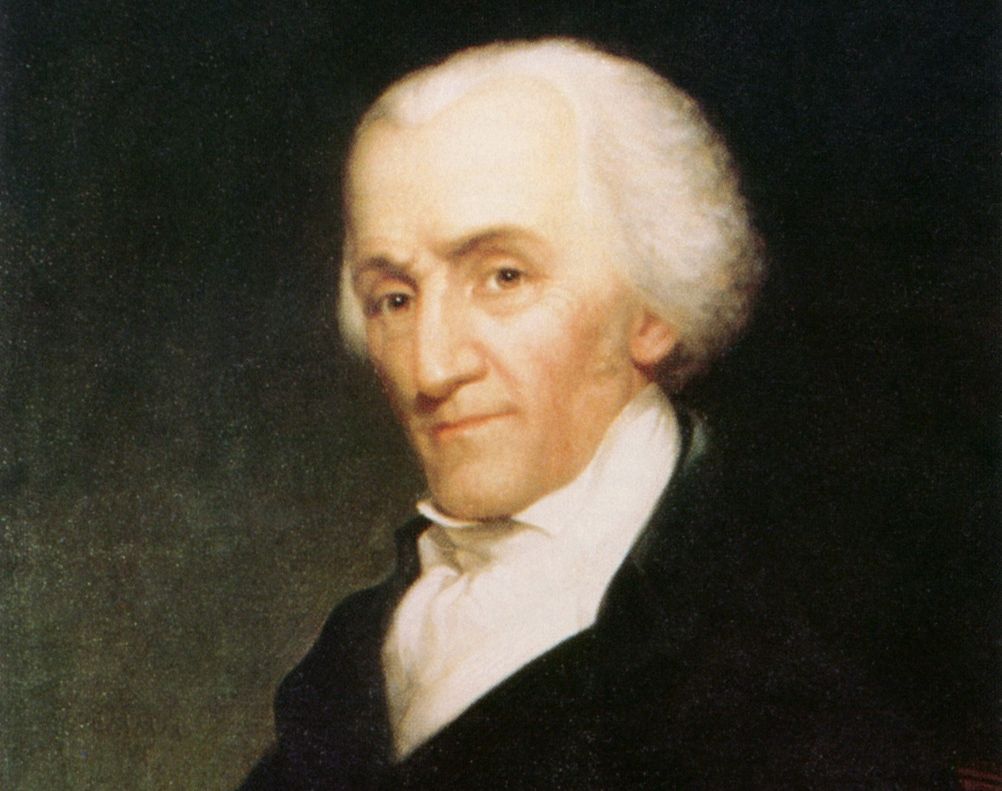
Image: James Bogle, Public domain, via Wikimedia Commons

If you’ve ever complained about unfair voting districts, you have Elbridge Gerry to thank. While serving as the Governor of Massachusetts (before becoming James Madison’s Vice President in 1813), Gerry signed a bill that created a political district shaped so bizarrely that his enemies claimed it looked like a salamander. A political cartoonist added wings and claws to the map, and the term "gerrymandering" was born. Despite his lasting legacy in political vocabulary, Gerry himself was a dedicated patriot who was one of the few delegates at the Constitutional Convention who refused to sign the Constitution because it lacked a Bill of Rights.

4
Thomas Jefferson
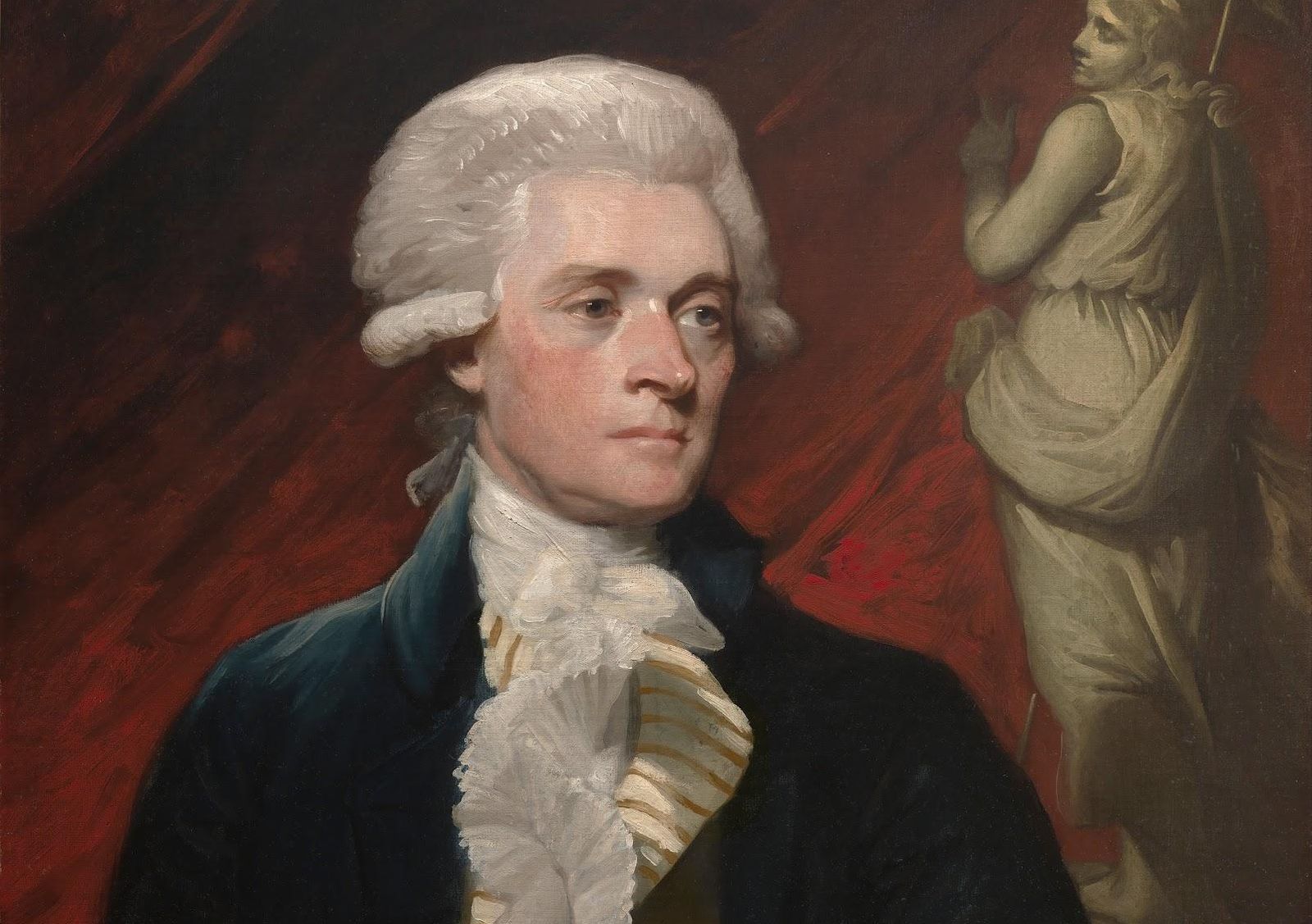
Image: Mather Brown, Public domain, via Wikimedia Commons

In 1786, while serving as the American Minister to France (before his vice presidency), Thomas Jefferson took a trip to England with his friend John Adams. The two future Vice Presidents visited the home of William Shakespeare in Stratford-upon-Avon. In a move that would get a modern tourist arrested, Jefferson and Adams decided they wanted a souvenir. Jefferson hacked off a tiny bit of wood from what was alleged to be the English playwright’s chair. He took the splinter home as a relic of genius. Remarkably, that tiny bit of wood survived the centuries and is still on display today at his estate, Monticello.

5
Charles Curtis
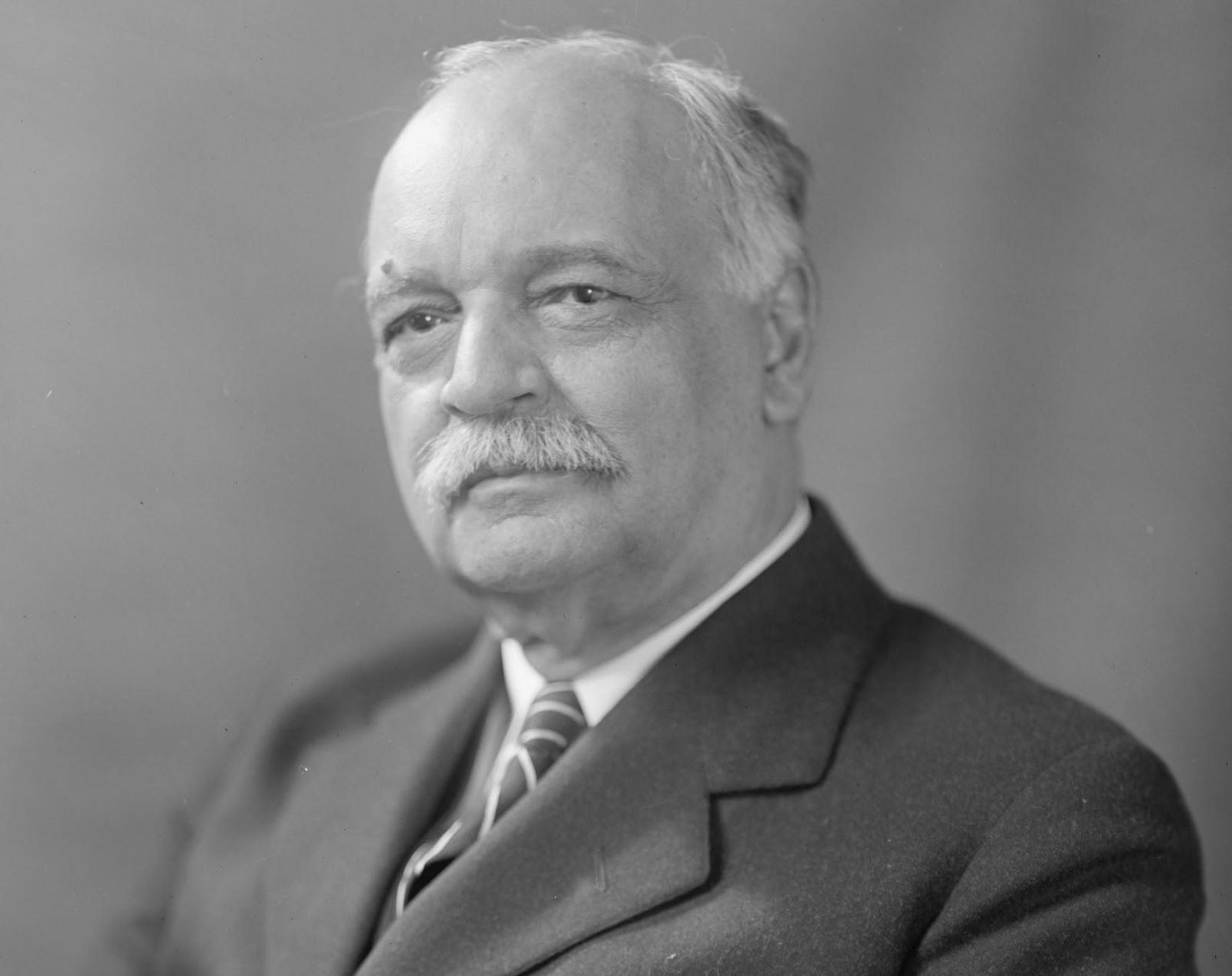
Image: Harris & Ewing, Public domain, via Wikimedia Commons

Most people assume that ethnic and racial barriers were only broken in recent decades, but Charles Curtis made history in 1929. Serving under Herbert Hoover, Curtis was three-eighths Native American (of the Kaw, Osage, and Potawatomi tribes). Growing up on a reservation with his maternal grandparents, Curtis actually didn’t speak English as his primary language in his earliest years; he spoke Kansa and French. To this day, he remains the first and only person with significant, acknowledged Native American ancestry to reach the executive branch of the U.S. government.

6
Charles Dawes
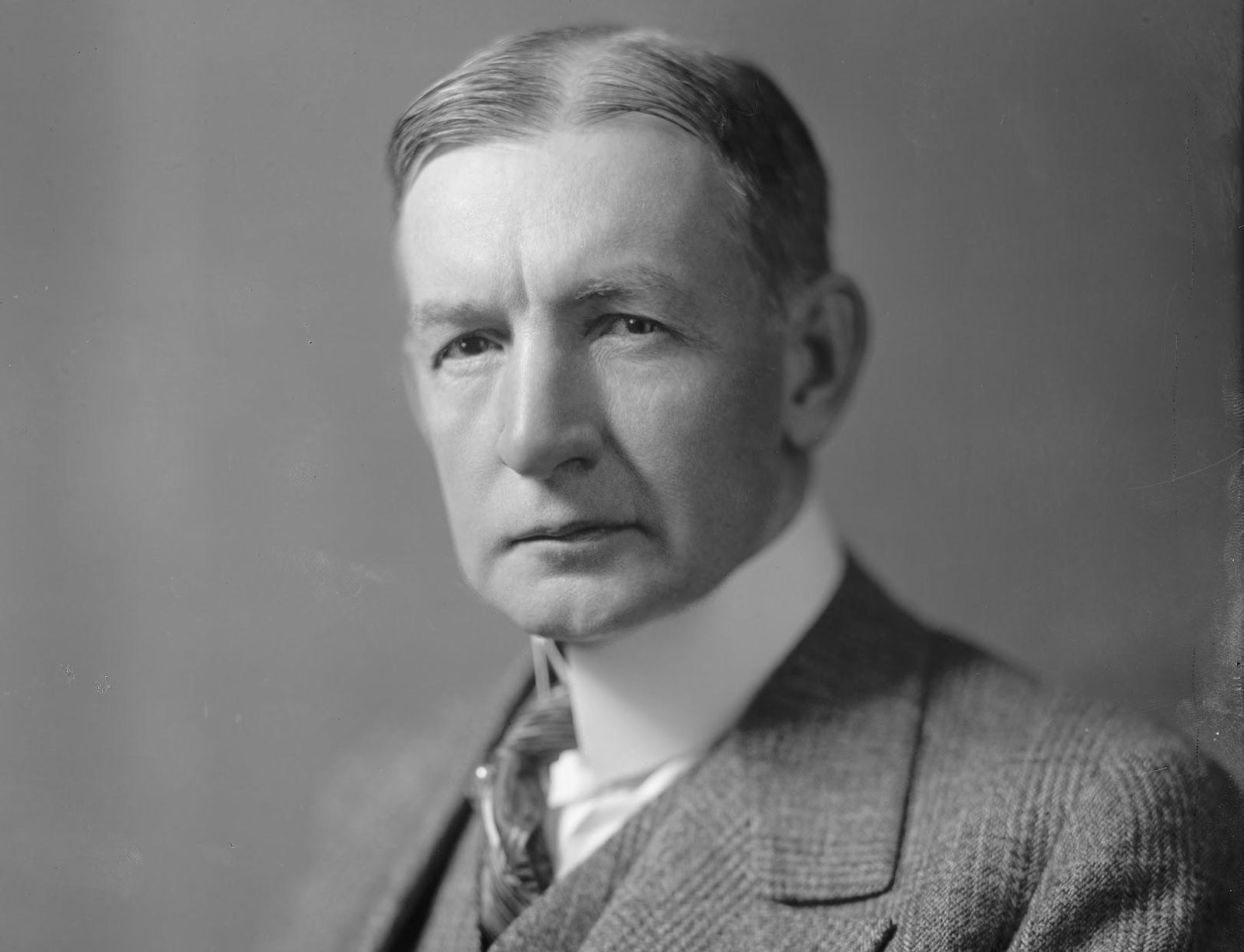
Image: Harris & Ewing, Public domain, via Wikimedia Commons

Charles Dawes was a polymath: a general, a Nobel Peace Prize winner, and Calvin Coolidge’s Vice President. But he was also a musician. In 1911, he penned a classical piece titled "Melody in A Major." Decades later, lyrics were added to the tune, and it was rechristened "It’s All in the Game." In 1958, the version sung by Tommy Edwards climbed to the top of the Billboard charts. This makes Dawes the only Vice President in history to have a credited Number One pop hit.

7
Alben W. Barkley
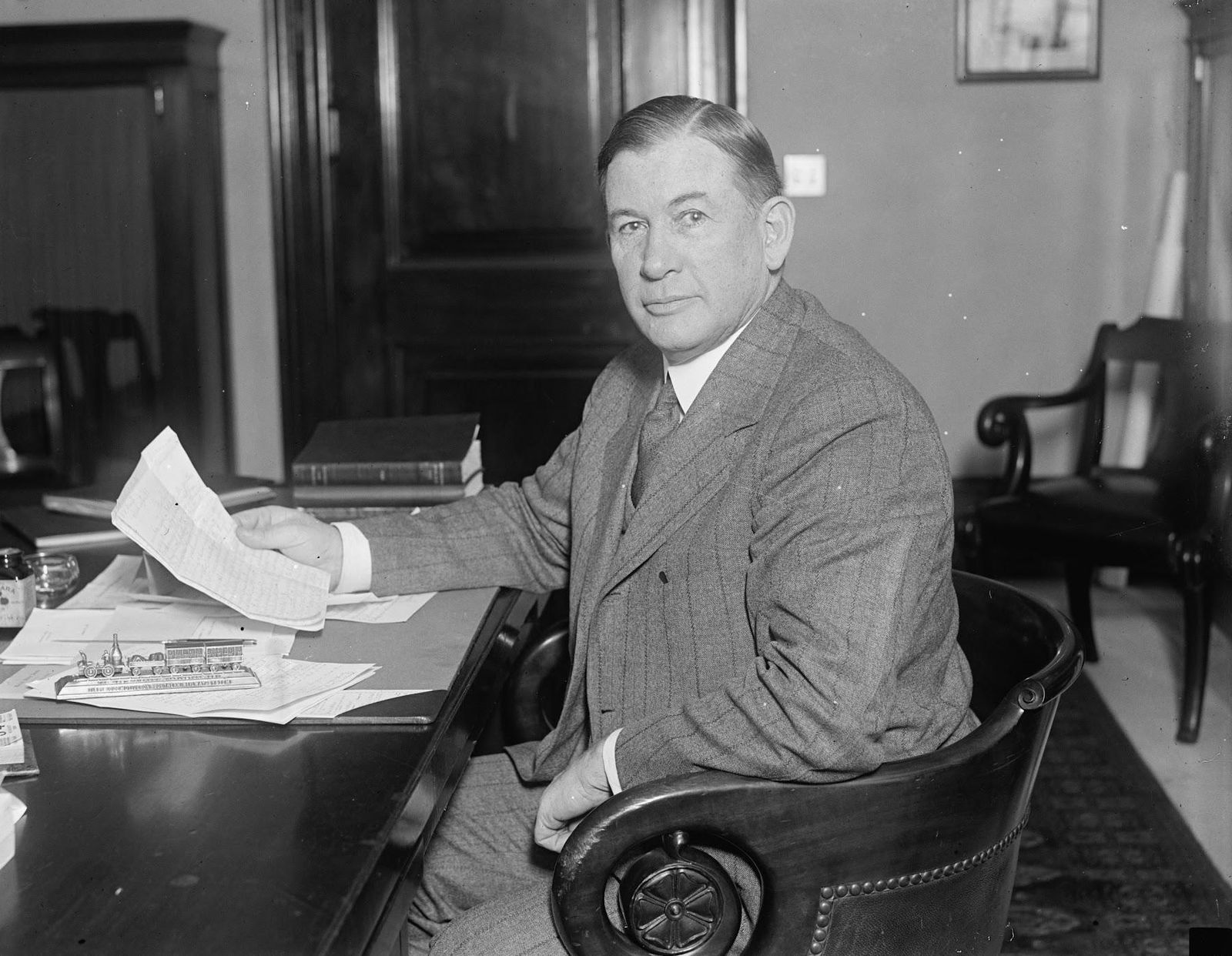
Image: National Photo Company Collection, Public domain, via Wikimedia Commons

For nearly 150 years, there was no nickname for the Vice President. That changed with Alben W. Barkley, who served under Harry S. Truman. Barkley’s young grandson reportedly told him that "Mr. Vice President" was too much of a mouthful and suggested he use a nickname based on the initials "V.P." Barkley loved the idea and began referring to himself as the "Veep." The term was so catchy that it was adopted by the press and remains the standard informal title for the office to this day.

8
Nelson Rockefeller
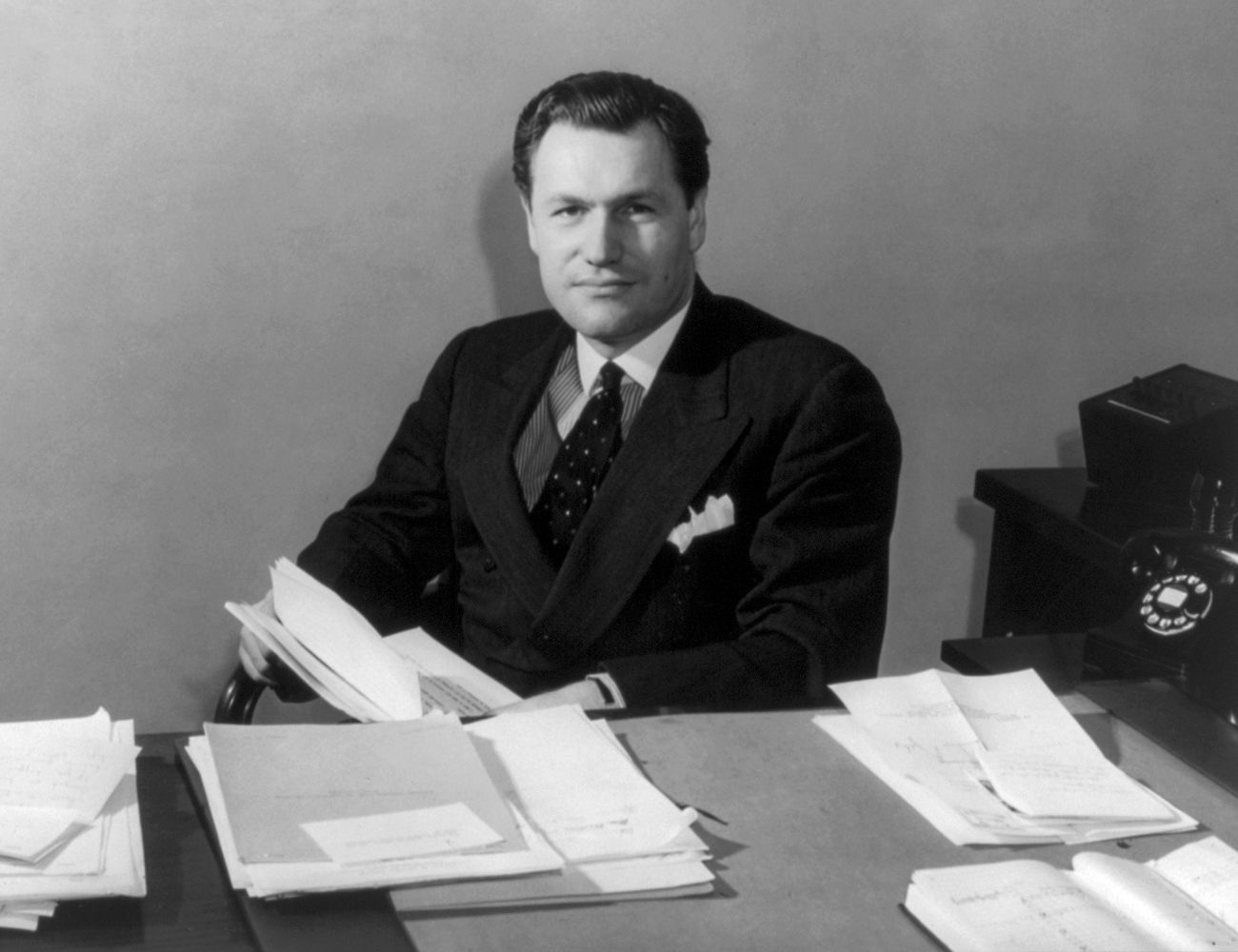
Image: Office for Emergency Management; Royden Dixon, photographer, Public domain, via Wikimedia Commons

Nelson Rockefeller, Gerald Ford’s Vice President from 1974 to 1977, was a man of immense wealth and even greater perfectionism. When he lived in his apartment on Fifth Avenue in New York City, he was famous for making endless alterations. Rockefeller was known to move walls, redesign entire rooms, and constantly shift his massive art collection (which included works by Picasso and Matisse). His obsession with "tweaking" his environment was so legendary that friends joked he was never truly finished with a room.

9
Adlai Stevenson I
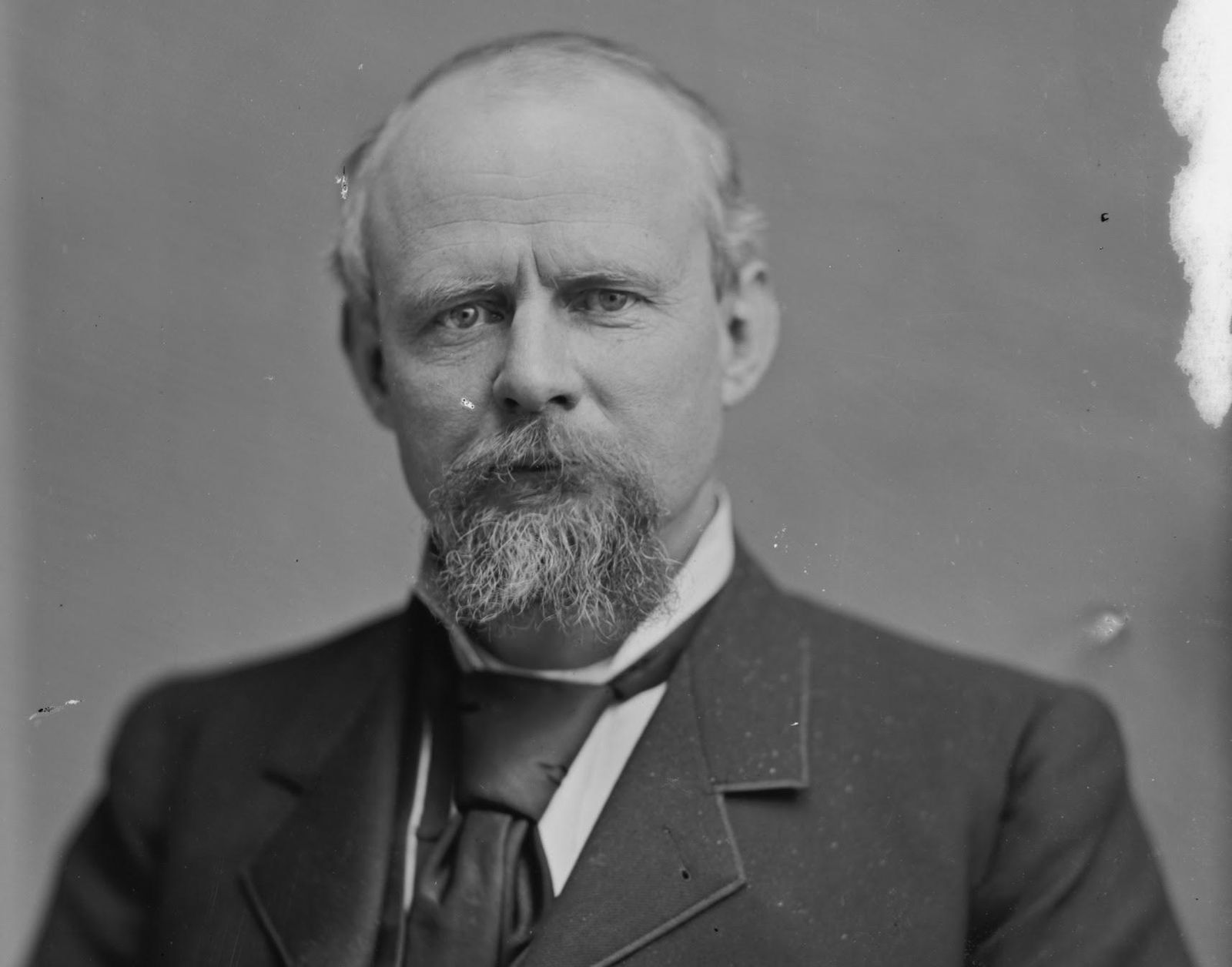
Image: Brady-Handy Collection, Public domain, via Wikimedia Commons

Adlai Stevenson I served as Grover Cleveland’s Vice President from 1893 to 1897. During their term, Cleveland discovered he had a cancerous growth on the roof of his mouth. Fearing a financial panic if the news broke, Cleveland underwent a secret surgery on a yacht in the middle of Long Island Sound. Had that surgery gone wrong or had Cleveland succumbed to infection, Stevenson—who was far more aligned with the "Silverite" wing of the party than the "Gold Standard" Cleveland—would have become President, likely shifting the entire economic trajectory of the Gilded Age.

10
Kamala Harris
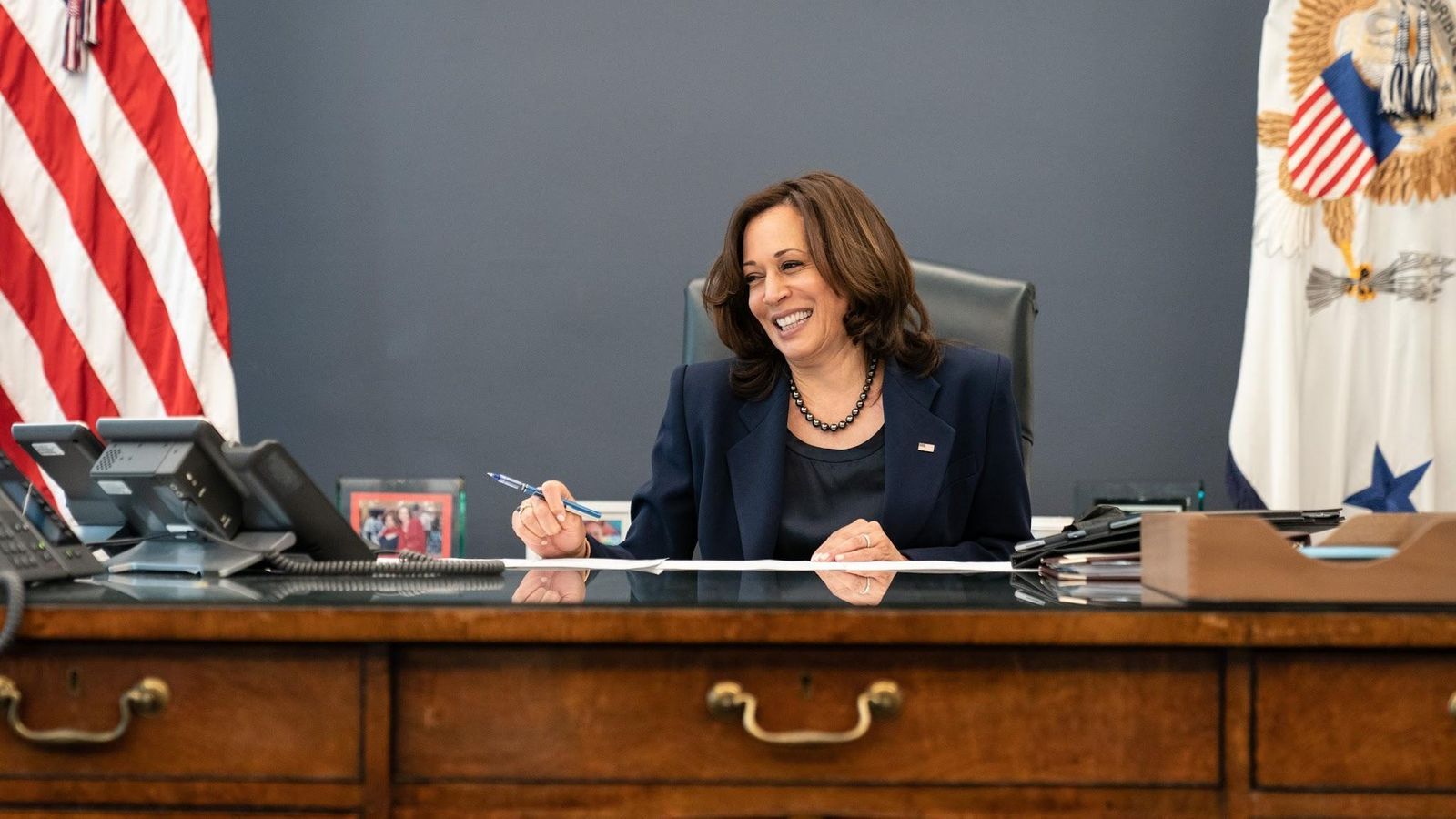
Image: Lawrence Jackson, Public domain, via Wikimedia Commons

The modern vice presidency reached a massive demographic milestone with the election of Kamala Harris in 2020. Serving under Joe Biden, Harris became a triple first in American history. She was the first woman, the first African-American, and the first Asian-American to ever assume the role. Her ascent marked a definitive shift in the visual and cultural representation of the executive branch, proving that the office John Adams once mocked has become a vital platform for national leadership and historical progress.

Culture Culture 4 min read

Where did RadioShack go?

From Blockbuster to Pan Am: Remember these 10 giants no longer around?

Image: Sean Benesh

It can be hard to imagine a giant falling, but it happens more often than we might think. Huge companies with thousands of employees, stores across the world, and solid reputations file for bankruptcy every year—some with a loud bang, while others fade away quietly after a long decline. You will likely recognize the following ten names. These companies were once everywhere, only to one day vanish into thin air. Some are gone for good, some were absorbed by other corporate giants, and some still exist but only as a tiny fraction of what they used to be. Do you miss any of these brands?

1
Pan Am

Image: Rob Wilson

If a single name were to represent the airline industry in the 20th century, it would most likely be Pan Am. Founded as Pan American Airways in 1927, the company became an American icon , known for its many airline innovations , its distinctive blue logo, and the crisp white uniforms of its staff.

However, when the airline industry was deregulated in 1978, increased competition set the stage for Pan Am’s downfall. The company declined throughout the 1980s and ultimately declared bankruptcy in 1991.

2
Borders

Image: Araix Rand

Its huge stores were havens for book lovers, who could spend hours wandering its aisles, browsing and perusing its vast catalog of books , magazines , CDs , and more. But, alas, none of these stores had been profitable since the mid-2000s.

In 2011, after the company filed for bankruptcy, every single store was closed. Its trademarks were later purchased by its prominent rival, Barnes & Noble.

3
Circuit City

Image: Austin Distel

Starting its life as Wards Company in 1948, Circuit City became one of America’s most recognizable brands in the consumer electronics retail business . However, the turn of the century brought significant changes and financial difficulties, ultimately leading the company to file for bankruptcy in 2008.

4
Tower Records

Image: Lucía Garó

In a similar vein to Borders, Tower Records was a haven for music lovers who enjoyed the vast selection of music available in its stores. And, much like Borders, music stores have largely gone the way of the dodo.

Managerial blunders and the rise of internet piracy contributed to the company filing for bankruptcy twice—first in 2004 and again in 2006. Its assets were sold at auction to Great American Group, and the last store closed in December 2006.

5
Trans World Airlines (TWA)

Image: Ross Parmly

Pan Am was not the only major airline to disappear. The once-powerful TWA met the same fate, operating from 1930 until it was acquired by American Airlines in 2001 . It was once one of the "Big Four" domestic airlines in the United States, alongside United, Eastern, and the aforementioned American.

6
Blockbuster

Image: Bruno Guerrero

Another demise that hit hard for loyal customers was Blockbuster. While the VHS rental behemoth dominated the market throughout the ’90s and early 2000s —with over 9,000 stores and 84,000 employees—the lethal combination of the internet and piracy proved too much to withstand. As a result, the company gradually closed nearly all its stores, leaving only one remaining today in Bend, Oregon.

7
Amoco

Image: Markus Spiske

The first name on this list to disappear not due to financial difficulties but because of a merger, Amoco was a giant in the oil and gas industry. Founded in 1910, it became the largest natural gas producer in North America by the late ’90s .

In 1998, it merged with British Petroleum in a $61 billion deal. Existing service stations were rebranded under the BP name, and the Amoco brand gradually faded from view.

8
Compaq

Image: ThisisEngineering

In the ’90s, Compaq was a major player in the computer industry and, at one point, the largest supplier of PC systems in the US . However, as the century came to an end, lower-cost competitors like Dell began attracting consumers and chipping away at Compaq’s market share. In 2002, the company merged with Hewlett-Packard, and the Compaq name gradually faded away.

9
Woolworths

Image: Kay Enn

The original five-and-dime store, Woolworths, was a pioneer in the retail industry in the late 1800s . It managed to survive—and even thrive—through most of the 20th century, but by 1989, it had entered a steady decline.

Following a 1993 restructuring that led to the closure of half its 800 stores, the rest gradually shut down. While the Woolworths retail brand and name have disappeared, the company rebranded as the Venator Group in 2001 and shifted its focus to its footwear division. Today, you might know it as Foot Locker.

10
Howard Johnson’s

Image: Francesca Saraco

The last name on our list is a familiar one, especially to travelers. The iconic Howard Johnson’s began as a single ice cream stand outside Boston, Mass., before expanding to over 1,000 restaurants. In the 1950s, the chain introduced motor lodges at nearly 300 of its locations.

Howard Johnson’s was sold to Marriott in the 1980s, and most of its restaurants gradually shut down. The last remaining location, in Lake George, N.Y., closed its doors in 2017.

Culture Culture 5 min read

PAPER AND INK ICONS

Celebrate These Literary Giants With These 10 American Book Characters!

Image: Thought Catalog

America has produced its fair share of groundbreaking authors . With 15 Nobel Literature laureates so far, our country’s history is filled with a myriad of unforgettable characters and stories that have left their marks on the world.

We have chosen to select 10 of the most quintessential literary characters from American books. These characters have become symbols in their own right, and are almost as famous as the authors that created them.

1
Tom Sawyer

Image: Daniel Chekalov

We’ll start with an American classic . If Mark Twain is considered "the Father of American Literature" , then it would also be fair to consider Tom Sawyer as the father of many great literary characters. And while it is true that "The Adventures of Tom Sawyer" was heavily overshadowed by its sequel "Adventures of Huckleberry Finn", we have decided to choose Tom over Huck mostly because he was Mark Twain’s first and perhaps most iconic character.

Tom is introduced in the novel as an orphan boy who lives with his Aunt Polly in Missouri. Characterized by his penchant for avoiding work, Tom often uses his cunning and wits to skip school and chores. Perhaps his most famous feat is convincing the neighborhood kids that painting Polly’s fence was immense amounts of fun, and charging them for the privilege of doing his busy work.

2
Captain Ahab

Image: Austin Neill

Herman Melville tackled the issues of fanaticism and the battle between humankind and nature in his 1851 masterpiece "Moby Dick". In that sense, the character Melville chose as a vessel to portray these themes is definitively Captain Ahab, the frantic and monomaniacal captain of the whaling ship Pequod , hellbent on capturing the great white whale Moby-Dick.

While Ahab's obsession is fueled by revenge (since the whale bit off his leg), many critics observe how the captain’s mind doesn’t allow for any other feeling other than his mindless obsession with catching Moby-Dick. In the end, this hatred makes him forget to care for himself and his crew, and in their final battle, the whale drags Captain Ahab’s body beneath the sea.

3
Jack Torrance

Image: Luis Villasmil

Immortalized by Jack Nicholson’s superb performance in the 1980 film adaptation of "The Shining", Jack Torrance is arguably the tortured main character of this iconic horror masterpiece. Jack is a down-on-his-luck writer who gets hired as the winter caretaker of the fictional Overlook Hotel, a historical location in the Colorado Rockies.

Much like Captain Ahab, a big part of "The Shining" focuses on Jack’s fight against his own demons. However, where the Captain fails Torrance succeeds: While the dark presence that rules the Overlook possesses him and makes him attack his family, Jack overcomes these manipulations and sacrifices himself in order to save his wife and son.

4
Hester Prynne

Image: Debby Hudson

Hester Prynne might be the very first American heroin : The protagonist of Nathaniel Hawthorne’s "The Scarlet Letter" faces public humiliation and the disdain of her fellow residents of the Puritan Massachusetts Bay Colony, who force her to wear a red "A" on her clothes after committing the sin of adultery.

Yet, Hester always maintains her dignity and love for her daughter Pearl throughout the rest of her life. In the end, the red "A" that decorates her tombstone is not a reminder of her transgressions, but a monument to her determination.

5
Ignatius J. Reilly

Image: mana5280

Ignatius J. Reilly, the bumbling protagonist of "A Confederacy of Dunces", is no hero. He is more of a man-child, an unemployed and unpleasant buffoon whining about the lack of morality in his birthplace, the beautiful city of New Orleans. However, there’s no denying that Ignatius is a wonderfully crafted character and an essential part of what makes John Kennedy Toole’s novel so unforgettable.

"A Confederacy of Dunces" is, undeniably, a unique book: Its characters are as particular and hilarious as the bizarre situations in which they constantly find themselves. In that regard, Ignatius is the perfect protagonist for this unparalleled masterpiece.

6
Philip Marlowe

Image: Michelle Ding

What image comes to mind whenever you hear the phrase "private detective"? Do you picture a sullen man dressed in a beige overcoat and matching fedora , immersed in intense inner monologues about unsolved cases? Well, if that’s the case, you can thank iconic American author Raymond Chandler for creating the quintessential private detective, Philip Marlowe.

Immortalized by the great Humphrey Bogart in the film "The Big Sleep", this chainsmoking detective is one of pop culture’s most iconic characters and one that has endured as a symbol throughout its 90 years of history.

7
Atticus Finch

Image: David Veksler

Just like Philip Marlowe, many consider Atticus Finch to be the quintessential American lawyer : After all, his character is defined by his honesty and dedication to justice. However, the depth of this character from Harper Lee’s "To Kill a Mockingbird" is not only determined by his morality, but for the unconditional love he feels for his two children, Scout and Jem.

"To Kill a Mockingbird" tells the story of the Finch family, which is intertwined with the prejudice-filled trial of Tom Robinson. Atticus acts as Tom’s defense attorney, as he battles the hateful mob mentality of this 30’s Alabama town.

8
The March sisters

Image: micheile henderson

It would feel wrong to separate the four March sisters - Meg, Jo, Beth, and Amy - from Louisa May Alcott’s iconic novel "Little Women", so we have decided to include multiple characters in this entry. Alcott’s masterpiece describes the lives of these four sisters and focuses on their passage into womanhood.

Set in 19th century Massachusetts, "Little Women" is considered to this day to be one of the cornerstones of American literature . Not only that, many believe that the author was able to create a new form of sentimental literature with this book.

9
Blanche Dubois

Image: Lokesh Anand

Tennessee Williams's "A Streetcar Named Desire" proves itself to be a gemstone of American literature just by the genius in its title: While it might seem completely objective, referring to a real-life New Orleans streetcar line named "Desire", it also perfectly describes the unstoppable passion that involves the characters of this play.

In that regard, this play’s protagonist, Blanche Debois, is definitively unforgettable: A stunning yet down-on-its-luck Southern Belle who moves to her sister’s place in New Orleans. She is considered one of the most iconic characters in theater and was played on uncountable occasions.

10
Dorothy Gale

Image: ActionVance

We’ll end this article with one of the most popular American characters in our country’s history. Few characters are as iconic in pop culture as Dorothy Gale is: Immortalized by Judy Garland’s unforgettable performance, Dorothy’s trip to the wonderful land of Oz will forever be a part of American culture and history.

Perhaps the reason why this character is so memorable is the fact that, at the time when L. Frank Baum’s original book was published, Dorothy seemed to be just like every other American girl living on a farm. In a way, millions of American children were able to join Dorothy throughout her trip through the yellow brick road.

Explore more American facts

Choose your favorite category!

General
General

As American as apple pie—the very best America has to offer!

Culture
Culture

Delve into the astounding richness of American lore.

Geography
Geography

Hop in and explore vast and diverse American landscapes.

History
History

Discover the key moments that shaped the United States.