Much more than what we learned in school
Benjamin Franklin left school at 10: Here's what happened next
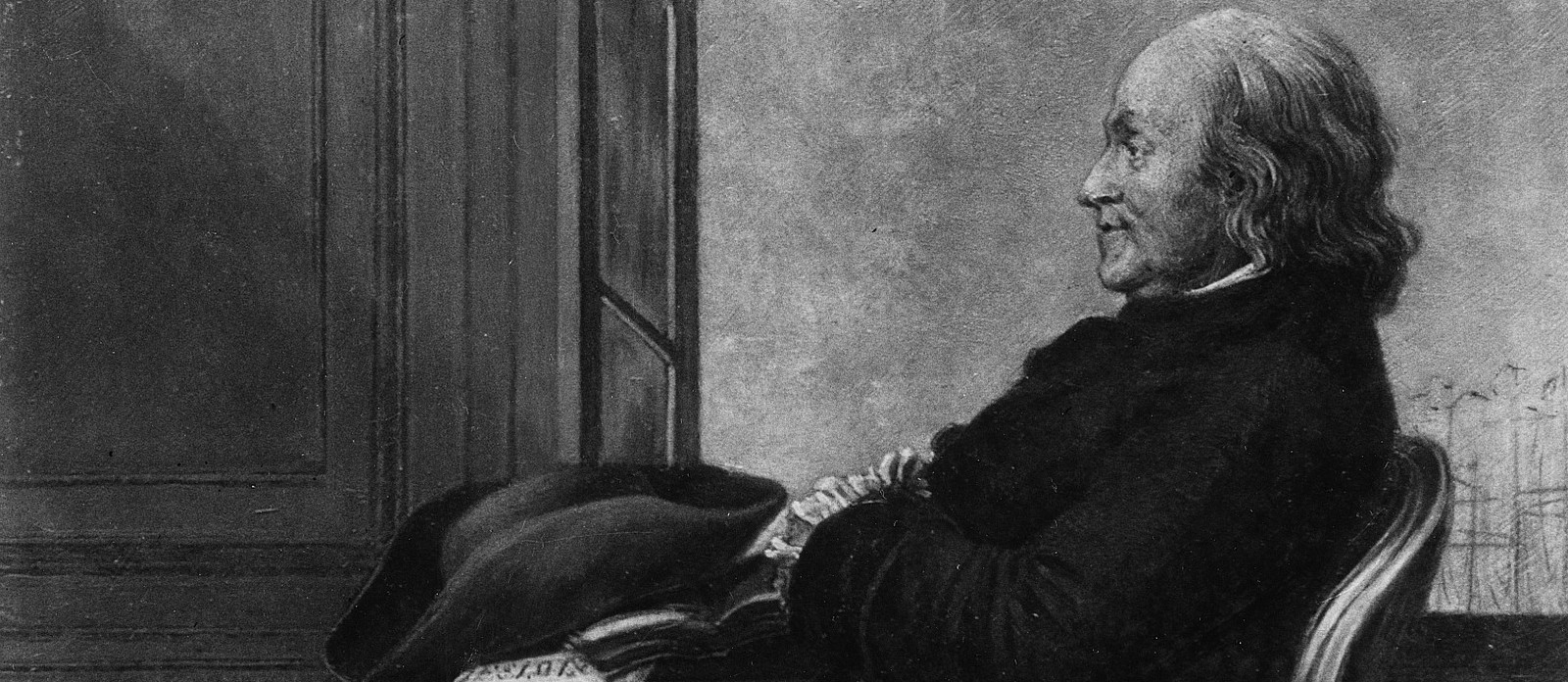
Image: William Perkins Babcock, CC0, via Wikimedia Commons
Did you know Benjamin Franklin left school at just 10 years old ? Or that at 16, he secretly wrote newspaper columns under a woman’s name ? And what about the fact that he was a vegetarian? We all know Franklin as a Founding Father, inventor, and statesman, but his life was filled with odd habits, surprising choices, and stories that sound almost too eccentric to be true. From his unusual "air baths" to the invention of a musical instrument that captivated Mozart, here are 10 things you may not know about the unique life of Benjamin Franklin.
1
He secretly wrote under a woman's name
While most of today's teenagers are finishing high school and wondering what their first job might be, Benjamin Franklin was already writing newspaper columns under a secret identity .
At just 16, Franklin began writing a series of satirical letters to his older brother James’s newspaper, the New-England Courant in Boston. He wrote them under the name Silence Dogood, a fictional middle-aged woman who offered witty observations about colonial life, morality, and politics. But the public wasn’t the only one "fooled" by the writer. Franklin secretly slipped the letters under the printing-house door at night so his brother wouldn’t know who was behind them. James and his friends enjoyed the letters so much that they published them without realizing that their teenage apprentice was the author. Young Benjamin eventually revealed the secret, and according to historical sources, his brother was not amused.
2
He loved "air baths"
As a Founding Father, Speaker of the Pennsylvania House of Representatives, Postmaster General of the United States, and U.S. ambassador to France, we know plenty about Benjamin Franklin’s public life, but much less about his everyday habits.
One of the strangest was what he called his "air baths." In a letter from 1768, Franklin explained that he disliked the shock of cold-water baths. Instead, every morning he would get out of bed, remove all his clothes, and sit by the open window of his bedroom for up to an hour while he read, wrote, and worked. He believed that exposing his body to fresh air helped keep him healthy. But what’s interesting is that, despite his dislike of cold water, he still bathed regularly, and later became a fan of warm baths after experiencing them while serving as ambassador to France .
3
He dropped out of school when he was 10
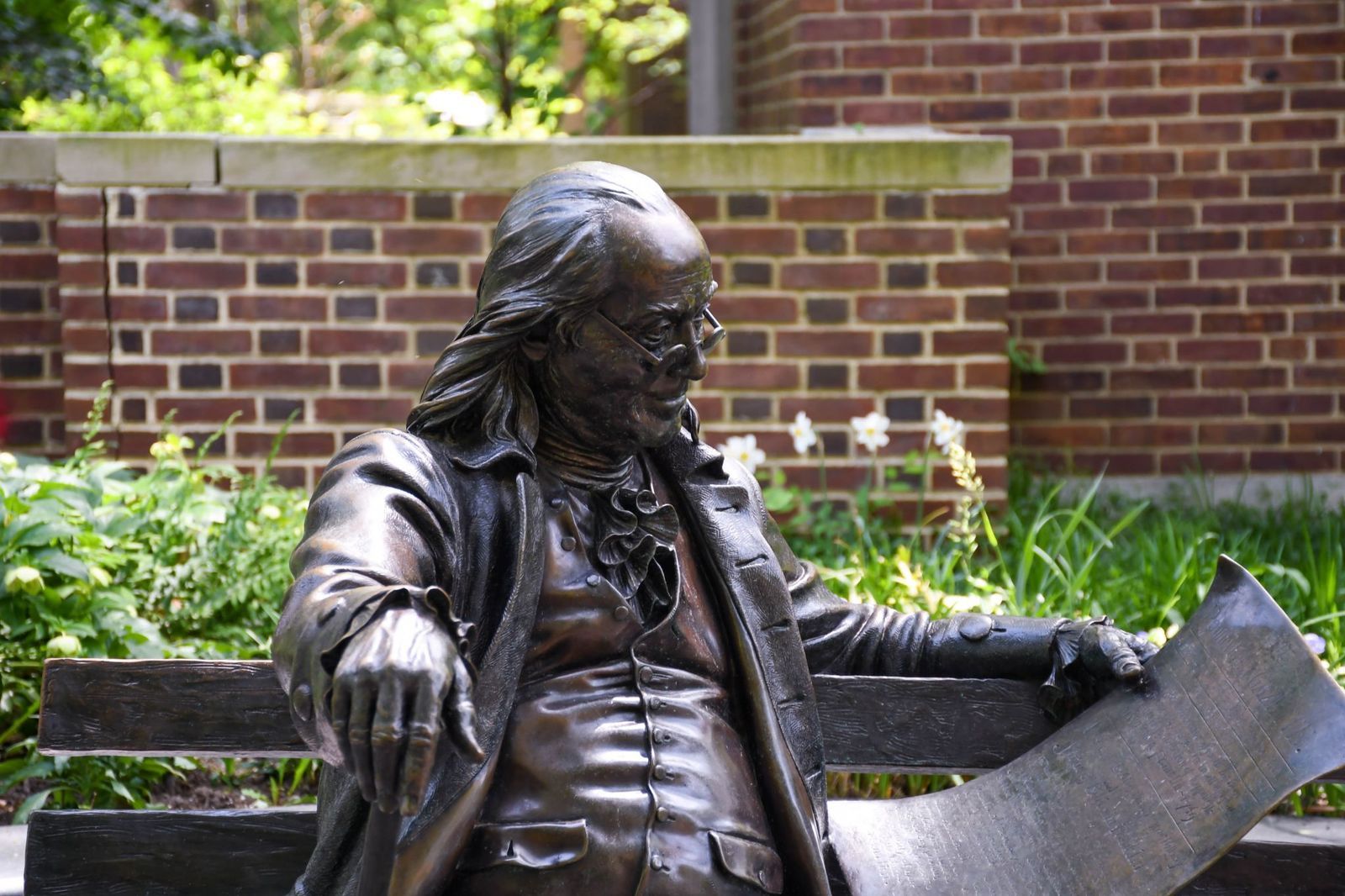
Despite being one of the most intelligent and well-educated men of his time, Benjamin Franklin left school when he was still a child.
Few people know that Franklin attended grammar school for only about two years before leaving formal education at around age 10 because his family could no longer afford to keep him in school. But neither his family’s financial hardship nor his lack of formal education held him back. He educated himself through extensive reading and writing, studied science and philosophy, learned French, Italian, Spanish, and German, and eventually pursued his passion for electricity. As a consequence, the boy who had left school at 10 went on to become one of the best-known intellectuals of his era.
4
He created a musical instrument that impressed Mozart
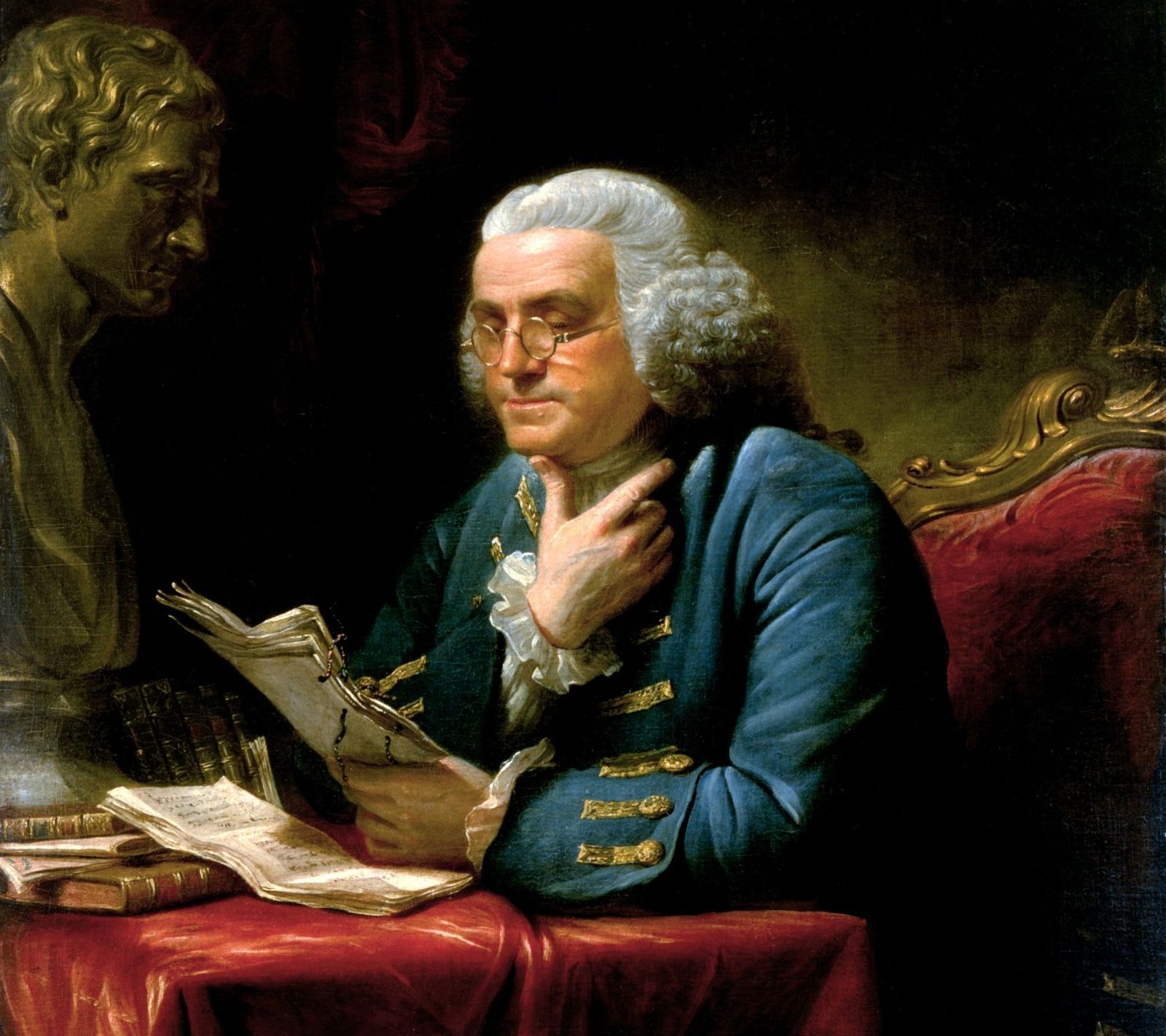
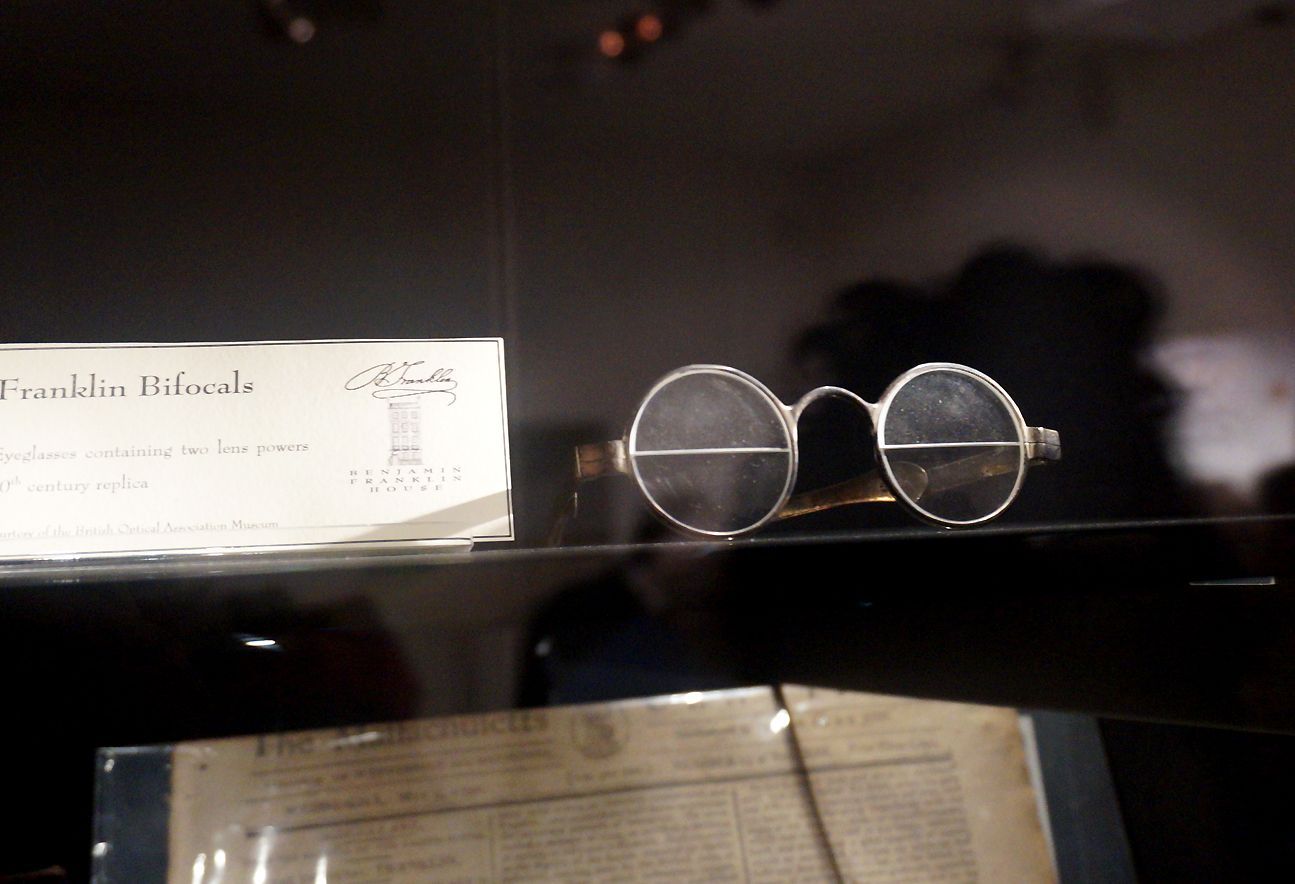
Along with famous inventions like the lightning rod and bifocal glasses, Franklin created several other inventions that fascinated people of his time.
One of the most unusual was the "glass armonica," a musical instrument he created in 1761 while living in London, England, made of spinning glass bowls that produced tones when touched with wet fingers. The instrument became a sensation across Europe. Wolfgang Amadeus Mozart was so impressed that he composed Adagio and Rondo for Glass Armonica, Flute, Oboe, Viola, and Cello (K. 617) for it in 1791, and Ludwig van Beethoven also wrote music for the instrument.
5
He became a French fashion icon
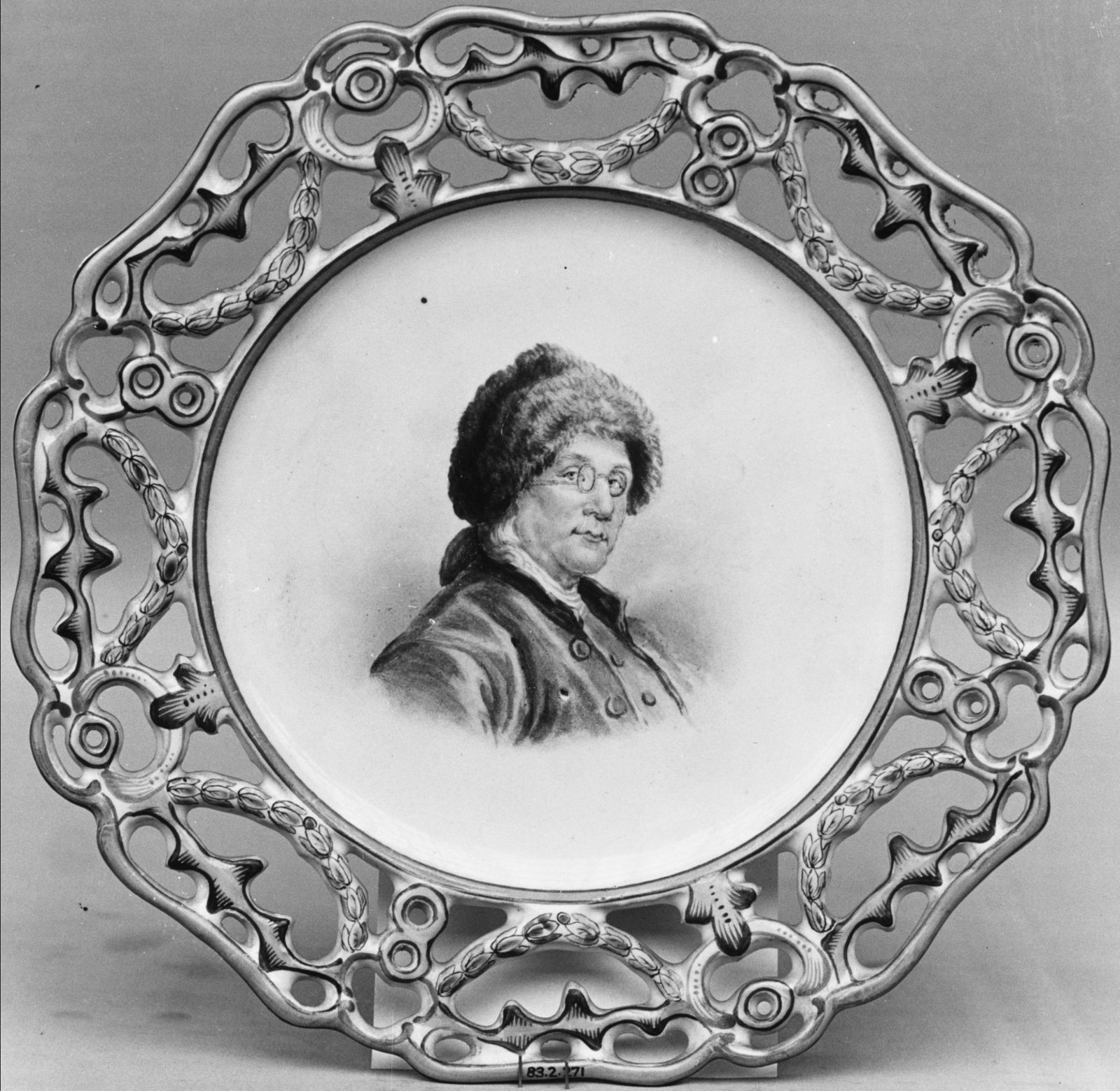
Intellectual, politician, writer, inventor: these are all words that describe Benjamin Franklin. But who would have thought he was also a fashion icon?
While serving as a diplomat in France from 1776 to 1785, Franklin embraced some French customs, but he also brought a distinctly American style to Paris. At a time when the French elite wore elaborate powdered wigs, Franklin often appeared in a distinctive fur cap , which helped create his image as the charming, rustic American sage. His look became such a sensation that Parisian women began wearing tall hairstyles inspired by his fur cap, a fashion known as the coiffure à la Franklin .
6
He adopted a vegetarian lifestyle

Writing for a newspaper under a female pseudonym wasn’t the only surprising thing Franklin did at age 16.
Around that time, he also decided to become a vegetarian, something quite unusual for a young man in the early 18th century. In his Autobiography , written from 1771 until shortly before his death in 1790, Franklin recalled reading a book by Thomas Tryon that promoted a "vegetable diet" and deciding to try it. He had two good reasons: first, he disliked the idea of killing animals for food, and second, eating less meat would save money for books . But the experiment wasn't long-lasting. About a year later, during a sea voyage, Franklin watched fish being caught and noticed that some of them were eating one another. He later joked that if fish could eat each other, perhaps he could eat fish, too, and he returned to eating meat.
7
He never actually patented an invention
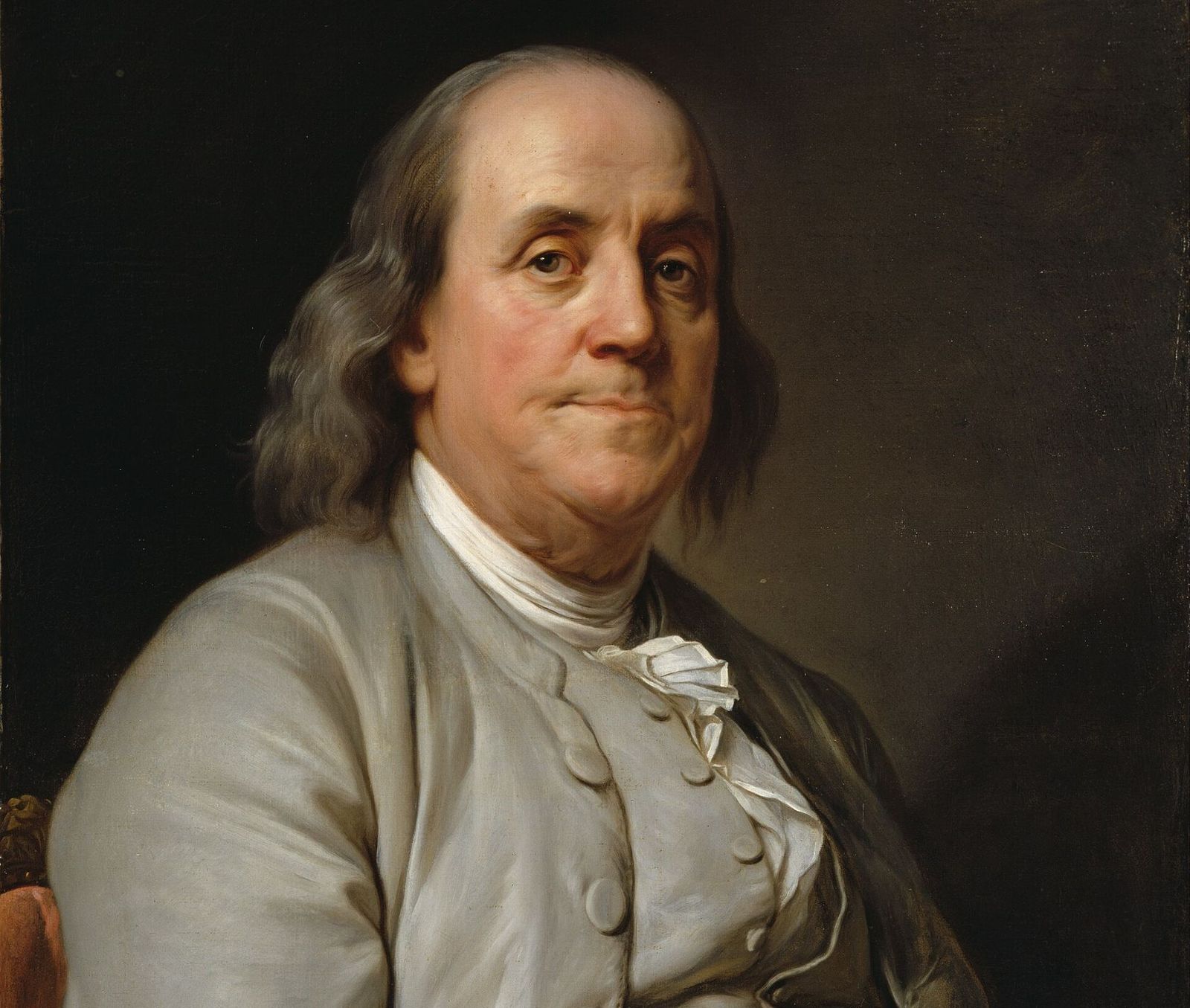
Inventions were a huge part of Benjamin Franklin’s life, but he didn’t make money from them . And it wasn’t because he couldn’t; he simply didn’t want to.
Franklin never patented his inventions because he believed useful ideas should be shared freely for the general good. The lightning rod, bifocals, and Franklin stove could all have brought him money, but he chose not to claim exclusive rights to them. In fact, when Pennsylvania Deputy Governor George Thomas offered him a patent monopoly for his energy-efficient stove in 1744, Franklin politely turned it down.
8
He became a millionaire, but not from inventions
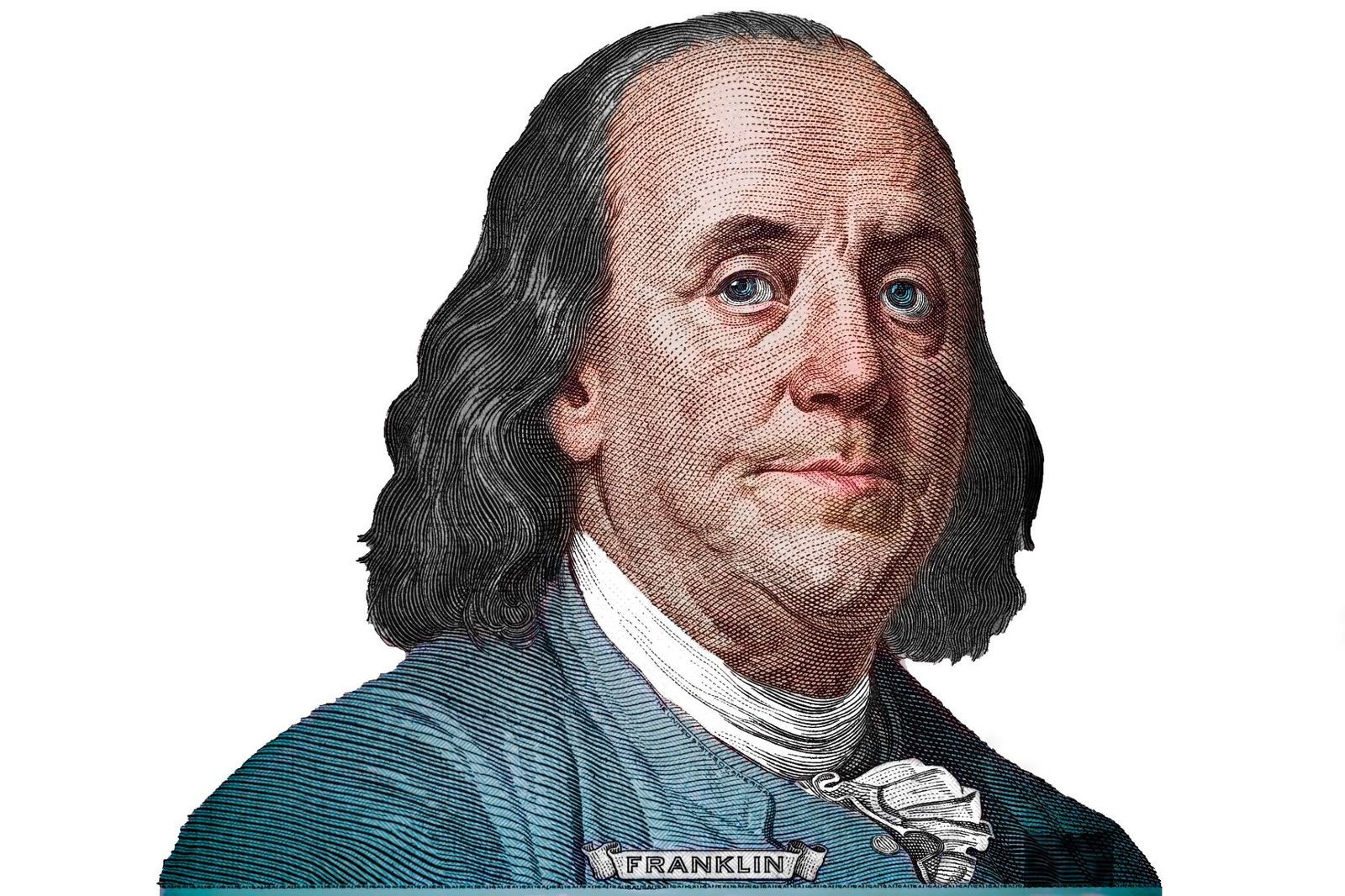
Born into a humble family, Benjamin Franklin went on to become a wealthy man , but not because of his inventions.
As we’ve seen, Franklin never patented his inventions, so he didn’t make money from them. Instead, his intelligence and business sense helped him build a fortune as a printer, publisher, and investor. His Poor Richard’s Almanack, published annually from 1733 to 1758, became hugely popular, selling roughly 10,000 copies a year. Over time, Franklin accumulated enough wealth to retire from active business while he was still relatively young.
9
He made his first invention at 11 years old
Franklin invented a pair of hand paddles for swimming when he was just 11 years old. His aquatic skills later earned him an induction into the International Swimming Hall of Fame.
10
He helped create America's first volunteer fire company