From farm to fame
The fruits that put these states on the map
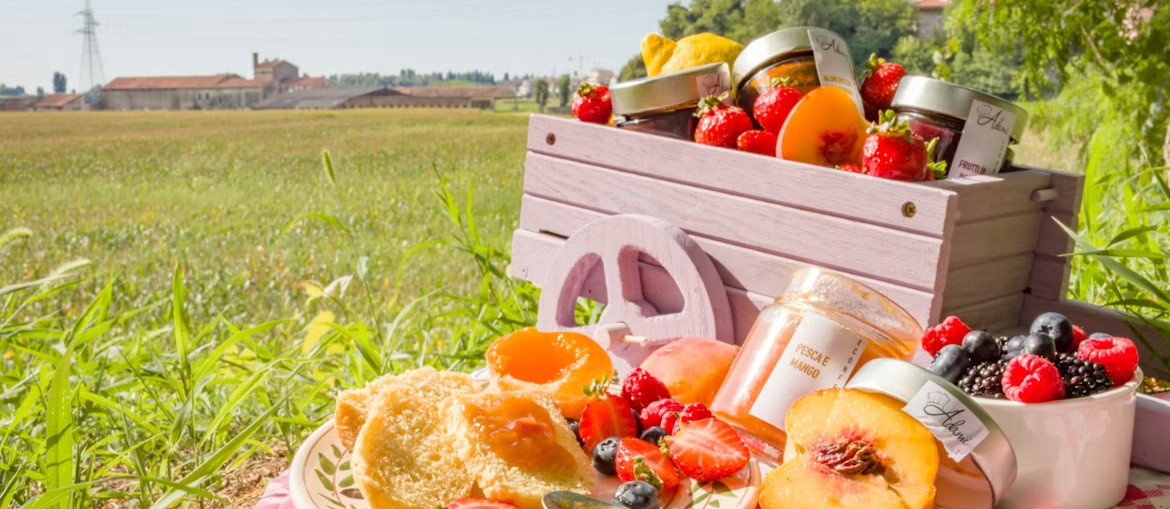
Image: Massimo Adami
From Georgia peaches to Florida oranges, there are certain U.S. states synonymous with a particular fruit. These tasty crops have helped shape local economies, traditions, and how we think about certain parts of the country. They’ve become so closely tied to their home states, in fact, that they’ve become part of the American landscape.
1
Peaches: Georgia
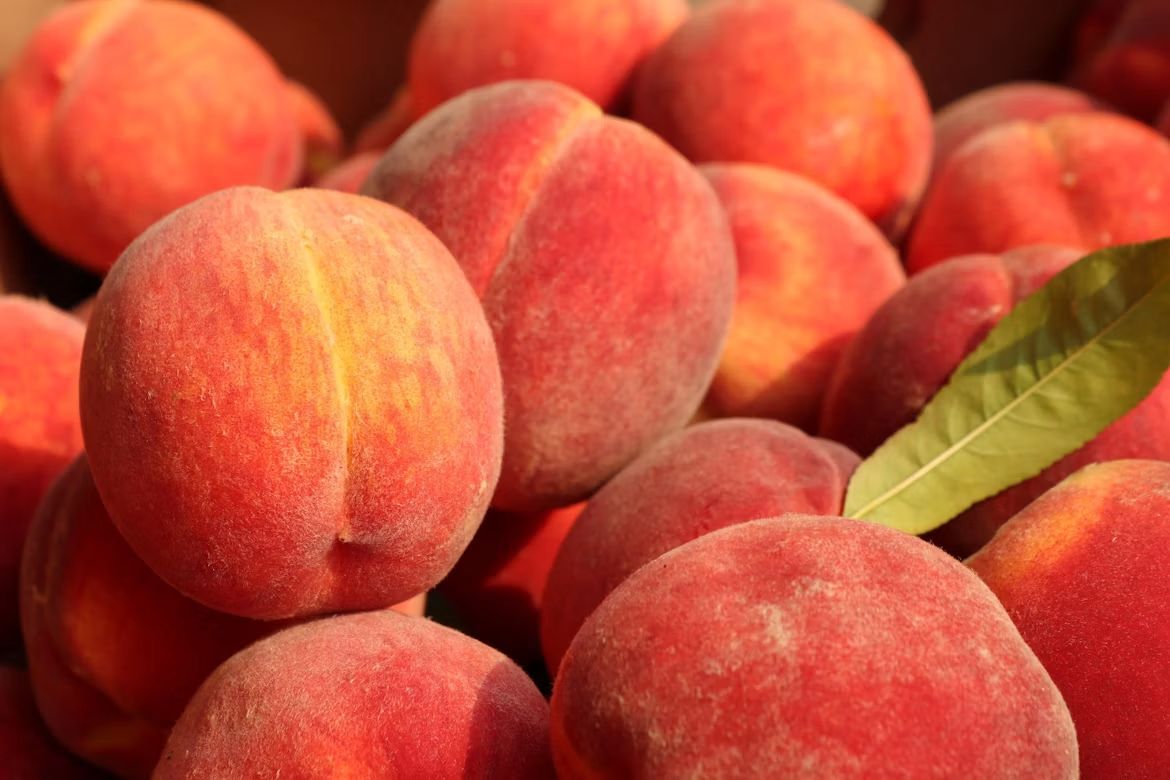
Georgia has been associated with peaches for centuries. Its warm climate, long growing season, and sandy, well-drained soils create ideal conditions for producing sweet, juicy peaches. After the Civil War, peaches also became an important alternative to cotton, giving farmers another profitable crop as Georgia's agricultural economy changed.
Better transportation helped Georgia peaches reach markets far beyond the South, strengthening the stone fruit's reputation. The peach became so closely tied to the state that Georgia earned its famous nickname, the Peach State . Interestingly, Georgia now ranks third in the nation for peach production, behind California and South Carolina.
2
Oranges: Florida
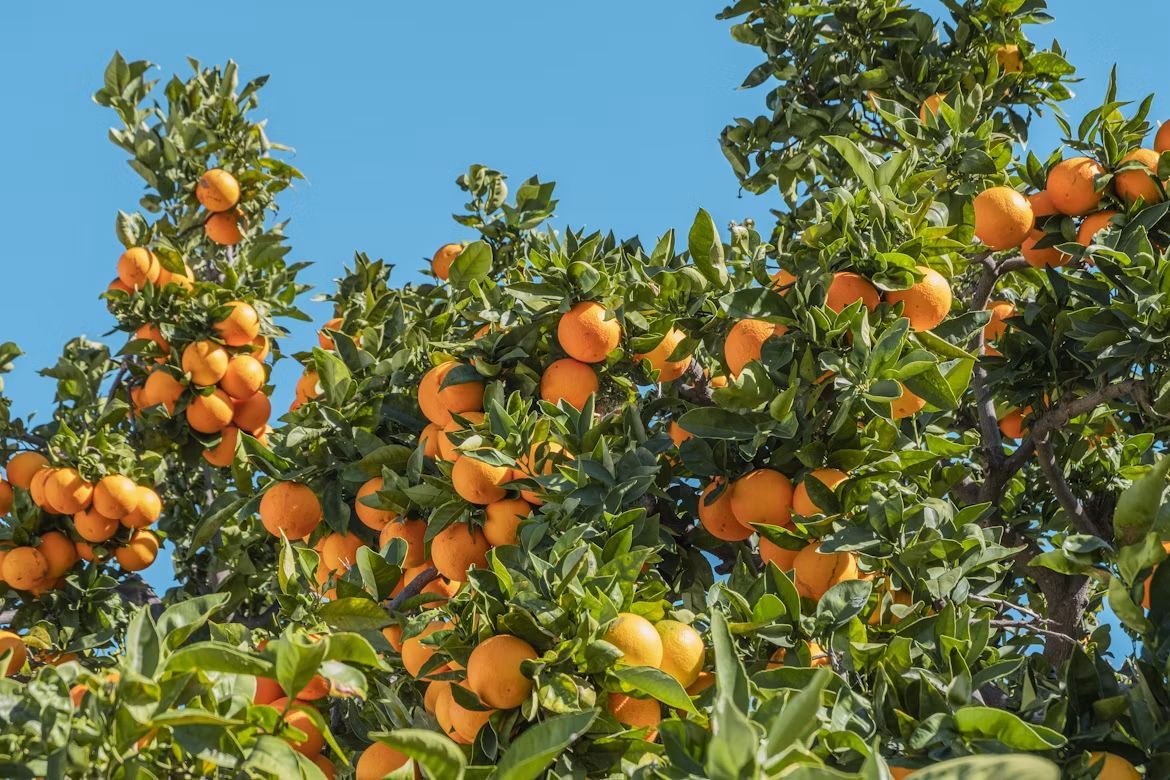
Florida's identity as a citrus state starts with the orange. Spanish explorers brought citrus to the state in the 1500s, and commercial orange farming took off in the 19th century as railroads made it easier to ship fruit across the country. Today, Florida is the nation's leading citrus-producing state, with oranges at the heart of its industry.
Florida's warm, sunny climate makes it ideal for growing oranges, which became especially important for the state's famous orange juice industry. The fruit is even featured on Florida's state license plate, a fitting symbol of the state's long-standing connection to oranges.
3
Apples: Washington
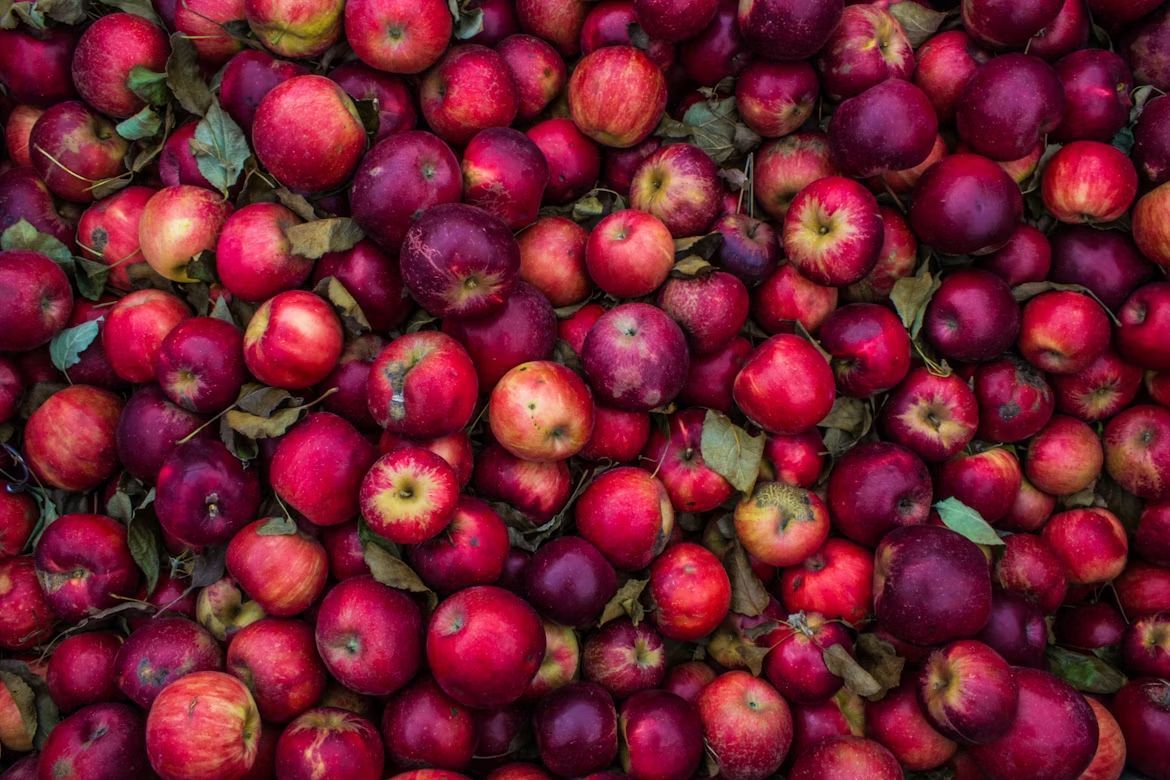
Washington's cool winters, dry summers, and extensive irrigation create ideal conditions for apple orchards. The state leads the nation in apple production and is also the country's top producer of sweet cherries, making fruit a major part of its agricultural identity.
The Wenatchee and Yakima valleys are especially well known for their orchards. From familiar varieties like Red Delicious and Granny Smith to sweet cherries picked in summer, Washington's fruit crops are enjoyed across the country.
4
Cherries: Michigan
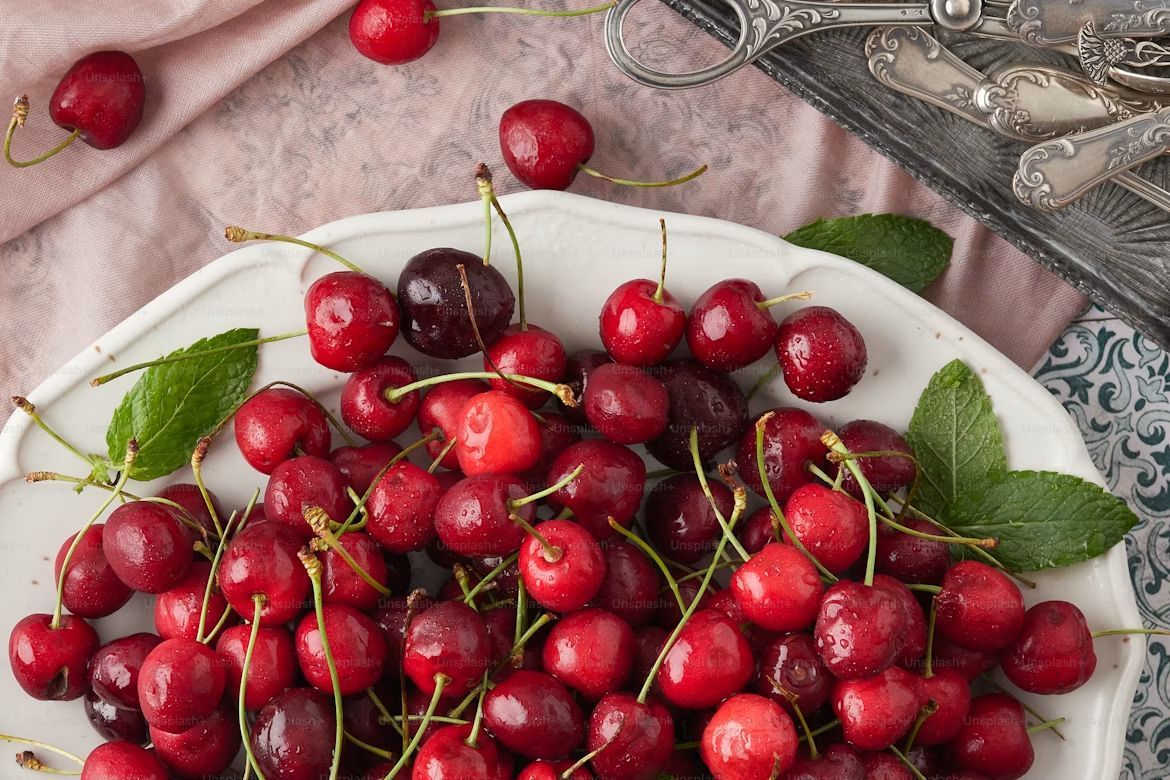
Michigan's Great Lakes climate has proved remarkably well suited to cherries, especially tart cherries. The state's northwestern Lower Peninsula became a major growing region, with Traverse City eventually earning the nickname "Cherry Capital of the World."
Michigan is the nation's leading producer of tart cherries, which are widely used in pies, jams, juices, and other processed foods. Every summer, the cherry harvest becomes part of the state's culture, celebrated with the annual National Cherry Festival in Traverse City.
5
Pineapples: Hawaii

Pineapples were being grown in Hawaii by the early 1800s, and the islands' warm, tropical climate proved ideal for the crop. By the late 19th century, pineapple plantations had expanded into a major industry, with companies growing, processing, and canning the fruit for markets in Hawaii and on the mainland. Production peaked in the 1950s, but rising production costs eventually made Hawaii less competitive.
Hawaii is no longer the pineapple powerhouse it once was, but the fruit remains closely tied to the state's agricultural history. Pineapples are still grown on Oahu and Maui, and the fruit continues to be one of the foods most strongly associated with Hawaii.
6
Grapes: California
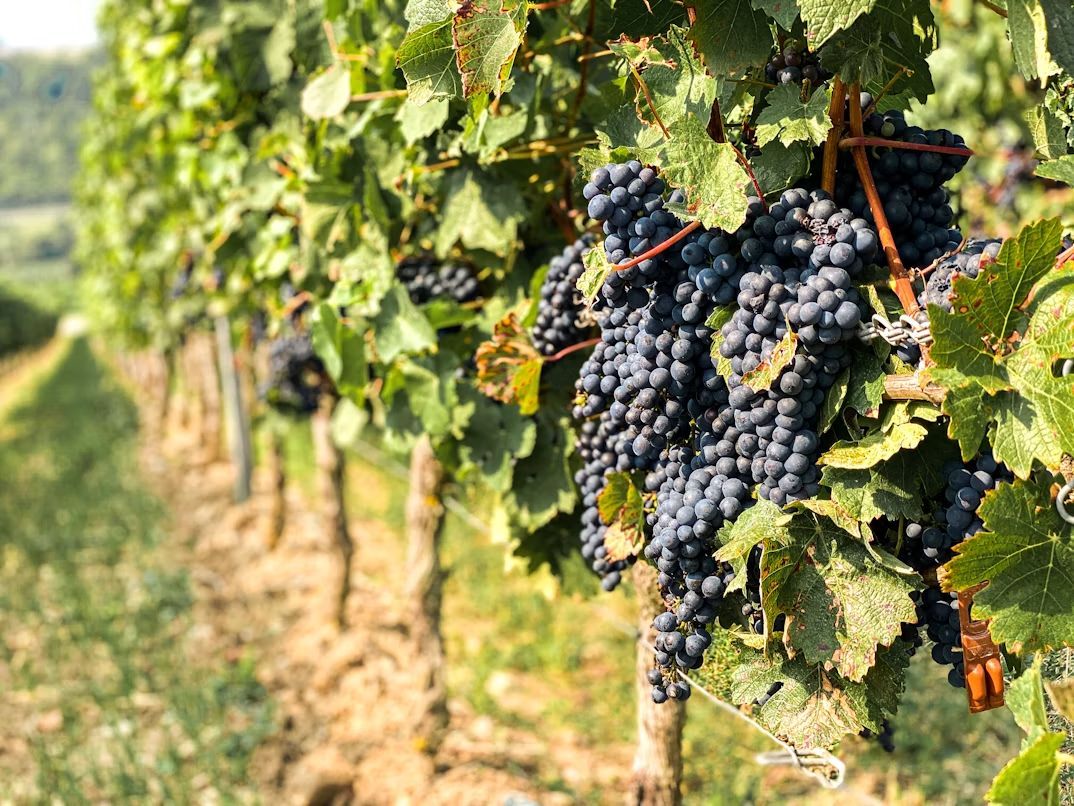
California's connection with grapes goes back to the state's earliest days of commercial agriculture. Its combination of abundant sunshine, varied climates, and fertile farmland proved ideal for growing them, helping vineyards spread across the state in the 19th century. That same agricultural advantage has made California a powerhouse for fruit production overall: the state leads the country not only in grapes, but also in strawberries, nectarines, and kiwifruit.
Grapes, however, have a special place in California's identity. From the famous vineyards of Napa and Sonoma to the large agricultural valleys farther south, the state produces grapes for both wine and fresh consumption. Together, these vineyards have helped make California one of the most recognizable fruit-growing regions in the country.
7
Cranberries: Wisconsin
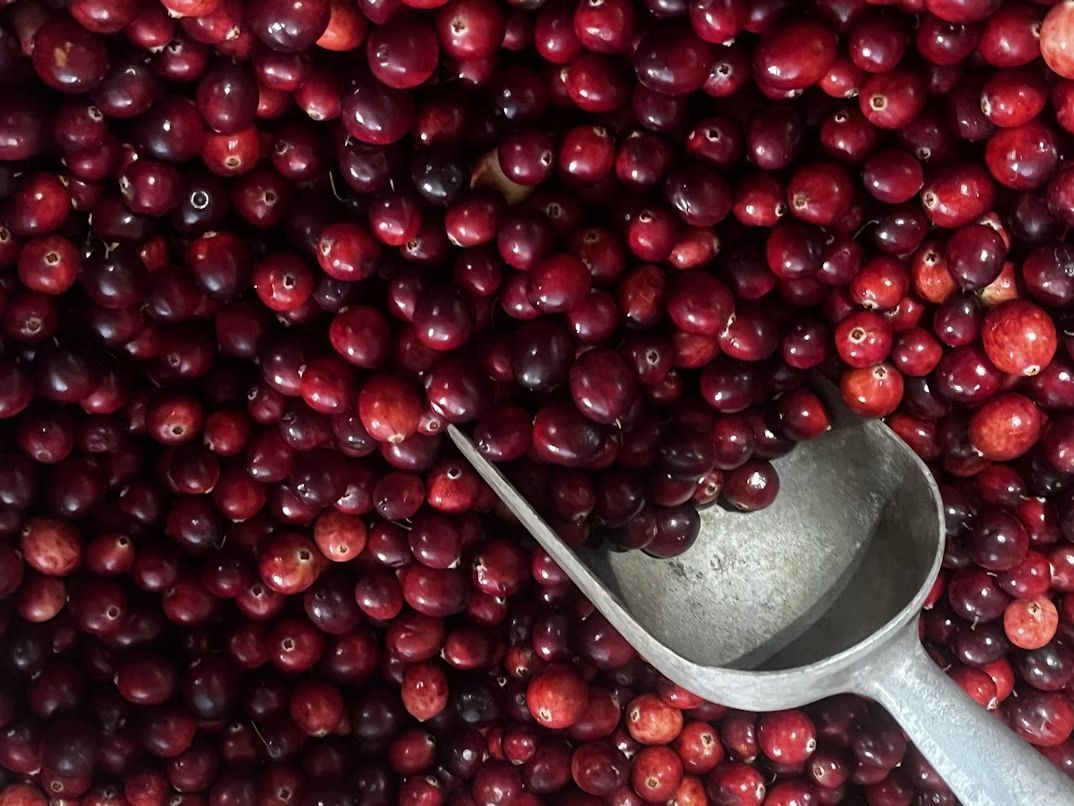
Wisconsin is the nation's top cranberry producer and has even designated the cranberry as its official state fruit. The state's sandy soils, wetlands, and cool climate provide ideal conditions for growing the berries , which are harvested in bogs each fall.
Massachusetts and New Jersey are also strongly associated with cranberries. Massachusetts has deep historical ties to the fruit dating back to the colonial era, while New Jersey has grown cranberries in the Pine Barrens since at least the 1840s. While both states are also strongly associated with cranberries, Wisconsin stands out as the nation's leading producer.
8
Blueberries: Maine
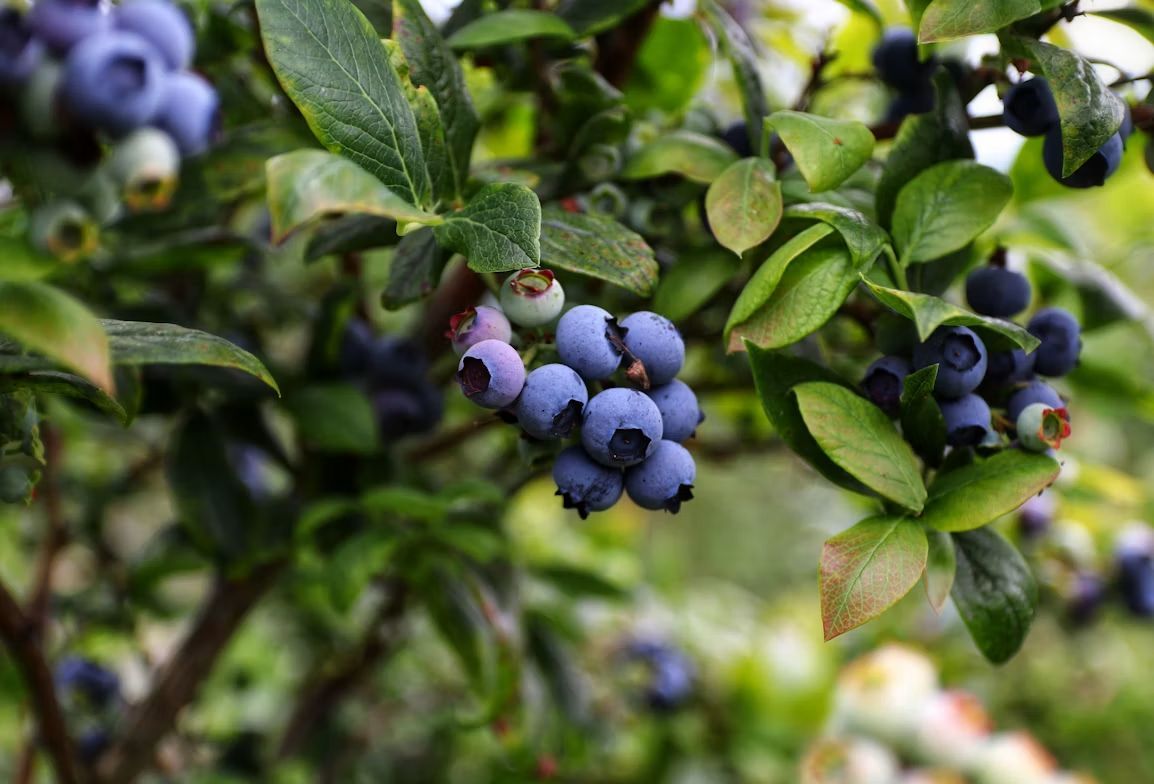
Maine is especially famous for its wild blueberries, which are quite different from the larger cultivated berries commonly found in supermarkets. These small berries grow naturally across Maine's rocky fields and coastal barrens, where they have adapted to acidic soils and harsh winters.
Rather than being planted in neat rows like many commercial crops, Maine's wild blueberry fields are naturally occurring landscapes shaped by thousands of years of glacial history. Their distinctive flavor has made them a signature Maine product, turning the tiny berry into a big part of the state's food identity.
9
Pears: Oregon
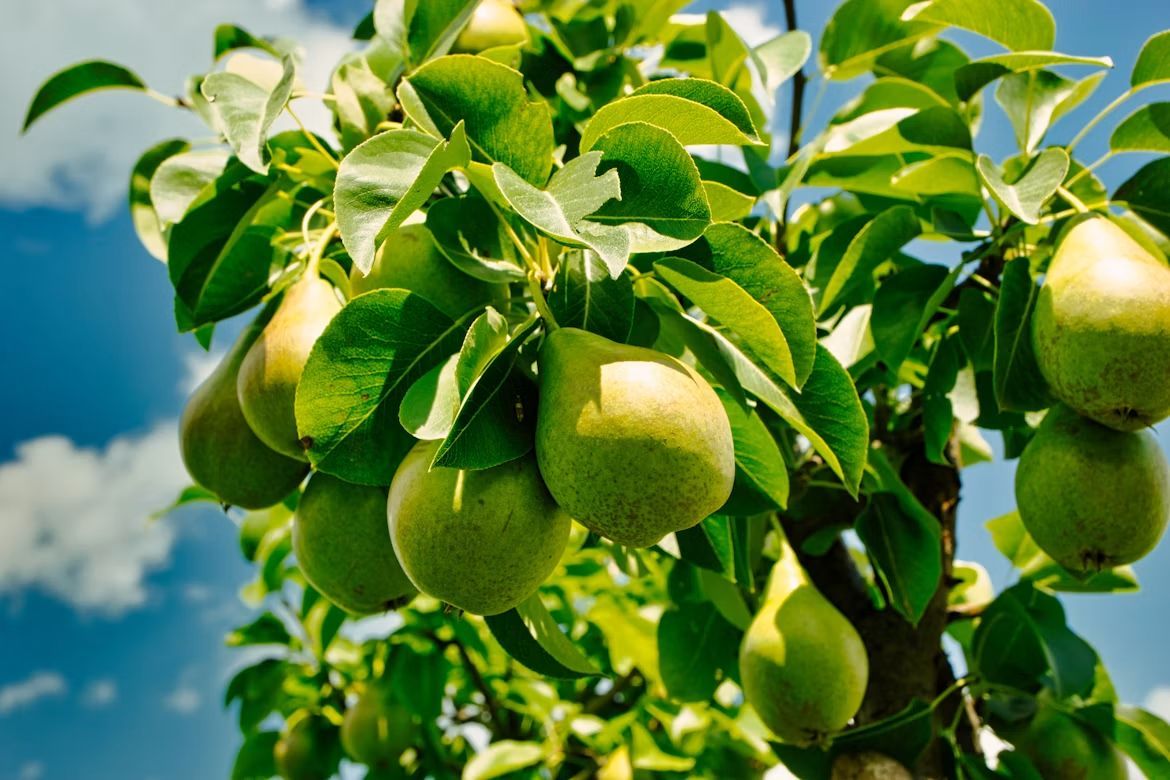
Oregon's Hood River Valley is particularly famous for pears. The area's fertile valley and favorable climate helped establish a thriving orchard industry, and today Hood River County is known for producing more pears than any other U.S. county.
The region is especially renowned for Anjou pears, and pears remain an important part of Oregon's agricultural identity. Drive through the Hood River Valley during blossom season, and the connection becomes easy to see: orchard after orchard covers the landscape, turning the fruit into part of the scenery as well as the economy.
10
Watermelons: South Carolina
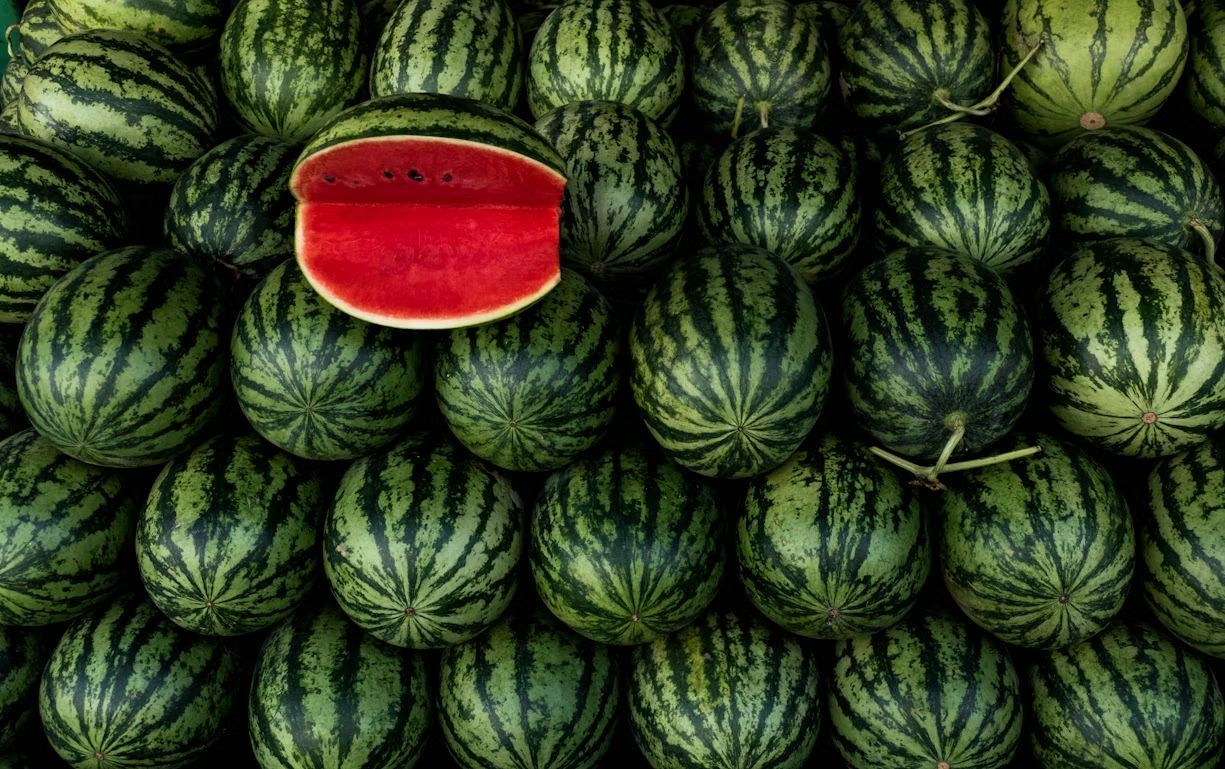
South Carolina has a long history with watermelon farming, dating back to the 18th century. The state's warm climate and fertile farmland provide good conditions for growing the summer favorite , and watermelons became an important commercial crop in the Lowcountry and other agricultural regions.
The fruit has also become part of South Carolina's summer traditions, appearing at farmers' markets, roadside stands, and local celebrations. For generations of Southerners, a cold slice of watermelon on a hot summer day has been a simple pleasure closely connected with the region's agricultural heritage.