History History 7 min read

Full story

Who was Uncle Sam before the famous poster? The mystery revealed
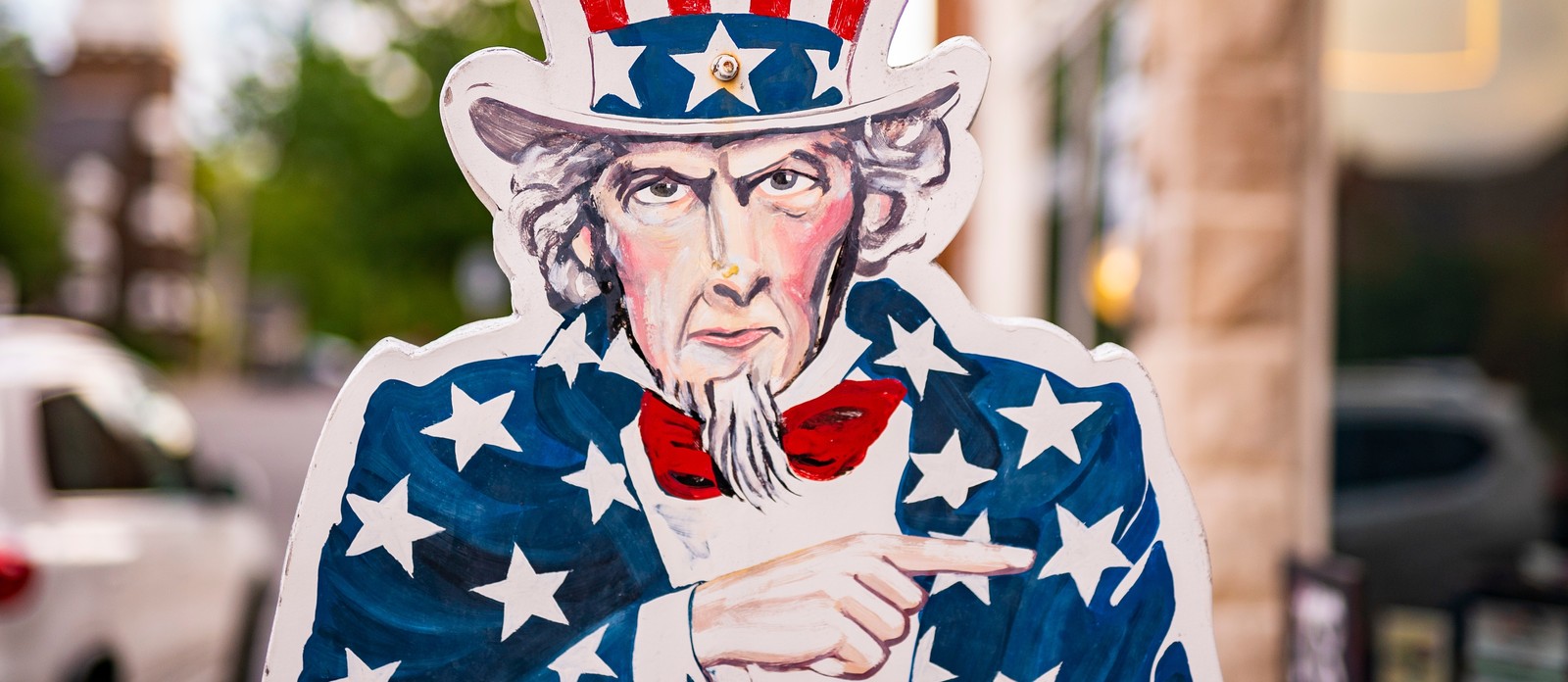
Image: Cory Woodruff

You know Uncle Sam's face from posters, coins, and cartoons, but did you know he started out as a real meatpacker from Troy, New York, stamping beef barrels with two letters that changed everything? Long before the stern man in stars and stripes pointed his finger at you, he wore patchwork clothes, borrowed his pose from a British general, and even helped sell war bonds through baseball. Ten surprising moments shaped the Uncle Sam you know today, and a few of them might genuinely catch you off guard.

1
A meatpacker from Troy sparks a nickname
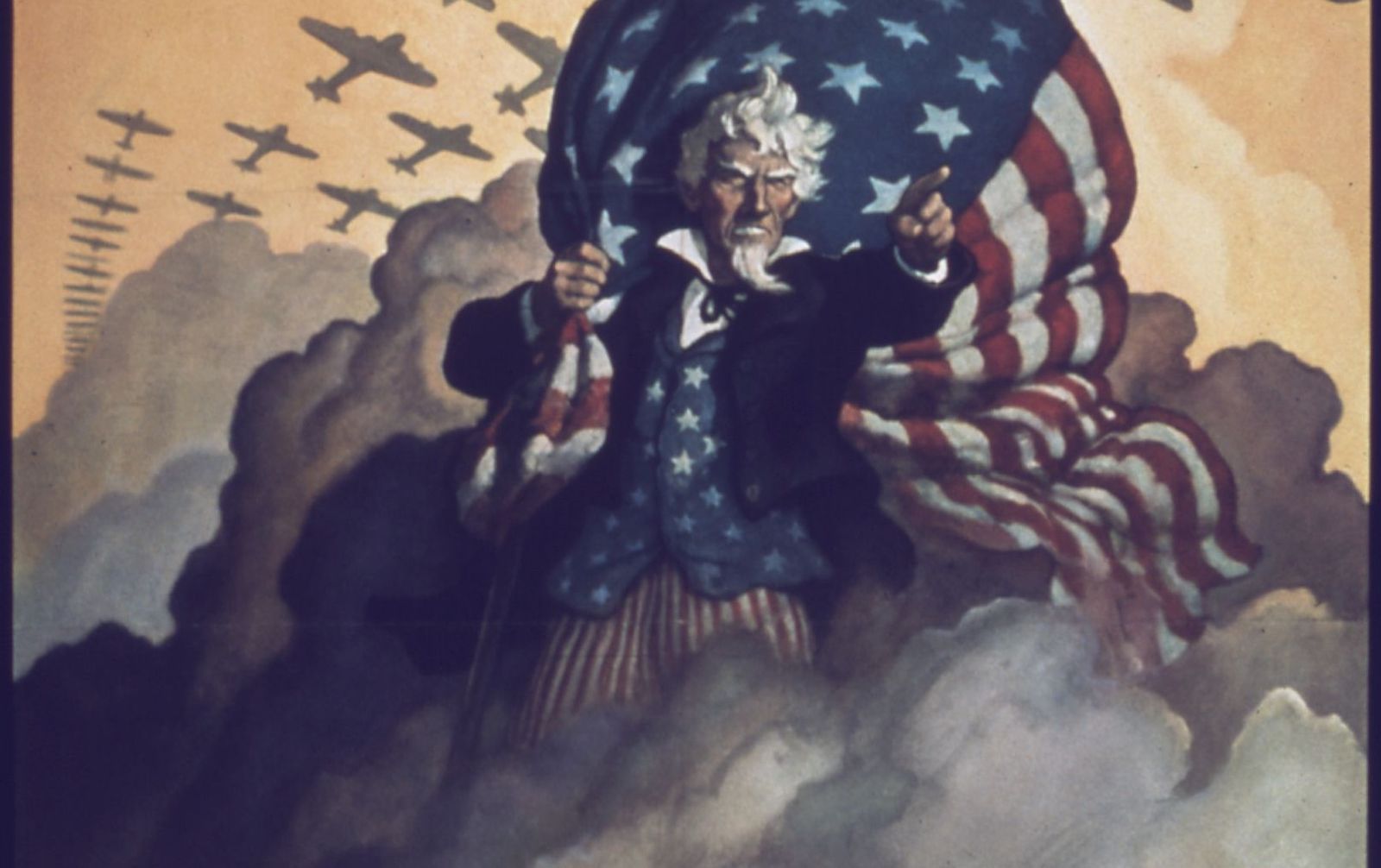
Image: National Archives at College Park, Public domain, via Wikimedia Commons

In 1812, while the country was at war with Britain again, soldiers stationed near Troy, New York, needed to eat. A local businessman named Samuel Wilson, who ran a meatpacking company with his brother Ebenezer along the Hudson River, won a contract to supply barrels of beef and pork to the army.

Wilson stamped every barrel "U.S." for United States, but around town he was already known by a friendlier name, Uncle Sam, for being an honest and generous employer to the many workers who passed through his docks. Soldiers saw the initials, heard the nickname, and started joking that their rations came courtesy of "Uncle Sam" himself. What started as a joke stuck, and local newspapers quickly picked it up, marking the first step in Uncle Sam’s story.

2
A patchwork figure before the patriotic suit
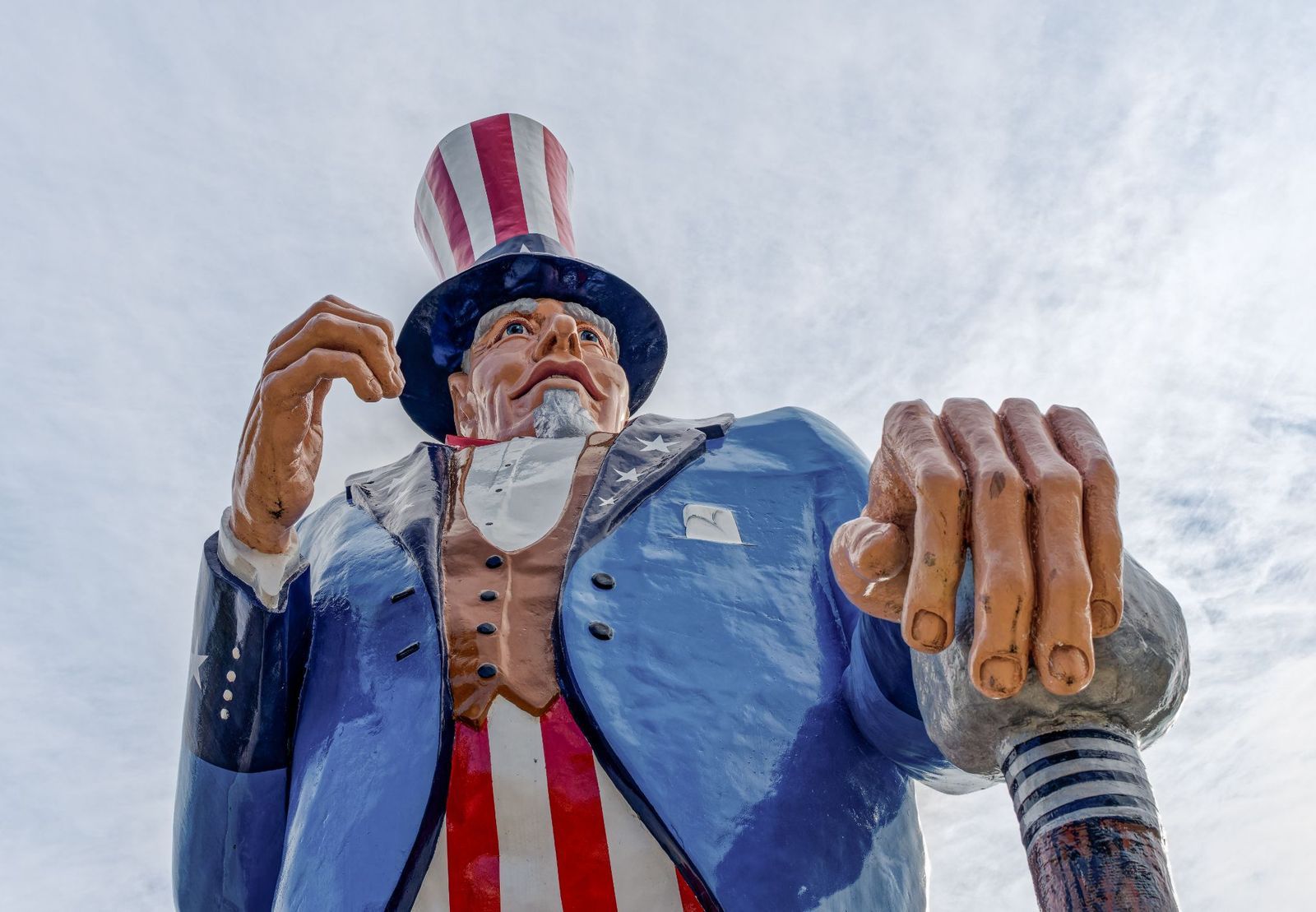
Image: Rosemarie Mosteller

Before Uncle Sam wore his familiar star-spangled coat, he looked more like any other fisherman.

The earliest known drawing of him appeared in the New York Lantern in 1852 , decades after Samuel Wilson first earned the nickname back in Troy. In that cartoon, he had no top hat, no red and white stripes, nothing close to what you would recognize today. Early illustrators dressed him in rustic, everyday clothes, sometimes patchwork, because he was meant to represent the common American, not a polished symbol of government sitting in an office. It took years of cartoonists experimenting, borrowing bits from other figures and dropping others, before Uncle Sam’s look settled into anything close to consistent.

3
The Civil War gives him his iconic aesthetic
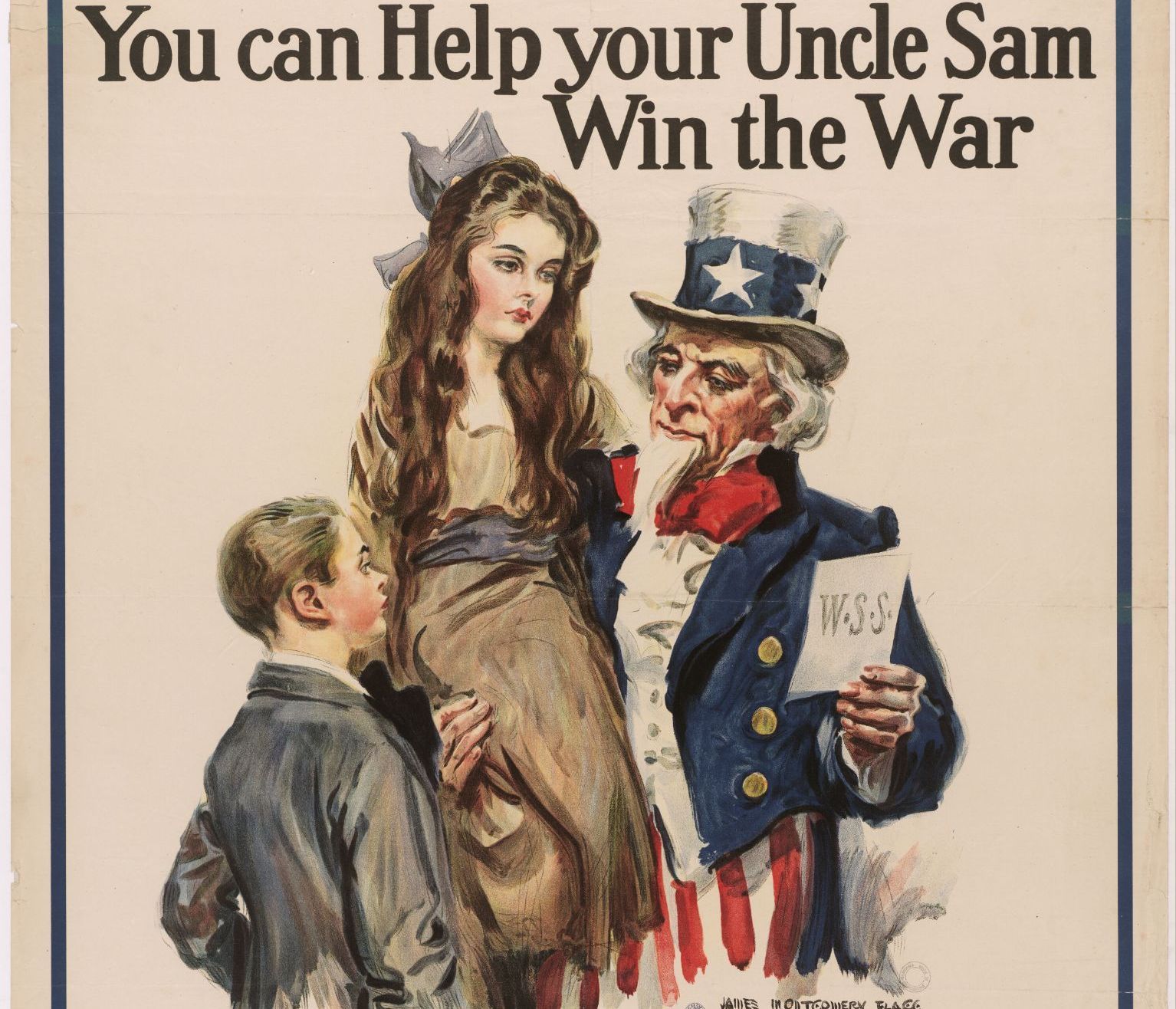
Image: Bibliothèque nationale de France, Public domain, via Wikimedia Commons

During the Civil War, Uncle Sam needed to do more than represent the country. He needed to rally it. Editorial cartoonists of the era, most famously Thomas Nast at Harper’s Weekly , reworked him into someone sharper and more commanding , trading the rustic patchwork look for a tall, lean man with a top hat and striped trousers.

Nast used Uncle Sam to speak for the Union cause and to argue for keeping the country unified, at a time when families followed the war through newspaper cartoons the way we now follow headlines on our phones. This version of Uncle Sam, dignified rather than folksy, laid the groundwork for the figure who would later stare down at millions of Americans from recruitment posters, decades before that poster was ever drawn.

4
Uncle Sam becomes a tool of political satire
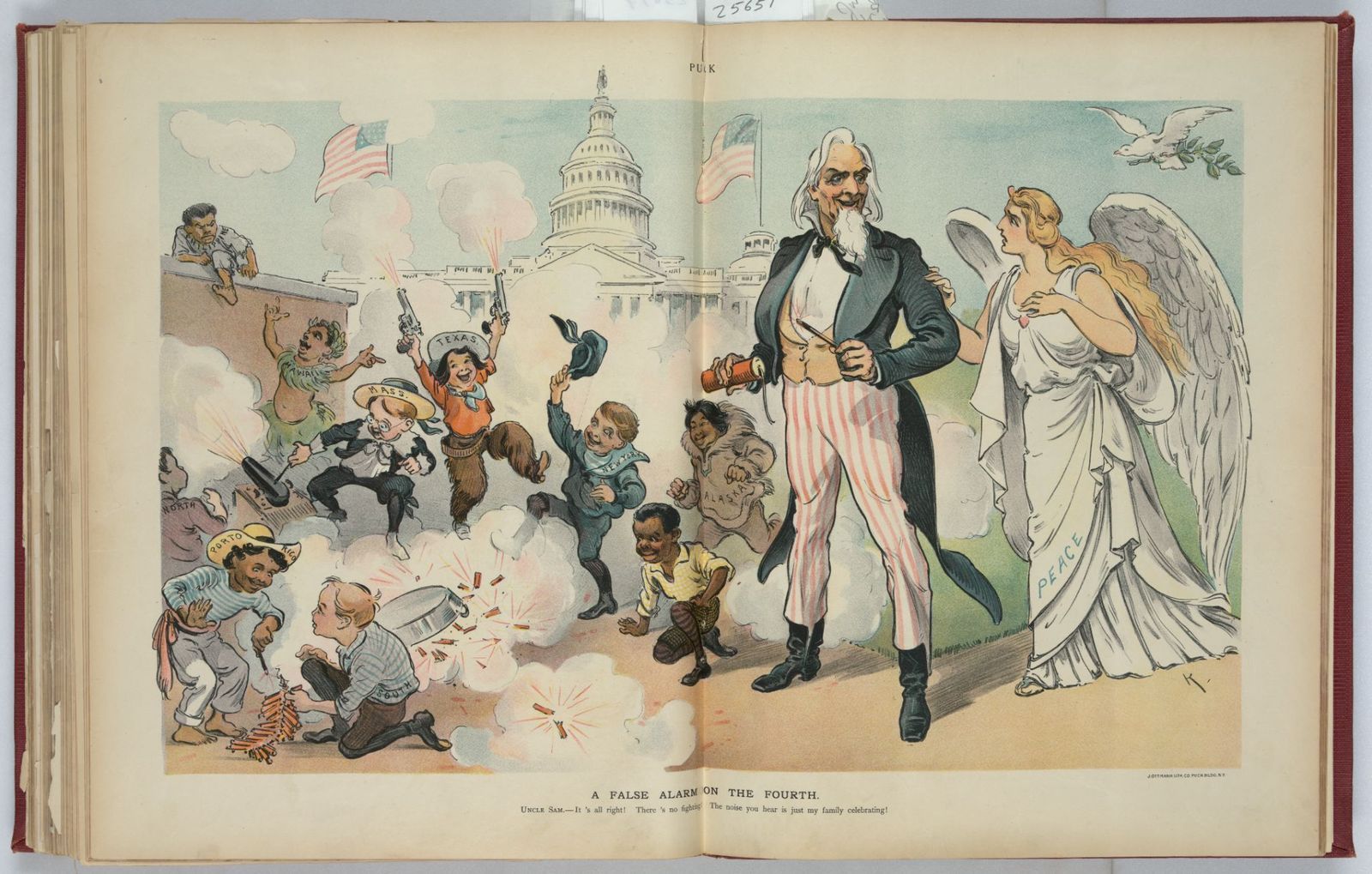
Image: Udo Keppler, Public domain, via Wikimedia Commons

By the turn of the 20th century, Uncle Sam had developed a new side: he could make a political argument without saying a word.

As the United States expanded overseas after the Spanish-American War, cartoonists used his body, clothes, and size to debate what that expansion meant. Around 1900, in J.S. Pughe’s cartoon "Declined with thanks," an oversized Uncle Sam gets measured for an ever bigger suit, a visual joke about the country’s growing territorial expansion. The joke was visual, but the issue was serious. Uncle Sam had become a flexible political weapon, useful both to supporters and critics of American power. The character could literally grow as the nation grew, making him ideal for newspaper satire.

5
A British general points the way first
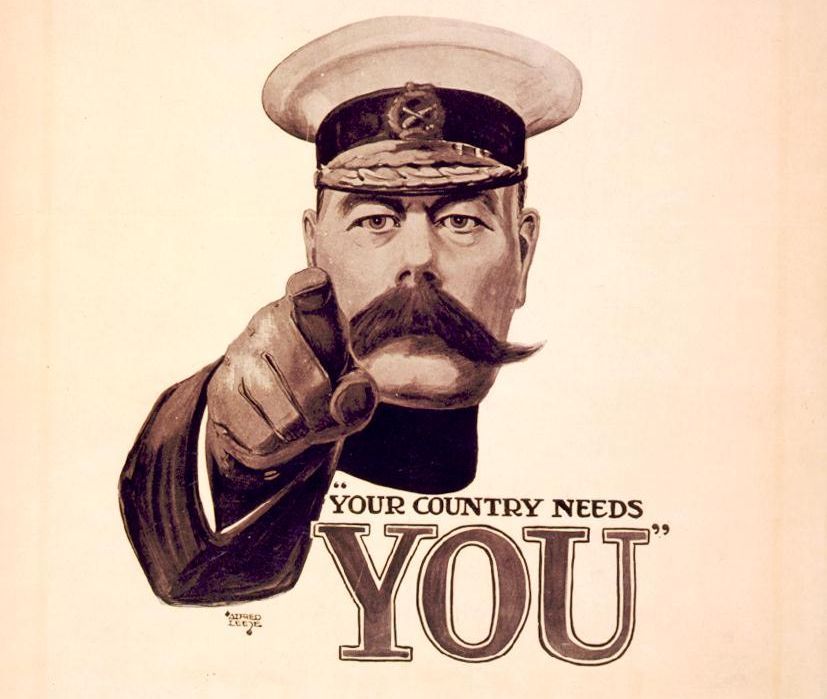
Image: Alfred Leete, Public domain, via Wikimedia Commons

Here’s the twist most people don’t know about: That famous pointing finger, the one every American associated with Uncle Sam, was not originally American at all.

In 1914, as Britain entered World War I, illustrator Alfred Leete created a recruitment poster showing Lord Kitchener, Britain’s Secretary of State for War, pointing directly at the viewer above the words: "Britons: Join Your Country’s Army." The poster ran on magazine covers and street corners across the country and became one of the most talked-about images of the war’s early days. A few years later, on the other side of the Atlantic, an American artist would study that same commanding pose and realize it was exactly what his own country needed to put on paper.

6
An artist paints himself into history
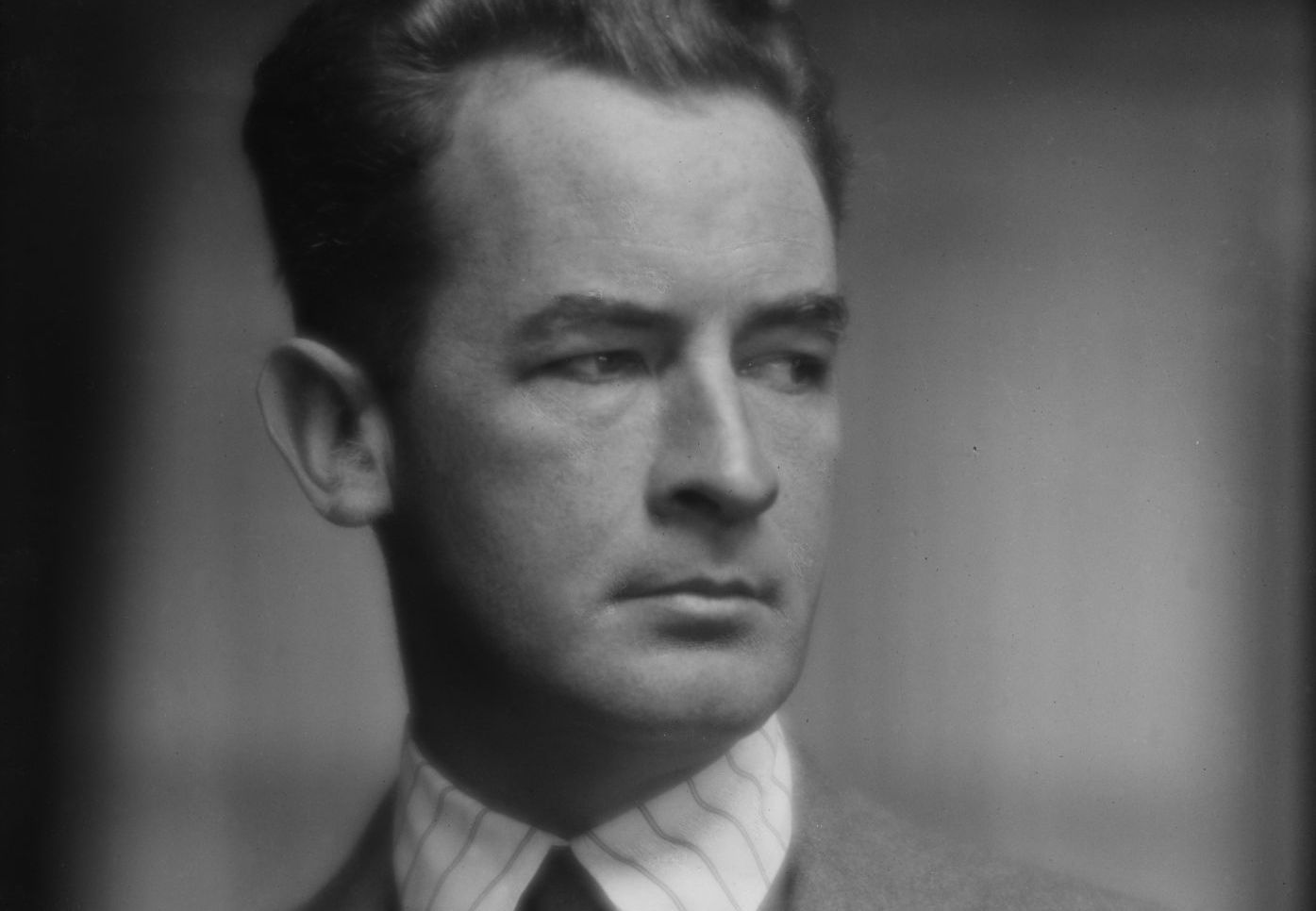
Image: Arnold Genthe, Public domain, via Wikimedia Commons

That American artist was James Montgomery Flagg, a well-known illustrator commissioned by the Committee for Public Information to create a recruitment poster for WWI in 1917.

The plan was simple: echo the Kitchener pose with an American face. There was just one problem: the model scheduled to sit for the painting never showed up that day. Rather than waste the afternoon, Flagg propped up a mirror in his studio and used his own reflection, adding a goatee and white hair to age himself into the role of Uncle Sam. The result, "I Want You for U.S. Army," turned out to be the defining image of Uncle Sam for generations, all because one artist got impatient and decided not to wait around for someone else to show up.

7
A single poster printed over four million times
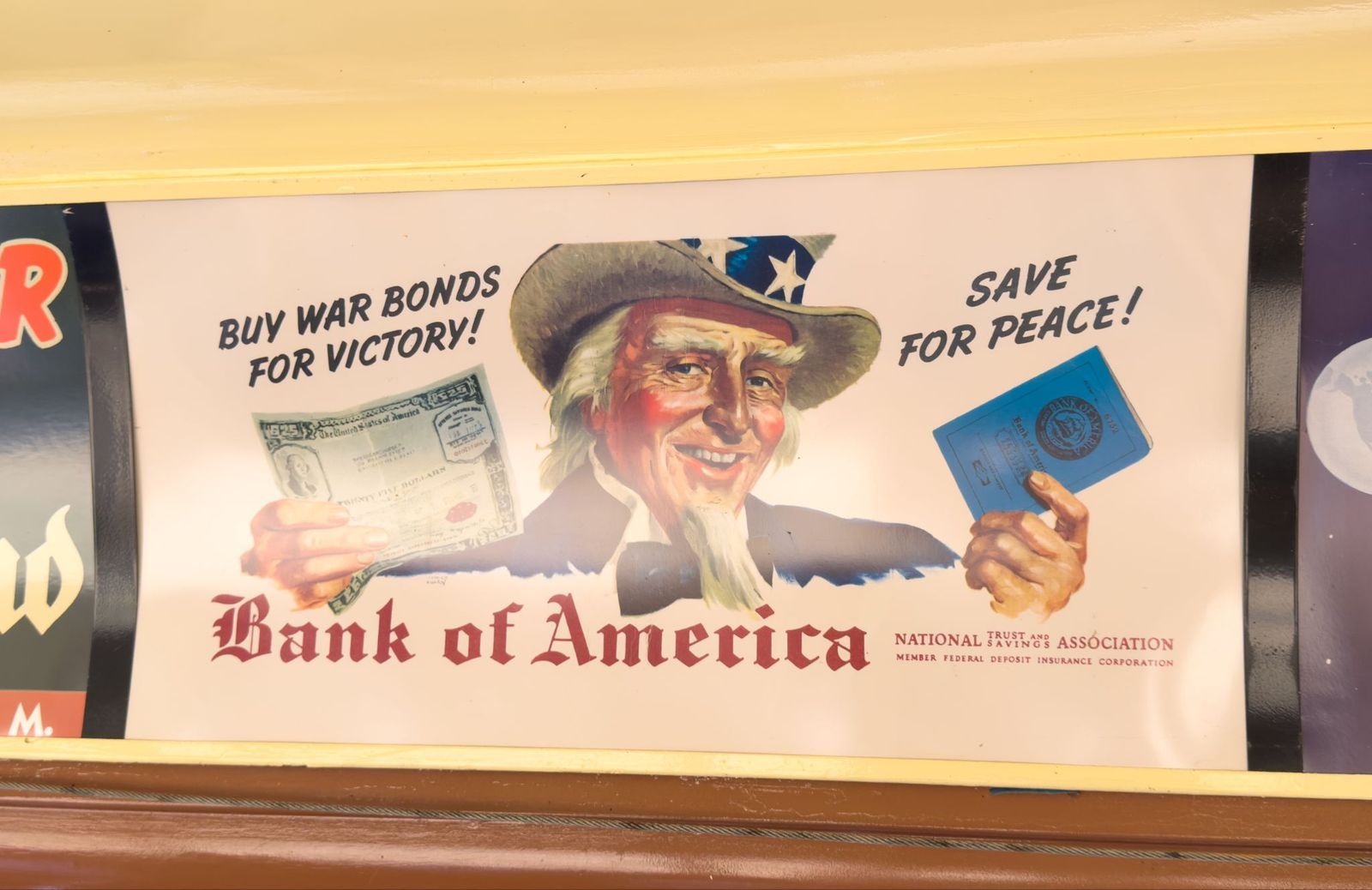
Image: ZikG

Numbers rarely tell a full story, but this one comes close. Between 1917 and 1918, Flagg’s Uncle Sam poster was printed more than four million times, plastered across train stations, storefronts, and town squares nationwide, often right next to enlistment tables.

It pushed Americans to sign up for service, to buy Liberty Bonds, and to see the war as something that involved them personally, not just the soldiers overseas. Few pieces of American graphic design have ever reached that scale of distribution, and fewer still have stayed recognizable a century later. If you have ever seen a Halloween costume, a magazine cover, or a protest sign featuring that pointing finger, you have already seen Flagg's poster still at work.

8
Uncle Sam trades his rifle for a baseball bat
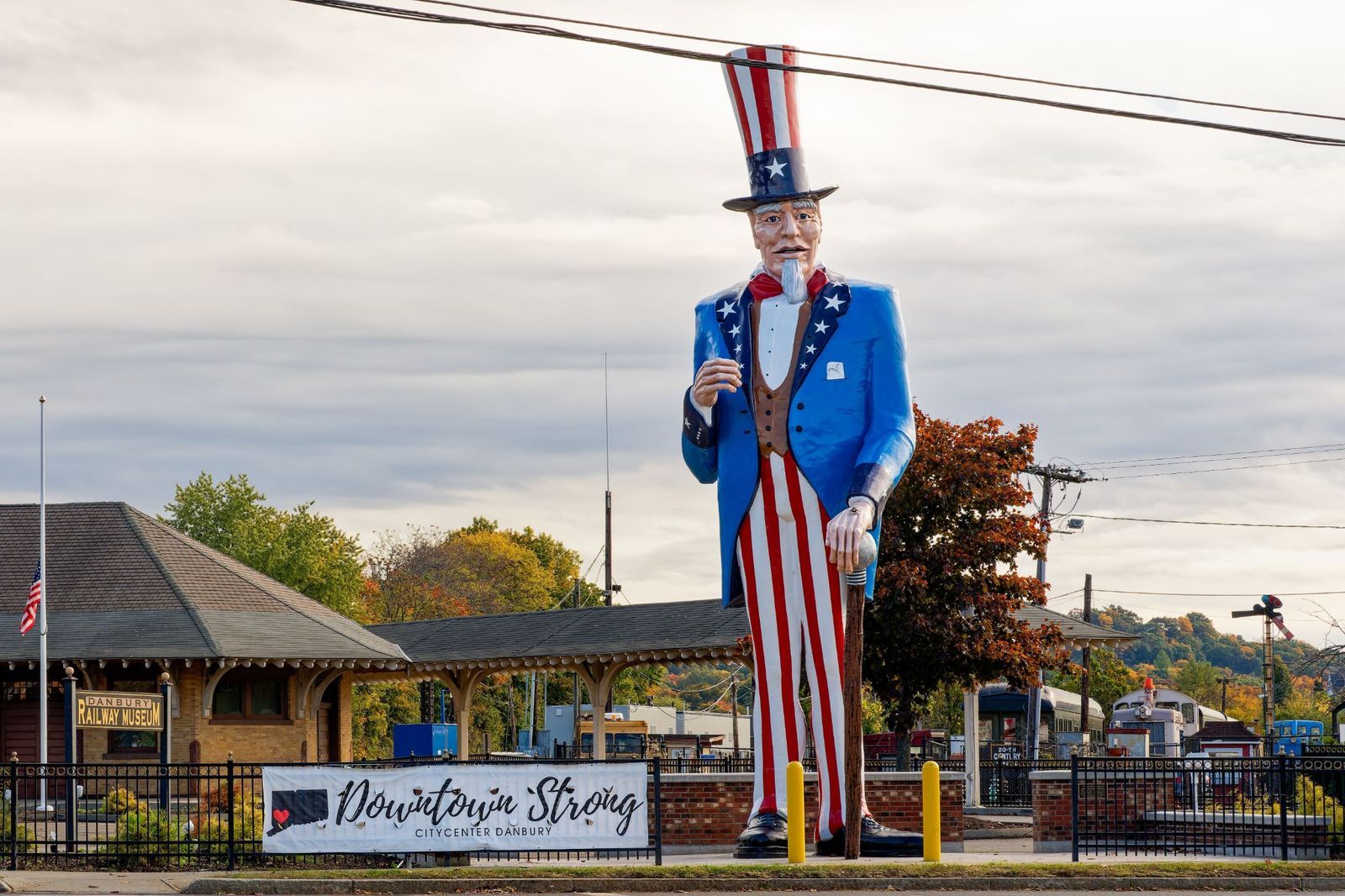
Image: Rosemarie Mosteller

Not every wartime appearance of Uncle Sam involved a battlefield. Illustrators found plenty of other uses for his familiar face between 1917 and 1918, some of them surprisingly playful.

J.C. Leyendecker drew him swinging a baseball bat under the slogan "Get in the Game," nudging Americans toward the war effort through a sport nearly everyone already loved on weekend afternoons. Flagg himself created a gentler image of Uncle Sam with his arm around a horse, part of a campaign asking Americans to support the care of military animals overseas. These lighter, unexpected adaptations remind us that propaganda during that era was not only about urgency; it also leaned on familiarity and warmth to make its point stick.

9
Pearl Harbor brings the same face back
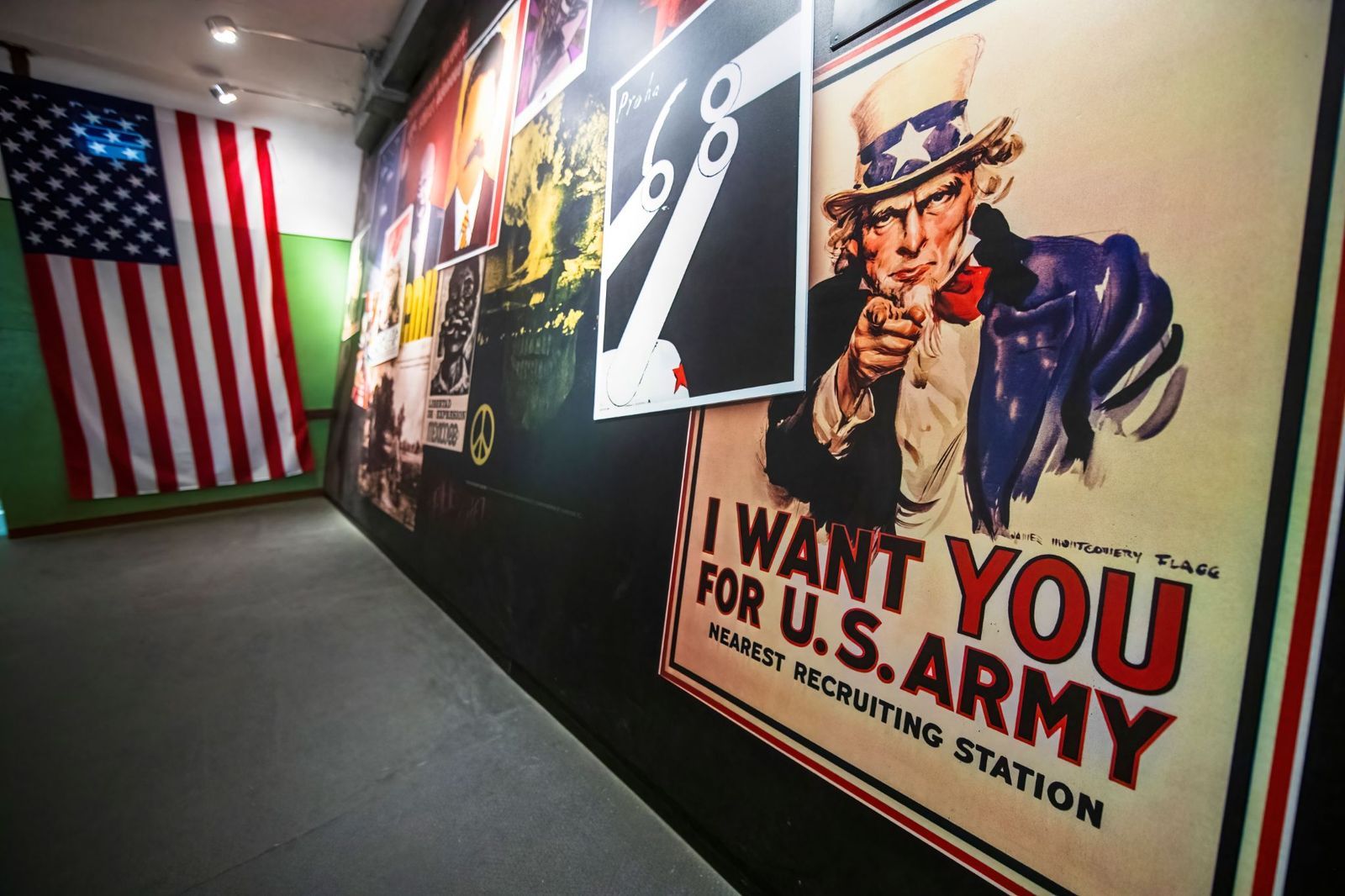
Image: Karolis Kavolelis

When Japan attacked Pearl Harbor in December 1941, the country needed a rallying image fast, and rather than starting from scratch, officials reached for something already proven.

Flagg’s 1917 interpretation was dusted off and reprinted by the millions once again, this time for WWII enlistment drives and home front civil defense campaigns. The same stern face that had once urged an earlier generation to sign up was now doing the job all over again for their sons, appearing on posters in recruiting offices, factories, and post offices nationwide. By the 1940s, he was more than a wartime recruiting figure. He was a shorthand symbol for the federal government and the country itself.

10
From wartime symbol to modern canvas
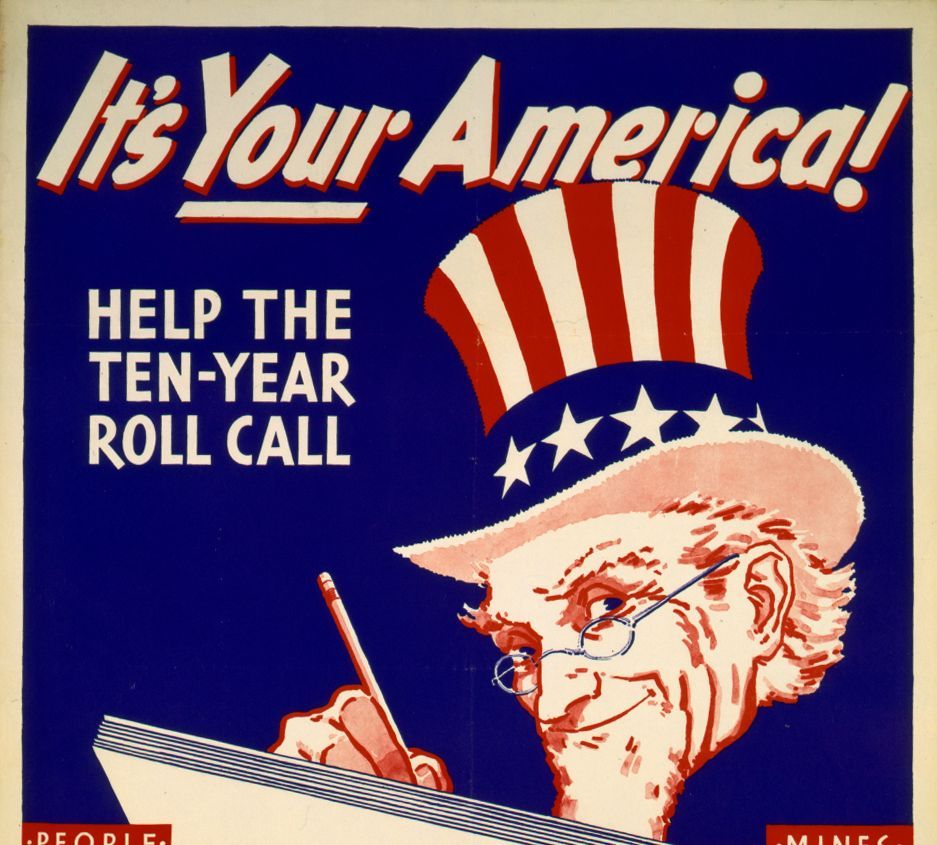
Image: US Census Bureau, Public domain, via Wikimedia Commons

Uncle Sam did not retire once the World Wars ended. In the decades since, he has become something closer to a blank canvas that each generation paints over with its own concerns.

During the Vietnam era, protest artists twisted his familiar pose into pointed criticism of the very government he once represented so simply, using his own famous finger to accuse instead of recruit. Political cartoonists continue to reach for him today, whether the topic is an election, a policy debate, or a national controversy, counting on readers to instantly recognize who he stands for. Few American symbols have proven so adaptable, stretched and reshaped again and again across more than two centuries, yet somehow always recognizable the moment that pointing finger appears.
History History 5 min read

The foundation of the American nation

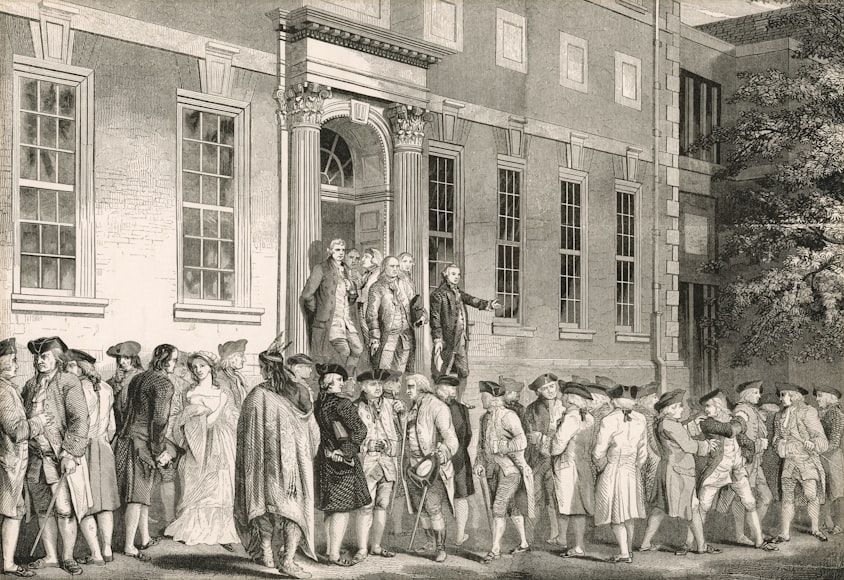
The Founding Fathers of America: 10 interesting facts

Image: The New York Public Library

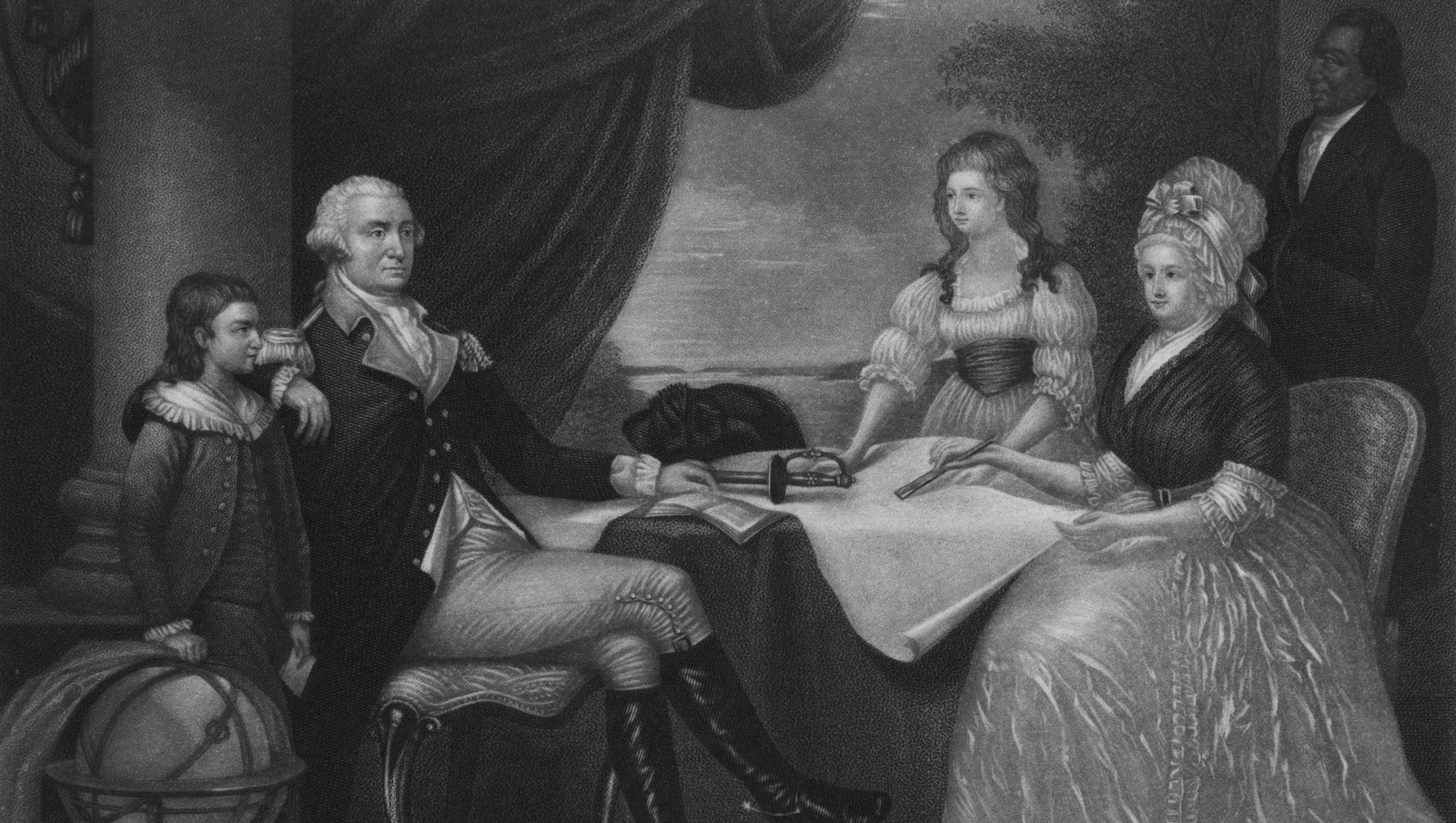
We all know who the Founding Fathers were, but we seldom think of them as human beings rather than heroes who gave shape to our country . Despite their amazing deeds, they still were a group of men of varied origins, ideologies, beliefs, and concerns, which led to more than one discussion and rivalry. Let’s learn some more about them!

1
There is no official ‘Founding Fathers’ list

Image: The New York Public Library

Who can be called a Founding Father? The term was coined by Senator Warren G. Harding in 1916 and is used to refer to the leaders of the Revolutionary movement, but there’s no set list . While it is mainly used for key figures such as George Washington, Thomas Jefferson, John Adams, Benjamin Franklin, Alexander Hamilton, John Jay, and James Madison, the term applies broadly to those who signed the Declaration of Independence and the Constitution .

2
4th of July deaths

Image: Stephanie McCabe

The legal separation of the Thirteen Colonies from the British Crown was voted by the Continental Congress on July 2nd, 1776, but was formally adopted on July 4th , immortalizing the date for the rest of American history. But did you know that it is also the death anniversary of three Founding Fathers?

Thomas Jefferson and John Adams both died July 4, 1826, on the 50th anniversary of the Declaration of Independence, while James Monroe died five years later, on July 4th, 1831. Interestingly, John Adams disliked the date chosen for celebrations, as he believed the day of the vote to be more significant.

3
Refusal to sign the Constitution

Image: Howard Chandler Christy, Public domain, via Wikimedia Commons

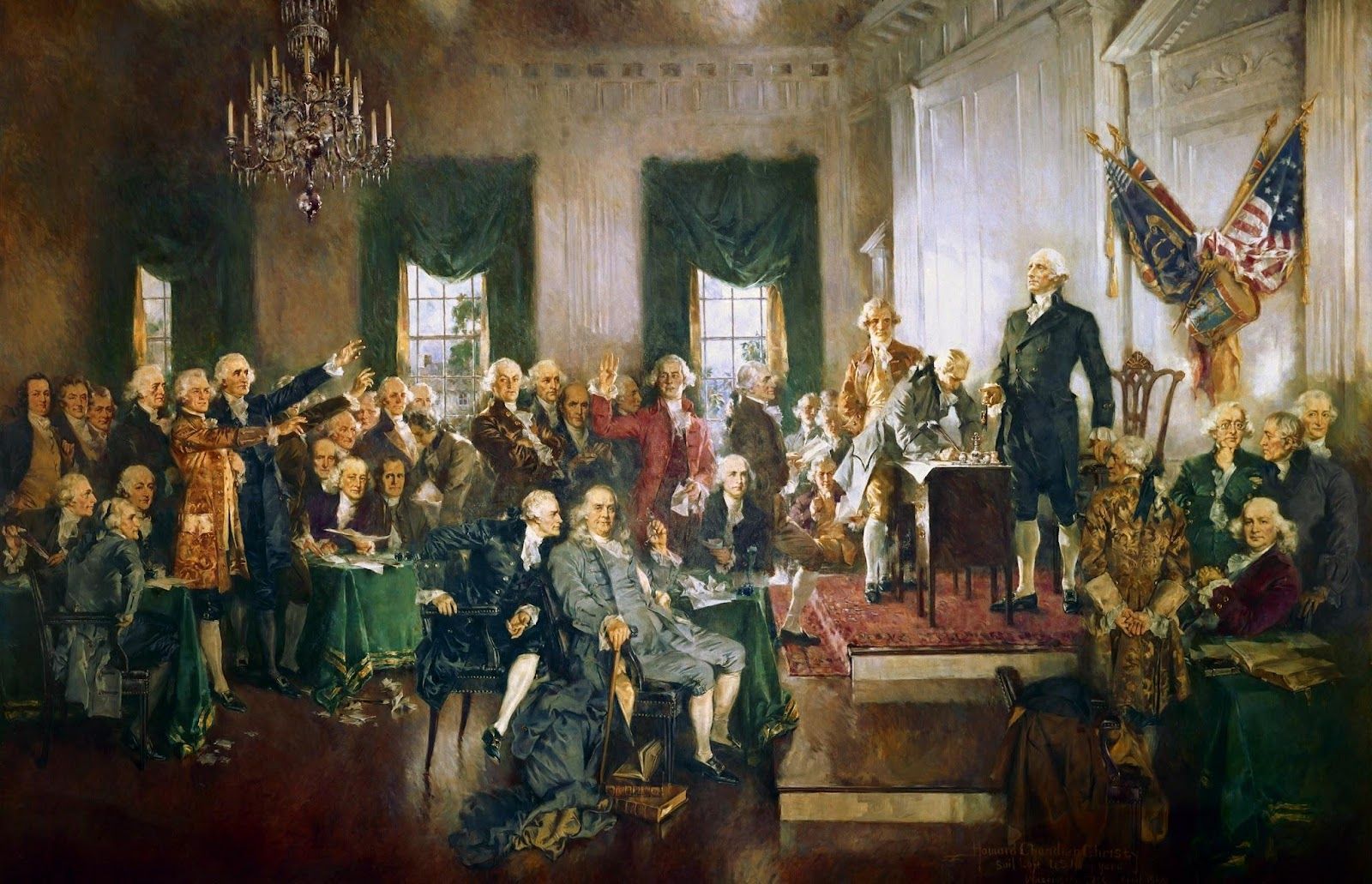
The Constitutional Convention took place in 1787, from May to September. The Constitution of the United States was presented on September 28, 1787 , but nearly two years had to pass for it to be ratified by all the states, superseding the nation’s first constitution, the Articles of Confederation.

Not all signing constituents agreed on the final seven articles, among them Benjamin Franklin, but three of them in particular —George Mason, Edmund Randolph, and Elbridge Gerry— flat out refused to sign the document . Mason suggested the addition of a bill of rights, but was denied, a suggestion that would ultimately inspire the drafting of the Bill of Rights by James Madison.

4
A lawyer for the enemy

Image: National Archives at College Park, Public domain, via Wikimedia Commons

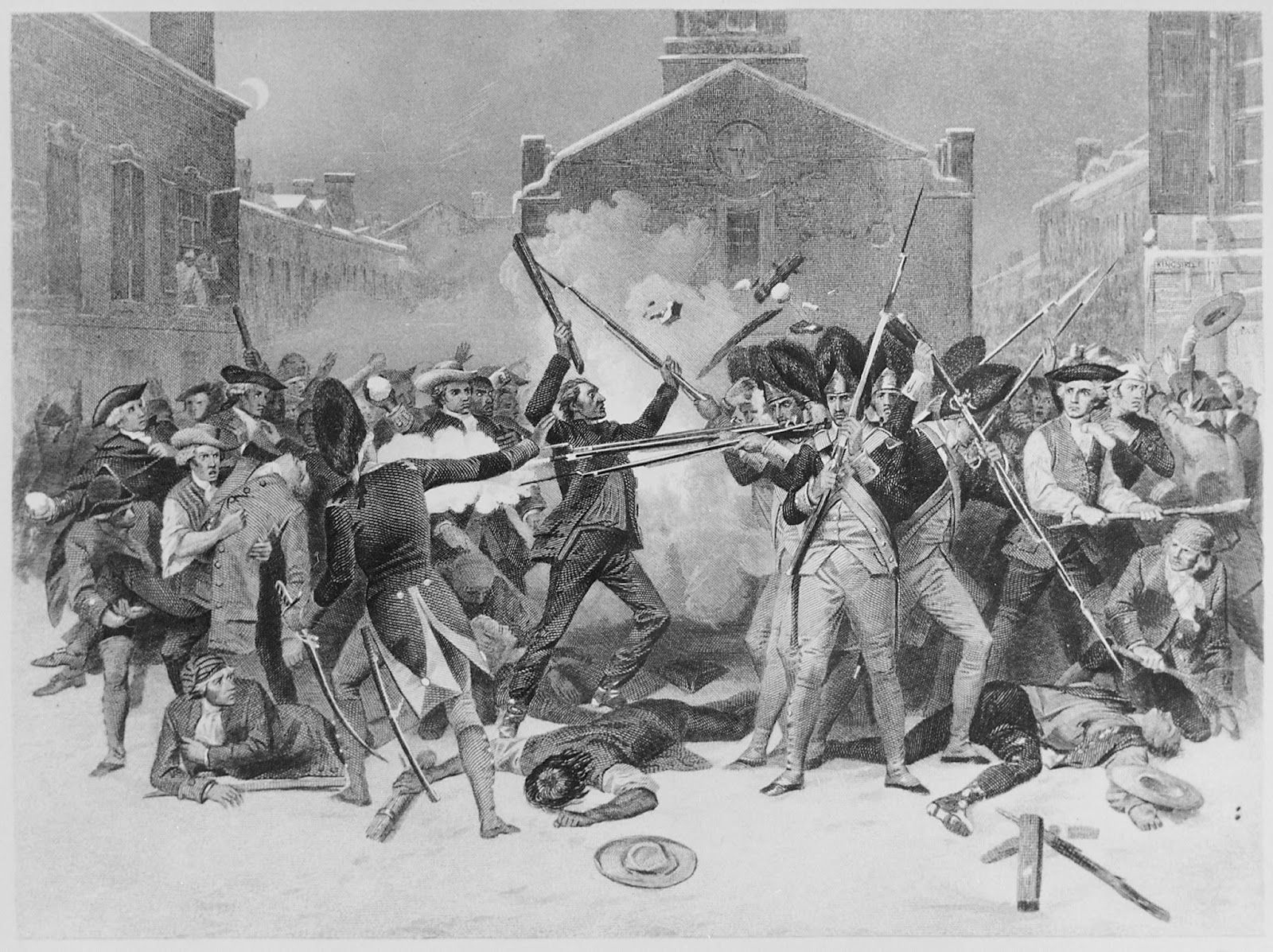
The Boston Massacre of 1770 was part of the incidents that prompted the start of the Revolutionary movement in the colonies. British soldiers stationed in Massachusetts to support the implementation of the Townshend Acts were confronted by an angry crowd. Overwhelmed, the soldiers opened fire without authorization, resulting in five deaths and six wounded.

During the subsequent trial, Founding Father John Adams worked as a defense lawyer for the British soldiers charged , a decision that prompted public criticism. However, he was a firm believer in the right to a fair trial for everyone, and argued that most soldiers had acted in self-defense. In the end, only two soldiers were convicted of manslaughter, a verdict Adams agreed with.

5
The origins

Image: Alex Boyd

None of the Founding Fathers was born an American (for obvious reasons), but most of them were born in the American colonies and had British origins . Out of the 56 signers of the Declaration of Independence, 47 were born in what is now U.S. territory.

The other nine? Eighth of them came from the British Isles : Two were English-born (Button Gwinnett, Robert Morris), three were Irish (George Taylor, Matthew Thornton, and James Smith), two were Scottish (James Wilson, John Witherspoon), and one was Welsh (Francis Lewis). The last one, Alexander Hamilton, was born in the British West Indies , now St. Kitts and Nevis.

6
The first signature

Image: David Nitschke

Have you ever wondered why people ask for a ‘John Hancock’ when they need a signature? It is all because of Founding Father John Hancock. One of the wealthiest men in the Thirteen Colonies, Hancock was a merchant (and smuggler) by trade, served as president of the Continental Congress, and as Governor of the Commonwealth of Massachusetts after the Revolution.

Why is he associated with a signature? John Hancock was the first person to sign the Declaration of Independence, and his signature stands out because it is visibly larger than the rest. According to legend, he claimed to have made it big so King George would be able to read it.

7
The anti-slavery clause that wasn’t

Image: Hussain Badshah

It is no secret that many Founding Fathers were slaveholders, but there was no unified opinion on the subject. Some, such as George Washington, freed their slaves in their wills, while others, such as Franklin, Paine, Hamilton, and Adams, were passionate abolitionists. Thomas Jefferson was a curious case: while he owned numerous slaves all his life, he was against the international slave trade and believed that America had to abolish slavery gradually to avoid civil unrest.

In his first draft of the Declaration of Independence, Jefferson included his conflicted views on slavery in a paragraph condemning King George III for his role in the Transatlantic Slave Trade and the affronts to liberty caused by this. Ultimately, this clause had to be removed due to the objections of many delegates who supported slavery.

8
The vice president

Image: Ian Hutchinson

When the Constitutional Convention considered the best way to choose a chief executive (a.k.a., the president), they weren’t even considering the figure of the vice president , and had decided that the Senate would elect its own president. After creating the Electoral College, they realized that, being a new country, state loyalty would most likely outweigh loyalty to the union. The solution? Each elector had to choose two candidates, one of which should be from a different state. The two most-voted candidates would be president and vice president, respectively.

The first elected vice president, John Adams, was not happy with the position . He had received a huge amount of votes, but George Washington had still won in a landslide. Although he regarded the position as the "most insignificant office that ever the invention of man contrived", he took on his role as President of the Senate with the utmost dedication.

9
Confidence in the Constitution

Image: Adam Nir

It is difficult to believe that any Founding Father thought the Constitution to be perfect. After all, not only did some refuse to sign it, but they also included the possibility of amending it to better protect the stability and liberties of the country.

Some Founding Fathers, however, lacked confidence in the Constitution as a document. Benjamin Franklin expressed his disapproval of certain clauses . Still, he was not sure they could write one better, so he decided to sign it, faults and all, preferring to doubt himself than halt the constitutional process. On the other hand, Washington believed the Constitution to be much better than the Articles of the Confederation, but he expressed his doubts about the document lasting for more than twenty years.

10
A varied group of men

Image: Nathaniel Currier, CC0, via Wikimedia Commons

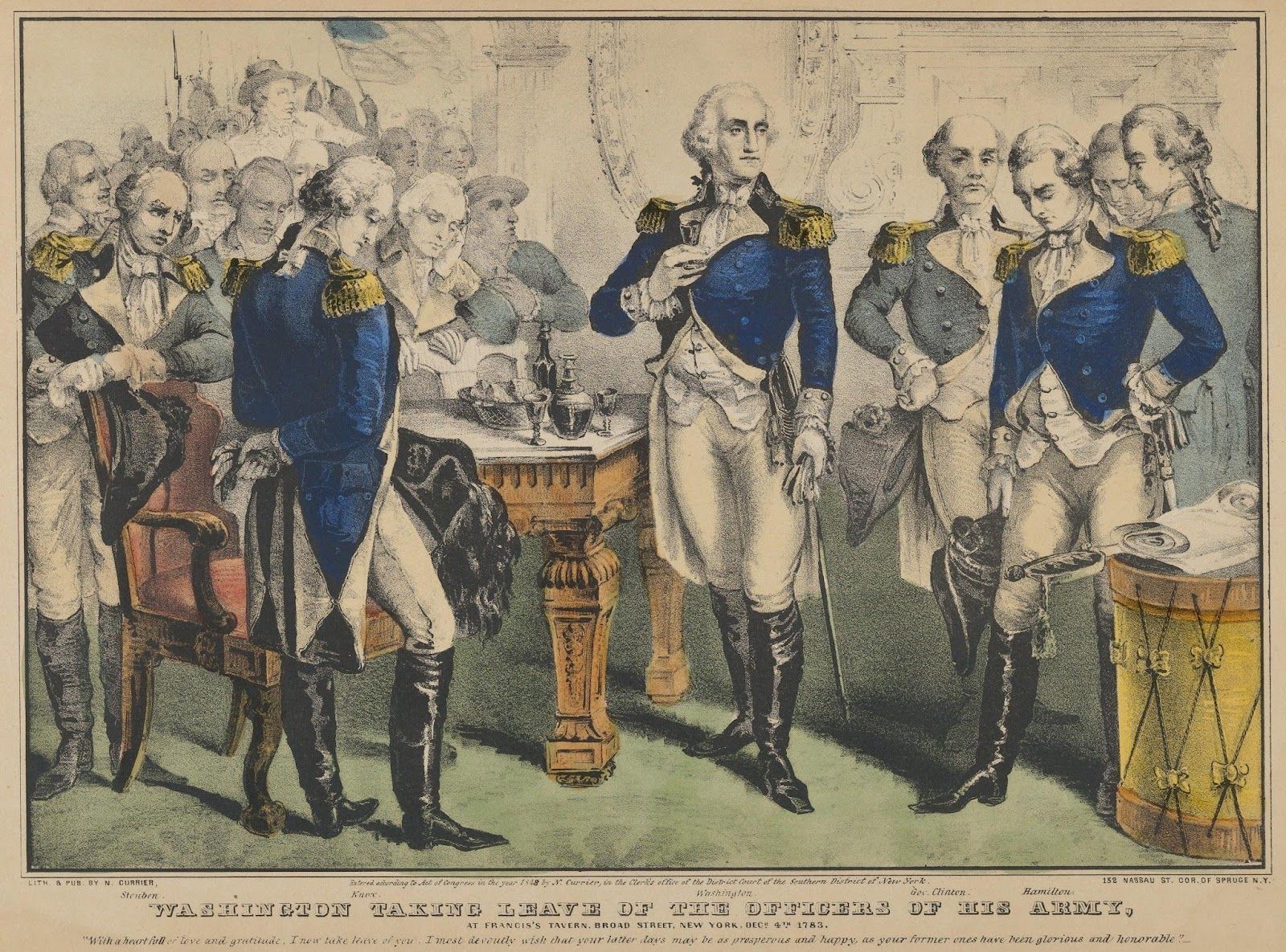
The centuries passed, and the wigs on the portraits have created the illusion of the Founding Fathers being a group of old men , but this is not exactly right. Although Benjamin Franklin was around 70 years old during the Revolutionary War, most Founding Fathers were young enough to fight and were between 30 and 45 years old.

The differences of age, background, and ideology between the Founding Fathers were the cause of many discussions, enmities, and rivalries, but these differences contributed to the foundation of the United States of America.

General General 5 min read

What bird species can recognize human faces and remember them for years?

Image: Joshua J. Cotten

Backyard birding doesn’t require binoculars, special gear, or even much planning. Just a window, a cup of coffee, and a bit of curiosity. Across the United States, from the Rockies to the coastal plains, a colorful cast of familiar birds visits neighborhoods every day. Whether you catch the bright flash of a cardinal, the quick zip of a hummingbird, or the clever antics of a crow, these 12 backyard birds offer stories worth noticing. Keep reading to learn their traits and what you can do to lure them in for a closer look.

1
American Goldfinch

Image: Paul Crook

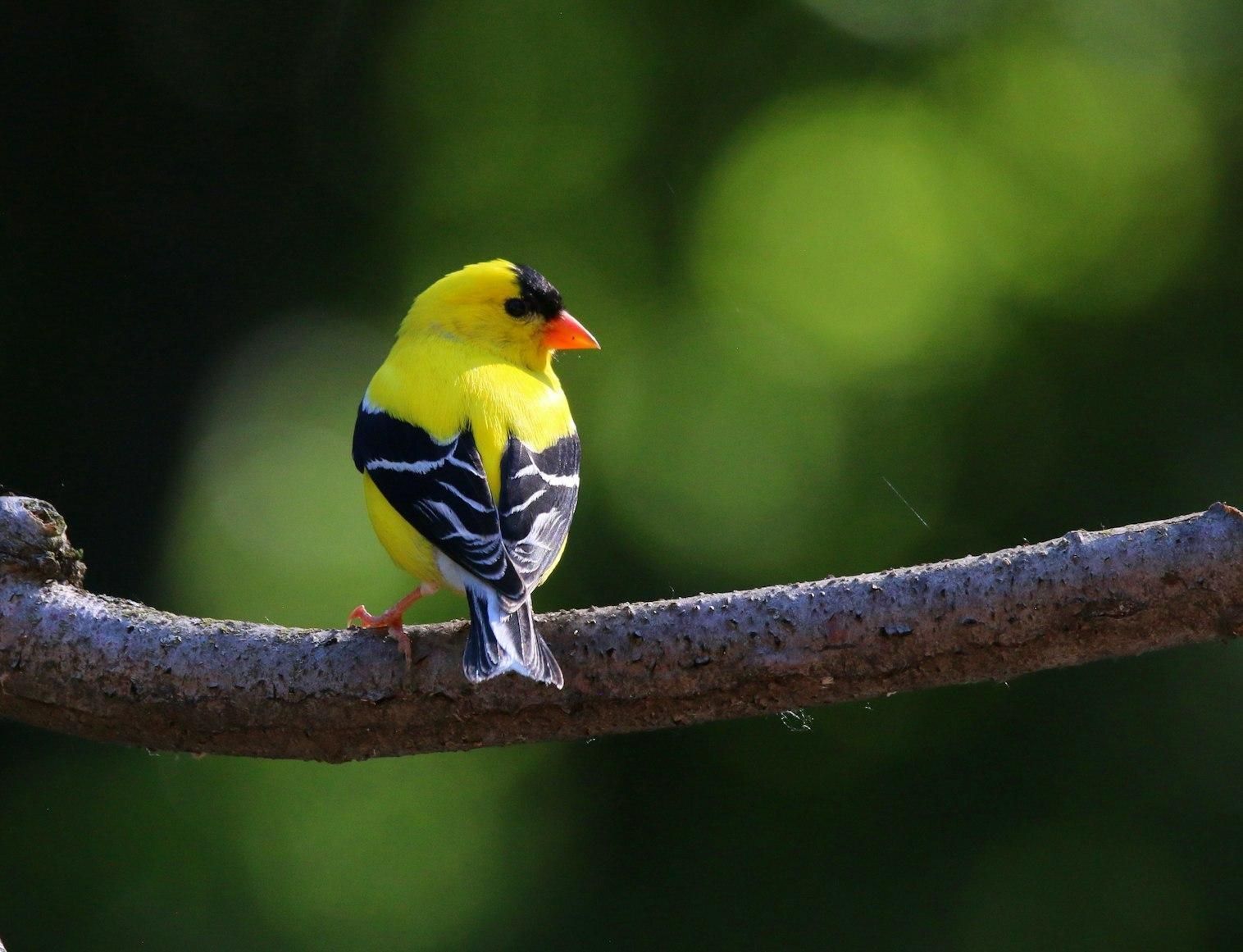
If you’ve spotted a drop of sunshine landing on your feeder sometime in the summer, that’s the American Goldfinch. Males turn a vivid yellow each year thanks to a complete molt, usually finished by late May.

They’re found coast-to-coast but are especially common in the northern and central U.S., where they favor open meadows and backyard thistle feeders. Unlike most songbirds, they nest late, often waiting until July when thistle seeds peak. If you see a tiny bird—barely 5 inches long—bouncing through the air in a roller-coaster flight pattern, you’ve found the American Goldfinch.

2
Blue Jay

Image: Ruben Ortega

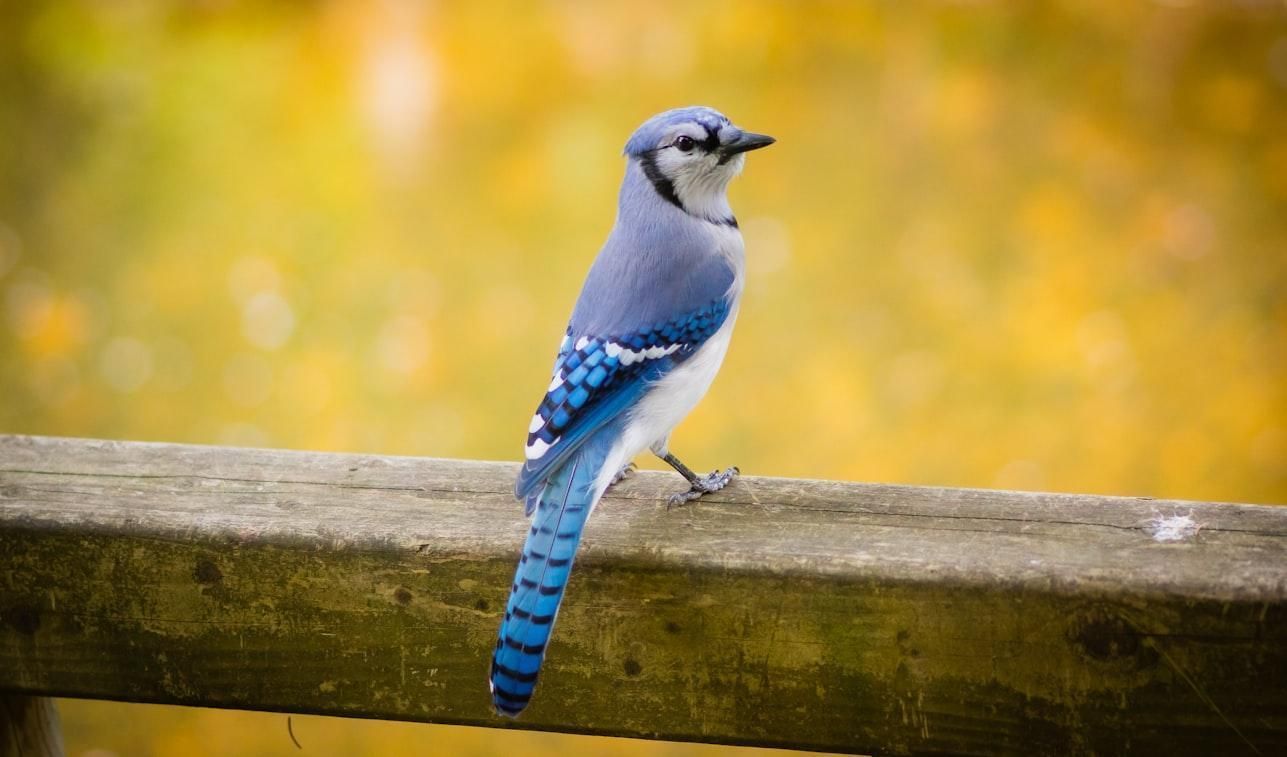
Blue Jays are known for being loud, confident, and colorful. Throughout the eastern half of the U.S., from Florida to Maine, they flash electric-blue wings marked with black "bar codes." Their blue color is actually a light trick: microscopic feather structures scatter wavelengths to create the hue. Another fun fact: back in the 1970s, researchers discovered they can mimic hawks, a clever way to scare other birds away from food.

3
American Robin

Image: Vijayalakshmi Nidugondi

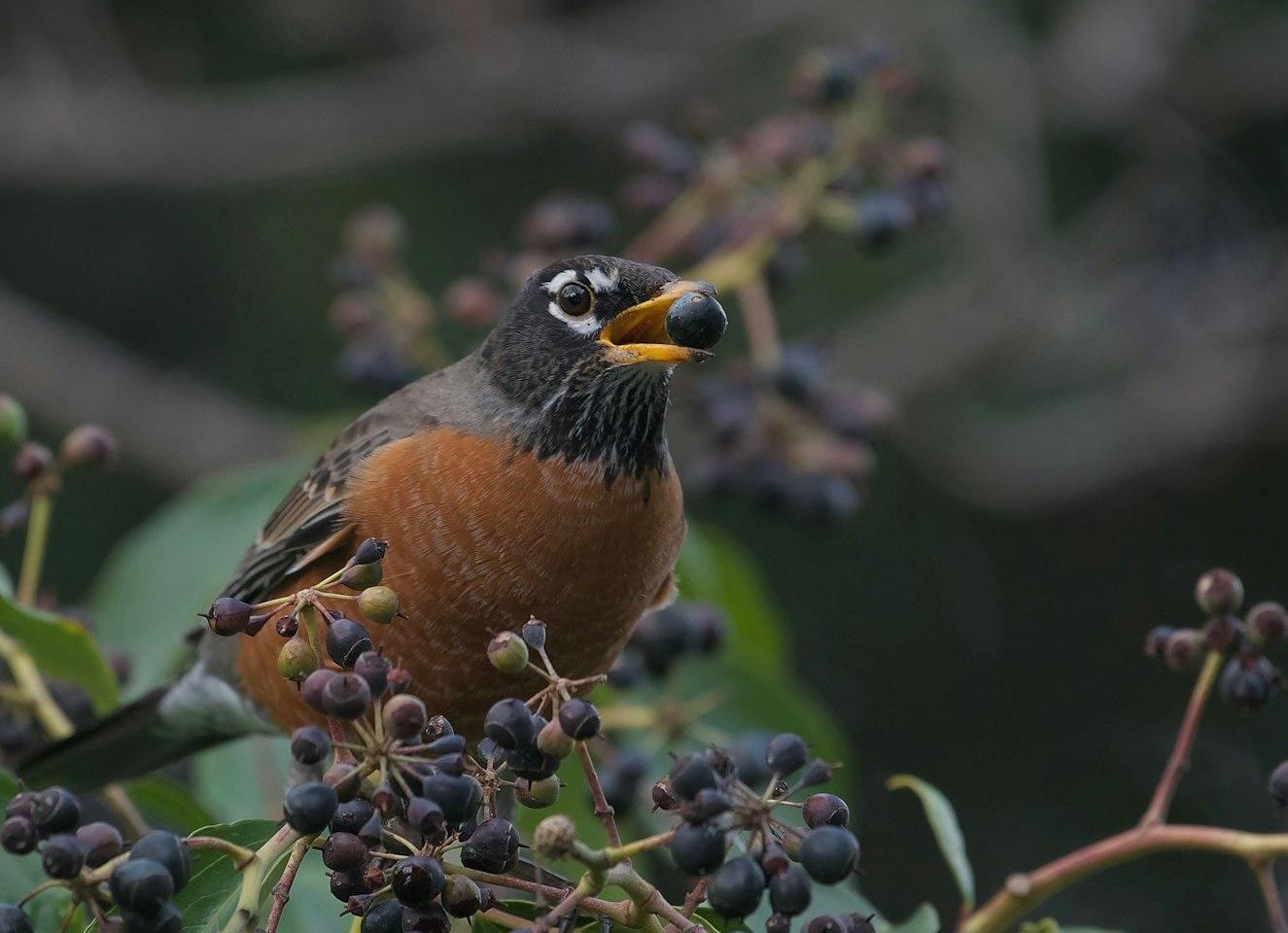
Long before digital calendars, people guessed the seasons thanks to this bird. The American Robin’s spring chorus has been recorded in journals as early as the 1800s, marking the end of winter across most of the U.S. They’re widespread, found in all lower 48 states and even in Alaska during summer. Robins stand upright, tugging worms from lawns with that unmistakable rusty-orange chest. Adults measure about 10 inches long, roughly the size of a small paperback book.

4
Ruby-Throated Hummingbird

Image: PublicDomainImages

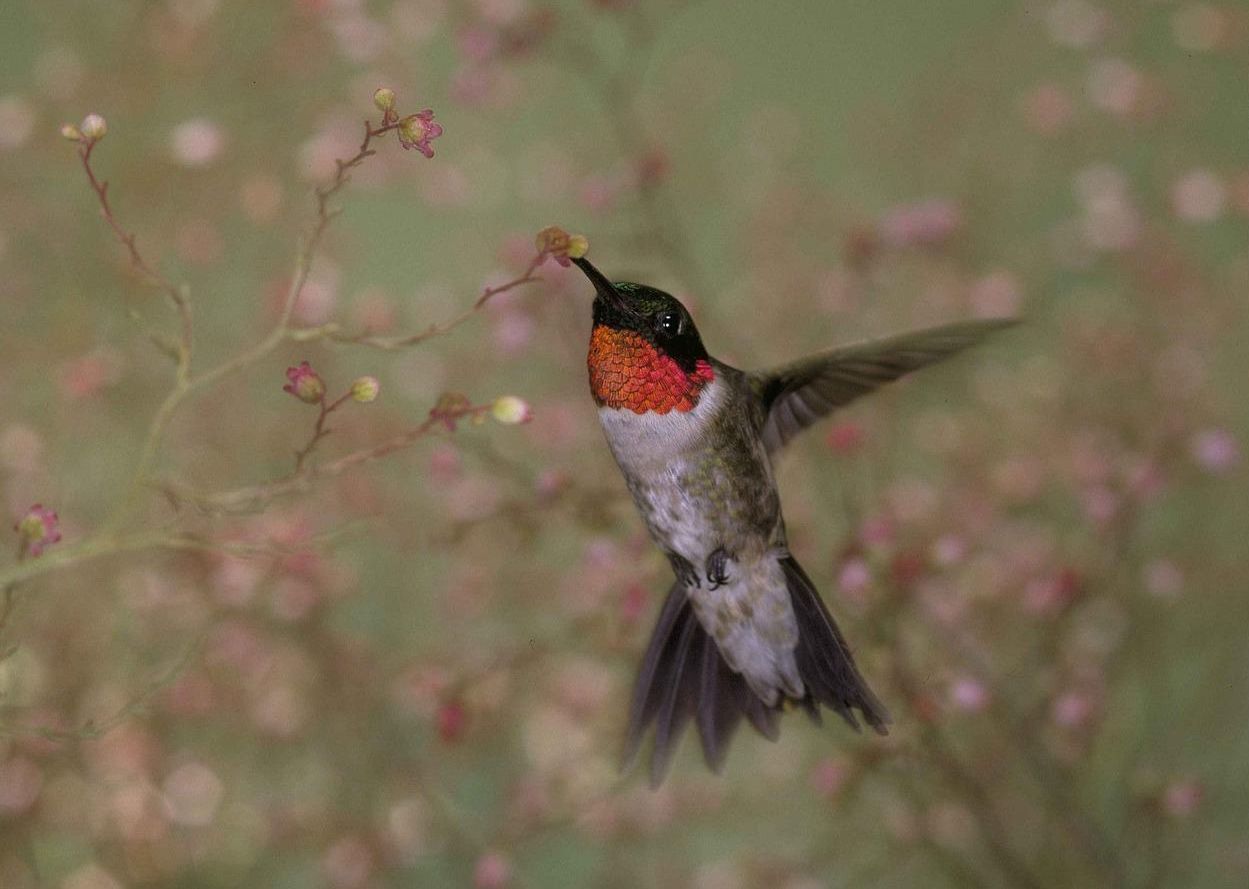
If you’ve ever seen a green flash zip past your porch faster than a camera shutter, it may have been a Ruby-throated Hummingbird. It is the only hummingbird species that breeds east of the Mississippi. It weighs 0.2 ounces—as little as a nickel!—yet crosses the Gulf of Mexico during migration. Males display an iridescent red throat that lights up when sunlight hits at the perfect angle. A single feeder with a simple sugar solution can lure them in from May through September.

5
Northern Cardinal

Image: Joshua J. Cotten

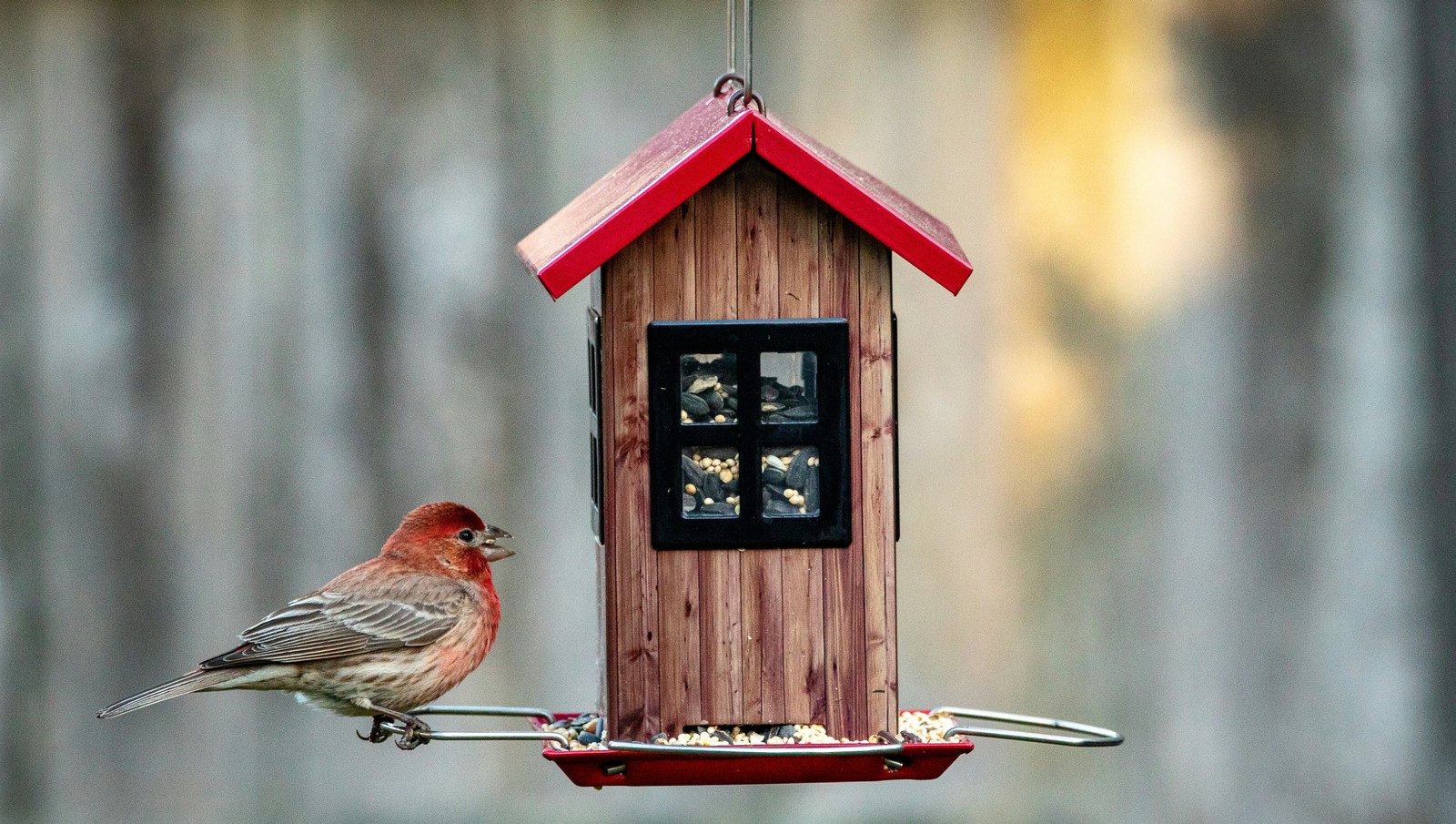
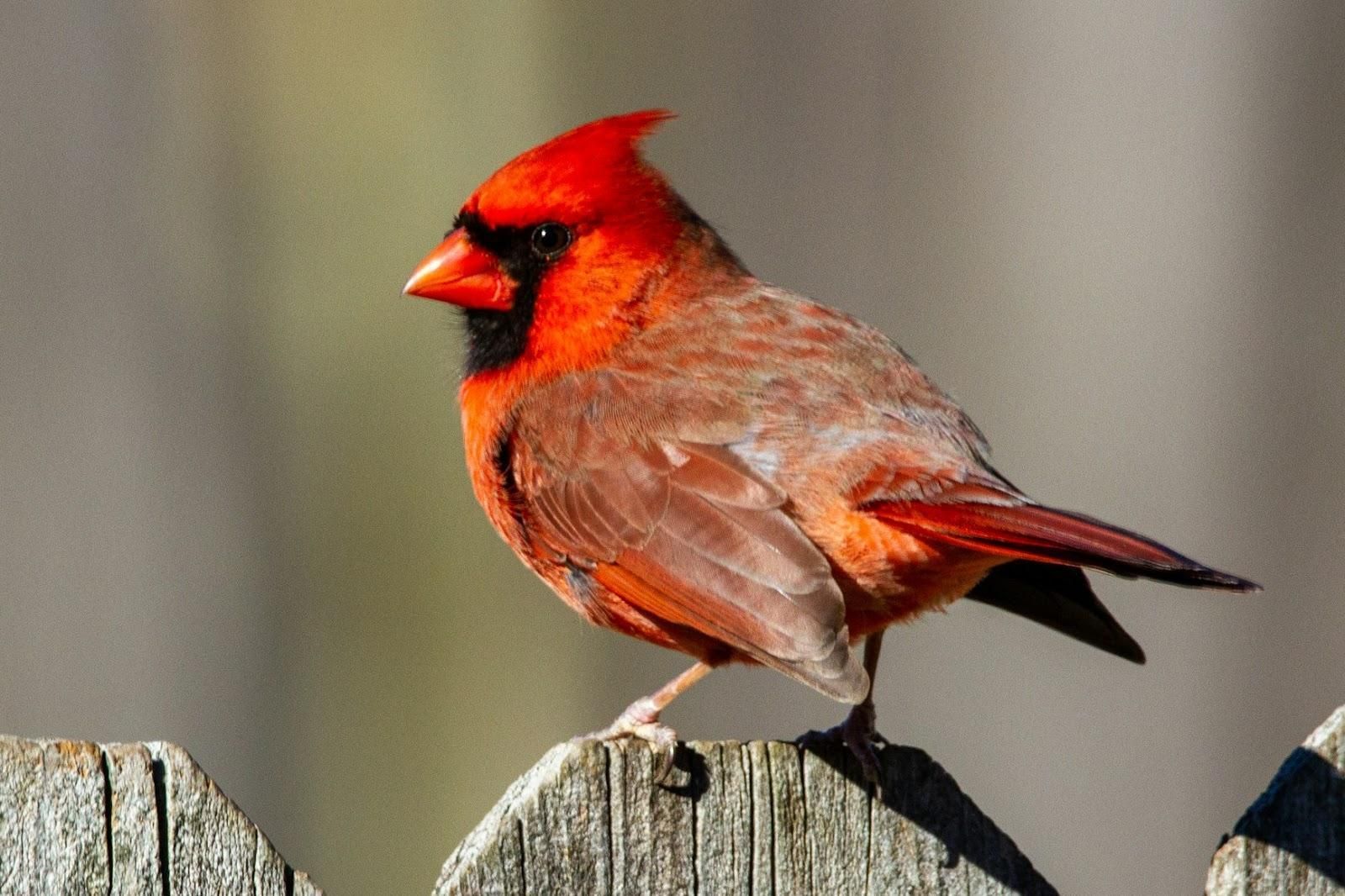
Northern Cardinals look like Christmas on wings, and it’s easy to see why. Males glow bright red, while females wear warm browns brushed with hints of red. They live year-round in the eastern and central U.S., especially in woodlots and suburban yards. Cardinals measure about 9 inches long and crack seeds with thick, powerful bills. Their "what-cheer!" call is one of the most recognized bird sounds in North America.

6
Song Sparrow

Image: Patrice Bouchard

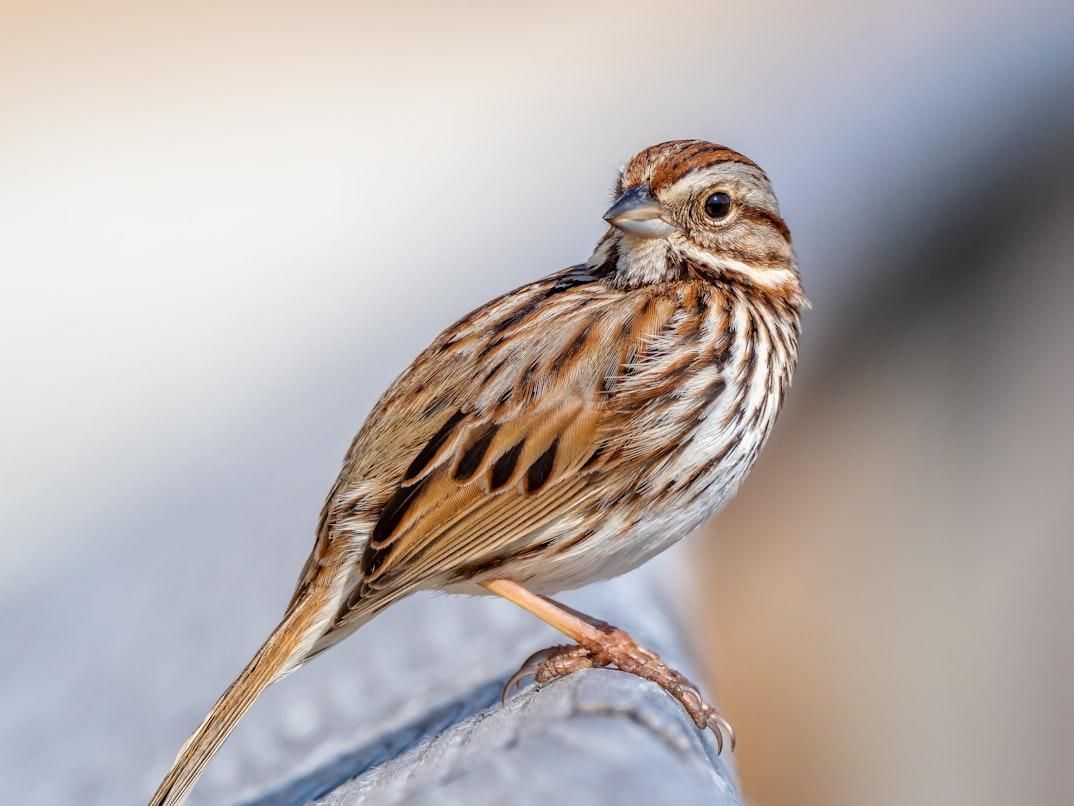
At first glance, this little brown bird might look like one of many, but listen closely. Song Sparrows have been studied for their remarkable vocal variety; a single male may sing more than 10 distinct song types. They’re common nationwide, from the Atlantic to the Pacific, but differ subtly by region. They’re small—around 6 inches—but their voice carries surprisingly far.

7
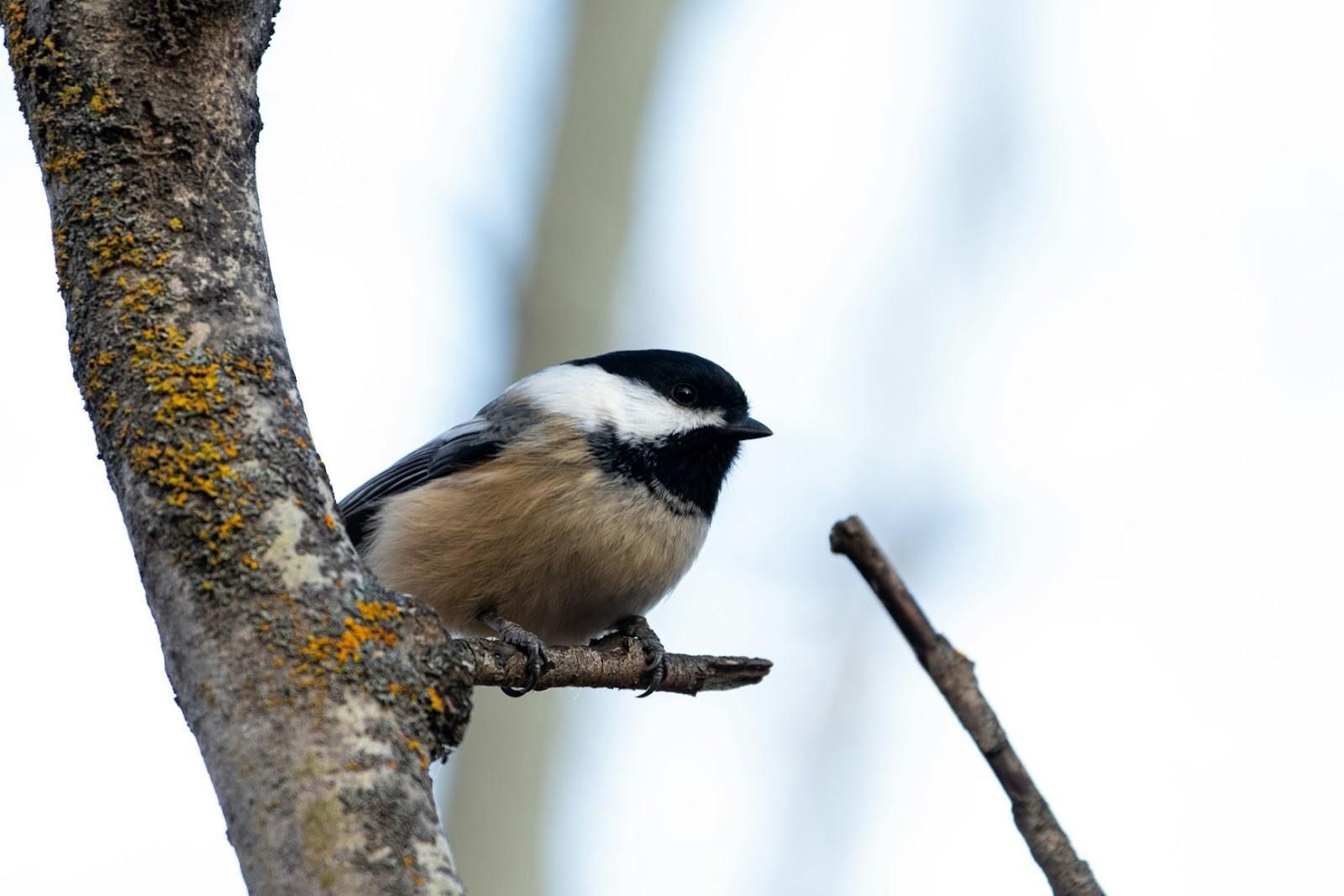
Black-Capped Chickadee

Image: Derek Otway

A bird the size of a tennis ball—about 0.3 ounces—with the confidence of a much larger creature: that’s the Black-capped Chickadee. They have a surprisingly sophisticated communication system. In fact, biologists discovered that the number of "dee" notes in their call changes depending on the threat level of predators.

Found across the northern U.S. and in the Rockies and Appalachians, they sport crisp black caps and snow-white cheeks. Offer sunflower seeds, and they’ll visit you all winter.

8
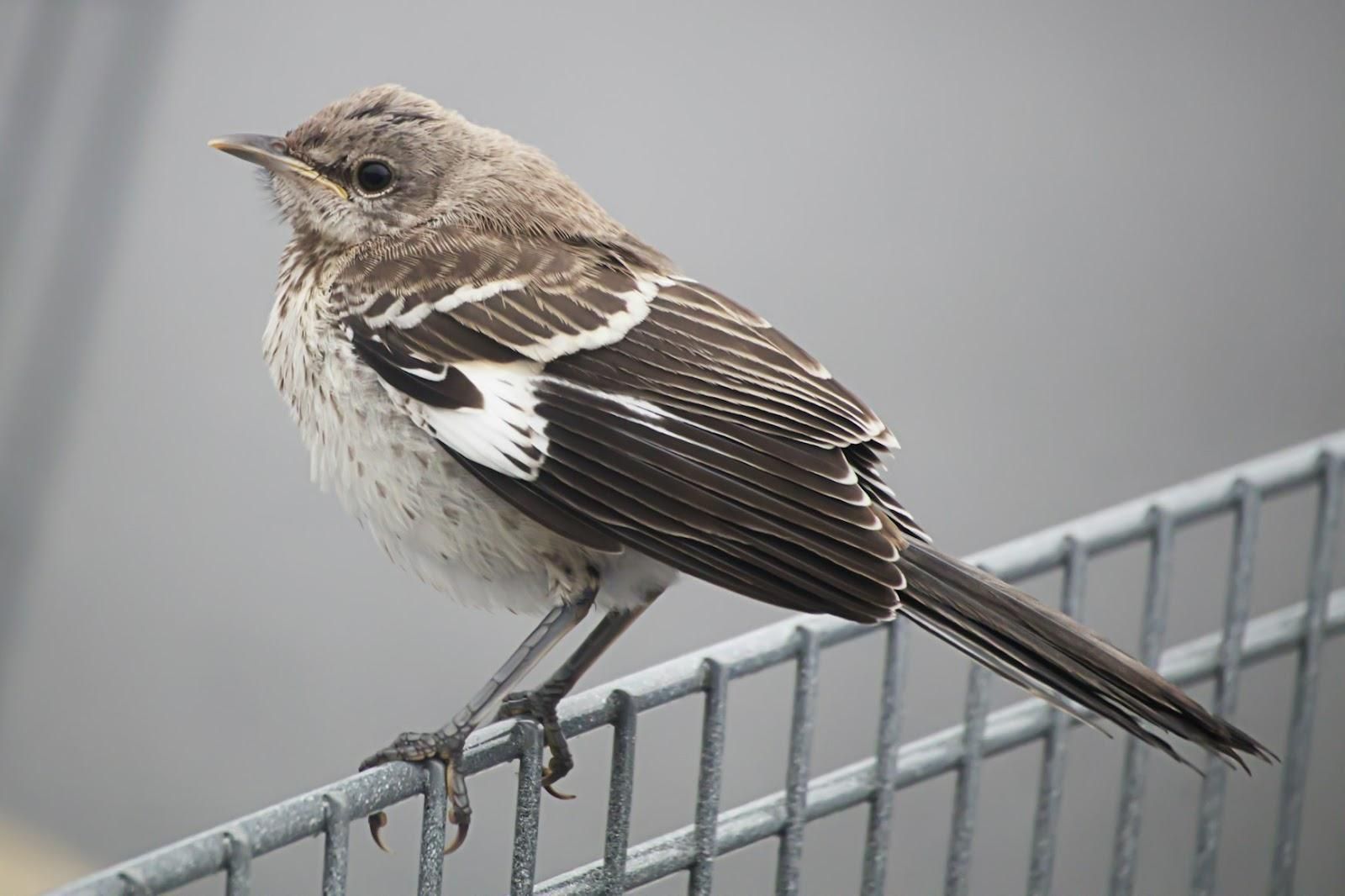
Northern Mockingbird

Image: Jacob McGowin

What if one bird could perform an entire playlist? Northern Mockingbirds—common throughout the South, Midwest, and many western suburbs— can mimic over 100 sounds, from other birds to squeaky gates. In the 1960s, scientists confirmed their habit of singing at night, especially males guarding territory.

They’re roughly 10 inches long, the size of a stretched-out flashlight. Their slender gray bodies and white wings make them easy to spot when they swoop from fence posts.

9
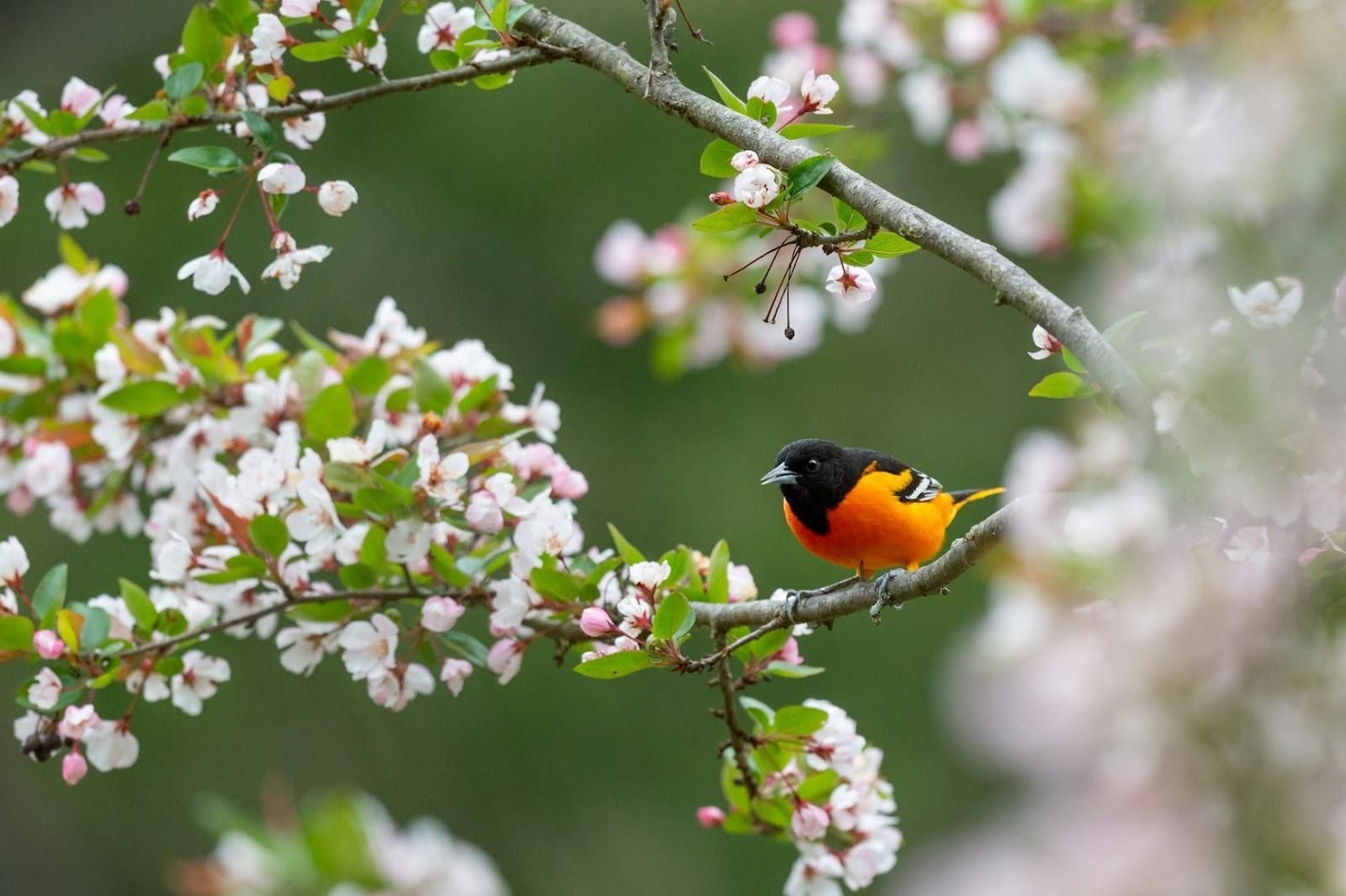
Baltimore Oriole

Image: Ray Hennessy

The Baltimore Oriole can be described as "a flame carried by wings", since males sport brilliant orange while females show softer yellows.

These bright orange migrants breed across the Northeast and Midwest before wintering in Central America. Their hanging pouch nests—up to 8 inches deep—are woven with fibers like tiny hammocks swaying in the breeze. Orioles love tall shade trees and can hang upside down to sip nectar or jelly.

10
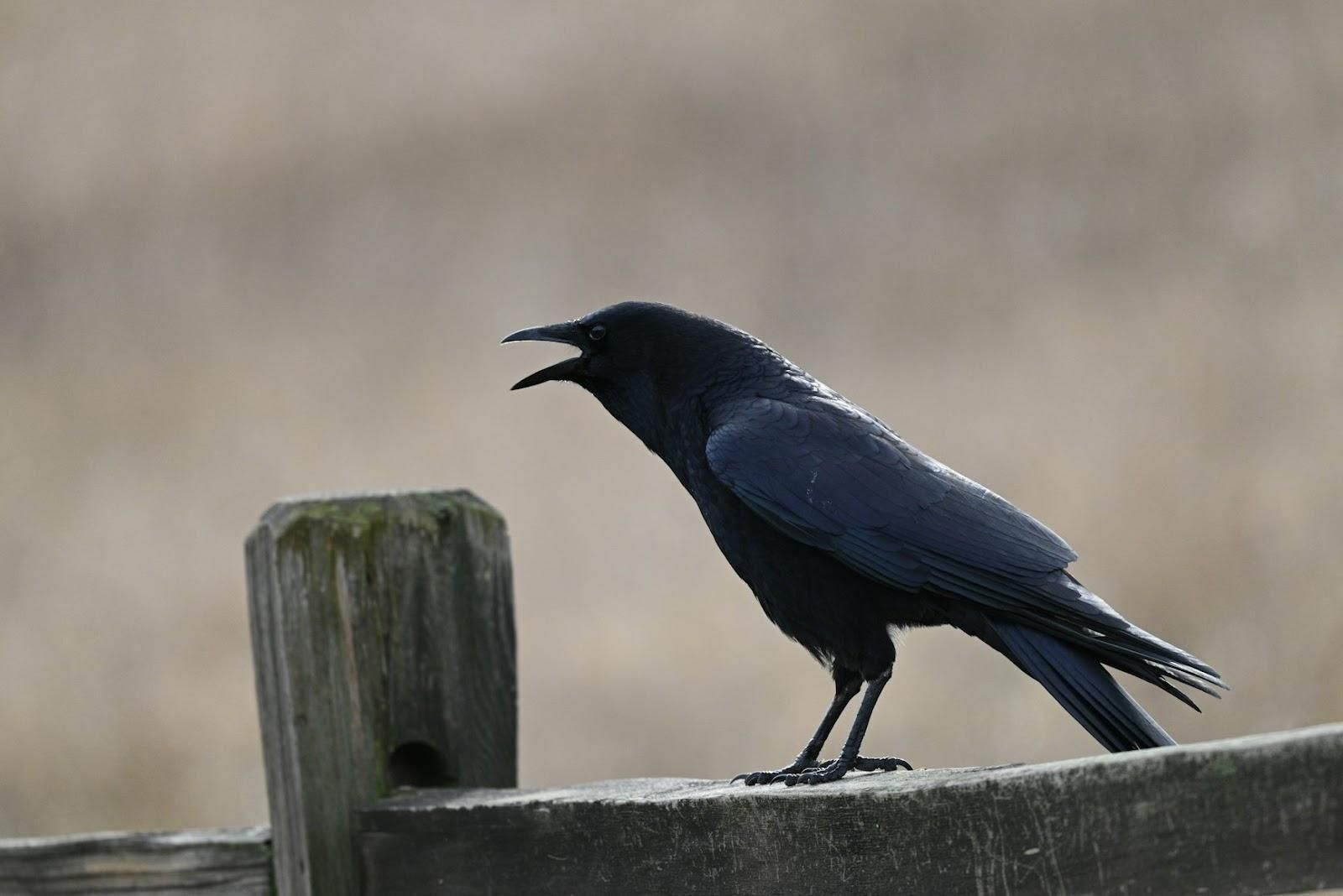
American Crow

Image: Genevieve Curry

Think of crows as neighborhood detectives. Studies show they can recognize human faces and remember them for years. Found in every U.S. state except Hawaii, American Crows are large—about 17 inches long—and solid black from bill to tail. Their aerial circling and communal roosts, sometimes numbering thousands, are especially common in the Midwest. They travel in family groups and announce their presence with a clear "caw!"

11
Black-billed Magpie

Image: anish lakkapragada

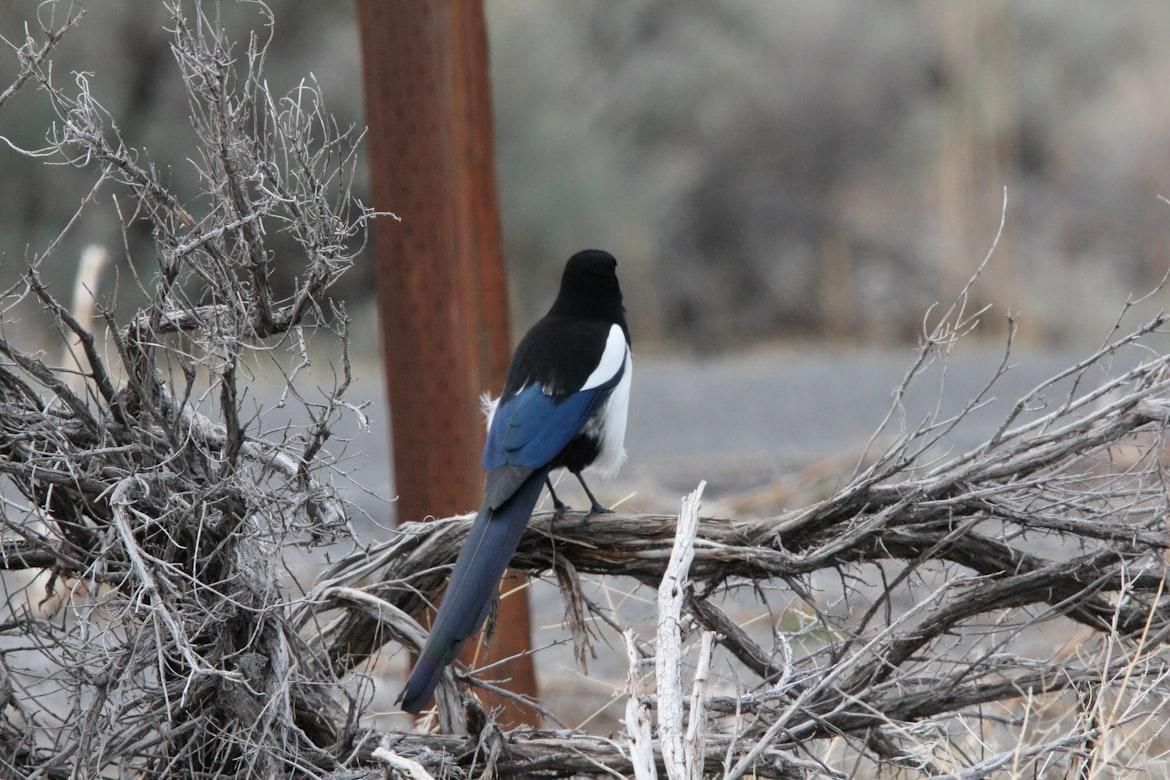
If you’ve ever driven through the Rockies or the Great Plains, you’ve likely seen this striking bird swooping low over fields. Black-billed Magpies, common from Nevada to the Dakotas, wear glossy black feathers with a blue-green sheen and long tails that can reach 12 inches—nearly half their total length. Their dome-shaped stick nests can be 3 feet across, and they thrive in open country and ranchlands.

12
Tufted Titmouse

Image: Mark Olsen

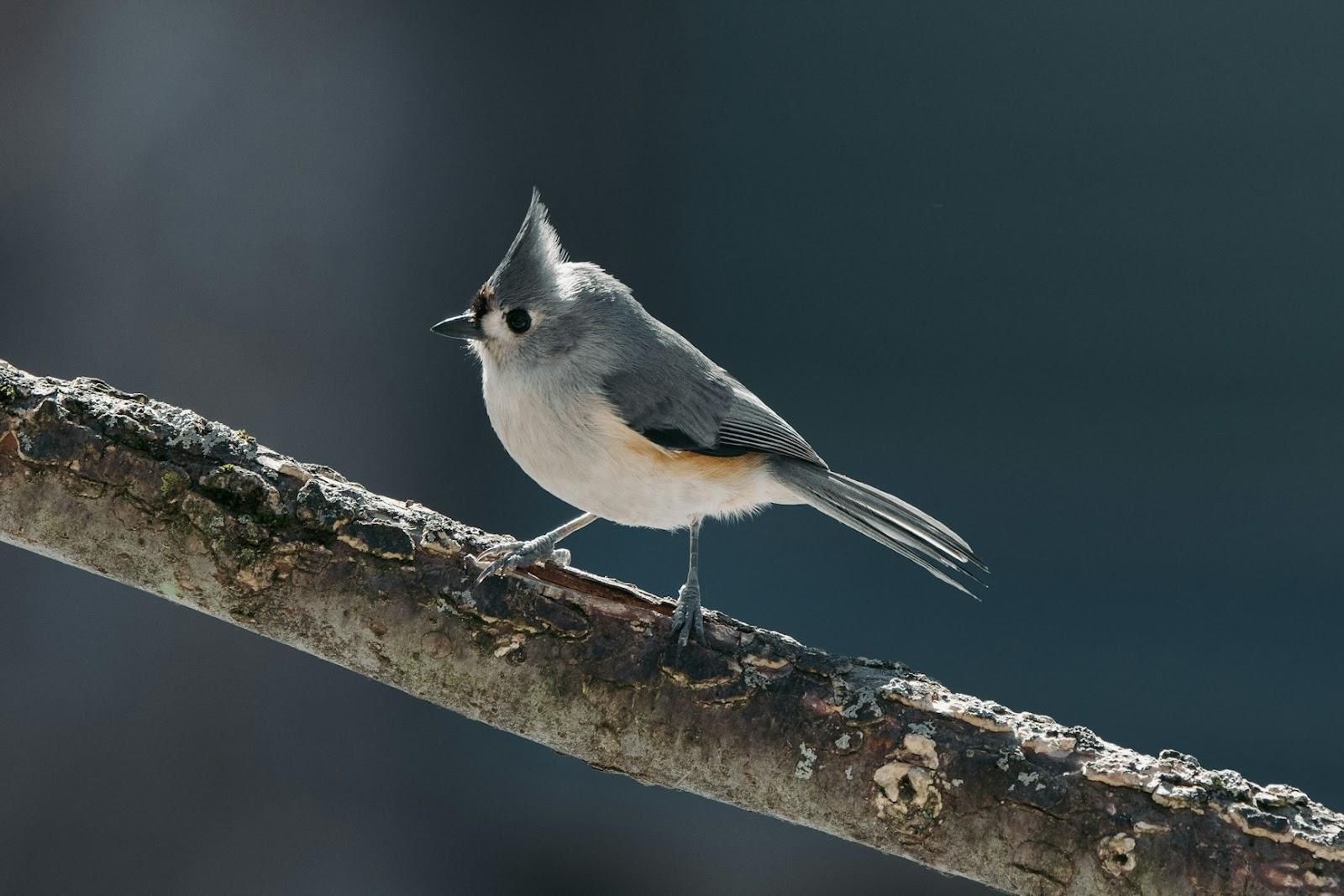
One of the most charming feeder visitors in the eastern U.S., the Tufted Titmouse has a soft gray coat, a tiny crest, and warm orange patches under the wings. Though small—around 6.5 inches—they have a bold, ringing call: peter-peter-peter . Their range has expanded steadily northward, partly thanks to backyard feeders. Another fun fact: titmice store seeds one by one in tree bark, creating "pantries" they revisit all winter.

Explore more American facts

Choose your favorite category!

General
General

As American as apple pie—the very best America has to offer!

Culture
Culture

Delve into the astounding richness of American lore.

Geography
Geography

Hop in and explore vast and diverse American landscapes.

History
History

Discover the key moments that shaped the United States.