History History 4 min read

Which war was the first to use railroads for troops in the U.S.?
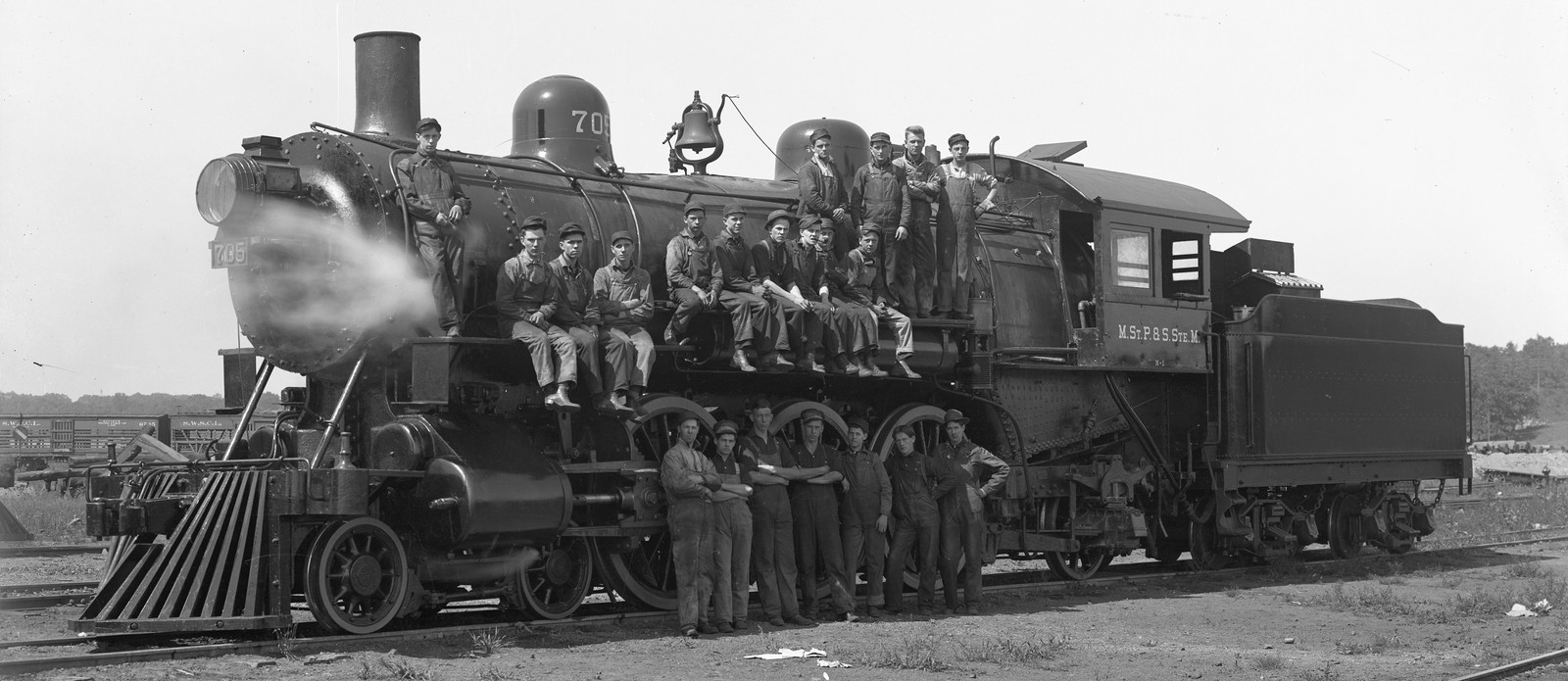
Image: Hennepin County Library, Public domain, via Wikimedia Commons

Before railroads, traveling across America was a slow ordeal involving wooden wagons and muddy trails. But in the 19th century, when thousands of miles of steel tracks were laid down throughout the continent, the United States transformed from a mere agrarian region into an industrial and economic powerhouse.

1
Linking the coasts for unified commerce
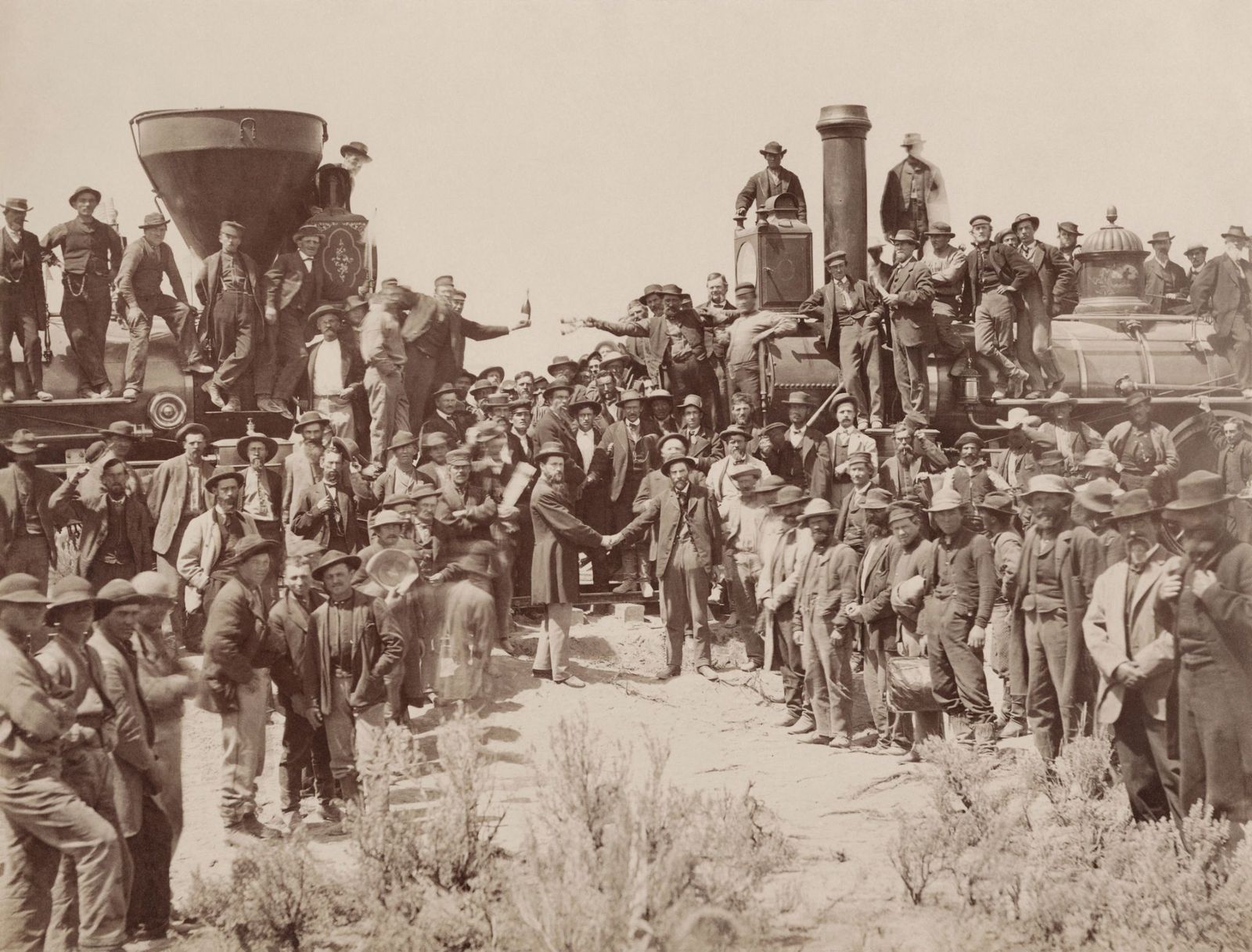
Image: See file page for creator info.

When the first coast-to-coast railroad was completed in 1869, it cut a dangerous six-month journey down to a comfortable six-day ride. Overnight, merchants in New York could sell directly to buyers in San Francisco. This created the world’s first massive national market, allowing goods, raw materials, and finished products to flow across state lines without maritime delays.

2
Accelerating industrialization
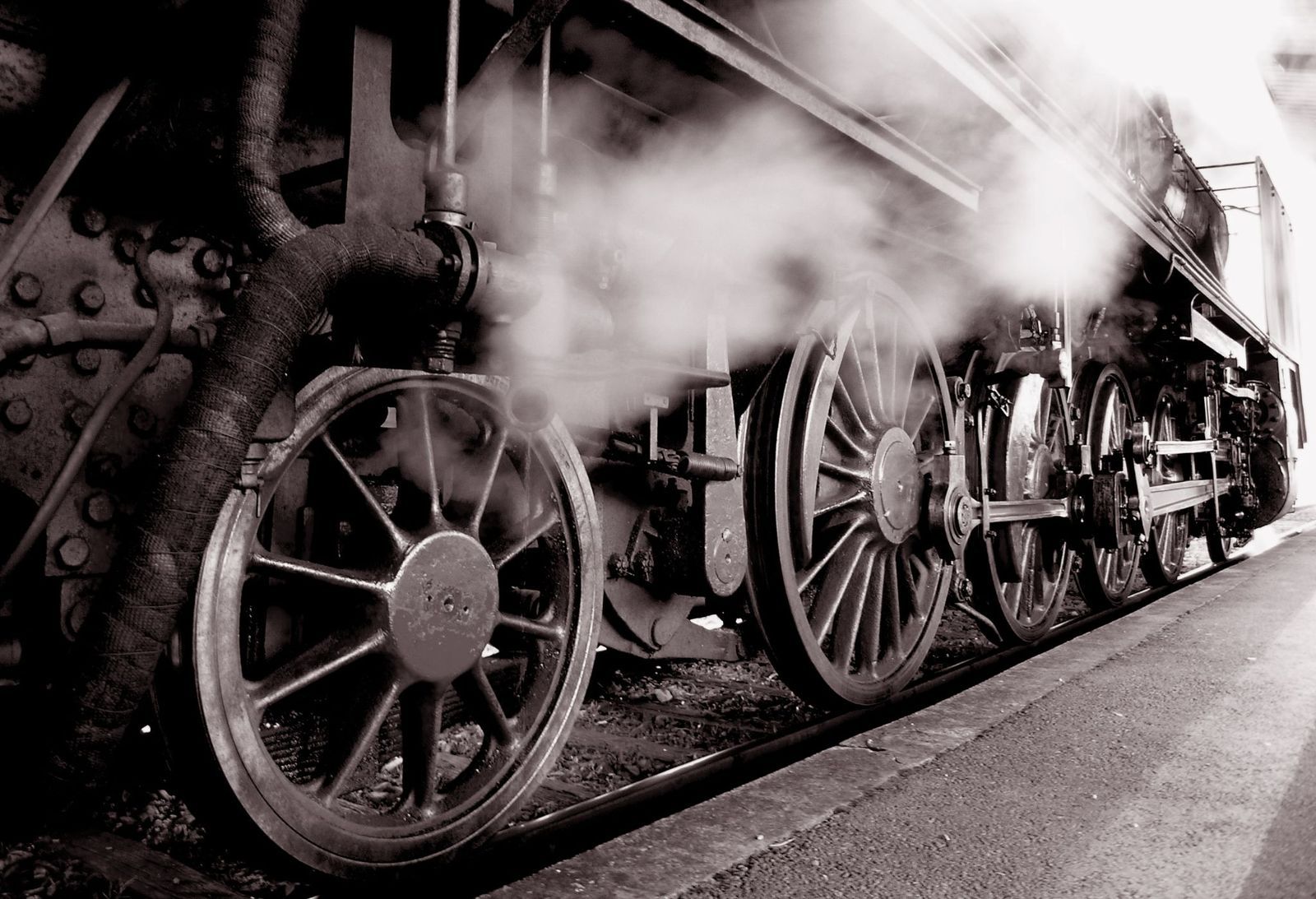
Image: Petar Milošević, CC BY-SA 4.0, via Wikimedia Commons

Railroads carried industrial goods but also were the ultimate consumers of industrial materials. Trains ran on iron (and later steel) rails, burned a huge amount of coal, and required complex steam engines forged in giant foundries, thus creating a cycle. As a result, the country needed more steel mills, coal mines, and lumber yards, directly igniting the American Industrial Revolution.

3
Opening the American West
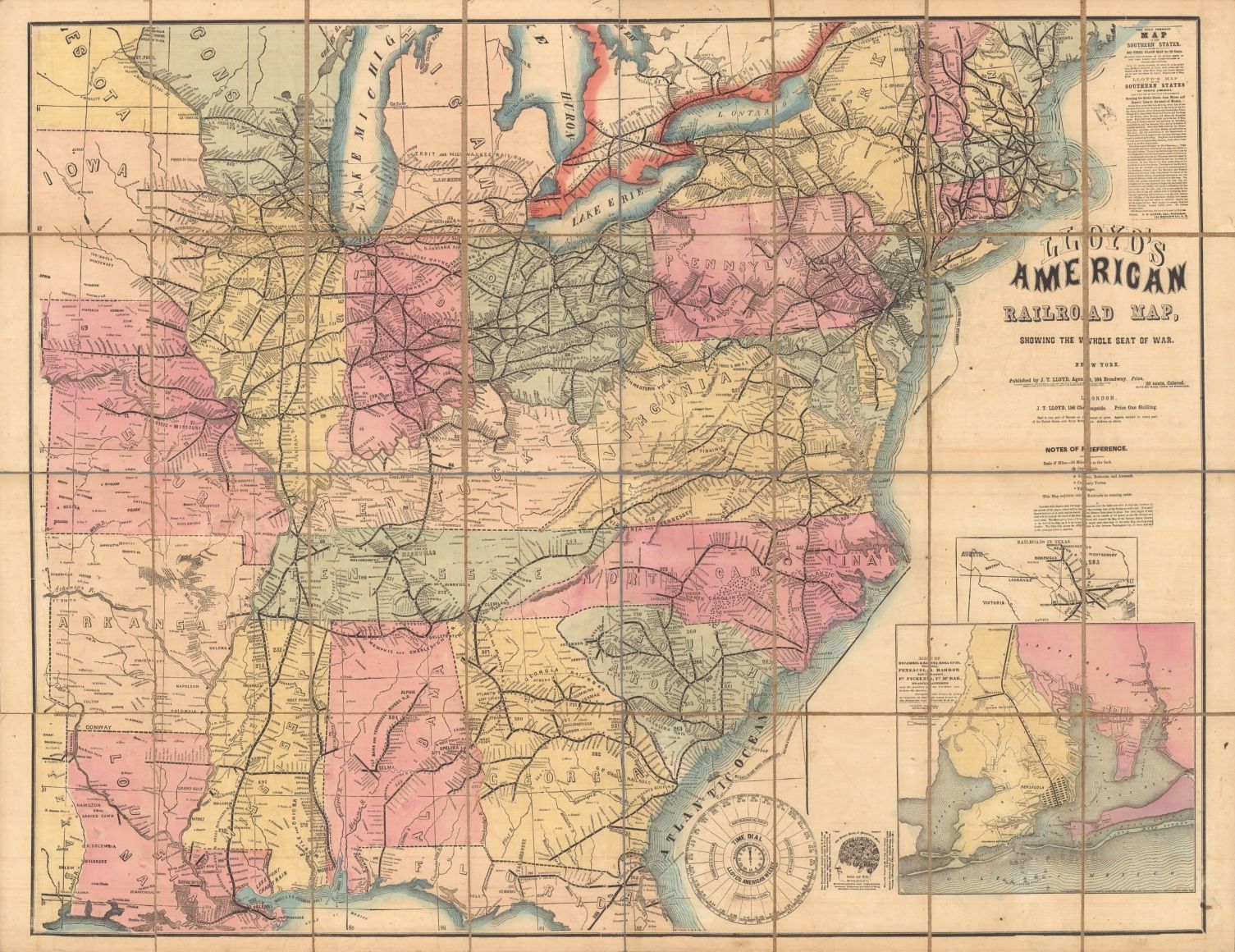
Image: Lloyd, James T., Public domain, via Wikimedia Commons

Before tracks were laid, vast areas of the American West were isolated and difficult to reach. Railroad companies turned inaccessible territories into booming agricultural hubs, mining camps, and timber stations. Federal land grants encouraged pioneers, miners, and entrepreneurs to move west, rapidly transforming untamed wilderness into prosperous territories and new American states.

4
Revolutionizing agriculture
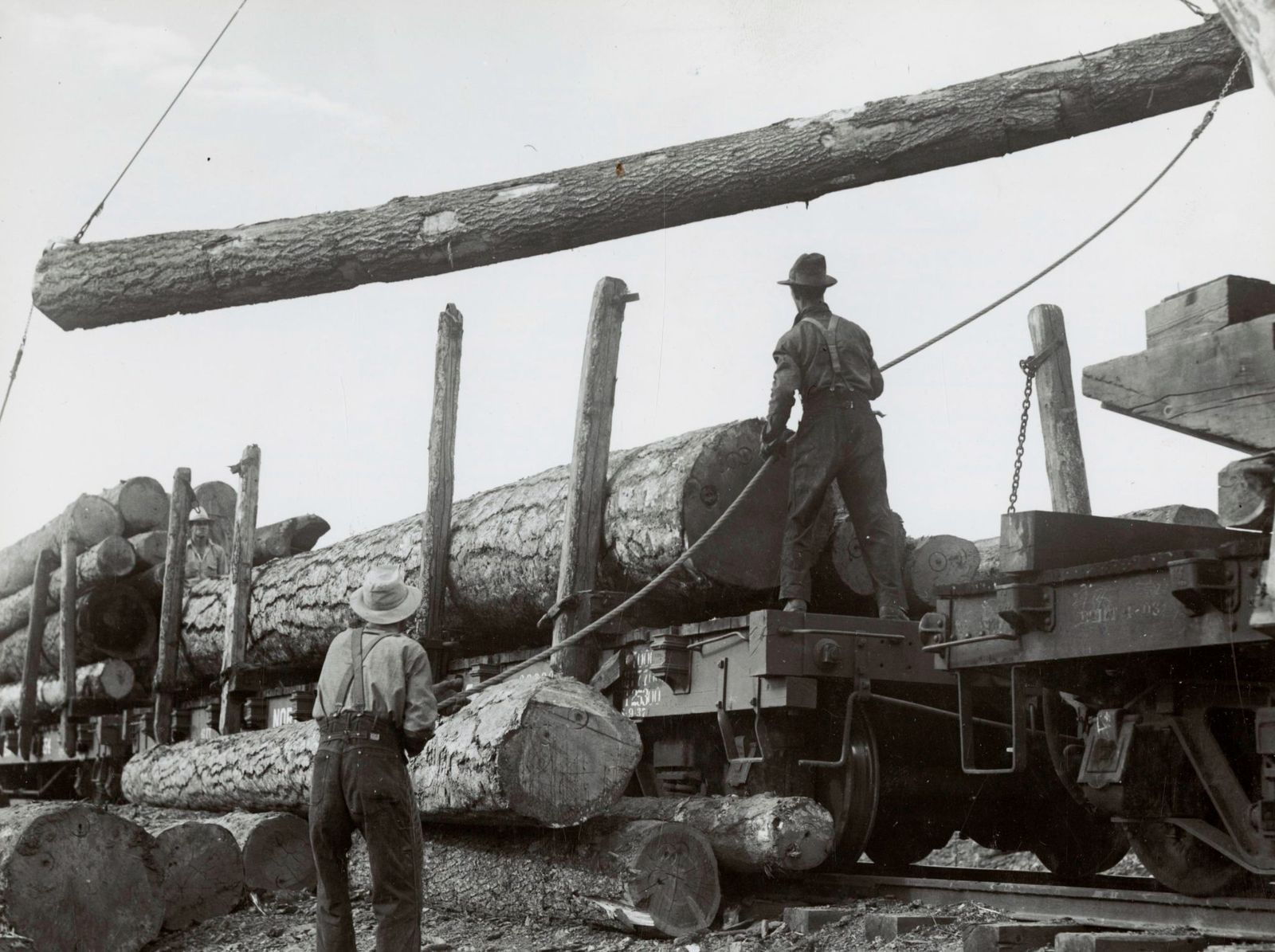
Image: K.D. Swan, US Forest Service, Public domain, via Wikimedia Commons

Before trains, farmers could only grow what they could sell locally before it spoiled. The advent of the railroad, and specifically the invention of refrigerated boxcars in the 1870s, changed food industries forever. Suddenly, beef from Texas, grain from the Midwest, and citrus from California could be shipped to East Coast cities without rotting on the way.

5
Stimulating urbanization
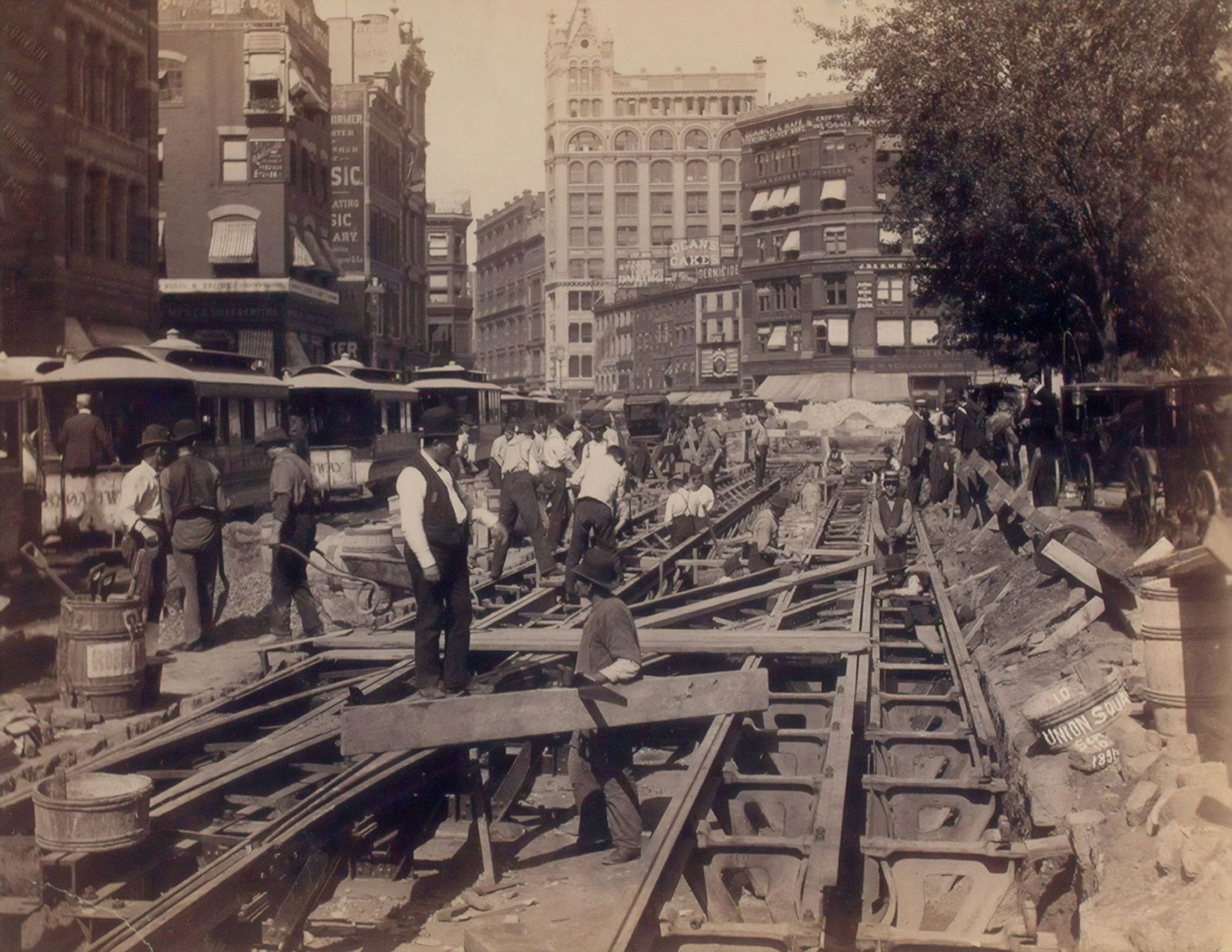
Image: The New York Public Library

Railroads drew the blueprint of modern American geography. Major cities like Chicago, Kansas City, Atlanta, and Denver became prominent not because of oceanic harbors, but because they served as railway junctions. Chicago, for example, transformed from a quiet lakefront trading post into a metropolis of millions as the central hub connecting Western livestock and grain to Eastern consumer markets.

6
Standardizing time across the nation
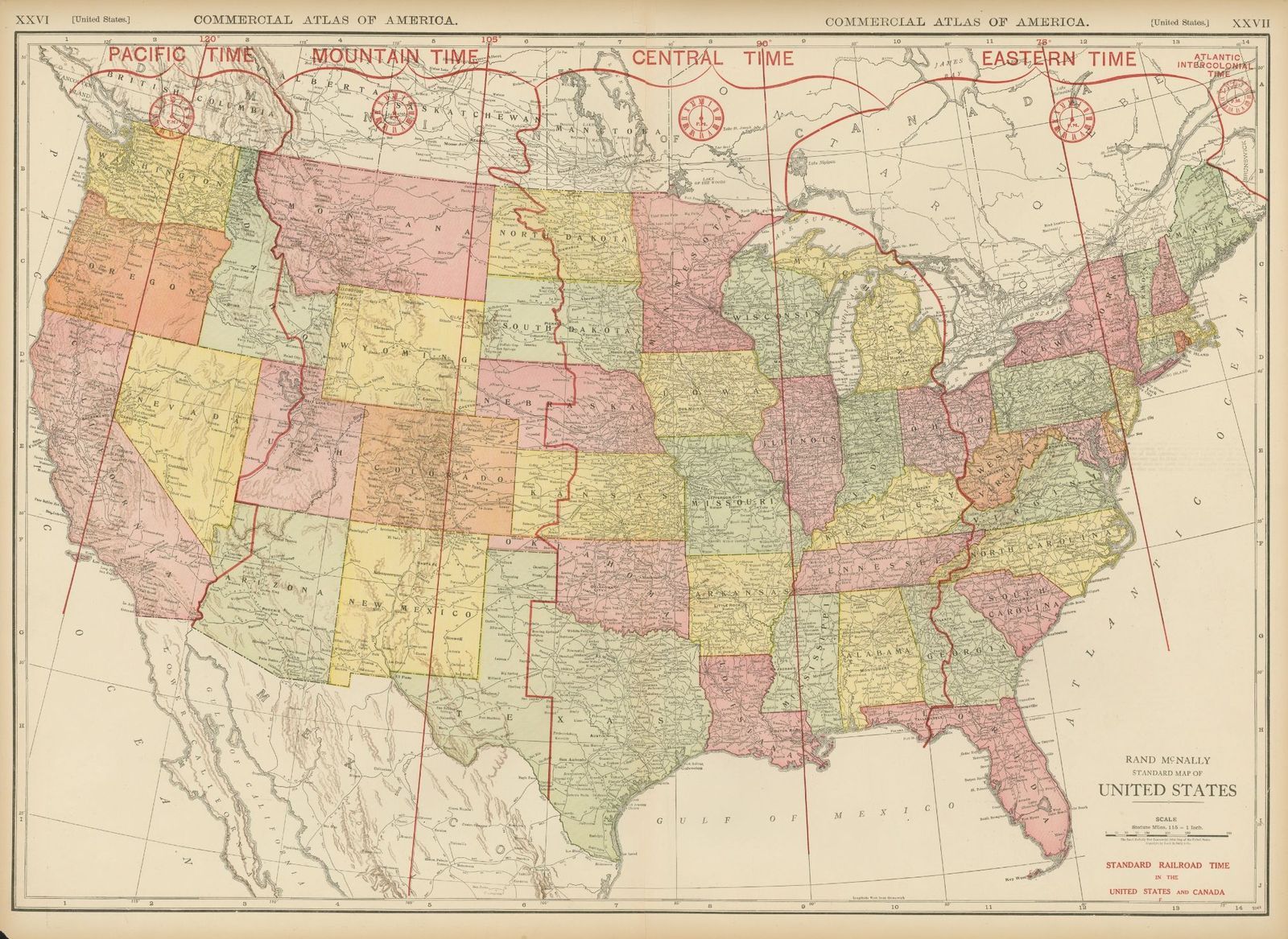
Image: University of Texas at Arlington, Public domain, via Wikimedia Commons

In the early 19th century, every town kept its own local "sun time" based on when the sun hit noon overhead. This meant there were over 300 different local times across the United States, making train scheduling a nightmare. On November 18, 1883, known as "The Day of Two Noons", American railroad companies established four standardized time zones (Eastern, Central, Mountain, and Pacific) for the first time. The U.S. government officially adopted the system 35 years later, giving us the time system we use today.

7
Powering wartime logistics
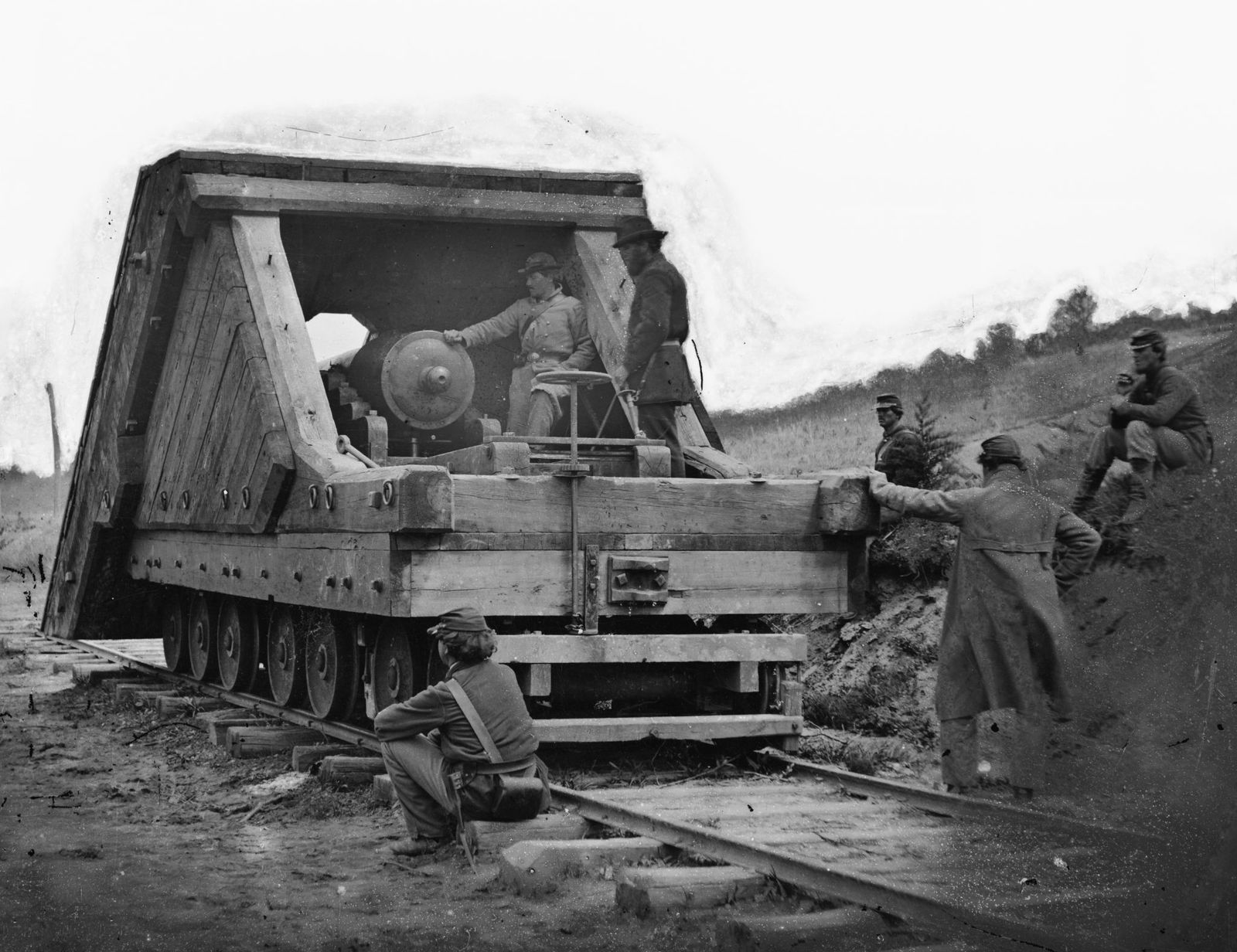
Image: See page for author, Public domain, via Wikimedia Commons

The American Civil War was the first military conflict in history where railroads played a decisive strategic role. The Union’s superior rail network allowed Abraham Lincoln to move tens of thousands of troops, heavy artillery, and medical supplies across hundreds of miles in just days. Decades later, during World War I and World War II, the nation’s coordinated rail network was essential for assembling armaments and moving troops to ports.

8
Attracting immigrants and skilled labor
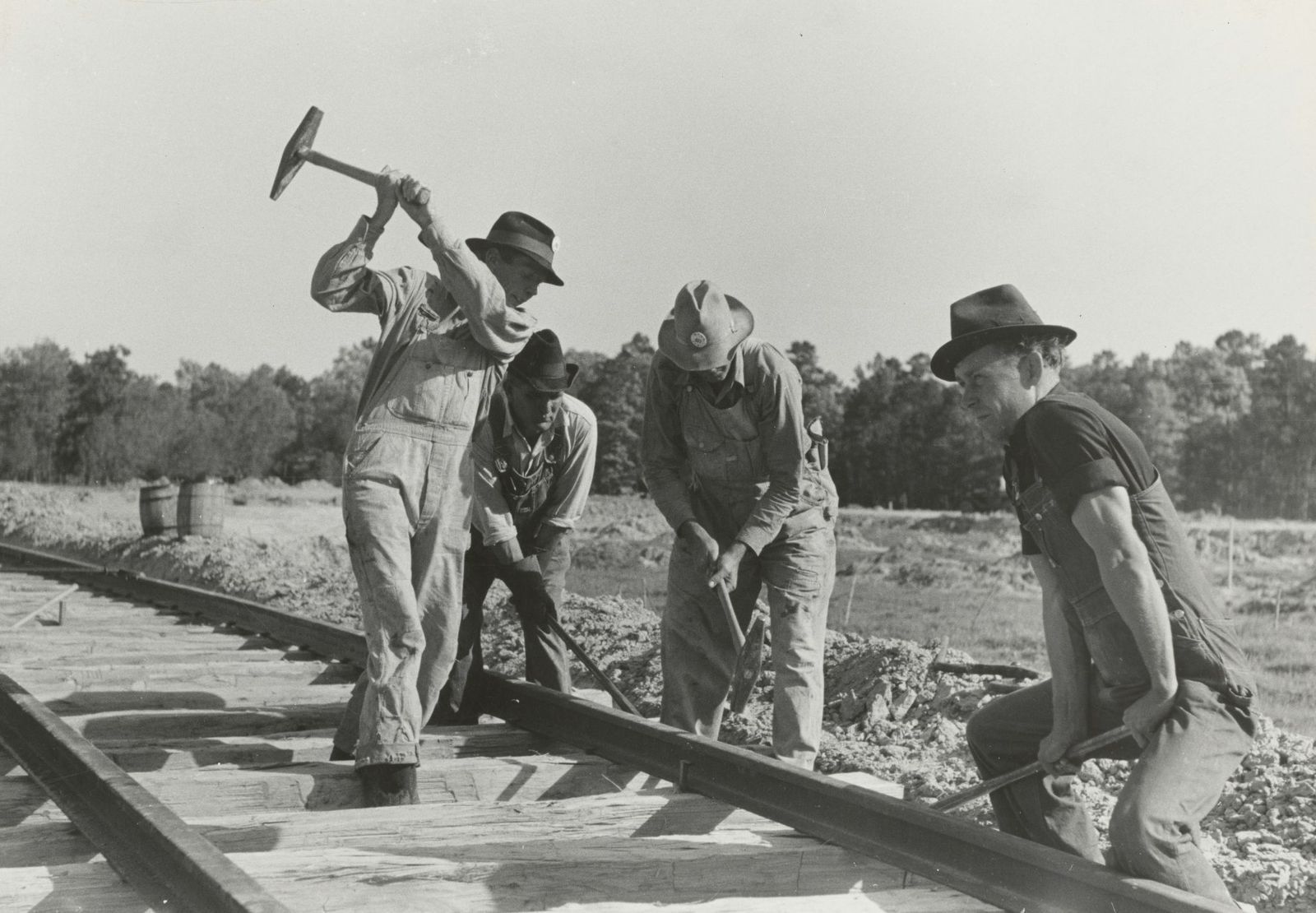
Image: The New York Public Library

Building a rail network for such a big country required a huge labor force. Hundreds of thousands of immigrants—most notably Chinese workers building east through the Sierra Nevada mountains and Irish laborers laying track west across the plains—came to America for work. Many settled in newly founded rail towns, started businesses, and expanded the multicultural fabric of the nation.

9
Fueling innovation in engineering and finance
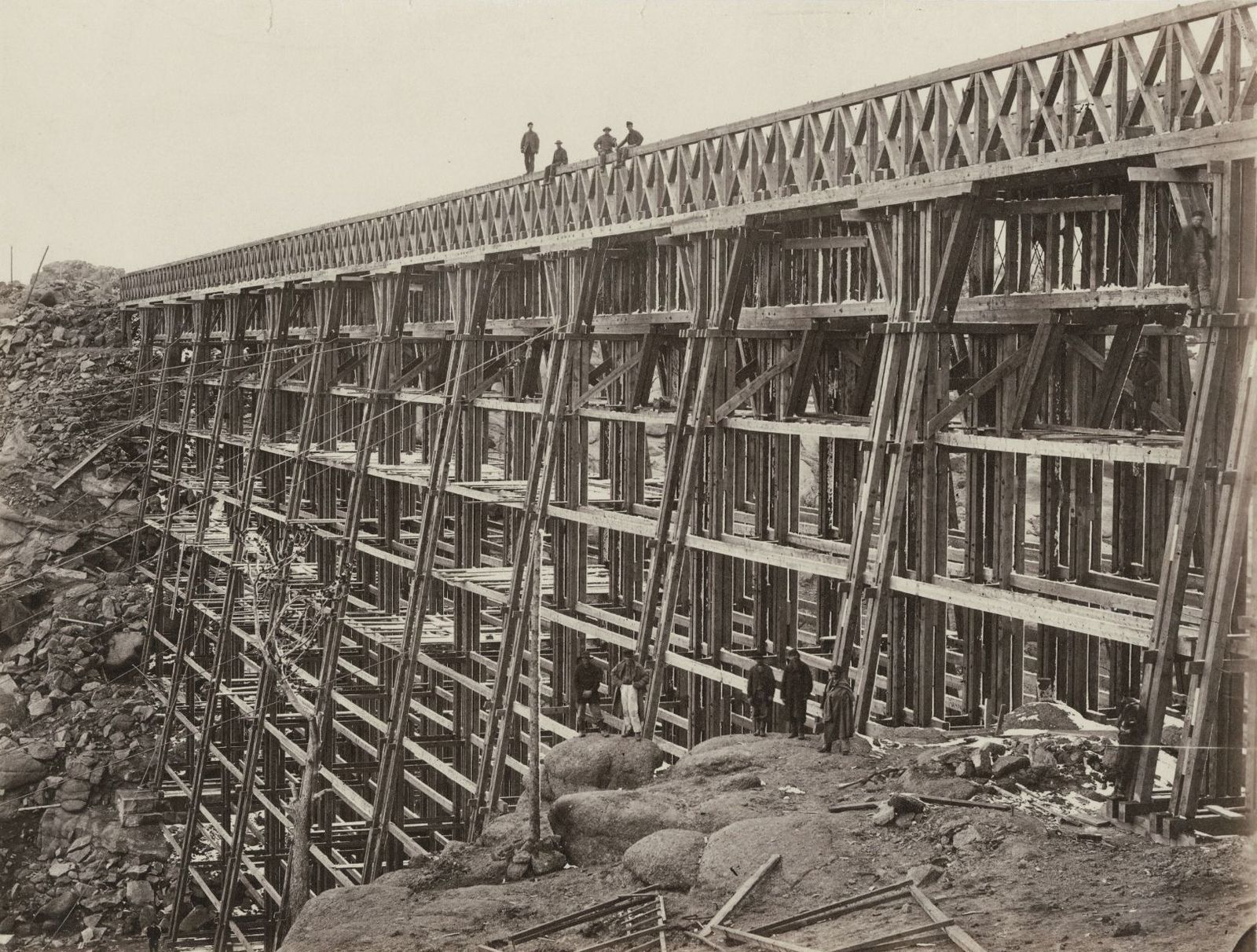
Image: Andrew J. Russell, Public domain, via Wikimedia Commons

Laying tracks across rivers, canyons, and mountain ranges pushed civil engineering forward, pioneering suspension bridges, mountain tunnels, and heavy construction equipment. At the same time, railroads required so much capital that they birthed modern Wall Street. Financial markets grew fast to trade railroad stocks and bonds, while railway executives created the first corporations.

10
Redefining mail and communication
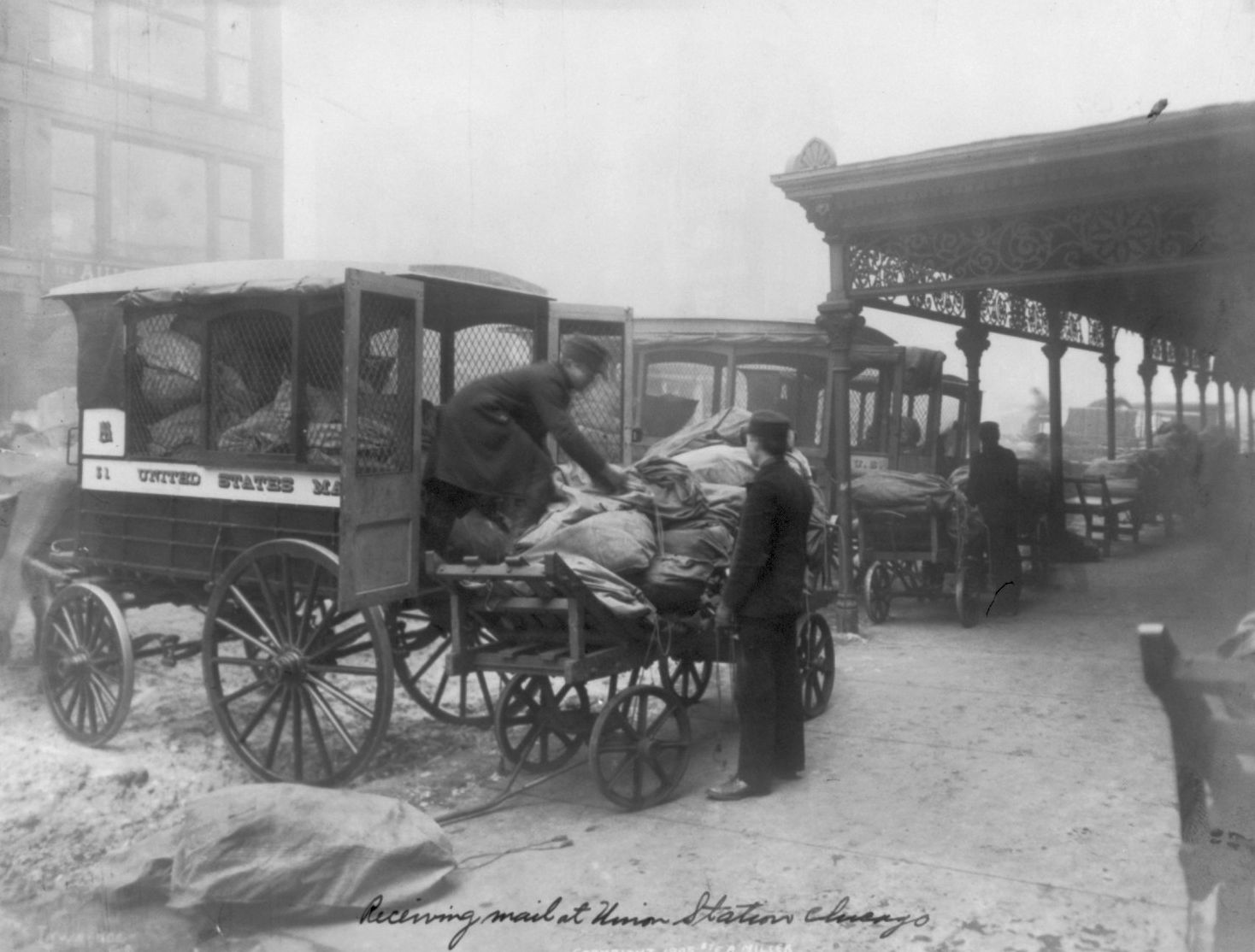
Image: Miscellaneous Items in High Demand, PPOC, Library of Congress, Public domain, via Wikimedia Commons

Railroads moved information incredibly fast. Telegraph lines were connected alongside railroad tracks, establishing instantaneous communication across the country for the first time. Meanwhile, the Railway Mail Service turned passenger cars into mobile post offices where clerks sorted letters on board while traveling at 50 miles per hour, dropping mail delivery times from months down to just a matter of days.

History History 4 min read

Don’t believe everything

From Washington’s wooden teeth to Plymouth Rock: 12 myths still around

Image: Hartono Creative Studio

American history is filled with stories that are passed down through generations, but not all of them are accurate. Some legends were invented to inspire, others simply to entertain, and many grew from misunderstandings. Let’s take a look at 12 of the most common myths from U.S. history that are still believed to be true by a lot of people.

1
George Washington had wooden teeth

Image: Jon Sailer

When one thinks about this one, it can sound quite preposterous, but many people still believe it to be true. George Washington did wear dentures, but none were made of wood. His sets were crafted from ivory, gold, lead, and even animal and human teeth. The wood myth likely spread because stained ivory took on a rough, brown look .

The story stuck because it seemed to fit the image of a rustic leader. In truth, Washington’s constant dental pain was very real, but the wooden teeth are pure fiction.

2
The Declaration of Independence was signed on July 4

Image: The New York Public Library

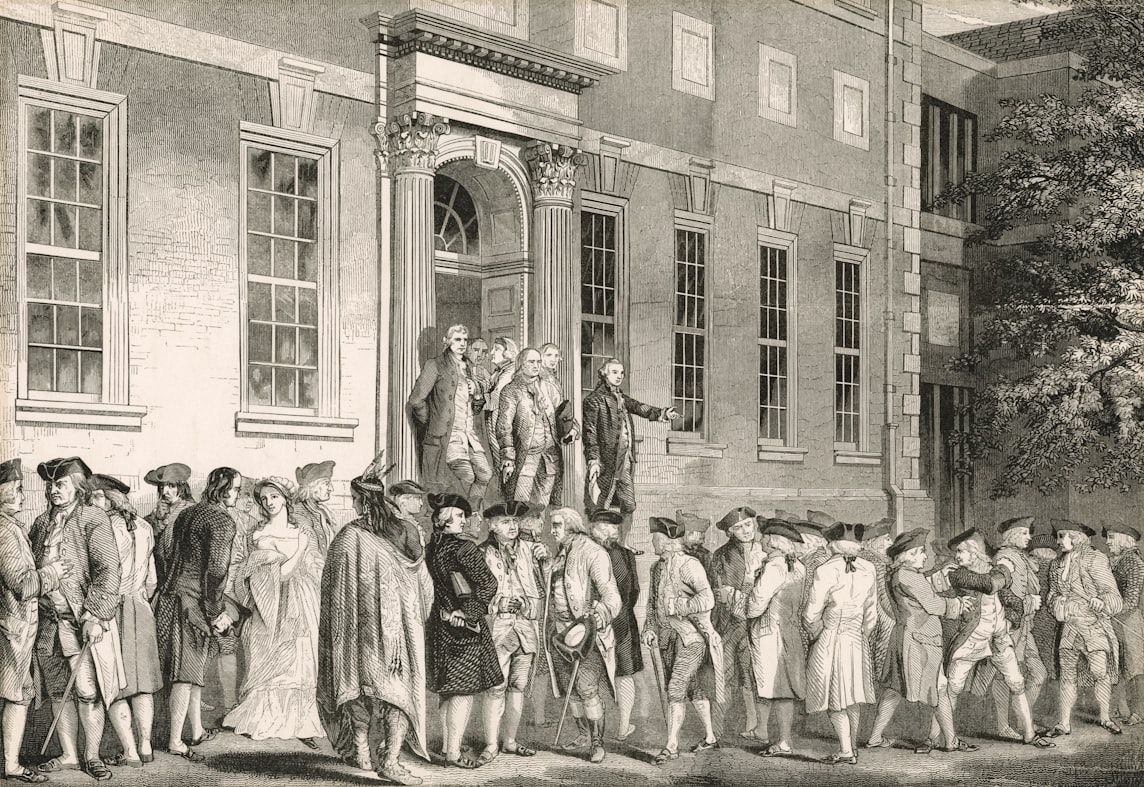
Yes, July 4, 1776, is remembered as the day America declared independence, but most delegates did not sign the document then. It was approved that day, yet the majority of signatures were added on August 2 .

Only John Hancock and perhaps a handful of others signed on the Fourth. The legend of all the Founders signing together created a more dramatic story than reality.

3
The first Thanksgiving had turkey and pie

Image: Noah Samuel Franz

The 1621 gathering in Plymouth is remembered as a feast of turkey, stuffing, and pumpkin pie. In reality, the menu was very different. Venison, fish, shellfish, corn, and nuts were likely served instead .

Turkey may have been present, but it wasn’t the centerpiece, and sweet pumpkin pie was impossible without sugar or ovens. The foods we associate today were added later by tradition.

4
The Liberty Bell cracked on July 4, 1776

Image: Dan Mall

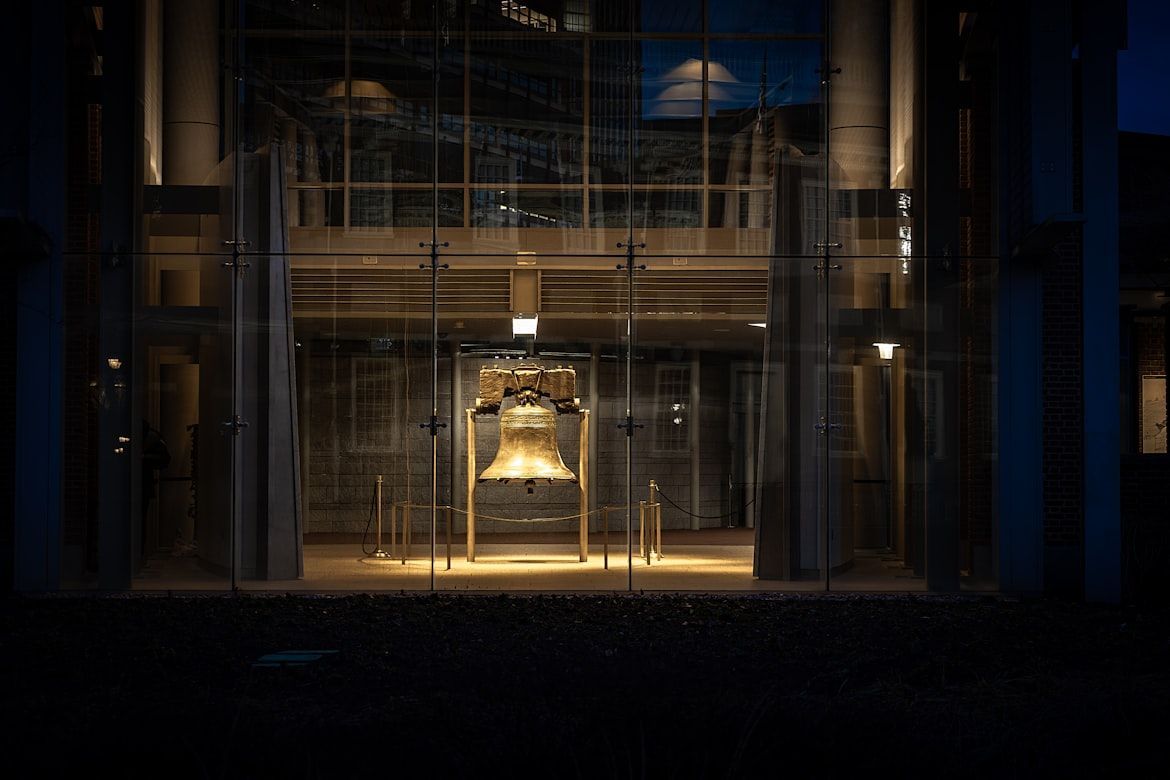
Many believe the Liberty Bell cracked while celebrating independence on July 4, 1776, but it didn’t. The bell wasn’t even rung that day, and its famous fracture appeared decades later .

Records suggest the crack happened in the 1830s or 1840s during use at civic events. The legend tied the crack to 1776 because it made for a more patriotic tale.

5
Paul Revere shouted "The British are coming!"

Image: brianfakhoury

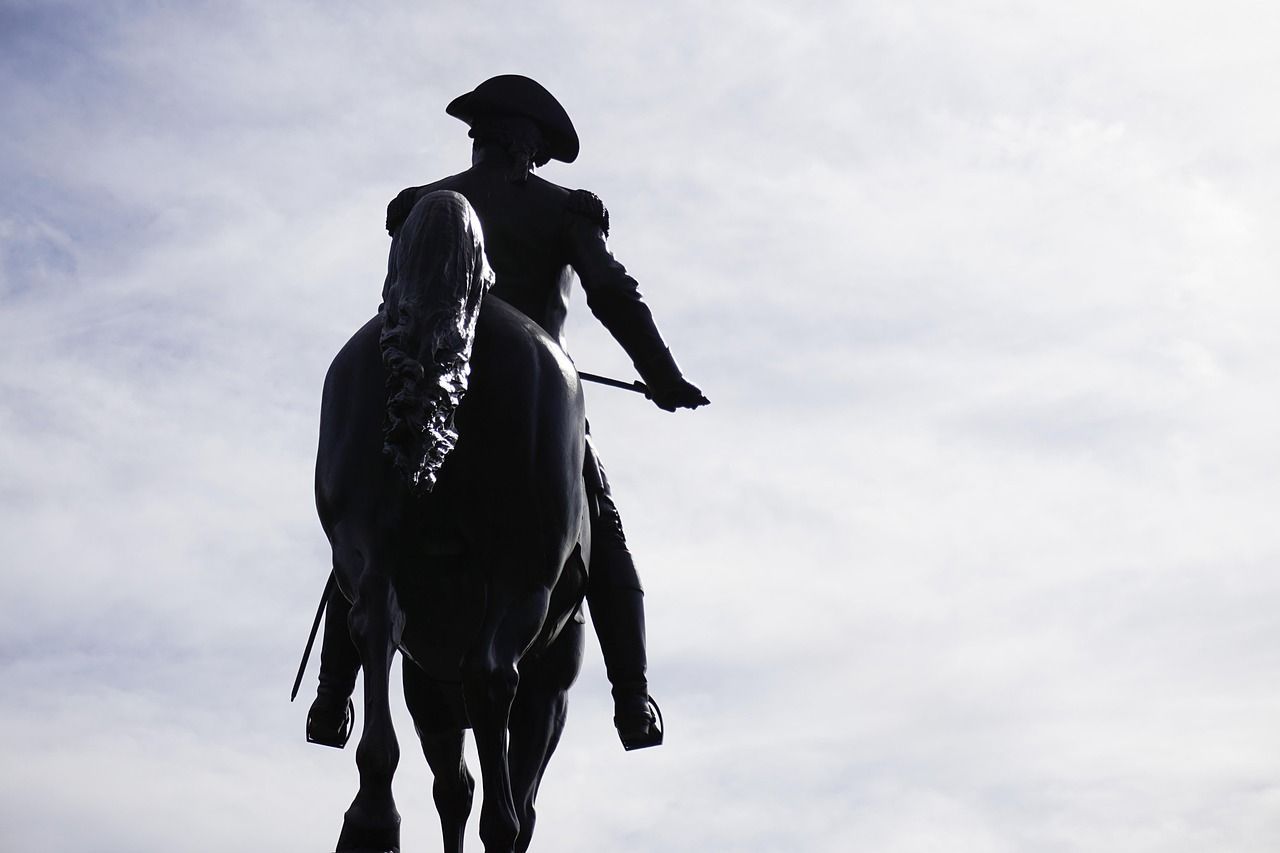
Paul Revere’s midnight ride is legendary, but the famous phrase attributed to him is not. He likely warned townspeople, "The Regulars are out," since most colonists still thought of themselves as British.

The dramatic version was added later to make the story more exciting. Revere’s actual mission was successful, but it didn’t involve shouting through the countryside.

6
Colonial Americans were short

Image: James Coleman

It’s often said that colonial Americans were much shorter than people today, but that’s an exaggeration. Skeletal evidence shows the average man in the 1700s was about 5’8", not far from modern averages .

Malnutrition was less severe in America than in Europe at the time. The myth spread from comparing old, small doorways and beds, which were not actually built for shorter people.

7
The pilgrims landed on Plymouth Rock

Image: Bernd 📷 Dittrich

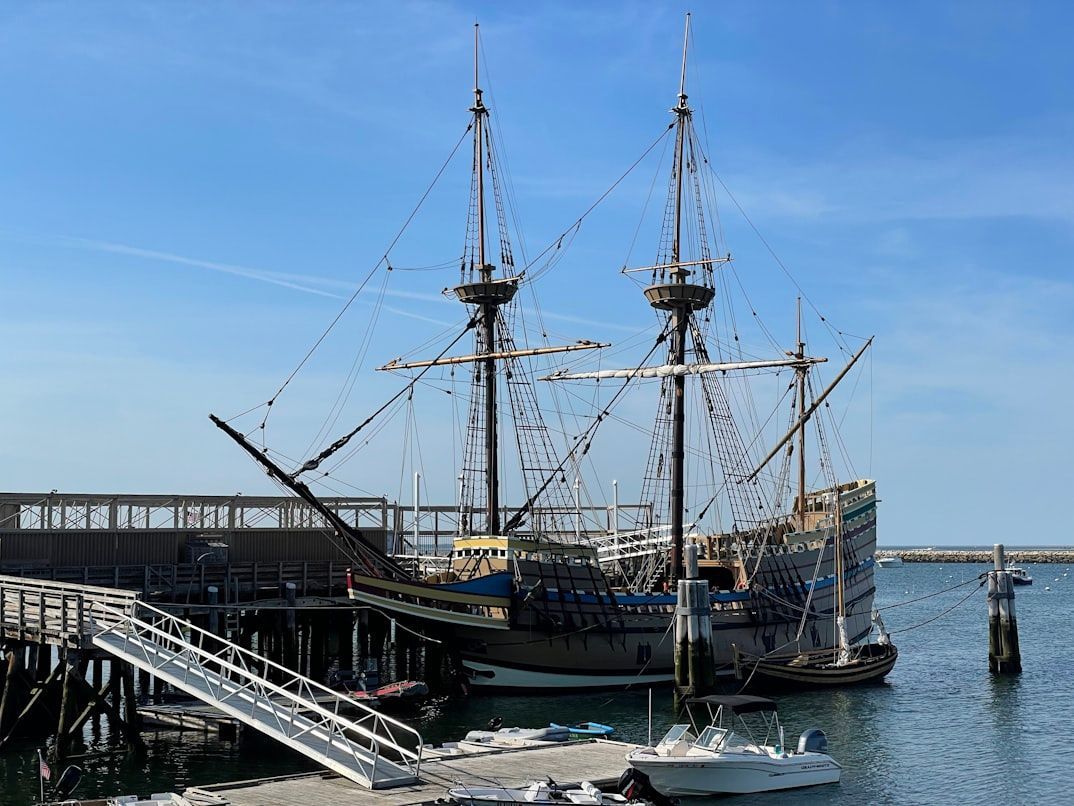
The story that the Pilgrims stepped onto Plymouth Rock in 1620 has no basis in fact. No historical accounts from the time mention it.

The tale was first told more than a century later, likely to create a symbolic landmark. The rock is real, but its role in the landing is pure invention to add drama to history .

8
Benjamin Franklin discovered electricity with a kite

Image: Brett Wharton

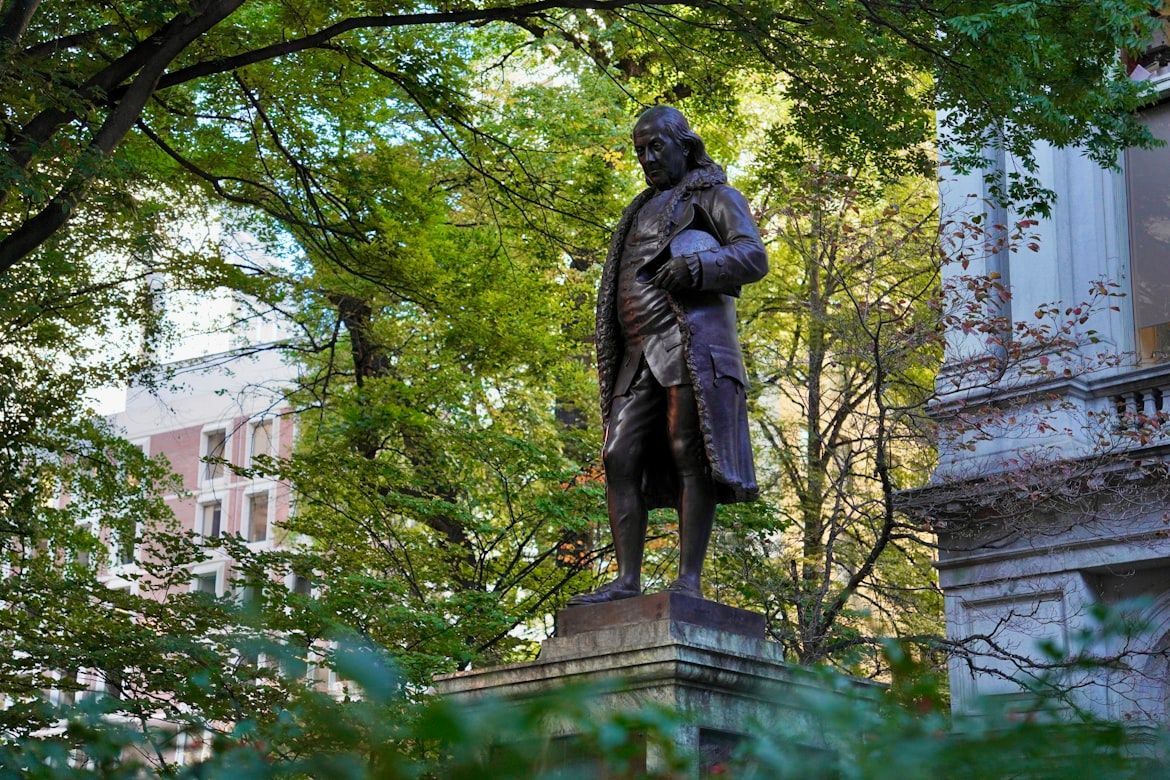
Benjamin Franklin’s 1752 kite experiment is well-known, but he didn’t "discover" electricity. Scientists had known about it for years. His test demonstrated that lightning was a form of electricity . So, somewhat similar but not the same.

The story became simplified over time into a myth of sudden discovery. Franklin’s real contribution was proving a connection, not inventing the concept.

9
The Alamo defenders fought to the last man

Image: Gabriel Tovar

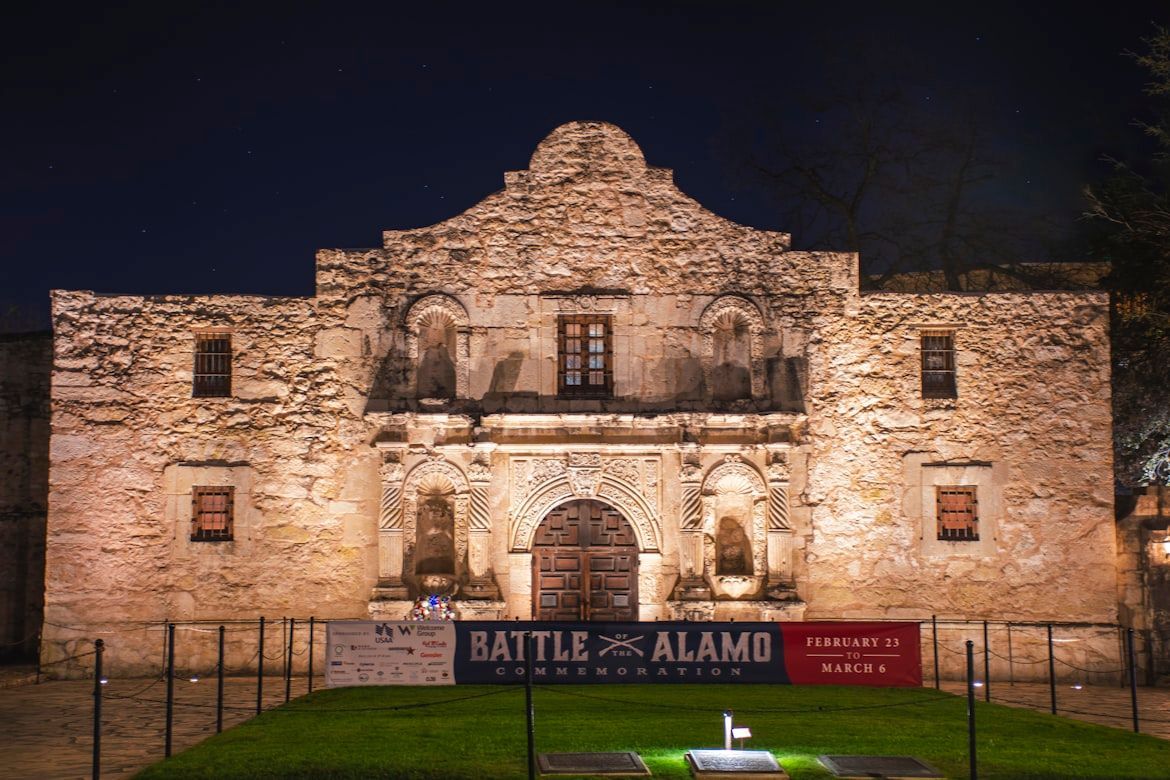
The legend of the Alamo says every defender fought to the bitter end in 1836. While most did die, accounts suggest some may have surrendered and were executed afterward .

The truth is more complicated than the heroic version. Still, the myth of total sacrifice became central to Texas identity and American lore.

10
Lincoln wrote the Gettysburg Address on an envelope

Image: Forest Simon

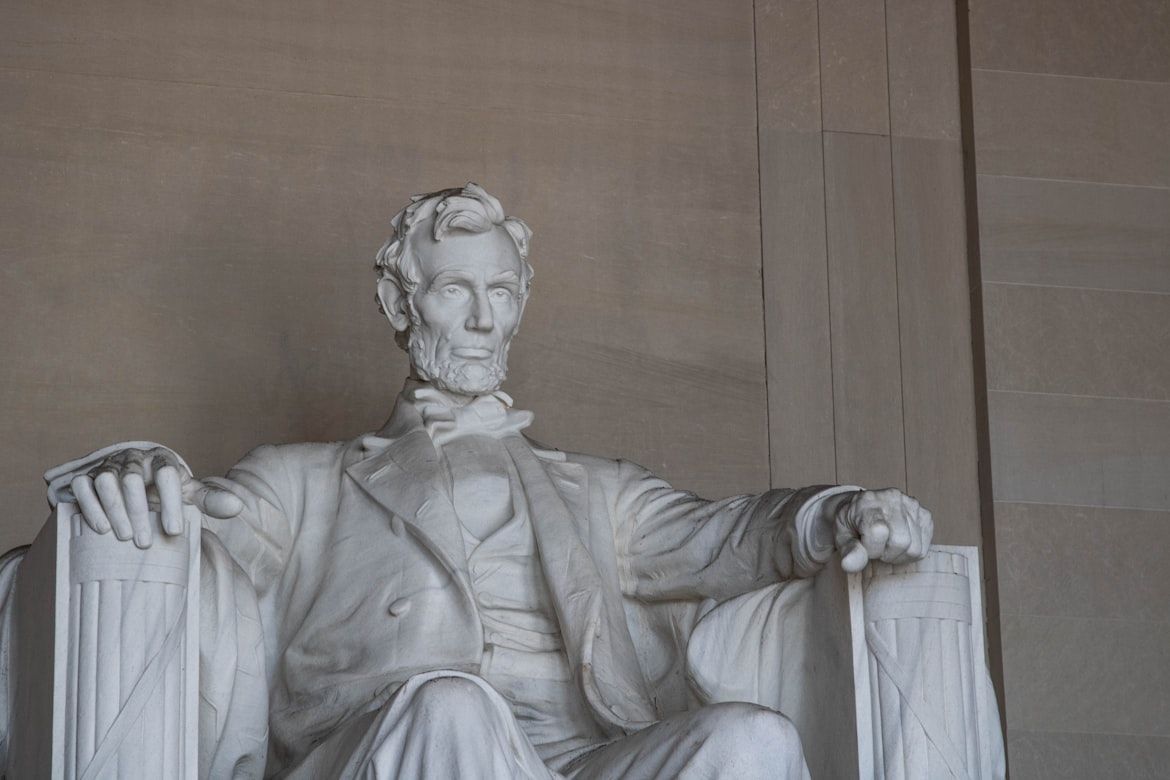
Abraham Lincoln’s Gettysburg Address is often said to have been scribbled quickly on the back of an envelope. In reality, he drafted several careful versions of the speech in advance .

The "envelope" tale was later invented to emphasize his brilliance and spontaneity. The truth shows Lincoln was thoughtful and deliberate, not hurried.

11
Gunfights were really common in the Wild West

Image: Stefan Münz

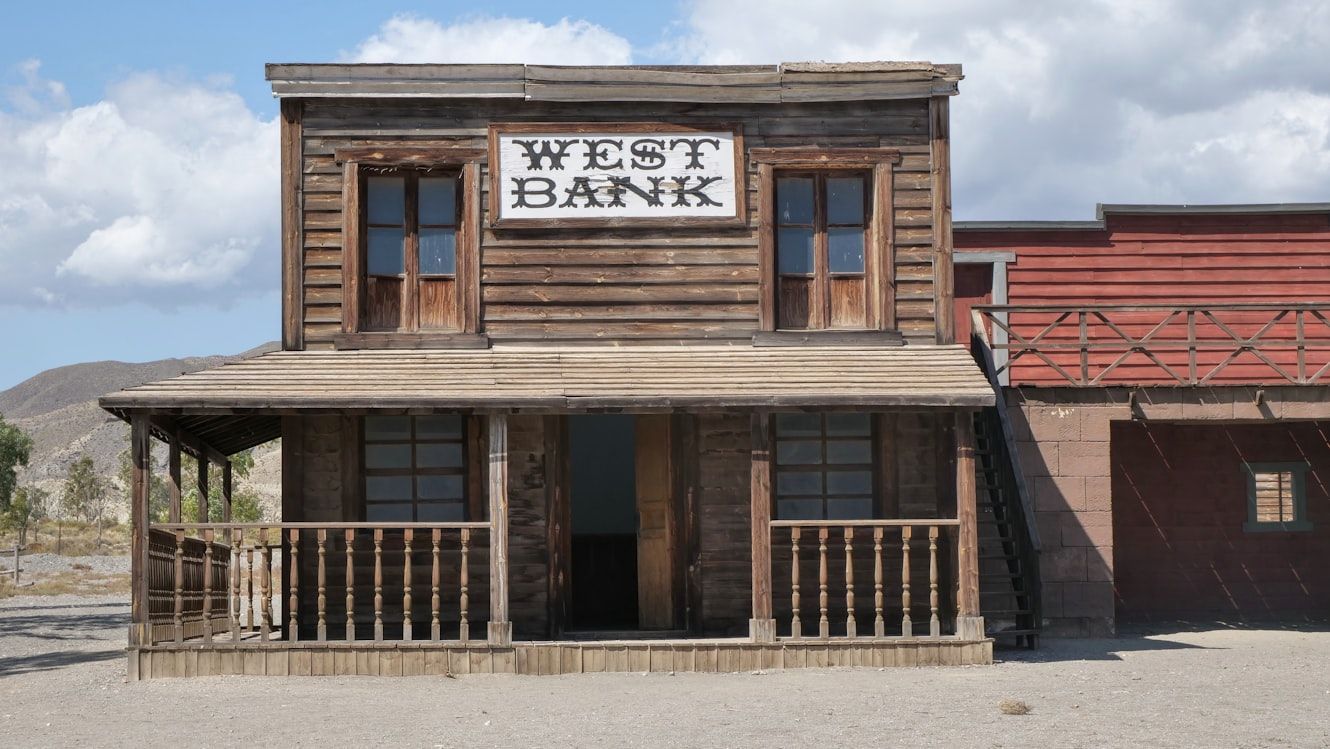
Popular film and TV shows depict the Wild West as lawless and violent, with constant gun duels. In fact, frontier towns often had strict laws banning guns inside city limits .

Shootouts like those in movies were rare events, not daily life. The myth grew from dime novels and later Hollywood Westerns that exaggerated violence.

12
A cow started the Chicago Fire

Image: Daniel Quiceno M

The Great Chicago Fire of 1871 was long blamed on Catherine O’Leary’s cow kicking over a lantern. This story was published in newspapers and stuck in public memory.

Historians now know the cause was never proven . The cow tale unfairly tarnished the O’Leary family (and the cow itself), but it became a convenient explanation for a devastating disaster.

History History 3 min read

Alternative history

The strange tale of Deseret—and other U.S. states that almost were

Image: Chris Lawton

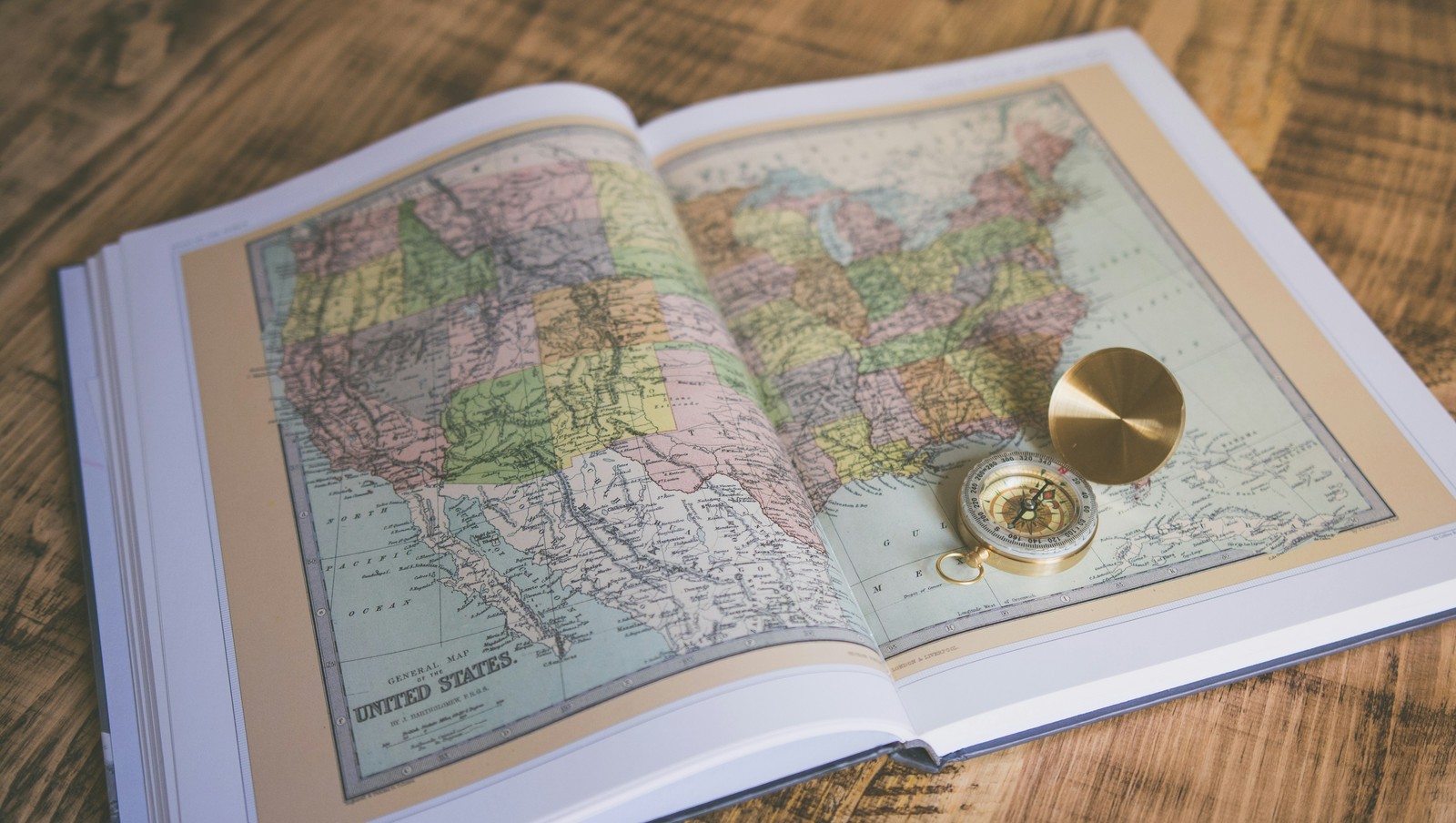
Ever looked at a U.S. map and thought it could use a few adjustments? You wouldn’t be the first. Over the past 250 years, dozens of proposed states nearly joined the Union —born from bold ideas, local rebellions, or just geographic quirks. While none made it through Congress, they left fascinating marks on American history. From the mysterious lost state of Deseret to the proposed Native American haven of Sequoyah, here are 10 would-be states that nearly carved out a place in the stars and stripes.

1
Franklin

Image: Brett Wharton

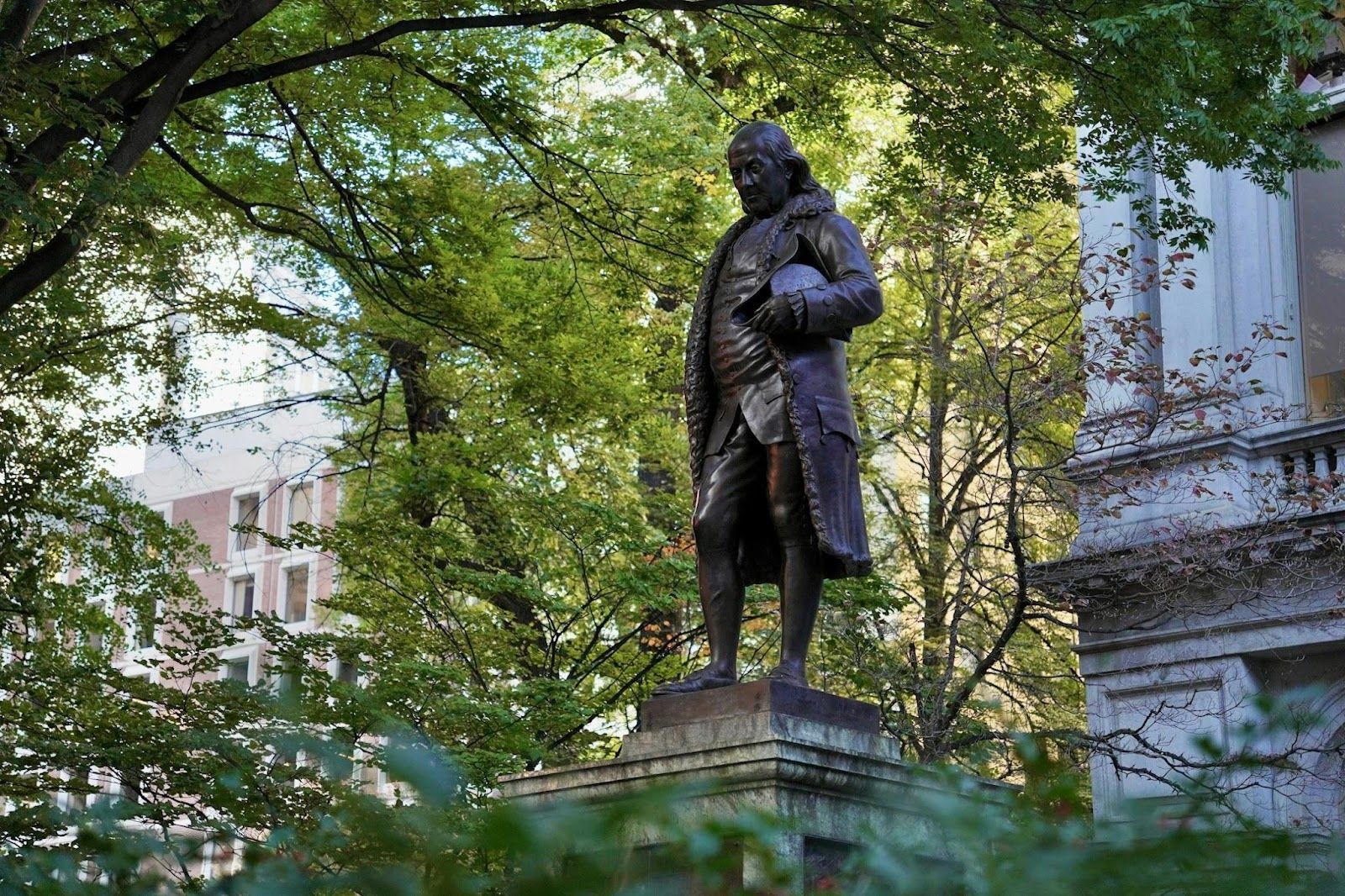
Also known as the Free Republic of Franklin or the State of Frankland, this short-lived territory in eastern Tennessee declared independence from North Carolina in 1784. Its founders even petitioned Congress and appealed to Benjamin Franklin for support—hence the name—but it never gained official recognition.

By 1788, the movement had collapsed, and the area was reabsorbed into North Carolina before eventually becoming part of Tennessee in 1796. Today, the "State of Franklin" lives on mostly in U.S. law school exams as a fictional stand-in for a generic state —often where the imaginary property Blackacre is located.

2
Jefferson

Image: Shelby White

This proposed state has its origins in the 19th-century California Gold Rush, when settlers in the remote, resource-rich region between northern California and southern Oregon pushed for self-governance.

Though their efforts were largely ignored, the movement resurfaced over time. In 1941, frustrated locals staged a symbolic one-day secession. Armed men stopped traffic near Yreka, handing out a Proclamation of Independence declaring the State of Jefferson in "patriotic rebellion" and vowing to "secede every Thursday until further notice."

3
Deseret

Image: SoloTravelGoals

Proposed by Mormon settlers in 1849, the State of Deseret would’ve spanned a massive portion of the West. The name Deseret is derived from the word for "honeybee" in the Book of Mormon, and the vision was of a theocratic state encompassing parts of present-day Utah, Nevada, Arizona, and beyond.

Congress denied the proposal due to its size and religious nature, but a stone donated by Deseret’s supporters in 1853 was still placed in the Washington Monument.

4
Sequoyah

Image: MJ Tangonan

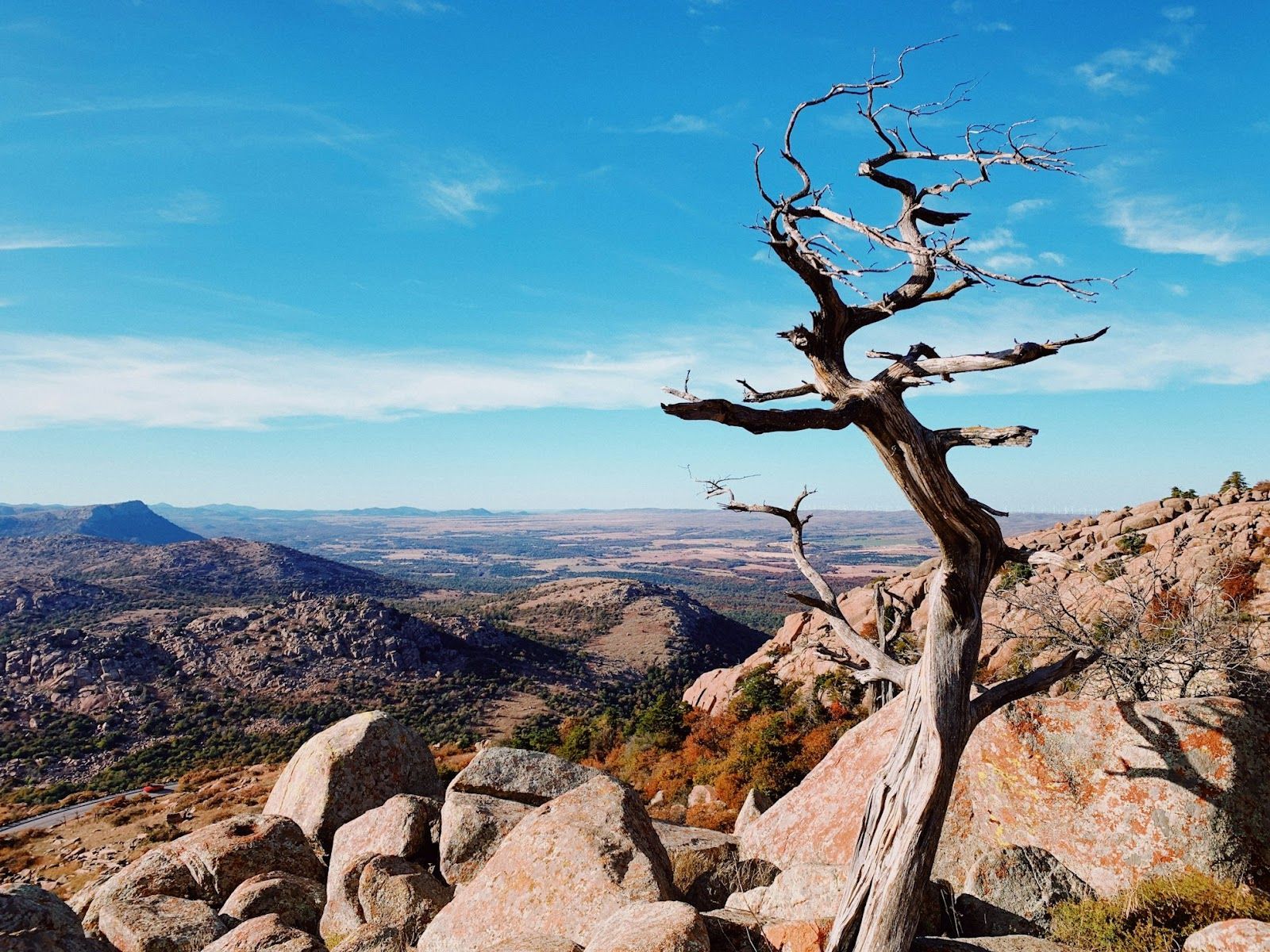
Proposed in 1905, this would’ve been a Native American–majority state in what is now eastern Oklahoma. Despite extensive lobbying by representatives of the Five Civilized Tribes, Congress refused, preferring a single Oklahoma Territory.

Despite its failure, the proposed state’s constitution left a lasting legacy —much of its content was later adopted into the Oklahoma Constitution.

5
Absaroka

Image: Michael Bourgault

Named after the Crow word for "children of the large-beaked bird," the State of Absaroka was proposed in 1939. Comprising parts of Wyoming, Montana, and South Dakota, the idea emerged mainly as a protest against New Deal policies, which were deeply resented by the rural population.

Leaders of the movement even issued license plates, but the effort never gained serious traction and remained a largely symbolic gesture.

6
Westsylvania

Image: Matthew Lancaster

Proposed during the Revolutionary War, Westsylvania would have been a new state formed from the western parts of Virginia and Pennsylvania . Backwoods settlers, feeling neglected by distant colonial governments, sought self-governance.

However, Congress rejected the plan to avoid stirring further conflict during wartime.

7
Superior

Image: Mikaela Charette

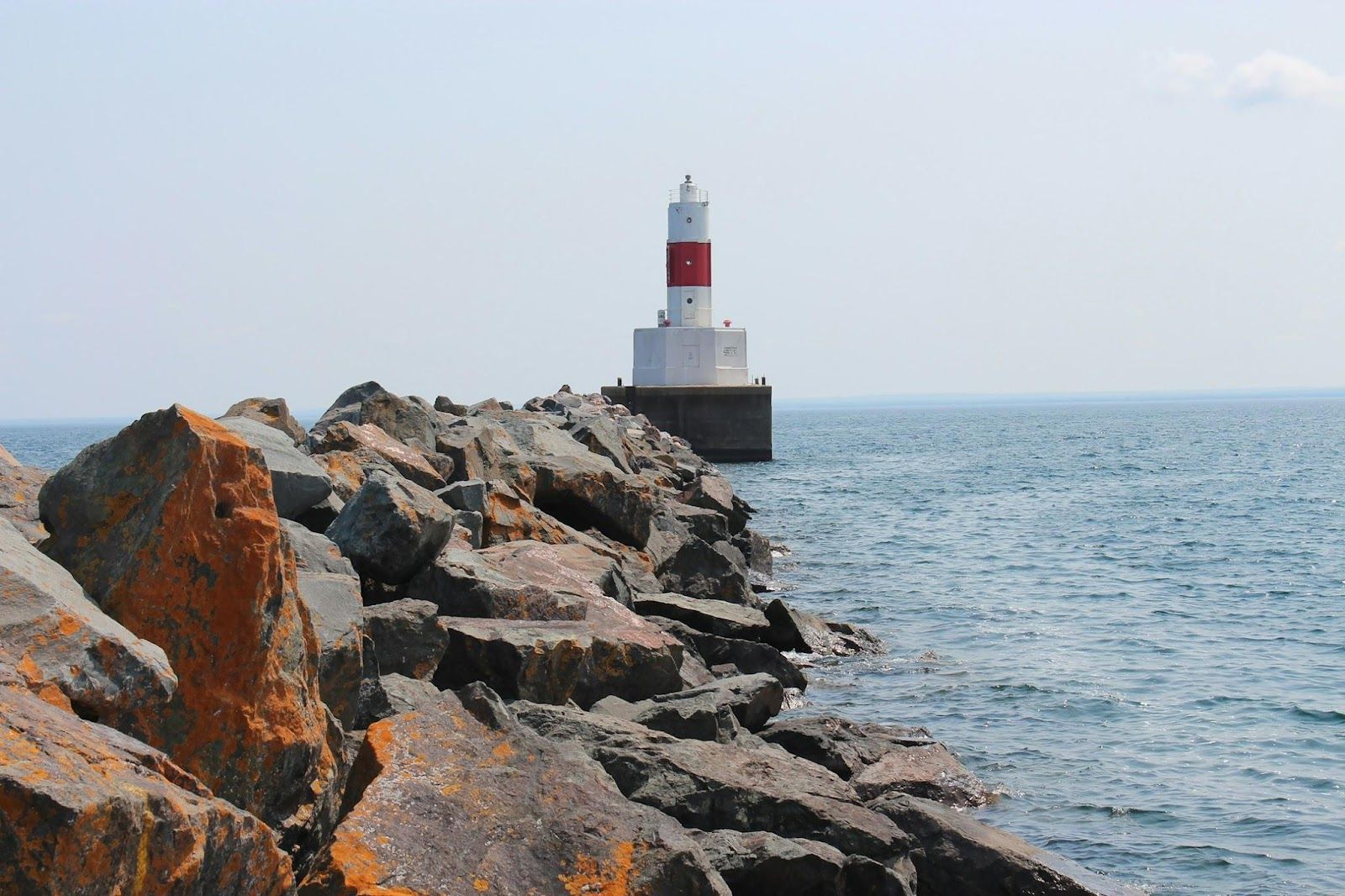
With such a strong regional identity, it was perhaps inevitable that Michigan’s Upper Peninsula would eventually seek statehood. Efforts began as early as the 1850s and resurfaced repeatedly due to the region’s political and economic isolation.

Another proposed name for the state was Ontonagon. Despite these repeated attempts, the Upper Peninsula remained part of Michigan.

8
Lincoln

Image: K. Mitch Hodge

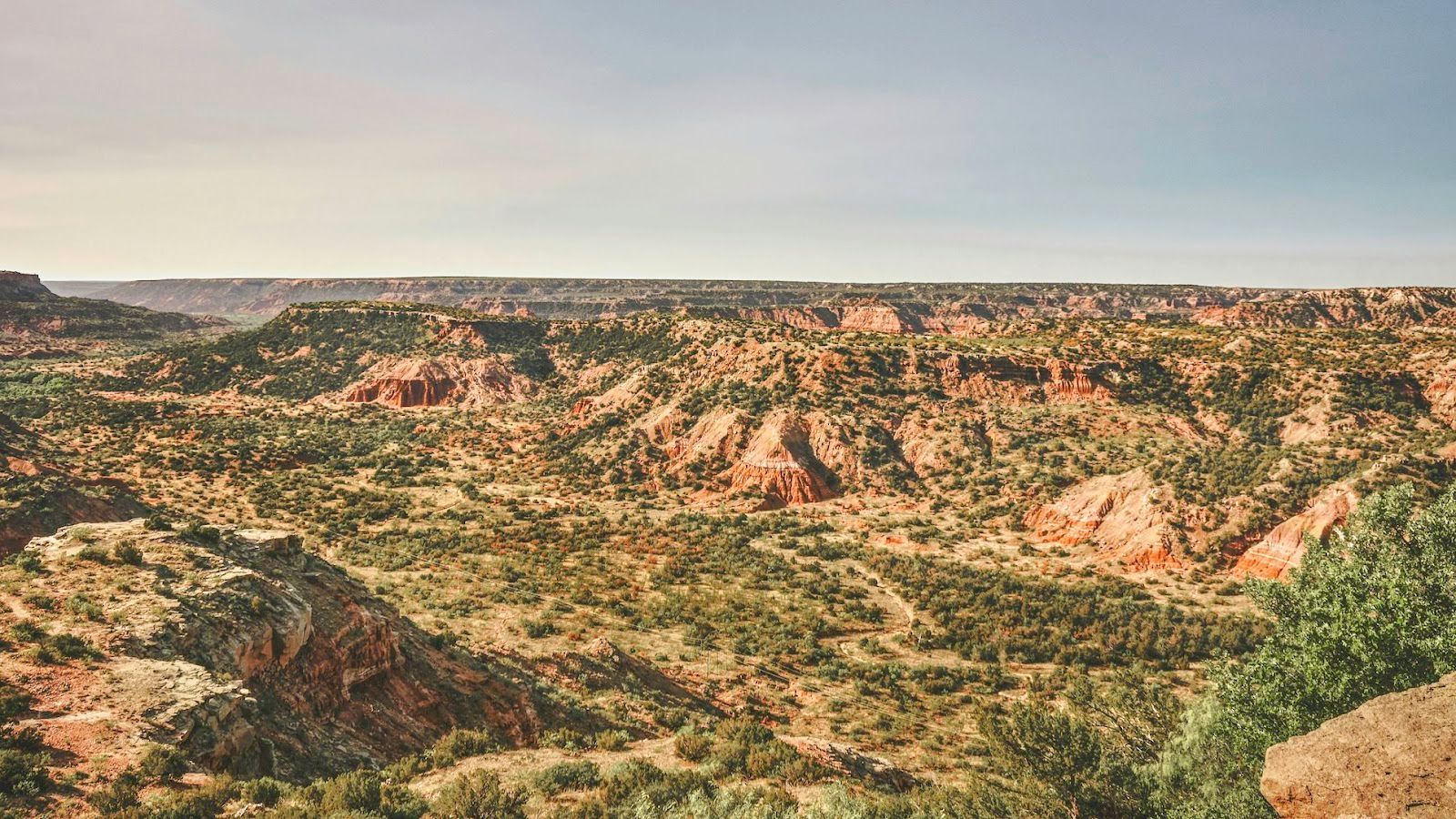
Named for Abraham Lincoln, this proposed state would have split the Texas Panhandle from the rest of the state. Throughout the 1860s and again in the 1880s, residents of the Panhandle and surrounding areas sought separation due to the region’s distance from Austin and cultural differences.

While none of the proposals gained enough federal support, residents of the area still feel distinct today and take pride in their unique identity.

9
Texlahoma

Image: Tommy Bond

Another failed attempt at carving out part of one of the largest states in the U.S., the State of Texlahoma would have—as its name suggests—combined portions of Texas and Oklahoma into a single state.

The push for autonomy was especially strong during the Dust Bowl, when a shared economy and perceived neglect by local governments united residents of both regions.

10
Columbia (D.C. Statehood)

Image: Heidi Kaden

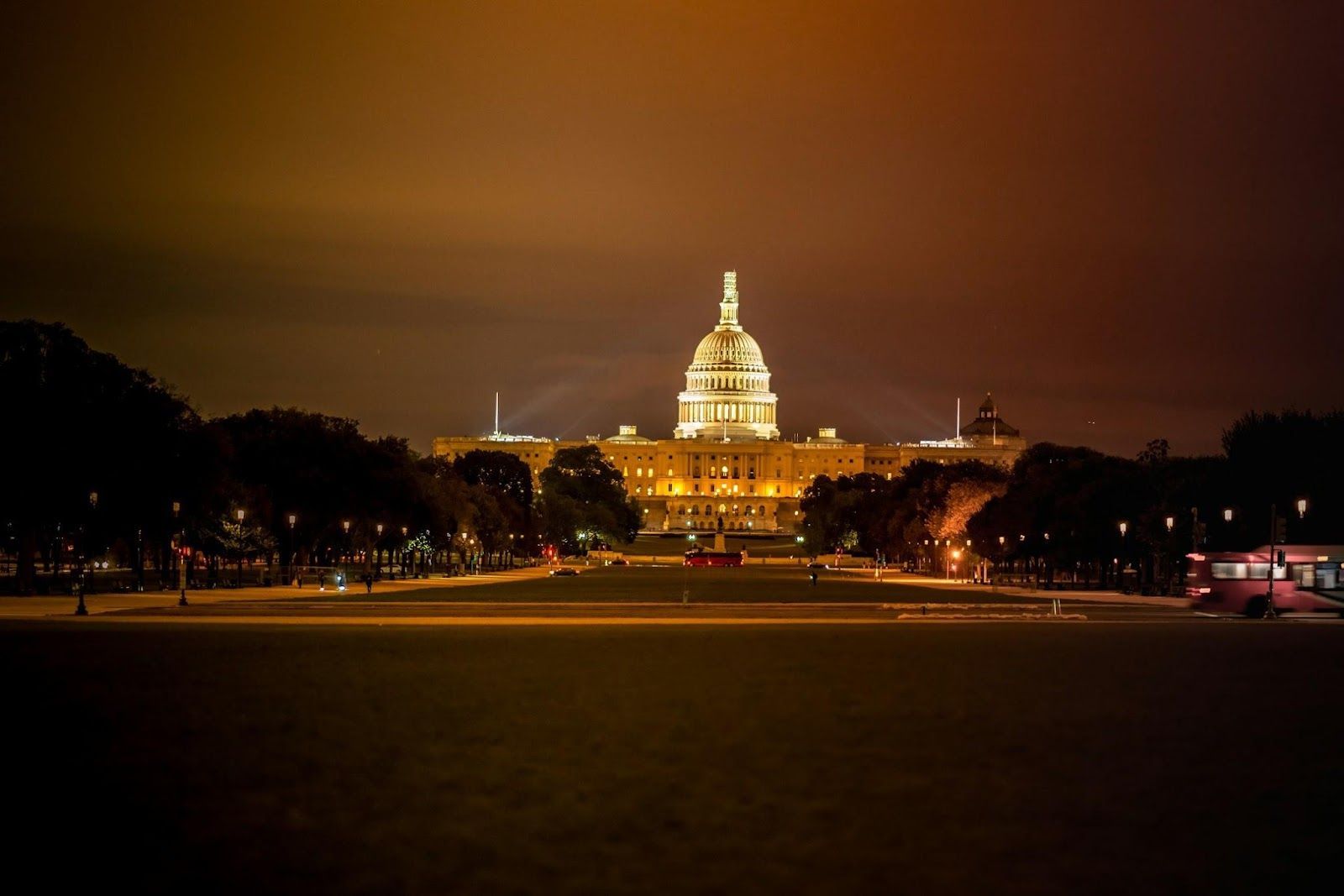
Washington, D.C., has long been considered for statehood under the name of Columbia . Multiple bills and referenda have tried to turn the federal district into the 51st state, as residents pay federal taxes but lack voting representation in Congress.

Despite strong support among D.C. residents, the idea has yet to gain serious traction at the national level.

Explore more American facts

Choose your favorite category!

General
General

As American as apple pie—the very best America has to offer!

Culture
Culture

Delve into the astounding richness of American lore.

Geography
Geography

Hop in and explore vast and diverse American landscapes.

History
History

Discover the key moments that shaped the United States.