History History 3 min read

Who did it best?

Which POTUS lasted the longest in office? Odd presidential achievements
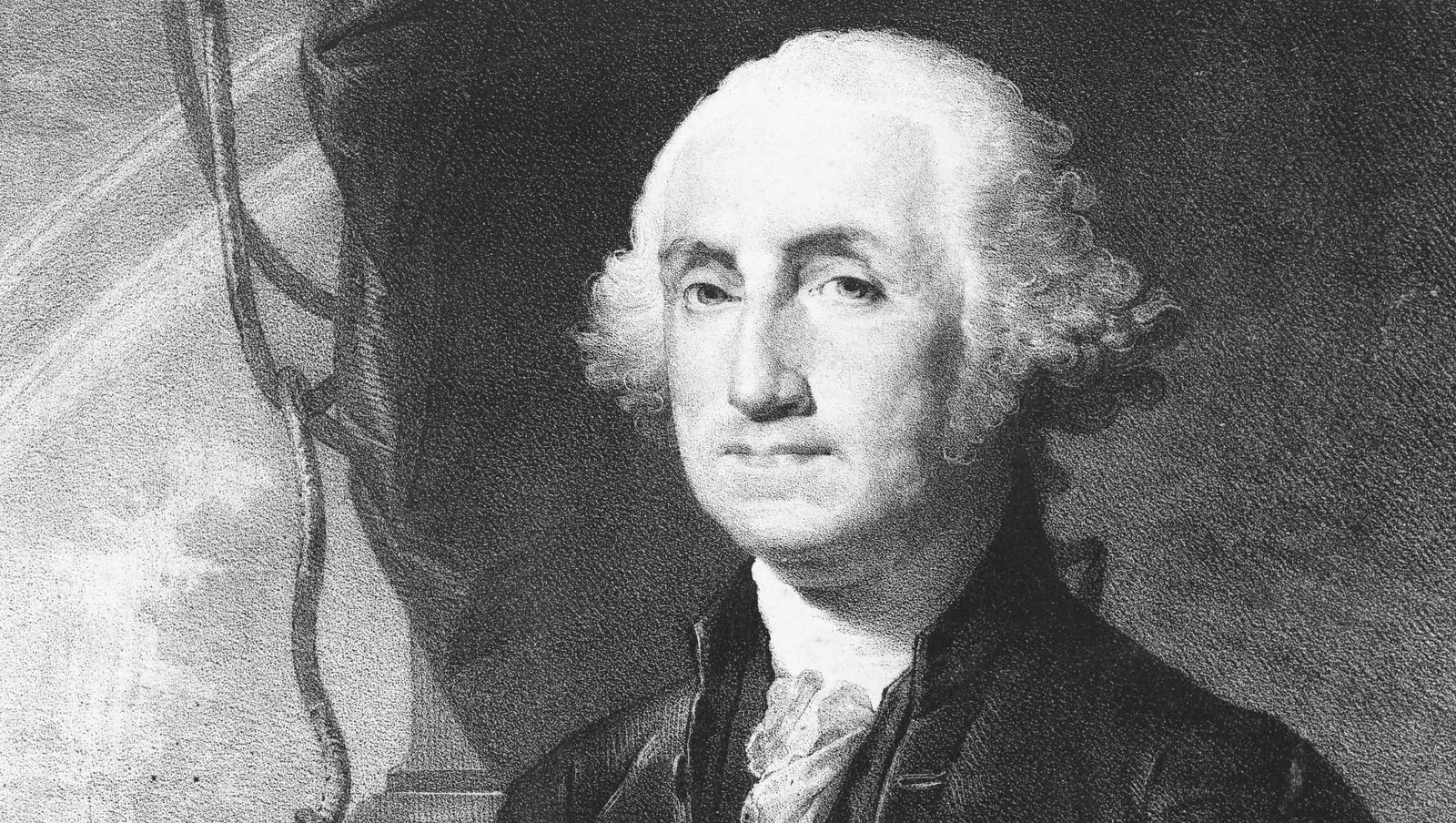
Image: Library of Congress

Holding the position of POTUS surely comes with great power and responsibility. And, sometimes, with the opportunity to break some records! From Franklin Roosevelt’s unmatched four terms to Teddy Roosevelt’s marathon handshake session, the White House has seen leaders leave their mark in unexpected ways. Let’s explore some of them!

1
Youngest president to assume office
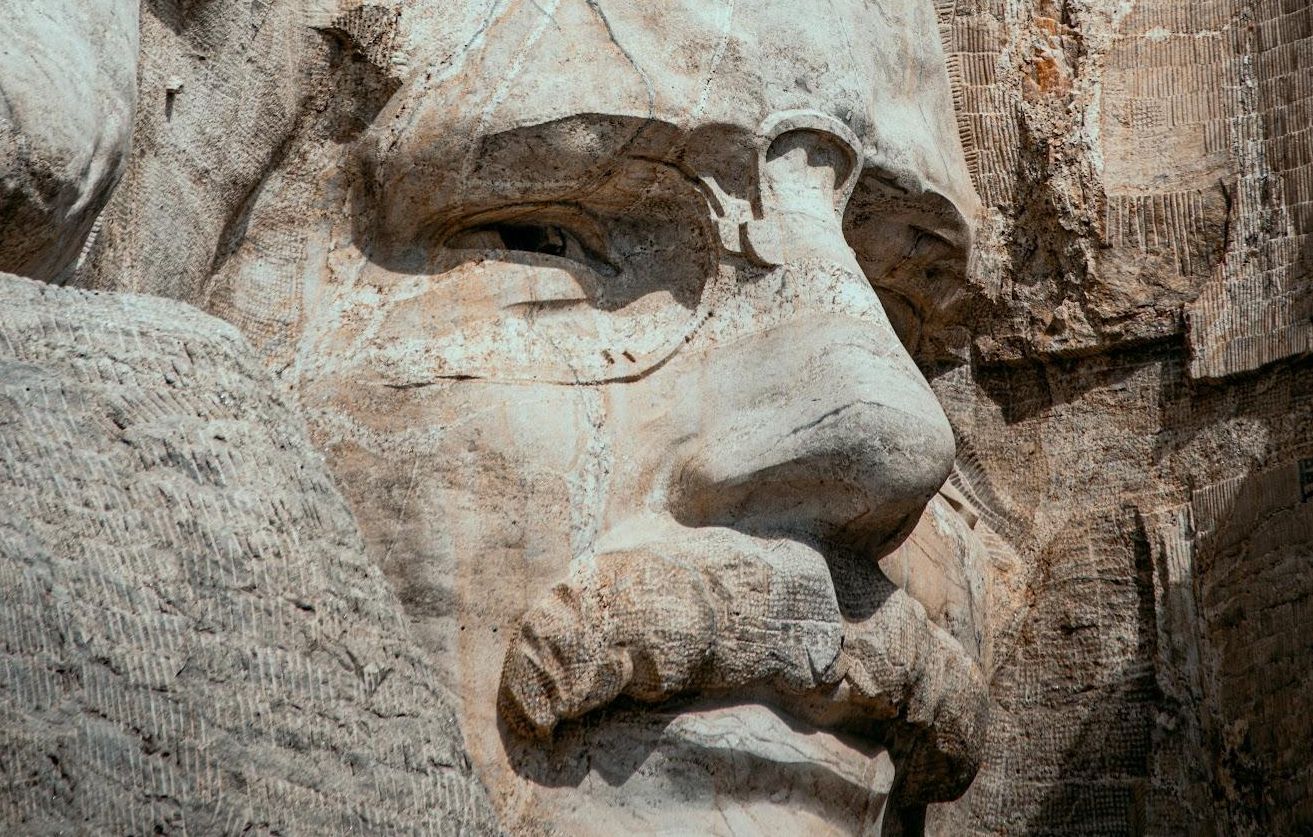
Image: Stephen Walker

Theodore Roosevelt became president at 42 years, 322 days old, making him the youngest to hold the office

Although John F. Kennedy remains the youngest elected (at 43 years old), Roosevelt was the youngest on the day of his ascension in 1901, which followed the assassination of President William McKinley.

2
First to receive a secret service code name
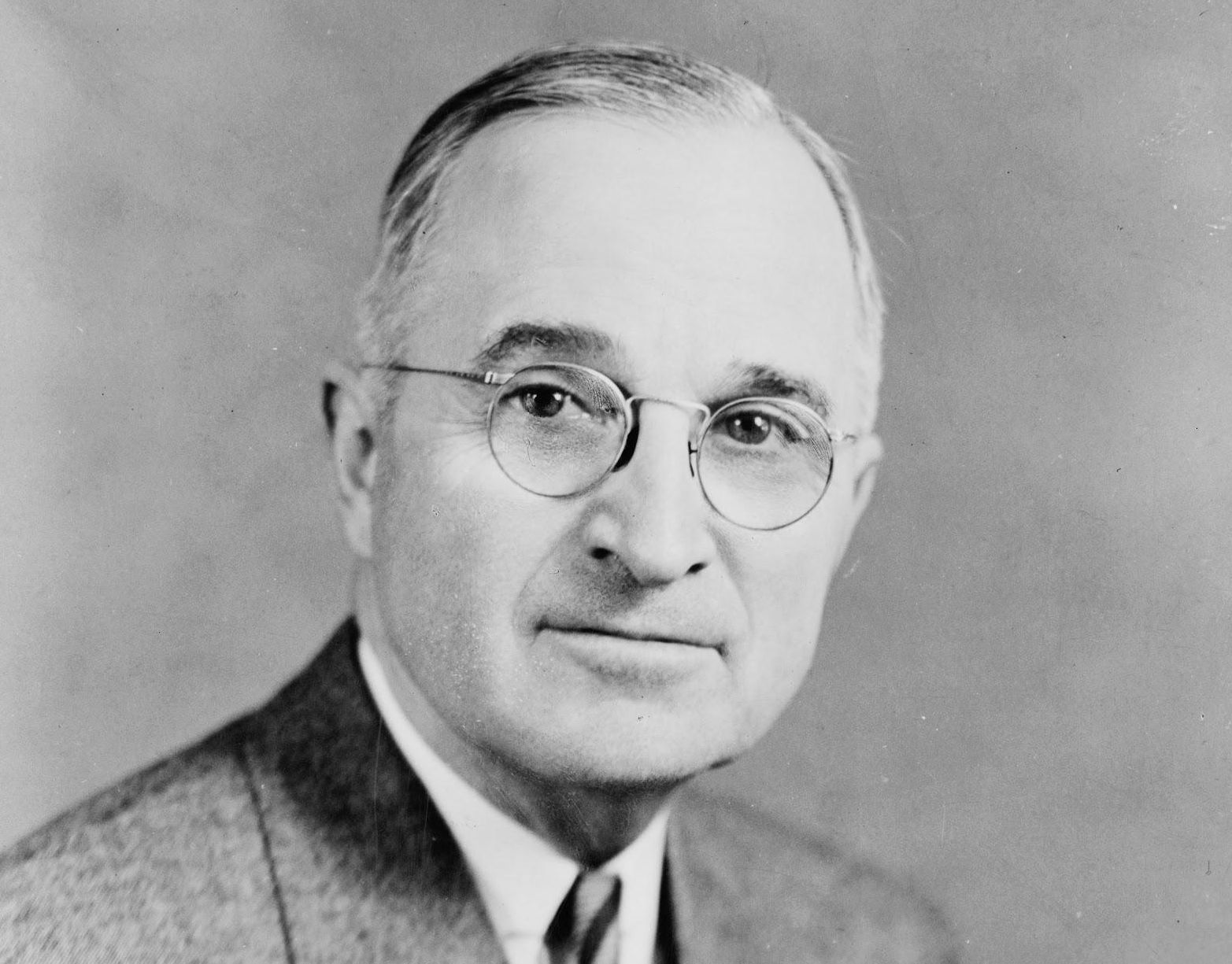
Image: Library of Congress

Harry S. Truman, who served from 1945 to 1953, was the first president to be given a Secret Service code name. His code name was "General," and from then on, presidents, their families, and senior staff were all assigned aliases for security.

For example, John F. Kennedy became "Lancer," Dwight Eisenhower was "Providence," and Ronald Reagan (a "Hollywood cowboy") was "Rawhide."

3
Most dogs in the White House

Image: Sébastien Lavalaye

Franklin D. Roosevelt holds the record for the most dogs residing in the White House during a presidency, keeping 11 over his 12 years and one month in office. While his Scottish Terrier, Fala, became a national celebrity, he was hardly the only one.

He also had two red setters, a bullmastiff, a retriever, a bulldog, a Llewellin Setter, a terrier, a Great Dane, a sheepdog, and a German Shepherd.

4
Most handshakes in a single day by a head of state

Image: dlxmedia.hu

On January 1, 1907, Theodore Roosevelt reportedly gave 8,513 handshakes in one day at a White House function, claimed to be the most by a head of state. Who would keep count?

This surely reflected Roosevelt’s populist, outgoing personality and the era’s emphasis on personal touch. Such physical engagement would be virtually impossible today with modern security protocols.

5
The oldest president ever elected
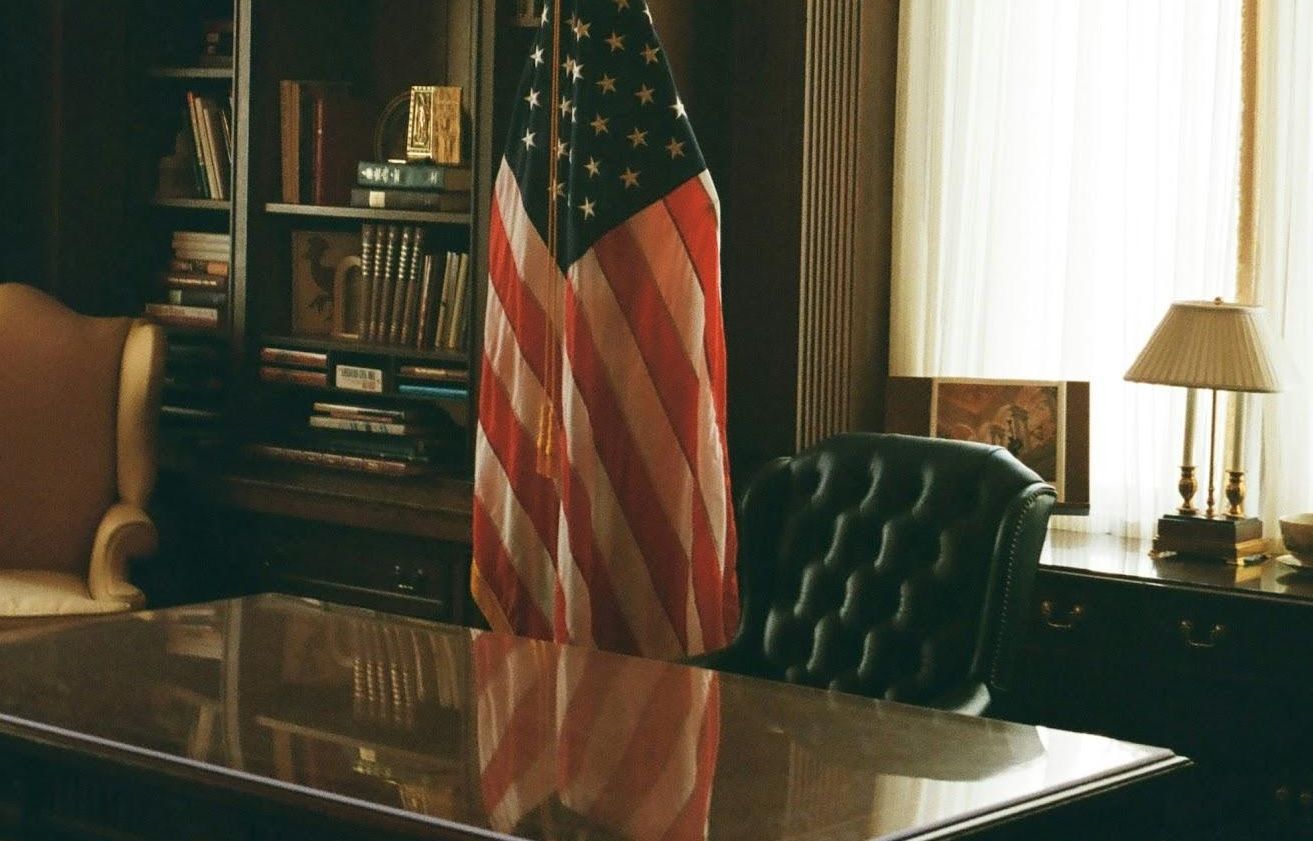
Image: Trey Hollins

Joe Biden was 78 years and 61 days old when inaugurated on January 20, 2021, which made him the oldest person ever elected to the U.S. presidency at the time. On that date, he surpassed the prior record held by Donald Trump, who was 70 at his inauguration.

The plot twist was that, in 2025, Donald Trump once again recovered the title. When he took office for his second nonconsecutive term, he was 78 years and 7 months old.

6
Elected for four terms
Image: Lucas Santos

Franklin D. Roosevelt is the only U.S. president to be elected to four terms and stay in office from 1933 to 1945, a total of almost 12 years. He led the nation through both the Great Depression and much of World War II. His unprecedented term length prompted the 22nd Amendment, which now limits presidents to two terms.

7
Largest presidential entourage
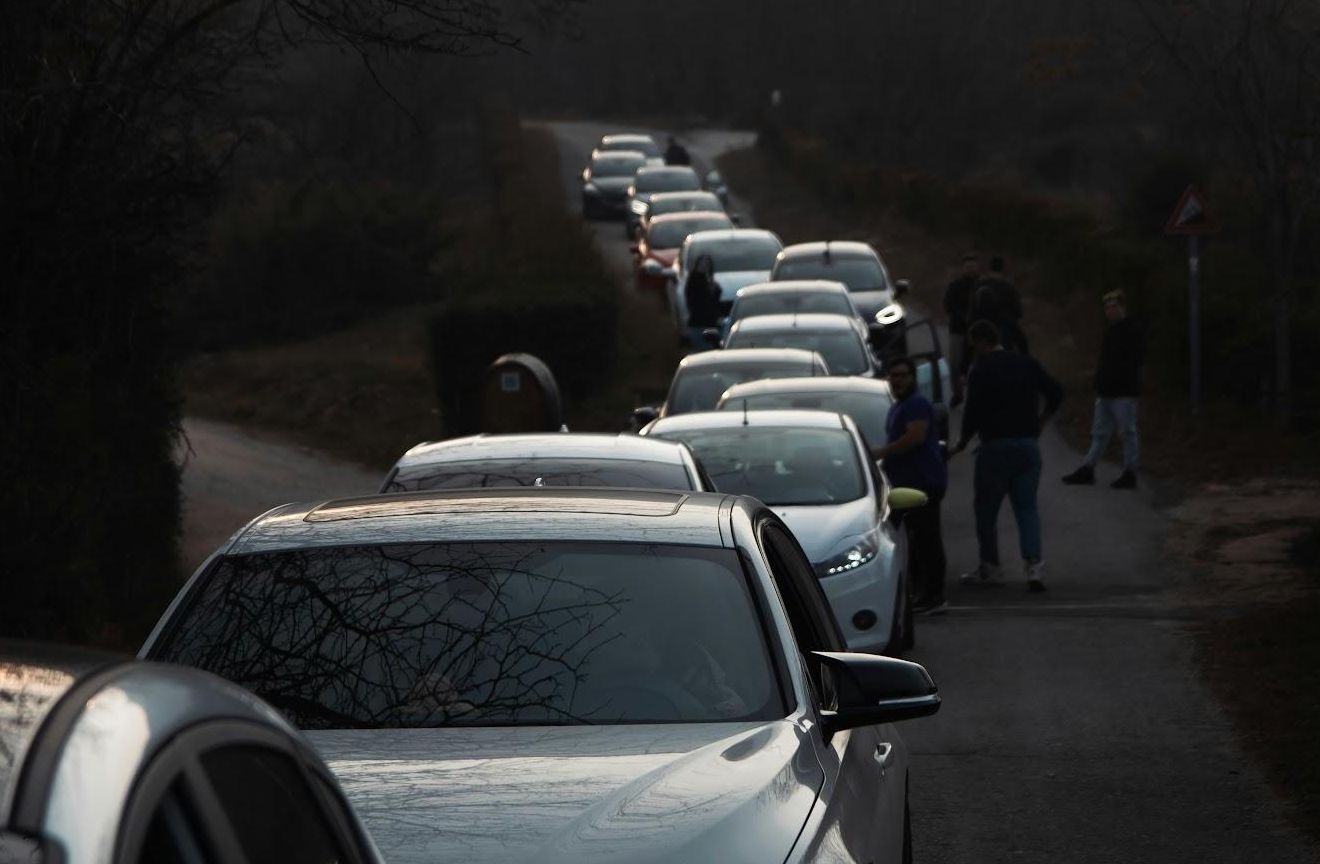
Image: Francesco Vantini

President Bill Clinton traveled to China in June 1998 with what Guinness World Records logged as the largest presidential entourage ever: 1,200 people. The logistics included Secret Service agents, military personnel, senior delegates, reporters, White House TV crews, all assorted in vans, limousines, and even aircraft.

8
First African-American U.S. President
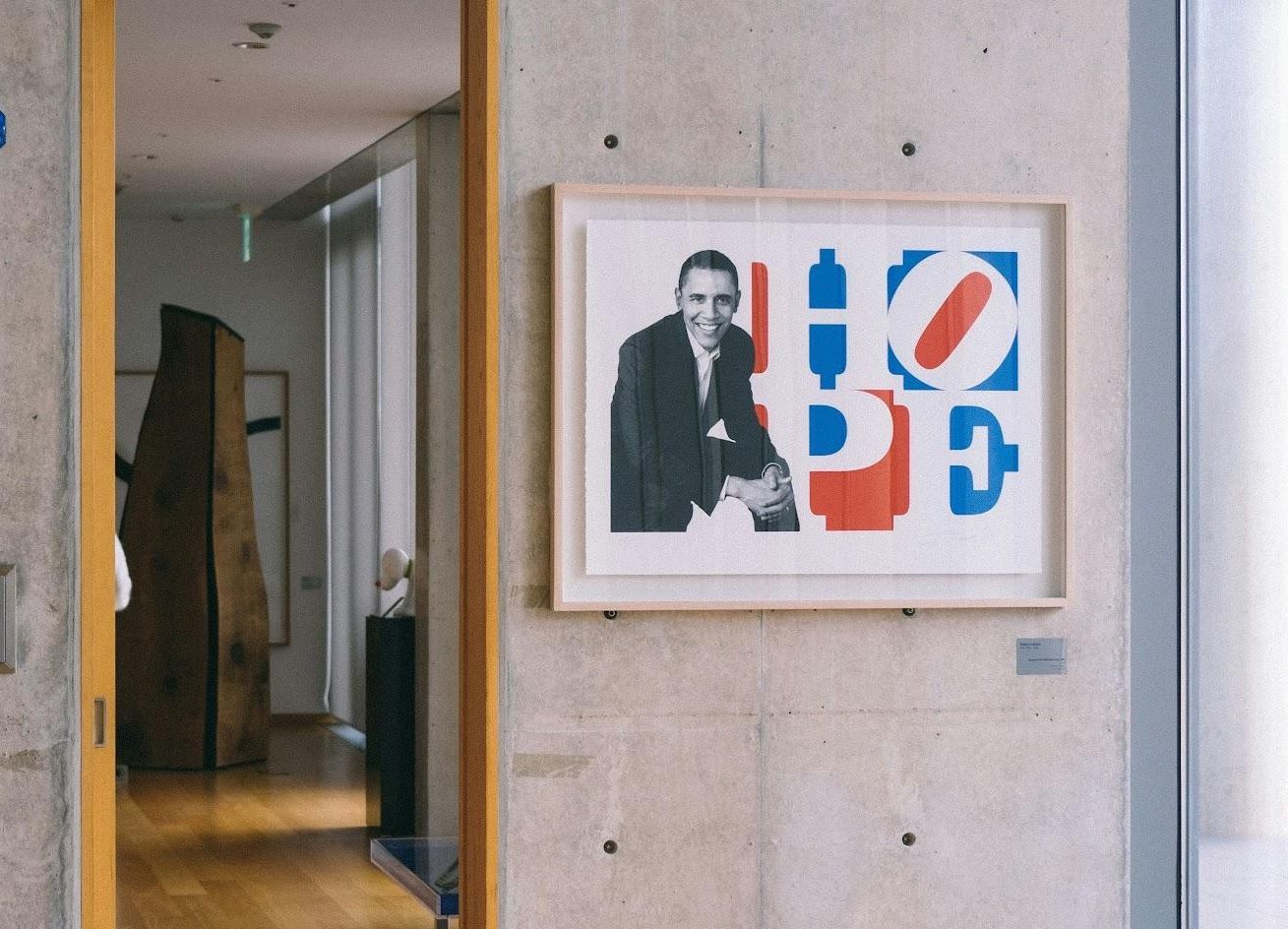
Image: Kawai So

Barack Obama holds the historic record as the first African-American president of the United States, inaugurated in 2009.

His election represented a pivotal moment in American racial history and identity. Obama’s presidency inspired discussions about diversity, representation, and societal progress.

9
First president on the radio
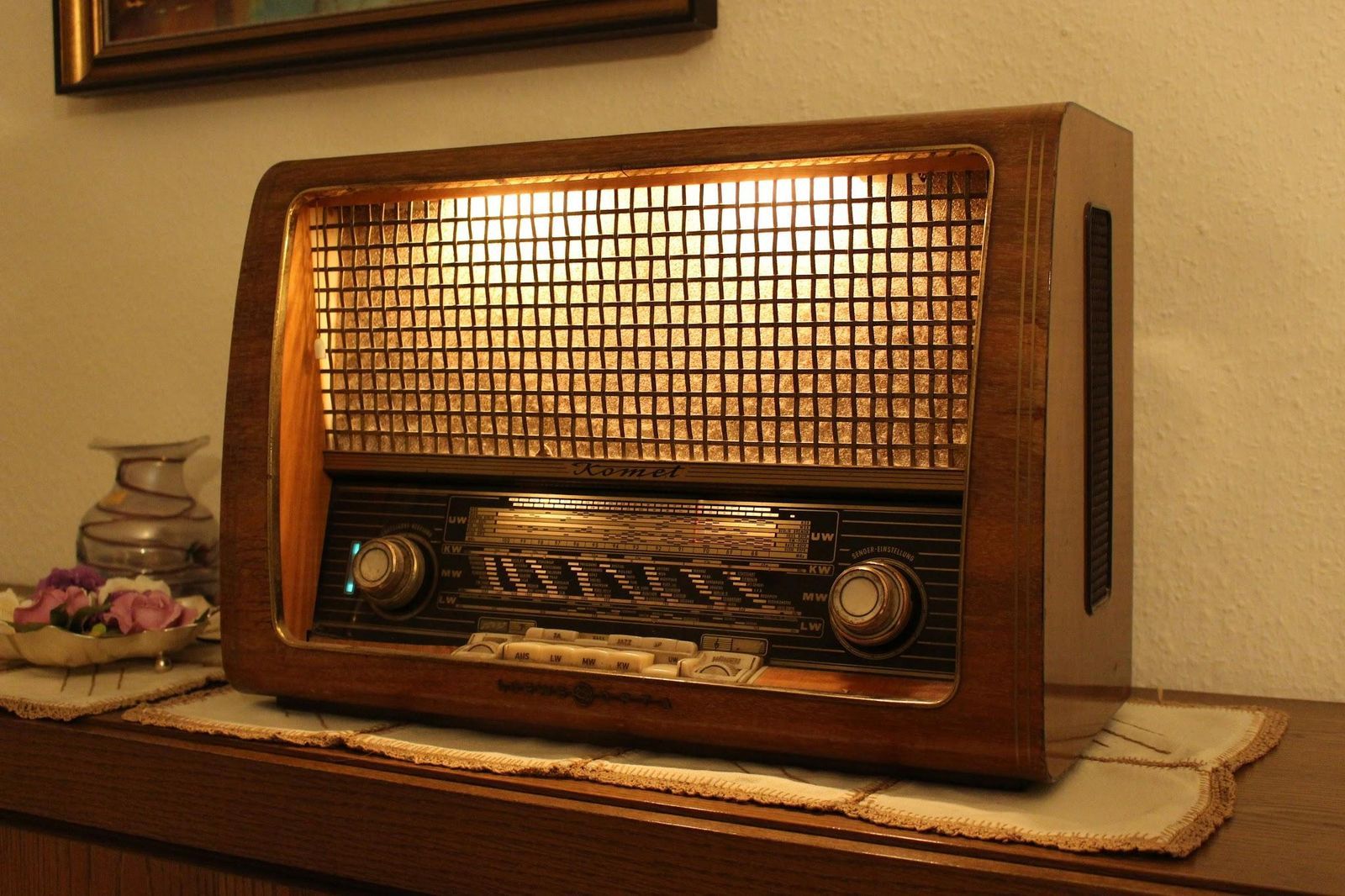
Image: Maximilian Hofer

Warren G. Harding became the first president to deliver a radio address, marking a revolutionary shift in presidential communication in 1922, during the Lincoln Memorial dedication.

This milestone transformed how leaders reached the public: technology now made it possible for their voices to be heard inside people’s own homes.

10
Longest presidential diaries
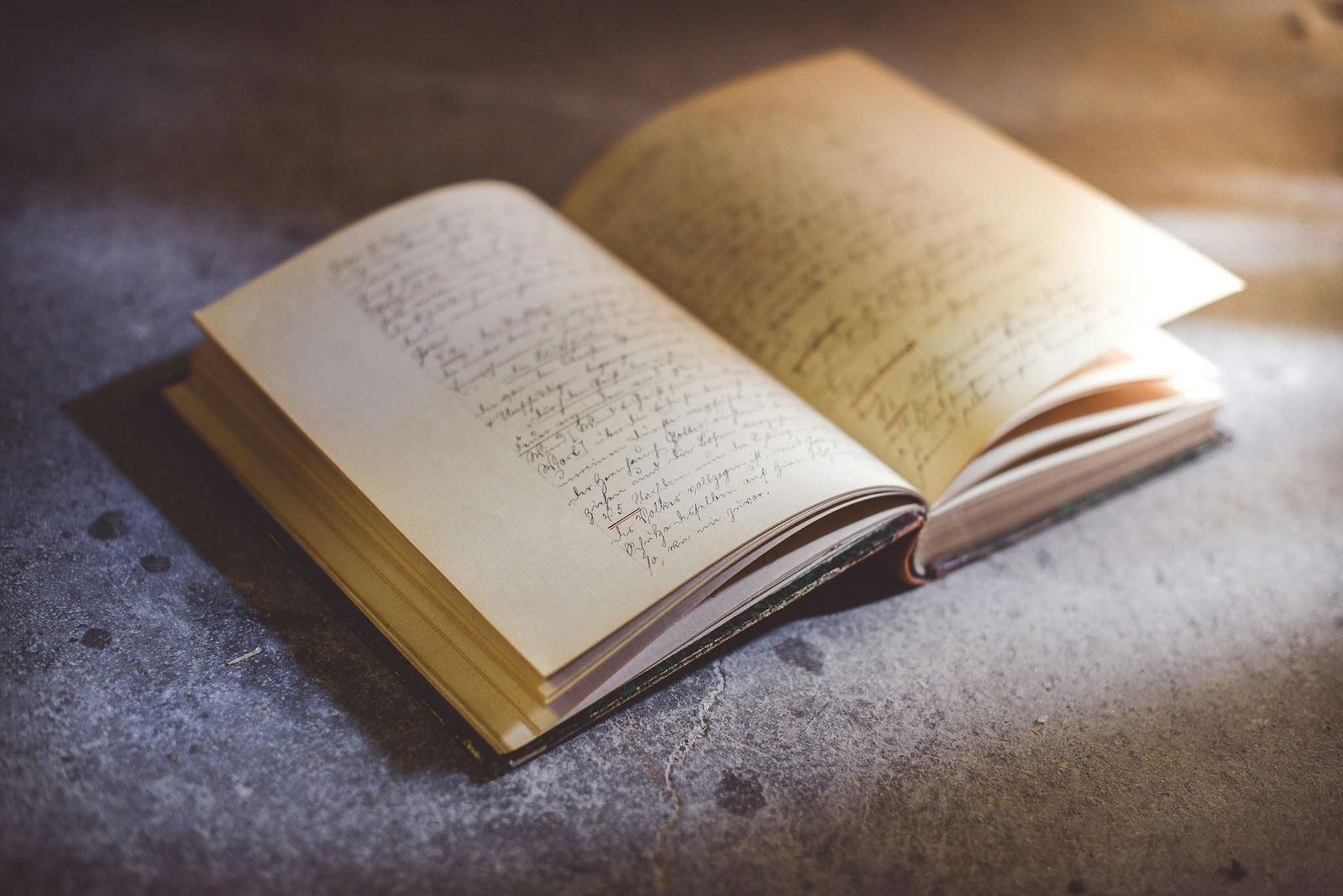
Image: Kiwihug

Many presidents, from George Washington to Joe Biden, have kept personal diaries, offering raw insight into their minds, decisions, and even moods. But John Quincy Adams kept the longest one: a 15,000-page record, including candid habits like skinny-dipping.

11
Most "Time Person of the Year" titles (male)

Image: Beesmurf

Franklin D. Roosevelt earned three "Time Person of the Year" titles (in 1932, 1934, and 1941) more than any other male in history. He presided over both the Great Depression and World War II, becoming a dominant public figure, which earned him those recognitions. These awards reflected his central role in shaping national and global events over more than a decade.
General General 3 min read

Hometown talk

Think you don’t have an accent? These hometown words say otherwise

Image: Nick Fewings

Just as you can tell someone is from San Francisco by the way they say "corner," or recognize a Bostonian by how they pronounce "car," regional slang can reveal our roots before we even finish a sentence. One little word can remind you of your childhood, family quirks, and the place that shaped you. These homegrown expressions often carry long histories, inside jokes, and local pride. Today, we’ll learn where some favorite regional terms came from and why they stuck around.

1
Jawn

Image: Ethan Hoover

In Philadelphia, "jawn" can mean almost anything! The term grew from African American English and evolved into a catchall word for an object, event, or person. Visitors sometimes get confused, but locals enjoy its flexibility. It works as a little verbal wink that says you belong.

2
Snowbirds

Image: Ashley Satanosky

Florida locals call winter visitors "snowbirds." The playful name popped up when northerners began heading south for warm weather during the cold months, just like those birds. It reflects the state’s seasonal rhythm and the migration pattern that still fills beach towns once the temperatures drop up north.

3
Slush

Image: Osman Rana

Order a "slush" in Boston, and you’ll receive something close to an Italian snow cone. Local ice cream stands helped cement the name, and kids who grew up in Massachusetts often carry a strong opinion about which shop makes the best one.

4
Yinz

Image: Vidar Nordli-Mathisen

People from Western Pennsylvania use "yinz" to call out to a group. It grew from old Scots-Irish speech patterns brought by early immigrants. The sound changed over time, but the community kept the word alive. If you grew up around Pittsburgh, you might slip and say it without even thinking.

5
Rotary

Image: Aubrey Odom

In Massachusetts, a "rotary" is simply a traffic circle. The term stuck thanks to local road planners who liked the older label long after other states switched to "roundabout." If you hear someone gripe about a rotary on their commute, chances are they have roots in the Bay State.

6
Bubbler

Image: Tom Barrett

If someone in Wisconsin asks where the "bubbler" is, they just want a sip of water. The word came from early drinking fountain designs that created a bubbling stream. While the term is also popular in some parts of Rhode Island and Massachusetts, many other parts of the country simply began to use the term "water fountain."

7
On sale liquor

Image: Nicole Geri

Minnesota liquor rules created the terms "on sale" and "off sale." On-sale liquor is what you drink right where you buy it, like at a bar. Off-sale means you take it home before opening it. It sounds like a bargain at first, but it’s just a local way to talk about alcohol laws.

8
Cattywampus

Image: Zachary Farmer

Alabama families use "cattywampus" for anything crooked or out of place. The term has roots in older American slang style that mixed playful sounds with creative spelling. It is one of those words that makes you smile, even if it’s describing your own hair.

9
Bear down

Image: Christoph von Gellhorn

In Arizona, "bear down" is tied to college sports. The phrase began to be used as a battle cry after a student from the University of Arizona left that message for his team in the 1920s. Fans kept the spirit alive, turning it into a tradition that shows pride and determination.

10
Sourdough

Image: Yuanpang Wa

Longtime Alaskans call themselves "sourdoughs." Why? During the early days of settlement, folks relied on sourdough starter when other leavening ingredients were hard to get in such a distant region. The nickname became a badge of endurance and also a hint of humor about tough living.

11
Janky

Image: Jonathan Ng

In parts of New England, "janky" describes something shabby or unreliable. The word has traveled through many communities, but locals in the Northeast use it with a knowing grin. It works for a rickety bench, a questionable motel, or any situation that leaves you raising an eyebrow.

History History 5 min read

Leading the way

Can you guess who was the first US president to visit the 50 states?

Image: Mohan Nannapaneni

We all know that George Washington was the very first President of the United States. But throughout history, many other US presidents have achieved memorable "firsts." Who was the first Chief Executive to inhabit the White House? Who was the first to make a phone call from there? And who was the first Commander-in-Chief to appear on TV? If you want to know the answers to these and other exciting questions, don't miss this article on 10 iconic presidential "firsts"!

1
First president to live in the White House

Image: Raymond M.E. Aguirre

In 1790, President George Washington signed an act of Congress declaring that the government would reside in a district "not exceeding ten miles square […] on the river Potomac." Today, we all know what stands at 1600 Pennsylvania Avenue NW in Washington, DC. That's right! We're talking about the White House, an enduring symbol of the US presidency.

But it hasn't always been that way. The construction of the White House began in 1792 and only had its first resident 8 years later. He was President John Adams, who moved into the Executive Mansion with his wife Abigail in 1800.

2
First president with telephone in Office

Image: Carlos Eduardo

Nowadays, many of us can’t imagine getting anywhere without our cell phones. But in the 19th century, things were entirely different.

The landline telephone arrived at 1600 Pennsylvania Avenue in the late 1870s, during the presidency of Rutherford B. Hayes, shortly after Alexander Graham Bell had unveiled the communication device. It's said that President Hayes was interested in the technology and recognized its potential.

However, because the invention was so new, calls from the White House were rare. The first president to use the telephone frequently and regularly is considered to be William McKinley, who took office in 1897.

3
First president to serve two non-consecutive terms

Image: Josh Carter

Several men have had the honor of serving as president of the United States on more than one occasion, starting with none other than George Washington. Thomas Jefferson, James Madison, and others have served two consecutive terms.

But there was someone who, for the first time, served two non-consecutive terms as president: Grover Cleveland. That's right, Cleveland first took office in 1885 after defeating Republican candidate James G. Blaine in the election. In 1888, he lost the presidency to Benjamin Harrison. However, in 1892, Cleveland won again, assuming his second mandate in 1893.

4
First president to win the Nobel Peace Prize

Image: Sunguk Kim

Winning a Nobel Peace Prize is not something that happens every day, right? Fortunately, four US presidents have achieved this remarkable recognition.

The first was Theodore Roosevelt, who received the Nobel Peace Prize in 1906 for his role in negotiating the end of the Russo-Japanese War. The other three presidents who received the Nobel were Woodrow Wilson, Jimmy Carter (who was awarded the prize after leaving office), and Barack Obama.

5
First president born in the 20th century

Image: Florida Memory

The turn of the century is always a momentous and exciting event, and the first decades of the last century were quite... shall we say, "busy." The first president to serve during the 20th century was William McKinley, who was already in office at the turn of the century. But here’s a different question: who was the first future president born in the 20th century?

We're referring to none other than John F. Kennedy, who was born on May 29, 1917, in Brookline, Massachusetts. At the age of 29, he won a seat in the House of Representatives, and six years later, he secured a position in the Senate.

Finally, in 1961, JFK was inaugurated as the 35th president of the United States.

6
First president to light the National Christmas Tree

Image: Gaby Dyson

The lighting of the National Christmas Tree by the president of the country has become a cherished tradition that beautifully reflects the American Christmas spirit.

This tradition began on December 24, 1923, when President Calvin Coolidge became the first to light the National Christmas Tree located at the Ellipse near the White House. The imposing tree stood 48 feet tall and was decorated with over 2,500 electric lights. Beautiful!

Fortunately, the presidents who followed Coolidge have continued this delightful Christmas custom, keeping the tradition alive for generations to enjoy.

7
First president on TV

Image: Yle Archives

In the 1930s, it wasn't common to see the president's face on TV. In fact, before 1939, no president had ever appeared on television while in office.

The first American president on TV was Franklin D. Roosevelt, who made his television debut on April 30, 1939, at the New York World's Fair. Although this might not seem so revolutionary today, at the time, it marked a turning point in political communication and how leaders connected with citizens. His speech is remembered for addressing important issues, such as the future of the nation and the world.

8
First president on color TV

Image: Aleks Dorohovich

Yes, Franklin D. Roosevelt was the first US president to appear on TV, but Dwight D. Eisenhower was the first sitting US president who was lucky enough to appear on color television!

This detail, which seems trivial today, was a radical change at the time. When color TV arose, everything people watched on their living room screens began to better reflect the reality outside. Eisenhower made his color TV debut during the 1950s , delivering a speech as part of his re-election campaign—a moment that symbolized the merging of politics and modern technology.

9
First president to visit all 50 states

Image: David Lusvardi

We know that the United States of America is a big country. In fact, we're one of the largest countries in the world in terms of territory. For this reason, it can be a challenge to get to visit all 50 states that make up our nation in a short period of time. However, one president managed to accomplish this feat for the first time.

The president who achieved this milestone was Richard Nixon, the 37th president (1969-1974), when he visited Maine on October 22, 1972, marking the completion of his goal.

It’s worth noting, in fairness to all previous presidents, that Hawaii and Alaska didn’t become states until 1959.

10
First president on the internet

Image: Anthony Massaro

Although the origins of the Internet can be traced back to the 1960s, it wasn’t until the late 1980s that it became a widely popular and accessible phenomenon.

In line with global technological advances, the White House decided to incorporate the use of the Internet during the presidency of Bill Clinton, who officially became the first president to use the Internet for work purposes while in office.

But that wasn't all! Clinton also hosted an event that seemed unimaginable before —he organized a live chat from the White House. With that, Clinton was establishing the first direct communication between a US president and the public through the Internet.

Explore more American facts

Choose your favorite category!

General
General

As American as apple pie—the very best America has to offer!

Culture
Culture

Delve into the astounding richness of American lore.

Geography
Geography

Hop in and explore vast and diverse American landscapes.

History
History

Discover the key moments that shaped the United States.