General General 3 min read

Go beyond baking

Did you know about these 12 unexpected uses for baking soda?

Image: Clint Patterson

As the name suggests, baking soda can be used for, well, baking. But, as it happens, there are many other uses for this wonder product. From cleaner to pesticide remover, to air freshener and beyond, baking soda can do it. Did you know about the following 12 uses?

1
Fridge odor neutralizer

Image: Ello

Baking soda can help a fridge get rid of bad odor particles. To achieve this, you must fill a cup with baking soda and place it in the back of your fridge . The baking soda will absorb any smell in a few hours.

2
Air freshener

Image: A. L.

Unlike most commercial air fresheners, which only release fragrance molecules that mask other smells instead of actually eliminating bad odors, baking soda does neutralize smells .

To achieve this, simply put ⅓ cup of baking soda and a few drops of your favorite essential oil in a small jar. Cover it with a piece of cloth and secure it with a string. Place the jar wherever you need to eliminate the bad odors.

3
Laundry whitening agent

Image: PlanetCare

Baking soda can help remove stains from clothes in the washing machine. That is because it is a soluble salt, which removes dirt and stains .

To try it out, add half a cup of baking soda to your regular amount of laundry detergent. It also helps soften the water, so you may need less detergent than usual.

4
Kitchen cleaner

Image: Le Creuset

When mixed with an acid like lemon juice or vinegar, baking soda can also help control the growth of harmful microorganisms .

To use baking soda in your kitchen, make a paste by mixing baking soda with an equal amount of lemon juice and a bit of water. Apply the paste to the desired surface with a sponge and scrub thoroughly.

5
Garbage odor eliminator

Image: YoNeKeN

As we have seen, baking soda can serve to eliminate smells, and garbage cans are no exception . This can be accomplished by simply throwing some baking soda every few days into the garbage can to neutralize the odors and prevent microbacteria from growing.

6
Multipurpose bathroom cleaner

Image: Steven Ungermann

Just like it can be used to clean kitchens, baking soda can also serve as a natural cleaner for bathrooms. This product comes in handy because it whitens and disinfects many bathroom surfaces .

Make a paste using baking soda and a bit of water, and rub it over the surface you wish to clean.

7
Pesticide remover for fruit and veggies

Image: Jacopo Maiarelli

Pesticides are used to protect crops from insects, germs, rodents, and weeds, but many have harmful effects on human health. A baking soda wash is a good way to remove pesticides from fruits and veggies by soaking them in baking soda and water for 15 minutes.

8
Scorched pot cleaner

Image: Markus Winkler

A scorched bottom in your pot or pan can be a nightmare to clean, but adding baking soda and water and bringing it to a boil will soften up the burnt particles . After the water is boiling, empty the pot and clean it with a bit of washing liquid to remove whatever is left.

9
Oil and grease fire extinguisher

Image: Piotr Chrobot

Believe it or not, baking soda can be used to extinguish some small house fires. Dry chemical fire extinguishers, used to extinguish oil, grease, and electrical fires, contain baking soda. Baking soda reacts with the heat to produce carbon dioxide, which smothers the fire .

10
Neutralizing cat odors

Image: Manja Vitolic

To avoid unpleasant smells on the kitty litter and add a little time between box changes, try sprinkling baking soda inside it . This will eliminate bad odors in your house.

11
Soak up oil

Image: Alexandra Lowenthal

Sprinkling baking soda on top of spilled oil will soak up the liquid. Once the baking soda is in the targeted area, use a stiff-bristled brush to work it into the stain in a circular motion. Then rinse away with hot water.
Geography Geography 5 min read

Southern charm

Howdy y’all! 10 fascinating facts about the American South

Image: Blake Emge

It would be impossible to capture the essence of American culture without considering its Southern states. With a rich history and breathtaking landscapes, the South is a cornerstone of America’s identity , no matter where you call home. And, as the birthplace of some of the most influential trends in American music, as well as the setting for many historical milestones, few regions have contributed this much to our nation’s heritage. Join us on a fun road trip as we explore 10 intriguing facts about the American South —from blues music to rocket science!

1
Musical roots

Image: Ahmed Rizkhaan

The American South is the birthplace of some of the most influential music genres in history, including blues and jazz. The blues, which originated in the Mississippi Delta in the late 19th century, captured the deep emotional and social experiences of African Americans in the post-Reconstruction South.

As the blues spread throughout the country, its rhythms and melodies laid the groundwork for jazz, which emerged in the vibrant streets of New Orleans in the early 20th century. These new sounds created a new musical language that favored improvisation and complex rhythms. By the 1920s, jazz had become a defining feature of American culture, solidifying the South's role as a cradle of American music.

2
The Lone Star state

Image: Perry Merrity II

Before joining the United States, Texas was an independent nation known as the Republic of Texas. After winning its independence from Mexico in 1836, Texas existed as a sovereign state for nearly a decade, with its own president, currency, and military.

The Lone Star flag, first adopted during this period, symbolized Texas's independent spirit and remains a proud emblem of the state today. Although the Republic of Texas was short-lived, with Texas officially becoming the 28th state of the Union in 1845, its legacy endures in the fierce yet friendly spirit of its inhabitants.

3
First successful powered flight

Image: History in HD

Although the Wright brothers were native Ohioans, the first successful powered flight took place in North Carolina on December 17, 1903. The historic flight occurred in the sand dunes of Kitty Hawk, where the Wright brothers chose to test their aircraft due to the area's steady winds and soft landing surfaces.

The achievement marked a pivotal moment in aviation history, proving that controlled, powered flight was possible. The site of this groundbreaking event is now commemorated by the Wright Brothers National Memorial.

4
Southern hospitality

Image: Aleks Marinkovic

Southern hospitality is more than just a stereotype—it's a deeply rooted tradition that has shaped the culture of the American South for centuries. This ethos of politeness, generosity, and warmth towards guests can be traced back to the region’s agrarian past, where communities were often isolated and people relied on one another for support.

This tradition was further reinforced over time by particular social customs, such as the importance of entertaining visitors with elaborate meals and ensuring that guests feel like part of the family. Southern hospitality is so integral to the region's identity that it’s become a hallmark of the South.

5
Mississippi River

Image: Mathew Benoit

Spanning over 2,300 miles, the Mississippi River is the second-longest river in the United States and plays a critical role in the nation’s geography and economy. Flowing from its source in Minnesota to the Gulf of Mexico, it traverses ten states, including several Southern states like Louisiana, Mississippi, and Arkansas.

A vital artery for transportation and commerce since the early days of American history, the Mississippi also played a crucial role during the Civil War, with control of the river being a strategic priority for both Union and Confederate forces. To this day, the river continues to be a key waterway, supporting local industries and remaining a central part of the cultural and ecological identity of the region.

6
Oldest city in America

Image: Michael J. Vega

St. Augustine, Florida, holds the title of the oldest continuously occupied city of European origin in the United States. Founded in 1565 by Spanish explorer Pedro Menéndez de Avilés, St. Augustine predates the founding of Jamestown and Plymouth by several decades.

As a strategic outpost for the Spanish Empire, the city played a crucial role in defending Spain’s claims to the New World, particularly against British and French incursions. The Castillo de San Marcos, a massive stone fortress completed in 1695, still stands as a testament to the region's rich history.

7
Southern delights

Image: Alex Haney

Southern cuisine, known for dishes like fried chicken, barbecue, and biscuits, is considered a cornerstone of American food culture. In fact, the popularity of Southern food has spread nationwide, with restaurants and festivals celebrating these flavors from coast to coast.

A true melting pot of cultures, the region’s beloved cuisine has a rich history with roots that can be traced back to Native American, African, and European influences. The ingredients reflect the region’s agricultural history, with many recipes using corn or corn-derived products. Southern cuisine also includes iconic dishes like jambalaya and gumbo from Louisiana, which highlight the region’s French and Creole influences.

8
Space pioneers

Image: Brian McGowan

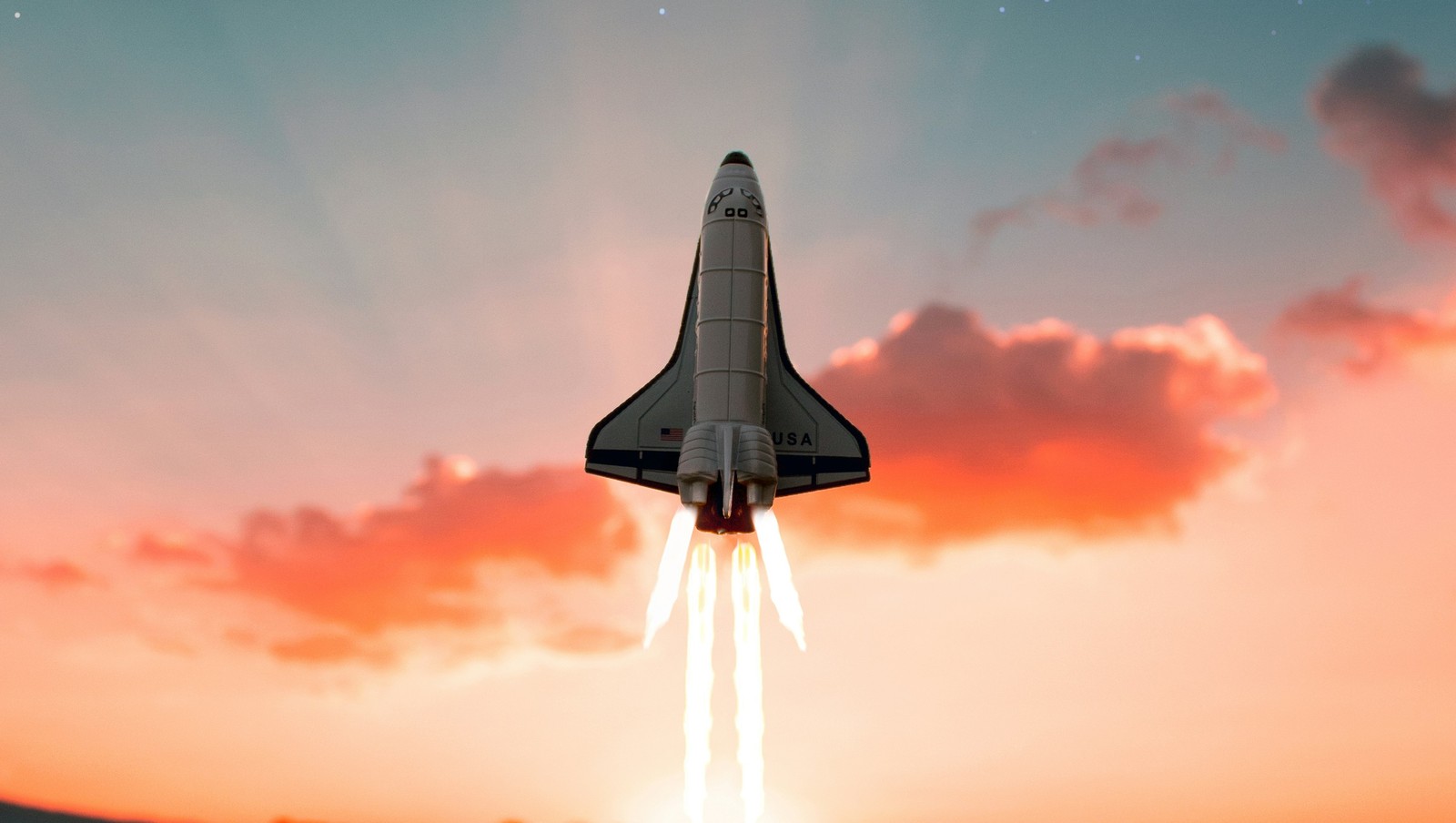
NASA’s southern centers have been pivotal in shaping the U.S. space program. The Marshall Space Flight Center in Huntsville, Alabama, was crucial in developing the Saturn V rocket that made the moon landing possible. The Johnson Space Center in Houston, Texas, is the hub for astronaut training and mission control, and the Kennedy Space Center in Florida has been the launch site for every manned mission since 1968.

To this day, the South’s importance in space and scientific endeavors remains uncontested: NASA centers in the region lead astronaut training and are essential for rocket launches, maintaining their status as pioneers of space exploration.

9
Bourbon & Moonshine

Image: Jeff Frank

Bourbon, often considered America's native spirit, has deep roots in the South, particularly in Kentucky, where it is produced under stringent guidelines. To be classified as bourbon, the whiskey must be made from a mash bill of at least 51% corn and aged in new charred oak barrels. This specific process, along with Kentucky’s unique limestone water, gives bourbon its distinctive flavor and character.

But the tradition extends way beyond just bourbon. The craft of homebrewing various types of alcoholic beverages has long been a vital part of the region’s cultural heritage. For example, during Prohibition, the South became notorious for its moonshine —illegally brewed, high-proof spirits (essentially clear, unaged whiskey)—which were smuggled across the country.

10
Southern Drawl

Image: Joe Lavigne

The Southern accent, often referred to as the "Southern drawl," is one of the most recognizable in the United States. This unique dialect evolved from a mix of British, Irish, and African influences during the early settlement of the region.

The drawl's elongated vowels and slow cadence might even reflect the South's agricultural origins, where life moved at a more leisurely pace. The accent has evolved over centuries and is now recognized as a defining feature of Southern identity, often evoking a sense of charm and regional pride.

History History 7 min read

Behind the mics

Whose car caught fire while he wrote a song? Stories behind 10 hits

Image: Skitterphoto

Artists never know where their next big idea might come from. A heated debate, a bittersweet farewell, an improvised response, or even a simple guitar warm-up. Each of these has inspired songs that made it into the world’s top charts in their time and are still all-time classics. But did you know, for example, that one of these songs drove its creator to obsession? Or that someone once paid $50,000 to learn the secret behind another? Let’s set the record straight about how these 10 world-famous songs came to be.

1
Sweet Child O' Mine - Guns N’ Roses

Image: Kyle Buss

Fans of Guns N’ Roses will tell you how fast "Sweet Child O’ Mine" was written. In under an hour, the band developed the accompaniment for a melody one of them had come up with—a hand-warming riff that guitarist Slash was playfully improvising. That same riff, by-now famous guitar melody, opens the song.

Hearing the result, Axl Rose wrote lyrics inspired by his then-girlfriend, Erin Everly, whose smile, it seemed to him, reminded him of childhood memories. Remarkably, he completed the poem in a single day. Later, while recording in the studio, the band made another on-the-spot call: they decided to include a sung line that Axl Rose had been repeating while searching for an ending to the song, "Where do we go now?"

2
Billie Jean - Michael Jackson

Image: Call Me Fred

Michael Jackson didn’t shy away from saying that he always knew "Billie Jean" was going to be a hit. While writing it, he was aware that he had hit material in his hands, and he worked on it accordingly. Thanks to his rigorous daily vocal training during the production of Thriller , Jackson recorded the main vocal in a single take. The song was mixed 91 times , while he and producer Quincy Jones strived for perfection. In the end, they settled on mix number two—the version we know today.

But here is the most impressive anecdote behind "Billie Jean." Jackson was driving his Rolls-Royce between recording sessions, obsessed with finding the best ideas for his song. He was so absorbed that he didn’t notice the underside of his car had caught fire —until a passing biker alerted him.

3
You Give Love a Bad Name - Bon Jovi

Image: Benjamin Farren

Can you imagine the iconic opening vocals of "You Give Love a Bad Name" belted out by any other voice than Jon Bon Jovi’s? A female voice, perhaps? Surprisingly, the melody was originally written by hitmaker Desmond Child for Bonnie Tyler . Her version, titled "If You Were a Woman (And I Was a Man)," featured different lyrics, and was released earlier that same year in 1986.

Dissatisfied with the final result of Tyler’s song, Child decided to take the same seed of an anthem and team up with Jon Bon Jovi and Richie Sambora to rework it. The result was a powerhouse anthem that propelled Bon Jovi to the top of the charts. It also marked a radical change in the band’s career, which veered from then on to a more radio-friendly, arena-rock sound that would define their style.

4
Don’t Stop Believin’ - Journey

Image: Kristina Chuprina

If you strip this '80s rock anthem of its drums, bass, guitar, and even its melody, you’re left with a simple yet powerful plea: "Don’t stop believing." Those words have a heartfelt origin. When Jonathan Cain was invited to join Journey, he started working on a song, first deciding that he was going to name it after the words his father would repeat to him over the phone while he was still a struggling musician in L.A.: "Don’t stop believing or you are done , dude."

Cain wrote the emotional chorus first before sharing the project with the band to complete it together. That’s why it’s said that the song was written "backward ." The arrangements were carefully crafted to build up to the climactic final chorus. If you pay attention, this one doesn’t appear until near the end of the song—a structure that sets it apart.

5
We Didn't Start the Fire - Billy Joel

Image: David Clode

119 significant events are mentioned in the famous 1989 song by "Piano Man" Billy Joel. A rapid-fire history lesson, covering science, sports, music, politics, cultural icons, movies, and so many more, is uttered to assemble an image of the 40 years the artist had lived until then—from 1949 to 1989. The story of how he stumbled upon the idea for this musical whirlwind is just as fascinating.

Legend has it that Joel was in the studio one day when Sean Lennon, John Lennon’s son , visited with a young friend. The 20-year-old started complaining about the hardships of growing up in the ‘80s, and Joel replied that the ‘60s weren’t exactly easy either. This sparked a discussion where each mentioned world-relevant events they had lived through. Inspired, Joel jotted down the events and began piecing them together, eventually crafting the iconic song.

6
I Will Always Love You - Dolly Parton

Image: Wes McFee

"I Will Always Love You," immortalized by Whitney Houston ’s rendition for The Bodyguard (1992), was actually written 18 years earlier by Dolly Parton. Although it became a romantic power ballad in the voice of Houston, the original version hadn’t been written with romance or heartbreak in mind—it was a heartfelt farewell.

In 1972, after having become a performing regular in The Porter Wagoner Show , Dolly Parton decided it was time to leave and pursue her own path. Her deep appreciation for Wagoner and her love for her colleague drove her to write a sweet, sincere song to express her feelings. Explaining that, despite needing to move on, and regardless of where life took her, she would always love him. Touched by the song, Wagoner loved it and asked to produce it himself.

7
Maniac - Michael Sembello

Image: David Monje

"Maniac," made famous for its inclusion in the Flashdance (1983) soundtrack, is another example of a song that started with a very different theme. Its original name was still "Maniac," yes. But it wasn’t originally about a passionate dancer—it was about a serial killer.

Dennis Matkosky, the song’s author, had seen in the news a story about a psychotic criminal and conjured in his mind a song that warned of his deeds . Together with his friend Michael Sembello, they finished that version for their own amusement. The demo ended up being one of the songs used in the set of Flashdance for being upbeat, catchy, and danceable. Director Adrian Lyne grew so fond of it that he asked Matkosky and Sembello to rewrite the lyrics to better suit the film. The reworked song became a global hit, reaching the top 10 of pop charts in multiple countries that year.

8
Shout - The Isley Brothers

Image: Brett Sayles

If hearing the song "Shout" by The Isley Brothers makes you think of a festive event where a band interacts with a dancing audience, it means the song retained its original spirit. The iconic phrase "Jump up and shout now" was part of a series of playful instructions the band improvised during a live performance. At the time, they were covering "Lonely Teardrops," a Jackie Wilson hit, and went off on a tangent building on the climax of that song.

The band began shouting ad-libbed lines , encouraging the crowd to participate. That responsorial dynamic became the foundation of "Shout," and evolved further through subsequent performances. Once the song was written down and recorded, it became a timeless classic. Today, this 1959 hit remains a staple at celebrations around the world.

9
You’re So Vain - Carly Simon

Image: Dinielle De Veyra

A song with the famous line "You're so vain, you probably think this song is about you," has sparked decades of speculation about who inspired it. Mick Jagger, James Taylor, and Warren Beatty were all rumored to be the subject behind Carly Simon’s famous song. The singer and songwriter delighted in keeping the identity of any precise man a secret, and at some point declared that it had been written about a type of man in general.

However, in 2003, for a charity auction organized by Martha's Vineyard Possible Dreams organization, Simon decided to offer one big treasure to the highest bidder: The truth behind the song. Her friend Dick Ebersol paid $50,000 for the revelation. Under sworn secrecy, Simon revealed the person to Ebersol. He kept the secret, only telling the public that he found the answer "very surprising."

10
Walk the Line - Johnny Cash

Image: Simon Migaj

"I Walk the Line" was Johnny Cash's declaration of commitment and faithfulness, a song written for his first wife, Vivian Liberto. As he prepared to embark on long tours, Cash penned this song as a vow to assure her that he would remain true to her.

Beyond the inspiration for the lyrics, the song showed an array of singularities that made it stand out back in 1956. For example, each iteration of a verse is sung in a different key, a unique technique that can be heard in the gradual shifts of Cash’s voice. The low hum before each verse is Cash’s preparation for singing in each corresponding key. He also innovated by attaching a piece of paper to his guitar’s end which he would hit while playing, simulating the sound of a snare drum that can be heard in the song.

Explore more American facts

Choose your favorite category!

General
General

As American as apple pie—the very best America has to offer!

Culture
Culture

Delve into the astounding richness of American lore.

Geography
Geography

Hop in and explore vast and diverse American landscapes.

History
History

Discover the key moments that shaped the United States.