History History 4 min read

Presidential anecdotes

When Presidents Went Off Script: 10 crazy moments from US leaders
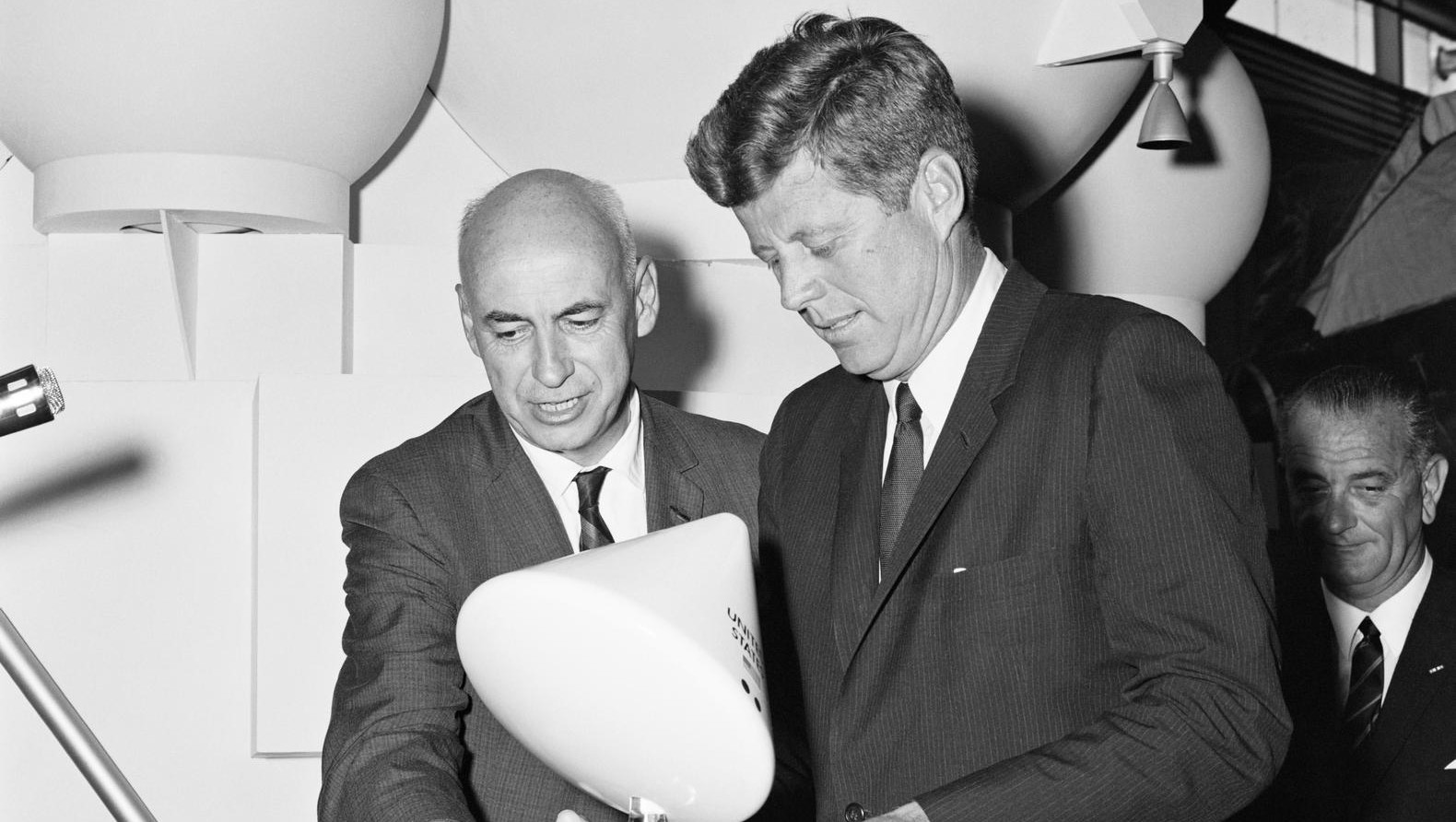
Image: NASA, Public domain, via Wikimedia Commons

Sure, many big moments in our history were protagonized by presidents. But today, we’d like to highlight those times when presidents found themselves at the center of odd situations and wild stories: less polished, less formal, and much crazier! Here are 10 surprising facts you probably didn’t know about our commanders-in-chief.

1
Richard Nixon proposed to his wife the day they met
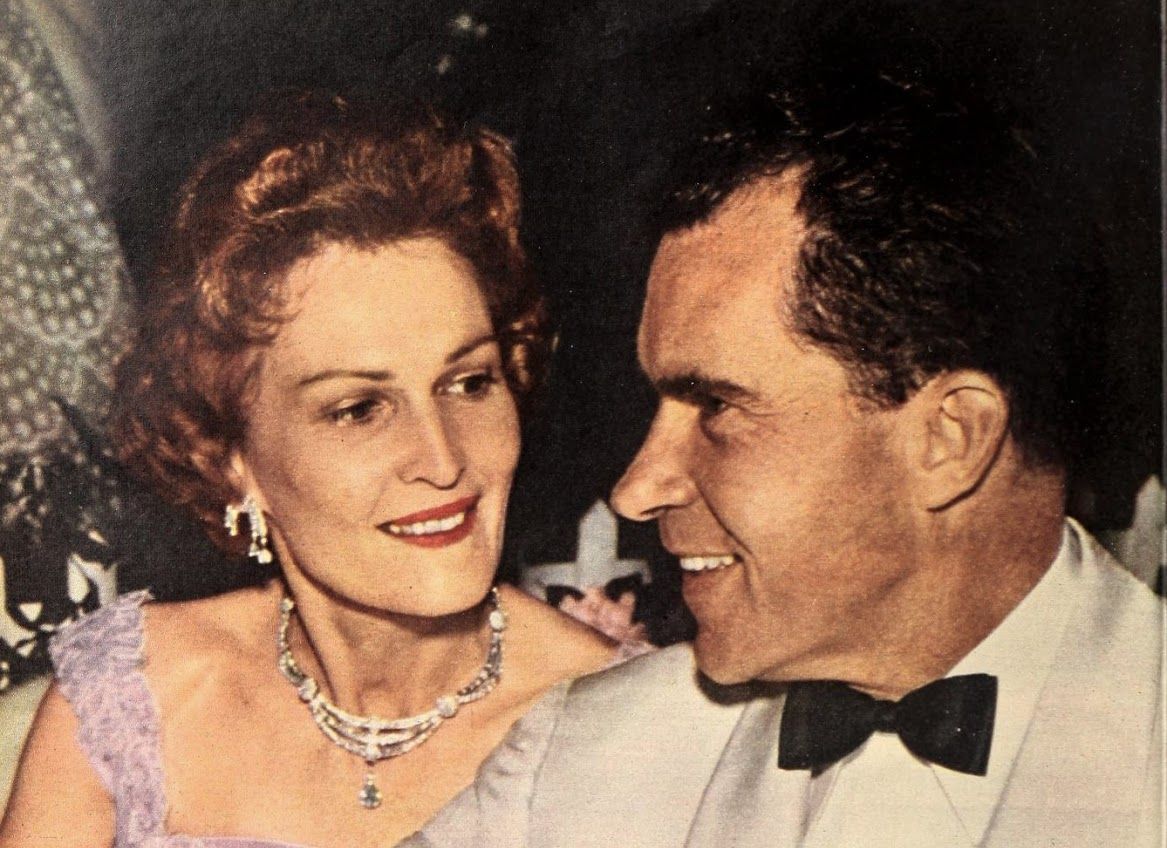
Image: Dell Publishing, 1960. Photographer: Maggi of Pictorial, Public domain, via Wikimedia Commons

Richard Nixon met Pat Ryan in 1937 while auditioning for a community theater play. According to reports, he fell head over heels for her right away, and even proposed on their very first date! Pat, showing a little more sense, said no at the time, but two years later, in June 1940, she finally said yes and became his wife. The true romantic-in-chief!

2
George H.W. Bush almost chose Clint Eastwood as his running mate
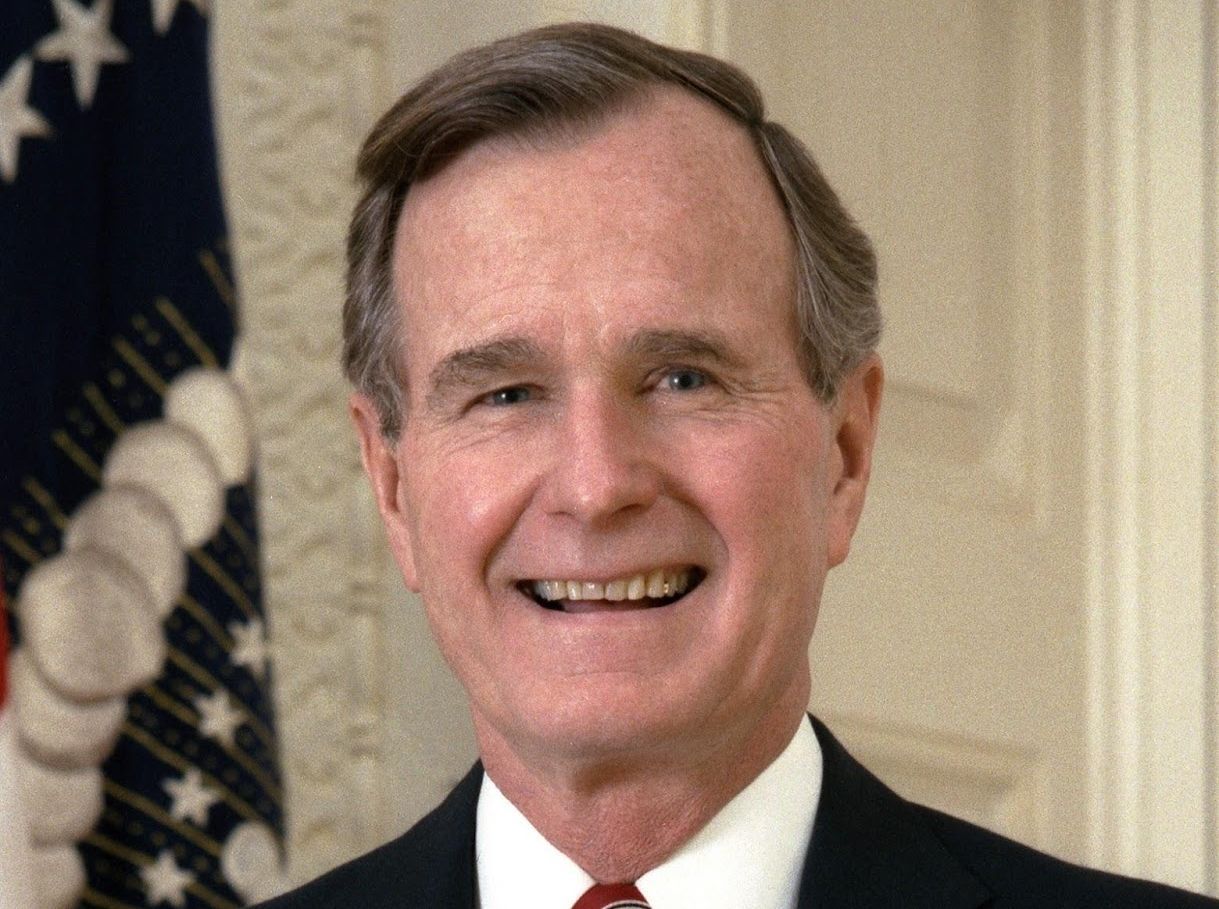
Image: David Valdez, Public domain, via Wikimedia Commons

During George H.W. Bush's 1988 presidential campaign, his team considered a candidate who was definitely well-known to everyone, even people who didn’t follow politics. It was none other than Clint Eastwood, Hollywood star and former mayor of Carmel, California. Can you imagine if a movie star had been Bush’s vice president?

3
Martin Van Buren wrote an autobiography without mentioning his wife
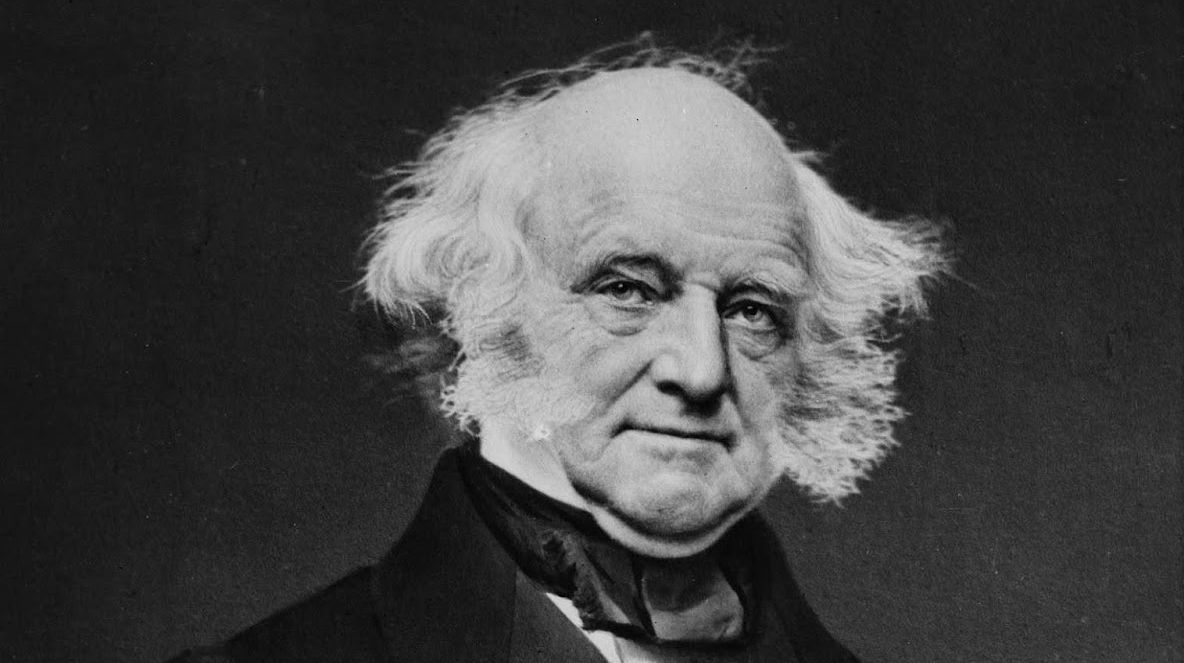
Image: Mathew Benjamin Brady, Public domain, via Wikimedia Commons

How do you write an autobiography and leave out your wife? Well, President Martin Van Buren did exactly that. Historians suggest two reasons: at the time, it was considered poor taste to write about one’s wife, and the other reason was Van Buren’s heartbreak. Hannah Hoes Van Buren, his wife and also his childhood sweetheart, died of tuberculosis years before he became president, and some believe his grief kept him from remarrying or even talking about her.

4
William Faulkner turned down an invitation from JFK
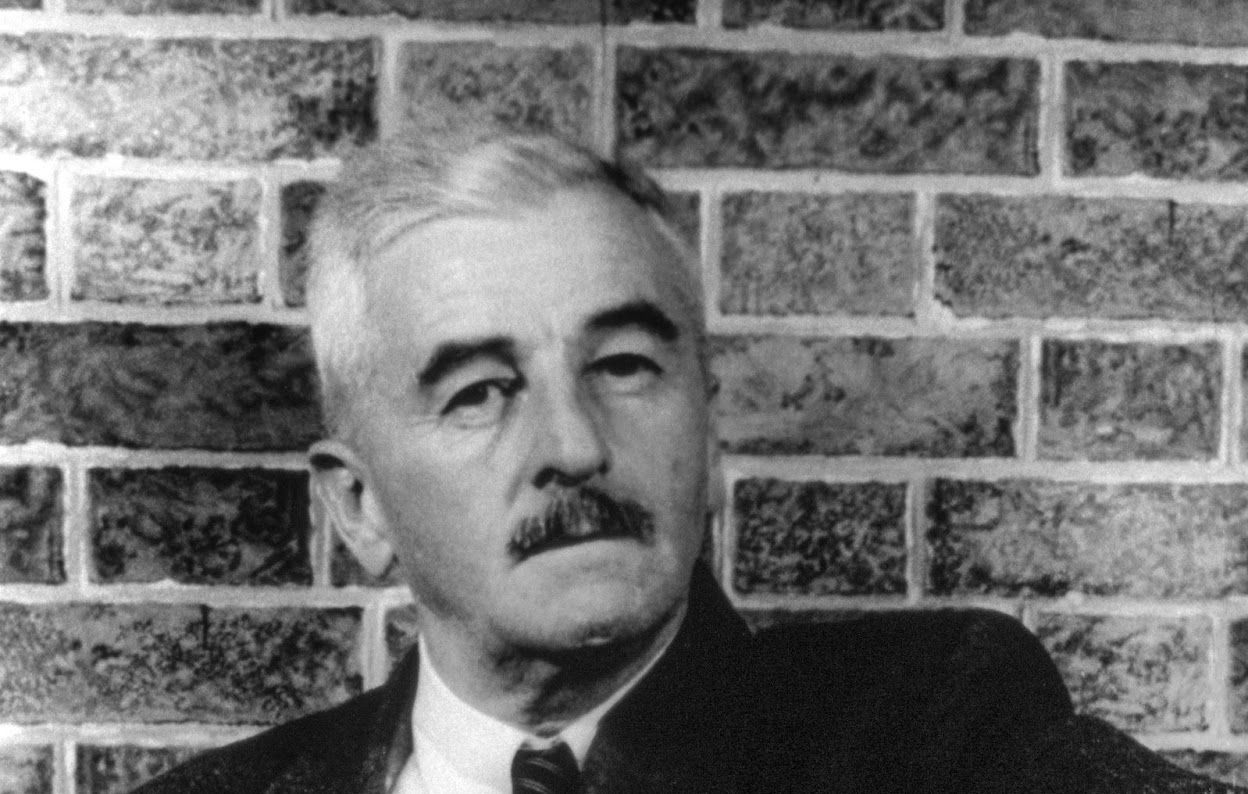
Image: Carl Van Vechten, Public domain, via Wikimedia Commons

Would you turn down a dinner invitation at the White House? Renowned writer William Faulkner did. He declined an invitation from President John F. Kennedy, who had included him in an event honoring Nobel Prize winners. Faulkner explained he was "a hundred miles away" and that it was "a long way to go just to eat."

5
Jimmy Carter wrote a children's book
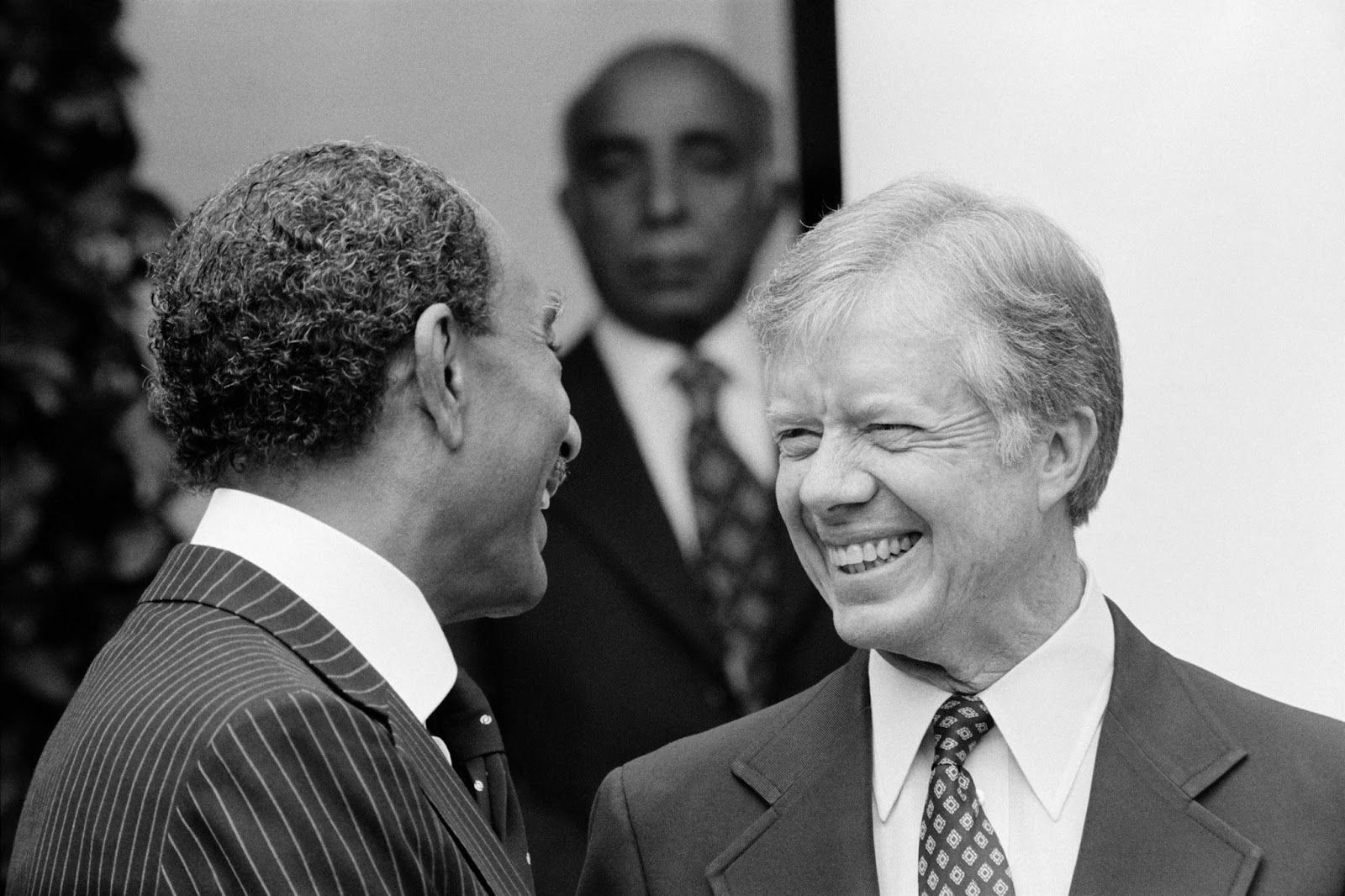
Image: Leffler, Warren K., photographer or Trikosko, Marion S., photographer. Work for hire made for U.S. News and World Report., Public domain, via Wikimedia Commons

Jimmy Carter wasn’t just a state senator, governor, and President of the United States. It turns out he had other interests too, including literature. Did you know he wrote a children’s book? Titled The Little Baby Snoogle-Fleejer , it was published in 1995.

6
Theodore Roosevelt didn’t think a black eye seemed presidential
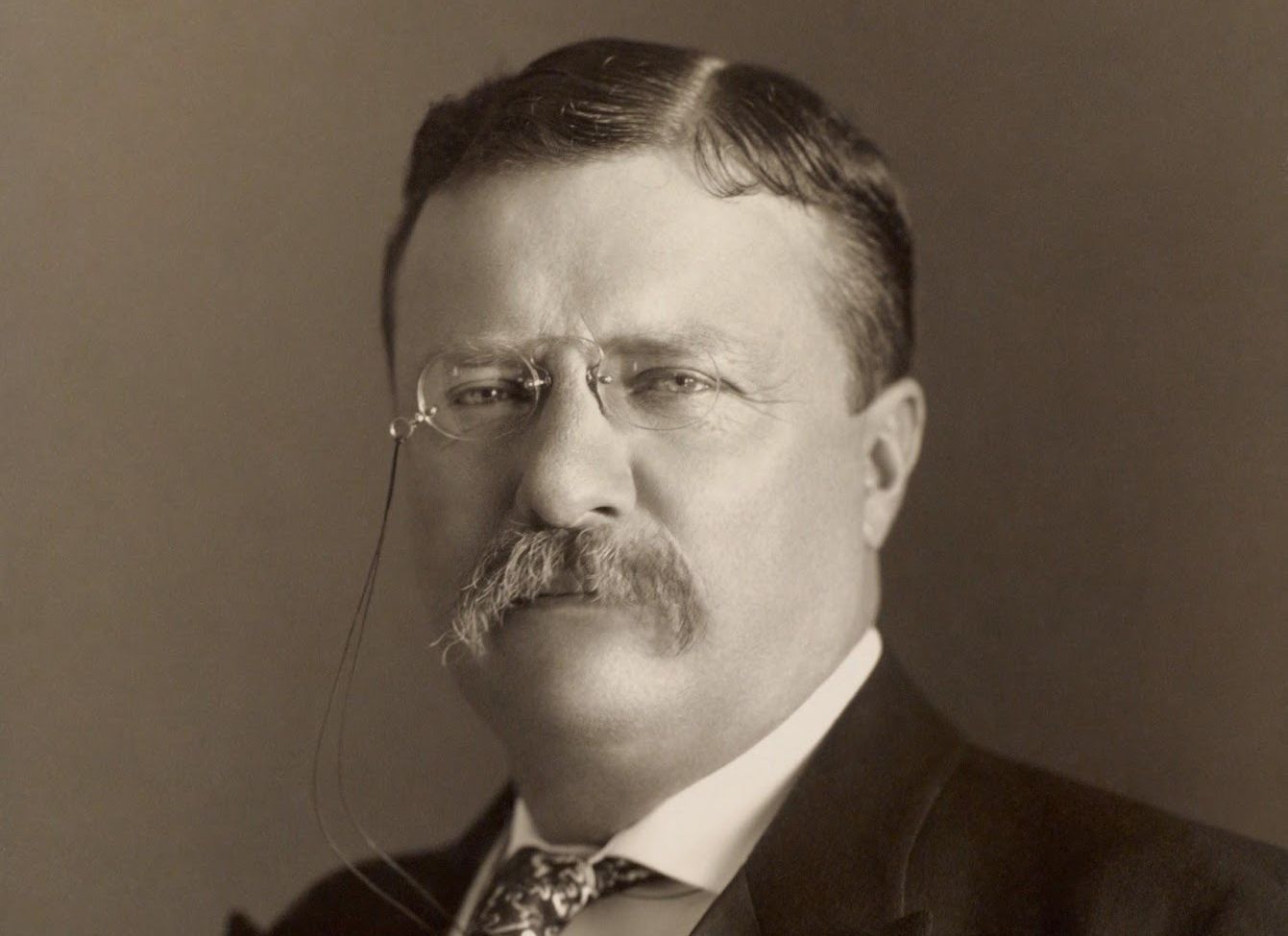
Image: Theodore_Roosevelt_by_the_Pach_Bros

Teddy Roosevelt loved boxing, but once he became president, he had to be cautious. He chose to scale back his training sessions at the White House, saying it was, in his own words, "rather absurd for a president to appear with a black eye, a swollen nose, or a cut lip."

7
Bill Clinton's cat had its own video game
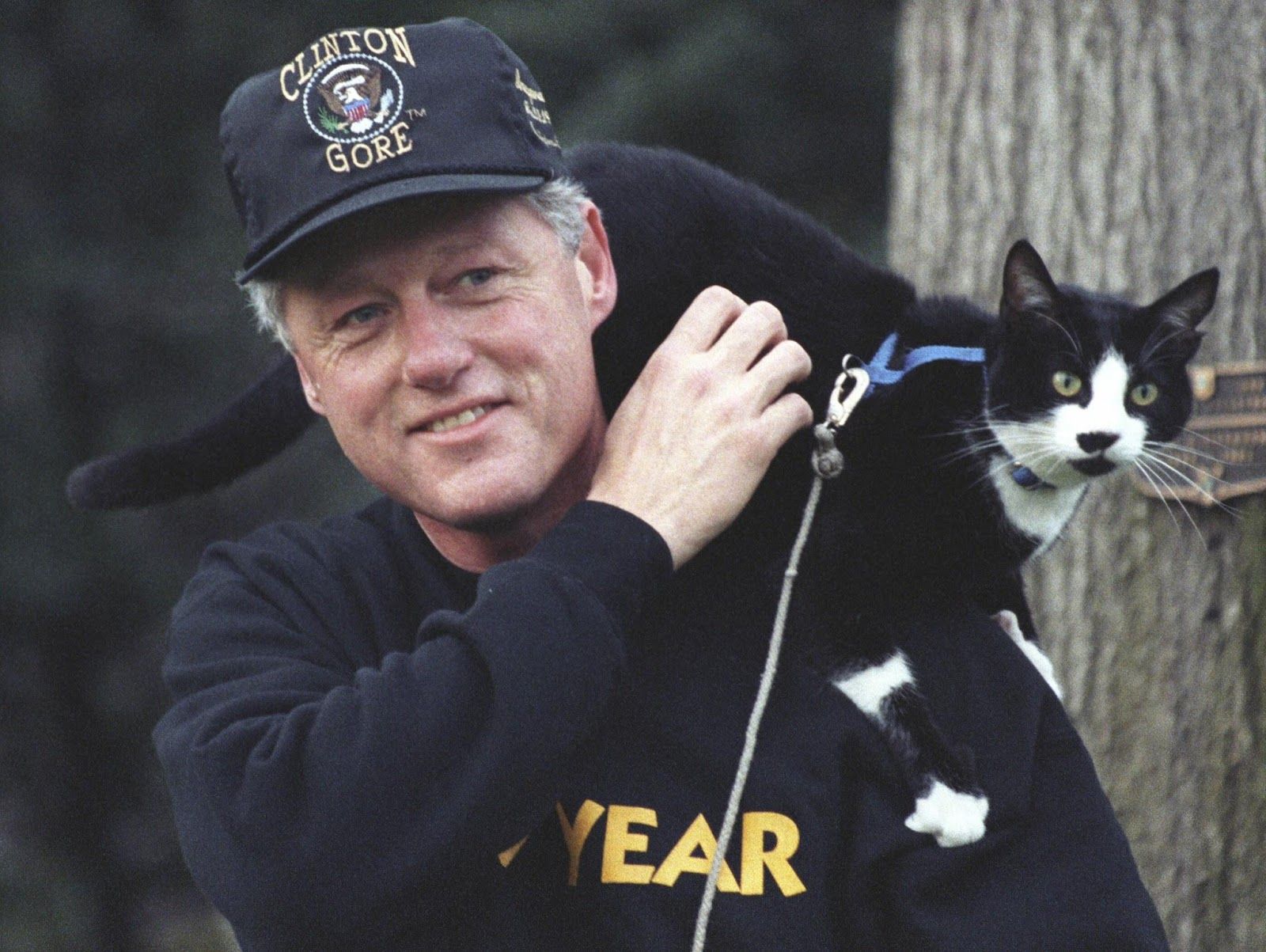
Image: The U.S. National Archives, No restrictions, via Wikimedia Commons

Have you heard of Socks the Cat Rocks the Hill ? It was a game developed for the Super Nintendo Entertainment System (SNES) and Sega Genesis, starring Socks, the Clinton family’s famous cat. Unfortunately, it was canceled before it ever reached the public.

8
Theodore Roosevelt had a lock of Abe Lincoln's hair
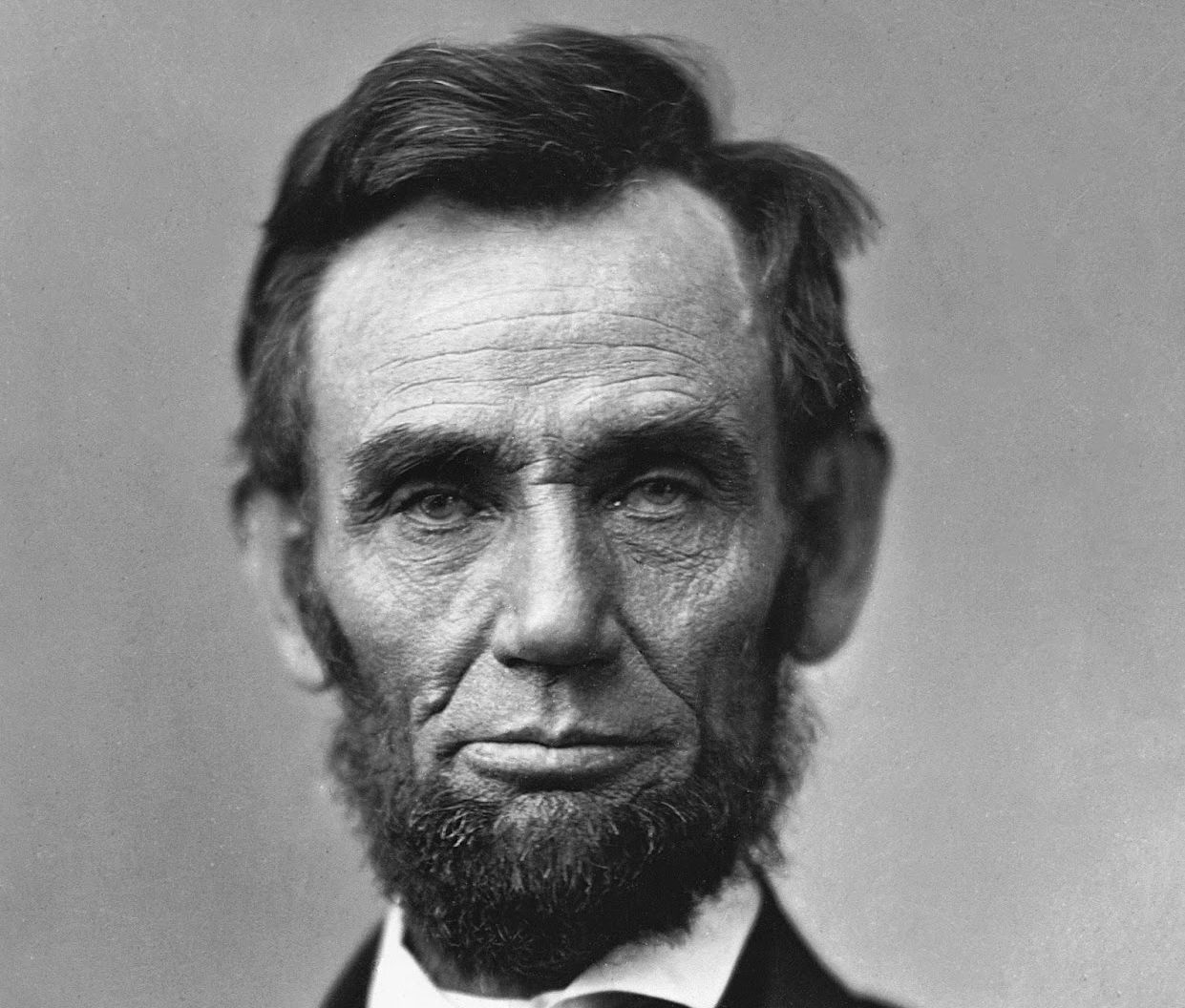
Image: Alexander Gardner, Public domain, via Wikimedia Commons

Yes, we know, the title sounds a little odd, but it’s actually a story of loyalty and admiration. When Teddy Roosevelt started his second term, he wore a ring containing a lock of hair from none other than Abraham Lincoln. It was a gift from John Hay, one of Lincoln’s private secretaries, who knew of Roosevelt’s deep respect for Honest Abe.

9
Gerald Ford worked as a model
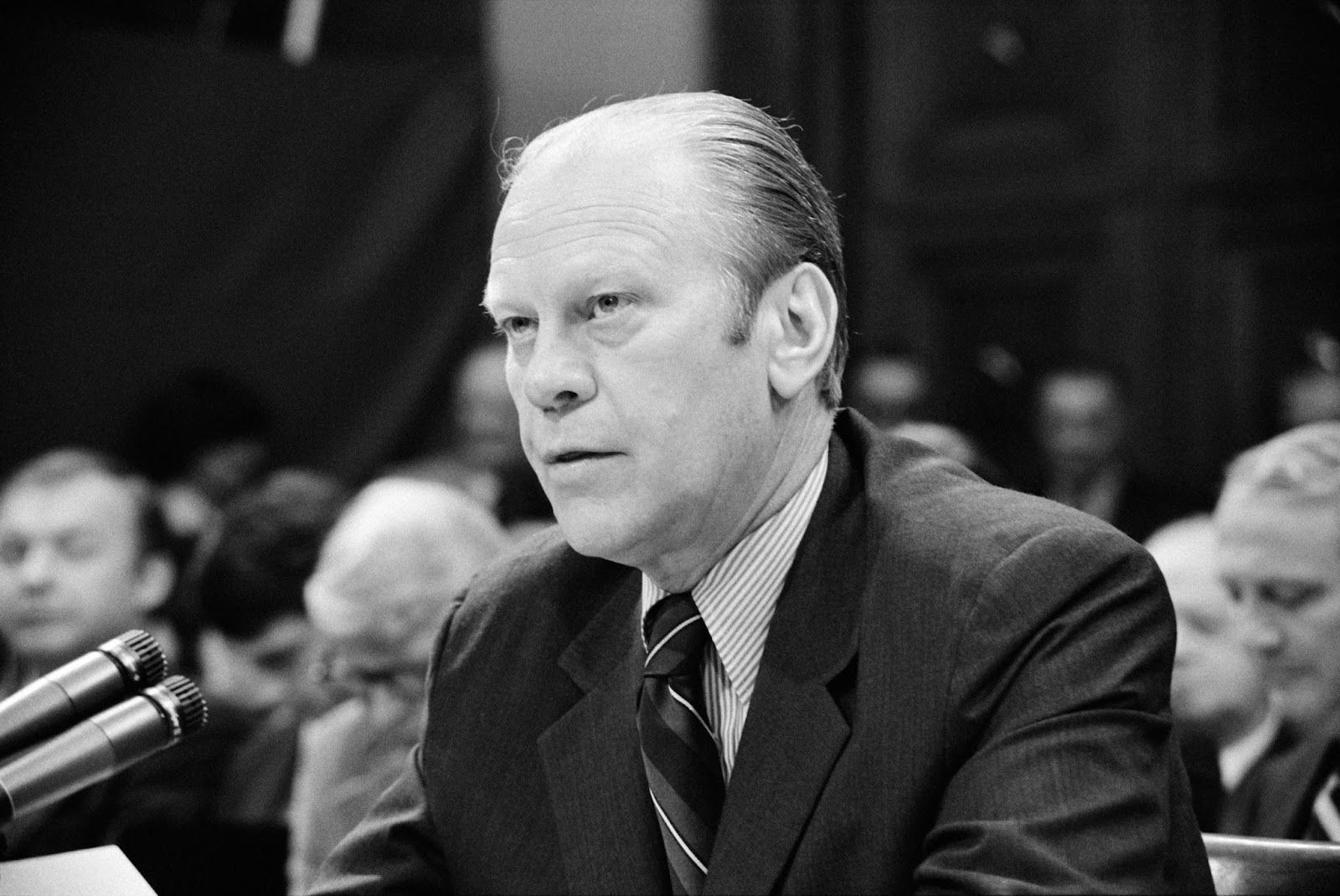
Image: Thomas J. O'Halloran, photographer, Public domain, via Wikimedia Commons

Many presidents had hobbies, and some even held jobs outside politics before the Oval Office. One of them was Gerald Ford, who worked as a model! In fact, it was through modeling that he met the woman who would become his wife.

10
Herbert Hoover managed the football team
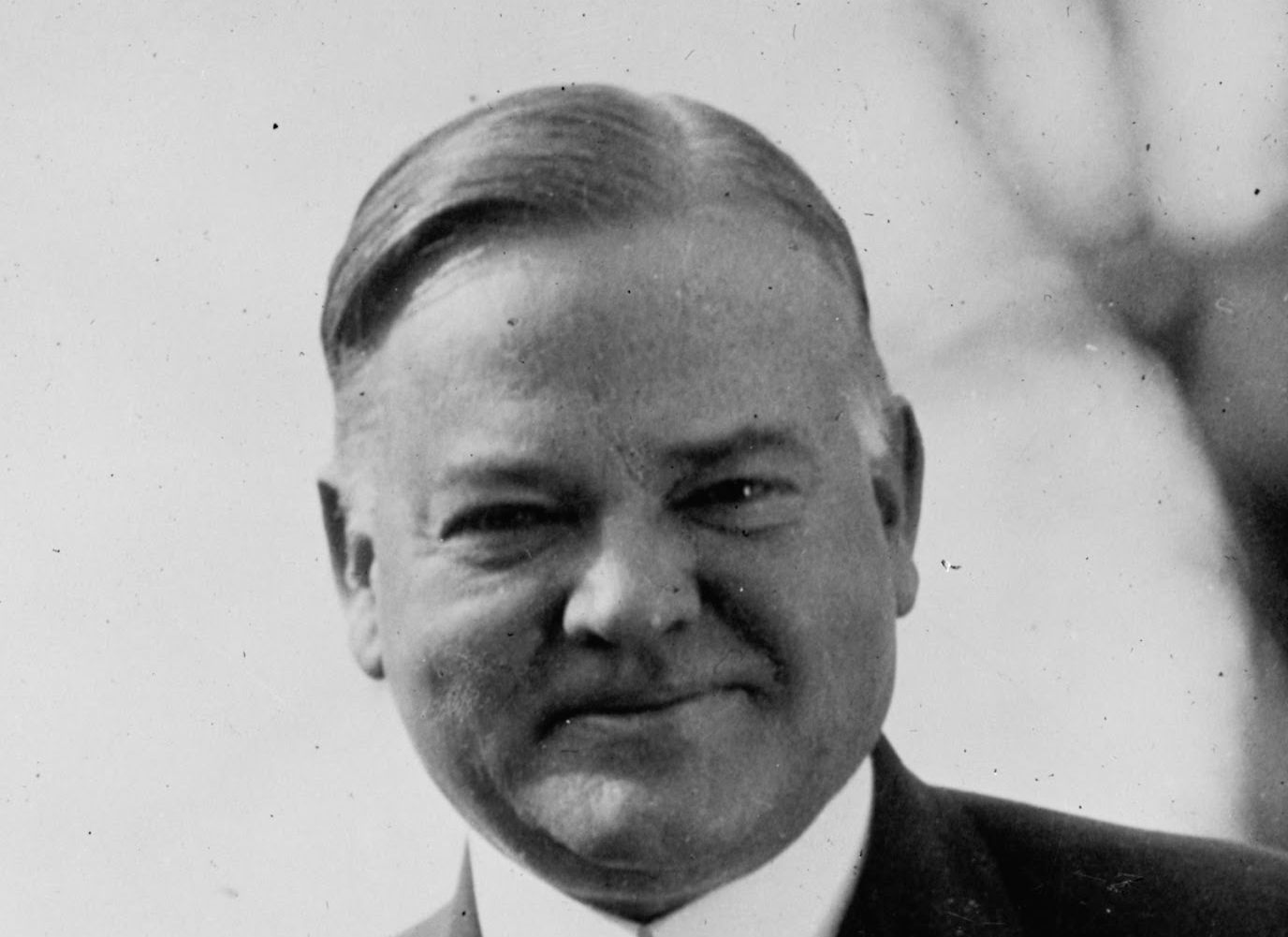
Image: Herbert E. French, Public domain, via Wikimedia Commons

Speaking of hobbies and interests, Herbert Hoover had a pretty common one: He really loved sports. But here’s the interesting part: He came to manage the baseball and football teams at Stanford in 1892.

History History 3 min read

Lawn and order

How the American lawn was born: 10 moments that shaped our frontyards

Image: Gunnar Ridderström

The American lawn didn’t sprout overnight. It grew from European ideals, industrial changes, suburban planning, and clever marketing. From elite colonial estates to postwar tract homes, each step shaped how grass became a national obsession. Here are 10 factual milestones that explain how a simple patch of green became a defining feature of U.S. domestic life.

1
European origins

Image: Martin Zenker

Lawns — and by lawns we mean closely mown grassy spaces — began appearing in 17th- and 18th-century Britain and France as signs of wealth. This was because only aristocrats or large estates could afford to keep grass short and manageable.

Before mechanized tools, scythes, shears, or grazing animals were used to maintain lawns, so turf was largely limited to those who could own the necessary manpower or animals. Early American colonists imported these aesthetics and tried to replicate them in their architecture and homes, albeit less formally.

2
Public parks set the bar

Image: Carl Newton

Early urban park designers, strongly influenced by European landscaping ideas, laid out wide expanses of turf in city parks, showing the public a "civilized" green aesthetic. That made clipped lawns part of the civic-space ideal, and not just a private luxury.

These parks helped cement the association between grass lawns, order, leisure, and modern urban life in American culture.

3
Mechanical breakthroughs

Image: Daniel Watson

In 1830, English engineer Edwin Beard Budding patented the first mechanical lawn mower, inspired by a wool-mill reel used to trim cloth.

Budding’s design used a cylinder of blades powered by a rear roller, making it easier to cut grass evenly, and largely replaced laborious scything or grazing, cutting down the cost of maintaining such status symbols in the process.

4
Et pluribus lawnus

Image: Gang Hao

Once affordable lawn mowers—including lighter push-mower variants in America—became popular, maintaining a lawn became feasible for aspiring middle-class homeowners.

This sparked a major transformation in both private and public architecture, as many well-to-do homes that before could not afford it began attempting to replicate the European lawn style in some fashion or another.

5
Suburban dreams

Image: Venrick Azcueta

For decades, lawns remained a steady feature of American architecture and green-space design; however, it wasn’t until after WWII that the true lawn boom began. Returning veterans and government-backed mortgages fueled rapidly expanding suburbs.

Developer William Jaird Levitt and his company built thousands of nearly identical homes, each with its own front and back lawn. By the 1950s and ’60s, lawns had become central to the "American Dream," symbolizing stability, middle-class respectability, and neighborhood uniformity.

6
A bit of chemical help

Image: Victor Furtuna

After the war, synthetic fertilizers (derived partly from wartime chemical technologies) became widely available to consumers, enabling lush, uniform lawns even in soil and climate conditions unsuited to grass.

This lowered the barrier to achieving a "perfect" lawn, further popularizing lawns as part of the American identity and raising the expectations of what the perfect lawn should look like.

7
Begone, pesky weeds!

Image: Dmitry Burdakov

In addition to fertilizers, in 1944, researchers discovered 2,4‑Dichlorophenoxyacetic acid (2,4-D), the first widely effective selective herbicide — killing broadleaf weeds while leaving grasses largely unharmed.

Deployed commercially soon after WWII, 2,4-D made maintaining uniform, weed-free lawns much easier and was quickly adopted in home lawn products.

8
Thou shalt keep thy lawn green

Image: Tiago Rodrigues

As suburbs proliferated, lawn maintenance became a shared social norm — homeowners' associations and neighborhood covenants often started to expect regular mowing and upkeep.

Keeping a well-groomed lawn became not just an aesthetic choice but also a mark of civic responsibility and conformity to norms.

9
Environmental worries

Image: Rémi Müller

By the mid- to late 20th century, the ecological cost of the lawn aesthetic became visible: heavy water use for irrigation, chemical runoff from fertilizers and herbicides, and reduced biodiversity as a consequence.

These drawbacks spurred both scientific and public debate about the sustainability of the traditional lawn model — especially in water-scarce regions, where it was both impractical and resource-intensive.

10
The birth of mixed lawns

Image: Ruben Sukatendel

Growing environmental awareness, droughts, and changing tastes have prompted many homeowners and municipalities to adopt drought-tolerant landscaping, native plants, or mixed-species yards instead of the traditional uniform turf.

As a result, today the "ideal lawn" is evolving as we speak: classic turfgrass still remains common, but alternative yard styles now offer more varied ecological, economic, and aesthetic options.

Culture Culture 6 min read

One hit per year

From Elvis to Dylan: 12 of the best 1960s songs everybody still listens

Image: Florian Schmetz

More than half a century has passed since the 1960s, yet there are songs from those years that we still listen to today. This decade saw the emergence of some of the most important musicians in the history of American music. It was an amazingly creative era that followed the initial explosion of rock'n'roll, where pop became more than just a teenage fad. It's very hard to choose just a few representative songs from the psychedelic 60s, but in this article, we'll make an effort: we present to you 12 of the most iconic songs of the decade that marked a before and after in music. We're sure you'll want to go and create a Spotify playlist to listen to non-stop!

1
1959: (Now and Then There's) A Fool Such as I

Image: Victrola Record Players

To better understand the music of the 1960s in the United States, one must first go back to the previous decade and revisit the major influences. The music of this era, especially rock and roll, stood out for its rebellious energy, strident guitar chords, and lyrics with messages of freedom.

And perhaps the greatest representative of this cultural change was the great Elvis Presley. In 1959 Elvis released "(Now and Then There's) A Fool Such as I". The song, composed by Bill Trader, had already been recorded years before by other artists, but the King of Rock 'n' Roll's version became a platinum record. Thanks to Elvis and other iconic musicians such as Bill Haley and His Comets, Chuck Berry, and Fats Domino, at the beginning of the 1960s the music world stood on the verge of a true revolution.

2
1960: Will You Love Me Tomorrow

Image: chienba

One of the groups that defined the sound of the 60s was The Shirelles, and one of the songs that helped them reach the top was "Will You Love Me Tomorrow", released in November 1960.

This song composed by Carole King and Gerry Goffin was not only The Shirelles' first number 1, but also became the first song by an African-American girl group to top the Billboard Hot 100 chart.

3
1961: Stand by Me

Image: Bru-nO

"Stand by Me" is probably one of the most beloved songs of all time. Not only was this song a massive hit when singer-songwriter Ben E. King released it in 1961, it was later listed as "the fourth most performed song of the 20th century". No wonder! It was recorded over 400 times by many notable artists such as Otis Redding, John Lennon, Tracy Chapman, and Florence and the Machine, among others.

4
1962: The Twist

Image: Sprinter_Lucio

Originally this song was released in 1958 by Hank Ballard and the Midnighters and later covered by Chubby Checker in 1960. However, two years later something incredible happened that would not be repeated until 59 years later. Checker's version of "The Twist" resurfaced in January 1962 setting a record as the only song to reach number 1 in two different runs. Do you remember this amazing hit inspired by the twist dance craze?

5
1963: Be My Baby

Image: BRUNO CERVERA

Released in August 1963, "Be My Baby" was The Ronettes' biggest hit. Composed by legendary record producer and songwriter Phil Spector, this song is regarded as the quintessential example of his Wall of Sound recording technique.

"Be My Baby" reached number 2 in the U.S., has been played on radio and TV over 3 million times, and has influenced dozens of artists of the golden era of rock and pop music.

6
1964: Oh, Pretty Woman

Image: Jack de Nijs for Anefo, CC0, via Wikimedia Commons

Long before the famous film starring Julia Roberts and Richard Gere, "Oh, Pretty Woman" was an instant success. Released in August 1964, this song was the biggest hit of Roy Orbison, a major player in American popular music of the 1960s.

Orbison was inspired by his wife Claudette, which seems to have brought him luck: the song quickly reached number 1 and was later inducted into the Grammy Hall of Fame.

7
1965: Like a Rolling Stone

Image: Brett Jordan

Right in the middle of the decade, the leading exponents of the music scene of the time seem to have reached the pinnacle of creativity. Many songs that are still iconic today were released in 1965: "I've Been Loving You Too Long (To Stop Now)" by Otis Redding, "I'll Feel a Whole Lot Better" by The Byrds, "The Sound of Silence" by Simon & Garfunkel, and "California Dreamin'" by the Mamas & the Papas.

But perhaps the one who broke the mold and changed the history of music forever was Bob Dylan with his mythical song "Like a Rolling Stone". The worldwide hit not only remained at number 2 on the US Billboard charts for three months (the first song of its length to do so) but also marked Dylan's transformation from folk singer to rock star.

8
1966: God Only Knows

Image: Photographer: Sam Psoras, Public domain, via Wikimedia Commons

Another turning point in the history of American music is the release of Pet Sounds by the Beach Boys. The album, released in May 1966, is made up of one hit after another: "Wouldn't It Be Nice" and "You Still Believe in Me", just to name a few.

But probably one of the record’s greatest songs is the sophisticated and innovative "God Only Knows". Despite being an unusual sound for the group, some consider it the most beautiful melody ever composed. Even great musicians like Paul McCartney have picked it as their favorite song of all time. Undoubtedly, it is a work of art born from the brilliant mind of Brian Wilson.

9
1967: Sunday Morning

Image: Anastasia Saldatava

The debut studio album by the American rock band The Velvet Underground will forever be remembered for the famous banana on the cover designed by Andy Warhol and for being one of the most influential albums of the 60s.

Although the album was too controversial when it was released in March 1967 and initially was a commercial flop, over time the songs became legendary. For example, "Sunday Morning", with Nico's haunting vocals, a dreamy melody, and cheeky lyrics was recorded with the intention of making a hit. And in our humble opinion, it more than delivers!

10
1968: I Heard It Through the Grapevine

Image: Travis Yewell

Although it had been recorded before by other Motown Records artists, Marvin Gaye’s version of "I Heard It Through the Grapevine" released in October 1968 is the one that went to the top of the Billboard Pop Singles chart and stayed for seven weeks. Since then, the song has been inducted into the Grammy Hall of Fame and is considered an acclaimed soul classic.

11
1969: I Want You Back

Image: Pexels

Another of Motown Records' iconic artists of the 1960s were the Jackson 5. "I Want You Back" is the first national single by the band in which a very young Michael Jackson took his first steps.

Released in October 1969 the song was performed on the band's first television appearances and became an instant hit. "I Want You Back" was number 1 on the Billboard charts and has sold over 6 million copies worldwide.

12
Bonus: Bridge Over Troubled Water

Image: Rob Bogaerts / Anefo, CC0, via Wikimedia Commons

Despite the innovation experienced in rock and pop in the previous decade, the most successful song of 1970 was the work of a folk group, proving that the genre had not been forgotten and would forever be a staple of American music.

Recorded with a technique similar to Phil Spector's "Wall of Sound" and inspired by gospel music, "Bridge Over Troubled Water" was Simon & Garfunkel's most successful single. The song won five Grammy Awards, including Song of the Year. Since then, more than 50 artists —including Johnny Cash, Aretha Franklin, and Elvis Presley— have released their own version of the beloved hit.

Explore more American facts

Choose your favorite category!

General
General

As American as apple pie—the very best America has to offer!

Culture
Culture

Delve into the astounding richness of American lore.

Geography
Geography

Hop in and explore vast and diverse American landscapes.

History
History

Discover the key moments that shaped the United States.