General General 4 min read

Hidden stories and unexpected details from across the U.S.

How well do you know the U.S. states? These 10 facts might surprise you
Image: Jametlene Reskp

America is made up of 50 states, each with its own history, culture, and unique quirks. While many people know about their capitals, nicknames, and most famous landmarks, there are plenty of lesser-known facts that make each state stand out. Unusual laws, surprising geographic features, and record-breaking claims reveal a side of the country that many are unfamiliar with. Here are 10 surprising facts about different states that might shine a new light on what you know about America.

1
Alaska has more coastline than the rest of the U.S. combined
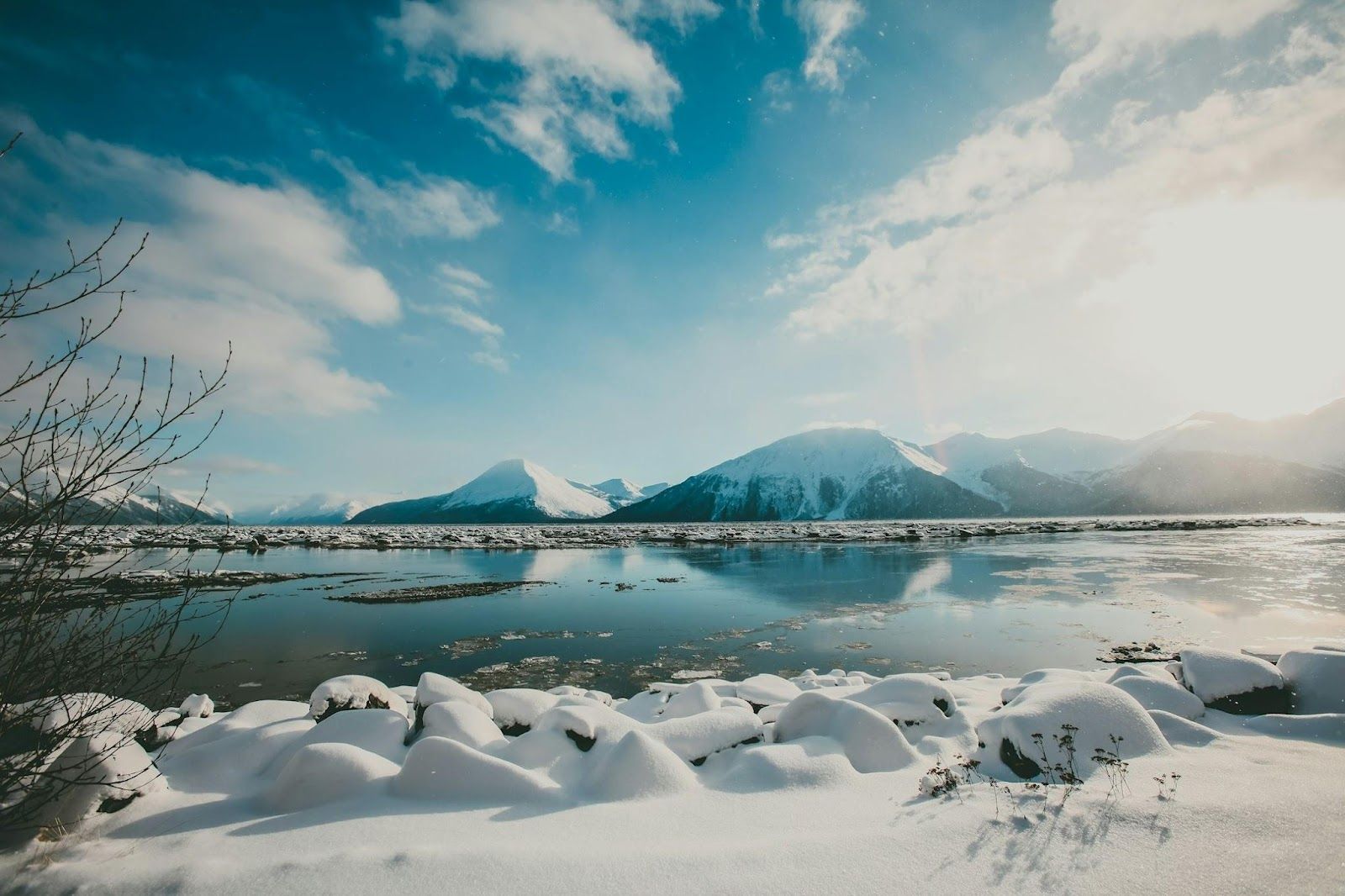
Image: Rod Long

Alaska’s size is already impressive: it’s the largest state in the country by far, over twice the size of Texas (the second largest state by area). But what surprises many people is just how much coastline it has.

With over 33,900 miles of shoreline, including islands, Alaska has more coastline than all the other U.S. states combined. Its rugged shores stretch along the Arctic Ocean, the Pacific Ocean, and the Bering Sea.

2
Arizona is home to one of the best-preserved meteor craters
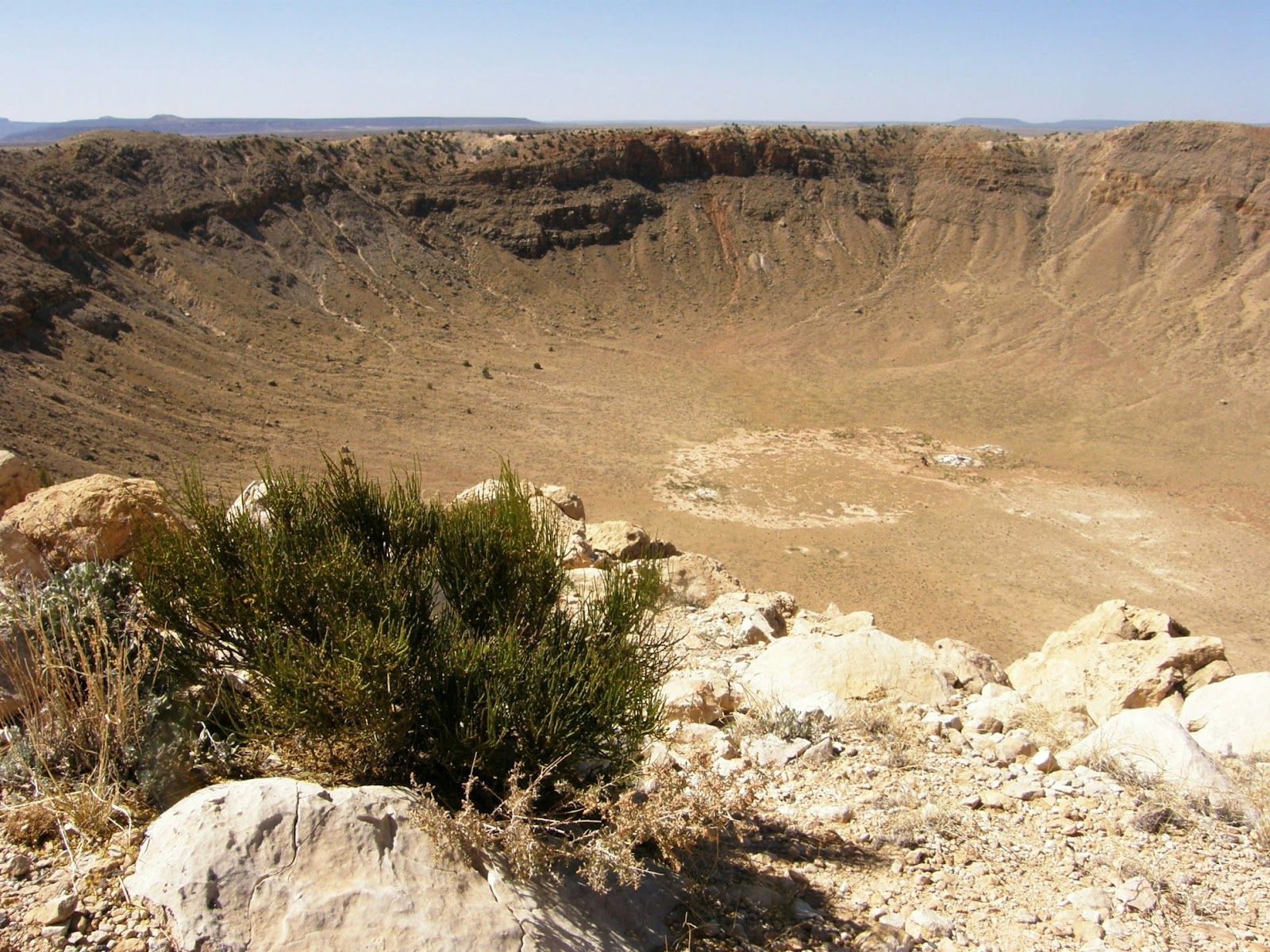
Image: John Ballem - a collection of personal photos

Arizona’s desert landscape holds one of the most famous impact sites on Earth: Meteor Crater. This massive depression, measuring about 3,900 feet across and more than 500 feet deep, was formed around 50,000 years ago when a large iron meteorite struck the ground with unimaginable force. It’s so well preserved that scientists have used it to study planetary impacts for decades.

3
California has the tallest, largest, and oldest trees
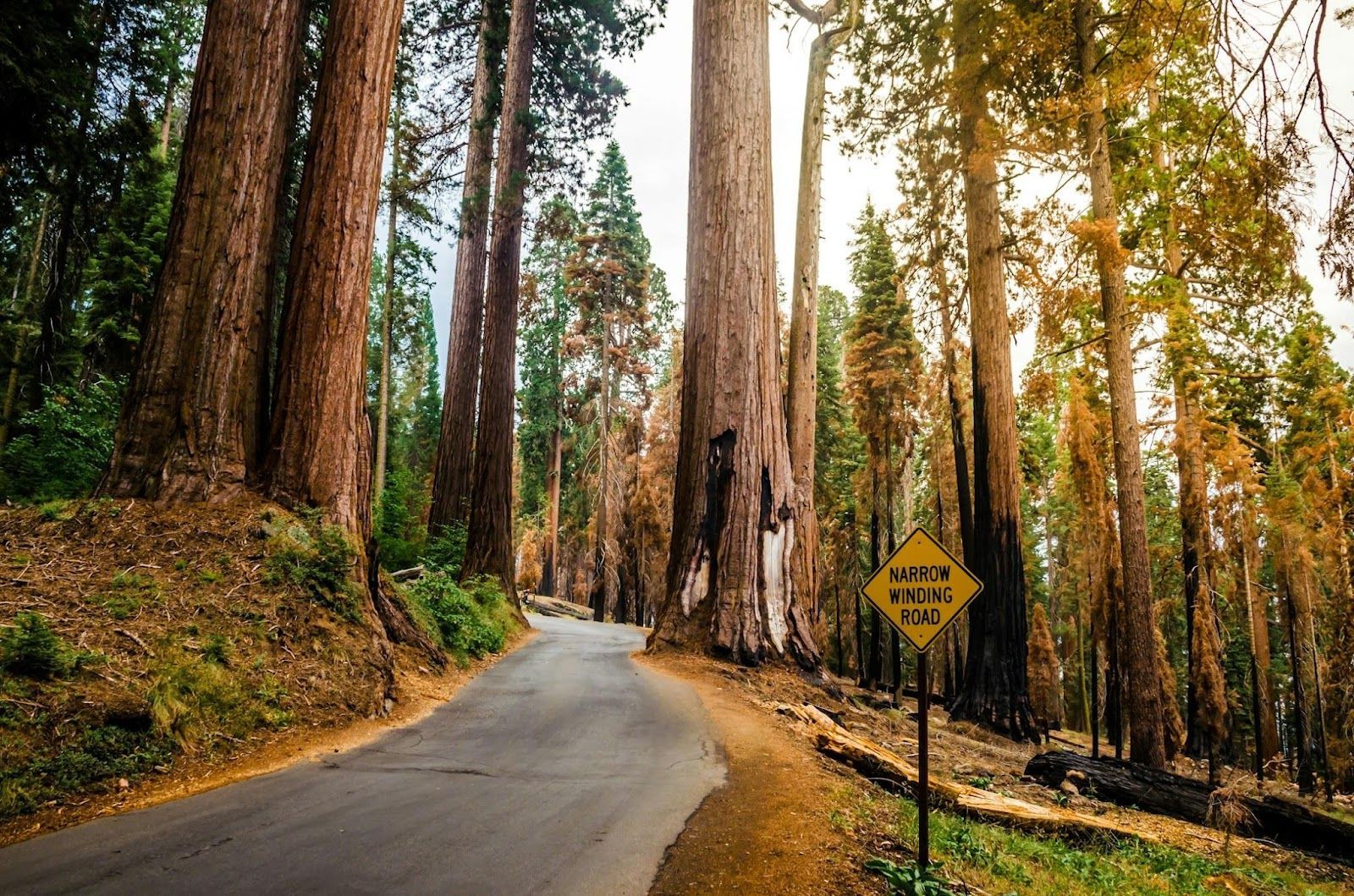
Image: Venki Allu

California is home to some incredible tree-based records. On the northern coast, redwoods grow routinely over 300 feet, and represent the tallest tree species on Earth. In addition, giant sequoias hold the record for the largest trees by volume, and bristlecone pines in eastern California are among the oldest living trees on the planet, some reaching more than 4,800 years of age.

4
Colorado contains the highest paved road in North America
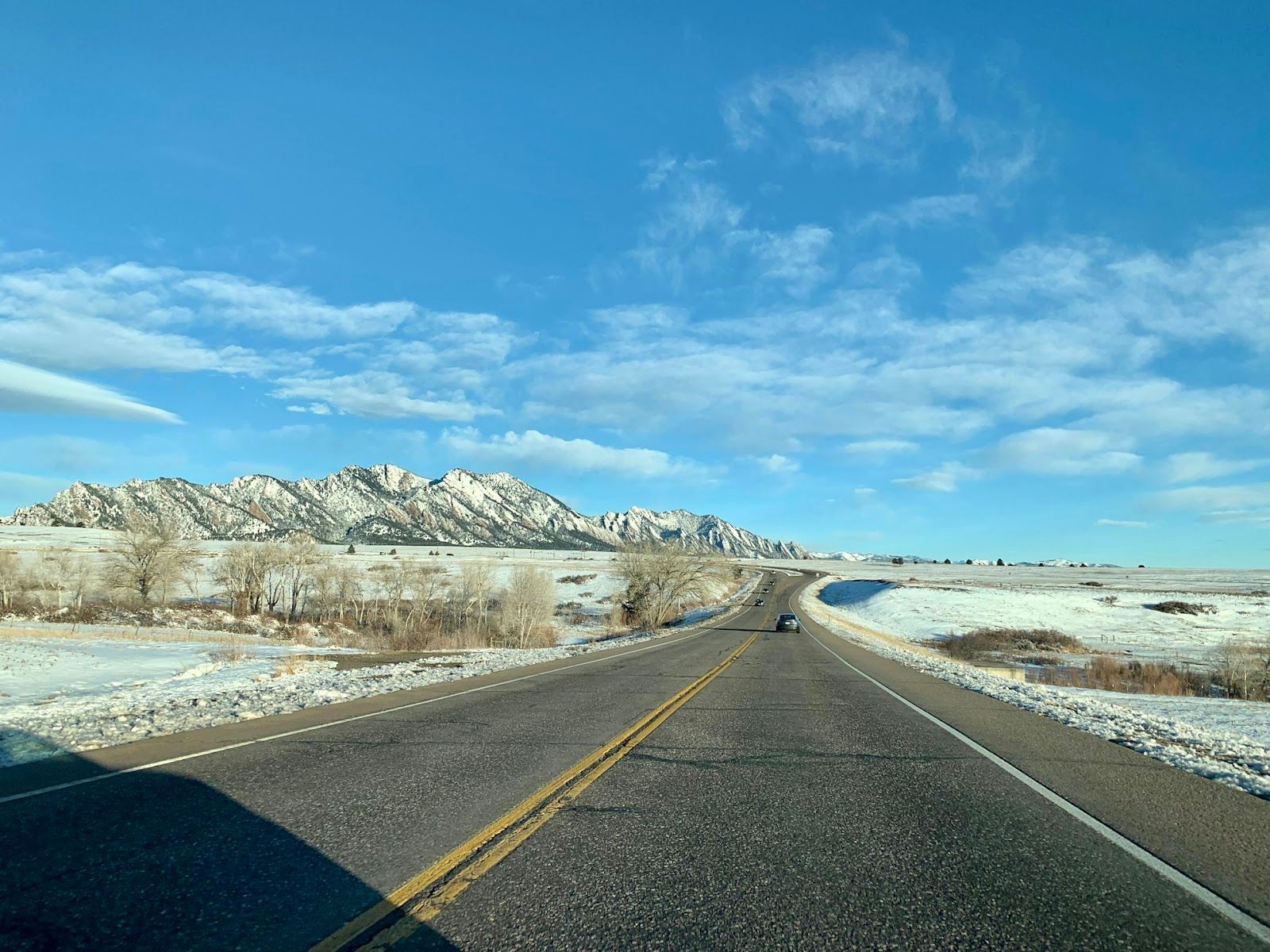
Image: Jonathan Speek

Colorado’s mountainous terrain makes it a paradise for scenic drives, but one road stands above all the rest. Literally.

The Mount Blue Sky Scenic Byway climbs to over 14,000 feet above sea level, making it the highest paved road in North America. It visits Echo Lake Park, the Mount Goliath Natural Area, the Dos Chappell Nature Center, and Summit Lake Park, and culminates in the highest peak of the region, Mount Blue Sky (formerly known as Mount Evans). A fee is charged to travel State Highway 5 to the summit, and vehicles over 30 feet long are not allowed for safety reasons.

5
Florida is the only state that borders both the Atlantic and the Gulf
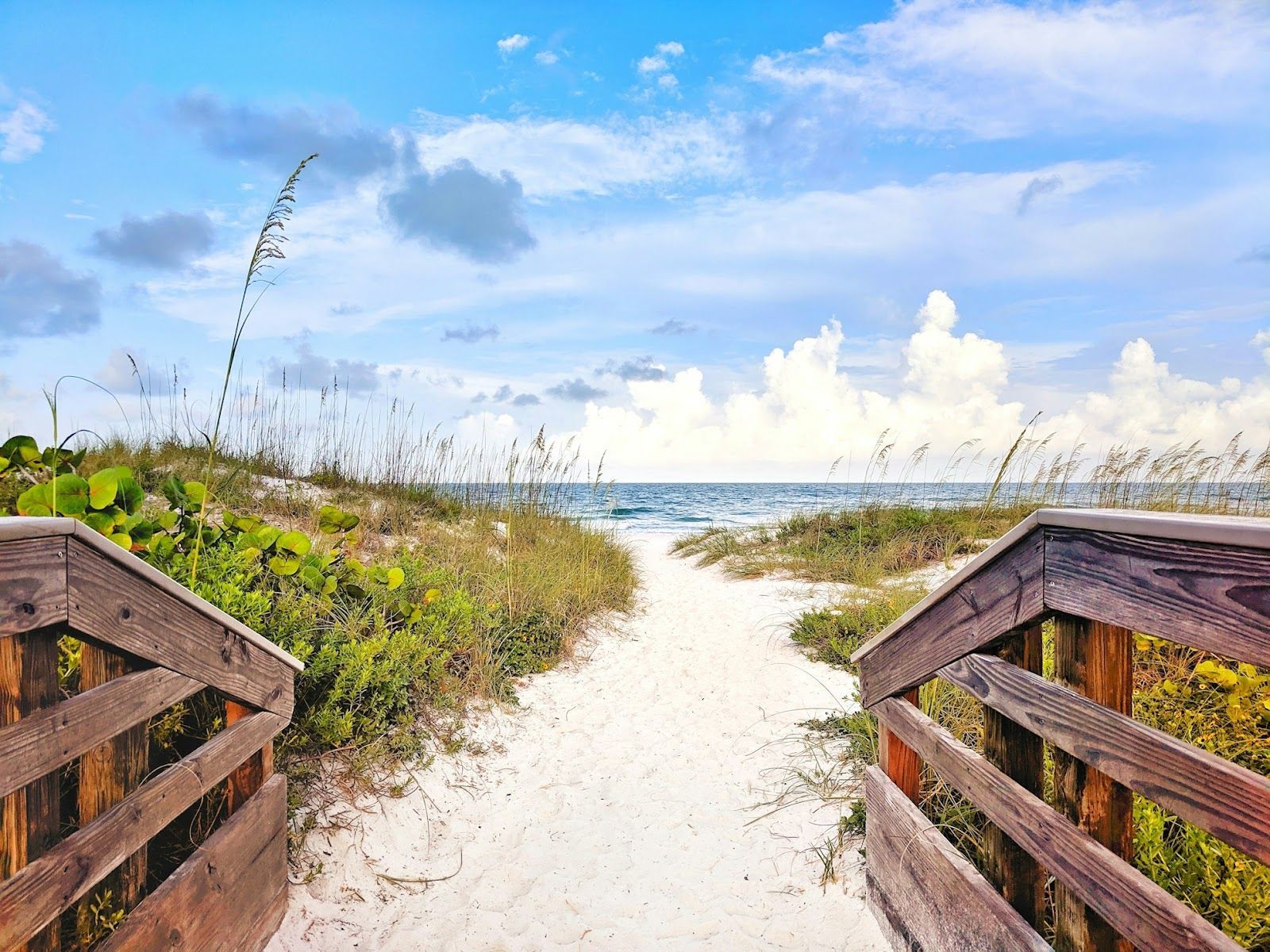
Image: Igor Oliyarnik

Florida’s location gives it a special geographic distinction. It is the only U.S. state that borders both the Atlantic Ocean and the Gulf of America, known globally as the Gulf of Mexico.

This unique positioning helps explain why Florida has so many beaches, marine ecosystems, and one of the longest coastlines in the country, second only to the aforementioned Alaska.

6
Hawaii grows coffee commercially

Image: Clint McKoy

Coffee production in the United States is rare, but Hawaii, sitting in the Pacific Ocean about 2,000 miles southwest of the U.S. mainland, is one of the few places where it happens on a large scale. The state’s volcanic soil and tropical climate make perfect conditions for growing coffee, especially the famous Kona coffee grown on the slopes of volcanoes on the Big Island.

7
Kansas is flatter than a pancake, sort of
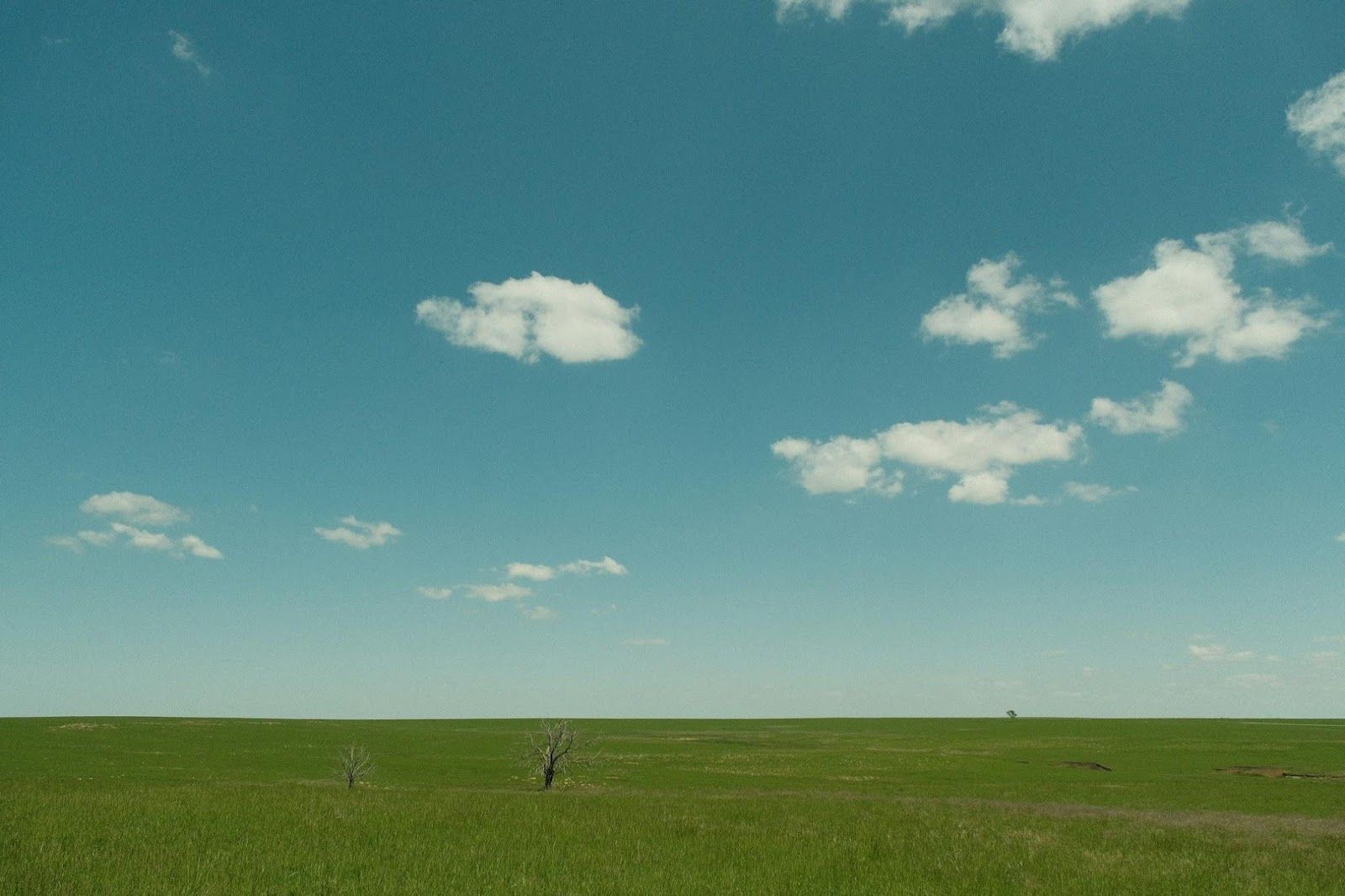
Image: Joel Heaps

Kansas has long been joked about as being extremely flat. But, in 2003, researchers from the geography departments of Texas State University and Arizona State University took the matter to the lab, and worked to mathematically determine if Kansas is actually flatter than a standard pancake purchased from IHOP.

The researchers concluded that, mathematically speaking, Kansas is actually flatter than a pancake when measured over large distances. The study became famous for both its humor and its unusual approach.

8
Louisiana has parishes instead of counties
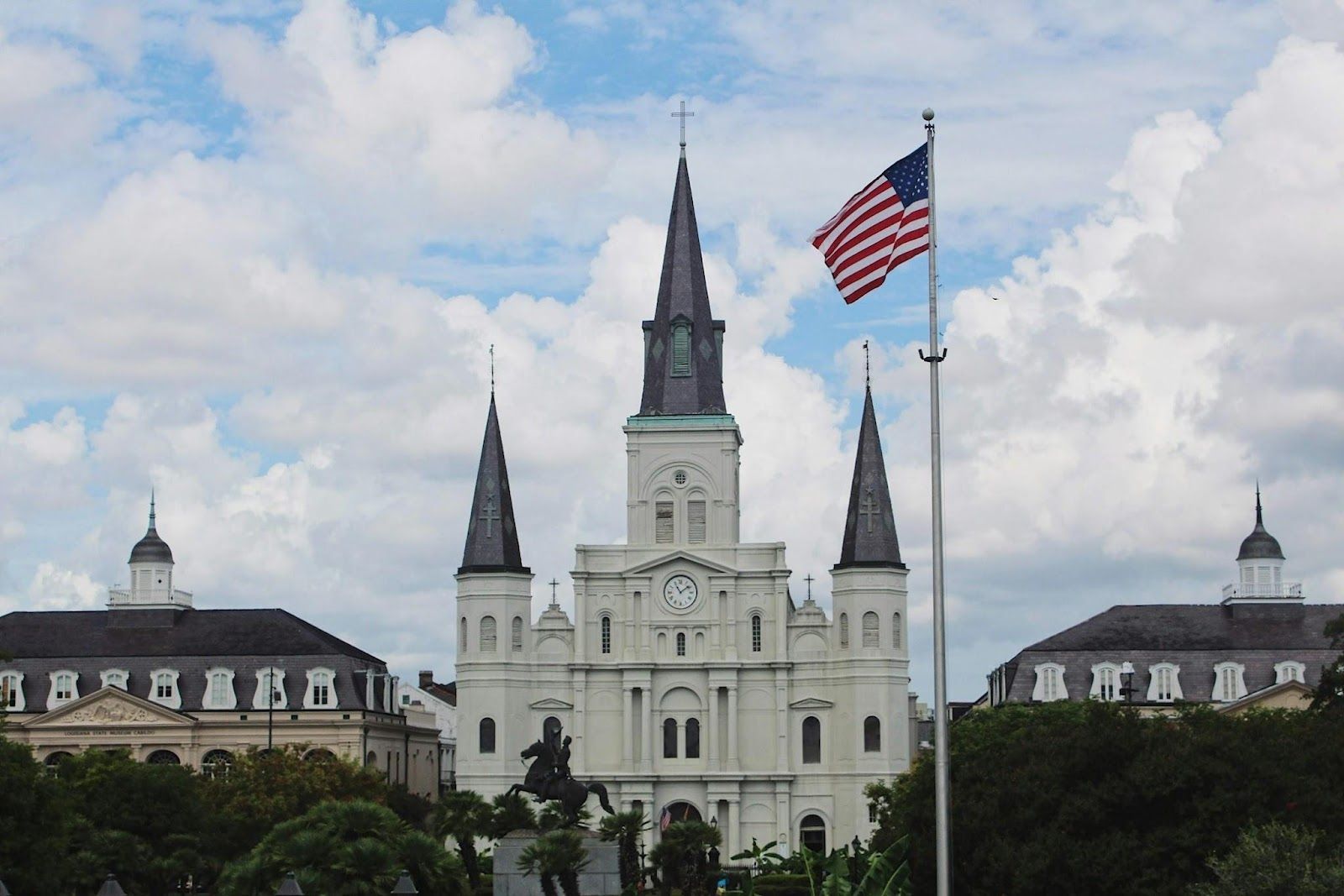
Image: Heather Doty

48 of the states divide their local governments into counties. Alaska uses the term boroughs. Louisiana, however, is divided into parishes . The reason lies with the state's early history with the Roman Catholic Church.

A parish , in many Christian denominations, is a territory under the care and jurisdiction of a priest. Before the Louisiana Purchase in 1803, the region had been under both French and Spanish influence, both catholic countries. When the state of Louisiana joined the Union in 1812, it had already inherited an organized system of administrative units derived from those used by the catholic church. Eventually, when a new state constitution was ratified in 1845, local tradition won, and the name parish stuck.

9
Nevada is the most mountainous state
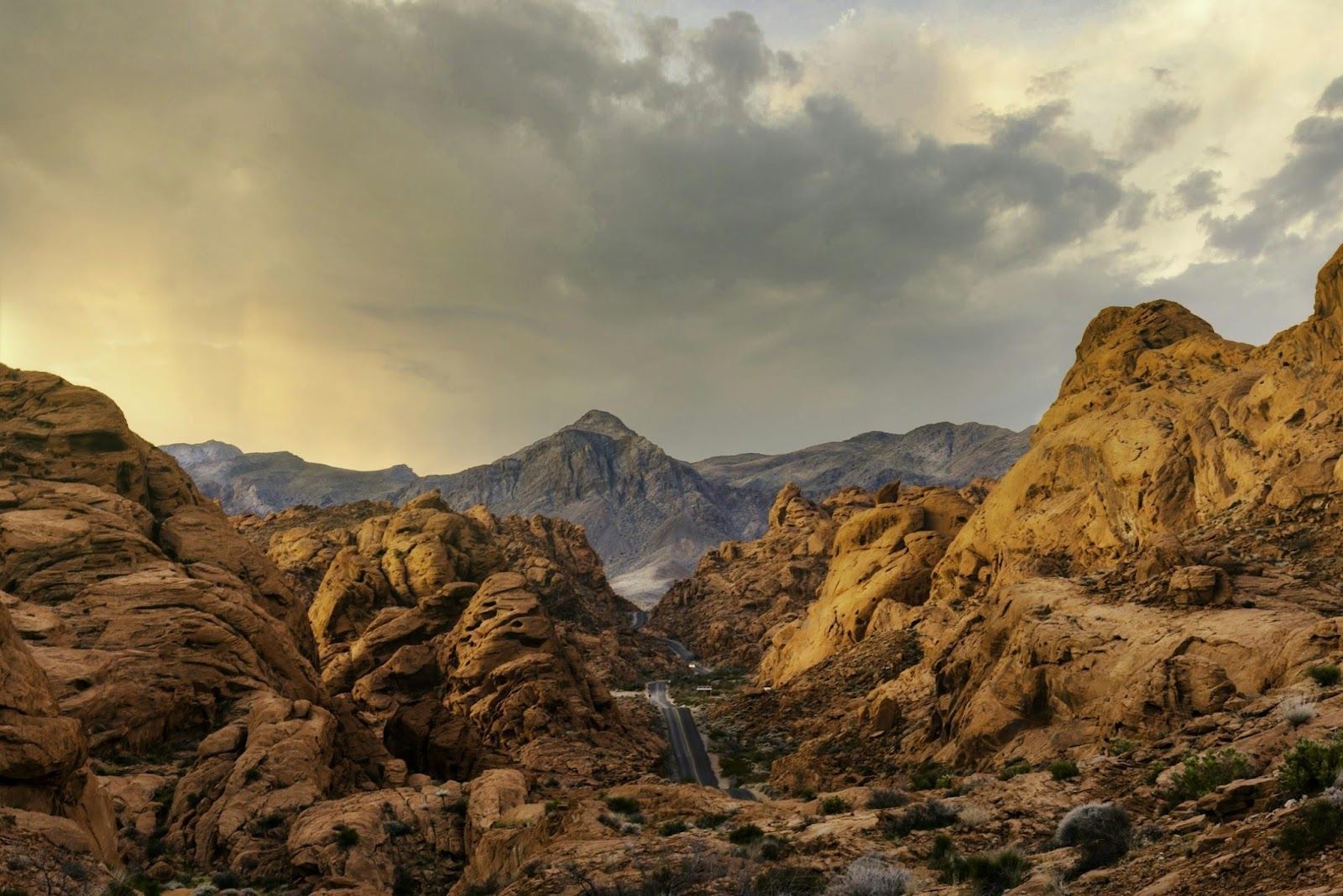
Image: joel protasio

When people think of Nevada, they often picture either endless deserts or the chaotic energy of Las Vegas, with its world-famous hotels and casinos. But Nevada is a very large state (the 7th largest overall), and its 110,572 square miles are filled with mountains.

Nevada contains more mountain ranges than any other state in the country, over 300 of them, thanks to the geological stretching of the Basin and Range region. These mountain ranges create isolated valleys that serve as refuges for endemic species.

10
Oregon has a lake inside a volcano
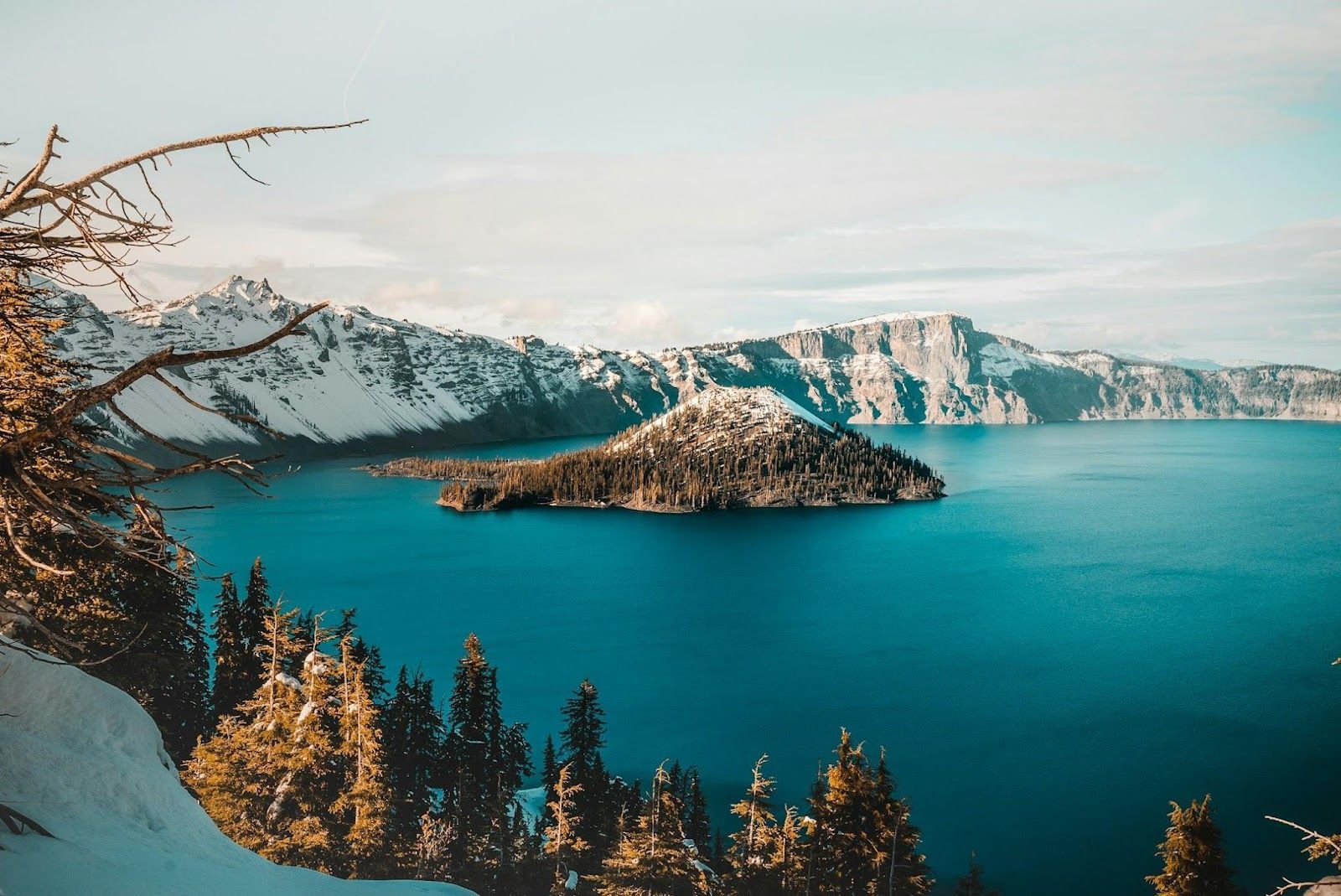
Image: Jeff Hopper

Oregon is home to Crater Lake, one of the many stunning natural sights in the US. It formed inside the collapsed caldera of an ancient volcano called Mount Mazama. No river flows in or out of the lake; the system stays stable because evaporation is compensated by rain and snowfall.

Crater Lake is the deepest lake in America, reaching depths of nearly 2,000 feet, and its intense blue and water clarity solidify it as one of the country's most sought-after tourist destinations.
Culture Culture 2 min read

Wild words

Hold your horses! 10 phrases born on the American frontier

Image: Documerica

The American frontier shaped more than just maps—it shaped the way people talked. From cattle trails to mining camps, settlers coined many blunt and vivid expressions that have stuck. These everyday phrases still carry the grit of survival, the humor of hardship, and the improvisation of a world built fast. Here are 10 common sayings whose roots run straight into frontier soil.

1
Circle the wagons

Image: Dana Davis

Pioneer wagon trains literally circled their wagons at night for protection.

Creating a closed ring helped shield families, livestock, and supplies from raids, wild animals, and harsh weather—and the formation later evolved into a metaphor for any type of unified, defensive action.

2
Hold your horses

Image: Cemrecan Yurtman

Frontier riders needed to keep horses steady at all times, but particularly in chaotic and potentially dangerous settings like stage stops and river crossings.

By the mid-1800s, the phrase became a common command, later evolving into a figurative call for patience.

3
On the warpath

Image: Andrew James

This term originated as an English rendering of a Native American expression for wartime mobilization—specifically the route or course taken toward an impending conflict.

Euro-American settlers later adopted the phrase, and by the late 19th, century newspapers were using it metaphorically to describe anyone behaving aggressively or angrily.

4
Branding iron

Image: Jonny Gios

Ever wonder where the term "brand name" comes from? Frontier ranchers used heated irons to mark ownership on their cattle.

The idea of a distinctive identifying mark later moved into the commercial world, where "brand name" came to signify a recognizable product or company identity.

5
Come hell or high water

Image: Furkan Elveren

Ranchers driving cattle across rough terrain used this phrase to signal determination despite floods, storms, conflict, and whatever else the wild frontier could throw at them.

The earliest known printed use appears in an 1882 issue of The Burlington Weekly Hawk Eye, an Iowa newspaper. Railroads later adopted it in contracts requiring delivery despite natural obstacles.

6
Riding shotgun

Image: Paul Einerhand

In Wyatt Earp’s era, the seat beside a stagecoach driver was reserved for an armed guard carrying a shotgun to deter bandits.

By the early 20th century, the job had vanished, but the expression endured as a casual claim for the front passenger seat.

7
Belly up to the bar

Image: Vidar Nordli-Mathisen

Saloon bars on the frontier often lacked stools, so patrons had to stand and lean their bellies directly against the counter.

The phrase soon came to mean approaching something boldly, whether at a bar or any other challenge.

8
Kick the bucket

Image: Lucas van Oort

Rural butchers often suspended animals from a beam called a "bucket," and they sometimes kicked during slaughter.

The phrase was popular on farms and frontier towns, eventually becoming a euphemism for dying.

9
Dead ringer

Image: Annie Spratt

Frontier horse racers engaged in plenty of shady practices—and one of the most common was substituting a horse with a look-alike, a "ringer," to scam bets.

When the substitute was an exceptionally close match, it was called a "dead ringer," emphasizing its perfect likeness.

10
High noon

Image: CHUTTERSNAP

Before standardized clocks or reliable rail schedules, "high noon" was an easy way to tell time by noting the sun at its highest point.

It also became associated with showdowns and other events because midday offered the clearest visibility.

Culture Culture 7 min read

CHILDHOOD WONDERS

Relive Your Childhood With 10 Of The Most Popular Toys!

Image: Vanessa Bucceri

Toys are usually a child’s first companions: They were there when we were lonely or bored, they taught us through playtime and maybe even allowed us to meet our first real-life friends with whom to share the treasures in our toy box. Since the dawn of our country, a myriad of toys and games have defined each decade, creating wonderful memories in the minds of generations of American children.

We have selected ten of the most iconic toys that have truly defined the lives of countless Americans. Is your favorite toy from your childhood on this list? Keep on reading and enjoy!

1
Teddy bear

Image: Oxana Lyashenko

We’ll start with the surprising origins of a global icon. While there is some debate as to the country of origin of the teddy bear, there’s absolutely no doubt as to where the furry companions of our childhood got their names. And, considering that the source of the teddy bear’s name comes from the highest office in the United States government , we think we can safely state that this toy is truly an American icon.

In 1902, President Theodore Roosevelt was invited on a hunting trip to Mississippi, on which his group cornered and tied a black bear to a tree for the president to shoot. Displeased by what he thought was unsportsmanlike behavior, the President refused and the bear was freed. This story was published in many national newspapers, and it quickly became extremely popular. So much so, that a Brooklyn businessman designed a small, cuddly bear and advertised it on his shop as "Teddy’s bear" . And just with that, our 26th President unwillingly named this quintessential toy.

2
Super Soaker

Image: Steward Masweneng

If you were a kid during the 80s or 90s, you probably played with the extremely refreshing Super Soaker on a hot summer day. This reimagined water gun featured an innovative design that added pressurized air for longer and stronger water bursts. Showcasing a futuristic design, the Super Soaker felt like shooting a sci-fi laser gun, which seems only reasonable considering it was created by a former NASA engineer.

In 1982, engineer Lonnie Johnson, who specialized in aerospace design, came across the idea of the Super Soaker while conducting an experiment in his house. Johnson’s prototype combined household items like a PVC pipe and a two-liter soda bottle. While rudimentary, this first design successfully shot powerful streams of water. The rest is history: Johnson was able to mass-produce his design, and the Super Soaker became the summer toy for millions of American children.

3
Slinky

Image: Adam Valstar

Just like with the Super Soaker, the man behind this iconic toy was a successful American engineer. In 1943, while investigating a way to suspend sensitive equipment aboard ships, naval engineer Richard T. James accidentally dropped a torsion spring he was working with. James noticed the curious way in which the spring kept on moving after hitting the ground, and with that, the idea of one of the most beloved toys of the 20th century was born.

Richard and his wife Betty initially made 400 "Slinkys", which were first carried by a department store in Philadelphia for Christmas 1945. This first production was sold in less than 90 minutes , and the Slinky quickly proved to be an instant success. To this day, approximately 300 million Slinkies have been sold all over the world.

4
Rubik’s cube

Image: Olav Ahrens Røtne

Let’s deal with the elephant in the room first: No, the Rubik’s Cube is not an American invention. However, just like the rest of the world, this tricky puzzle took the United States by storm during the 70s and 80s, so it seemed only fair to add this beloved toy to this list. In the 1970s, Hungarian architecture professor Ernő Rubik designed the first prototype of the Rubik’s cube, as a way to create a system with parts that could move independently. However, he realized he had built a rather entertaining puzzle when he tried to restore the sides of his cube. Rubik applied for a patent in Hungary and started selling his "Magic Cube" by 1975.

By the 1980s, the Rubik’s Cube became a global sensation. It is reported that over 200 million cubes were sold between 1980 and 1983. In America, this puzzle immediately gained status as a cultural icon: In 1981, the Museum of Modern Art in New York exhibited a Rubik’s cube, while the 1982 World's Fair in Knoxville, Tennessee featured a six-foot version of the toy.

5
G.I. Joe

Image: Justin Wilkens

In 1963, Manhattan inventor and licensing agent Stanley Weston came up with the idea of a military action figure . Perhaps unbeknownst to him, Weston’s prototypes would soon inspire G.I. Joe, the first toy to teach American children about how every U.S. soldier can be a superhero to treasure and admire.

Produced by Hasbro, the G.I. Joe series encompasses countless action figures throughout their almost 60 years of history. Most of the toys feature the titular "G.I. Joe Team", a league of military heroes that defends the world from the evil deeds conducted by the "Cobra" organization.

6
Frisbee

Image: Patrick Reynolds

If any kid playing around with a cool stick they found lying can teach you anything, it doesn’t take much to make a fun toy that children will enjoy. Case in point: In 1937, Walter Frederick Morrison and his future wife Lucille realized how fun it was to toss a popcorn can lid back and forth. After WW2, Morrison worked on several designs until, in 1955, he designed "the Pluto Platter" , the very first version of what we now know as the Frisbee.

The story behind the name of this iconic toy is rather interesting. Wham-O, the company behind the commercialization of the Pluto Platter, realized that Yale University students were calling their product by another name. Since the plastic discs resembled empty pie tins , they called them "Frisbies" after the Frisbie Pie Company, a pie supplier for the university.

7
Barbie

Image: Elena Mishlanova

Barbie truly needs no introduction : She’s definitely the world's most famous doll, selling over six billion units in its 60-year history. She has been featured in a myriad of TV shows and movies, including an Academy Award-winning live-action film in 2023. With such a prolific and wondrous career, it’s easy to forget how Barbie's story started: With an innovator watching her daughter play.

One evening in the 1950s, businesswoman Ruth Handler noticed that, whenever her daughter played with paper dolls, she enjoyed pretending they were adults. At the time, most dolls depicted infants and babies, so Handler created the prototype of an adult-bodied doll, which she named "Barbie" after her daughter Barbara. On March 9, 1959 (a date which is now Barbie’s official birthday), the very first Barbie doll was presented at the American International Toy Fair in New York City.

8
Hula hoop

Image: Patricia Prudente

The hula-hoop is definitively the oldest toy on this list: Archaeologists believe that children and adults played with hoops of some kind since at least 500 BC. However, in 1958, a plastic hoop launched by American toy company Wham-O became insanely popular, and with that, the hula-hoop mania was born.

Named after its resemblance to the hip movements of the traditional Hula dance, the hula-hoop is still a remarkably popular toy . Not only that, hooping is considered an excellent and fun exercise, promoted as an excellent way to improve cardiovascular health.

9
View-master

Image: Girl with red hat

Just like the Slinky, the View-Master wasn’t originally conceived as a kid’s toy. And, to be perfectly honest, at its core it is truly an entertainment experience for all ages: An innovative and fresh way of enjoying beautiful images and scenery. However, it wouldn’t be right not to include this wonderful device in this list, since it has touched the hearts of thousands of American children since 1939.

Created by pharmacist Edwin Mayer in Portland, Oregon, the View-Master was introduced at the 1939 New York World's Fair. While its original intent was to provide an alternative to postcards, over time it included cartoons and short stories aimed at children. Famously, the View-Master’s most popular reels featured Disney and Hannah Barbera characters.

10
Legos

Image: Xavi Cabrera

We’ll end this list with an absolute classic . With over 75 years of history and no sign of slowing down, Legos have truly shaped the lives of millions of children around the world. The true beauty of these colorful bricks is that they are only limited by children’s imagination which, we are sure you’ll agree, is definitively limitless. In the right hand, a single plastic brick can be the start of a giant dinosaur, a spaceship, or a bell tower.

The humble beginnings of Lego come from the town of Billund, Denmark, where a carpenter named Ole Kirk Christiansen started making wooden toys in 1932. Christiansen named his company "Lego" after the Danish phrase leg godt , which translates to "play well". By the end of the 1940s, the company was already producing an early version of its iconic interlocking bricks, now considered a completely ubiquitous cultural icon.

Explore more American facts

Choose your favorite category!

General
General

As American as apple pie—the very best America has to offer!

Culture
Culture

Delve into the astounding richness of American lore.

Geography
Geography

Hop in and explore vast and diverse American landscapes.

History
History

Discover the key moments that shaped the United States.