History History 4 min read

Dystopian spoilers ahead

No Michael J. Fox as Marty McFly? 12 films nearly turned out differently

Image: Roger Ce

It’s hard to imagine classic movies with different stories or characters than the ones we know today, but there are many examples of Hollywood blockbusters that were originally supposed to be very different—and, thanks to wise (or accidental) decisions, were changed for good. Imagine Back to the Future without Michael J. Fox, or a version of Jaws where the shark swims away. It sounds wild, but it nearly happened. Here are some surprising what-ifs from iconic films that just missed the cutting room floor.

1
More Jaws
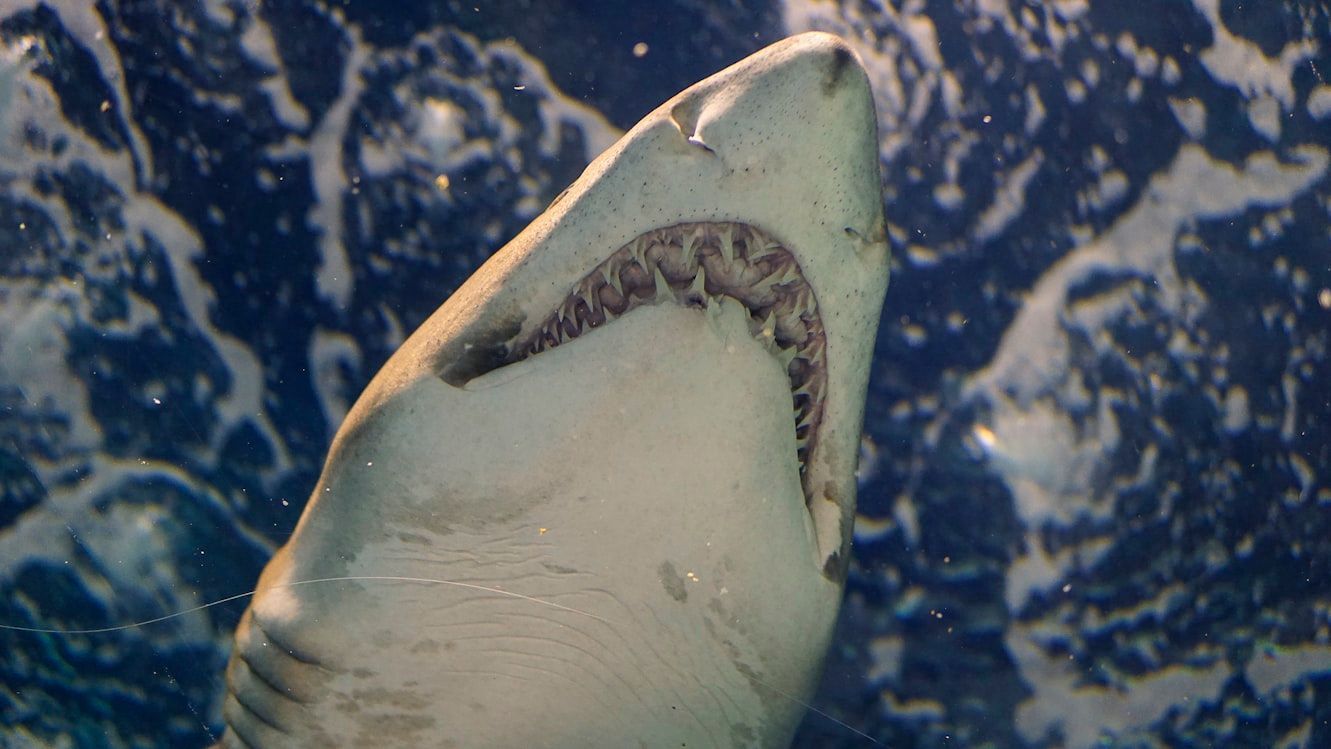
Image: Karen Zhang

One early idea for the Jaws ending involved not one shark, but several . After the first was killed, Brody would’ve seen more fins approaching , hinting the threat wasn’t over.

Another scrapped version, closer to the novel, had the shark drift away after being harpooned, leaving Brody alone at sea. Both endings were dropped in favor of the explosive finale we know today.

2
Titanic’s Jack & Rose
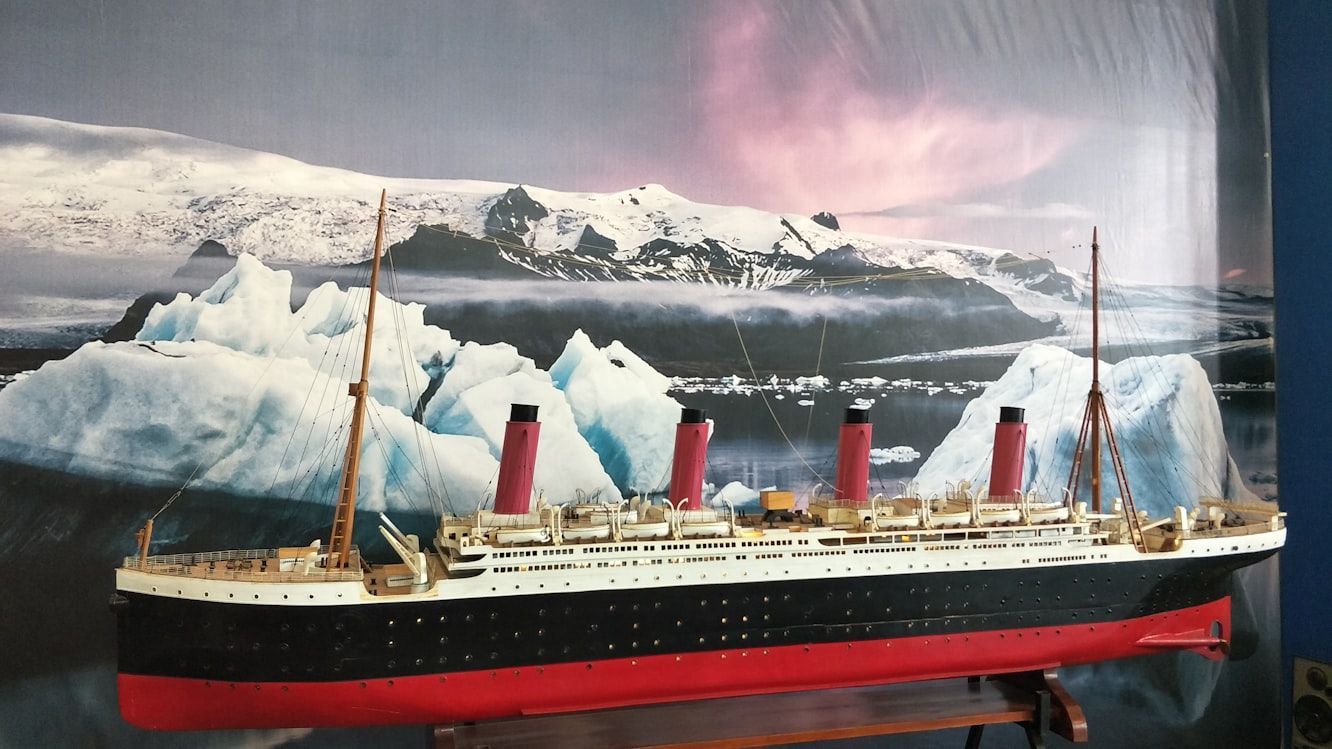
Image: Edwin Petrus

Claire Danes, best known at the time for Romeo + Juliet , turned down the role of Rose in _Titanic_—and says she has "no regrets" today. It’s tough to picture anyone but Kate Winslet in that part.

Matthew McConaughey also came close to playing Jack. He was confident he had the role, but Leonardo DiCaprio ultimately got it.

3
Psycho, in Technicolor
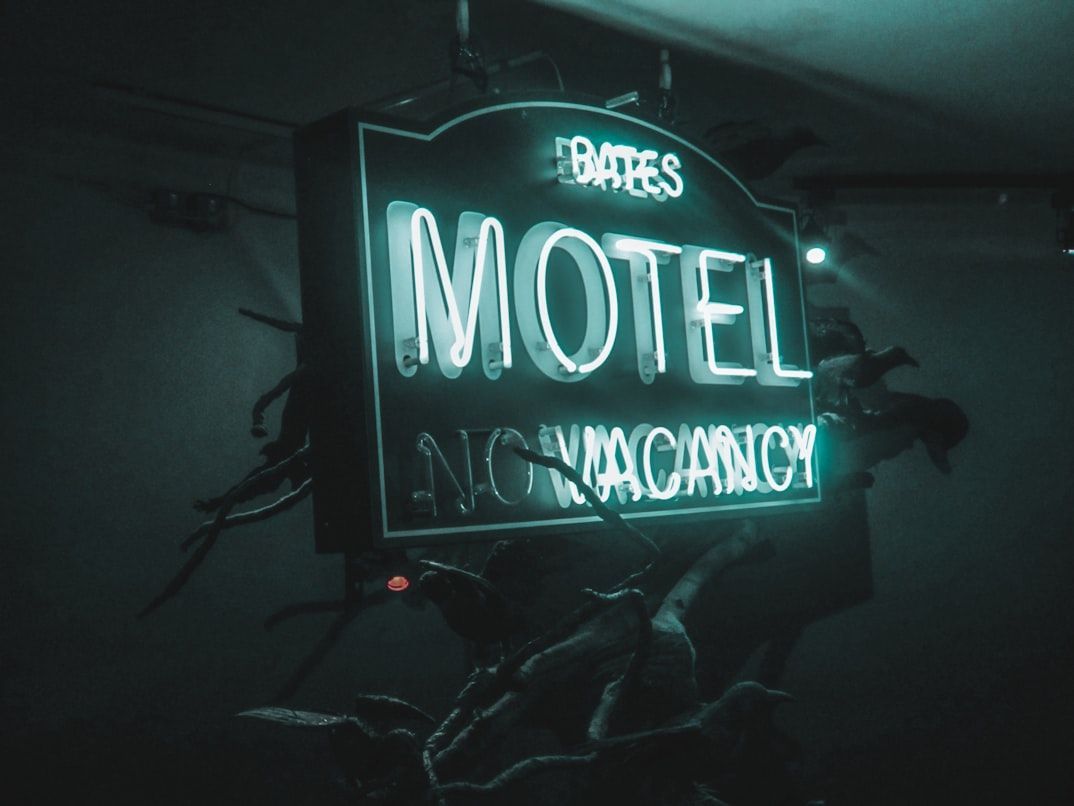
Image: Maxime Roedel

These days, many assume Alfred Hitchcock shot Psycho in black and white for artistic or symbolic reasons. It turns out that it was just a budget issue .

Paramount found the concept too "distasteful," so Hitchcock financed the film himself. Despite its now-legendary status, the studio initially gave it only a limited release.

4
When Harry Almost Didn’t Meet Sally

Image: Nur Fadhillah Fajarudeen

Director Rob Reiner began When Harry Met Sally after his divorce, feeling cynical about love. Originally, the film was written so that Harry and Sally would remain just friends.

But during production, Reiner fell in love again—and changed his mind. The ending was rewritten so the two characters end up together , giving the rom-com its iconic, heartwarming finish.

5
Saturday Night Gump
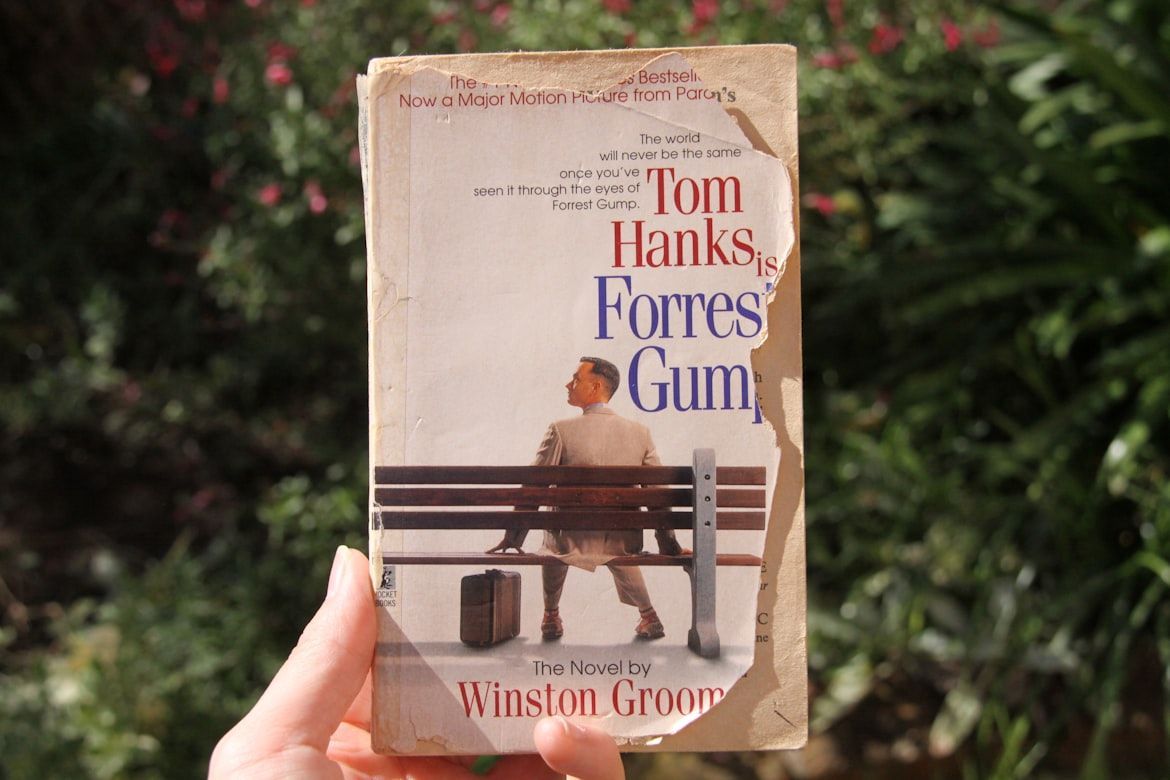
Image: Yosuke Ota

Believe it or not, John Travolta was originally offered the role of Forrest Gump —but he turned it down, and the part went to Tom Hanks instead.

Still, Travolta went on to star in Pulp Fiction , which became a huge hit, so in the end, it worked out for everyone.

6
Pretty Sad Woman
Image: Krists Luhaers

The original Pretty Woman script—titled _3000_—was a dark drama about sex work, ending with Edward leaving Vivian. It had little romance or humor and was meant to serve as a cautionary tale.

Al Pacino and Michelle Pfeiffer once auditioned, but things changed after Julia Roberts and Richard Gere were cast. Their charm shifted the tone, and rewrites led to the romantic ending we know today.

7
The Slaptrix

Image: Markus Spiske

Will Smith was originally offered the role of Neo but turned it down. He has since praised Keanu Reeves’s performance in The Matrix and admitted he would have ruined the film.

Smith's a great actor, but it's tough to picture anyone but Reeves as Neo, dodging bullets in slow motion.

8
Fatal Attraction

Image: Pawel Janiak

Screenwriter James Dearden disliked the altered ending to Fatal Attraction . Originally, Alex framed Dan for her murder, but test audiences didn’t like it .

As a result, the team reshot the film’s climax, giving Alex a more conclusive fate. The new version offered clearer consequences and closure, making it far more satisfying for viewers.

9
Ghost Smashers
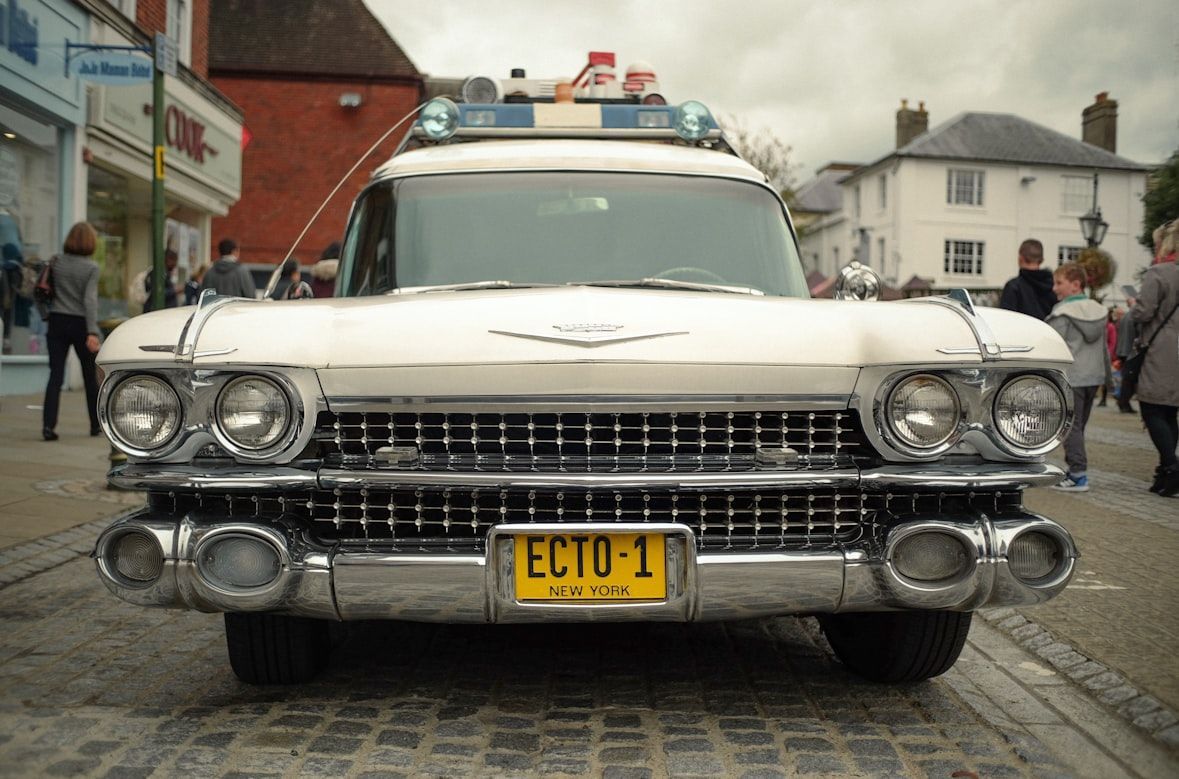
Image: Viktor Forgacs

Dan Aykroyd’s original Ghostbusters concept—called _Ghost Smashers_—was a wild sci-fi adventure involving time travel and dimension-hopping .

Filmmakers simplified the story, shifting the focus to ghost-catching instead. That change transformed it into the hilarious, iconic classic we know today.

10
No Marty McFly

Image: Roger Ce

Eric Stoltz was originally cast as Marty McFly in Back to the Future, and even filmed several scenes. However, director Robert Zemeckis and producer Steven Spielberg felt that Stoltz didn’t embody the comedic, fun-loving spirit they were looking for.

As a result, Michael J. Fox was brought in to play the iconic Marty—and the rest is history. It’s hard to imagine the film without Fox’s perfect balance of humor and charm.

11
No Michael Corleone

Image: Enrique Bancalari

Al Pacino nearly missed out on playing Michael Corleone in The Godfather . Director Francis Ford Coppola had doubts about Pacino’s fit for the powerful role, and stars like Jack Nicholson and Robert Redford were also considered .

Luckily, Pacino was cast, and his intense, layered performance became iconic. His portrayal added depth that helped make the film a lasting classic.

12
Gone With No Lead Actress
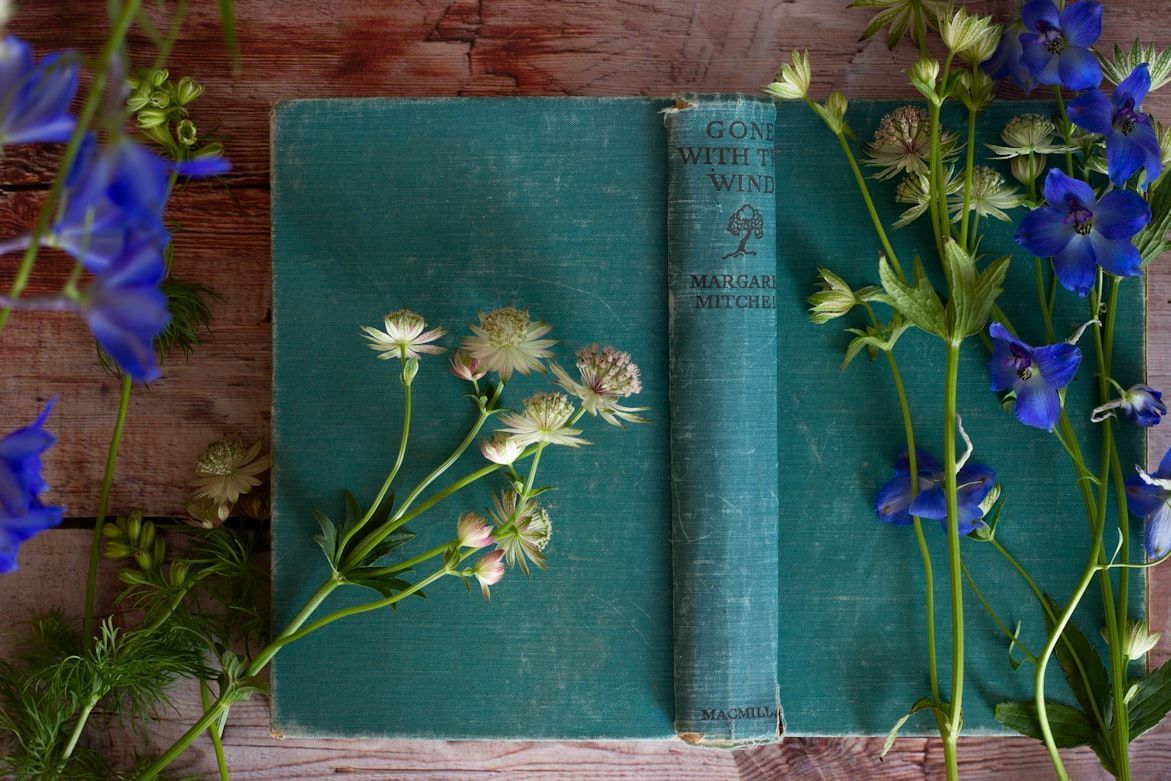
Image: micheile henderson

Gone With the Wind began filming without a lead actress, and Clark Gable was reportedly less than thrilled when Vivien Leigh was finally cast as Scarlett O’Hara.

The production faced creative clashes, including pushback on the film’s tone and even Rhett Butler’s famous line. Fortunately , "Frankly, my dear, I don’t give a damn" stayed in .

History History 6 min read

Out with the new, in with the old

Would you sit on a flagpole? 10 American fads from the early 20th Century

Image: Ali Bakhtiari

The early 20th century was a wild time in America, and the fads that swept across the nation were just as colorful and curious as the era itself. The world was changing for sure and teens had to find new ways to have fun and adapt to the evolving times. From that came some of the weirdest trends, and today we’re taking a look back at ten of the most popular fads that shaped the first half of the 20th century. You might even remember a few of these yourself, or perhaps you’ve heard stories from the "good old days." Let’s dive into these blasts from the past!

1
Dance marathons

Image: Ardian Lumi

Dancing has always been a praised activity for having some fun and passing the time. It’s simple and requires nothing but a music-playing device. So, back in the ‘20s, people felt the need to find a new twist for this basic entertainment and so they thought making dance marathons was a great idea.

How did they work? The concept was as simple as dancing: Couples would compete to see who could dance the longest all for a shot at cash prizes. But we’re not talking hours here—the contest could last for days! Audiences watched in fascination (and a bit of morbid curiosity, we might add) as exhausted dancers pushed their bodies to the limit. Remember, this was a time when missing out on a chance for quick money and a bit of fun was not a possibility!

2
Flagpole sitting

Image: Jonathan Simcoe

We don’t know if he was trying to break a record or if he just needed some alone time, but after Alvin "Shipwreck" Kelly climbed atop a flagpole in 1924 and stayed there for over 13 hours, a new fad was born: flagpole sitting.

And speaking of basic trends, this is exactly as you read it: People all over America were climbing up and sitting on flagpoles to see how long they could stay up there. We can all agree that these people were after entertainment and a bit of competition. And it got so serious the record eventually stretched to an astonishing 49 days!

By the 1930s, though, the thrill wore off and the fad faded, but the absurdity of it all remains—and earned it a spot on this list!

3
Stickball and stoopball

Image: Jeremy Stewardson

Sports today are no longer just about playing the game. For most of them, you need a lot of equipment, which is rather expensive, especially if you’re going to use it in the streets with your friends from the block.

Back in the ‘20s, baseball equipment was hard to come by. As a result, American kids in crowded urban areas came up with their own inventive versions of the game: stickball and stoopball. The fun behind this trend? Using whatever they had on hand to play: Broomsticks for bats, rubber balls, and parked cars or stoops as bases. The games required nothing more than creativity and a few friends. And no one can deny—the 1920s were indeed a creative time!

4
Johnny on a pony

Image: freestocks

This is a trend that started in the 1940s, and the names used for this game are simply hilarious: "Strong horses, weak donkeys," "Hunch, Cuddy, Hunch," just to name a few.

Johnny on a Pony, or Buck Buck, was a rough-and-tumble game in which one team bent over to form a "horse" while the other team took turns jumping on their backs, trying to knock them over .

You may think this was innocent, but not quite—it was chaotic, sometimes painful, and, more often than not, left participants in a pile of tangled limbs.

Kids do not care for those things, but the game’s physical nature made it exhilarating and dangerous at the same time. That’s why, eventually, concerned parents and schools stepped in and banned it—one too many injuries to keep it going!

5
Drive-In movie theaters

Image: Tim Mossholder

Movie theaters are great, but drive-in movie theaters are even better—they were the ultimate fusion of America’s love for cars and entertainment.

The first official drive-in theater opened in 1933, and it was an alternative for families to a fun and affordable night out under the night sky, watching a movie from the comfort of their car . No wonder this quickly became a beloved American pastime. And you can already imagine whose favorite this was: Teens and young couples, who enjoyed the privacy of their cars while watching the latest films of the time.

The trend slowly faded as film rentals became more popular, and later with the rise of streaming platforms. However, keep an eye out for this one, because it’s definitely making a comeback!

6
Miniature golf

Image: Will Porada

Some may argue that the fad behind miniature golf never actually died, and that’s partially true. But let’s go back to the time it first appeared and all the craze that erupted around it.

It wasn’t until Garnet Carter opened his "Tom Thumb" golf course in 1927 that miniature golf became a true sensation . Located in Lookout Mountain, Tennessee, Carter’s course wasn’t just about putting greens; it also featured miniature goblins, gnomes, and other fun obstacles for players.

We don’t know if he knew this would be so successful, but Carter went all in: He patented the design, and it hit the jackpot—miniature golf became a nationwide success.

7
Hood ornaments

Image: Clem Onojeghuo

Funny thing about the past: You didn’t always need to be extravagant to be trendy—sometimes, just a tiny ornament on your car was enough.

In the 1920s and ‘30s, no car was complete without a stylish hood ornament adorning its radiator . At first, these ornaments were designed to check on the engine temperature. But they soon evolved into artistic expressions of each brand to showcase wealth and personality.

We all recognize the winged goddess or the jaguar jumping out of the car, right?

However, this trend didn’t last long. As car designs modernized and safety became a concern, hood ornaments became less common, and eventually, all but disappeared. If you see a car with one of these today, you can bet it’s worth more than one can get in a lifetime!

8
Kilroy was here

Image: Richard Cohrs

There are two generations: One is looking for Waldo, and the other is looking for Kilroy. Which one do you belong to? Now, if you’re wondering who Kilroy is, let us tell you.

Kilroy was a doodle, and the complete drawing consisted of Kilroy and a message that read "Kilroy Was Here." This graffiti popped up just about everywhere during World War II.

The doodle, featuring a bald, long-nosed figure peeking over a wall, was a symbol of American presence and humor. It’s said that Kilroy was originally the work of James J. Kilroy, a shipyard inspector who scrawled it on equipment he inspected.

But that was just the beginning—the drawing spread to every corner of the globe. Have you ever come across one?

9
Swing dancing

Image: Clarisse Meyer

Few things are as time-sensitive and culturally reflective of an era, don’t you think? In the early 20th century, specifically during the 1920s and 1930s, the dance that dominated every dance floor was swing . And it makes perfect sense—this was the Jazz Age, so swing dancing perfectly matched the exuberance of that music!

Dances like the Lindy Hop, Charleston, and Jitterbug took over dance halls, with young people spinning, jumping, and flipping to the infectious rhythm of big bands.

Older generations sometimes frowned upon the flashy, intimate dance styles, but that only made them more appealing to rebellious youth. Some things never change!

10
Stamp collecting

Image: Tolga deniz Aran

Philately is the collection of stamps or the study of them, and it became a fad across the United States during the 1920s and the ‘30s. Why? Here is the reason.

Stamps offered people a way to explore history, geography, and art. They were everyday items, easy to access, and nobody could escape them. For example, President Franklin D. Roosevelt was an avid stamp collector. Not that he needed them to learn about history or art—it was just a way to have fun.

Contrary to other trends we have discussed, schools encouraged this hobby, because it was both educational and enjoyable. Collecting stuff is a never-ending trend; there are all kinds of collections today and stamp collections today are almost invaluable!

General General 5 min read

TALES FROM AMERICAN TABLES

Celebrate Our Culinary History With These 10 Iconic American Dishes!

Image: Zulu Fernando

They say "The way to a person’s heart is through their mouth." If this old saying is to be believed, American dishes definitively have all it takes to make the world fall in love with them.

All 50 states have their signature dish that makes them unique, and we have chosen ten of the most delicious for your enjoyment. Ready to go on a tasty adventure ? Let’s go!

1
Beignets

Image: Jessica Tan

We’ll start with this Louisiana delicacy. This won’t be the last time you see an exquisite Louisiana dish in this article, since "the Pelican State" has a lot of meals to share with the world. Beignets are particularly popular in New Orleans, as this gorgeous city has been producing these iconic pastries since the 1700s.

While there are several European varieties of beignets, the ones served in Louisiana are usually rectangular in shape and deep-fried. They are usually consumed with coffee during breakfast, fresh from the frier, and with a healthy dose of powdered sugar on top. As you might have already figured out, beignets are the official state donut of Louisiana.

2
Chicago Pizza

Image: Matt Antonioli

Chicago-style pizza is sometimes considered a divisive subject, but we truly don’t understand why. Sure, this deep-dish delicacy inverts the established order of pizza, putting a hearty amount of tomato sauce on top of copious amounts of cheese.

However, as any 5th-grade math teacher can tell you, changing the order of the ingredients will not change the end result: In the end, Chicago-style pizza is just as delicious as traditional pizza. If you ever find yourself in "The Windy City" , treat yourself to a slice!

3
Texas Chili

Image: Artur Kornakov

While Texas is world-known for its delicious barbecue (on which the brisket reigns supreme), the official dish of "the Lone Star State" is its famous "Chili con carne". Texas-style chili's main distinction from its Mexican counterpart is its lack of beans: A traditional Texan "bowl of red" may contain a generous amount of beef and peppers, but never beans.

If you ever want to try some amazing chili from the birthplace of Texas style, you might want to visit the wonderful city of San Antonio : It was in this place that the "Queens of Chili" started selling their delicious recipes at affordable prices.

4
Boston Cream Pie

Image: Alonso Reyes

Beignets are not the only sweet treat you’ll find on this list. From the very heart of New England comes the delicious Boston cream pie . As its name suggests, this spongy pie is filled with cream and usually topped with a layer of chocolate.

The Boston cream pie is a long-standing symbol of everything "Bean City" has to offer: After all, it has been proudly produced in this city since at least the 19th century. According to legend, this pie was created in 1856 in the historic Parker House Hotel, by Armenian-French chef Mossburg Sanzian.

5
Philly Cheesesteak

Image: Niramay Kachhadiya

Just like their trademarked slang noun "jawn", Philly’s most iconic dish is an extremely versatile sandwich. The cheesesteak and Philadelphia are as synonymous as… Well, Rocky and Philadelphia. This sandwich is made from pieces of roasted beef, grilled onions and melted cheese served on a hoagie roll, so its popularity doesn’t really need to be explained.

If you are looking for someone to thank for this delicious fast food, you can pay homage to brothers Pat and Harry Olivieri. In the 1930s, these two Philadelphians created what most believe to be the very first iteration of the Philly cheesesteak in their hot dog stand.

6
Gumbo

Image: David Trinks

We told you that beignets weren’t the only Louisiana delicacy making it to this list. Gumbo is an exquisite Louisiana Creole stew characterized for always including three ingredients known as the Creole "holy trinity": celery, bell peppers, and onions.

While this dish has been synonymous with "The Pelican State" since at least the 19th century, gumbo gained national popularity in the 1970s, after the U.S. Senate added it to the dining room’s menu in honor of Louisiana Senator Allen Ellender.

7
New England Clam Chowder

Image: Kevin Lanceplaine

Looking for "warm food for the soul"? Then maybe New England can help: Just try a hearty bowl of clam chowder in any of the states that comprise this beautiful region. This iconic soup has been produced in New England since the 18th century, although it is now widespread throughout the entire nation.

While several variations exist, all clam chowder recipes include clams, potatoes, and onions. The three most popular variants are the New England or "white" recipe (which includes cream or milk), the Manhattan or "red" recipe (which includes tomato sauce), and the Rhode Island or "clear" version which includes neither dairy nor tomatoes.

8
New Mexico Green Chile Stew

Image: Acton Crawford

If you ever visit New Mexico, don’t be surprised if someone asks you the state’s official question "Green or Red?" No, it's not a confusing haiku nor a piece of experimental poetry: they are just asking which type of pepper you would like with your meal. That being said, you should keep this entry in mind before you give out your answer, since you might want to try a bowl of mouth-watering "Chile Verde" or green chile stew.

While there are many variations to this recipe, green chile stew usually includes green peppers (of course), pork, garlic, and green tomatillos . Its spiciness might vary depending on the type of pepper used, but it might go from mildly to extremely spicy.

9
Florida Key Lime Pie

Image: American Heritage Chocolate

You would think the orange, Florida’s most famous fruit, would be featured in The Sunshine State’s iconic dessert, but that honor goes to the delicious Key lime pie. Should you ever find yourself in Key West, don’t leave without trying a piece of this exquisite and citric treat.

As the name indicates, Key limes are essential for making this pie, since they tend to be more acidic and aromatic than other limes. These limes are so revered by the good people of Key West that every year, the Key Lime Festival is held on the Independence Day weekend.

10
Apple pie

Image: Priscilla Du Preez 🇨🇦

We’ll end this article with a sweet treat synonymous with being American . How many times have you heard that something is "as American as apple pie"? This iconic dessert has been tied with our nation’s history and identity since its inception, so it is no wonder that we always choose to have a piece of apple pie on the 4th of July.

While apple pies were brought over to America by European immigrants during the 17th century, it was quickly adopted as one of our nation’s most beloved symbols. Two different recipes for apple pie appear in America’s very first cookbook, Amelia Simmons’ "American Cookery", which was published in 1796.

Explore more American facts

Choose your favorite category!

General
General

As American as apple pie—the very best America has to offer!

Culture
Culture

Delve into the astounding richness of American lore.

Geography
Geography

Hop in and explore vast and diverse American landscapes.

History
History

Discover the key moments that shaped the United States.