The heart of the nation
What was the original plan for the Washington Monument?
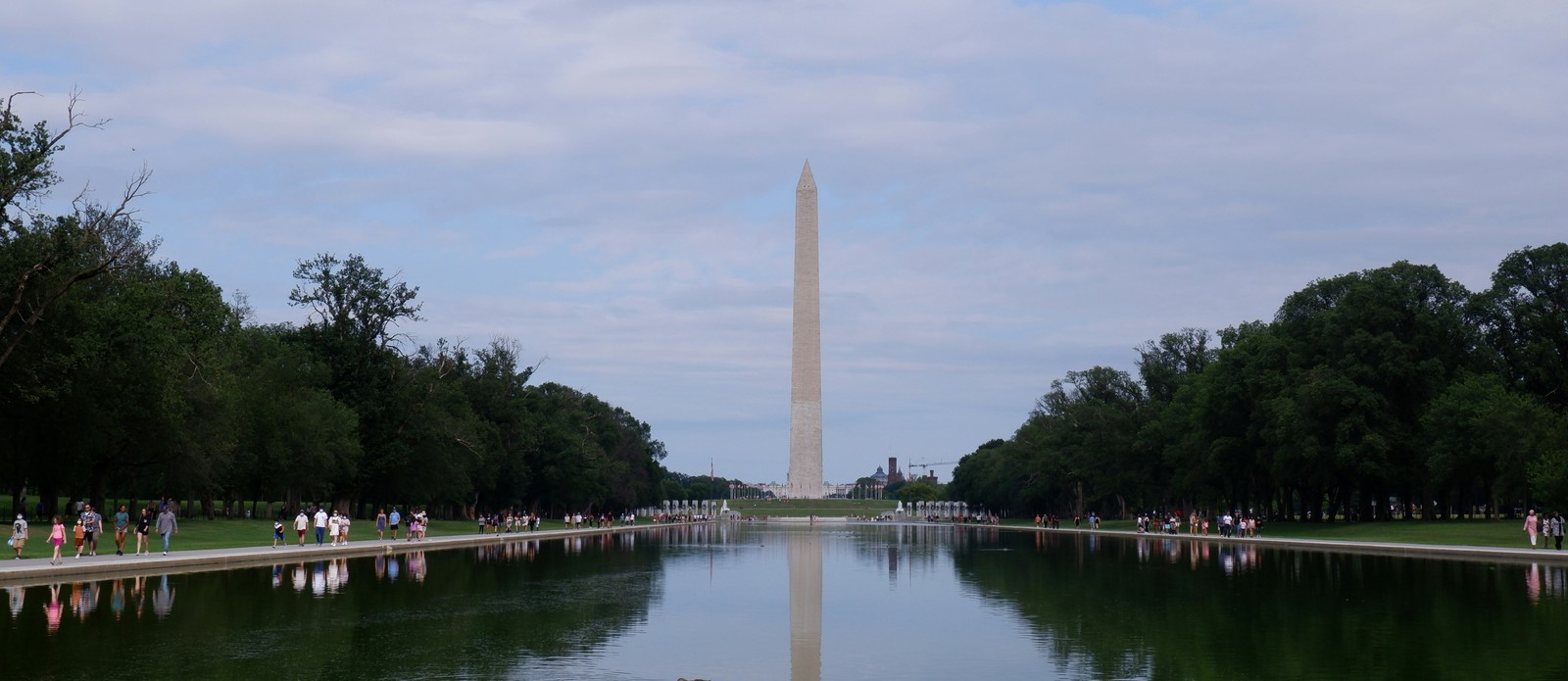
Image: Stephanie Rhee
If you’ve been to Washington, D.C., you likely walked by the White House, the Washington Monument, and the many Smithsonian museums . And you’ve certainly seen photographs of presidential inauguration ceremonies, landmark events like Martin Luther King Jr.’s "I have a dream" speech, and annual Fourth of July fireworks — all of them on the National Mall. The heart of the capital and so-called "America’s front yard," the site is a mix of living history and remembrance , and a place for all Americans to gather. Here’s all you need to know about the National Mall.
1
The White House
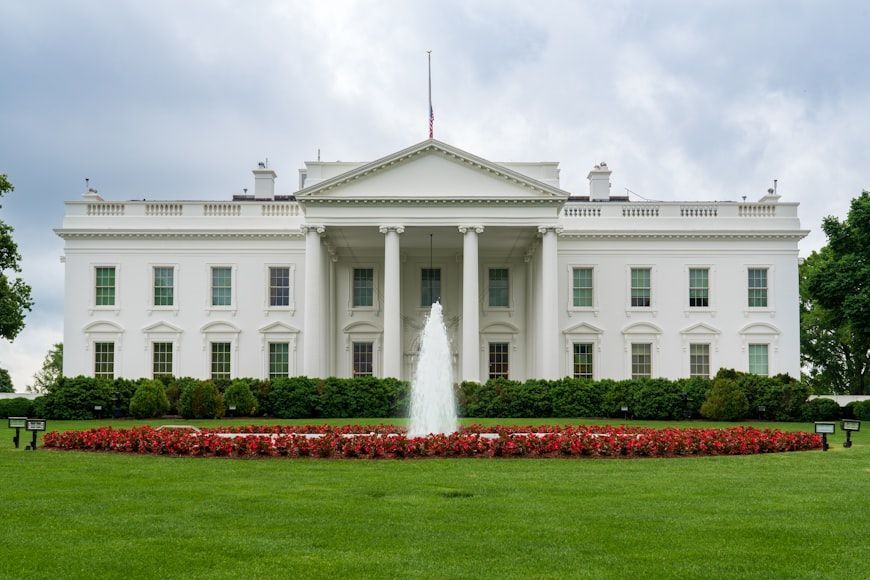
Though America’s most famous house, located at 1600 Pennsylvania Avenue, is not technically on the National Mall, it has been historically considered part of it due to its proximity and importance. It is separated from the National Mall by the Ellipse public park, and has a direct view of one of the most important Mall landmarks, the Washington Monument.
2
How America’s front yard came to be
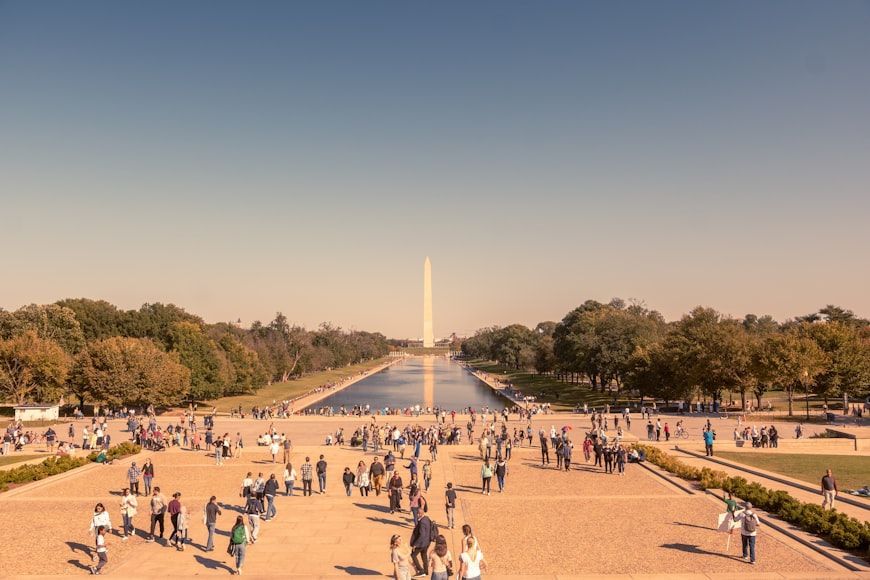
When Pierre Charles L'Enfant designed Washington, D.C., in 1791, he envisioned a majestic avenue going from the Capitol to an equestrian statue of George Washington (now the site of the Washington Monument). The chosen name referenced the Mall in London, a fashionable avenue near Buckingham Palace. During the following century, L’Enfants’ plans for the Mall were ignored, and the space was used for canals, railways, and gardens. In 1901, the U.S. Senate decided to expand the number of monuments in Washington, D.C., which led to the renewal of the National Mall and to the addition of most of its iconic landmarks.
3
American history in action
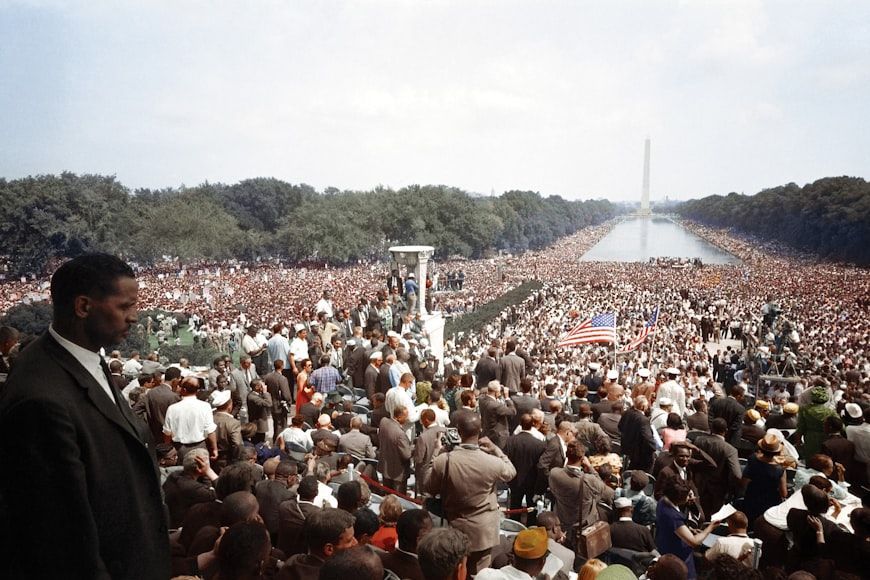
As a space open to all Americans and one that is close to the Capitol and the White House, the National Mall has been the scene of many historical moments, from presidential inaugurations to festivals and protests. Among the most important events to take place in the National Mall, we can remember the 1963 March on Washington, the late 1960s Vietnam War protests, the 1987 AIDS Memorial Quilt, and the 1939 Marian Anderson concert.
4
Washington Monument
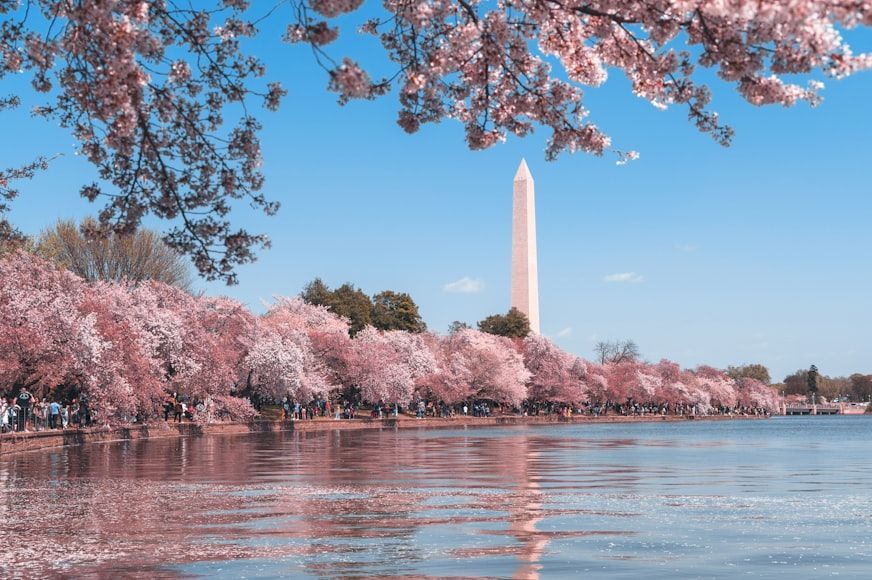
Located where L’Enfant initially envisioned an equestrian statue of George Washington, this 555-foot marble and granite obelisk was designed in the 1830s , but was not completed until 1884 due to fund shortages and political disputes. In 2011, damages caused by a 5.8 magnitude earthquake forced the closing of the monument, which reopened in 2014.
5
Lincoln Memorial
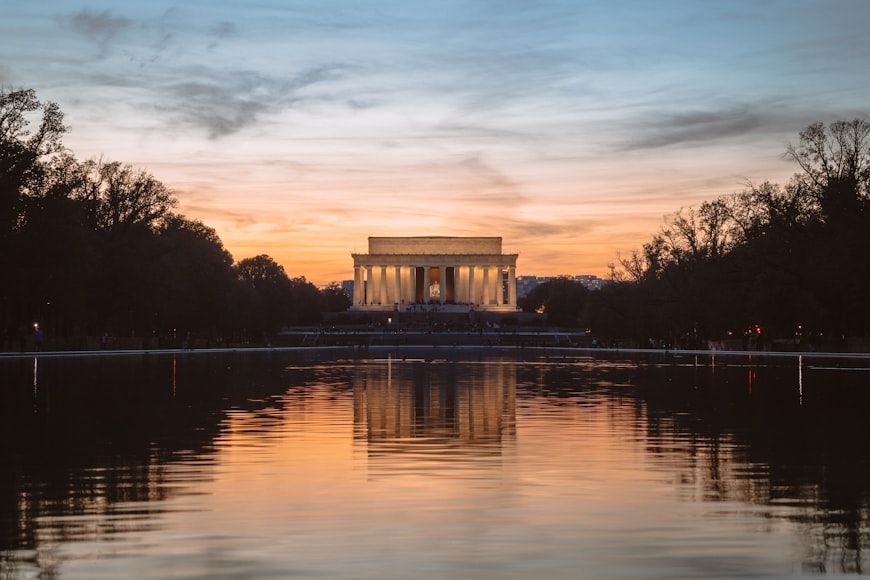
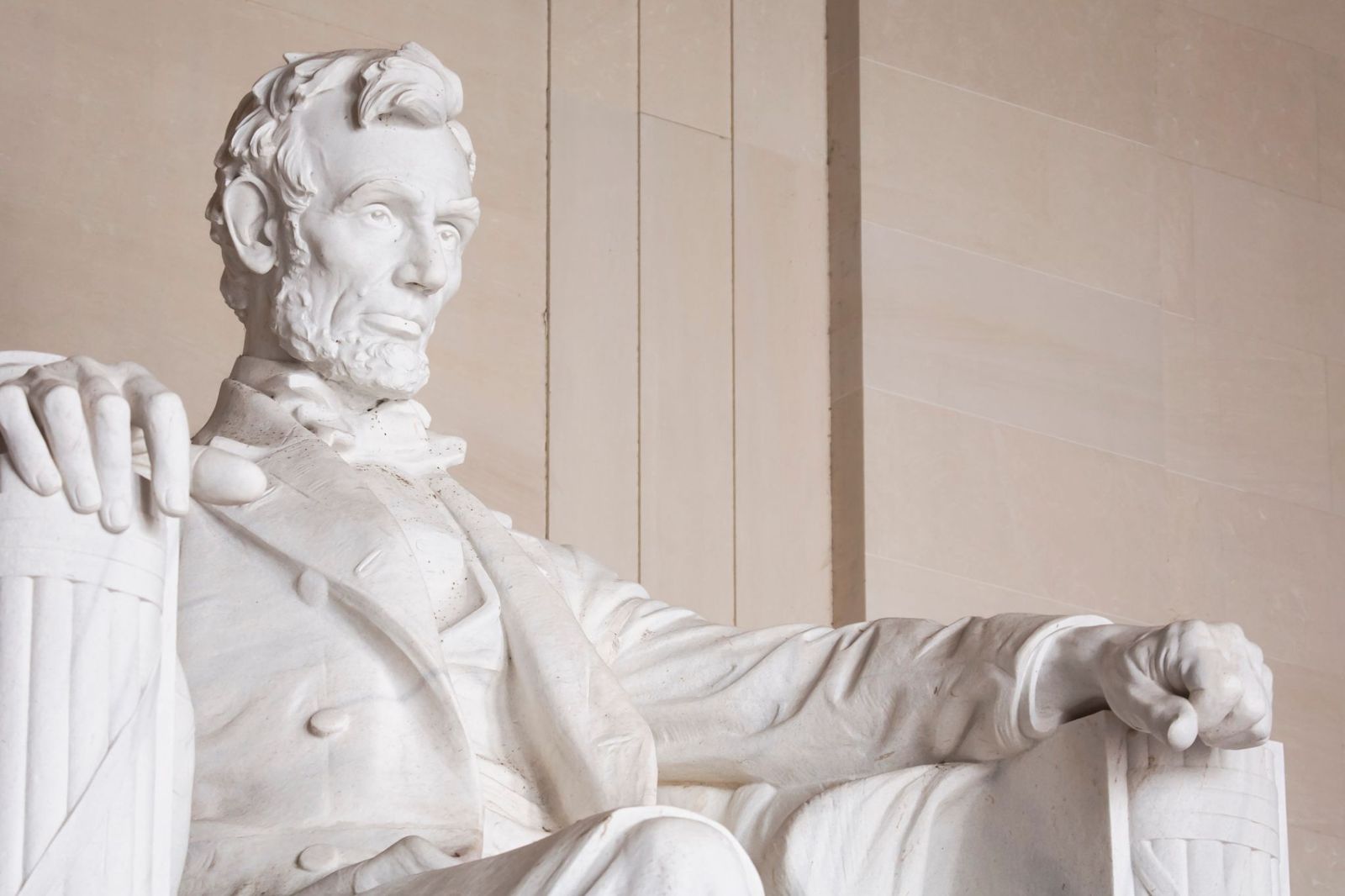
Conceived shortly after Lincoln’s assassination in 1865, construction began only in 1914, and the memorial was dedicated in 1922. The Neoclassic structure is surrounded by 36 columns, representing the 36 states that formed the Union at the time of Lincoln’s death . The famous statue of Lincoln in the interior is 19 feet tall, and both the Gettysburg Address and Lincoln’s Second Inaugural Address are inscribed on the north and south interior walls.
6
Jefferson Memorial
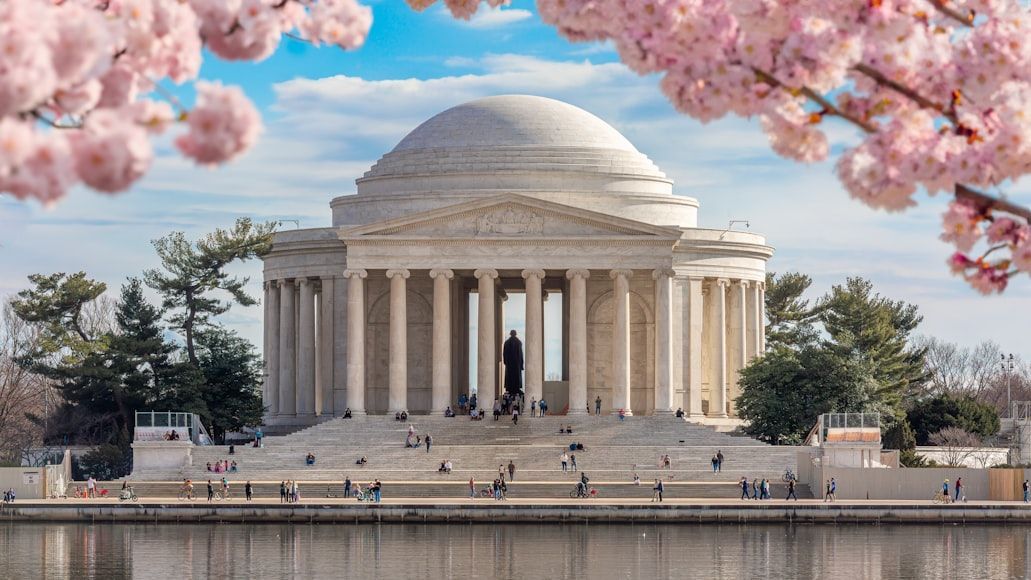
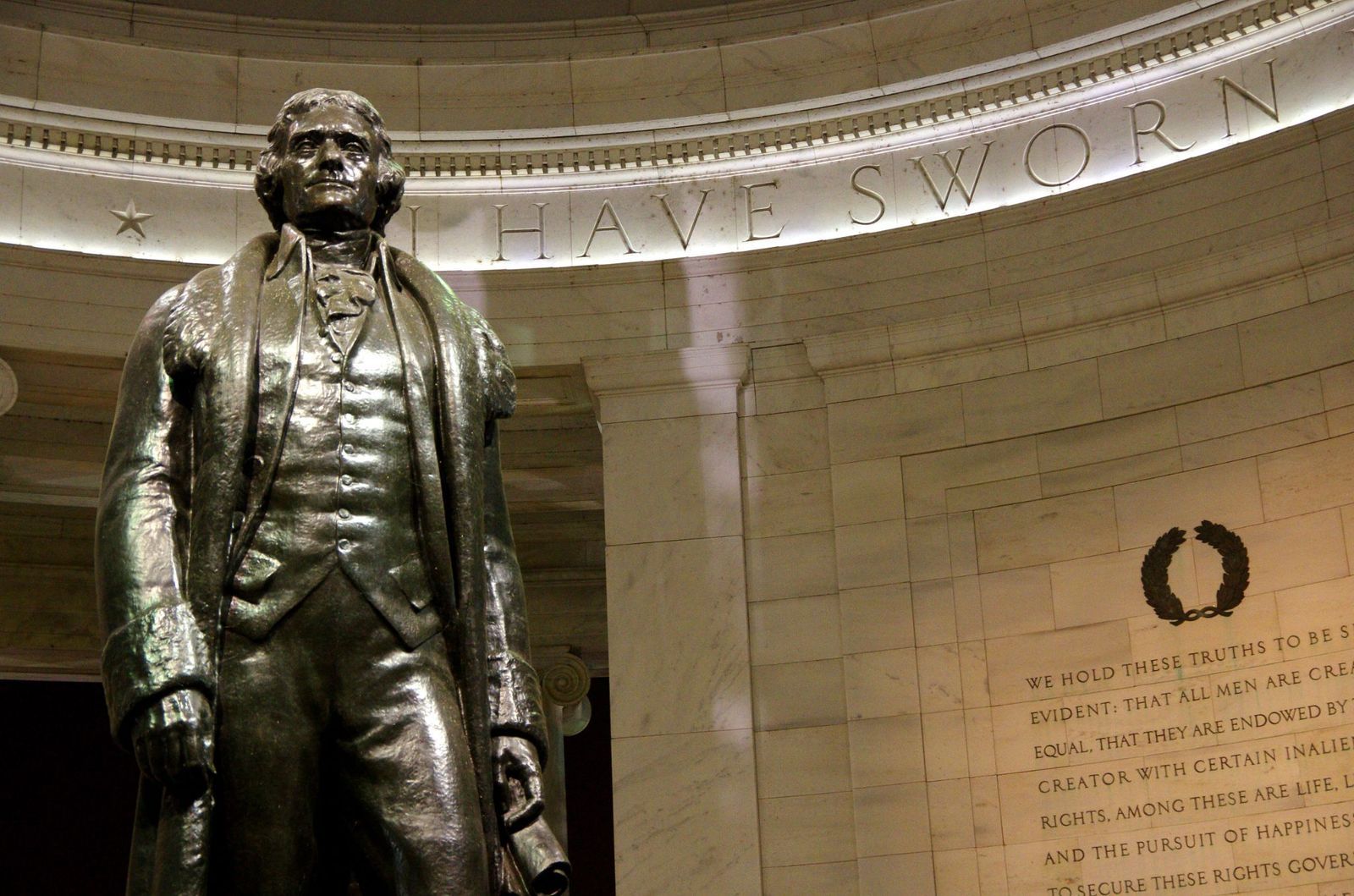
Authorized by Congress in 1934 and dedicated on April 13, 1943, the construction of this monument sparked outrage, as i t required clearing parts of the Tidal Basin and cutting down some of its cherry trees to make space for the memorial. In what is known as the 1938 Cherry Tree Rebellion, protestors chained themselves to the trees. In the end, a compromise was reached, and most of the trees were transplanted. The monument, an homage to Jefferson’s estate of Monticello and the rotunda of the University of Virginia, features excerpts of his most notable writings.
7
The Capitol
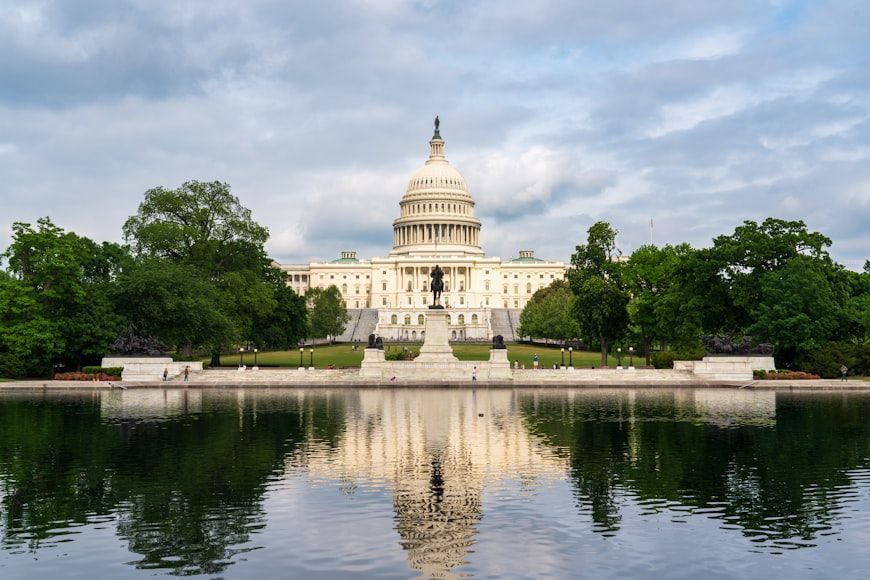
The first building to be constructed in the National Mall, the House of Congress is located in what was then known as Jenkins' Hill (now Capitol Hill) . George Washington laid the foundational stone in 1793, and the initial building was completed in 1800, but it was set on fire by the British during the War of 1812. It was reconstructed in 1826 and expanded during the 19th and 20th centuries.
8
War memorials
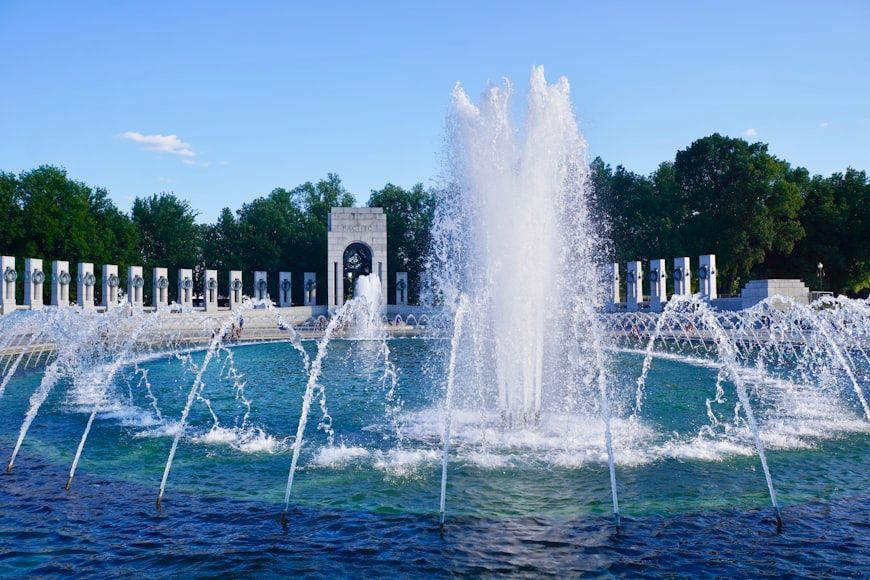
Several memorials across the National Mall honor the thousands of Americans who gave their lives while serving the country . The first war memorial was the District of Columbia War Memorial of 1931, dedicated to honor residents of Washington, D.C. killed in WWI. Among the most significant memorials, we can find the National World War II Memorial of 2004, the Korean War Veterans Memorial of 1995, the Vietnam Veterans Memorial of 1982, and the National World War I Memorial of 2014.
9
FDR Memorial
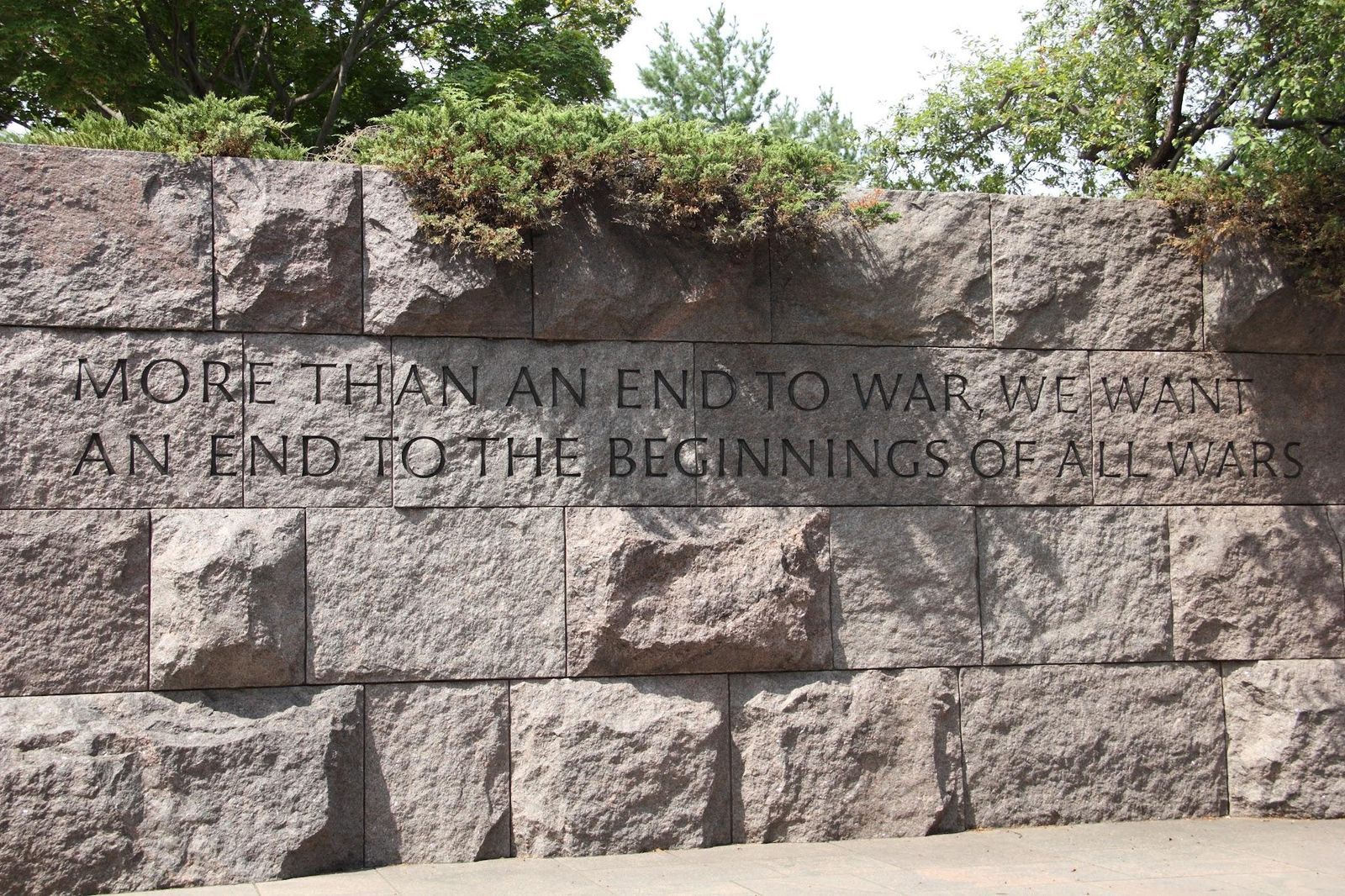
Despite President Roosevelt’s wish for an understated memorial near the National Archives, the project approved by Congress after his passing was much grander. Instead of a monolithic monument, the FDR Memorial consists of a park-like landscape , with areas representing the four terms he served and the conflicts he led the nation through. It is also the only presidential memorial to include a tribute to a First Lady, in the form of a bronze statue of Eleanor Roosevelt.
10
Museums
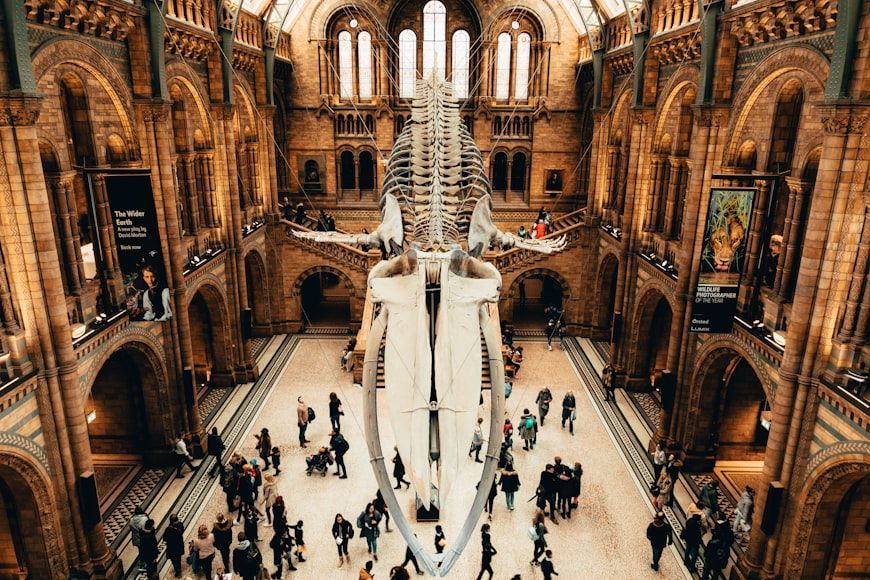
The National Mall is one of the places with the highest concentration of museums in the world , most of them managed by the Smithsonian Institution. Among its most famous museums are the National Museum of American History, the National Museum of Natural History, the National Gallery of Art, the National Air and Space Museum, and the U.S. Holocaust Memorial Museum.
11
MLK Memorial
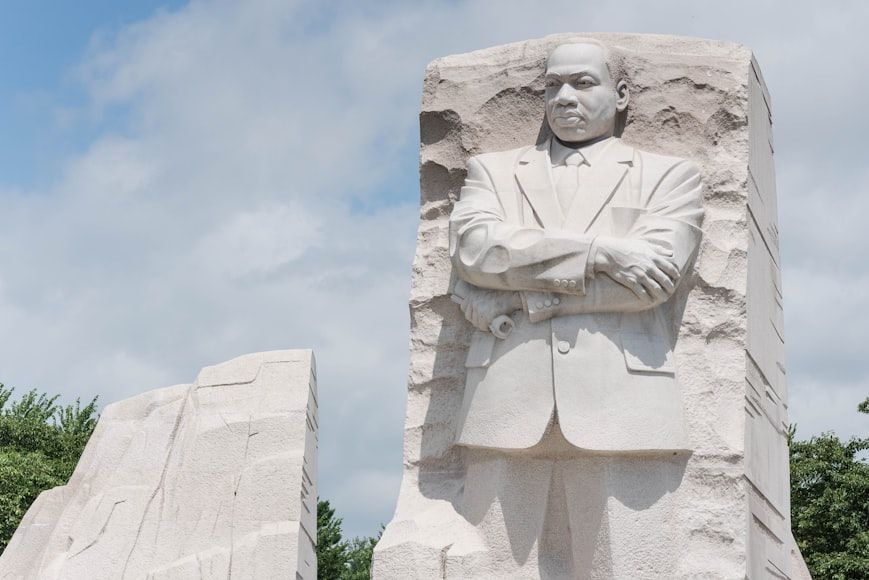
In 1963, the National Mall was the stage for Martin Luther King Jr.’s most famous speech, "I have a dream" , during the March on Washington for Jobs and Freedom. After his 1968 assassination, members of the Alpha Phi Alpha fraternity —to which King belonged— petitioned to build a memorial in his honor on the National Mall, and were allowed by President Clinton in 1996. The memorial features a split rock —inspired by the iconic line "Out of the mountain of despair, a stone of hope."— and a central figure depicting MLK Jr.
12
Parks and Tidal Basin
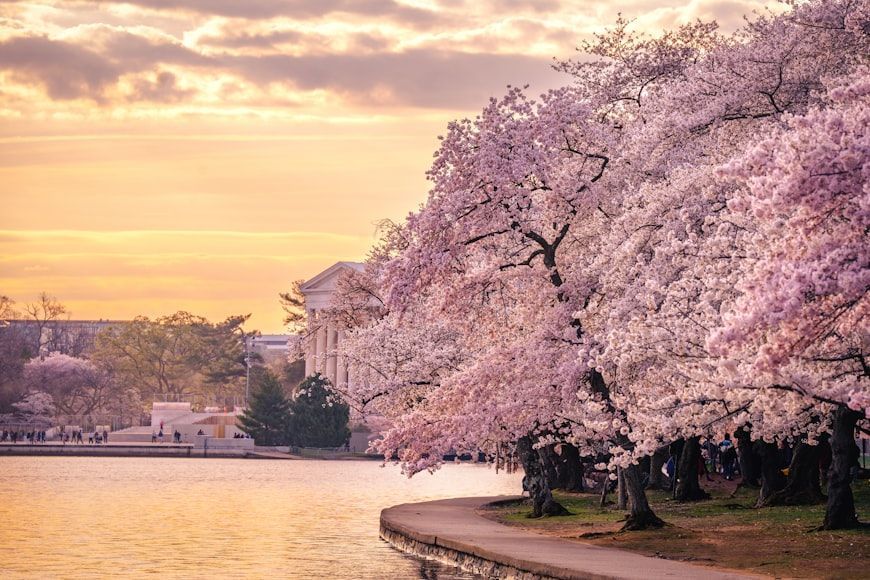
The National Mall's original plan included several landscaped areas, but they were not designed as part of it until 1901, when the area was cleaned to include open lawns and rows of trees lining the different sections . In 1882, part of the Potomac River was dredged to reclaim 628 acres of land, creating the Tidal Basin and adding space for many of the current monuments. In 1912, the city of Tokyo gifted Washington, D.C., more than 3,000 cherry trees as a sign of friendship, now an iconic part of the Tidal Basin landscape. In 1965, the parks in the National Mall were consolidated as a unit as the National Mall and Memorial Parks.