General General 5 min read

Historic ghost towns open for visitors

What happens when an entire town just disappears?
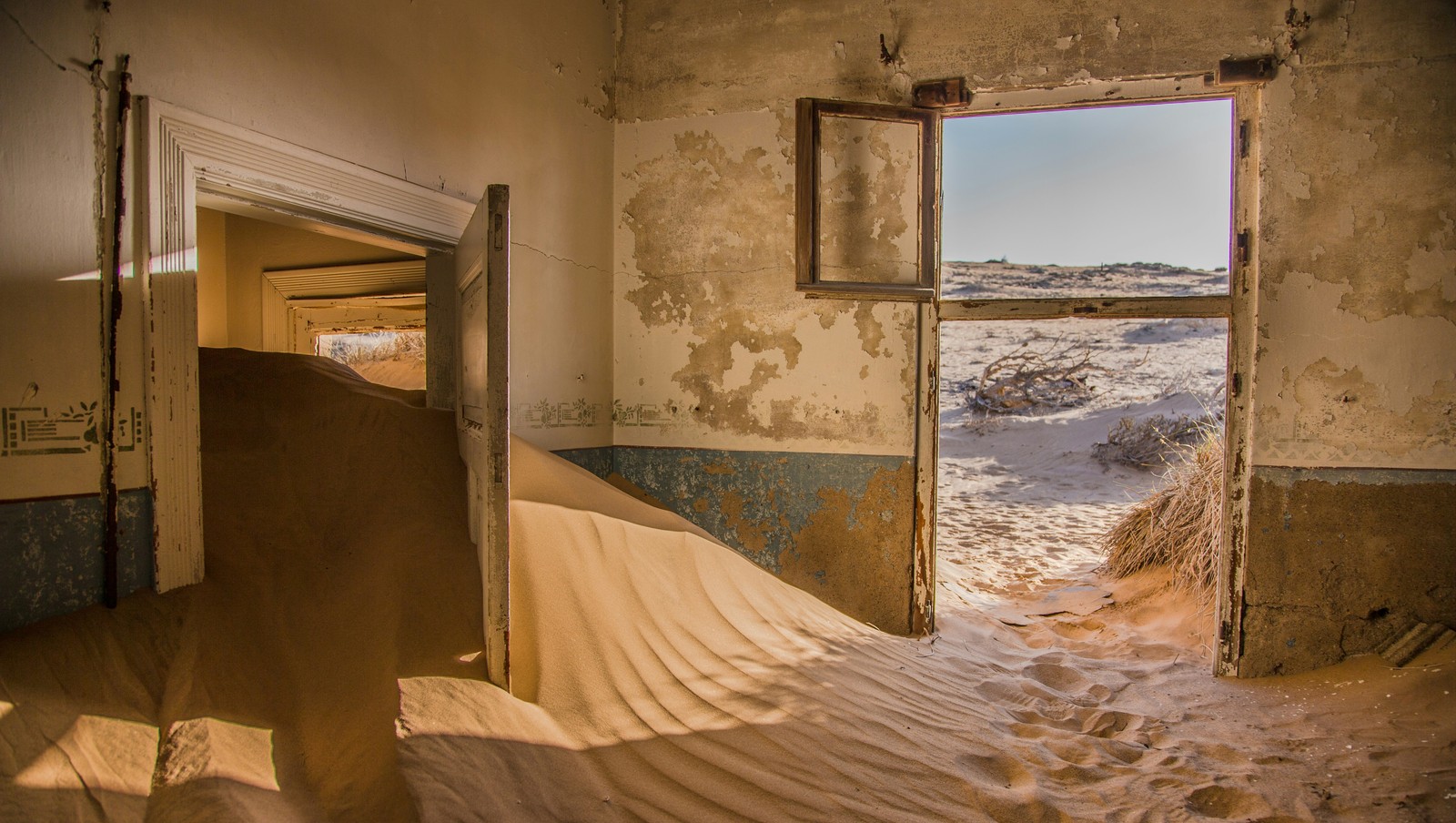
Image: jean wimmerlin

Ever wondered what happened to those Wild West towns after the gold rush ended? Or where all those miners went when the silver ran out? Across America, dozens of ghost towns sit frozen in time, waiting for curious travelers like you to explore their dusty streets . Get ready to explore ten of America's most fascinating ghost towns that are still standing and open for visitors.

1
Bodie, California
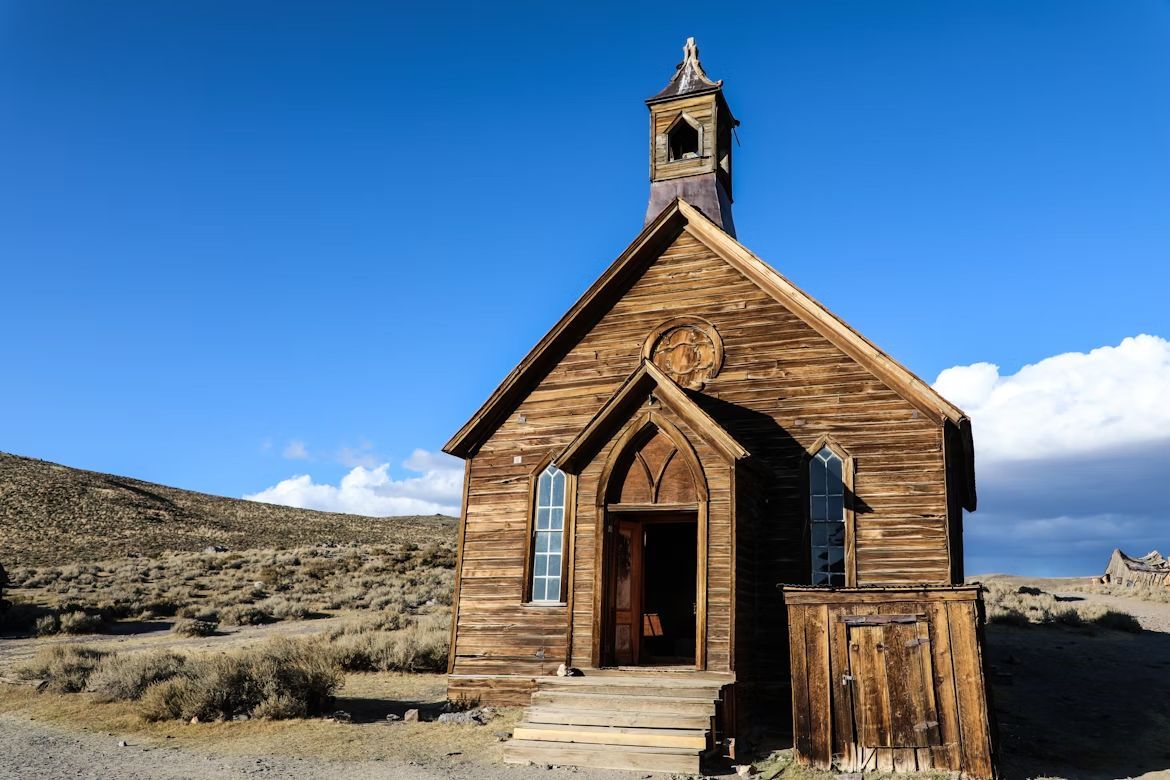
Image: Michael & Diane Weidner

This former gold-mining hub in the Sierra Nevada once boasted nearly 10,000 residents, dozens of saloons, and a reputation for being one of the wildest towns in the West. Today, it's preserved in a state of "arrested decay," meaning the buildings are maintained exactly as they were found, complete with dishes still on tables and goods still on store shelves .

The California State Parks system manages Bodie, which means it's well-maintained but authentically eerie. About 200 buildings still stand, including a church, schoolhouse, and that infamous red-light district (though considerably quieter now).

2
Jerome, Arizona
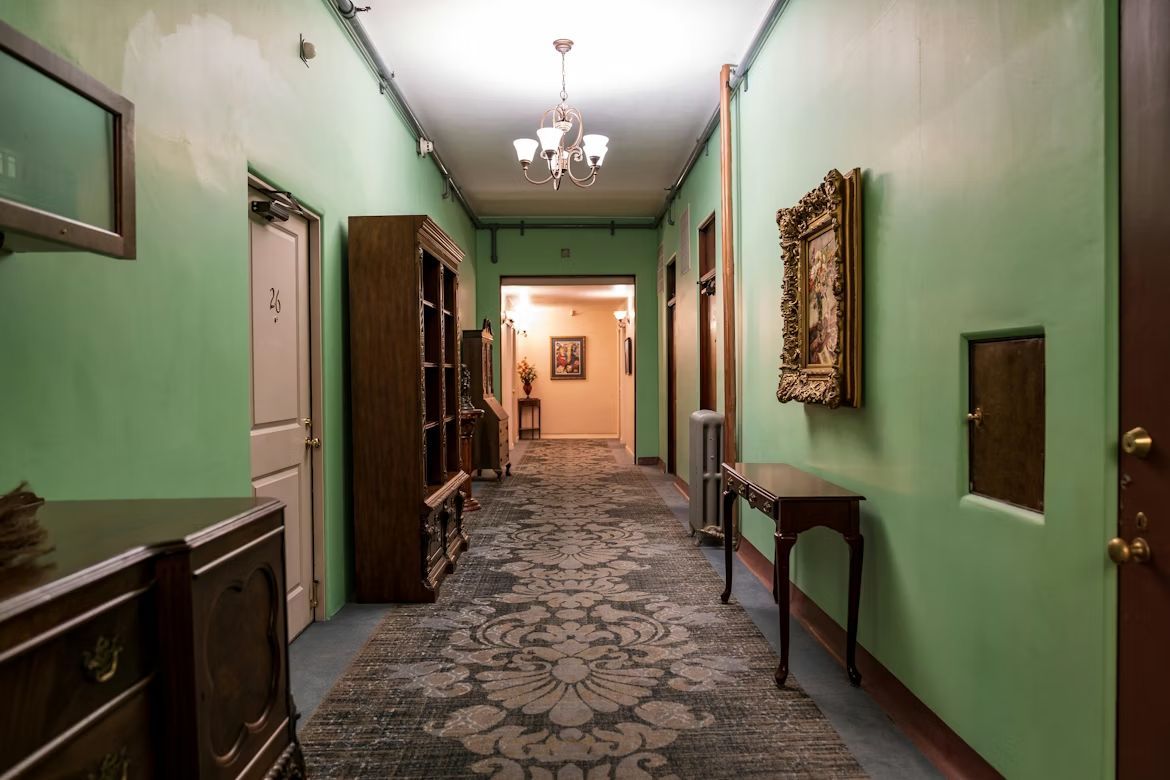
Image: Strange Happenings

Perched impossibly on Cleopatra Hill in central Arizona, Jerome has pulled off the ultimate comeback story. This former copper mining town was literally sliding down the mountain in the 1950s, but instead of becoming a pile of rubble at the bottom, it reinvented itself as an artist colony and tourist destination. Today, it's one of the few ghost towns where you can actually spend the night, grab dinner, and browse art galleries .

The town's steep streets are lined with buildings that seem to defy gravity, and many claim the place is seriously haunted: the Jerome Grand Hotel, a former hospital, supposedly has particularly active spirits. Whether you believe in ghosts or not, you'll definitely believe in the impressive engineering it took to build a town on a 30-degree slope.

3
Rhyolite, Nevada
Image: Dino Reichmuth

In 1905, this place exploded from nothing to a town of 5,000 people in just two years, complete with electric lights, a stock exchange, and even an opera house. Then the financial panic of 1907 hit, the mines proved less profitable than hoped, and by 1916, the lights went out for good.

What makes Rhyolite especially photogenic are the ruins themselves—massive concrete structures and the famous Bottle House, built entirely from beer and liquor bottles . The three-story bank building and the remnants of the jail are particularly impressive, showing just how convinced everyone was that this town would last forever.

4
St. Elmo, Colorado

Image: Arturo Rivera

Tucked in the Sawatch Range at 10,000 feet, St. Elmo is Colorado's best-preserved ghost town and one of the most visited. Founded in 1880 as a mining and rail hub, it once had a population of 2,000 people and all the amenities a Victorian-era miner could want.

What really sets St. Elmo apart is accessibility and atmosphere. It's an easy drive from nearby towns, and during the summer months, a few seasonal residents actually run the general store, selling snacks and souvenirs .

5
Bannack, Montana
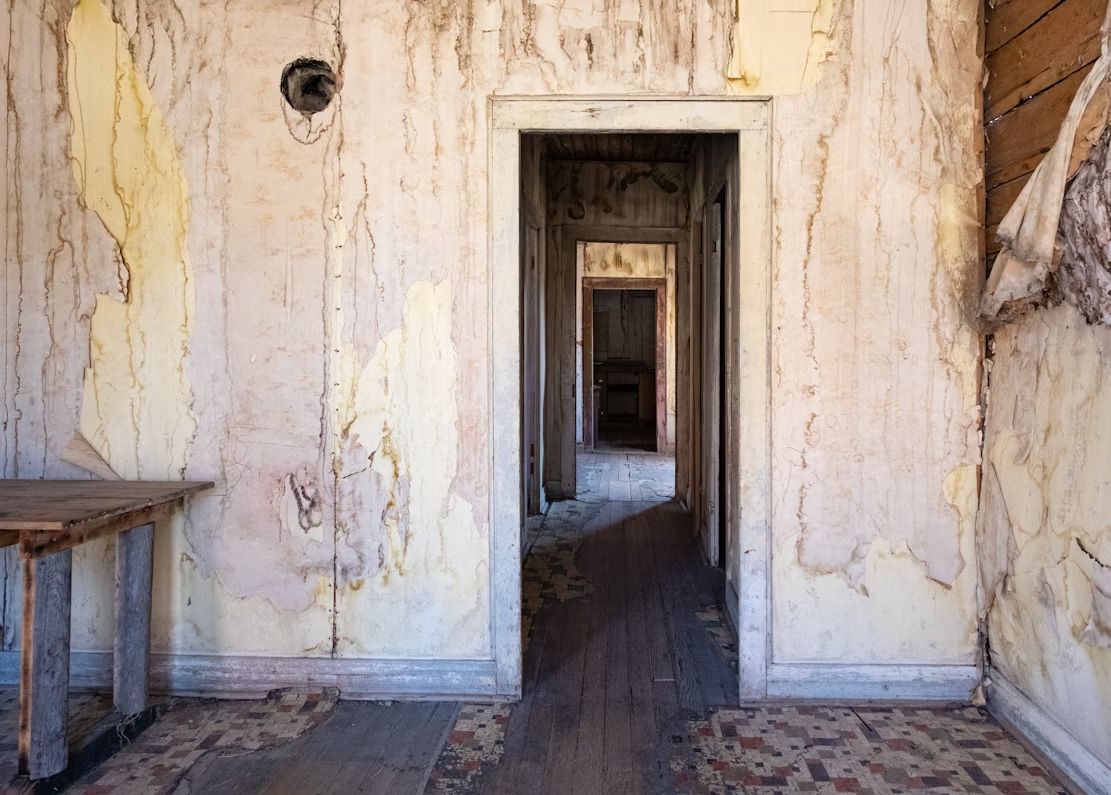
Image: Donald Merrill

Montana's first territorial capital, Bannack, sprang up in 1862 after gold was discovered in Grasshopper Creek. Within a year, it had 3,000 residents and a serious problem with road agents (fancy term for bandits). The town's sheriff, Henry Plummer, turned out to be secretly leading the gang of robbers—one of the West's great scandals. After Plummer was hanged by vigilantes in 1864, Bannack settled down, but eventually, the gold ran out, and so did the people. The last residents left in the 1970s.

Now a well-preserved state park, Bannack features over 60 structures you can explore, including the hotel, church, schoolhouse, and Plummer's old jail . They even host a popular "Bannack Days" event each July with period costumes, demonstrations, and activities.

6
Grafton, Utah
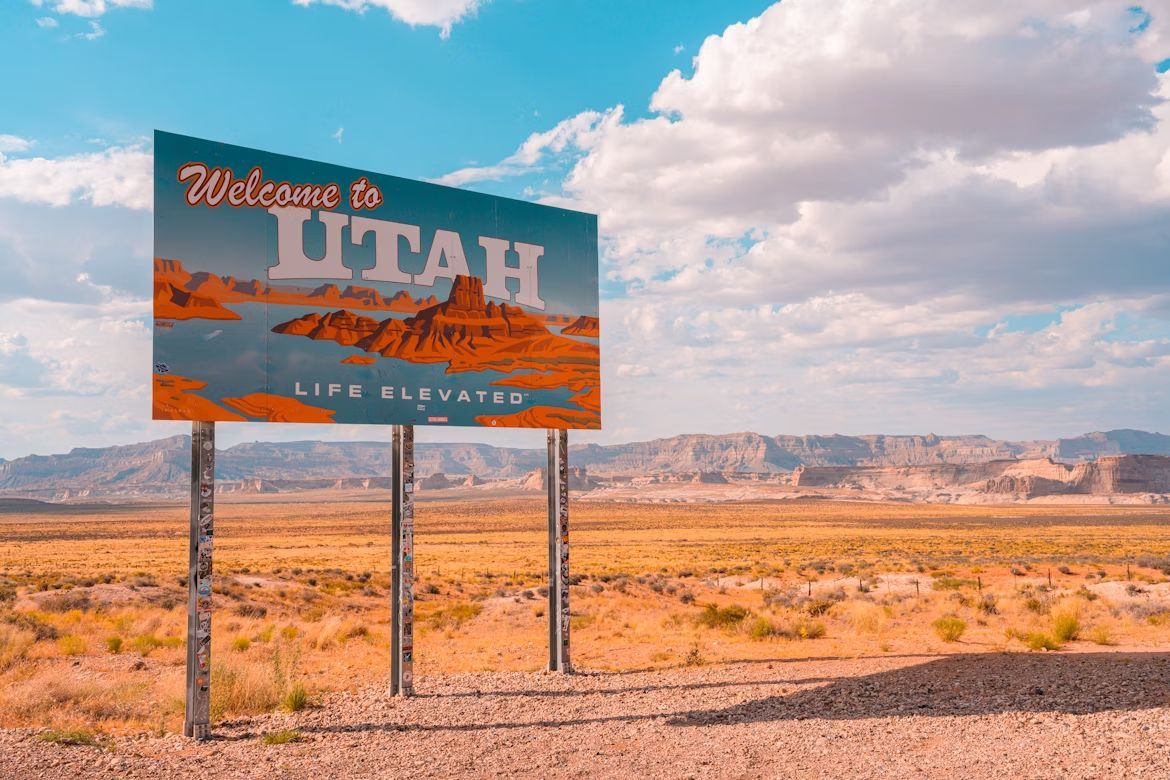
Image: Arturo Rivera

This tiny Mormon settlement near Zion National Park has been featured in dozens of movies and commercials, most famously in "Butch Cassidy and the Sundance Kid." Founded in 1859, Grafton struggled with flooding from the Virgin River, conflicts with Native Americans, and general isolation. By 1944, the last resident had left, but unlike many ghost towns, Grafton's buildings were later restored and maintained by preservation groups.

Today, only a handful of structures remain—a schoolhouse, a church, and a few cabins—but they're set against absolutely spectacular red rock canyon scenery . The Grafton Cemetery, still maintained by descendants, sits on a hill with jaw-dropping views. It's free to visit, though donations are encouraged for preservation efforts.

7
Terlingua, Texas
Image: Glen Carrie

Once a thriving mercury mining town with 2,000 residents, it collapsed in the 1940s when the mines closed. Today, it's home to about 60 full-time residents, plus a rotating cast of artists, wanderers, and people who just couldn't handle civilization anymore.

The original townsite features impressive ruins of the Chisos Mining Company headquarters, a crumbling movie theater, and a cemetery with elaborate Mexican grave decorations . But the real attraction is the eccentric present-day community that's grown up around the ruins. You can stay in unique lodgings, eat at the famous Starlight Theatre, and experience some of the darkest night skies in the continental US.

8
Garnet, Montana
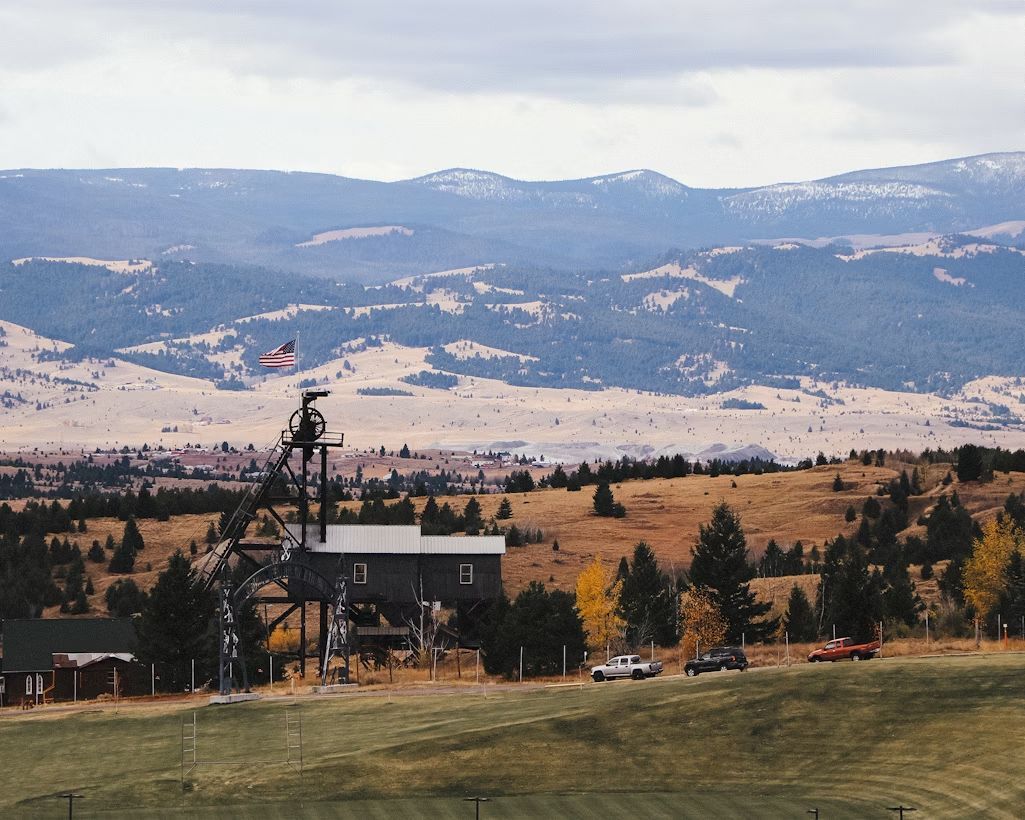
Image: Natalie Nicks

Located deep in Montana's mountains about 35 miles from Missoula, this gold mining town boomed in the 1890s with about 1,000 residents. The last 11 miles are on a rough dirt road that's impassable in winter, but that difficulty is exactly why Garnet remains so well-preserved and authentic. Casual tourists don't make the trek, which means you'll likely share the site with only serious ghost town enthusiasts.

About 30 buildings still stand, including the surprisingly intact Kelly's Saloon, complete with bar and furnishings . The Bureau of Land Management maintains the site and even offers rustic cabin rentals if you want to spend the night.

9
Centralia, Pennsylvania
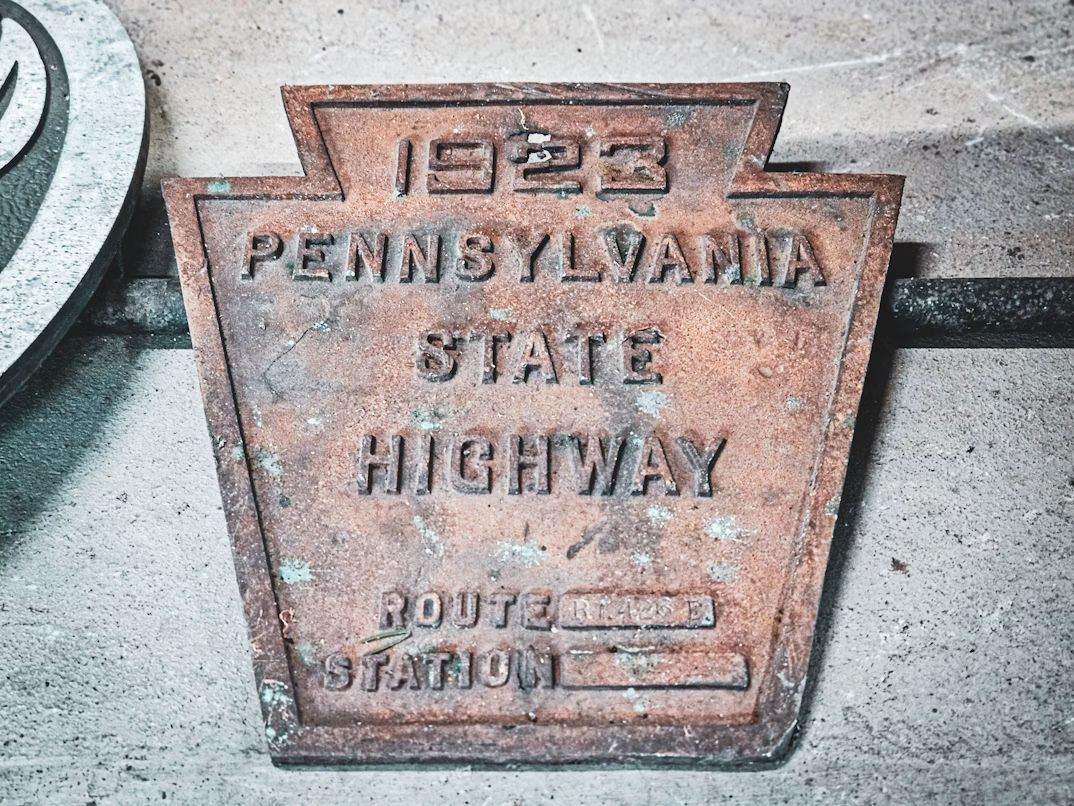
Image: Megs Harrison

This isn't a Wild West mining town—it's a modern ghost town with an underground coal fire that's been burning since 1962 and could continue for another 250 years. At its peak, Centralia had over 1,000 residents. Today, fewer than five people remain in what's become one of America's most surreal abandoned places. The fire releases toxic gases through cracks in the ground, and the heat has buckled roads into impossible angles.

The most famous feature is the graffiti-covered section of abandoned Route 61, where smoke sometimes rises through cracks in the pavement . Most buildings have been demolished, but the street grid remains, marked by empty lots and crumbling foundations. It inspired the video game and film "Silent Hill," and it's easy to see why—the place feels genuinely otherworldly. Technically, Centralia is off-limits, and Pennsylvania has tried to discourage visitors due to safety concerns about the underground fire.

10
Calico, California
Image: Volodymyr Hotsyk

Founded in 1881 after a major silver strike, it boomed to 1,200 residents before the silver price crash killed it in the 1890s. Unlike other ghost towns on this list, Calico was reconstructed and restored as a theme-park-style attraction in the 1950s by Walter Knott.

Today, Calico is a San Bernardino County park with restored buildings, shops, restaurants, and even staged gunfights on weekends . You can tour a genuine silver mine, pan for "gold" (spoiler: you'll find some), and ride a narrow-gauge railroad. About half the buildings are original, and half are reconstructions, giving you the ghost town experience without the sadness of actual decay.

Geography Geography 6 min read

ON THE ROAD

From Magnificent Mile To Ocean Drive: 10 Iconic Streets In The U.S. Magnificent Mile To Ocean Drive : 10 Iconic Streets In The U.S.

Image: Marf Fanelli-Isla

Thanks to its vast territory and diverse cultural history, the United States has a large number of paradigmatic streets worth knowing . Whether you've visited them at some point or seen them in a movie, the 10 streets selected in this article will surely not surprise you. However, you may find one or two fun facts you didn't know about. For example, did you know that the Las Vegas Strip is not in Las Vegas? It’s always worth knowing a little more! Read on to learn this and other secrets about America's most iconic streets.

1
Sunset Boulevard, Los Angeles

Image: Nathan Dumlao

Sunset Boulevard is a famous Los Angeles street that spans approximately 24 miles. It runs through districts such as Hollywood, West Hollywood, Beverly Hills, and Bel Air. This iconic street's best-known section is the Sunset Strip , where you can find restaurants, hotels, boutiques, colorful billboards, comedy clubs, and nightclubs.

Today, Sunset Boulevard is synonymous with luxury and glamour, but it wasn't always the case. In the first decades of the 20th century, Sunset Strip was home to illegal casinos and was the go-to place to find alcohol during Prohibition. Then, in the 1930s and 1940s, the new restaurants and clubs were packed with the rich and famous . In the 1960s Sunset Strip became a meeting point for rock musicians and the hippie counterculture, who were later forced to leave when prices rocketed in the ‘80s.

2
Bourbon Street, New Orleans

Image: Kristina Volgenau

Bourbon Street is a historic street in the heart of New Orleans' French Quarter. Stretching 13 blocks from Canal Street to Esplanade Avenue, it is one of the wildest and rowdiest streets in the world . Famous for its numerous bars, restaurants, and art galleries, Bourbon Street is best known for hosting the annual Mardi Gras carnival.

But it has not always been a place for partying and madness. During colonial times, it was mostly a residential area and one of the most populous streets in the city. Contrary to popular belief, this street is not named after the famous liquor. It was actually named after the French royal family that reigned in 1721 when French engineer Adrien de Pauger designed the layout of New Orleans. Now, was the liquor named after the street? That, my friends, is a story for another article.

3
Lombard Street, San Francisco

Image: NISCHAL MALLA

Although it's known as "the crookedest street in the world," Lombard Street isn't even the steepest street in San Francisco . That title technically belongs to Vermont Street, between 20th and 22nd Streets in Potrero Hill.

Those curves on that 40-degree incline may seem dangerous to you now, but they were actually built to increase the safety of the street. The natural incline was considered too unsafe, so in the 1920s, a resident suggested creating a series of zigzag curves that would not only add scenic appeal to the street but also make it safer for pedestrians . Today, it is a major tourist attraction for the two million people who visit San Francisco every year.

4
Pennsylvania Avenue, Washington D.C.

Image: Library of Congress

Pennsylvania Avenue is known throughout the world as the heart of the nation's capital , as America's Main Street . American history has paraded, marched, strolled, and protested along this avenue since its creation. It is not just another street. This is where the country’s history and all the political power are concentrated: it is where the White House and the Capitol are located.

Pennsylvania Avenue, like the entire city of Washington, was specially designed in the late 18th century by French-American artist and engineer Pierre Charles L'Enfant at the request of George Washington. For many years, this diagonal street inspired by the Champs Elysees in Paris, was a graceless dirt road. That changed when Thomas Jefferson ordered rows of Black Poplar trees to be planted along it. Finally, in 1832, it was paved to best fight the dust and dirt.

5
Michigan Avenue, Chicago

Image: Jonathan J. Castellon

The most famous portion of Michigan Avenue is known as the Magnificent Mile . Crowned by tall skyscrapers, it has hundreds of luxury stores and restaurants . It is also filled with famous landmarks such as Millennium Park, Chicago Water Tower, and the Art Institute of Chicago, among other buildings.

The Magnificent Mile began construction during the 1920s as part of the Burnham Plan of Chicago, which recommended adding wider streets, parks, and new buildings. In 2007 it was chosen as one of the 10 Great Streets by the American Planning Association. Nowadays, the Magnificent Mile has become a favorite destination for more than 22 million tourists who visit Chicago annually.

6
Wall Street, New York City

Image: Uwe Conrad

Wall Street is undoubtedly one of the most famous and well-known streets in the United States and the world. Located in Lower Manhattan, it is considered the "Financial District" because it houses multiple financial institutions and large banks , such as the Central Bank of the United States, the Federal Reserve, and the New York Stock Exchange.

But did you know why it's called like this? The Wall Street name refers to a wooden wall built by Dutch settlers to defend against possible attacks by British pirates during the Anglo-Dutch wars in the 17th century. Originally known in Dutch as Het Cingel —"the Belt" in English—, the wall was more than 2,340 feet long and approximately 9 feet high. It also had two gates, known today as the corner of Wall Street and Pearl Street.

7
Beale Street, Memphis

Image: Heidi Kaden

Beale Street in Downtown Memphis, Tennessee, is a street developed in the 1840s. Today it is best known for its pivotal role in the history of blues music, but was originally named after Edward Fitzgerald Beale, a military hero from the Mexican–American War. Part commercial, part suburbs, in the 1860s Beale Street was the go-to place for African American traveling musicians to perform.

Since then, blues and jazz legends such as Louis Armstrong, Muddy Waters, and Albert King have played on Beale Street, contributing to the development of the style known as Memphis Blues . In fact, B.B. King was once known as "the Beale Street Blues Boy." In 1977 this historic street was officially declared "Home of the Blues."

8
Newbury Street, Boston

Image: Aline Sales

Considered the "Rodeo Drive of the East," Newbury Street in Boston is one of the most expensive streets in the world . But did you know that once upon a time most of it was underwater? Until the mid-1800s, Newbury Street was part of Boston Harbor until it was filled in with dirt from neighboring communities. Back then, it was mostly a residential area with very little charm.

It wasn’t until the 1980s that Newbury Street started to become the trendy shopping mecca we know and love today. Surrounded by 19th-century brownstones turned into high-end boutiques and restaurants, nowadays you can find modern art galleries and concept stores that still retain the sophisticated style of its glory days.

9
Ocean Drive, Miami

Image: Dennis Rochel

The Ocean Drive boardwalk, located in the South Beach area, is probably the most popular street in Miami and one of the most famous in the world. Known for its white sand beaches, turquoise sea, and colorful Art Deco architecture , here you will find some of the best restaurants, bars, and hotels in the entire city.

Ocean Drive's history is full of reinventions. Originally, in the early 20th century, it was a dusty street. In the 1920s, Miami Beach became a tourist destination and the area began to develop. From the 1930s on, Ocean Drive was nicknamed the "Great White Way" and played host to big stars such as Frank Sinatra and Jimmy Durante . Today, after a remodeling that cost millions of dollars, the mythical street has been modernized and reborn.

10
Las Vegas Boulevard, Clark County

Image: David Vives

Did you know that the famous Las Vegas Strip is not within Las Vegas city limits? The Strip is a stretch of Las Vegas Boulevard, one of the most filmed and photographed streets in the United States. However, contrary to what many people think, it is located in the unincorporated town of Paradise , in Clark County.

Originally, the Strip was nothing more than a highway with a few nightclubs and motels. With the construction of the Flamingo Hotel in 1946, the Strip began to change and develop into what it is today. Regardless of its exact location, today the Strip is home to the most iconic hotels and casinos , including Caesars Palace, the Bellagio, and the Venetian, and is a must-stop for anyone visiting Sin City.

Culture Culture 5 min read

Timeless Baddies

Mwahaha! Do you remember these 10 iconic American villains?

Image: Patrick Collins

What’s a good story without a bad guy ? For every knight in shiny armor, there needs to be a wickedly devious character to foil any do-gooder’s plan. Villains are a big part of what makes storytelling a compelling medium, so we decided to pay tribute to them with these 10 quintessential antagonists from American films, shows, and comic books. Get ready to practice your villainous laugh alongside these iconic characters!

1
The Joker

Image: Miggy Rivera

We’ll start with comic books’ most nefarious villain . Should an alien visit us tomorrow, it would be very hard to explain that a playing card-themed maniac is an archetypical antagonist to a bat-themed superhero. And yet, ever since appearing in Batman’s very first solo comic book, the Joker has proved again and again why he is known as "the Clown Prince of Crime".

Just like Batman, the Joker doesn’t have any superpowers besides his cunning and wicked sense of humor. Although definitively insane, he is remarkably smart, which is shown by his expertise as a chemist. He is responsible for creating his signature "Joker venom", a chemical compound capable of forcing anyone to smile.

2
The Green Goblin

Image: Uélvis Santana

The Green Goblin is to Spiderman what The Joker is to Batman. Another bad guy with a flare for theatricality (though almost all comic-book villains do), this flying menace soars through the air on his "Goblin Glider", his patented flying device.

Contrary to his superhero antagonist, this villain’s backstory is simple and selfish: wealthy industrialist Norman Osborn became this alter-ego to rule organized crime in New York City. Nowadays, Willem Dafoe’s portrayal of the Green Goblin in the 2001 "Spiderman" movie is perhaps this character’s most remembered iteration.

3
Hans Gruber

Image: Matt The Artist

There are many reasons why "Die Hard" is considered the very best action movie in history, from its groundbreaking setting to its amazing dialogue and fast-paced action. However, one of the most influential factors behind this movie’s legacy is Hans Gruber , the sophisticated and soft-spoken nemesis of John McClane.

Wonderfully portrayed by Allan Rickman, Gruber arrives at the fictional Nakatomi Plaza under false pretenses, with the sole purpose of stealing millions in bearer bonds. Rickman's superb performance almost made us feel bad when his plans got foiled by a certain adventurous NYPD detective. An action movie that made us feel bad about its bad guy! Can you imagine that?

4
Darth Vader

Image: André Volkmann

Should we add a spoiler warning for one of the most iconic reveals in the history of cinema? We won’t disclose it in the very (extremely) slim chance that you haven’t seen "The Empire Strikes Back". However, we are absolutely sure that you are familiar with science fiction's most memorable villain, even if you haven’t seen a single scene in any "Star Wars" movie.

Truly, Darth Vader needs no introduction: From his menacing mask, cold demeanor, and lightsaber skills, this Sith knight is truly a force to be reckoned with. What’s perhaps most iconic about Vader is his deep and powerful voice, provided by Hollywood legend James Earl Jones.

5
Wicked Witch of the West

Image: Ksenia Yakovleva

Granted, the 2003 musical "Wicked" made us realize that Elphaba, also known as "The Wicked Witch of the West" , was a truly nuanced character. However, by the time she received her dishonorable title in "The Wizard of Oz", Elphaba had become a dastardly green-skinned witch, hellbent on foiling the plans of Dorothy and her friends.

Margaret Hamilton’s performance in the 1939 version of "The Wizard of Oz" was so iconic that it cemented the look that most media witches would have over time: You can thank Hamilton for the pointy black hats, green make-up, and terrifying cackles you hear every Halloween.

6
Norman Bates

Image: Maxime Roedel

Just like with our Darth Vader entry, we have to ask: Is anyone not aware of the groundbreaking twist in Alfred Hitchcock’s most famous movie? We’ll once again have to tread lightly, but that doesn’t mean we can properly remember Norman Bates , the bone-chilling villain from "Psycho".

Portrayed by Anthony Perkins in the original 1960 movie and its 3 sequels, Norman Bates is the shy, mild-mannered proprietor of the "Bates Hotel", co-owned by Norman and his mother. However, anyone watching this classic thriller for the first time will quickly realize that there’s something sinister hiding in this hotel.

7
Hannibal Lecter

Image: Elchino portrait

You would expect someone nicknamed "Hannibal the Cannibal" to be a feral brute with an insatiable bloodlust, but Dr. Hannibal Lecter is, above all, well-mannered. While he definitively has the bloodlust part going, Lecter has been described as a soft-spoken, intelligent, and cultured monster since his first appearance in the 1981 horror novel "Red Dragon".

Most of us remember this character from Anthony Hopkins’ character in "Silence of the Lambs" and "Red Dragon", but did you know that there was a previous film portrayal of Hannibal Lecter? Scottish actor Brian Cox portrayed him in the 1981 film "Manhunter", although under the last name "Lecktor".

8
Xenomorphs

Image: Hossam el-Hamalawy, CC BY 2.0

When posters for the movie "Alien" first appeared in movie theaters, they had a simple yet terrifying tagline: "In space, no one can hear you scream". This 1979 horror masterpiece by Ridley Scott introduced the world to the now-iconic "Xenomorph", the perfect killing machine that haunts outer space.

Part of what makes the Xenomorph so memorable is its groundbreaking design, a huge departure from the traditional aliens depicted up to that point. It helps that they were designed by Swedish artist H.R. Giger, who in turn based them on his own 1976 surrealist painting "Necronom IV".

9
Lex Luthor

Image: Jon Tyson

Who knew that the perfect nemesis for "The Man of Steel" would be a bald billionaire? Lex Luthor is Superman’s lifelong and most-famous nemesis, always plotting to bring the world’s most powerful superhero to his knees.

In a way, the fact that Luthor has no superpowers other than his remarkable intellect is particularly fitting: While heavy-hitters like Doomsday or Metallo can physically hold their own against Superman, Luthor’s human greed and resourcefulness ultimately prove to be the biggest threat to this hero.

10
HAL 9000

Image: Axel Richter

We’ll end with the only robotic villain in this article. When audiences first met the artificial intelligence known as HAL 9000 in Stanley Kubrick’s groundbreaking "2001: A Space Odyssey", they were perplexed by how a single red light talking in a monotone yet calm voice could be so downright terrifying.

In truth, that’s part of what makes HAL such an incredible villain: He is not a sadistic, murderous monster, but rather a cold and calculating machine run by logic. HAL chooses to destroy the astronauts aboard the "Discovery One" only because he considers them a threat to the spacecraft’s plans. So, in a sense, this machine was only doing what it was programmed to do.

Explore more American facts

Choose your favorite category!

General
General

As American as apple pie—the very best America has to offer!

Culture
Culture

Delve into the astounding richness of American lore.

Geography
Geography

Hop in and explore vast and diverse American landscapes.

History
History

Discover the key moments that shaped the United States.