History History 4 min read

Movies that were to be

Were these movies cursed? Films that never got finished

Image: DS stories

Some movies flicker out before they’re even made. What do you call a film with a famous director, a finished script, and a dream cast? In many cases, unfinished. Hollywood’s drawers are filled with a graveyard of unfinished movies in varying stages: scripts, production plans, casting decisions, and even filmed footage. But they all remain tantalizing what-ifs. Let’s look into the stories of some flicks that never achieved their full potential!

1
The mythical "Kill Bill Vol. 3"
Image: Til Man

Ah, yes, the revenge of the revenge. Quentin Tarantino has been teasing Kill Bill Vol. 3 for nearly two decades. He’s talked about giving the character of Nikki time to grow up and take center stage in the third installment, even floating the idea of casting Zendaya or another grown-up actress in the role.

But as of now? It’s all smoke and samurai swords. Tarantino claims he has one more film left in him, and every fan theory points to Vol. 3 as the final strike.

2
The loaded history of "The Man Who Killed Don Quixote"
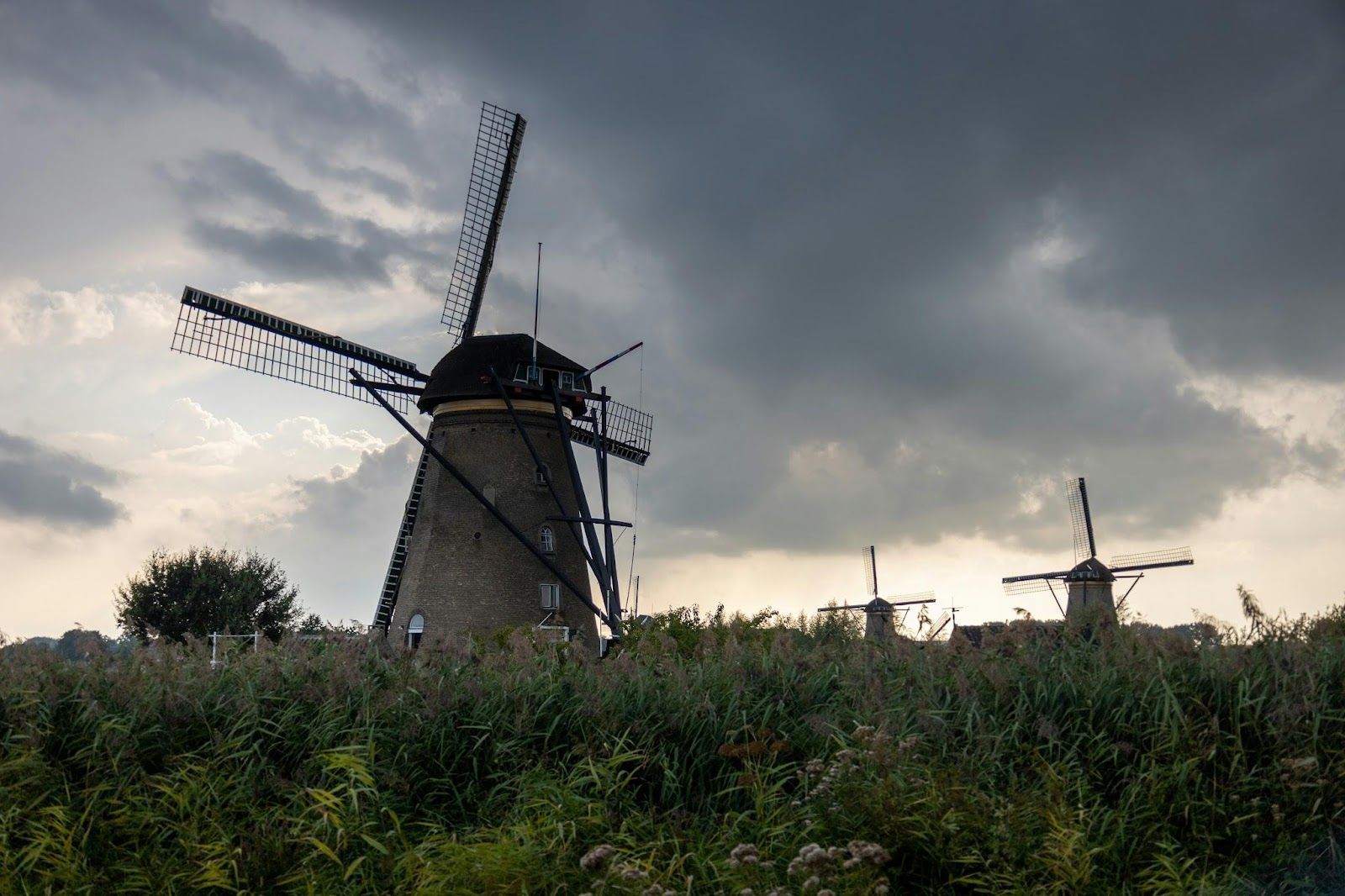
Image: Iuliia Dutchak

Johnny Depp and Jean Rochefort were originally set to take the leads, battling windmills as Cervantes’ mad knight and his companion. But this is another case of a film that seemed hexed.

Terry Gilliam first attempted the project in 2000, but many disasters ensued. Health issues, floods that wrecked the sets, and insurance company failings led to the project's dramatic collapse. In 2018, Gilliam finally released a version starring Adam Driver and Jonathan Pryce. But fans agree—it wasn’t that version.

3
Kubrick’s "Napoleon"
Image: Nicolas HIPPERT

The holy grail of unmade epics. Stanley Kubrick devoted years to this project—allegedly reading over 500 books, creating a card catalog of Napoleon’s daily life, and scouting locations across Europe.

He wanted Jack Nicholson in the lead and even planned to use actual armies to stage the battles. MGM said yes… then said nope. The budget was colossal, and Kubrick ultimately shelved it. Though he carried the idea to his grave, the script survived. Steven Spielberg has since talked about adapting it into a miniseries.

4
The irony of "Superman Lives"
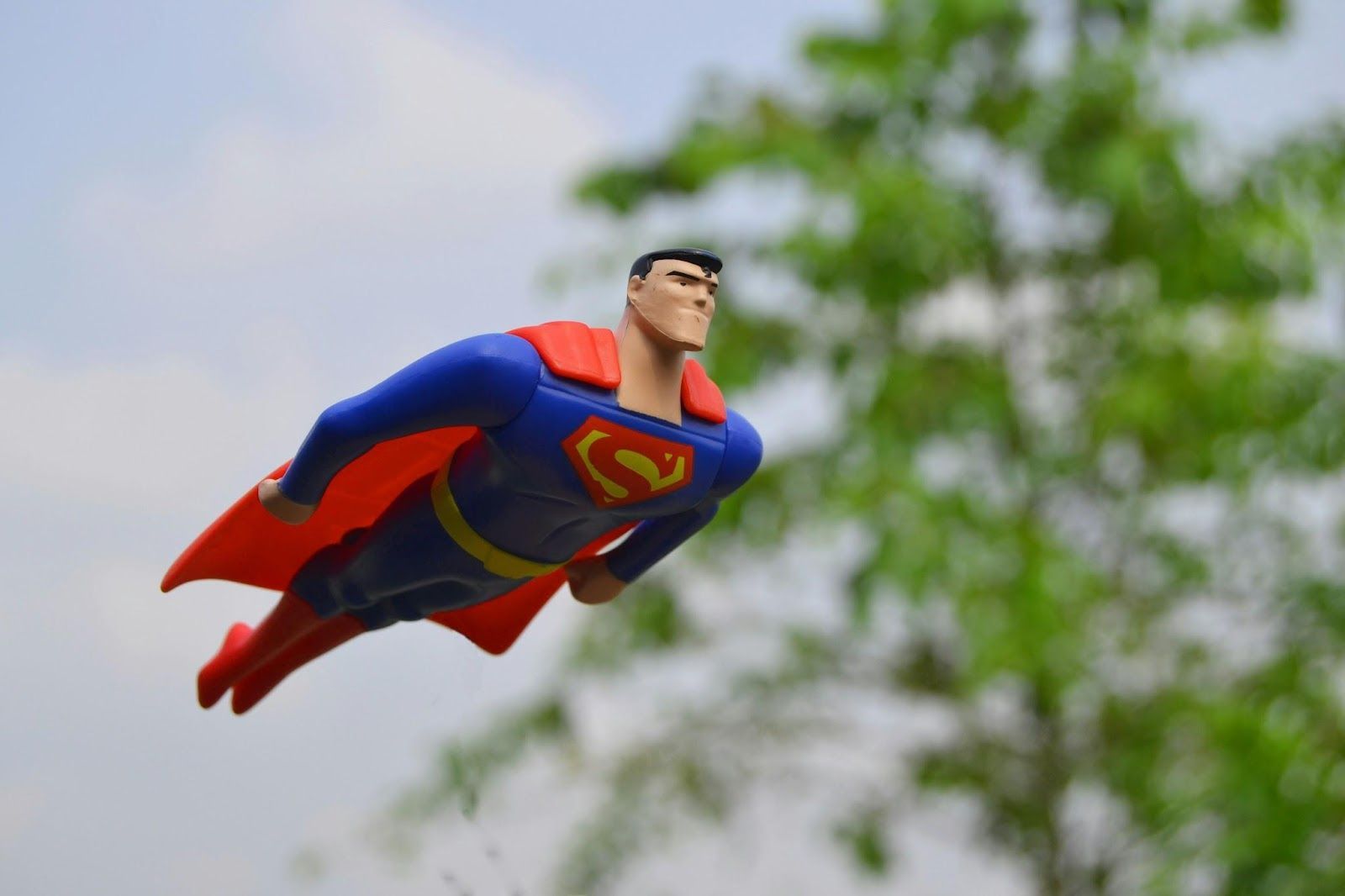
Image: Yogi Purnama

Superman Lives was meant to reboot the Man of Steel, with Tim Burton at the helm and Nicolas Cage sporting long black hair and a glow-in-the-dark suit.

But after years of rewrites, studio shake-ups, and ballooning budgets, the whole thing collapsed under its own weight. Though it was never filmed, test footage of Cage in costume became internet legend. And if you really want the full story, the documentary The Death of Superman Lives: What Happened? is the way to go.

5
Jodorowsky’s "Dune"
Image: Francisco Gomes

Alejandro Jodorowsky’s Dune was meant to be a 10-hour odyssey, starring Salvador Dalí as the Emperor, Orson Welles as Baron Harkonnen, and featuring music by Pink Floyd. Yes, really.

However, as one can imagine, the budget grew past sanity. No studio could afford Jodorowsky’s vision. The 2013 documentary Jodorowsky’s Dune explores how this unmade film went on to influence countless others—from Star Wars to Blade Runner .

6
The true "The Thief and the Cobbler"
Image: Fabian Centeno

Richard Williams, the man behind Who Framed Roger Rabbit , spent nearly three decades working on _The Thief and the Cobbler_—a painstakingly hand-drawn masterpiece, inspired by Persian art and silent comedy.

However, by the 1990s, delays and mounting costs led the studio to reconsider its decision. The film was recut, rewritten, and released under various titles, with added songs and jarring voice-overs. The truth is, the original version was never fully completed.

7
The cursed "Blood Meridian"
Image: Erik

So many doomed attempts have been made that Cormac McCarthy’s brutal novel is often labeled "unfilmable." Blood Meridian is a violent fever dream, soaked in sun and sand—which might sound easy to bring to the screen.

Ridley Scott tried. So did James Franco and Todd Field. But each version was ultimately abandoned. In 2024, New Regency announced a new adaptation was in the works. As of now, however, it still seems cursed— Blood Meridian remains untouched by the screen.

8
Orson Welles’ "The Other Side of the Wind"
Image: Andre Moura

Yes, a version was released by Netflix in 2018… but it wasn’t quite what its director originally envisioned.

Orson Welles began shooting The Other Side of the Wind in the early ’70s, imagining a satirical, semi-autobiographical tale about a fading director staging a comeback. But financial chaos, legal snarls, political drama, and even missing reels meant that Welles never lived to finish it.

9
"At the Mountains of Madness" featuring Tom Cruise
Image: Balazs Busznyak

Imagine Tom Cruise battling ancient, brain-melting monsters in Antarctica—based on H.P. Lovecraft’s most mind-bending novella. Now picture Guillermo del Toro directing that nightmare in IMAX 3D. So what happened? It’s not entirely clear, though budget concerns likely played a role. You never know, though. Del Toro has shared some original concept art and designs that just might be revived someday.

10
The Rat Pack’s "The Rogues"

Image: Brice Cooper

A film called The Rogues , starring the Rat Pack, appears in fan lore and anecdotal sources—though there’s little documented proof. Frank Sinatra. Dean Martin. Sammy Davis Jr. The Rat Pack was Hollywood’s smoothest syndicate, both on and off-screen.

In the mid-’60s, they began filming The Rogues , a heist flick in the spirit of Ocean’s 11 . But egos clashed, schedules frayed, and the project derailed mid-production, as legend has it.
History History 3 min read

Slogans that stuck

Remember "I like Ike"? 10 unforgettable campaign slogans in US history

Image: Sora Shimazaki

Election campaigns can get wild, and a big part of that is the slogans . These catchphrases stick with candidates all the way to election day—and, in many cases, long after. Few would argue with the lasting power of Eisenhower’s "I Like Ike" or Reagan’s "It’s Morning Again in America." Join us as we take a tour through 10 of the most memorable campaign slogans used by American presidents.

1
"I like Ike" – Dwight D. Eisenhower (1952)

Image: Adam Bouse

Often referenced in pop culture, "I Like Ike" was Dwight D. Eisenhower's slogan during his 1952 campaign. "Ike" was his nickname, and the slogan’s catchy and effective simplicity helped power Eisenhower to victory in '52 and again in his 1956 re-election.

2
"It's morning again in America" – Ronald Reagan (1984)

Image: Nicolas HIPPERT

In 1984, Ronald Reagan launched his re-election campaign with a slogan that was as powerful as it was optimistic: "It's morning again in America." Symbolizing a nation back on its feet, the slogan made a strong impact, helping Reagan win a landslide in the 1984 election, taking 49 out of 50 states.

3
"A chicken in every pot and a car in every garage" – Herbert Hoover (1928)

Image: John Paulsen

Herbert Hoover’s 1928 slogan, "A chicken in every pot and a car in every garage," remains one of the most memorable campaign slogans in American history. Although it wasn't official, it resonated with the middle class by promising abundance and comfort. Hoover won the election, but his administration was only a few months old when the Great Depression suddenly began in 1929.

4
"Yes we can" – Barack Obama (2008)

Image: History in HD

One of the most memorable slogans of the early 21st century is undoubtedly "Yes We Can," from Barack Obama’s 2008 campaign. Short, clear, and powerful, the phrase delivered a message of unity that resonated with millions and helped secure victory for the Democratic candidate that year.

5
"Make America Great Again" – Donald Trump (2016)

Image: History in HD

When it comes to recent history, the 2016 election was unforgettable. Without a doubt, the slogan that captured the nation’s attention was "Make America Great Again." With its strong appeal to nostalgia, the phrase helped Donald Trump secure victory over Hillary Clinton.

6
"Happy days are here again" – Franklin D. Roosevelt (1932)

Image: Element5 Digital

"Happy Days Are Here Again" was the theme song of Franklin D. Roosevelt's 1932 presidential campaign. Though not originally written as a campaign slogan, the upbeat tune became strongly associated with Roosevelt’s message of hope during the Great Depression. The song spread quickly across the country and is still remembered today. He won the election and went on to serve four terms, the only US president in history to do so.

7
"Tippecanoe and Tyler Too" – William Henry Harrison (1840)

Image: The New York Public Library

We could say this slogan started it all. Widely regarded as the first hugely successful presidential campaign slogan in US history, its message was surprisingly powerful. On one hand, "Tippecanoe" highlighted Harrison's reputation as a war hero from the 1811 Battle of Tippecanoe. While adding "Tyler too," the slogan introduced voters to his running mate, John Tyler.

8
"Keep Cool with Coolidge"- Calvin Coolidge (1924)

Image: Will Ma

Calvin Coolidge became president in 1923 after the death of President Warren G. Harding.

Coolidge’s calm, steady demeanor was one of the most memorable aspects of his first time in office. In 1924, he capitalized on this reputation by adopting the slogan "Keep Cool with Coolidge" for his re-election campaign, and it worked!

9
"Don't swap horses in the middle of the stream" – Abraham Lincoln (1864)

Image: Ed Fr

The Civil War was far from a quiet time in American history. Amid this national division, Lincoln was leading the country and running for re-election in 1864. His iconic campaign catchphrase, "Don't Swap Horses in the Middle of the Stream," encouraged voters to give his administration more time and place their trust in his vision for the country. And they did!

10
"Not just peanuts" – Jimmy Carter (1976)

Image: Tom Hermans

When critics pointed to Jimmy Carter’s background as a peanut farmer, he didn't ignore it— he turned it to his advantage. Though not an official campaign slogan, "Not Just Peanuts" helped him connect with everyday Americans while also highlighting that he brought much more to the table. The message was clear: farming was part of his story, but Carter was also experienced and capable of leading the nation.

Culture Culture 5 min read

Heroines of the American Revolution

Discover 10 amazing Founding Mothers who often get forgotten

Image: Gerald R. Ford Presidential Museum, Public domain, via Wikimedia Commons

Stories about the American Revolution are usually about battles, generals, and soldiers. Since most women did not fight in battles, they are often left out of this period in history. But they did contribute to the struggle for American freedom, just in less conventional ways. From influential politicians' wives to journalists, artists, and spies, this article about revolutionary heroines is a reminder that women's patriotism and bravery also helped to win American independence.

1
Abigail Adams

Image: Christian Schussele, Public domain, via Wikimedia Commons

Women in the 1770s were not supposed to be concerned about politics. But Abigail Adams, wife of the second president of the United States, talked and wrote about politics with extraordinary insight. She was one of the earliest supporters of independence, and her ideas influenced the Founding Fathers.

Often ill as a child, Abigail educated herself in her father’s library. Her studies prepared her for a life of public service in which she fought for freedom from England and women’s rights, and stood firmly against slavery. She even wrote the famous "Remember the ladies" letter 150 years before women were allowed to vote. Abigail’s influence over John Adams was so great that some rival politicians nicknamed her "Mrs. President."

2
Mary Katherine Goddard

Image: Thomas Jefferson, Public domain, via Wikimedia Commons

Mary Katherine Goddard was the director of the Baltimore Post Office and one of the world's first female publishers. Her greatest contribution to the Revolution, however, was the printing of the first copy of the Declaration of Independence that included the names of all signatories.

During the war, she ran the Providence Gazette and Maryland Journal , two newspapers that actively supported the American patriots' efforts. Despite the challenges she faced as a woman trying to make her way in a male-dominated society, Mary Katherine Goddard left an invaluable legacy as a pioneering woman in journalism and federal government work.

3
​​Martha Washington

Image: Billy Hathorn, CC0, via Wikimedia Commons

During her lifetime, she was known as Lady Washington, but Martha Dandridge Custis Washington will always be remembered as the first in a long line of first ladies of the United States. Martha married George Washington in 1759 and would be by his side in private and public life, even joining him on the battlefield.

While Washington was in office, Martha was in charge of the Presidential galas held to entertain members of the administration and foreign dignitaries. Although at that time she had no official duties or title, her warm temperament and classy poise laid the foundations for a key role that continues to this day.

4
Esther de Berdt Reed

Image: National Portrait Gallery, Public domain, via Wikimedia Commons

Even though Esther was born and raised in England, she sided with her husband, an aide to General Washington, in the American fight for independence. Five years into the war, Esther felt it was time for women to support the Continental troops in a more active way.

Esther's group, the Philadelphia Association, went door to door to ask for contributions. They ended up raising a large sum of money, which they used to supply soldiers in desperate need of provisions. Eventually, they stitched over 2,000 shirts by hand. Esther's vision and the group's dedicated efforts helped remind the men fighting the American Revolutionary War how much they were appreciated.

5
Elizabeth Schuyler Hamilton

Image: Ralph Earl, Public domain, via Wikimedia Commons

Elizabeth Hamilton, sometimes called "Eliza" or "Betsey," was the daughter of one of New York State's wealthiest and most politically influential families. In 1780, Eliza married Founding Father Alexander Hamilton. During their more than 20 years of marriage, she helped Hamilton write his letters and newspaper contributions and accompanied him on numerous historic events.

Strong-willed but caring, Eliza would devote her long widowhood to charity, helping to found New York's first private orphanage. In addition, she worked tirelessly to spread her husband's legacy and ensure that Hamilton had the place he deserved in American history.

6
Patience Lovell Wright

Image: William Faden, Public domain, via Wikimedia Commons

Did you know that during the American Revolutionary War, the Patriots had an American spy in the heart of King George's court? More interestingly, it was a woman! Famous for molding incredible wax sculptures, Patience Lovell Wright had to move to England after her New York studio caught fire.

Her friend, Benjamin Franklin, introduced her to London society. Soon enough, word of her talent reached King George III, who invited her to Buckingham Palace. But she remained loyal to her "dear America," as she called it, and when trouble started back home, Patience decided she could help America's fight for independence by providing decisive information her prominent clients revealed while posing for her.

7
Mercy Otis Warren

Image: John Singleton Copley, Public domain, via Wikimedia Commons

At a time when women were expected not to air their views on political issues, Mercy Otis Warren was a poet, playwright, and activist.

During the American Revolution, Warren not only maintained a close relationship with leading political figures such as George Washington, Thomas Jefferson, and John Adams, but she also became a historian and outspoken commentator, as well as the leading female intellectual of the early republic.

8
Penelope Barker

Image: Attributed to Philip Dawe, Public domain, via Wikimedia Commons

In the 18th century, women had no public outlet to express their convictions or to take a stand. Rebellion was considered men's business. Yet, the courageous Penelope Barker proved to everyone that women could contribute a great deal to the efforts for independence.

In 1774, in Edenton, North Carolina, a group of fifty-one women signed a declaration by Penelope, stating they would not drink tea or wear clothes made in England. The British press called it the "Edenton Tea Party" and ridiculed them. But soon enough, women all over the colonies were boycotting British products. Thanks to Penelope Barker's declaration, every woman in America discovered a smart and original way to rebel against the colonists.

9
Mary Norris Dickinson

Image: Prateek Katyal

The daughter of wealthy Pennsylvania Quakers, Mary Norris Dickinson was well-educated and owned one of the largest libraries in the colonies. She believed in a life without violence and in equal rights for men and women, ideas that she did not shy away from voicing in public to the dismay of some more conservative individuals.

For her fundamental role in political thought, influence on other women, and involvement in events related to the Constitutional Convention, the wife of Founding Father John Dickinson definitely deserves her place in history.

10
Phillis Wheatley

Image: Phillis Wheatley, CC0, via Wikimedia Commons

Brought to America as a slave, Phillis Wheatley became the first African-American author. Her poems celebrated learning and virtue and described a yearning for freedom. She also wrote a number of patriotic verses on subjects like the peace treaty of 1783 that ended the American Revolutionary War.

Her most famous piece was a poem to George Washington, in which she refers to him as "first in peace." The poem was published several times during the war to promote the Patriot cause, and Washington liked it so much that he asked to meet her. A true patriot and later a symbol for the abolition of slavery, Phillis Wheatley will always be known as a key contributor to freedom.

Explore more American facts

Choose your favorite category!

General
General

As American as apple pie—the very best America has to offer!

Culture
Culture

Delve into the astounding richness of American lore.

Geography
Geography

Hop in and explore vast and diverse American landscapes.

History
History

Discover the key moments that shaped the United States.