Geography Geography 5 min read

Where tourists flock

How many faces does Cloud Gate see per year? The crowdest spots in the US in the US

Image: David Hinkle

Where do people come together? Monuments and landmarks, yes, but also street corners, national parks, theme parks, or piers. The U.S. has an impressive list of spots that summon millions of visitors each year, both local and tourist. Can you guess these 10 most concurred spaces across the country? Let’s take a look at each one and explore why the masses keep flocking towards their main attractions.

1
Times Square, New York
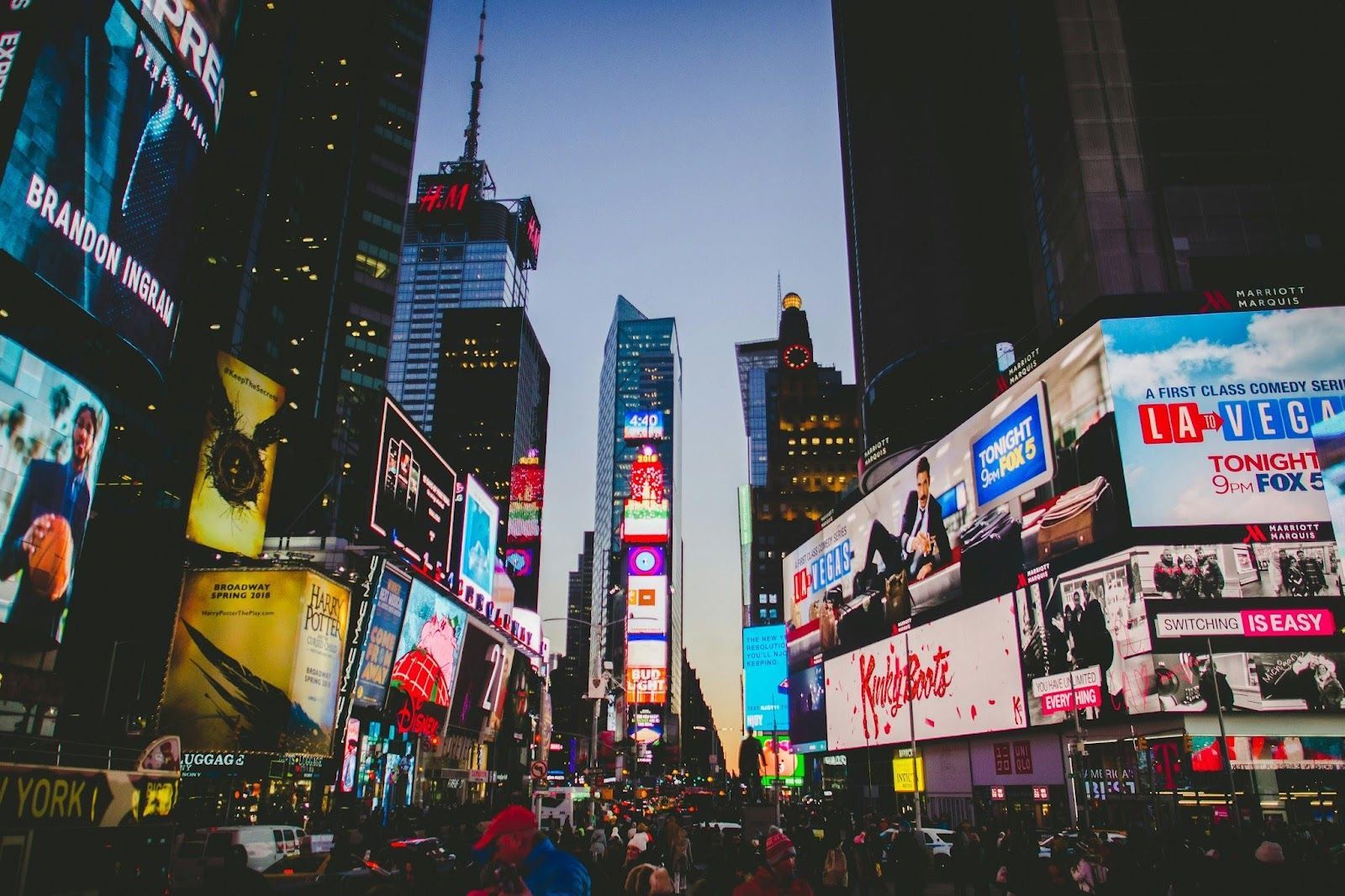
Image: Claudio Schwarz

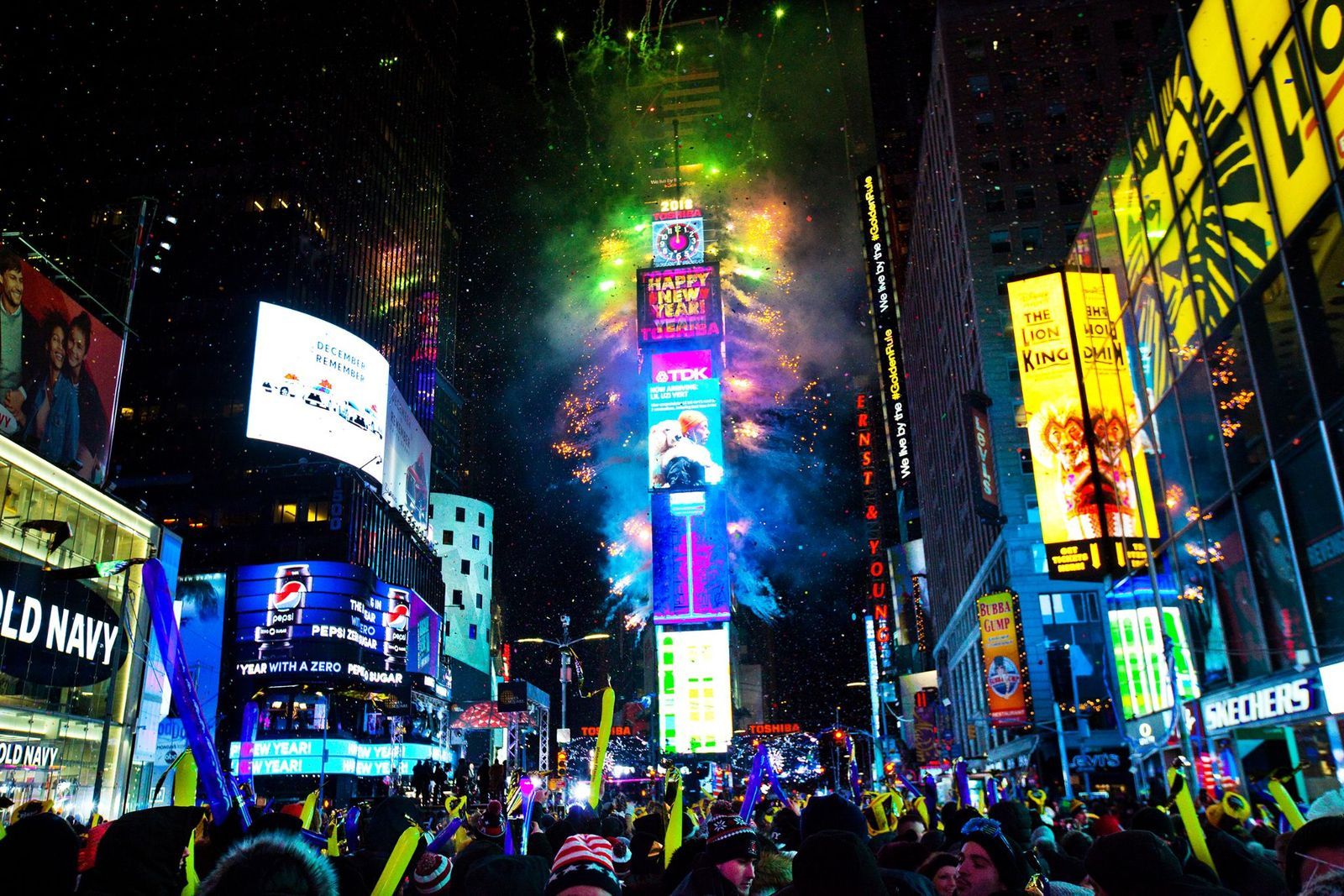
Of course, the famous multicolored screen-lit corner of Midtown Manhattan is one of the most concurred spots in the country and the world. It is estimated that over 300,000 people pass through this intersection every day.

Forever buzzing with shiny advertisements and businesses that grant service 24/7, the "Crossroads of the World" and its nearby streets are a hub offering adrenaline, entertainment, history, gastronomy, and museum-like stores. During the New Year's Eve ball drop event, the number of visitors can climb up to one million, although it reached its all-time record on December 31st, 1999. An estimated two million people gathered there to watch the ball mark the end of the year, century, and millennium!

2
Las Vegas Strip, Las Vegas

Image: David Vives

The Las Vegas Strip is said to be the brightest spot on the planet when seen from space. This four-mile-long stretch of Las Vegas Boulevard in Nevada concentrates some of the world’s largest and most boastful hotels, casinos, and resorts. No wonder the area attracts approximately 42 million visitors each year.

Although the heart of Las Vegas offers plenty of entertainment venues, fine dining establishments, sports events, galleries, and huge shopping centers, it is most famous for being a gambling destination . A 2019 survey concluded that eight in ten adults who visited Las Vegas gambled while they were there.

3
National Mall, Washington, D.C.

Image: Chad Stembridge

Visitors in Washington D.C. flock in masses to the National Mall. This open-park area sprawls over two miles from the U.S. Capitol to the Lincoln Memorial and is also home to iconic landmarks like the Washington Monument , the Vietnam Veterans Memorial, and the World War II Memorial. The Smithsonian museums are another attraction, offering free access to art, history, and science exhibitions.

Approximately 30 million visitors walk the area each year, which makes it a top-tier attraction for people all over the country and the world. Of course, the park is most flooded with attendance on special dates and events, such as the celebrations of Independence Day , Earth Day, or the Blossom Kite Festival.

4
Millennium Park, Chicago

Image: Kevin Olson

Those who travel to Chicago know they should visit Millennium Park, and those who go to Millennium Park know they must approach the iconic bean-shaped Cloud Gate . As a consequence, it is estimated that 25 million people are reflected on the silver surface of The Bean every year.

Millennium Park was opened twenty years ago, in 2004, as an urban development built over a former industrial area to promote art and outdoor recreation in the "city in a garden," which is Chicago’s motto.

5
Golden Gate Park, San Francisco

Image: Alireza Mirzabegi

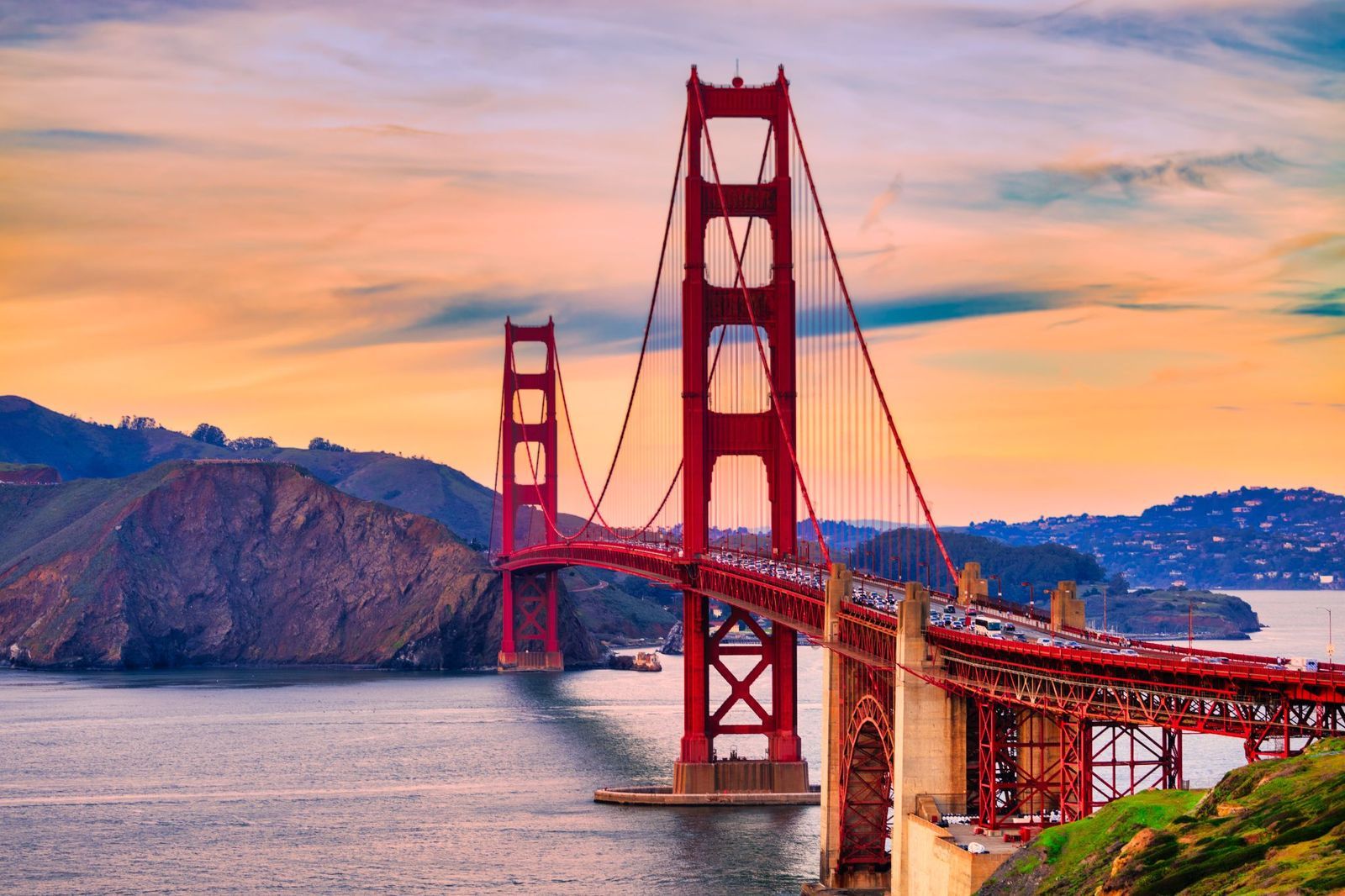
Sprawling by the Pacific Ocean is the Golden Gate Park in San Francisco. It covers a massive 1,017-acre urban section and includes attractions like the de Young Museum, the California Academy of Sciences, and the Japanese Tea Garden. It also offers beautiful gardens , picnic areas, lakes, and iconic structures like the Conservatory of Flowers. Not to mention privileged views of the iconic Golden Gate Bridge.

24 million visitors come to the park each year, with some events gathering over 200,000 attendees, like the annual Outside Lands Music and Arts Festival. There are spots in this park to suit all interests : Windmills, boat rentals, observation towers, a Shakespeare Garden, 130 species of birds, and even bison!

6
Walt Disney World’s Magic Kingdom, Orlando

Image: kaleb tapp

Even though Magic Kingdom Park charges for admission, it’s still one of the most visited places in the country every year. At least 20 million go through the turnstiles annually to walk the quintessential Disney theme park.

Cinderella’s Castle, Main Street, U.S.A., and iconic attractions like Space Mountain, Pirates of the Caribbean, and the Haunted Mansion are fan favorites in this land. Special events held for Halloween, Christmas, and Fourth of July are among the park’s largest annual celebrations, drawing thousands of visitors.

7
Faneuil Hall Marketplace, Boston

Image: Brett Wharton

Faneuil Hall Marketplace has been standing since 1742 when it was established. Historically, it served as a focal point for public discourse and commerce. Today, it is mainly a marketplace that features more than 80 businesses , including eateries, shops, and entertainment venues, all set along charming cobblestone walks.

The area is vibrant all year round, frequented by musicians, magicians, and other performers . Foodie soirees, history tours, and fairs of local enterprises are further reasons to visit the spot. About 18 million do so every year.

8
Balboa Park, San Diego

Image: Vincent Yuan @USA

Balboa Park in San Diego features stunning gardens and buildings, as well as the world-famous San Diego Zoo . 1,200-acre wide, it also houses the San Diego Museum of Art and the San Diego Natural History Museum. The park famously boasts Spanish-Renaissance architecture and has become a hub for both locals and tourists.

During the holidays, the December Nights celebration gathers over 350,000 visitors across two days, when museums offer free entry and festive performances are held. EarthFair is another huge event in the park, attracting 60,000 attendees to one of the world’s largest environmental fairs to promote sustainability.

9
Great Smoky Mountains National Park

Image: Jack Prommel

Straddling the border of Tennessee and North Carolina, this National Park gathers over 12 million people every year. It is indeed the most visited national park in the U.S. and has been declared a UNESCO World Heritage site . Its mist-covered peaks, lush forests, and diverse wildlife fascinate visitors who walk its hiking trails. These include the Appalachian Trail.

Hundreds of thousands choose to visit the park during fall when autumn colors light up the landscape. In spring, the Wildflower Pilgrimage draws botany enthusiasts who come to the guided talks and walks to appreciate the park's unique biodiversity.

10
Pier 39, San Francisco

Image: Deane Bayas

Pier 39 is ideal for a family-friendly promenade. Located on San Francisco’s Embarcadero, this waterfront marketplace is known for its shops, restaurants, and stunning views of the Golden Gate Bridge, Alcatraz, and the Bay. There’s also a colony of sea lions forever lounging on its docks, who have become one of the dearest attractions of the site.

Another main attraction is the two-tiered carousel sitting towards the end of the pier. The 15 million pedestrians who come yearly can also enjoy its video arcade, 3D rides, shops, and restaurants, and visit the Aquarium of the Bay.

History History 4 min read

Old-school education

10 classroom habits that once ruled U.S. schools—but are gone for good

Image: Nicola Tolin

Many once-standard school customs in the U.S. have quietly vanished—phased out by shifting norms, safety rules, and cultural changes. These traditions shaped daily routines for generations, yet few remain today. From daily cursive drills to milk breaks , here are 10 traditions that have disappeared, along with the reasons behind their decline.

1
Home economics class

Image: Merve Sehirli Nasir

Home economics as a school subject peaked in the mid-20th century, teaching sewing, cooking, and budgeting —often aimed at girls.

By the 2000s, however, many states had folded it into a broader "family and consumer sciences" category, as shifting gender roles and changing cultural habits made the old curriculum feel increasingly outdated.

2
Woodshop in every school

Image: benjamin lehman

Lightly supervised children with access to power tools? Today, it seems hard to believe, but woodshop was a standard industrial arts course throughout the 1950s–1980s.

Declines began in the 1990s due to higher liability insurance costs, budget cuts, and a growing emphasis on college-prep academics over practical skills. Some schools still maintain limited woodworking programs, often using them as hands-on, integrated learning tools.

3
The dodgeball era

Image: Wan San Yip

Dodgeball dominated physical education classes well into the 1990s, often using hard rubber balls that were notorious for causing stingers, bruises, and occasional injuries . The game was popular because it required little equipment, could fill an entire class period, and kept large groups of students active.

By the 2000s, however, concerns about safety and bullying led many districts to restrict or replace dodgeball with more structured team sports. Some schools still play modified versions, usually with soft foam balls and strict rules.

4
Chalkboard dusting

Image: Vitaly Gariev

For over a century, green and black chalkboards were the centerpiece of American classrooms, with students regularly assigned to "clap out" erasers outside to clear the built-up dust. Chalk was cheap, durable, and easy for teachers to use in large rooms.

By the 1990s, districts began replacing chalkboards with whiteboards due to dust concerns linked to asthma and indoor air quality. The shift accelerated as overhead projectors, digital displays, and interactive whiteboards provided cleaner surfaces and reduced inhalation hazards.

5
Daily milk breaks

Image: ROBIN WORRALL

Mid-morning milk breaks became common in American elementary schools after the USDA expanded dairy subsidies through programs like the Special Milk Program in 1954. For decades, students lined up for small cartons—usually whole milk—intended to boost childhood nutrition and support U.S. dairy producers during periods of surplus.

By the 1990s and 2000s, milk breaks declined as updated nutrition guidelines shifted schools toward broader meal programs rather than standalone milk service.

6
In-school smoking lounges

Image: Andres Siimon

The idea of teens openly smoking on school grounds would be almost unimaginable under today’s health and liability standards. But through the 1960s and into the early 1980s, many American high schools—especially in the Midwest and Northeast—maintained designated smoking areas for students.

The practice disappeared quickly as federal and state regulations tightened, beginning with widespread adoption of indoor smoking bans in the late 1980s and early 1990s. The 1994 Surgeon General’s report and anti-tobacco campaigns further pushed districts to eliminate student smoking sections altogether.

7
Daily cursive drills

Image: Aaron Burden

For most of the 20th century, daily cursive drills were a nonnegotiable part of American schooling , often reinforced by specific handwriting manuals. Teachers devoted significant class time to perfecting loops, slants, and connected strokes, because cursive was considered essential for legibility, speed, and personal discipline.

The decline accelerated after the rollout of the Common Core State Standards in 2010, which omitted cursive entirely in favor of keyboarding and digital literacy benchmarks. With shrinking instructional time, cursive was often one of the first skills removed from early-grade schedules.

8
Class pet enclosures

Image: Minjae Cho

From the 1960s through the 1990s, class pets—hamsters, guinea pigs, turtles, goldfish, and even the occasional lizard—were staples of American elementary classrooms. Teachers used them to teach responsibility, empathy, and basic biology , and many classes created rotating "pet helper" charts for feeding and tank cleaning.

Today, the idea of a live animal in a crowded classroom, handled daily by students, feels out of step with modern safety, allergy, and sanitation standards. Maintenance costs, humane-treatment rules, and the challenge of caring for animals during breaks led schools to retire these longtime classroom mascots.

9
Student hall monitors

Image: Christopher Ryan

For much of the mid-20th century, student hall monitors were a fixture in American schools. Selected students—often upper-grade or high-performing—wore badges or sashes and were tasked with checking hall passes, reporting loitering, and keeping noise down between classes.

By the 1990s, the role faded as schools adopted professional security staff, stricter attendance protocols, and legal liability rules that made peer enforcement impractical. As districts invested in cameras, campus supervisors, and centralized discipline systems, the traditional hall monitor quietly disappeared from most American schools.

10
Morning physical calisthenics

Image: Philip White

From the 1950s through the early 1970s, influenced by Cold War fitness campaigns, many American schools began the day with school-wide calisthenics —jumping jacks, toe touches, and arm circles—led over the PA system.

The practice faded as schedules tightened and PE moved into dedicated class periods, with research favoring structured fitness over brief daily routines. Today, the idea of entire schools performing synchronized drills feels almost militaristic.

History History 3 min read

Tales of The Rock

Convicts wanted to stay at Alcatraz? Myths and truths about the prison

Image: Andrew Patrick Photo

For decades, Alcatraz has been sold as America’s most terrifying prison: an island no one escaped, designed to break the worst criminals alive. But, as it turns out, the true stories are stranger and far more interesting. Behind the barbed wire were hot meals, music floating across the bay, children riding bikes, and inmates who actually asked to stay. Read on to learn more historical details about the prison !

1
"No one ever escaped alive"

Image: Kelly

Alcatraz loved to sell itself as inescapable. According to official records, no inmate ever made it off the island alive . But the fine print matters…

Five men were not listed as dead, only as "missing and presumed drowned." No bodies were ever recovered… But, considering the cold, fast-moving waters of San Francisco Bay, drowning was a plausible explanation.

2
A 1962 escape still haunts the FBI

Image: Line Knipst

For example, there’s this one story. In June 1962, Frank Morris and brothers John and Clarence Anglin vanished from their cells. They left behind dummy heads made of soap, toothpaste, and toilet paper . Using spoons, they had widened ventilation holes and built a raft from raincoats.

The FBI closed the case in 1979, concluding they drowned. But decades later, new evidence and family testimony reopened the question: What if they didn’t? No bodies were ever found.

3
It was not the harshest prison in America

Image: Klemens Köpfle

Despite its fearsome reputation, Alcatraz was not physically brutal by prison standards of the 1930s. Inmates had single cells, decent sanitation, and regular hot meals, which was not common at the time. In fact, after transfers to other prisons, some inmates requested to return.

4
Prisoners ate shockingly well

Image: Grant Durr

Alcatraz did not believe in hunger as punishment. As mentioned, inmates were served hot breakfasts, fresh bread, meat, and even desserts. The logic was simple: well-fed prisoners were calmer prisoners.

During the Great Depression, some inmates ate better on the Rock than they had on the outside.

5
Al Capone was just another prisoner

Image: Sindre Fjerdingby

Al Capone might have arrived at Alcatraz expecting influence, but he found none there. Stripped of his power, he became inmate number 85, assigned to cleaning duty.

He received no special treatment and no protection from other inmates. His mob connections meant nothing behind those walls. All of this proves that Alcatraz was designed to erase reputations.

6
There was music

Image: Clément Falize

Did you know that Alcatraz had music? Inmates were allowed instruments , and a small prison band rehearsed regularly. There are records of even Al Capone participating in its band.

Legend has it that on quiet evenings, the sound carried across the water to San Francisco. But that may be only local lore.

7
"The Hole" was a real nightmare

Image: Vanessa Werder

Solitary confinement at Alcatraz was called D Block, but inmates knew it as "the Hole." Prisoners were kept in near darkness and silence for days or weeks.

There, meals were restricted, sometimes to bread and water. Inmates came to fear the Hole, as it meant no talking, no reading, no escape from your thoughts, and no sense of time.

8
Nearby sharks were not a threat

Image: Rodrigo Soares

Hollywood seems to love the idea of man-eating sharks circling Alcatraz. But, in reality, the bay’s sharks are small and harmless to humans.

What truly made escape deadly was the near-freezing water and violent tidal currents . Temperatures could drop below 55°F, which would cause rapid muscle failure.

9
Not all inmates were America’s worst criminals

Image: Rita Morais

Alcatraz housed famous gangsters, but many inmates were sent there for different reasons. Some were transferred simply for disciplinary issues, breaking rules, or attempting escape elsewhere.

The figure of the island was a control tool, not just a punishment for violent crime. The threat of being sent to the island seemed to keep other prisons in line.

10
Families lived next to the cells

Image: Liberty Jay

Guards lived on the island with their wives and children . So, you could say that Alcatraz was a whole neighborhood. Kids played baseball, rode bikes, and attended school by ferry.

There were birthday parties and movie nights, because normal life unfolded just steps away from locked cells.

11
Alcatraz closed because it was too expensive

Image: Malcolm Hill

The prison shut down in 1963 because it was financially unsustainable . Everything from fresh water to fuel had to be shipped by boat. Plus, salt air corroded buildings constantly, driving maintenance costs sky-high.

Explore more American facts

Choose your favorite category!

General
General

As American as apple pie—the very best America has to offer!

Culture
Culture

Delve into the astounding richness of American lore.

Geography
Geography

Hop in and explore vast and diverse American landscapes.

History
History

Discover the key moments that shaped the United States.