General General 3 min read

Will you miss them?

Wedding traditions that are slowly being forgotten
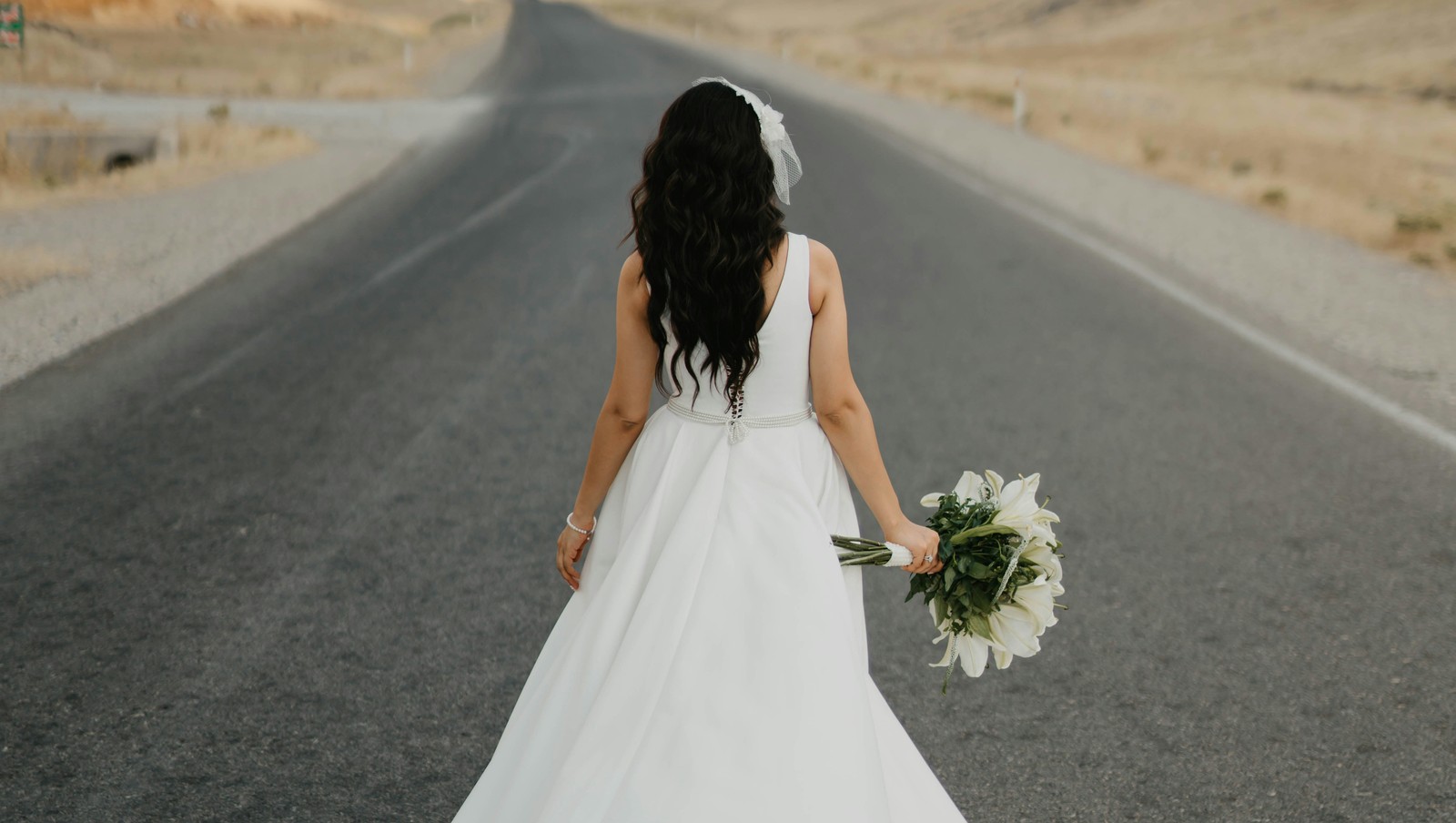
Image: Aranprime

Love, family, and centuries-old customs. Not all of those traditions are making it to the altar anymore, though. Some were born from superstition, others from practicality, and a few from trends that have, well, gone out of style. Many rituals are fading as modern couples trade formality for personality. Do you embrace new forms of celebration, or are you on the nostalgic side? Let’s look at the little old moments that once defined "I do."

1
Not seeing each other before the wedding
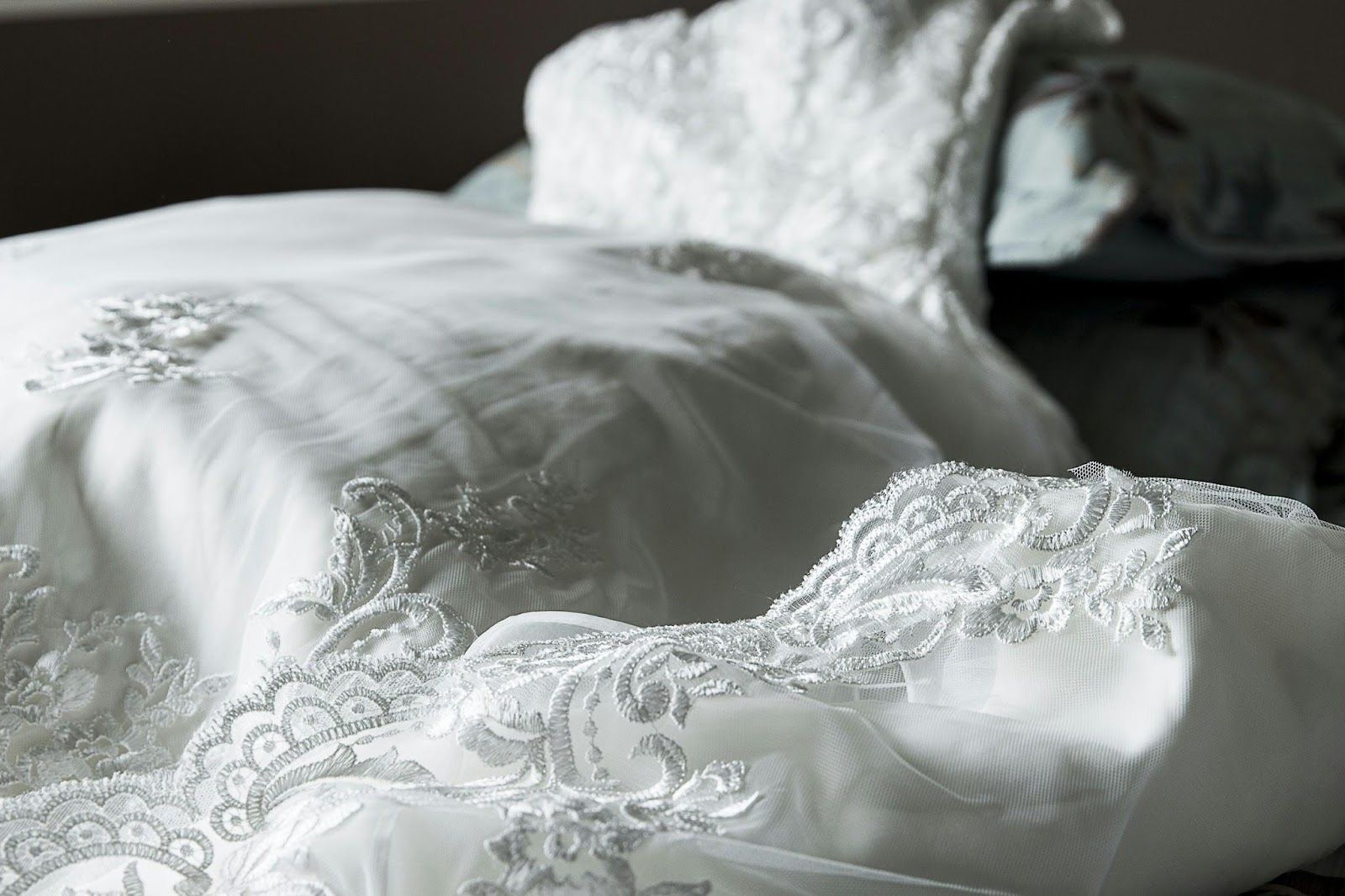
Image: Katy Duclos

Not seeing each other before the wedding was once considered essential. This superstition comes from the era of arranged marriages, when it was feared the couple might back out if they met beforehand. It evolved into the romantic "first look" at the altar. Many couples now skip it in favor of private pre-ceremony photos. Understandable!

2
Marrying in white
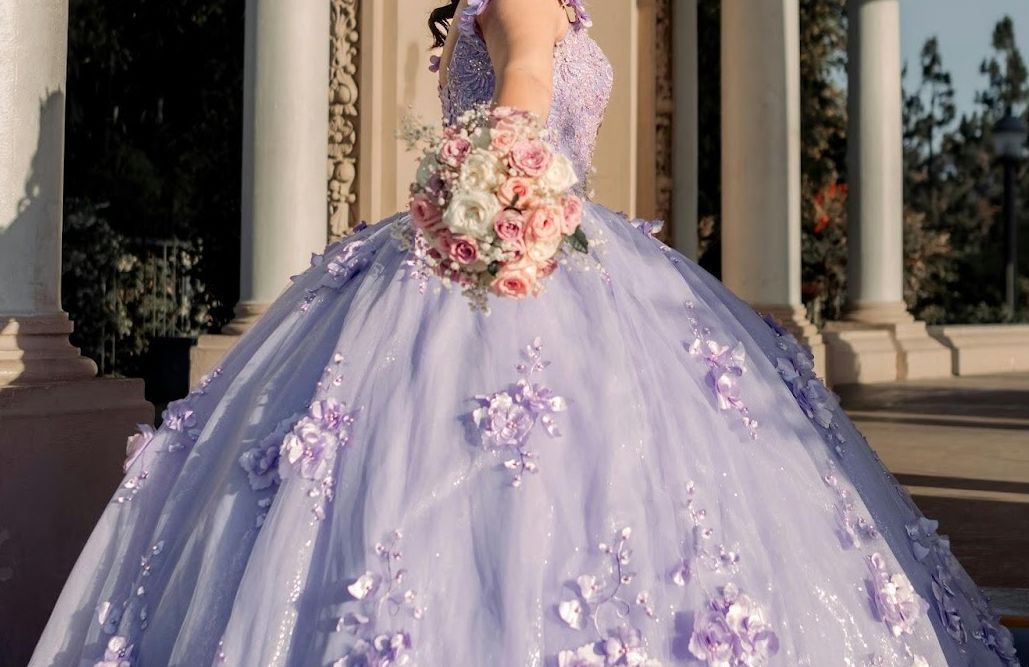
Image: Javier González Fotógrafo

Popularized by Queen Victoria in 1840, the white gown symbolized purity and wealth. U.S. brides embraced the trend for over a century, but modern weddings increasingly feature colorful gowns or non-traditional attire. Some pick their favorite color! Why not?

3
Wearing a veil
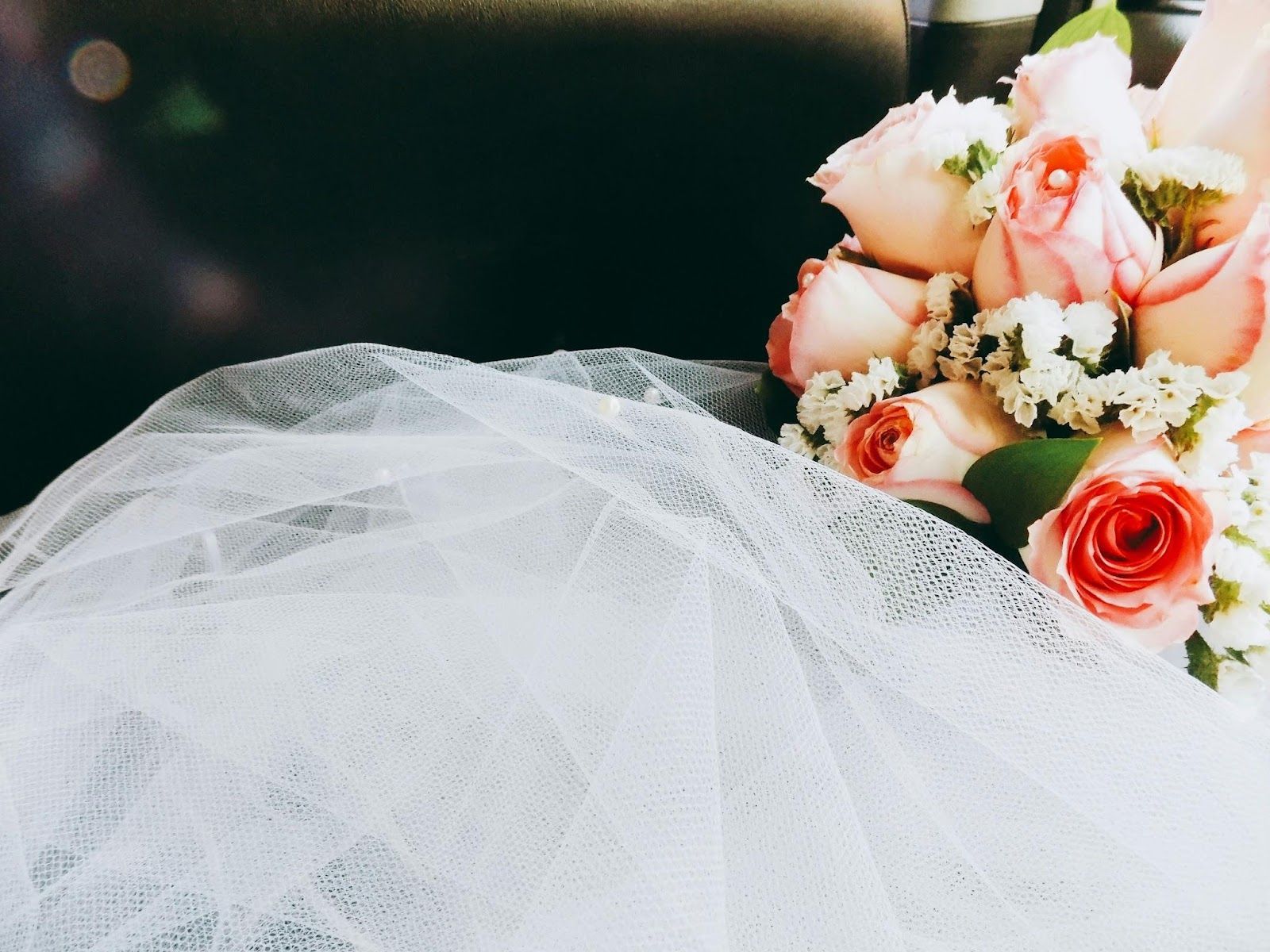
Image: Honey Yanibel Minaya Cruz

Once meant to protect brides from evil spirits or hide them from jealous eyes, the veil became a symbol of modesty. In the U.S., it persisted more as a fashion choice. Today, many brides favor hairpieces, flowers, or nothing at all.

4
Roast speeches
Image: Mads Eneqvist

Roast-style speeches became popular as toasts with a humorous edge, sometimes poking fun at the couple, especially at casual receptions. While funny for some, they’ve also led to plenty of awkward moments. Have you ever seen a video online of particularly harsh ones? As a result, many weddings now stick to heartfelt speeches to avoid offense.

5
Throwing a bouquet
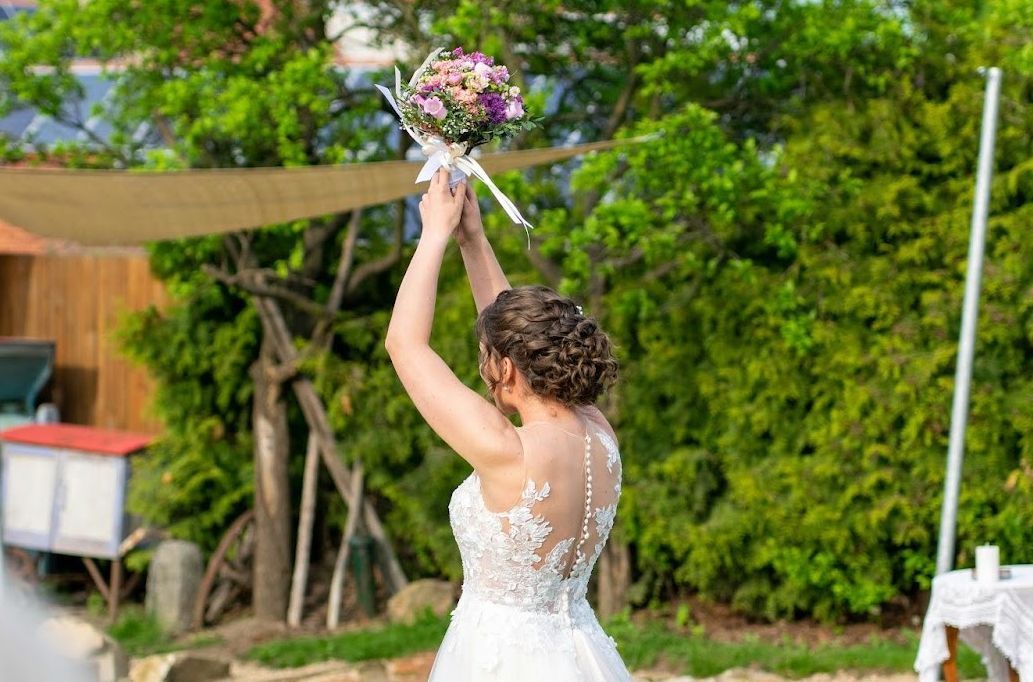
Image: Michal Mikulec

This playful tradition gave single women a "good luck" charm for marriage. It replaced older customs where guests tore pieces from the bride’s dress for luck. Many couples now swap it for alternative games or skip it entirely.

6
Receiving queues
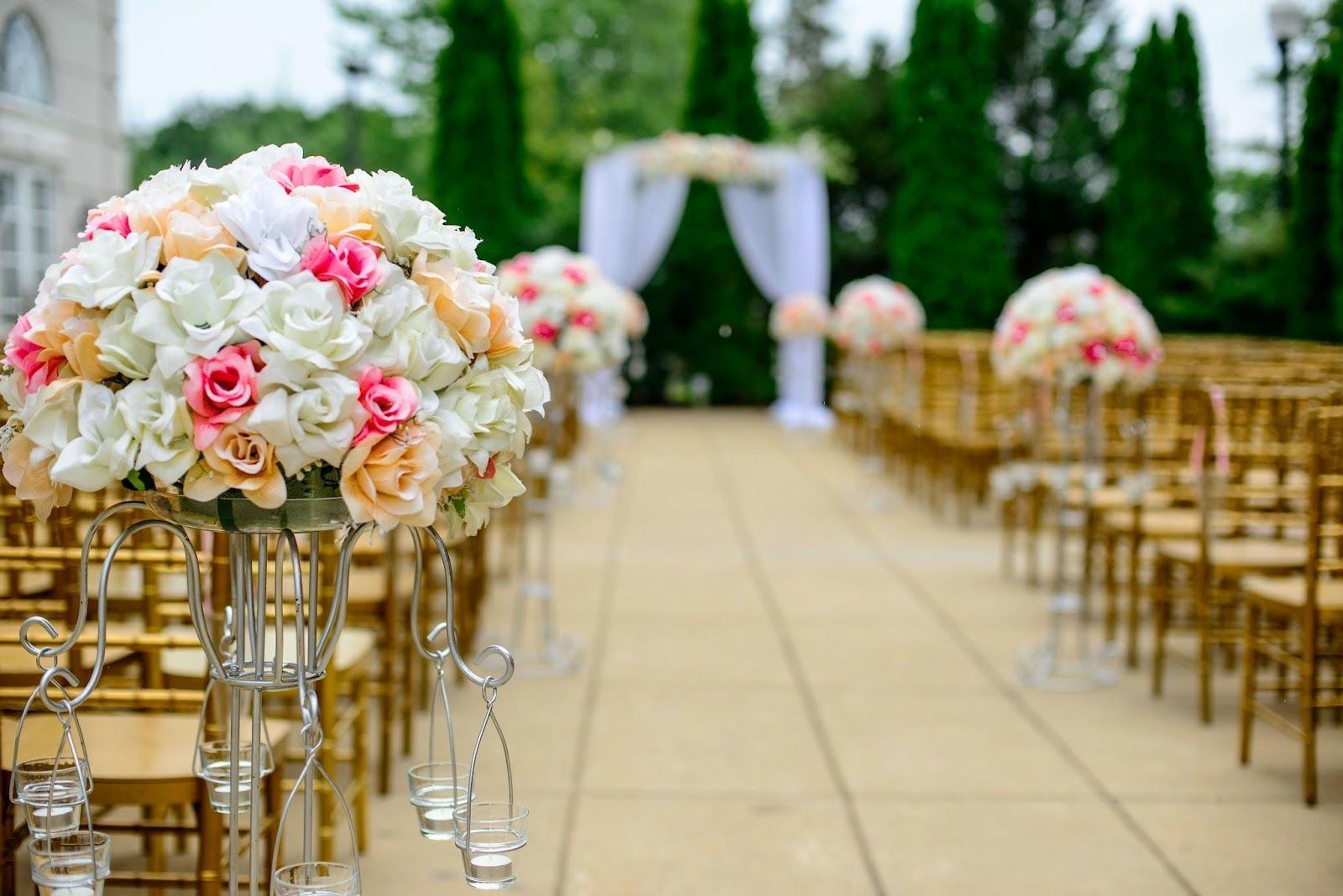
Image: Shardayyy Photography

For decades, couples stood in a formal line after the ceremony to greet each guest in turn. It was a way to ensure everyone felt acknowledged. But some prefer not to miss that informal mingling during the reception! Instead, they spend time with their loved ones more casually, enjoying the natural flow of the party.

7
Matching bridesmaids’ dresses
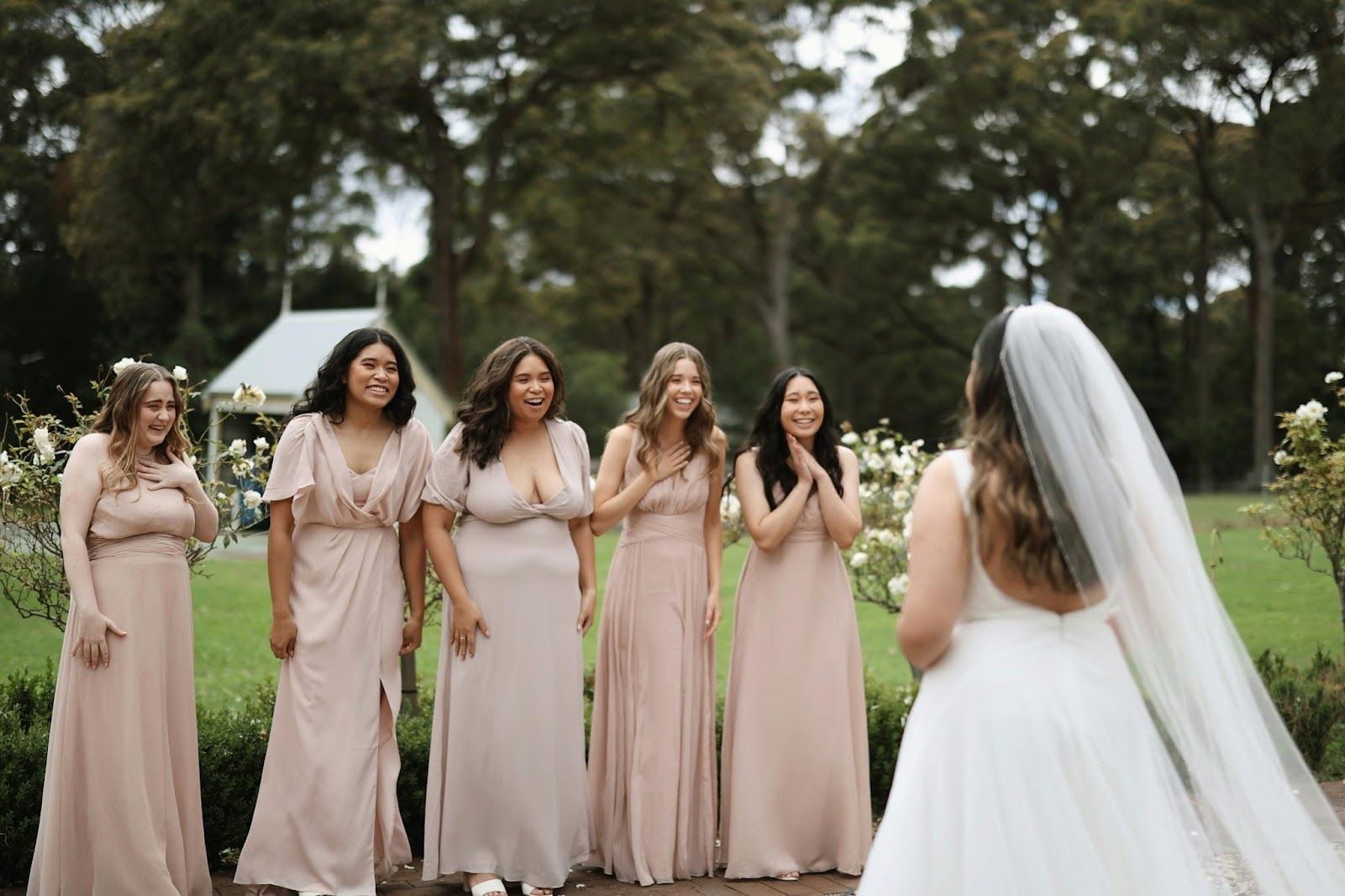
Image: Joeyy Lee

Tradition once had bridesmaids dressed alike in the same color, cut, and fabric to create a uniform look. Today’s weddings often mix styles, shades, and even prints. The change allows friends to choose something flattering—and something they can actually wear again.

8
Full sit-down dinners
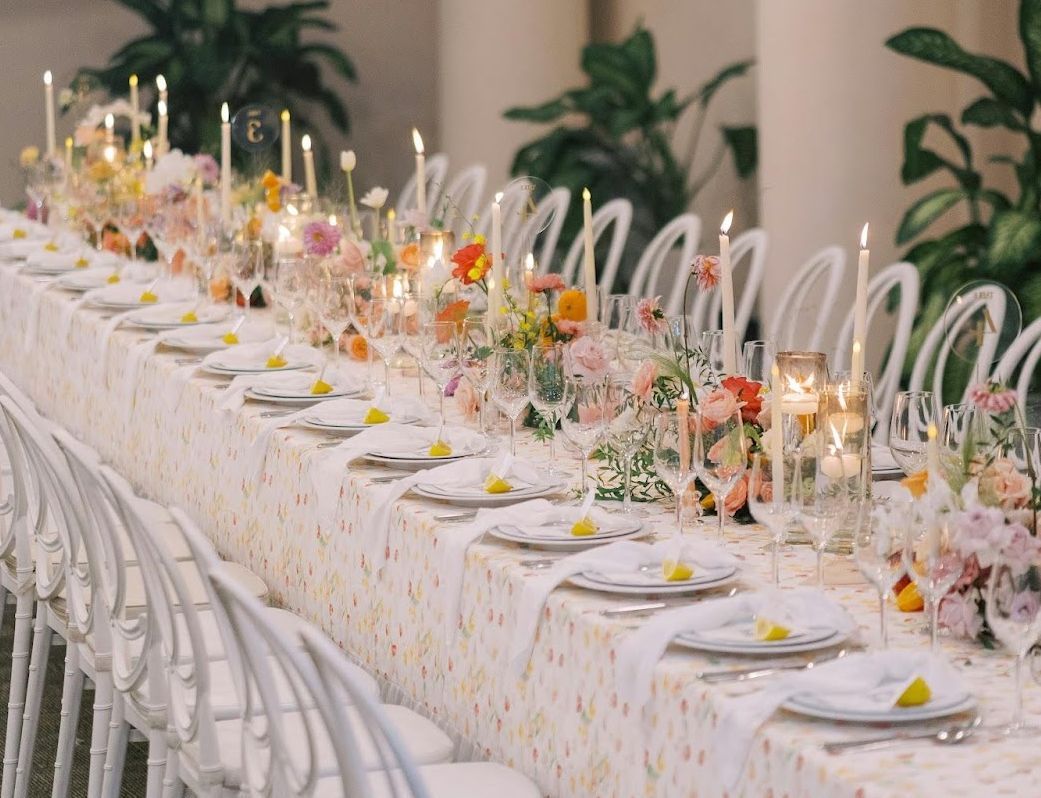
Image: Hồng Xuân Văn

The classic multi-course plated meal was once a wedding reception staple. Today, many couples opt for food trucks, buffet tables, or hearty hors d’oeuvres for a more social, less formal vibe. And, let’s face it, it also helps with costs and keeps the timeline flexible.

9
Saving the top tier of the cake
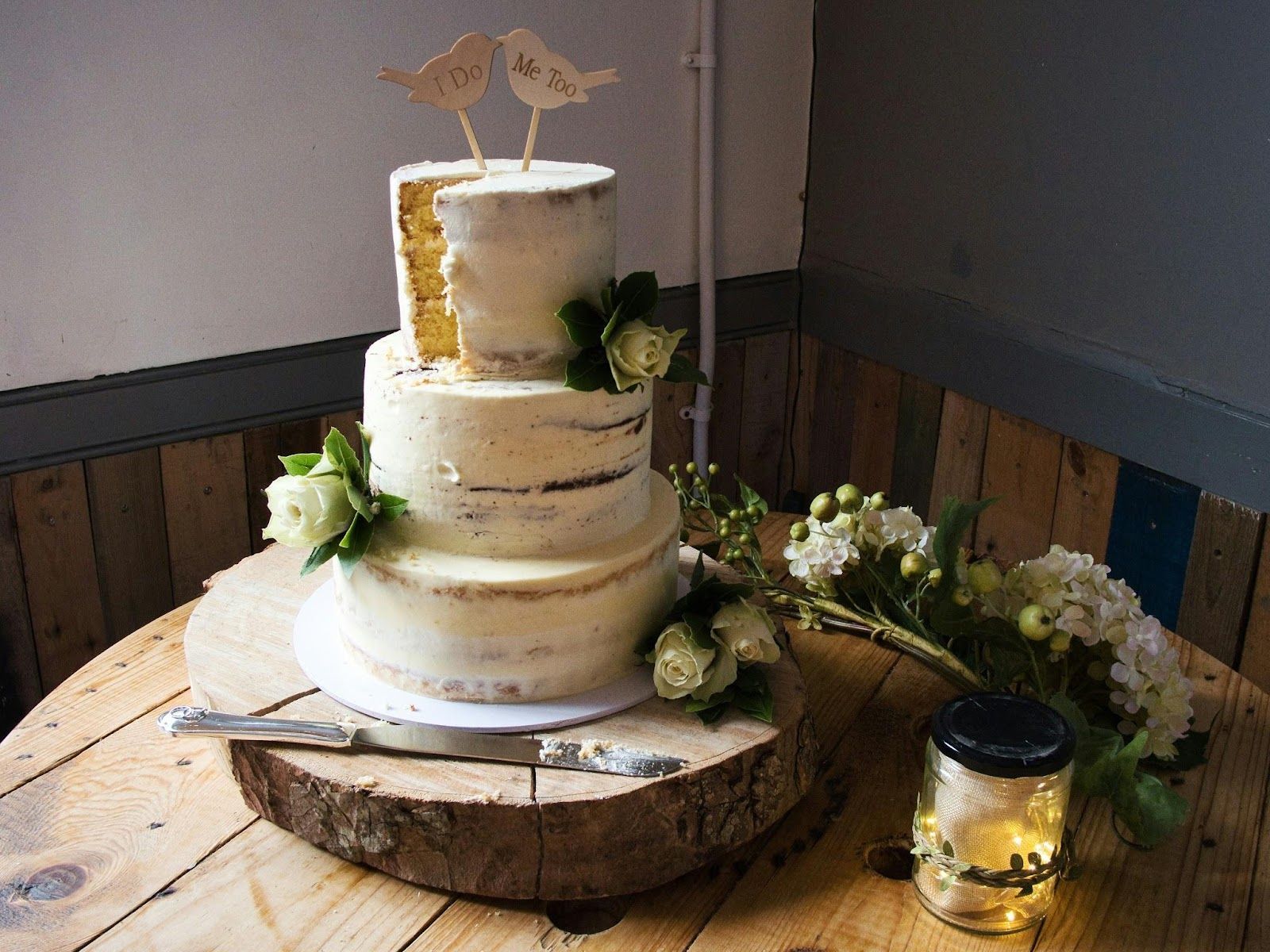
Image: Raquel Ming

Couples once froze the top tier of their wedding cake to eat on their first anniversary, as a symbol of enduring love. But after a year in the freezer, the result was often stale and unappetizing. These days, many order a fresh mini cake instead.

10
Rice throwing
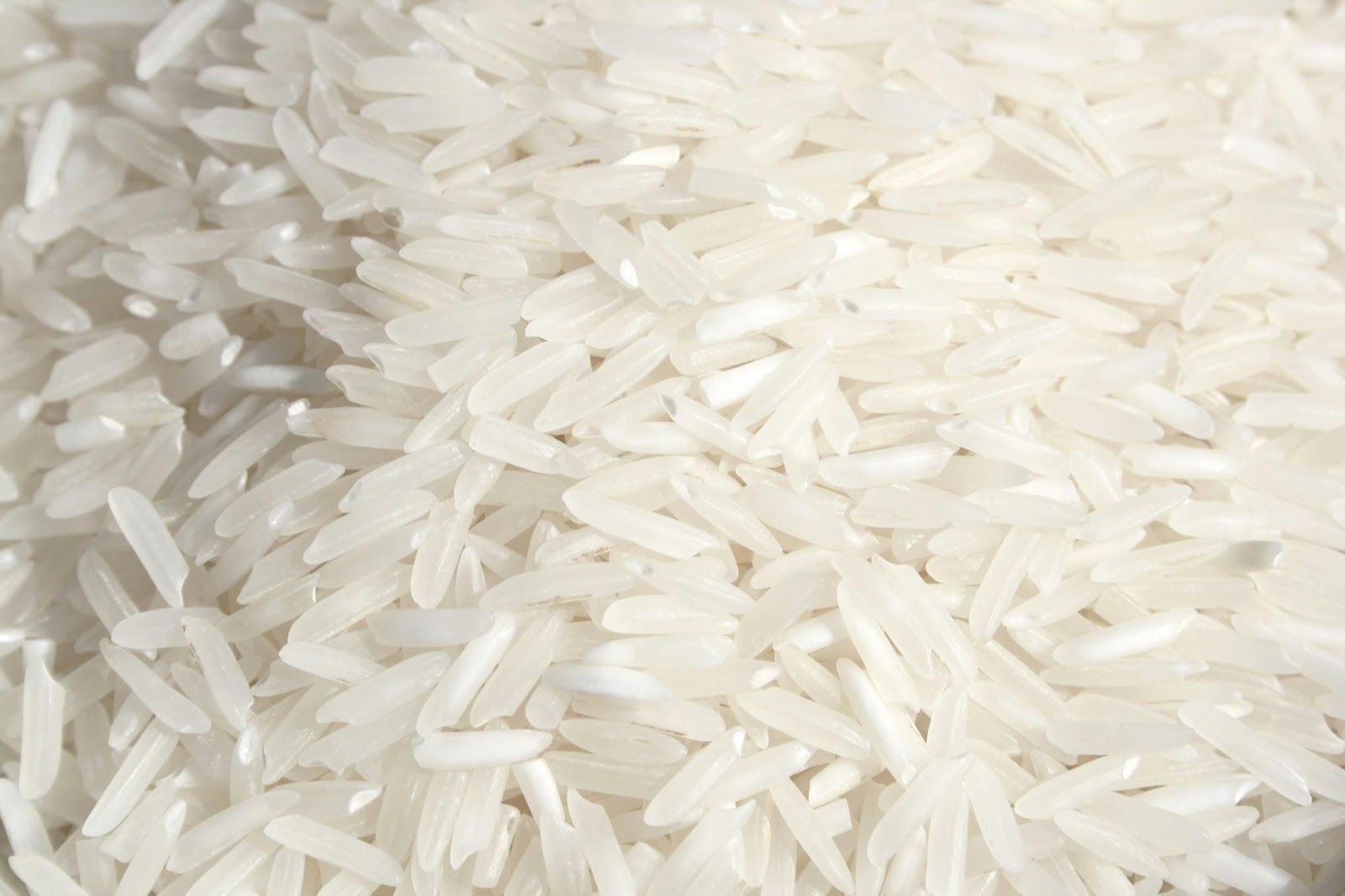
Image: Emma Miller

Showering the couple with rice at the exit was a long-held sign of prosperity and fertility. Concerns over mess, safety, and wildlife led to alternatives like bubbles, sparklers, or flower petals. The celebration remains, just with less sweeping.

11
Dollar dance
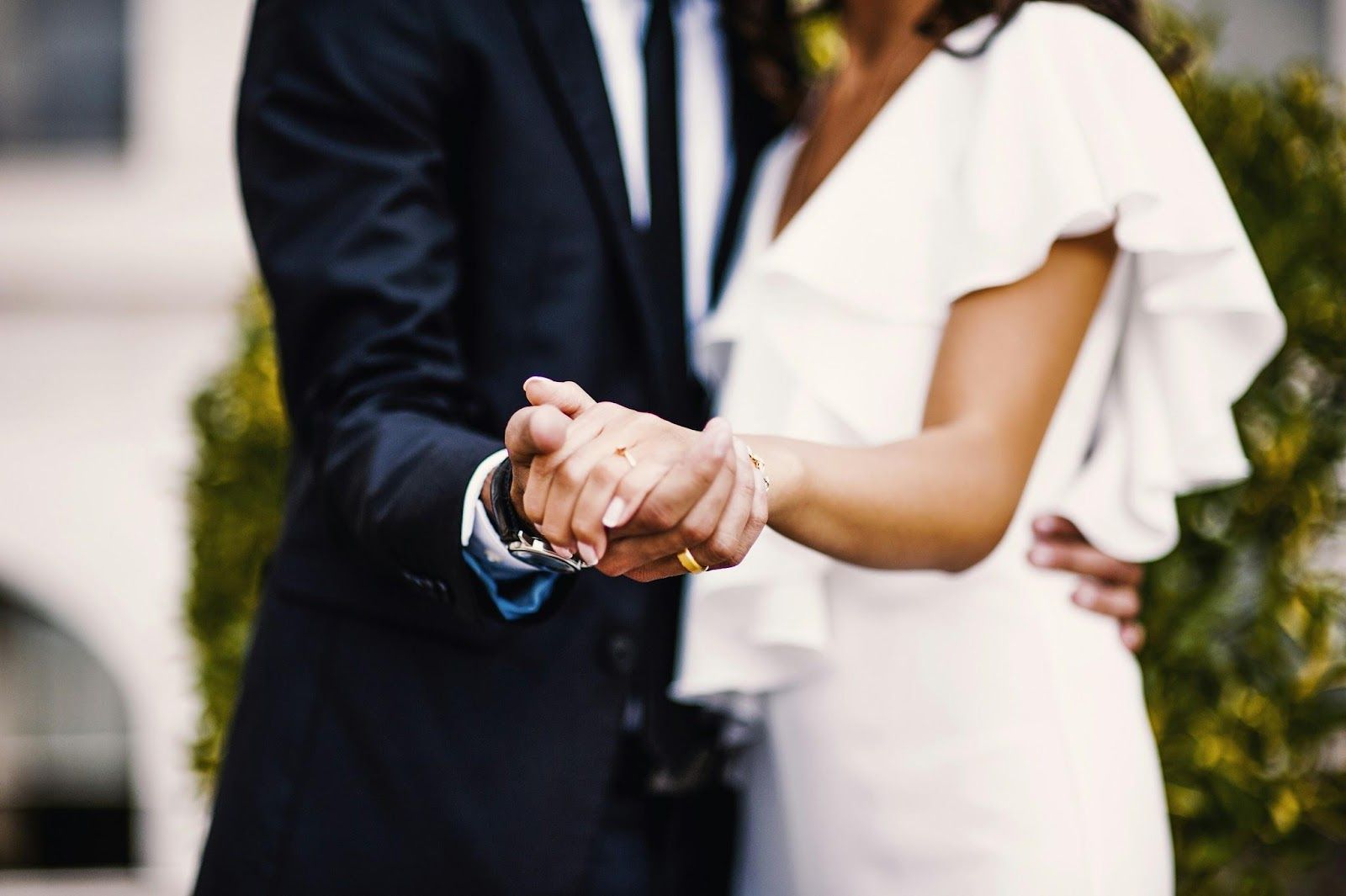
Image: Tiko Giorgadze

In this tradition, guests paid for a short dance with the bride or groom, contributing to the couple’s honeymoon fund. It was playful and personal, but could feel awkward or even outdated. Many couples now skip it in favor of more inclusive group dances.

12
Matching family seating sides
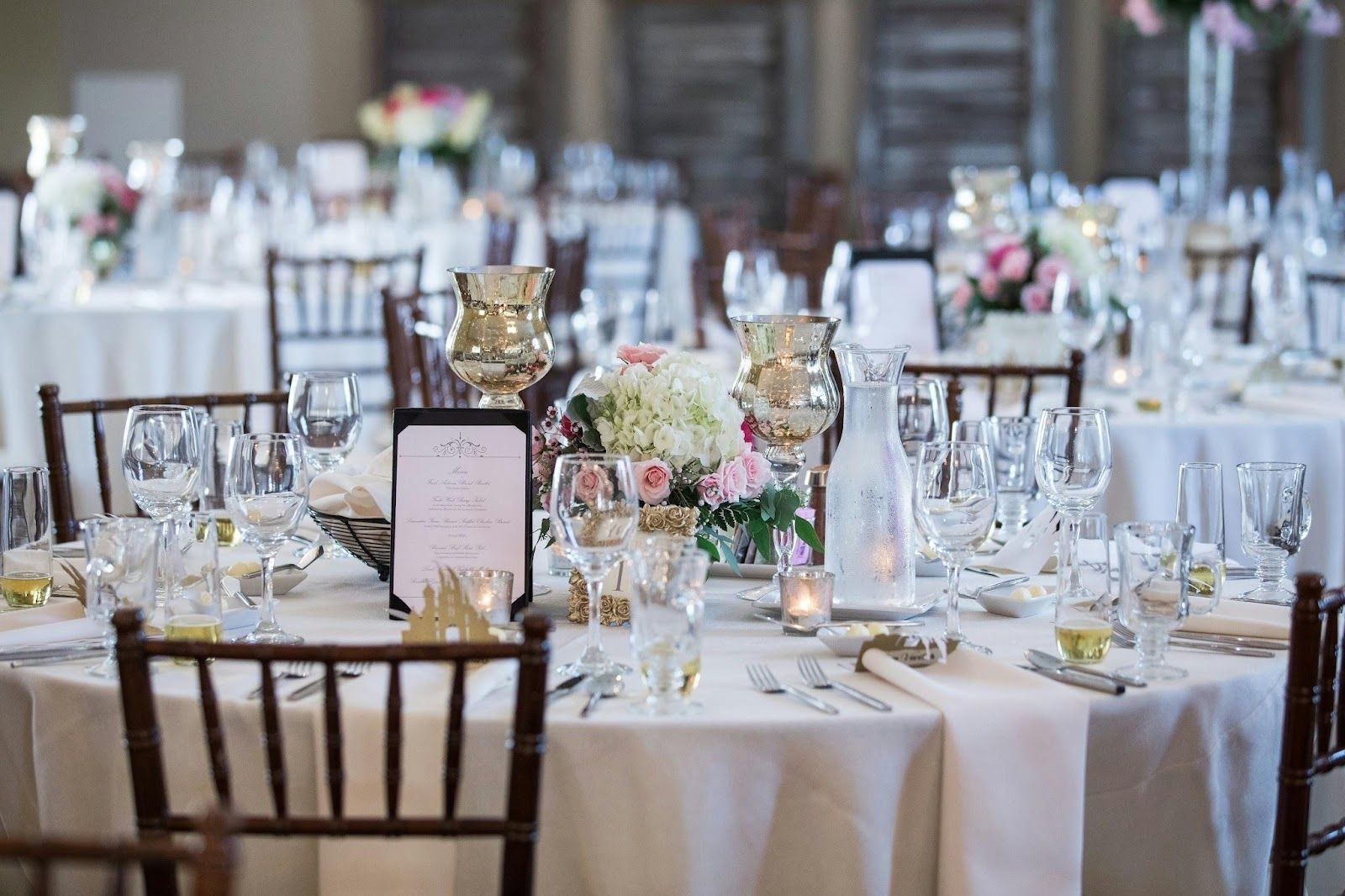
Image: Thomas Beaman

Traditionally, guests sat on the side of the family they knew best—the bride’s family on the left, the groom’s on the right. Today, signs inviting guests to "sit anywhere" reflect a blending of families and a more casual approach. Alternatively, tables may be intentionally assigned to mix new people together.

13
Garter tosses
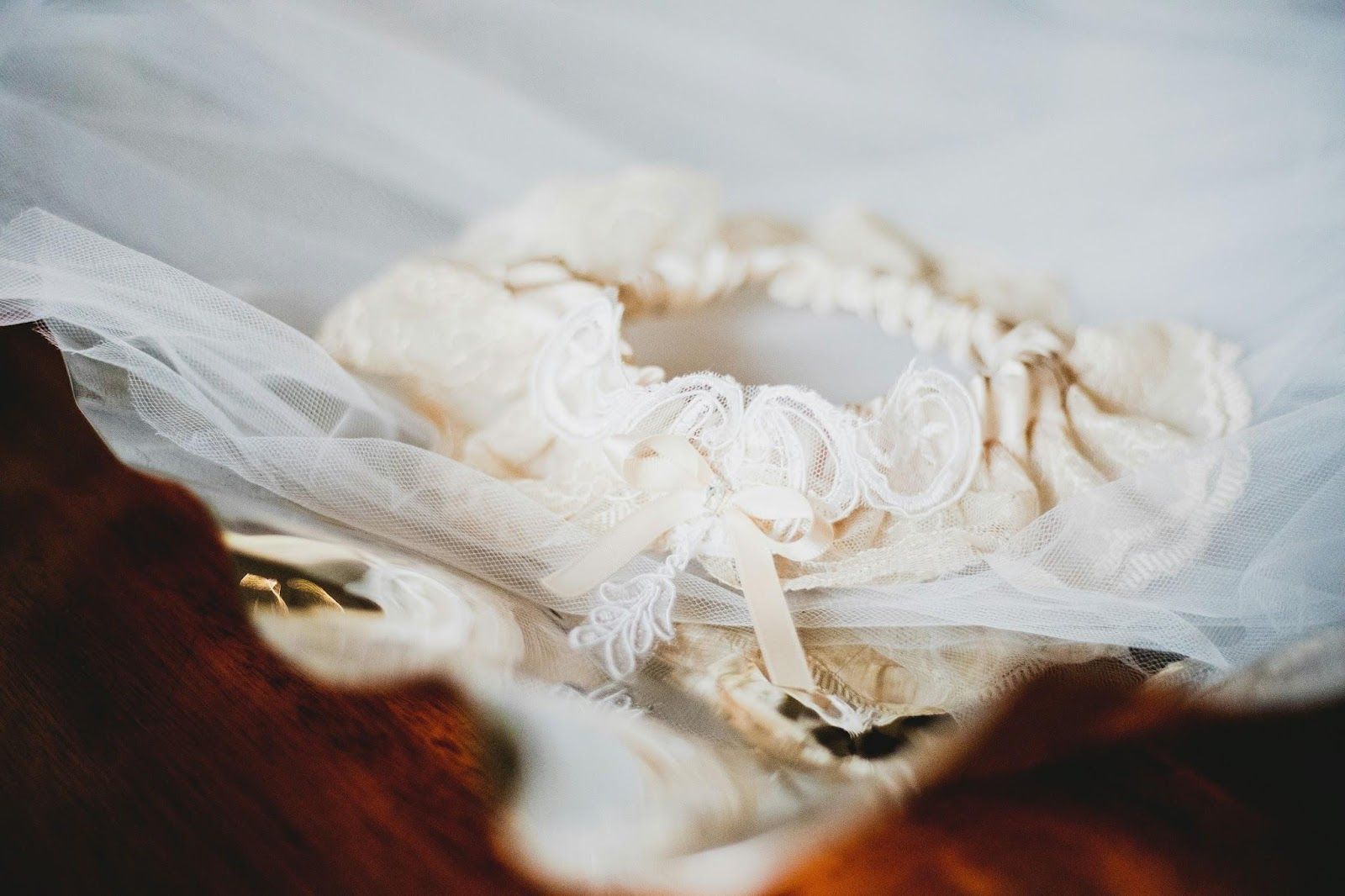
Image: Jeanie de Klerk

Once a bawdy medieval custom where guests scrambled for proof of consummation, it became a lighthearted party moment in American weddings. The groom removes and tosses the bride’s garter to single men. Today, it’s often skipped because it can feel outdated or awkward.

General General 5 min read

From coast to coast

You probably haven't heard of these 10 fascinating facts about America!

The United States is one of the largest, most famous, and most diverse countries in the world. But beyond the well-known facts and features of America, there are many surprising details that even some of us may not know. If you want to learn interesting things, such as the number of versions of the American flag, which famous landmark has a controversial addition, or which state has the fastest-speaking population, keep reading! Today, we're discovering 10 fun facts about our country that you may have never heard before.

1
World's largest office building

Image: Clem Onojeghuo

Among its many record-breaking achievements, America has one lesser-known record that also deserves attention.

Our country is home to the largest office building in the world. Want to know which one? The world's largest office building by floor area is the United States Department of Defense, also known as the Pentagon.

Ok, but how big is it? Located in Arlington, Virginia, and famous not only for its size but also for its distinctive five-sided design, the building has a total floor area of approximately 6.5 million square feet.

2
People in New York

Image: Nicolai Berntsen

We all know that New York City is packed with people. In fact, it's the most populous city in our country. But how many live there?

As of 2024, around 8.8 million people call NYC their home. That's a huge number on its own, but it might be even more impressive when you consider that NYC's population surpasses that of 40 US states, including Montana, New Hampshire, and Mississippi, to name a few. In other words, NYC has more residents than each of those 40 states individually.

After all, New York City is famously known as "the city that never sleeps" for a reason!

3
Many versions of the flag

Image: Chris Hardy

The US flag is one of our most beautiful and beloved symbols and also one of the most recognized worldwide. With its distinctive stripes, stars, and classic red, white, and blue colors, it is an unmistakable icon. But did you know it has undergone several changes over the years?

The US flag has not just had 1, 2, or 3 versions; in fact, there have been 27 official versions! Each of these versions served an important purpose, reflecting some key changes throughout our history. For example, whenever a new state joined the Union, an additional star was added. This is how we arrived at the 50 white stars you see in the upper left corner of our beautiful flag. The current version was made official on July 4, 1960.

4
No official language

Image: Ben Duchac

While English is the most widely spoken language in the United States, the country does not have an official language at the federal level.

This might surprise some people, given that English is the primary language for most Americans and is used for government and legal purposes.

On the other hand, many other languages are spoken here as well. For instance, Spanish is the second most spoken language, though it is used considerably less than English. And that's not all; Chinese, Filipino, and French also have a notable number of speakers in the US!

5
The fastest-speaking states

Image: Chris Liverani

We all have that friend who speaks so fast it's hard to keep up, even if you know them well. Would you like to know how fast Americans speak?

Fortunately, there's not just data on the languages we use but also on how quickly we speak in our daily lives. And it turns out that a few states lead the pack in this speed race.

According to the Smithsonian Institution, Oregon, Minnesota, and Massachusetts are the states where residents speak the fastest . So, if you know someone from those states, why not give it a try and see if you can keep up with their speedy conversations?

6
Most airports in the world

Image: Alex Underwood

Americans seem to love air travel, and there's a good reason for that: the US holds the record for the most airports in the world!

This isn't just a coincidence. The vast size of our territory— yes, we're one of the largest countries in the world—requires fast, safe, and efficient ways to travel to all corners.

With thousands of airports of all kinds spread across the country, it's no wonder that so many movies feature airport scenes or are even filmed inside airplanes, right?

7
Alaska's price

Image: Joris Beugels

We have the great advantage of having the gorgeous state of Alaska as one of the 50 states. Beyond its natural beauty, it holds another impressive distinction: it's the largest state by area, covering approximately 663,300 square miles.

As you may know, Alaska was purchased in 1867 when US Secretary of State William H. Seward sealed a deal with Russia to acquire the territory. However, what some people may not know is just how affordable it was: the purchase cost $7.2 million, which means we acquired Alaska for about 2 cents per acre! To put it in perspective, adjusted for inflation, that $7.2 million would be equivalent to about $140 million today.

8
The first national park in the world

Image: Nicolasintravel

The United States is home to some of the most spectacular and diverse national parks in the world. And not only that, but we also have the honor of being the country that established the world's very first national park.

Inaugurated on March 1, 1872, Yellowstone National Park became the Earth's first national park. This event marked a turning point, leading to the creation of many other national parks and protected areas both in America and around the globe.

The incredible Yellowstone spans approximately 3,472 square miles , primarily in Wyoming, with portions extending into Montana and Idaho. Have you had the chance to visit it?

9
A special feature on Washington National Cathedral

Image: Ryan Arnst

The Washington National Cathedral offers many attractions for visitors, starting with its beautiful Gothic-style architecture. However, it also holds some secrets and fun facts within its walls.

Construction began in 1907 and took 83 years to complete. The wait was well worth it, as the Washington National Cathedral is now the sixth-largest in the world! And here's a fun fact: its famous Space Window features a real piece of moon rock at its center. Amazing!

Additionally, there's also a quirky feature that some visitors overlook: on the Cathedral's façade, there's a gargoyle with the face of none other than Darth Vader! This Star Wars character was added to the building's northwest tower in the 1980s after a children's design competition. A curious touch, isn't it?

10
Miles of bookshelves

Image: Roman Kraft

The Library of Congress is much more than a beautiful complex of buildings. Located on Capitol Hill in Washington, D.C., this famous landmark was established over 200 years ago in 1800 . Since then, it has preserved and protected countless documents, treaties, and books that reflect and constitute our nation's history.

Adding to our list of world records, the Library of Congress holds the title of the largest library in the world. It boasts an incredible 164 million items, which translates to 838 miles of bookshelves. That's enough to cover the distance from Atlanta, GA, to New York City, NY!

History History 3 min read

Black blood

How oil powered the world: a story of America’s most lucrative industry

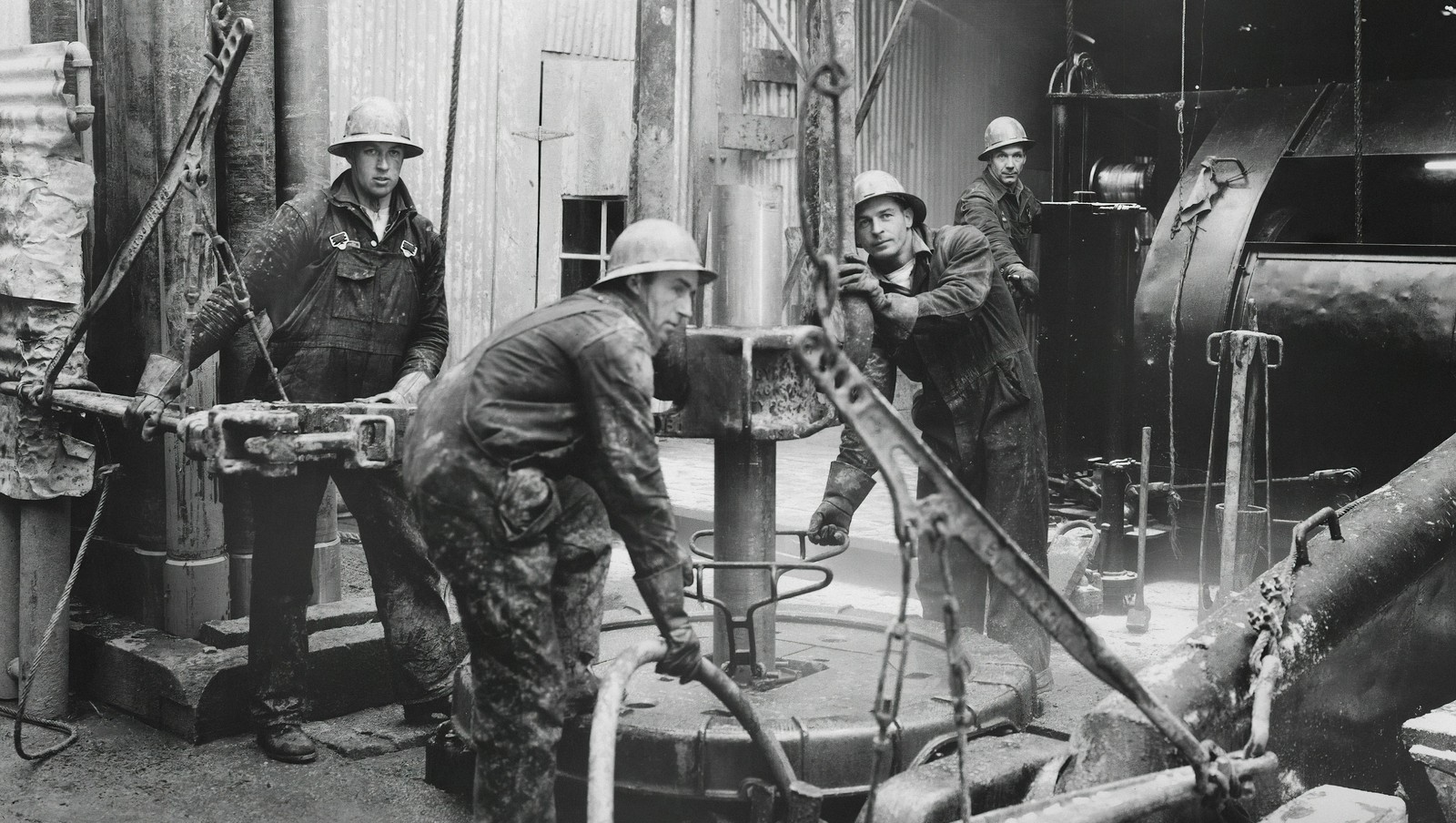
Image: Provincial Archives of Alberta

Since the first oil well was drilled, the United States’ crude oil industry has been a story of ambition, innovation, and power. Here are 10 pivotal moments—from the first black gold gush to the modern shale surge—that defined the role of oil in America.

1
1851: Early refining emerges

Image: Cedrik Wesche

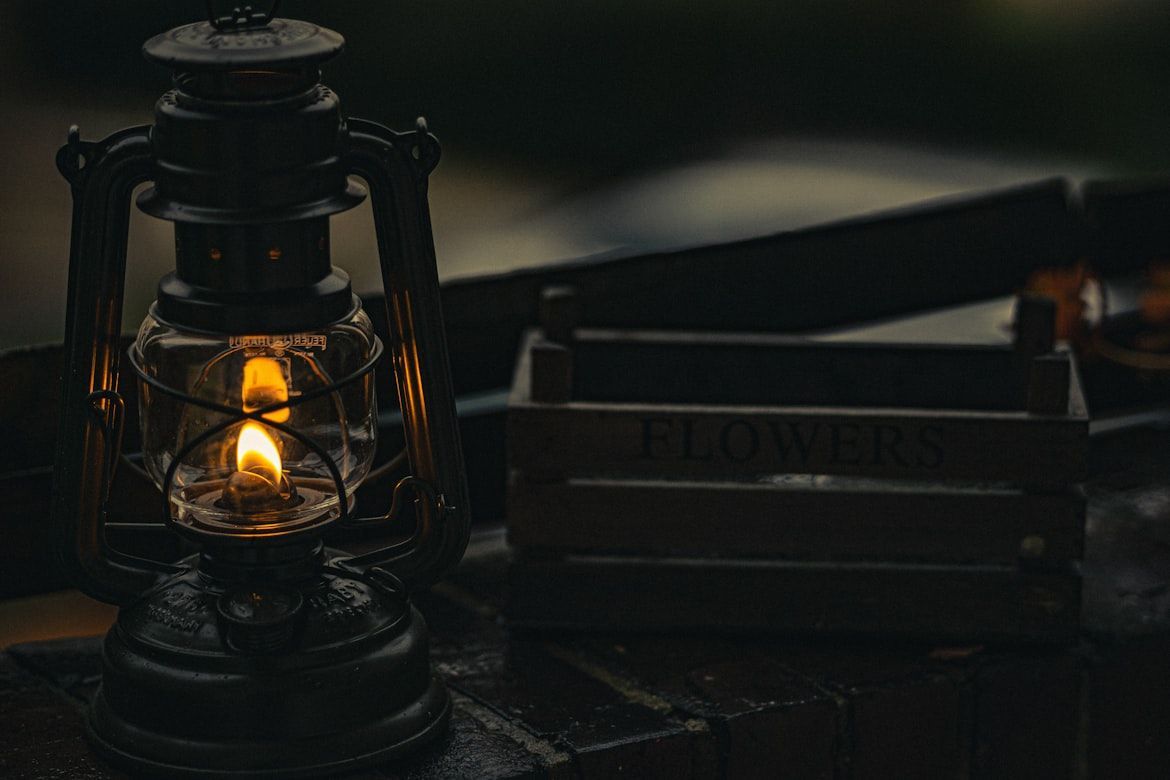
Just before the drilling boom, chemists like Samuel Kier developed small stills to refine crude oil into kerosene for lamps.

That innovation turned oil from a curiosity into a practical commodity. Kerosene replaced whale oil, making lighting cheaper and more widely available, and it created demand for a reliable crude supply.

2
1859: First commercial well

Image: Provincial Archives of Alberta

On August 27, 1859, Drake Well near Titusville, Pennsylvania, drilled by Edwin L. Drake, became the first purposefully drilled commercial oil well in U.S. history.

This moment ignited the first true American oil boom. Suddenly, it was possible to produce large volumes of crude—not just collect surface seepage—and to refine it into useful fuels.

3
1860s–1870s: Pennsylvania oil rush

Image: Jeff W

Word of the Drake success spread fast, and drilling spiked throughout Pennsylvania. Towns such as Titusville swelled almost overnight as wells and refineries spread along Oil Creek Valley.

Railroads extended into western Pennsylvania to transport oil across the country, embedding petroleum into America’s emerging industrial infrastructure.

4
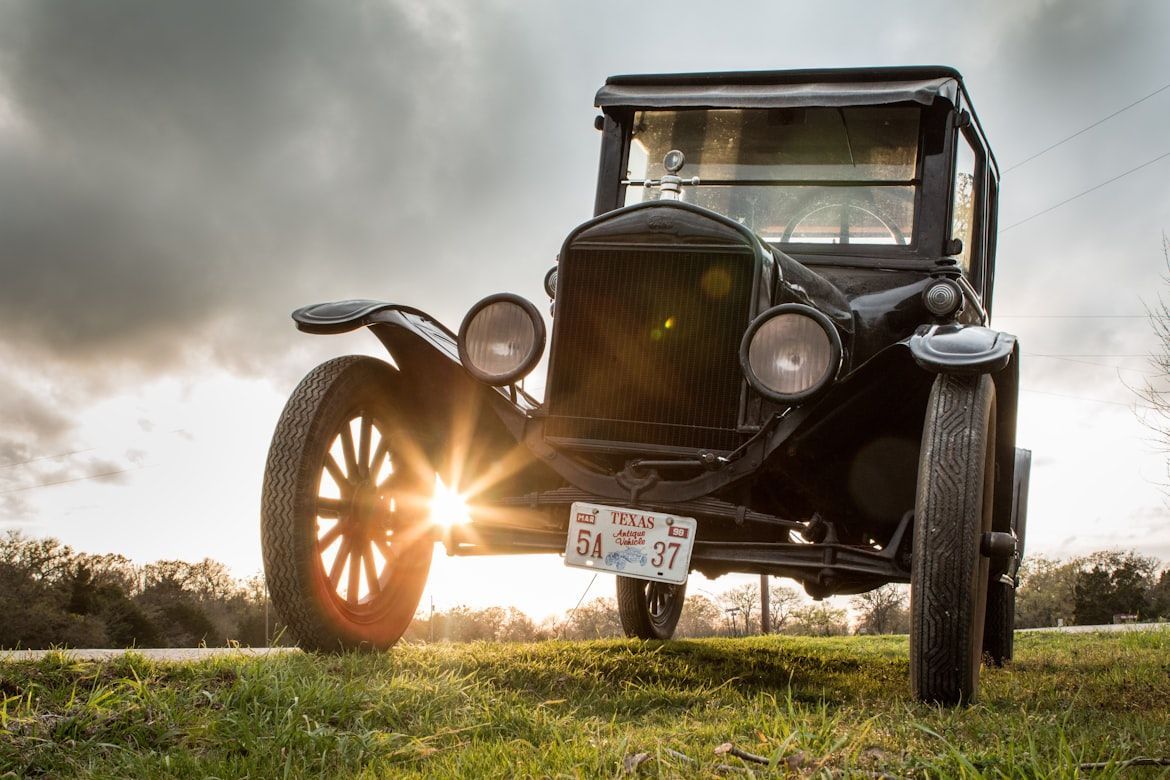
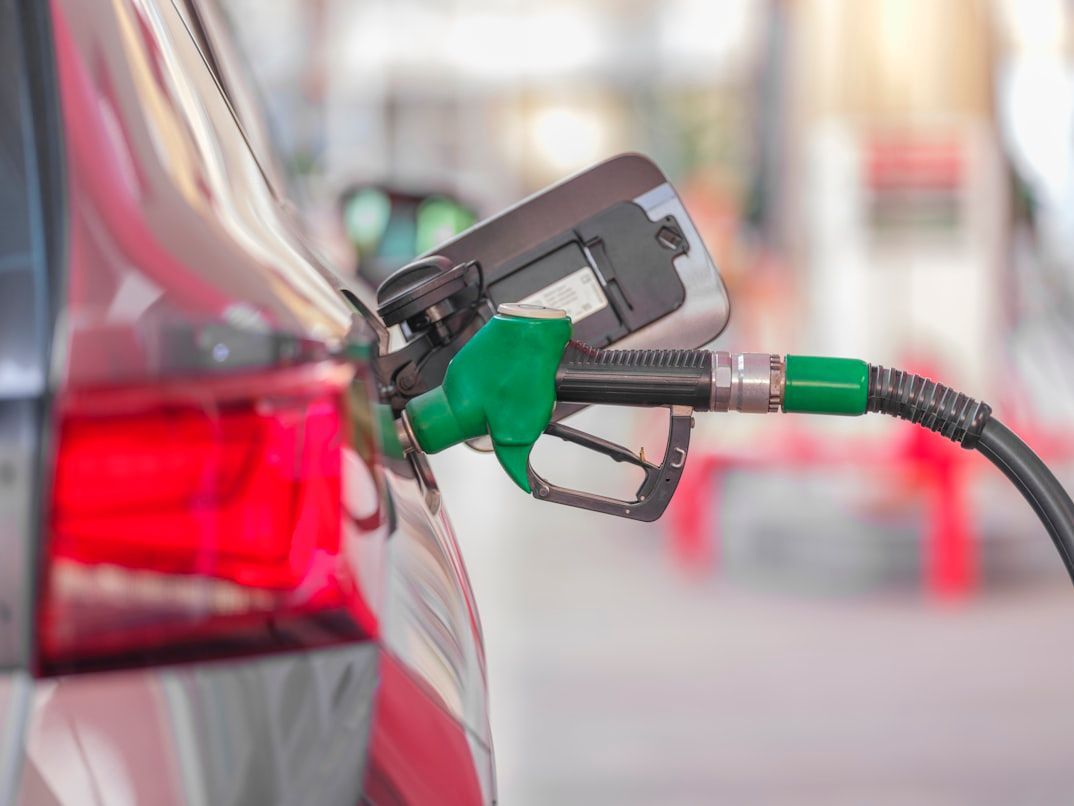
1890s: Dawn of the automobile

Image: Matthew Lancaster

By the 1890s and into the early 20th century, the rise of the automobile created growing demand for gasoline , which had previously been a relatively minor byproduct of crude oil refining.

This shift moved oil’s primary role away from lighting and industrial lubrication and toward transportation fuel , setting the stage for petroleum to dominate America’s energy needs in the decades that followed.

5
1900s–1910s: Rise of big oil companies

Image: Russel Bailo

Following early successes, oil refining and distribution consolidated. Firms like Standard Oil Company rose to dominate refining, pipelines, and distribution networks.

At the same time, new oil fields and competition still challenged monopolies and spread oil wealth and infrastructure across more regions of the country.

6
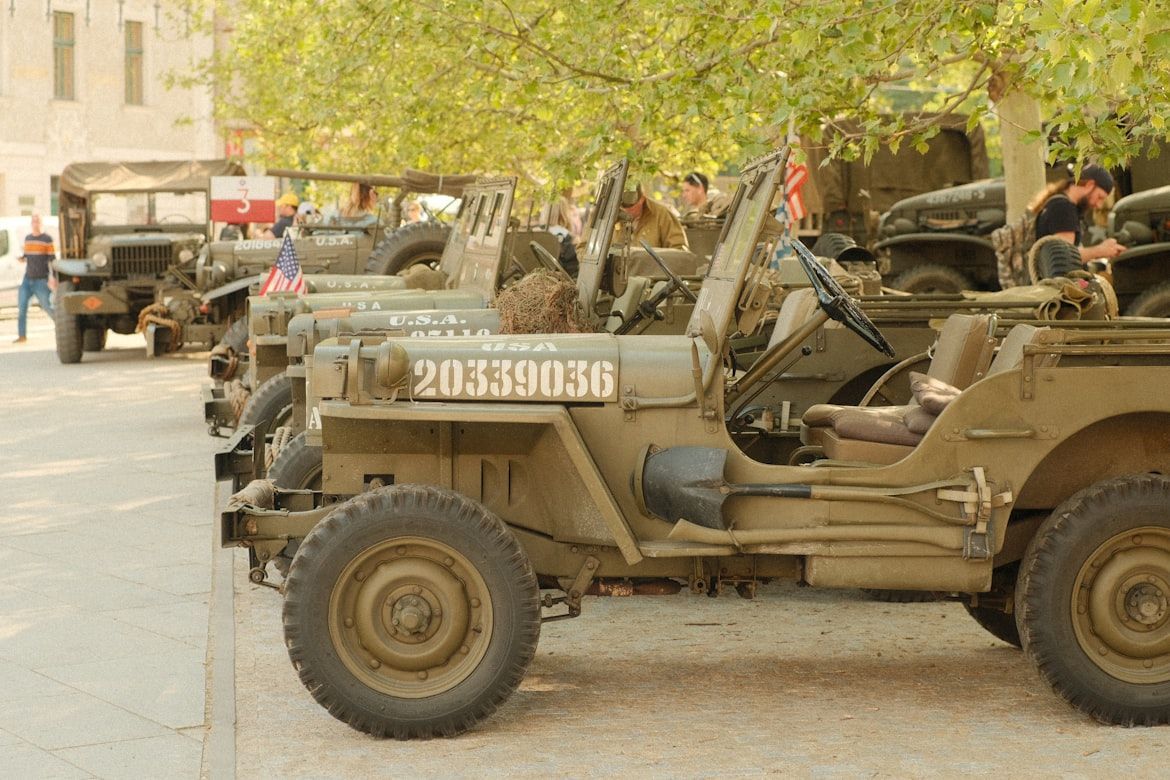
1914–1945: Oil & war

Image: Roman

During both World War I and World War II, U.S. oil production and refining capacity became critical to the Allied war effort , fueling ships, vehicles, aircraft, and manufacturing.

That strategic role cemented oil’s position not only in industry but also in American global power, military strategy, and foreign policy.

7
1960: A global oil cartel forms

Image: Christian Harb

On September 14, 1960, the main oil‑exporting nations formed the Organization of the Petroleum Exporting Countries (OPEC) to coordinate oil production and influence prices globally.

Though initially limited in power, OPEC’s rise began to challenge American dominance , setting the stage for decades of geopolitical tension around oil supply.

8
1969: Santa Barbara oil spill

Image: matt brown

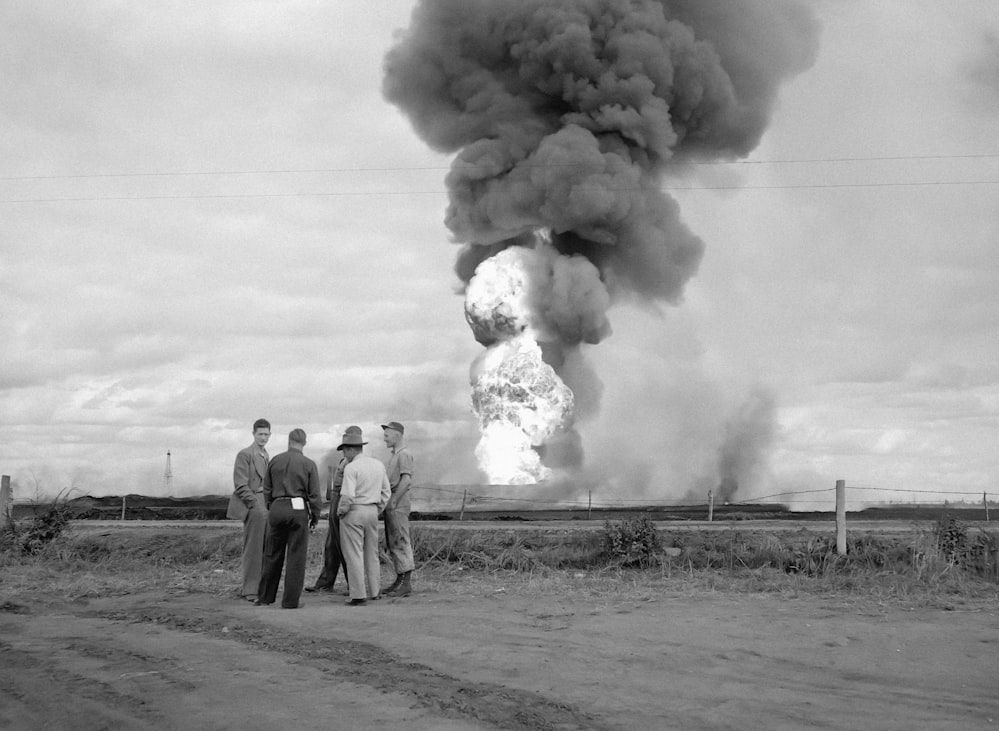
In early 1969, a blowout from an offshore drilling platform released tens of thousands of barrels of oil into the waters off California’s coast, devastating marine life and beaches.

The resulting public outrage helped trigger a surge in environmental awareness and regulation, marking a turning point in how the oil industry was perceived socially and politically.

9
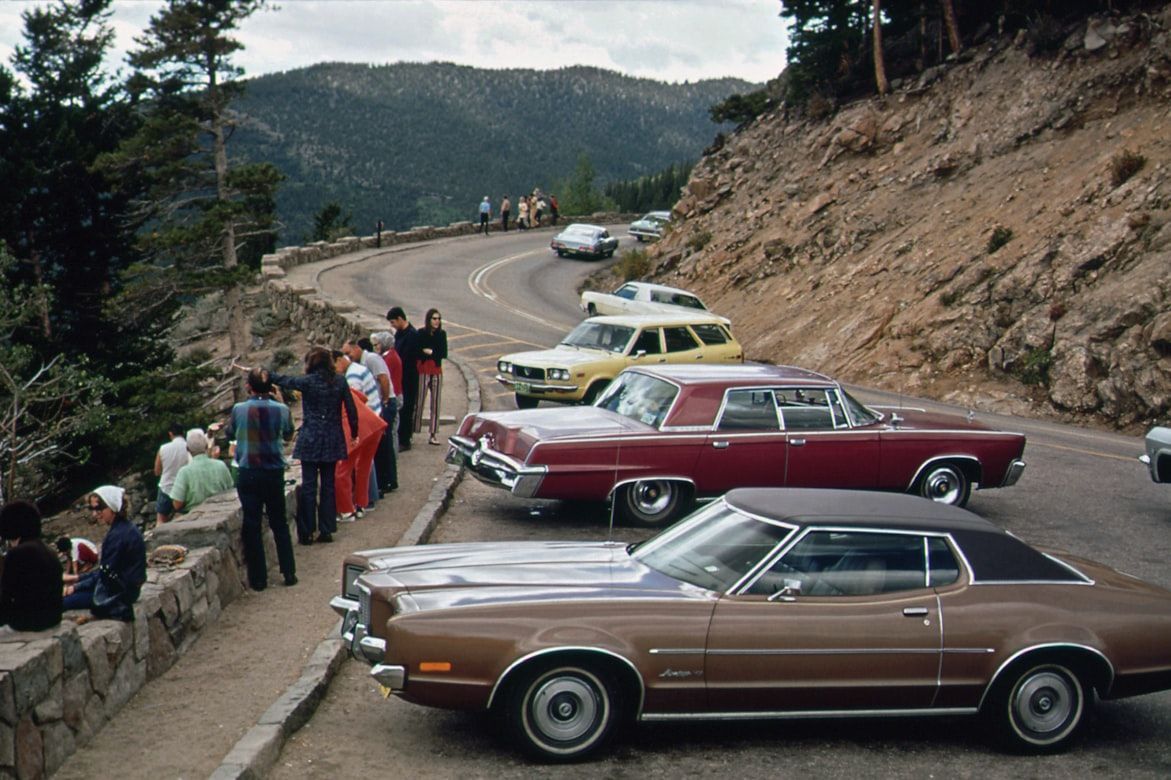
1970–1973: Peak and decline

Image: Documerica

By 1970, U.S. conventional oil production reached its peak, but soon after began a decline as domestic fields matured and couldn’t keep up with the growing demand.

As American production fell, the country gradually became more reliant on foreign oil, a shift that would have major economic and political repercussions.

10
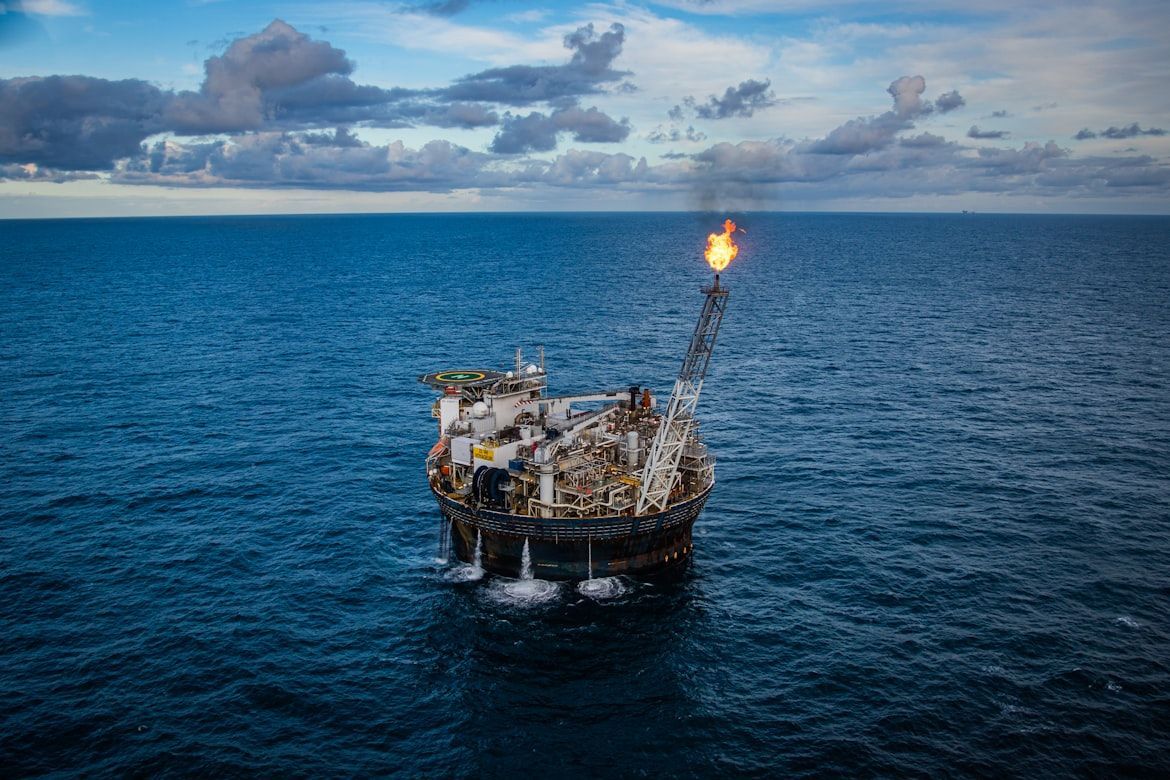
2000s–2010s: Top oil producer again

Image: engin akyurt

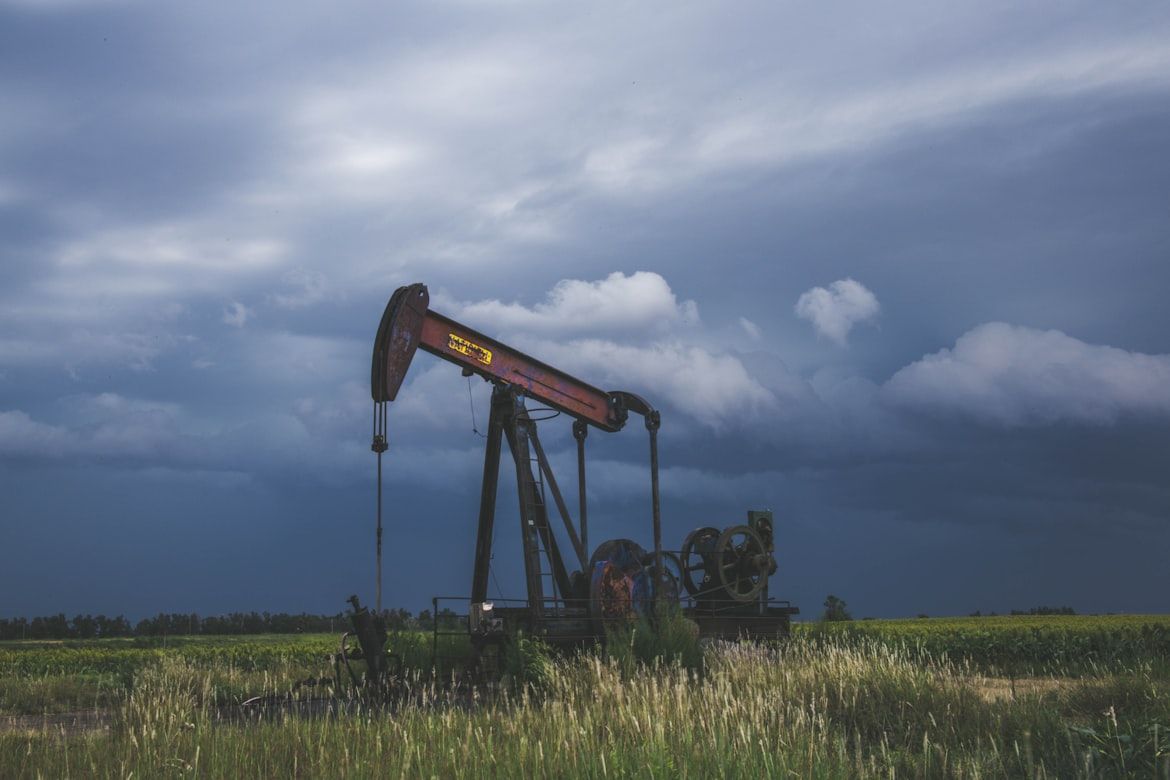
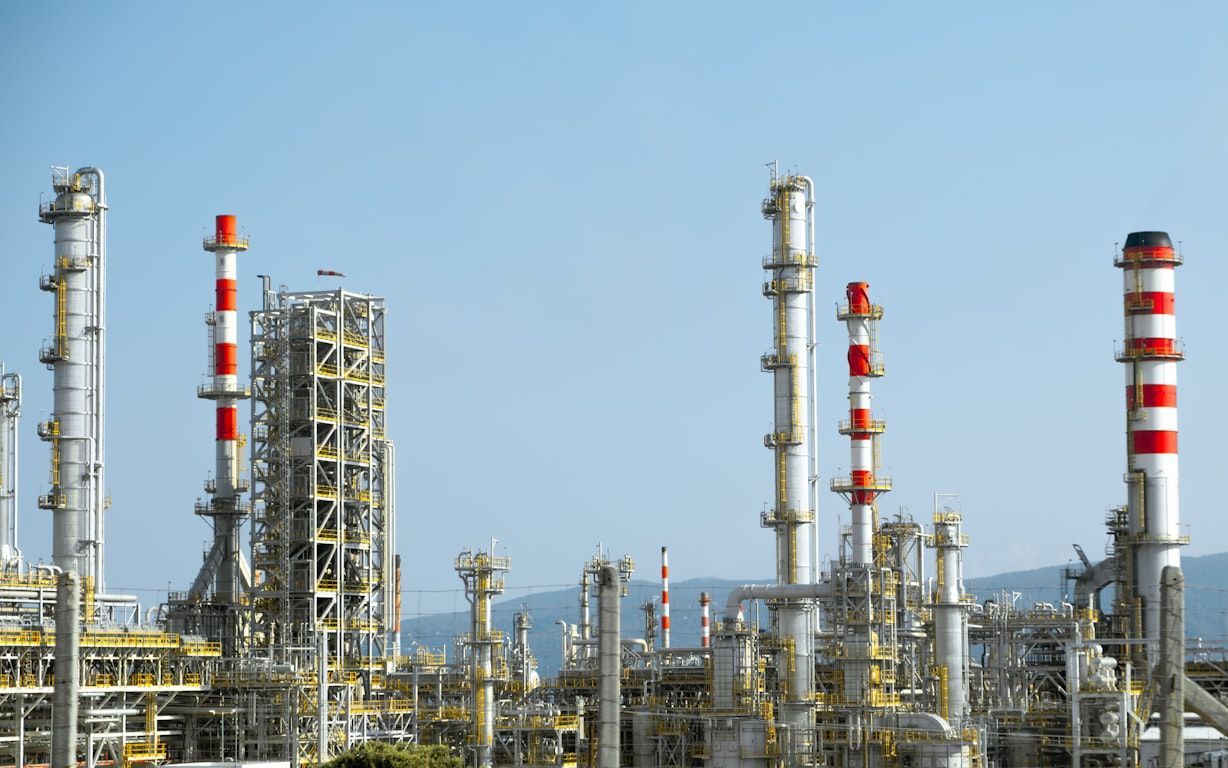
In the early 2000s, engineers refined techniques like hydraulic fracturing and horizontal drilling. This unlocked vast shale‑oil and shale‑gas reserves previously uneconomical to tap.

From about 2010 onward, U.S. crude oil production rose sharply, reversing decades of decline. By 2019, the country was producing at levels not seen since the early 1970s.

Explore more American facts

Choose your favorite category!

General
General

As American as apple pie—the very best America has to offer!

Culture
Culture

Delve into the astounding richness of American lore.

Geography
Geography

Hop in and explore vast and diverse American landscapes.

History
History

Discover the key moments that shaped the United States.