10 Wild West myths
We believed these Wild West myths our whole lives: They were wrong
Image: ariadnagazquez
Face-to-face gunfights in the middle of the street, everyone carrying a six-shooter, bank robbers riding into town, cowboys drinking whiskey and playing poker… is that really what the Wild West was like? For generations, Western movies and TV shows gave us a vivid picture of frontier life, but some of the things we imagine most clearly didn’t quite happen that way . The real West was often more practical and sometimes much stranger than Hollywood made it seem. From the hats cowboys actually wore to the games they played, the drinks they ordered, and the rules they lived by, here are 10 Wild West myths and the reality behind them.
1
Gun control
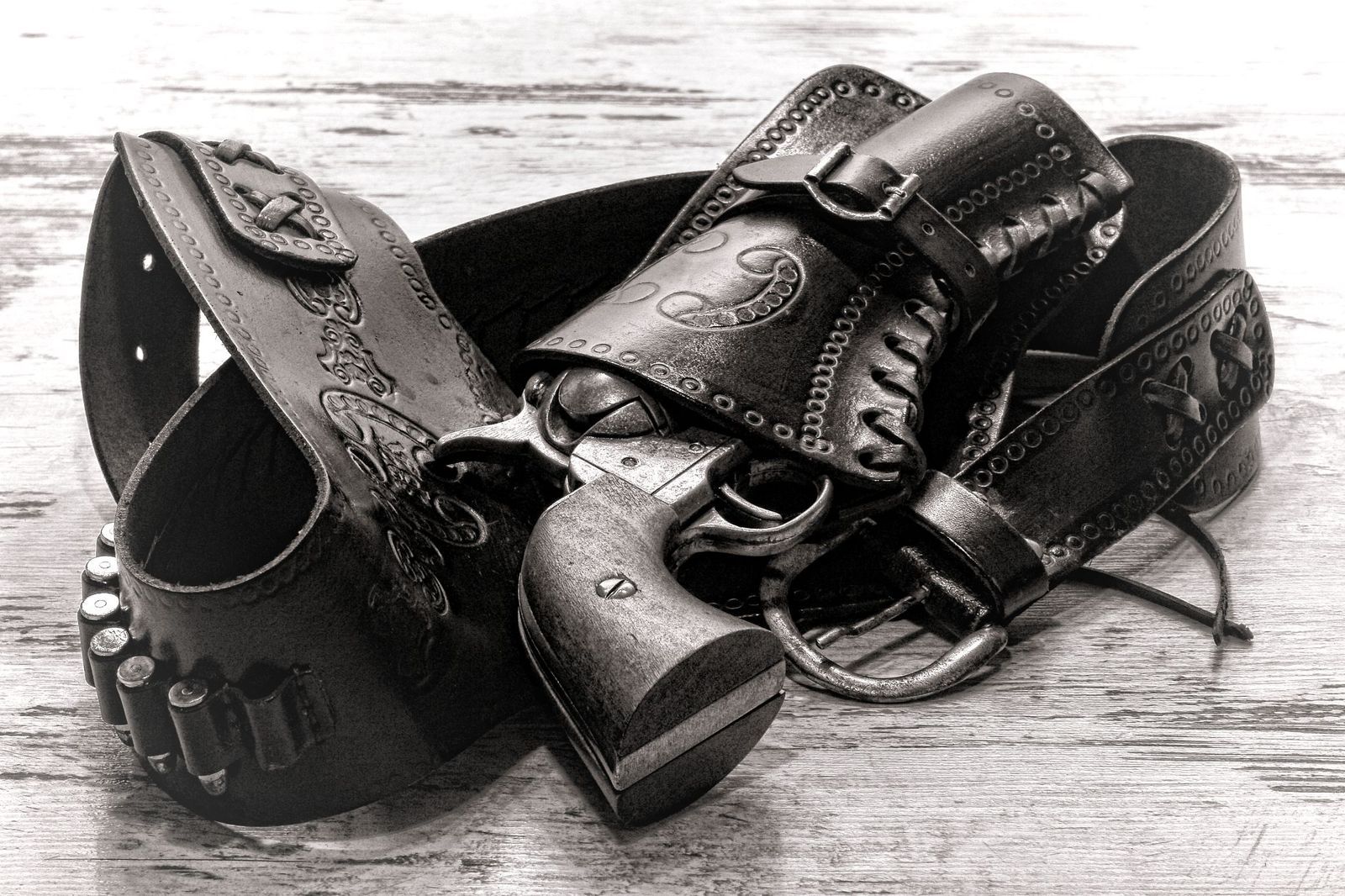
Even today, many people picture towns in the American Old West as lawless places where anything could happen, and where you might suddenly find yourself in the middle of a wild shootout. But that Hollywood trope is far from reality.
In fact, many frontier towns restricted or banned the carrying of firearms within city limits . Between 1870 and 1885, now-notorious towns such as Dodge City, Tombstone, and Deadwood had local ordinances requiring visitors to leave their weapons with a saloon, hotel, or sheriff. Some towns even posted signs making the rules clear: leave your firearm at the door.
2
OK Corral shootout
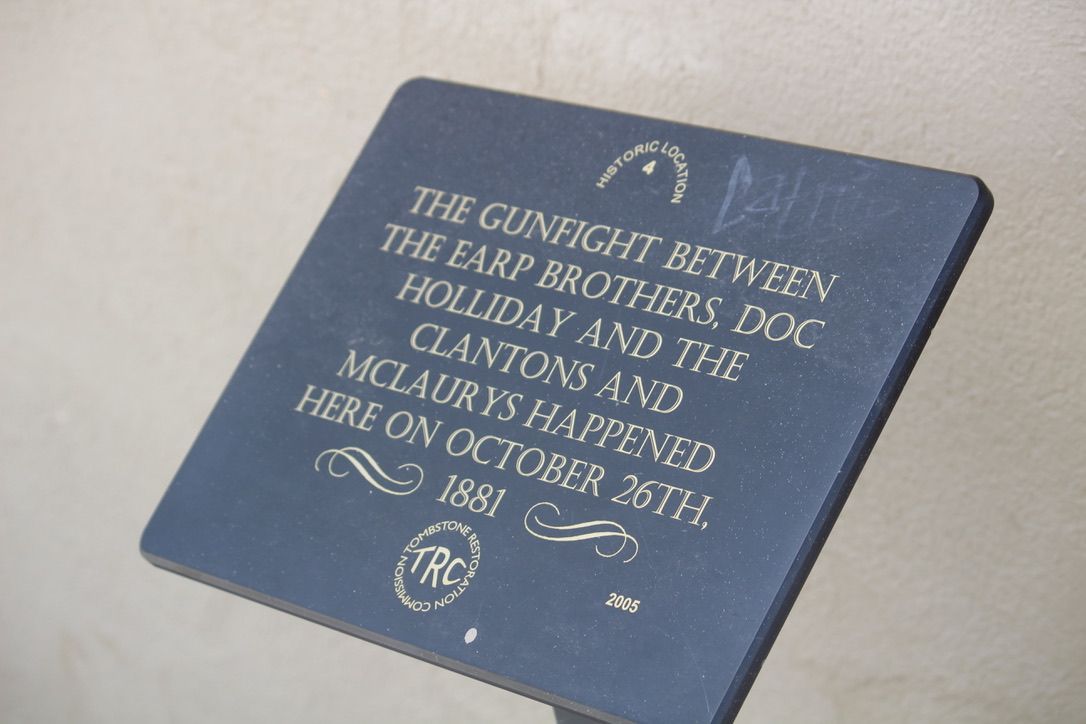
At around 3 pm on Wednesday, October 26, 1881, one of the most legendary events in Wild West history unfolded in Tombstone, Arizona.
After a series of disputes, Wyatt Earp, Morgan Earp, Virgil Earp, and Doc Holliday faced off against cowboys Billy Claiborne, Frank McLaury, Tom McLaury, Billy Clanton, and Ike Clanton in the famous 30-second gunfight now known as the Gunfight at the OK Corral. But here’s something many still don’t know: contrary to popular belief, the gunfight didn't actually take place inside the OK Corral; it happened in a small vacant lot on Fremont Street, just a few steps from the corral’s rear entrance. The popular name stuck because local newspapers used "OK Corral" to identify the general area where it occurred.
3
High-noon duels
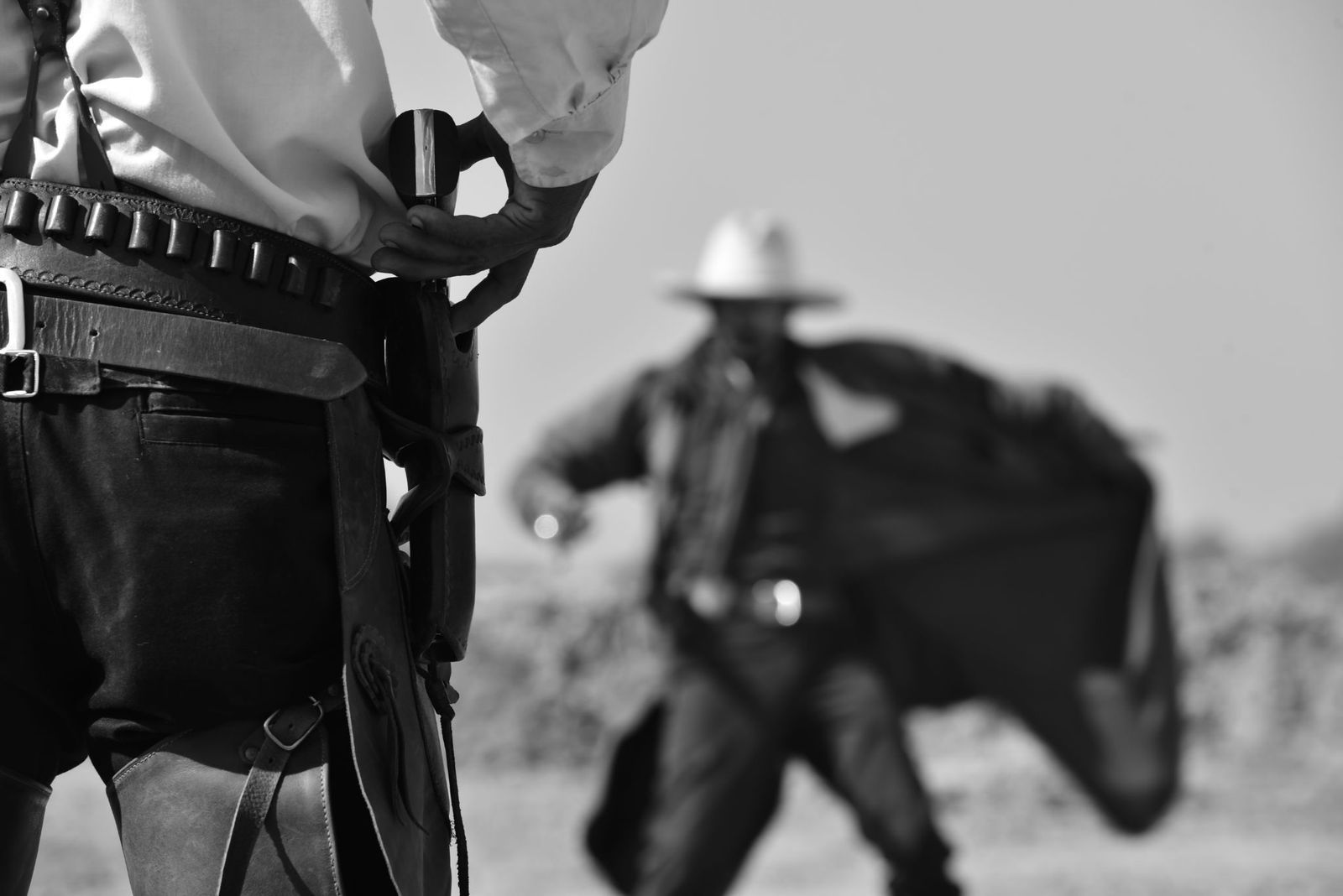
Western fans probably remember the iconic three-way standoff in The Good, the Bad and the Ugly (1966) , starring Clint Eastwood, Lee Van Cleef, and Eli Wallach. But we have some bad news: it was mostly Hollywood fantasy.
The iconic high-noon, face-to-face duel in the middle of a street was popularized by novels and movies, not everyday frontier life. Of course, real confrontations certainly happened, but they rarely involved two men waiting to draw. More often, violence exploded during arguments or drunken disputes. What’s more, those famous dusty main streets weren't the usual setting, either: confrontations were more likely to break out inside cramped saloons than under the bright Western sun.
4
The cowboy hat
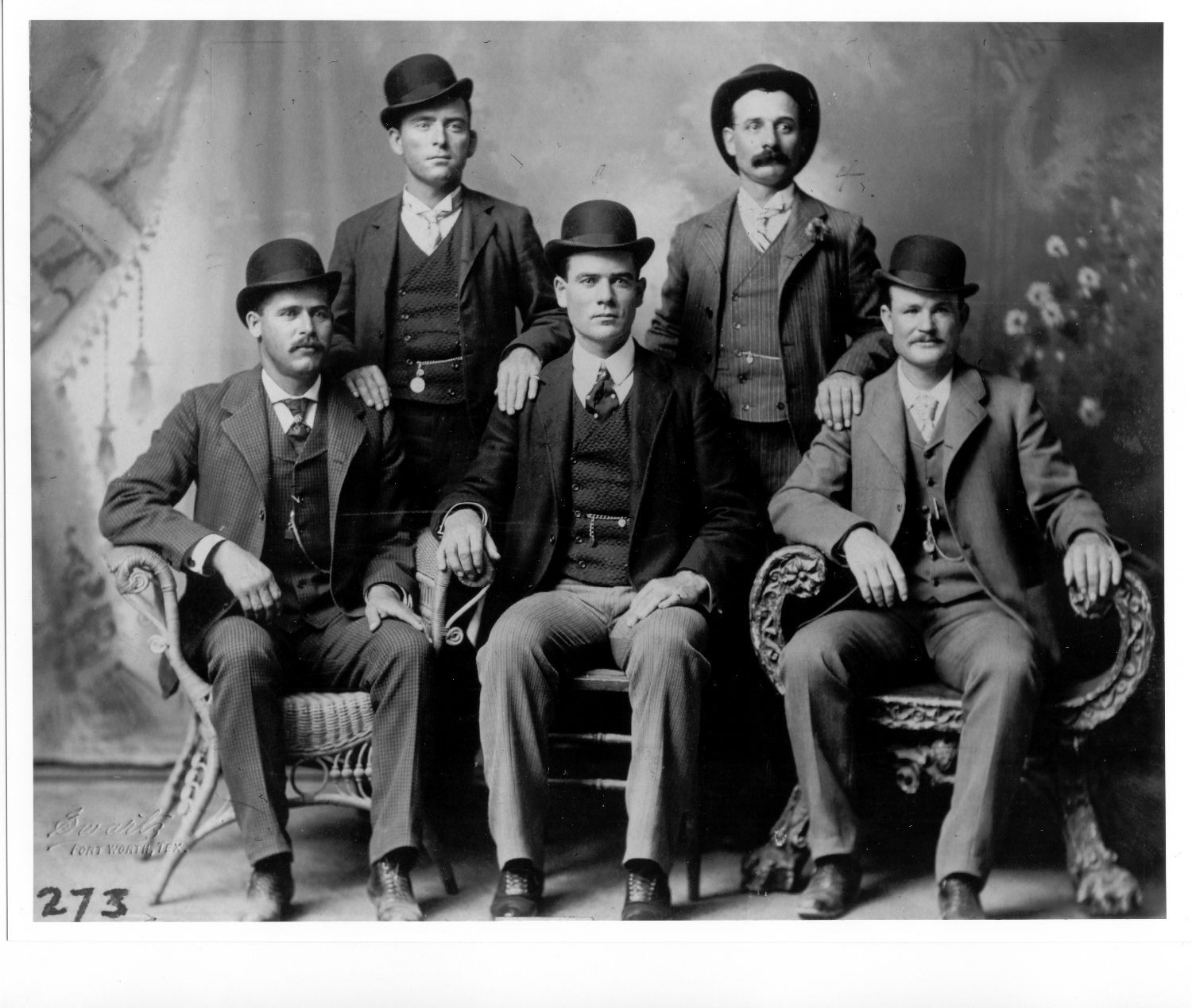
The iconic wide-brimmed Stetson worn by John Wayne became the classic image of the Old West. But there was another hat, just as popular at the time, that rarely gets the same attention.
We’re talking about the bowler hat, often called a derby . During the height of the American frontier, particularly from the 1860s through the 1880s, the hat was surprisingly common among cowboys, outlaws, and lawmen. Famously dubbed "the hat that won the West" by historian Lucius Beebe, its snug, rounded shape was practical, too: unlike a wide-brimmed hat, it was less likely to blow off while riding across the plains or leaning out of a moving train. Figures such as Bat Masterson and real-life members of Butch Cassidy’s Wild Bunch were all photographed wearing derbies.
5
Bank robberies
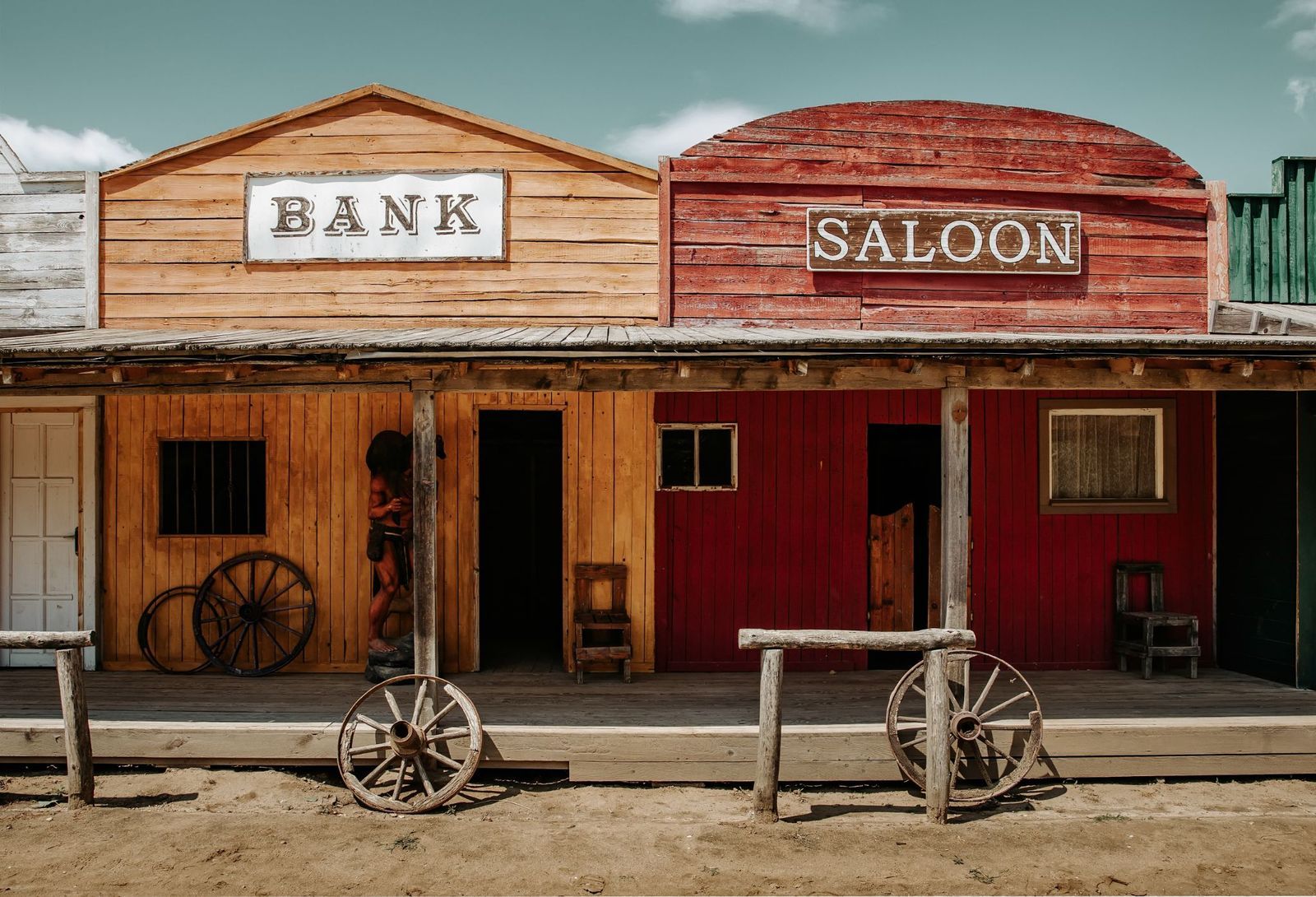
Many of us grew up hearing stories about Wild West bank robberies, but in reality, bank heists were much less common than Western movies make them seem.
Compared with train robberies and stagecoach hold-ups, bank robberies were relatively rare in the Wild West. One reason is how risky it was: Frontier towns were small, and local business owners and citizens were often armed. A bank robbery could quickly alert the entire community, making escape difficult, especially when the only getaway was on horseback. Outlaws had other, more tempting targets, including stagecoaches, trains, and mining operations, which could be easier to hit and harder for authorities to protect.
6
Feral camels
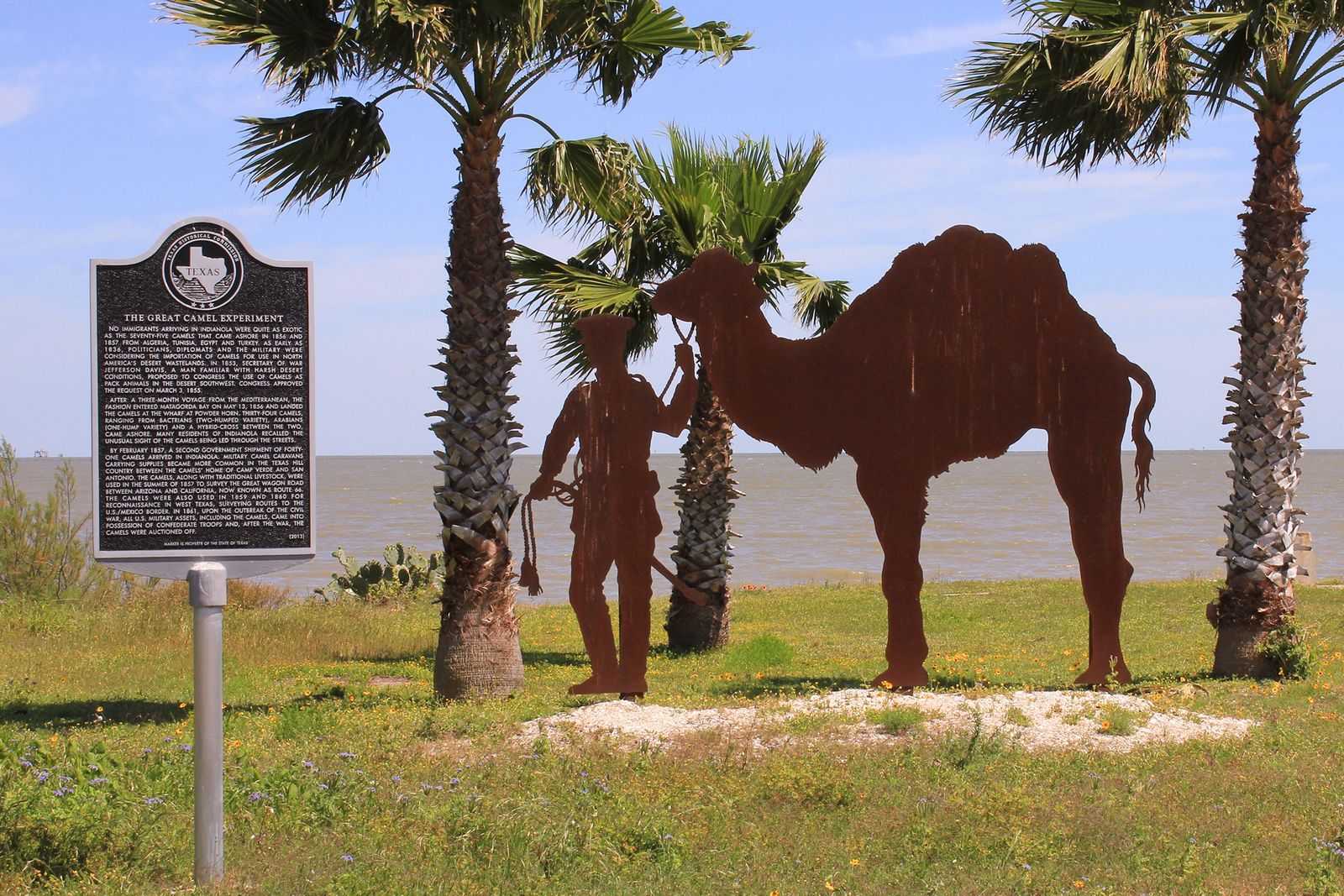
Have you ever heard that camels once roamed the Wild West? It sounds like something out of a tall tale, but it’s true.
Promoted by then-Secretary of War Jefferson Davis, the US Army’s Camel Corps was an experiment to import camels to Texas in the 1850s and test them as pack animals in the Southwest. About 75 camels arrived in 1856 and 1857 and proved well suited to the harsh terrain. But the Civil War brought the experiment to an end in 1861. Some camels were sold or escaped, and reports of feral camels continued for years. They even inspired legends such as Arizona’s mysterious "Red Ghost," said to have been a large reddish camel that roamed the territory in the late 19th century with a human skeleton strapped to its back.
7
Tumbleweeds
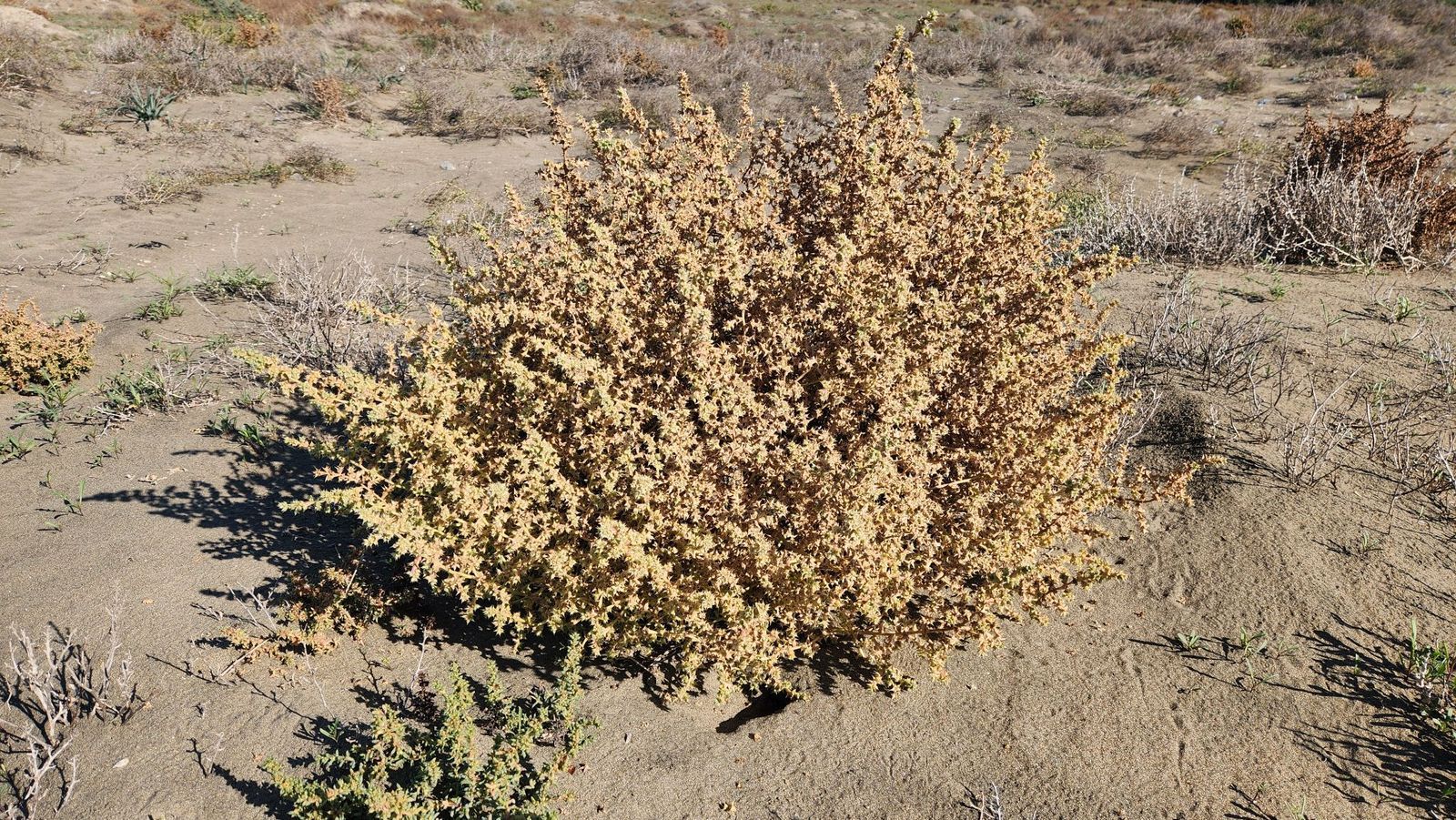
Prickly tumbleweeds are an integral part of the Wild West landscape and iconography. We’ve seen them roll through dusty streets in countless Westerns, and today they grow across many US states. But despite their association with the American Southwest, tumbleweeds aren’t native to the Americas.
The prickly tumbleweed, known scientifically as Russian thistle, is native to the dry steppes of Eurasia. Its seeds arrived in the US around 1870, mixed in with flaxseed shipments brought by immigrants from the Russian Empire. From there, this foreign plant spread rapidly across the American West.
8
Whiskey-only saloons
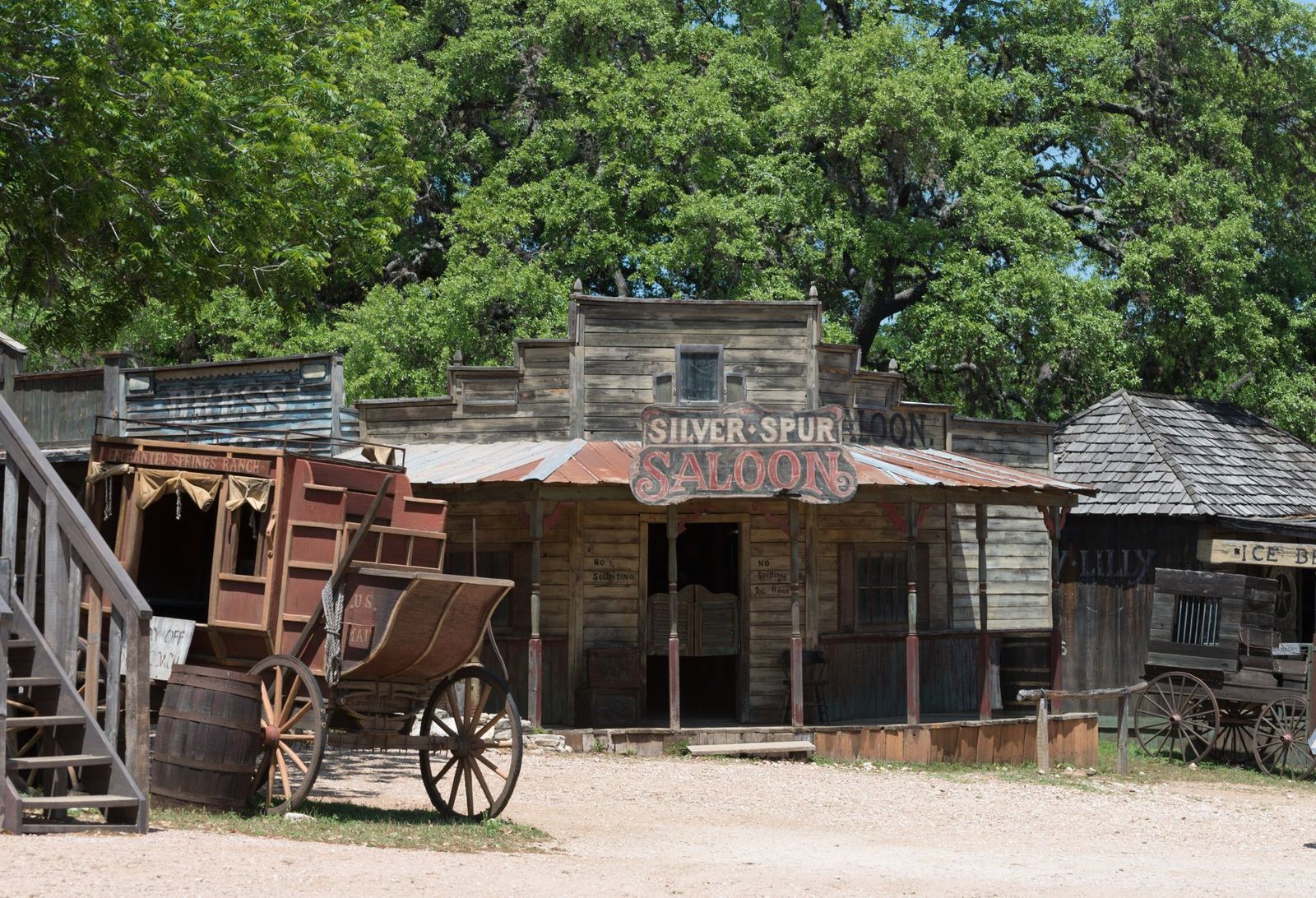
Although movies always show tough cowboys knocking back a glass of whiskey, Old West saloons had much more on the menu.
Historical and archaeological evidence shows that beer and mixed drinks, including simple cocktails, juleps, and toddies made with liquor, water, sugar, and bitters, were widely consumed, often more than straight whiskey. Beer became a staple wherever local brewing or transportation made it available, although it was usually served at room or cellar temperature before widespread refrigeration. And even when patrons ordered whiskey, it was often diluted with water or other mixers rather than served neat. Hollywood may have cemented the tough cowboy-and-whiskey image, but if you walked into an Old West saloon, you might run into a cowboy wearing a derby hat and sipping a cocktail.
9
Card games
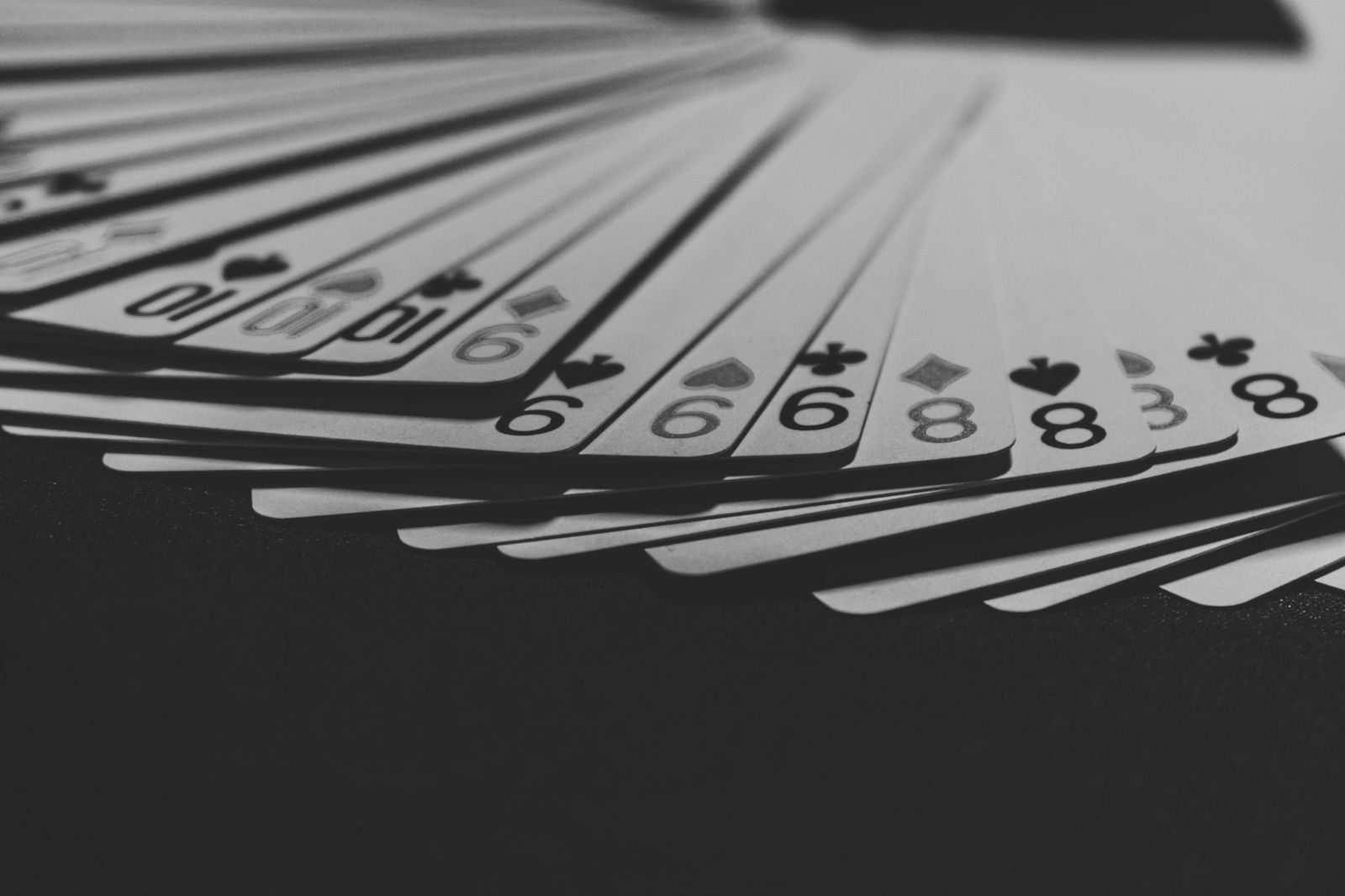
The movies and TV shows we grew up watching almost always show cowboys and outlaws gathered around a poker table. But the real Wild West had a very different favorite card game.
Card games were certainly popular, but poker wasn’t the main attraction . In 19th-century frontier saloons, faro was far more common. Often called "bucking the tiger," faro was a fast-paced, luck-based game played against the house, unlike poker, which relied more on strategy and bluffing. Faro became so popular that it was known as the "King of all Games" and was reportedly more popular than craps, roulette, and poker combined.
10
Not so wild
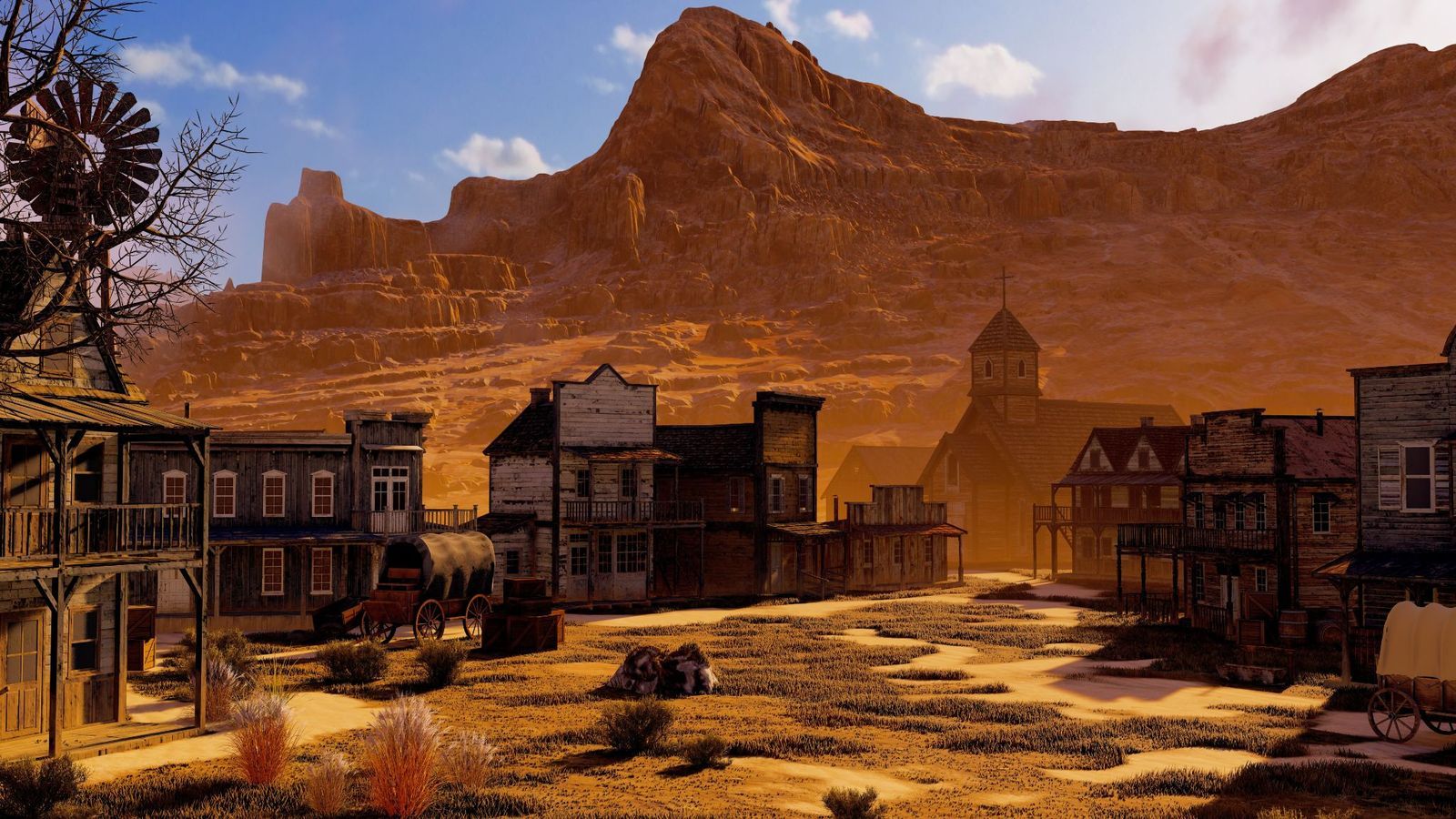
As we’ve seen, although we call it the Wild West, many Western towns in the 19th century were far less "wild" than Hollywood would have us believe.
Despite today’s image of streets filled with chaos and gunfire, most frontier towns were focused on families and growing local businesses. The shootouts seen in Westerns were the exception. In fact, historian Robert R. Dykstra found that the five major Kansas cattle towns he studied recorded just 45 homicides between 1870 and 1885, an average of 1.5 per town per year.