Culture Culture 5 min read

Stranger than truth?

10 famous rock & roll myths, debunked
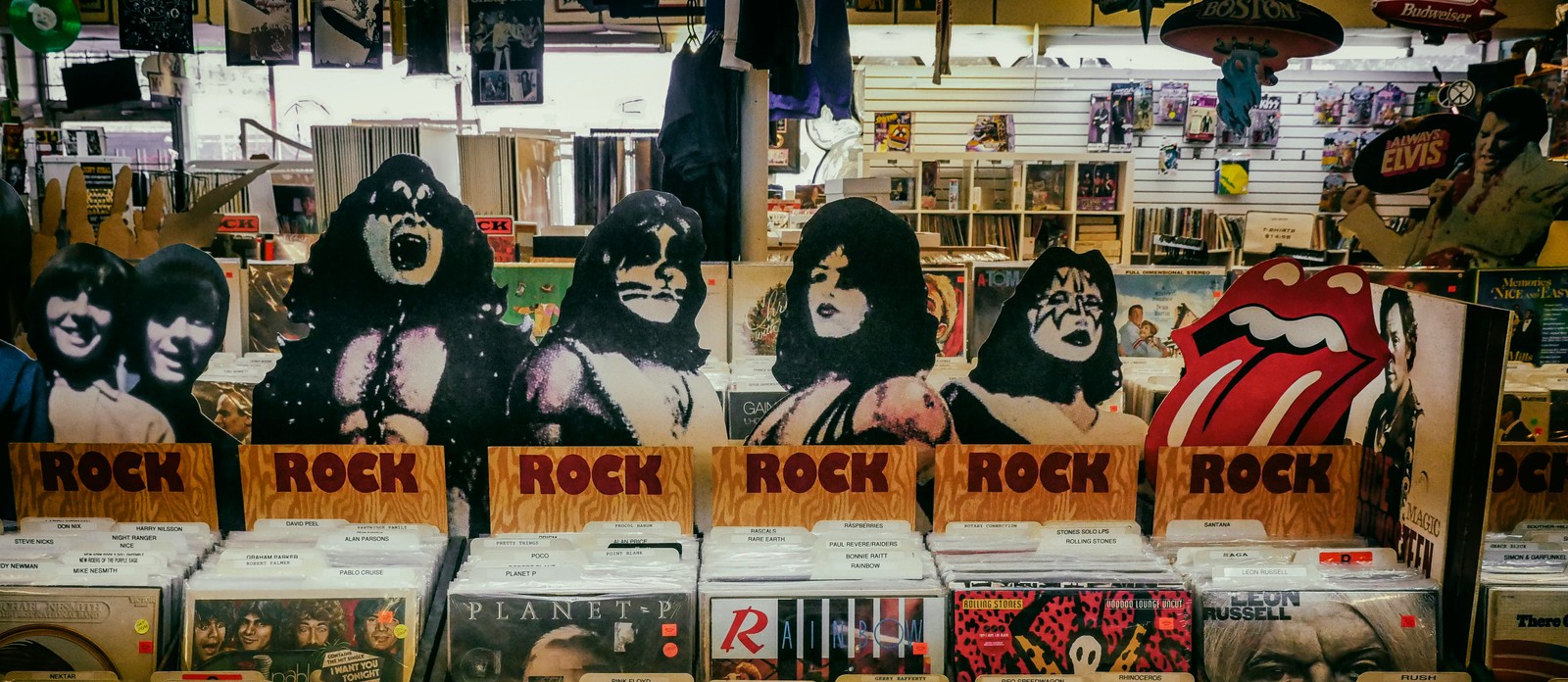
Image: Mick Haupt

Rock & roll has always attracted tall tales. Sometimes a bizarre incident gets exaggerated; sometimes a rumor is repeated until everyone "remembers" it happening. Sometimes the truth is stranger than the legend. From an FBI investigation into an allegedly dirty song to a chicken incident that got wildly out of hand, these 10 stories have been repeated for decades. But did they really happen? Nope.

1
Robert Johnson sold his soul to the Devil
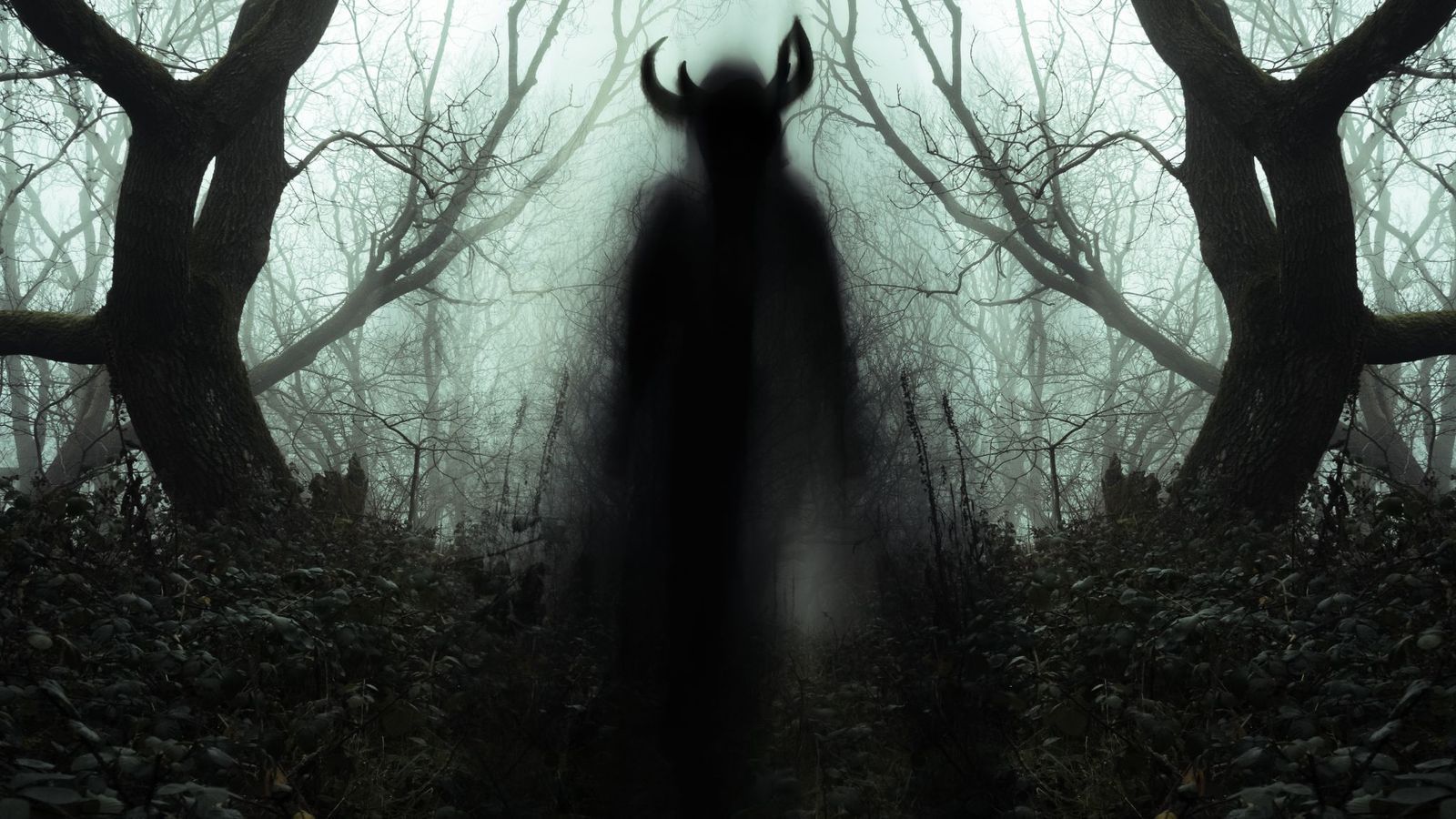
Image: Raggedstone

The story seems almost too perfect: an obscure bluesman meets the Devil at a Mississippi crossroads, trades his soul for extraordinary musical ability, and returns as a guitar genius. Robert Johnson’s short, mysterious life made him an ideal subject for such a legend.

There is no historical evidence that Johnson ever claimed to have made such a bargain . The supernatural interpretation grew partly from songs such as "Me and the Devil Blues" and "Hell Hound on My Trail," as well as older traditions involving crossroads and Faustian bargains.

2
The FBI found dirty lyrics in "Louie Louie"

Image: gadiel img

This myth has some truth to it: the FBI really did investigate a rock song because people thought its lyrics were obscene. The Kingsmen released their famously garbled version of Richard Berry’s "Louie Louie" in 1963. Soon, teenagers began passing around supposedly filthy versions of what singer Jack Ely was mumbling. A complaint eventually reached Attorney General Robert F. Kennedy, and federal investigators got involved.

Agents listened to the record and examined claims that its secret lyrics became clearer when the 45-rpm single was played at 33⅓ rpm. After all that effort, the FBI concluded that it could not determine that the alleged obscene words were actually being sung .

3
Gene Simmons had a cow’s tongue grafted to his own
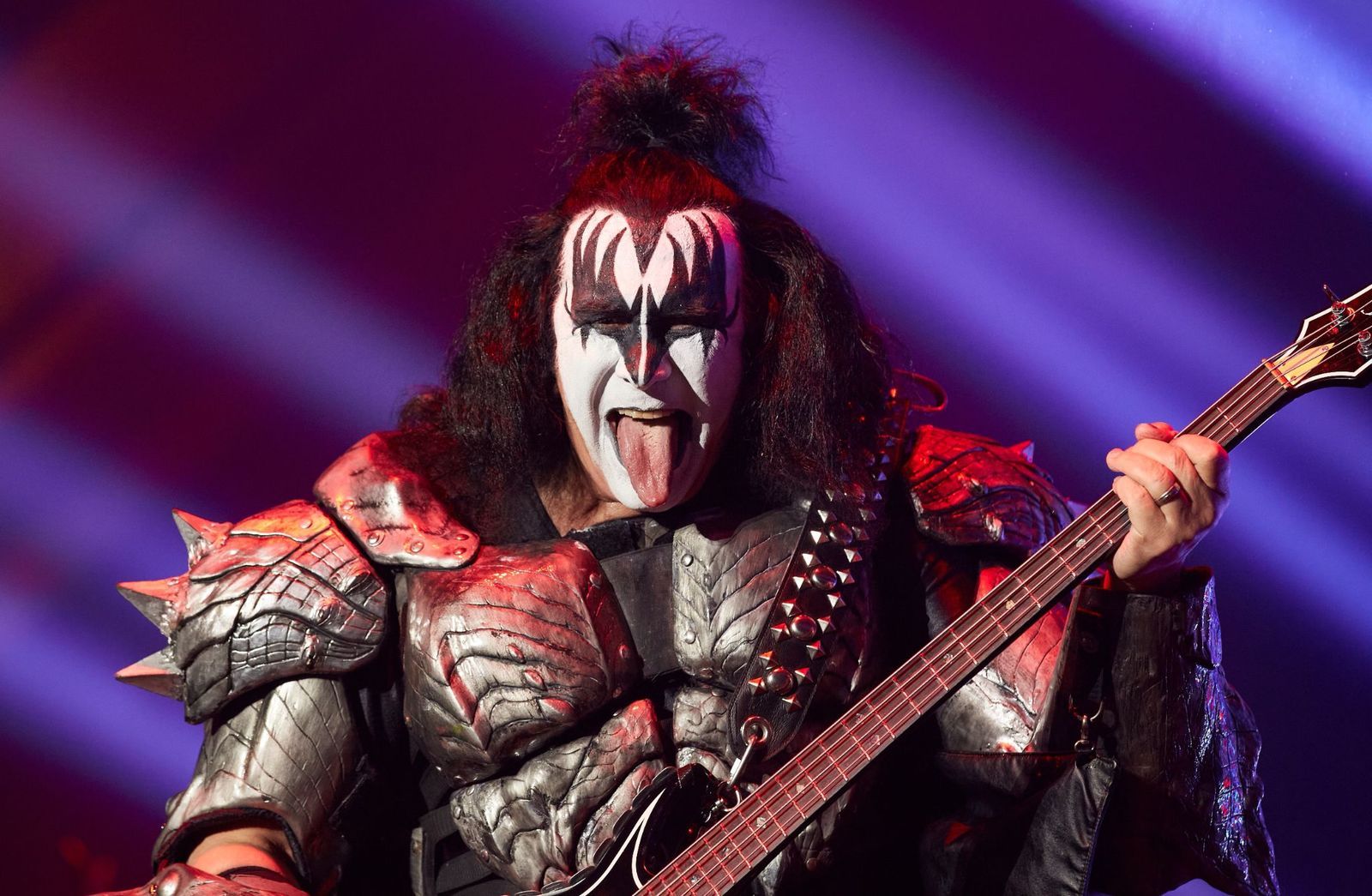
Image: Photography Stock Ruiz

KISS bassist Gene Simmons has one of rock’s most recognizable tongues. It became such a trademark that generations of fans wondered whether nature could really have produced it. One rumor supplied an appropriately outrageous explanation: Simmons supposedly underwent surgery and had part of a cow’s tongue grafted onto his own.

As KISS’s "Demon," he performed in makeup and armor-like costumes, breathed fire, spat theatrical blood, and repeatedly displayed that unusually long tongue. Against that background, the idea of bizarre tongue surgery somehow sounded plausible. The real explanation is considerably simpler: Simmons just has a remarkably long tongue .

4
Mamma Cass choked on a ham sandwich

Image: Xan

Few rock myths have been as persistent, or as unfair, as the story surrounding Cass Elliot’s demise. The Mamas & the Papas singer died in London on July 29, 1974, at just 32. A ham sandwich found in her room soon became part of the story , and before long, people were saying she had choked on it.

She hadn’t. The inquest determined that Elliot died from a heart attack, and there was no evidence of food blocking her airway . Her daughter, Owen Elliot-Kugell, later said manager Allan Carr helped spread the sandwich explanation because he feared people would assume Elliot had died from a drug overdose. Instead, the story became an enduring and often cruel joke about the singer.

5
Alice Cooper bit the head off a live chicken

Image: Finn Mund

Alice Cooper’s stage shows eventually featured guillotines, fake blood, electric chairs, and plenty of other theatrical horrors. But one notorious act was never part of the show: Cooper did not bite the head off a live chicken.

The real incident happened at the Toronto Rock and Roll Revival in September 1969. A live chicken somehow made its way onto the stage , with Cooper throwing it back to the crowd. By the next day, the story had mutated into Cooper slaughtering the bird himself and even drinking its blood. Frank Zappa called to ask whether the reports were true. When Cooper denied them, Zappa reportedly advised him not to correct the press.

6
KISS means "Knights In Satan’s Service"
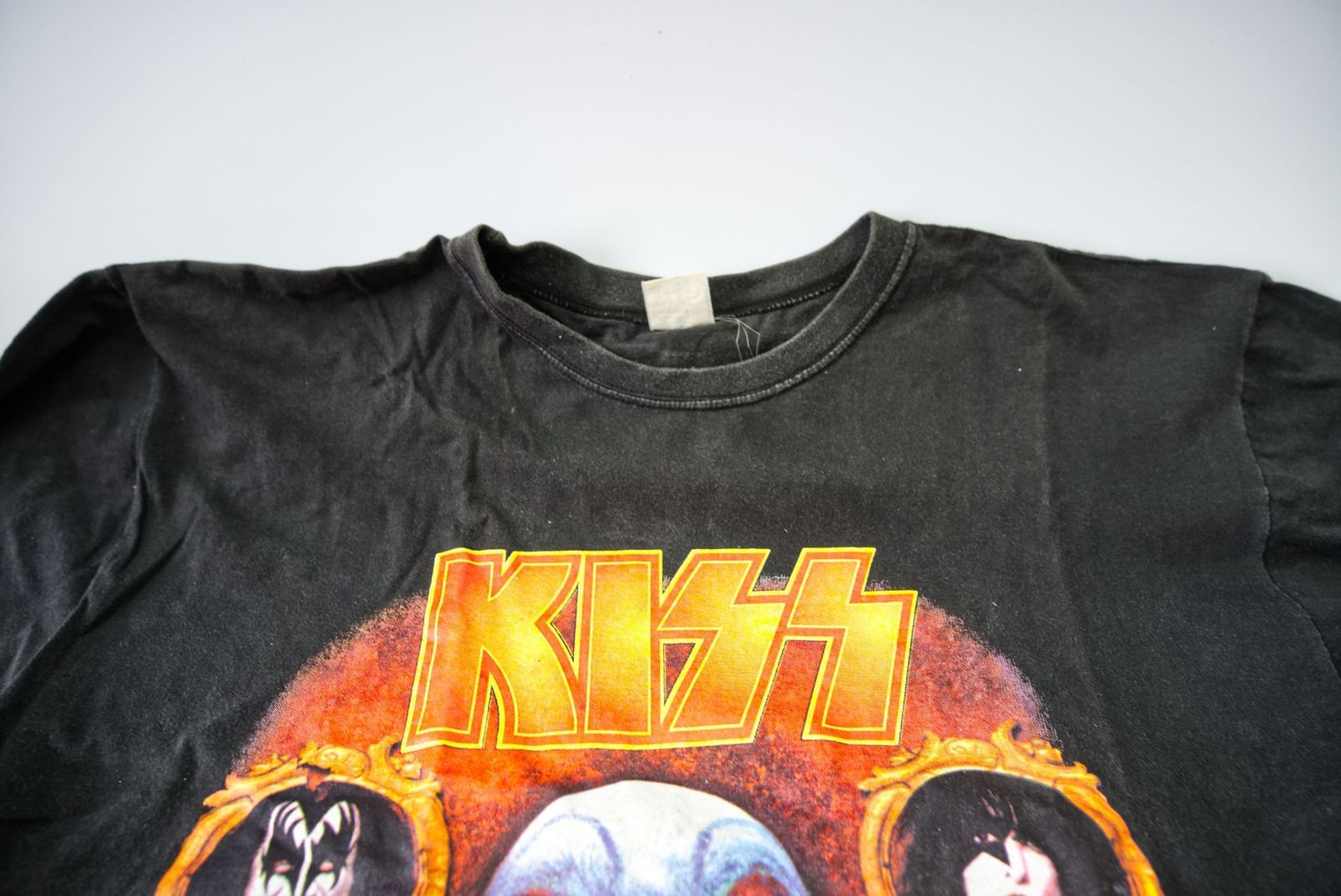
Image: felixramao

The makeup, the fire, Gene Simmons’ Demon persona, and the lightning-bolt logo provided fertile ground for rumors about KISS. One of the longest-lasting claims was that the band’s name secretly stood for "Knights in Satan’s Service."

But that’s not true. KISS isn’t an acronym. The name emerged in 1973 while the newly formed group was searching for something to replace Wicked Lester, the name of Gene Simmons and Paul Stanley’s previous band. Drummer Peter Criss mentioned that he had once played in a group called Lips. Stanley suggested going one step further: KISS . Ace Frehley later designed the famous logo, with its distinctive final two letters resembling lightning bolts.

7
Frank Zappa ate feces onstage
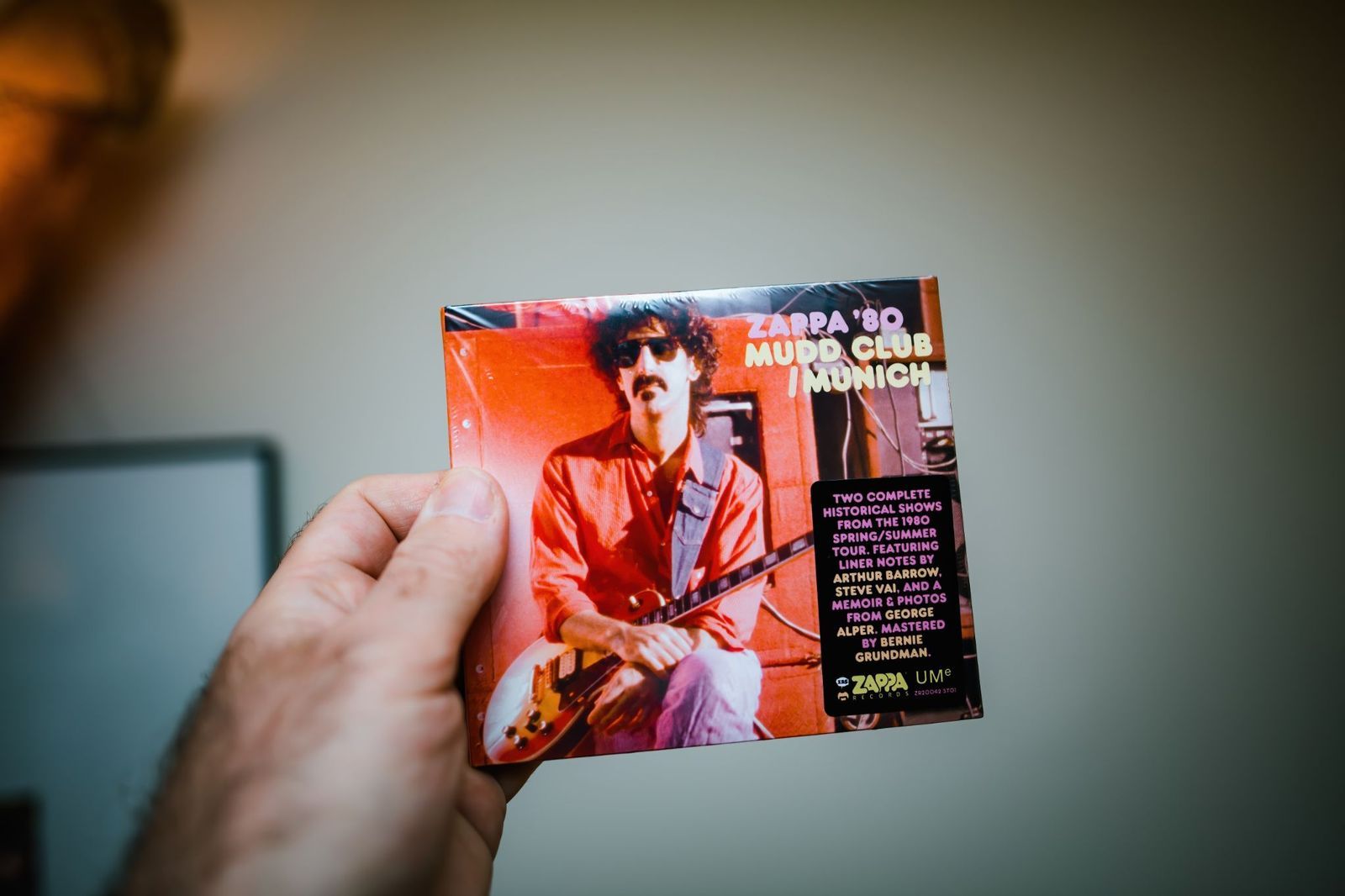
Image: Hadrian

Frank Zappa cultivated an eccentric image. That made audiences willing to believe almost anything about him, including one especially revolting story involving an onstage gross-out competition. Different versions named different opponents, but they generally ended with Zappa supposedly eating feces.

Zappa vehemently denied the story . He once recalled encountering a musician at London’s Speakeasy club who congratulated him on the infamous stunt. When Zappa explained that it had never happened, the man was actually disappointed.

8
Marilyn Manson was Paul from The Wonder Years
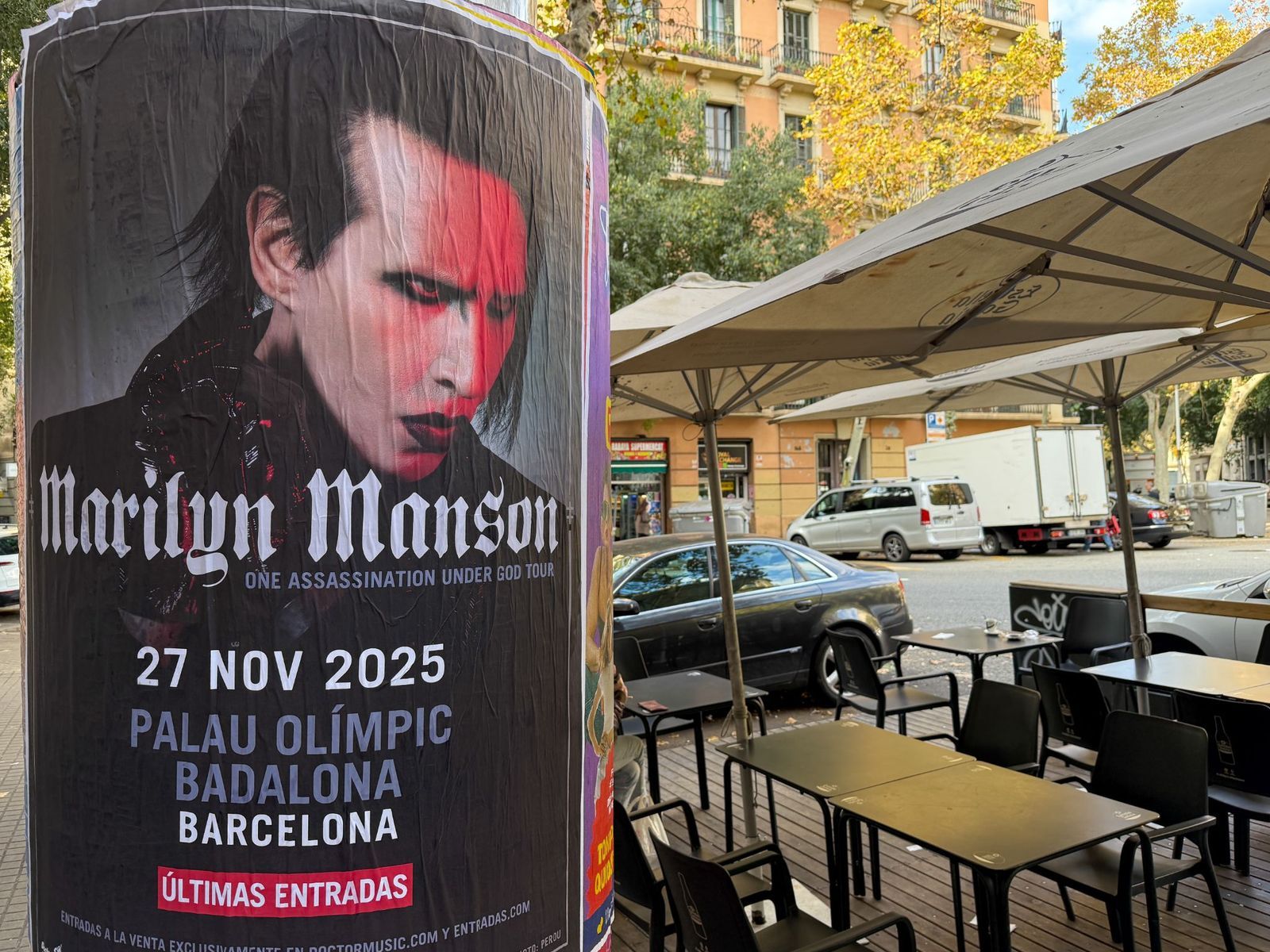
Image: Pascal Huot

According to countless schoolyard conversations, emails, and message-board posts, the nerdy Paul Pfeiffer from the ABC series The Wonder Years grew up to become shock rocker Marilyn Manson. There’s one major problem: Paul was played by Josh Saviano. Marilyn Manson was born Brian Warner. They are entirely different people.

Saviano has said he began hearing the rumor while attending college in the 1990s, just as the Internet was giving old-fashioned gossip a powerful new delivery system. His actual post- Wonder Years career was decidedly less shocking: he studied political science at Yale and later became a lawyer .

9
Jimi Hendrix gave London its wild parakeets
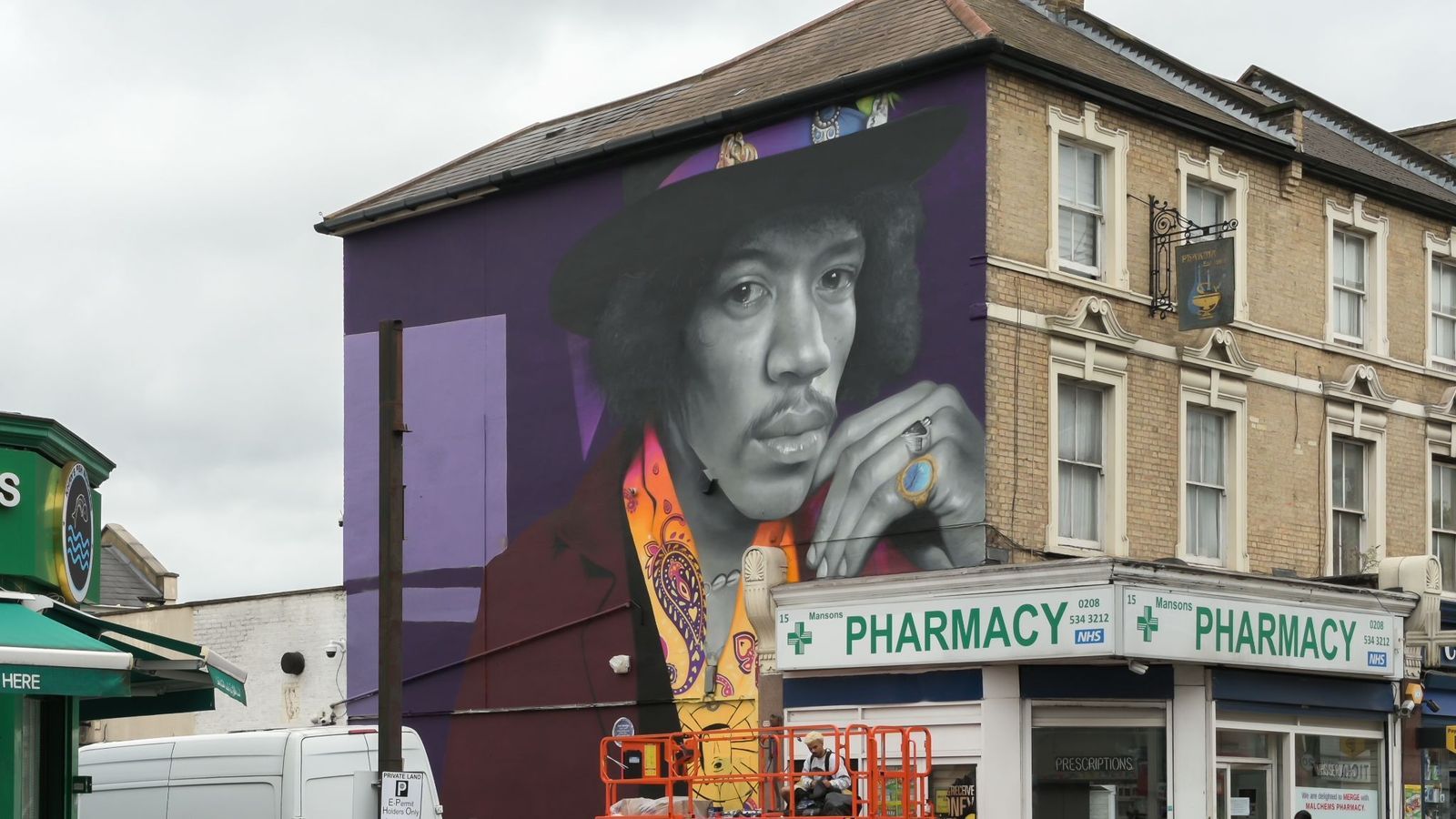
Image: Abdul_Shakoor

Anyone walking through parts of London today can encounter something unexpected overhead: flocks of brilliant green ring-necked parakeets. An explanation for this phenomenon involves Jimi Hendrix. According to the legend, Hendrix released a pair of parakeets in London in the late 1960s, and today’s population descended from them.

Scientists have investigated the story and found no evidence supporting it . Research published in the Journal of Zoology concluded that Britain’s parakeet population was more consistent with multiple escapes and deliberate releases over time rather than one rock star’s birds.

10
The Grateful Dead got their name from the Egyptian Book of the Dead
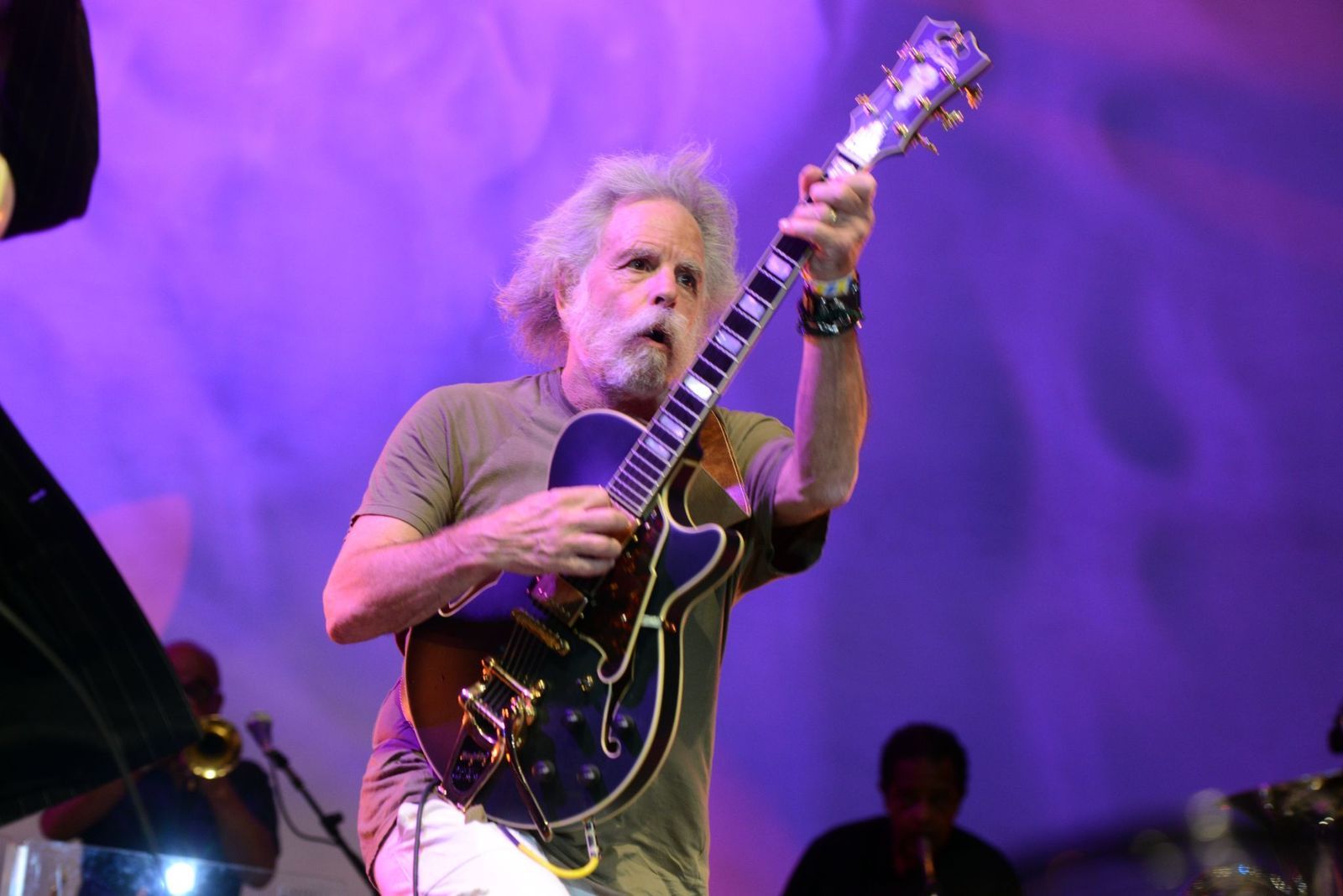
Image: Adam McCullough

"Grateful Dead" sounds ancient, mystical, and exactly like something Jerry Garcia might have discovered in an obscure volume of esoteric wisdom. That helped produce the persistent story that the band took its name from the Egyptian Book of the Dead .

The actual source was much more familiar: a dictionary . In 1965, the group was still called the Warlocks but needed a new name. During a gathering in Palo Alto, Garcia opened a Funk & Wagnalls dictionary and encountered "grateful dead," an old folklore term involving the spirit of a deceased person rewarding someone who had performed a charitable act for the dead. The band went with it, and the rest is history.

Culture Culture 6 min read

Outlaws & Cowboys

Saddle up: Here are 10 of the most iconic figures of the American West

Image: Zeynep Sude Emek

American Wild West stories are fascinating but would be incredibly boring without the men and women who roamed the untamed frontier in search of new opportunities. Their activities ranged from lawmen and gunslingers to ranchers, gamblers, farmers, rodeo stars, bounty hunters, and outlaws. Join us to learn about the lives of 10 cowboys (and cowgirls!) who helped shape our nation’s cultural landscape.

1
"Buffalo Bill" Cody

Image: Illinois State University, Public domain, via Wikimedia Commons

If we had to name the most famous cowboy in history , Buffalo Bill Cody would probably be a top contender. Throughout his lifetime, Cody greatly contributed to shaping the image we have of the American West.

Born in Iowa in 1846, he earned his nickname while working for the Union Pacific Railway, where railroad workers were amazed by his hunting skills. But history had bigger plans in store for Cody, and he would soon become an actor , traveling throughout the eastern United States performing plays based on stories of the Wild West for more than 30 years.

Eventually, poor business management and a certain change in popular interests led Buffalo Bill to ruin and he retired from show business just two months before his death in 1917. He was, however, mourned by millions of people who considered him a hero.

2
John Henry "Doc" Holliday

Image: Mehmet Turgut Kirkgoz

John Henry "Doc" Holliday was born in 1851 in Griffin, Georgia, into a wealthy family. He earned his Doctor of Dental Surgery degree in Philadelphia but was shortly thereafter diagnosed with tuberculosis and advised to live in the drier, hotter climate of the West.

In Dallas, Texas, he pursued his trade as a dentist but also discovered saloons and whiskey. Soon, realizing that gambling could be much more lucrative than dentistry, he began his professional gambling career.

The rest of his life was spent among crooks, gunfights, and jailmates in New Mexico, Arizona, and California. At only 36 years old, his lungs could not keep up with his gunslinging way of life and he finally met his death in 1887 in a hotel bed in Colorado. It is said that his last words were, "This is funny."

3
Butch Cassidy and The Sundance Kid

Image: yavuz pancareken

The lives of Butch Cassidy and The Sundance Kid became legendary pretty quickly. As early as 1903, their exploits inspired the first modern film —Edwin S. Porter's _The Great Train Robbery_— and since then, their adventures have not ceased to be portrayed by popular culture. In a way, they symbolize the definitive end of the romanticized Western era at the hands of 20th-century industrialization and urbanization.

Both cowboys were members of a gang known as "The Wild Bunch," which earned them a reputation as bank and train robbers. According to lore, after several years of crime and run-ins with the law, the bandits managed to escape to Latin America. Eventually, they were caught and killed in Bolivia in 1908. The fact that their graves were never found helped fuel the myth that they had, in fact, returned to the United States and lived in anonymity for many more years.

4
Jesse James

Image: Steve

Jesse James's life is one of the most emblematic of the Wild West. His criminal career began after his involvement with pro-Confederate guerrillas during the Civil War. Along with the Younger brothers, he created a gang with which they robbed banks, trains, stagecoaches, and stores from Iowa to Texas and from Tennessee to California.

It is believed that throughout the years they netted more than a quarter of a million dollars. Despite the gory nature of their heists and murders, the gang often had public sympathy.

Jesse's death is as controversial as his life. At only 34 years old, he was shot in the back by one of his gang partners, who hoped to obtain a state reward in exchange for his betrayal. The public was not happy with the government conspiring to assassinate a citizen, no matter how criminal, and the matter became a scandal, resulting in Jesse James's rise to mythical status.

5
Annie Oakley

Image: International Film Service, Public domain, via Wikimedia Commons

From an early age, Phoebe Anne Oakley Moses, better known as Annie Oakley, took up hunting to help support her family. At the age of fifteen, she won a competition against the famous marksman Frank Butler, to whom she later married. Together, they appeared in several exhibitions across the country and, in 1885, joined Buffalo Bill's Wild West show.

Annie was able to open the edge of a letter, shatter glass balls thrown in the air, and hit dimes held between her husband's fingers or apples placed in her poodle's mouth by shooting from 30 paces away. Her life was so rich and fascinating that she was the inspiration for several movies and plays.

6
Billy the Kid

Image: See page for author, Public domain, via Wikimedia Commons

According to legend, Henry McCarty, better known as Billy the Kid, killed at least 21 people during his career as a notorious outlaw in New Mexico. However, he cemented his place in the pantheon of frontier legends not so much for his murders as for his personality and incredible marksmanship skills.

Born in the late 1850s in the Irish slums of New York City, McCarty had to reinvent himself as a gunslinger after the death of his mother when he was just a teenager. His life and the events surrounding his death at the hands of legendary lawman Pat Garrett were immortalized in numerous films, books, and songs. In fact, Billy the Kid holds the record as the most portrayed individual in cinematic history.

7
Lucille Mulhall

Image: Melissa Walsh

By 1900, split riding skirts allowed women to compete in rodeos without shocking Victorian-era audiences. But the truth is that women have been participating in exhibitions even in the early days of the Old West.

Lucille Mulhall is considered America's first legendary cowgirl. Born in 1885, Lucille grew up on her family's ranch in Oklahoma, where she acquired her incredible cattle-roping skills. She began performing in shows as a teenager and, throughout her career, competed in many rodeos, setting a few roping world records.

8
Belle Starr

Image: Pixabay

Perhaps the most famous female gunslinger in the history of the West was Myra Maybelle Shirley Reed Starr, better known as Belle Starr. Born in Missouri in 1848, Belle had a fairly well-to-do childhood and was a bright student. However, when her family moved to Texas after the Civil War, the young girl stumbled upon the James-Younger gang. After falling in love with Cole Younger, she became a member of the gang.

That love affair didn't last long, but a few others followed, which led her to live outside the law for the rest of her life. Her alleged riding and gun skills increased her fame throughout the country, turning her into a legend.

9
Wyatt Earp

Image: National Archives at College Park, Public domain, via Wikimedia Commons

Wyatt Earp belonged to a large family whose members were famous for being gunfighters, gamblers, bison hunters, miners, and lawmen. While all were notorious Wild West characters, it was Wyatt's exploits that have gone down in history. His life is testimony to the ambiguity that prevailed at a time when there was no distinction between upholding the law and transgressing it.

After a long life traveling the American West as a deputy sheriff, bounty hunter, and saloon owner, in 1905 Wyatt settled permanently in Los Angeles, California. He became a film consultant in Hollywood, befriending producers, directors, and actors. It is even said that John Wayne took Earp’s stories as inspiration for some of the tough characters he portrayed on the big screen.

10
"Wild Bill" Hickok

Image: Turuncu Sakal

James Butler Hickok, better known as "Wild Bill," is a legendary folk hero thanks to the many stories that romanticized his life as a soldier, gunslinger, gambler, marshal, and actor. Over the years, his adventures have been retold numerous times in pop culture. The truth is that Hickok did more in his thirty-nine years of life than most who lived twice as long.

Since his birth in Illinois in 1837, he is said to have been involved in some of the most dramatic and, at the same time, most spectacular events in the history of the Wild West. His death, unsurprisingly, is also legendary. In 1876, while playing a game of poker in a saloon in Deadwood, Dakota Territory, a man named Jack McCall shot him in the back of the head. The cards he was holding at the time —two pairs of Aces and black Eights— became the well-known "dead man's hand."

History History 6 min read

Would you live in any of these?

Do you know what a spite house is? 12 odd architectural jewels in America

Image: Adrian Hernandez

Not all of the U.S.’s historic homes are created equal; some of them are downright weird, with strange origins, one-of-a-kind features, and supposed spirits lurking on the premises. From labyrinths built for ghosts to"revenge houses", these places mix architecture with folk tales, tragedy, and much more. Here are 12 truly bizarre examples.

1
Winchester House (San Jose, California)

Image: The wub, CC BY-SA 4.0, via Wikimedia Commons

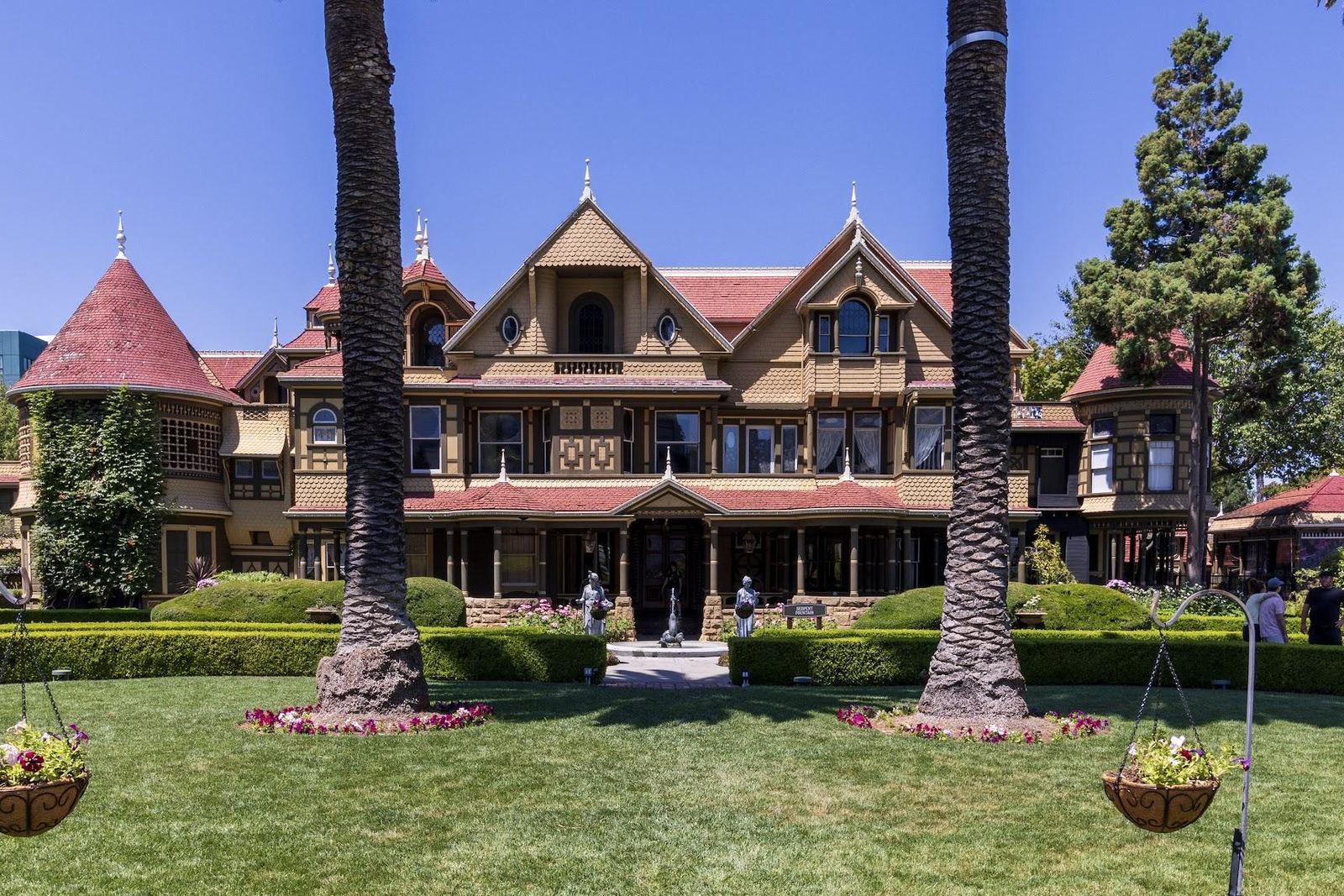
Starting in 1884, Sarah Winchester, the heir to the rifle fortune, spent almost four decades expanding her Victorian mansion into a behemoth 160-room maze of doors to nowhere, staircases into ceilings, and windows facing walls .

Haunted (perhaps in more ways than one) by the deaths of those killed by Winchester rifles, it is said that she had the structure built nonstop day and night to thwart the spirits of those victims. Today, the house is a popular tourist attraction, with tours through secret passages included.

2
Whaley House (San Diego, California)

Image: Jack Boucher, Public domain, via Wikimedia Commons

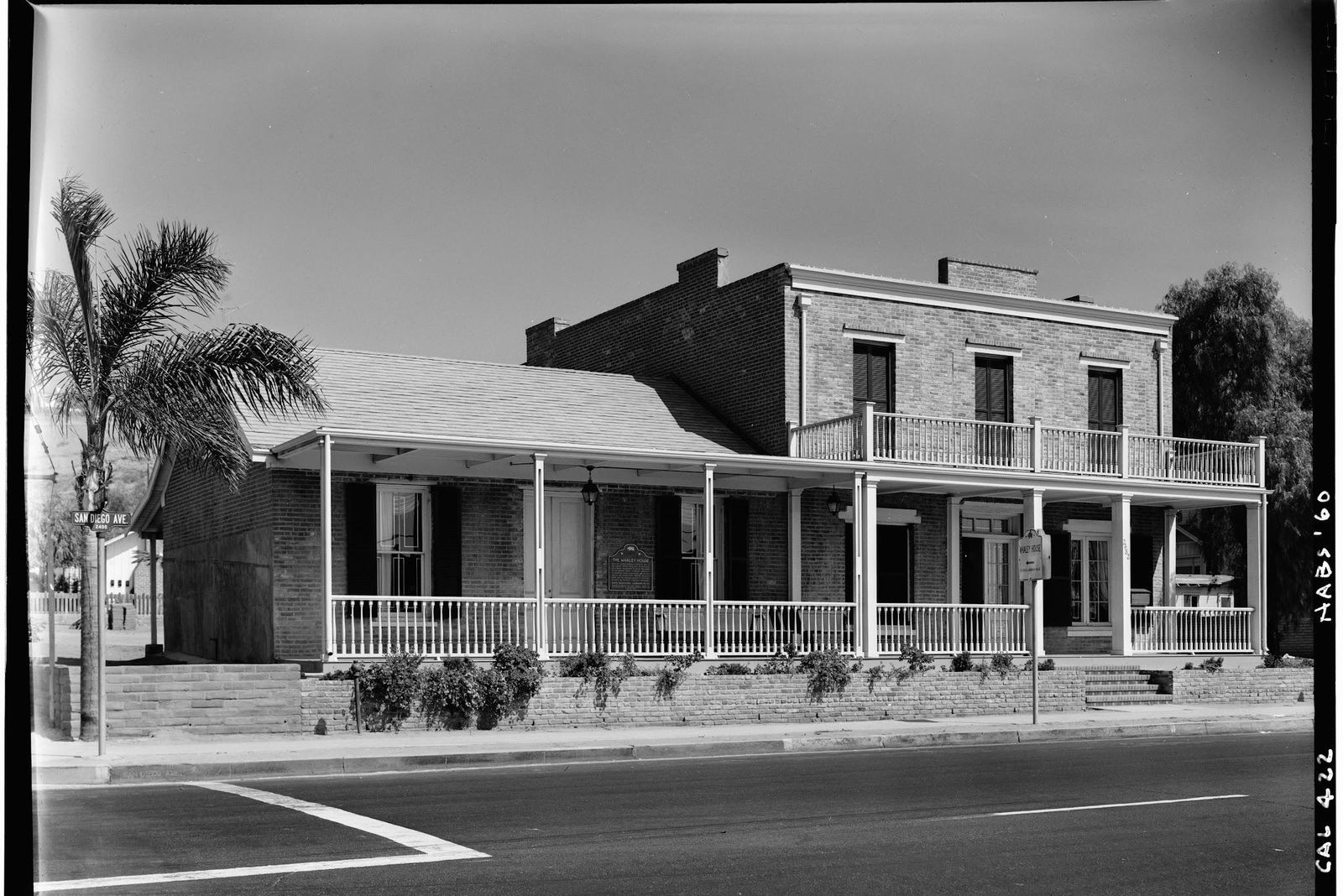
Built in 1857 on the site of San Diego’s old gallows, the Whaley House blended a family home, a store, and a courthouse under one roof. Soon after moving in, the Whaleys reported h eavy footsteps they believed belonged to James "Yankee Jim" Robinson, a tall outlaw hanged on the property years earlier .

Over time, the house became a museum and one of America´s most haunted homes, complete with official recognition as a historic site.

3
Amityville House (Amityville, New York)

Image: Doug Kerr, CC BY-SA 2.0, via Wikimedia Commons

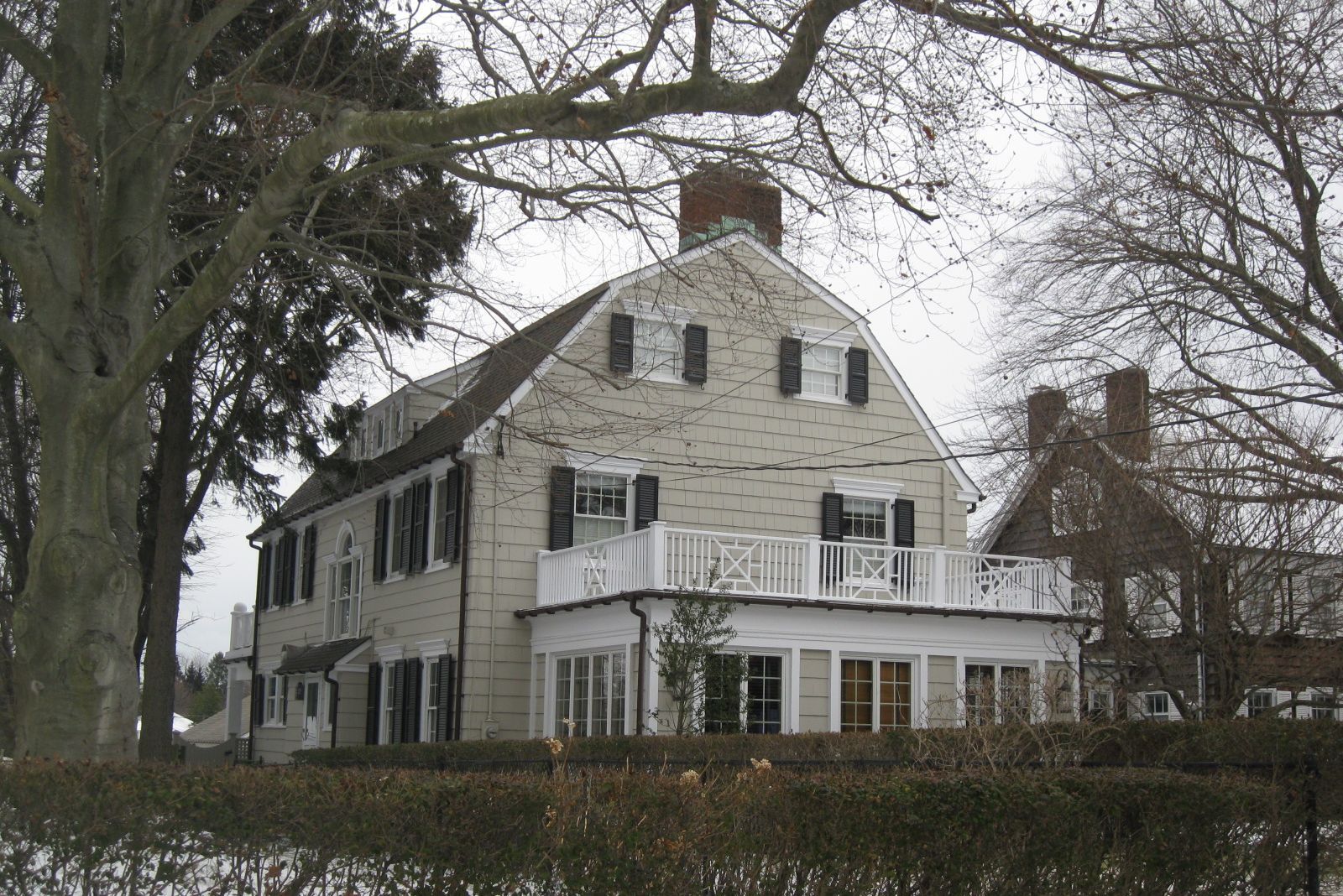
This quiet Long Island house became infamous after a 1974 murder case in which the DeFeo family was killed by one of their own. A year later, new owners George and Kathy Lutz claimed they were driven out by violent paranormal activity , which, in turn, inspired the book The Amityville Horror and a popular movie that spawned a franchise.

Over time, lawyers and witnesses have called parts of the haunting story a hoax, and later, residents reported no supernatural trouble at all. But the fame of the house lives on.

4
Bissel Mansion (St. Louis, Missouri)

Image: RoiSTL, CC BY-SA 4.0, via Wikimedia Commons

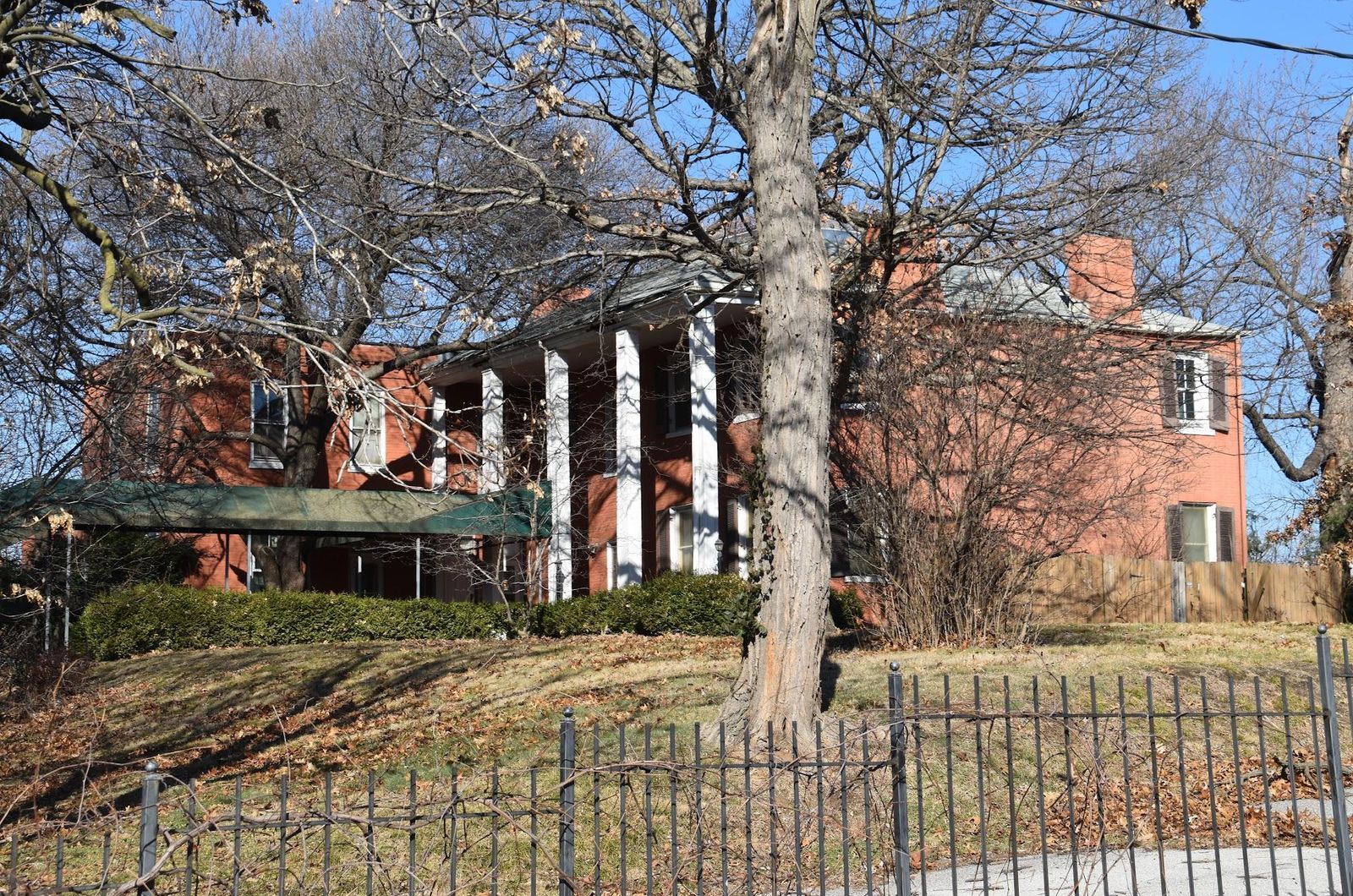
Built in the 1820s for Captain Lewis Bissel, this is believed to be the oldest brick house in St. Louis. Over the years, it has been a family home, a restaurant, and a murder-mystery dinner theater.

An episode of HGTV’s Scariest House in America highlighted its bricked-up cave entrance, which was once said to be a secret escape route, and its long history of odd happenings , such as ghostly children, a woman in white on the stairs, and items moving on their own.

5
William Westerfeld House (San Francisco, California)

Image: Jet Lowe, Public domain, via Wikimedia Commons

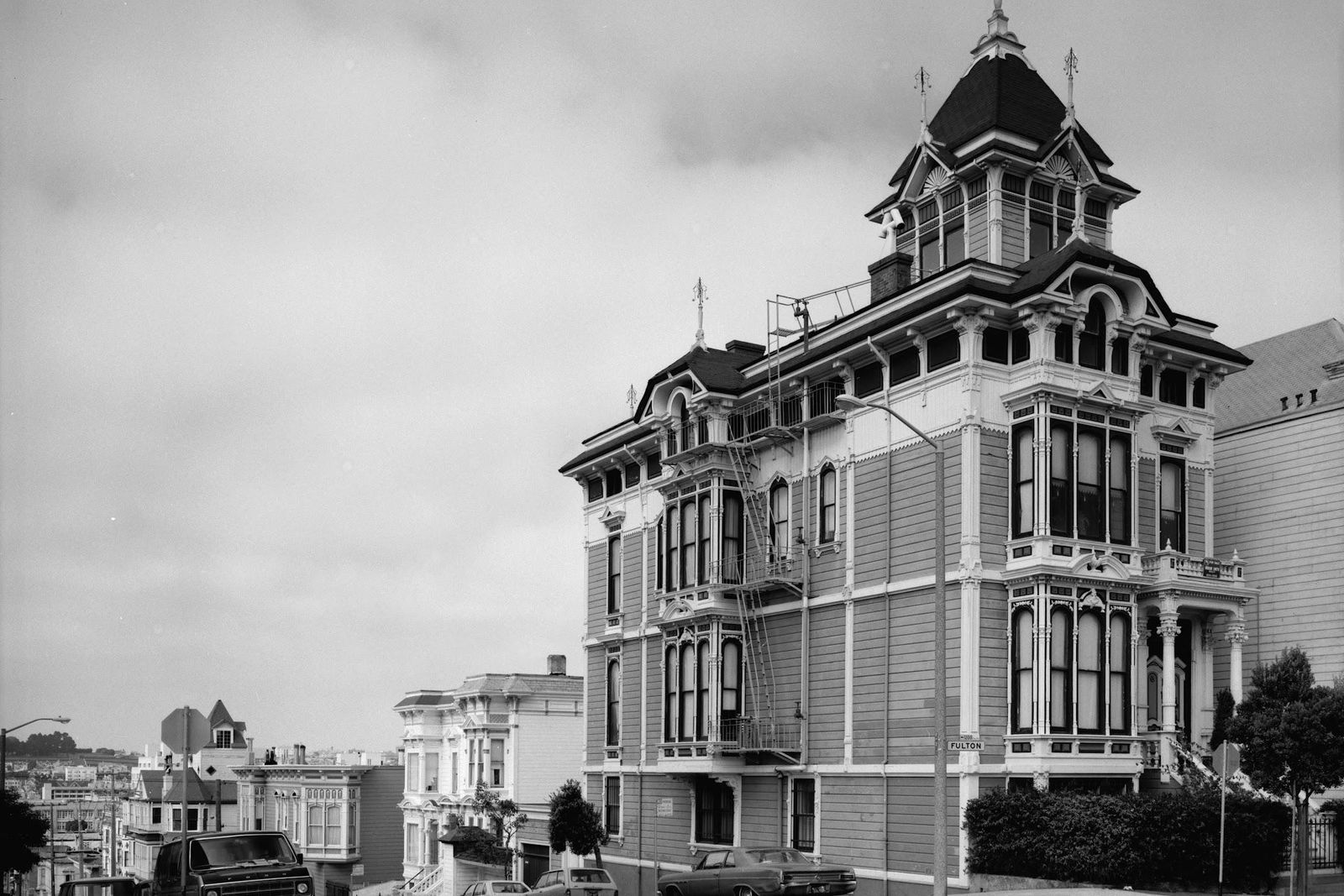
Another Victorian building in our list, this house was built for a wealthy German baker in 1889. Over the years, it served as a Russian immigrant social club and brothel nicknamed "The Russian Embassy," a jazz-era boarding house, a 1960s hippie commune , and a rumored hub for occult-themed film shoots and rituals.

Today, this 28-room mansion is privately owned but remains a popular landmark, with a reputation as a haunted time capsule, surrounded by a mix of verified history and neighborhood lore about ghosts, secret rooms, and wild parties.

6
House of the Seven Gables (Salem, Massachusetts)

Image: Upstateherd, CC BY-SA 4.0, via Wikimedia Commons

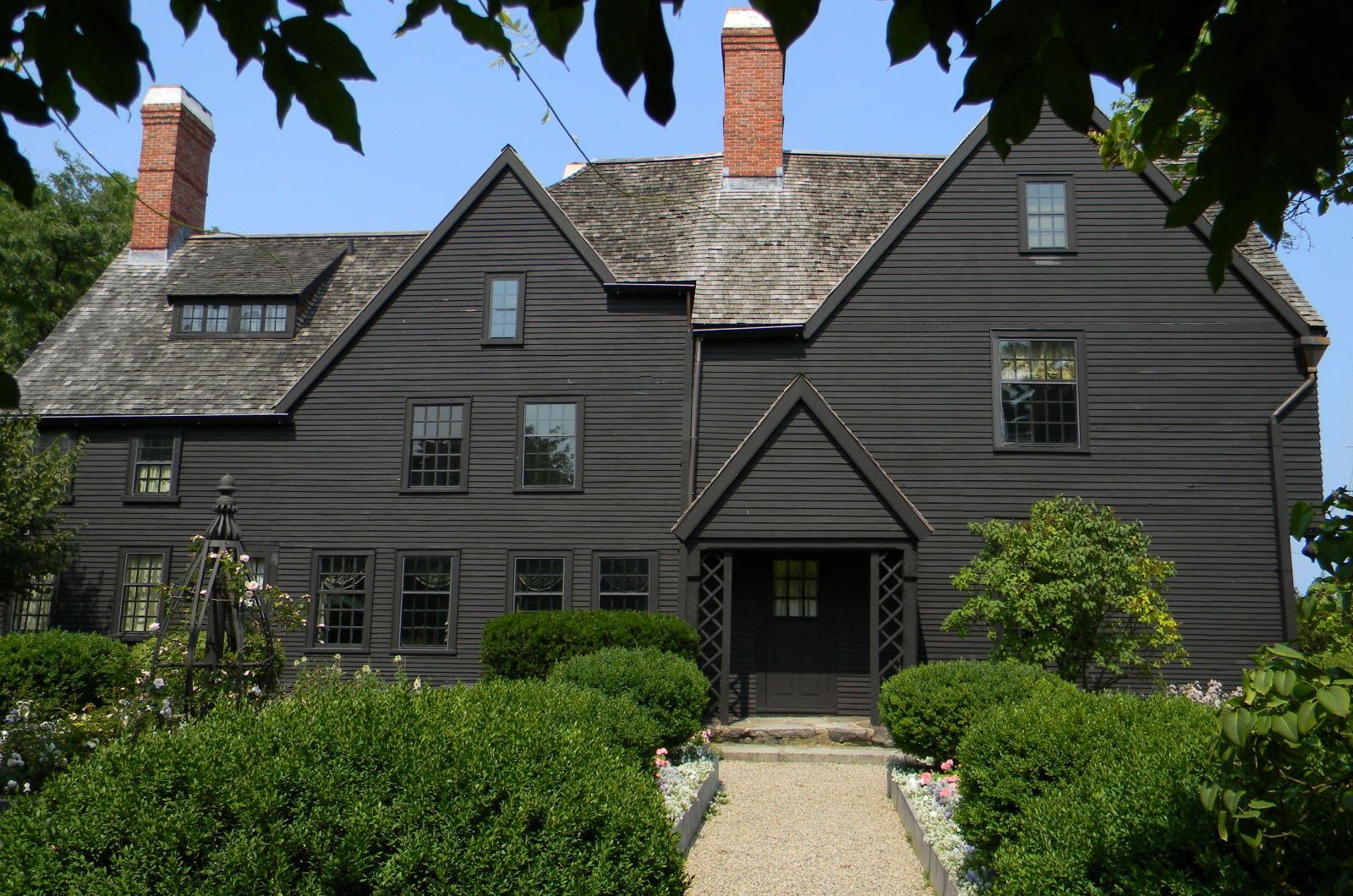
Captain John Turner built this waterfront house in 1668, and it was later owned by Susanna Ingersol, who welcomed her cousin Nathaniel Hawthorne. The legendary writer penned his famous novel, The House of the Seven Gables, inspired by the mansion .

In the early 1900s, the house was restored and reshaped as a museum, even adding a secret staircase to match the haunting mood of Hawthorne’s novel.

7
Biltmore Estate (Asheville, North Carolina)

Image: William Recinos

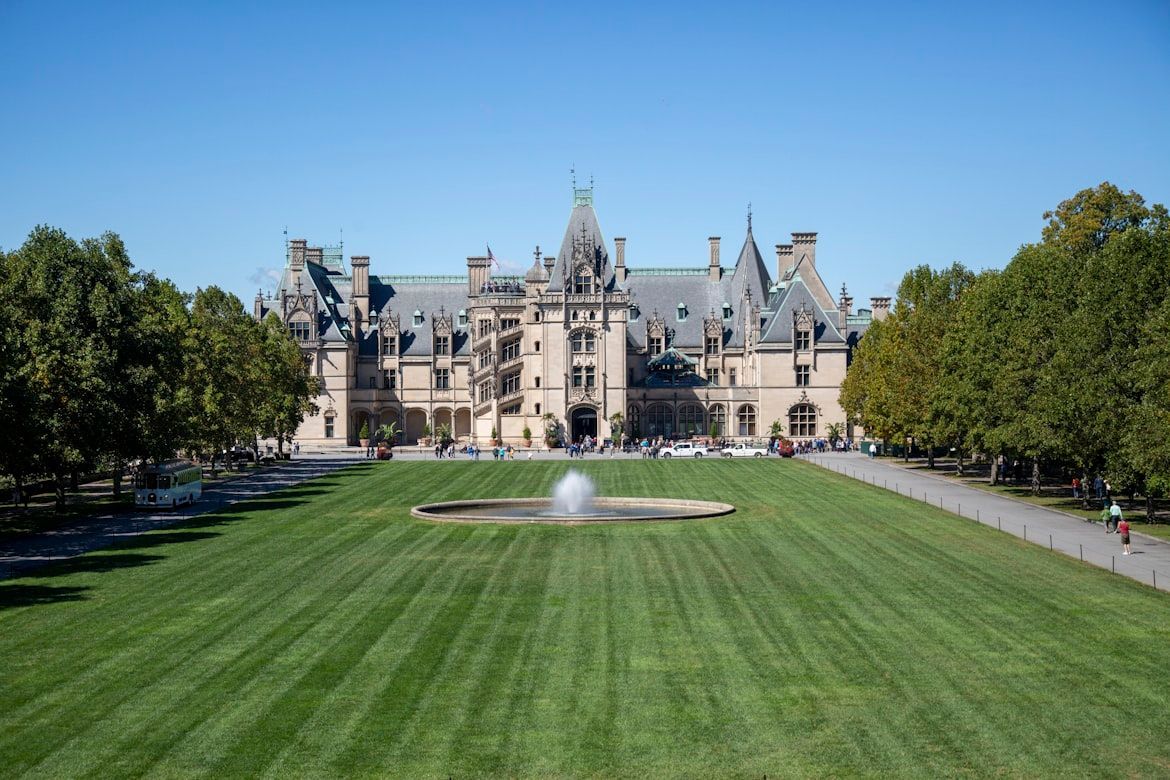
Built between the years 1895 and 1898, George Vanderbilt’s Biltmore House is America’s largest private home, but its grand halls hide multiple secret doors and passageways. Concealed panels in the library and breakfast room allowed servants and guests to slip between rooms unseen .

Visitors on modern tours sometimes miss these disguised doors unless guides point them out. The effect is not unlike one of those mystery mansions where someone presses a bookshelf and a secret door opens.

8
Lizzie Borden House (Fall River, Massachusetts)

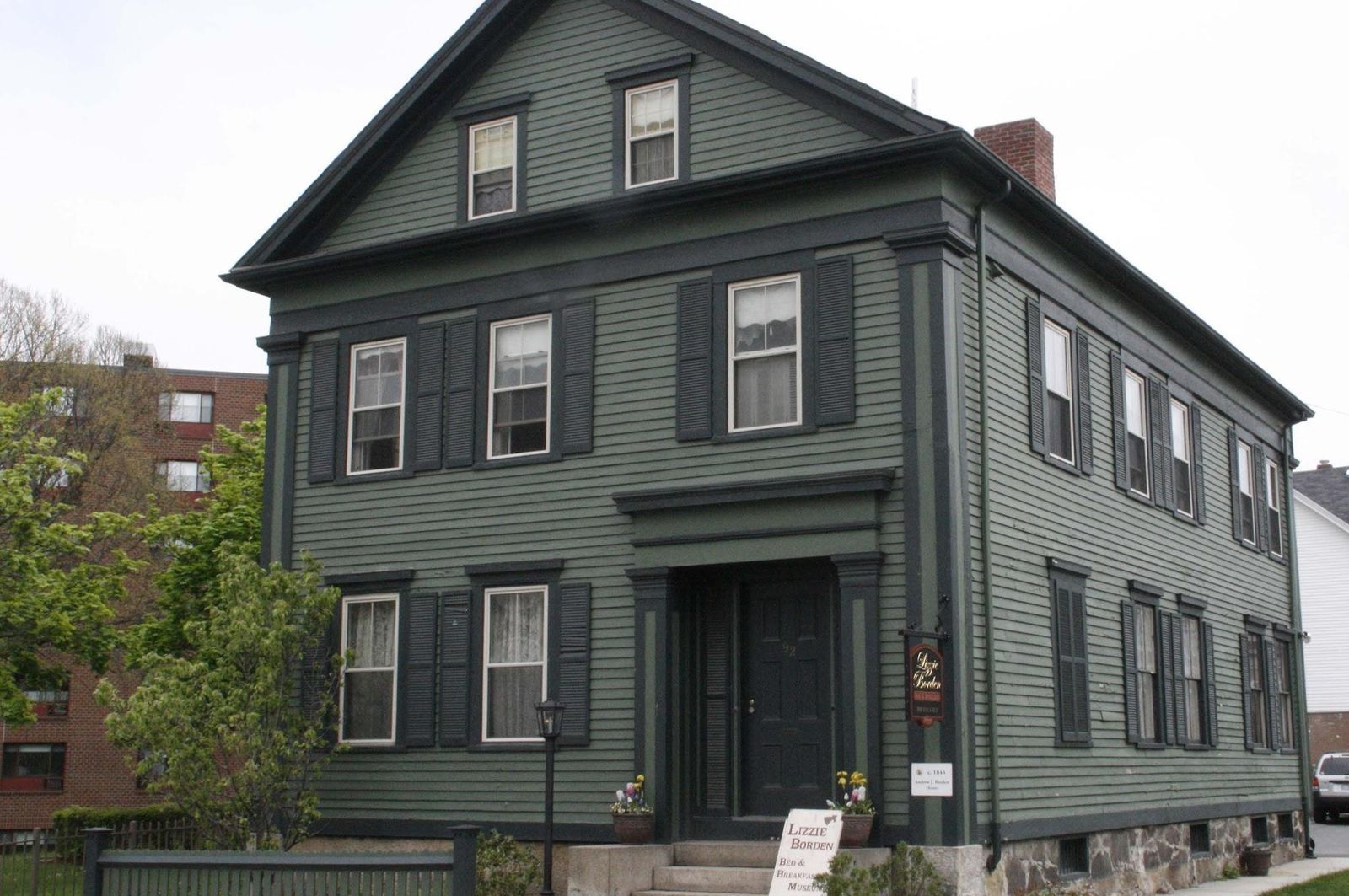
Image: dbking from Washington, DC, CC BY 2.0, via Wikimedia Commons

This modest home was the scene of a 1892 double murder in which Andrew and Abby Borden were killed with an axe. Their daughter Lizzie was tried and acquitted, but her notorious reputation lived on .

The house now functions as a museum and an overnight destination with carefully restored rooms and guides who walk tourists through evidence, theories, and reported ghost activity.

9
Octagon House (Washington, DC)

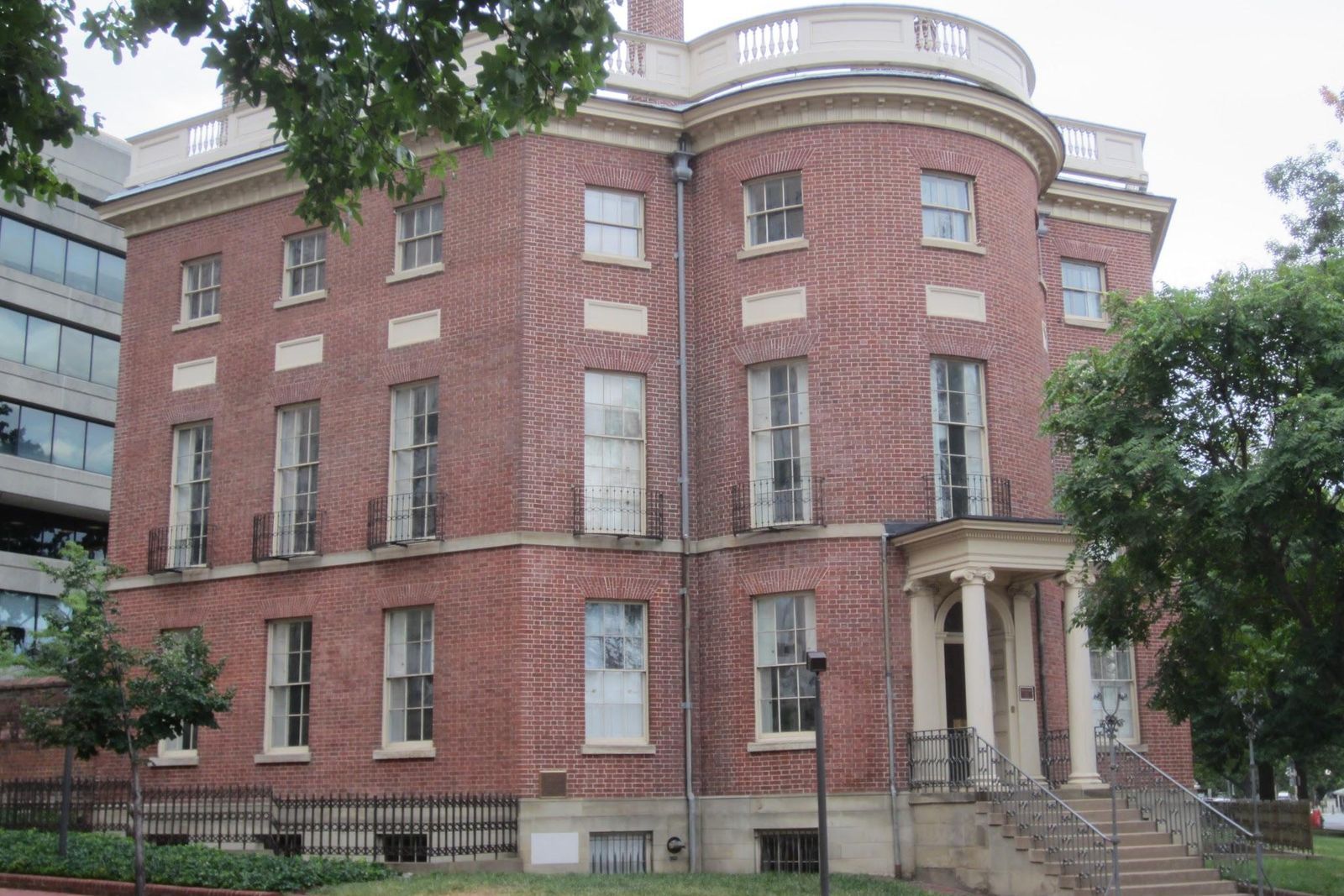
Image: Another Believer, Public domain, via Wikimedia Commons

Despite its name, this mansion is not a perfect octagon, but its story is particularly unusual, to say the least. As it turns out, President James Madison and his wife briefly lived in it after the British burned down the White House in 1814.

Later, stories emerged of mysterious bells ringing long after the servant-call wires were cut, and ghostly figures appearing on the spiral staircase . The most famous legend claims that two girls died on those stairs, though there is no evidence that this actually happened.

10
Villa Montezuma (San Diego, California)

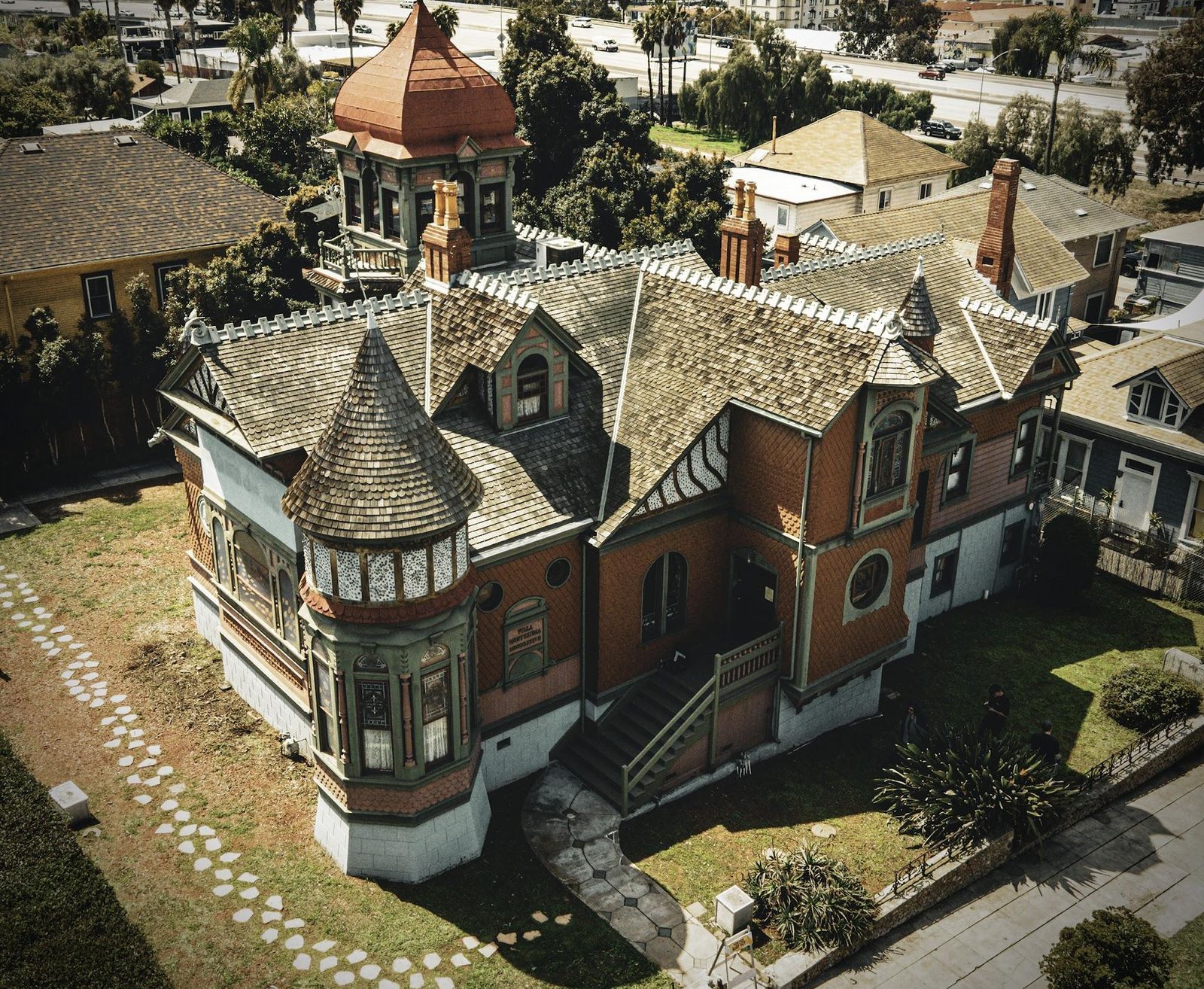
Image: Redideo, CC BY 4.0, via Wikimedia Commons

In 1887, spiritualist, pianist, and author Jesse Shepard moved into this mansion, filled with art glass, elaborate woodwork, and a music room specially designed for his dramatic concerts.

Over time, stories began to be told about Shepard’s performances, summoning more than just applause. The presence of ghosts in the towers and odd sounds in empty room s became common talk among the visitors. These days, the mansion can be visited, and the mysterious house can be explored by the curious and the fearless.

11
Montlake Spite House (Seattle, Washington)

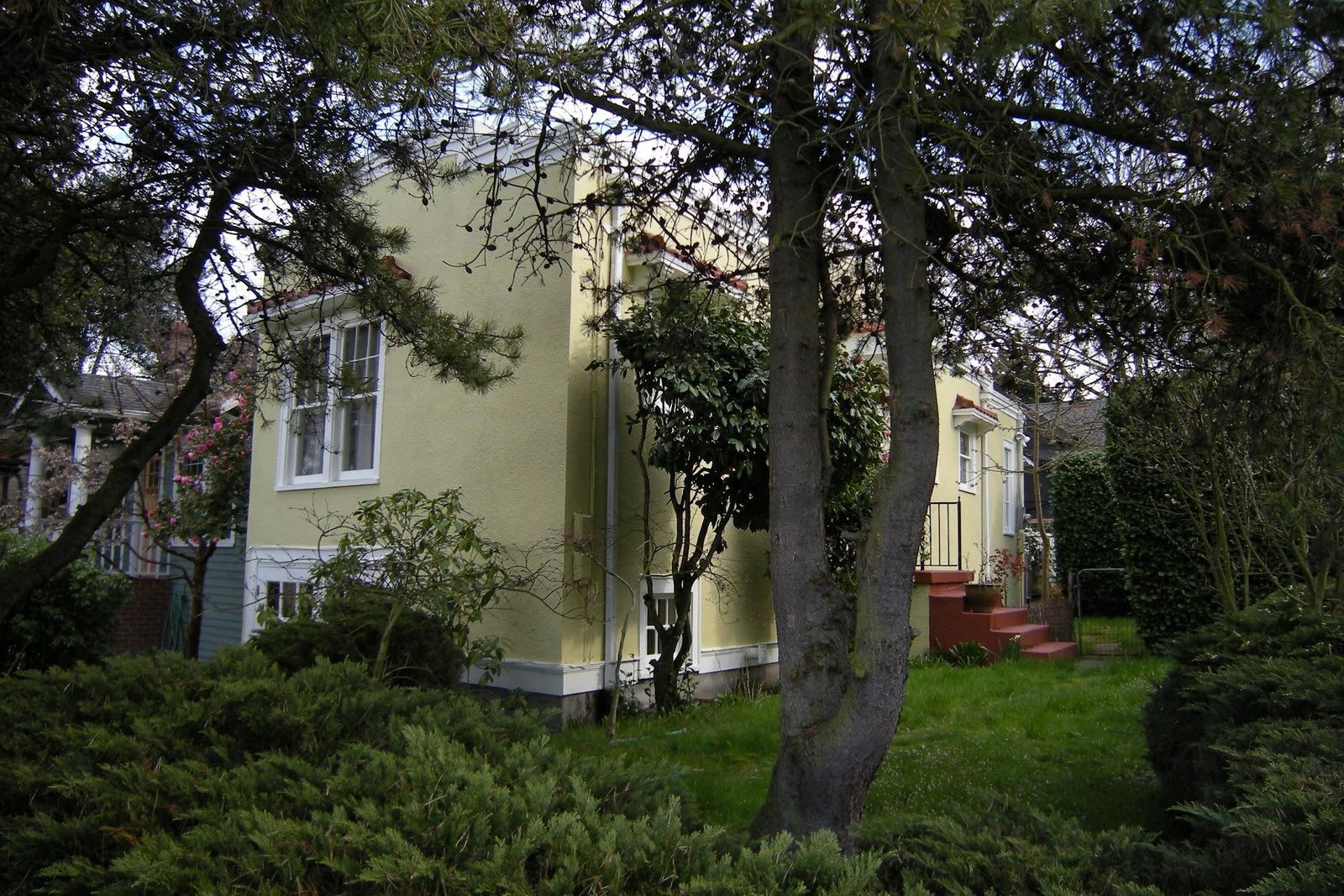
Image: Joe Mabel, CC BY-SA 3.0, via Wikimedia Commons

So, "What is a spite house?" you might very reasonably ask. Wedged into Seattle’s Montlake neighborhood, this 1925 Spanish Revival cottage is about 15 feet wide at one end and just 55 inches at the other. The architectural equivalent of a wedge of cheese .

Local legend says that it was built by a scorned ex-wife who received a skinny strip of land in a divorce and used it to block her ex-husband’s view.

12
Alameda Spite House (Alameda, California)

Image: Elf, CC BY-SA 3.0, via Wikimedia Commons

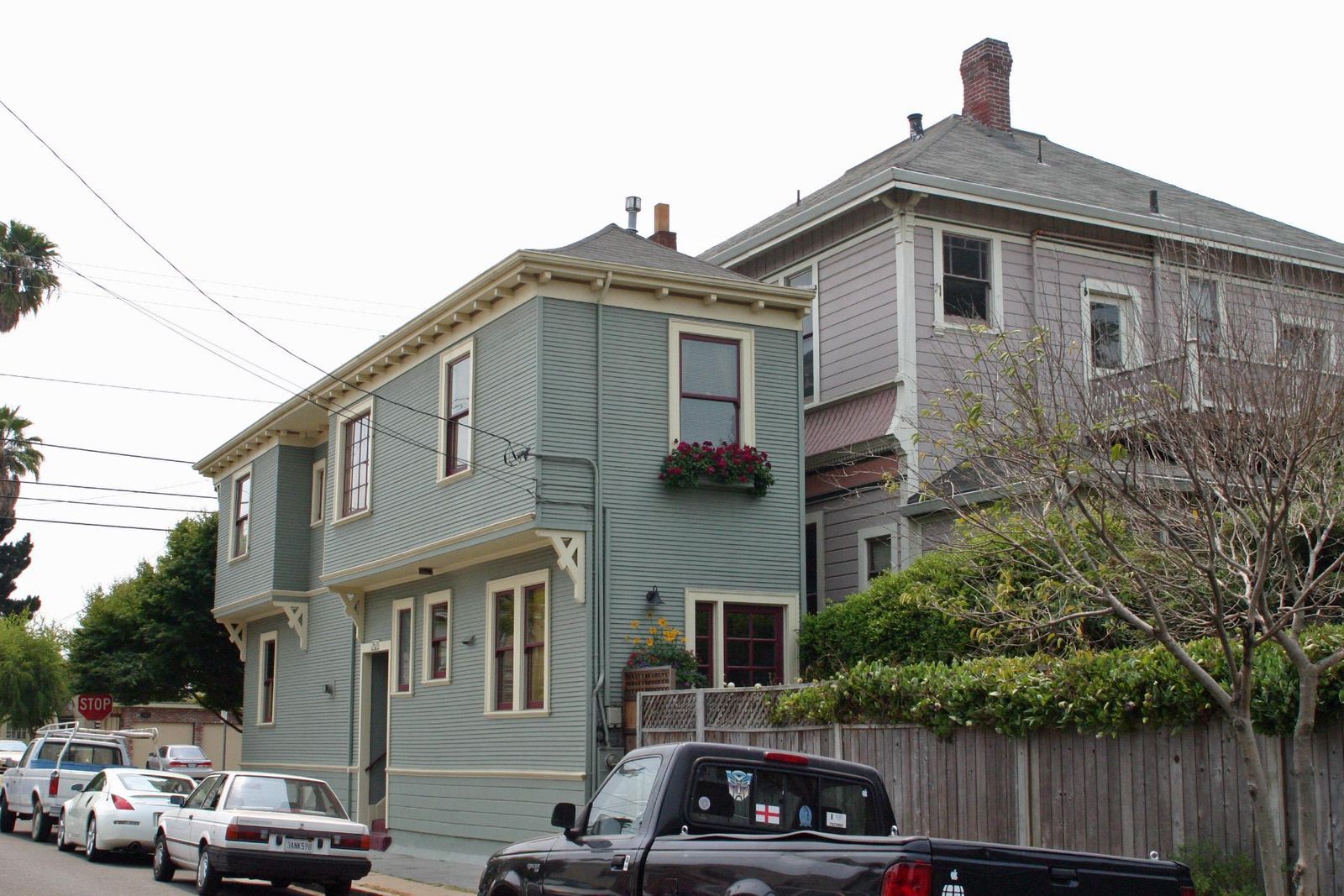
Yes, another spite house. Around 1908, Charles Froling planned his dream home in Alameda, until the city used eminent domain to slice off most of his lot for a street, leaving a sliver of land .

Annoyed with both the city and an unhelpful neighbor, Charles responded by building a two-story house, only about 10 feet deep but 54 feet long along the remaining strip . The narrow revenge house still stands at Broadway and Crist, and its peculiar proportions can be viewed by anyone passing by.

Explore more American facts

Choose your favorite category!

General
General

As American as apple pie—the very best America has to offer!

Culture
Culture

Delve into the astounding richness of American lore.

Geography
Geography

Hop in and explore vast and diverse American landscapes.

History
History

Discover the key moments that shaped the United States.