Culture Culture 4 min read

Your beloved TV locations, in real life

10 TV show locations in America you can actually visit
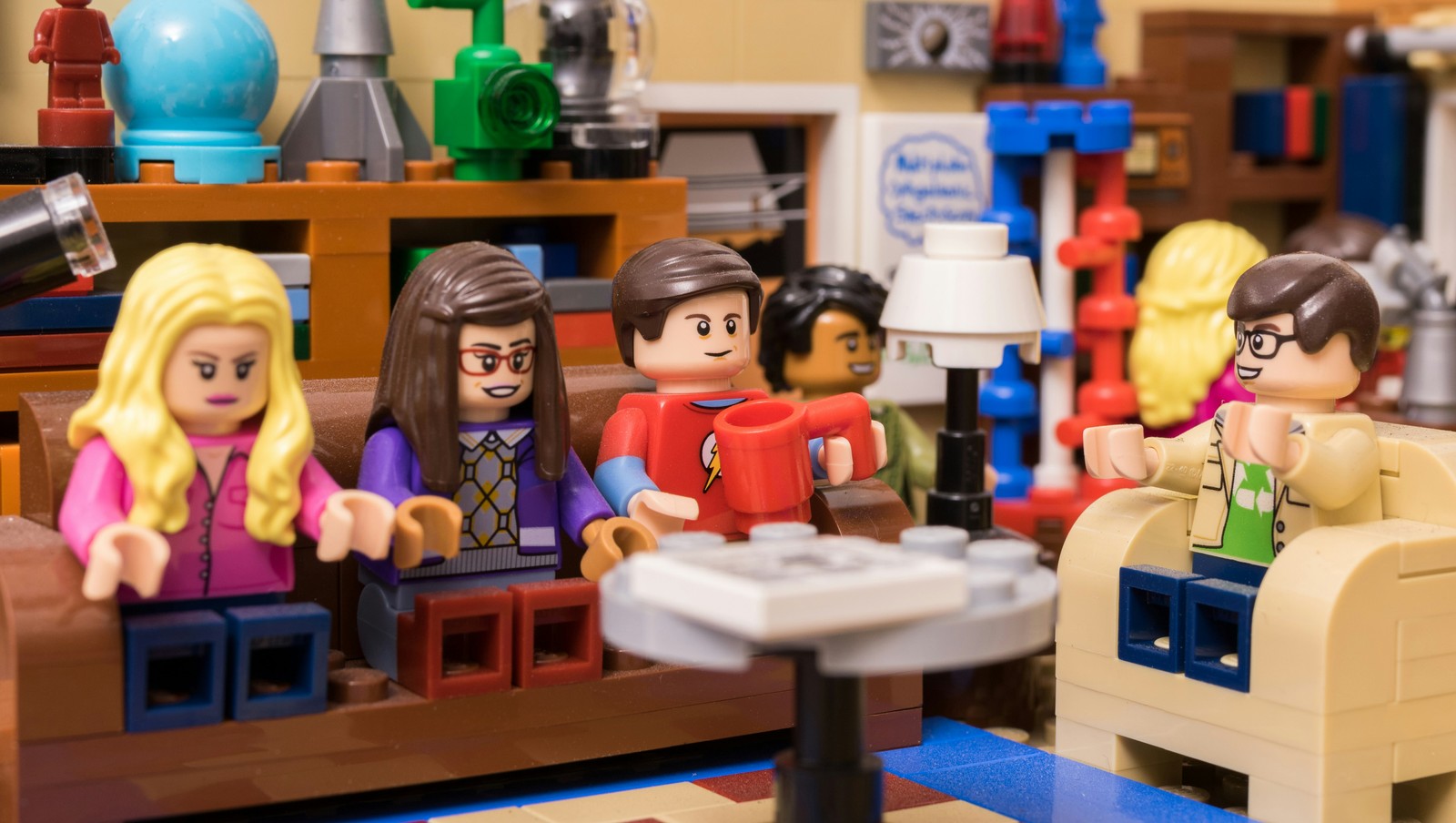
Image: Ben Griffiths

Ever wondered what it would be like to walk in the footsteps of your favorite TV characters? Well, pack your bags and grab your camera, because these iconic television locations are real places you can visit across America . From diners to crime scenes to small-town squares, these spots bring your beloved shows to life in ways that'll make you feel like you've stepped right into the screen.

1
The diner from "Seinfeld" - New York City
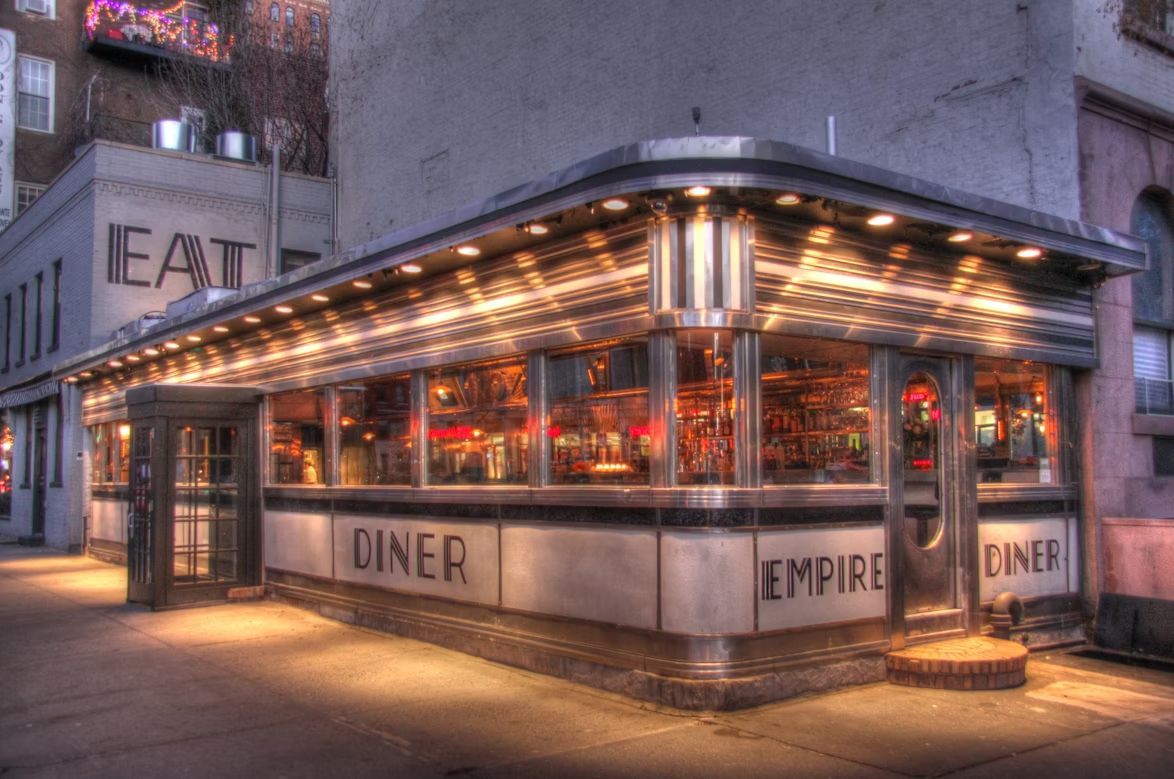
Image: Peter Bond

Remember Tom's Restaurant, where Jerry, George, Elaine, and Kramer hatched their hilariously terrible plans over coffee and endless conversations about nothing ? It's a real place!

The restaurant has embraced its TV fame, and fans from around the world stop by daily to snap photos and enjoy a meal where sitcom history was made. Fair warning: the actual interior looks nothing like the show, but you’re still eating where Seinfeld characters theoretically ate!

2
Central Perk from "Friends" - Times Square, New York City
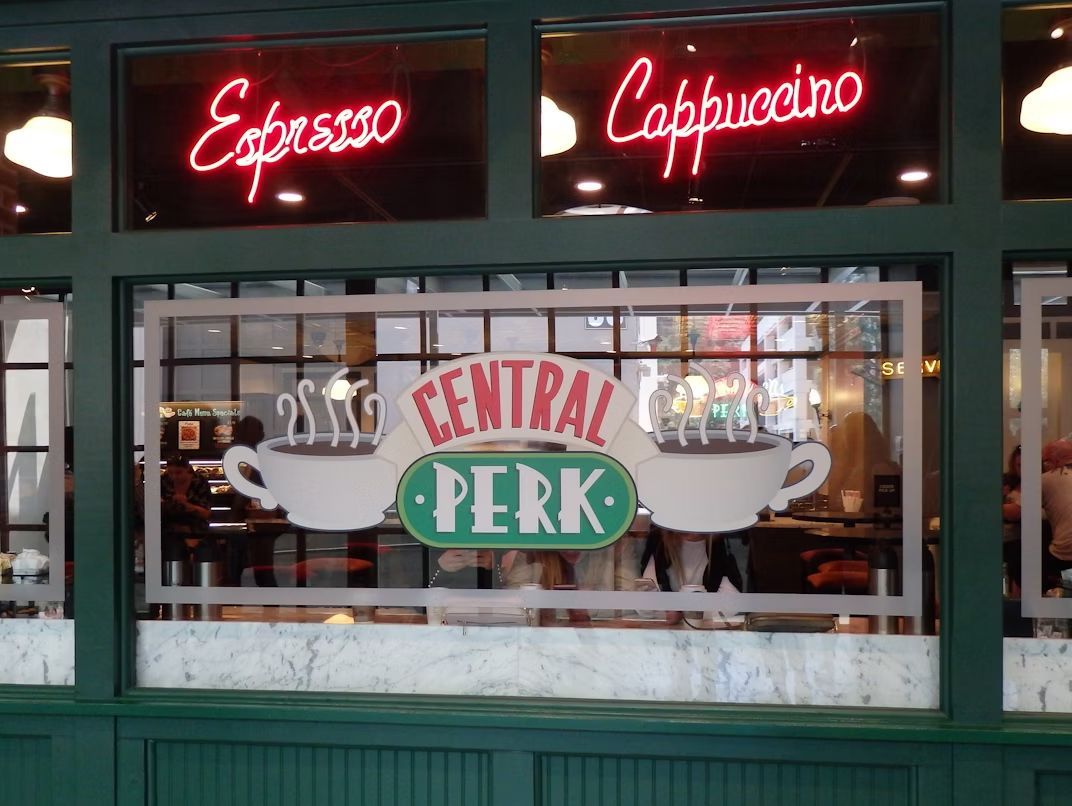
Image: Ilse Orsel

Friends fans, your dreams have come true: Central Perk now has a permanent location in Times Square where you can actually grab your morning coffee! Located at the northeast corner of 7th Avenue and 47th Street, this is the real deal—a functioning coffeehouse where you can sit near that iconic orange couch and pretend you're part of the gang. There's also a sister location in Boston, so if you're in either city, you can finally experience the coffee shop that was supposedly right there in New York all along.

3
The "Breaking Bad" car wash - Albuquerque, New Mexico
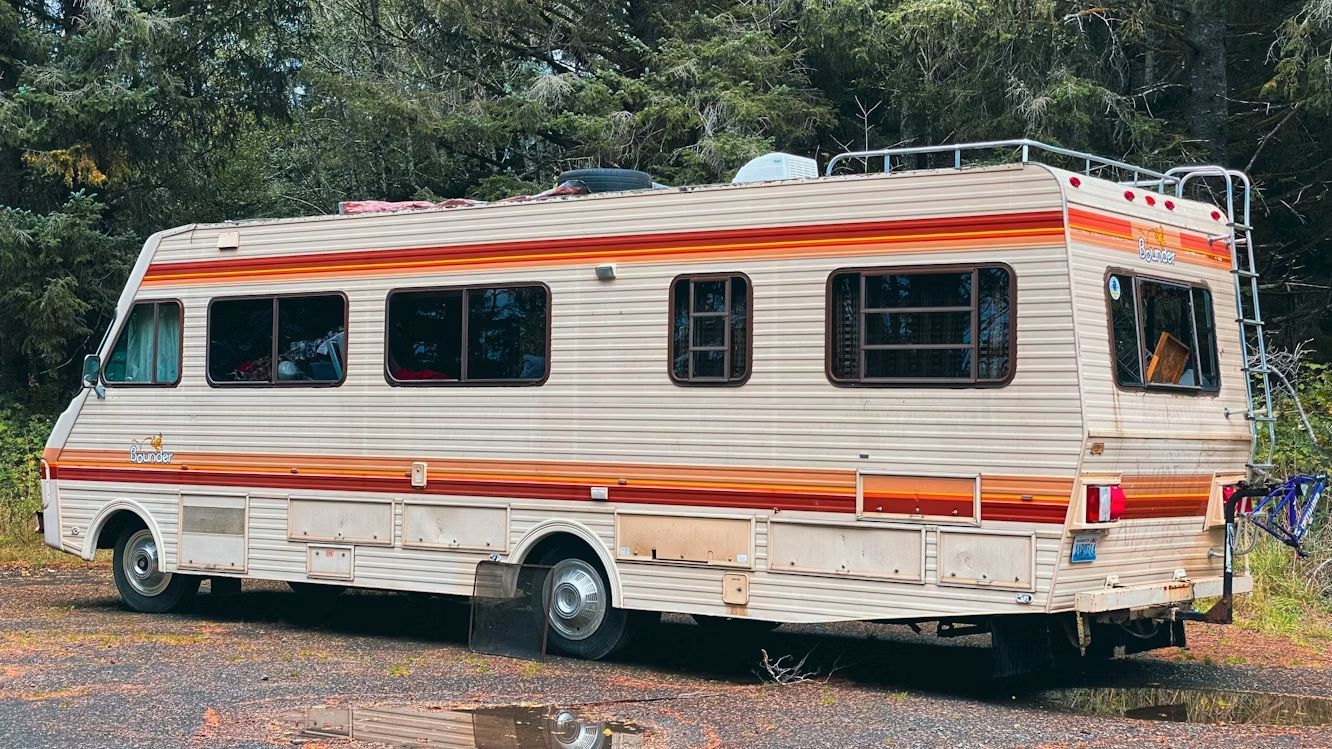
Image: Juliann Hervio

Walter White's car wash empire might have been built on crystal meth money, but the actual building is squeaky clean and still operating! Mister Car Wash (formerly Octopus Car Wash) at 9516 Snow Heights Circle NE in Albuquerque is where they filmed those tense scenes of Walt and Skyler's legitimate business venture. You can even get your car washed at the same spot where some of TV's most dramatic moments unfolded.

4
Luke's Diner from "Gilmore Girls" - Unionville, Ontario (okay, Canada, but close enough!)
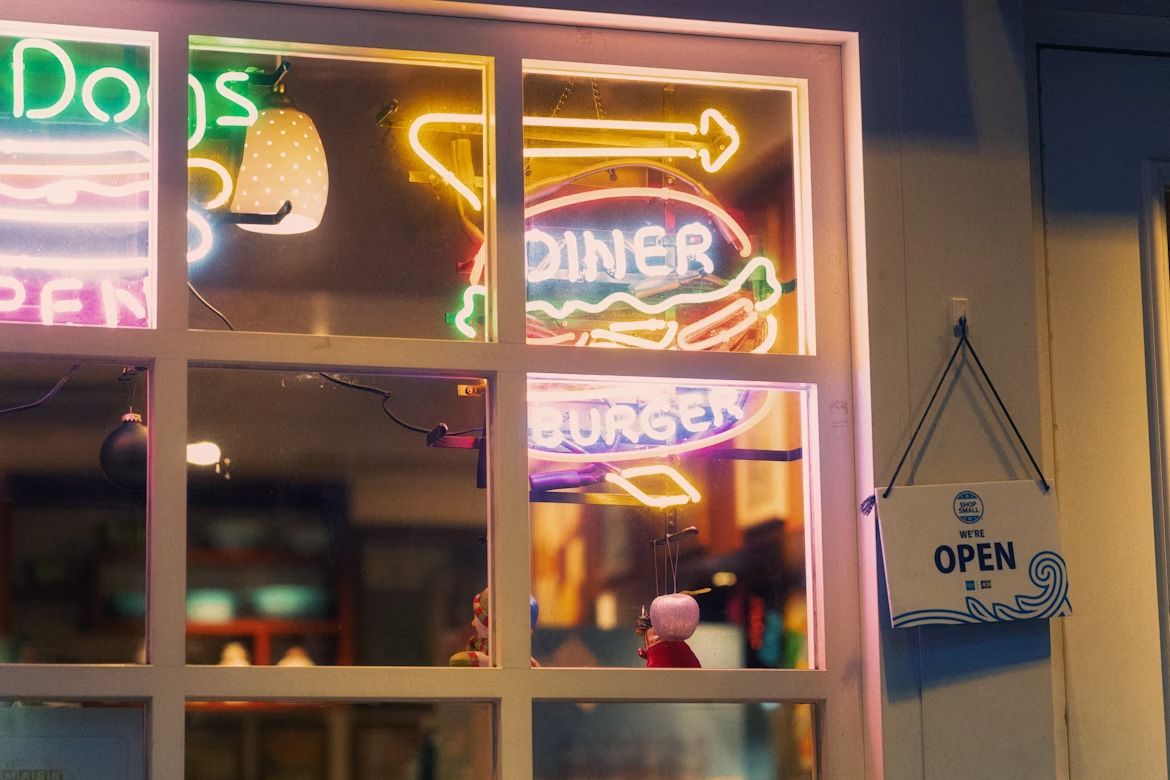
Image: ayumi kubo

Coffee addicts and fast-talking fans of Gilmore Girls will be thrilled to know that Luke's Diner is real sort of . The exterior shots were filmed at a building in Unionville, Ontario, just outside Toronto. The charming small-town main street where the diner sits perfectly captured that Stars Hollow magic, even if it technically wasn’t in Connecticut. The building now houses different businesses, but the streetscape remains wonderfully quaint and photogenic.

5
The "Full House" house - San Francisco, California
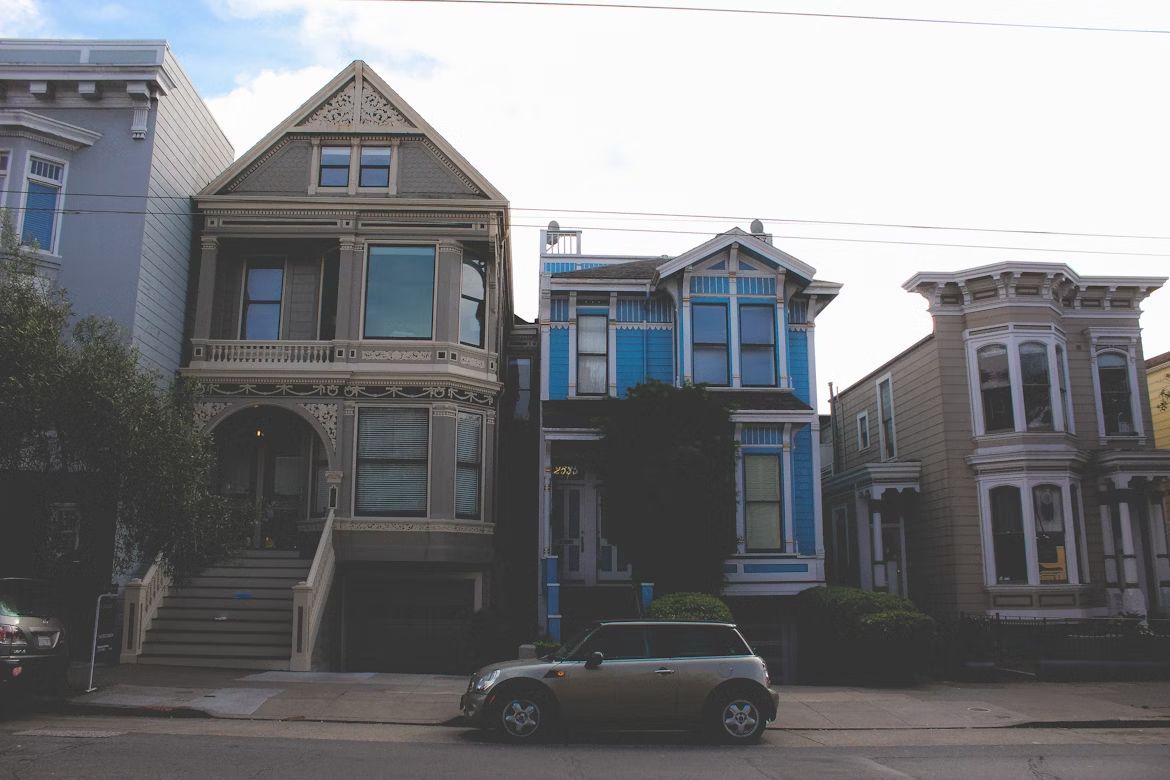
Image: Kyle Smith

The Tanner family's iconic Victorian home, with its unforgettable Painted Lady facade, is absolutely real and stands at 1709 Broderick Street in San Francisco's Lower Pacific Heights neighborhood. While the interior scenes were filmed on a set, the exterior is the genuine article and has become one of the most photographed houses in the city. Fans regularly make pilgrimages to stand across the street and recreate that opening credits moment.

6
Courthouse Square from "Back to the Future" - Universal Studios, California
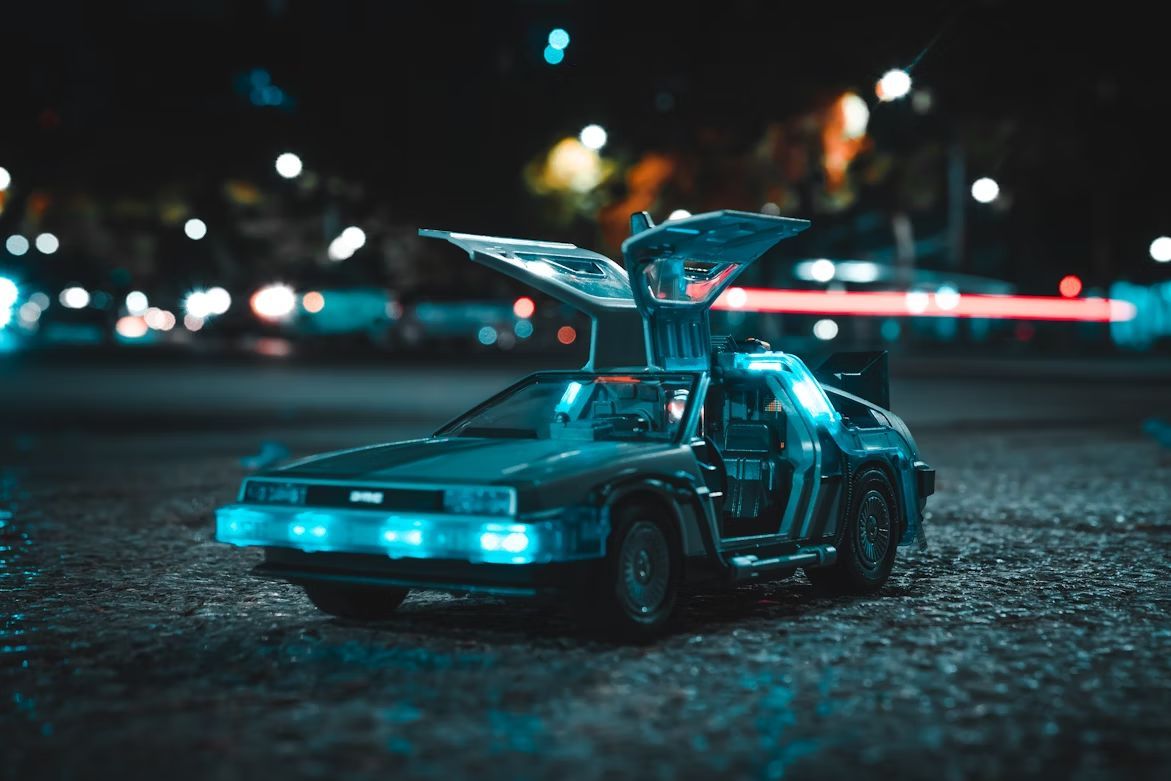
Image: Roger Ce

Doc Brown's time-traveling DeLorean circles around Hill Valley's Courthouse Square in one of cinema's most memorable scenes, and you can visit that exact spot! The Courthouse Square is a standing set on the Universal Studios backlot in Los Angeles , and has been used in countless productions over the decades. On the studio tour, you'll recognize it instantly—it’s where Marty McFly skateboarded through 1955 and where the clock tower still stands.

7
Katz's Delicatessen from "When Harry Met Sally" - New York City
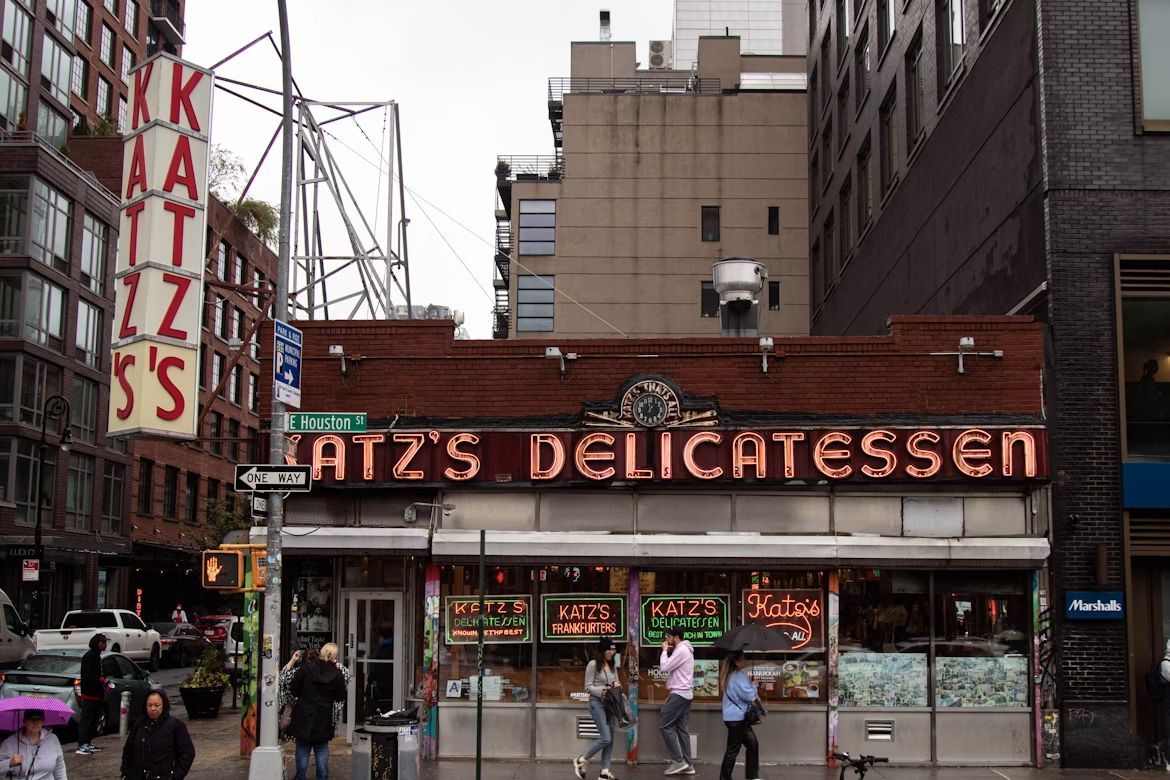
Image: Michał Kubiak

"I'll have what she's having" became one of the most famous movie lines ever uttered in a restaurant, and you can eat at that very same spot! Katz's Delicatessen, located at 205 East Houston Street on Manhattan's Lower East Side, is where Meg Ryan filmed that unforgettable scene. The deli has been serving up massive pastrami sandwiches since 1888, and they’ve marked the table where the scene was filmed with a sign that reads, "Where Harry met Sally… hope you have what she had!"

8
The "Twin Peaks" Double R Diner - North Bend, Washington
Image: DJ Paine

Fans of David Lynch's surreal masterpiece can grab a slice of cherry pie and "a damn fine cup of coffee" at Twede's Cafe in North Bend, Washington . This is the actual diner used for exterior and some interior shots of the Double R Diner, where Agent Cooper discussed his dreams and Deputy Hawk dispensed wisdom. After a 2000 fire, the diner was rebuilt and renovated, but it has maintained its Twin Peaks connection, which continues to draw fans from around the world.

9
The "Cheers" bar - Boston, Massachusetts
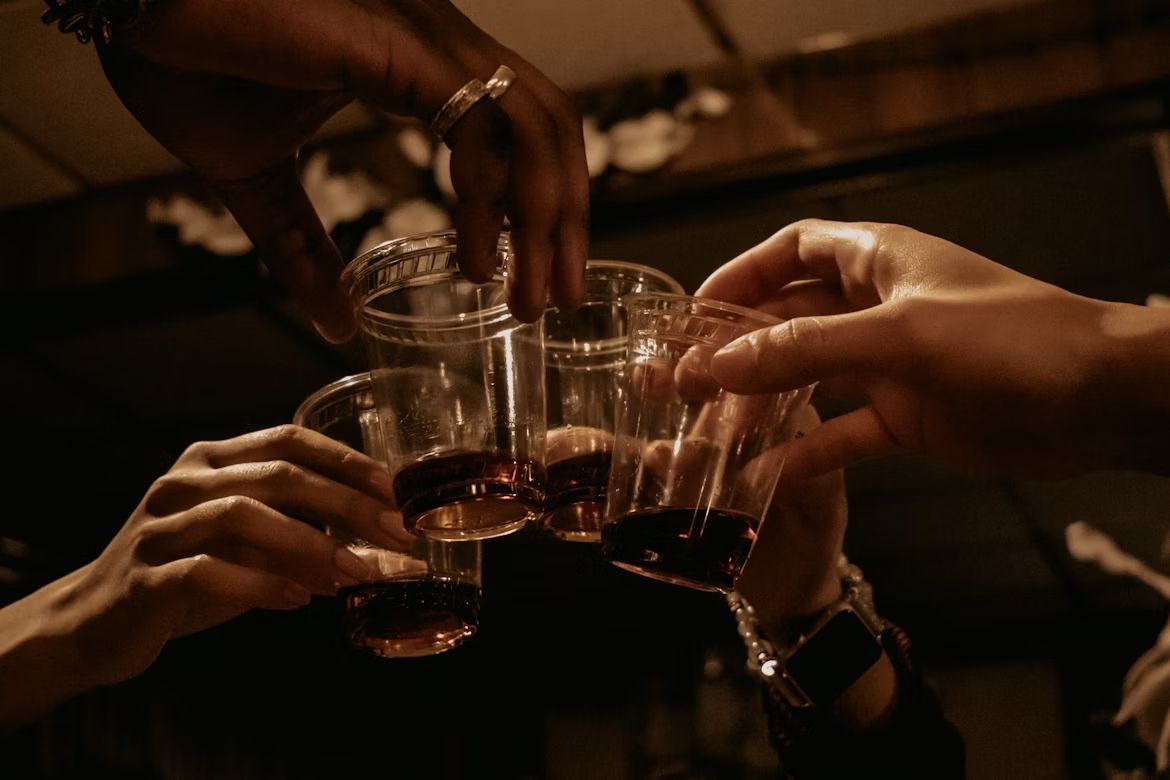
Image: Savann Prak

Sometimes you really do want to go where everybody knows your name, and you can do exactly that in Boston! T he Bull & Finch Pub, located at 84 Beacon Street beneath the Hampshire House, is the real bar that inspired the exterior of Cheers . There's even a replica Cheers bar in Faneuil Hall Marketplace for tourists who want the full experience.

Here’s the catch: the interior of the Bull & Finch Pub looks nothing like the TV show—those scenes were all filmed on a Hollywood soundstage. But the Faneuil Hall location recreated the TV set’s interior, so if you want to feel like you’re really stepping into the show, that’s your best bet.

10
The Biltmore Hotel from "Mad Men" - Los Angeles, California
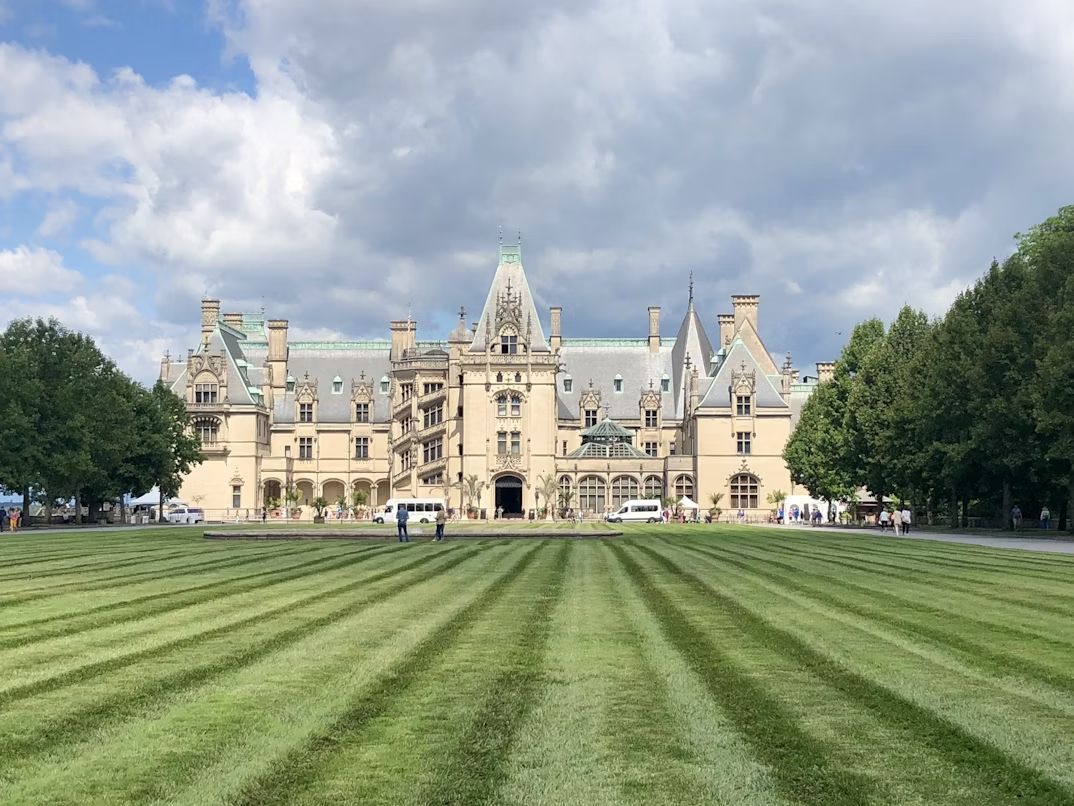
Image: Stephanie Klepacki

Don Draper and the gang from Sterling Cooper certainly knew how to pick a sophisticated meeting spot, and the Millennium Biltmore Hotel in downtown Los Angeles was one of their favorites.

The Biltmore is still a functioning luxury hotel where you can book a room, grab a cocktail at the bar, or simply wander through the stunning public spaces. It has hosted Academy Awards ceremonies, presidential candidates, and countless Hollywood events over its nearly 100-year history.
General General 6 min read

Hidden from the public

What's hidden beneath the National Mall? It's not what you think

Image: Sonder Quest

Cities like Washington, DC, Philadelphia, and Boston feel so famous that it’s easy to think there’s nothing left to discover in them. But with centuries of history behind them, they’re full of secrets most people never learn about. From underground tunnels linking iconic buildings to hidden rooms inside famous landmarks, today we’re uncovering 10 hidden spots and historical secrets of the cities you thought you knew.

1
National Mall’s hidden tunnel (Washington, DC)

Image: Samuel Girven

The National Mall landscape in Washington, DC, is so familiar that it’s hard to imagine anything hidden beneath it, but there is more going on below the surface than most visitors realize.

Beneath parts of the Mall, a network of underground tunnels connects buildings like the Smithsonian Institution Building, a.k.a "The Castle", with other Smithsonian facilities, including the National Museum of Natural History. They’re mainly used for utilities, secure staff access, and behind-the-scenes operations that keep the museums running smoothly.

2
Mount Rushmore’s secret chamber (Keystone, SD)

Image: Uniq Trek

When you look at Mount Rushmore, the first thing you notice is the four faces of George Washington, Thomas Jefferson, Theodore Roosevelt, and Abraham Lincoln, but there’s more than meets the eye. Hidden behind Lincoln’s head is a secret chamber known as the "Hall of Records," a place visitors have rarely ever seen. It was the idea of sculptor Gutzon Borglum, who imagined it as a grand room to hold important US documents and tell our story as a country. Construction began with that goal, but the project was never completed. Today, the chamber remains unfinished, but it's there, waiting to be visited someday.

3
The Las Vegas sign is in another city (technically, Paradise, NV)

Image: Sung Shin

Do you have the classic picture in front of the iconic "Welcome to Fabulous Las Vegas" sign? If you snapped it and then drove to another city, we hate to break it to you, but you weren’t in Las Vegas.

The famous sign, installed in 1959, actually sits a couple of miles outside the city limits. In fact, the sign and most of the Strip are technically located in the towns of Paradise and Winchester, unincorporated communities in Clark County, Nevada, not within Las Vegas itself. And that’s no accident: much of the Strip and its casinos were originally developed outside the city in the 1950s to avoid municipal taxes and regulations.

4
Fragments of the Antarctic ice sheets (Denver, CO)

Image: Marco Bianchetti

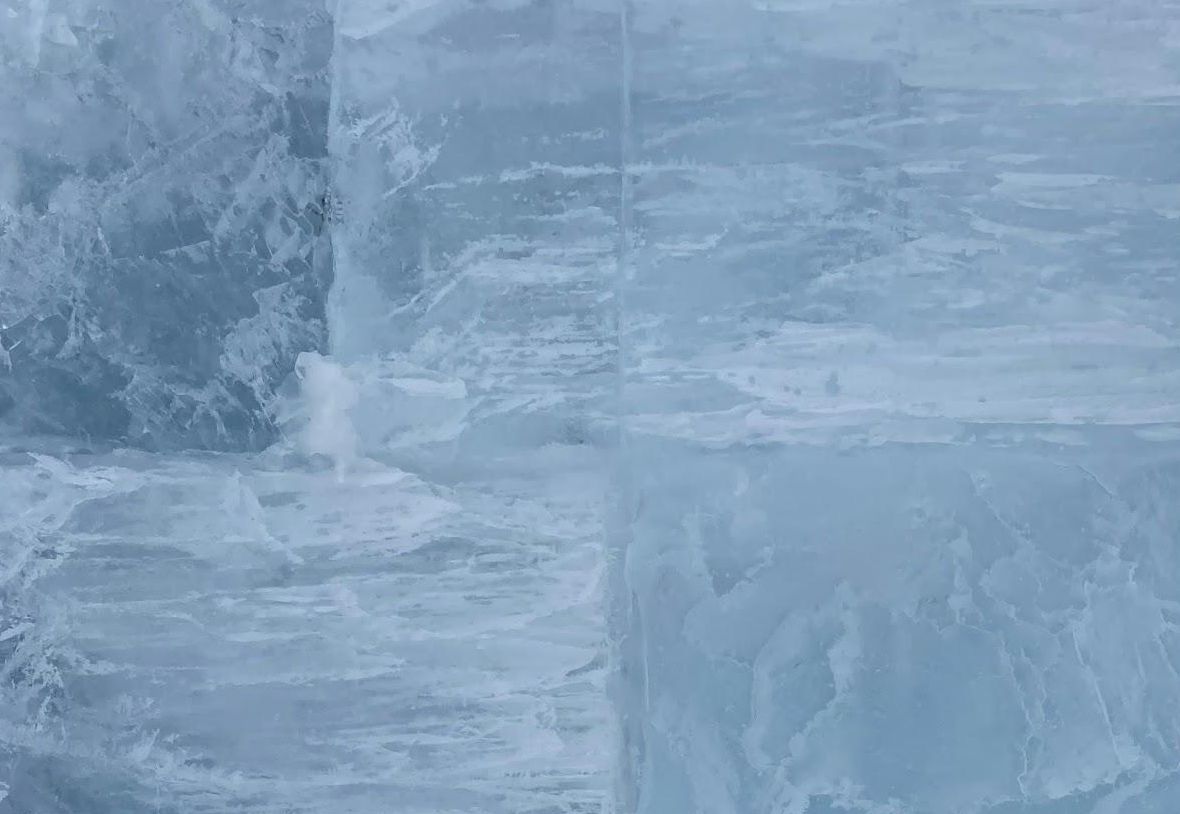
Did you know that the Mile High City stores miles of ice from Greenland and Antarctica? Ok, but how?

At Denver’s National Ice Core Laboratory, part of the Federal Science Center, the ice is kept at around -32.8°F. Researchers study it not just to understand Antarctica itself, but also to inspect Earth’s history. Some of these blocks of ice are hundreds of thousands of years old, and from them, scientists can reconstruct ancient temperatures, track greenhouse gas levels, and even identify major volcanic eruptions preserved in the layers.

5
The hatch at the top of City Hall Tower (Philadelphia, PA)

Image: Miscellaneous Items in High Demand, PPOC, Library of Congress, Public domain, via Wikimedia Commons

Counting the statue of William Penn at its summit, the tower of Philadelphia City Hall rises about 548 feet, making it the tallest municipal building in the United States. But hidden high above the street, the statue conceals a little-known secret.

At its base is a small hatch, originally built to give workers access for maintenance. It offers an incredible vantage point over the city, but getting there isn’t easy. To reach it, you have to climb narrow stairways and walk through tight, elevated passageways. Would you dare give it a try?

6
A 112,544 square-foot underground bunker (White Sulphur Springs, WV)

Image: Kberg115, CC BY-SA 3.0, via Wikimedia Commons

The tense atmosphere and threats of the Cold War led to the construction of thousands of underground bunkers across the US. And one of the most impressive is right beneath the Greenbrier Resort in White Sulphur Springs, West Virginia.

Buried 720 feet into the hillside, this 112,544-square-foot bunker was created to shelter all 535 members of the US Congress in the event of a nuclear attack. Built between 1958 and 1961, it was sealed behind a 25-ton blast door, and it remained a protected secret for more than 30 years.

7
Catacombs underneath City Market (Indianapolis, IN)

Image: Richie Diesterheft, CC BY-SA 2.0, via Wikimedia Commons

In downtown Indianapolis, the City Market has been a gathering place since 1886, filled with local vendors, cafés, and shops. But there’s more to it than what you see above ground. Beneath the market lies a network known as the City Market’s "catacombs."

Despite the name, the reality isn't quite so macabre; they’re a series of brick archways that once supported Tomlinson Hall, a huge market building demolished in the mid-20th century. Today, this underground space remains as a hidden piece of the city’s past, but unlike many places on this list, it’s occasionally open for guided tours.

8
One of history's biggest art heists (Boston, MA)

Image: King of Hearts, CC BY-SA 4.0, via Wikimedia Commons

We all know Boston as the "birthplace of the American Revolution," home to events like the Boston Massacre and the Boston Tea Party. But there’s another chapter of its history you don’t hear about as often.

Just over 30 years ago, Boston was the scene of one of the biggest art heists in history. In the early hours of March 18, 1990, two men disguised as police officers entered the Isabella Stewart Gardner Museum, overpowered the guards, and stole 13 invaluable works of art, including pieces by Vermeer, Degas, Rembrandt, and Manet. To this day, the case remains unsolved, and a multi-million-dollar reward is still offered for information.

9
One of the quietest places on Earth (Minneapolis, MN)

Image: Togabi, CC BY-SA 4.0, via Wikimedia Commons

Where do you think the quietest places on Earth are? You might imagine remote landscapes far from civilization, but one of them is actually right in Minneapolis, Minnesota.

Inside Orfield Laboratories, there’s a room with no windows or natural light, an anechoic chamber that absorbs nearly all sound. That’s right: it blocks almost every noise, making the space even quieter than a vacuum. Visitors say the silence is so intense that you can hear your own heartbeat and even the faintest movements of your body. Simply incredible.

10
A strange law (Los Angeles, CA)

Image: Sean Krieg, CC BY 4.0, via Wikimedia Commons

Why would a city actually pass an ordinance saying that licking toads is a bad idea? That’s Los Angeles, a place full of quirks, some charming, some downright strange. Even its laws can be unusual.

The Colorado River toad, found in parts of California, secretes chemicals that can have powerful psychoactive effects on humans. Because of the risks, both possession and use of this substance are illegal statewide. In 1994, cases occurred, including a teacher who was arrested for possessing the toad substance. But Los Angeles went a step further, passing an ordinance that specifically bans licking these amphibians. And let’s be honest, the poor toad probably doesn’t enjoy it either.

History History 3 min read

Black blood

How oil powered the world: a story of America’s most lucrative industry

Image: Provincial Archives of Alberta

Since the first oil well was drilled, the United States’ crude oil industry has been a story of ambition, innovation, and power. Here are 10 pivotal moments—from the first black gold gush to the modern shale surge—that defined the role of oil in America.

1
1851: Early refining emerges

Image: Cedrik Wesche

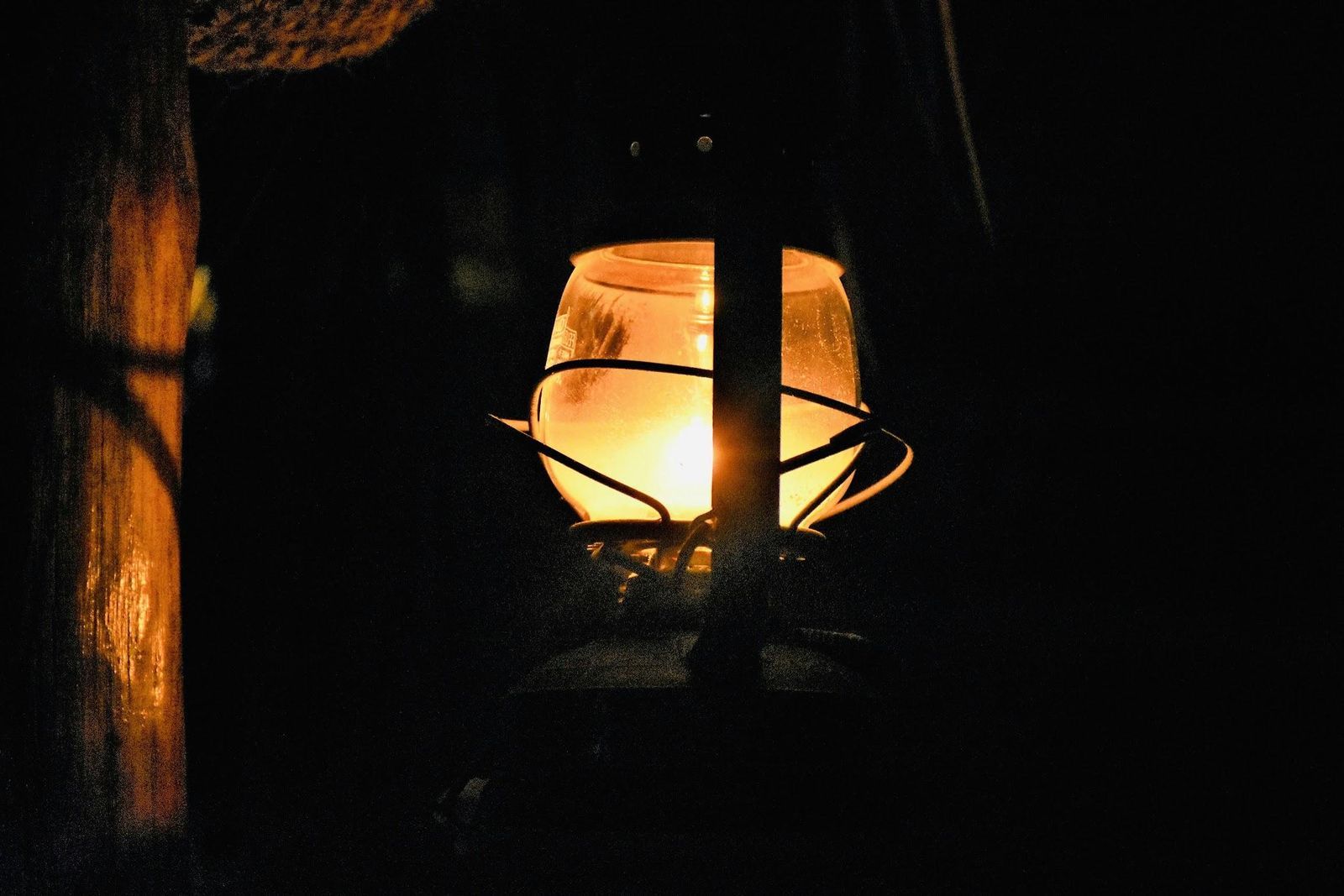
Just before the drilling boom, chemists like Samuel Kier developed small stills to refine crude oil into kerosene for lamps.

That innovation turned oil from a curiosity into a practical commodity. Kerosene replaced whale oil, making lighting cheaper and more widely available, and it created demand for a reliable crude supply.

2
1859: First commercial well

Image: Provincial Archives of Alberta

On August 27, 1859, Drake Well near Titusville, Pennsylvania, drilled by Edwin L. Drake, became the first purposefully drilled commercial oil well in U.S. history.

This moment ignited the first true American oil boom. Suddenly, it was possible to produce large volumes of crude—not just collect surface seepage—and to refine it into useful fuels.

3
1860s–1870s: Pennsylvania oil rush

Image: Jeff W

Word of the Drake success spread fast, and drilling spiked throughout Pennsylvania. Towns such as Titusville swelled almost overnight as wells and refineries spread along Oil Creek Valley.

Railroads extended into western Pennsylvania to transport oil across the country, embedding petroleum into America’s emerging industrial infrastructure.

4
1890s: Dawn of the automobile

Image: Matthew Lancaster

By the 1890s and into the early 20th century, the rise of the automobile created growing demand for gasoline , which had previously been a relatively minor byproduct of crude oil refining.

This shift moved oil’s primary role away from lighting and industrial lubrication and toward transportation fuel , setting the stage for petroleum to dominate America’s energy needs in the decades that followed.

5
1900s–1910s: Rise of big oil companies

Image: Russel Bailo

Following early successes, oil refining and distribution consolidated. Firms like Standard Oil Company rose to dominate refining, pipelines, and distribution networks.

At the same time, new oil fields and competition still challenged monopolies and spread oil wealth and infrastructure across more regions of the country.

6
1914–1945: Oil & war

Image: Roman

During both World War I and World War II, U.S. oil production and refining capacity became critical to the Allied war effort , fueling ships, vehicles, aircraft, and manufacturing.

That strategic role cemented oil’s position not only in industry but also in American global power, military strategy, and foreign policy.

7
1960: A global oil cartel forms

Image: Christian Harb

On September 14, 1960, the main oil‑exporting nations formed the Organization of the Petroleum Exporting Countries (OPEC) to coordinate oil production and influence prices globally.

Though initially limited in power, OPEC’s rise began to challenge American dominance , setting the stage for decades of geopolitical tension around oil supply.

8
1969: Santa Barbara oil spill

Image: matt brown

In early 1969, a blowout from an offshore drilling platform released tens of thousands of barrels of oil into the waters off California’s coast, devastating marine life and beaches.

The resulting public outrage helped trigger a surge in environmental awareness and regulation, marking a turning point in how the oil industry was perceived socially and politically.

9
1970–1973: Peak and decline

Image: Documerica

By 1970, U.S. conventional oil production reached its peak, but soon after began a decline as domestic fields matured and couldn’t keep up with the growing demand.

As American production fell, the country gradually became more reliant on foreign oil, a shift that would have major economic and political repercussions.

10
2000s–2010s: Top oil producer again

Image: engin akyurt

In the early 2000s, engineers refined techniques like hydraulic fracturing and horizontal drilling. This unlocked vast shale‑oil and shale‑gas reserves previously uneconomical to tap.

From about 2010 onward, U.S. crude oil production rose sharply, reversing decades of decline. By 2019, the country was producing at levels not seen since the early 1970s.

Explore more American facts

Choose your favorite category!

General
General

As American as apple pie—the very best America has to offer!

Culture
Culture

Delve into the astounding richness of American lore.

Geography
Geography

Hop in and explore vast and diverse American landscapes.

History
History

Discover the key moments that shaped the United States.