Geography Geography 3 min read

Don’t believe the movies

Debunking myths about the state of California
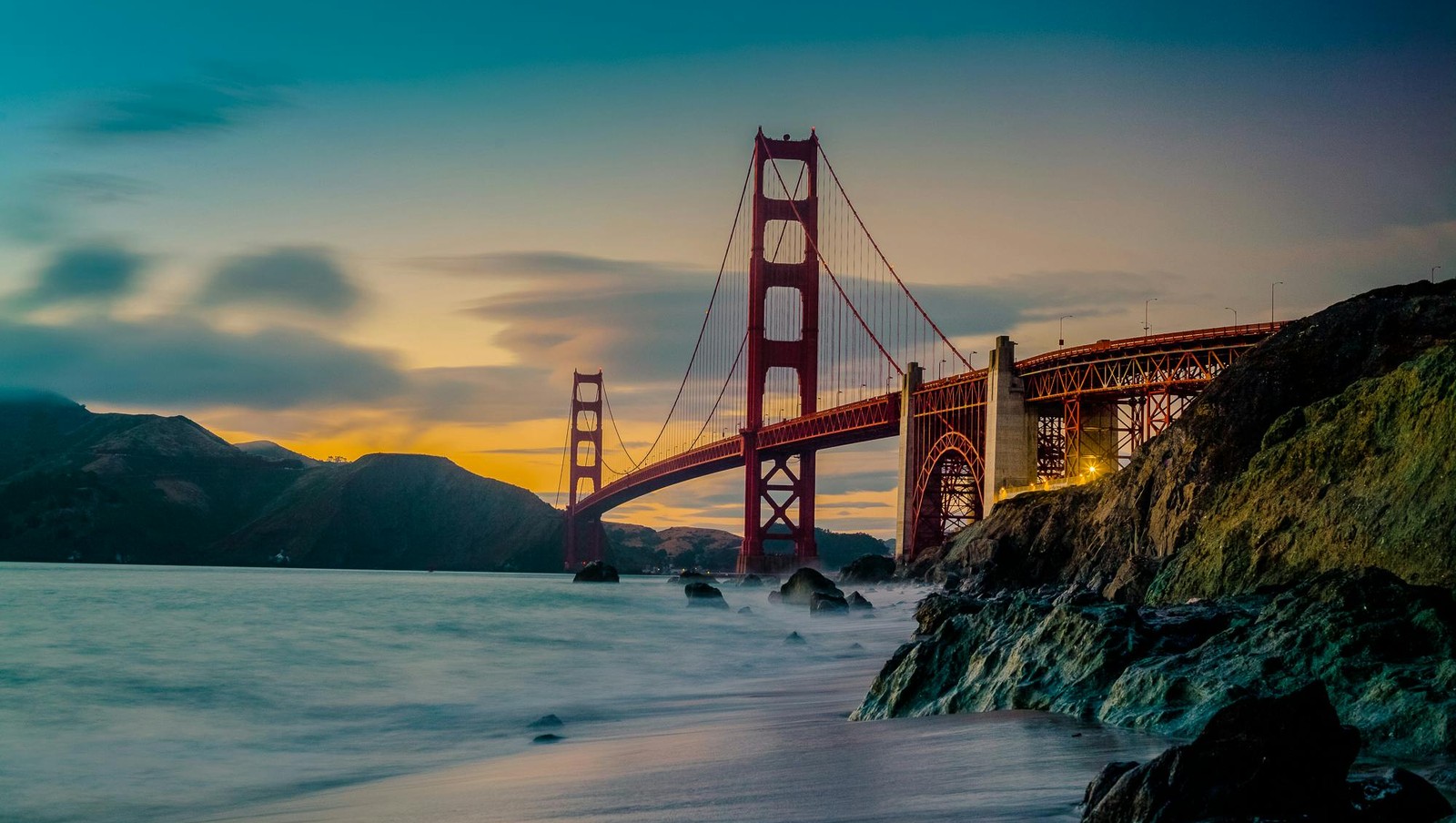
Image: zoe pappas

California inspires big dreams and even bigger expectations. Beaches that stretch forever, celebrities roaming freely, and the long-standing promise that anyone can "make it" there. But as much as the Golden State shines, it also carries a bushel of myths that don’t survive contact with reality. Ready for a myth-busting tour?

1
The entire coastline is made of glorious sandy beaches

Image: Jeremy Bishop

California’s coastline is long, gorgeous, and wildly varied. Much of it is dominated by cliffs, rocky shores, and chilly waters. Even many popular beaches require a wetsuit if you actually want to get in the water.

Yes, some stretches are ideal for volleyball and sunbathing, but others are better suited to photography.

2
Celebrities are everywhere and happy to mingle
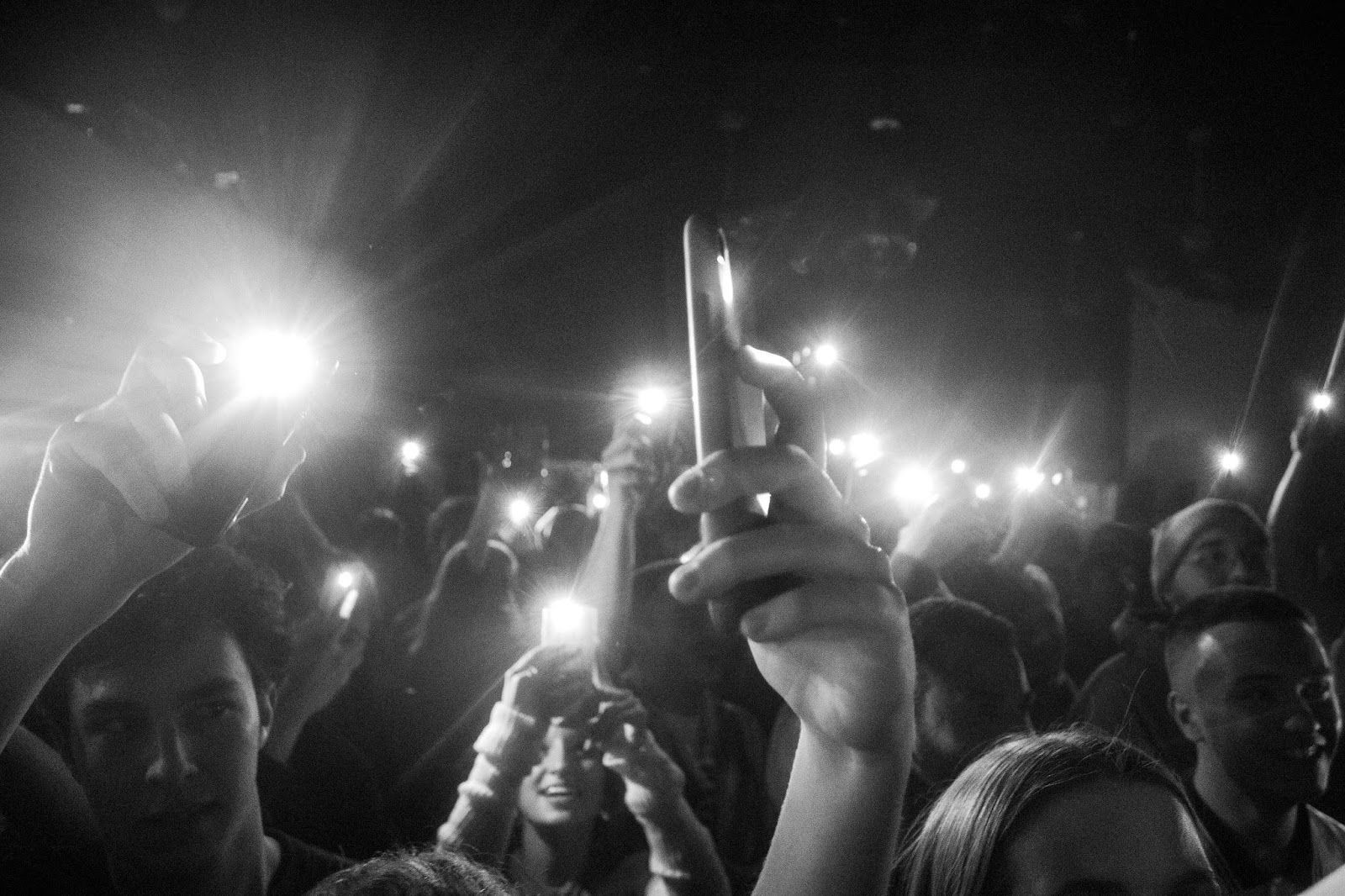
Image: Bibi

It’s tempting to imagine Los Angeles as one giant red-carpet event, but daily life looks a lot more ordinary. Celebrities tend to live in gated communities, travel in private cars, and pick very discreet places to relax.

You might spot one, but you’re far more likely to meet tourists looking for celebrities than actual celebrities themselves.

3
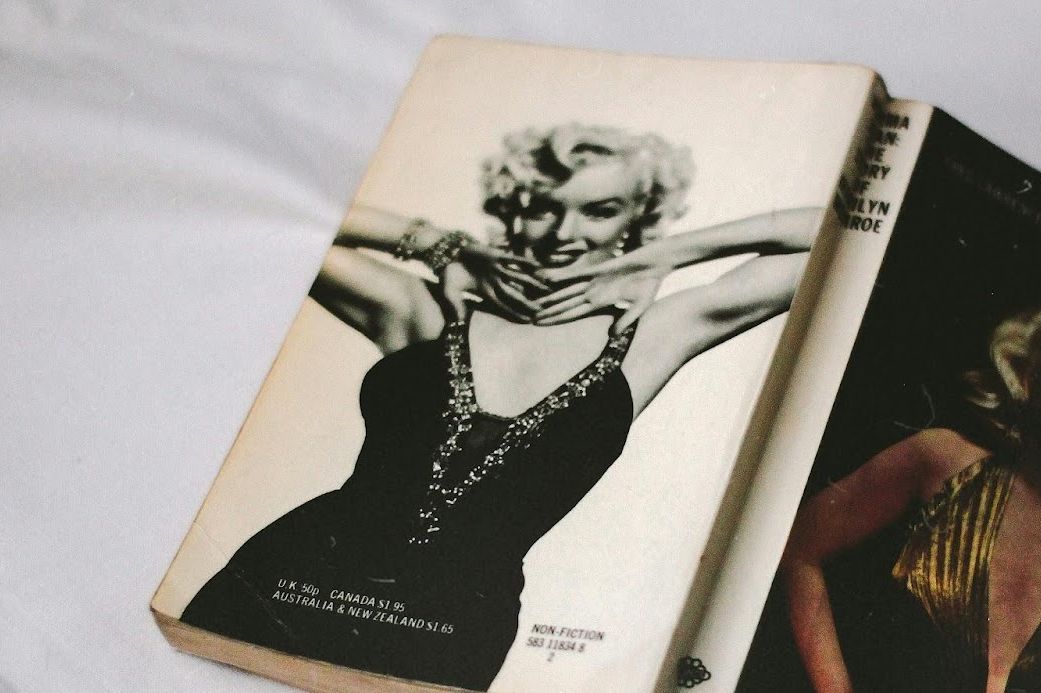
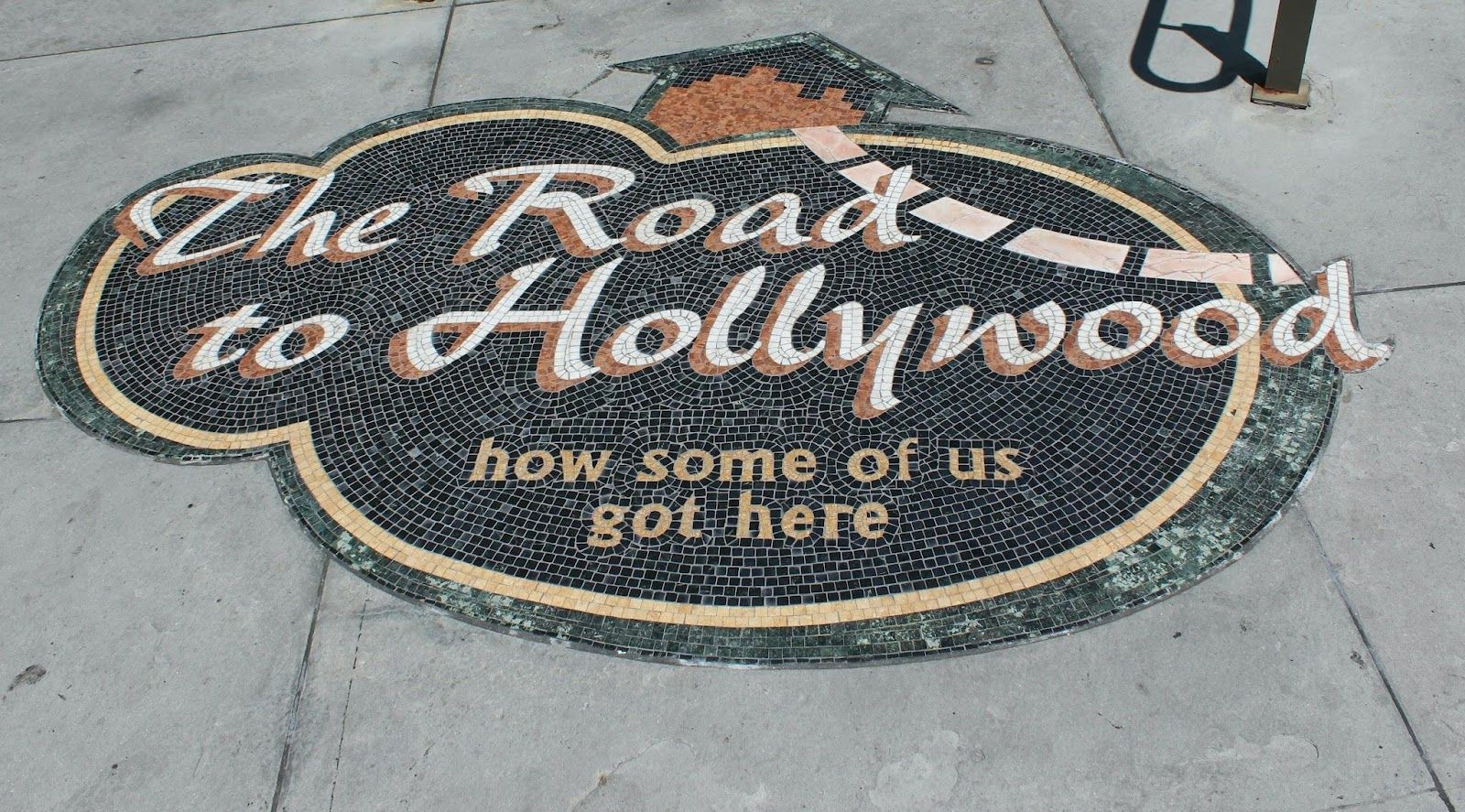
Move to Hollywood and become a star overnight

Image: Edgar Colomba

Hollywood is full of dreamers, but most of them are hustling on the side, waiting tables, doing gig work, and going to audition after audition.

Fame is rarely instant. It’s more like a very long, very competitive marathon that most people don’t see unless they live there.

4
Move to Silicon Valley and become an overnight startup whiz
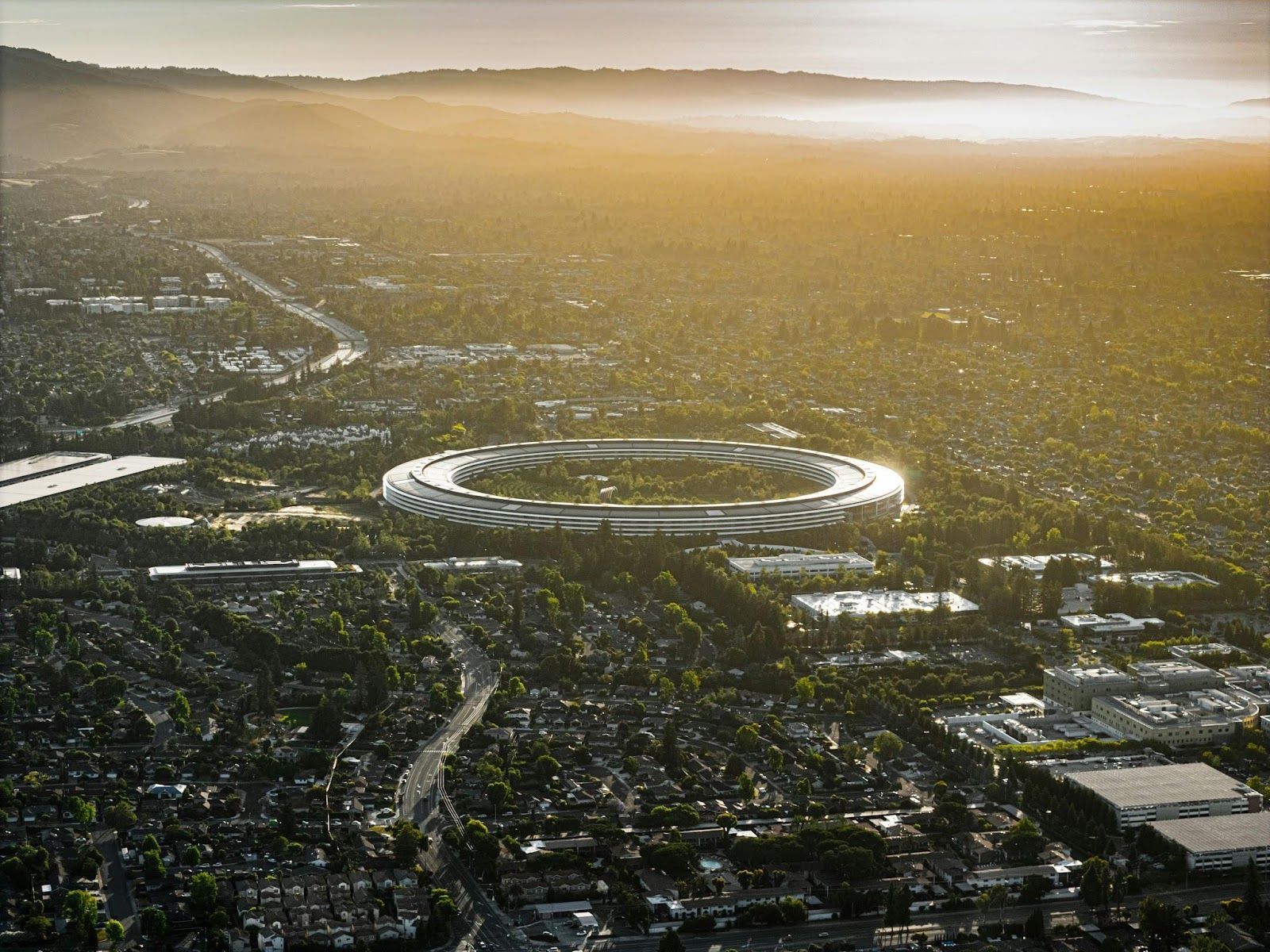
Image: Nils Huenerfuerst

It’s true that Silicon Valley is packed with entrepreneurs and investors. But it’s also full of failed startups, intense work schedules, and fierce competition.

Raising money is tough, building a product is tougher, and surviving long enough to succeed is almost heroic. The myth of "instant unicorn status" is just like the myth of instant movie stardom.

5
The weather is sunny and perfect year-round

Image: Roberto Nickson

California’s climate varies dramatically. Coastal fog in the Bay Area can last all day, winter rainstorms sweep through the north, inland valleys hit triple-digit heat, and wildfire season is a yearly threat.

6
Traffic is terrible, everywhere

Image: Aleksandr Popov

The traffic horror stories from Los Angeles are quite real, but they’re not universal. California is huge, and plenty of mid-sized cities and rural areas have perfectly manageable commutes. Even in LA, traffic ebbs and flows.

7
Californians go to Disneyland every other weekend
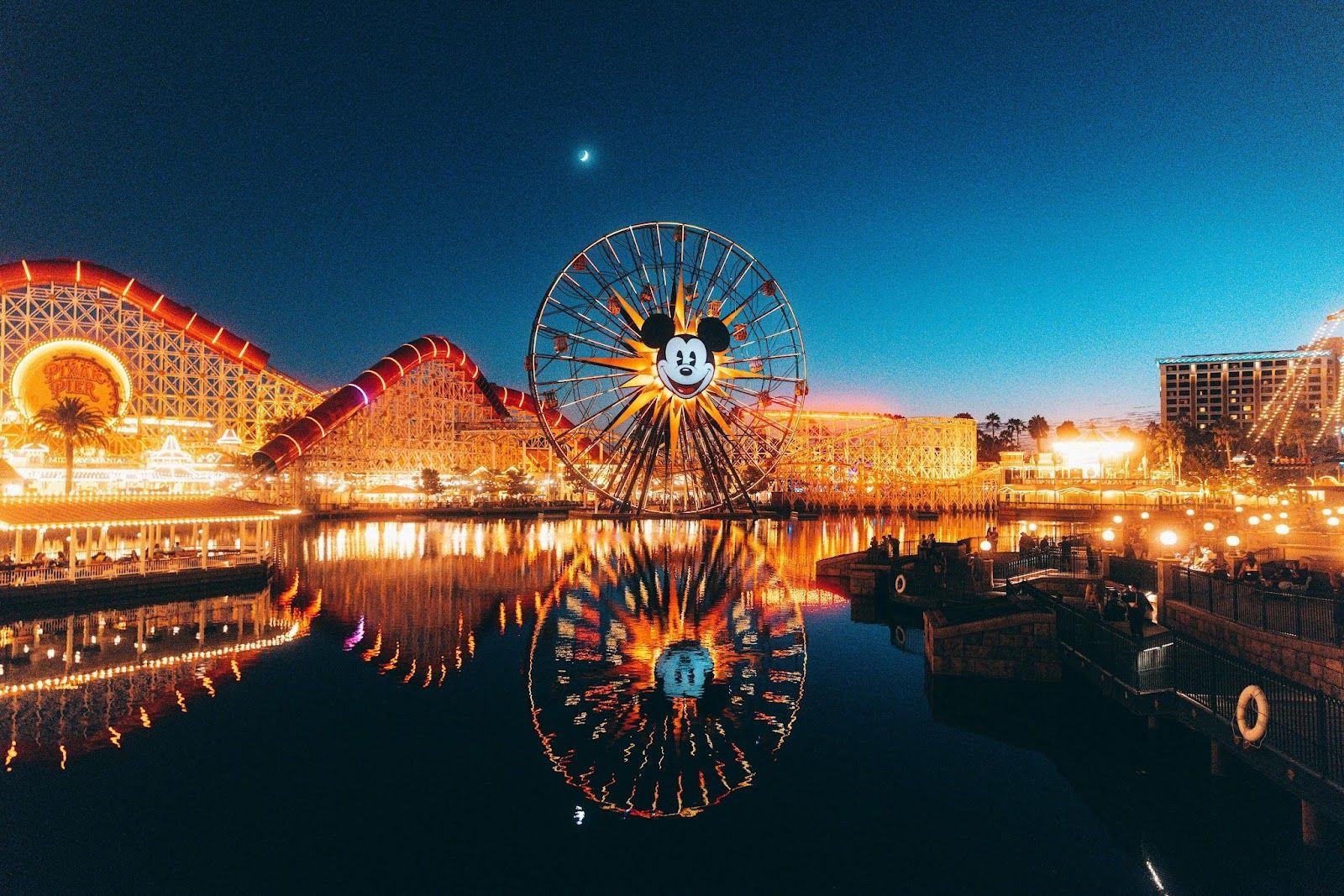
Image: Isaac Garcia

Disneyland may be magical, but it’s also expensive, crowded, and logistically complex. Most residents go once in a while, not as a biweekly ritual. Sure, annual passholders exist, but they’re the exception.

8
You’ll find palm trees everywhere

Image: Mitchell Luo

Palm trees are iconic, but they’re not the dominant tree across the state. Many were imported, and Los Angeles’ famous palms are aging out and not being widely replaced. Walk outside the major tourist zones, and you’ll see oaks, pines, sycamores, and far fewer "tropical vacation" vibes than the postcards suggest.

9
Movies are being filmed on every corner
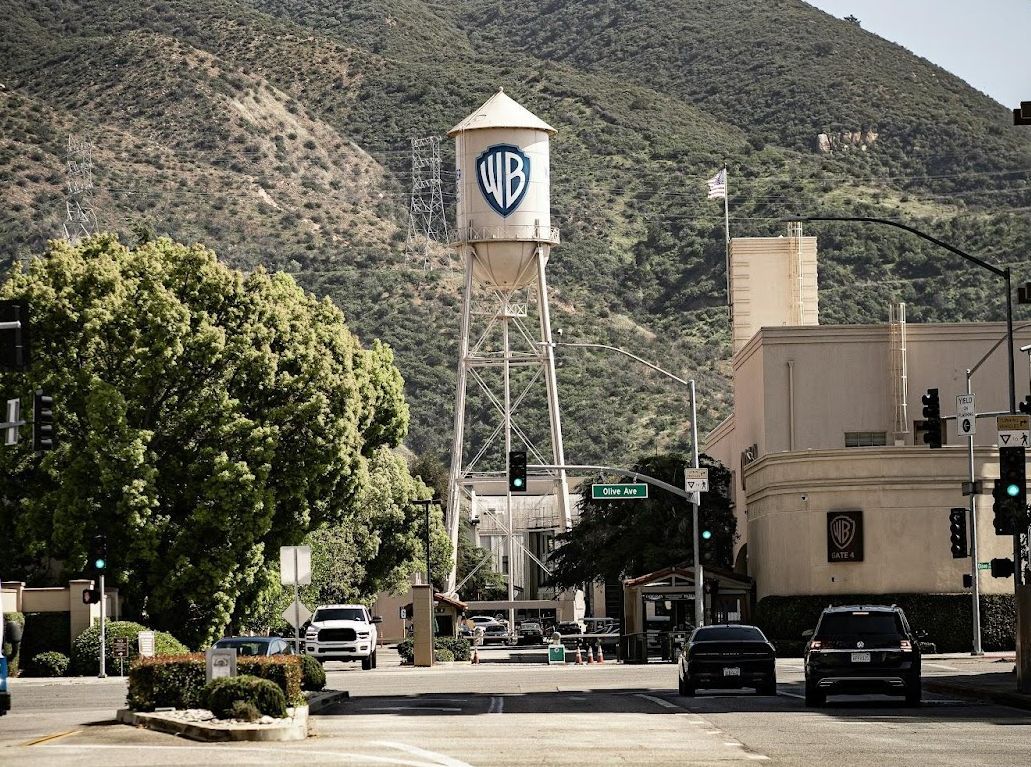
Image: clement proust

You may stumble across a film crew once in a blue moon, but the vast majority of production happens on studio lots or in specifically chosen neighborhoods. Filming permits are expensive, traffic control is complicated, and spontaneous street-corner movie shoots aren’t as common as people think.

10
Everyone is a surfer

Image: Jacob Steckmann

Surfing is a proud part of California culture, but not a universal one. Many residents have never touched a surfboard, and the cold Pacific waters can be intimidating even for the brave. The idea that everyone wakes up, grabs a board, and runs to the beach is more Hollywood montage than real life.

11
Everyone lives close to the ocean
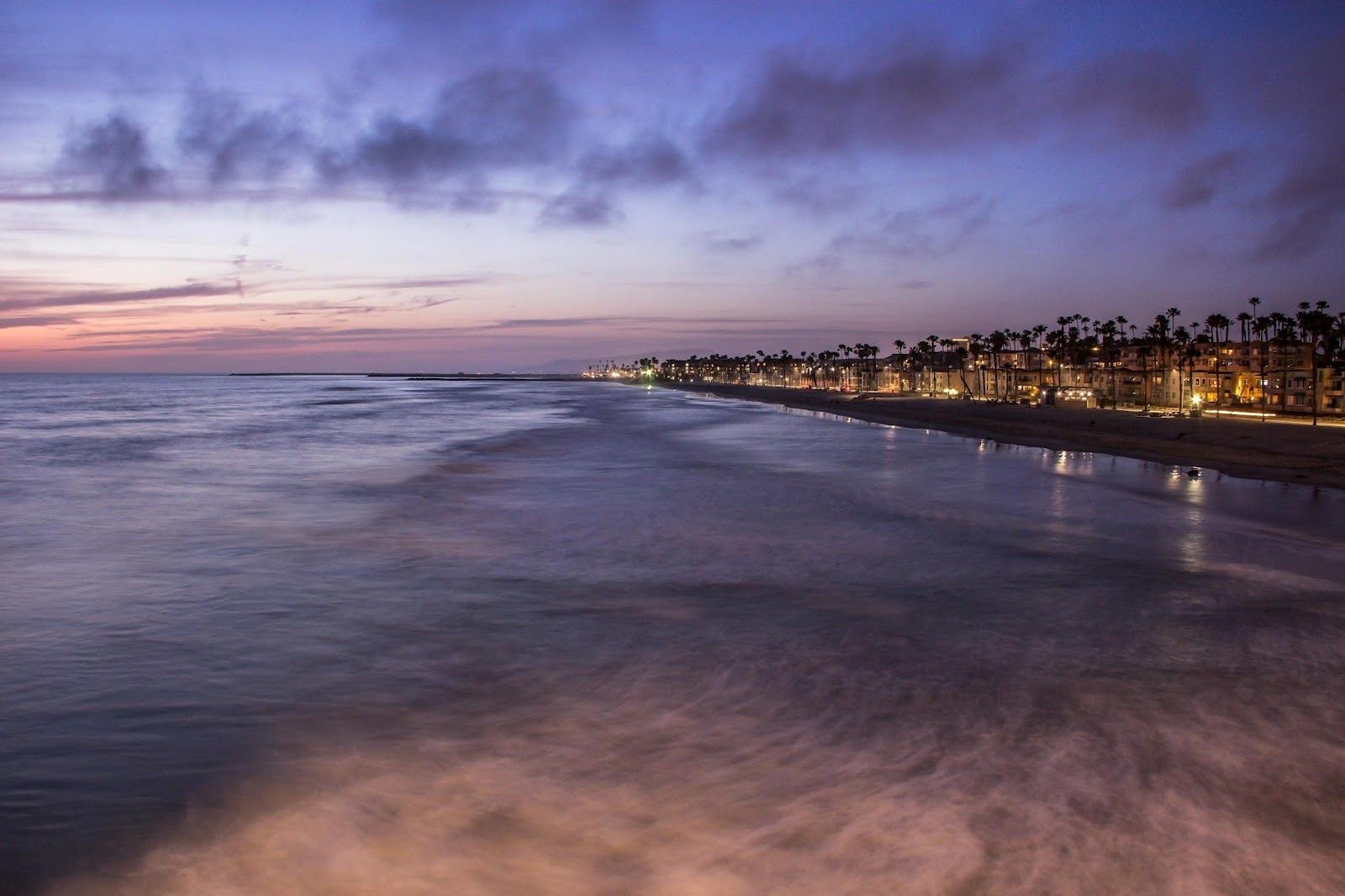
Image: Jonathan Schmer

California’s population is spread across vast inland regions, including the Central Valley, Sacramento, and the Inland Empire, which are all hours away from the coast. Plenty of Californians only see the ocean during vacation.

12
The food is all organic, clean, and hyper-healthy

Image: Jannis Brandt

Yes, you’ll find green juices, vegan cafés, and farm-to-table everything. But California is also home to drive-thrus, giant burritos, and some of the most indulgent comfort food around. The "everyone eats quinoa and sunshine" trope doesn’t hold up once you explore beyond the trendy spots.

13
Everyone commutes by bike, skateboard, or electric scooter

Image: Hiboy

It looks cool in TV shows, but in reality, most Californians commute by car. Public transportation is limited outside a few areas, and long distances make biking impractical for many.

14
Everything in California is incredibly expensive
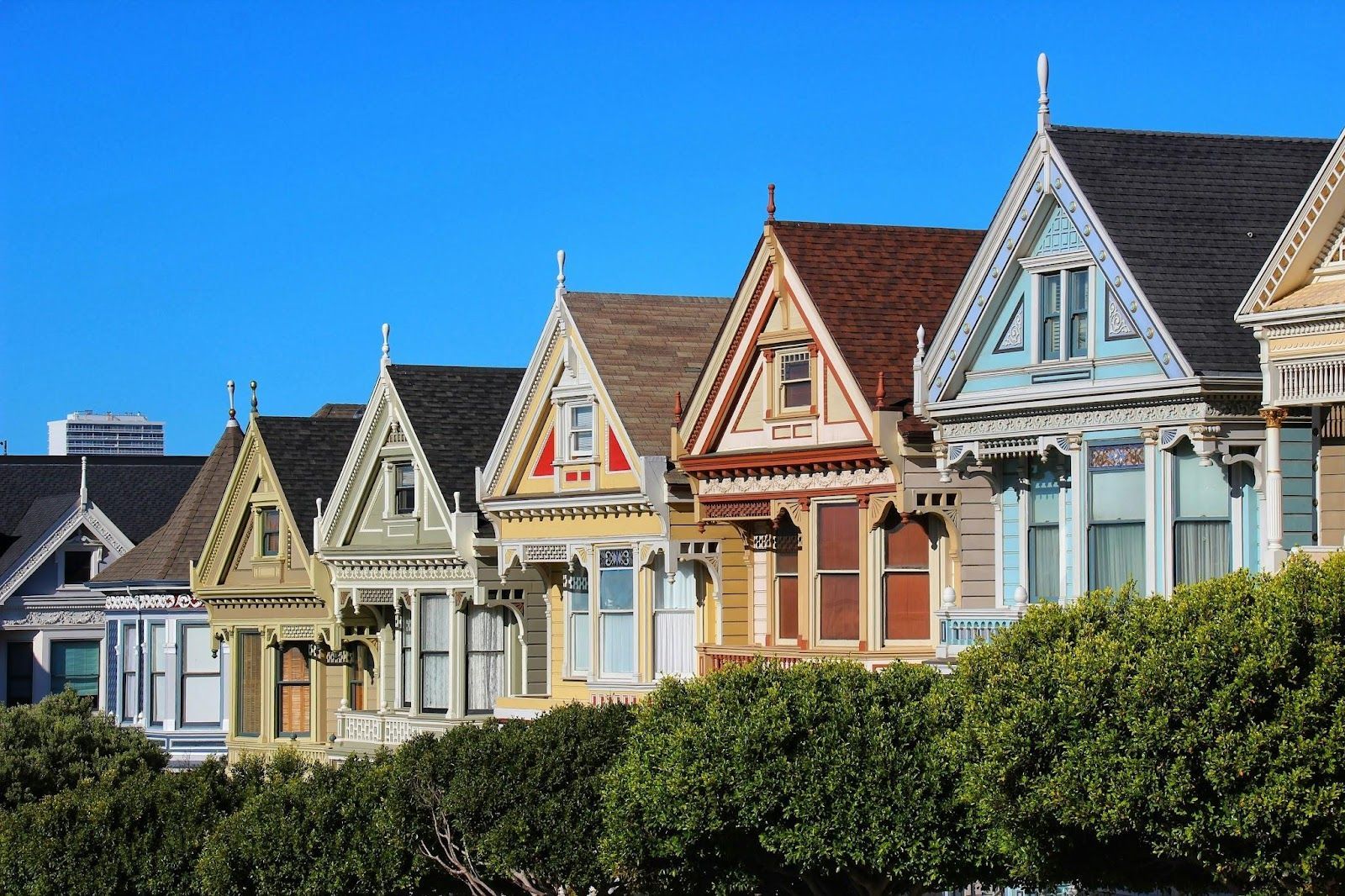
Image: Martin Zenker

Housing in places like San Francisco is famously pricey, but California also includes smaller cities and rural communities where the cost of living is much closer to the national average.
General General 4 min read

Were you fooled?

Myths and stories behind famous brands: Are they true?

Image: Ana Dvoranen

Can you tell fact from fiction when it comes to major brands? Some stories sound too wild to be true—a $35 logo that became iconic, a soda once laced with cocaine, a chocolate tycoon who dodged the Titanic. In this article, your challenge is to guess whether the myths are true or false before we decode them. Ready to play Fact or Fiction ?

1
Nike’s Swoosh was created for $35

Image: Shubham Mittal

Yes, it was. The iconic Nike swoosh was sketched in 1971 by Carolyn Davidson, a graphic design student, for the grand sum of $35. She was helping out a friend—Nike co-founder Phil Knight—who needed a logo for his up-and-coming sneaker brand.

Years later, as Nike soared, the company gave her a thank-you gift: a gold swoosh ring and stock options that ended up being worth millions .

2
Coca-Cola originally contained cocaine

Image: Olena Bohovyk

It sounds like an urban legend, but it’s true: early versions of Coca-Cola did contain coca leaf extract , which naturally included trace amounts of cocaine. When pharmacist John Pemberton invented the drink in 1886, it was marketed as a "brain tonic" and nerve remedy, back when cocaine was legal and considered medicinal. By 1929, the formula was fully decocainized.

3
Neither Ben nor Jerry had any previous business experience

Image: Hybrid Storytellers

Absolutely. Longtime friends Ben Cohen and Jerry Greenfield took a $5 correspondence course in ice cream making from Penn State and launched their first scoop shop in a converted gas station in Vermont in 1978.

4
Barbie was based on a German adult doll

Image: Peyman Shojaei

True! She sure was. In the 1950s, Ruth Handler spotted a German novelty doll called Bild Lilli while on vacation. Originally sold as a gag gift for men, Lilli was fashionable, curvy, and definitely not meant for children. But Handler saw potential: she reimagined Lilli as a stylish role model for girls, and the first Barbie debuted in 1959.

5
Milton Hershey missed the Titanic voyage

Image: Janne Simoes

He definitely wasn’t on board—lucky for him! But just how close he came to sailing is uncertain. Legend has it that Milton Hershey and his wife were set to sail on the Titanic in 1912, but canceled at the last minute.

The only clue? A check stub showing a $300 deposit to the White Star Line. While there’s no confirmed ticket, the story has stuck.

6
GM hated (and banned) the nickname "Chevy"

Image: Jose Mueses

This one is partially true. In 2010, GM sent a memo urging employees to stop using the nickname "Chevy" in favor of the full "Chevrolet." The public backlash was swift—critics called the move tone-deaf. After all, "Chevy" was beloved, catchy, and woven into Americana.

Within days, the company backpedaled , assuring fans that "Chevy" wasn’t going anywhere. You just can’t mess with a nickname that’s already set in people’s hearts.

7
Apple was named after the forbidden fruit

Image: TheRegisti

Not quite. Steve Jobs chose the name "Apple" in 1976 because it sounded "fun, spirited, and not intimidating." It also gave the young company a strategic edge—it came before "Atari" in the phone book, which mattered in the era of printed directories.

8
Starbucks was named after Moby Dick’s first mate

Image: Athar Khan

Yes, though it was a winding path. The founders were searching for a name that evoked the seafaring tradition of coffee trading. After toying with " Pequod " (Captain Ahab’s ship), they landed on "Starbuck"—the first mate in Moby-Dick and a name with a strong, classic ring to it.

9
Harley-Davidson was going bankrupt, but its logo saved it

Image: Donald Teel

This one is sort of true. In the early 1980s, Harley-Davidson was revving on empty. The rise of Japanese bikes had them cornered—until the brand leaned hard into nostalgia . The bar-and-shield logo, dating back to 1910, became the centerpiece of a marketing push built on American pride, leather jackets, and the unmistakable growl of a V-twin engine.

It worked. The logo became a badge of rebellion, and Harley rebounded.

10
There’s an arrow hidden in FedEx’s logo

Image: Toni Pomar

Once you see it, you can’t unsee it. Look closely between the "E" and the "x" in the FedEx logo—there’s a white arrow formed by the negative space. It’s a perfect symbol for speed, direction, and efficiency.

The logo was designed in 1994 by Lindon Leader, and the hidden arrow was no accident. It’s a subtle nod to the company’s core promise: to get it there fast .

11
"Breakfast at Tiffany’s" launched the brand

Image: Sam Lashbrooke

False! Breakfast at Tiffany’s didn’t launch the brand. Tiffany & Co. had been around since 1837, known for fine jewelry and that iconic blue box. However, after the 1961 film, Audrey Hepburn’s little black dress and wistful gaze into the Tiffany’s shop window helped cement the brand’s image of elegance .

12
Levi’s blue jeans were created for gold miners

Image: Varun Gaba

Absolutely. In 1873, Levi Strauss and tailor Jacob Davis patented durable denim trousers with copper rivets— perfect for miners during the California Gold Rush . The jeans were tough, practical, and ideal for the grueling work conditions out west. In time, what began as rugged workwear became an American icon.

13
Amazon was named after "the biggest river"

Image: Sunrise King

Yes, it was intentional. Jeff Bezos wanted a name that conveyed vastness, exoticism, and would appear early in web listings . "Amazon" fit the bill—although it could have been named "Nile," which is often cited as the world’s longest river. Bezos liked the idea of building the biggest online store in the world, just like the Amazon is the biggest river by volume.

History History 4 min read

AMERICANA FLASHBACKS

From Rock’n Roll to Suburbia: 10 defining moments of 1950s America

Image: Brett Jordan

The 1950s was a turning point in American history. A decade marked by innovation and prosperity, this era witnessed major societal shifts, ranging from technological advancements to the emergence of iconic brands and cultural phenomena like rock 'n' roll. It also saw the rise of the civil rights movement and the beginning of the Cold War, kickstarting a new global era. As Americans dreamed of space exploration and new technologies, they suddenly gained access to unprecedented comforts. Here are 10 hallmarks of this remarkable time.

1
Rock 'n' Roll Revolution

Image: Provincial Archives of Alberta

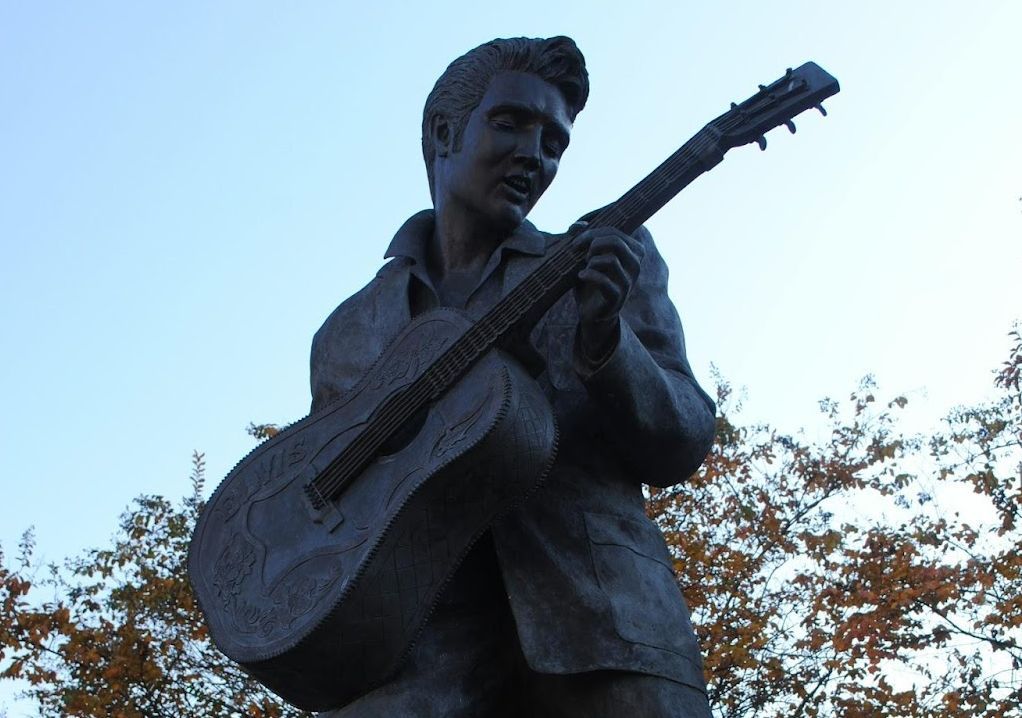
The 1950s marked the explosive rise of rock 'n' roll, with artists like Elvis Presley, Chuck Berry, and Little Richard leading the charge. This novel genre blended rhythm and blues with country, creating an energetic and rebellious sound that resonated with the youth.

Rock 'n' roll quickly became a cultural phenomenon, challenging traditional norms and promoting a new sense of freedom and expression. But the genre's influence extended way beyond music, as it impacted fashion, dance, and even social attitudes. As a symbol of teenage rebellion, it is now considered a catalyst for the social revolutions of the 1960s.

2
Space Race Begins

Image: Brian McGowan

The Space Race, ignited by the Soviet Union's launch of Sputnik in 1957, became a key aspect of the Cold War rivalry between the United States and the USSR. In response, the U.S. accelerated its space program, leading to the creation of NASA in 1958.

The race to space was not just a technological competition but also an ideological battleground. It captured the American imagination, inspiring dreams of exploration and boundless innovation. This era laid the groundwork for major achievements, including the Apollo moon landing, forever cementing the United States’ place in the history of space exploration.

3
Television Takes Over

Image: Randy Jacob

The 1950s also saw television become the dominant medium of entertainment and information in American households. With the widespread adoption of TV sets, shows like I Love Lucy and The Ed Sullivan Show brought families together and became cultural touchstones, influencing fashion, language, and social norms.

Simultaneously, television's ability to massively broadcast news and live events made it a powerful tool for shaping public opinion. As the number of channels and programs grew, television became a central part of American life, affecting politics, advertising, and culture in general.

4
Fast Food Frenzy

Image: Alora Griffiths

The fast food industry boomed in this decade, revolutionizing the American dining experience. Chains like McDonald's, founded in 1955, popularized the concept of quick and affordable meals. This phenomenon was also closely tied to the emerging car culture, as drive-thru restaurants became commonplace.

This convenience appealed to the growing suburban population and busy families, making fast food synonymous with modernity, speed, and the American lifestyle.

5
Iconic Cars

Image: Photo Person

A golden age for American automobiles, the 1950s saw the emergence of iconic models like the Chevrolet Bel Air, Cadillac Eldorado, and Ford Thunderbird . These streamlined machines were not only more affordable than ever but also captured the public's imagination with their enhanced comfort and sophistication.

Cars soon evolved from mere transportation to symbols of status, freedom, and identity. Their innovative designs, characterized by chrome, tailfins, and vibrant colors, reflected the themes of the Space Age and the technological optimism of the era.

6
The Birth of Teenagers

Image: Fern M. Lomibao

While today we think of adolescence as a normal stage of life, the concept of the teenager as a distinct demographic didn’t truly emerge until the 1950s. With increased disposable income, young people soon became a powerful consumer group, influencing fashion, music, and entertainment.

They flocked to new cultural phenomena like rock 'n' roll, drive-ins, and soda fountains. By challenging traditional authority, this generation of teenagers pushed for freedom and independence, in many ways setting the stage for the social changes that would unfold in the subsequent decades.

7
Modern Design

Image: Matt Briney

Characterized by clean lines, organic shapes, and an emphasis on functionality, mid-century modern design was forged during this decade. Designers like Charles and Ray Eames, Eero Saarinen, and George Nelson became iconic figures, creating furniture, architecture, and household items that seamlessly blended form and function.

Technological advancements and the introduction of new materials, such as molded plywood, fiberglass, and plastics, enabled innovative and affordable designs. To this day, futuristic design remains closely associated with mid-century modern aesthetics.

8
Consumer Culture

Image: Jaxon Gee-Dub

This era marked the rise of consumer culture in America, with the proliferation of advertising and the introduction of new products. Brands like Coca-Cola, Pepsi, General Electric, and RCA became household names, and synonymous with the abundance and convenience of modern American life.

Shopping emerged as a popular pastime, with the expansion of department stores and the advent of shopping malls, which consolidated a variety of stores under one roof. As a result, for many, the pursuit of happiness became increasingly intertwined with the acquisition of material goods.

9
The Cold War Era

Image: Marie Rouilly

The Cold War shaped the tense geopolitical landscape of the 1950s, with the United States and the Soviet Union locked in a prolonged ideological struggle. Policies such as the "Marshall Plan" aimed to counter Soviet influence globally, while massive investments in defense and aerospace industries spurred significant technological advancements.

Fears of nuclear conflict and espionage permeated the era, influencing American culture and reflecting in movies and television. Despite these anxieties, the Cold War also fostered a strong sense of unity and patriotism as Americans rallied against a common adversary.

10
Suburban Boom

Image: Nikola Knezevic

The post-World War II era saw a massive migration to the suburbs, spurred by economic prosperity, supportive legislation such as the GI Bill, and a desire for affordable housing. Suburban developments like Levittown offered uniform, mass-produced homes that were accessible to middle-class families.

This suburban expansion reshaped American society, fostering a culture centered around family life, homeownership, and car-centric lifestyles. The move to the suburbs also led to the growth of shopping malls, schools, and community organizations, creating a distinct suburban culture that came to define the American Dream.

Explore more American facts

Choose your favorite category!

General
General

As American as apple pie—the very best America has to offer!

Culture
Culture

Delve into the astounding richness of American lore.

Geography
Geography

Hop in and explore vast and diverse American landscapes.

History
History

Discover the key moments that shaped the United States.