History History 3 min read

The Westward expansion

Was the Wild West really wild? 10 myths debunked
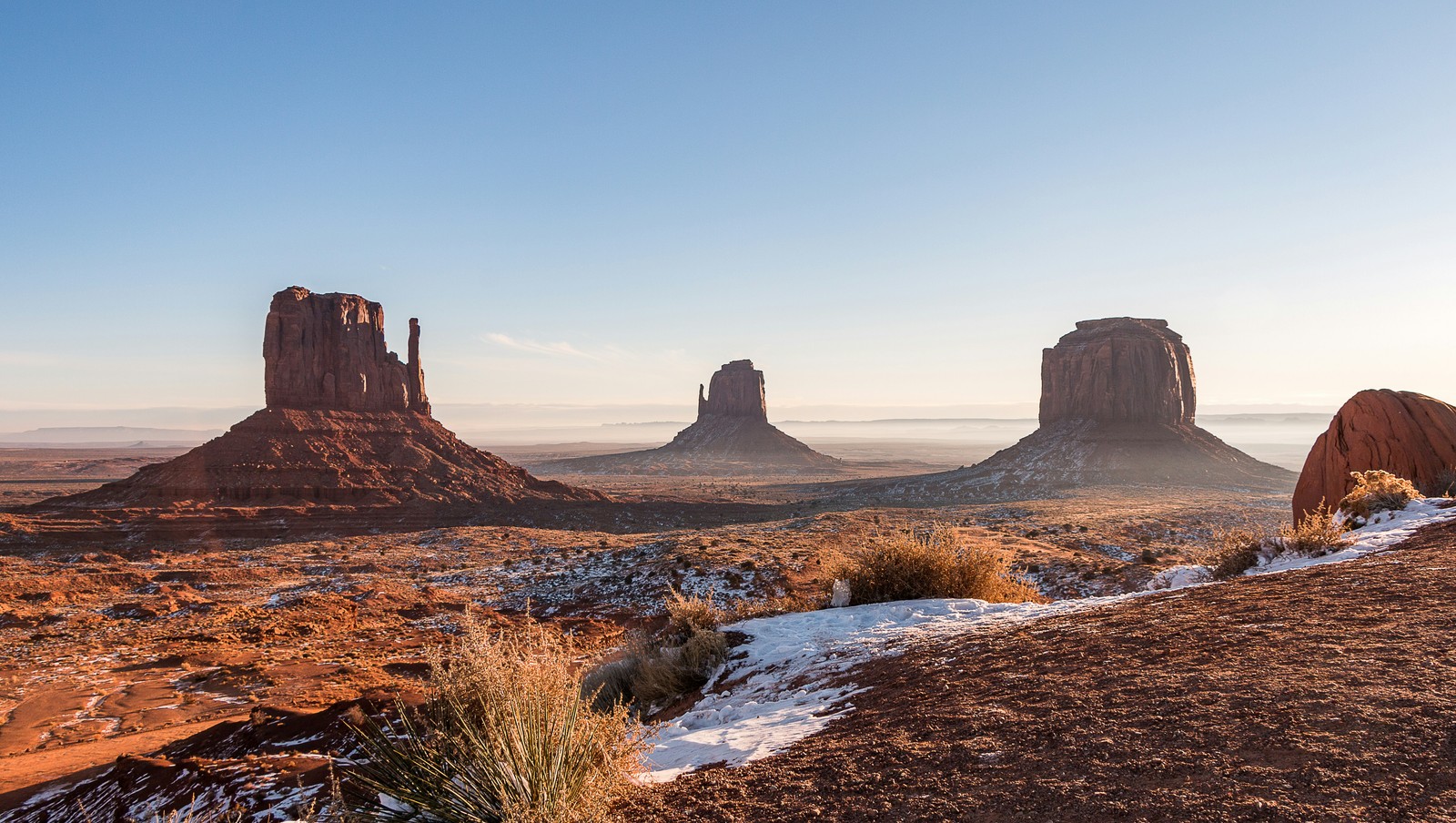
Image: Cayetano Gil

The American West has been so romanticized and misrepresented in movies, TV shows, books, and pop culture that we might not realize what’s truth and what’s myth. We have come to think of it as a place of both opportunity and chaos , with robbers running rampant and settlers constantly fighting with Native Americans. But was this true? Is all we know about the Wild West a tall tale? Let’s find out!

1
The Wild West was wild
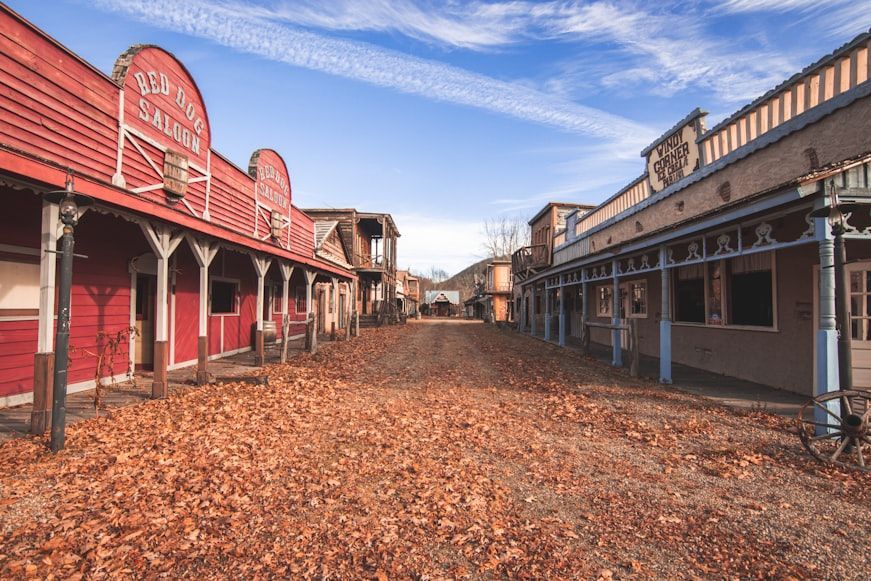
Image: Dominique Hicks

Life in the West certainly wasn’t as chaotic and unruly as Hollywood would have us believe. Most of the challenges experienced by the people were those of any settler in a distant place: hard labor, harsh weather conditions, loneliness, petty thefts, and uncertainty. Dangerous conflicts certainly arose, but they were not a daily occurrence.

2
Gold was easily found
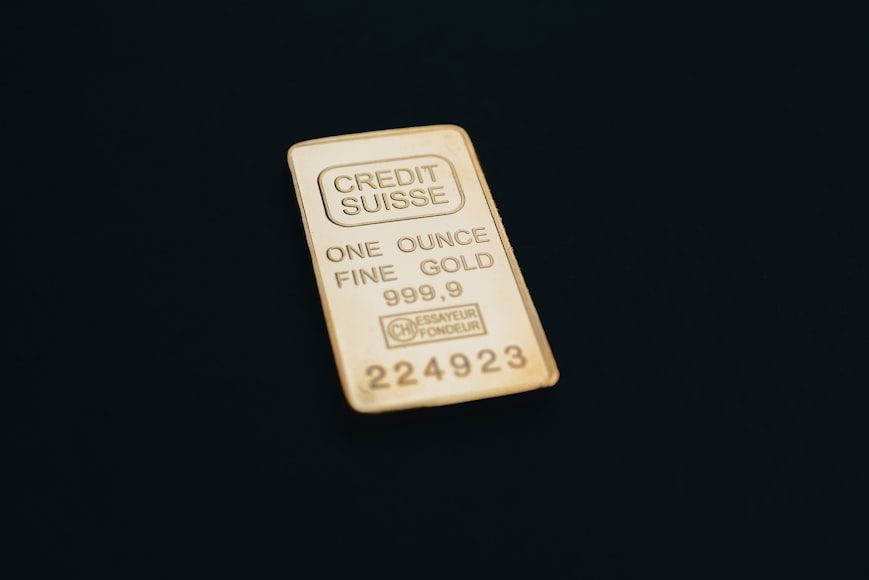
Image: rc.xyz NFT gallery

Beginning in the year 1848, gold discoveries inspired a series of rushes that contributed to the Westward expansion, but fewer people actually became rich from the so-called boom. Gold in large quantities was rare to come by , and the overpopulation of prospectors diminished the chances of gathering enough gold to make the labor worth it. In addition to this, shopkeepers demanded outrageous food prices, which consumed the little wealth that prospectors managed to gather.

3
Wild West towns were lawless
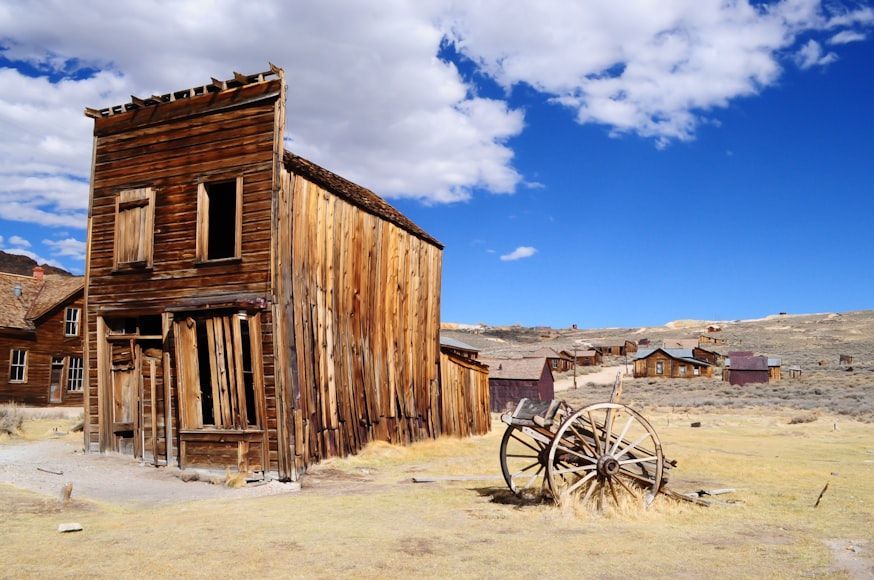
Image: Sarah Lachise

While they had their fair share of gunmen and robbers, towns in the Wild West had lower violence rates than big cities . Following the law was essential for the new settlements to thrive, and public order was maintained through the joint effort of marshals, sheriffs, Army soldiers, and private citizens. While the bad reputation of some towns was justified, they were the exception rather than the norm.

4
There was endless free land for the taking
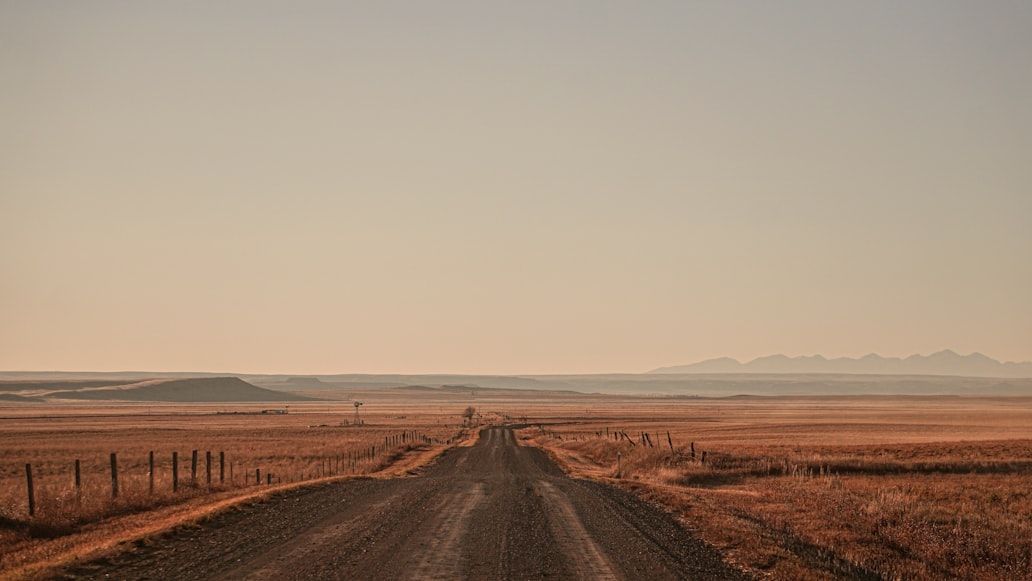
Image: Thomas Bush IV

The West was vast, but it was certainly occupied . Thousands of Native Americans were forcefully displaced, confined to reservations, or forced to assimilate to make way for those arriving. Many settlers were not aware of, nor complicit in this injustice —especially immigrants coming from afar— but others believed they were entitled to the land, even at the cost of native lives.

5
Everyone owned a gun
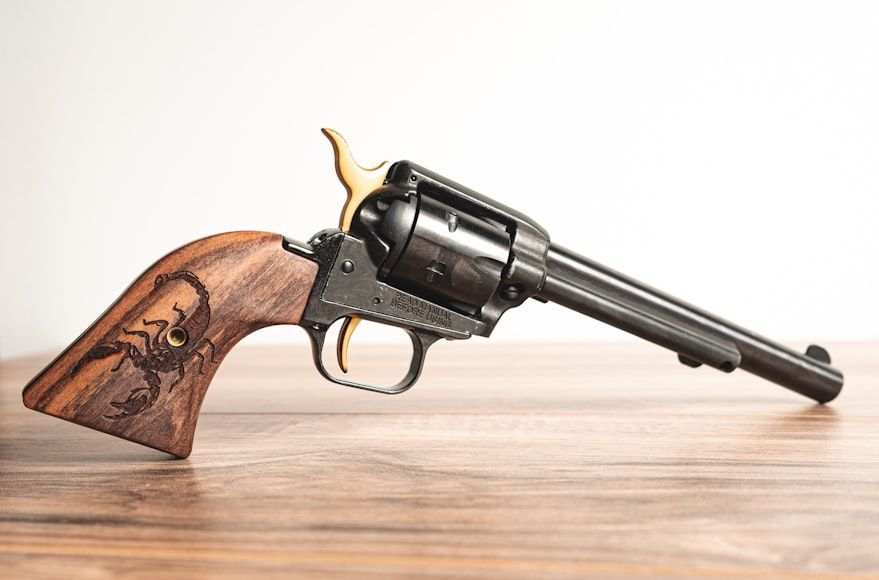
Image: Luis Domenech

Pistols and rifles have become synonymous with the Wild West, but they weren’t as common as one might think. While they were a useful protection on the range or while travelling, they were usually forbidden in town , so cowboys and travellers had to check them in the sheriff’s office upon arrival.

6
Settlers and Native Americans fought constantly
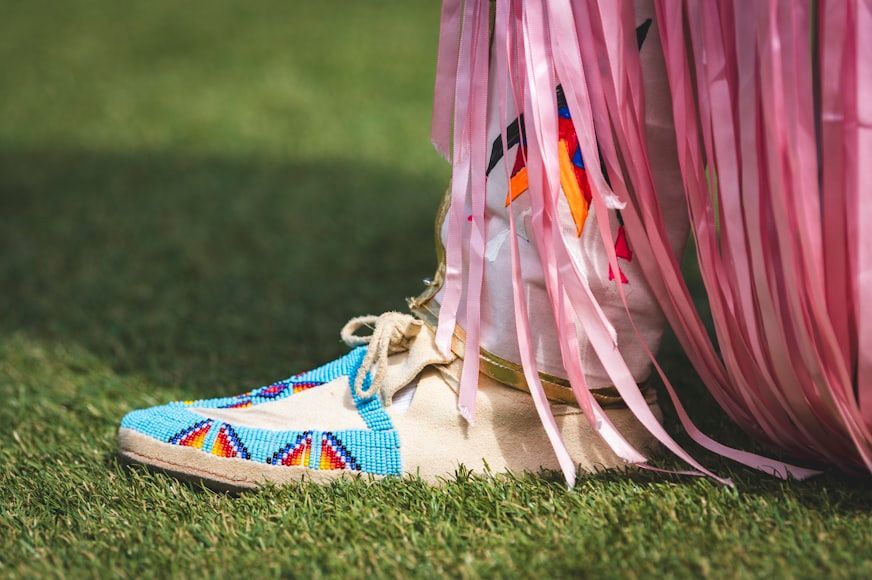
Image: Jon Sailer

Native Americans who were not displaced or confined to reservations were not necessarily hostile towards settlers. In fact, many of them were open to coexistence and trade with communities that didn’t pose a threat . The majority of their confrontations were with government forces, usually as a result of broken treaties and empty promises.

7
Cowboy hats were the norm
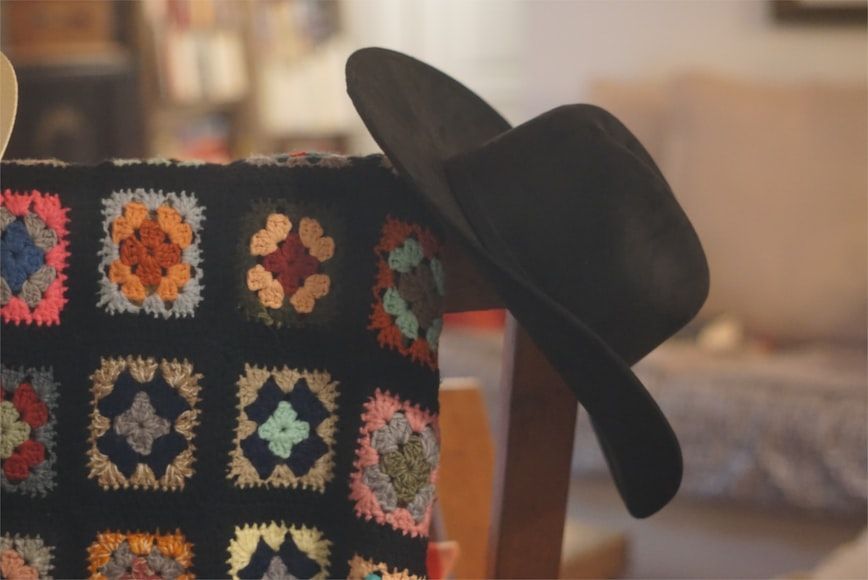
Image: Olivier Piquer

Stetsons, or cowboy hats, might be the quintessential headgear of the modern cowboy, but they were not the standard in the Wild West. Bowler hats, Army caps, and Mexican-style sombreros were far more common choices at the time. In fact, the Stetson brand wasn’t established until 1865.

8
Violence was the main cause of death
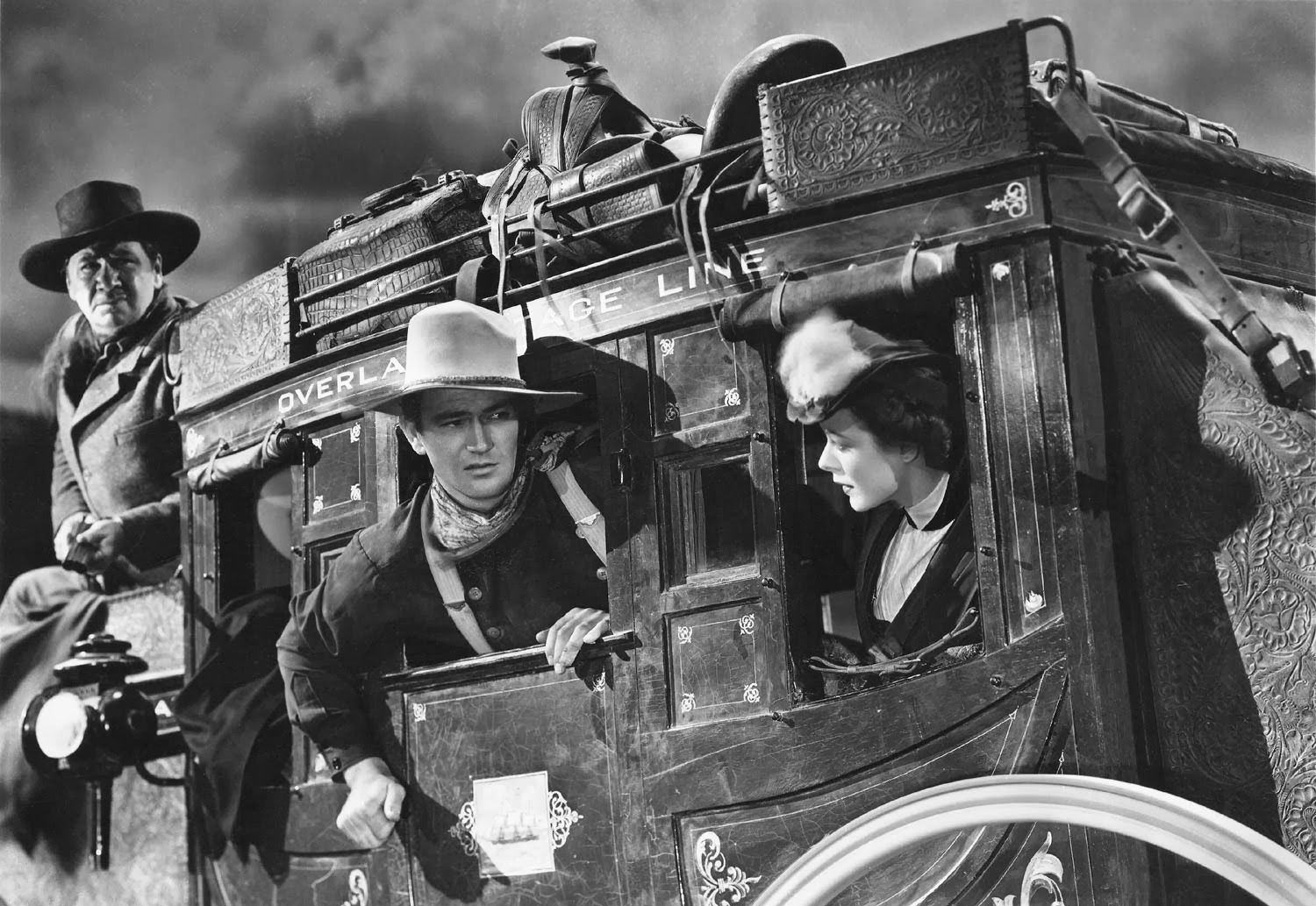
Image: United Artists, Public domain, via Wikimedia Commons

The Wild West was not as unruly as it is portrayed, and the chances of dying in a duel or a highway robbery were not as high as one would imagine. The main cause of death was disease , either caused by the harsh circumstances, the lack of sanitary conditions, or the spread of viruses and infections before the advent of modern medicine.

9
The Pony Express was the main communication service
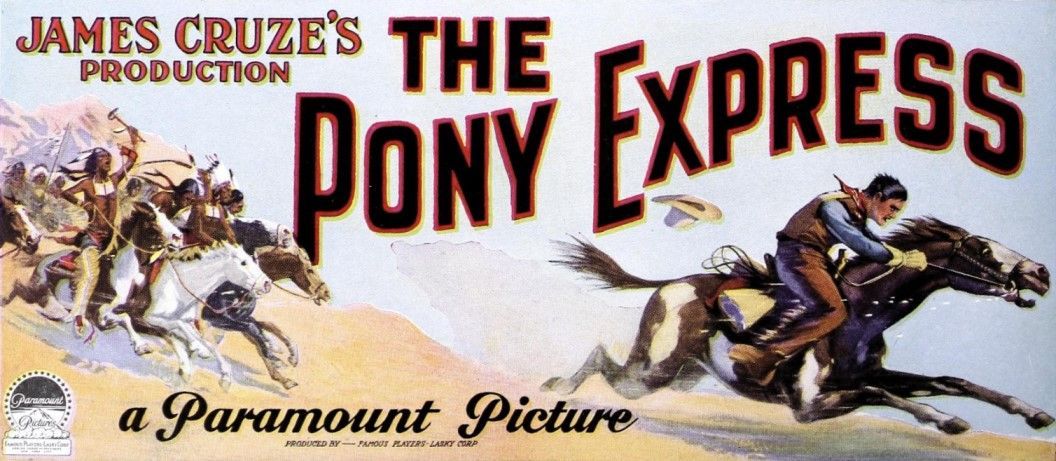
Image: Paramount Pictures, Public domain, via Wikimedia Commons

The Pony Express and its riders revolutionized communication in the Wild West. Beginning operations in 1860, it reduced the travel time of messages between the East and West coasts to about ten days . However, its existence was short-lived: After merely 18 months of operations, the company went bankrupt when a telegraph line was established.

10
Banks in the Wild West were easy targets for robbers
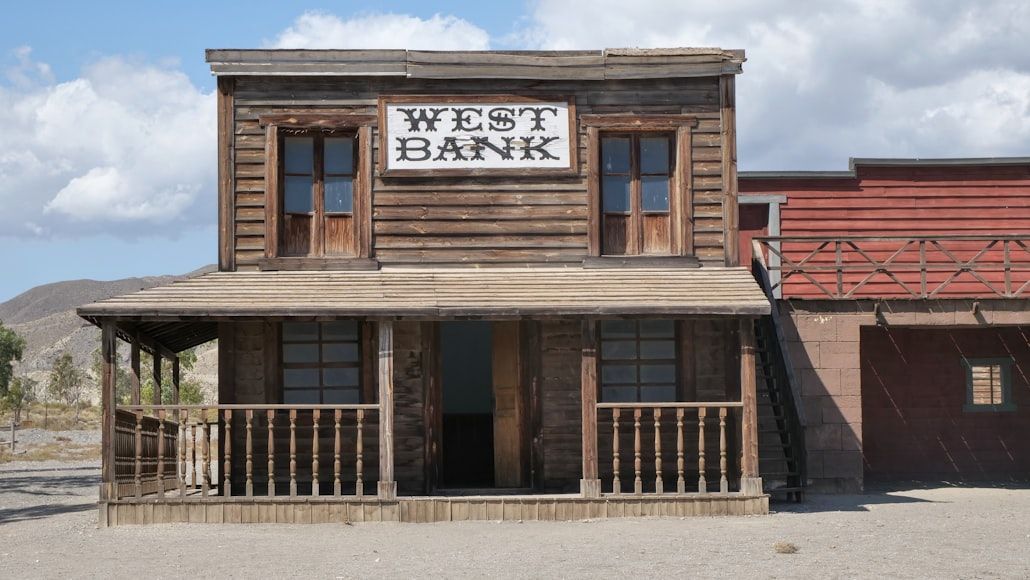
Image: Stefan Münz

Movie westerns would have us believe that bank robberies were a daily occurrence in the Wild West, but nothing could be further from the truth. Though there were heists carried out by famous outlaws, bank robberies were far from common , and train and stagecoach robberies were more likely to happen.
General General 4 min read

Democracy 101

Why is Election Day not a holiday? 11 curious facts about elections

Image: Element5 Digital

The election system is full of rules that may seem unusual at first glance, but most of them have deep roots in American history. What may seem odd today can often be explained by the practical needs of the past: These rules were shaped by politics, geography, and early compromises that still influence how our voting system works. Understanding these 11 oddities of American elections makes for an interesting history lesson, and it also makes the system much easier to follow.

1
Why are elections held on a Tuesday?

Image: Element5 Digital

Election Day is always on a Tuesday because of 1800s rural life . Most Americans were farmers who needed a full day to travel to polling places, often by horse. Sunday was reserved for church, and Wednesday was typically market day.

Tuesday became the most practical option: travel on Monday, vote on Tuesday, return on Wednesday. November was chosen because the harvest season had ended, but winter had not yet made travel difficult.

2
Why do voters register in advance to participate?

Image: Phil Hearing

Voter registration exists because the U.S. has no single national voter list . Since elections are run locally, authorities need a system to confirm identity, residency, and eligibility before Election Day.

The practice expanded in the 1800s as cities grew, helping manage large populations and reduce fraud. Today, it remains a key administrative step in a decentralized system.

3
Why does the Electoral College decide presidential elections?

Image: Clay Banks

The Electoral College was created as a compromise between letting Congress choose the president and allowing a direct popular vote, which proved logistically challenging at the time . The founders were concerned about balancing power and limiting centralized control.

It also gave smaller states more influence against larger states with more population, and reflected the challenges of communication in the 1700s. The system remains as part of the original constitutional design.

4
Does each state run its own election system?

Image: Elliott Stallion

The Constitution gives states the authority to manage elections , reflecting the country’s federal structure. The founders wanted states to retain power rather than create a single national system.

This allowed flexibility based on local conditions like geography and population. Today, it explains why voting rules and procedures differ widely across states. These differences range from voter registration policies to the types of documents required for voting to whether prison inmates are allowed to vote, among many other variations.

5
How are party candidates determined?

Image: Ernie Journeys

Primaries were introduced in the early 1900s to reduce the influence of party insiders . Before that, candidates were often chosen behind closed doors by political leaders.

The reform movement aimed to give voters more control. Primaries shifted decision-making power from party elites to the public, making the process more democratic.

6
What is early voting?

Image: Manny Becerra

Early voting developed to address the limitations of a single Election Day . As work schedules became less flexible, states began offering additional in-person voting days.

These days, most states offer early voting, with examples like Minnesota, South Dakota, or Virginia, extending that period to over 40 days prior to the official election. This change helps reduce long lines and increase participation. It reflects an effort to adapt an old system to modern time constraints. And, judging by the 60% of votes being cast before Election Day, it works.

7
What about mail-in voting?

Image: Tiffany Tertipes

Mail-in voting began during the Civil War, allowing soldiers to vote while away from home . Over time, it expanded to include civilians who could not easily reach polling places.

Its broader use today reflects convenience and accessibility, especially in a large country where distance and mobility can be barriers to in-person voting.

8
What can a ballot include?

F ederal, state, and local referendums are often combined into a single election . This means that American ballots can include several voting points.

Studies indicate that this approach saves money by avoiding multiple referendums and increases participation by attracting individuals interested in voting on those topics. It also allows voters to decide on laws and policies directly through referendums and ballot measures.

9
Who are the poll workers?

Image: Arnaud Jaegers

Poll workers are typically local citizens because elections are run at the community level. Instead of a national workforce, local governments recruit and train temporary staff.

Most poll workers are community members who apply directly through their local election office. Also, in many states, local chapters of political parties submit lists of recommended workers to election boards. Officials often prioritize these nominees to meet legal requirements for partisan balance.

10
Why is Election Day not a federal holiday?

Image: Janelle Hiroshige

Election Day was never made a federal holiday because early lawmakers assumed rural voters had flexible schedules. Travel time, not work obligations, was the main concern .

Today, this decision is often debated. Modern work patterns make weekday voting less convenient, leading to calls for reform or expanded voting options.

11
Why do results take so long?

Image: Markus Winkler

Final results can take time because ballots must be carefully verified before counting . This includes checking signatures, eligibility, and processing mail-in and provisional votes.

While early results are reported quickly, official certification happens later. The delay reflects a priority on accuracy and legitimacy over speed.

Culture Culture 3 min read

Career chameleons

An NBA legend built a billion-dollar empire. Who else switched careers?

Image: Domenico Loia

Some people stay in one lane their whole lives, but others take sharp turns and surprise everyone. From athletes who became business giants to actors who built global brands, Americans have never been shy about switching gears. Take a look at familiar names who chose bold new paths and proved that a second act can shine just as bright as the first.

1
Arnold Schwarzenegger’s triple career

Image: E R

Arnold Schwarzenegger lifted his way to bodybuilding fame, then jumped into blockbuster movies, and later into California politics. Each chapter looked completely different from the last, yet he tackled them with the same drive. Few Americans can say they succeeded in three major worlds.

2
Ronald Reagan’s journey from film to the White House

Image: Nathan DeFiesta

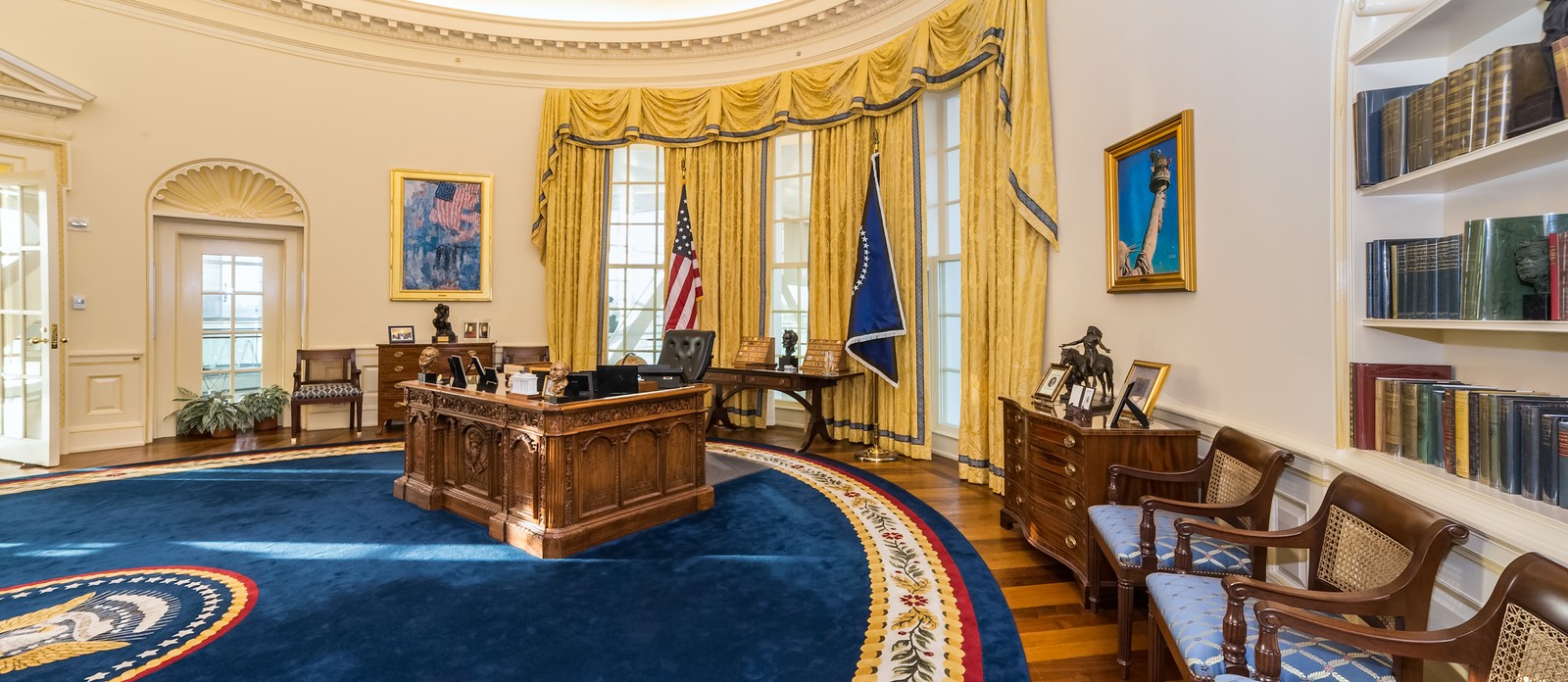
Long before he sat in the Oval Office, Ronald Reagan was a rising actor in Hollywood. His path from movie sets to politics took time, but he carried his communication skills with him. By the time he reached the presidency, he was already a familiar face to millions.

3
Robert De Niro’s taste for fine dining

Image: Jakub Dziubak

Robert De Niro made his name in gritty films, yet he had a soft spot for world-class sushi. His partnership with chef Nobu Matsuhisa created a restaurant brand recognized worldwide. The chain brought Japanese fusion to a huge audience and showed that De Niro’s instincts go far beyond Hollywood.

4
Serena Williams is sewing her own path

Image: Aleksandr Galichkin

Serena Williams is known for dominating tennis, but she also made a name for herself in fashion. Her line on HSN featured modern, easy-to-wear pieces that made it to New York Fashion Week. With guidance from industry legends, Serena proved she could design clothes with the same confidence she brings to the court.

5
George Clooney’s smooth move into spirits

Image: Max Böhme

George Clooney and his friend Rande Gerber loved tequila so much that they created their own. What started as a private passion soon turned into Casamigos , a top-shelf brand with awards, celebrity fans, and plenty of buzz. The duo went from movie sets to tasting rooms without missing a beat.

6
Magic Johnson’s winning streak off the court

Image: Adeolu Eletu

After lighting up the NBA, Magic Johnson built a powerhouse company focused on investing in underserved communities. His deals stretched from movie theaters to restaurants to major teams. His business success soon rivaled his days on the court, turning him into one of America’s most admired entrepreneurs.

7
Kate Hudson turns activewear into a powerhouse

Image: Lauren

Kate Hudson co-founded Fabletics and quickly tapped into a growing fitness fashion market. The brand became the fastest-growing label under its parent company, TechStyle Fashion Group, and expanded from online sales into plans for dozens of physical stores. Even with challenges surrounding its parent company, Fabletics kept gathering new fans.

8
Will Ferrell builds a comedy hub

Image: 0xk

Will Ferrell helped launch Funny or Die , a comedy site filled with sketches, celebrity appearances, and user videos. It became a big name in online humor and produced shows and specials that fans still talk about. Even through bumps in the road, the company stayed influential in the comedy world.

9
Martha Stewart reinvents herself

Image: Ella Jardim

Before becoming the queen of homemaking, Martha Stewart modeled professionally and worked as a stockbroker. She later blended her love of cooking, decorating, and organization into a full lifestyle brand. That leap turned her into one of the most recognizable names in American media.

10
Kevin Costner tackles ocean cleanup

Image: OCG Saving The Ocean

Kevin Costner’s big career twist came after an oil spill caught his attention. He invested in technology that could separate oil from water and pushed the idea forward for years. When the Gulf of Mexico spill happened, BP bought dozens of its machines to help with the cleanup. His invention pulled in millions and showed a surprising side of the movie star.

Explore more American facts

Choose your favorite category!

General
General

As American as apple pie—the very best America has to offer!

Culture
Culture

Delve into the astounding richness of American lore.

Geography
Geography

Hop in and explore vast and diverse American landscapes.

History
History

Discover the key moments that shaped the United States.