Geography Geography 3 min read

When words cross the border

USA vs. Canada: Who wins in the battle of words?
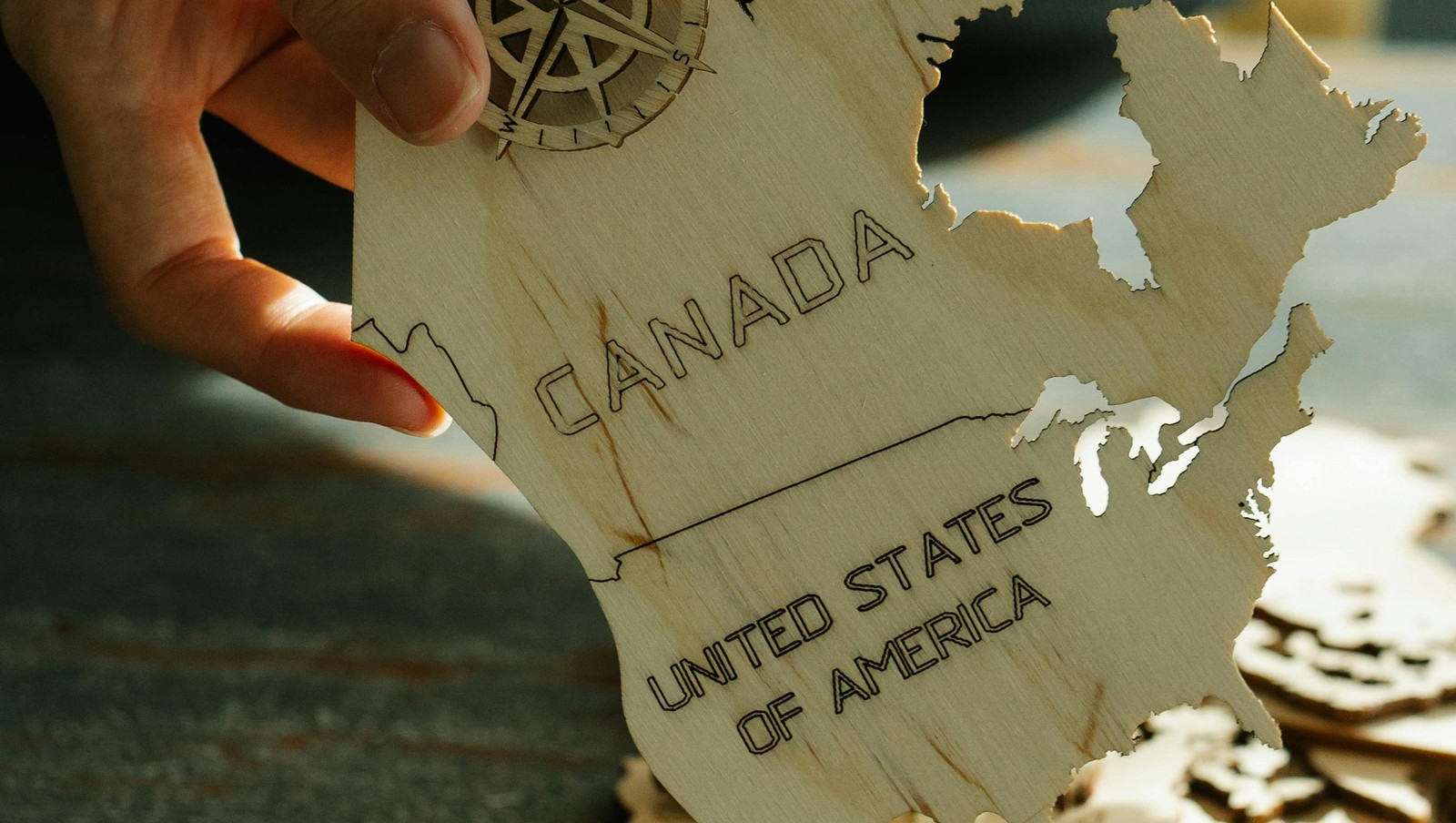
Image: Lara Jameson

When it's time for dinner, do you set out "serviettes" or "napkins"? People in the US and Canada may share a language, but you'd be surprised how many everyday objects have completely different names in each country. If you’re an American planning a trip to Canada—or a Canadian heading south—this article is for you!

1
Table manners
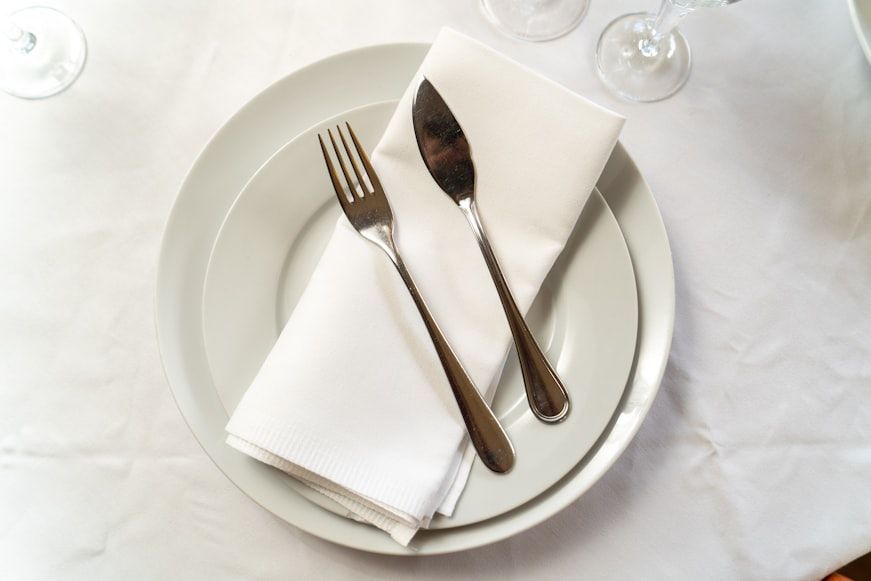
Image: Mika Baumeister

If you're dining out in Canada, don't be surprised if you hear someone ask for a "serviette." It might sound really fancy, but it's just the Canadian way of saying what Americans call a "napkin!"

2
Leftovers confusion
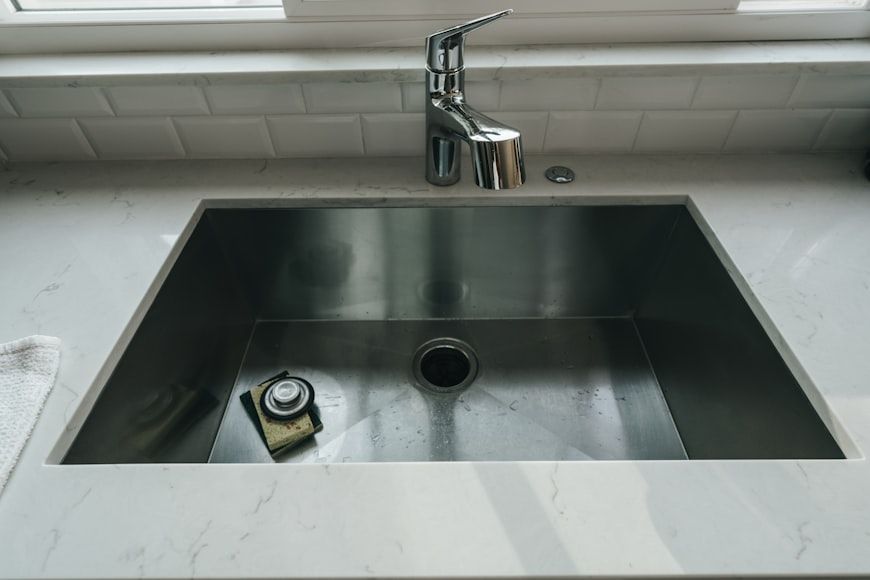
Image: Henry Kobutra

When it's time to clear the table and clean the dishes, things can get confusing between Americans and Canadians. In the US, you'll hear "throw the leftovers in the garbage disposal," but up north in Canada, it's called the "Garburator."

Though it might sound like they’re talking about two different things, it’s the same device—just different names!

3
Let's run
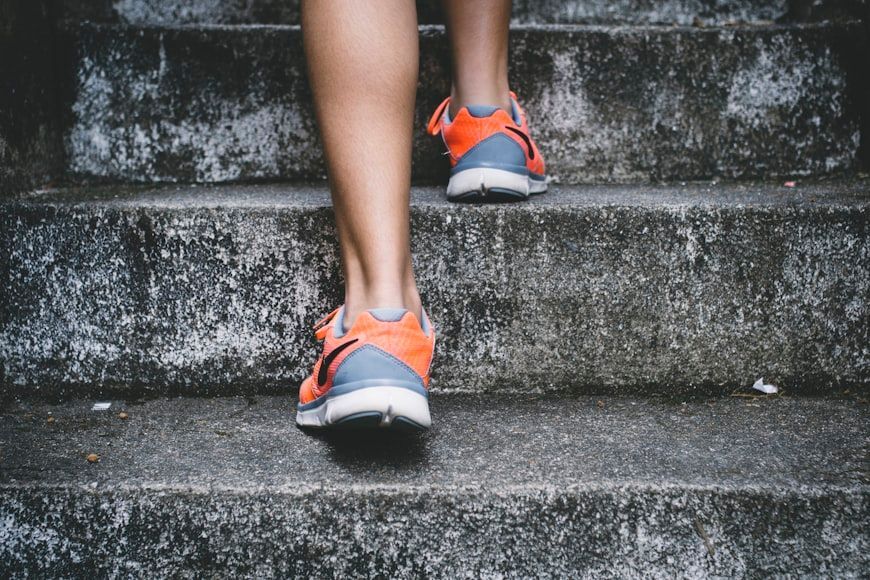
Image: Bruno Nascimento

Both Canadians and Americans use the term "running shoes" to mean athletic shoes designed for jogging or exercise. But there's one word that sets them apart: "runners."

In Canada, "runners" are what you wear on your feet. In the US, they are the people wearing them!

4
A matter of power
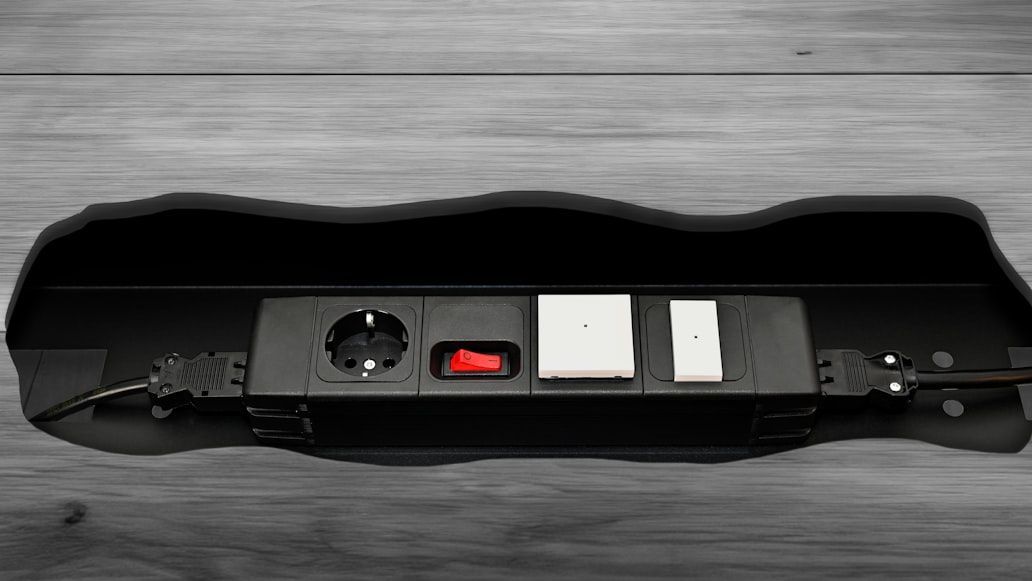
Image: Mike Winkler

What do you call that thing you use to plug in several devices at once? Your answer might reveal where you're from. If you say "power strip," chances are you're American. But if you call it a "power bar," you're probably Canadian!

5
Rubber bands
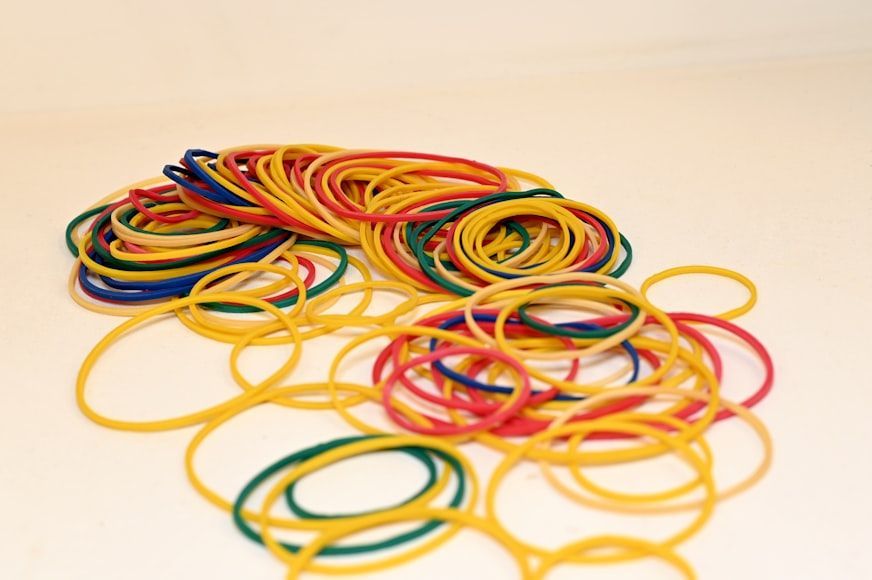
Image: Andres Siimon

They're small but super handy, so it's worth knowing what to call them no matter where you are! In Canada, people ask for "elastics" when they need to bundle papers or bills. But ask for "elastics" in the US, and you might get a confused look. Americans almost always just call them "rubber bands" instead.

6
Colorful vocabulary
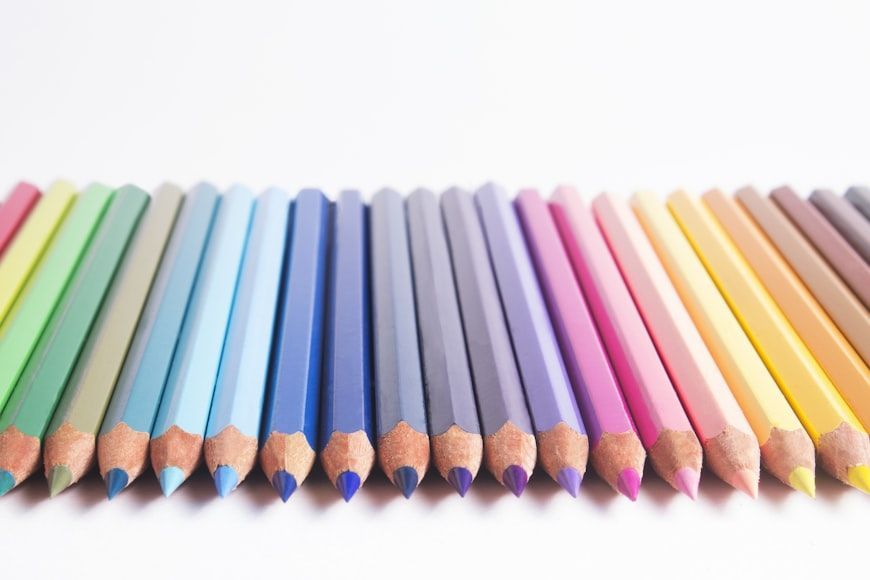
Image: Sara Torda

Coloring was undoubtedly one of the most delightful parts of childhood, and some people still enjoy it as adults! If you're one of them, you probably have a good collection of colored pencils. But if you're in Canada and need to buy some, keep in mind they call them "pencil crayons" up there.

7
It's all about gas
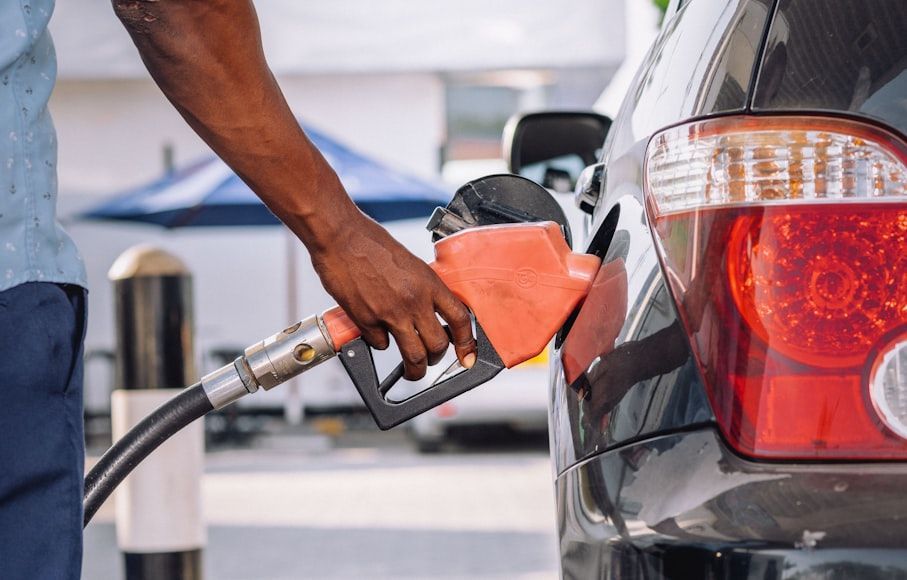
Image: Ali Mkumbwa

In both the United States and Canada, a "gas station" is the place where you stop to fill up your car with fuel. But while that term is widely understood and used in both countries, in some regions of Canada, you might also hear it referred to as a "gas bar."

8
Park…
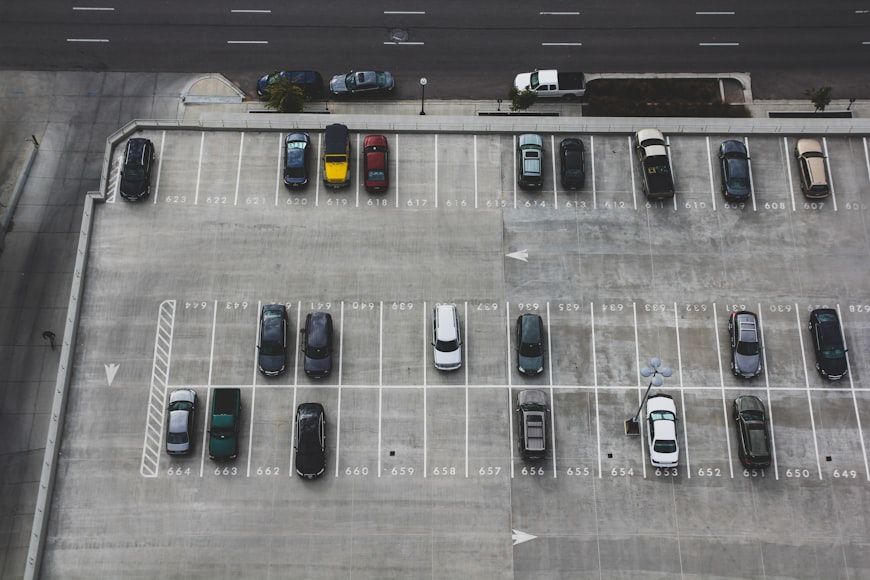
Image: John Matychuk

If you’re Canadian, don’t ask an American where the "parkade" is— they’ll probably look confused . While "parkade" is perfectly normal in Canada, Americans usually say "parking garage," "parking deck," or just "parking lot."

9
Sweet words
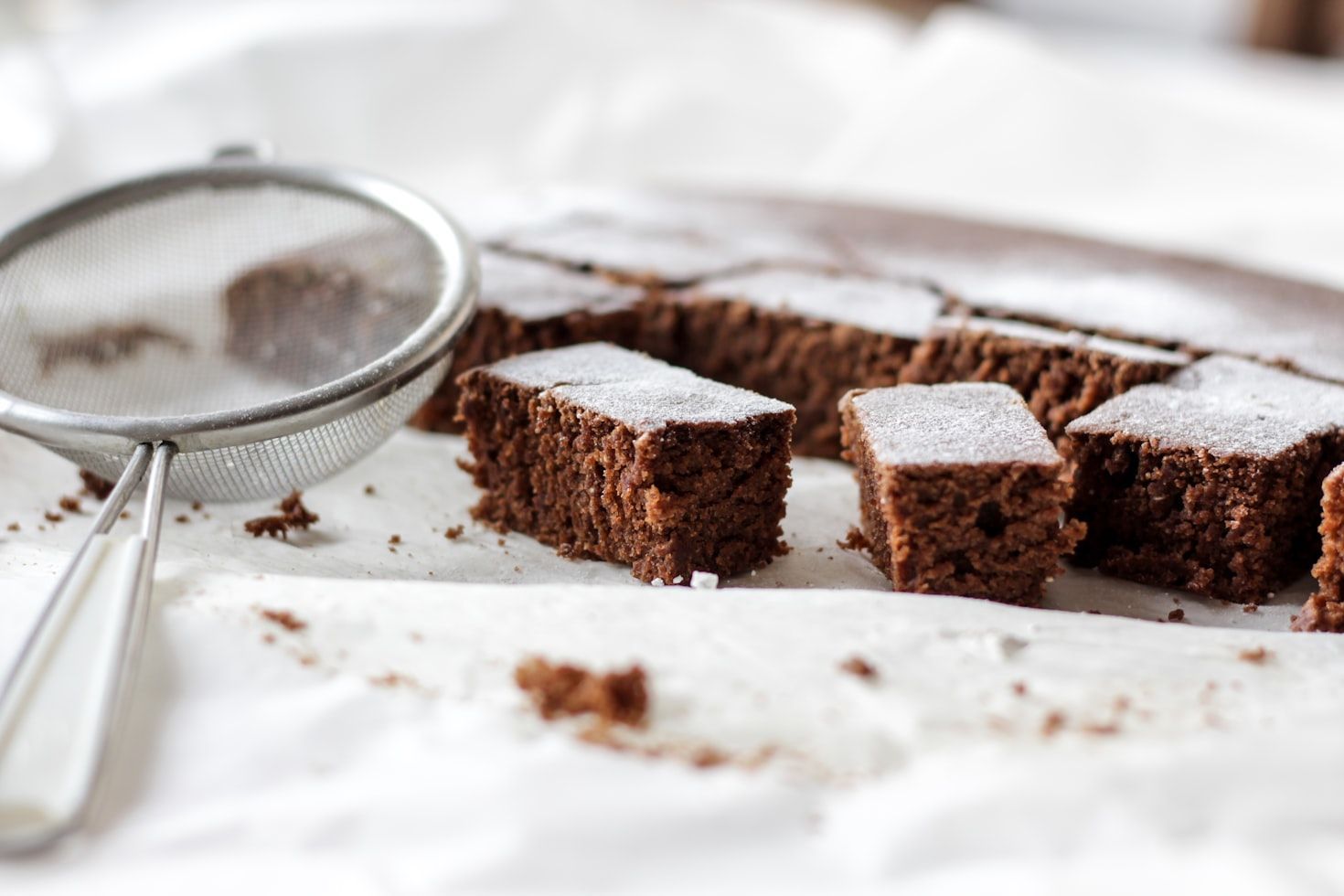
Image: NordWood Themes

Those delicious brownies wouldn't be the same without a nice layer of powdered sugar on top, right? And while we can agree on how tasty it is, we don't all agree on what to call it. Here, it is "confectioners' sugar" or simply "powdered sugar," but in Canada, they prefer another name for the same product: "icing sugar."

10
Folder/ Duotang
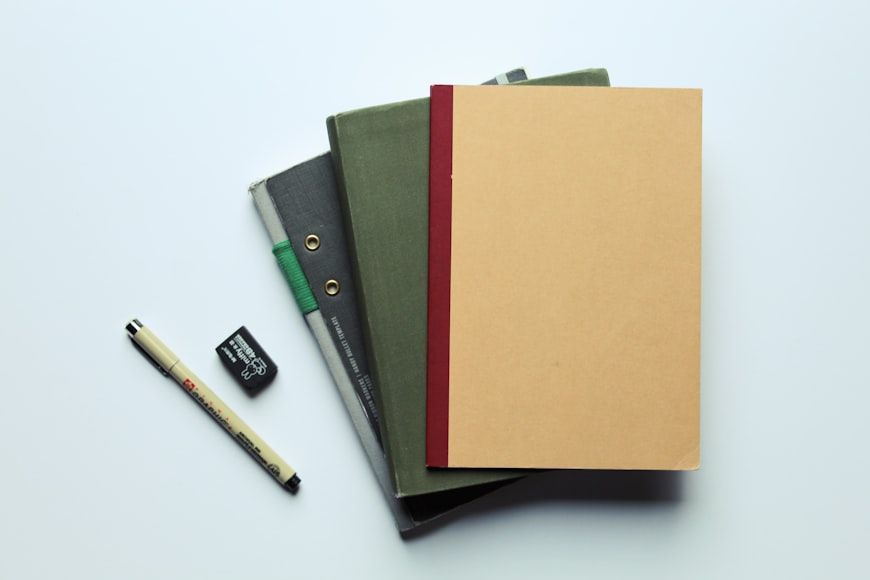
Image: Savannah Wakefield

Remember that school folder with metal prongs to hold your papers, the ones you could easily add or remove pages from? In the US, we just call it a "pronged folder." But in Canada, they have a totally different name for it: they call it a "duotang!" Have you ever heard of that one?
Culture Culture 3 min read

Creative states

Do you know what was invented in your state? Be surprised by the answer!

Image: NASA

Take a look around your house for a second: The lights are on, breakfast was easy, your jeans fit just right, and your nose knows exactly where that Vicks is hiding. Funny thing is, you can thank a handful of American states for these, but you may not even know it! America is great for many things, and these states have some pretty famous inventions we should thank them for! Read on and see what your state created!

1
Tennessee - Cotton candy

Image: Yarden

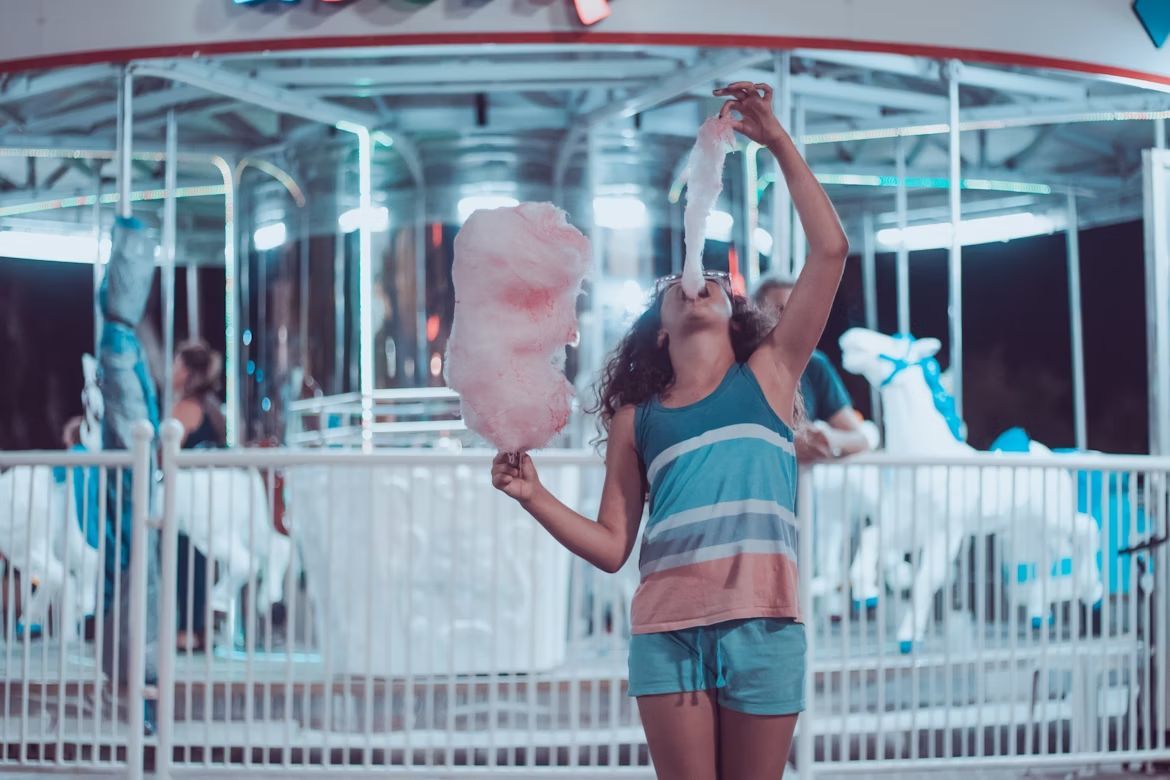
Cotton candy feels like pure fun, which makes its origin even better. A Nashville dentist helped invent the machine that turns sugar into fluffy clouds. It debuted at the St. Louis World’s Fair and became a carnival favorite. Genius way to get more patients on his chair, huh?

2
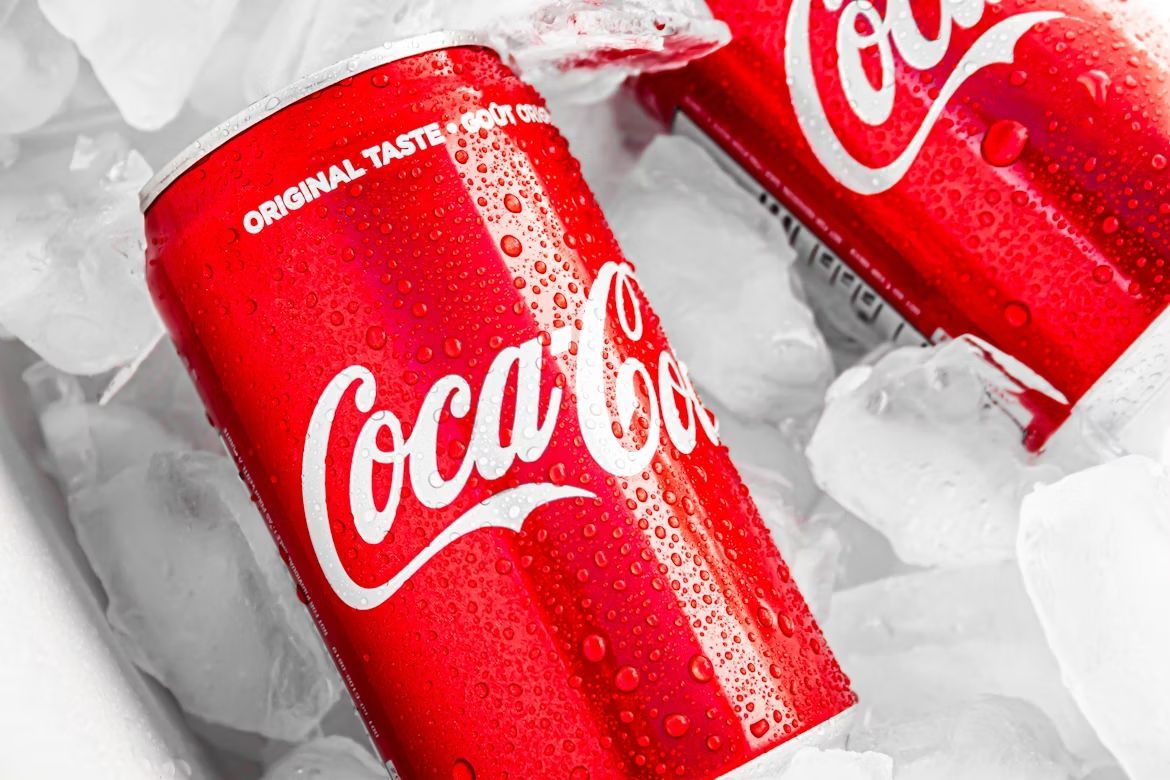
Georgia - Coca-Cola

Image: James Yarema

In an Atlanta pharmacy in 1886, John Pemberton mixed up a syrup meant to be medicinal. It included coca leaf extract and kola nuts and was sold as a tonic. The drink evolved quickly, lost its medical claims, and became Coca-Cola. The rest is simply history!

3
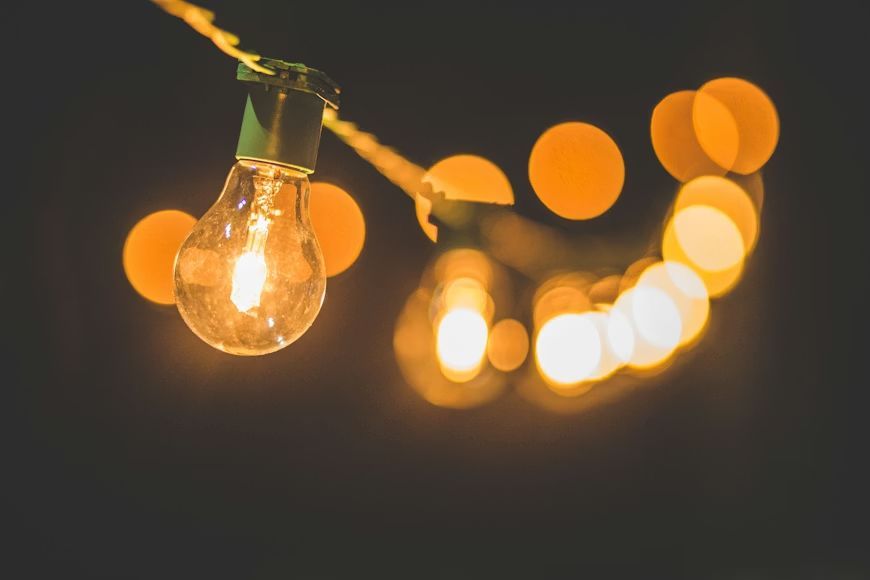
New Jersey - Light bulb

Image: Luis Tosta

This one is a classic! In Menlo Park, Thomas Edison built a laboratory that became an invention factory. There, a commercially viable incandescent light bulb was developed. While this gets most of the applause, that same New Jersey workspace also helped shape recorded sound and motion pictures.

Image: NAM CZ

4
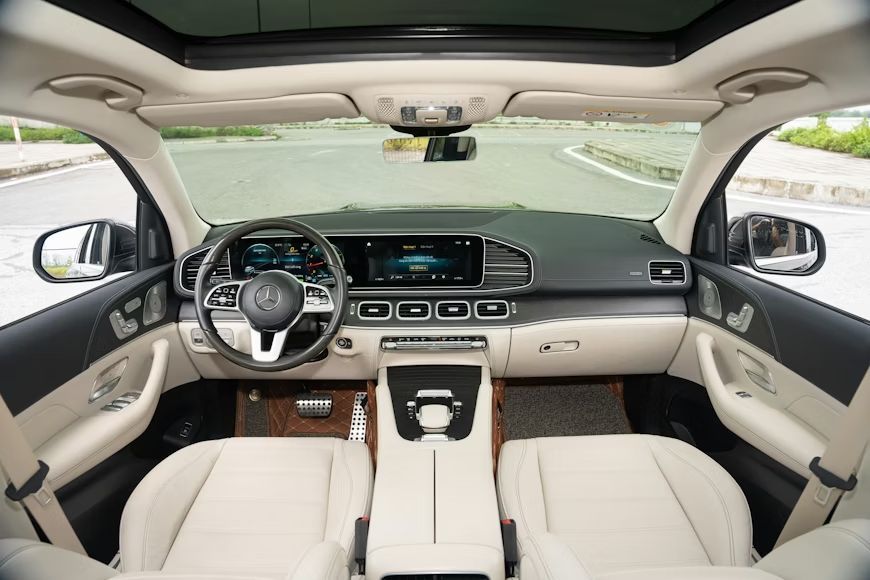
Indiana - Rearview mirror

At the very first Indianapolis 500, one driver decided he did not need someone sitting behind him to watch traffic. Can you imagine how uncomfortable a job that was? Ray Harroun instead attached a mirror to his dashboard. That simple choice helped him win the race and changed driving for everyone.

5
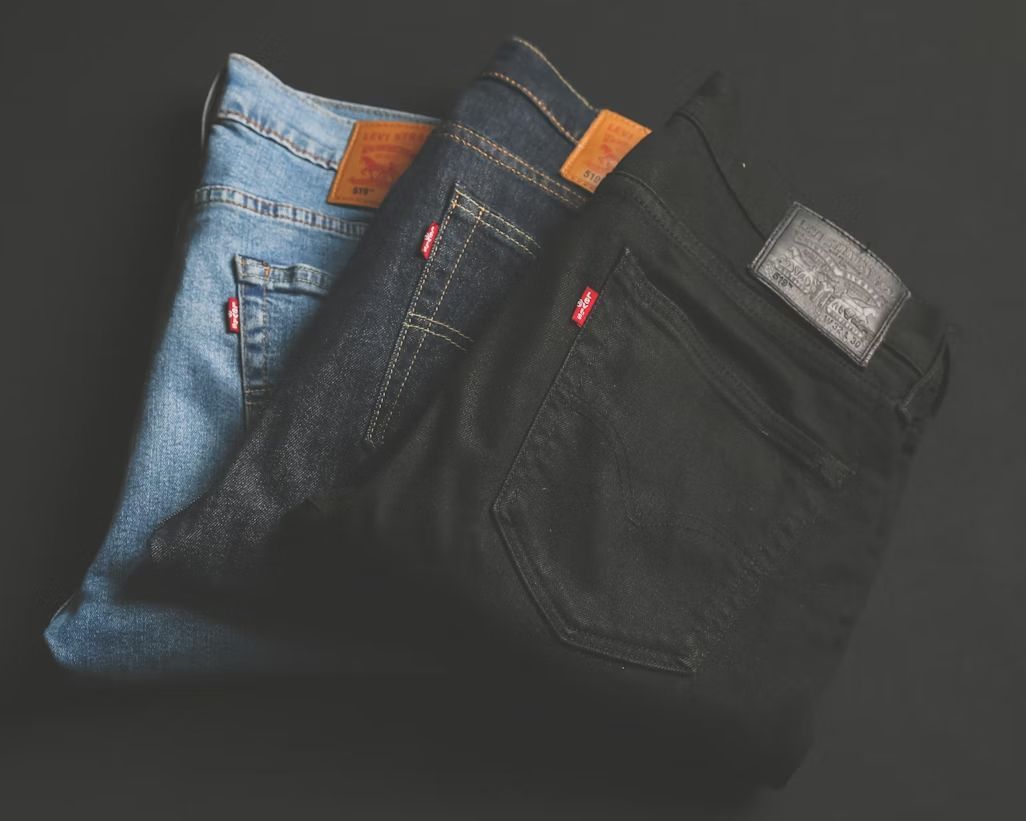
California - Jeans

Image: Mnz

Rugged work pants were falling apart under hard labor until rivets entered the picture. A tailor named Jacob Davis teamed up with Levi Strauss in San Francisco to reinforce trousers for miners . Denim soon followed, and jeans became a global staple. From gold fields to casual Fridays, the look never left.

6
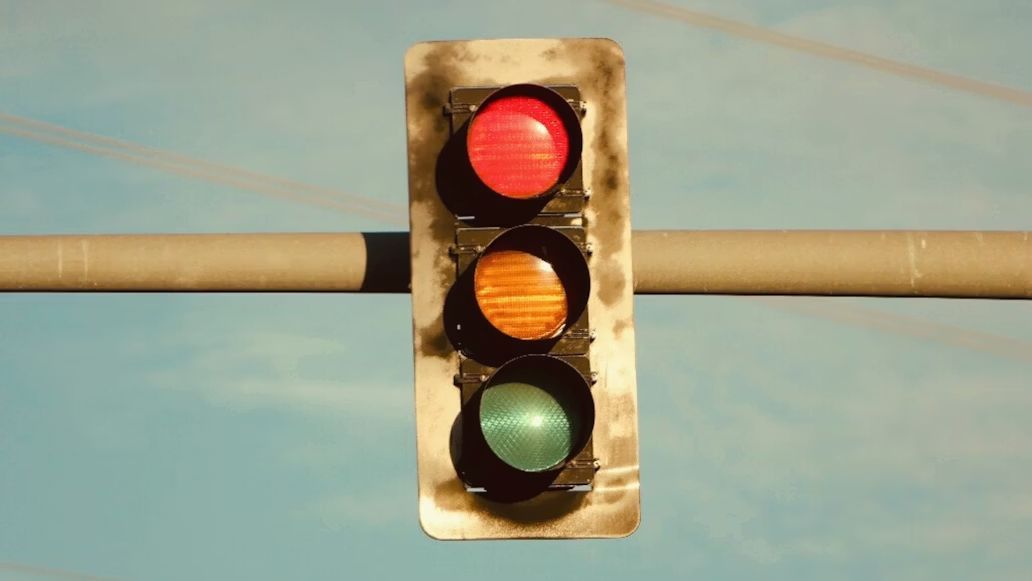
Ohio - Traffic light

Image: CARTER SAUNDERS

Cleveland inventor Garrett Morgan noticed a deadly problem at busy intersections . His improved traffic signal added a pause that stopped all directions before letting cars move again. That brief moment of calm saved lives and brought order to chaos.

7
Missouri - Ready mix

Image: Land O'Lakes, Inc.

Pancakes once meant measuring flour, salt, and patience. In 1889, Missouri innovators created one of the first commercially successful ready mixes under the Aunt Jemima name . Pour, add liquid, and cook. It reshaped home kitchens and paved the way for countless boxed mixes.

8
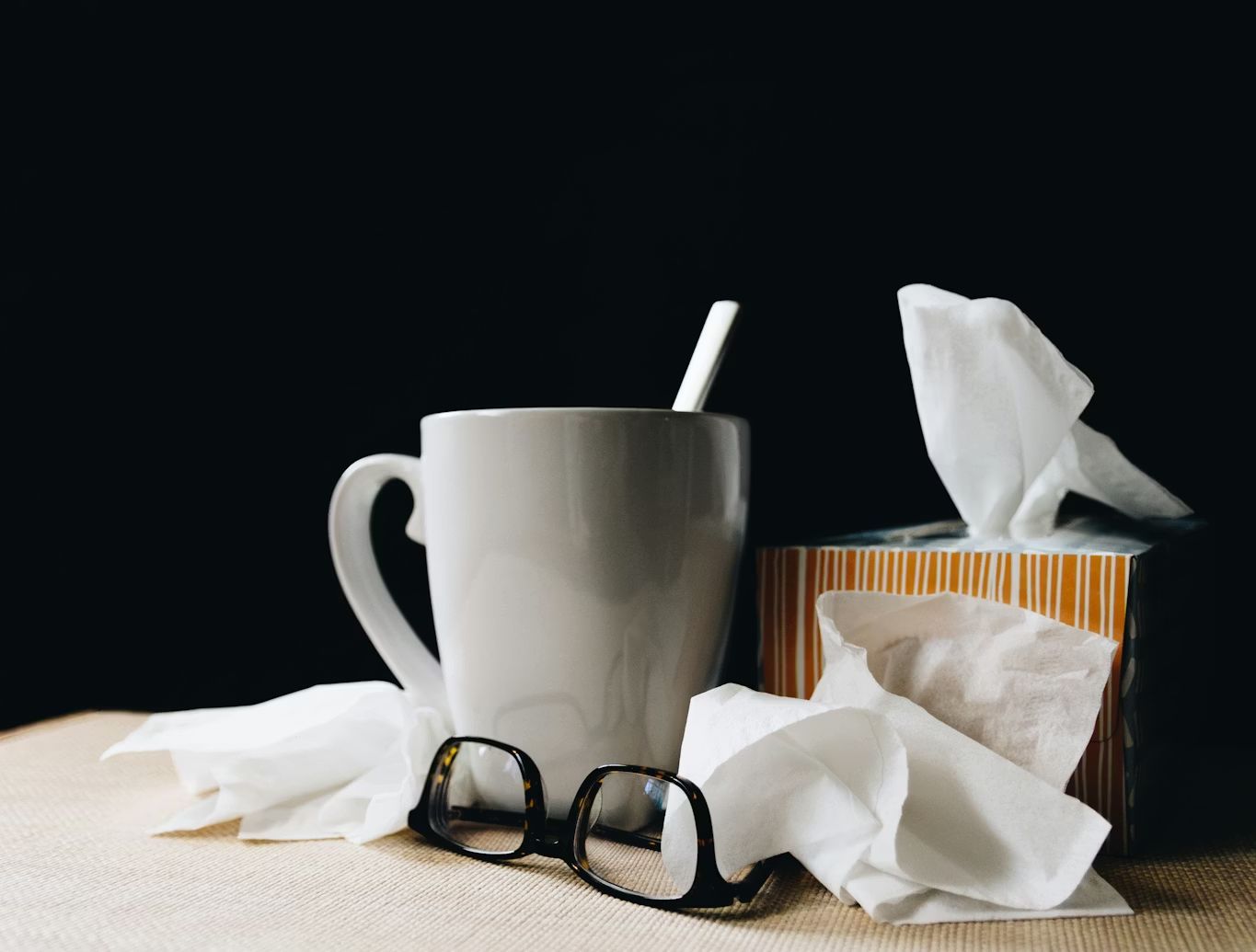
North Carolina - Vicks VapoRub

Image: Kelly Sikkema

A Greensboro pharmacist created dozens of remedies, but one stood out. His menthol ointment eased breathing and comforted countless families. Rebranded as Vicks VapoRub, it became a staple in every medicine cabinet.

9
Wisconsin - Blender

Image: Daniel Norris

The first motor-powered blenders came from Wisconsin, even if they needed a little help to work properly. Once refined, they became the Waring Blendor and found their way into diners, homes, and smoothie shops. Nowadays, they are a household essential; even kids know how to work one!

10
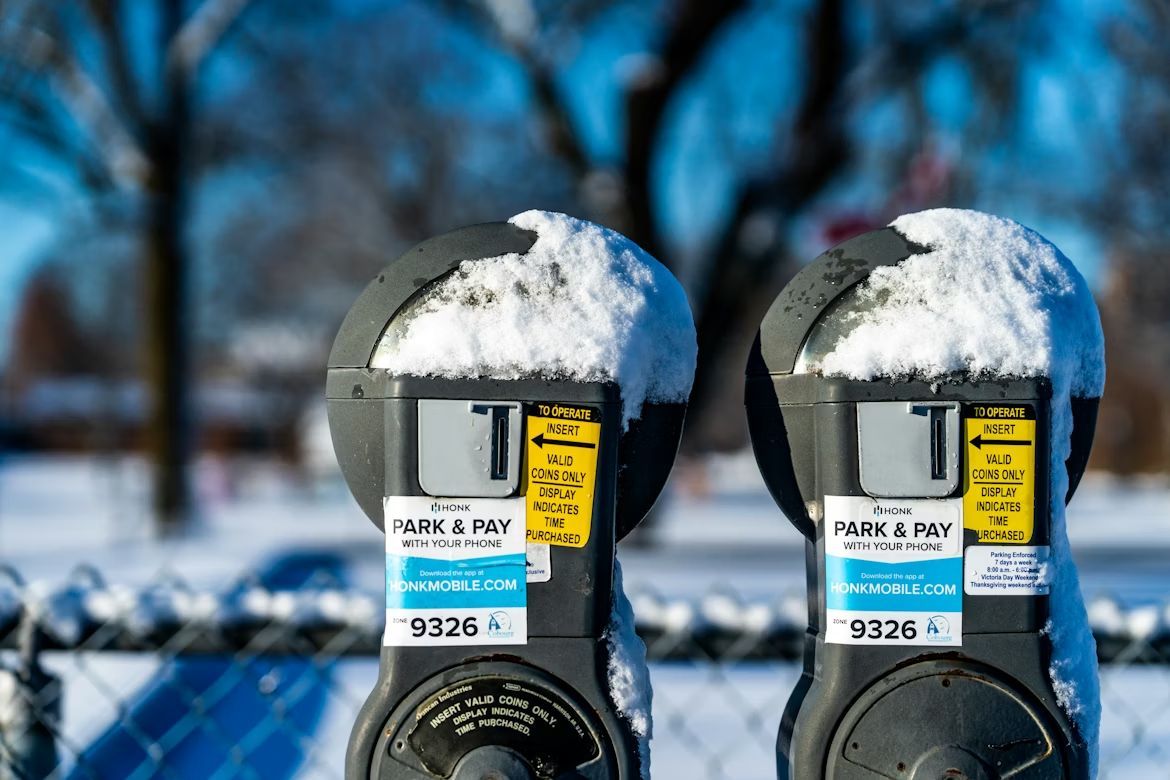
Oklahoma - Parking meter

Image: chris robert

Crowded streets needed turnover, so Oklahoma City tried something new. The parking meter encouraged drivers to move along and freed up spaces for shoppers. Love them or hate them, parking meters changed how cities function.

11
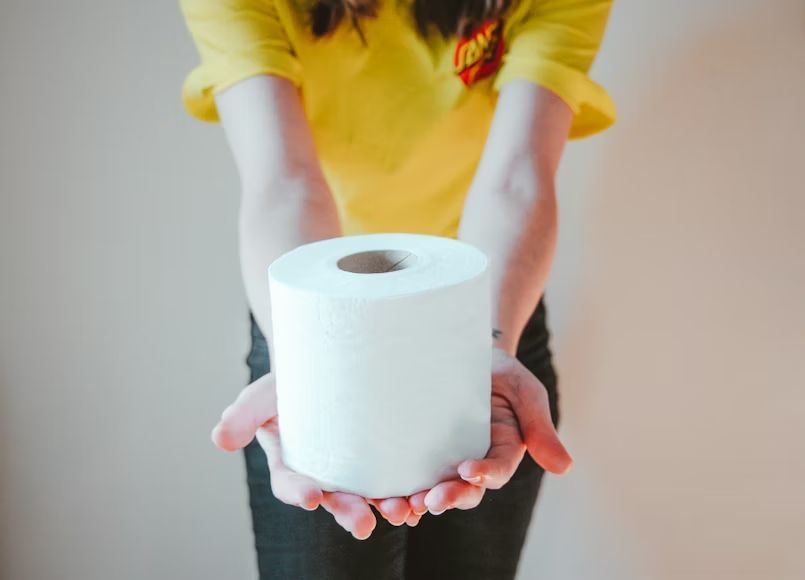
New York - Toilet paper

Image: Nik

Toilet paper feels like it has always been around, but it hasn’t. In 1857, a New Yorker named Joseph Gayetty introduced paper designed specifically for bathroom use . His marketing was not so effective, but the idea stuck. Before that, people relied on catalogs and newspapers. Thank you, New York!

General General 2 min read

Shocking the neighbors

These things are not as common outside the US

Image: Jennifer Kalenberg

America is a land of unique customs and rituals, many of which leave outsiders scratching their heads. From super-sized food to partying habits, these traditions reflect the country’s history, creativity, and widespread patriotism. Here are 10 American practices that are often admired, misunderstood, or simply confusing to people abroad.

1
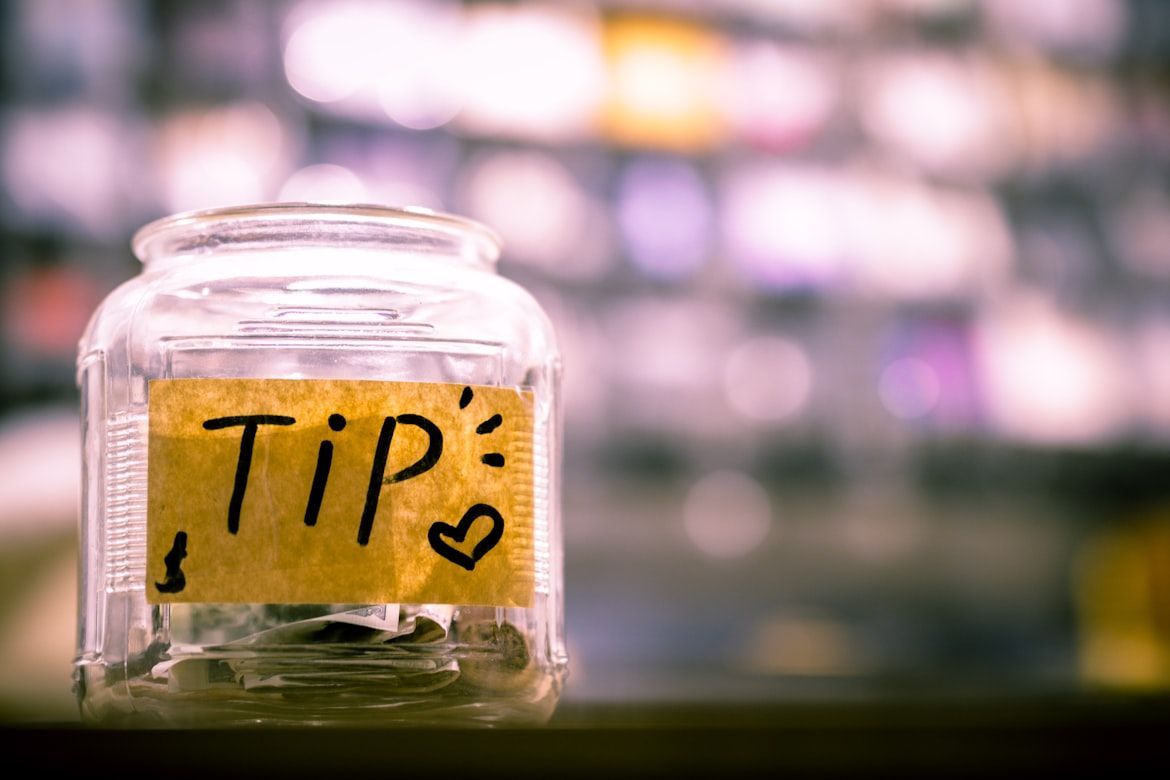
Tipping everywhere

Image: Sam Dan Truong

Americans tip for almost every service, from coffee to taxis. The standard is 15–20% of the bill. Unlike most countries where service charges are included, tipping is often expected and essential for workers’ income.

Restaurants, bars, and even hair salons rely on it. Since this is not as common elsewhere, tourists often miscalculate or under-tip, causing awkward interactions.

2
Super-sized portions

Image: Nima Naseri

Restaurant portions in the U.S. are notoriously large, often doubling or tripling international standards.

This stems from both historical abundance and marketing strategies that equate quantity with value. All-you-can-eat and combo meals reinforce the "more is better" mentality.

3
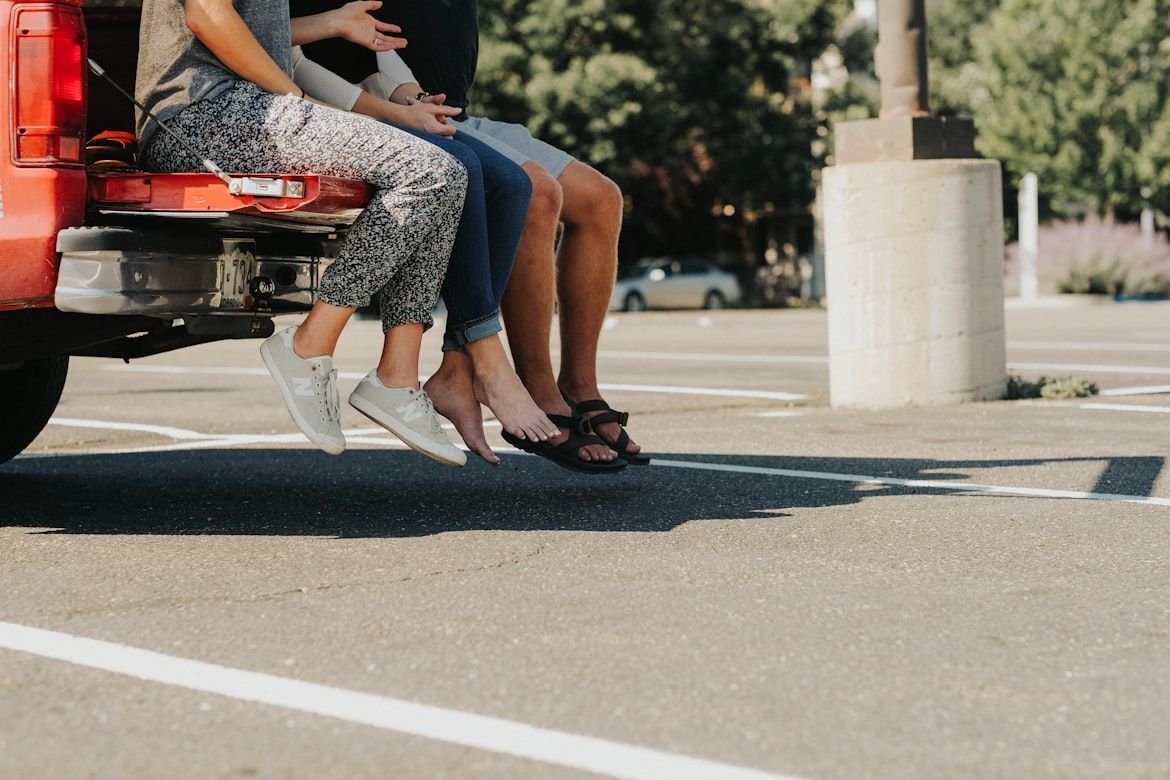
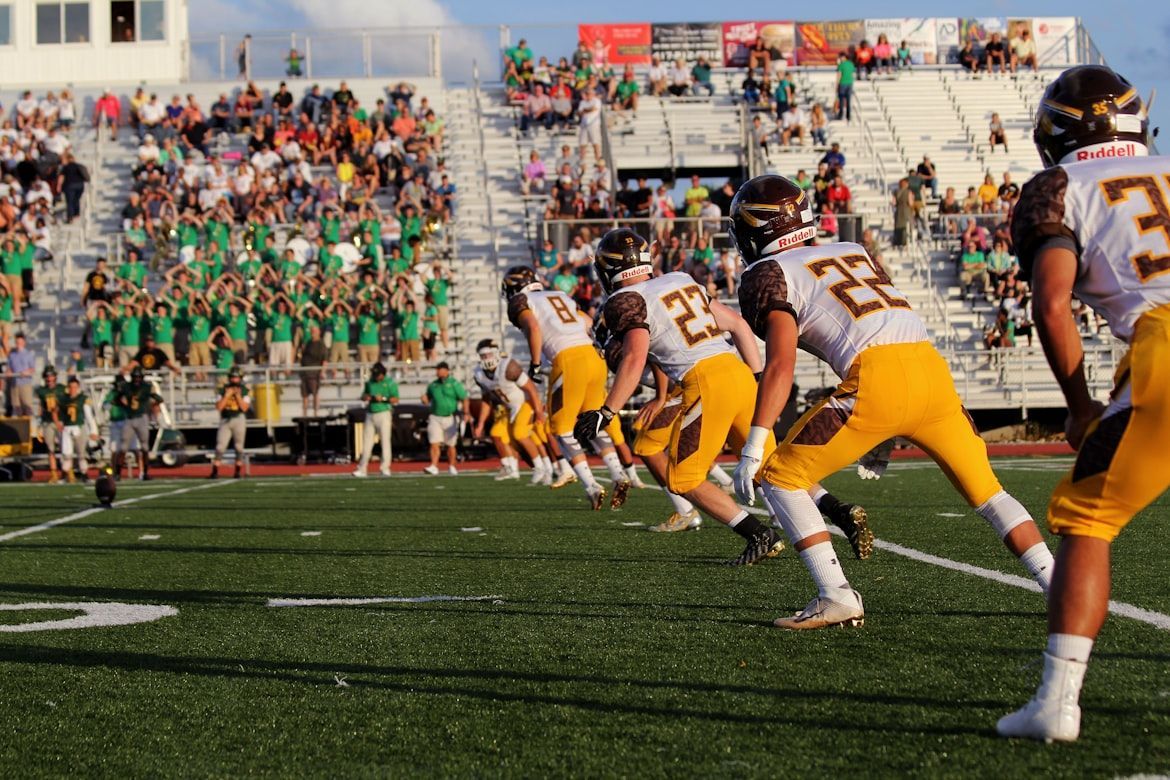
College tailgating

Image: Josh Applegate

Fans arrive hours before football games, grilling and partying in parking lots. Tailgating mixes sports passion with social gatherings, showing regional pride and university loyalty.

This uniquely American tradition often shocks outsiders with the devotion shown to local sports.

4
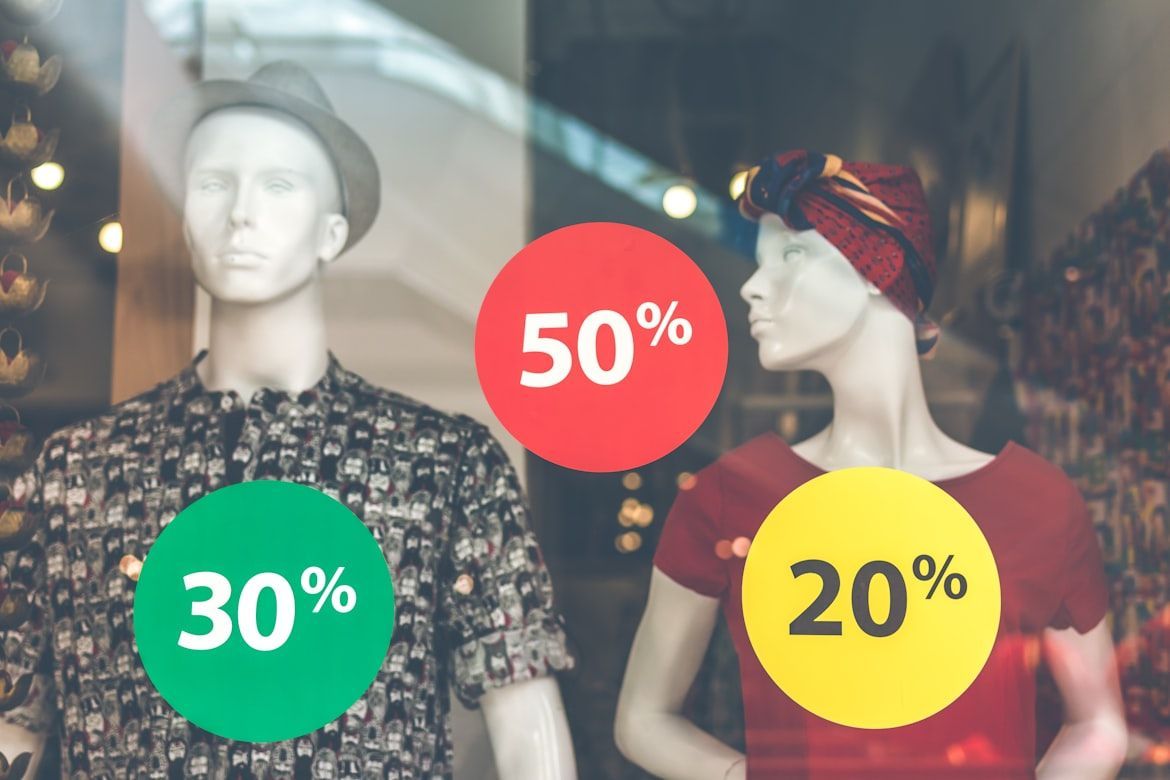
Black Friday mania

Image: Artem Beliaikin

Originating in Philadelphia in the 1960s, Black Friday marks the start of the holiday shopping season. It’s a consumer spectacle tied as much to capitalism as to tradition.

Retailers use extreme discounts to generate sales; the frenzy often leaves international observers bewildered by the ensuing chaos.

5
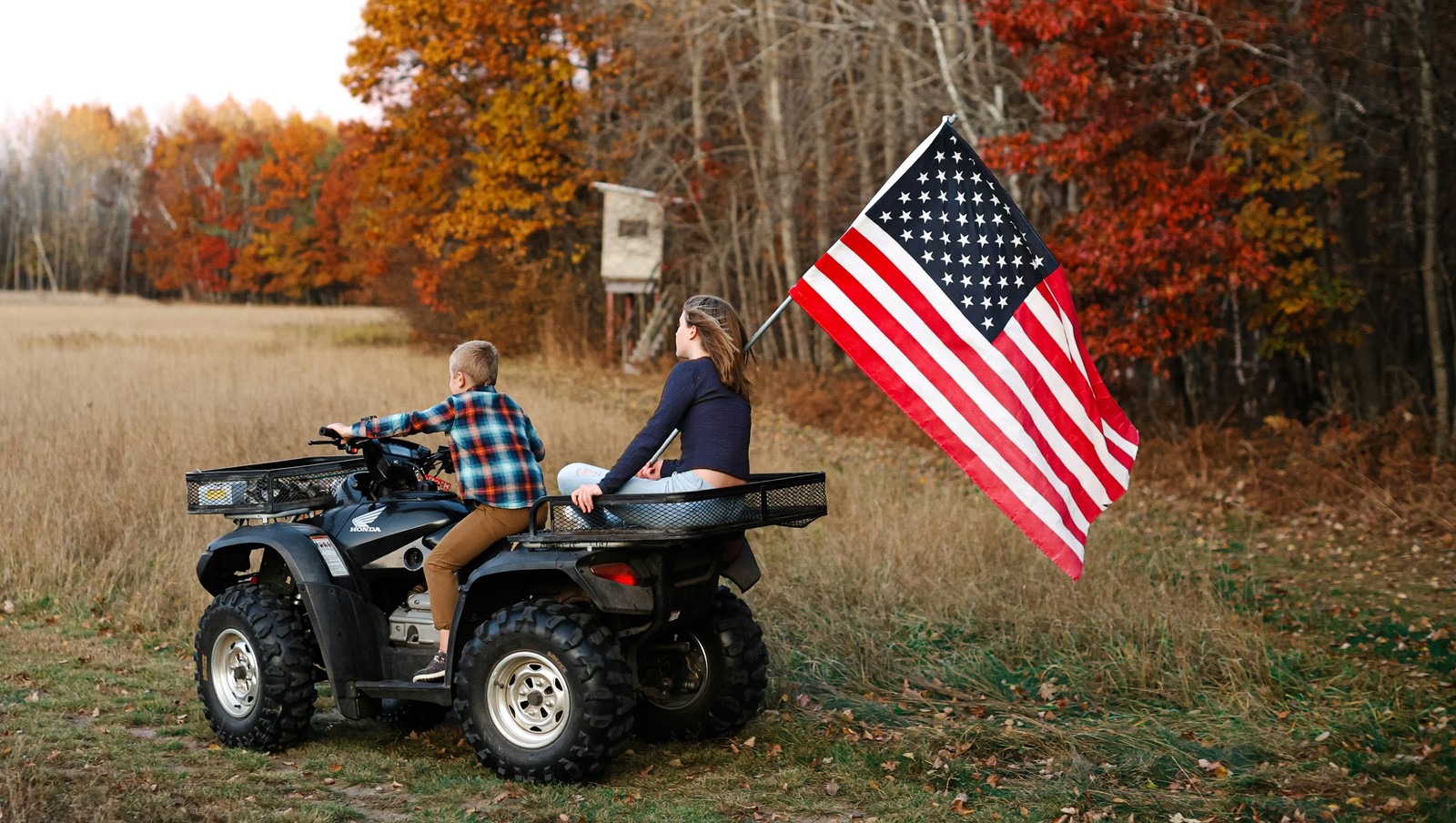
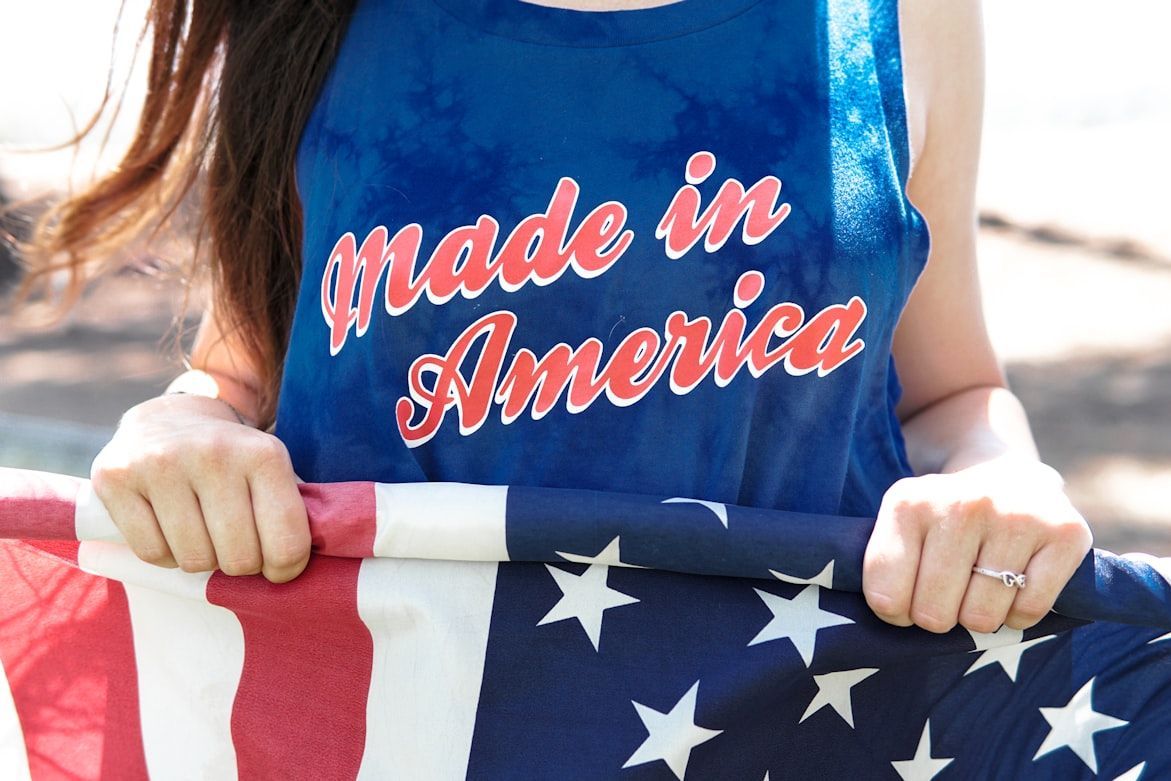
Wearing patriotic clothes year-round

Image: Shari Sirotnak

Americans often wear flag-themed clothing even outside national holidays. The practice intensifies during major sporting events, but displaying the flag as apparel reflects civic pride in everyday life.

For many outsiders, wearing a flag as clothing seems unusual, yet this custom embodies American individualism and patriotism.

6
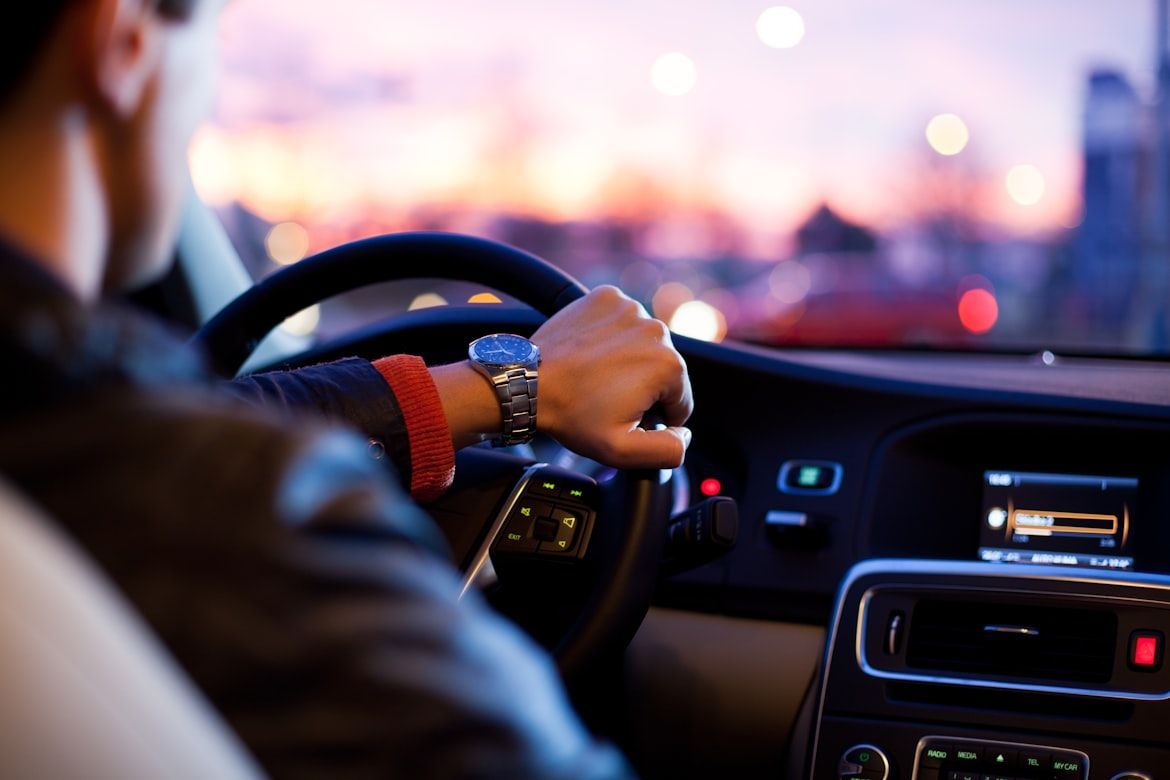
Driving everywhere

Image: why kei

Unlike many countries with extensive public transit, Americans rely heavily on cars. Suburban expansion and urban planning favor personal vehicles.

Gas prices, infrastructure, and cultural identity reinforce driving as normal. Tourists accustomed to walking or trains find long drives mandatory, and as a result, the layout of U.S. cities is unusually spread out.

7
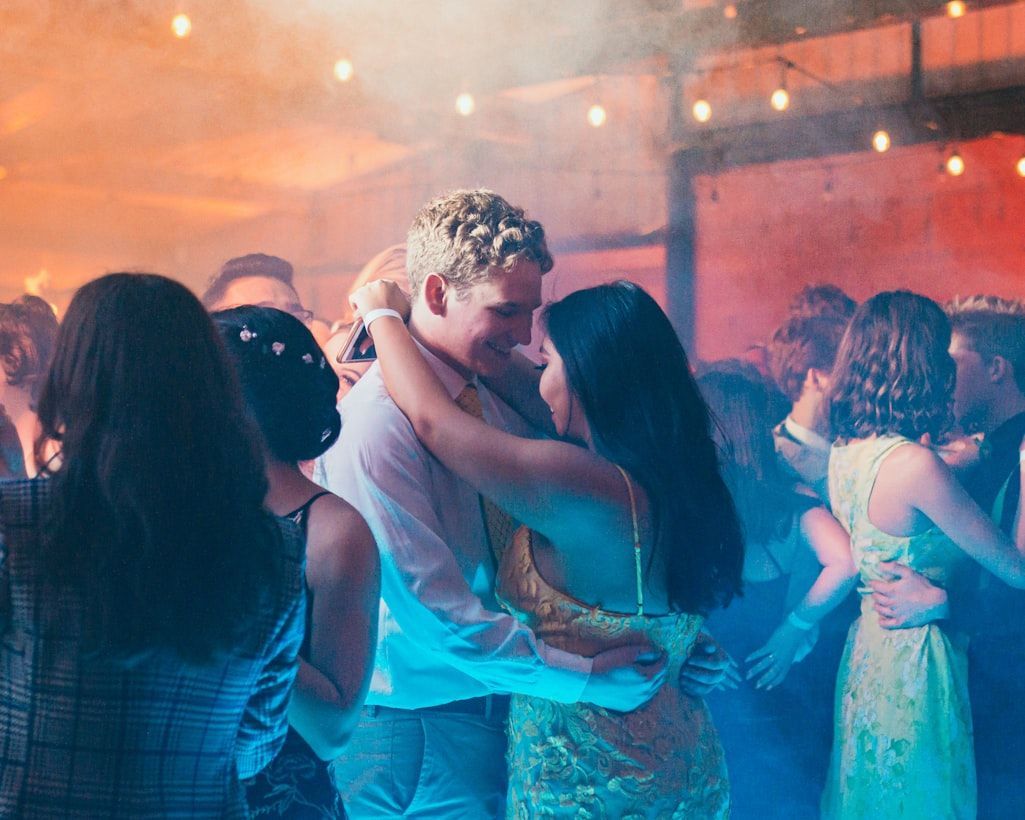
High school proms

Image: Long Truong

Proms evolved in the 20th century as a rite of passage. Teenagers dress formally for dances with elaborate rituals, including crowning kings and queens.

While other countries almost always have some form of graduation celebrations, the formality, expense, and emphasis on dating customs in American proms often confuse foreigners.

8
Obsession with college sports

Image: Riley McCullough

Universities dominate cities with massive stadiums and fanfare. College football and basketball inspire loyalty rivaling professional leagues.

The intensity is unusual internationally, where professional sports typically overshadow collegiate athletics.

9
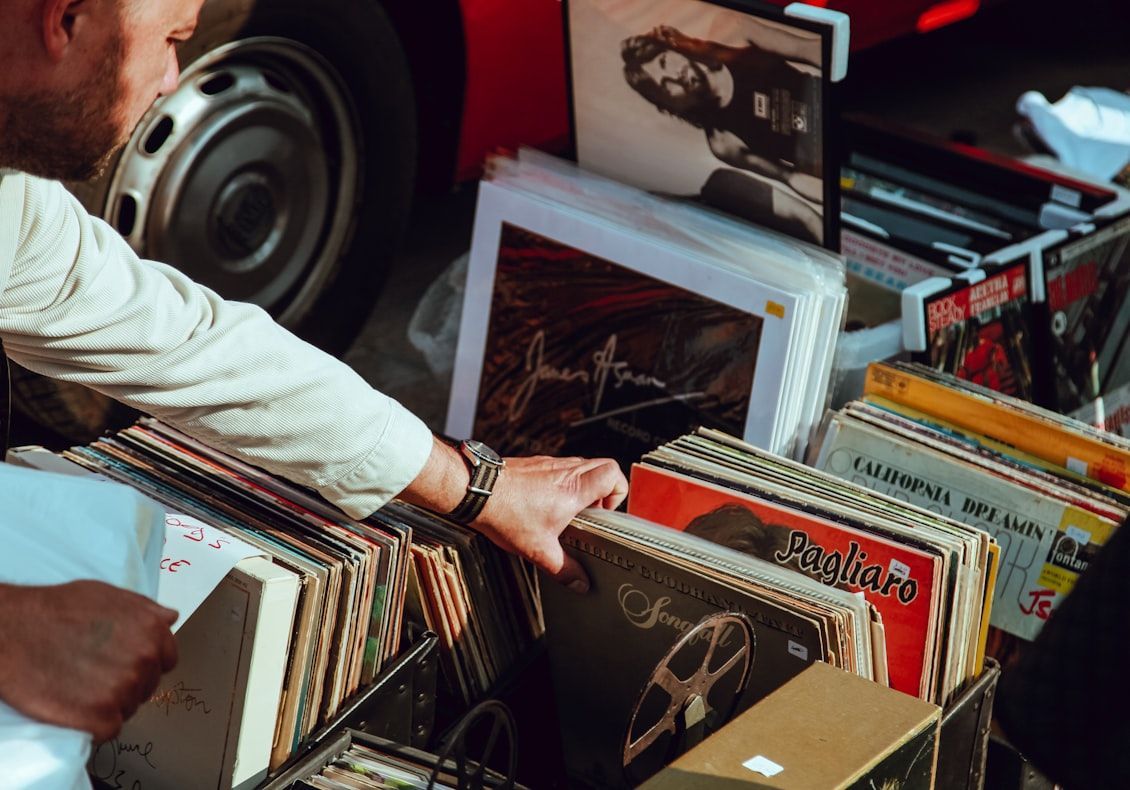
Yard sales

Image: Clem Onojeghuo

Communities host sidewalk sales for secondhand goods. This tradition emphasizes recycling, community interaction, and bargain hunting.

This casual sale of used goods in public spaces is uncommon in many countries, making it a uniquely American practice.

10
Spelling bees

Image: Brett Jordan

Americans hold intense competitions where kids spell increasingly difficult words aloud. Spelling bees originated in the 19th century as educational contests, promoting literacy and vocabulary skills.

The National Spelling Bee, held annually since 1925, draws contestants nationwide and often surprises outsiders due to English’s tricky spelling rules.

Explore more American facts

Choose your favorite category!

General
General

As American as apple pie—the very best America has to offer!

Culture
Culture

Delve into the astounding richness of American lore.

Geography
Geography

Hop in and explore vast and diverse American landscapes.

History
History

Discover the key moments that shaped the United States.