Culture Culture 5 min read

It’s called popular wisdom for a reason

What should you do in the woods? Popular wisdom has the answer

Image: Peter Burdon

The United States of America is a melting pot of cultures and traditions, which means many superstitious beliefs can be traced back to other places. Think, for example, of beliefs around black cats or cemeteries. But some superstitions were born here, out of the unique idiosyncrasies of each American region. Why is the color of a porch such a big deal? Why are the woods dangerous? Is it crucial where I place my hat? Popular wisdom has an answer for all these questions, and more.

1
The cowboy hat on the bed
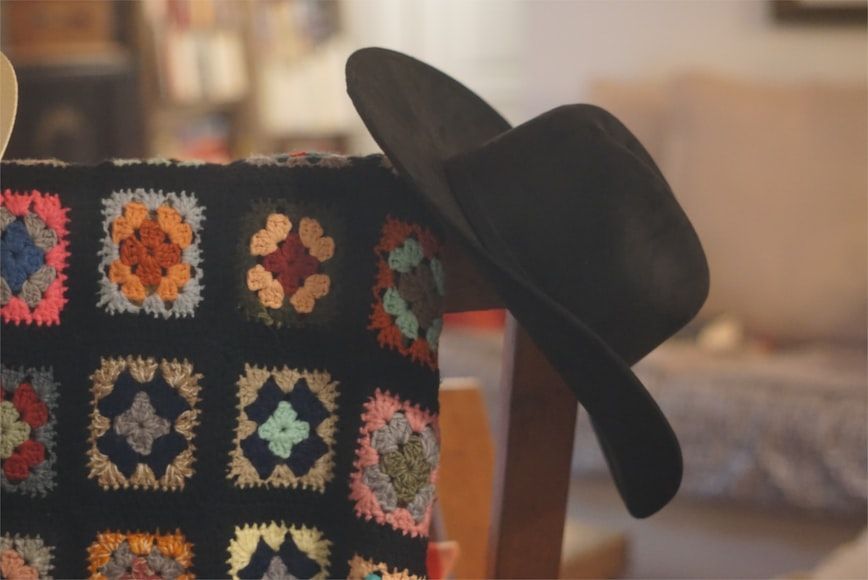
Image: Olivier Piquer

For a proper cowboy, a hat is as important as their horse or saddle. This means that there’s a protocol around this garment that needs to be followed, one important rule being that a hat should never be placed on top of a bed.

Why? There are several explanations, including the idea of bad spirits living in your hair, the old custom of placing a deceased person’s hat on top of their coffin, or the more practical reasoning of wanting to avoid lice. No matter the origin, no respectable cowboy would place his hat on the bed unless he wanted to attract misfortune his way.

2
The Appalachian woods
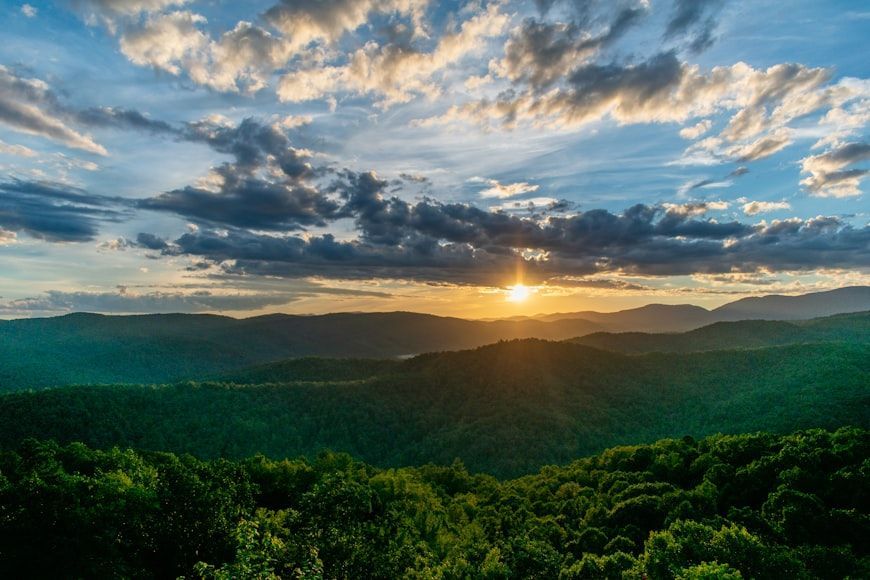
Image: Elijah Mears

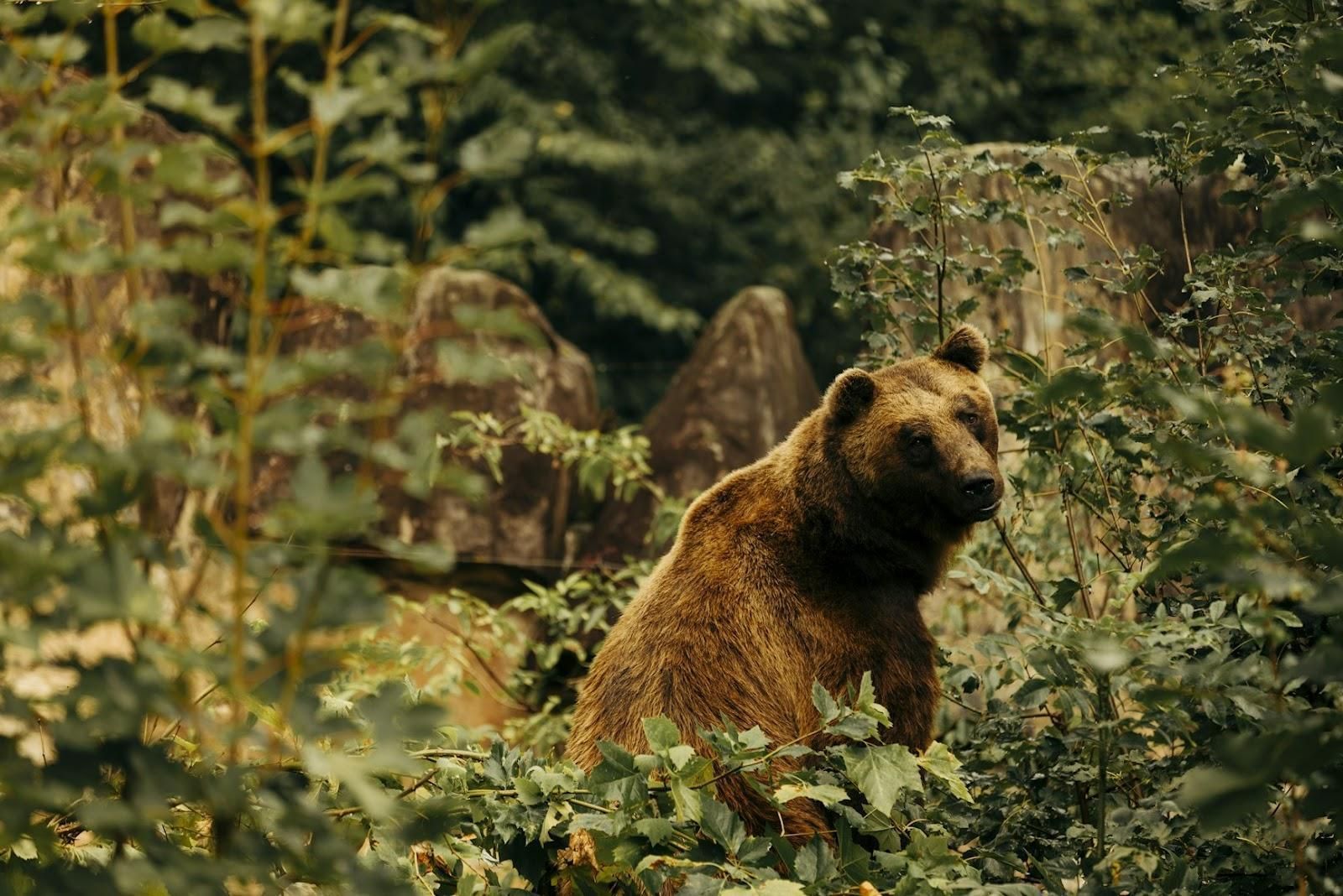
The Appalachian Mountains are filled with myths and legends, and certain rules are passed down and followed by nearly everyone, even those most skeptical about the supernatural. Many of these rules concern the woods and how one should behave in them : don’t go into the woods from dusk till dawn, don’t leave the marked trail, ignore any unknown voice calling you, and don’t look too closely into the trees.

While these rules could be explained by the simple reason of the woods being the hiding place of bandits in the past, and a difficult place to navigate in the dark, they have also been regarded as a place filled with spirits and supernatural beings, which no one wants to come across.

3
Seeing Mothman
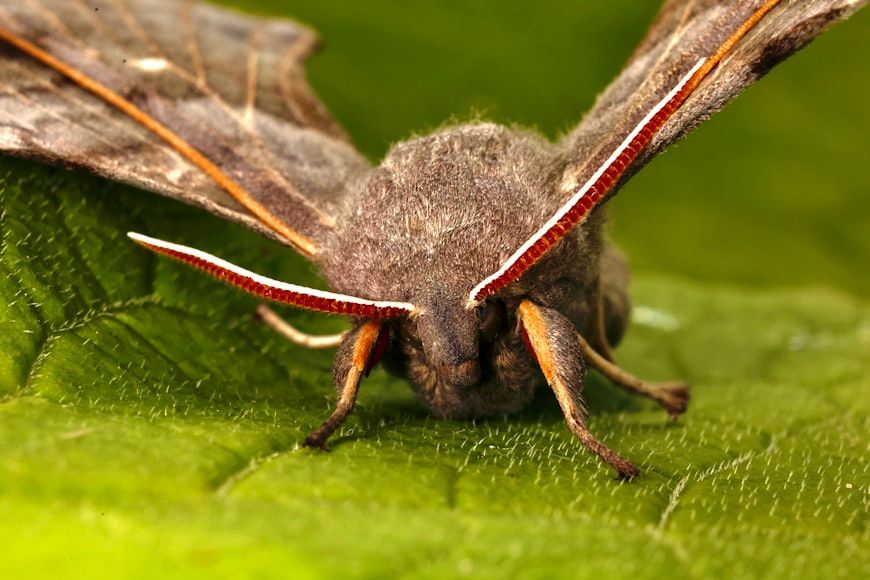
Image: James Wainscoat

A local cryptid celebrity in Point Pleasant, West Virginia, the Mothman has allegedly been sighted several times since the 1960s. Many legends and beliefs have formed around his figure, one of them being that coming across the Mothman is a sign of an impending tragedy .

This belief gained strength after several reported sightings occurred just before the collapse of the Silver Bridge in 1967. Since then, the Mothman has been considered a harbinger of doom and a bad omen.

4
A mirror to ward off the devil
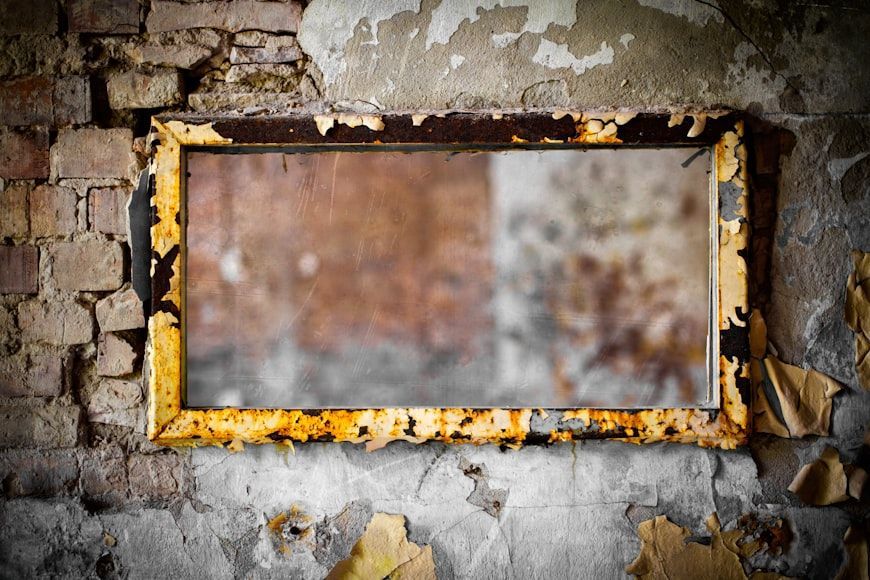
Image: Denny Müller

Louisianans have many myths and beliefs, especially those rooted in Cajun culture. Influences from French Acadia, Spain, and Western Africa have been incorporated into popular wisdom in a distinctly unique way.

One Cajun custom advises the use of a mirror to repel M’su Diable or "Mr. Devil." M’su Diable is known for being very vain, so he will never waste the opportunity to admire himself. If you hang a mirror in the porch, next to the door, he will stay there all night instead of entering the house, and the sunrise will scare him off.

5
Eating black-eyed peas on New Year’s Eve
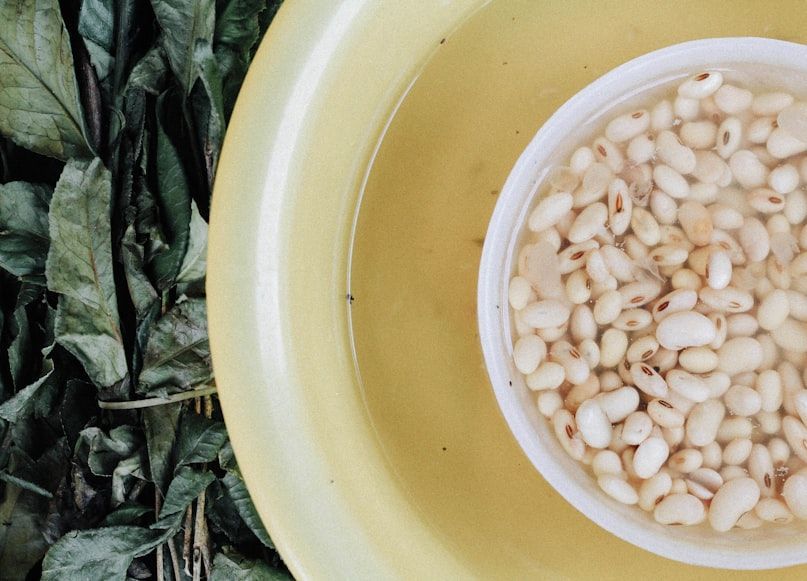
Image: Nguyen Dang Hoang Nhu

Each holiday has certain foods associated with it, many of which are considered non-negotiable. For many Southern households, New Year’s Eve is synonymous with black-eyed peas, which are said to attract good luck and prosperity for the coming year.

While it’s a popular belief, this custom has distinctly historical origins. After the Civil War, black-eyed peas became a staple food across the South and saved more than one family from starvation. Today, they are often paired with collard greens, which are said to represent dollar bills.

6
Rocking an empty chair
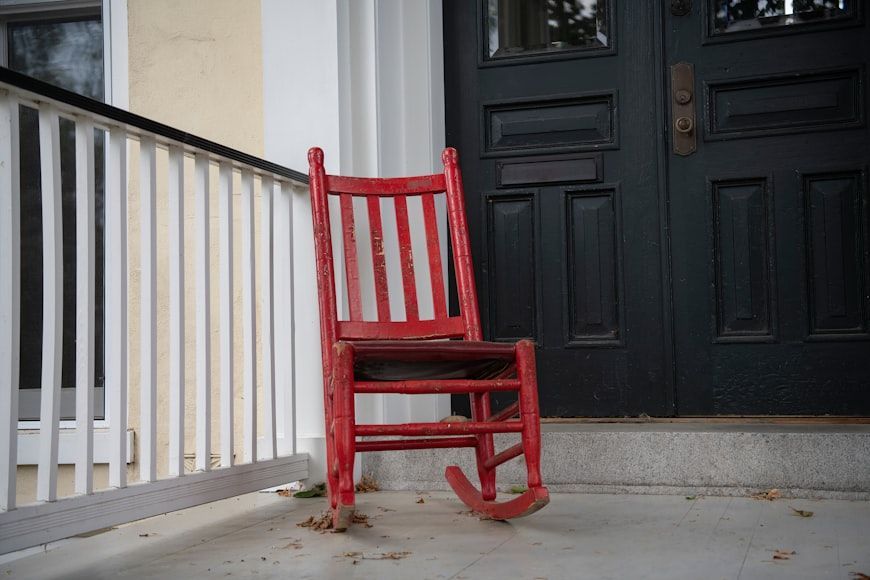
Image: Robin Jonathan Deutsch

Irish and Scottish settlers brought with them a deeply rooted belief: you shouldn’t rock an empty cradle, cause you might wake the spirits. Across the South and the Appalachians, this belief transformed over time and became attached to another object: the rocking chair.

Often placed on porches or near the fire, a rocking chair moving on its own was believed to be occupied by a supernatural being . If someone rocked an empty chair, the spirits might consider this an invitation into the house.

7
The color of the porch
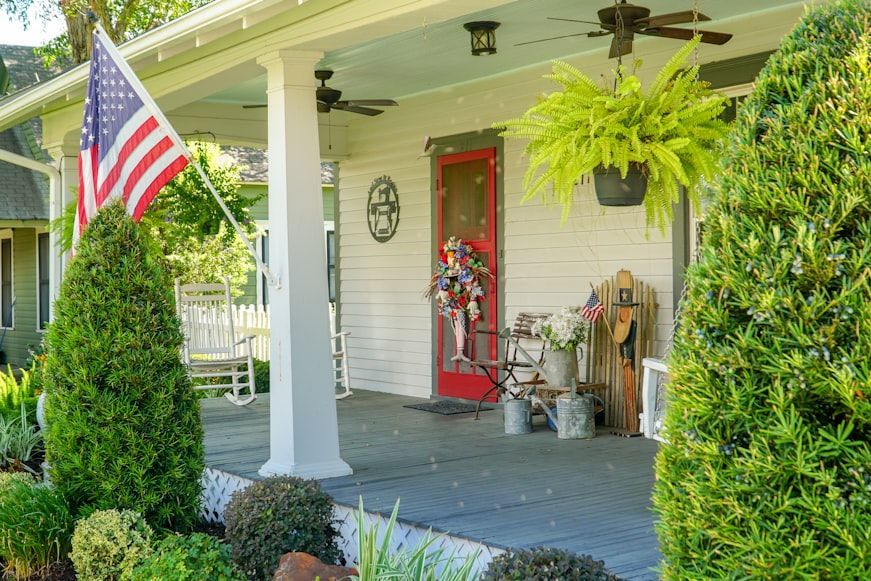
Image: Thomas Park

If you like the look of Southern front porches, you may have noticed that they often feature a pale blue ceiling. The use of haint blue—a collection of pale blue-green shades —is not an aesthetic choice, but a spirit-warding custom stemming from the enslaved Gullah Geechee people.

By painting the ceiling (and sometimes doors, windows, and shutters) blue, spirits might confuse it with the sky and pass through it, or with water, and avoid it. Over time, the tradition of haint blue— haint being an alternative spelling of _haunt_—spread throughout the South.

8
Bananas on a boat
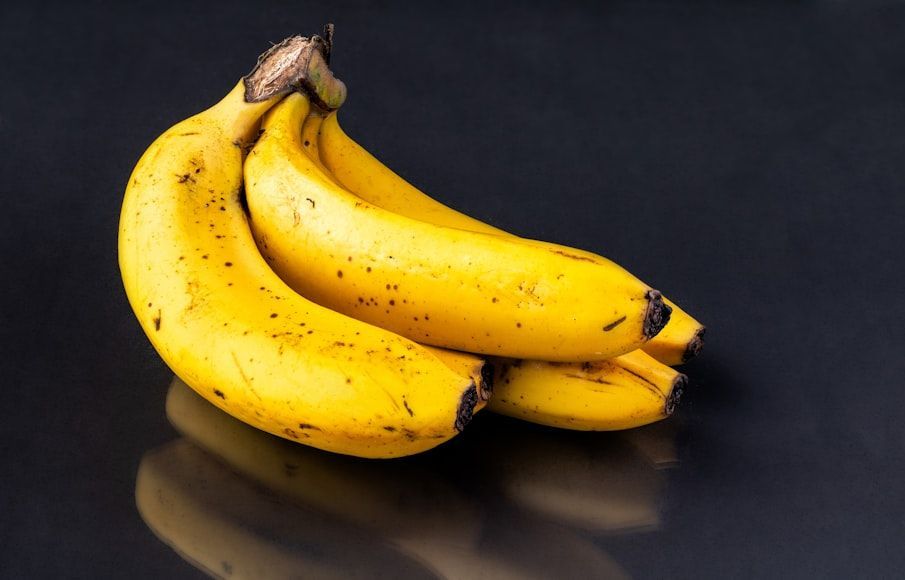
Image: Ian Talmacs

Bananas are a pretty convenient fruit: they’re tasty, nutritious, and come naturally prepackaged. But don’t try saying that to Alaskan fishermen. They’ll tell you that bananas should never be brought on a boat, or no fish will be caught.

There are two possible origins of this belief. Some say the aversion to bananas stems from the old ships that carried this fruit—they sailed as fast as possible to prevent the cargo from spoiling, which disturbed the water and scared away fish. Others say that overripe bananas attract fruit flies and were believed to cause other food to spoil.

9
The tail of the cow
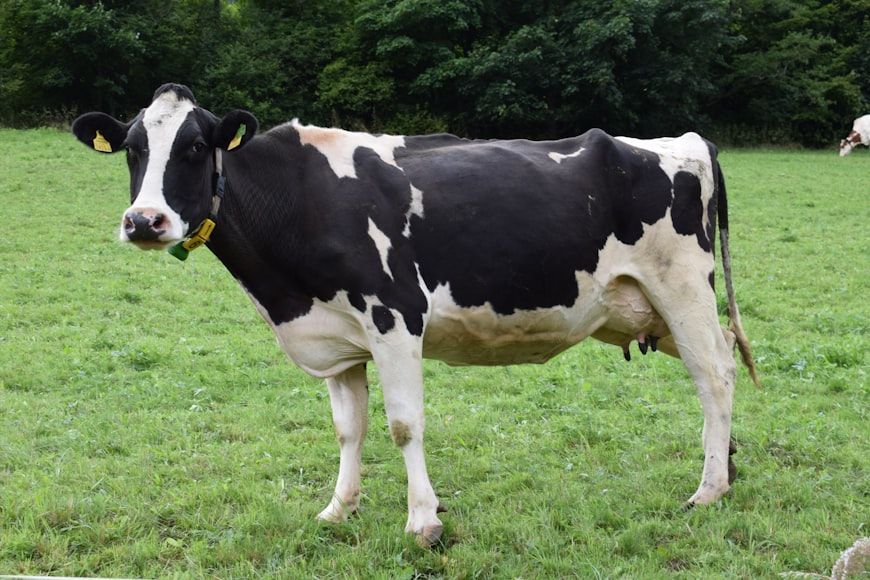
Image: Screenroad

Florida has historically been the state most prone to hurricanes, which has led to the development of superstitions and beliefs around the subject. A common belief involves cows, or more specifically, their tails.

If a cow holds its tail straight up, many Floridians say it means a hurricane is on the way . There are many scientific reasons for cows to hold their tail upright, and none have to do with weather prediction, but as far as we know, Floridians have not been proven wrong yet.

10
Whistling at night
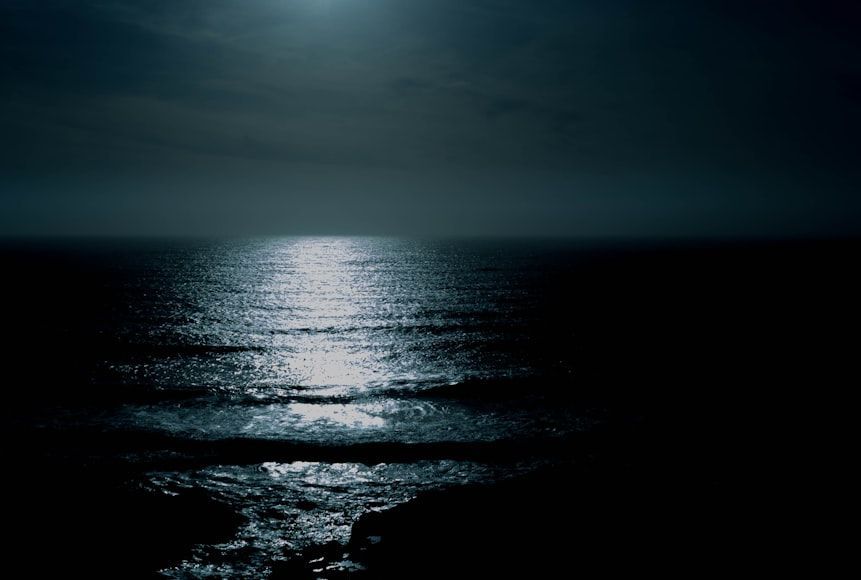
Image: Lukas Robertson

Many cultures across the world refrain from whistling at night to avoid attracting spirits and malevolent beings. For Hawaiians, it is not just any spirit**. A whistle after dark might attract the** Huakaʻi pō or Nightmarchers , the ghosts of ancient Hawaiian warriors.

If you happen to come across them, your only hope is to lie on your stomach and avoid looking at them as a sign of respect. If you are lucky enough to be a descendant of a warrior, they will recognize you and protect you. But just to be on the safe side, it’s best to leave the whistling for daytime.
General General 3 min read

Will you miss them?

Wedding traditions that are slowly being forgotten

Image: Aranprime

Love, family, and centuries-old customs. Not all of those traditions are making it to the altar anymore, though. Some were born from superstition, others from practicality, and a few from trends that have, well, gone out of style. Many rituals are fading as modern couples trade formality for personality. Do you embrace new forms of celebration, or are you on the nostalgic side? Let’s look at the little old moments that once defined "I do."

1
Not seeing each other before the wedding

Image: Katy Duclos

Not seeing each other before the wedding was once considered essential. This superstition comes from the era of arranged marriages, when it was feared the couple might back out if they met beforehand. It evolved into the romantic "first look" at the altar. Many couples now skip it in favor of private pre-ceremony photos. Understandable!

2
Marrying in white

Image: Javier González Fotógrafo

Popularized by Queen Victoria in 1840, the white gown symbolized purity and wealth. U.S. brides embraced the trend for over a century, but modern weddings increasingly feature colorful gowns or non-traditional attire. Some pick their favorite color! Why not?

3
Wearing a veil

Image: Honey Yanibel Minaya Cruz

Once meant to protect brides from evil spirits or hide them from jealous eyes, the veil became a symbol of modesty. In the U.S., it persisted more as a fashion choice. Today, many brides favor hairpieces, flowers, or nothing at all.

4
Roast speeches

Image: Mads Eneqvist

Roast-style speeches became popular as toasts with a humorous edge, sometimes poking fun at the couple, especially at casual receptions. While funny for some, they’ve also led to plenty of awkward moments. Have you ever seen a video online of particularly harsh ones? As a result, many weddings now stick to heartfelt speeches to avoid offense.

5
Throwing a bouquet

Image: Michal Mikulec

This playful tradition gave single women a "good luck" charm for marriage. It replaced older customs where guests tore pieces from the bride’s dress for luck. Many couples now swap it for alternative games or skip it entirely.

6
Receiving queues

Image: Shardayyy Photography

For decades, couples stood in a formal line after the ceremony to greet each guest in turn. It was a way to ensure everyone felt acknowledged. But some prefer not to miss that informal mingling during the reception! Instead, they spend time with their loved ones more casually, enjoying the natural flow of the party.

7
Matching bridesmaids’ dresses

Image: Joeyy Lee

Tradition once had bridesmaids dressed alike in the same color, cut, and fabric to create a uniform look. Today’s weddings often mix styles, shades, and even prints. The change allows friends to choose something flattering—and something they can actually wear again.

8
Full sit-down dinners

Image: Hồng Xuân Văn

The classic multi-course plated meal was once a wedding reception staple. Today, many couples opt for food trucks, buffet tables, or hearty hors d’oeuvres for a more social, less formal vibe. And, let’s face it, it also helps with costs and keeps the timeline flexible.

9
Saving the top tier of the cake

Image: Raquel Ming

Couples once froze the top tier of their wedding cake to eat on their first anniversary, as a symbol of enduring love. But after a year in the freezer, the result was often stale and unappetizing. These days, many order a fresh mini cake instead.

10
Rice throwing

Image: Emma Miller

Showering the couple with rice at the exit was a long-held sign of prosperity and fertility. Concerns over mess, safety, and wildlife led to alternatives like bubbles, sparklers, or flower petals. The celebration remains, just with less sweeping.

11
Dollar dance

Image: Tiko Giorgadze

In this tradition, guests paid for a short dance with the bride or groom, contributing to the couple’s honeymoon fund. It was playful and personal, but could feel awkward or even outdated. Many couples now skip it in favor of more inclusive group dances.

12
Matching family seating sides

Image: Thomas Beaman

Traditionally, guests sat on the side of the family they knew best—the bride’s family on the left, the groom’s on the right. Today, signs inviting guests to "sit anywhere" reflect a blending of families and a more casual approach. Alternatively, tables may be intentionally assigned to mix new people together.

13
Garter tosses

Image: Jeanie de Klerk

Once a bawdy medieval custom where guests scrambled for proof of consummation, it became a lighthearted party moment in American weddings. The groom removes and tosses the bride’s garter to single men. Today, it’s often skipped because it can feel outdated or awkward.

General General 3 min read

License and registration, please!

Watch out where you drive! Learn about 12 weird traffic laws in America

Image: Diane Picchiottino

Many laws have been created in response to specific situations to prevent similar incidents from happening again. It’s hard not to imagine these 12 laws originating from such circumstances. At some point in history, someone in Massachusetts drove a car with a living gorilla in the backseat. Someone in Alabama drove blindfolded. Someone in Ohio circled the town square more than 100 times. These individuals are the reason we have these strange traffic laws today. Which one surprises you the most?

1
No blindfolded driving in Alabama

Image: Kirill Balobanov

As we said in the introduction, these situations are likely born out of real incidents. At some point, someone must have driven blindfolded in Alabama , and the consequences were serious enough for state legislators to enact a law preventing it from happening again—a reasonable measure if you ask us.

2
No driving with dogs on the roof

Image: Tadeusz Lakota

As terrible and infuriating as it may sound, there is a very real possibility that someone drove with a poor dog tied to the roof of a car in chilly Alaska . Thankfully, local legislators passed a law prohibiting this dangerous and cruel situation.

3
No reverse driving

Image: Hunter Wiseley

This law makes no sense, and we bet—or at the very least hope—that it’s no longer enforced. Otherwise, how would Arizonans back out of their driveways without breaking the law?

Believe it or not, traveling in reverse on an Arizona road is illegal .

4
No horn honking at the sandwich joint

Image: Simon Daoudi

While it can certainly be an annoyance to hear cars honking when you’re trying to enjoy a Croque Monsieur and a diet soda at your favorite spot, most of us wouldn’t expect a state law banning it.

But in Arkansas, it’s illegal to honk a horn after 9 p.m. outside an establishment that serves sandwiches and cold drinks .

5
No jumping out of the car at 65 mph or faster

Image: Mathias Arlund

This one seems more like common sense than anything else, but apparently, enough people attempted this stunt in California for state legislators to pass a law making it illegal to leap out of a moving vehicle traveling at 65 mph or faster .

6
No black vehicles on a Sunday

Image: Steven Erixon

But what if your car is black and you need to drive somewhere? Hopefully, this law is no longer enforced in Colorado. Yet, for some reason lost to time, it’s illegal in this state to drive a black vehicle on a Sunday .

7
No speeding tickets for politicians

Image: Sumeet Kapadia

This one is downright infuriating. In Georgia, it’s illegal to ticket a member of the assembly for speeding while the assembly is in session. It should come as no surprise—after all, those same assembly members are the ones responsible for this law.

8
No driving with a gorilla in the backseat

Image: MARIOLA GROBELSKA

People in Massachusetts don’t need a law to tell them that driving around with a living gorilla in the backseat is a bad idea—that’s just common sense. But just in case, there’s a state law explicitly prohibiting it.

9
No camel-ridding on the highway

Image: Oskars Sylwan

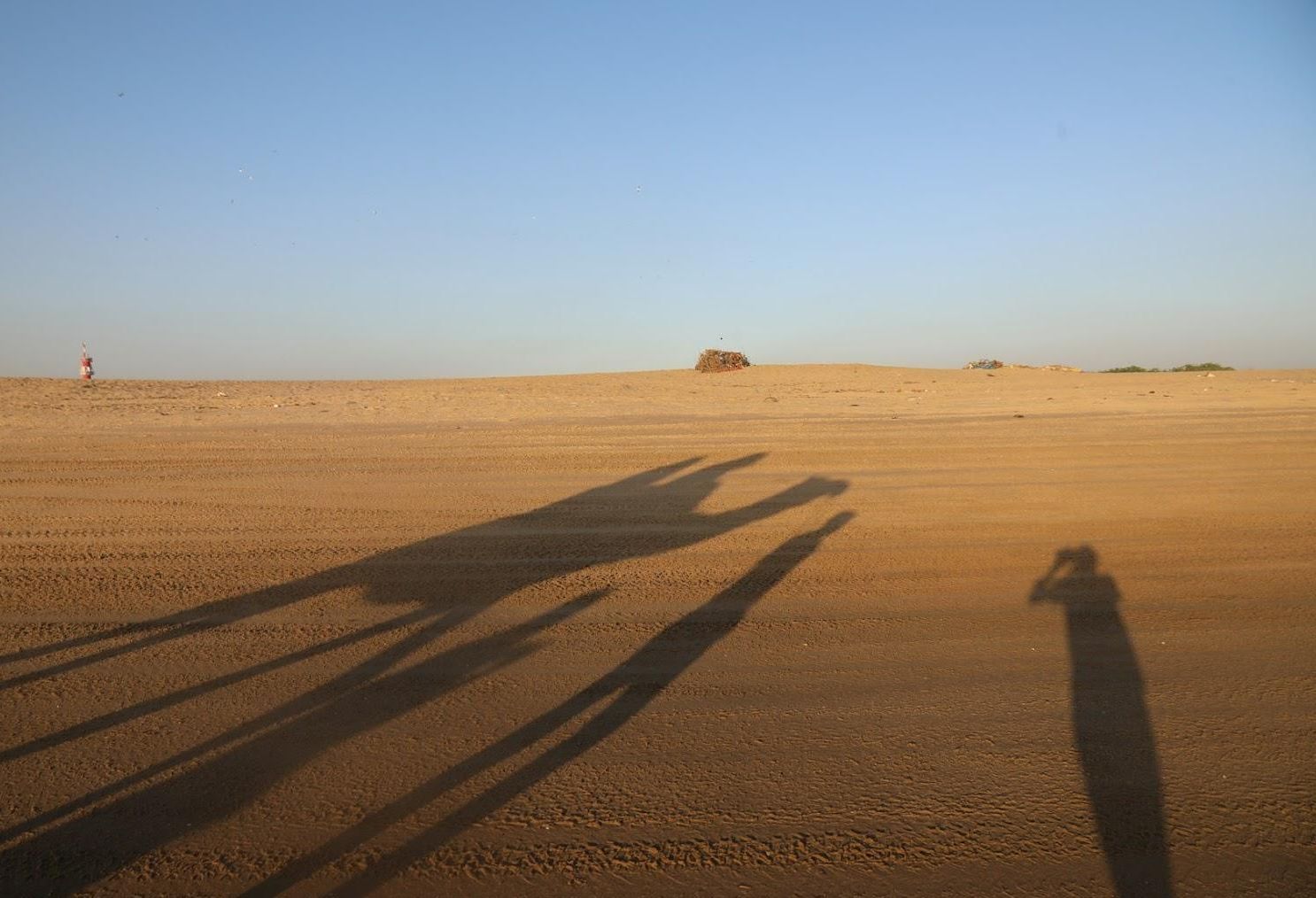
Camels are great for desert travel but not so much for highway traffic. And no US state is more certain of this than Nevada, where it’s illegal to ride a camel on a highway .

10
No driving around the town square

Image: Felix Mittermeier

Driving around the town square can be a popular Saturday night activity in some towns, but someone in Ohio must have taken it to the extreme. In this state, it’s illegal to circle the town square more than 100 times in a row .

11
No reading comic books while driving

Image: Erik Mclean

For public safety alone, reading while driving should be illegal everywhere. But in Oklahoma, it’s specifically illegal to read comic books while driving —not newspapers, not hardcover novels—just comic books.

12
No driving with intoxicated passengers

Image: Jamie Street

Driving under the influence of alcohol is highly dangerous and, fortunately, banned almost everywhere. But in Texas, legislators have taken it a step further, making it illegal to drive if any alcohol is within arm’s reach of the driver —including if that alcohol is in another person’s bloodstream.

Explore more American facts

Choose your favorite category!

General
General

As American as apple pie—the very best America has to offer!

Culture
Culture

Delve into the astounding richness of American lore.

Geography
Geography

Hop in and explore vast and diverse American landscapes.

History
History

Discover the key moments that shaped the United States.