Culture Culture 7 min read

Soundtrack stories

This genre took church music and turned it into radio hits
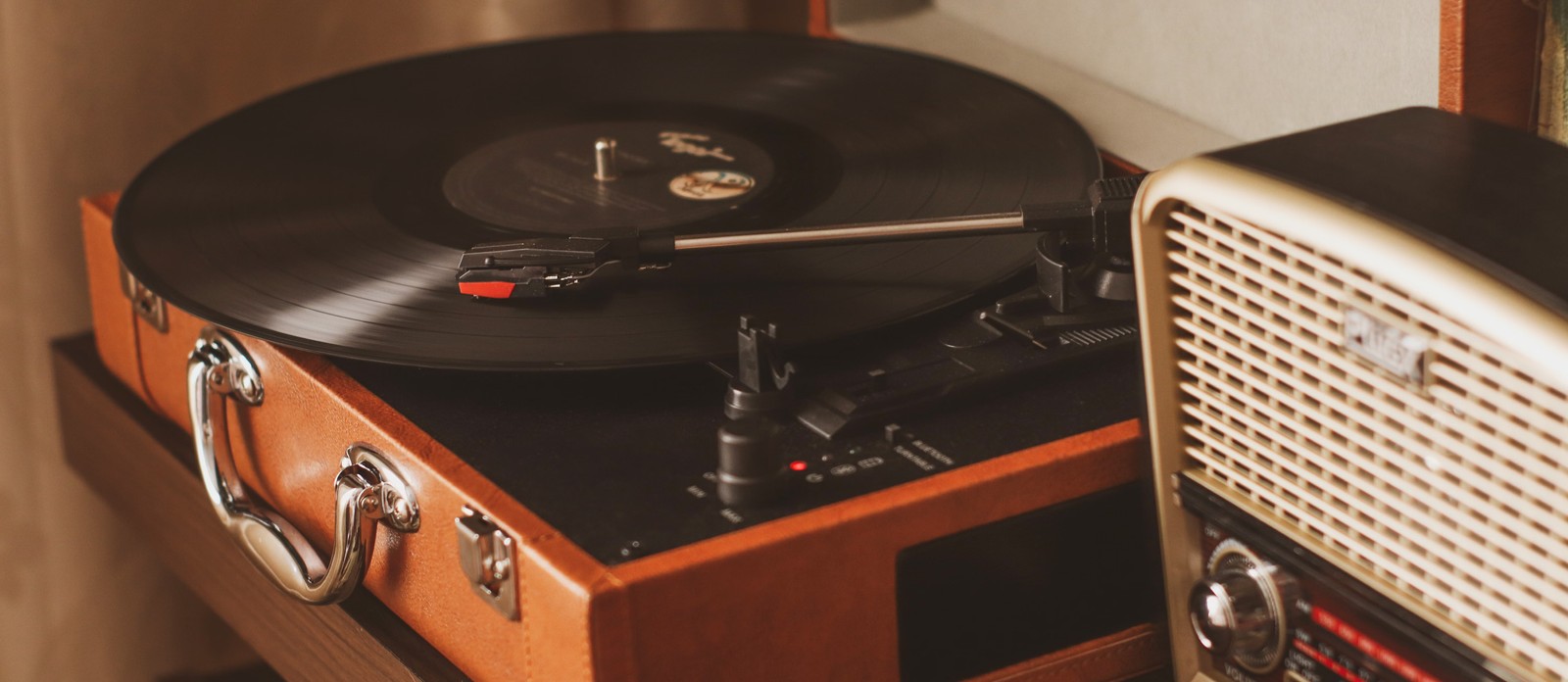
Image: Edilton Nunes

From the blues of the Deep South to the jazz clubs of New Orleans, American music has always been more than entertainment. It’s a reflection of communities, changing times, and the artists who turned everyday experiences into unforgettable sounds. Many of the genres we know today grew from different traditions coming together, often across cultural and geographic lines. Here’s a look at where some of our country’s most influential music genres began, how they evolved, and the artists and songs that defined them.

1
Rock and Roll

Image: Ali Eren Akkaya

Rock and roll took shape in the United States in the 1940s and ’50s, bringing together R&B, blues, country, and gospel. Its fast rhythms and rebellious energy sounded different from what many parents had grown up listening to. Elvis Presley’s arrival on the music scene captured that shift perfectly , but he was far from the only artist shaping the new sound. Chuck Berry, Little Richard, and Buddy Holly helped give rock and roll its distinctive character.

For many Americans, rock and roll was part of everyday life: records spinning on the turntable, songs playing on the radio, and teenagers gathering around the jukebox. Classics such as Chuck Berry’s "Johnny B. Goode" (1958) became part of the era's soundtrack. What began as a new musical style quickly became a lasting part of American popular culture.

2
Blues
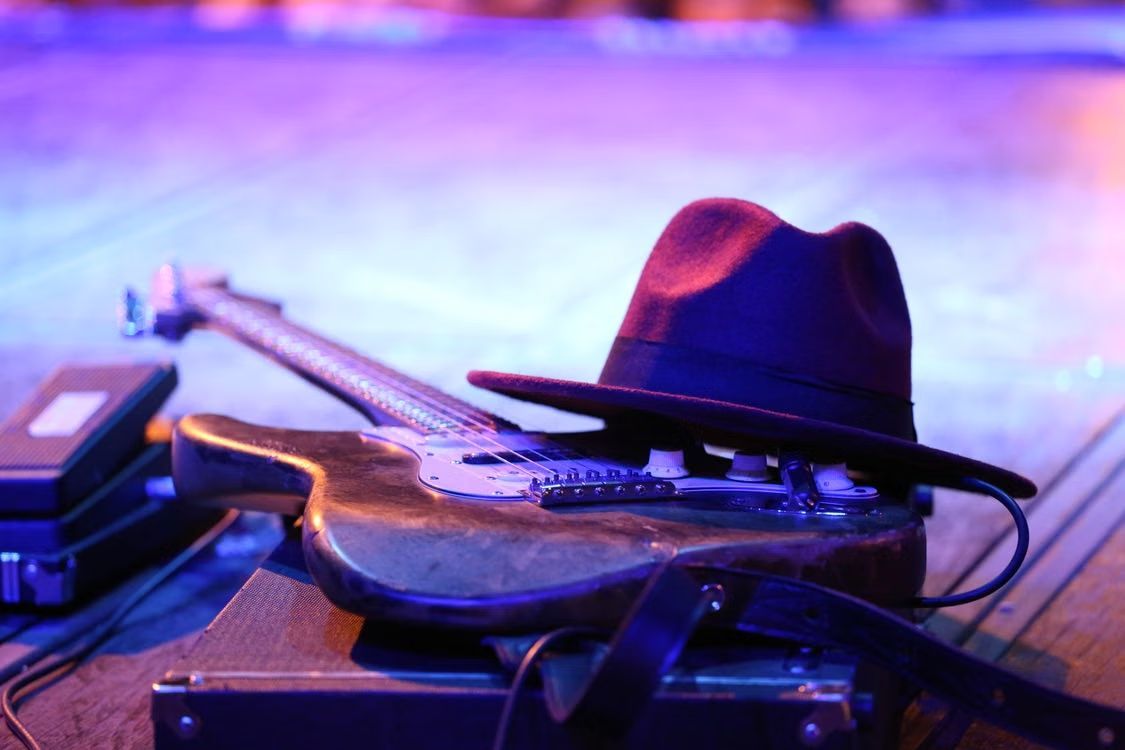
Image: Zan Carvalho

The blues developed in the Deep South in the late 19th and early 20th centuries, particularly within African American communities. Drawing on spirituals, work songs, and other musical traditions, it gave musicians a powerful way to express heartbreak, hardship, hope, and ordinary life . Its sound eventually traveled far beyond the South, becoming one of the building blocks of modern American music.

You can hear the blues in the music of B.B. King and Muddy Waters , but its influence reaches much further. Rock stars such as Eric Clapton and the Rolling Stones helped introduce blues-inspired sounds to wider audiences, while jazz, R&B, soul, and rock and roll all borrowed from the tradition. Even if someone has never considered themselves a blues fan, chances are they’ve heard its influence many times.

3
Country Music
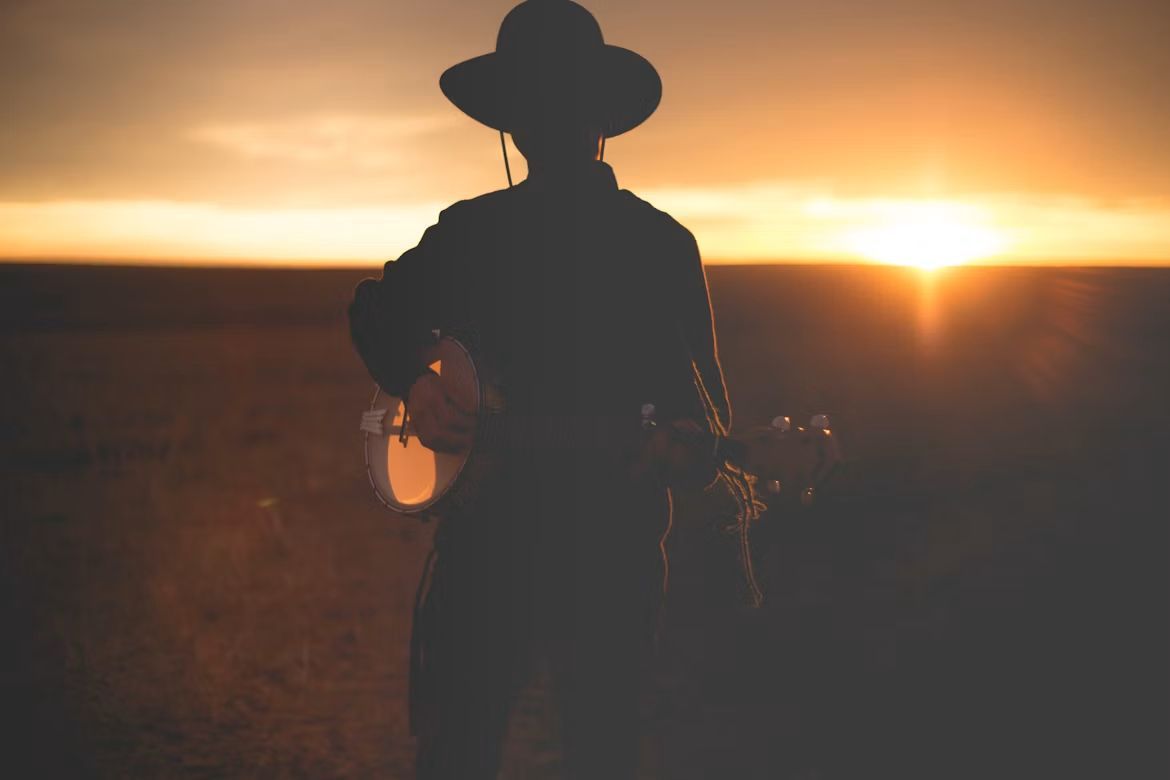
Image: Priscilla Du Preez 🇨🇦

Country music emerged in the South in the early 20th century from a mixture of folk, blues, and other traditions. Storytelling became one of its trademarks, with songs about family, love, heartbreak, work, home, and life on the road. That emphasis on familiar experiences helped country music connect with generations of Americans .

The genre became deeply woven into American culture through institutions such as the Grand Ole Opry and stars including Johnny Cash, Dolly Parton, and Willie Nelson . Some country songs have become so familiar that they have crossed well beyond the genre itself. ‘’Jolene,’’ ‘’Ring of Fire,’’ and ‘’Always on My Mind’’ are good examples of songs that many Americans can recognize within seconds.

4
Jazz
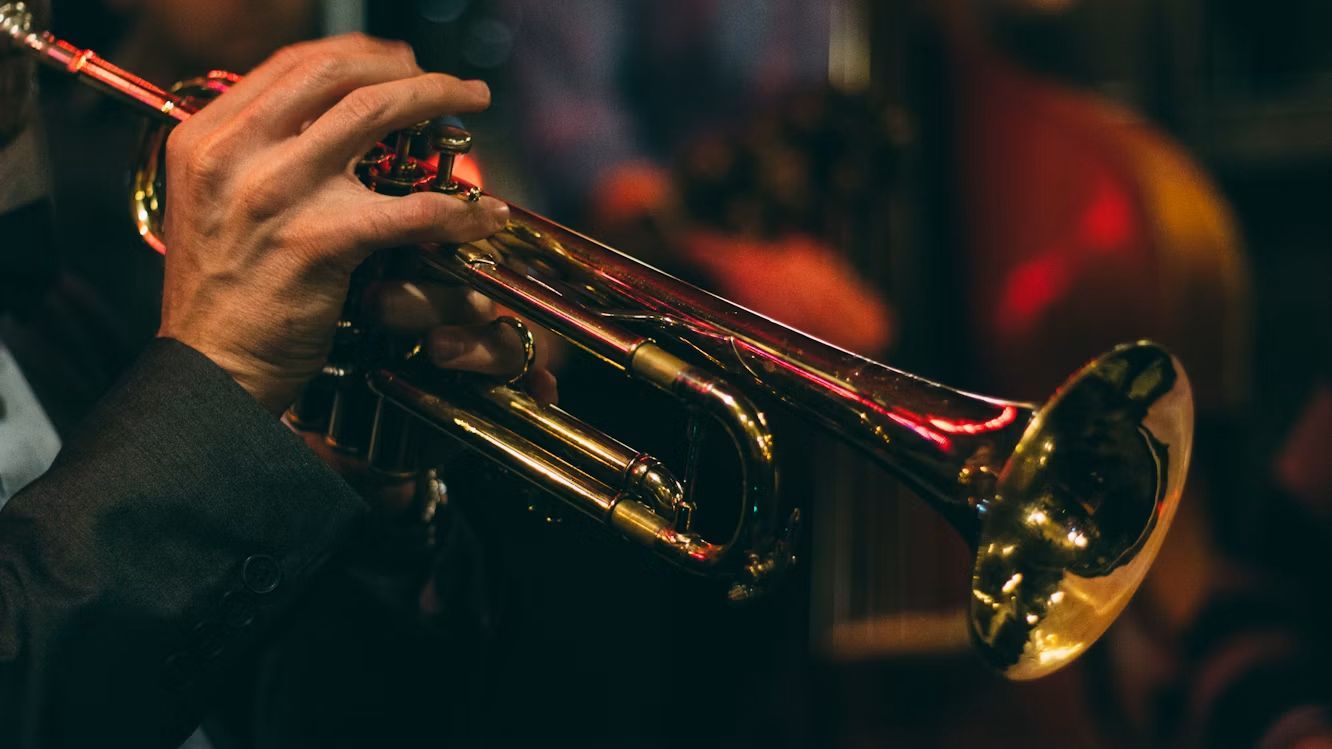
Image: Chris Bair

Jazz emerged in New Orleans around the turn of the 20th century, blending blues, ragtime, and other musical traditions. The city’s diverse cultural life gave musicians room to experiment, particularly with rhythm and improvisation . Instead of simply following a fixed melody, jazz musicians could take a familiar tune and make it their own in the moment.

Jazz soon spread from New Orleans to northern cities such as Chicago and New York, becoming an important part of American cultural life. Louis Armstrong, Duke Ellington, and Ella Fitzgerald helped bring the genre to audiences across the country and beyond. Even people who don’t regularly listen to jazz will recognize Armstrong’s warm voice in "What a Wonderful World," one of the genre’s most enduring songs.

5
Soul
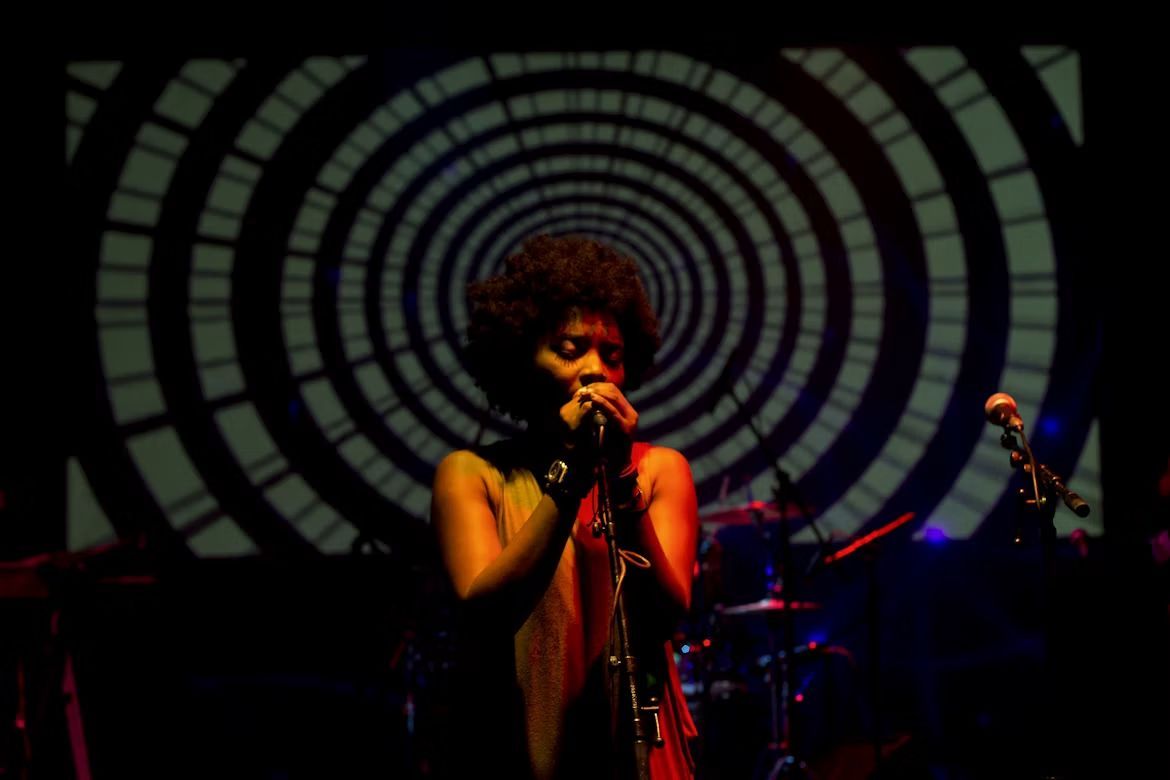
Image: Kobe Subramaniam

Soul emerged in the 1950s and ’60s by bringing together gospel’s emotional intensity with R&B’s rhythms. The result was music built around powerful voices and deeply felt performances, often focusing on love, relationships, personal struggles, and everyday life. For listeners, soul could feel both familiar and dramatic, with the energy of church music transformed for the radio and record player.

Aretha Franklin became one of soul’s defining voices, while Sam Cooke, Otis Redding, and Marvin Gaye helped shape the genre in different ways. Songs such as Franklin’s ‘’Respect’’ became more than hits: they became part of the cultural conversation of their time and beyond. Soul’s influence can still be heard in pop, R&B, rock, and countless singers who learned to put emotion at the center of a performance.

6
Funk
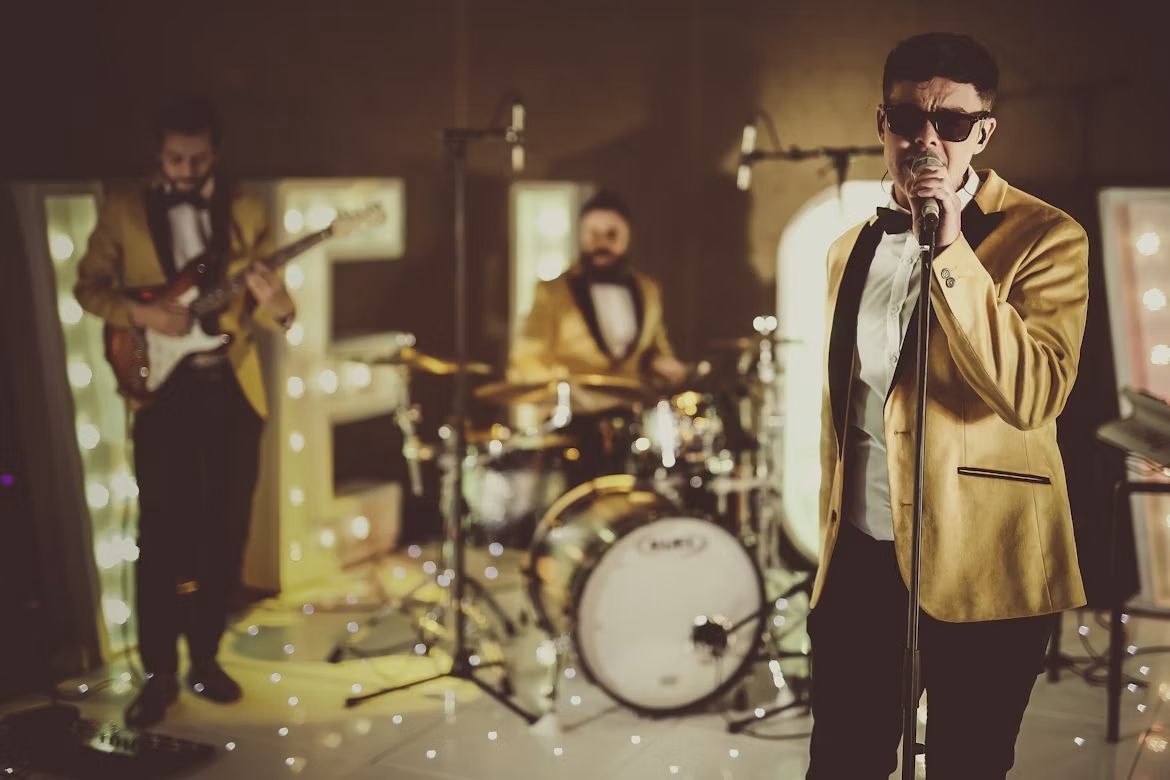
Image: Music HQ

Funk developed in African American communities during the 1960s, growing out of soul and R&B. Rather than putting the melody first, funk made the groove the star. Deep bass lines, powerful drums, repeated rhythms, and sharp guitar or horn parts created music that practically demanded movement.

James Brown was one of the genre’s most important figures, with songs such as his 1965 hit ‘’I Got You (I Feel Good)’’ helping introduce his energetic style to a huge audience. Groups such as Sly and the Family Stone and Parliament-Funkadelic later pushed funk in new directions. Its influence didn't disappear when the genre’s peak passed: funk helped shape disco, hip-hop, and much of the dance and pop music that followed.

7
Rhythm and Blues (R&B)
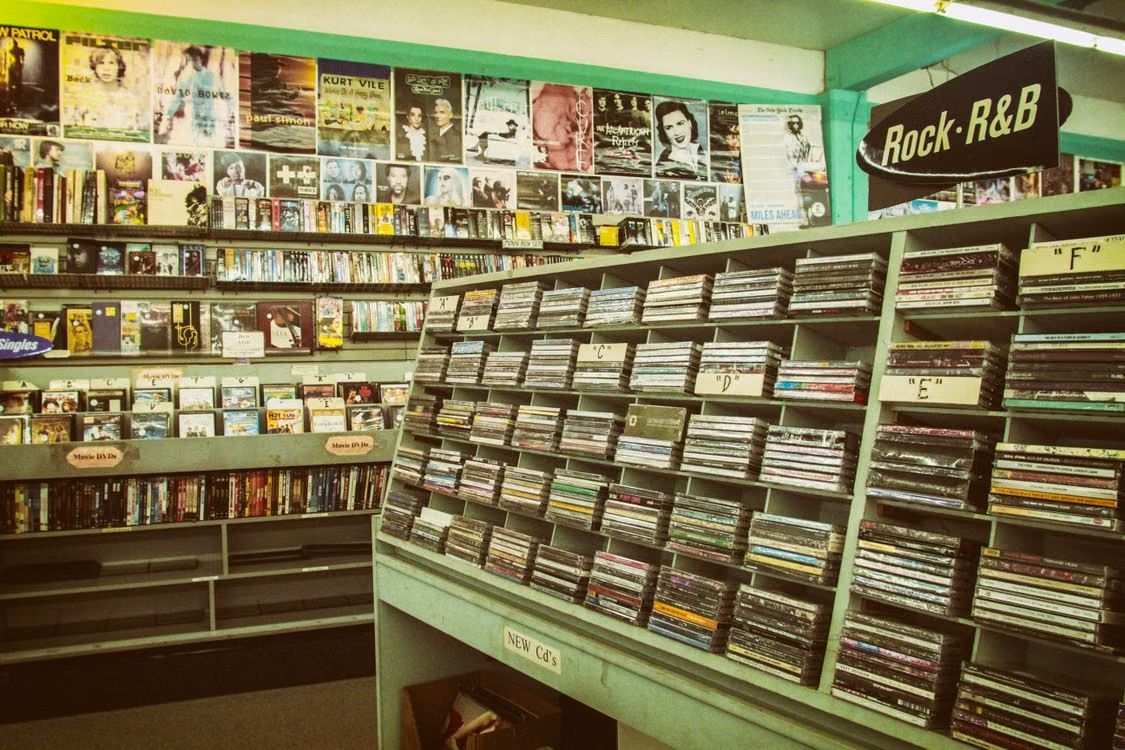
Image: Mick Haupt

Rhythm and blues, usually called R&B, developed in African American communities during the 1940s by bringing together blues, jazz, gospel, and swing. Compared with earlier blues styles, it often had a stronger beat and a more energetic feel , making it especially well suited to the growing world of radio, records, and jukeboxes.

Artists such as Ray Charles and Ruth Brown helped define early R&B, which became an important bridge between older musical traditions and the rock and soul that followed. In fact, the term itself is closely tied to the changing American music industry of the postwar era. The sound evolved considerably over the decades, influencing styles such as soul and funk before eventually developing into what we now know as contemporary R&B.

8
Gospel
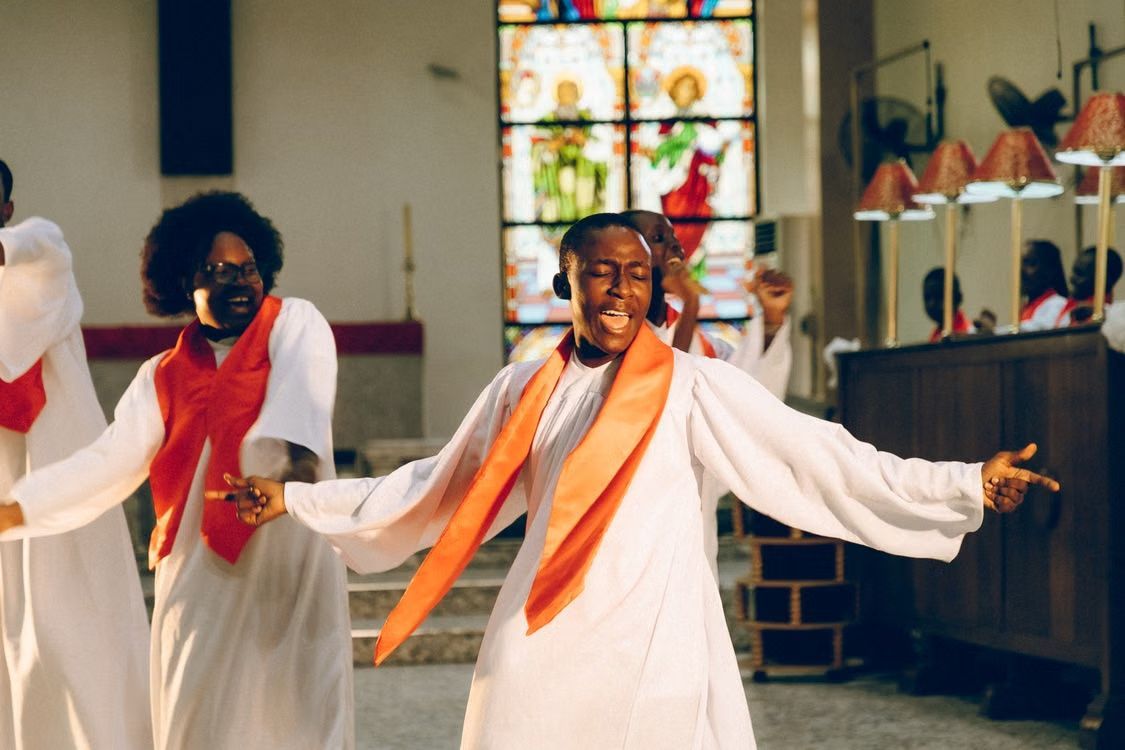
Image: Megwara Favour

Gospel developed in African American churches in the early 20th century, combining spiritual traditions with elements of blues and other forms of music. Powerful vocals, handclapping, and call-and-response singing could turn a church service into an intensely musical experience. These traditions also gave singers a style of performance that emphasized emotion, repetition, and connection with an audience.

That influence traveled well beyond the church. Aretha Franklin, Sam Cooke, and Ray Charles all had strong connections to gospel before becoming major figures in popular music. Many of the vocal techniques associated with soul and R&B can be traced back to this tradition . Even listeners who rarely hear gospel may recognize its unmistakable influence in the voices and performances of some of America's most famous singers.

9
Rockabilly
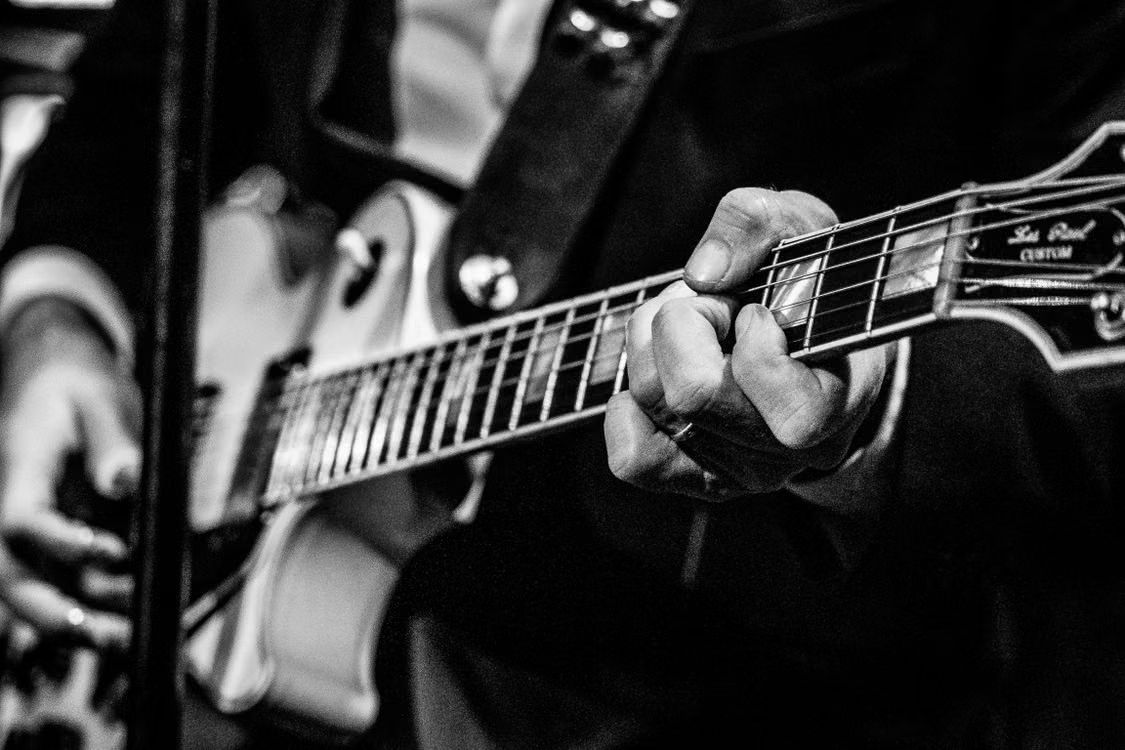
Image: Kyle Miller

Rockabilly emerged in the South during the 1950s, combining the twang of country music with the rhythm and energy of R&B. It arrived at a moment when young Americans were looking for something new , helping create a bridge between the traditional sounds of the South and the emerging world of rock and roll.

Elvis Presley’s early recording of ‘’That’s All Right’’(1954) is one of the best-known examples of the style, while Carl Perkins and Johnny Cash also helped shape its early sound. Rockabilly’s time at the center of the spotlight was relatively brief, but its influence lasted. Its combination of country and rock became part of the foundation for later rockabilly revivals, rock music, and country-rock.

10
Disco
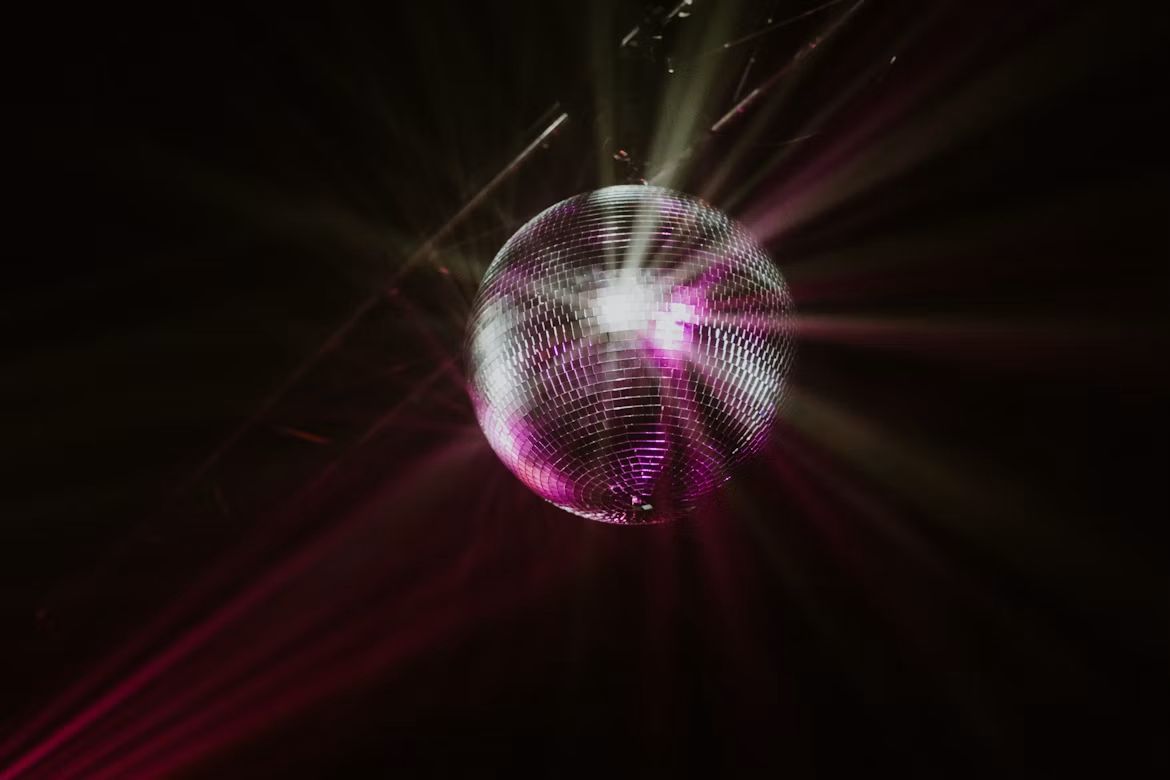
Image: Haley Lawrence

Disco grew out of dance clubs in New York and Philadelphia during the late 1960s and 1970s, drawing on soul, funk, and other dance-oriented sounds. Its steady beat, orchestral touches, and emphasis on dancing made it a natural fit for crowded clubs, where people could spend hours on the dance floor.

By the late 1970s, disco had moved firmly into the mainstream. Donna Summer, Gloria Gaynor, and the Bee Gees became household names, while the 1977 film S_aturday Night Fever_ turned disco, dancing, and the nightclub lifestyle into a major part of pop culture. The backlash against disco may have been famous, but the music itself never really disappeared. Its beats and grooves continue to influence pop, dance music, and electronic sounds today.

11
Hip-Hop
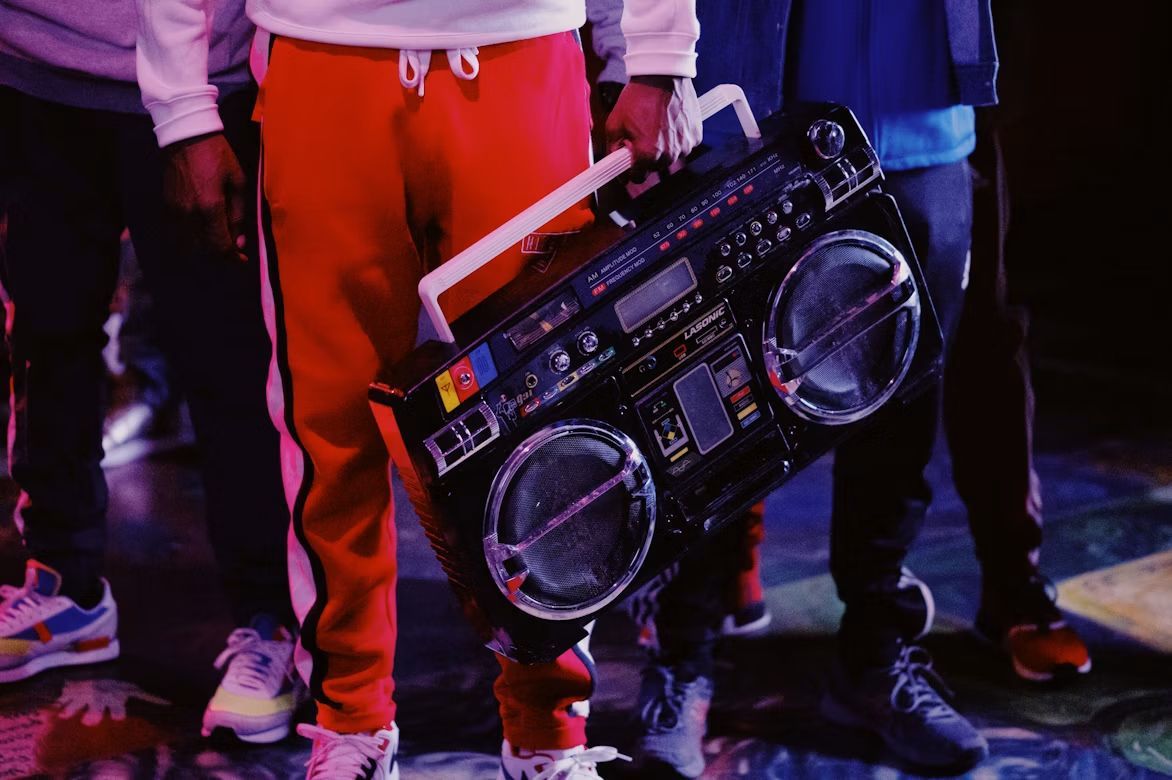
Image: Gordon Cowie

Hip-hop emerged in the Bronx in the 1970s, growing from neighborhood parties and a culture built around DJing, MCing, breakdancing, and graffiti. DJs experimented with the instrumental breaks in existing records, extending the parts that made people want to dance. MCs then developed rhythmic ways of speaking over those beats, creating a new form of musical expression.

What began at local parties eventually became one of the most influential cultural movements in the United States. Grandmaster Flash and the Furious Five, Run-D.M.C., and LL Cool J helped bring hip-hop to global audiences, while songs such as Grandmaster Flash and the Furious Five’s 1982 hit ‘’The Message’’ demonstrated its ability to tell stories about everyday life and social conditions. Today, hip-hop is so deeply embedded in American popular culture that its influence can be heard across music, fashion, language, and entertainment.

12
House Music
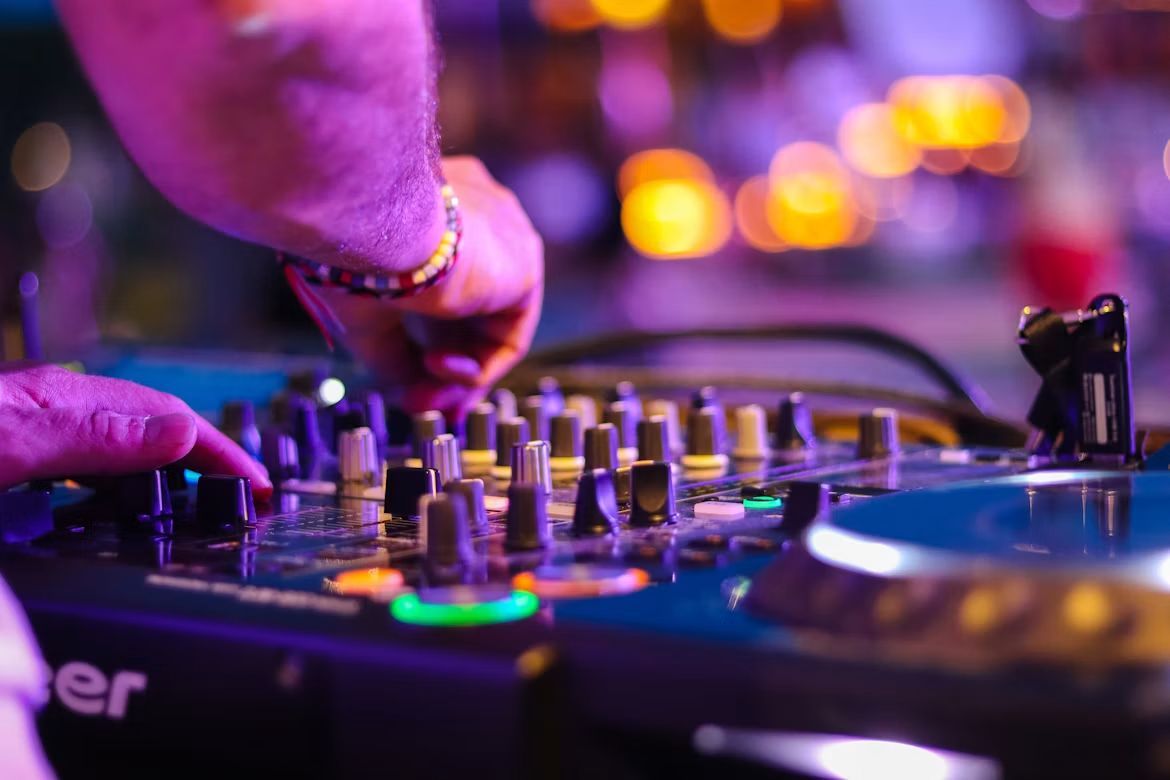
Image: Jernej Graj

House music developed in Chicago clubs in the early 1980s, growing from disco, funk, soul, and electronic music. DJs and producers used drum machines, synthesizers, and repetitive rhythms to create tracks designed less for sitting and listening than for keeping a dance floor moving. The music was closely connected to the city’s club culture and to the DJs who shaped what audiences heard night after night.

Frankie Knuckles, who became known as the ‘’Godfather of House,’’ was one of the genre’s most important pioneers. House music kept some of the spirit of disco alive while giving it a more electronic sound , and it soon traveled from Chicago to clubs around the world. Although not all Americans know the term ‘’house music,’’ they have probably heard its influence in dance music, club hits, and electronic pop that followed.

Geography Geography 6 min read

America's weirdest, wildest, and raddest

Thomas Edison’s last breath? 10 odd roadside attractions across the U.S.

Image: Alvaro Reyes

If there’s one thing we Americans love, it’s things that are bigger, louder, and better than anyone else’s. This might explain why we are home to the largest egg in the world or why we keep Thomas Edison’s last breath in a museum. While it’s true that some of these strange places may seem odd and slightly cringeworthy, each one is interesting in its own right. And while they may not all be worth going out of your way to see, they are certainly worth reading about. Join us to discover 10 roadside attractions that will leave you speechless!

1
Miniature Graceland

Image: Florian Herzog

If you are on the East Coast and you are not planning a trip to the South to visit the real Graceland in Memphis anytime soon, you can always settle for Roanoke, Virginia's miniature version.

The handcrafted structures at Miniature Graceland include the mansion itself, a replica of the Elvis Presley Car Museum, as well as the King's birthplace in the city of Tupelo. This magical tribute was built in 1980 by Don Epperly, an Elvis fan, on the property next to his home. Over time, the attraction deteriorated, but a local group is now in charge of maintaining the site, which can still be visited.

2
World’s largest Christmas store

Image: Brandi Alexandra

Bronner's Christmas Wonderland in Frankenmuth, Michigan, is the self-proclaimed world's largest Christmas store. And no wonder—the amount of electricity required to run the 100,000 lights that illuminate the sales floor costs approximately $1,250 per day.

The salesroom showcases more than 350 decorated trees, and you can find decorations and gifts from 70 countries, as well as over 150 styles of nutcrackers. Also, Bronner's has in-house artists who customize over 100,000 ornaments annually. This place is so fantastic that hundreds of celebrities have visited it. So, now you know—if you're ever in Frankenmuth, chances are you'll be rubbing elbows with a Hollywood star while shopping for your next Christmas tree.

3
Missouri’s Mount Rushmore

Image: Takefreebies

Although often overshadowed by the original Mount Rushmore in South Dakota, Missouri’s Mount Rushmore with Fake Celebrity Heads still manages to attract a crowd. The "monument," located in Branson since 1996, includes sculpted faces of John Wayne, Elvis Presley, Marilyn Monroe, and Charlie Chaplin.

This attraction is part of the Hollywood Wax Museum and is featured on the exterior of the building. Inside, you can find wax replicas of dozens of iconic stars —a true photo opportunity! But, if you get bored, Branson offers plenty of other attractions for the curious tourist. Just next door to the museum, you’ll find the Castle of Chaos, the world's first 5D ride and game, as well as Hannah's Maze of Mirrors.

4
World’s Largest Egg

Image: Daniele Levis Pelusi

There have been four versions of the "World's Largest Egg" throughout the history of Winlock, Washington, where it is displayed. The current version is made of fiberglass, weighs 1,200 pounds , and sits atop a ten-foot steel pole in the center of town. But why an egg?

Until the 1950s, Winlock was America's second-largest egg-producing town, and its residents were very proud of this distinction. In fact, the first "big egg" they built to celebrate it, a canvas version, dates back to 1923. In 1944, it was replaced by a plastic version, and in the 1960s, a fiberglass model took its place. The current version, crafted in 1993, was made possible thanks to a local chicken hatcheryman.

5
Virginia’s Dinosaur Kingdom

Image: Fausto García-Menéndez

If you ever wondered what would happen if giant dinosaurs had fought during the Civil War, look no further than the Dinosaur Kingdom in Natural Bridge, Virginia. Visitors to this quirky destination are treated to scenes of giant plastic lizards devouring Union soldiers in re-enactments of famous battles.

But it’s not all fantasy—there's some truth to it all. The park's 30 fiberglass statues are built around the premise that paleontologists discovered dinosaurs in 1863. This unique attraction was created in 2005 by local artist Mark Cline, who was inspired by the movie The Valley of Gwangi, in which cowboys discover living dinosaurs in a Mexican valley.

6
Thomas Edison’s Last Breath

Image: Zach Lucero

Who wouldn’t want to capture the soul of a loved one before they passed away? Believe it or not, that's what American industrialist Henry Ford did in 1931. Ford considered Thomas Edison a hero and a role model. In fact, as a young man, he took a job at the Edison Illuminating Company while working on his first experimental automobile. Edison, impressed by young Ford’s inventiveness, eventually became his friend.

As the legend goes, Ford asked Edison's son to sit by the inventor's deathbed. Believing that the soul left the body with one’s dying breath, Ford captured the final gasp of his dear friend in a test tube. The artifact, labeled "Edison’s Last Breath?", is now on display at Henry Ford’s Museum in Dearborn, Michigan. If you ever visit, you'll find other interesting memorabilia, like George Washington's camp bed and the rocker in which Lincoln was shot.

7
The Golden Driller

Image: Zbynek Burival

To celebrate the discovery of vast oil reserves in the area, the city of Tulsa, Oklahoma, created a statue depicting an oil worker and presented it at the International Petroleum Exposition in 1953. The monument became so popular that in 1966, a new twenty-two-ton concrete and iron statue of a golden man standing next to an oil derrick was permanently installed in front of the Tulsa Expo Center.

The Golden Driller stands seventy-six feet tall and can withstand a 200 mph tornado. In 1979, it was declared Oklahoma’s official state monument. A plaque at its base reads: "To the men of the petroleum industry who by their vision and daring have created from God’s abundance a better life for mankind."

8
Glass Beach

Image: Kevin Lanceplaine

From 1950 to 1967, the citizens of Fort Bragg, California, dumped tons of garbage onto a nearby beach. Over the decades, the ocean transformed the refuse into thousands of small, smooth, colored glass pebbles that still litter the shoreline today.

Now known as Glass Beach, this area adjacent to MacKerricher State Park attracts thousands of treasure seekers each year. The beach is accessible by foot via a short climb down the cliffs, although collecting the remaining glass is discouraged by State Park Rangers.

9
Hometown of Superman

Image: Zachariah Aussi

Although the rural town of Metropolis, Illinois, is a far cry from the bustling, imaginary city featured in the Superman comics, it has fully embraced its superhero ties. In 1972, Metropolis proudly declared itself the "Hometown of Superman."

A fifteen-foot bronze statue of the Man of Steel stands on Main Street in front of the county courthouse, while Lois Lane has her own statue just a few blocks away. If this inspires you to visit Metropolis, mark your calendar for the second weekend of June. Every year, Superman fans from around the world gather here for the Superman Celebration , which features discussion panels, costume contests, and appearances by celebrity guests.

10
Wonder Tower

Image: Martin Podsiad

One hundred miles east of Denver, in Genoa, Colorado, sits the World’s Wonder View Tower, a tribute to all things weird and obscure. In reality, it was a roadside attraction built in the mid-1920s by American showman P.T. Barnum as a sort of tourist trap. The promoters claimed that if guests climbed to the top, they could allegedly view six different states: Colorado, Kansas, Nebraska, Wyoming, New Mexico, and South Dakota.

For years, the sixty-five-foot tower housed a museum and gift shop featuring stuffed two-headed animals, a collection of 50,000 glass bottles, rooster eyeglasses, and scores of other curiosities. Unfortunately, today the tower is closed to the public due to the owner’s death. Nevertheless, visitors can still admire the weird-looking structure from the outside and, we assure you, it’s totally worth it!

General General 6 min read

Behind closed doors

Why couldn't Lucy say one little word on TV? Here's the surprising truth

Image: PICTOR PICTURES

I Love Lucy made America laugh , but some of its most surprising stories happened behind the scenes. Did you know CBS banned a common word from the show, two of its stars reportedly couldn't stand each other in real life, and Lucy’s fictional baby arrived on the same day as Lucille Ball’s real-life son? These little-known secrets reveal a whole new side of our beloved TV classic.

1
Network executives thought Desi Arnaz was "too foreign" for TV

Image: Elliott Cowand Jr

Network executives initially hesitated to cast Desi Arnaz as Ricky Ricardo, Lucille Ball’s husband on I Love Lucy (which aired on CBS from 1951 to 1957) because they doubted that viewers would accept an American woman and a Cuban man as a believable suburban pair.

To prove the concept worked, Ball and Arnaz took a live vaudeville act on the road in 1951, receiving overwhelmingly positive feedback from audiences. The public's reaction helped persuade CBS to give the show a chance with Arnaz in the starring role. And as we all know, the couple was married in real life too and eventually had two children: Lucie, born in 1951, and Desi Jr., born in 1953. It doesn’t get more "real" than that.

2
The word "pregnant" was strictly forbidden on air

Image: SNeG17

On the show, CBS banned the word "pregnant" in 1952, considering it too explicit for family living rooms . Writers therefore relied on euphemisms such as "expecting," "with child," or "having a baby."

When Lucille Ball became pregnant with her second child in 1952, Desi Arnaz pushed for her pregnancy to be written into the show's storyline, despite initial resistance from CBS and its sponsors. The resulting plot became a landmark moment in television history: although the show could portray Lucy expecting a baby, its writers still couldn't use the forbidden word. That’s why the episode in which she breaks the news to Ricky was titled "Lucy Is Enceinte," using the French word for pregnant.

3
More people watched Lucy give birth than the president’s inauguration

Image: neftali

On January 19, 1953, the episode "Lucy Goes to the Hospital", in which she gives birth to Little Ricky, drew an estimated 44 million viewers (about 72% of U.S. television households). In an extraordinary coincidence, Ball gave birth to her real-life son, Desi Arnaz Jr., by scheduled cesarean section on the same day.

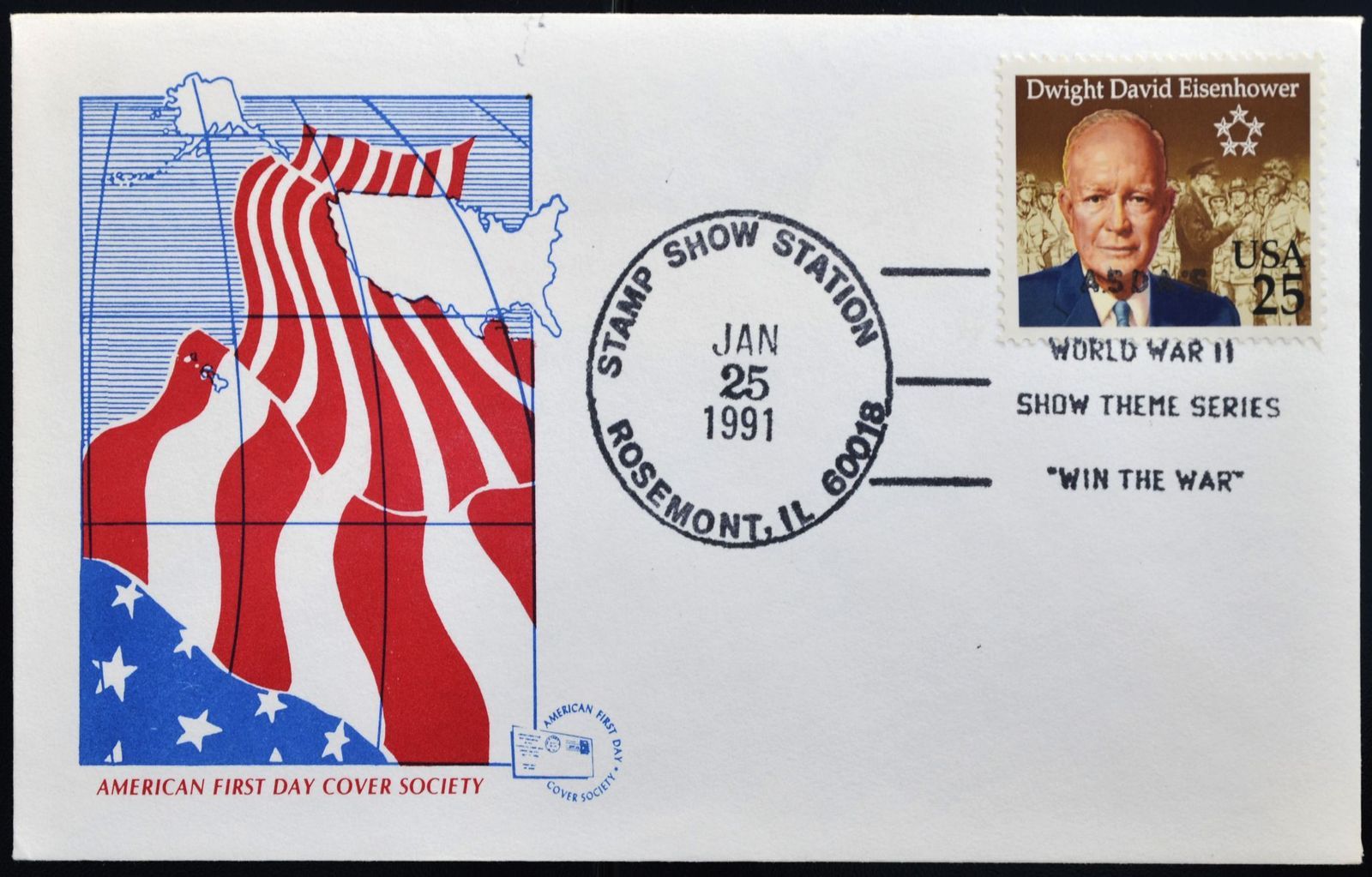
The next day, President Dwight D. Eisenhower’s inaugural address drew an estimated 29 million viewers. That means the episode attracted roughly 15 million more viewers than the president's address, according to the commonly cited estimates.

4
The candy factory episode had a real-life expert in it

Image: catwalker

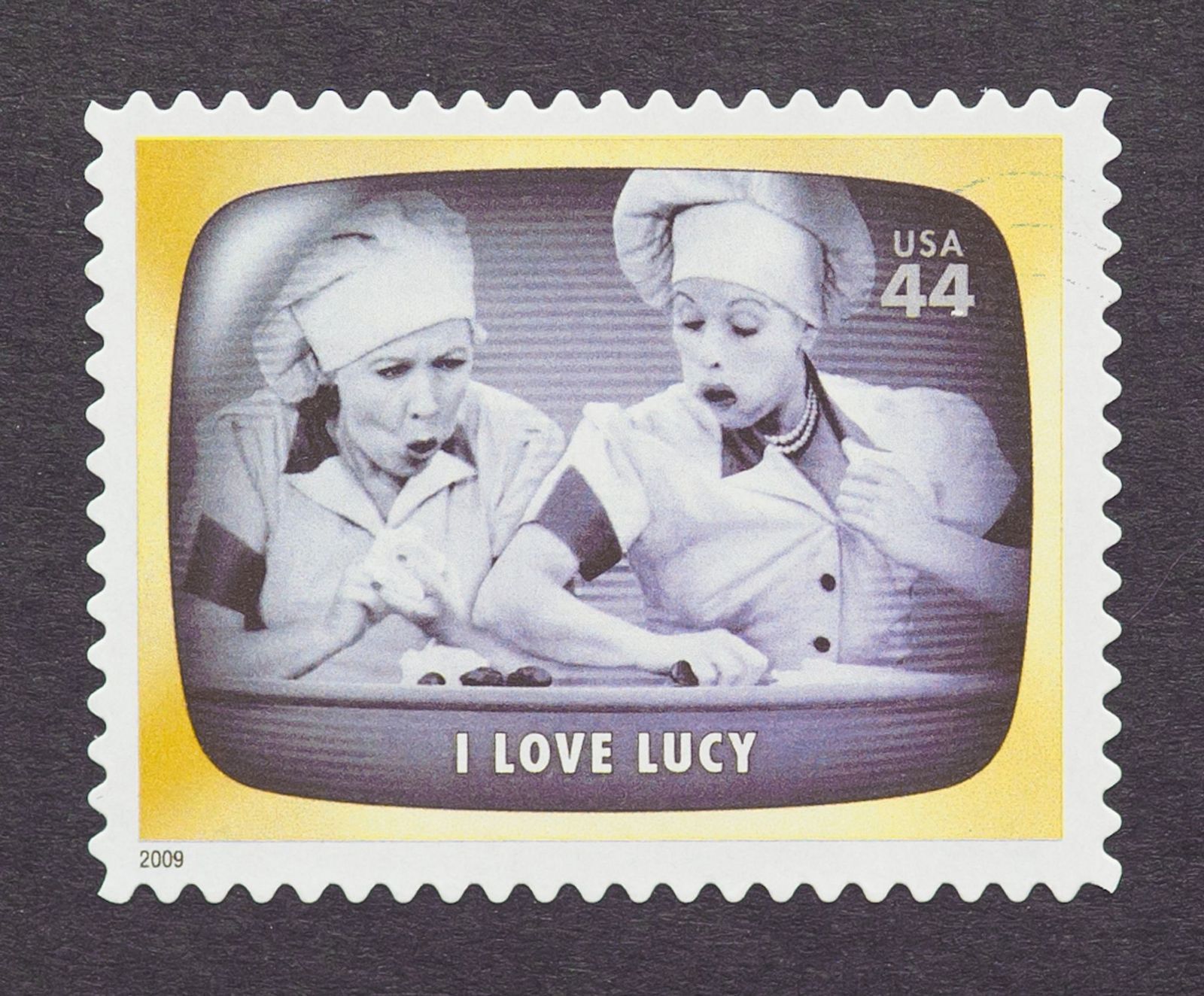
In the beloved "Job Switching" episode, the Season 2 premiere which aired on September 15, 1952, Lucy and Ethel (Vivian Vance) take jobs at Kramer’s Kandy Kitchen to prove to their husbands, Ricky and Fred (William Frawley), that they can handle the demands of working outside the home.

Assigned to wrap and dip chocolates on an assembly line, the pair fall hopelessly behind as the conveyor belt speeds up. Desperate to avoid letting any unwrapped candy pass by, they begin stuffing chocolates into their mouths, hats, and blouses. The resulting chaos became one of television's most beloved comedy scenes. But here's a fun backstage detail: to prepare for the sequence, Ball and Vance spent half a day learning to dip chocolates and work on the production line at a real See's Candies location in Los Angeles. Even more interesting, the woman working alongside Lucy in the scene was an actual See's Candies candy maker, Hazel Pierce .

5
Fred and Ethel viscerally despised each other in real life

Image: Runawayphill

Playing married couple Fred and Ethel onscreen, Frawley and Vance clashed throughout the show's six-season run. Vance was 42 and Frawley was 64 when the show started. She reportedly resented being cast opposite a man 22 years older and famously complained: "How will anyone believe I’m married to that old man?" Frawley overheard her complaints and was reportedly offended. He later made this pointed remark about Vance, "She's one of the finest girls to come out of Kansas, but I often wish she'd go back there."

Despite their bitter off-screen feud, both remained professional on set and delivered the comedic chemistry that made Fred and Ethel such a memorable couple. Vance later reportedly turned down a lucrative spin-off featuring the pair, along with a $50,000 bonus, because she didn't want to work with Frawley again.

6
Desi Arnaz’s deal that changed TV reruns forever

Image: ltdedigos

Desi Arnaz’s production decisions helped establish reruns as a profitable part of the industry. He insisted that I Love Lucy be filmed rather than broadcast live, helping shape the modern sitcom format. In the early 1950s, television shows were preserved only as low-quality kinescopes, recordings made by filming television screens.

Ball and Arnaz wanted high-quality recordings, so they were shot on 35mm film using a three-camera setup in front of a live studio audience. As part of their landmark deal with CBS, their production company, Desilu Productions, retained ownership of the film negatives, allowing the episodes to be rebroadcast. By 1955, I Love Lucy had become the first television series to be broadcast as reruns , helping pave the way for modern syndication.

7
Ricky Ricardo was almost named "Larry Lopez"

Image: MAFPHOTOART8

During the development of I Love Lucy, Ricky Ricardo was initially called Larry Lopez, but the name was changed for two main reasons.

First, the producers wanted to avoid confusion with Vincent Lopez, a well-known bandleader of the era. Second, they reportedly preferred the sound of "Lucy and Ricky" to "Lucy and Larry," since it sounded overly alliterative.

8
Lucy was not a natural redhead

Image: Pixel-Shot

Lucille Ball wasn't a natural redhead. Instead, she was a brunette who kept her brown hair during her early career, and also experimented with blonde shades before adopting the fiery red look that became her trademark.

Around 1943, she famously went red for her role in the Technicolor musical Du Barry Was a Lady. MGM hairstylist Sydney Guilaroff helped create the look , which Ball later maintained with a custom blend of henna and dye. Ultimately, her signature color was a carefully crafted Hollywood style, not her natural shade. And it worked.

9
Desi Arnaz used cushions to appear taller than Lucy

Image: Katerina Maksymenko

Desi Arnaz reportedly wore Cuban heels or other elevated footwear to help him appear taller alongside Lucille Ball. Although he stood around 5 feet 9 inches tall and Ball about 5 feet 7 inches in her stocking feet, her high heels could make her look taller than him.

The production team reportedly used another trick when the couple sat down : specially arranged cushions on the Ricardos’ couch and chairs helped maintain the desired height difference on screen and made it easier for Arnaz to stand up.

10
Lucy’s mother left her mark on the show’s soundtrack

Image: gurezende

Lucille Ball's mother, DeDe Ball, was a devoted supporter who reportedly attended the filming of almost every episode. Whenever her daughter landed in a comically awkward situation, DeDe would let out a distinctive "Uh-oh!" from her seat in the studio audience.

Sound engineer Glen Glenn reportedly liked the exclamation so much that he recorded it and incorporated it into the show's laughter track . Because the same recording was reused, DeDe's distinctive voice became part of the show's familiar soundtrack. The story even suggests that her "Uh-oh!" may have made its way into the soundtracks of other classic sitcoms over the years.

Explore more American facts

Choose your favorite category!

General
General

As American as apple pie—the very best America has to offer!

Culture
Culture

Delve into the astounding richness of American lore.

Geography
Geography

Hop in and explore vast and diverse American landscapes.

History
History

Discover the key moments that shaped the United States.