General General 3 min read

Behind the columns

White House tea: Did you know Madison moved out and never came back?
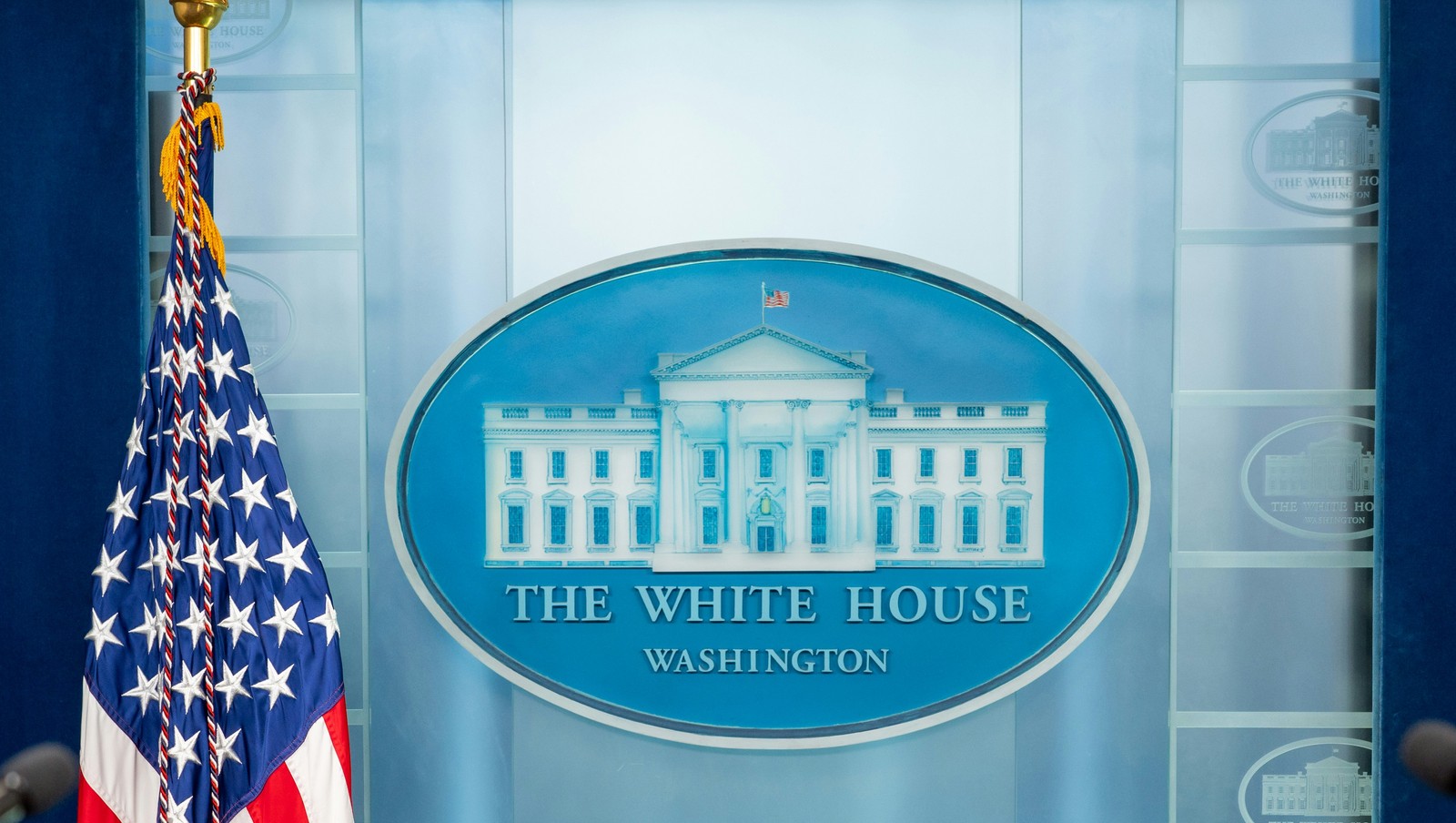
Image: Nils Huenerfuerst

The White House may be the most famous home in America, but even if you’ve toured it or seen it in dozens of movies, there’s still plenty you probably haven’t heard. Tucked behind those white columns and sprawling lawns are fascinating facts, quiet quirks, and little-known stories that go beyond the textbooks. Whether you're a history buff, a trivia lover, or just curious, these 12 facts about the White House might just surprise you.

1
Rebuilt from the ashes
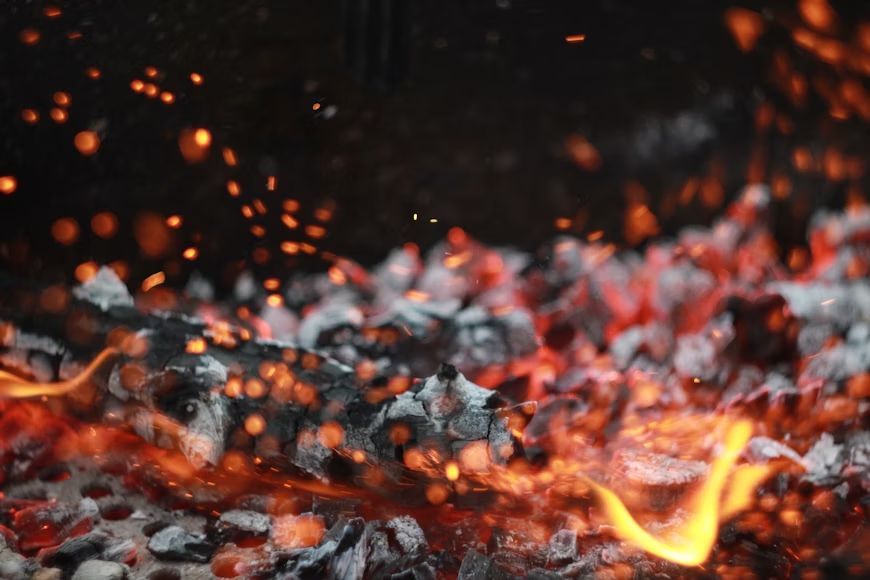
Image: Edward Kucherenko

When the British set fire to the White House in 1814, it didn’t just singe a few curtains; it gutted the place. Enter James Hoban, the original architect, who was brought back to restore what had been lost. It was a second chance for the home he first designed, and he saw it through with grit and style.

2
Madison moved out and never came back
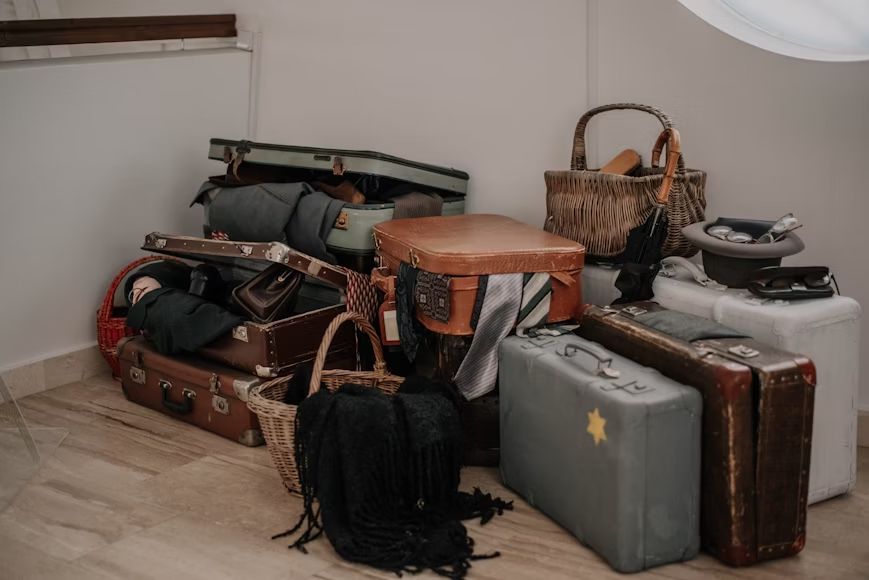
Image: Carlos Derecichei

You might have worried about the house. But what about the people inside? Well, after the fire, President James Madison packed up and never returned to the rebuilt White House. By the time it was ready again, he was on his way out of office. The next tenant, James Monroe, received the keys to the newly renovated executive mansion.

3
Once the biggest house in America
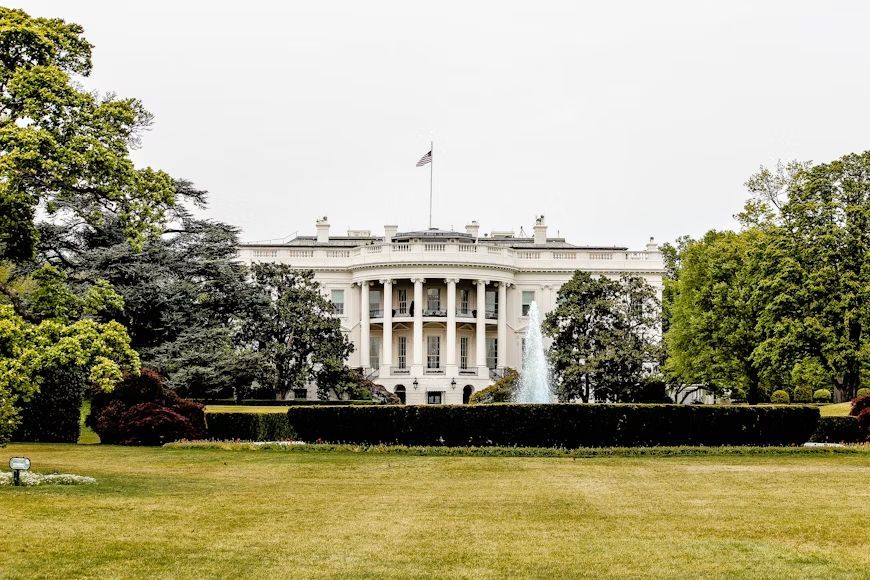
Image: René DeAnda

Believe it or not, the White House was once the largest home in the entire country. That might sound quaint now, we know, but back in the early 1800s, a residence with 132 rooms was as grand as it got. It’s safe to say the neighbors were impressed.

4
This place is no modest cottage
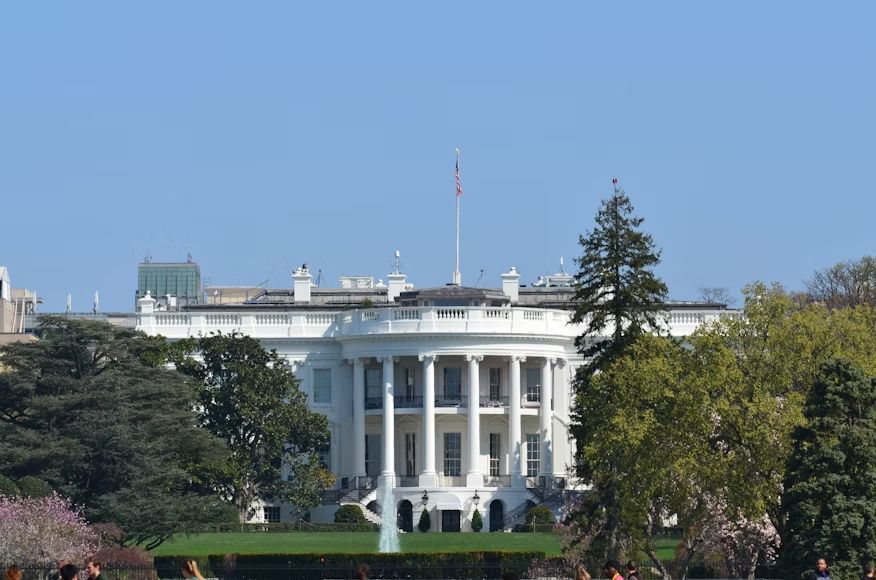
Image: Michael Schofield

In case you’re wondering just how big the White House really is, it stretches roughly 168 feet long and 85 feet wide. On the south side, it rises 70 feet tall; on the north, 60 feet and change. A serious house for serious business.

5
It sits on a whole lot of lawn
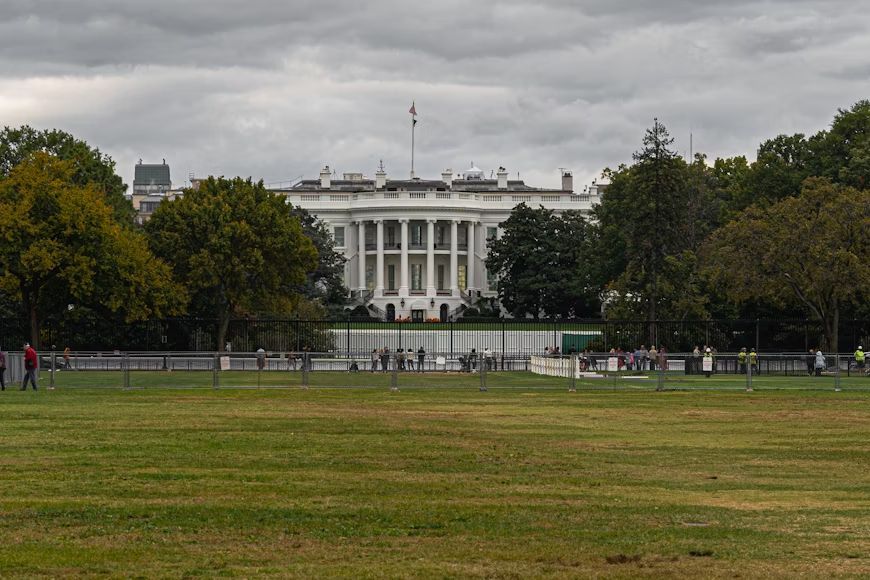
Image: J. Amill Santiago

The next time you're mowing the yard and feeling proud of your quarter acre, consider this: the White House grounds cover a whopping 18 acres. That’s plenty of room for garden parties, Easter egg rolls, and even the occasional helicopter landing.

6
Truman’s big job

Image: Milivoj Kuhar

By the late 1940s, the White House was falling apart—you know, creaking floors, sagging beams, and some serious plumbing problems. President Harry S. Truman had the entire interior ripped out and rebuilt. The exterior stayed the same, but inside? It was practically a brand-new house hidden behind historic walls.

7
There’s a bunker down below
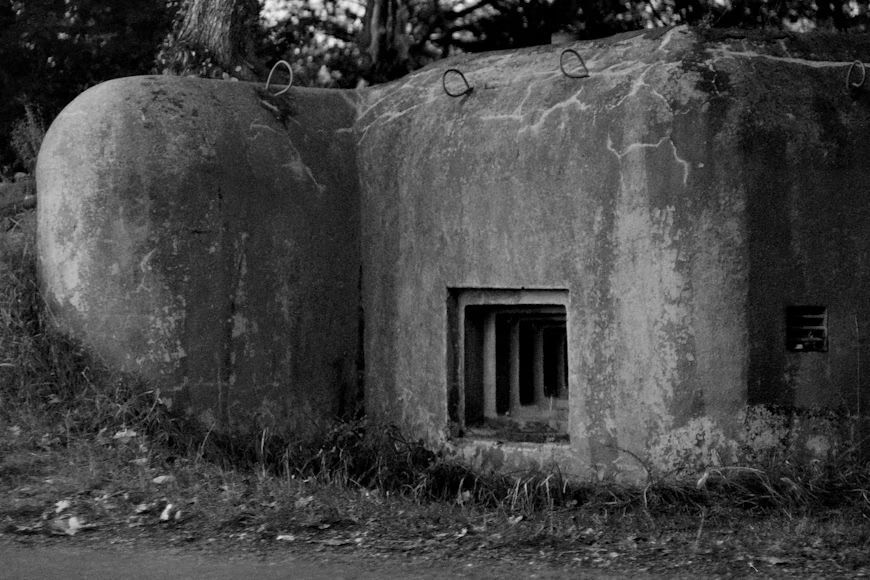
Image: Lukáš Lehotský

Tucked underneath the East Wing is the Presidential Emergency Operations Center, or PEOC. Built during WWII, it's the secure location presidents go to in times of crisis. It’s strictly off-limits to the public—and no, it’s not a James Bond villain lair, but it’s movie-worthy for sure!

8
There’s a secret Oval Office exit
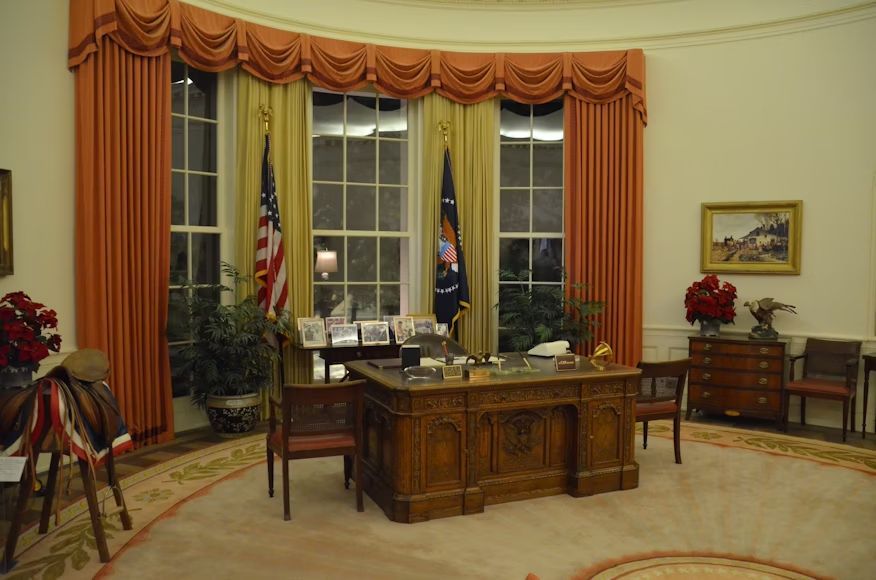
Image: Donghun Shin

Behind what looks like just another panel in the Oval Office, there is a secret door that leads to a private hallway. President Franklin D. Roosevelt used this discreet passage to come and go without fanfare. We don’t know about you, but oh, the money we would pay to take a look at it!

9
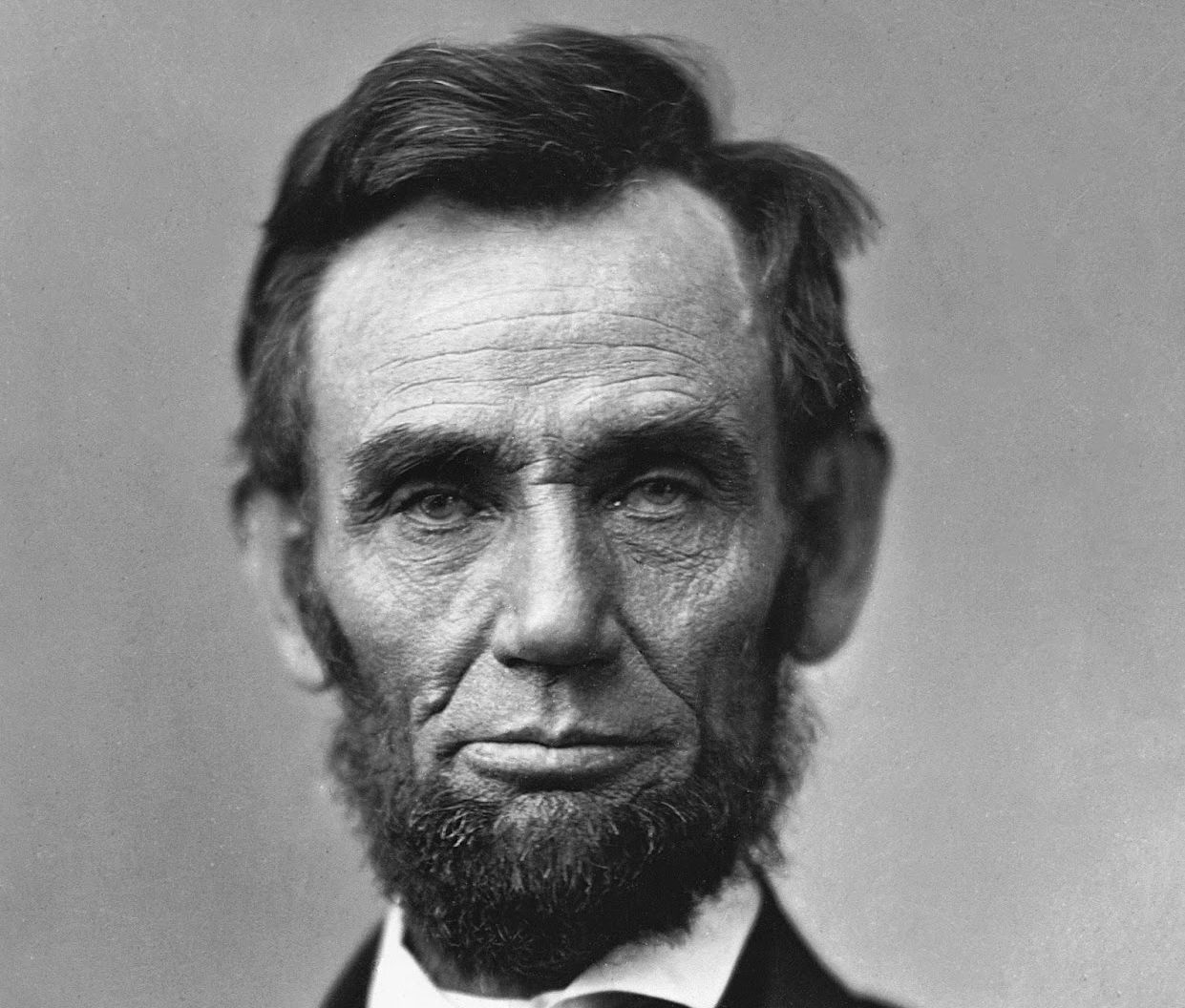
Lincoln’s ghost still makes the rounds
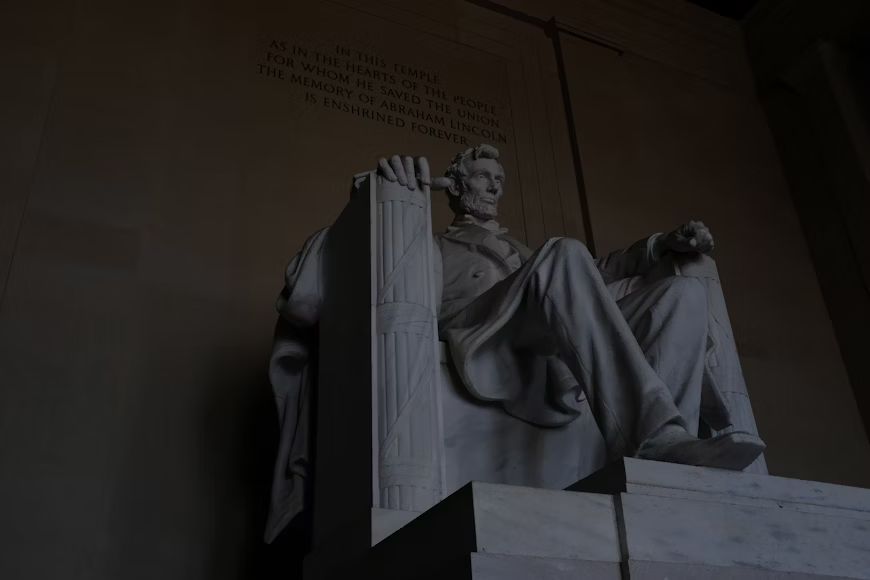
Image: Girma Nigusse

You may not believe in ghosts, but plenty of people (including presidents and White House staff) have said they’ve seen or felt Abraham Lincoln’s presence in the White House. His old bedroom seems to be the hot spot. Some say he’s still keeping an eye on the place.

10
A hidden treasure trove of gifts
Image: Tomasz Zielonka

Foreign leaders bring all sorts of gifts when they visit the White House—from art and artifacts to, back in the day, even exotic animals. Many of these items end up tucked away inside the residence, far from public view. It’s like a museum without the tour guide.

General General 3 min read

About the Star-Spangled Banner

Did you know these 11 obscure facts about our National Anthem?

Image: RDNE Stock project

How much do you really know about "The Star-Spangled Banner" ? It’s the song that kicks off baseball games, gives stadiums goosebumps, and has been passionately performed—or completely butchered—by countless singers. Its colorful story starts by crossing a poem and the tune of a British drinking song, runs through an electric guitar at Woodstock in the 60s, and keeps going. Read on to discover some surprising facts about America’s most patriotic anthem!

1
It had a different name

Image: Luke Michael

Originally, the lyrics came from a poem titled "Defence of Fort M’Henry," written by Francis Scott Key in 1814 after he witnessed the bombardment of Fort McHenry during the War of 1812. The sight of the American flag still flying after the battle inspired him.

The poem was printed in newspapers and set to music, but it wasn’t until more than a century later that it officially became the national anthem we know today.

2
It has four verses

Image: Serena Koi

Most of us only belt out the first one, but did you know "The Star-Spangled Banner" actually has four verses? The other three are rarely heard .

Francis Scott Key wrote additional verses exploring themes of resilience and freedom, but most people have never read those stanzas.

3
Key wasn’t a musician

Image: Steve Johnson

Contrary to what you might expect from the author of the nation’s most patriotic song, Francis Scott Key wasn’t a musician .

He was a lawyer and an amateur poet. He didn’t collaborate with a composer or choose a melody to set his lyrics to, either. He simply wrote the poem, which was later published nationally by The Analectic Magazine .

4
The tune was actually borrowed

Image: Ylanite Koppens

So how did the anthem get its music, then? A relative of Key realized that the lyrics of his poem fit perfectly with the tune of an already popular song, "To Anacreon in Heaven."

That song was actually a British drinking tune frequently sung in 18th-century gentlemen’s clubs. The melody was catchy, but its origins were anything but patriotic.

5
It was first sung in a Baltimore tavern

Image: andrew welch

One account claims that the anthem’s first public performance wasn’t at a grand concert or a government event, but in a Baltimore tavern in 1814.

According to the story, just weeks after Key wrote the lyrics, a local actor sang them to the tune of "To Anacreon in Heaven." The crowd loved it, and the song quickly spread.

6
It wasn’t the first choice

Image: Wesley Tingey

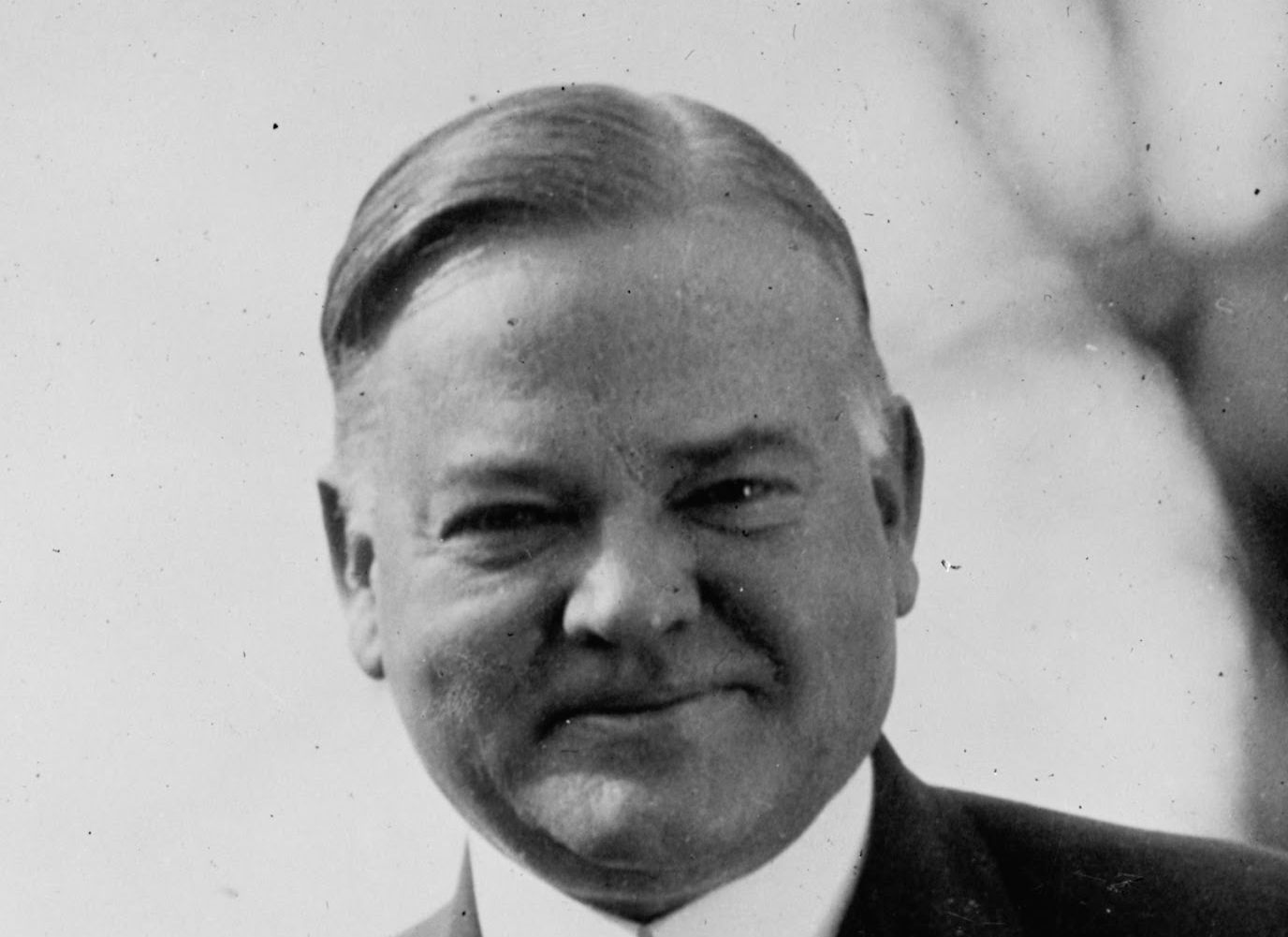
Believe it or not, "The Star-Spangled Banner" wasn’t America’s first choice for a national anthem. For over a century, songs like "Hail, Columbia" and "My Country, ’Tis of Thee" filled the role. It wasn’t until 1931 that Congress, under President Herbert Hoover, officially designated Key’s anthem as the nation’s song.

7
The tradition of singing it before sports

Image: Frankie Lopez

The tradition of singing the anthem at sporting events began during the 1918 World Series . The crowd’s emotional response was so powerful that more and more baseball games adopted the practice.

Today, it’s hard to imagine a baseball game without it. Many other sports—including American football, hockey, and basketball—have since followed suit.

8
Aretha Franklin’s rendition is the longest

Image: Stas Knop

Aretha Franklin's rendition of "Star-Spangled Banner" is the longest recorded performance of the national anthem, lasting an impressive 4 minutes and 55 seconds . In contrast, most renditions take under two minutes!

She performed it in 2016 at an NFL game, breaking the previous record set by Alicia Keys three years earlier, whose version lasted 2 minutes and 36 seconds.

9
An unsuspected first recording voice

Image: Sudhith Xavier

The first known recording of "The Star-Spangled Banner" was made in 1915 by Margaret Woodrow Wilson . Yes, the daughter of President Woodrow Wilson.

Her rendition, though not as polished as modern versions, marked the anthem’s entry into the world of recorded music. Who would have thought the president’s daughter would be a trailblazer?

10
Jimi Hendrix’s Woodstock performance

Image: Xie lipton

Jimi Hendrix’s electric guitar rendition of "The Star-Spangled Banner" at Woodstock in 1969 remains one of the most famous—and controversial—performances of the anthem.

His distorted, soulful, and modern interpretation hypnotized the crowds and became a powerful cultural statement amid the turbulence of the 1960s. Some saw it as a protest; others, as a masterpiece. Either way, we still talk about it.

11
A song for all occasions

Image: frank mckenna

Originally, "The Star-Spangled Banner" wasn’t intended solely as a national anthem. It was a patriotic song for all occasions —political rallies, public celebrations, and more. The anthem is as popular as it is versatile, and so it has been played in endless scenarios—and in countless versions!

General General 3 min read

Is the customer always right?

These 11 golden rules of customer service are slowly dying, and it’s sad

Image: Frankie Cordoba

Before apps, chatbots, and self-checkout lanes, American customer service followed a quiet code. These unwritten rules shaped how stores, diners, hotels, and service counters operated for decades. Many of these rules aren’t posted on walls or included in training manuals, but customers expect them all the same. Many older Americans still remember a time when good service felt personal, patient, and proudly human.

1
Every customer deserves a warm greeting

Image: Fotos

It might sound strange these days, but there was a time when walking into a store without acknowledgment was once considered bad service . Clerks were expected to smile, make eye contact, and greet customers promptly.

That greeting also set expectations. It told customers help was available and that their presence mattered. For many Americans, being welcomed was just as important as the product itself.

2
Anticipating needs before being asked

Image: SERGEI BEZZUBOV

Good service meant paying attention. A waiter refilled the water before the glasses were empty. A clerk offered assistance before confusion set in. Anticipation showed experience and pride in the job, not pushiness .

Customers noticed these small gestures. They made interactions smoother and more personal, creating the feeling that service was thoughtful rather than reactive or scripted.

3
Quick service shows respect for time

Image: Brad Rucker

Old-school service emphasized quick acknowledgement, even if immediate help wasn’t possible. Letting customers wait without explanation was considered rude . A simple "I’ll be right with you" went a long way.

Speed mattered, but calm mattered more. The goal was efficiency without rushing, making customers feel valued rather than hurried through an interaction.

4
Courtesy is non-negotiable

Image: Vitaly Gariev

"Please" and "thank you" were mandatory words in customer service. These phrases weren’t optional politeness, they were expected standards that showed mutual respect between employee and customer.

Their absence was noticeable. Courtesy made transactions feel human and cooperative, reminding customers they were being served by people and not being processed by a system.

5
Eye contact means attention

Image: Petr Sevcovic

Maintaining eye contact was a core part of service etiquette. It showed that the employee was listening and engaged , not distracted or indifferent. Customers felt acknowledged simply by being looked at.

Avoiding eye contact suggested boredom or disinterest. In traditional service culture, body language carried as much weight as spoken words.

6
Know the product by heart

Image: Lefteris kallergis

Employees were expected to know their products or menus thoroughly. Having to constantly check references or ask others weakened customer confidence and slowed service.

Product knowledge signaled competence and pride . Customers trusted businesses more when employees spoke clearly and confidently about what they sold.

7
Personal conversations stay private

Image: Vitaly Gariev

Chatting about personal matters within earshot of customers was strongly discouraged. Service time belonged to the customer, not coworkers’ off-duty lives .

This rule reinforced focus and professionalism. Customers expected attention, not background noise that suggested distraction or disinterest.

8
Complaints are handled calmly

Image: Amir mohammad jafari

Arguing with customers was seen as a failure of service. Employees were trained to listen first, apologize when appropriate, and resolve issues without defensiveness .

Even when customers were wrong, maintaining calm preserved dignity of both sides. The goal was always resolution, never confrontation.

9
Regular customers are remembered

Image: Vitaly Gariev

Recognizing repeat customers by name or preference was common practice . It made people feel valued and turned routine visits into familiar experiences.

This personal recognition built loyalty long before reward cards existed. Customers returned because they felt known, not tracked.

10
Cleanliness is godliness

Image: Alexander Mils

A clean counter or dining area signaled care and attention. Customers assumed that if visible areas were clean, unseen operations were handled in the same manner .

Cleanliness wasn’t just decorative, it was reassuring. It quietly communicated reliability and professionalism.

11
Customer privacy is sacred

Image: Taylor Davidson

What happened during a transaction stayed there . Discussing customers outside the interaction was considered extremely unprofessional and disrespectful.

Trust was part of the service experience. Customers expected discretion, especially in smaller communities where word traveled quickly.

Explore more American facts

Choose your favorite category!

General
General

As American as apple pie—the very best America has to offer!

Culture
Culture

Delve into the astounding richness of American lore.

Geography
Geography

Hop in and explore vast and diverse American landscapes.

History
History

Discover the key moments that shaped the United States.