General General 3 min read

Movie anthems

These movie songs became more famous than the films themselves
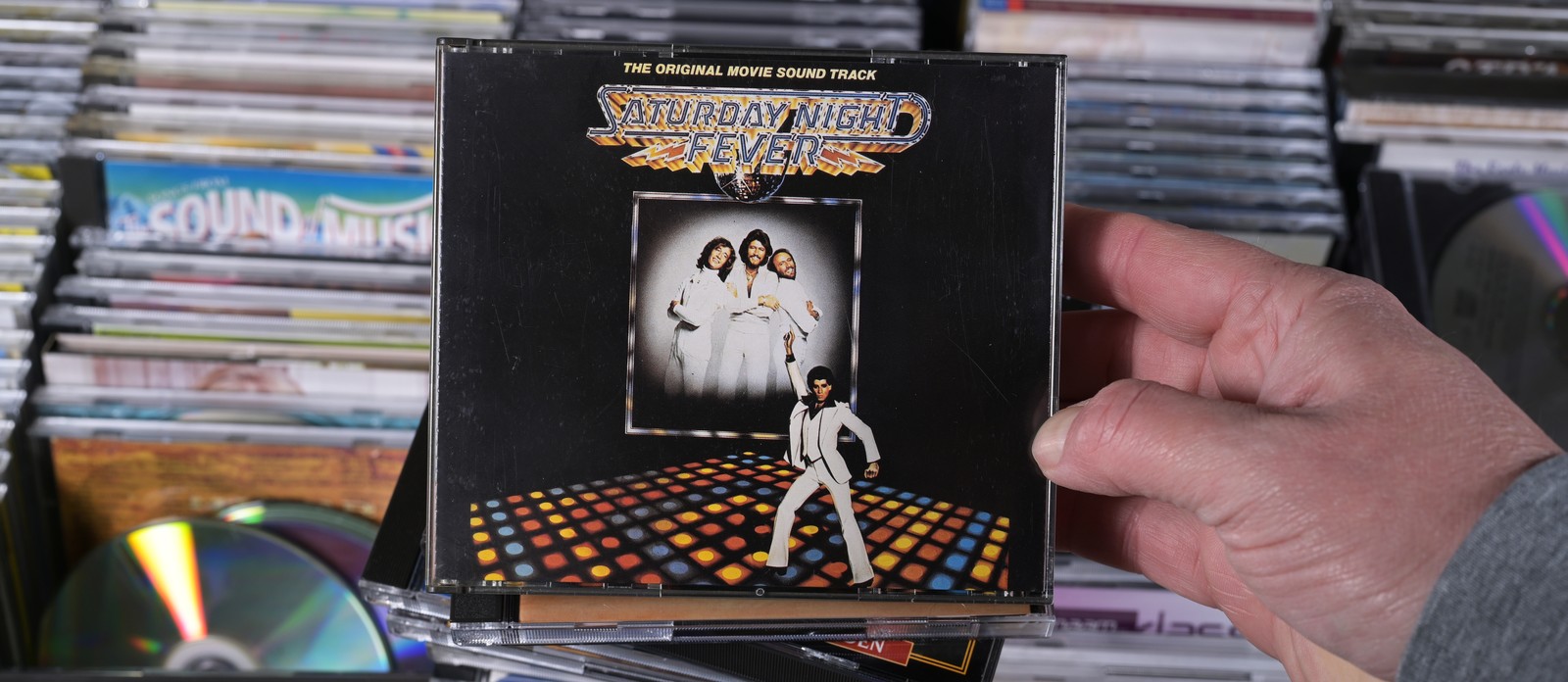
Image: defotoberg

Some songs and their movies get so tangled up together that you can't hear one without picturing the other . Play "I Will Always Love You," and Whitney Houston's voice instantly brings up scenes from The Bodyguard. Same with "My Heart Will Go On" : that flute intro alone puts you right back on the deck of the Titanic. Here are ten more pairings that never let each other go.

1
"I Will Always Love You" – The Bodyguard (1992)
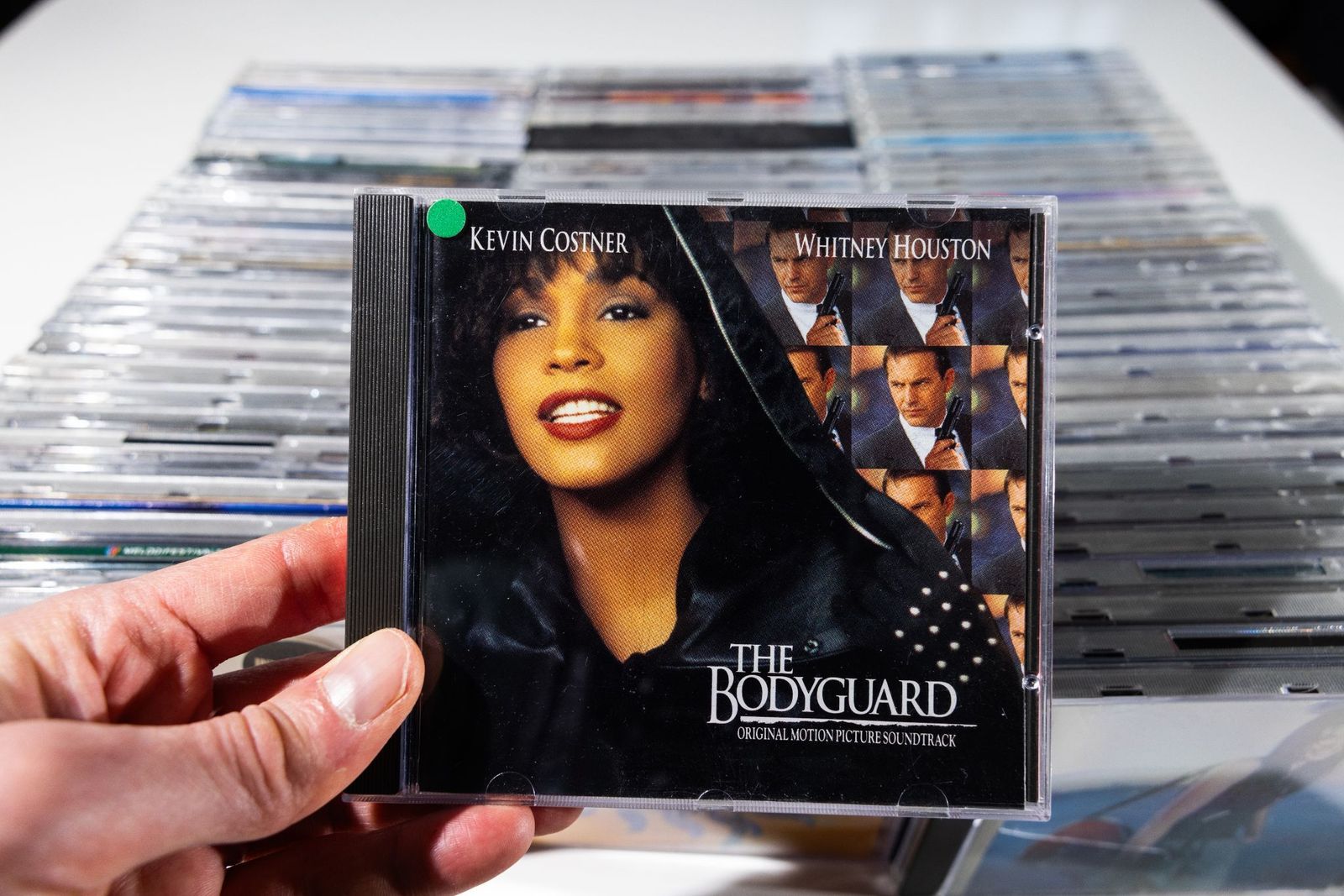
Image: Jeppe Gustafsson

Dolly Parton wrote this one back in 1973, but Whitney Houston's version, recorded for the film, became something else entirely. That a cappella opening gives people chills to this day.

Audiences in 1992 were floored: it topped charts for 14 weeks straight . It's become the go-to karaoke showstopper, and many wedding singers still attempt (and usually fail) that final high note.

2
"My Heart Will Go On" – Titanic (1997)
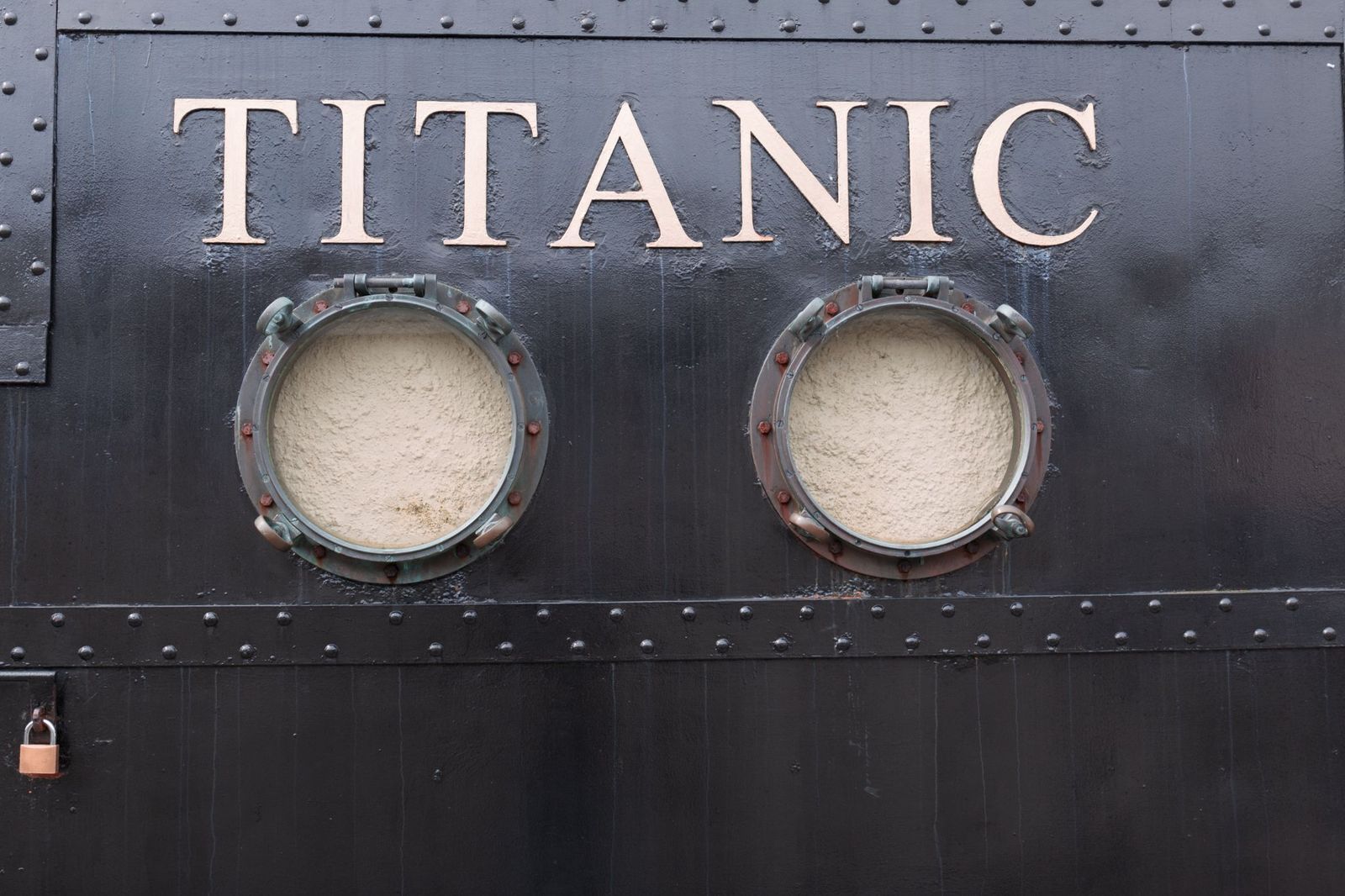
Image: D. Ribeiro

James Horner and Will Jennings wrote this for Celine Dion, and it perfectly captured the film's heartbreak and grandeur. That soaring melody still gives people goosebumps.

It won the Oscar and became inescapable on the radio throughout 1998 . It's been parodied endlessly, including on "Family Guy," proof that some songs become cultural shorthand for pure sentimentality.

3
"Eye of the Tiger" – Rocky III (1982)
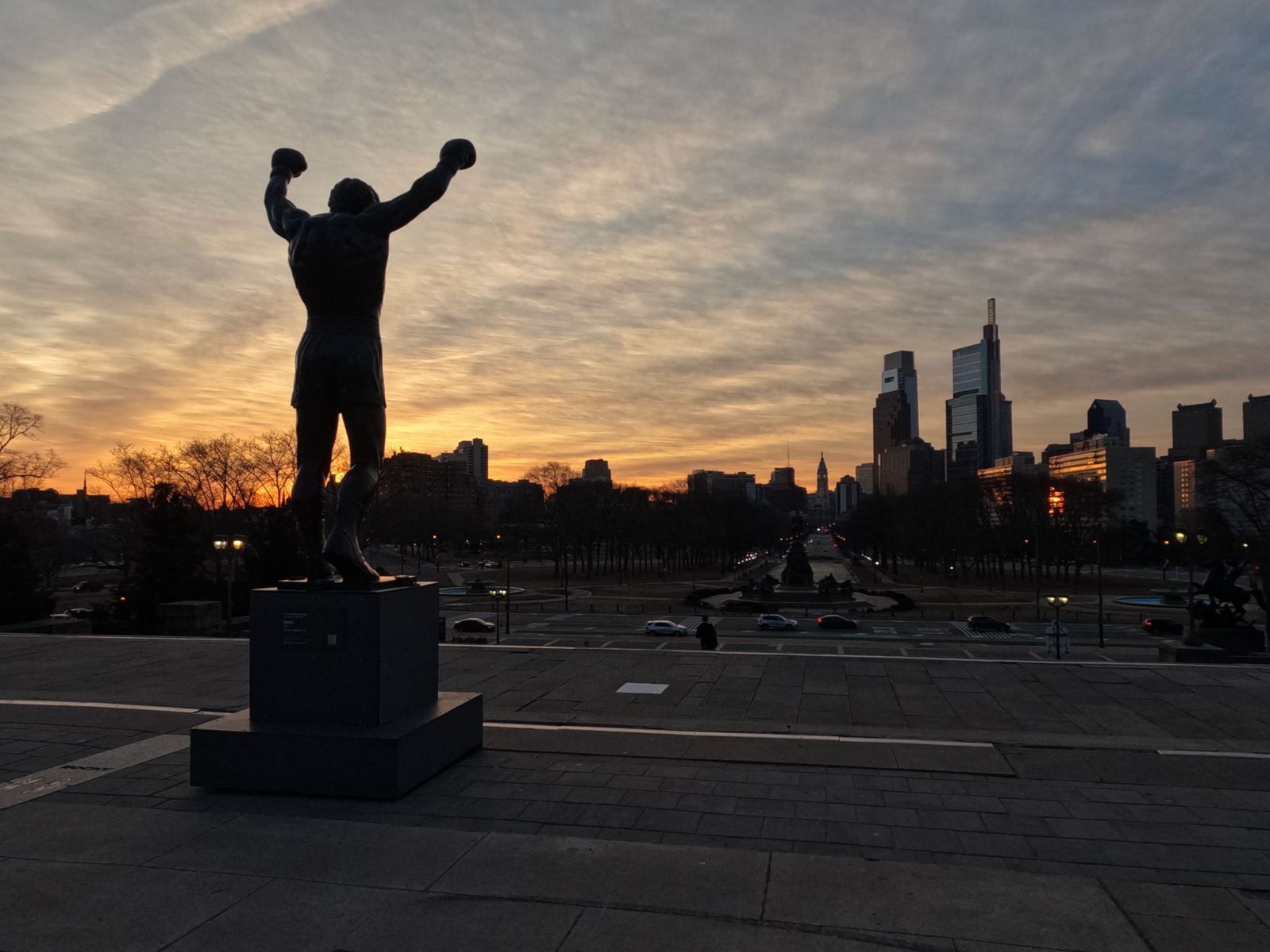
Image: Bryan Littel

Believe it or not, Stallone originally wanted Queen's "Another One Bites the Dust" for the training montage, but he couldn't secure the rights. So Survivor stepped in, writing this pounding anthem specifically for the film instead . That driving guitar riff instantly pumps you up, like you're ready to run stairs yourself.

It's become the ultimate gym anthem and sports-hype song decades later, still blasting at boxing matches and wrestling events.

4
"Unchained Melody" – Ghost (1990)

Image: Oleggg

Alex North and Hy Zaret wrote this back in 1954, but The Righteous Brothers' version of 1965 found new life in that pottery wheel scene. It stirs up longing and tenderness instantly.

With the release of Ghost , the song shot back up the charts in 1990, decades after its release. That scene remains one of the most parodied romantic moments in film history, referenced constantly in sitcoms .

5
"Stayin' Alive" – Saturday Night Fever (1977)
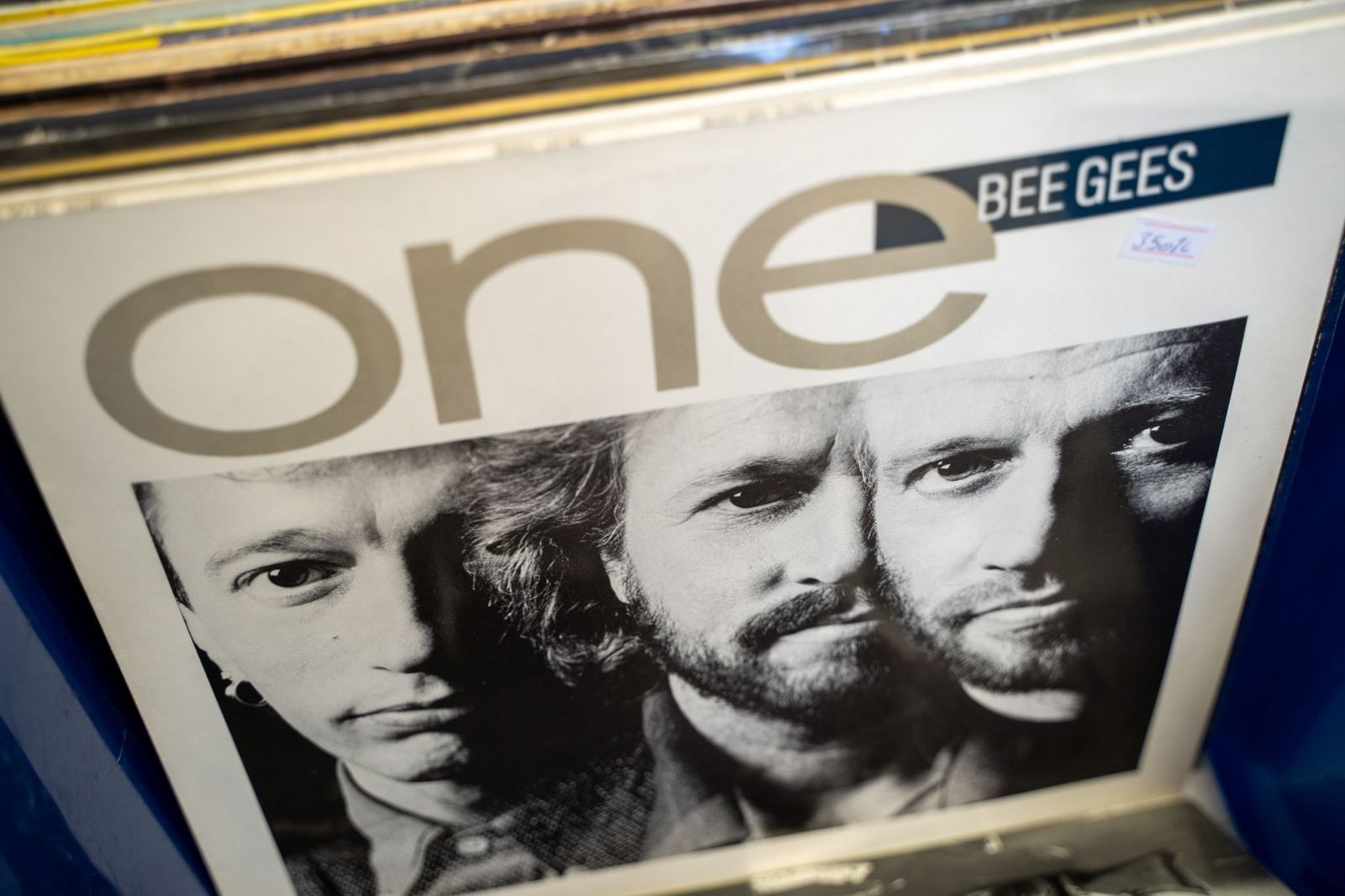
Image: Erman Gunes

The Bee Gees wrote this disco anthem, and John Travolta's strut set to it became iconic. It radiates confidence and swagger like nothing else from that era.

It defined the disco movement and continues to fill dance floors today . Oddly enough, its steady beat is now used to teach CPR timing, proof that this song truly refuses to die.

6
"Somewhere Over the Rainbow" – The Wizard of Oz (1939)
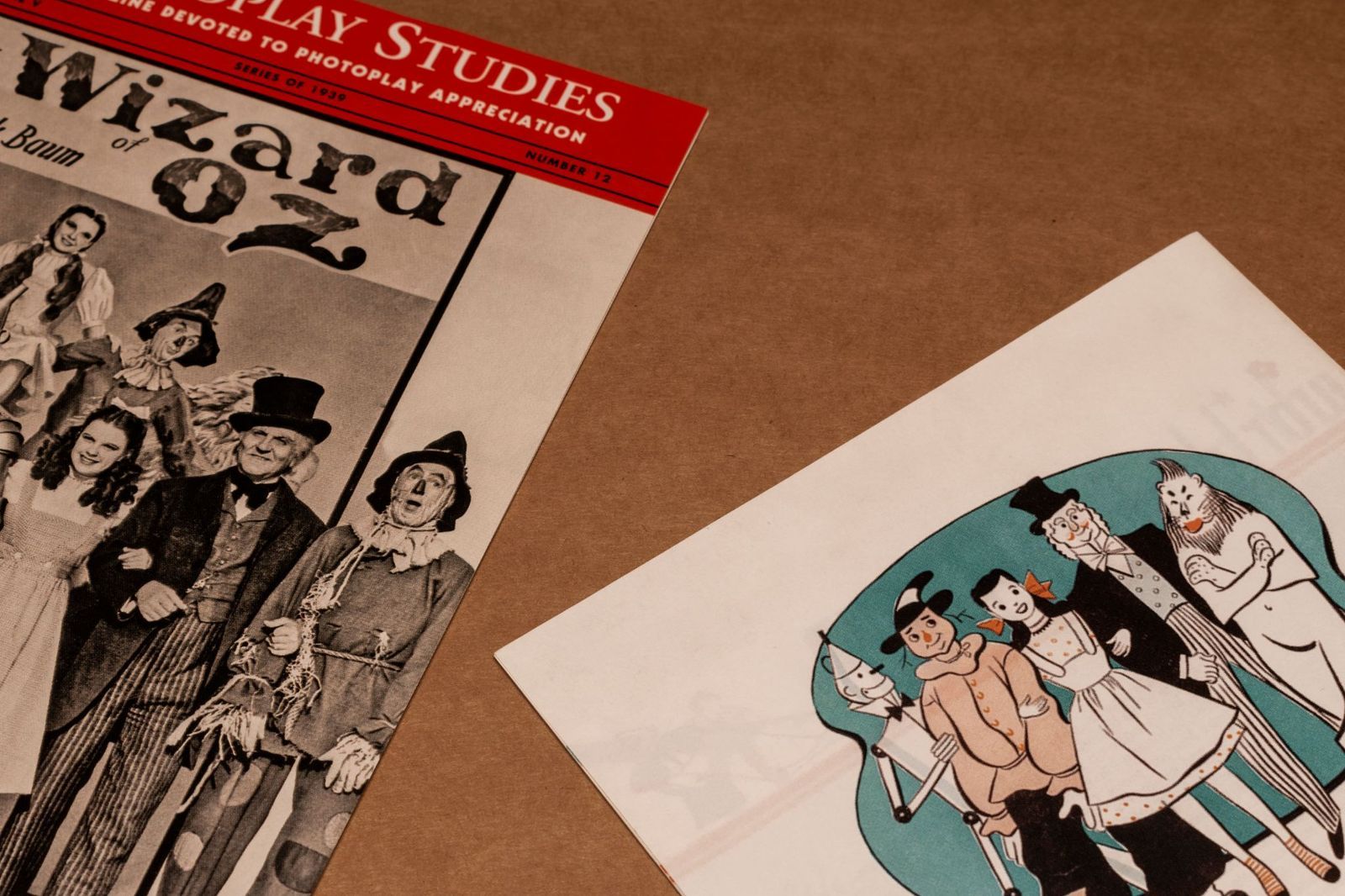
Image: Snap Spot

Harold Arlen and Yip Harburg wrote this for Judy Garland, and it became a symbol of hope and childhood wonder. That yearning melody still brings tears decades later.

It won the Oscar in 1940 and has been covered countless times since , notably by Israel Kamakawiwo'ole. It remains a staple at funerals and graduations alike, capturing bittersweet optimism.

7
"Flashdance... What a Feeling" – Flashdance (1983)
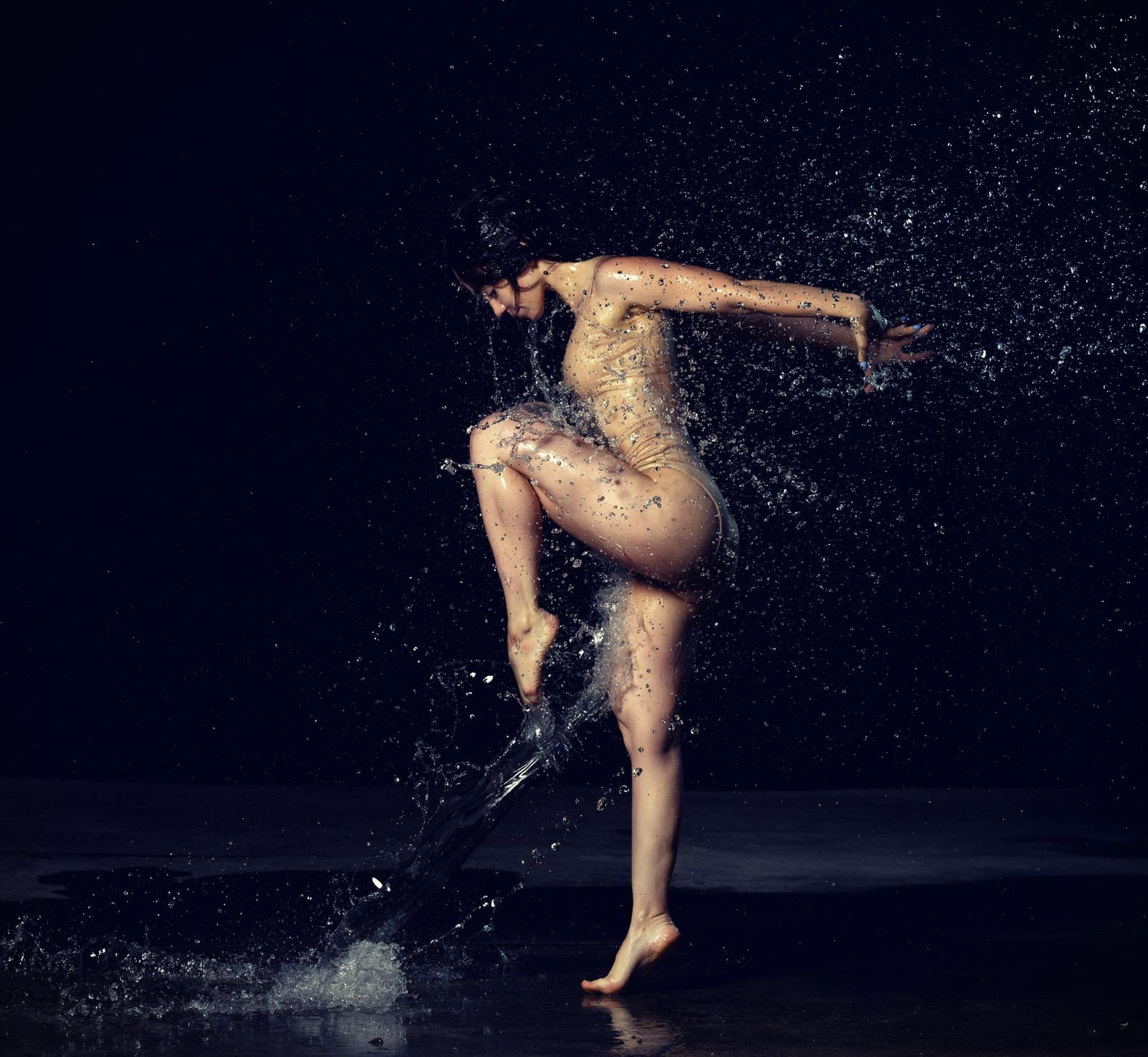
Image: NDanko

Giorgio Moroder, Keith Forsey, and Irene Cara wrote this, with Cara herself performing it. It bursts with ambition and defiant energy, matching that famous water-chair dance scene.

It hit number one and won the Oscar in 1984. That dance sequence remains endlessly referenced and parodied , from award shows to commercials, whenever someone wants to evoke pure 80s determination.

8
"The Time of My Life" – Dirty Dancing (1987)
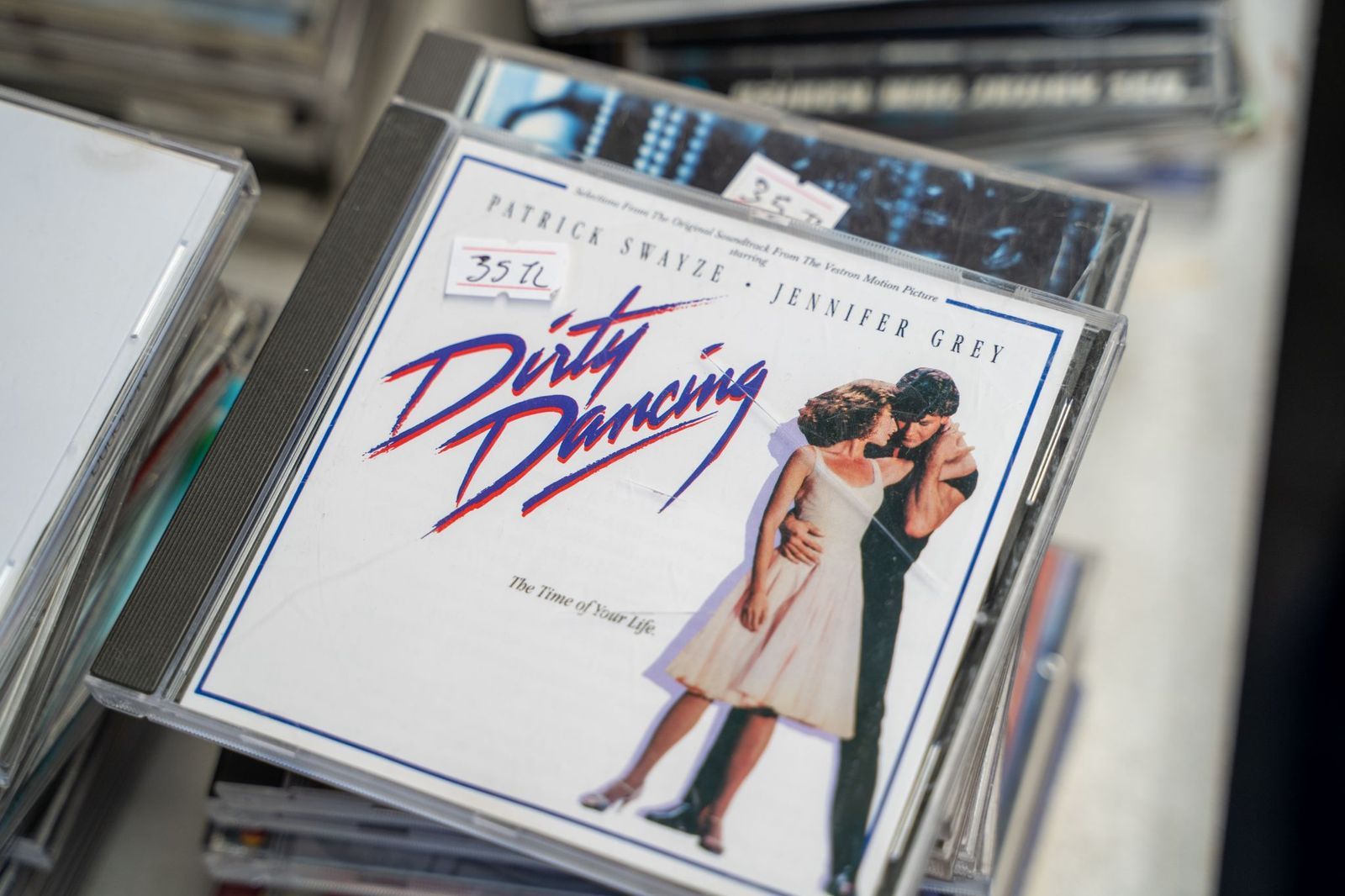
Image: Erman Gunes

Franke Previte, John DeNicola, and Donald Markowitz wrote this for Bill Medley and Jennifer Warnes. It captures pure joy and liberation, especially during that legendary final lift.

It won the Oscar for Best Original Song in 1988. That lift scene is now shorthand for triumphant romance everywhere , endlessly recreated at weddings, in commercials, and on dance competition shows.

9
"Up Where We Belong" – An Officer and a Gentleman (1982)
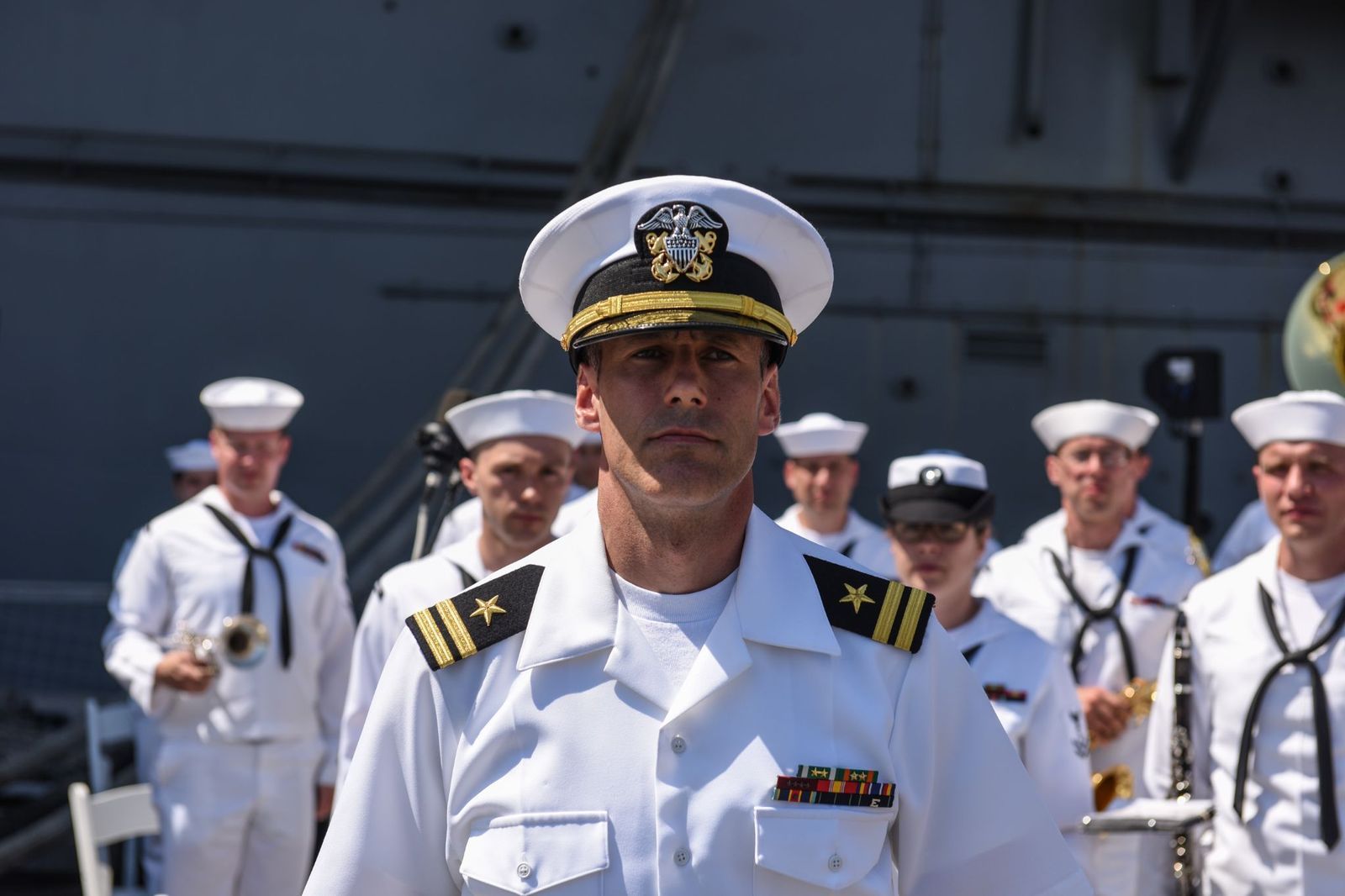
Image: a katz

Buffy Sainte-Marie, Jack Nitzsche, and Will Jennings wrote this soaring duet for Joe Cocker and Jennifer Warnes. It radiates triumphant, hard-earned romance, matching that carried-out-of-the-factory ending perfectly.

It won the Oscar in 1983 and topped charts nationwide. That final embrace remains one of cinema's most imitated romantic endings , still referenced whenever a scene needs pure swoon-worthy payoff.

10
"Take My Breath Away" – Top Gun (1986)
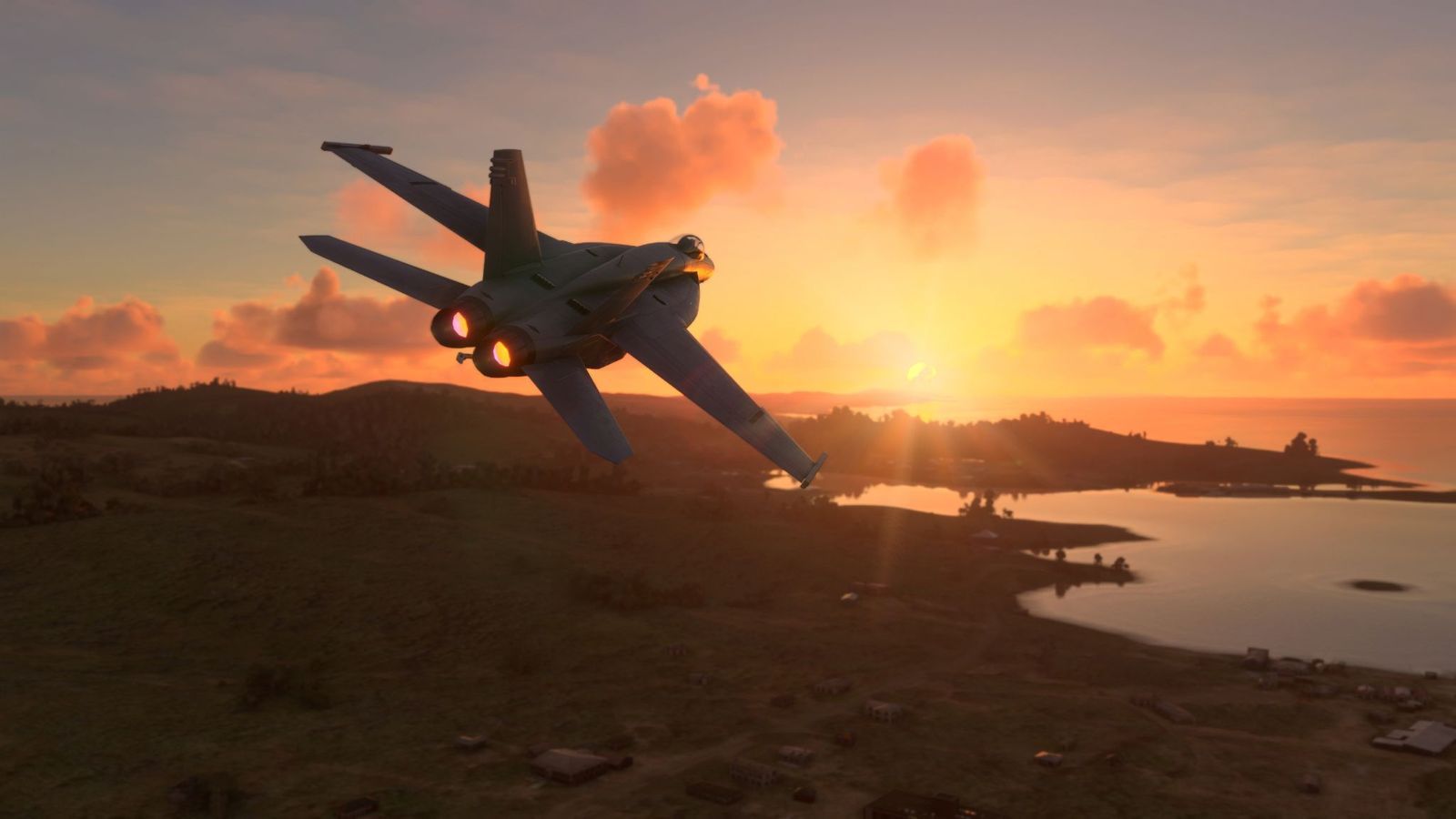
Image: Miguel Lagoa

Giorgio Moroder and Tom Whitlock wrote this dreamy ballad, performed by Berlin, for that famous slow-motion romantic scene. It evokes yearning, tension, and 80s glamour all at once.

It won the Oscar and became an instant radio staple . Decades later, it remains synonymous with sultry romantic tension, still used in commercials whenever advertisers want an instant nostalgic mood.
History History 3 min read

America’s past

Grab a root and learn some interesting Civil War Lingo!

Image: Erika Wittlieb

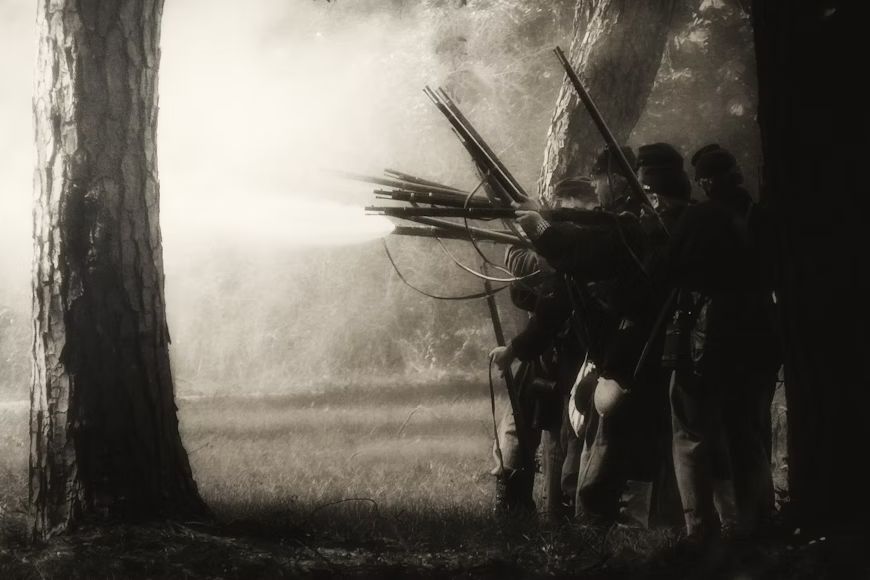
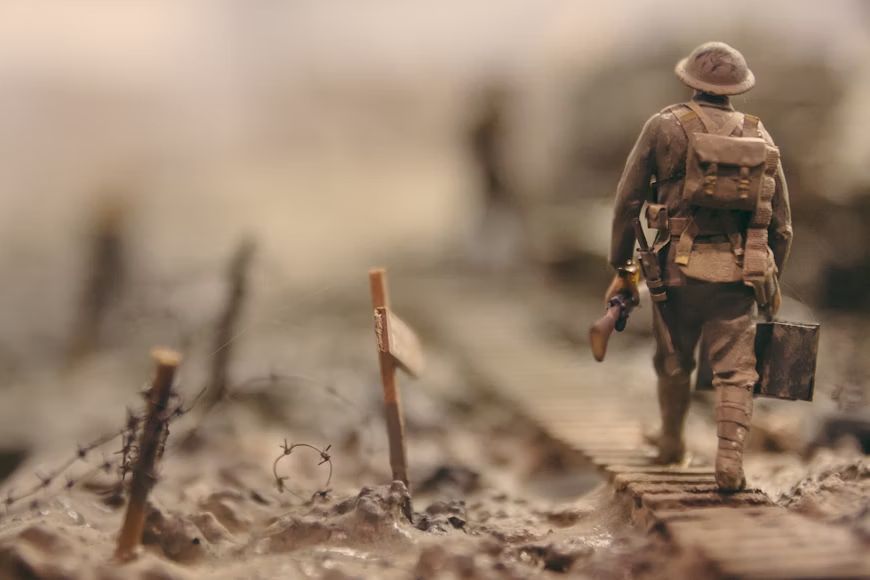
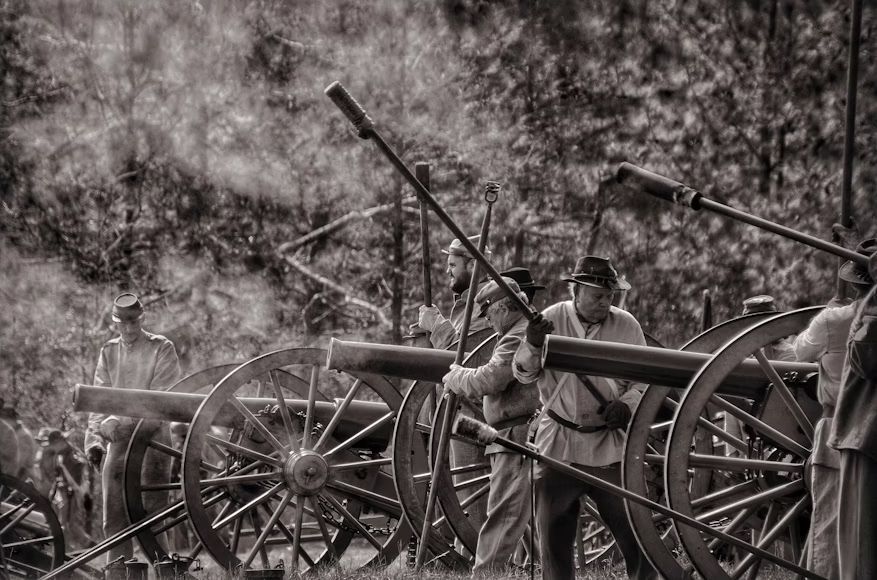
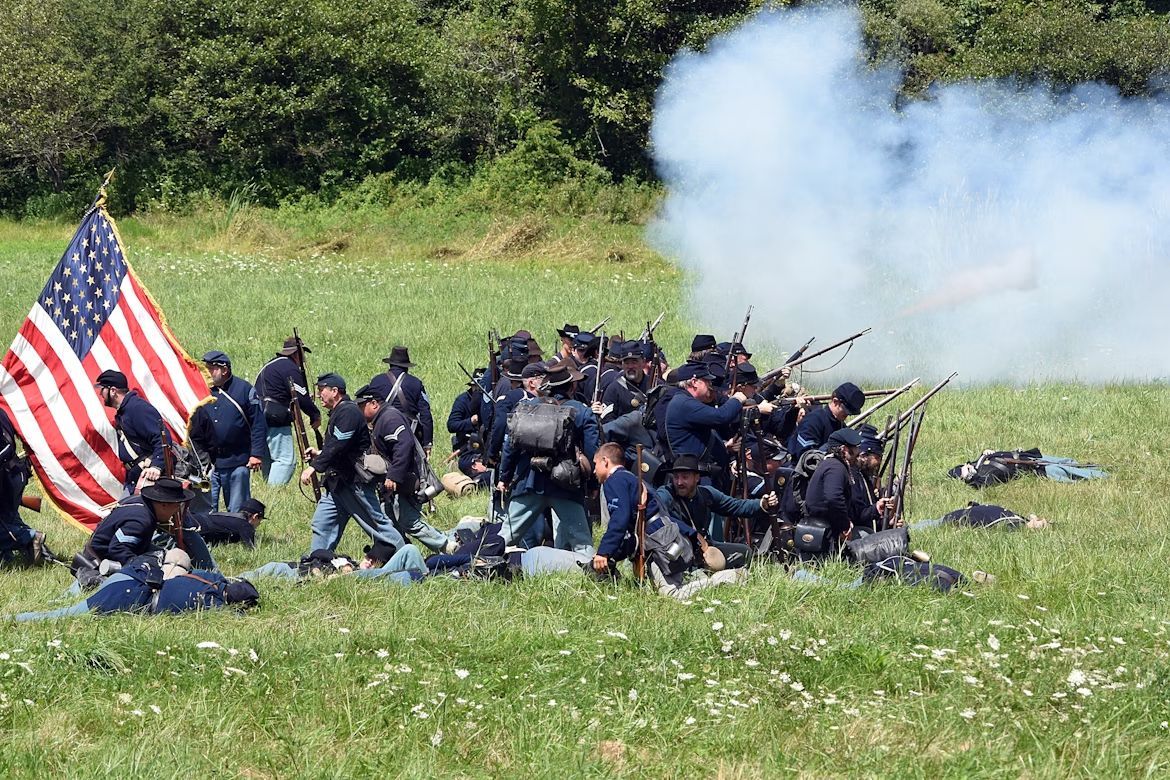
The Civil War wasn’t just cannons and cavalry. It was also a time when soldiers invented a whole dictionary. Some terms were funny, some grim, and others quite practical. Today, we’ll peek into the soldier’s vocabulary , from "fresh fish" rookies to the itchy reality of "graybacks." So pull up a chair, maybe grab a root, and let’s take a trip through the words that marched alongside history.

1
Fresh fish

Image: Chris Chow

If you were new to the army , you were "fresh fish." Veterans spotted them a mile away, wide-eyed, uniforms still smelling like the depot, and not yet hardened by camp life. They got teased, trained, and sometimes tricked. Of course, every seasoned soldier once wore the "fresh fish" badge, so the teasing came with a knowing grin.

2
Grab a root

Image: Lars Blankers

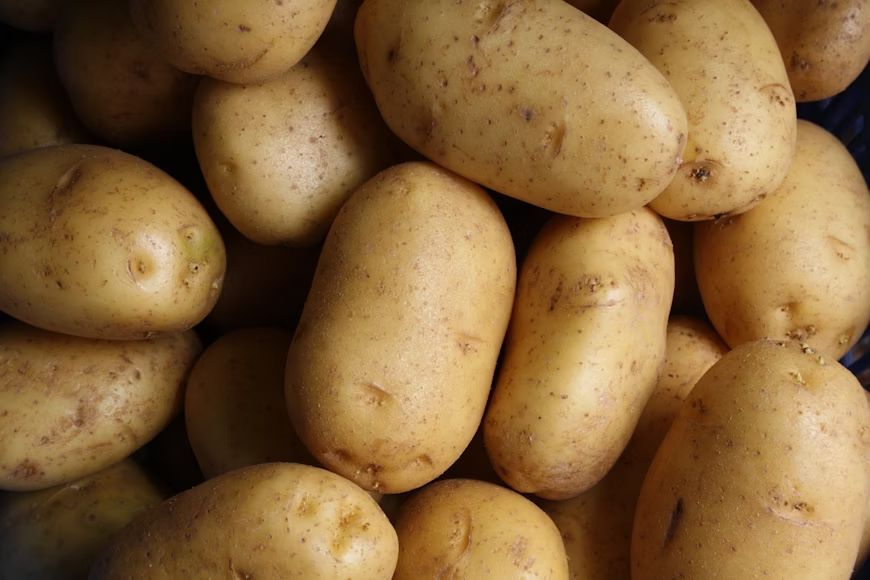
Dinner time in camp could mean beans, hardtack, or, if you were lucky, a potato. Asking someone to "grab a root" was soldier shorthand for "let’s eat." Potatoes were cheap, filling, and easy to cook over a campfire.

3
Sawbones

Image: Piron Guillaume

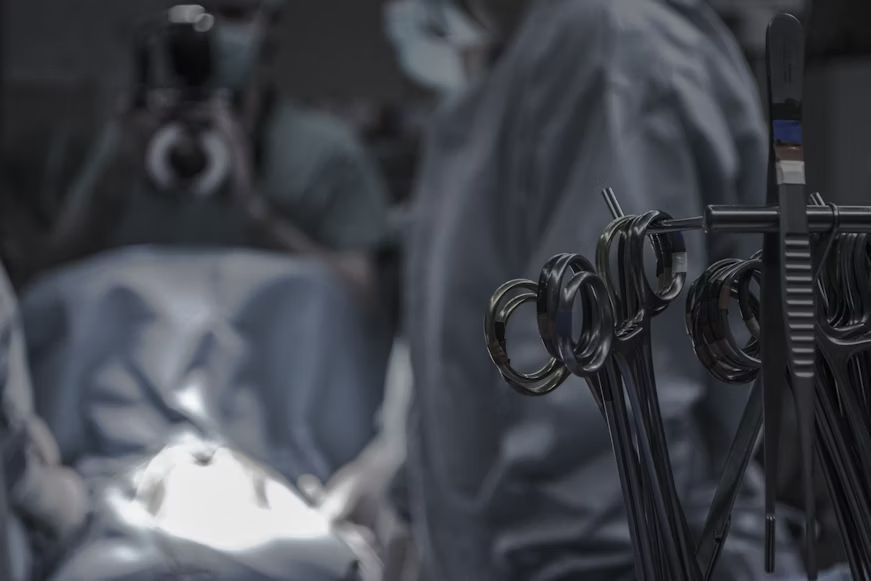
Medical science in the 1860s wasn’t exactly what we call gentle. Army surgeons were nicknamed "sawbones," partly for their skill with amputations, a normal procedure during wartime. It wasn’t always fair, since many doctors were dedicated and resourceful, but the name stuck.

4
Graybacks

Image: Scott Umstattd

Ask a soldier about "graybacks" and you might get two very different answers. One was lice, the pest that thrived in crowded camps. The other was a nickname Union troops used for Confederate soldiers . Either way, it wasn’t a compliment.

5
Bonnie Blue Flag

This was the hit song of the Confederacy , praising the states that left the Union. The "Bonnie Blue Flag" itself showed a single white star on a blue field, the first banner of the Confederacy. The song’s lively chorus made it a favorite at rallies, campfires, and any place soldiers needed a boost of spirit.

6
Furlough

Image: Stijn Swinnen

A furlough was a soldier’s golden ticket home , even if only for a short while. The paperwork described the soldier’s looks, regiment, and exact return date, plus a stern warning about being labeled a deserter if he didn’t show up on time.

7
Housewife

Image: Annie Spratt

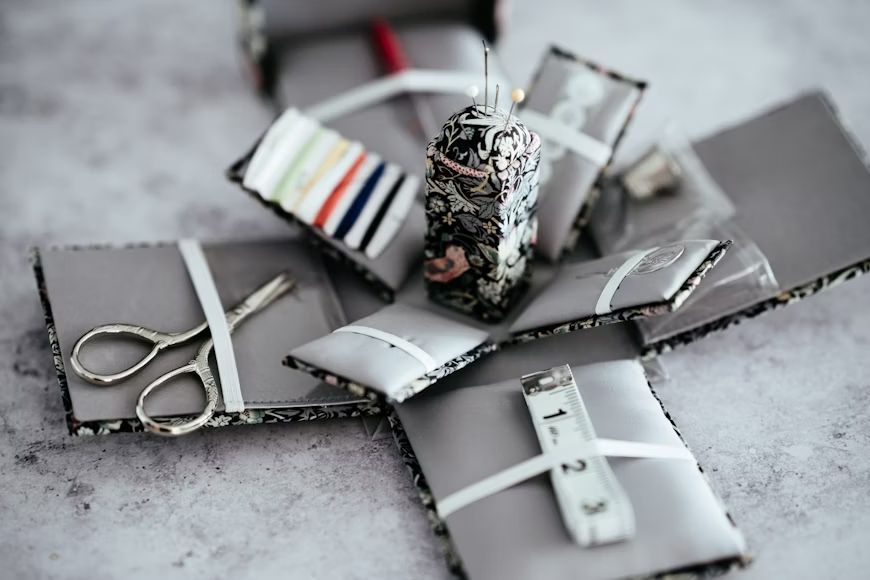
Every soldier carried a "housewife," though it wasn’t a person; it was a sewing kit . Packed with needles, thread, and spare buttons, it kept uniforms in one piece. With supply lines stretched thin, a quick stitch could mean the difference between looking like a soldier or a scarecrow.

8
Insult

Image: Aleksey Kashmar

On a Civil War battlefield, an "insult" wasn’t words, it was a sudden attack on a fortified position. The idea was to strike before the defenders could react. Success could turn the tide of a fight, but failure usually meant heavy losses. It was risky and brutal.

9
Kepi

Image: Jen Theodore

The kepi was the go-to cap for Union soldiers, with a flat circular top and short visor . It was light, practical, and easy to make, so it became part of the classic Civil War look. Confederate soldiers sometimes wore them too, but it was a Union signature item.

10
Ordnance

Image: Rick Lobs

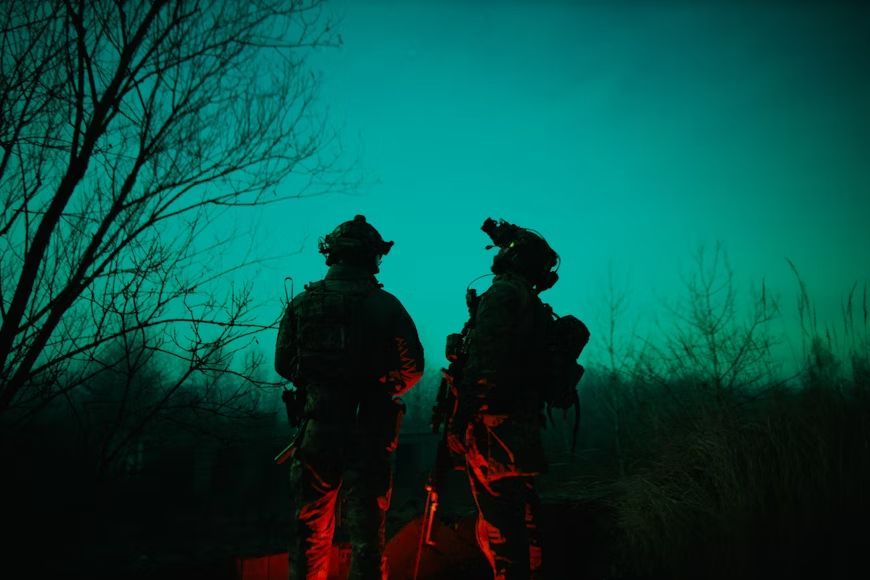
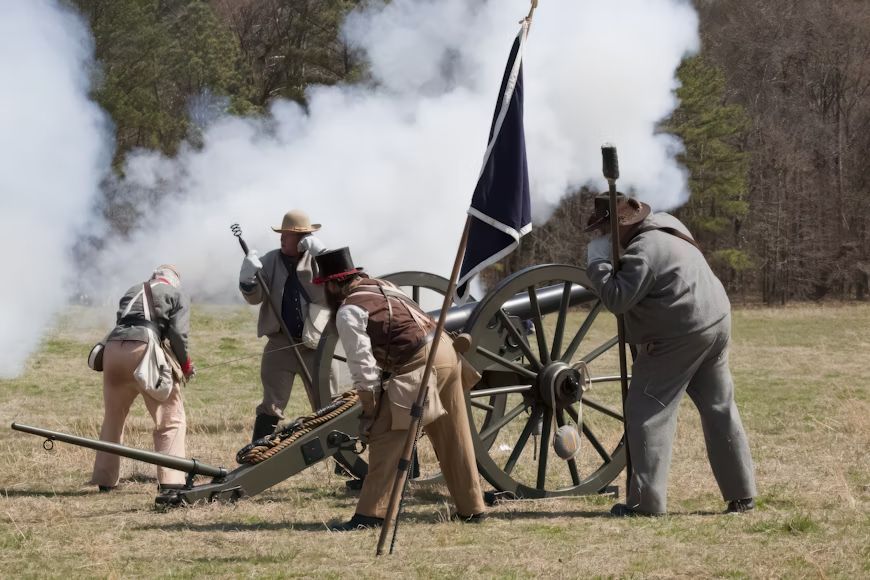
If it was in any way designed to make the enemy’s day worse, it was "ordnance." This covered everything from muskets to cannonballs . Armies guarded their ordnance like gold, since running low meant fighting at a disadvantage.

11
Skirmish

Image: Carol Highsmith's America

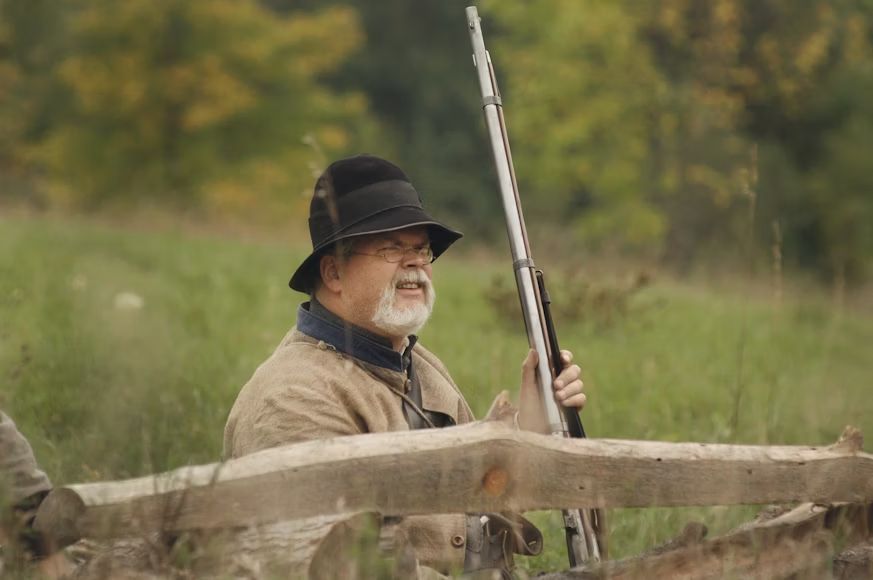
Not every fight was a massive battle. A "skirmish" was a smaller clash , often between scouting parties or outposts. Quick, unpredictable, and sometimes over in minutes, skirmishes kept soldiers on edge and commanders guessing what the enemy was really up to.

General General 3 min read

Do you have a landline?

Can you tell what this was for? 12 items we no longer use!

Image: Luca Onniboni

Little by little, many of the things we used just a few decades ago have been phased out by newer technologies and changing habits. Your relatives no longer invite you over for a family viewing of holiday photos on a slide projector—they share them in the family WhatsApp group. Hardly anyone calls you on a landline anymore—they call your smartphone instead. Take a look at the following 12 things we no longer use. Do you miss any of them?

1
Paper road maps

Image: Sylwia Bartyzel

Paper maps—atlases, or topographic maps—are beautiful and there is always room for those as home decorations or teaching geography in schools. But as far as bulky roadmaps on your back pocket go, smartphones with GPS capabilities have made them obsolete.

2
Bathing machine

Image: Uta Scholl

Back in the day, modesty was far more strictly enforced than it is today. Forget about simply wearing your beach clothes to the shore—the bathing machine was a device, popular from the 18th century to the early 20th century, that allowed beachgoers to change out of their regular clothes , put on swimwear, and wade into the ocean.

3
Public telephones

Image: Pedram Farjam

Before cell phones existed, coin-operated pay phones were the go-to option for contacting someone or leaving a message. Pay phones were everywhere—on street corners, in malls, restaurants, airports, train stations, and hotels, allowing people to make calls in public places.

4
Teleseme

Image: Zoshua Colah

In the late 19th and early 20th centuries, luxury hotels featured an electric signaling device in each room , allowing guests to request goods or services from over 100 options. An attendant in the hotel office would receive the request via a corresponding teleseme and ensure the order was fulfilled.

These devices were eventually replaced by private branch exchange (PBX) telephone systems.

5
Slide projectors

Image: Nathan Anderson

As mentioned earlier, slide projectors were once a common household appliance in many homes and a popular form of entertainment . However, they became obsolete as video projectors became more affordable and accessible.

6
Phonebooks

Image: Brittany Colette

Imagine a book containing the home phone numbers of everyone in your city . It once existed and was delivered annually to every household with a landline by the telephone company. These hefty directories became obsolete with the rise of online listings and the death of landlines in favor of cell phones.

7
Typewriters

Image: Bernard Hermant

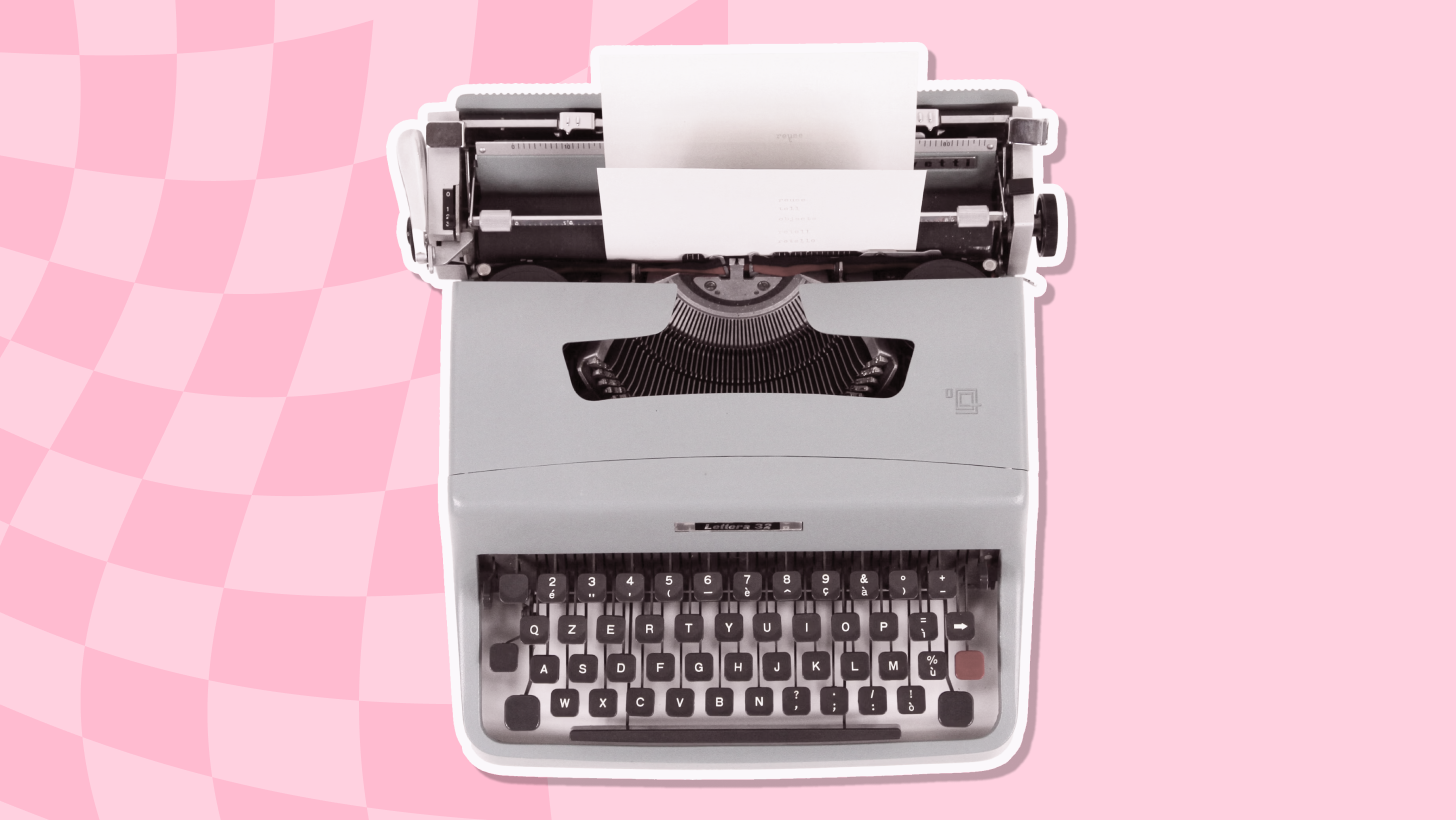
Imagine not being able to revise what you’re writing without scrapping the whole page . While that situation was a great exercise for your focusing abilities, it was phased out by home computers and word processors, which allowed for infinite rewrites in no time.

8
Photo Album

Image: Laura Fuhrman

Smartphones have made photography more accessible than ever, yet we print fewer photos than before. When photography wasn’t digital, people took their film rolls to be developed , returning with 36 crisp pictures—some of which, if deemed worthy, were carefully placed in photo albums .

9
Cassette tape players

Image: Dave Weatherall

If you're over 40, you’ve probably owned a cassette player—whether a Walkman, a boombox, or any other model. Cassettes were sturdy, reliable, and easy to use . However, with the arrival of CDs, which offered superior sound quality and the ability to skip tracks at the press of a button, cassettes and their players quickly faded into obscurity.

10
Encyclopedias

Image: James

Before the internet, encyclopedias were the primary source of knowledge. These extensive book collections adorned bookshelves in homes and public libraries, offering detailed descriptions of almost any subject imaginable , all listed in alphabetical order .

11
Fax machines

Image: alecale35

By today’s standards, sending and receiving faxes wasn’t particularly fast, but at the time, it was a game-changer. The fax machine digitized documents with a scanner and transmitted printed pages over telephone lines . However, it became obsolete with the rise of email, scanners, and smartphones.

12
VHS tapes and VCRs

Image: Leonard Reese

Being able to see any movie you want at home feels ordinary today, but, in the early 80s, it was a dream come true. And this dream was made possible by VCRs and VHS tapes. These bulky devices were eventually replaced by DVD players, which offered superior image quality and eliminated the need to rewind the tape.

Explore more American facts

Choose your favorite category!

General
General

As American as apple pie—the very best America has to offer!

Culture
Culture

Delve into the astounding richness of American lore.

Geography
Geography

Hop in and explore vast and diverse American landscapes.

History
History

Discover the key moments that shaped the United States.