Geography Geography 6 min read

Where nations merge

These American border towns are nothing like what you'd expect
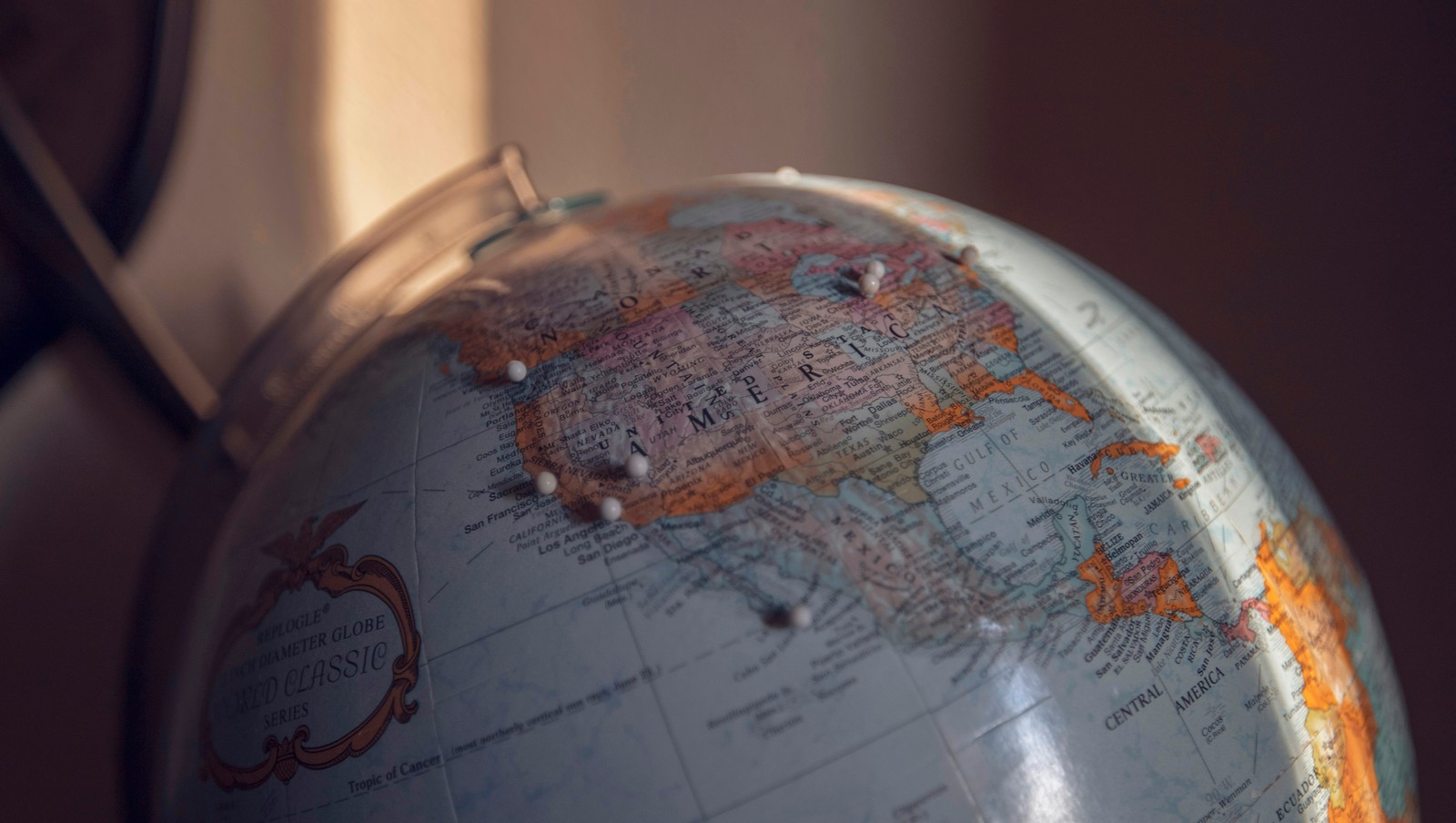
Image: Nicole Geri

America's border towns offer a unique glimpse into where two nations meet and merge. These communities blend languages, cuisines, traditions, and daily life in ways that create something entirely their own. These towns remind us that borders on maps don't always divide people; sometimes they bring them together in the most interesting ways.

1
Buffalo, New York / Niagara Falls, Ontario
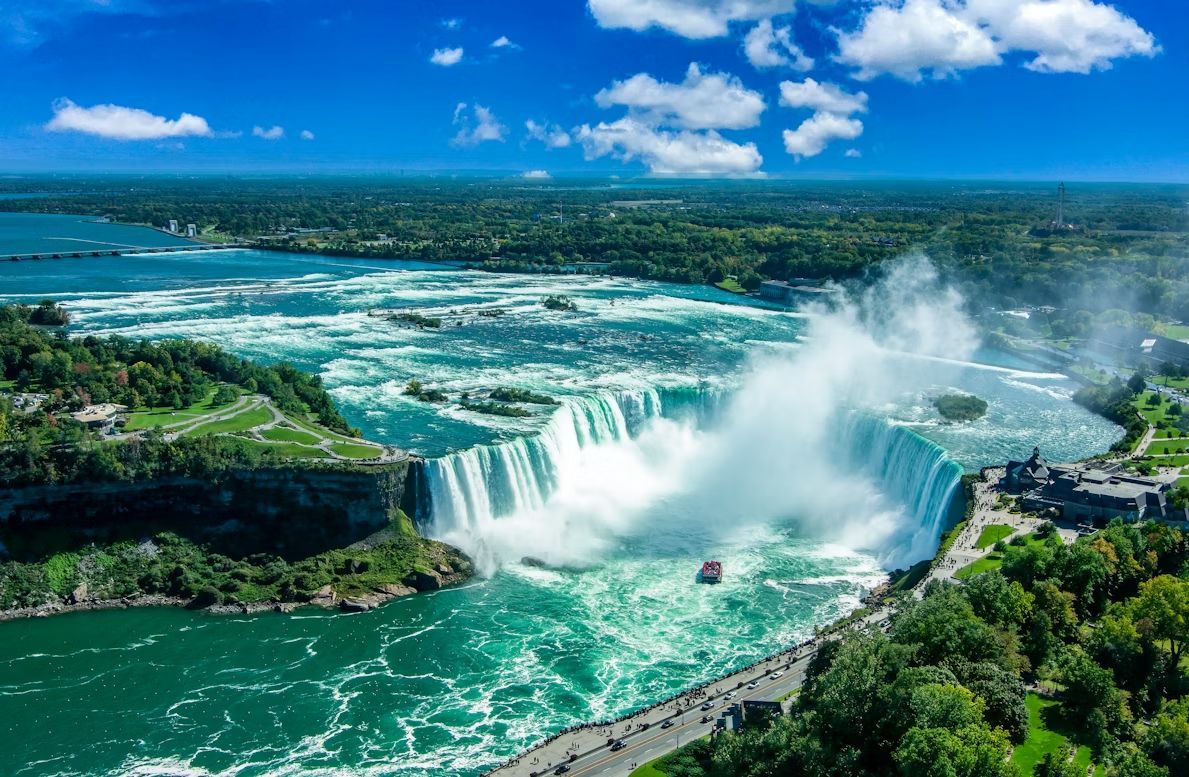
Image: Stephen Crane

Here, one of America's most famous natural wonders creates a binational tourist destination that draws millions annually . The Peace Bridge connects the cities, facilitating a relationship that goes far deeper than tourism. Buffalonians regularly cross for theatre performances at the Shaw Festival, cheaper prescription medications, and a lower legal drinking age.

The cultural blending also shows up during matchups between the Buffalo Sabres and the Toronto Maple Leafs. While the rivalry is intense, it reflects a shared Great Lakes identity shaped by decades of cross-border movement. Canadian shoppers have long made Buffalo malls a destination, while Americans enjoy Windsor-style pizza and Tim Hortons coffee on the Canadian side. The accent in this region reflects generations of cross-border mixing and shared Great Lakes culture.

2
Detroit, Michigan / Windsor, Ontario
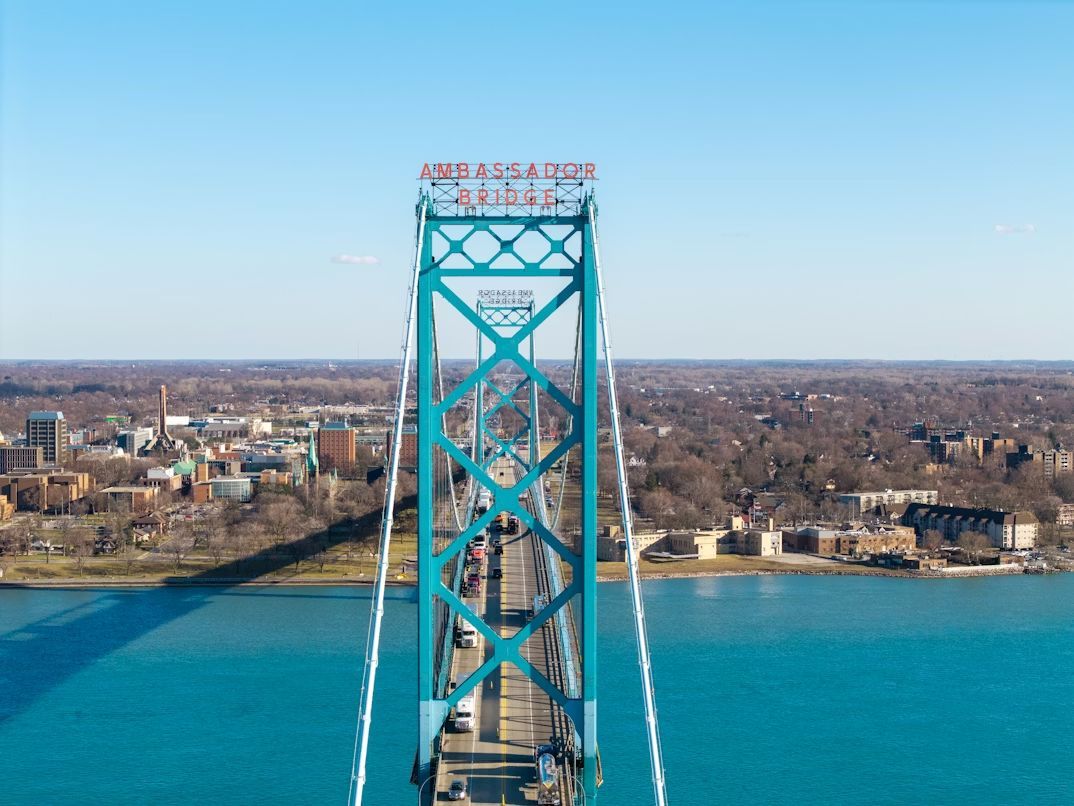
Image: Nils Huenerfuerst

Detroit and Windsor form one of the busiest international crossings in North America, connected by both the Ambassador Bridge and the Detroit-Windsor Tunnel. Over 8,000 trucks cross daily, carrying a quarter of all trade between the U.S. and Canada. But beyond commerce, these cities share deep cultural ties : Detroiters pop over to Windsor for Caesar cocktails and Canadian beer, while Windsor residents cross for Red Wings games and shopping at Somerset Collection.

During Prohibition, Windsor became Detroit's not-so-secret supplier, creating smuggling routes and speakeasies that became Motor City legend. Today, you can stand on the Detroit riverfront and see Canada closer than many American suburbs.

3
Laredo, Texas / Nuevo Laredo, Tamaulipas
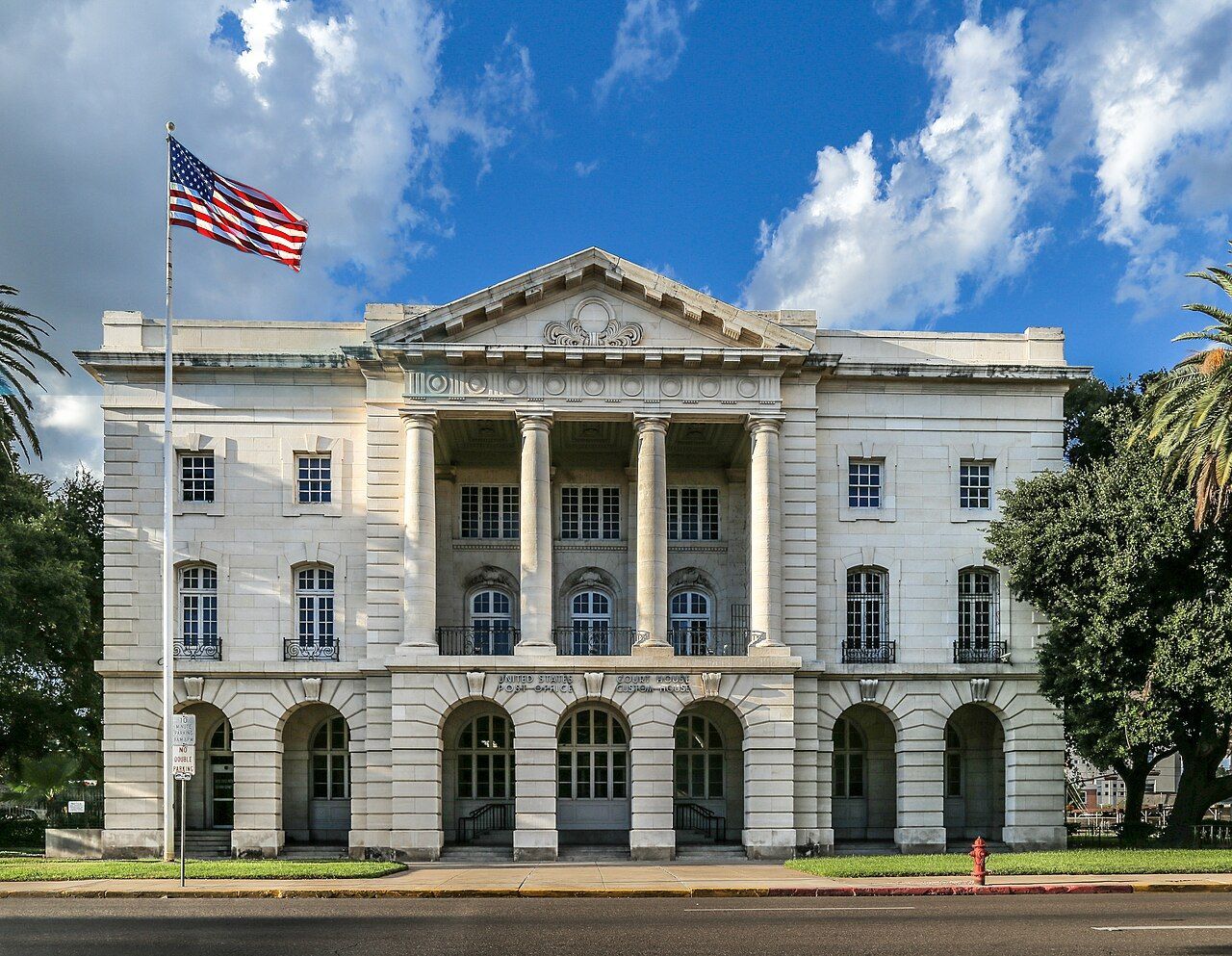
Image: JoshDavid Photos

Laredo is one of the oldest crossing points on the U.S.-Mexico border, founded in 1755. The city's Washington's Birthday celebration, oddly enough, is one of the largest such celebrations in the country, spanning nearly the entire month of February and including participants from both sides of the border.

The economy here revolves around international trade, with massive amounts of freight crossing daily between the two nations. But beyond commerce, the cultural blend shows up everywhere—in the predominance of bilingual conversations, in restaurants serving cabrito alongside barbecue, and in the way holidays are celebrated with traditions from both countries.

4
Blaine, Washington / Surrey/White Rock, British Columbia
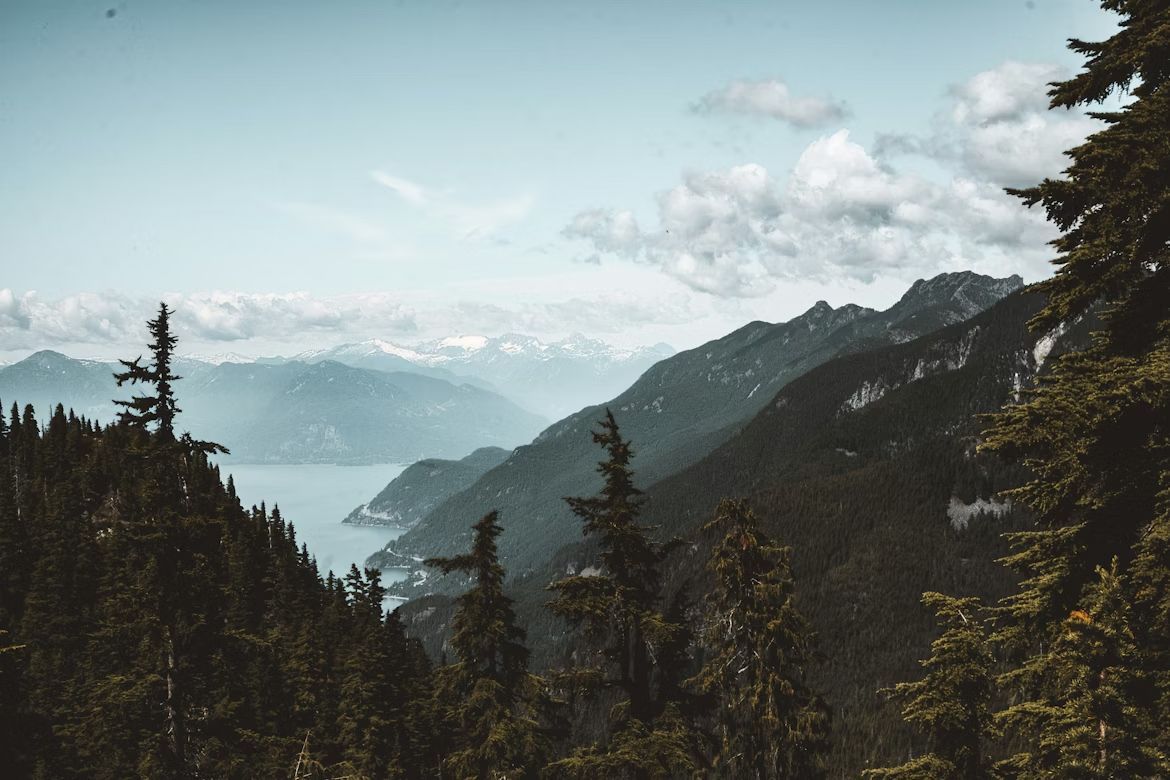
Image: Jess Barnett

Blaine sits at the western end of the U.S.-Canada border, where the line literally runs through Peace Arch Park—a unique binational park where families can picnic with relatives from either country without going through customs. The Peace Arch monument itself straddles the border, inscribed with "Children of a Common Mother" and "Brethren Dwelling Together in Unity."

Residents on both sides share a love of hiking, craft beer, and fish and chips. Blaine residents drive to Surrey for groceries at Canadian supermarkets, while British Columbians come south for gas, milk, and Trader Joe's runs . The Cascadia bioregion identity—encompassing B.C., Washington, and Oregon—often feels more meaningful to locals than national boundaries.

5
Derby Line, Vermont / Stanstead, Quebec
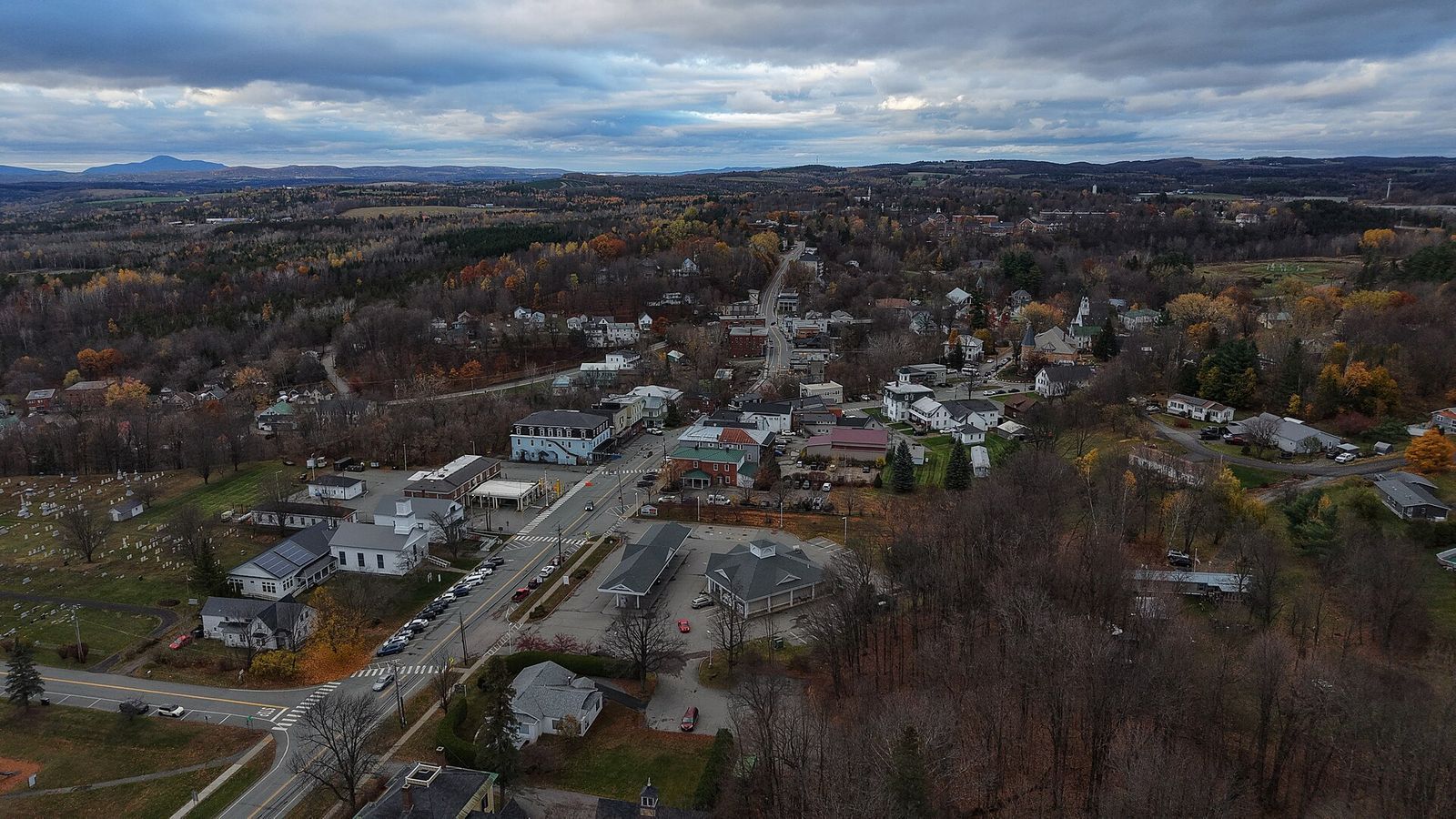
Image: Ascended Dreamer, CC BY 4.0, via Wikimedia Commons

Derby Line and Stanstead share the most uniquely porous border in North America . The Haskell Free Library and Opera House was deliberately built straddling the international boundary in 1904, with the stage in Canada and most seats in the U.S. A black line on the floor marks where one country ends and another begins—no passport required.

Several homes and buildings in town sit directly on the border, with front doors in one country and back doors in another. Before 9/11 and increased border security, locals would casually cross back and forth multiple times daily without much thought. While regulations have tightened, the community identity remains binational.

6
Sault Ste. Marie, Michigan / Sault Ste. Marie, Ontario
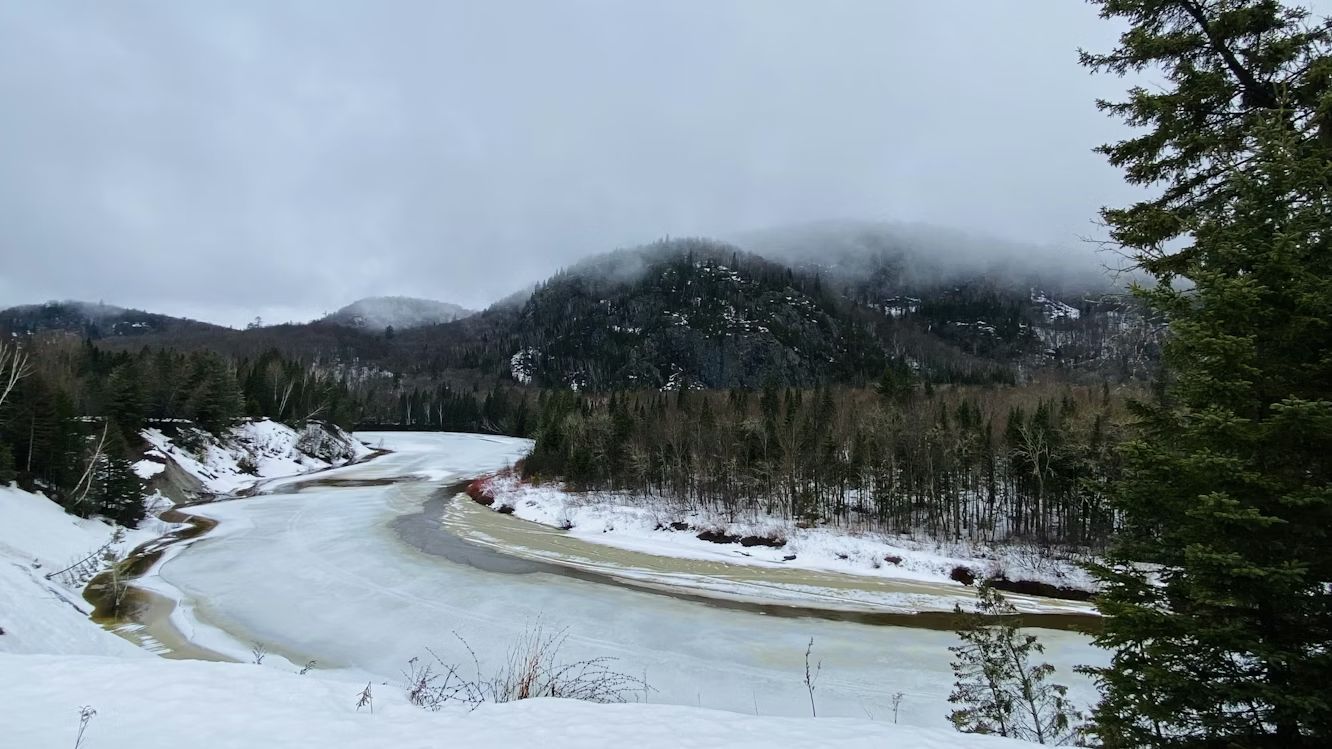
Image: Calvin Lecuyer

The "Twin Saults" are literally the same city split down the middle by the St. Marys River and the International Bridge . Founded as a single French missionary settlement in 1668, the community was divided when the border was formalized after the War of 1812. Today, residents on both sides maintain that they're really one town with an inconvenient international boundary running through it.

The Soo Locks on the American side and the Canadian locks create a shared identity around Great Lakes shipping—watching massive freighters navigate the locks is a regional pastime. Hockey culture dominates both sides, with junior leagues and recreational teams mixing Canadian and American players. Families cross the bridge for shopping, dining, and visiting relatives as casually as driving across town.

7
Hyder, Alaska / Stewart, British Columbia
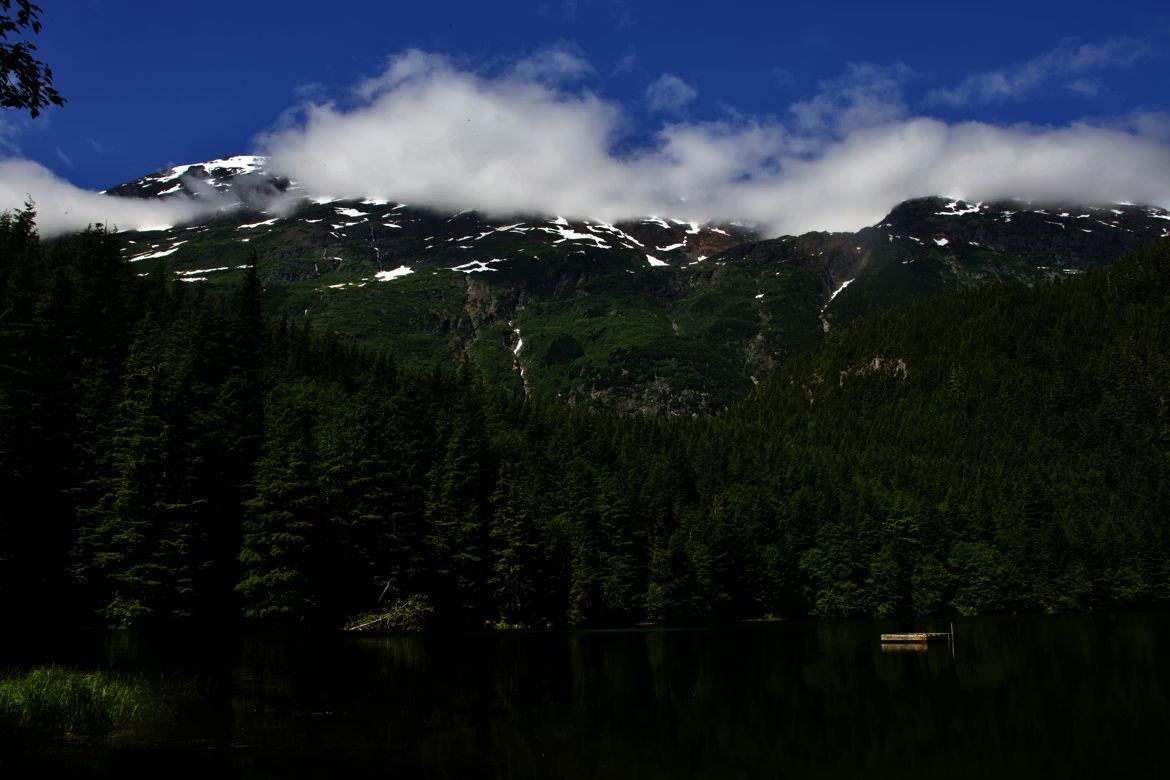
Image: Jasper Malchuk Rasmussen

While Hyder sits on the Alaskan Panhandle, it functions like a practical island: with no roads connecting it to the rest of the state, its only lifeline is a two-mile stretch of pavement leading into Stewart, B.C. This forced detour through Canada has effectively turned Hyder into a 'suburb' of its Canadian neighbor, where the border is a formality and the geography is the boss. With a population hovering around 20 people, Hyder has no bank, no post office, and spotty cell service—but it does have Stewart, B.C., just two miles away. The 400 residents of Stewart provide the services Hyder lacks, creating a dependence that makes the border almost irrelevant to daily life .

Hyder runs on Pacific Time rather than Alaska Time, uses Canadian currency, and Canadian area codes. Kids from Hyder attend school in Stewart. The towns share a volunteer fire department and emergency services.

8
Nogales, Arizona / Nogales, Sonora, Mexico
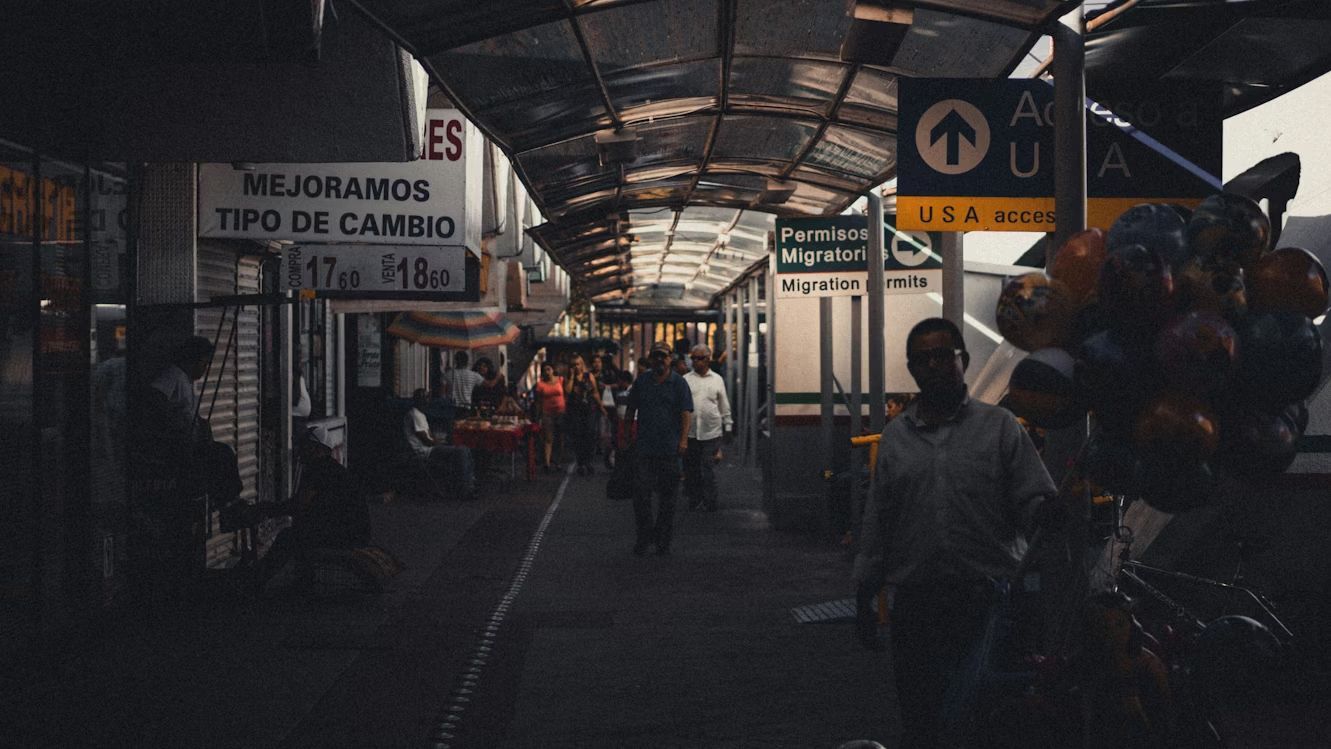
Image: Andrew Schultz

Ambos Nogales—"Both Nogales"—is what locals call this split city where the international boundary literally runs down the middle of town. Before modern border security, people would step back and forth across the line to shop, visit family, or grab lunch.

The American side has a population of around 20,000, while the Mexican side has grown to over 300,000. Despite the size difference, the cultural exchange remains strong. Arizona residents cross for affordable dental care and authentic Sonoran cuisine, while Mexican families come north for shopping at American chain stores. The shared history runs deep—many families have relatives on both sides , and the sense of being one divided community persists despite the increasingly fortified border.

9
San Diego, California / Tijuana, México
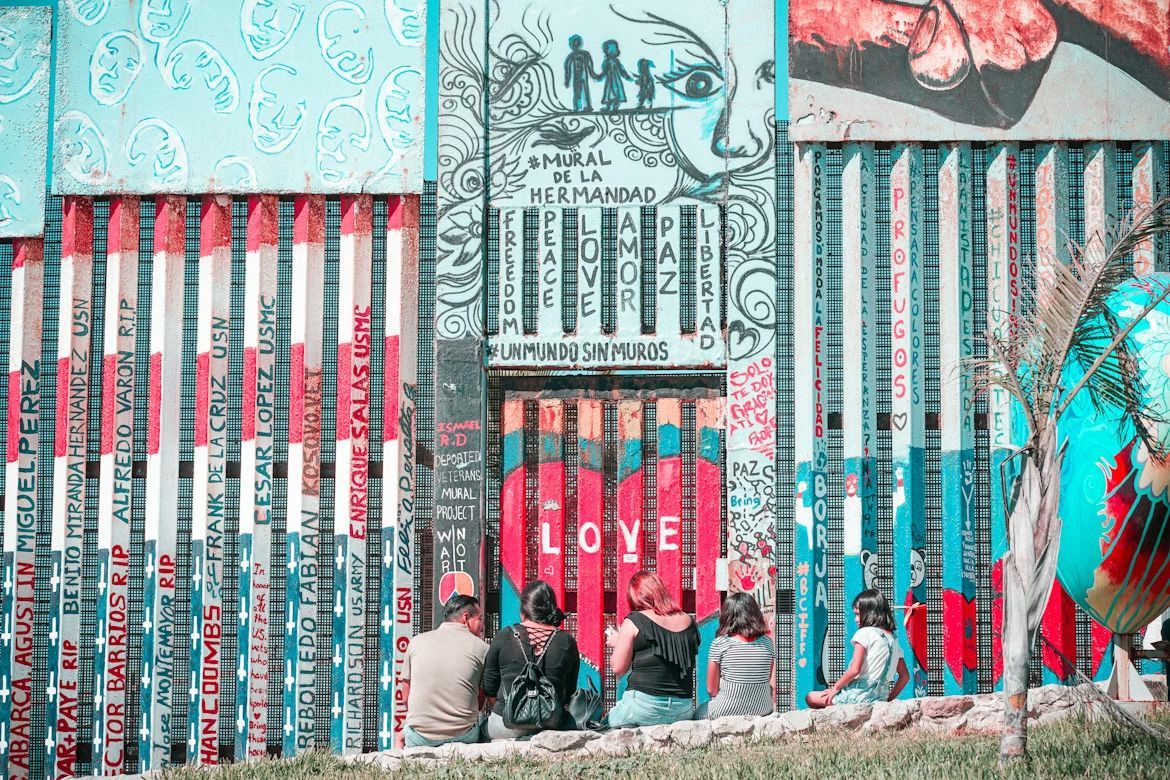
Image: Barbara Zandoval

The San Ysidro Port of Entry between San Diego and Tijuana is the busiest land border crossing in the Western Hemisphere, with around 70,000 northbound vehicle passengers daily . This constant flow has created a cultural fusion zone where fish tacos meet California beach culture, and where thousands of people hold jobs on one side while living on the other.

Craft beer culture flourishes on both sides, with breweries collaborating across the border. Street art in both cities shares similar styles and themes, while music festivals regularly feature artists from both nations.

10
El Paso, Texas / Ciudad Juárez, México
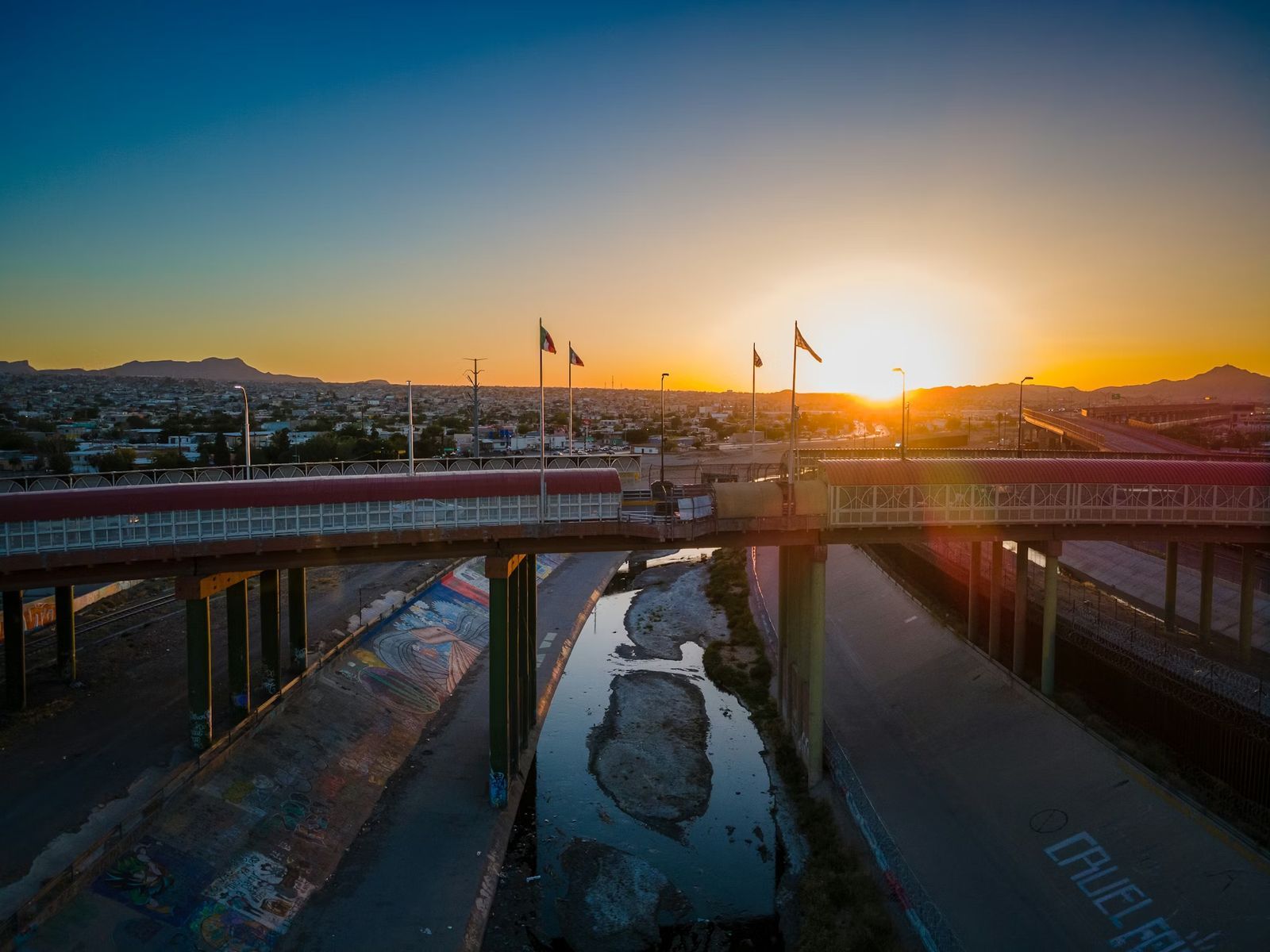
Image: Nils Huenerfuerst

El Paso and Juárez form one of the world's largest binational communities, with over 2.5 million people living in the combined metro area . Families routinely cross the border for work, school, shopping, and Sunday dinner. The Franklin Mountains provide a stunning backdrop to this bustling cultural exchange, where Tex-Mex cuisine was practically invented and where speaking both English and Spanish isn't just common, it's essential.

The downtown areas of both cities sit so close you can practically wave to someone across the Rio Grande. Street vendors sell elotes and hot dogs side by side, while radio stations broadcast to audiences in both countries simultaneously.
General General 3 min read

Folklore files

Think you’re tough? Try reading these hometown legends at night!

Image: Justin Ziadeh

Every town has at least one story that makes folks lower their voices and lean in a little closer. Across the country, these tales have grown legs and wandered far beyond the places where they started. Here are ten of America’s most talked-about urban legends, the ones that keep popping up in conversations, road trips, and campfire chats.

1
Bigfoot in the Pacific Northwest

Image: Jon Sailer

The forests of Oregon and Washington have been a treasure trove of Bigfoot sightings for decades. Hikers, campers, and loggers all have their own take, from gentle encounters to hair-raising escapes. Whether he’s a shy forest neighbor or just a legendary wanderer, the mystery has inspired countless hunts, tales, and devoted believers who swear the creature is still out there.

2
West Virginia’s winged visitor

Image: Bhong Bahala

Point Pleasant had quite a moment in the 1960s, when locals reported seeing a tall figure with glowing eyes sweeping through the sky. Newspapers named it the Mothman, and soon the stories were everywhere. Some people thought it was a bird, others guessed something stranger. The sightings even lined up with a real bridge collapse, which only added to the town’s long-lasting fascination.

3
Minnesota’s winter monster

Image: Anoushka Puri

Northern tribes have long shared stories about the Wendigo, a creature tied to greed, hunger, and the frozen wilderness. Descriptions vary, but all versions paint a picture of something you wouldn’t want to cross paths with on a snowy night. Whether seen as a physical creature or a spirit, the tale has survived because it taps into those deep winter fears we all understand, right?

4
The Jersey Devil in New Jersey

Image: Donovan Reeves

The Pine Barrens have been home to strange stories since colonial days. One of the oldest is about Mother Leeds, who supposedly cursed her thirteenth child. Folks say the baby flew off into the forest and took on a life of its own, complete with wings and hooves. Sightings pop up every so often, especially during the wave of excitement in 1909, when everyone was looking over their shoulder.

5
Riverdale Road in Colorado

Image: Dennis Schmidt

This quiet stretch of pavement near Thornton has earned quite a reputation. People love to talk about its old gates, said to be the ruins of a long-gone mansion, where a ghostly woman in white sometimes steals the spotlight. Drivers also swap stories about a phantom jogger keeping pace with them.

6
The Shaman’s Portal in Oklahoma

Image: Daniëlle Eibrink Jansen

Out in Beaver Dunes Park, people have been whispering for centuries about strange lights flickering across the sand. Early explorers were warned to steer clear, and some stories claim travelers simply vanished after a flash of eerie green. Modern visitors usually come for ATV rides, but the legend of an otherworldly doorway tucked into the dunes still gives the place a curious chill.

7
Hell’s Gate Bridge in Alabama

Image: The New York Public Library

Locals tell an old tale about a young couple whose late-night drive ended in tragedy. The story took on a life of its own, with people claiming that if you sit on the bridge in the dark, you might spot the couple. Everyone knows it’s just a slice of local lore, but it hasn’t stopped anyone from swapping stories.

8
Utah’s petrified forest curse

Image: Adrian Hernandez

Escalante Petrified Forest is a beautiful destination, but visitors hear one warning loud and clear: leave the wood where it lies. Rangers say they get packages every year with pieces of petrified wood sent back by people who swear they had nothing but bad luck after taking a souvenir. Whether you believe in curses or just want a peaceful trip, it’s safer to enjoy the scenery with your hands empty.

9
The Cropsey tale in New York

Image: Mahdi Bafande

Growing up in New York, plenty of kids heard a version of Cropsey. Sometimes he was a runaway patient, other times a shadowy presence lurking near camps or tunnels. The unsettling part is that a real criminal case in the 1980s made the stories feel even closer to home. Over time, the legend inspired scary movies, bedtime warnings, and a whole generation of whispered fears.

10
Virginia’s Bunnyman

Image: Justin Ziadeh

Clifton has a little train bridge that looks simple enough in the daytime. But the Halloween story tied to it turned it into a local fixture. Some say a dangerous fugitive patient once hid there. Others remember a real-life incident from the 1970s involving a hatchet and a mysterious figure. The tale grew in the retelling, and before long, the Bunnyman hopped right into regional folklore.

Geography Geography 5 min read

LIVING HISTORY

Check Out 10 Of The Oldest Houses in America And Their Stories

In the U.S. territory, there are some buildings and edifications that have really passed the test of time, standing as witnesses to the strength and durability that human creations can have. Many of them still retain traits of those who built or inhabited them, even after standing for 400 years or more. If you want to discover more about them, join us as we tell you the origin and stories of 10 of the oldest buildings in America!

1
Palace of the Governors (New Mexico, 1610)

Image: Donald Giannatti

This is one of the oldest continuously occupied public buildings in the United States. Built in 1610 , it served as the seat of the Spanish, Mexican, and, finally, American government.

Some experts claim that the key to its longevity is the material of which it is composed. Adobe has always worked very well as a building material in areas that, like New Mexico, have a major thermal amplitude. This is because adobe works as a thermal insulator.

Besides all the historical artifacts this building holds, it also has many stories to tell. In 1862, during the Civil War, Abraham Lincoln gave a famous speech from the Palace's balcony.

2
Fairbanks House (Massachusetts, 1637)

Image: Lampos Aritonang

Built around 1637 by English immigrant Jonathan Fairbanks in what is now Dedham, Massachusetts, many sources claim that the Fairbanks House is the oldest timber-frame house in America.

With so many years of existence and so many people who must have passed through it, can you imagine the stories that could be told from inside those wooden walls? For 8 generations, Jonathan's descendants inhabited this place, and today, it functions as a museum for all of us to visit.

This 380 -year-old house was built with oak wood, straw, animal fur, and other materials of the time. Just imagine how cold it must have been inside during winter!

3
C.A. Nothnagle Log House (New Jersey, 1638-1643)

Image: Joshua Michaels

Can you imagine holding an object from the 1590s in your own hands? Well, that's what you could do at the C. A. Nothnagle Log House in New Jersey.

The Finns and the Swedish left testimonies of their building techniques in our territory with this log cabin built between 1638 and 1643, one of the oldest still extant in the country. The many inhabitants of this house never had to worry about winter; the interior features a large, centrally located stone and brick chimney that provides even heat for the entire place.

With so many years of history, it's not unusual for visitors to experience strange episodes at the C. A. Nothnagle Log House. Some have reported hearing footsteps and soft murmuring, while others affirm to have seen a specter of a woman dressed in colonial-era clothing.

4
Richard Sparrow House (Massachusetts, 1640)

Image: James Kovin

Richard Sparrow, surveyor and early settler of Plymouth, Massachusetts, built this historic house in 1640, making it the oldest surviving house in Plymouth.

With its timber frame, this house is an example of typical colonial architecture, demonstrating the durability of this type of construction. Despite the restorations necessary to keep it standing, the house keeps most of its original materials and still looks much as it did in the 17th century , making it an interesting source of education about the period.

5
House of the Seven Gables (Massachusetts, 1668)

Image: Joseph Corl

The Fairbanks House is not the only historic house in Massachusetts.

Considered a colonial mansion, the Turner-Ingersoll Mansion was built in 1668 for Captain John Turner and stayed with his family for three generations. The place became famous in 1851 for its appearance in Nathaniel Hawthorne's Gothic novel "The House of the Seven Gables," which also gave it its characteristic nickname.

While the dark stories Hawthorne wrote about are fictional, some visitors claim to have felt a scary feeling and strange vibes inside the house. Would you like to visit the museum?

6
Paul Revere House (Massachusetts, 1680)

Image: Timur M

As the name implies, this historic house was the home of patriot Paul Revere.

Built in 1638 , it is not only one of the oldest houses in the country, but it is also the oldest standing building in downtown Boston, and represents a fine example of classic Colonial American architecture.

The building originally belonged to another owner, and Paul Revere acquired it around 1770 . If you visit the house, you can see objects and artifacts that actually belonged to the Revere family! You won't be the first, though, as an estimated 300,000 people visit the house annually.

7
Shirley Plantation (Virginia, 1723)

Image: Belia Koziak

Shirley Plantation is undoubtedly one of the oldest and most famous plantations in America.

While the plantation was founded in 1613, construction of its main house began in 1723, designed in the Georgian architectural style.

Additionally, visitors can find artifacts, tools, and weapons from the Civil War era, making it a truly valuable experience. As another detail, Shirley Plantation also has the oldest known plantation portrait in America: it features Elizabeth Hill and John Carter, whose marriage united the Hill and Carter families. These families have owned the place since 1738 to this day!

8
Wright's Ferry Mansion (Pennsylvania, 1738)

Image: Marie Martin

Susanna Wright was a pioneer Quaker woman from Philadelphia, who decided to live in Wright's Ferry (what is now Columbia) in the early 18th century. Wright was active in poetry, science, and local politics and business.

In 1738, she built Wright's Ferry Mansion, which served not only as her family home but also as a business center. With its classic proportions and elegant style, the mansion is today one of the oldest in the country. It was preserved to keep its original appearance, remaining a fine example of early 18th-century architecture in the country.

Legend has it that the house is haunted by the spirit of its original owner, with several visitors claiming to have seen her, or heard murmurs and loud footsteps inside the house.

9
Mount Vernon (Virginia, 1734-1750s)

Image: Matt Briney

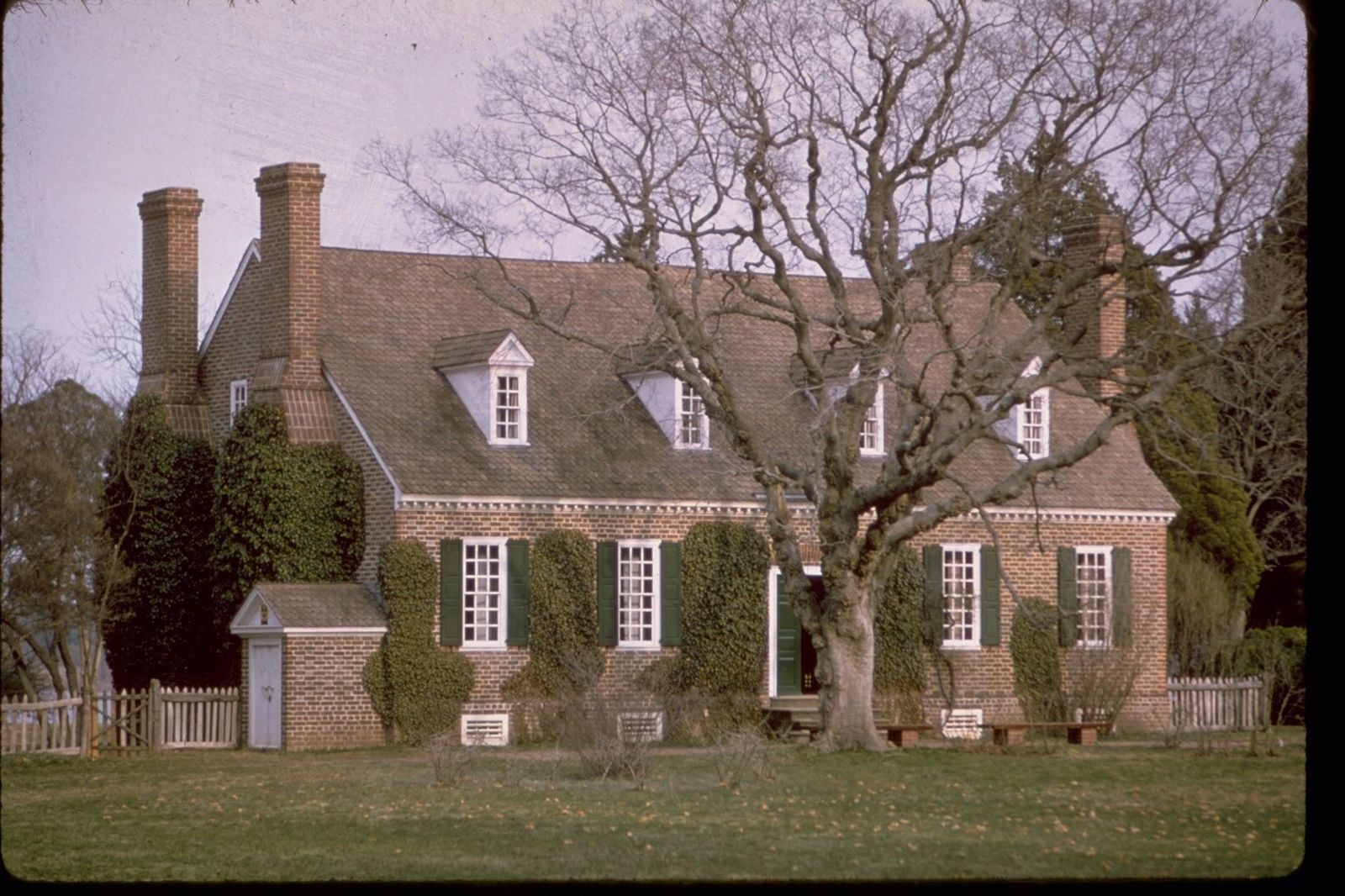
We can't overlook the iconic Mount Vernon. Built in Fairfax County, Virginia, it’s one of the most famous homes in the country. And you know why: it was the home of our first president, George Washington.

The original house was built in 1734 by George Washington's father, Augustine Washington, and then expanded by his son into the building we see today. Washington influenced American architecture with the design of this building. In fact, it is said that the design of the "New Room" in Mount Vernon inspired the White House's Oval Office!

While the exterior is made of wood, it was sanded and beveled to mimic stone for a classic, elegant style. The house also has Martha Washington's famous "Blue Room," one of the most beautiful and best-decorated spaces, which still preserves its appearance. Have you already visited it?

10
Drayton Hall (South Carolina, 1747-1752)

Image: Peter Herrmann

Charleston, South Carolina, was the site where the historic Drayton Hall was built between 1747 and 1752.

This 18th-century plantation is considered to be one of the best-preserved examples of Georgian architecture. In addition, it is also claimed to be the only plantation house on the Ashley River that survived the Revolutionary and Civil Wars, not without some damage.

With nearly 300 years of history, it's undeniable that this house was the scene of many stories and events. Some visitors have claimed that the house is haunted , reporting sightings of apparitions and hearing mysterious noises. Spooky, isn't it?

Explore more American facts

Choose your favorite category!

General
General

As American as apple pie—the very best America has to offer!

Culture
Culture

Delve into the astounding richness of American lore.

Geography
Geography

Hop in and explore vast and diverse American landscapes.

History
History

Discover the key moments that shaped the United States.