Culture Culture 3 min read

What’s on the menu?

American cuisine: 10 regional dishes to try
Image: Louis Hansel

America’s regional cuisine is as varied as the country itself, a result of more than two centuries of different influences coming together and creating new traditions. When we think about regional dishes, some fan favorites come to mind: Philly cheesesteak, Texas BBQ, different pizza styles, gumbo, and many more. But some dishes, no matter how popular and representative of their region, seem to be less talked about. Here are 10 regional favorites that are worth a try.

1
Cioppino
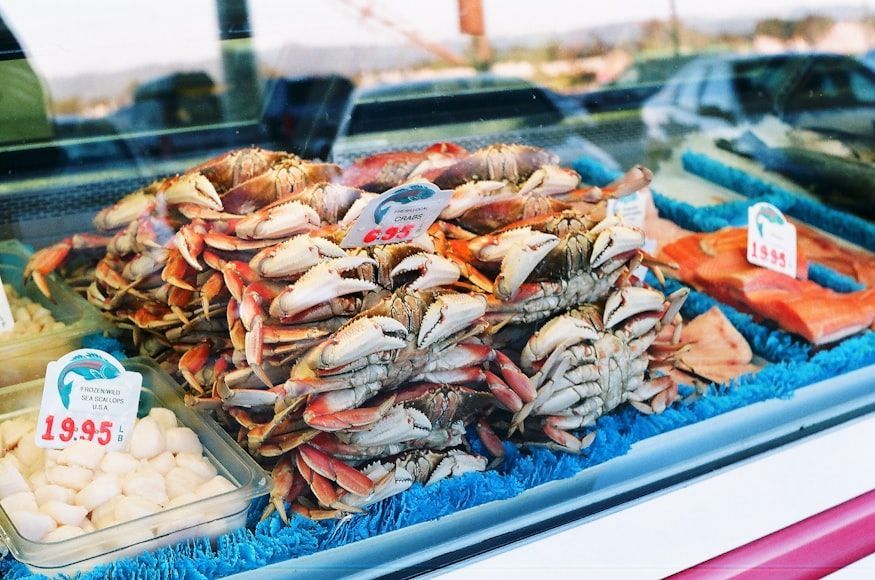
Image: James Wei

A not-so-talked-about product of the Italian influence in America, cioppino is an underrated representative from San Francisco. A tomato-based seafood stew (or a soup, depending on who you ask), it started as a struggle meal made with whatever was caught that day, and it is now a beloved dish that reflects the city’s history.

2
Fry bread
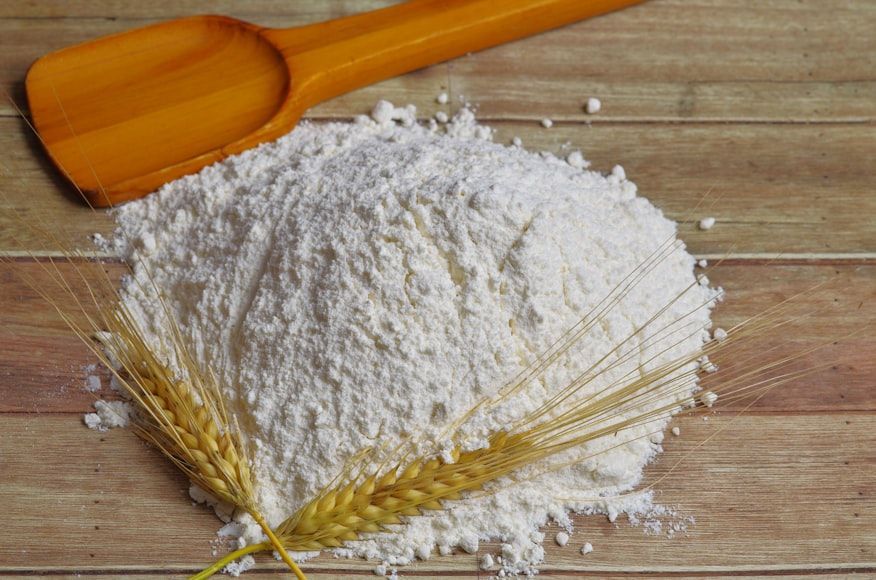
Image: Immo Wegmann

When thousands of Navajo people were forcefully displaced from Arizona to New Mexico, they were provided with meager rations for the 300-mile journey: flour, water, salt, and lard. From these scarce provisions, they created a fried dough, chewy on the inside and crispy on the outside. Originally eaten on its own, it is nowadays paired with all kinds of toppings.

3
Poi
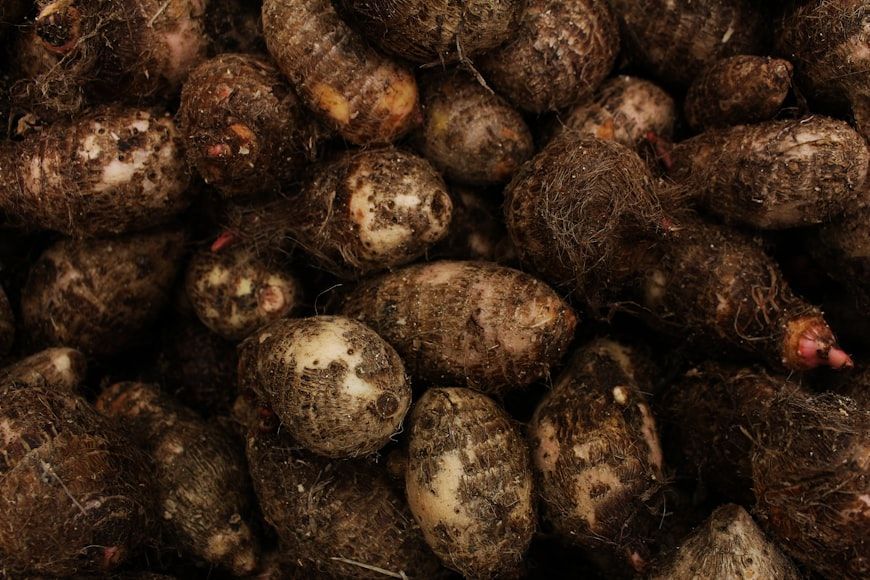
Image: Daniel Dan

Made from steamed and mashed taro root, this Hawaiian dish can be enjoyed in several ways. Although sweeter when freshly made, it is often paired with other savory dishes. It can also be left to ferment, which gives it a more sour taste. Highly nutritious, poi has been a staple in Hawaiian and Polynesian cuisines for centuries.

4
Étouffée
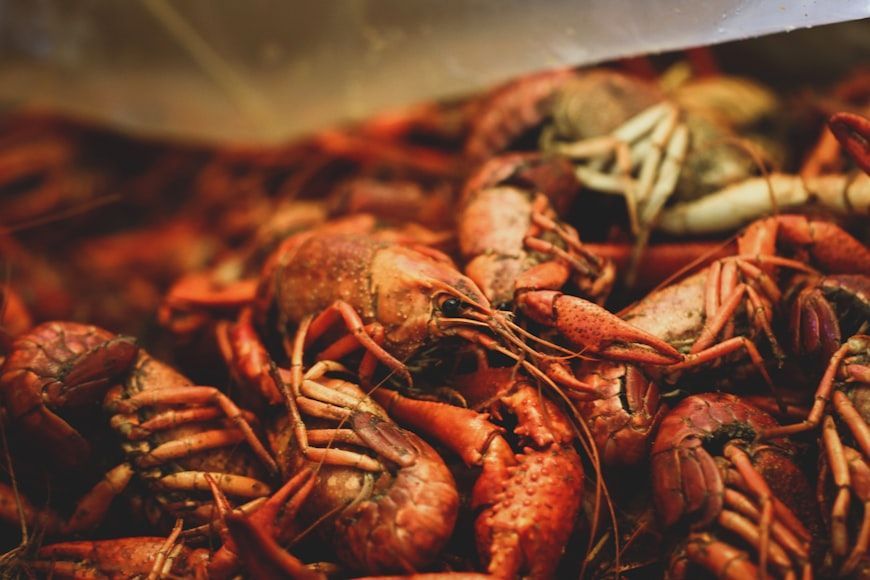
Image: Stephanie Moody

Gumbo and jambalaya might be what first come to mind when thinking about Louisiana, but étouffée (meaning ‘smothered’) should not be overlooked. Thicker than gumbo —though sharing many of its ingredients—, étouffée delivers what its name promises: a rich, gravy-like, shellfish stew that smothers the accompanying rice. Depending on whether you are having a Creole or a Cajun étouffée, it may or may not contain tomatoes.

5
Crab cakes
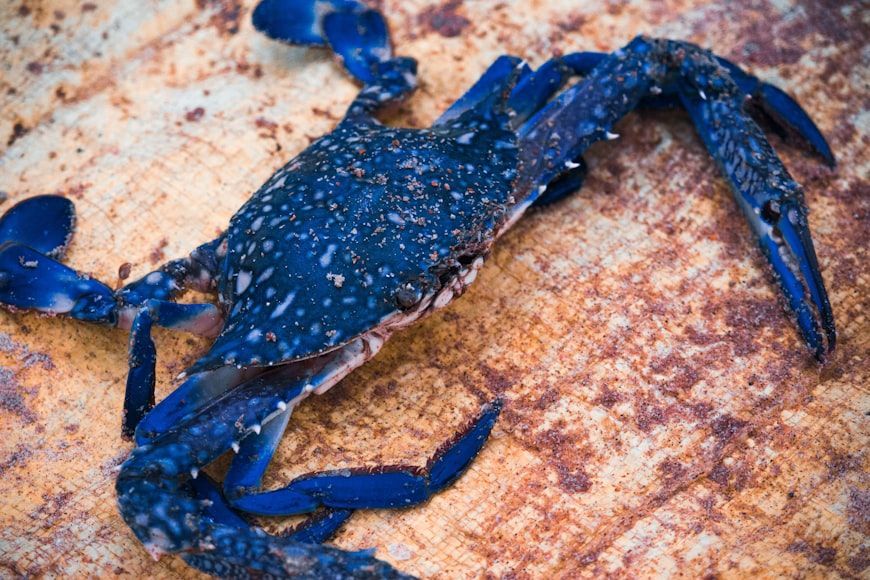
Image: Girish Dalvi

This dish can be found all along the Atlantic coast, but its most famous iteration is associated with Chesapeake Bay, Maryland. With a history that goes back to Native Americans, modern crab cakes can be enjoyed sautéed, baked, grilled, deep-fried, or broiled, and are most of the time made with blue crab, though other crab meats can be used.

6
Clam chowder
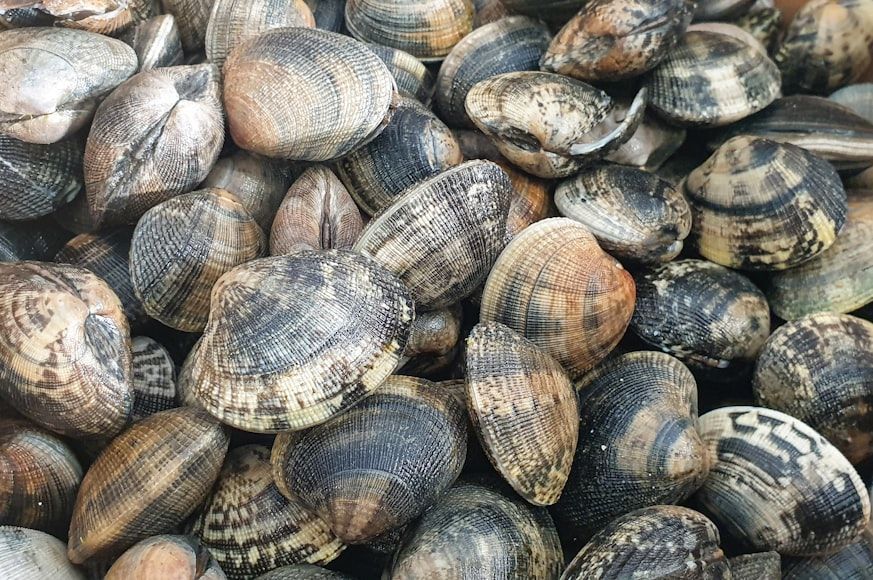
Image: henry perks

A New England staple, this dish draws influence from British, French, and Nova Scotian traditions. Although it was not dairy-based in its origins, modern clam chowder gets its rich texture from milk or cream, and features butter, potatoes, pork, and, of course, clams. Other famous variations differ mainly in the soup base, such as the Manhattan clam chowder (made with tomato) or the Rhode Island clam chowder (made with a clear broth).

7
Hush puppies
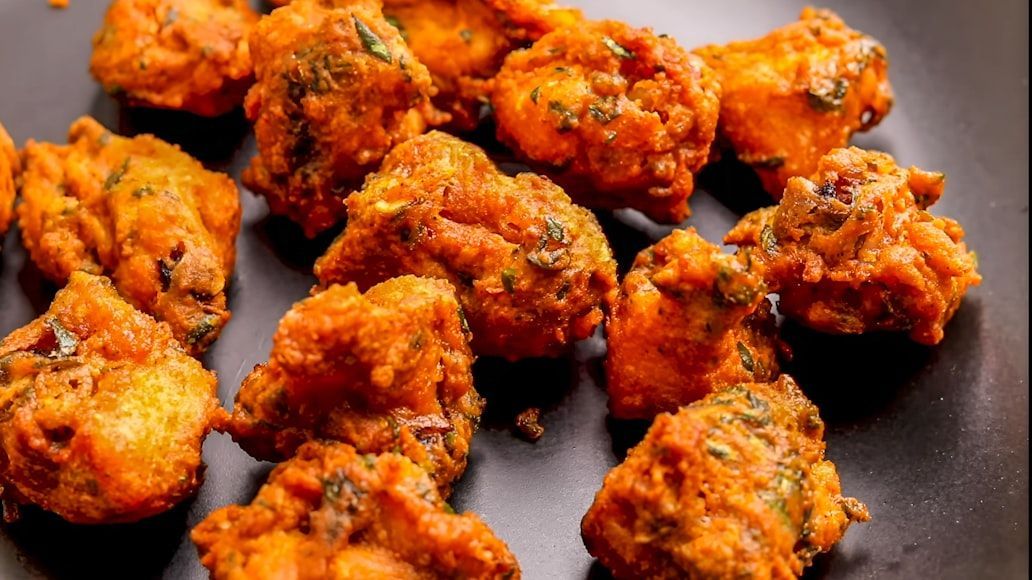
Image: Abhijit Biswas

A Southern classic, these cornmeal fritters became popular during the Civil War because they were affordable and versatile. Usually made plain to serve as a side dish, they can also have cheese, jalapenos, whole corn grains, and other fillings added.

8
Marionberry pie

Image: Amanda Hortiz

Oregon's signature dessert, this pie filling features marionberries, a blackberry hybrid developed in the 20th century. Compared with regular blackberries, marionberries have a deeper, more complex flavor, resulting in a sweeter and sharper pie filling. A summer staple, it is often served alongside vanilla ice cream.

9
Runza
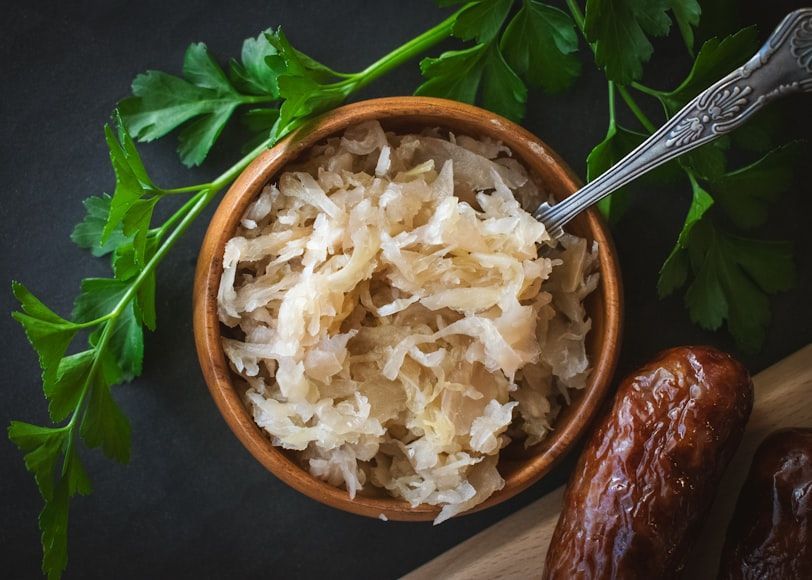
Image: Kelsey Todd

Food from the Midwest is sometimes reduced to casserole dishes and jello salads, but it is more varied than some might think. Runza, a sandwich-hot pocket hybrid filled with beef, cabbage, and onions, is an example of how midwesterners transformed immigrant food traditions into something new. Originating in Nebraska, runzas are derived from German and Eastern European pirogs , a baked, filled dough.

10
Akutaq

Image: Adam Chang

Though this Alaskan delicacy is technically an ice cream, don’t expect it to be like the ice creams you are used to. Made from reindeer fat, seal oil, fresh snow, berries, and sometimes, ground fish, akutaq is a dessert, a snack, a spread, and a main dish all in one. Developed as a way to preserve fruits and animal fats, this nutrient-dense dish has everything you need to face the harsh Alaskan winters.
Culture Culture 4 min read

Funny papers

Colorful pages: Here are 10 of the most iconic American comic strips!

Image: somecomputer

Comic strips might seem like a colorful little detail on the last page of a stuffy, boring newspaper, but they are so much more. They not only add humor and levity to our day, but many people can attest that they learned to read as children through their favorite comic strips. In that sense, America has produced its fair share of amazing comic strips over the years, so we thought it appropriate to honor 10 of the most iconic "funny papers" with this article. Enjoy!

1
Peanuts

Image: ZENG YILI

We’ll start with what some describe as "arguably the longest story ever told by one human being." When Charles Schulz started Peanuts in 1950, he wasn’t aware that he would single-handedly produce a plethora of amazing stories until his death in 2000. The original Peanuts run, which introduced iconic characters like Charlie Brown, Snoopy, and Linus, appeared in over 2,600 newspapers and has been translated into 21 languages.

2
Marmaduke

Image: Oliver Bichard

As any Great Dane owner can tell you, these massive dogs can sometimes be a handful. However, if the comic strip Marmaduke has taught us anything, it’s that no matter how messy their lovable dog is, the Winslow family will always care for their Great Dane, the titular Marmaduke. This comic strip was created in 1954 by cartoonist Brad Anderson, who continued to make Marmaduke comics for 61 years until his death in 2015.

3
Krazy Kat

Image: Shelby Murphy Figueroa

While perhaps not as well-known as other comic strips in this article, George Herriman’s Krazy Kat (also known as Krazy and Ignatz ) is considered by many critics to be one of the most influential comic strips in history. At first glance, Krazy Kat , which ran from 1913 to 1944, appears to be a simple gag-a-day comic depicting an anthropomorphic cat and his mouse rival. However, Herriman’s impressive artwork and groundbreaking creativity have led critics to regard Krazy Kat as one of the most significant pieces of American art .

4
Garfield

Image: Jason Yuen

Garfield is a strong contender for the title of "world’s most famous cartoon cat." True, he is competing with heavy hitters like Tom from Tom and Jerry or Felix the Cat, but this Monday-hating, lasagna-loving orange cat is truly a force to be reckoned with. Created by Jim Davis in 1976, Garfield was first introduced in a comic strip named Jon after the cat’s owner. However, Garfield quickly took the spotlight, and the comic strip was renamed Garfield in 1977. From that point onward, Garfield became an international icon, earning the Guinness World Record for being the world's most widely syndicated comic strip.

5
Calvin and Hobbes

Image: cogdogblog, CC BY 2.0

Can you remember the stuffed animal you would carry everywhere as a child, going on imaginary adventures all across your backyard? Well, for many of us, Calvin and Hobbes perfectly encapsulates those beloved memories. Created by Bill Watterson in 1985, this comic strip depicts the adventures of a young boy named Calvin and his best friend Hobbes, a whimsical and friendly tiger. What’s most moving about this comic strip is that both Calvin and the readers see Hobbes not as a stuffed animal, but as the best friend a young boy could have.

6
The Far Side

Image: Luis Cortés

Up until this point, we’ve been focusing on multi-paneled comic strips, which have several panels at their disposal to tell a compelling story. However, The Far Side has the remarkable distinction of making us laugh heartily with just a single panel. Written and drawn by Gary Larson, this comic strip combines surreal humor with unexpected punchlines , often depicting social situations or the author’s unique view of the world.

7
Dilbert

Image: The Conmunity - Pop Culture Geek from Los Angeles, CA, USA, CC BY 2.0

The break rooms of offices across America are filled with newspapers, which tired employees read during their breaks before returning to work. In that sense, artist Scott Adams perfectly chose office humor as the ideal backdrop for his comic strip, Dilbert . First published in 1989, the strip tells the story of the titular Dilbert, a white-collar engineer trying to navigate the hilarious madness of working in an office.

8
The Family Circus

Image: William Fitzgibbon

At times, the chaos of living with a big family might seem not too dissimilar to the frenzy and excitement of a circus. This seems to be the premise behind the beloved comic strip The Family Circus , created by cartoonist Bil Keane and continued by his son Jeff after Bil’s death. This comic strip revolves around an unnamed family and the many adventures that their three small children and modern life bring to them.

9
Popeye

Image: Jonathan MONCK-MASON

Years before becoming the world’s most famous sailor, Popeye debuted in 1929 as a character in a comic strip called Thimble Theatre . Interestingly, he first appeared when the series was already in its tenth year, but he quickly became its most famous character, eventually overshadowing the original cast and becoming the protagonist. In due time, the strip was renamed Thimble Theatre Starring Popeye before being simply shortened to Popeye in the 1930s.

10
Little Nemo in Slumberland

Image: Hayffield L

We’ll end with the oldest comic strip in this article, which many believe to be the father of all American comic strips. In 1905, American cartoonist Winsor McCay first published Little Nemo in Slumberland . The comic revolved around the titular Nemo, a young boy who often found himself embarking on wonderful adventures in the dream world. McCay’s remarkable artistry and surreal imagery influenced generations of cartoonists and visual artists throughout history.

History History 4 min read

Which ad do you remember?

From Nike to Dove: Discover the stories behind 12 iconic ads

Image: Shreesha bhat

Some ads are so catchy, clever, or downright bold that they become part of American culture. From slogans we still repeat to jingles we can’t forget, the best campaigns leave a lasting impression. Take a look at the stories behind 12 of these iconic pieces. Which one do you remember most?

1
Pepsi: "Is Pepsi OK?"

Image: NIKHIL

If you’ve ever asked for a Coke and heard, "Is Pepsi OK?", you’re not alone—it’s a common scenario that has become a cultural cliché. In 2019, Pepsi embraced that moment and turned it into an ad campaign.

Featuring celebrities, the ads leaned into the joke and confidently rebranded Pepsi as more than just "OK."

2
Westinghouse: "We Can Do It!"

Image: Nayani Teixeira

Westinghouse Electric’s We Can Do It! poster, created during World War II to boost morale among female workers , later became a symbol of female empowerment in the 1970s.

Initially unrelated to the Rosie the Riveter character, the poster eventually gained widespread use in advertisements and pop culture, celebrating women’s strength and independence.

3
Pan-American Coffee Bureau: "Give yourself a coffee break!"

Image: Jakub Dziubak

In the 1950s, the Pan-American Coffee Bureau popularized the concept of the "coffee break" with a campaign that encouraged workers to relax while drinking the popular beverage .

By the 1960s, coffee breaks had become so essential that the United Auto Workers union demanded them in their contracts, even threatening a strike if they were not included.

4
Marlboro: The Marlboro Man

Image: Brendan Stephens

Created in 1954, the Marlboro Man transformed Marlboro from a women’s cigarette into a symbol of rugged masculinity . The iconic cowboy became so recognizable that by the late '90s, nearly 90% of schoolchildren knew him.

The character was retired in 1998 as part of a tobacco industry settlement that banned the use of human and cartoon figures in advertisements.

5
Ad Council: "Friends don't let friends drive drunk."

Image: Aedrian Salazar

Launched in 1983, the "Friends Don’t Let Friends Drive Drunk" PSA became a cultural milestone, directly addressing the widespread problem of drunk driving .

At the time, alcohol was involved in roughly half of all car crash fatalities. The campaign played a key role in shifting public attitudes and helped reduce that number to around 31% in the decades that followed.

6
Levi Strauss & Co.: "A Guide to Casual Businesswear"

Image: Varun Gaba

In the 1980s, "Casual Fridays" gained popularity , but many companies quickly regretted the trend as employees began showing up in overly casual or sloppy attire. In 1992, Levi Strauss & Co. capitalized on the situation by releasing A Guide to Casual Businesswear , promoting its Dockers and Levi’s brands as polished, workplace-appropriate options.

By 1995, Levi’s reported record sales of $6.2 billion, helping to redefine "business casual" and promoting a more professional yet relaxed dress code in the workplace.

7
Snickers: "You’re Not You When You’re Hungry"

Image: Shyam Mishra

Snickers’ Super Bowl ad featuring Betty White, in which hunger causes a man to momentarily "become" her during a football game , became an instant hit and introduced the now-iconic tagline: "You’re Not You When You’re Hungry."

The campaign's humor and relatable message made it highly successful, with the concept evolving over the years through new scenarios and celebrities.

8
KFC: "FCK"

Image: Aleks Dorohovich

During a 2018 chicken shortage , KFC used humor to manage the crisis with a bold ad that featured an empty bucket and the letters "FCK" in place of its logo .

This self-aware and cheeky approach helped diffuse customer frustration and strengthened the brand’s connection with its audience through honesty and wit.

9
Pepsi: "Pepsi Challenge"

Image: NIKHIL

Pepsi’s second entry on this list is the iconic "Pepsi Challenge," a blind taste-test campaign that invited consumers to compare Pepsi and Coca-Cola .

By focusing on taste and showing that many participants preferred Pepsi, the campaign successfully shifted public perception and boosted brand loyalty during the fiercely competitive "Cola Wars" of the 1980s.

10
Nike: "Just Do It"

Image: wuyi

Launched in 1988, Nike’s "Just Do It" campaign featured athletes like 80-year-old marathoner Walt Stack to inspire people from all walks of life to take action.

The slogan quickly resonated with audiences, sparking countless personal stories of bold choices and perseverance. It has since become one of the most enduring and recognizable taglines in advertising history.

11
California Milk Processor Board: "Got Milk?"

Image: engin akyurt

Launched in 1993, the legendary "Got Milk?" campaign emphasized the importance of milk through a study showing how people felt when they ran out .

With its clever use of celebrity endorsements and pop culture references, the campaign ran for over two decades and produced hundreds of memorable ads nationwide, cementing its place as one of the most influential marketing successes in advertising history.

12
Dove: "Real Beauty"

Image: Matthew Tkocz

Launched in 2004, Dove’s "Real Beauty" campaign aimed to boost self-confidence by challenging traditional beauty standards.

Featuring real women instead of professional models , the campaign focused on diversity, aging, and natural imperfections, promoting a more inclusive and empowering definition of beauty.

Explore more American facts

Choose your favorite category!

General
General

As American as apple pie—the very best America has to offer!

Culture
Culture

Delve into the astounding richness of American lore.

Geography
Geography

Hop in and explore vast and diverse American landscapes.

History
History

Discover the key moments that shaped the United States.