General General 3 min read

Is the customer always right?

These 11 golden rules of customer service are slowly dying, and it’s sad
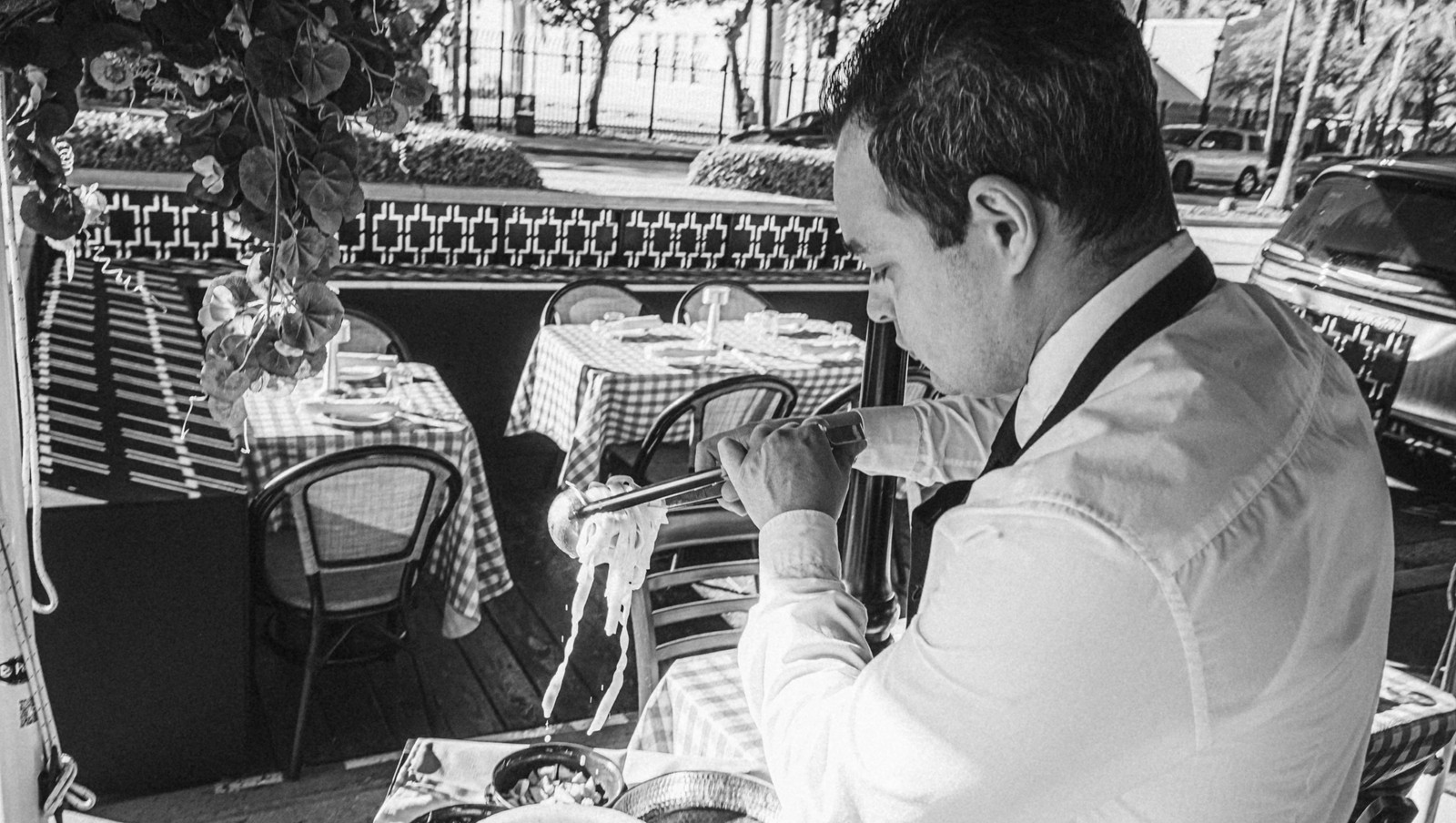
Image: Frankie Cordoba

Before apps, chatbots, and self-checkout lanes, American customer service followed a quiet code. These unwritten rules shaped how stores, diners, hotels, and service counters operated for decades. Many of these rules aren’t posted on walls or included in training manuals, but customers expect them all the same. Many older Americans still remember a time when good service felt personal, patient, and proudly human.

1
Every customer deserves a warm greeting

Image: Fotos

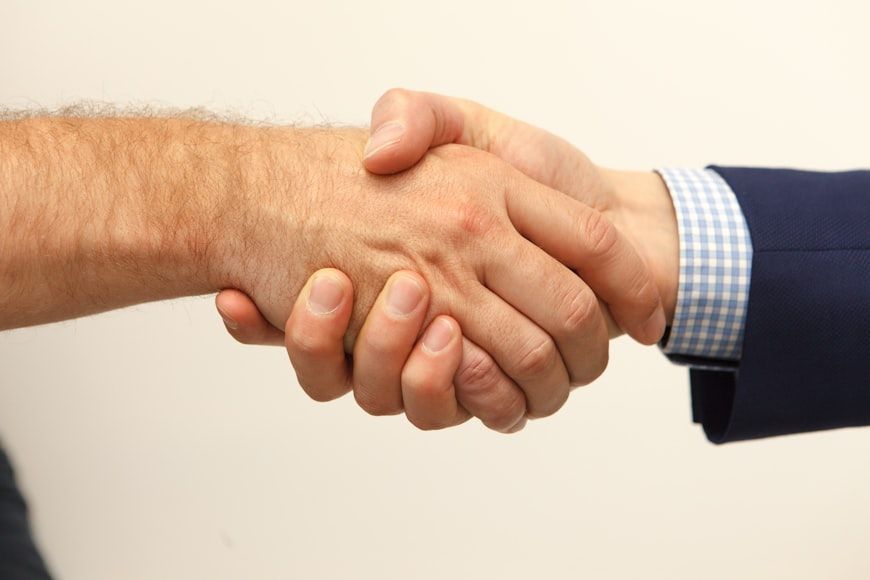
It might sound strange these days, but there was a time when walking into a store without acknowledgment was once considered bad service . Clerks were expected to smile, make eye contact, and greet customers promptly.

That greeting also set expectations. It told customers help was available and that their presence mattered. For many Americans, being welcomed was just as important as the product itself.

2
Anticipating needs before being asked
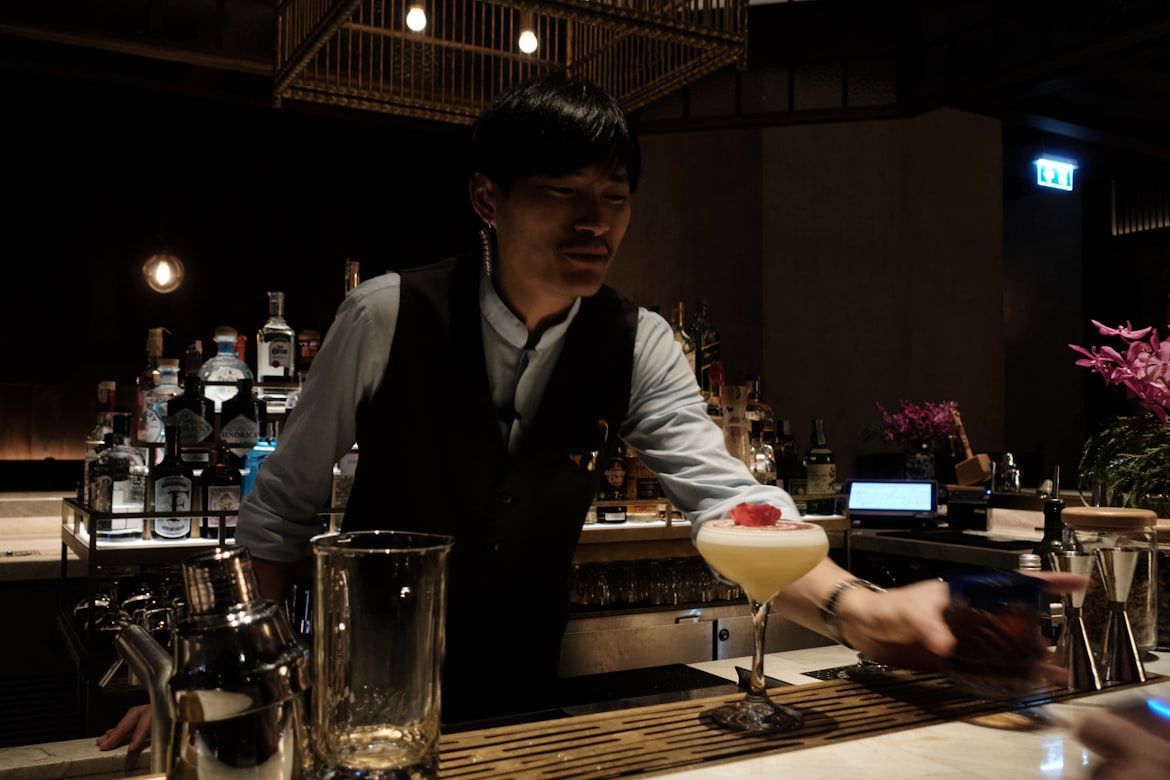
Image: SERGEI BEZZUBOV

Good service meant paying attention. A waiter refilled the water before the glasses were empty. A clerk offered assistance before confusion set in. Anticipation showed experience and pride in the job, not pushiness .

Customers noticed these small gestures. They made interactions smoother and more personal, creating the feeling that service was thoughtful rather than reactive or scripted.

3
Quick service shows respect for time
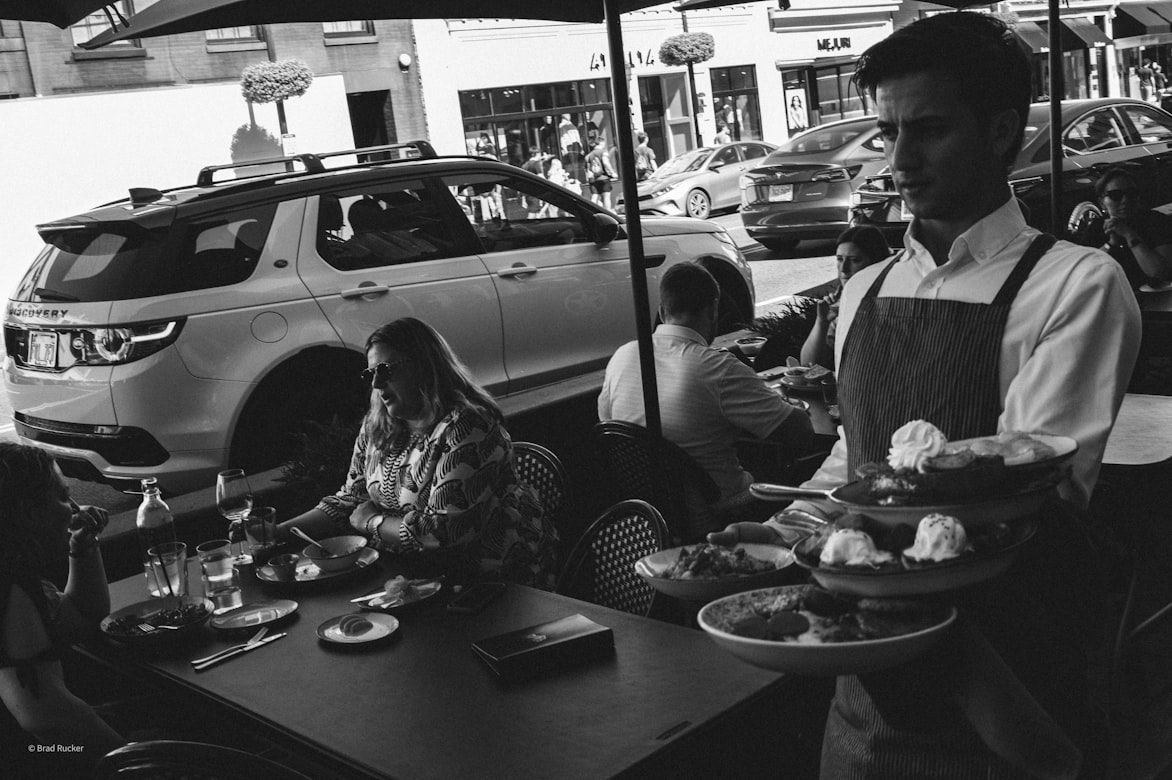
Image: Brad Rucker

Old-school service emphasized quick acknowledgement, even if immediate help wasn’t possible. Letting customers wait without explanation was considered rude . A simple "I’ll be right with you" went a long way.

Speed mattered, but calm mattered more. The goal was efficiency without rushing, making customers feel valued rather than hurried through an interaction.

4
Courtesy is non-negotiable

Image: Vitaly Gariev

"Please" and "thank you" were mandatory words in customer service. These phrases weren’t optional politeness, they were expected standards that showed mutual respect between employee and customer.

Their absence was noticeable. Courtesy made transactions feel human and cooperative, reminding customers they were being served by people and not being processed by a system.

5
Eye contact means attention

Image: Petr Sevcovic

Maintaining eye contact was a core part of service etiquette. It showed that the employee was listening and engaged , not distracted or indifferent. Customers felt acknowledged simply by being looked at.

Avoiding eye contact suggested boredom or disinterest. In traditional service culture, body language carried as much weight as spoken words.

6
Know the product by heart
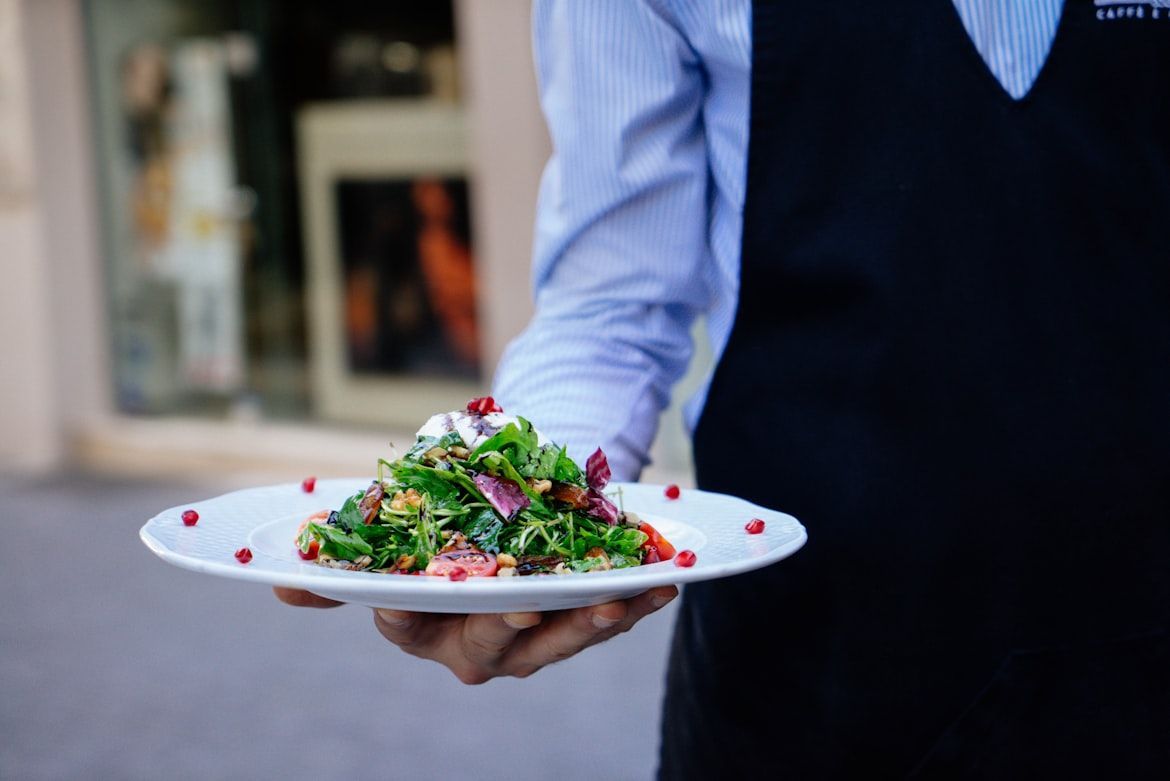
Image: Lefteris kallergis

Employees were expected to know their products or menus thoroughly. Having to constantly check references or ask others weakened customer confidence and slowed service.

Product knowledge signaled competence and pride . Customers trusted businesses more when employees spoke clearly and confidently about what they sold.

7
Personal conversations stay private

Image: Vitaly Gariev

Chatting about personal matters within earshot of customers was strongly discouraged. Service time belonged to the customer, not coworkers’ off-duty lives .

This rule reinforced focus and professionalism. Customers expected attention, not background noise that suggested distraction or disinterest.

8
Complaints are handled calmly

Image: Amir mohammad jafari

Arguing with customers was seen as a failure of service. Employees were trained to listen first, apologize when appropriate, and resolve issues without defensiveness .

Even when customers were wrong, maintaining calm preserved dignity of both sides. The goal was always resolution, never confrontation.

9
Regular customers are remembered

Image: Vitaly Gariev

Recognizing repeat customers by name or preference was common practice . It made people feel valued and turned routine visits into familiar experiences.

This personal recognition built loyalty long before reward cards existed. Customers returned because they felt known, not tracked.

10
Cleanliness is godliness

Image: Alexander Mils

A clean counter or dining area signaled care and attention. Customers assumed that if visible areas were clean, unseen operations were handled in the same manner .

Cleanliness wasn’t just decorative, it was reassuring. It quietly communicated reliability and professionalism.

11
Customer privacy is sacred
Image: Taylor Davidson

What happened during a transaction stayed there . Discussing customers outside the interaction was considered extremely unprofessional and disrespectful.

Trust was part of the service experience. Customers expected discretion, especially in smaller communities where word traveled quickly.

Geography Geography 5 min read

America’s Mainstreet

Drive across America with these 10 facts about Route 66!

Image: Vicky McLain

Is there a more famous highway than Route 66? Probably not. Show anyone the iconic "Route 66" sign, and they'll instantly think of this American staple. From its rich history to the beautiful landscapes it traverses, Route 66 is undeniably the quintessential American road. With that in mind, we have decided to pay homage to it by highlighting 10 fun and interesting facts about Route 66. Ready to hit the road? Then keep reading and enjoy!

1
History

Image: Christian Linnemann

Let’s start from the very beginning: in 1926, almost 100 years ago, Route 66 was established, covering a total of 2,448 miles. It was one of the original highways built under the then-new Numbered Highway System (also known as the "Federal Highways").

The route famously started in Chicago, Illinois, and stretched all the way to Santa Monica, California, passing through Missouri, Kansas, Oklahoma, Texas, New Mexico, and Arizona. At the time, Route 66 proved to be a quick and easy way to get to the western part of the country, which logically led to an increase in its popularity.

2
Landmarks

Image: Mick Haupt

If you find yourself driving along the 2,448 miles that make up Route 66, you’ll certainly come across a fair share of outstanding landmarks, including American icons like the St. Louis Gateway Arch or the Santa Monica Pier. Not only that, you might want to explore some natural wonders, such as a 50,000-year-old meteor crater located in the heart of Arizona.

However, if you're more interested in landmarks focused on unusual or outlandish topics, there are plenty of roadside attractions worth visiting . For instance, you might want to stop for a few hours in San Bernardino, California, to visit the original McDonald’s location, now turned into a museum.

3
One end of the road…

Image: Arnaud STECKLE

As we mentioned before, Route 66 is too long for us to include every single state it crosses in this article. However, we still felt the need to pay a small tribute to the two ends that "America’s Main Street" was built to connect. With that in mind, let’s start with Chicago, the easternmost point of Route 66.

Originally, Route 66 was commissioned as a quicker way to get from Chicago to Los Angeles in response to the large increase in car ownership that occurred in the 1920s. Route 66 shortened the distance between these two cities by 200 miles, providing an easy-to-follow route for millions of Americans.

4
…followed by the other end.

Image: Rocio Abrego

According to a popular saying, "All good things must come to an end," and the gorgeous west end of Route 66 is a living testament to this phrase. The "City of Angels" truly doesn’t need an introduction. In that sense, can you think of a more welcoming image than the warm California sun greeting drivers at the final stop of Route 66?

Interestingly, nowadays Route 66 ends in the equally gorgeous city of Santa Monica, located in Los Angeles County. In any case, the way the U.S. Route 66 Highway Association described the highway during its construction still holds true, and Route 66 can still be described as the "most scenic route from Chicago through St. Louis to Los Angeles ."

5
The "Father of Route 66"

Image: John Benitez

Nowadays, a route connecting Illinois and California seems almost logical, but at the time, it took the efforts of a visionary group of entrepreneurs to plan the construction of Route 66. Among them, one individual stands out, known to history as " The Father of Route 66 ": an Oklahoma businessman named Cyrus Avery.

A resident of Tulsa, Oklahoma, Avery was truly a jack of all trades. Originally a school teacher, he went on to become a businessman, an insurance agent, and an oilman after founding the Avery Oil & Gas Company in 1904. In the 1920s, Avery was a member of the federal board appointed to create the Federal Highway System, where he rallied for the establishment of what we now know as Route 66.

6
Feel like walking?

Image: Capstone Events

Who said that only cars can enjoy Route 66? Certainly not Charles C. Pyle, a Route 66 Association member who, in 1928, launched an innovative campaign to promote the new highway: a foot race from Los Angeles to New York City.

With a distance of 3,400 miles, this gargantuan race had a suitably large prize: $25,000, which today would be just under $400,000. Nearly 300 racers crossed America, passing through Route 66 and several checkpoints along the highway. Ultimately, the race was won by a Cherokee citizen named Andy Payne, who finished the race in 573 hours.

7
Culture inspired by Route 66

Image: Jonathan Gong

It seems only logical that such an iconic route has inspired a plethora of songs, books, and paintings. Let’s take a moment to pay homage to some masterworks of American culture that celebrate everything Route 66 has to offer. Celebrated authors like John Steinbeck and Jack Kerouac have set their novels on the highway, with Steinbeck nicknaming Route 66 "the Mother Road."

Perhaps most famously, songwriter Bobby Troup wrote the song "(Get Your Kicks on) Route 66" while traveling on the highway on a road trip across America. The song became a smash hit in 1946 after it was recorded by the Nat King Cole Trio, and it was subsequently covered by music legends like The Rolling Stones, Chuck Berry, and Bing Crosby.

8
Decommission

Image: Alejandro Luengo

In the 1950s, President Eisenhower sought to upgrade America’s highway system into a more modern network, comprising several new routes that connected all 50 states. In 1956, Eisenhower signed the Federal Interstate Act, unknowingly initiating a series of steps that would eventually lead to the end of Route 66 .

After several decades, Route 66 was officially decommissioned in 1985. However, that doesn’t mean you can’t travel through most of it. Nearly 85% of the original highway is still drivable, with many signs marking where the original route once stood.

9
Route 66 State Park

Image: Federico Lancellotti

As we mentioned before, there are plenty of spectacular landscapes to explore along Route 66 if you’re a fan of nature. With that in mind, did you know there’s a state park in Missouri named after Route 66?

Route 66 State Park is located at the site of the former town of Times Beach, Missouri, along the Meramec River. In addition to offering beautiful views and hiking trails, visitors might also enjoy seeing the old Route 66 bridge, which is currently undergoing restoration.

10
The music of the road

Image: Miguel Alcântara

We’ll end this article with a Route 66 fact you might not know. Route 66 has inspired many iconic songs, but did you know that a small part of Route 66 actually plays music on its own?

To encourage drivers to stick to the 45-mile-per-hour speed limit, the New Mexico Department of Transportation came up with a rather ingenious idea: by placing rumble strips at strategic points, cars driving under the speed limit will play " America the Beautiful "!

History History 4 min read

Strange events

You won't believe these 10 crazy White House stories!

Image: Tomasz Zielonka / Freepik

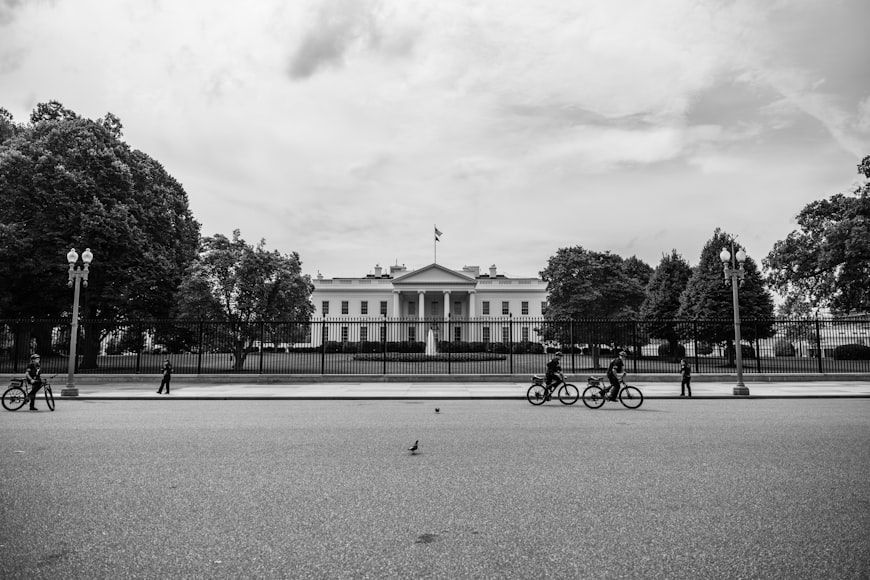
The White House is the home and workplace of none other than the US president. But beyond that, it has also been the scene of some wild and unexpected moments. Did you know that Andrew Jackson was given a 1,400-pound wheel of cheese? Or that there was once a prom held at the White House? If you have doubts, join us for a tour of 10 stories you won't believe actually happened inside the Executive Mansion!

1
Unexpected gifts

Image: Val Vesa

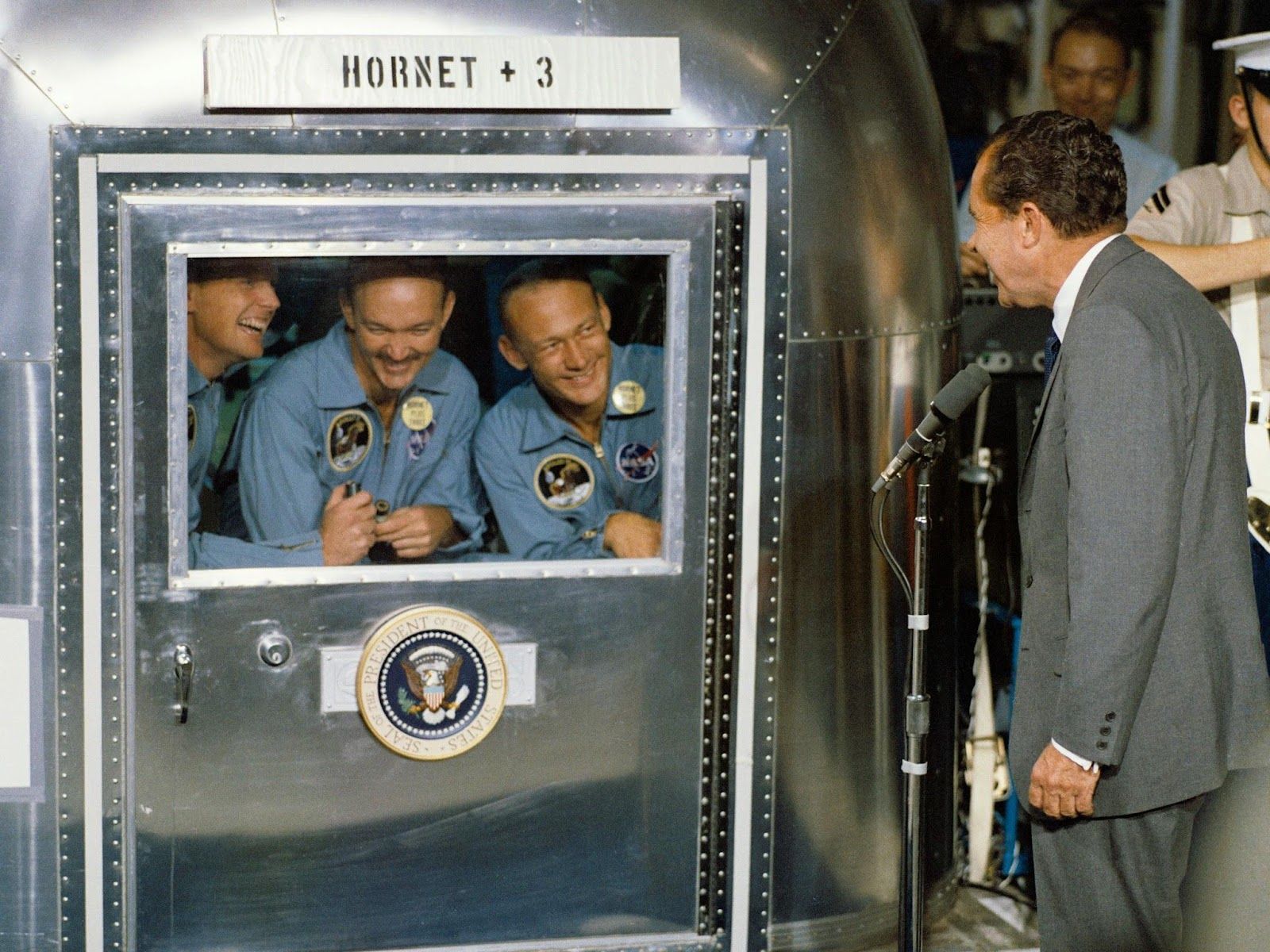
Among the many objects and people who enter the White House every day, there are many gifts. And it's not just letters, children's drawings, or flower bouquets. Some of the gifts that have arrived at the Executive Mansion are really crazy. Among them, we can mention the giant 1,400-pound wheel of cheese that Andrew Jackson welcomed, the two grains of rice with tiny portraits of himself that Nixon received, the Komodo dragon given to George H.W. Bush, and the three-foot-long jewel-encrusted sword that Obama was given as a gift from Saudi Arabia.

2
Big party

Image: Giorgio Trovato

In the past, the White House was more "accessible." So much so that when Jackson became president in 1829, the thousands of people who followed him to his residence threw a huge party right there in the gardens of the Executive Mansion, with some even entering the house. The party lasted for hours and marked a turning point in the relationship between US presidents and the citizens.

3
Judo at the White House

Image: Nguyen Hung

Visits to the White House are usually steeped in strict protocol, but there's always some room for surprises. One of these unexpected moments happened in 1904 when Teddy Roosevelt welcomed a Swiss diplomat. President Roosevelt was renowned for his physical prowess, and one of his favorite activities was judo. To show off his new skills, he invited the Swiss diplomat to join one of his practice sessions. But the poor man never imagined the president of the US would flip him with a judo throw, leaving the shocked diplomat on the mat!

4
Ghosts?

Image: SHAKEEL AHAMMED

It's not just the living who create memorable moments at the White House. It's said that the spirits of figures such as Abraham Lincoln, Dolley Madison, and Andrew Jackson have been seen in the presidential residence. But one story stands out above the rest. During WWII, Churchill was staying at the White House when, one night after a shower, he reportedly encountered the ghost of President Lincoln! Churchill allegedly said, "Good evening, Mr. President. You seem to have me at a disadvantage."

5
Intruder helicopter

Image: Yassine Khalfalli

The first issue of "People" magazine, the debut episode of Happy Days, and the premiere of The Godfather II all arrived in 1974, a year equally tumultuous for politics. On February 17, a strange event occurred: A US Army private first class stole a helicopter and landed it on the White House lawn without permission. According to various accounts, the soldier had not graduated from the pilot course and, frustrated, stole the helicopter to show off his skills. Bold!

6
Santa

Image: Jesson Mata

Sometimes, Santa shows up with more surprises than a sack full of presents. On December 12, 1983, none other than Mr. T arrived at the White House dressed as Santa! As part of First Lady Nancy Reagan's "Just Say No" campaign, Mr. T played Santa for the children visiting the White House that day. But it wasn't just for the kids: the First Lady herself perched on Mr. T's lap, making a holiday wish.

7
Homemade gin

Image: Laure Noverraz

Every president has their own particular hobbies and preferences, and Dwight D. Eisenhower was no exception. It's said he was a fan of gin-based drinks, particularly martinis, and took a special interest in them. He even made his own gin right inside the White House! While it wasn't exactly classic "bathtub gin," as some like to claim, it was definitely a homemade recipe.

8
Prom

Image: Toria

The White House has seen all kinds of events over the years. But there was someone who made history on that front, and it wasn't a president but his daughter! We're talking about President Gerald Ford's daughter, Susan Ford, who in 1975 became the first —and so far, only— presidential child to host a prom at 1600 Pennsylvania Avenue!

9
Bowling lane

Image: engin akyurt

As we've mentioned, each inhabitant of the Executive Mansion found their way to make the house feel like home. It turns out that President Nixon had a full, modern bowling alley installed inside the White House. And unlike that stationary bike we bought months ago (and it's still in its packaging), he actually used it regularly!

10
Unusual pets

Image: Shelly Collins

The White House has a long list of animal inhabitants! For example, John Quincy Adams’ famous alligator, Theodore Roosevelt's bear cub, Calvin Coolidge's raccoons, Andrew Jackson's foul-mouthed parrot, and one of the most surprising: the tiger cubs gifted to President Martin van Buren.

Explore more American facts

Choose your favorite category!

General
General

As American as apple pie—the very best America has to offer!

Culture
Culture

Delve into the astounding richness of American lore.

Geography
Geography

Hop in and explore vast and diverse American landscapes.

History
History

Discover the key moments that shaped the United States.